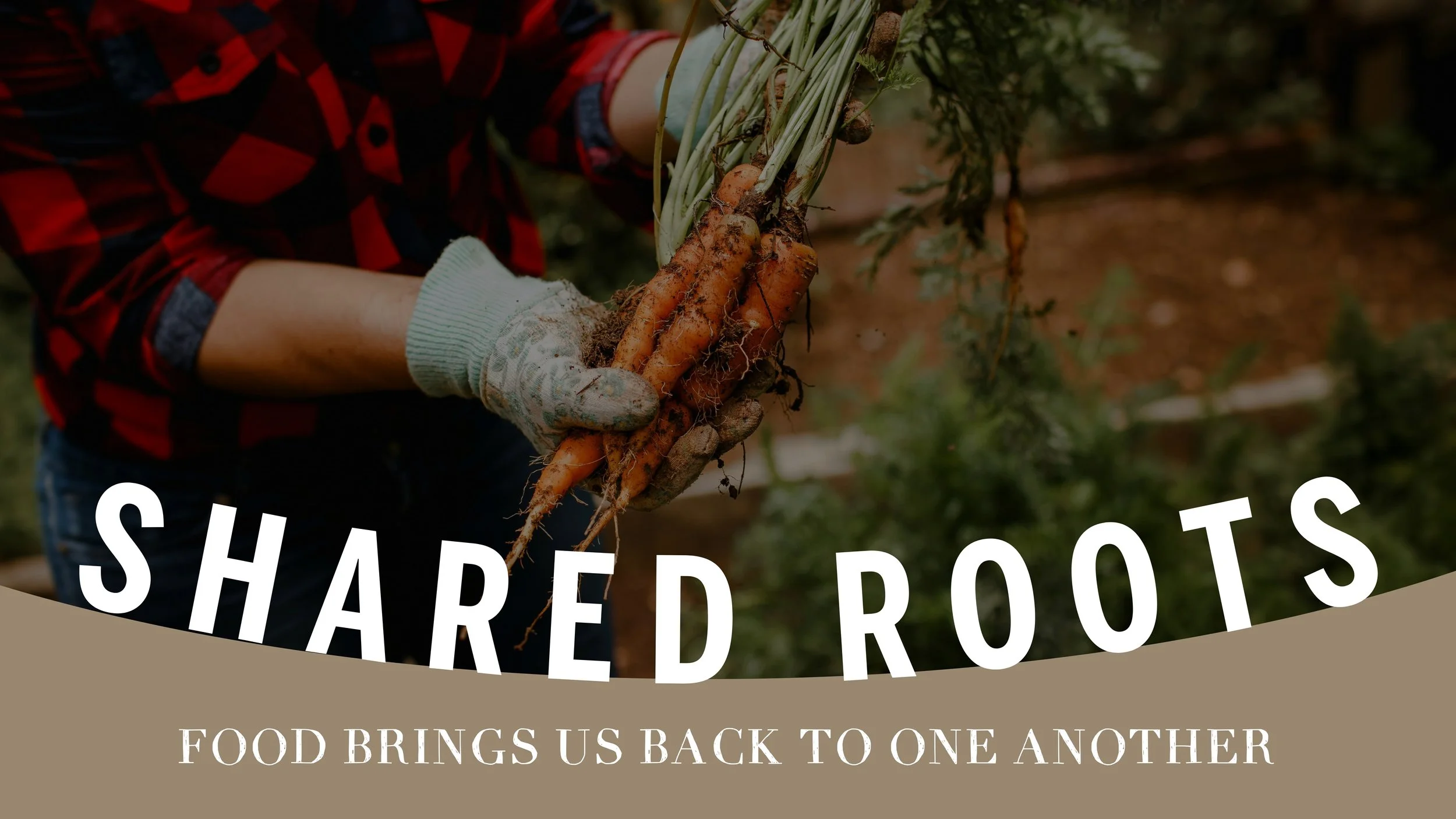
Shared Roots
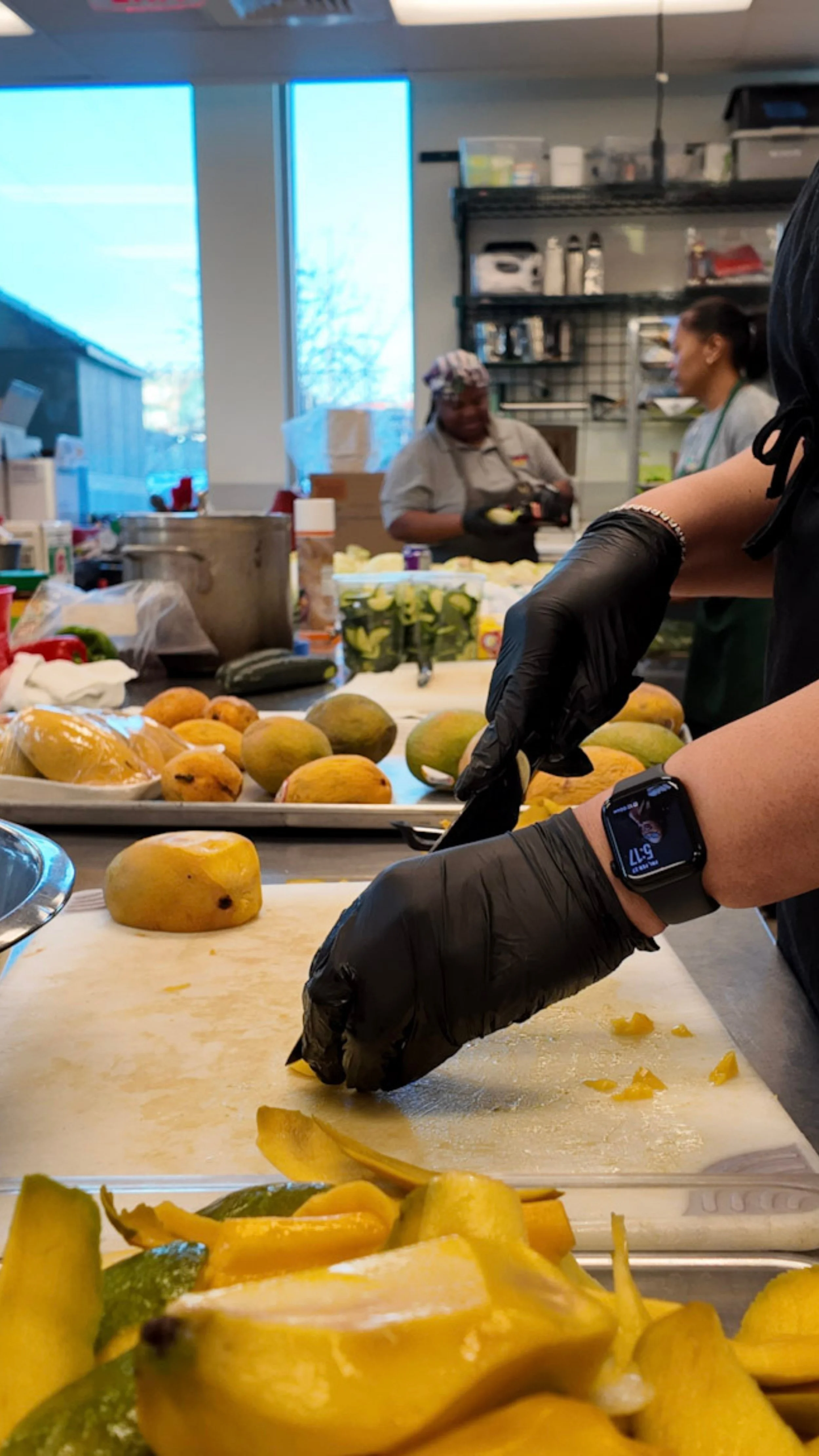
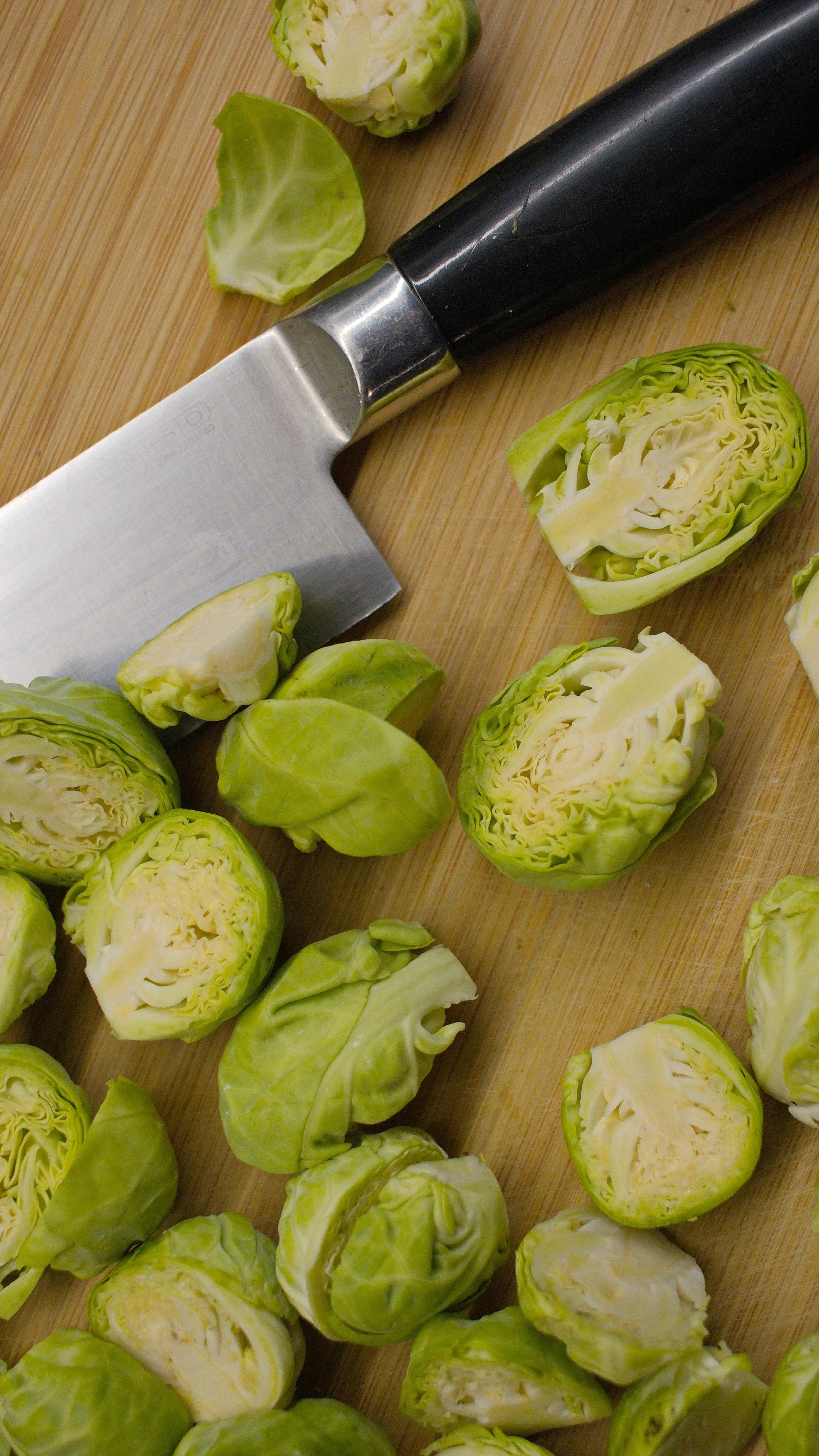
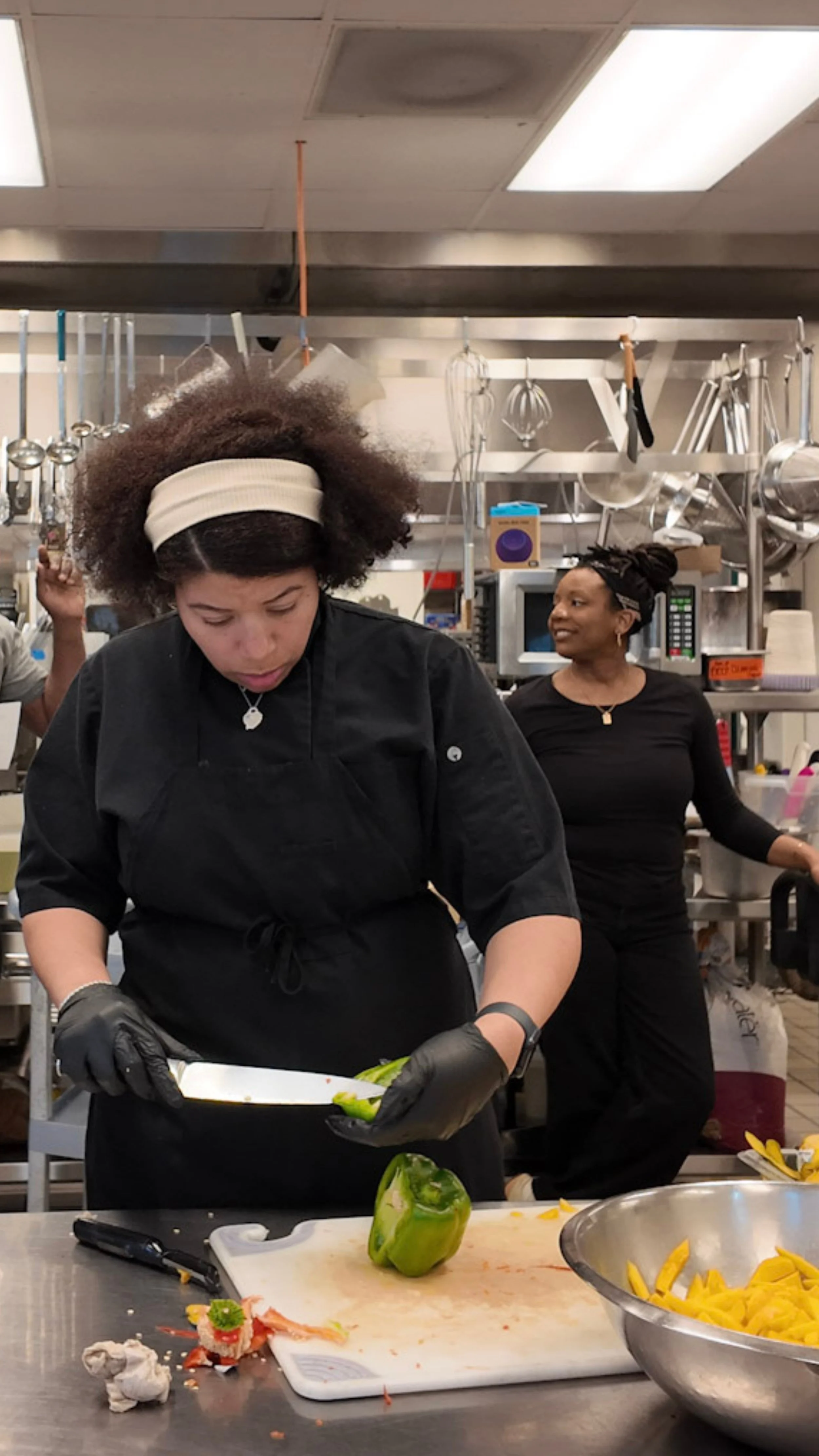
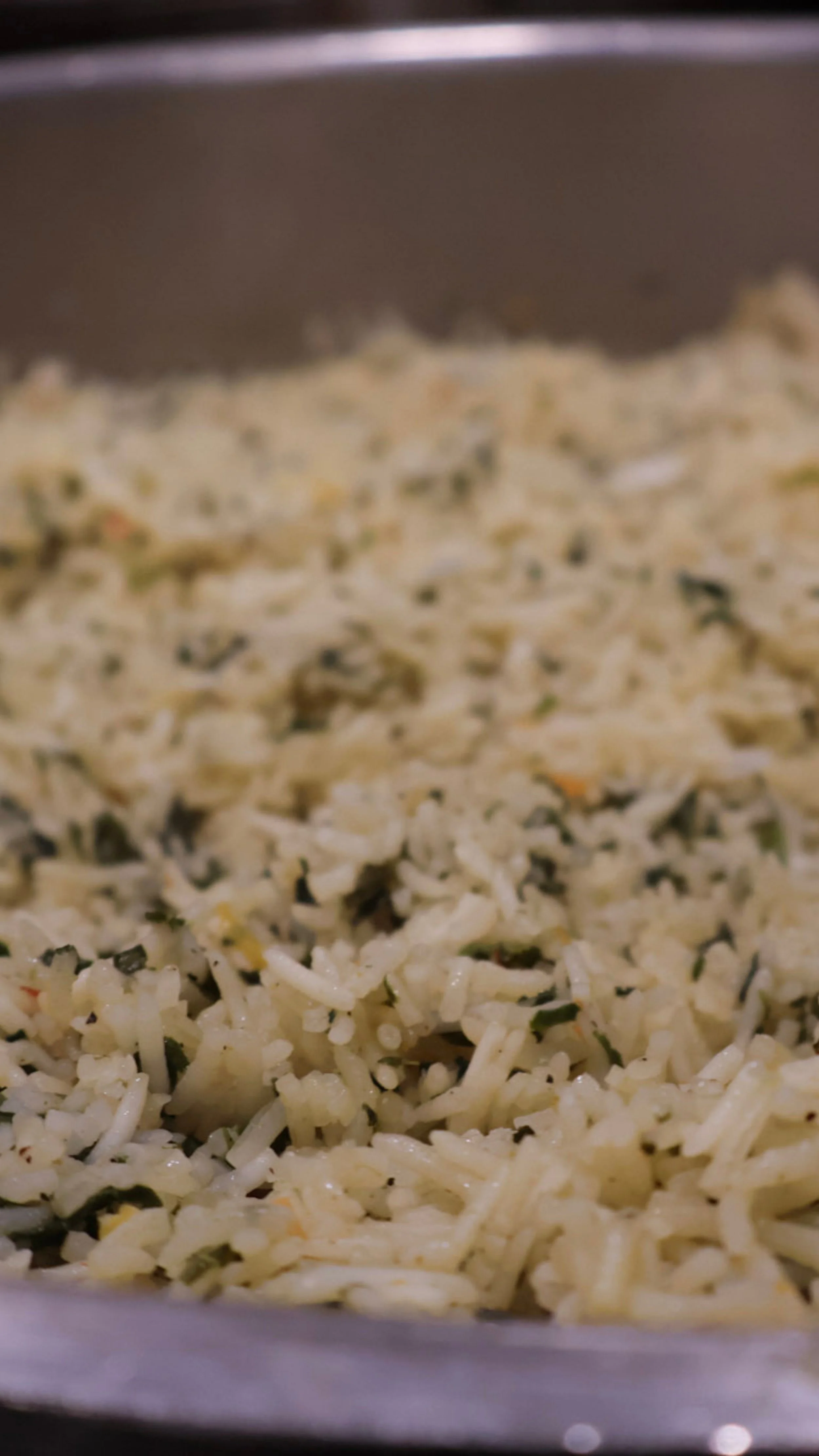
At Matthew Walker Comprehensive Health Center in North Nashville, a patient managing high blood pressure leaves her appointment with a week of meals. These meals are scratch-made in our kitchen, low in sodium, and built around the vegetables and whole grains her heart depends on. The food arrives through her comprehensive care plan, coordinated by the Heart of Nashville initiative, alongside her prescriptions and her blood pressure readings. For a woman in a neighborhood with few grocery stores, these meals are treatment. But they are also something more.
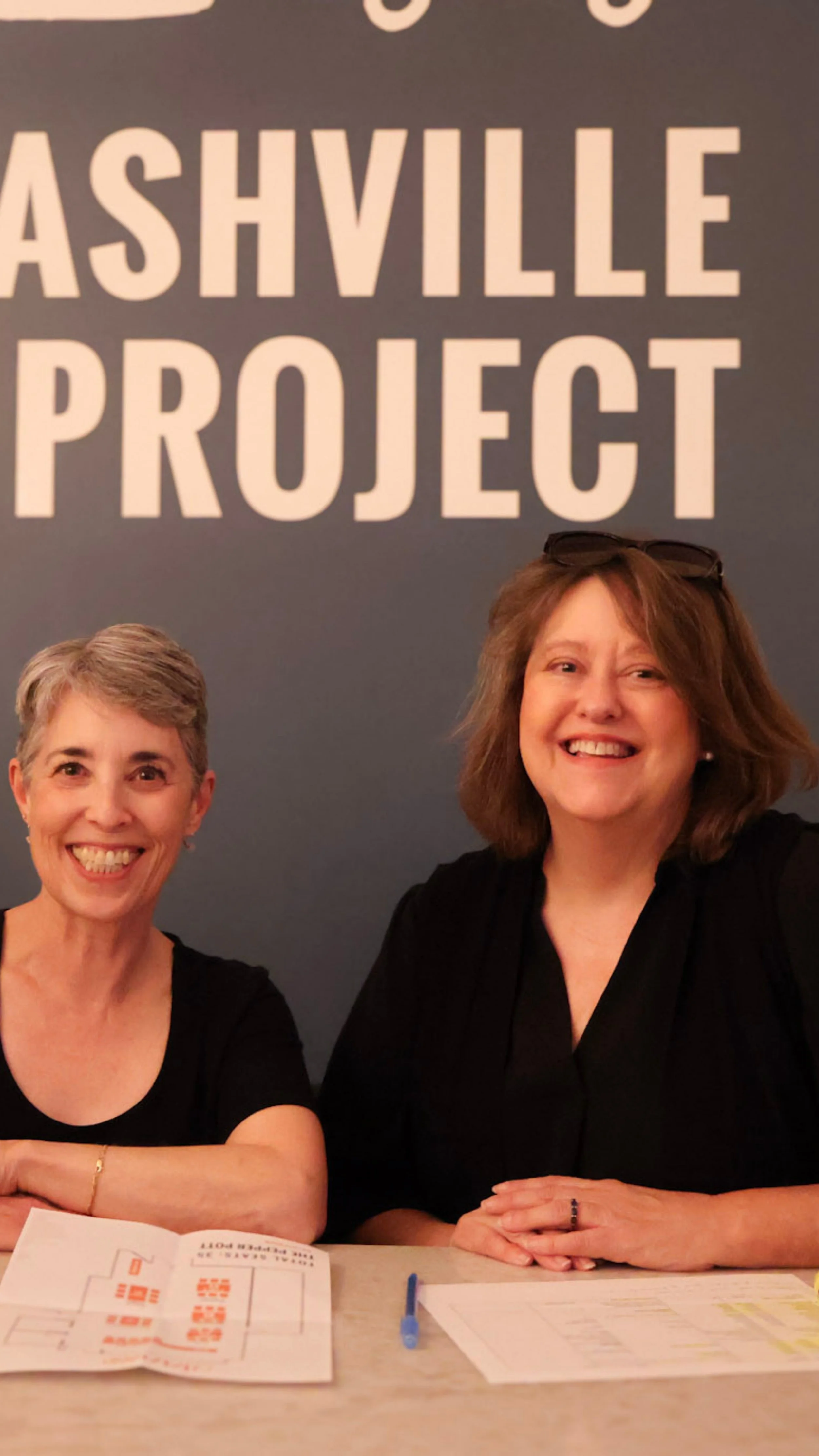
Last week I traveled to Washington, D.C., for FIMCON, the first time the entire Food is Medicine field gathered under one roof. More than eight hundred of us filled the room: clinicians and farmers, researchers and funders, cooks and policymakers. I attended alongside Pragati Singh, a The Nashville Food Project board member and health care strategist, and stayed on for the advocacy day on Capitol Hill. The energy was hard to mistake. After years of scattered pilots, the field has begun to cohere. More than a dozen states now test nutrition interventions through their Medicaid programs. The evidence on health outcomes and cost-effectiveness keeps strengthening. The support crosses party lines. The case that food belongs in health care is, increasingly, made.
And yet the question I carried home was not whether food is medicine. That question is closing. The one that remains open is quieter and, I think, more consequential: Where does the food that is the medicine come from?
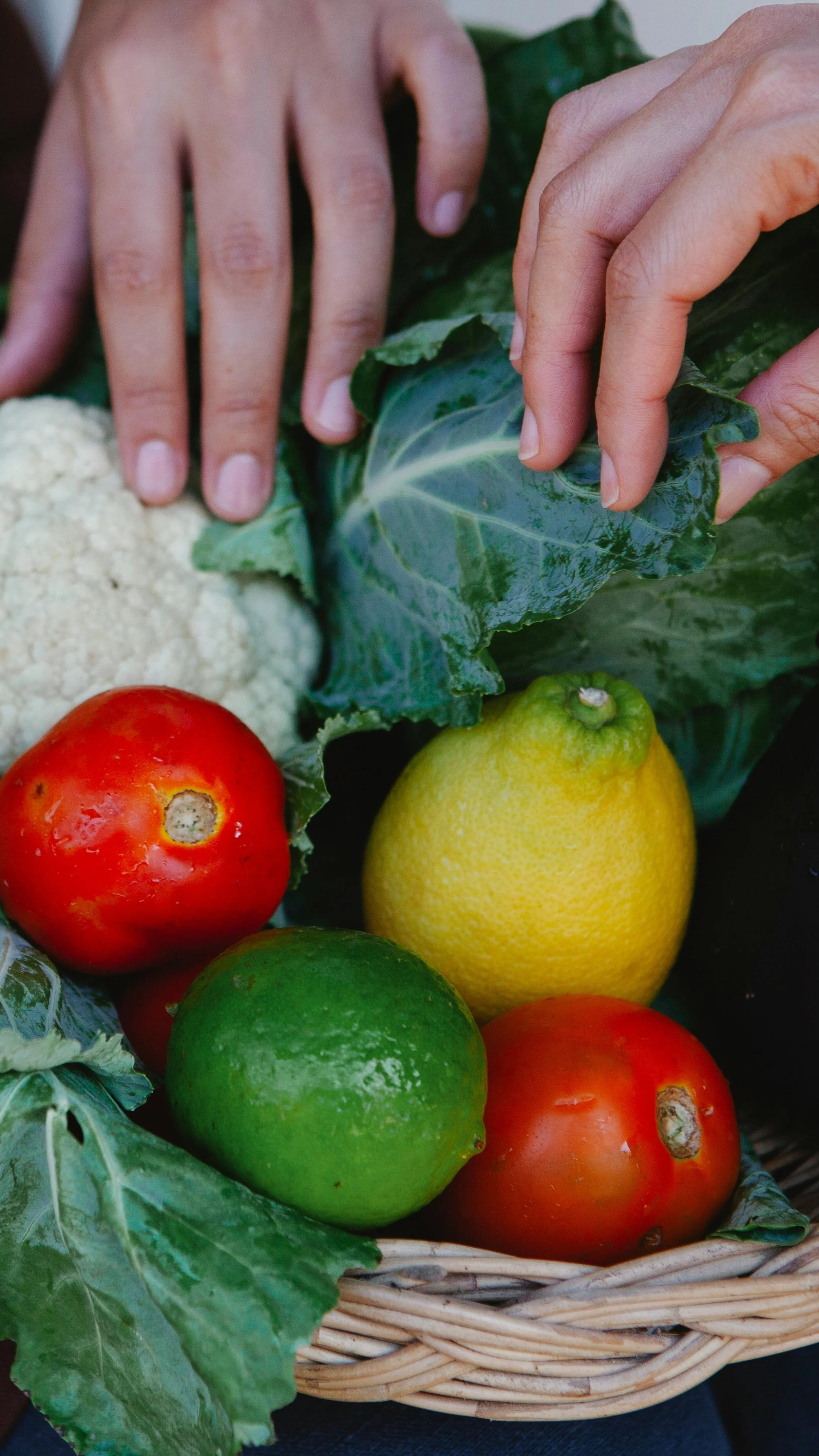
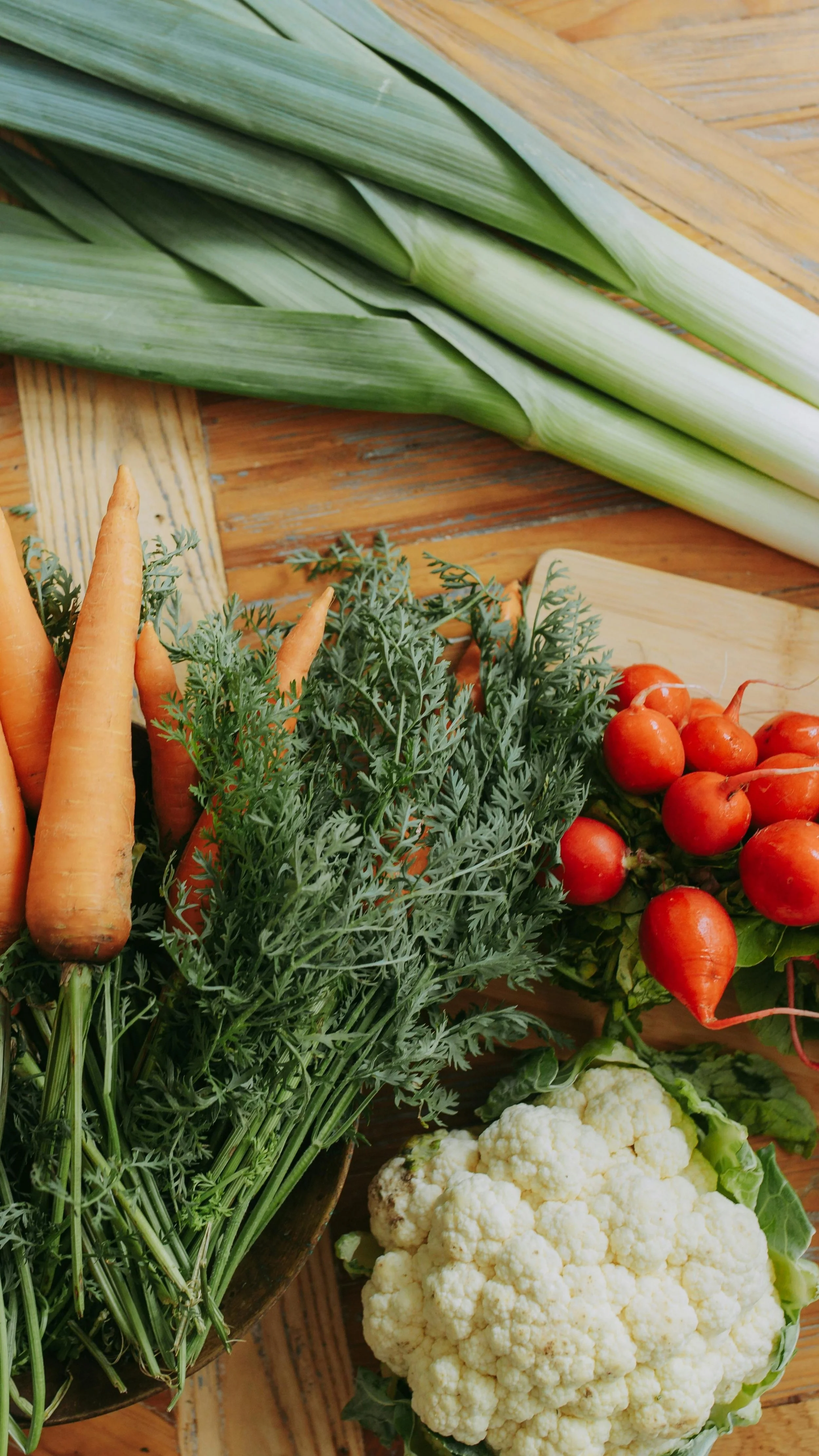
A prescription for fresh produce can be filled in more than one way. The dollars behind it can travel to a distant warehouse and a national supplier, or they can land on a farm down the road. Either route may lower a patient's blood pressure. Only one of them also pays a local grower, keeps a small farm in business, and returns money to the neighborhood it came from.
The sums involved are not small. More than 1.2 million Tennesseans are eligible for these programs, and the Rockefeller Foundation estimates they would move some $1.4 billion a year at full scale. Sourced close to home, that spending could route $564 million through Tennessee's own food economy and $61 million to its farmers. Today, almost none of it does. That money can pass our communities by, or it can take root in them.
This is where our two oldest commitments meet. The Nashville Food Project exists to alleviate hunger and to cultivate community, and for fifteen years we have treated those as a single task rather than two. A neighborhood's health and its access to healthy, affordable food are not separate problems. They are one fabric. Hunger is rarely only an empty stomach; it is the visible edge of disinvestment, isolation, and a food system that flows around certain places instead of through them. So the work of feeding people well is also the work of repairing what frays between them. A good meal tends a body. Shared and sourced with care, it also tends the community bonds a body depends on.
Our food-as-medicine work answers the question of where the food comes from by growing as much of the answer as we can. Through Heart of Nashville, a place-based health initiative convened by NashvilleHealth and anchored at Matthew Walker, our kitchen prepares scratch-made, heart-healthy meals for residents managing hypertension. We have served more than 8,500 of these meals so far, many delivered straight to patients' doors, and among those we track, more than a third have improved by at least one hypertension stage. Through Produce Rx, now expanding across the city, we fill prescriptions for fruits and vegetables grown on small regenerative farms, many led by growers who carry generations of agricultural knowledge. The medicine, in other words, grows here. And the growing of it is part of the cure.
This is the difference I kept turning over on the flight home. Food as medicine is a powerful idea. Food grown by local farmers for local patients is a transformative one because it heals more than a single body at a time. It strengthens the farmer, the patient, and the street that holds them both. In a Nashville summer, when the gardens run over and the markets fill with people, that connection is easy to see. The harder, longer work is to build it into how our city cares for its people so that a prescription written in a clinic and a seed planted in a field belong to the same story. That is the work we are committed to, and we are grateful to do it alongside you.
Get involved:
Volunteer | Give Food | Donate | Attend an Event