Steady in the Storm: 2,400 Meals and the Work Before the Crisis

Media Release
When Winter Storm Fern began impacting families across Davidson County, our response did not begin with panic. It began with preparation.
By Friday, The Nashville Food Project had prepared and shared 2,400 meals at the Hadley Park and Smith Springs Community Center Disaster Assistance Centers. The week prior, we had already mobilized 1,000 meals as part of our emergency response efforts.
In moments like this, the numbers matter. But what matters more is the infrastructure that makes those numbers possible.
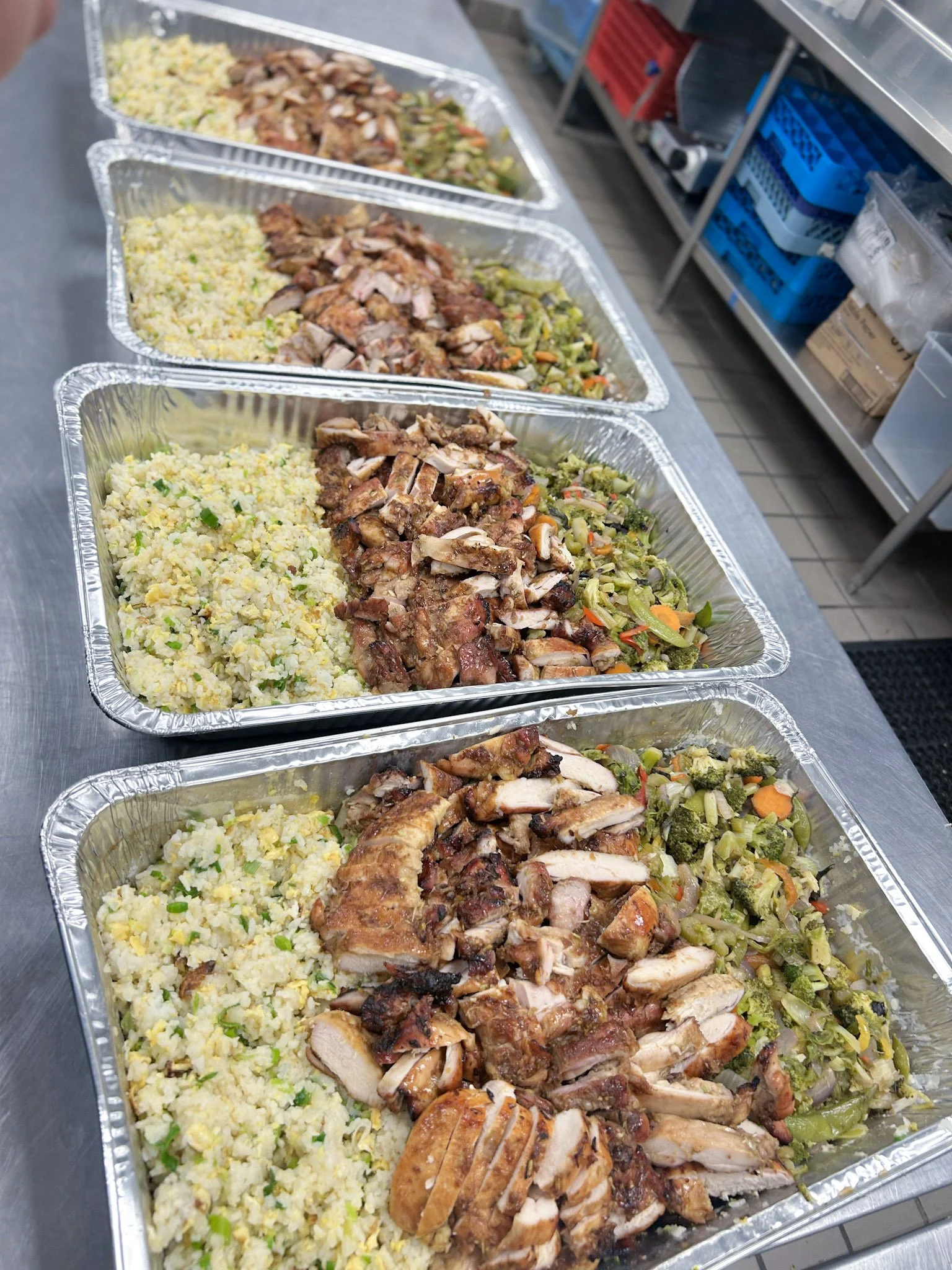
When the storm hit, our culinary team moved immediately into response mode.
All tilts were filled. Production expanded. Double shifts were activated. At the same time, we continued preparing meals for our regular community partners. Care does not pause during a crisis.
Chef Bianca, Chief Culinary Officer, coordinated logistics. Chef Trish activated to support distribution on site. Julia, Director of Culinary Operations, ensured production remained steady and focused. There was no reinvention. There was integration.
We leaned on the systems already in place.
During this activation, our team prepared:
Mains
60 servings chicken pot pie
150 servings chili
335 servings chicken alfredo
875 servings ground beef spaghetti
400 servings pork jambalaya
400 pieces BBQ chicken
Individual Meals
60 sweet and sour pork
90 “Marry Me” chicken
Sides
225 servings garden salad
Total meals prepared and shared: 2,400
Each tray prepared represented more than food. It represented steadiness in the middle of disruption.
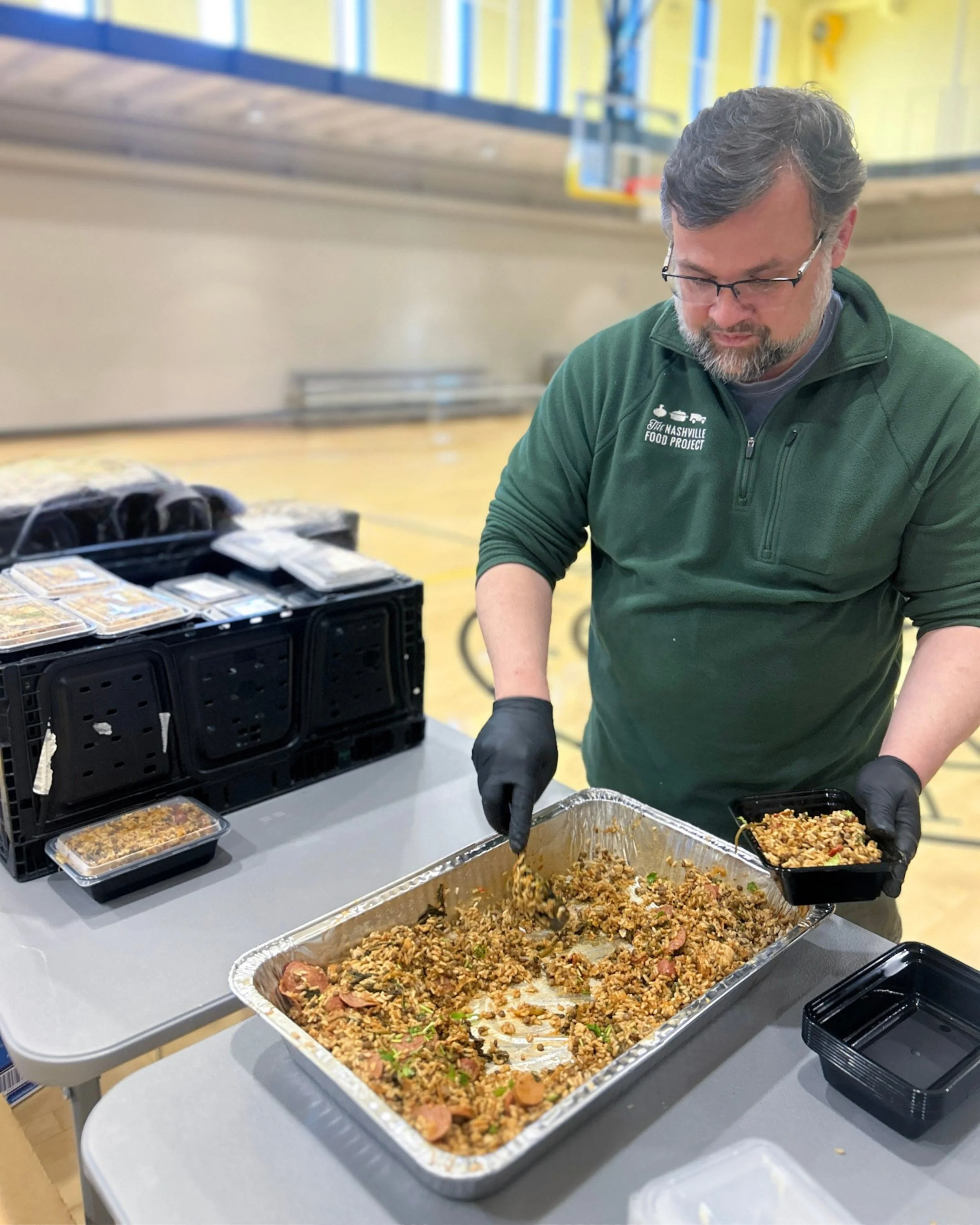
CJ Sentell, Chief Executive Officer
What stood out most was not simply efficiency. It was commitment.
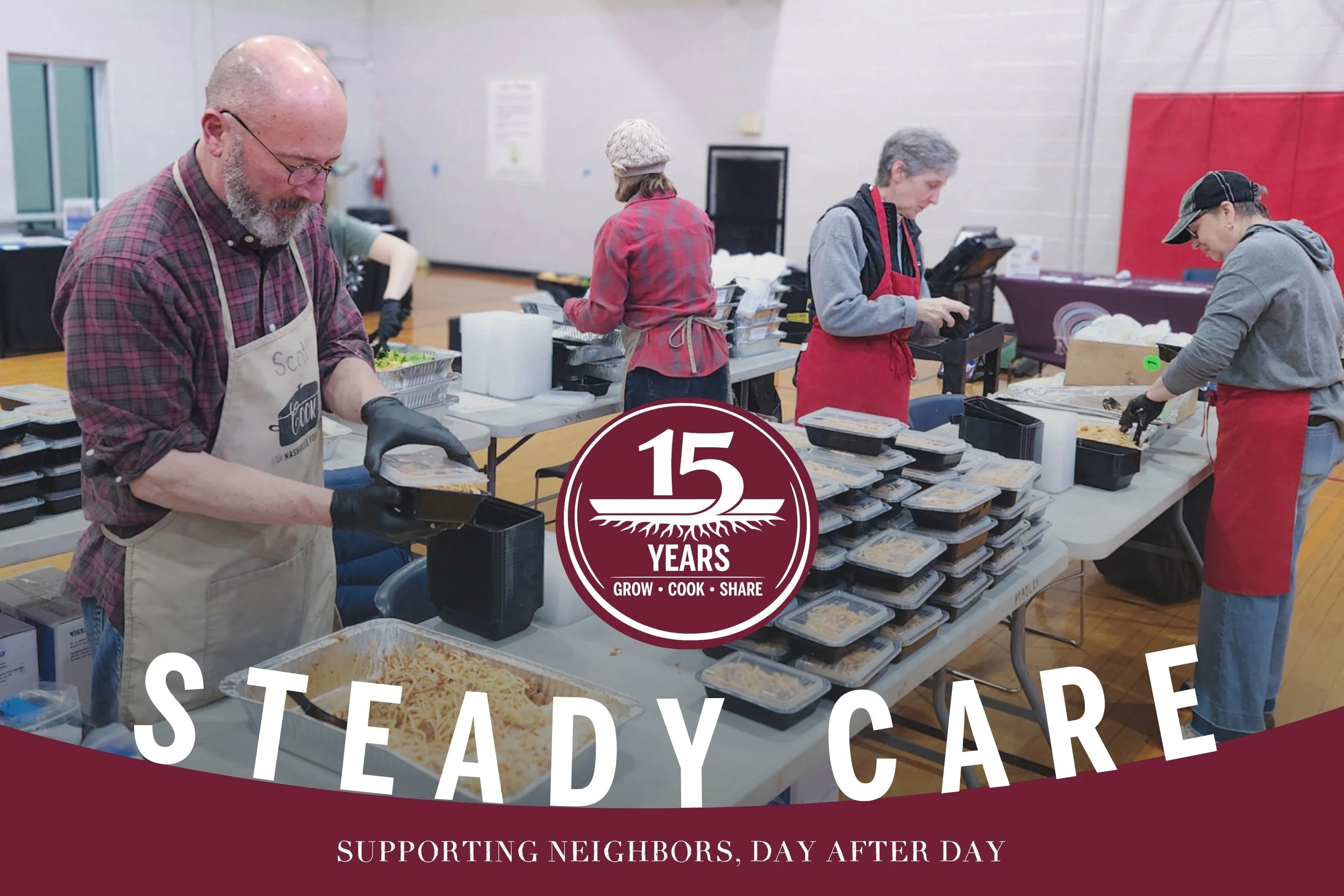
Many team members were navigating their own power outages and water disruptions. And still, they showed up. Brad. Anya. Asia. Others stepped into additional hours to cover gaps. They supported one another while supporting the community.
It was a clear reflection of our values in action.
We had a plan before requests formally came in. We did not need to reinvent the wheel. We extended what we already do well. We mirrored our regular community partner menus. We activated trusted volunteers and contract partners. We operated with hospitality, even in urgency.
Storms do not create food insecurity. They expose it.
When families already navigating instability lose power, transportation, or access to groceries, the gap widens quickly. Recovery becomes more difficult. The burden grows heavier.
This is why strong food systems matter before a crisis hits.
By investing in sustainable infrastructure—kitchen capacity, volunteer leadership, recovery logistics, and long-standing community partnerships—we shorten recovery time. We close gaps faster. We prevent instability from compounding into crisis.
When systems are not in place, nonprofits must carry the weight alone. When they are, communities move together.
This response would not have been possible without our volunteer community.
Our volunteers are always ready to activate. Always ready to step in. Many hands truly make light work. The trust and commitment of this community allow us to respond not with scrambling, but with steadiness.
In the midst of Winter Storm Fern, we did what we always do.
We grew.
We cooked.
We shared.
And we did it together.
About The Nashville Food Project
The Nashville Food Project was born from the idea that ALL people should have access to the food they want and need. We know that one in seven people in Nashville lacks access to enough food to sustain a healthy lifestyle. But we also know that more than 40% of all the food in our city goes to waste. Solutions to hunger take much more than simple handouts. Poverty, unemployment, low wages and escalating housing costs all contribute to the challenges that the most vulnerable residents of our city face.
We believe food can be a powerful tool to foster health, belonging and justice in our community. That’s why we...
Grow — In our gardens, we grow organic food intensively, and share resources with others interested in growing their own food.
Cook — In our kitchens, we use recovered, donated and garden-grown food to prepare and cook made-from-scratch meals.
Share — In our community, we share nourishing meals in partnership with local poverty-disrupting nonprofits and community groups.
The Nashville Food Project embraces a vision of vibrant community food security in which everyone in Nashville has access to the food they want and need through a just and sustainable food system.
Working toward these goals requires powerful, creative community collaboration and we would love for you to be a part of it.