
Planting the Future: Building a Community Orchard at Mill Ridge
At The Community Farm at Mill Ridge, the work of growing food often begins quietly.
A shovel pressing into the soil.
Roots spread carefully in a freshly dug hole.
A small tree placed with intention, knowing that years from now it will nourish people who have yet to walk this land.
This spring, that quiet work is becoming something larger. Together with volunteers, neighbors, and partners, The Nashville Food Project is planting a new community orchard at Mill Ridge Park. More than 200 fruit trees and berry brambles will take root here, expanding access to fresh fruit for growers and families across the Antioch community.
An orchard does not appear overnight. It begins with care.
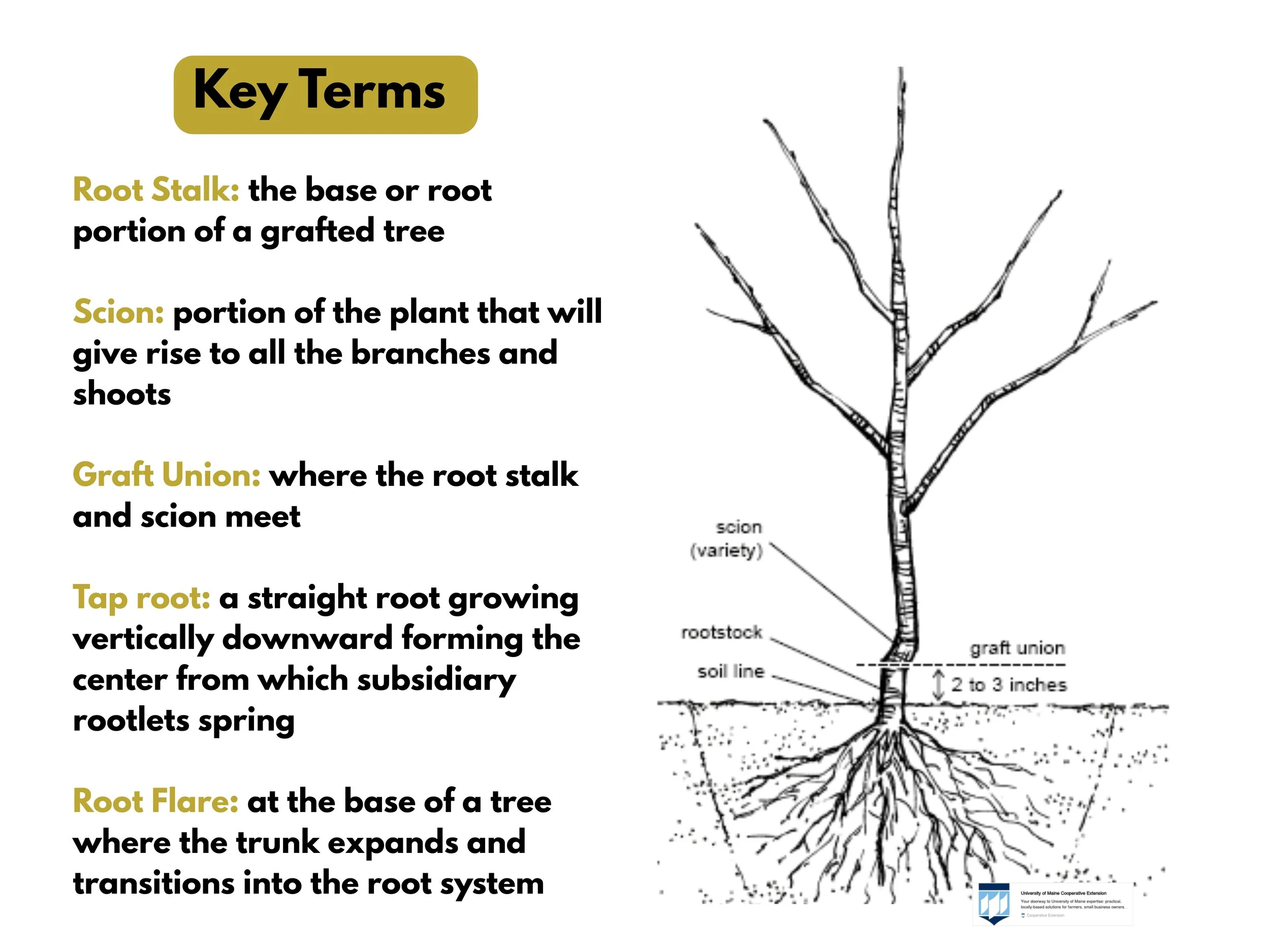
Planting a tree may seem simple. But the details matter if that tree is going to thrive for decades. At our orchard demonstration at The Community Farm at Mill Ridge, volunteers will learn the foundational elements of planting fruit trees in a way that supports their long-term health. Many fruit trees are grafted, meaning two different parts of a plant are joined together to grow as one. The rootstock forms the base of the tree, anchoring it in the soil, while the scion becomes the branches and fruit-bearing portion above ground.
Where those two pieces meet is called the graft union, and it must remain visible above the soil line to protect the tree’s long-term health. Participants also learn to identify the root flare, the place where the trunk widens and transitions into the root system. Keeping this area exposed allows the tree to establish strong, healthy roots.
Understanding these details helps ensure that each tree planted today will grow strong enough to produce fruit for years to come.
Once the tree is placed carefully in the hole, soil and compost are returned around the roots. Volunteers break up clumps, remove rocks, and press the soil gently into place with their hands to eliminate air pockets and help the tree settle securely into the ground.
The final step is mulch. Spread in a ring around the base of the tree, mulch helps retain moisture and protect the soil while leaving the trunk and graft union clear.
Each step may seem small. But together they create the conditions a young tree needs to grow. The orchard taking shape at Mill Ridge is about more than fruit.
It is about expanding tree canopy in a growing part of Nashville. It is about improving soil health and supporting pollinators. It is about creating a place where neighbors can gather, learn, and steward the land together.
And it is about food.
One day, the trees planted here will produce harvests that nourish the Mill Ridge community and the growers who care for this space.
But first comes the planting.
Orchards are acts of patience. They require a long view. The trees planted today will grow slowly, season by season, shaped by the care of the people who tend them.
That is why the planting itself matters so much.
When volunteers gather with shovels in the soil, they are doing more than planting trees. They are investing in a future where nourishment grows in shared spaces and community takes root alongside the orchard.
This is how change often begins.
One tree at a time.