The Nashville Food Project’s Blog




Reflections of a First Time Gardener
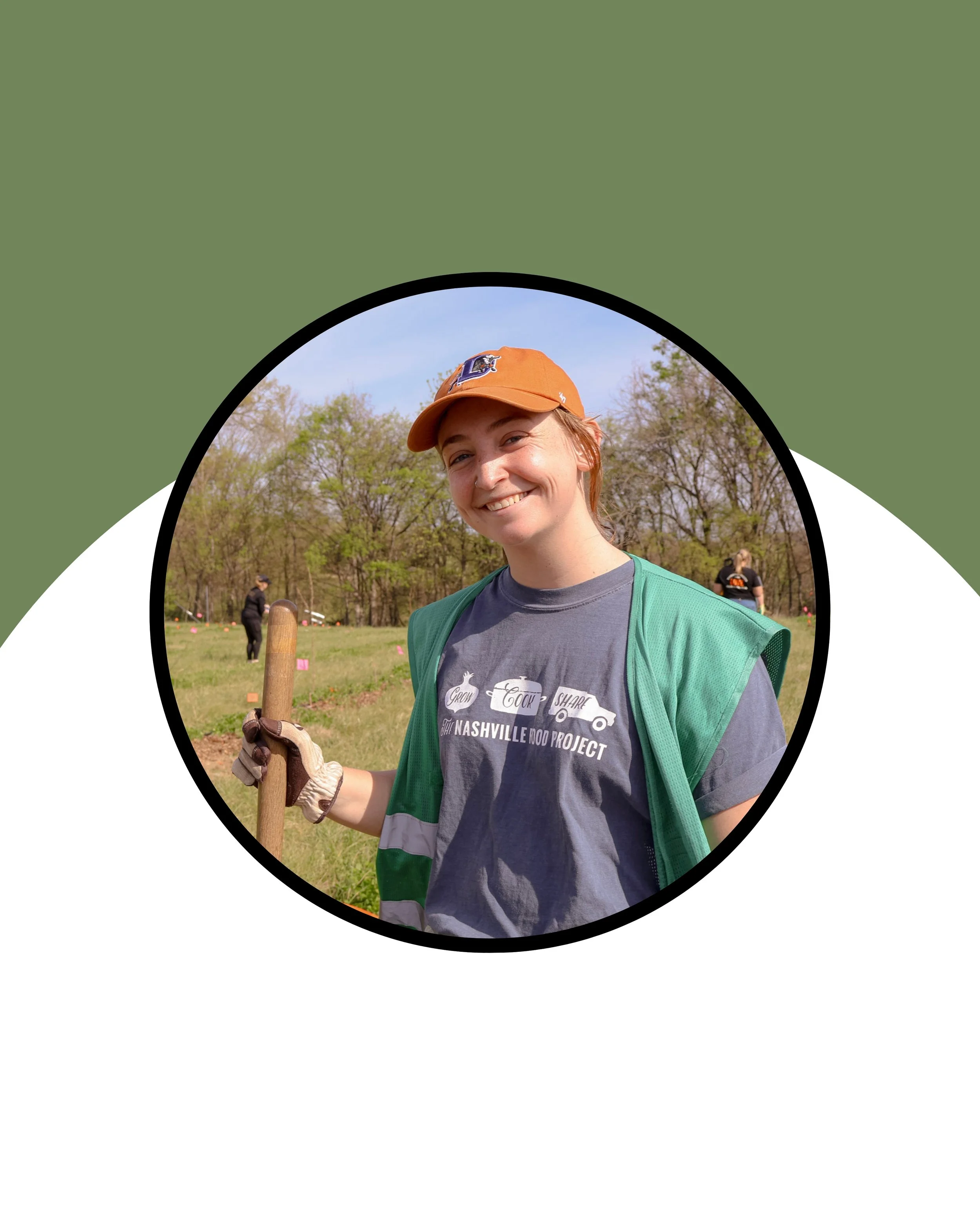
Jasmyn Alvarez, a Wedgewood Community Gardener, reflects on her first growing season in a community garden. She shares information about her goals, how she used the square foot garden method to achieve them, and the results of her efforts.
By Jasmyn Alvarez, a Wedgewood Community Gardener
Finding direction

When it comes to gardening it’s hard to know where to start. Aside from helping my grandmother weed in her flower beds as a kid, I don’t have much experience. I signed up for a community garden plot at Wedgewood Urban Garden this June feeling a little nervous but ready to try. I’m so grateful for Community Garden Manager, Kia Brown, for her advice and tips for starting and maintaining a garden no matter what time of the year. There is nothing like the magic of watching a seed grow into a beautiful plant, then seeing its fruits on my plate!
In the community gardens you’ll find that you have a lot of choices and ways to focus on your goals - it could be to try something new or get outside. One of my goals is to improve my health by eating whole foods and being active. I wanted to use all of my community plot space to grow as many fruits and vegetables as possible, so Kia introduced me to a method called 'Square Foot Gardening.' The idea is that you break up your plot into square feet and plant as many of one type of plant as you can fit in order to maximize the space.
A GUIDE TO SQUARE FOOT GARDENING
STEP 1
The first step was figuring out what vegetables I wanted to plant. I thought about the types of vegetables that I love to eat to make sure that nothing grown would go to waste. Here’s what made the cut:
- Lettuce
- Peppers
- Radishes
- Spinach
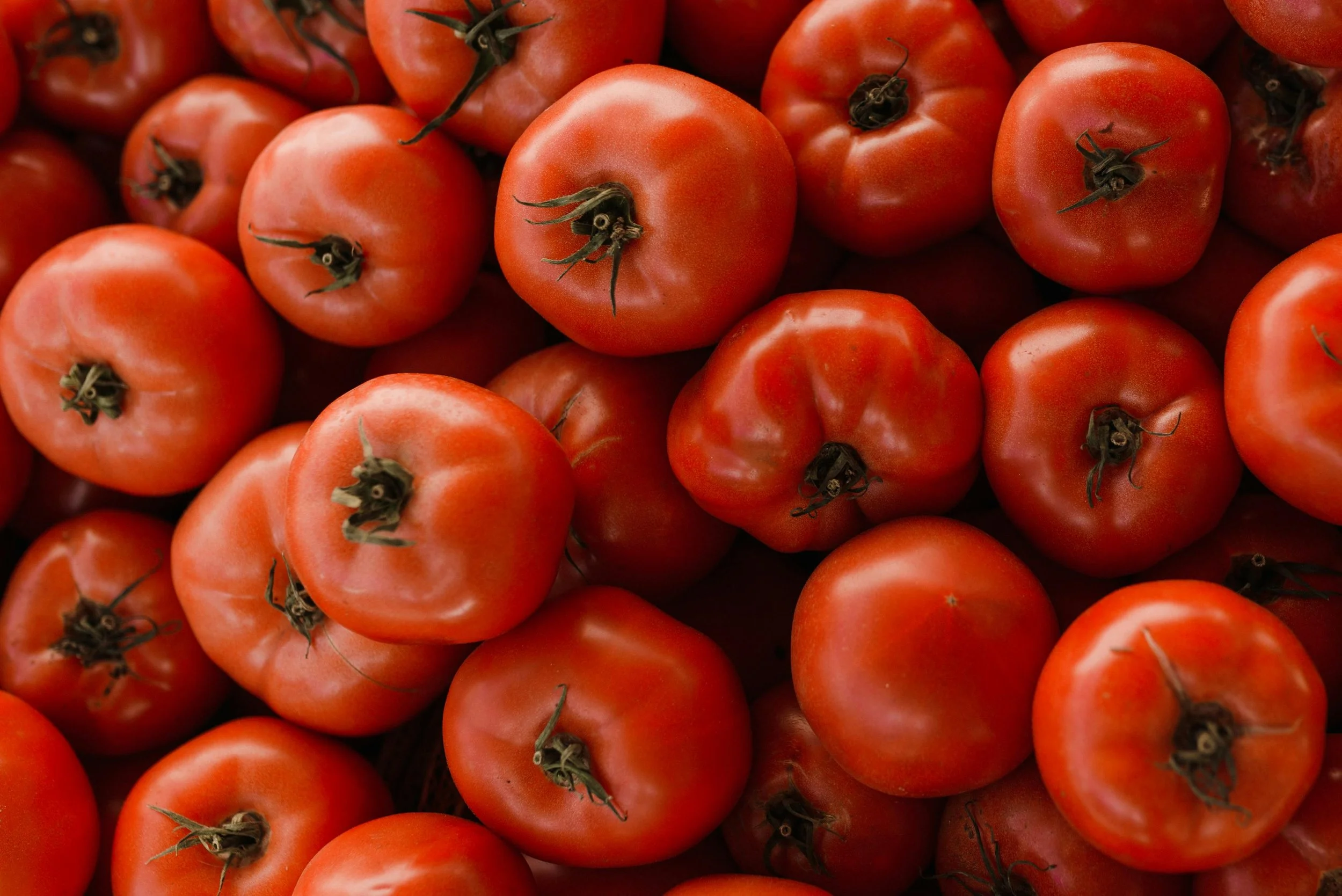
- Tomatoes
- Basil
- Beans
- Beets
- Butternut squash
- Cabbage
- Cucumbers
STEP 2
I started my garden plot in July so I needed to figure out what to grow during the heat of the summer and what would have to wait until the fall. Kia has a great guide - anything leafy grows and root vegetables grow when its cool (spring or fall) anything that flowers or produces fruit should grow in the summer. Herbs can be sprinkled in during any season as long as they have consistent water and nutrients. We divided everything up into those two categories.
Spring & Fall Crops
- Beets
- Cabbage
- Lettuce
- Radishes
- Spinach
Summer Crops
- Beans
- Butternut squash
- Cucumbers
- Peppers
- Tomatoes

STEP 3
The next step is to figure out how long it takes the plants to go from a seed to being harvested which is also known as “days to maturity.” You can find this number on the seed packets or online. Its best if you know the specific variety of the plants you want because that can change the time it takes to grow. Since I started my plot in June I only planned the days to maturity for summer crops.
Summer Crops (Days to Maturity)
- Beans (50-60 days)
- Butternut squash (85 days)
- Cucumbers (55-65 days)
- Peppers (70-90 days)
- Tomatoes (65-70 days)
STEP 4
Next I looked at if I planted them on that day when would all of the crops be ready to harvest. For plants that take a long time to mature like squash, peppers and tomatoes it may be helpful to purchase plants that have already started to grow and transplant them into the garden. In general they should all be ready to harvest between the end of July through August. That is a lot of produce to be harvested in just a few weeks so the next step is to plan out successions. Meaning I can plant half of my crops in the beginning and plant the rest of it two-three weeks later. This way I can eat these amazing vegetables for months instead of weeks.
STEP 5
The final portion of planning the garden is figuring out how many plants fit into each square foot. For example, I can fit 4 green bean plants in one square foot, one tomato plant into 4 square feet. I wrote out exactly where I wanted to put each plant on a piece of paper.
STEP 6
The last step in starting the garden is the most fun - planting my seeds and transplants!
How’d It Grow?
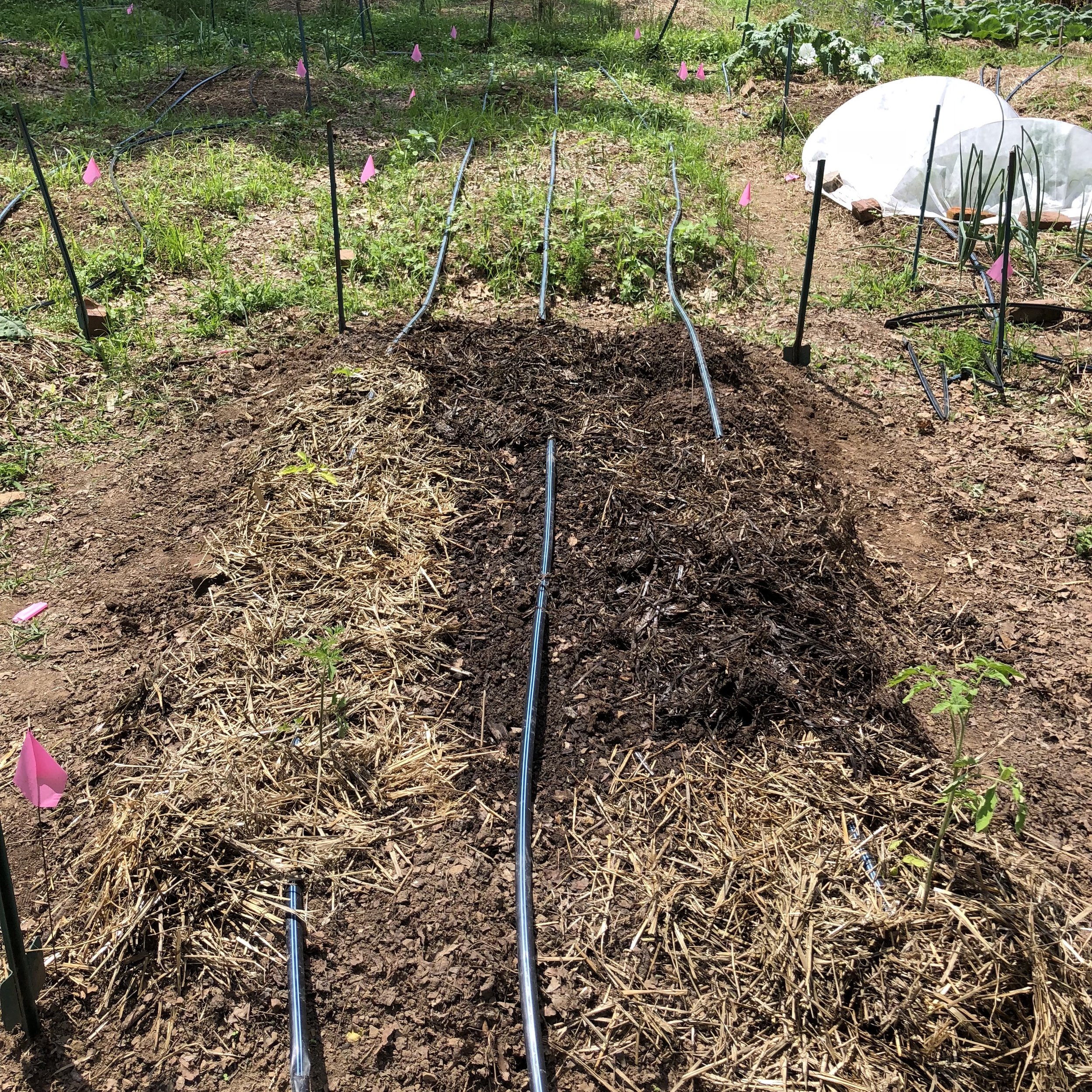
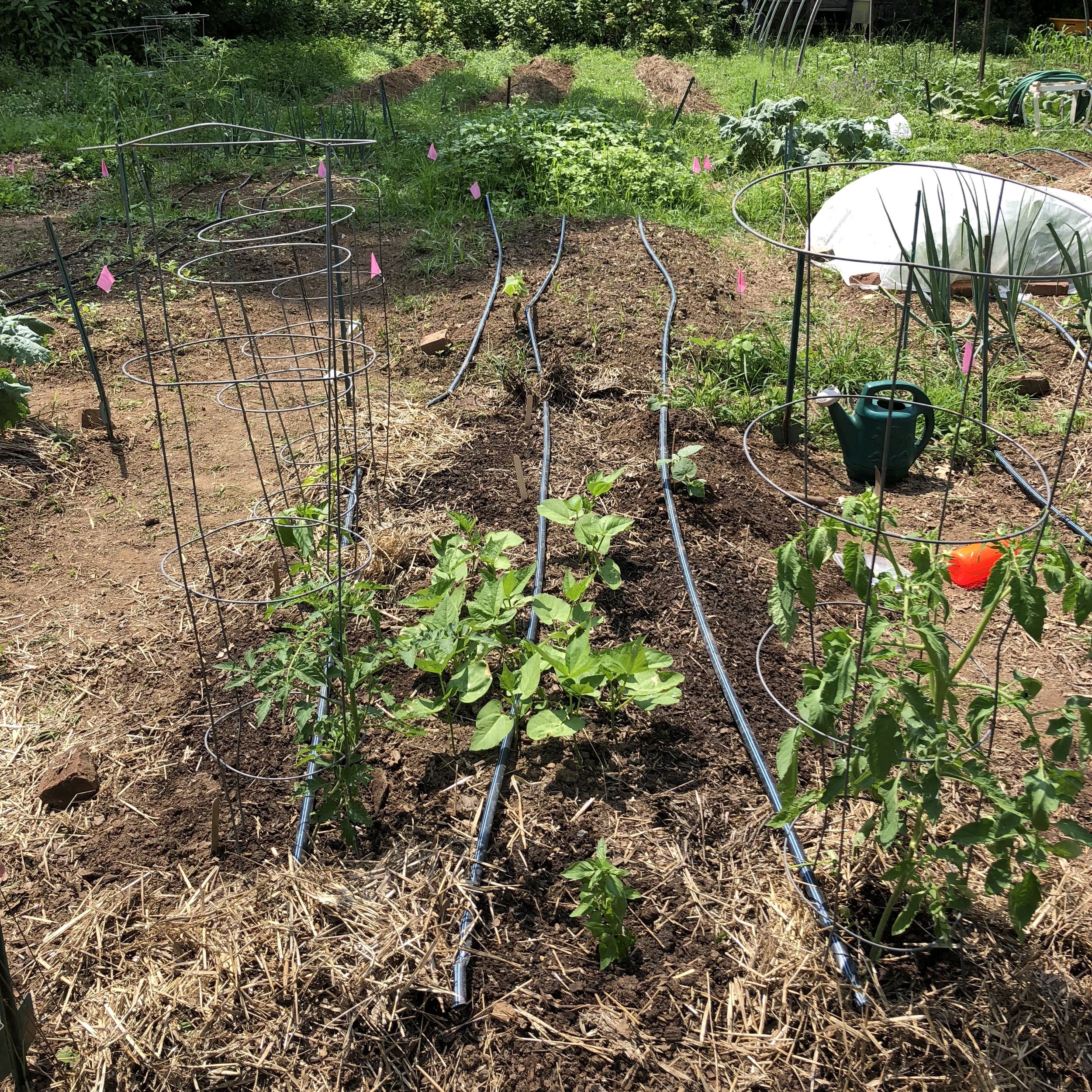
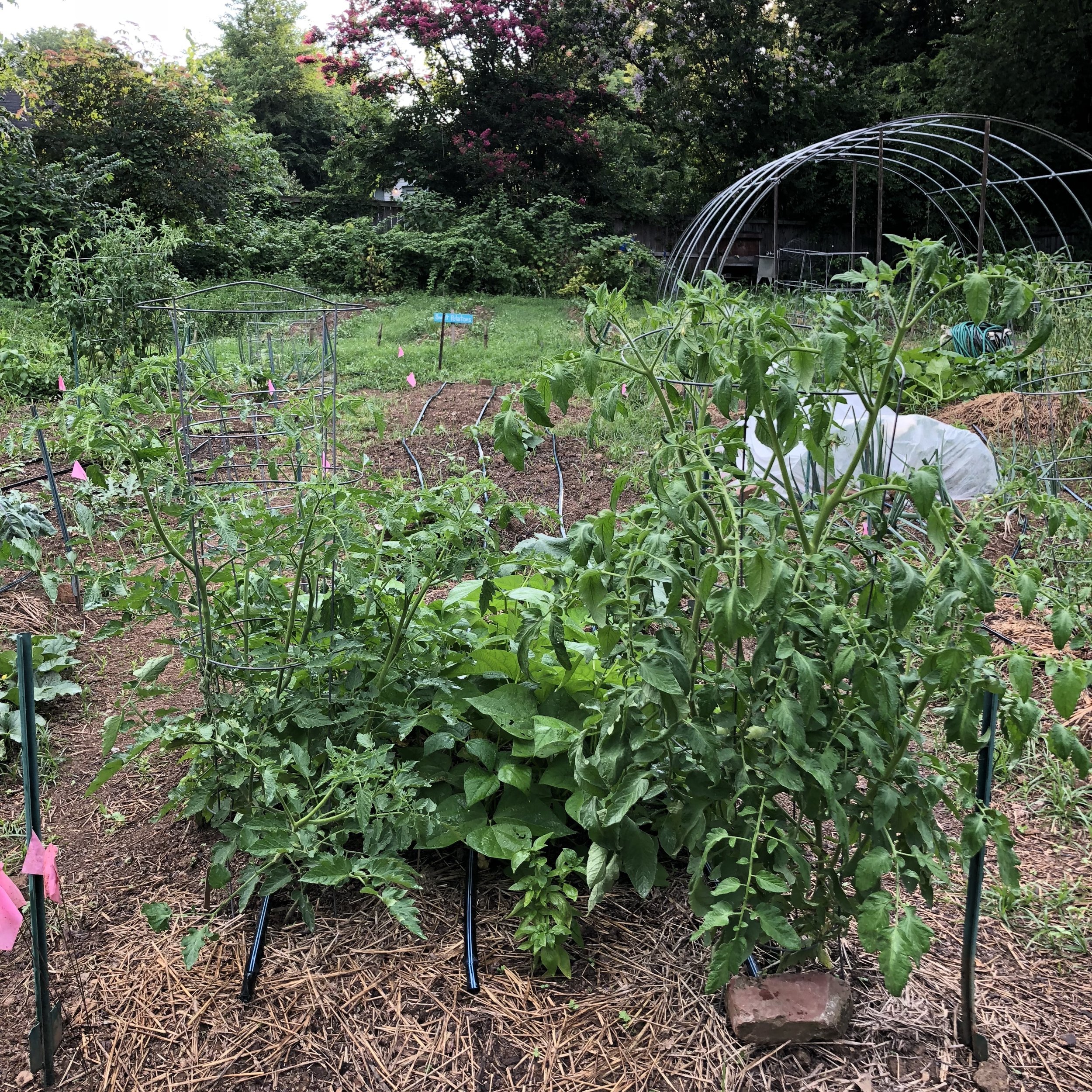
There were some parts of my plan that had to be reworked once I started planting my crops but overall I have a great idea of what produce I’ll have in the next few weeks. I’ve enjoyed spending more time outdoors and even getting some exercise by taking care of my garden plot. What I’ve learned the most from growing a garden is that food is amazing. The time and energy that goes into growing food makes you appreciate the flavors and nutrients you get when you eat it. I’ve already started planning out all the ways I’m going to eat my food so that none of it goes to waste. Although the experience has been new, thanks to Kia, I now feel I have the tools and resources to successfully start a garden. I’ve had a lot of help from my “Garden Brothers & Sisters” too!
The Nashville Food Project is currently enrolling gardeners for the Wedgewood Urban Garden near the fairgrounds. For more information and to find out if you are eligible for a plot, please visit www.thenashvillefoodproject.org/signup.
Reconnecting with Family History Through Food
In honor of International Women’s Day, we are celebrating one of the incredible women we work with in our community gardens. Ifeoma Scott and her husband have been growing in our Wedgewood Neighbors Garden since last year after hearing about it from their friends Jay and former Meals Assistant Makisha, or Kiki as Ifeoma calls her, at Mt. Zion Church.
Today is International Women’s Day, a global day that celebrates the social, economic, cultural and political achievements of women. Beyond that, this year’s theme for this day is #BeBoldForChange, something we at The Nashville Food Project work towards every day using the power of good food.
In honor of International Women’s Day, we are celebrating one of the incredible women we work with in our community gardens. Ifeoma Scott and her husband have been growing in our Wedgewood Neighbors Garden since last year after hearing about it from their friends Jay and former Meals Assistant Makisha, or Kiki as Ifeoma calls her, at Mt. Zion Church.

Ifeoma and her husband
Ifeoma had long been a container gardener, but she wanted a chance to grow in the ground, directly in the dirt. Beyond that, she wanted to be active with other gardeners. “Because of where I live - it’s an urban area - I don’t have the chance to interact with many gardeners. This was my first time interacting with other gardeners besides my uncle who lives in Illinois. It was really important for me to get involved and to see how others grew their food.”
The comradery of growing food was extremely important to Ifeoma. For her, growing food is a family affair so personal connection and gardening go hand in hand. Her great grandfathers were farmers - in Mississippi and Arkansas, and her fraternal grandfather grew plots in his backyard in Illinois, practicing urban gardening before we even had the term.
“For me, it’s not only sustainability, but it’s part of my history. I wish I had [my grandfathers] to ask them questions…Farming is a hard job, but my great grandfather [who farmed in Mississippi] made it look so easy.”

Ifeoma has loved learning more about her family and herself in the garden. “I get to learn, see, be patient. I’ve never been a patient person until I started gardening, but I can’t just make something grow. I have to be patient.”
Since growing in the Wedgewood Neighbors Garden, Ifeoma has reignited a curiosity about all the small things that come together to grow food. “I get excited about seeing animals and things in the garden - insects and worms - and how that really helps the garden and how it functions,” she tells us. Always looking to learn, Ifeoma has become most interested in growing heirloom varieties, and she’s challenged herself to successfully grow lettuce for the first time this year.
She’s also learned about other cultures growing alongside refugee gardeners from Bhutan and Burma. In college, Ifeoma studied international business so she’s always been interested in other cultures, but in the garden she’s had the opportunity to see it all first-hand. “I just like seeing how different people garden and seeing the different plots. How they’re using natural structures to trellis. That type of thing excites me - seeing how people do it differently.”

Ifeoma has enjoyed creating a sustainable food source for herself, her husband and their friends. Now she’s learning to compost and hopes to take on canning next so she can continue to share her garden-grown food with her friends and family.
She says it’s important for people to understand where their food comes from. It can be easy to take for granted the time and effort that so many people put into producing our food.
“You don’t realize how important food is, and people who give their lives to do this. To farm. To give us the food we have on our tables. It means so much more than just putting things in the dirt. It’s the history of my family and what I’ll do for my children someday.”
Want to keep in touch with Ifeoma and what she's growing? Follow her on Twitter and Instagram @Yepshegrewit.
A February Snapshot of Our Gardens
It’s starting to look like spring, a favorite time of year for all of us on the garden team. This is a time of year when all of our planning over the winter can finally start taking shape. Here’s a look at what we’re up to in the TNFP gardens this month written by our Garden Manager Christina...

“We are here to awaken from the illusion of our separateness.”
It’s starting to look like spring, a favorite time of year for all of us on the garden team. This is a time of year when all of our planning over the winter can finally start taking shape. Here’s a look at what we’re up to in the TNFP gardens this month written by our Garden Manager Christina...
In February in The Nashville Food Project gardens we try to remember that it is still winter. Our garden crop plan for the year has hopefully been made and checked twice. Seeds have been ordered. Machines and tools are clean and tuned. Winter cover crops are growing slowly in the field along with beds of overwintering greens like kale and spinach. Potting soil and other garden supplies are stockpiled waiting for the signal to start planting. We do the essential February tasks of pruning fruit trees and brambles, direct seeding flowers that require cold weather to germinate (poppies and bachelor buttons), check on the bees’ honey stores and, if necessary, feed them. Spring is surely close at hand but we try to remember that we risk doing more damage than good by trying to work soils that are still cold and wet.

We anxiously await the end of the month, when we can start our first seeds in the greenhouse and begin preparing a few beds for our earliest vegetable plantings in March. The first crop we plant outdoors is the onion transplants that we’ve started in our greenhouse the previous November. Onions are soon followed by peas, lettuce and other leafy greens, and root crops that love the cool weather of early spring. By the end of the month, the greenhouse is full of crops that we begin indoors to get a head-start on the growing season - leafy crops like kale and chard and fruiting crops like tomatoes and peppers.
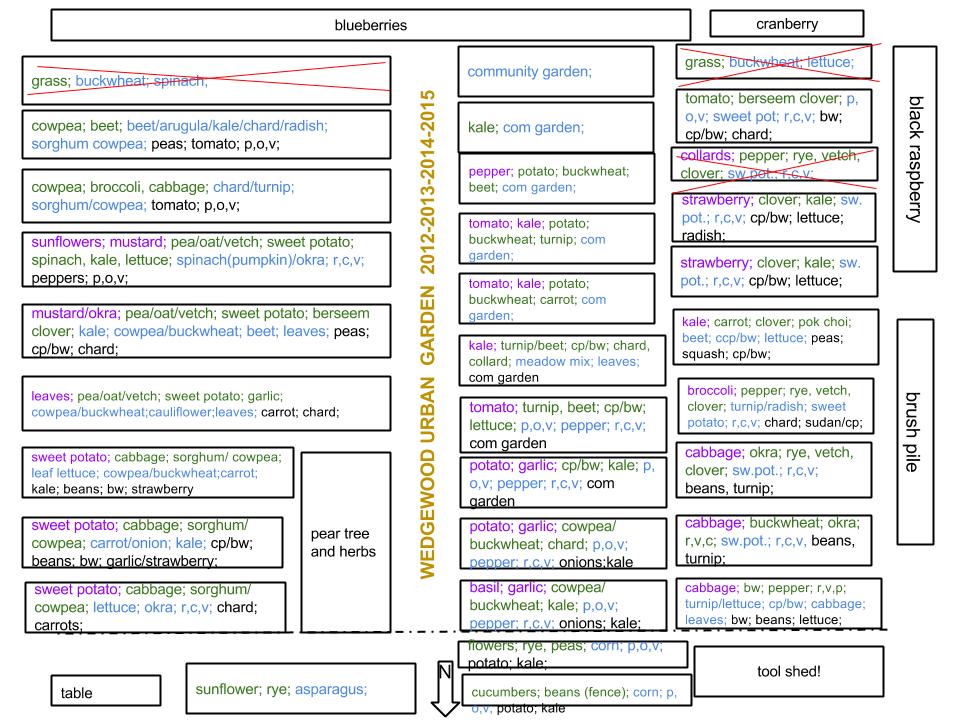
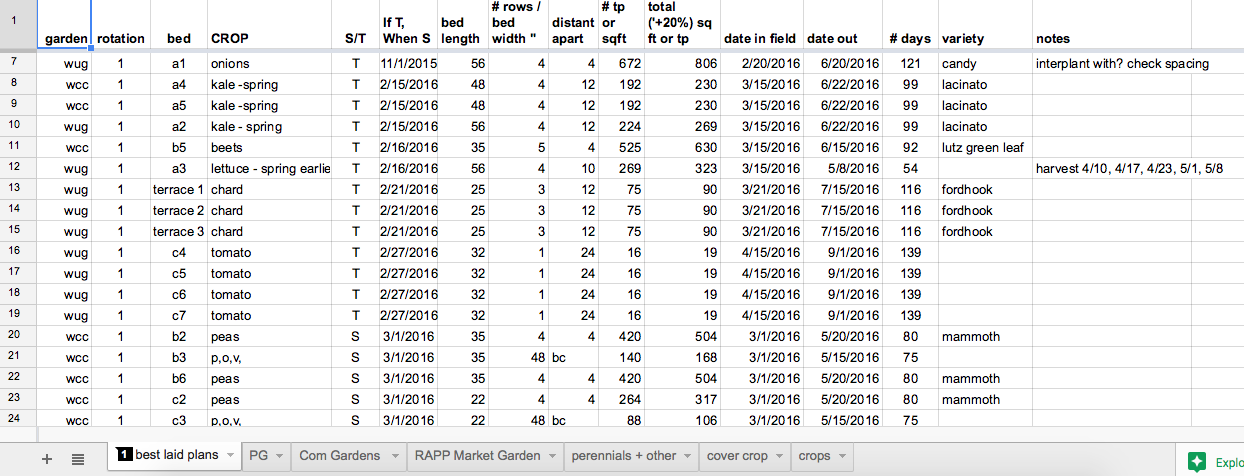
We try hard to follow the garden plan that we made over the winter. We start this garden plan begins with a list of crops that we are excited to grow for our meals program with a rough idea of how many beds should be planted in each. We map out where each crop should go in our permanent bed system and ask whether another crop can be planted in the same space before or after the main crop during our long growing season. We aim to have at least one-fourth of the garden resting at all times in cover crops so that we can maintain productive and healthy soils for many years to come.
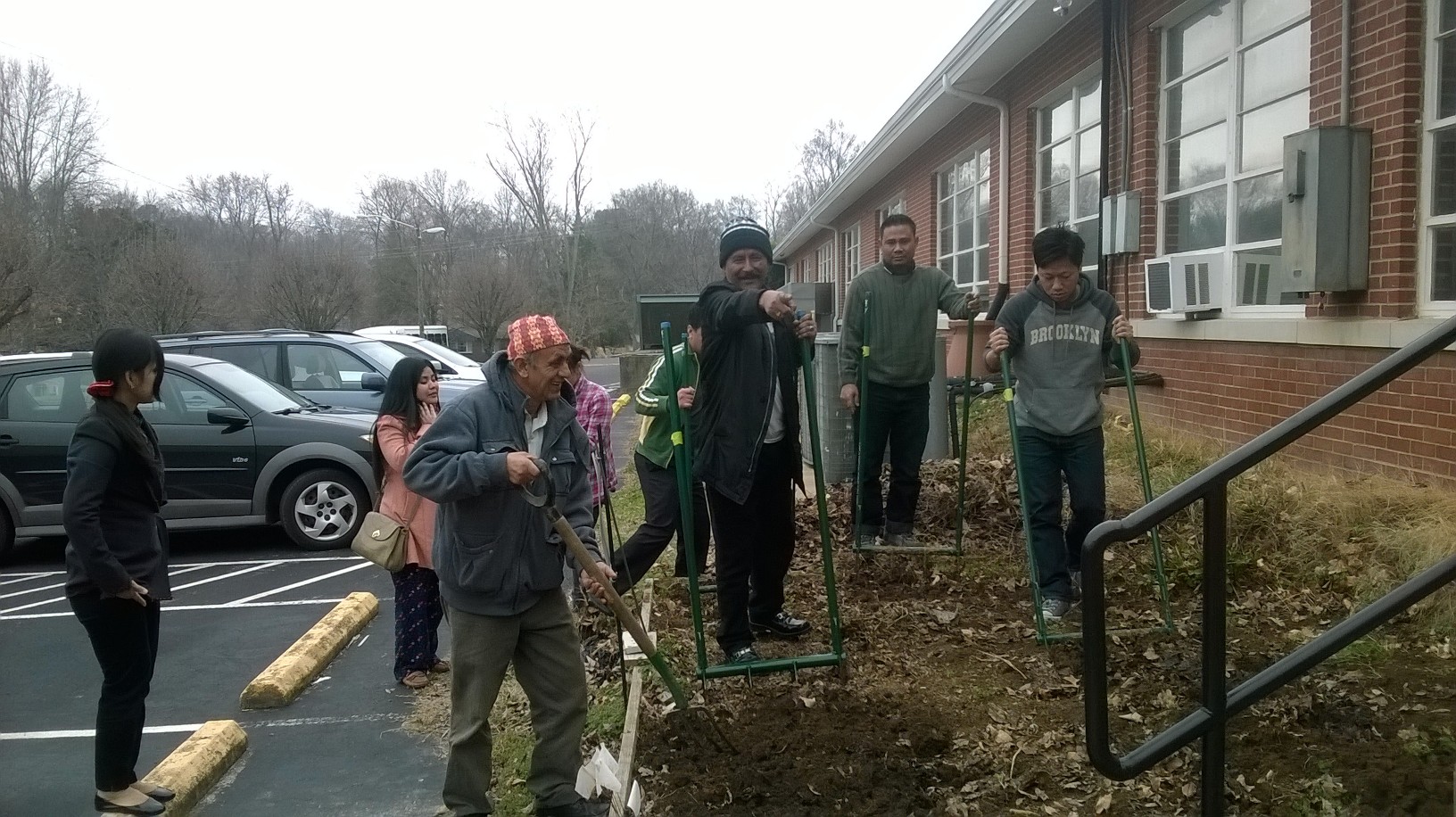
This time of year, we love the broadfork - a garden tool that lifts and aerates the soil while maintaining good soil structure. Where we can, we begin to broadfork the beds that will grow our earliest crops - the lifting and aeration action warms up the cold winter soils and allows them to breathe out excess moisture. Volunteers love the aerobic work-out of it, too.
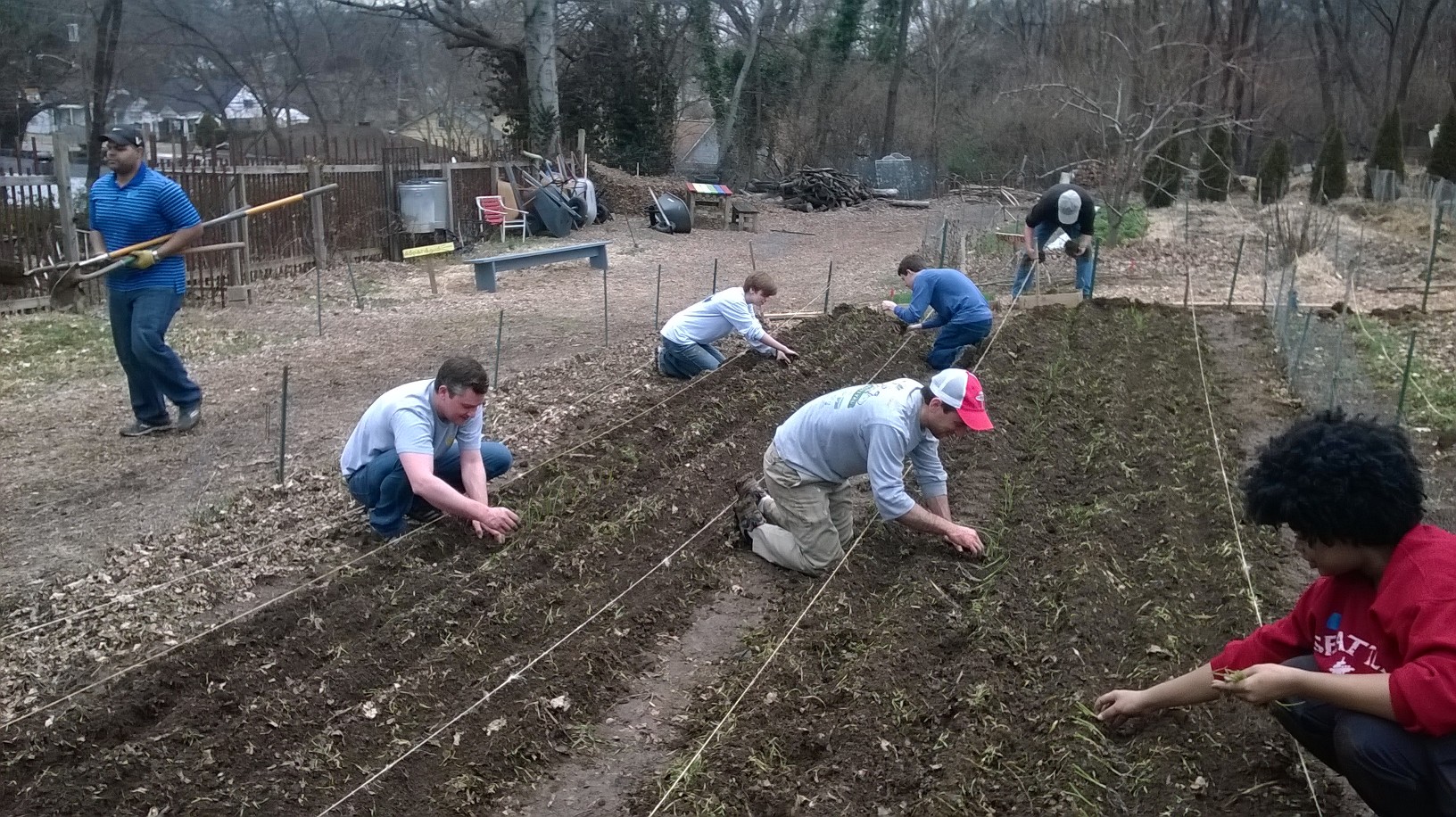
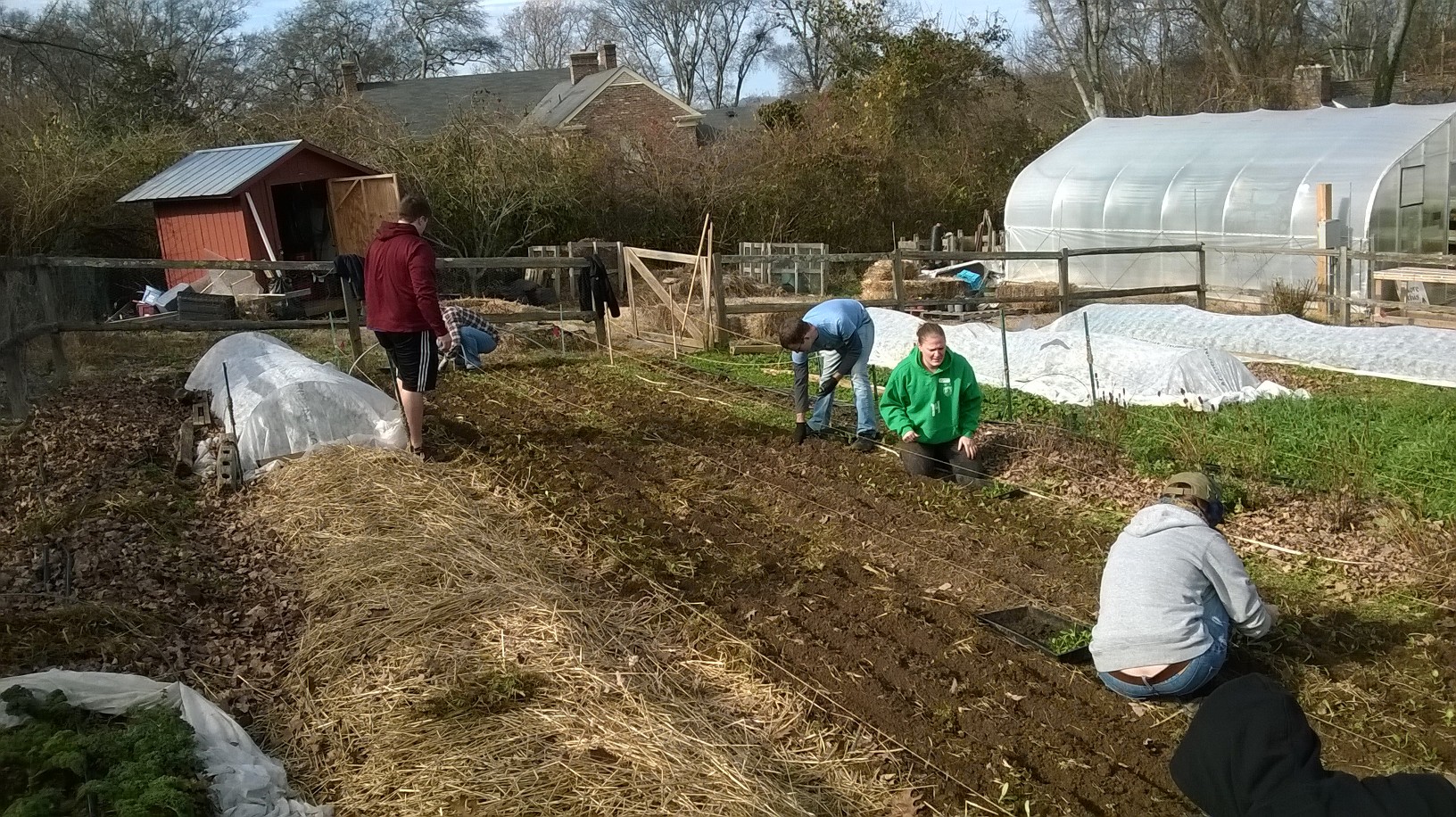
Another exciting thing happening this month is the start of a new year with all of the community members growing in our gardens! This month we’ve begun meeting with participants in the Middle TN Refugee Agriculture Partnership Program, a group of farmers from Burma and Bhutan, with whom we share our best practices for growing production-focused urban gardens in Nashville. We help them with creating their own garden production plans for growing and selling their vegetable crops to restaurants and at local farmers markets. We’re also recruiting other community members for our neighborhood-based community gardens in North and South Nashville.
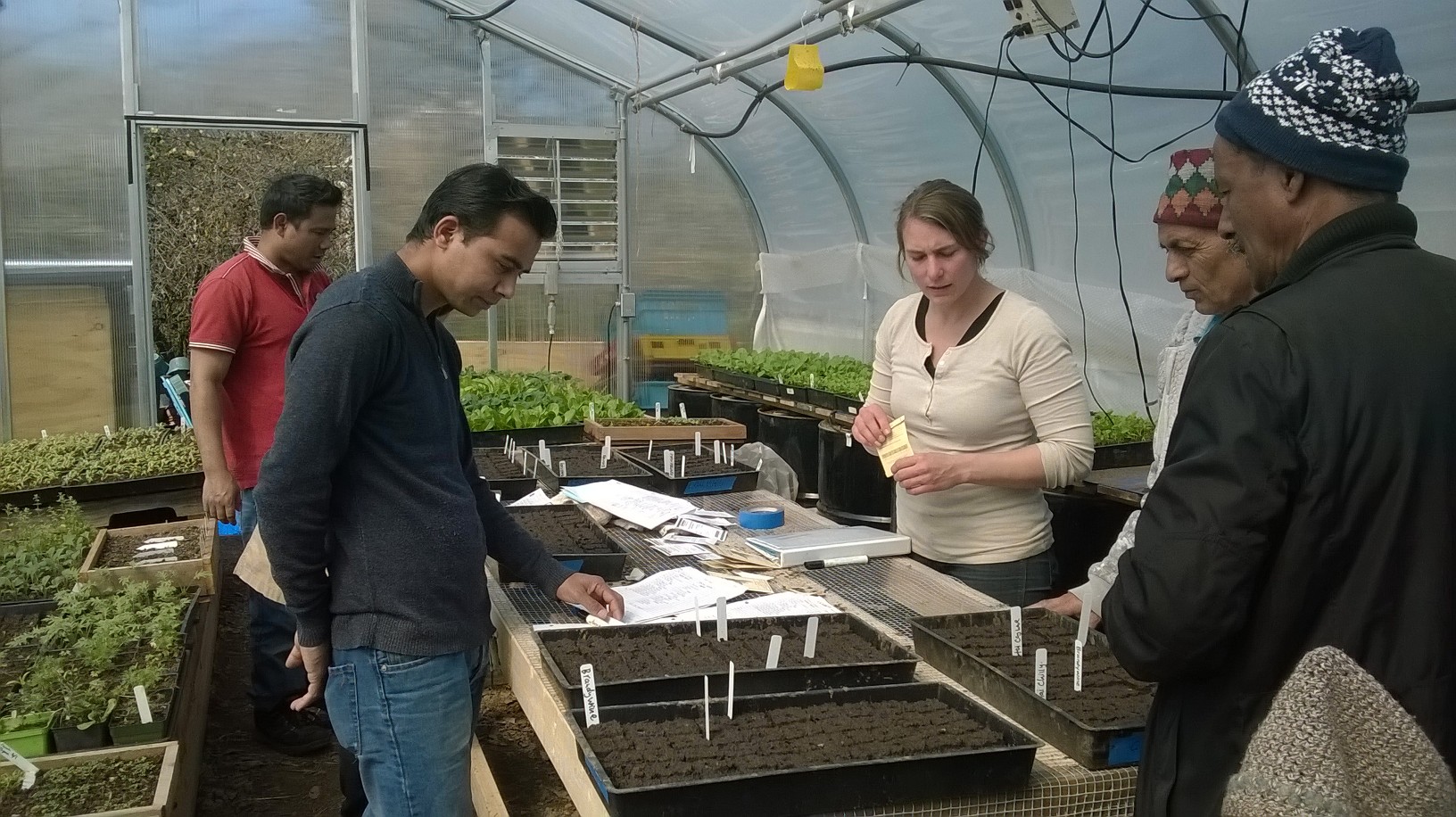
And don’t forget about Project Grow! We’ve started planting for our annual subscription vegetable plant sale. Sales will open soon so be on the lookout for emails from us!

This truly is one of our favorite times of the year, a time when we breathe with anticipation, because the busy time is almost upon us.
Check out some of our favorite resources for specific information about growing vegetables in the South:
- Ira Wallace’s excellent Vegetable Gardening in the Southeast with month-by-month checklists of garden activity
- Pam Dawling’s spreadsheet-heavy but full of years of hard-won details book: Sustainable Market Farming, from her experience growing in our same zone in VA.
Planting Seeds of Change
As we reflect on 2015 and look forward to 2016, we’ve been talking and thinking about “hope.” Rather than feeling discouraged about the problems of poverty and food waste, we’re focusing on the small changes we can make in the community…

Garden Coordinator Kia writes garden inspiration on a chalkboard.
As we reflect on 2015 and look forward to 2016, we’ve been talking and thinking about “hope.” Rather than feeling discouraged about the problems of poverty and food waste, we’re focusing on the small changes we can make in the community.
In the garden specifically, here are a few ways we’re planting small seeds of change:
1.) Educating students at veggie tastings.
We might not be able to solve all the issues related to farm-to-school, but we can introduce children to great-tasting vegetables.
Students from Fall-Hamilton Elementary School visit the McGruder Community Garden on occasion for activities that range from observation journals to lessons on seeds and compost to planting vegetables. We also donate food and cooking time to the school in twice-per-semester “veggie tastings,” where students sample colorful roasted root vegetables, kale salads, or sweet potato fries. "The idea is to introduce kids to vegetables they might not opt for at home or have access to at all," says Garden Manager Christina Bentrup.

Students from Fall-Hamilton help out in the Wedgewood Urban Garden.
2.) Making good use of land.
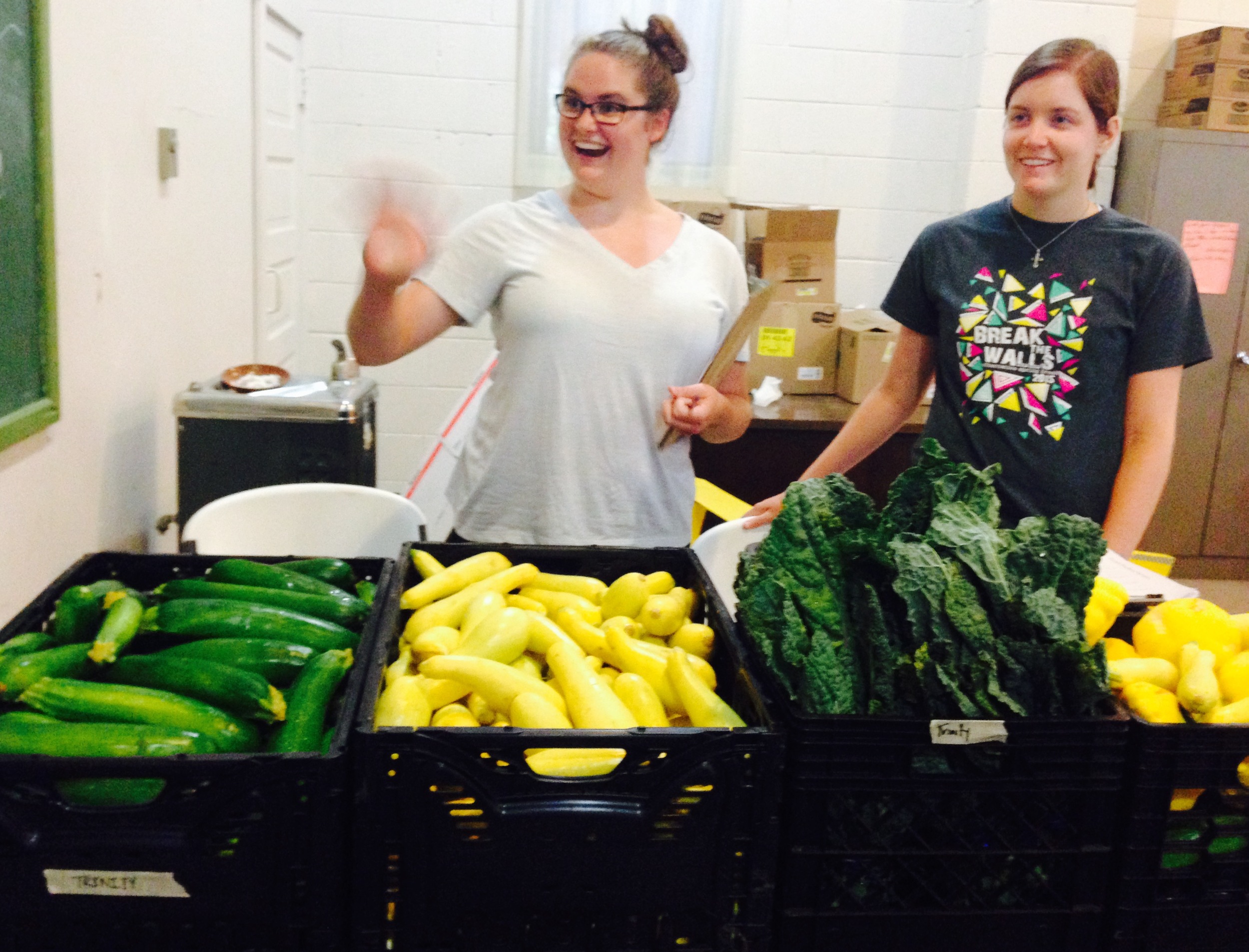
Through our gardens, we’re using land that might otherwise be overlooked to increase access to healthy food. We’ve harvested 4,250 pounds of produce this year for 50,100 meals.
3.) Teaching others about growing food.
Through our community garden plots, education and volunteer sessions, we’re hoping to empower those in the community to grow their own food in our gardens or at their homes.

Volunteers from Whole Food Market help out at the Wedgewood Urban Garden.
4.) Sharing land to create spaces for others.
With the community garden plots and the Refugee Agriculture Program, we want growers to feel as if they have a place of their own.

Tika Adikhari, a Bhutanese gardener at the Wedgewood Urban Garden, proudly shows off his plot.

Siddi Rimal interprets during a training session with refugee gardeners.
5.) Keeping bees and chickens.
Beyond the plants, we’re keeping bees and chickens at our gardens, which provide vital functions in an ecosystem. They also serve as educational tools for students and volunteers.
Through small steps forward, we can maintain hope. Hope is contagious. We hope you’ll continue to help us spread it in 2016.

A Day in a Dozen: From Harvest To Plate
12 photos tell the story of one day at TNFP!
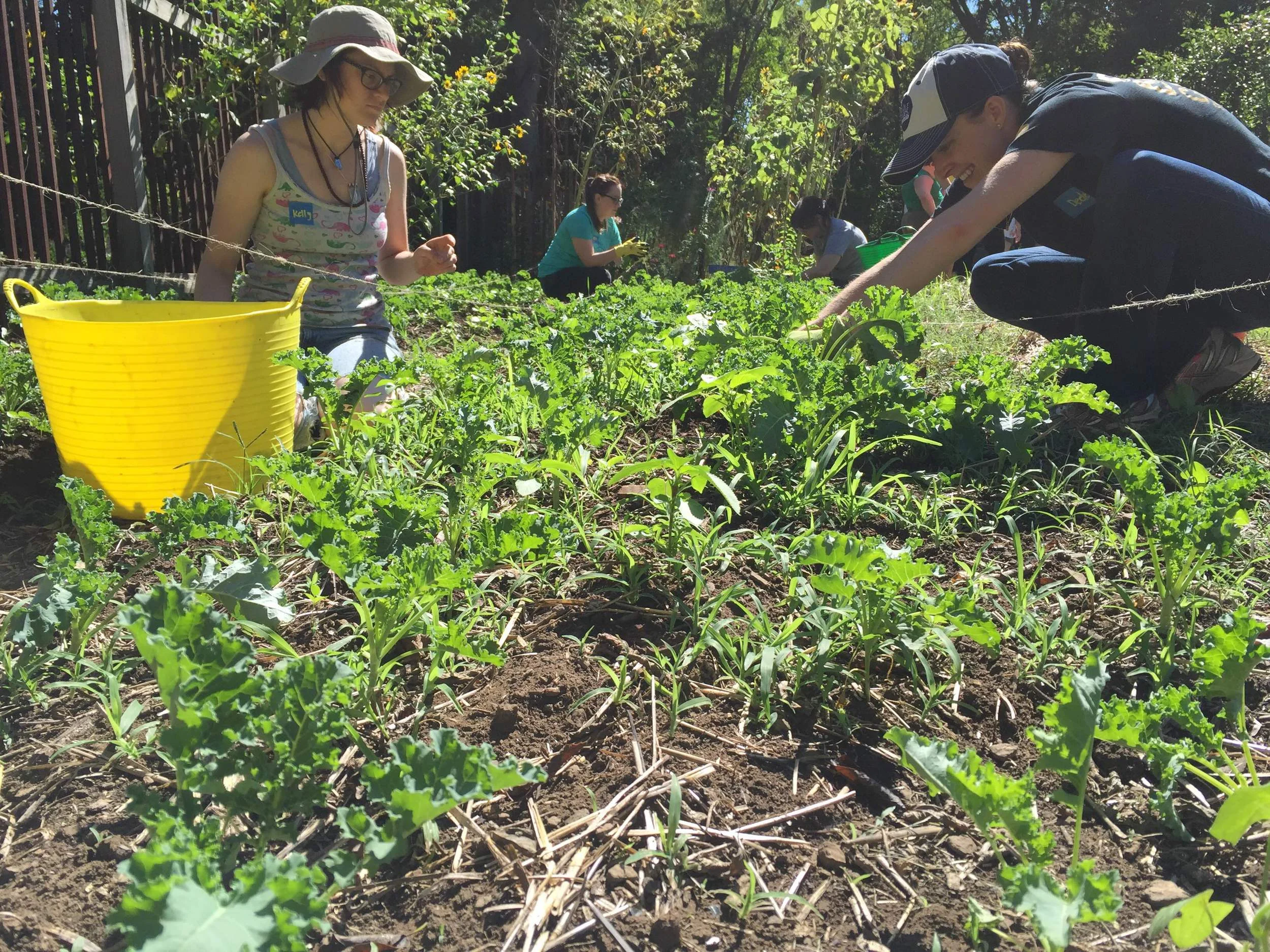
The marketing team from Whole Foods in Franklin joined us on a gorgeous morning at the Wedgewood Urban Garden.

Whole Foods has long been generous with our organization, so it was nice to welcome this group to the garden for the first time.
Meanwhile at TNFP headquarters, the morning crew arrived to prep food for a delivery to John Glenn, a retirement community. Volunteers Mary (left) and Cheri (right) got to know one another over the makings of a fruit salad. Mary visits every Monday and Tuesday to prep plus three times per month to cook. Cheri was visiting for the second time.

Meals Assistant Katie picked up a generous donation of corn and tomatoes from Green Door Gourmet and later organized a donation from Whole Foods including brioche and muffins.

After their time in the garden, the Whole Food team visited the kitchen and prep room where Meals Manager Anne explained the “giant puzzle” of putting together more than 1,000 meals each week with the variety of donations and harvested food from our gardens.

The Whole Foods group had harvested approximately 50 pounds of kale. When team member Michael Martin arrived that morning, he didn't know he was dressing particularly well for the occasion.

The greens will be prepped the following day, but meanwhile, Tamara and Brittney rolled enchiladas with donated ingredients from Chipotle. Their prep work will be finished off by a cook team for delivery the next day.

Just outside the kitchen by the Green Hills garden, Tom cleaned potatoes...

…which had been donated by Long Hungry Creek Farm. They will be sliced, baked or mashed for future meals.

In the midst of it all, we welcomed new intern Mary Blythe and put her right to work making cookies for dessert throughout the week.
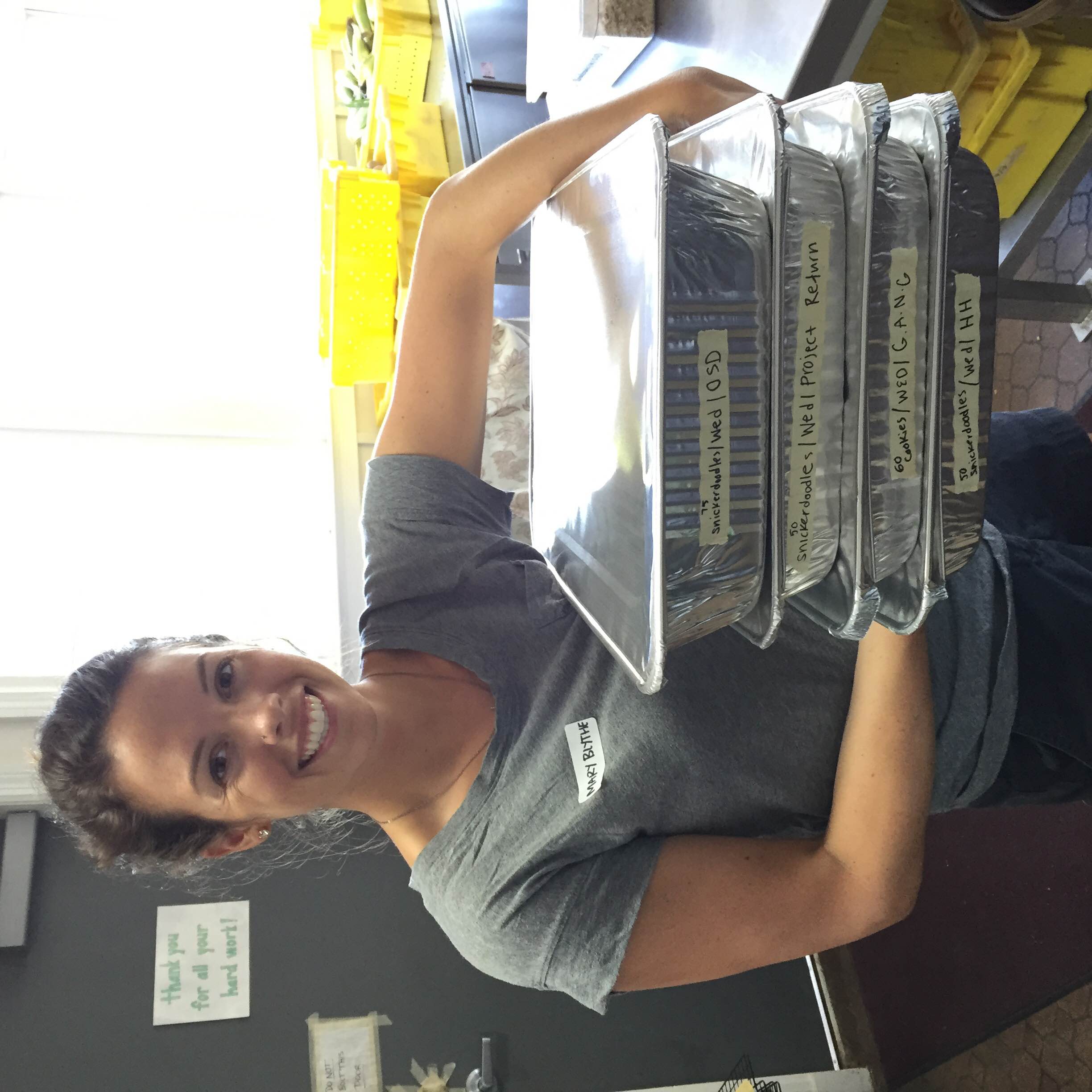
Then the final cook team for the day arrived at 3pm to make meatloaf for 5pm deliveries to Rex Courts, an Urban Housing Solutions property off Murfreesboro Road, and Trinity Community Meal at Trinity United Methodist Church in East Nashville.

The group cooked from Judy Wright's mother’s meatloaf recipe (which she shared in a lovely tribute on her blog, Judy’s Chickens).
The meal made with many loving hands and hearts arrived at Trinity for dinner just as neighbors began to gather.

Teamwork Helps a Garden Grow
On any given day, the groups coming together in the gardens are often as varied as the crops harvested. A recent week at the Wedgewood Urban Garden welcomed Friends Life, a nonprofit serving the needs of adults with intellectual and development disabilities…

On any given day, the groups coming together in the gardens are often as varied as the crops harvested.
A recent week at the Wedgewood Urban Garden welcomed Friends Life, a nonprofit serving the needs of adults with intellectual and development disabilities.
After harvesting squash...

...the group gathered flowers for their loved ones.

"We have always prioritized service learning for our Friends through volunteer work, because we know how much they have to give to the community," said Waverly Harris-Christoper, Friends Life Community Director of Programs.
Meanwhile, students from CRIT's RISE (Refugee and Immigrant Students Empowered) program learned about the work of bees.

The following day, a workforce development team from Room in the Inn helped agitate the soil where kale had just been harvested.

Ryan with Room in the Inn said he volunteered to help because TNFP had delivered meals to the church where he stays. "I thought it would be nice to give something back to the people who have given to me," he said.
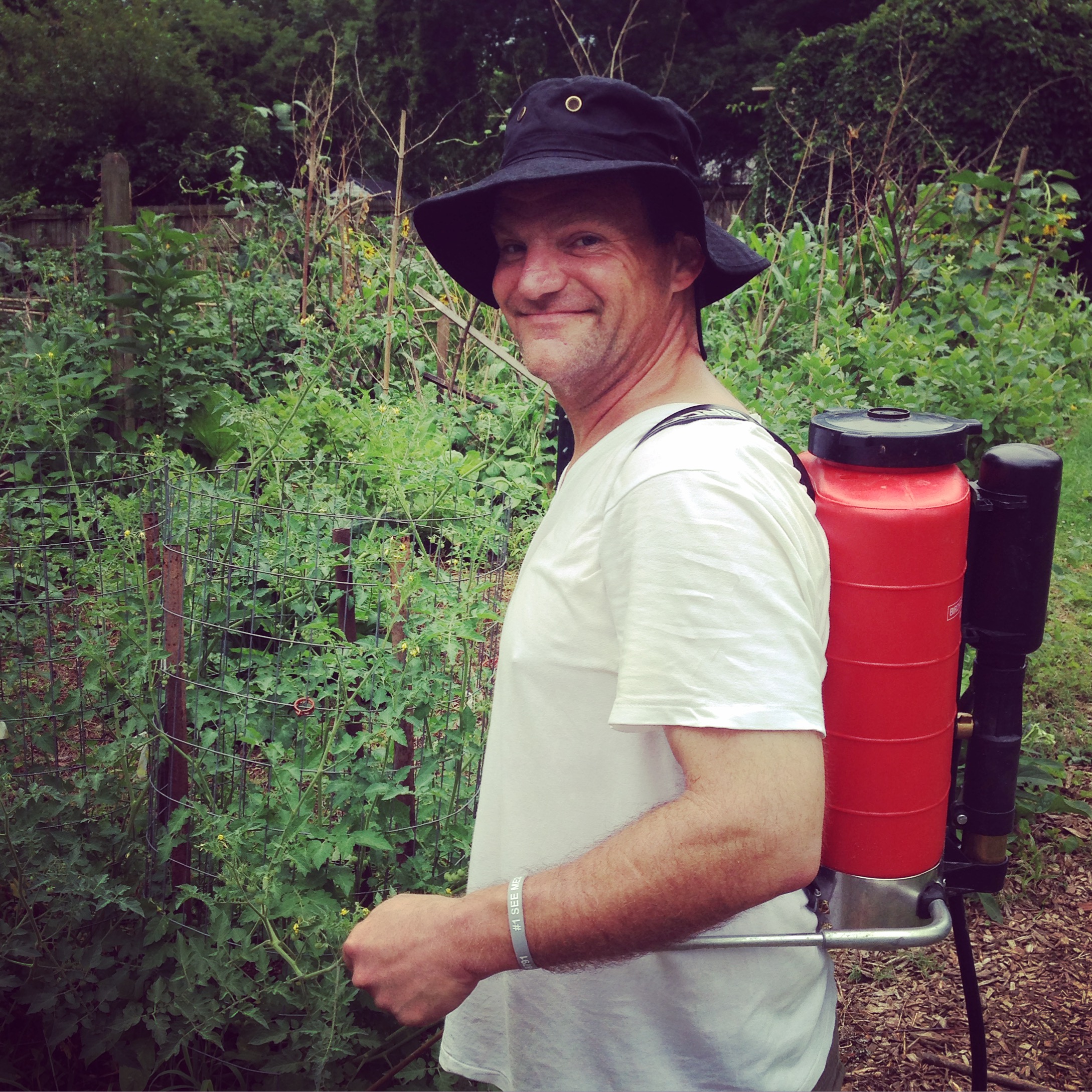
He sprayed tomato plants with an organic fertilizer made from comfrey (the broad left plant below), which grows well with stinging nettle and blueberry plants.

Also at the garden, Deanna Kendall, a teacher at St. Cecilia Academy, brought a group from the school’s service camp. Each day the women visit a different organization.

“They get some pretty diverse experience," she said, "and hopefully they find a place to plug in.”
World Refugee Day Celebrate with Art and a Potluck
Potlucks make the best parties for their diversity of flavors. They give us an opportunity to share a bit about ourselves while learning about others through food. A few weeks ago, a collaboration and art project for World Refugee Day included such a meal…
Potlucks make the best parties for their diversity of flavors. They give us an opportunity to share a bit about ourselves while learning about others through food.
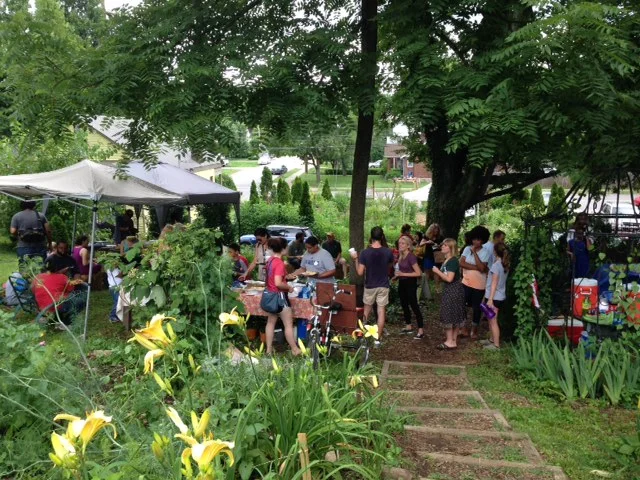
A few weeks ago, a collaboration and art project for World Refugee Day included such a meal. The Nashville Food Project joined friends from the Frist Center for the Visual Arts, the Center for Refugees and Immigrants of Tennessee, Oasis Center and members of their International Teen Outreach Program, Bhutanese gardeners and neighborhood gardeners at the Wedgewood Urban Garden.
"I just loved sharing a meal with all these people who came together around growing food, volunteerism, making art and celebrating World Refugee Day," said TNFP Garden Manager Christina Bentrup. " There were people and foods from both around the world and from different neighborhoods around Nashville, It was a multi-ethnic, multi-lingual, multi-generational group of folks celebrating community and diversity. It doesn't get much better than that."
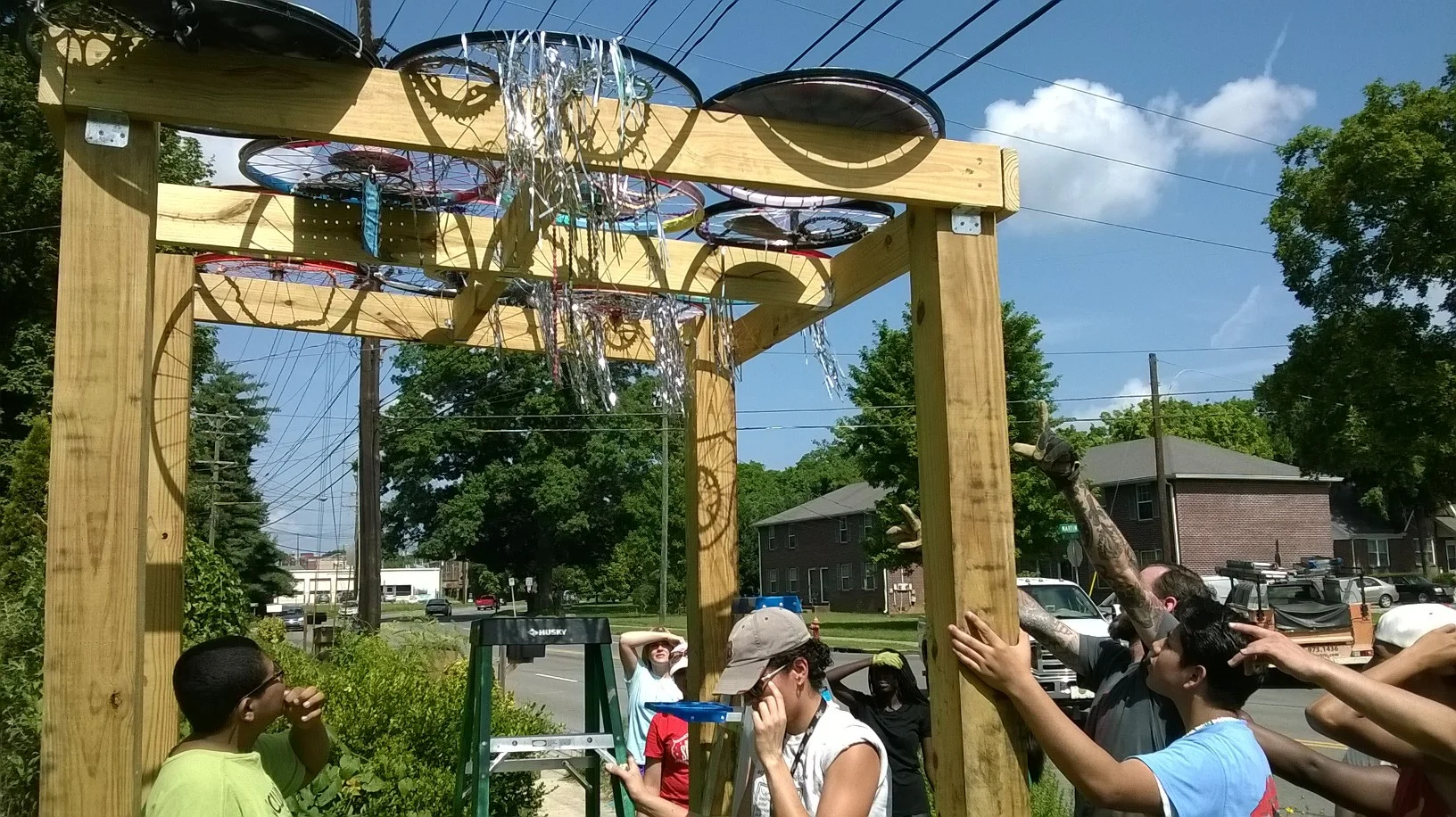
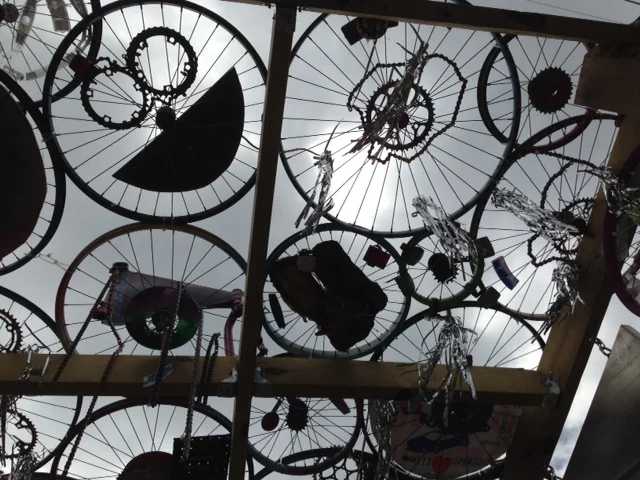
The group also turned recycled bicycle parts into art for the garden.

Squash Casserole
Meals Manager Anne Sale shared this recipe from the potluck making good use of summer squash. Recipe by Robyn Stone of Add a Pinch
Makes 12 servings
- 2 tablespoons butter
- 4 cups sliced yellow squash
- 1 medium onion, chopped
- 2 eggs
- 1 cup grated cheddar cheese
- 1 cup milk
- 2 tablespoons butter
- ¼ teaspoon cayenne pepper (optional)
- ½ teaspoon salt
- ½ teaspoon ground black pepper
- 1 sleeve Ritz crackers
Directions
- Preheat oven to 350º F.
- Melt 2 tablespoons butter in medium skillet or saute pan over medium-low heat. Add squash and onions and cook until tender.
- To a large bowl, add eggs and lightly whisk. Add cheese and milk and whisk into egg until well-combined. Add cooked squash and onions to egg mixture and stir well to combined. Melt remaining 2 tablespoons butter in skillet used to cook squash and onions. Add to squash casserole mixture. Add cayenne pepper, if using, along with salt and pepper. Stir well to combine.
- Spray a 9x13 casserole dish with cooking spray and pour squash casserole mixture into the baking dish. Top evenly with crushed Ritz crackers. Place in preheated oven and bake 45 minutes, or until top has lightly browned and casserole does not "jiggle" when the dish is moved.
- Allow to sit for about 3 minutes before serving.
Also! Be sure to check out the Frist Center's video documenting World Refugee Day and the art project:
A Day in a Dozen: 12 photos tell the story of one day at TNFP
A variety of volunteer groups meet in the Wedgewood garden each morning to work. This group from RISE (Refugee and Immigrant Students Empowered), a youth program of the Center for Refugees + Immigrants of Tennessee, paused for a lesson on the importance of bees.

Meanwhile back at the kitchen, a morning crew of volunteer cooks prepared trays of sausage strata made from donated and gleaned ingredients that will be delivered to Bethlehem Centers.

By 1 p.m., a volunteer prep team had arrived including Olivia, a young woman visiting Nashville and Woodmont Christian Church on a mission trip from Ohio. She chopped kale harvested from the Wedgewood garden the previous day.

Then at 3 p.m., a two-person team swooped in to prepare hot meals for 170 people. The meals on two separate truck runs would head out by 5 p.m. As part of the process, Judy clipped herbs from the garden behind the kitchen.

Then she prepared squash boats over roasted greens including produce gleaned from Delvin Farms and a donation of meats.

The squash boats would be served with slaw made with donated produce from Granbery farm.

Just before 5 p.m., volunteers arrived to load trucks and deliver the food.

While one truck headed for Rex Courts, an Urban Housing Solutions property, another truck left for the Community Meal at Trinity United Methodist.


Grace, TNFP Outreach Coordinator, plated food with volunteers at Trinity United Methodist...

...as guests began to gather for the meal.

And a parting gift? Produce to-go with recipes!