
The Nashville Food Project’s Blog





Anatomy of a Meal
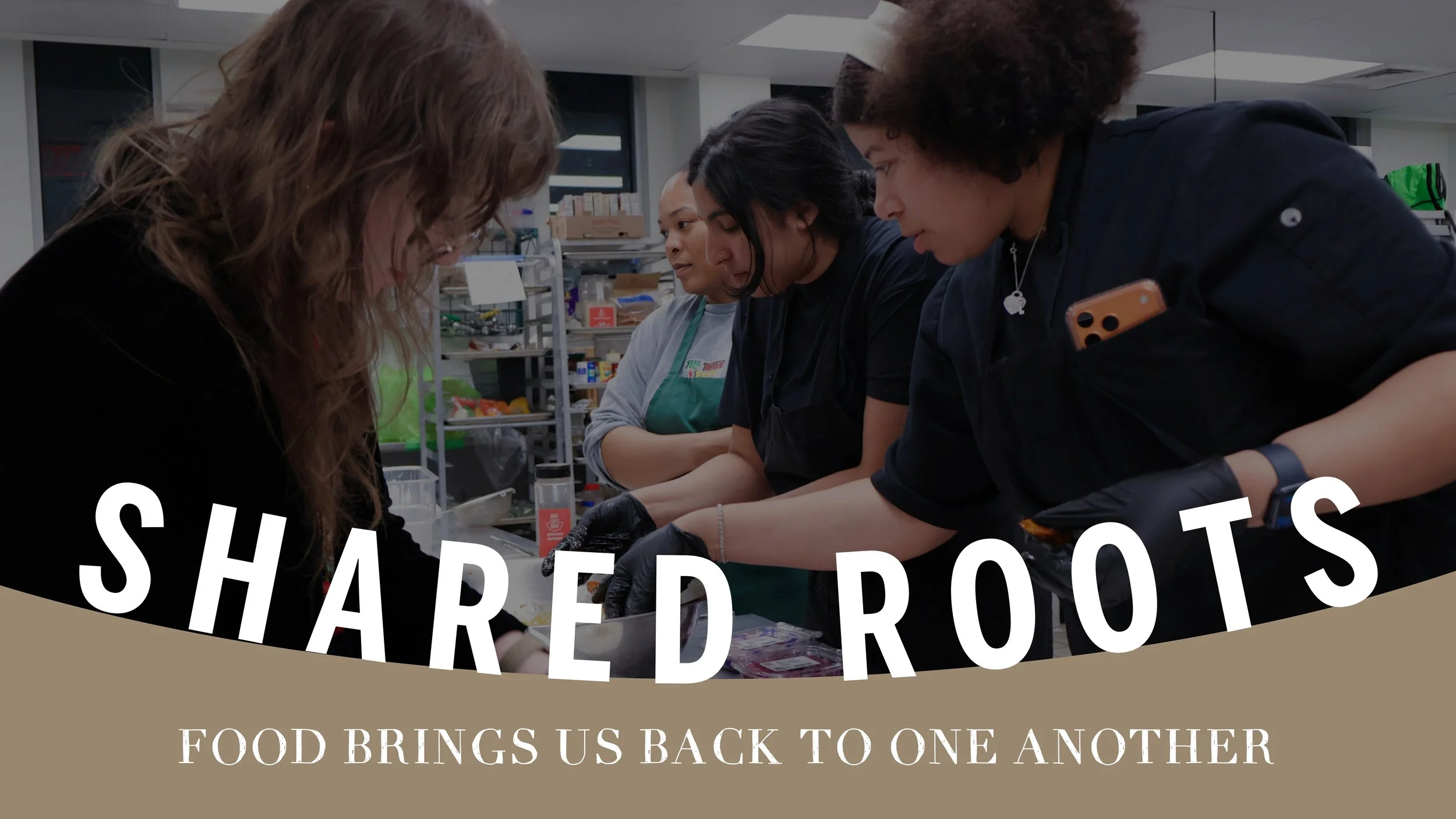
We often say that many hearts and hands go into this work. But what exactly do we mean by that? Follow us while we make a beef lasagna to find out!
We often say that many hearts and hands go into this work. But what exactly do we mean by that? Follow us while we make a beef lasagna to find out!
Food Donations and Recovery
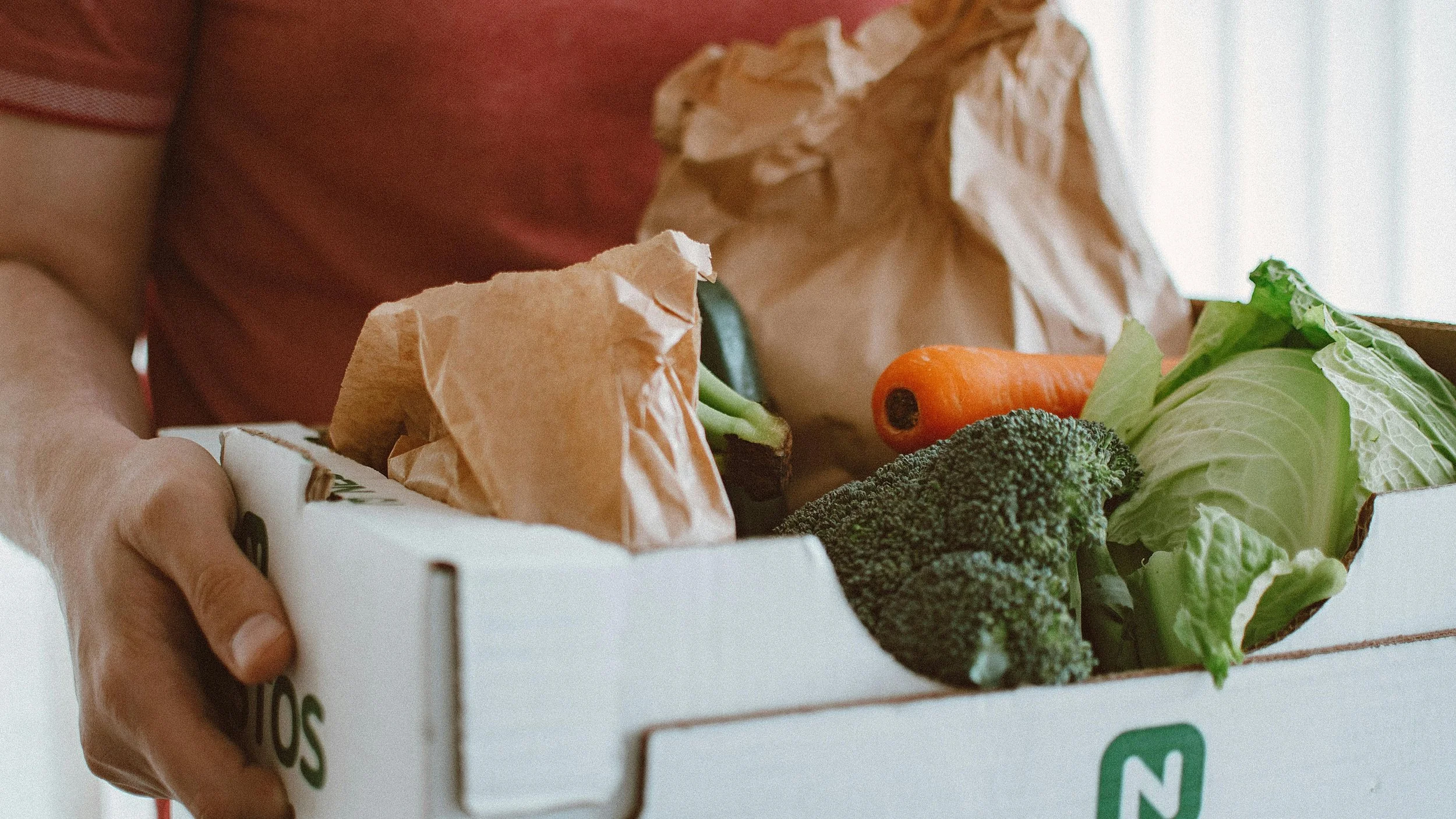
When most people cook, they decide on a recipe and then go grocery shopping for the ingredients. But for us, it’s the other way around. At any time, our walk-in refrigerator, freezer and dry storage may have thousands of servings of meat, pasta, beans, assorted veggies and more — and most often, it came from generous donors or was diverted on its way to the landfill. In fact, about 65 percent of the food we prepare in our kitchens comes from donations or recovery efforts. When it comes time to plan our menu for the week, we begin by taking stock of what we have and leaving room for any fresh ingredients that may be coming later in the week. This week, our first step is evaluating our protein supply…

Every Tuesday, a few of the fine folks from Porter Road Butcher pull up at the freezer behind our headquarters to drop off a weekly meat donation: usually some combination of ground beef, bacon, sausage and steaks. Always, they’re donating in quantities of hundreds of pounds at a time. If we’re cooking with meat, this is often where our meal begins. This time, we’re using ground beef!
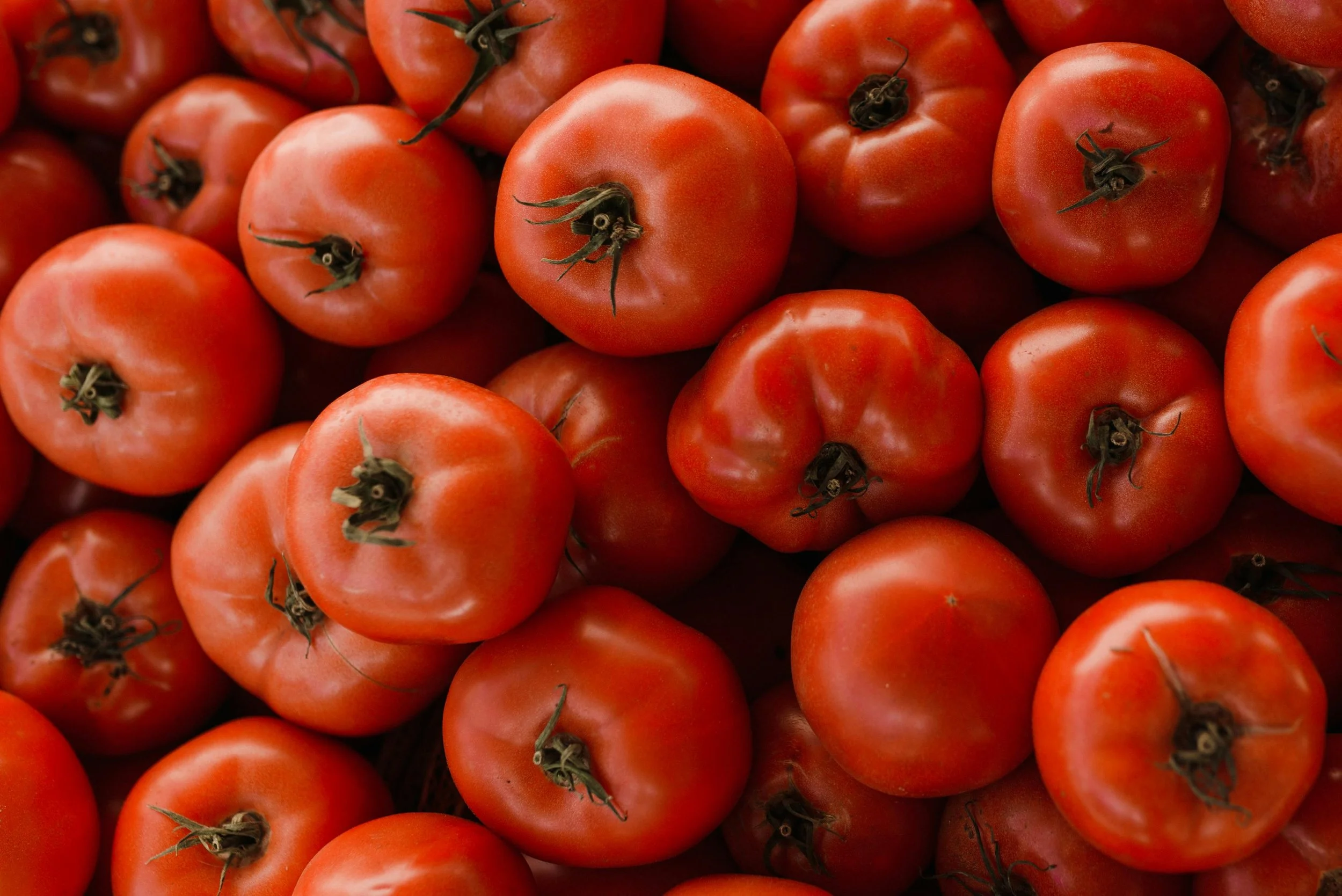
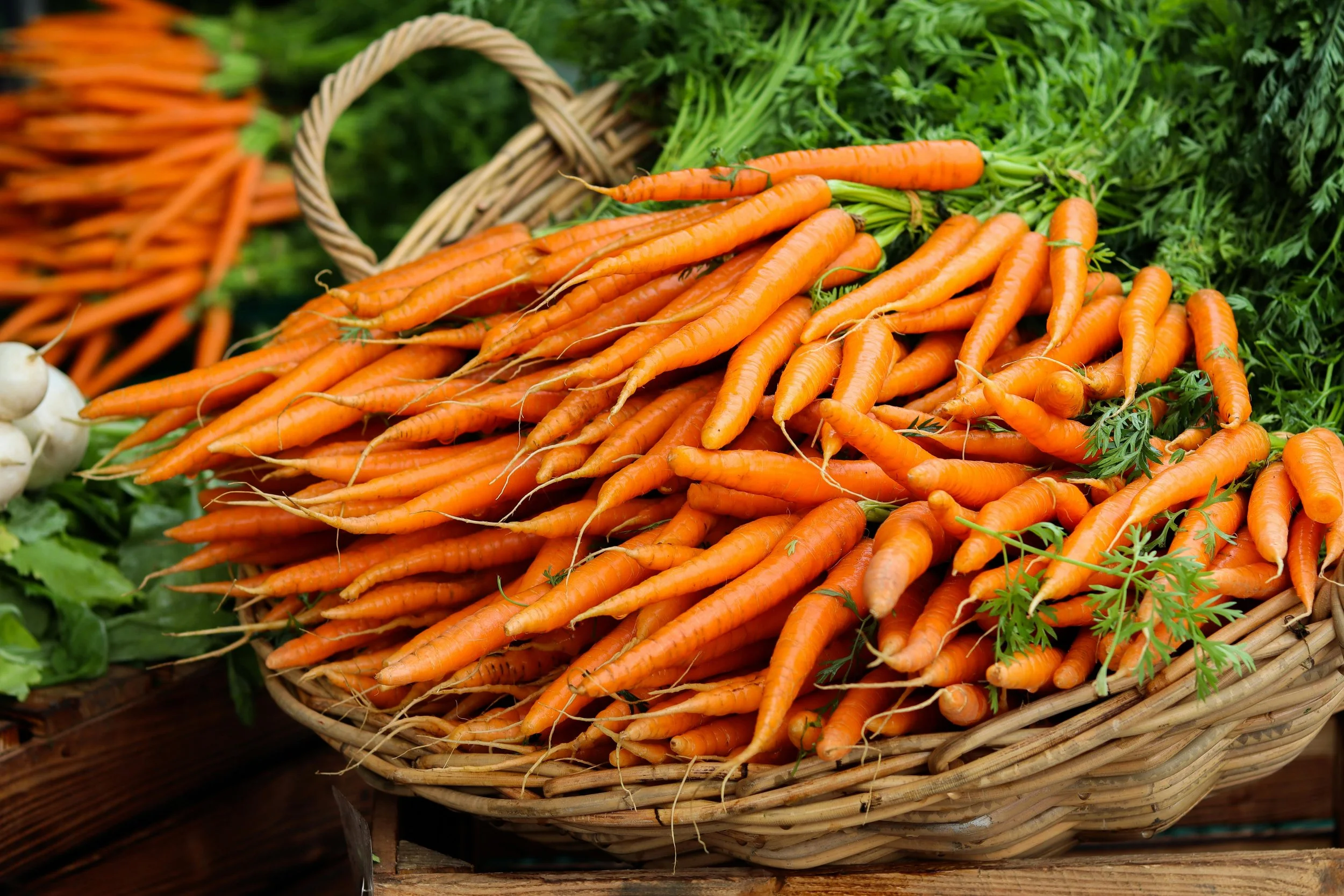
Then comes produce! For something like a beef lasagna, the vegetables we need are fairly basic — mostly tomatoes for the homemade marinara sauce. Besides, all meal recipients will get a veggie side; in this case, it’s a roasted veggie medley. During the summer and fall months especially, we often receive gracious donations from local farms with a bumper crop. These particular tomatoes came from Cul2vate and Bells Bend Farms, with a few cans of recovered Costco tomatoes thrown in to thicken up the sauce a bit.


We round it out with cheese recovered from Whole Foods and lasagna noodles donated by a recent local food drive. From there, we’re ready to start cooking!
Food Preparation and Assembly
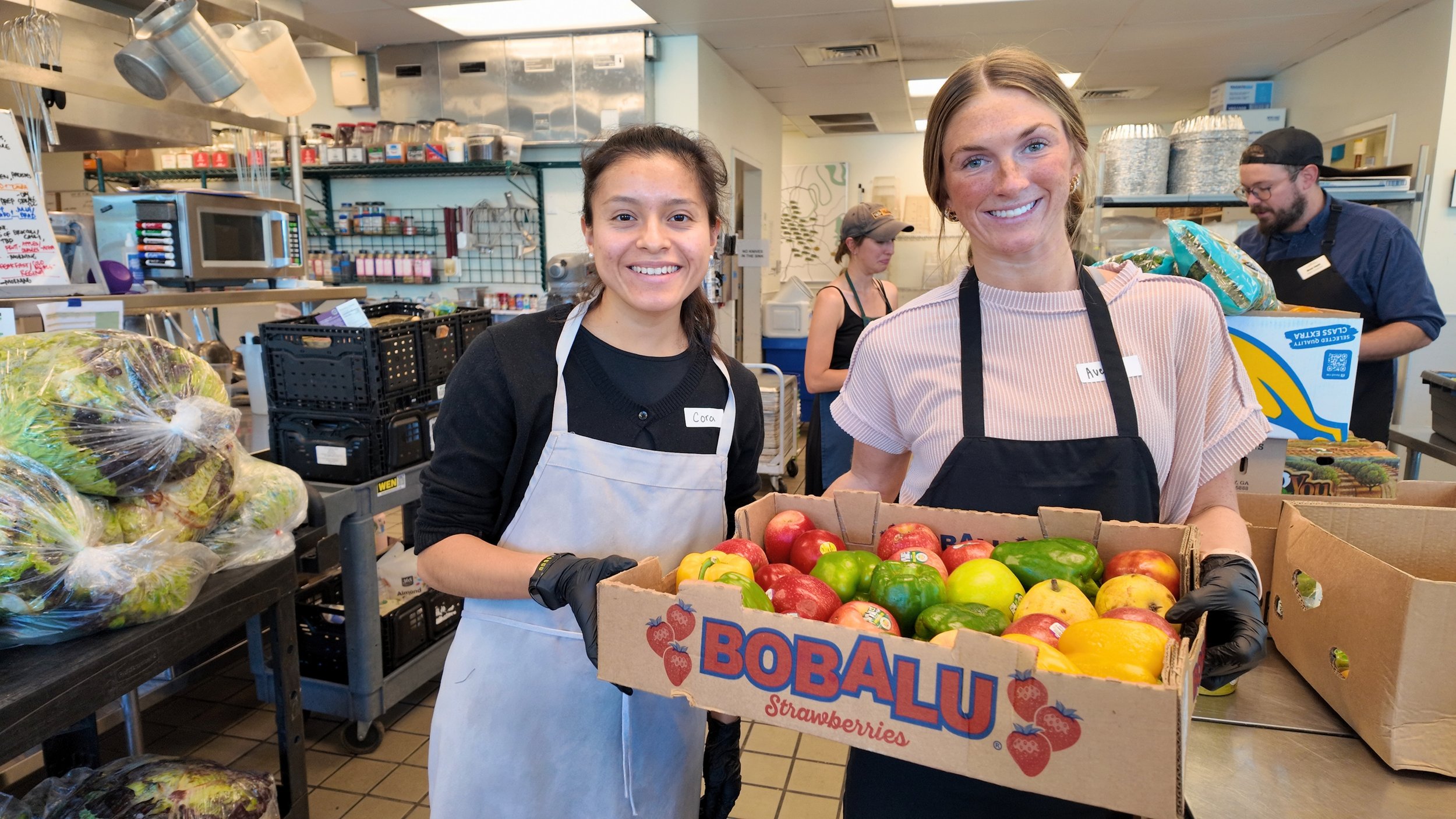
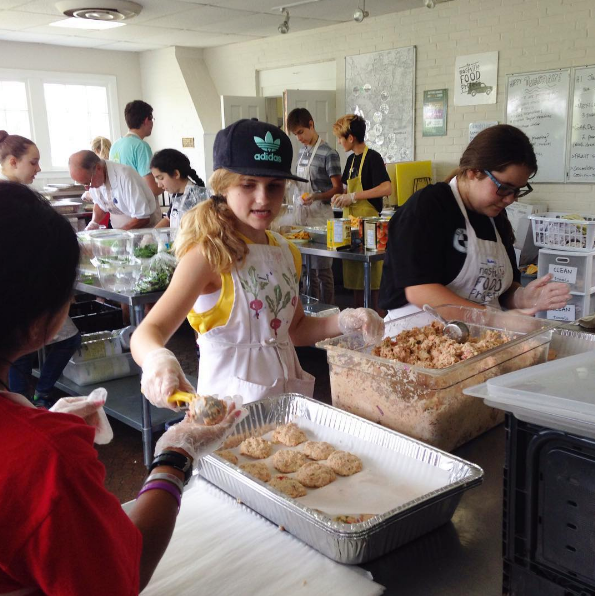
A huge branch of our volunteer program is processing donations. Usually, that means getting the bulk food that has been donated or recovered into manageable pieces for our kitchens to cook with. Whether a team of volunteers is chopping veggies or shredding chicken, there are always extra hands around here.
A few days before it was time to put together this meal, volunteers cut up huge chunks of cheese into easily meltable blocks. This ahead-of-time preparation makes it easy for our meals staff to get to work making cheese sauce! Meals Coordinator Bryan cooks off the beef and blends up the marinara sauce. At this point, everything is prepped and ready for assembly.
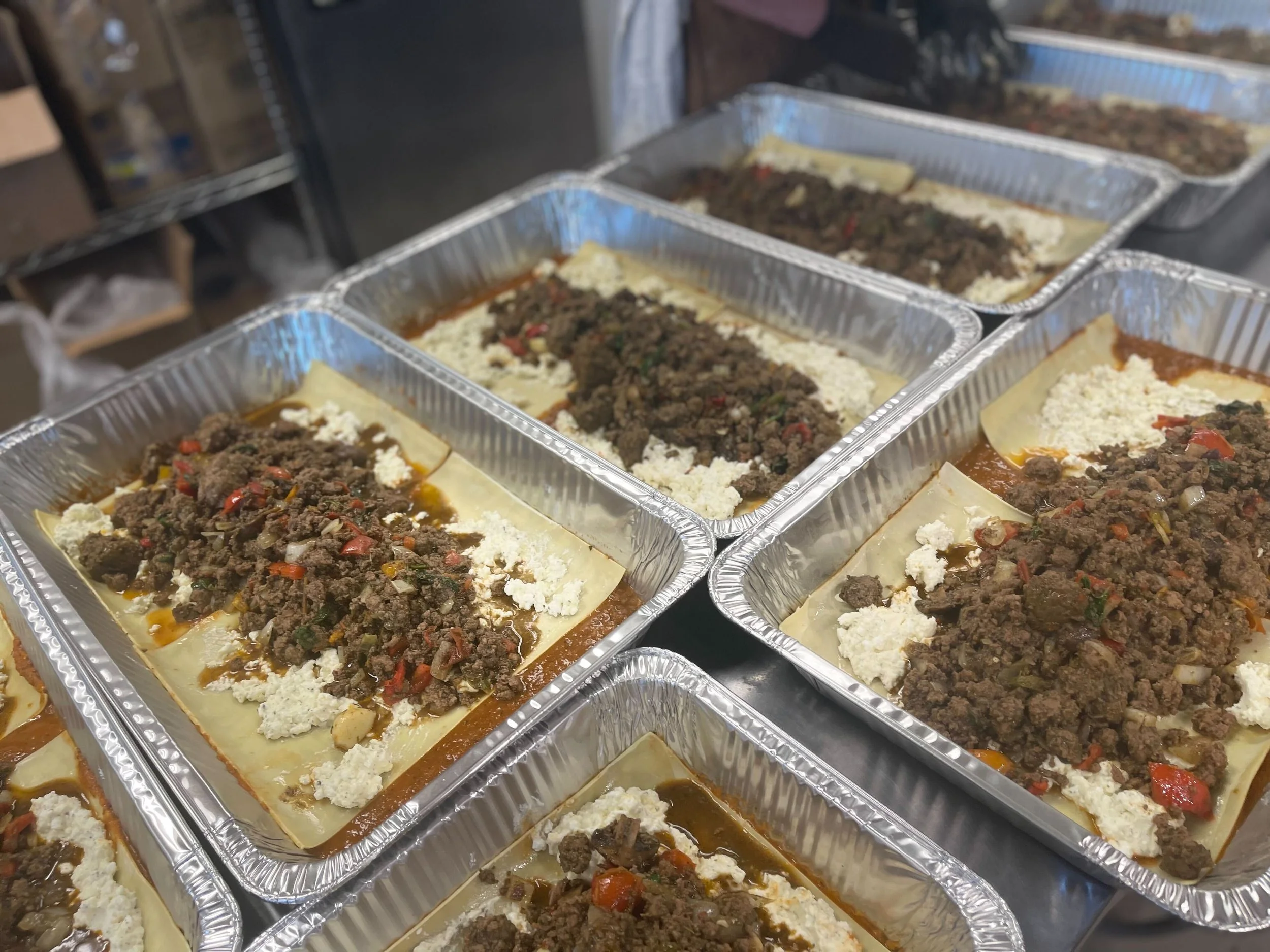
Food assembly is a little more detail-oriented and labor-intensive than processing, so the volunteer group that helps us put together our lasagna is one that has been around a while. Led by our friend Ann, this group of women comes in a few Thursdays a month to help us cook — a task almost always reserved for Food Project veterans. They do an amazing job!

Food Distribution and Delivery

We always prepare meals at least a day in advance. After this one is baked, it spends the night in our walk-in refrigerator and is reheated the following morning before our share team loads the vans and leaves for their meal distribution routes! Our food access partners include after-school programs, immigrant communities, homeless outreach organizations and so many others in Nashville.
We share this beef lasagna with the veggie roast and a portion of homemade applesauce with friends at Dismas House, Community Care Fellowship, FiftyForward, Project Transformation, Preston Taylor Ministries, the Martha O’Bryan Center, YWCA, Project Return and seven different after-school sites in partnership with the YMCA.
Once it gets to the sites, many more hands are involved in serving, eating and cleaning up after the meal. But that’s a story for another time…
Wedgewood Towers Grows Community
Our newest meal partnership uses a nourishing meal as a space to build community between two unlikely groups: senior residents of Wedgewood Towers and students from the University School of Nashville.
The Nashville Food Project’s newest meal site is right around the corner from one of our Gardens at the Wedgewood Towers community, located in the Wedgewood-Houston neighborhood. This apartment complex has 121 units and is managed by First Cumberland Properties specifically serving low-income disabled and seniors over the age of 62.

Senior residents of Wedgewood Towers and students from University School of Nashville working on a craft together.
As long time residents of Nashville can attest, this is an area that has changed a lot in the last 10 years, and those changes have had lasting impacts on the Wedgewood Towers community.

A recent craft: paper rainbows and pots of gold in honor of St. Patrick's Day!
When Kita Davis was recently assigned as a social worker for this building, she polled the residents to better understand their needs. At the top of the list was access to food, healthy or otherwise. The last, walkable grocery store, a save-a-lot, was torn down for condos not too long ago. Most residents of Wedgewood Towers do not have access to regular transportation and have a hard time getting out. With no grocery stores within walking distance, it’s no wonder that access to healthy food is at the top of the list.
As a result, Kita reached out to The Nashville Food Project. Now, every Tuesday at lunch and Friday at dinner, residents of Wedgewood Towers gather together around activities and a hearty, made from scratch meal.
On Tuesdays before lunch the residents are joined by students from the University School of Nashville. Each week a different class comes and leads an activity for the community. One week it was a game, the next a computer lesson. Last week, in preparation for St. Patrick’s Day, the kids led a craft, making paper rainbows and pots of gold for the residents to decorate their doors with.

Lunch is served!
After the craft it was time to eat. Residents blessed the meal with words of gratitude before digging in. On the menu was barbeque chicken, roasted sweet potatoes, a kale salad & fruit. Similarly, on Fridays volunteers join the residents for a “lively game of bingo” while they eat.
Before this meal and these activities, Kita said that there weren’t many community wide activities at Wedgewood Towers. It’s taken a little while for the programs to grow but every week she has more residents coming back to join in and receive a meal.
Her goal with these meals and community times are simple, to promote wellness, build morale, and strengthen relationships between residents and staff, fostering a friendly atmosphere and a strong sense of community. And really, isn’t that what a shared meal is all about? Every week, Kita says, the community grows.
At The Nashville Food Project we embrace a vision of vibrant community food security in which everyone has access to the food they want and need through a just and sustainable food system. As the sweet potatoes from a local farm, the greens from our garden around the corner, fruit salad prepared by volunteers, and chicken donated from a local restaurant filled up these plates it all came together, a meal Nashville can be proud of.
Food is Comfort
In January 2017, we began a partnership with the YWCA, providing weekday dinners for their Weaver Domestic Violence Center. This 51-bed shelter is the largest domestic violence shelter in Tennessee, providing a safe space for women and children escaping domestic violence (men are housed at another partner facility).

The statistics of domestic violence in our country are staggering. One in four women in the U.S. experiences intimate partner violence in her lifetime. Approximately 15.5 million children are exposed to domestic violence every year. And in our own community, The Metro Nashville Police Department received over 26,600 reports of domestic violence in 2014 - that’s one report every 20 minutes.
In January 2017, we began a partnership with the YWCA, providing weekday dinners for their Weaver Domestic Violence Center. This 51-bed shelter is the largest domestic violence shelter in Tennessee, providing a safe space for women and children escaping domestic violence (men are housed at another partner facility).
“The women, the children, our staff - anyone who walk through these walls - deserves a clean, welcoming, healthy place,” says Laura Clark, the Residential Coordinator at the shelter for the past 17 years.
The YWCA empowers domestic violence survivors to take control of their lives, while offering them safety and the resources to ensure their self-sufficiency. The YWCA’s programs are designed to empower women and offer opportunities for self-determination in every area of life, including the design of their food program at the shelter.
“Food is so powerful...And sometimes the women couldn’t eat what they wanted. They couldn’t buy what they wanted. Everything was locked up. Everything was centered around the control of their abuser.”
In contrast, the two kitchens at the shelter are stocked with pantry items and ingredients for the women and families to have access on their own schedule. They have spaces for any of their personal food, and can add requests for spices or other pantry items to a community shopping list.
"At first when they talked about having (TNFP) I didn’t know exactly what it was – they started and thought, ‘Oh my gosh - I don’t know why we couldn’t have found you all years ago!’"
The dinner meal at the shelter, provided by TNFP, is advertised to start early evening, but the women can come at whatever time works for their schedule. “Many of the women work, have school, and are taking care of their kids. When they come here, we want to offer at least one good meal a day – which is (TNFP),” Laura tells us. “Food is comforting. And our goal is to make sure they’re fed and they’re taken care of – it’s just one less thing to worry about.”
When asked about how the food has been received, Laura shared, “I have seen positive impacts. Some of the women have never eaten like this. It’s healthy, and it’s flavors that you don’t get just anywhere - even in the restaurants,” she adds, smiling.
“This is a different way of life for a lot of these women and kids. And I’ve seen a difference. I’ve seen a difference in people and the way they eat.”
And of course, this is just one small piece of the much broader impact of the YWCA’s work. In 2016, the YWCA served 453 adults and children at the Weaver Domestic Violence Center, providing not just a safe space, but also case management, safety planning, support groups, and counseling.
We are so grateful to be a partner with the YWCA in this important work! Learn more about the YWCA’s mission and programs on their website.
We All Need Something
For the past few school years, the seventh and eighth graders at Abintra Montessori School have been filling our prep room each month. It’s a partnership that we have grown to love and one that we’re proud to hear is essential to the education of Abintra students.

For the past few school years, the seventh and eighth graders at Abintra Montessori School have been filling our prep room each month. There the students clean and chop vegetables, assemble sandwiches and snacks, and put together beautiful fruit salads while listening to fun tunes with our staff. It’s a partnership that we have grown to love and one that we’re proud to hear is essential to the education of Abintra students.
“Volunteering is an integral part of our curriculum,” Abintra Middle School Guide Kim Blevins-Relleva tells us. “We’re trying to teach students to think critically about the world.”
She explains that there is a social justice component to Abintra’s educational philosophy, teaching the students that what they do in the community matters just as what they learn in the classroom matters in their daily lives.

Abintra looks at volunteerism as so much more than an opportunity for students to feel better about themselves, but an opportunity to make a positive contribution.
“We believe that access to food should be a basic human right, but it really is a privilege here in our community,” Kim tells us. She says that food insecurity is a reality that many Abintra students struggle to relate to so it’s that much more important for them to realize the impact of the work they do in The Nashville Food Project kitchen. Each time the students help with meal prep, they look at our meal partner map to learn more about where the food is going and the work it is supporting.

In our kitchen, the students get so much more than a fun volunteer activity. “They enjoy being entrusted to do jobs that typically adults would do - cooking and chopping. At The Nashville Food Project, they’re treated with respect by the staff, and they get to see the final product of what they’ve created,” Kim explains.
Kim tells us that the school tried many different organizations before settling on The Nashville Food Project as the regular volunteer partner for their middle school. They looked for an experience that taught their students that we all need each other in some way. “No matter who you are or what your life circumstance may be, we all need help.”
Here at The Nashville Food Project, they found a similar philosophy that blurs the lines between giver and receiver, one in which we recognize our interdependence and our shared basic needs.
Having the Abintra students in our kitchen has become something we look forward to as each school year nears. They’ve just rejoined us this month, and we couldn’t be more thrilled to welcome them back.
Supporting Academic Perseverance Through Food
Earlier this month we sat down with one of our meal partners, Preston Taylor Ministries, to learn more about their program and how they are using The Nashville Food Project's food to support their work to education and instill students with academic perseverance.
Earlier this month we sat down with one of our meal partners, Preston Taylor Ministries, to learn more about their program and how they are using The Nashville Food Project's food to support their work to education and instill students with academic perseverance.

Tell me a little about your organization and specifically the program that is supported with TNFP food.
Preston Taylor Ministries has been operating for 19 years. Next year will be our twentieth year. We have seven elementary and middle school sites that we partner with throughout the 37209 zip code. We own one of the buildings that we run programming from, but the majority are partnerships with other organizations. We really try to have a presence in the footprint that exists in the neighborhood.
We try to be that school-home-afterschool connection to close those gaps. Here at St. Luke’s Community House we are a K-8 program so we actually have two programs running simultaneously: a K-4 elementary school program and a 5-8 middle school program.
What’s the specific program that you run here at St. Luke’s Community House?
Our primary feeder school for elementary is Cockrill Elementary. We’ve worked out a transportation system with Metro Nashville, and they bus those students directly here, which is great. Of the 35 elementary school students that come, probably 25 of them are all Cockrill students. Other feeder schools are Charlotte Park Elementary, Eakin Elementary and Gower Elementary. For our middle school program, our primary feeder school is Nashville Prep. That’s a charter school that is a block away. Probably 28 of the 35 middle schoolers come from there, and they walk here.
We’re after-school from around 3:30 to 5:30, and our primary mission is “Joy-filled friendships, Christ-centered atmosphere, and a love for learning.”
We are in an air conditioned gym, and we take full advantage of that. Our program consists of physical education, academics, reading intervention and chapel time. We have a total of 70 students that rotate…
Wow! That’s a lot of kids.
Yeah, it doesn’t feel like it. When you get it down to everyone knowing where they’re supposed to be, it’s manageable. You’ve just got to trust me on that!
That’s such a great focus on filling the gaps to create a holistic experience. One of The Nashville Food Project’s primary goals is filling gaps for our partners, supporting their work that is breaking cycles of poverty. Education seems so important in that work. How are you all working in the education space?
Our goal when it comes to education and academics is really what we call “academic perseverance.” We know that in the 25 minutes we have for homework help in a two hour after-school program, it’s very difficult for us to increase a grade level. What we can do is use all of the two hours that we have with those students to build an atmosphere and a mindset of perseverance and follow-through, doing hard things and doing the next, right thing. That carries over into the academic pieces of our program. So that’s really our first approach - understanding that we’re creating a framework of perseverance in everything that we do.
Then, we have a reading intervention piece. We know that in K through third grade, students are learning to read. In grades fourth through eighth, students are reading to learn. In those latter years, we know that most of the information they intake academically will be through reading comprehension so that becomes our focus. As they become better readers, they become better learners. There are things that we have to do in that third rotation that revolve around giving that student a better chance at focus and concentration, breaking barriers of distraction. Food is a big part of that.

Why do you think that offering food alongside this program is important? How does it support the work?
When I say the word food, what I mean is healthy, nutritional snacking. We don’t want to give our students anything that then steals their energy, ability to focus and ability to concentrate. What we want to give them is food that’s going to support the next hard thing that they have to do.
We’re always looking for ways to introduce healthy snacks with the mindset that Cheetos are going to keep you from wanting to do your homework, but hummus and carrots are going to energize you and give you the brain power that you need to be able to do that next hard thing, which might be math. That’s the approach that we take, and that’s why The Nashville Food Project is such an important and integral partner to academic excellence here.
It sounds like you all are carrying out your program in a way that’s helping the students learn more about how to feed themselves and what the food that they eat does for their ability to learn and be active. What do you think the students are learning about and through this food?
We also partner with Second Harvest, and they have a lot of literature that we can use to educate the students in their native language. They give us those to help support the education piece. We use that alongside cooking lessons and other things. We have cooking rotations with our students where the approach is always to get kids to make their own healthy snacks. If there is a particular snack that we’re serving from The Nashville Food Project, we have a conversation with our volunteers about introducing those foods, talking about the colors of those foods and what the colors mean in terms of what that gives you - what orange food gives you, what red food gives you and what green food gives you. We’re always sending that message right through that window into our kitchen.
It also gives us the opportunity to have conversations around perseverance when it comes to trying new things and why it’s important to at least take a bite. You can’t explain to me what you’re saying “no” to until you try it. That’s been a huge part of getting students into the whole mindset of what perseverance means in every aspect of their life including how they feed themselves. That’s an emotional decision so the social and emotional learning part of that - of not shutting yourself down to trying new things - is a big piece of it as well.
It’s great to see you all thinking about food and its impact on your students in such a meaningful way.
Yeah! It’s a very holistic and integrative approach here, and everything that we do points to those goals.
Other than food, what do you think are the biggest factors outside of your control that are impacting the education and development of the students you work with?
Here at the St. Luke’s facility, 100% of our students are living below the poverty line, and 68% of our students are native Spanish speakers. They are the first English speakers in their families so for reading comprehension, they always have to go the long way around the barn.
Particularly in our fifth through eighth grade population, Nashville Prep is a college preparatory school teaching high order and critical thinking skills. Reading a paragraph and being able to extrapolate data, form a conclusion, find evidence to support a question - those sorts of things take a lot of concentration when English isn’t your native language so ELL and being able to work with that population in homework help is always a challenge.
The other problem is that for this population their support system is often not in the country. Having a caring adult, having high participation in our mentoring program where there’s a caring adult in their lives other than their mom has been a big part of our mission at PTM because their support system isn’t even here. Not down the street. Not in another neighborhood. In another country.

I know that one of the things that The Nashville Food Project has been doing here at PTM that’s different from some of our other after-school program partners is the Community Suppers you do. I’d love to hear about how that came about.
When I first came and sat down with The Nashville Food Project and talked about the programs that you offered, we decided that rather than having healthy snacks coming four days a week, we wanted a way to be able to share that experience in a family setting, bringing the community together around healthy food. So we negotiated that once a quarter we would have a Community Supper, and we could share that experience, where students could communicate to the parent about the food they were eating. I think we had 42 people here for the first Community Supper, but for the last one we had about 120!
It’s a huge huge part of what we do here! It gives us an opportunity, a way for us to increase our parent engagement and find out what’s going on in the home and just sit down and break bread together. Just share a meal together. It has turned into Community Supper/Dance Party. There’s a lot of dancing that goes on! Which is great.
During Community Suppers we always talk about The Nashville Food Project and go into depth about the people that gleaned the food, the people that prepared the food, the people that transported the food. The meal is always so beautiful and so colorful, and we go into what we’re eating and why it’s important. I stand there at that microphone, and that’s what we talk about. We always have the food portion of the evening, then some sort of enrichment where we’re highlighting something in the program to give them a little bit about what we do while their kids are here.
We have four Community Suppers a year. The one in May has become our graduation ceremony and volunteer appreciation dinner. The one in September is sort of our open house when we’re launching the program, getting to know the families, meeting some parents for the first time. The one in November/December becomes sort of a holiday meal. It has become an integral part of what we do, and I’m so glad that we’ve structured it this way.
You hear a lot about how much parent involvement can impact a student’s performance. Have you all seen a difference in your students after being able to get their families more involved in your program through these Community Suppers?
What’s great about it is that it helps us to close that loop in terms of what’s going on in the school and how that needs to be communicated to the home base. When that’s carried through a child, a lot gets lost in translation so we do get to be that unifying arm. We close that loop in terms of what’s happening in the school and after-school environment. That’s one piece of it.
Like I said, 68% of these students are learning in English instead of their native language, so it is so difficult for parents to be a help. That’s one area where we can bridge the gap. I just had a parent meeting a couple of weeks ago, and we instilled a new homework policy where we’re not only looking at homework, we’re correcting it, and we’re initialing off on it. This is a way for a parent to know, “Hey, there’s been a caring, educated adult that’s looked at this. I don’t have to feel shame or pressure to be the person who helps with this when I’m not an English reader.”
These are some of the ways in which having Community Suppers and having parents come alongside us builds rapport, credibility and trust.
Fuel for the Job
Five days a week, the office of Project Return, a nonprofit organization situated near a downtown bus line with views of the Nashville skyscape, hums with the purposeful activity of men and women determined to gain employment after returning from incarceration.
Five days a week, the office of Project Return, a nonprofit organization situated near a downtown bus line with views of the Nashville skyscape, hums with the purposeful activity of men and women determined to gain employment after returning from incarceration. For three full days, they participate in Project Return’s job readiness program, attending classes on topics such as money management and computer literacy and receiving individualized support on resume building and mock interviews. All the while, Project Return works diligently to support these individuals in securing employment, an often difficult task for those with a felony conviction, but one necessary to building a full and free life after incarceration.

These individuals face seemingly insurmountable barriers. For many returning to society, systemic poverty rears its head in many ways – hunger, unemployment, homelessness, social stigma, transportation, and often isolation. This means that commitment and intention towards gaining employment requires a vast array of simultaneous wraparound services.

At The Nashville Food Project, we know that hunger is an immediate, and often critical need for many vulnerable residents of Nashville. And we know that it is often only one of the many burdens of poverty our neighbors face. In partnership with Project Return, The Nashville Food Project provides two lunch time meals each week for the job readiness program participants.
This week, participants in the program will come together around a communal table during the lunch break to share a beef and broccoli stir fry, garden salad with homemade dressings, and fresh fruit, each component of which was thoughtfully and creatively repurposed for these hardworking individuals.

These meals meet an immediate need faced by many in this program – hunger. And more, as Executive Director of Project Return Bettie Kirkland claims, as “we rally our efforts to propelling people into employment, these meals are literally fuel for the job! It's hard to be an effective job seeker if you're hungry and you're worried about where you'll get your next meal. [Knowing] they're going to leave here with a full stomach frees up brain space for the information we're giving to them.”
Further, The Nashville Food Project seeks to alleviate hunger and cultivate community, knowing that food provides nourishment, healing and belonging when shared together. As our food truck pulls up to Project Return each week, we are setting a place at a communal table where all are welcome.

“Because people stay at [the Project Return] offices during lunch and eat together, it’s common to hear laughter and stories being shared. This builds a sense of community and camaraderie in our office and sitting down for a meal with others is all part of a successful return to society from incarceration. It incentivizes staying in our program, which is a launchpad for building a full and free life.”
In the face of what daily feels like unlimited need, The Nashville Food Project begins each new partnership in our meals program strategically, not only sharing good food, but asking, “how can good food support the work already happening in your community?” Through our meal partnerships, TNFP uses the food we grow and recover, the power of human labor, and the spirit of collaboration to disrupt cycles of poverty in Nashville.

In addition to Project Return, we work in collaboration with 26 other nonprofit organizations such as The Contributor, Operation Stand Down, GANG (Gentlemen And Not Gangsters), and Begin Anew, among many others. As we share these meals, we believe in the power of these partnerships to alleviate hunger, bring people together, and transform communities.
How We Shared in 2016
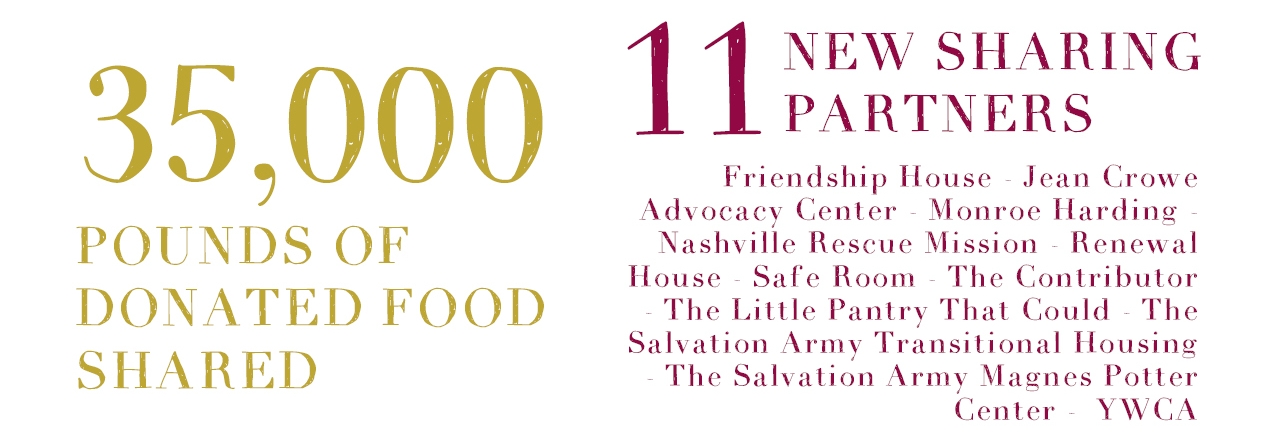
Thanks to the support of our incredible community, in 2016 The Nashville Food Project shared more food than ever before! Through a new partnership with St. Luke’s Community House and the addition of eight new meal partners, we doubled our annual meals production from 50,000 to 16 partners in 2015 to over 114,000 to 23 partners in 2016!

Thanks to the support of our incredible community, in 2016 The Nashville Food Project shared more food than ever before! Through a new partnership with St. Luke’s Community House and the addition of eight new meal partners, we doubled our annual meals production from 50,000 to 16 partners in 2015 to over 114,000 to 23 partners in 2016!

“Our students have been more open to trying new foods. We see a better attitude, more even energy & well balanced moods on TNFP food days. Our community suppers have helped us unite our families & staff.”

“[The Nashville Food Project’s meals have] allowed us focus on independent skill-building by treating this as restaurant/learning opportunity. Our clients have had access to new, nutrient dense foods that they have loved.”
In 2016, we increased our food recovery efforts, recovering over 108,000 pounds of food that would otherwise be thrown away. About one quarter of all recovered food was shared with new partner organizations. These partners used the food in their own kitchens and helped stock refrigerators for their residents and clients. This ensured that even more families had reliable access to fresh, healthy food.
Sharing Food & Changing Lives With Two New Partners
The food truck is a somewhat iconic image in the history of The Nashville Food Project. Since our earliest days, we’ve been driving these trucks all over the city, delivering meals to those who need them. Before the hot meals, before the gardens, we had the trucks…

The food truck is a somewhat iconic image in the history of The Nashville Food Project. Since our earliest days, we’ve been driving these trucks all over the city, delivering meals to those who need them. Before the hot meals, before the gardens, we had the trucks. Nearly every new volunteer or visitor we meet asks us “I’ve seen the food trucks, but where do they go? Who are these meals shared with?”
The way we share our meals truly is what makes The Nashville Food Project “us.” All of our meals are shared in collaboration with community partners that support the various communities we feed, and right now we are working with over 20 organizations to share hot, healthy meals and snacks in our city. As each partner is different, so is each meal service. Just looking at two of our newest partners, you can see the varied ways our meals are shared to support our community:

Preston Taylor Ministries at St. Luke’s Community House
You’ve probably heard that we’ve partnered with St. Luke’s Community House to open a second kitchen and provide daily meals for their preschool and senior mobile meals program, but you may not have heard that we’re also partnering with a St. Luke’s partner at St. Luke’s.
Preston Taylor Ministries is the newest partner at St. Luke’s, facilitating the United Way Family Resource Center’s after-school and summer programming. As a site for the SPARK program (Sports, Play and Active Recreation for Kids), programming has an enhanced focus on promoting an active lifestyle. Twice each week, we provide healthy snacks for 85 kids. These snacks, along with the SPARK programming, are helping kids develop a healthier lifestyle, which has been shown to improve academic performance and behavior. We will soon begin a once monthly sit-down meals open to all Preston Taylor Ministries families and the surrounding neighborhood to develop stronger community and reduce the isolation so often accompanying poverty.

The Family Center
The Family Center prevents child abuse and neglect by empowering parents to raise happy, healthy children. The Nurturing Home Program serves Families First families in Davidson County with both group and in-home parenting sessions.
The Nashville Food Project recently began providing a weekly family meal to support a Nurturing Home group session. Each week, a table topic accompanies the meal to introduce the evening’s session. For example, if Nurturing Home is covering Feelings and Building Empathy, the families begin the evening by sharing a meal and introducing themselves to the other group members and stating one feeling they had that day. This meal and discussion is helping to bring together participating children and parents for important support and sharing.
Here at The Nashville Food Project, we know that nothing brings people together and breaks down walls quite like a good meal. These new partners show just a couple of ways that that is happening every day in our city. Poverty is a cycle that requires more than just food to break, and these partners are helping us do that by providing valuable programming that betters the lives of all those who come together over our meals.