
The Nashville Food Project’s Blog






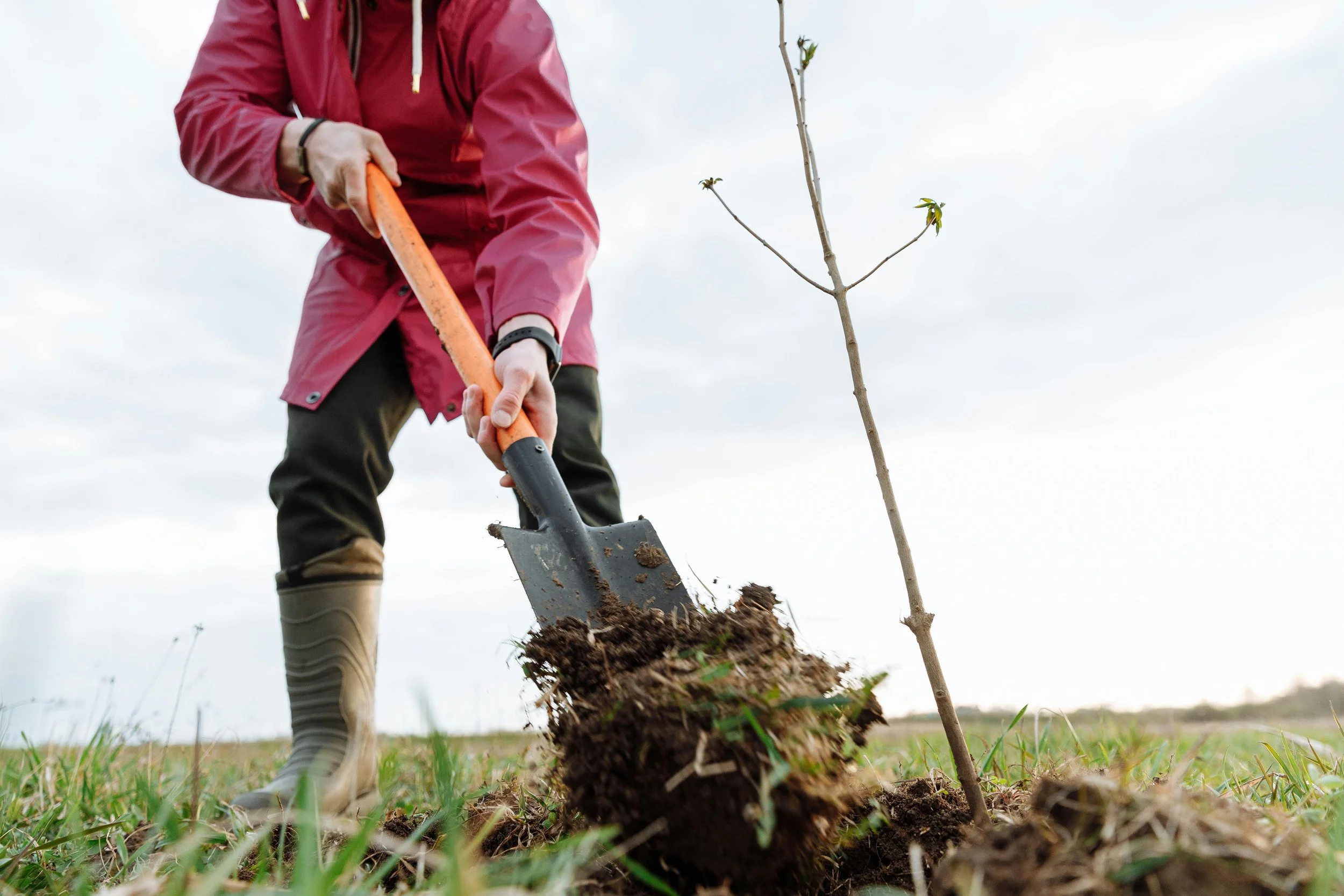
Sharing Hope
The blows our Middle Tennessee neighbors have endured since the beginning of March have been enormous. Our local community is entering into this pandemic already tired, afraid, economically strapped, and needing each other’s physical presence more than ever. The calls for social distancing are in direct conflict with our mission “to bring people together,” but our staff are soldiering on to nourish our community in these changing times with our actions, inaction, love, and prayers.
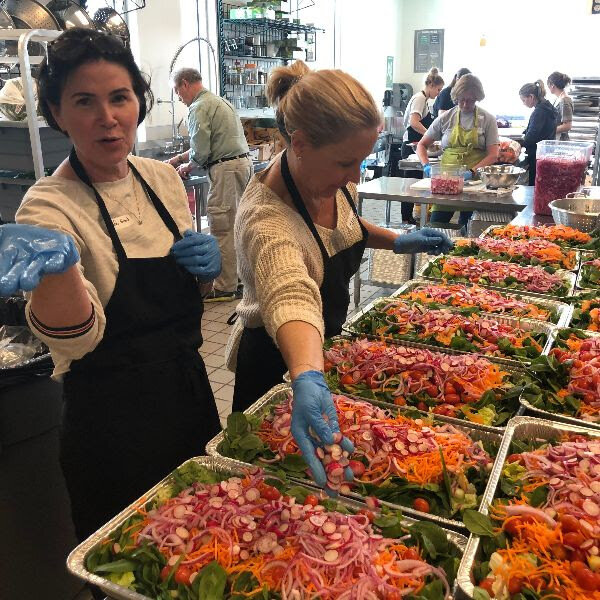

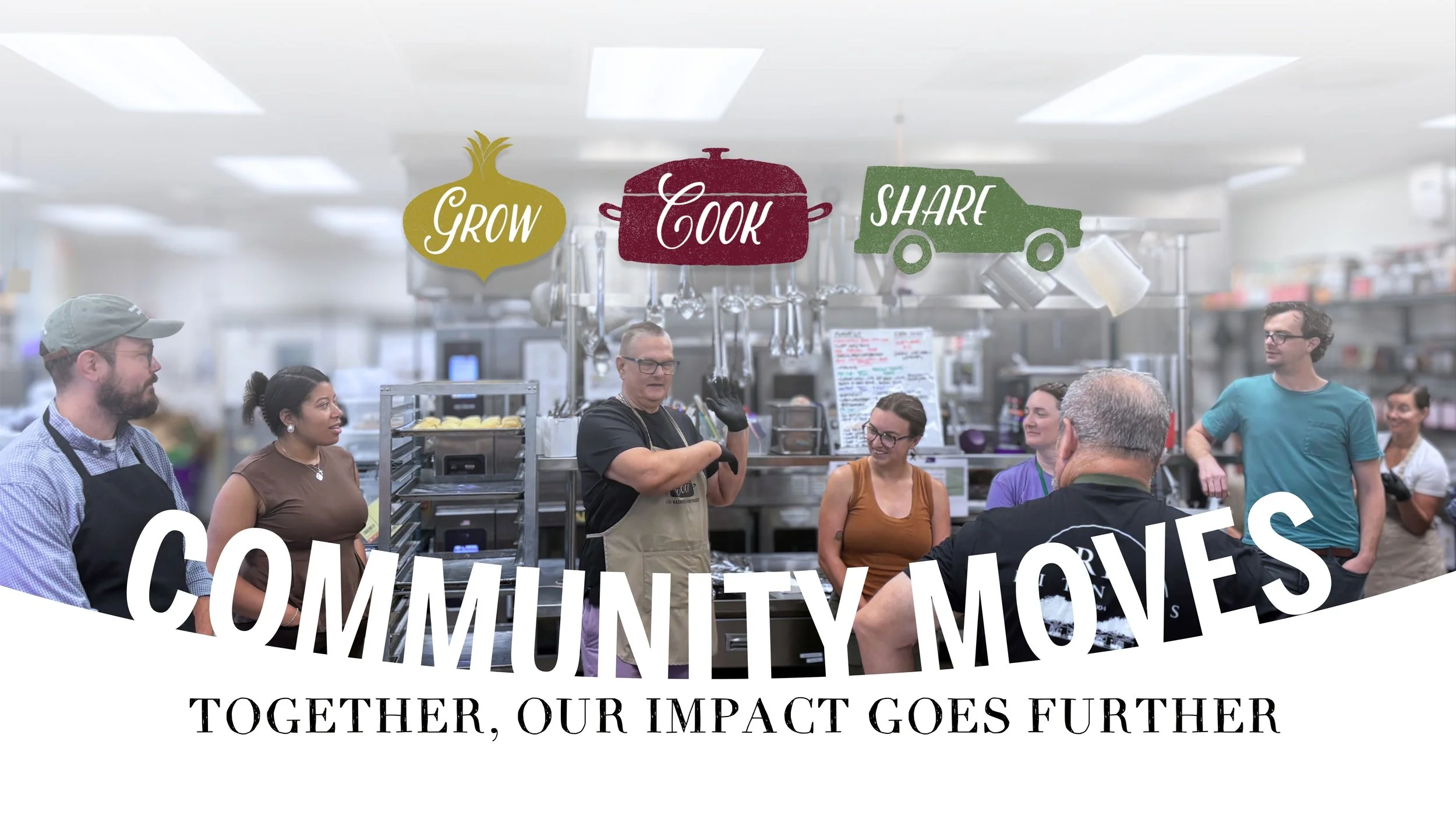
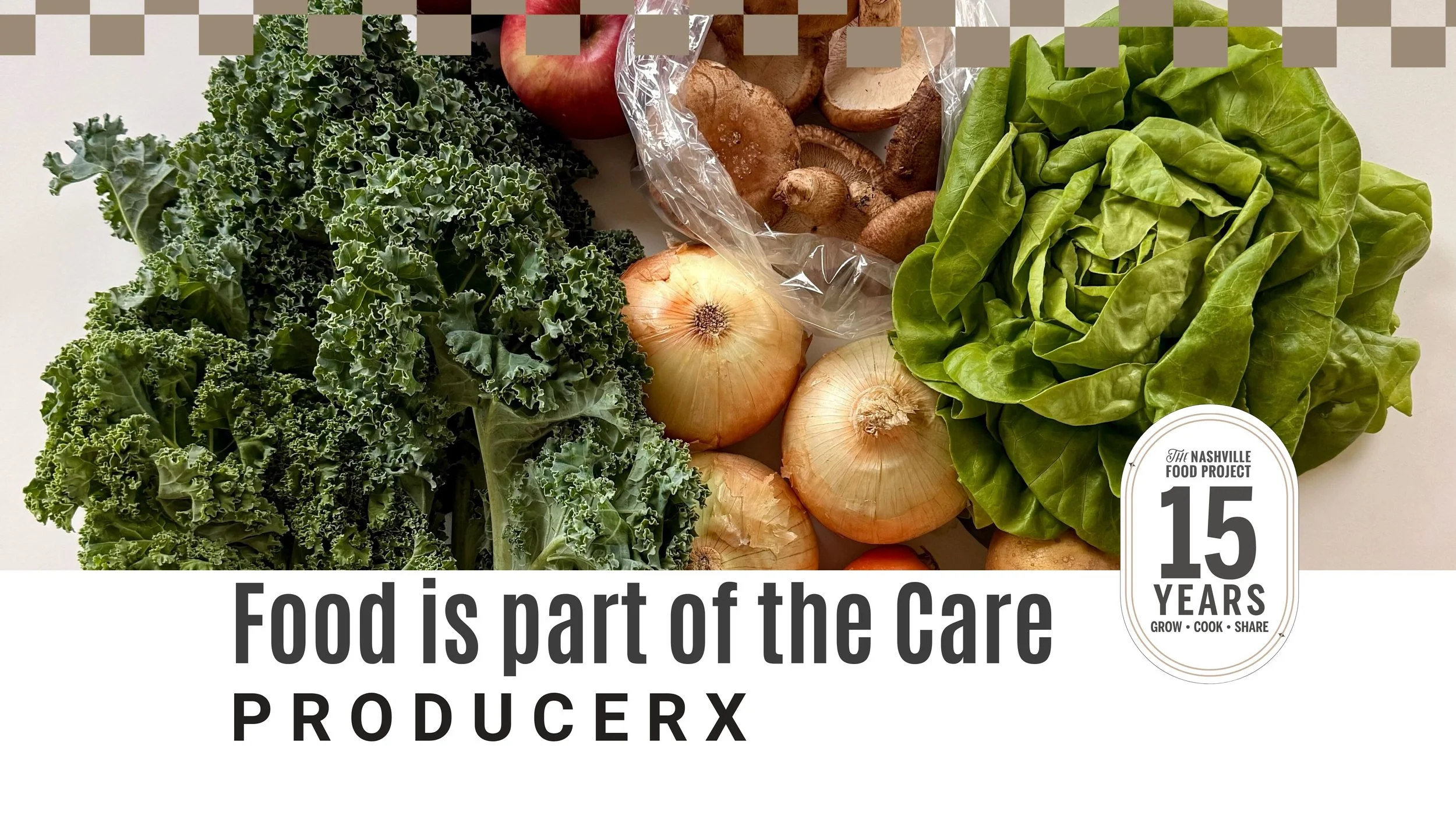
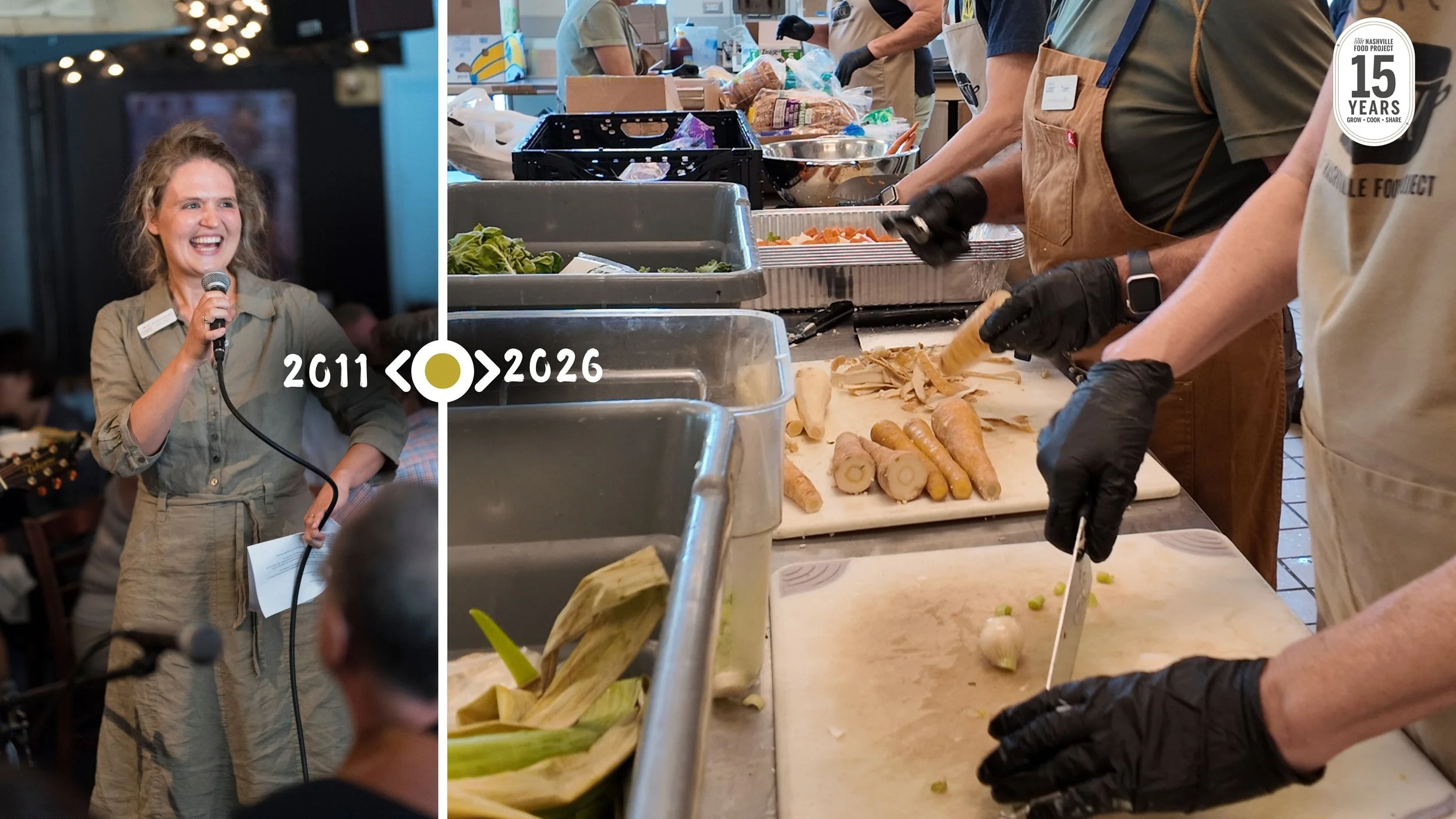
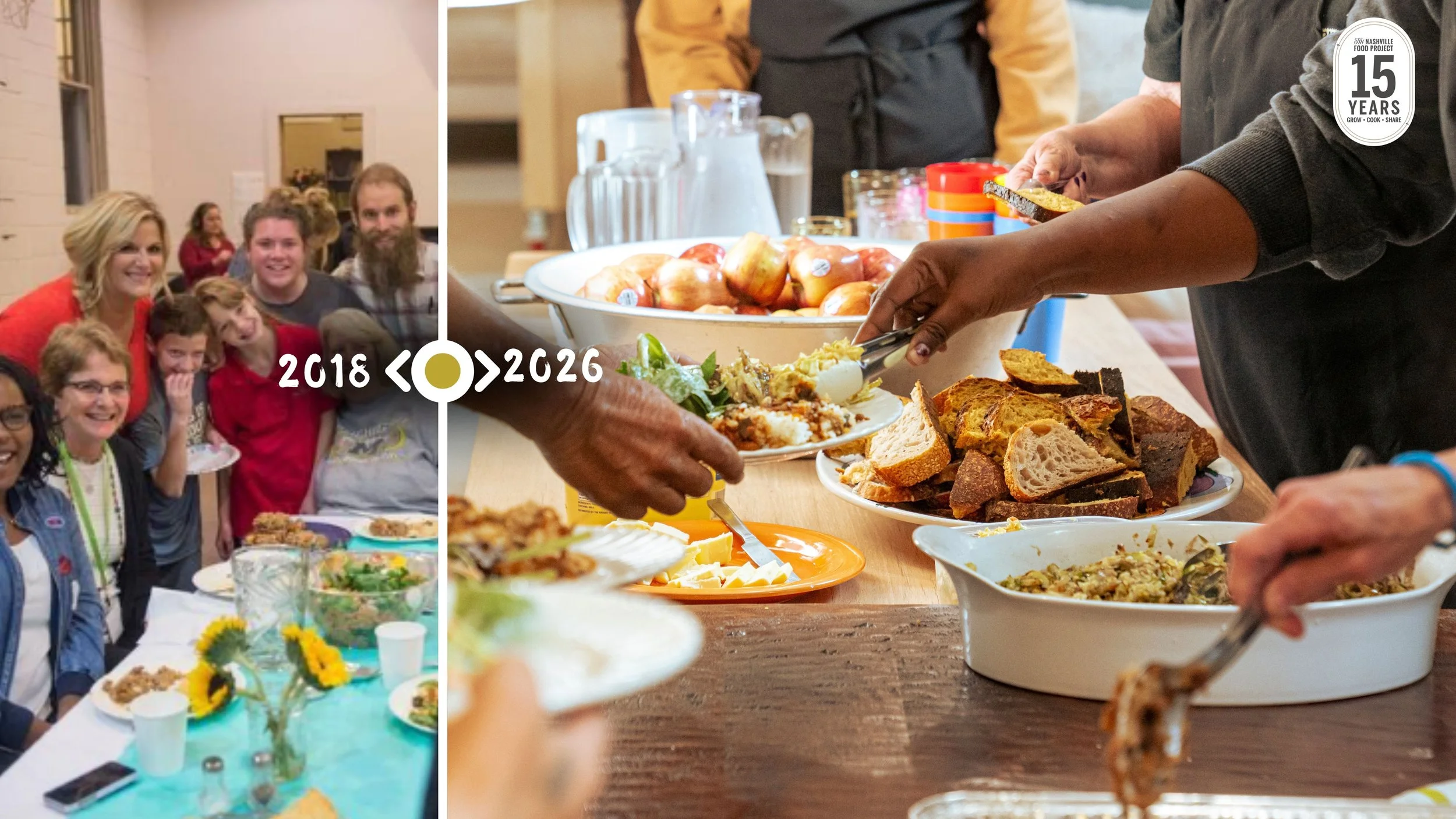
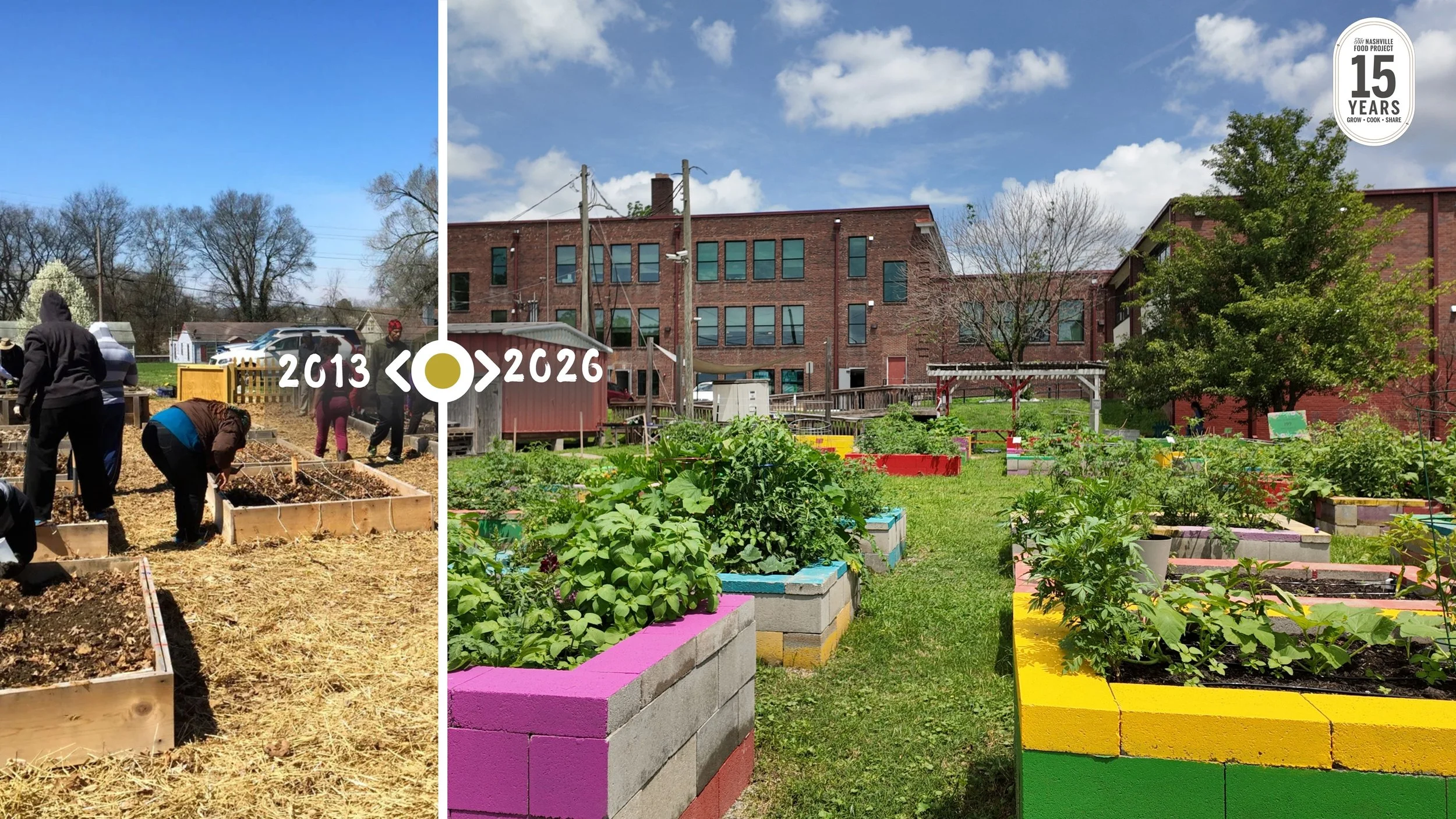
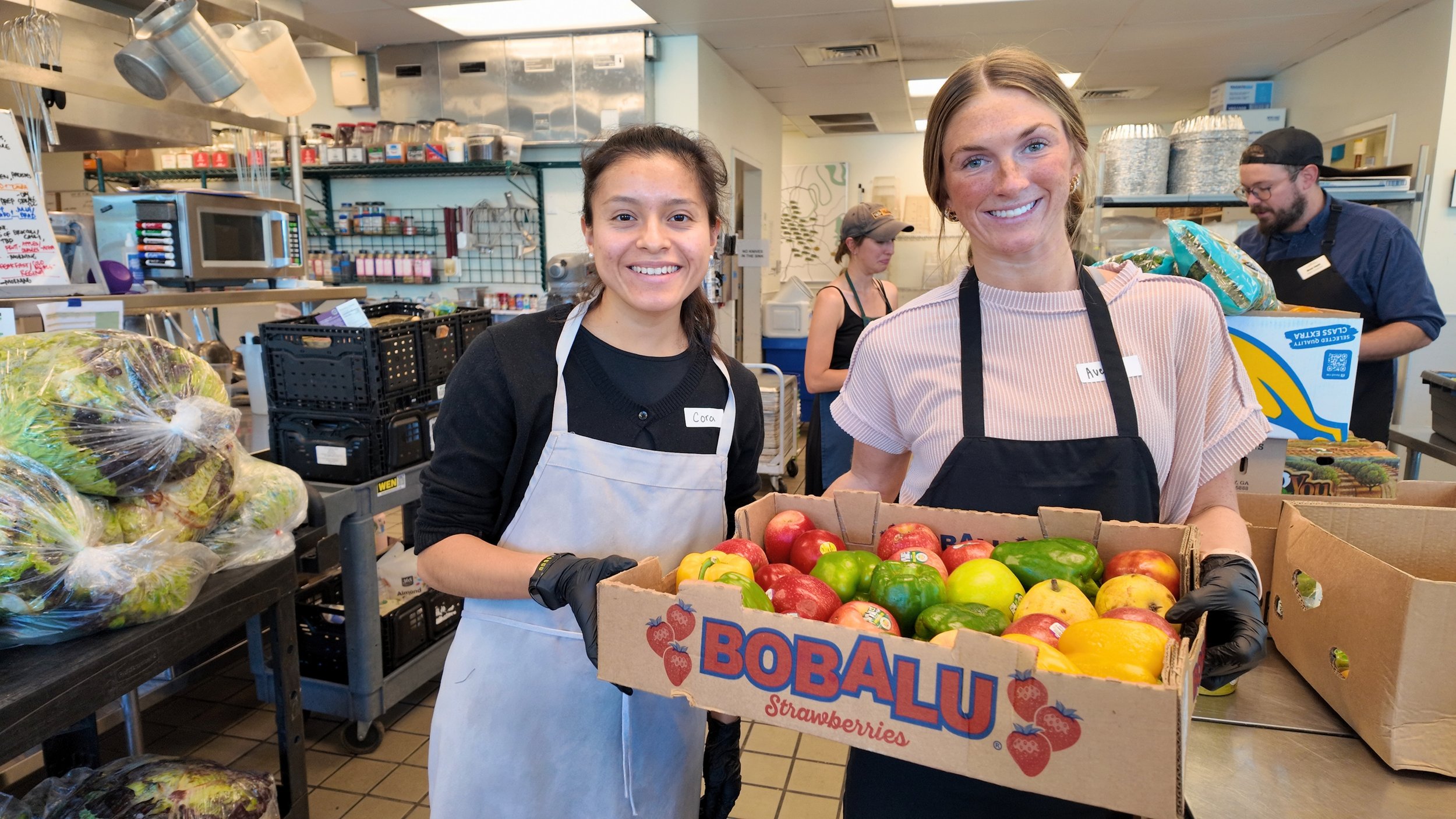
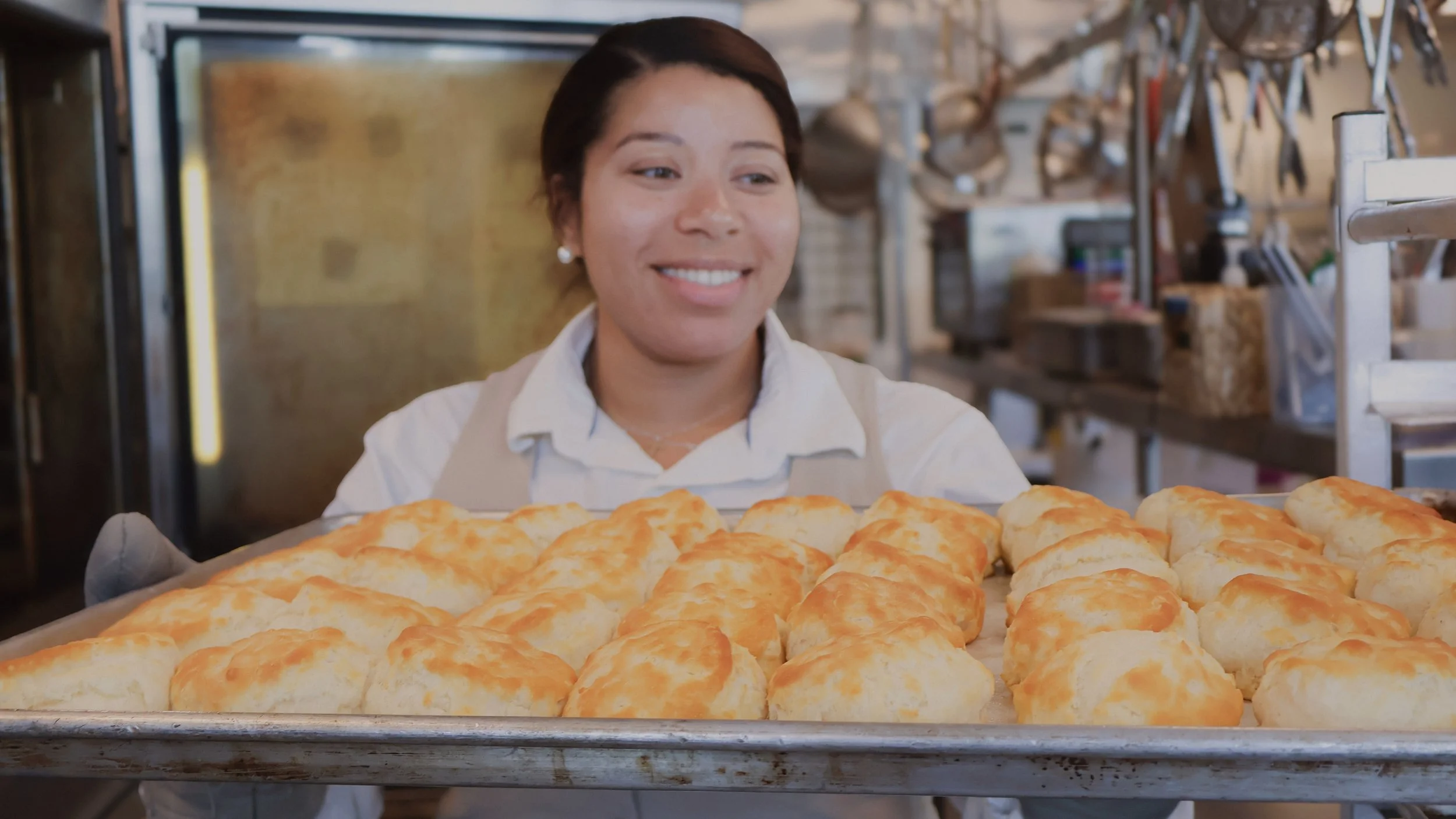
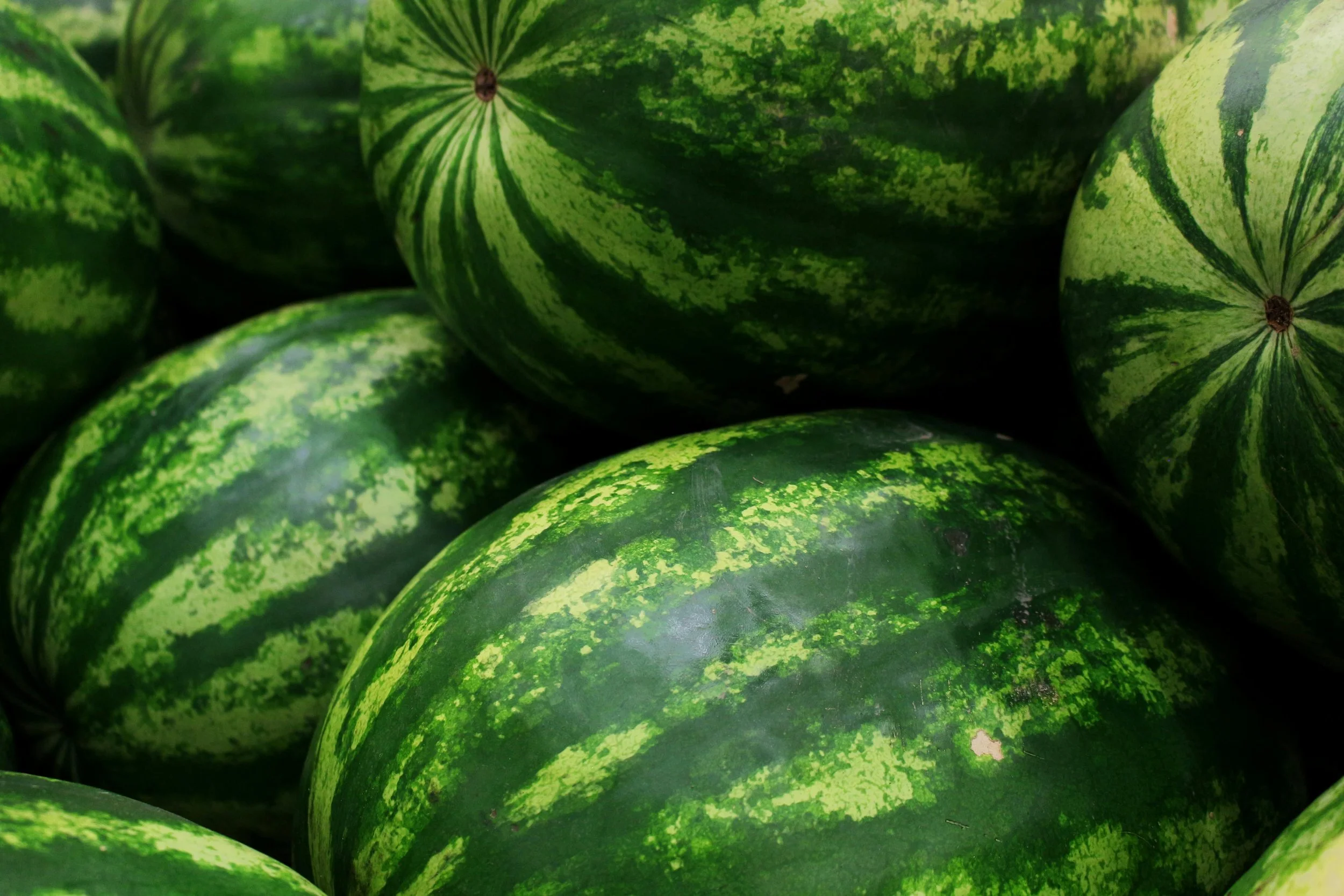
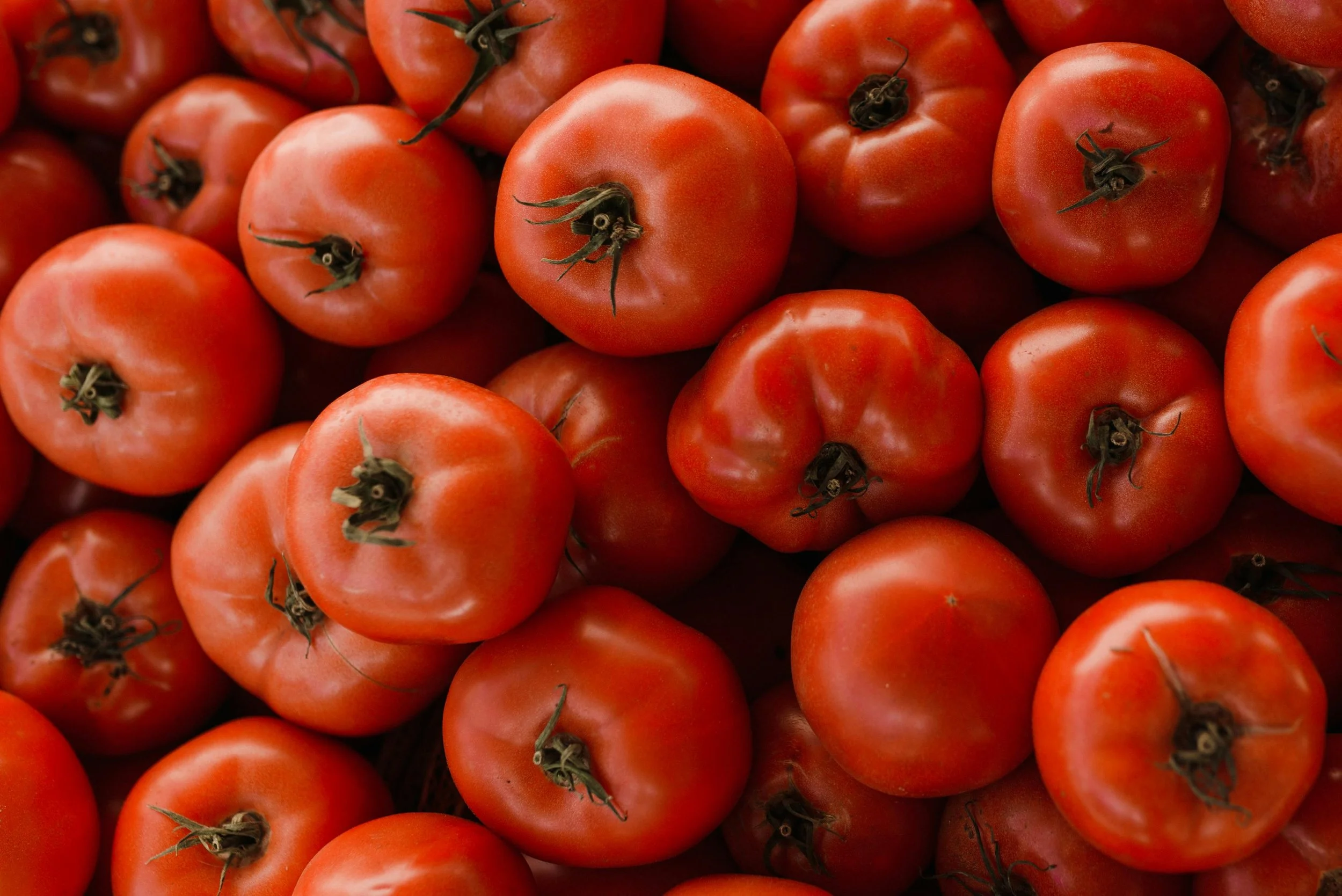
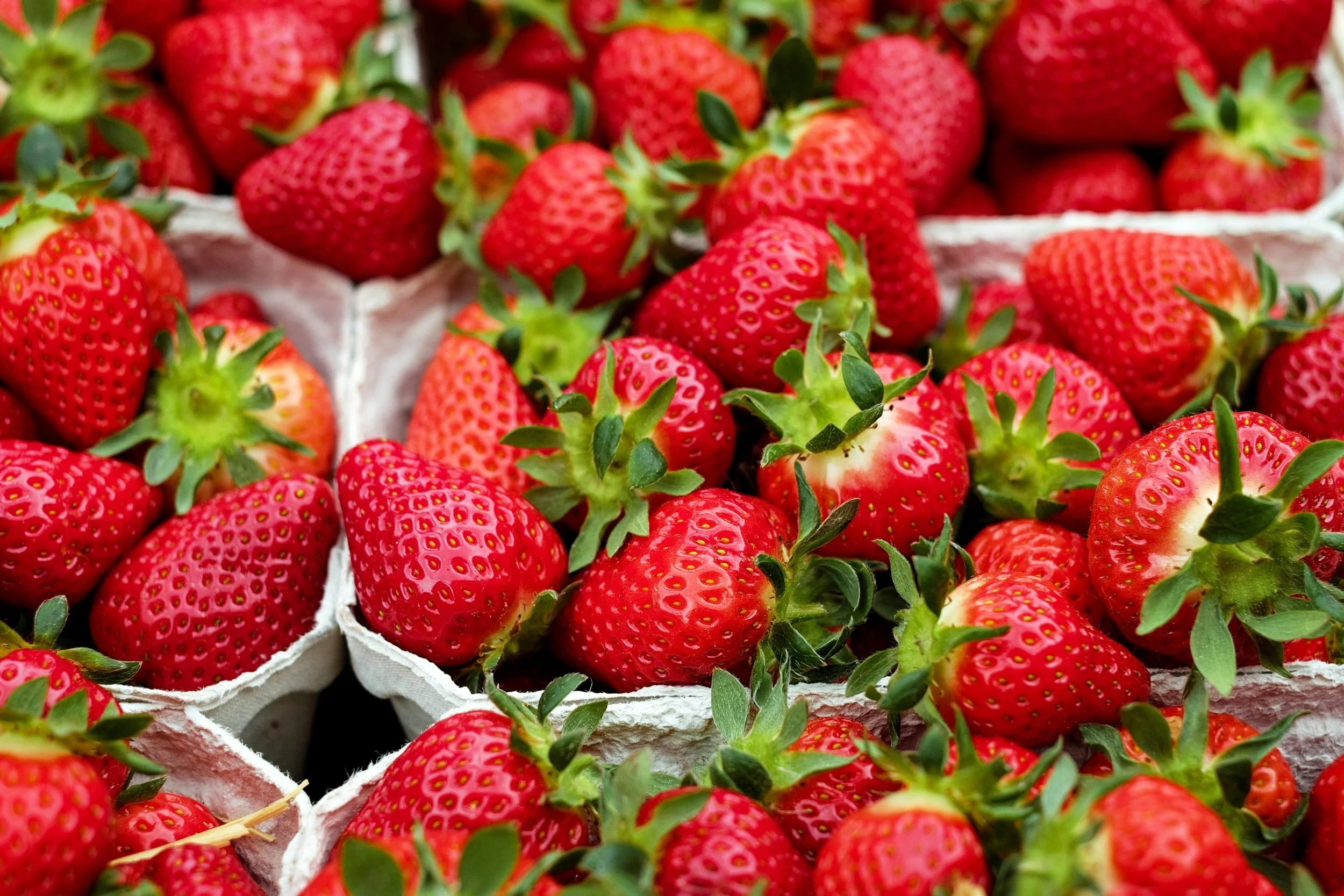
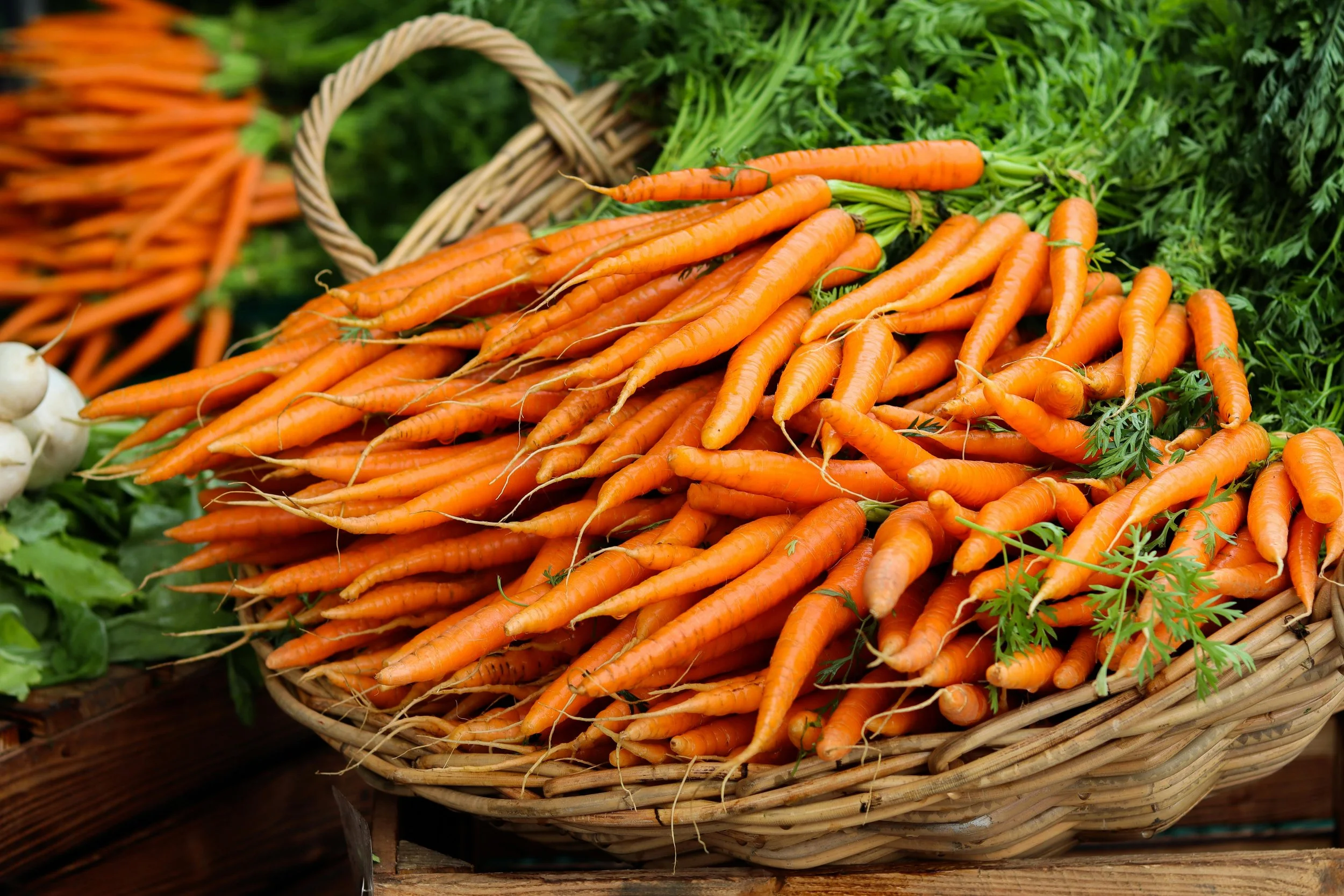
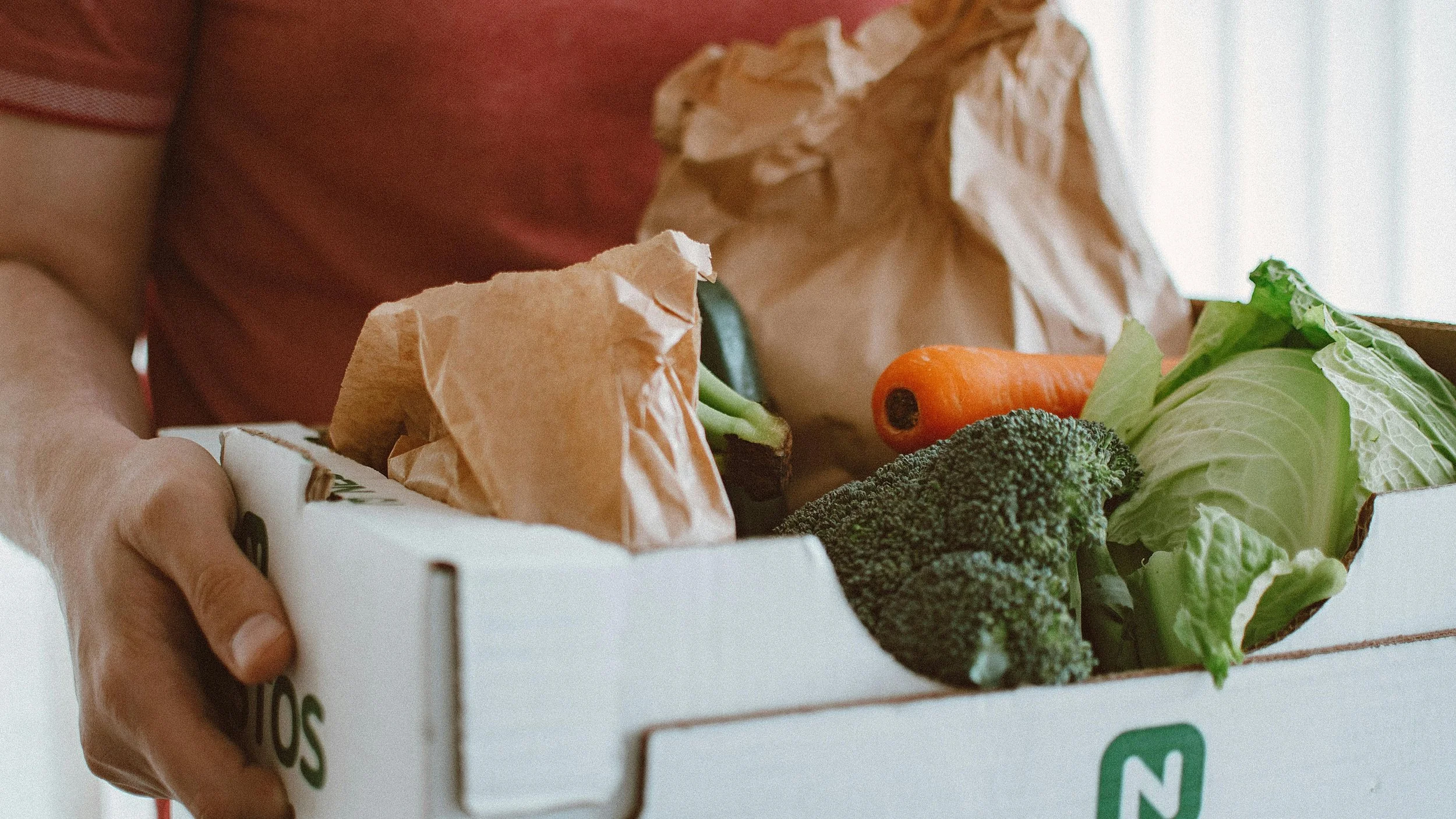
The pictures above offer a glimpse of what our emergency food support looked like last week. And due to the disastrous pandemic in our midst and the necessary adjustments we are making to our mission delivery, the photos below are what our emergency support looks like this week. Our commitments to our twin goals of cultivating community and alleviating hunger are unwavering, even in such an uncertain time.


We know your news feed has been flooded with heartbreak and hard knocks this week —school closures, small business shutdowns, Covid-19 stats, and a tumbling economy. We also know information is important, and we’re grateful our community is taking social distancing seriously. Indeed, we announced last Friday that we have suspended volunteer activities in our kitchens and gardens for the health and safety of all involved.
The blows our Middle Tennessee neighbors have endured since the beginning of March have been enormous. Our local community is entering into the coronavirus pandemic already tired, afraid, economically strapped, and needing each other’s physical presence more than ever. The calls for social distancing are in direct conflict with our mission “to bring people together,” but our staff are soldiering on to nourish our community in these changing times with our actions, inaction, love, and prayers. Please keep them in your thoughts as they navigate ways to provide uninterrupted support to our partners and neighbors, while caring for their own families, and meeting what feels like urgent and growing need for the most basic of things - nutritious food.
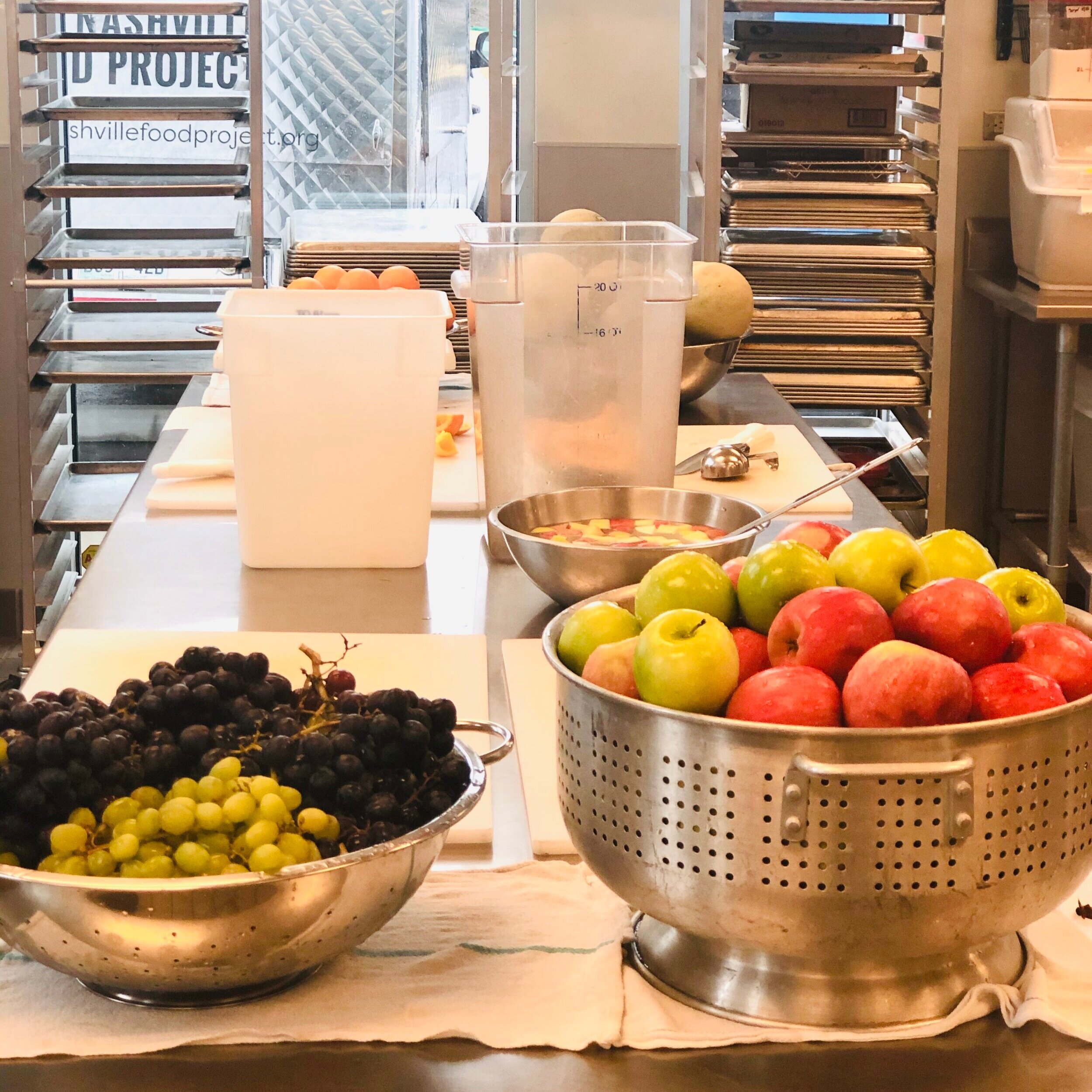
As we all feel our way into what the coming weeks and months look like, we want to share some of the relief and recovery work we continue to support after Nashville’s recent storms devastated vibrant pockets of our city.
As of today, The Nashville Food Project has prepared and shared a total of 15,636 nutritious meals since March 3rd, 2020. These meals were distributed to our regular partners who have remained open, and of that total number, 8,470 meals were emergency meals shared with recovery sites in North Nashville, Hermitage, Mt, Juliet, East Nashville, Donelson, American Red Cross' staging hub, and the NES substations around town. Check out this letter of love and thanks - that was delivered along with a generous cash donation - from a local NES crew. A member of the NES meter department came by the office to say, "Thank you all for making us feel seen and appreciated. It meant a lot to us. Thank you for all you do." Our Distribution Manager Elke, who received the card and donation said to us later, "He would've hugged me, but I got an elbow bump instead."

This week and weekend, our staff is preparing and sharing 125 daily, hot lunches to New Covenant Christian Church in North Nashville, a church who is serving as a resource distribution center in the neighborhood. We have also mobilized to prepare 50-100 weekly meals for Fifty Forward's Bordeaux location, 80 weekday meals to Martha O'Bryan Center serving the Cayce community, as well as 1,200 hot meals per weekend, for families each Saturday and Sunday in the coming month to support Gideon's Army's work in North Nashville, in conjunction with Hands on Nashville.
For so many of us - whether we are employees, volunteers, garden participants, or meal guests—the daily or weekly interactions we have at The Nashville Food Project are such an important part of the rhythm of our lives, a place to sow our hope, a place to belong. In the coming days and weeks let us know what you’re up to and reflecting on! Tag us as you wade through your pantry and freezers. Show us the seeds you are starting this Spring. Share your hope.
With love and gratitude for every expression of community,

WAYS YOU CAN HELP:
While we continue to respond to the changing needs of our community, financial donations are The Nashville Food Project's greatest need. DONATE NOW.

Cultivate Community
Help us share encouragement during this time of isolation by sending postcards for elderly neighbors to our office at 5904 California Avenue, Nashville, TN 37209. We'll get them out to meal guests as we share meals with our senior-serving partners.

Support Local Restaurants
Support our restaurant and farmer friends who have supported us so generously. This includes buying gift cards, ordering take-out meals, enrolling for CSA shares, and reaching out to senators and representatives to request aid for these industries.
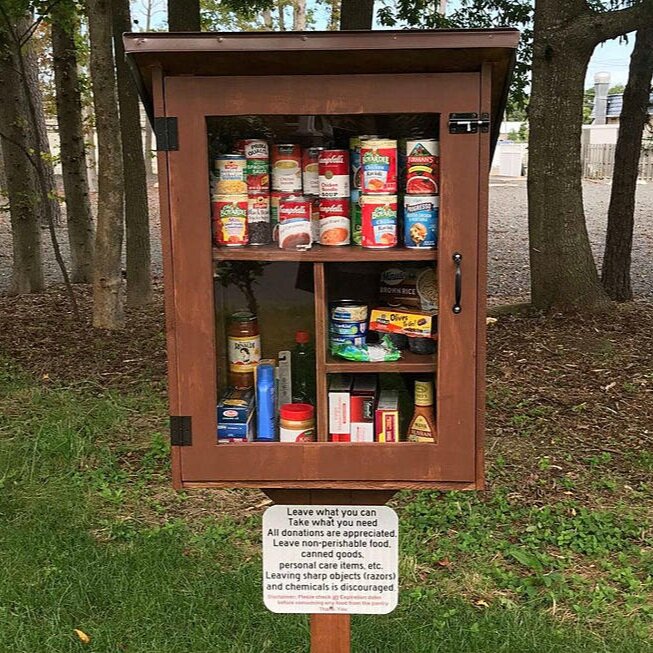
Create a Little Food Pantry
In the vein of "Little Libraries" consider building or converting your own to a "Little Food Pantry" with non-perishable foods to share with neighbors who may have need. Invite folks to add any of their excess non-perishable foods, and spread the word through social media and the Nextdoor app.
Scaling Back Nashville's Free School Lunch Program
Last month, Nashville schools announced a scale back of a program which for the past 4 years has provided free lunch to all Metro school students, regardless of income. We reached out the The Tennessee Justice Center to help us understand the changes and what is at stake.
Note: Find information on 2018 Nashville summer meal program sites and times here. In addition to these sites, there will be a lunch served at McGruder Family Resource Center (2013 25th Ave N) Monday-Friday from 11:30 am - 12:30 am through July 27th 2018. No registration is required - any child under 18 can come and have lunch for free. A tent is set up in the parking lot behind the center.
By TNFP's Office Manager, Elizabeth Langgle-Martin
I vividly remember the day in kindergarten when I opened my lunch, removed my sandwich from its plastic baggie and bit into it, only to discover it was two slices of plain bread. It’s a story that’s gone down in our family’s folklore. My sweet, young, probably exhausted, mom, in the morning rush and commute, forgot to put peanut butter, cheese, or anything that would constitute a sandwich between the slices of wheat bread. It’s funny, because I had a mother that carefully packed me lunches every day of my elementary school career. Veggie sticks, tuna sandwiches, raisins and apples. Granola bars, cucumber slices and thermoses of milk. My stomach was full and I could focus on the perils of learning cursive, fractions, and trading Beanie Baby cards.

I know that my lunch experience is not universal. In Tennessee, one in seven families doesn’t know where their next meal is coming from. Most of us can agree that a child who is hungry isn’t able to listen, learn, befriend their peers, and engage in a holistic school experience. When I read the news headlines that students’ access to free and reduced lunches was changing, I reached out to Madison Wall (Children Nutrition Advocate) and Keith Barnes (Director of Nutrition) at The Tennessee Justice Center to help me understand all the elements and what is at stake.
Please note, this is my personal interpretation of an hour-long interview. I’m new to this conversation and maybe you are too! Hopefully, my slightly bumpy explanation will encourage you to dive a little deeper into the way policy affects food accessibility in Metro Nashville schools.
Federally funded free school meal programs in the U.S. date back to the 1940s. (Check out this handy factsheet). In 2013/4, the Nashville community became an early adopter of the Community Eligibility Provision (or CEP) – a program that allows school districts to serve free meals to ALL students, regardless of income. This meant that MNPS schools no longer had to enroll and closely track individual student eligibility. Among students, it reduced the stigma of receiving meal assistance and -- perhaps most importantly -- made sure no child needing access to nutrition was falling through the gaps.
But recently, it was determined that Nashville’s school system no longer meets the benchmark to fall under the blanket of this program. Barnes suggests that this can be attributed to a combination of things such as: the gentrification of urban neighborhoods, a tense time in immigration policy which discourages families without documentation to provide personal information, and even some economic improvements.
So what next? Metro Schools has announced that half of the city’s lowest income schools will continue to provide lunch to all children at no cost to the student. However, the remaining half of the city’s schools will return to assessing the students’ individual eligibility to determine who does or doesn’t receive free meals. Advocates are concerned that this abrupt change may result in students who have been relying on the free lunch program struggling to meet their nutritional needs during the school day.
The Tennessee Justice Center is asking for MNPS to continue offering a lunch to all the children enrolled at no cost to the student and their families, which they believe can be supported by a number of creative, sustainable funding solutions. In particular, they are advocating for school district leaders to implement an strategy to help all eligible families within the MNPS system to enroll in SNAP, which can both help schools receive additional federal reimbursement, and ensure that more eligible families have food in their pantries at home.
Program quality is constantly on TJC’s radar as well. For instance, Madison notes that the existing free breakfast program is hard to access for some students. For instance, if a free breakfast is offered until 7:45 am but the last bus doesn’t arrive at the campus until 7:50 am, that group of students is unable to partake. Madison works with schools to look at alternative ways to make sure that all students can access the meals that the school is paying for and preparing each day.
So, the big question… How can the average Nashville resident (like me!) advocate for students to continue to have access to meals at no cost to the child during their school day?
1. Ask the mayor’s office to make an immediate investment of 7 to 8 million dollars to our school district to ensure that all students continue to receive uninterrupted access to lunch during their school day. You can email Mayor Briley directly at mayor@nashville.gov.
2. Sign up for email updates from The Tennessee Justice Center to learn more and receive prompts for accessible action items. You can also learn more and get involved in specific campaigns through their website, including signing up to be a Breakfast Champion. Supporting this proposed in-class meal model (Breakfast After the Bell!) would allow more students to eat the available free breakfast.
At The Nashville Food Project, we're working toward a vision in which everyone in Nashville has access to the food they want and need through a just and sustainable food system. We recognize that this cannot occur without the intentional and detailed work of advocacy and policy change, and we are thankful for the work of The Tennessee Justice Center and other similar groups as they seek to help increase access to nutritious food in our community.