
The Nashville Food Project’s Blog





Food is Comfort
In January 2017, we began a partnership with the YWCA, providing weekday dinners for their Weaver Domestic Violence Center. This 51-bed shelter is the largest domestic violence shelter in Tennessee, providing a safe space for women and children escaping domestic violence (men are housed at another partner facility).

The statistics of domestic violence in our country are staggering. One in four women in the U.S. experiences intimate partner violence in her lifetime. Approximately 15.5 million children are exposed to domestic violence every year. And in our own community, The Metro Nashville Police Department received over 26,600 reports of domestic violence in 2014 - that’s one report every 20 minutes.
In January 2017, we began a partnership with the YWCA, providing weekday dinners for their Weaver Domestic Violence Center. This 51-bed shelter is the largest domestic violence shelter in Tennessee, providing a safe space for women and children escaping domestic violence (men are housed at another partner facility).
“The women, the children, our staff - anyone who walk through these walls - deserves a clean, welcoming, healthy place,” says Laura Clark, the Residential Coordinator at the shelter for the past 17 years.
The YWCA empowers domestic violence survivors to take control of their lives, while offering them safety and the resources to ensure their self-sufficiency. The YWCA’s programs are designed to empower women and offer opportunities for self-determination in every area of life, including the design of their food program at the shelter.
“Food is so powerful...And sometimes the women couldn’t eat what they wanted. They couldn’t buy what they wanted. Everything was locked up. Everything was centered around the control of their abuser.”
In contrast, the two kitchens at the shelter are stocked with pantry items and ingredients for the women and families to have access on their own schedule. They have spaces for any of their personal food, and can add requests for spices or other pantry items to a community shopping list.
"At first when they talked about having (TNFP) I didn’t know exactly what it was – they started and thought, ‘Oh my gosh - I don’t know why we couldn’t have found you all years ago!’"
The dinner meal at the shelter, provided by TNFP, is advertised to start early evening, but the women can come at whatever time works for their schedule. “Many of the women work, have school, and are taking care of their kids. When they come here, we want to offer at least one good meal a day – which is (TNFP),” Laura tells us. “Food is comforting. And our goal is to make sure they’re fed and they’re taken care of – it’s just one less thing to worry about.”
When asked about how the food has been received, Laura shared, “I have seen positive impacts. Some of the women have never eaten like this. It’s healthy, and it’s flavors that you don’t get just anywhere - even in the restaurants,” she adds, smiling.
“This is a different way of life for a lot of these women and kids. And I’ve seen a difference. I’ve seen a difference in people and the way they eat.”
And of course, this is just one small piece of the much broader impact of the YWCA’s work. In 2016, the YWCA served 453 adults and children at the Weaver Domestic Violence Center, providing not just a safe space, but also case management, safety planning, support groups, and counseling.
We are so grateful to be a partner with the YWCA in this important work! Learn more about the YWCA’s mission and programs on their website.
Spreading Joy Through Nourishing Food
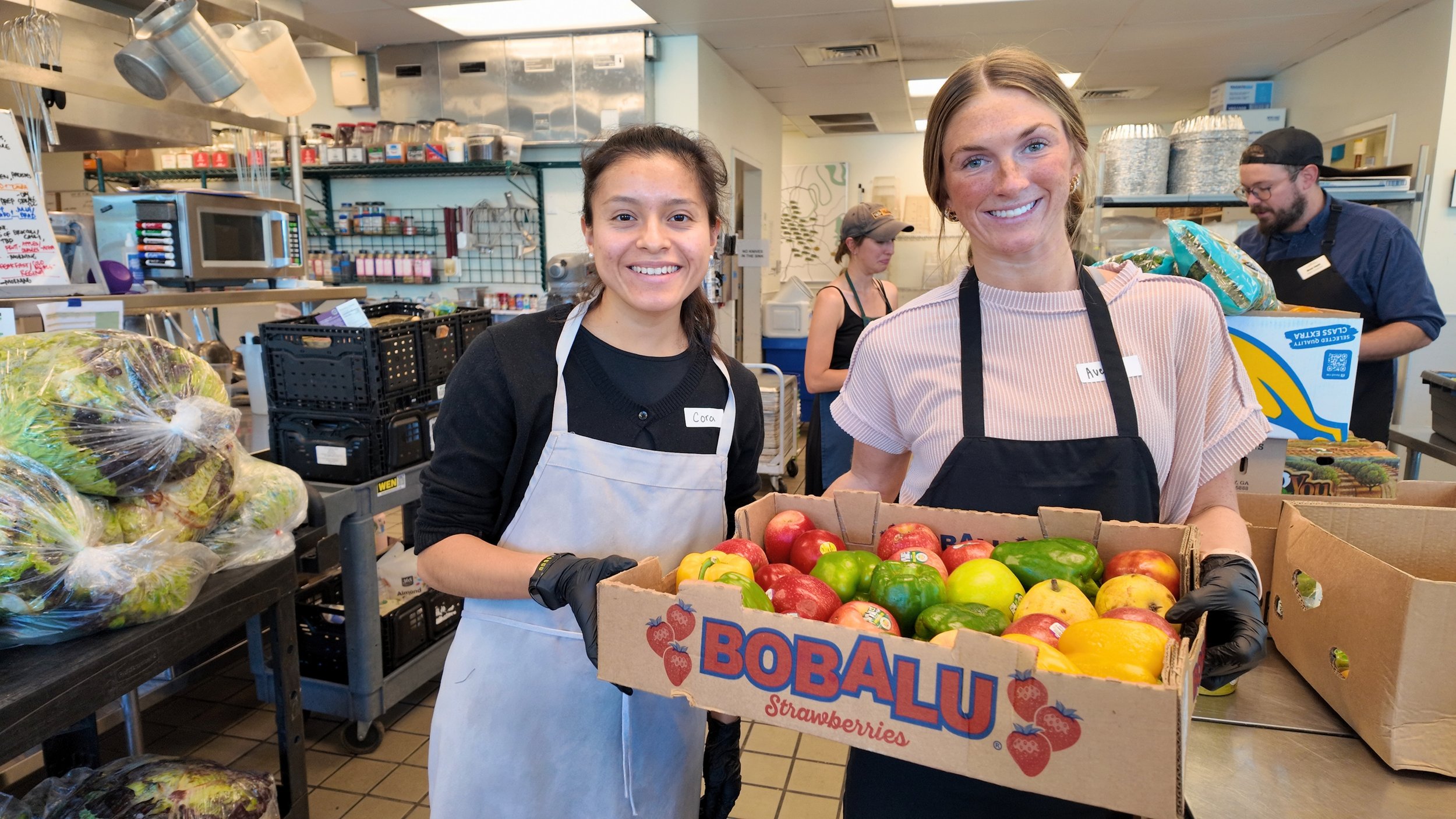
On any day of the week, you can walk into the kitchen at St. Luke’s and be greeted with a smile and warm hello in the midst of all of the hustle and bustle that takes place when over 200 meals are being prepared for the day. This warm and inviting atmosphere is just one reflection of the great partnership that has been established between St. Luke’s and The Nashville Food Project.
by Patricia Bing, St. Luke's Community House Family Resource Center Director
On any day of the week, you can walk into the kitchen at St. Luke’s and be greeted with a smile and warm hello in the midst of all of the hustle and bustle that takes place when over 200 meals are being prepared for the day. This warm and inviting atmosphere is just one reflection of the great partnership that has been established between St. Luke’s and The Nashville Food Project.

The partnership between the two organizations began in March of 2016, sprouting from two separate places- St. Luke’s need to provide quality and nutritious food to our clients, and The Nashville Food Project’s desire to begin a social enterprise. After being connected with one another, talks ensued, and that, as they say, was the beginning of a beautiful friendship.
The Nashville Food Project now provides food for two programs at St. Luke’s. The first being our Senior Services program, that provides freshly prepared lunches that are delivered to seniors in their homes Monday through Friday and meals for our weekly senior activities. The second program is our preschool, for which The Nashville Food Project prepares breakfast, lunch, and snack daily.

There was a period where we had to transition the participants of both programs to the new menus and foods they were now being served. The Nashville Food Project did a great job of finding compromises that mixed in the foods clients were used to being served with healthier alternatives. The communication between the two organizations was essential to a successful partnership. The Nashville Food Project did, and still does, an excellent job of making sure they understand what both our seniors and children like and want. They talk to the teachers. Seniors are polled and asked questions, and they are always open to any idea or suggestions that may come from the St. Luke’s staff.

At St. Luke’s we recognize that food is a vehicle. It is a way to educate, bring people together, and help us discover what other needs the members of our community may have. Through this partnership, we are able to not only introduce nutritious foods to our clients, but it gives us an opportunity to educate them on why it is healthy and what other healthy food options may be out there.
We have heard stories from individuals about how this change in their diet has improved their quality of life. One of our seniors let us know that since switching to the healthier meals, her blood pressure is lower, blood sugar is better controlled and she has lost 8 pounds. Today, I walked into a classroom of two-year olds during lunch time and they could not get enough of the salad, green beans, and spaghetti they were eating. Most had abandoned their forks in favor of their hands to make sure they got every delicious bite.
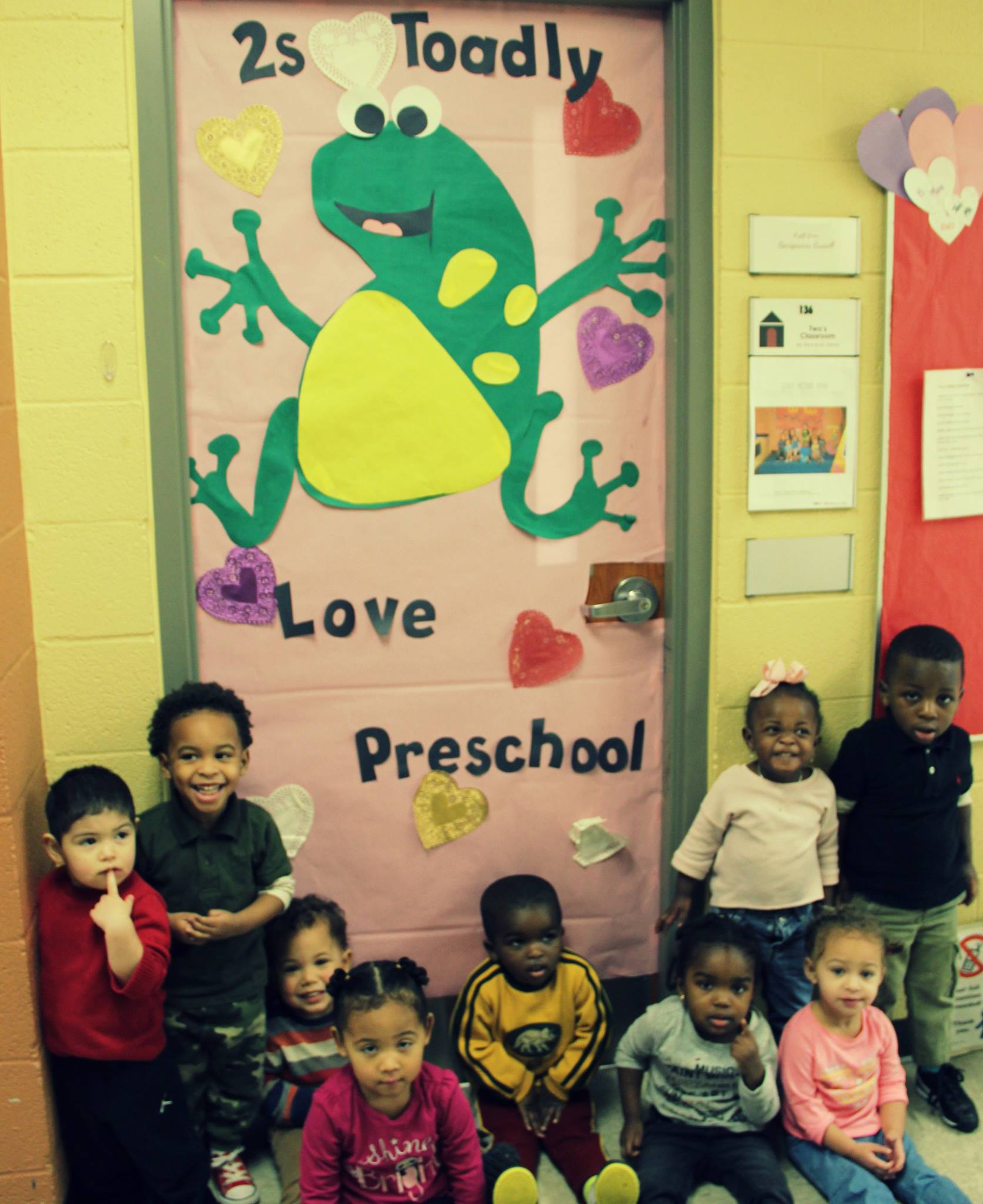
There is now a positive energy that surrounds the preparation, delivery, and consumption of the food that is pure joy to witness. These examples truly show what a success the partnership between St. Luke’s Community House and The Nashville Food Project has been and will continue to be.
Fuel for the Job
Five days a week, the office of Project Return, a nonprofit organization situated near a downtown bus line with views of the Nashville skyscape, hums with the purposeful activity of men and women determined to gain employment after returning from incarceration.
Five days a week, the office of Project Return, a nonprofit organization situated near a downtown bus line with views of the Nashville skyscape, hums with the purposeful activity of men and women determined to gain employment after returning from incarceration. For three full days, they participate in Project Return’s job readiness program, attending classes on topics such as money management and computer literacy and receiving individualized support on resume building and mock interviews. All the while, Project Return works diligently to support these individuals in securing employment, an often difficult task for those with a felony conviction, but one necessary to building a full and free life after incarceration.

These individuals face seemingly insurmountable barriers. For many returning to society, systemic poverty rears its head in many ways – hunger, unemployment, homelessness, social stigma, transportation, and often isolation. This means that commitment and intention towards gaining employment requires a vast array of simultaneous wraparound services.

At The Nashville Food Project, we know that hunger is an immediate, and often critical need for many vulnerable residents of Nashville. And we know that it is often only one of the many burdens of poverty our neighbors face. In partnership with Project Return, The Nashville Food Project provides two lunch time meals each week for the job readiness program participants.
This week, participants in the program will come together around a communal table during the lunch break to share a beef and broccoli stir fry, garden salad with homemade dressings, and fresh fruit, each component of which was thoughtfully and creatively repurposed for these hardworking individuals.

These meals meet an immediate need faced by many in this program – hunger. And more, as Executive Director of Project Return Bettie Kirkland claims, as “we rally our efforts to propelling people into employment, these meals are literally fuel for the job! It's hard to be an effective job seeker if you're hungry and you're worried about where you'll get your next meal. [Knowing] they're going to leave here with a full stomach frees up brain space for the information we're giving to them.”
Further, The Nashville Food Project seeks to alleviate hunger and cultivate community, knowing that food provides nourishment, healing and belonging when shared together. As our food truck pulls up to Project Return each week, we are setting a place at a communal table where all are welcome.

“Because people stay at [the Project Return] offices during lunch and eat together, it’s common to hear laughter and stories being shared. This builds a sense of community and camaraderie in our office and sitting down for a meal with others is all part of a successful return to society from incarceration. It incentivizes staying in our program, which is a launchpad for building a full and free life.”
In the face of what daily feels like unlimited need, The Nashville Food Project begins each new partnership in our meals program strategically, not only sharing good food, but asking, “how can good food support the work already happening in your community?” Through our meal partnerships, TNFP uses the food we grow and recover, the power of human labor, and the spirit of collaboration to disrupt cycles of poverty in Nashville.

In addition to Project Return, we work in collaboration with 26 other nonprofit organizations such as The Contributor, Operation Stand Down, GANG (Gentlemen And Not Gangsters), and Begin Anew, among many others. As we share these meals, we believe in the power of these partnerships to alleviate hunger, bring people together, and transform communities.