The Nashville Food Project’s Blog




Health As Healing
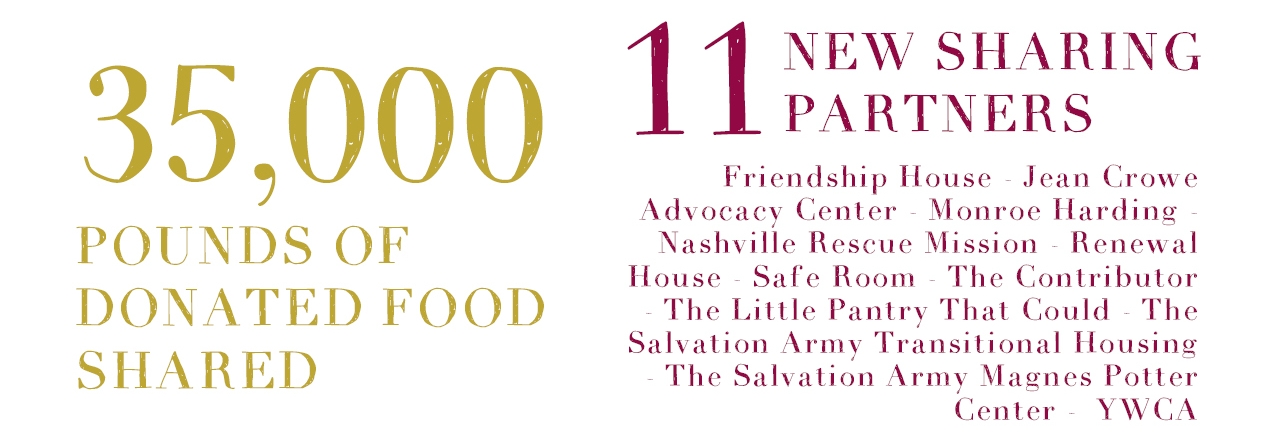
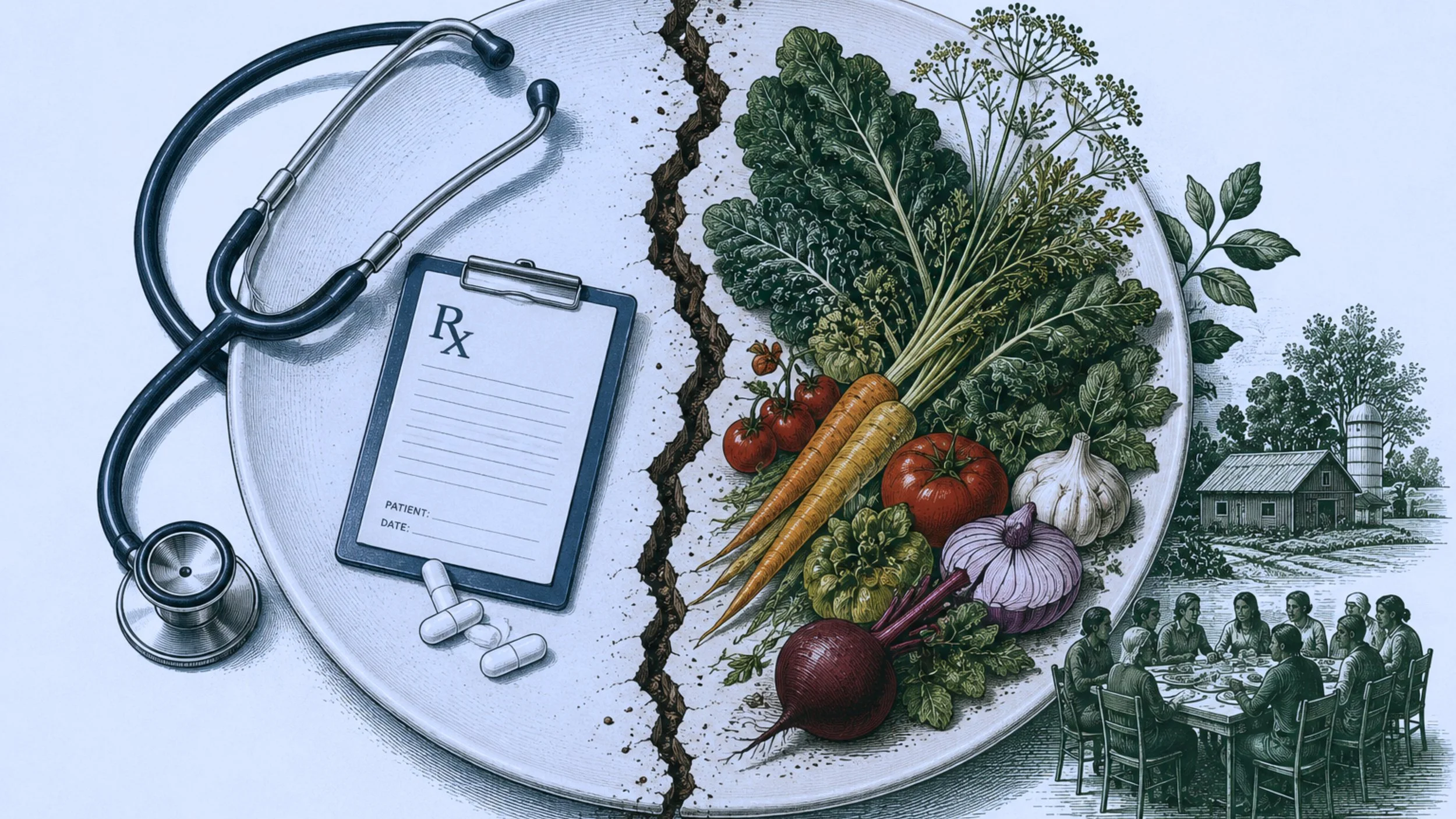
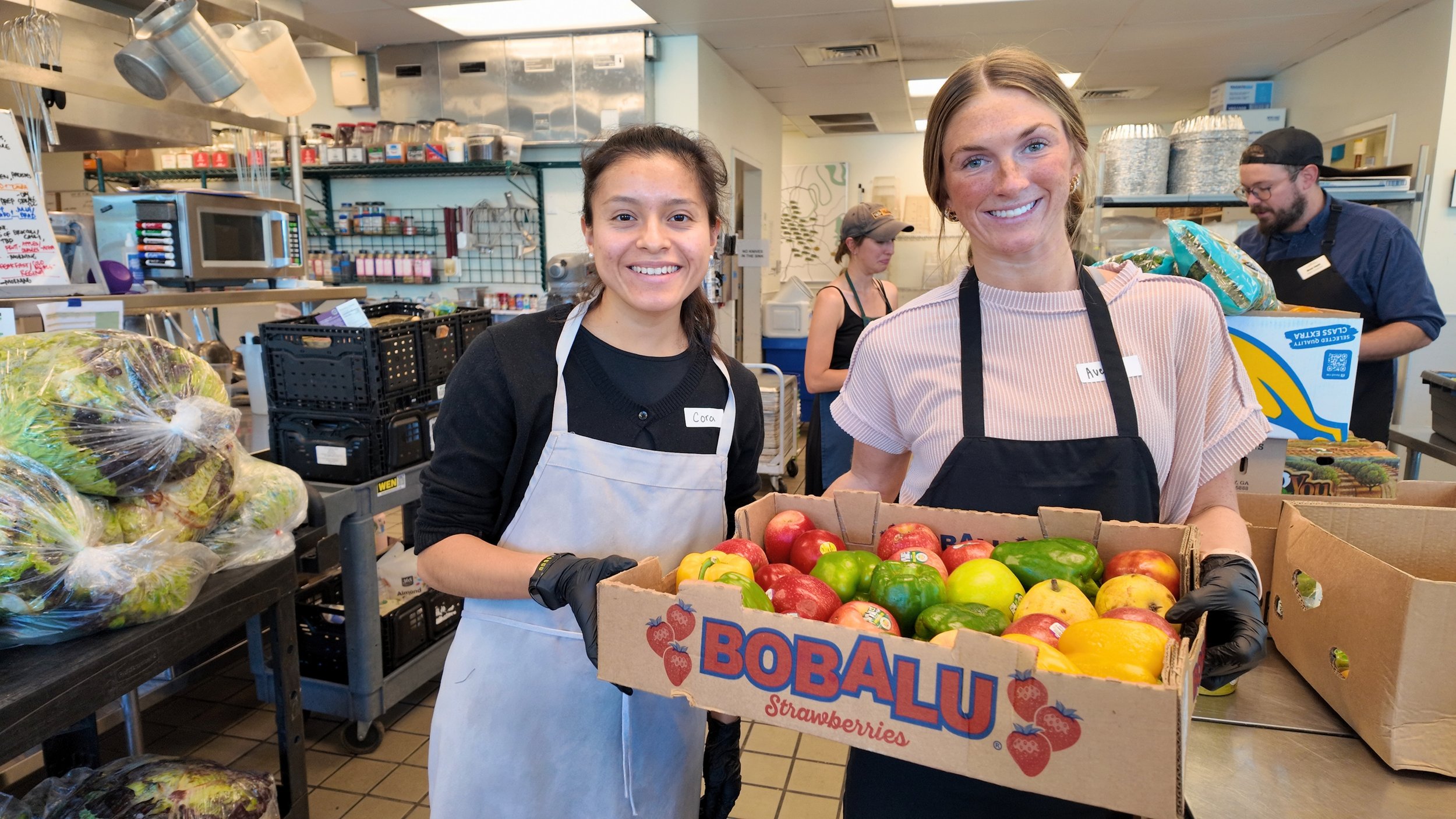
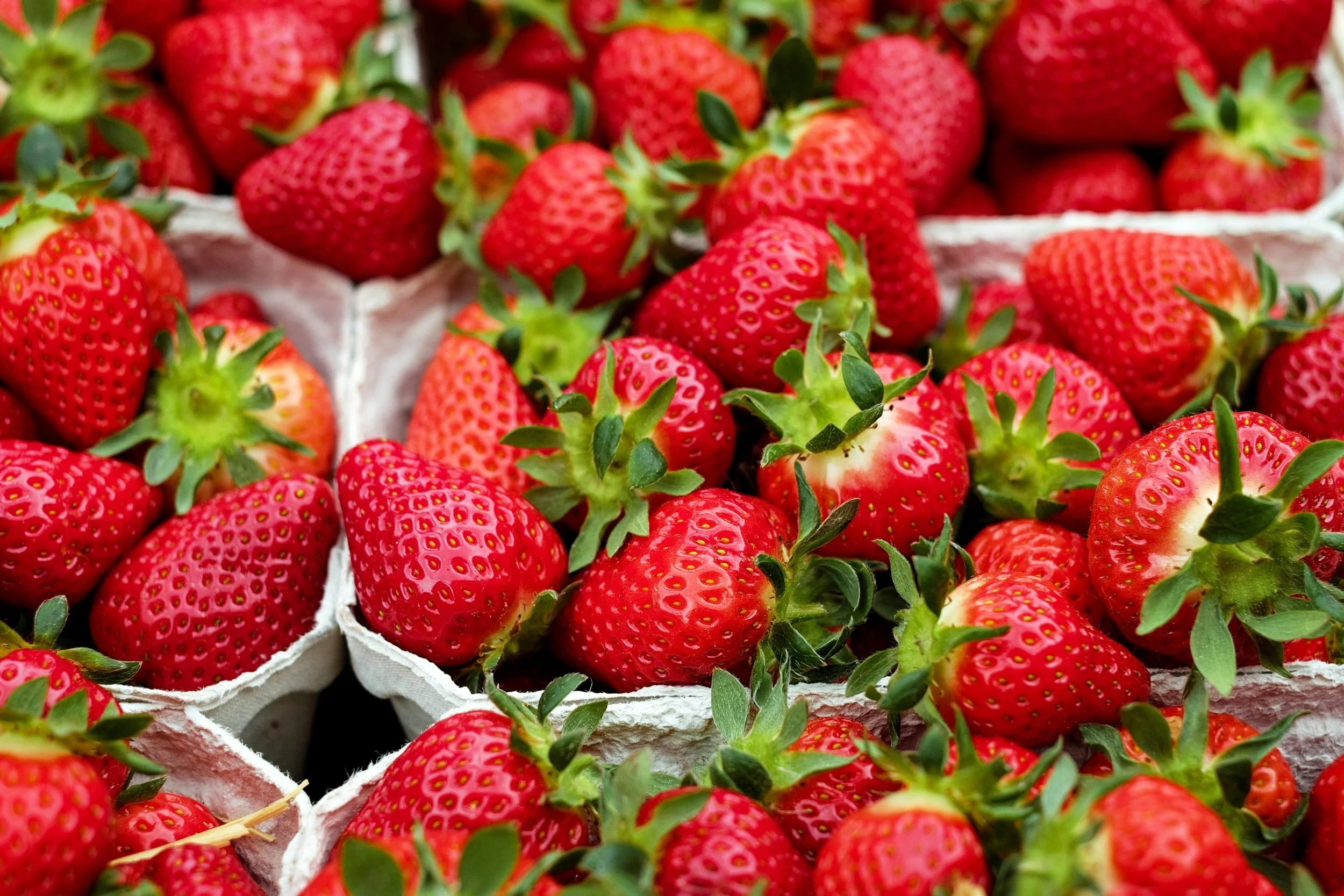
At TNFP, we are always seeking creative ways to use the food in our care to better support our community. The result? Over 30 unique partnerships, each formed to match the needs of that unique community, from a fresh market set-up at a retirement community, to stocking comfort food for children waiting for placement in a foster or kinship home…
By TNFP's Food Donations Coordinator, Booth Jewett
Since I started as the Food Donations Coordinator at The Nashville Food Project (TNFP), healthy living has been at the forefront of my mind. Our garden programs bring people from all walks of life into the fields together to grow local, organic produce for people in our community. Our meals program thrives on the gifts, generosity, and creativity of individuals every day to make nourishing meals that are shared all around Nashville. As we’ve grown our food donation and recovery efforts, it is always with these same values and our mission in mind!
Booth picking up a produce donation from Currey Ingram Academy's garden.
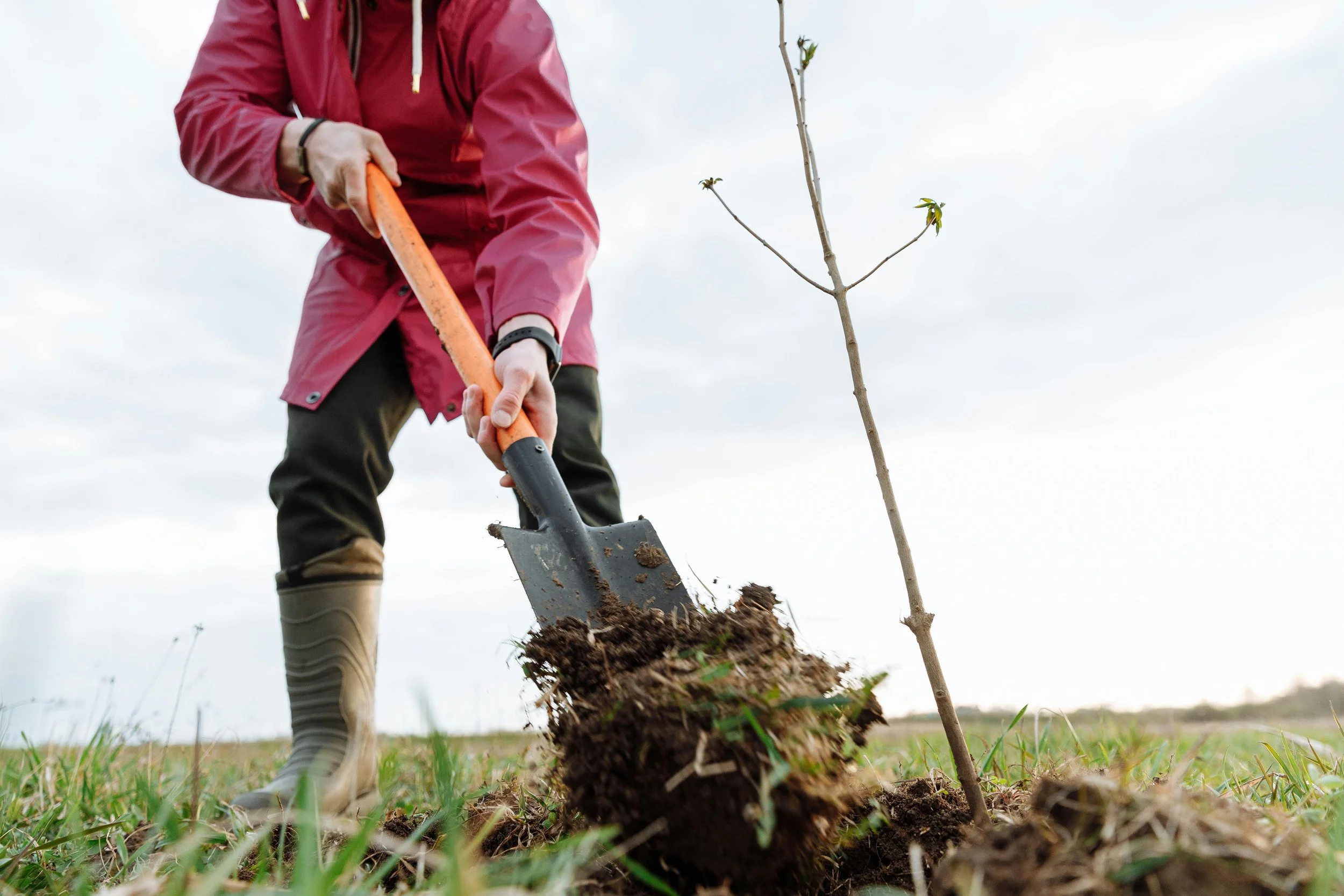
Since 2016, TNFP’s food recovery efforts have brought in about 120,000 lbs of food each year, including fresh produce, proteins, and pantry items. We use as much of this recovered food as possible in our own meals. Any food that is unsalvageable but compostable goes to our compost system to be broken down and put back into the gardens to grow more food!
Ultimately, we are always seeking creative ways to share the food in our care in ways that best fit the needs of our partners, supporting shared efforts to build community and disrupt poverty in our community. In the past year, this has meant expanding our meals partnership model beyond our own meals and snacks. Now we include fresh produce and other ingredients as potential opportunities for food support to our partners.
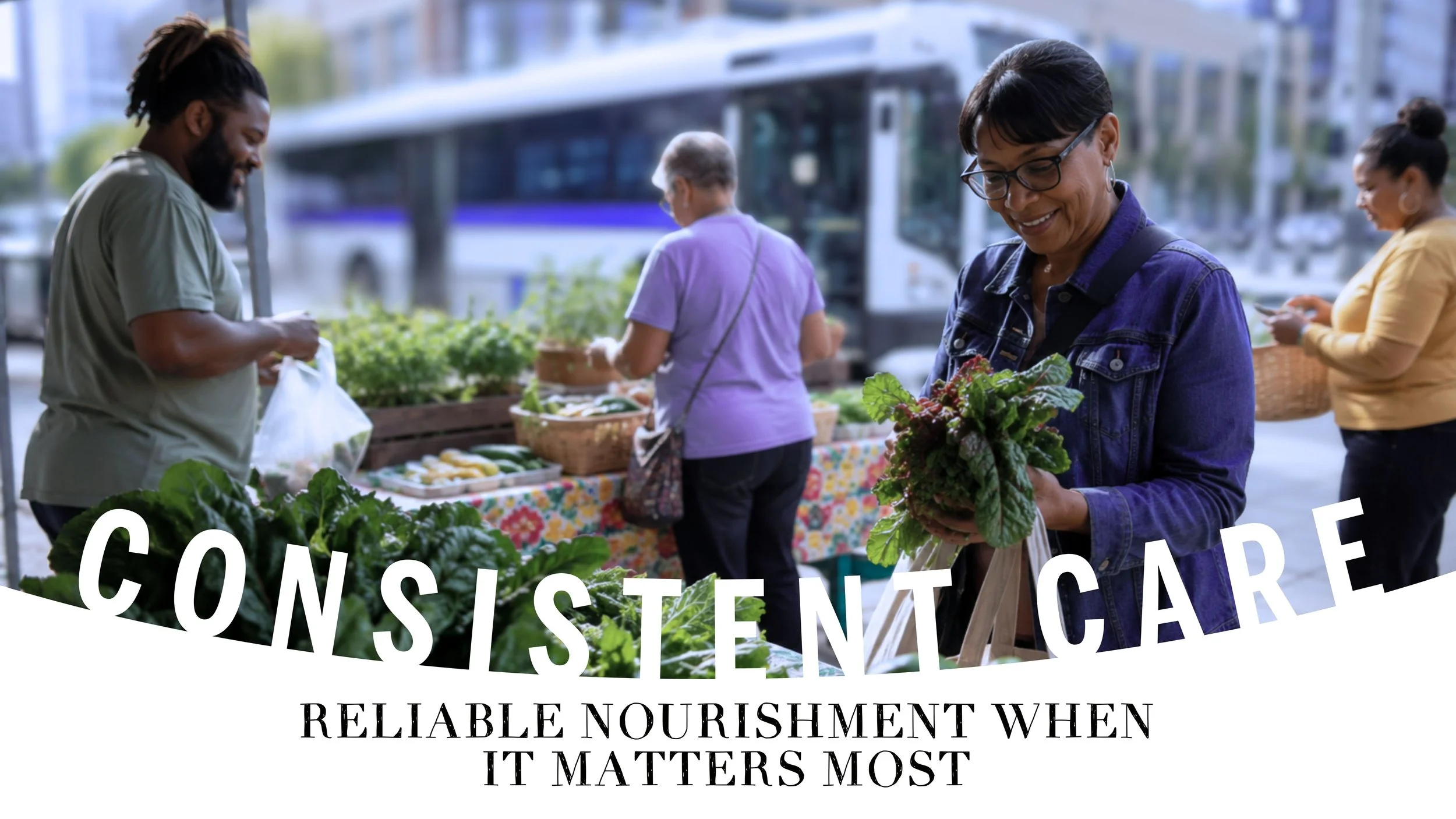
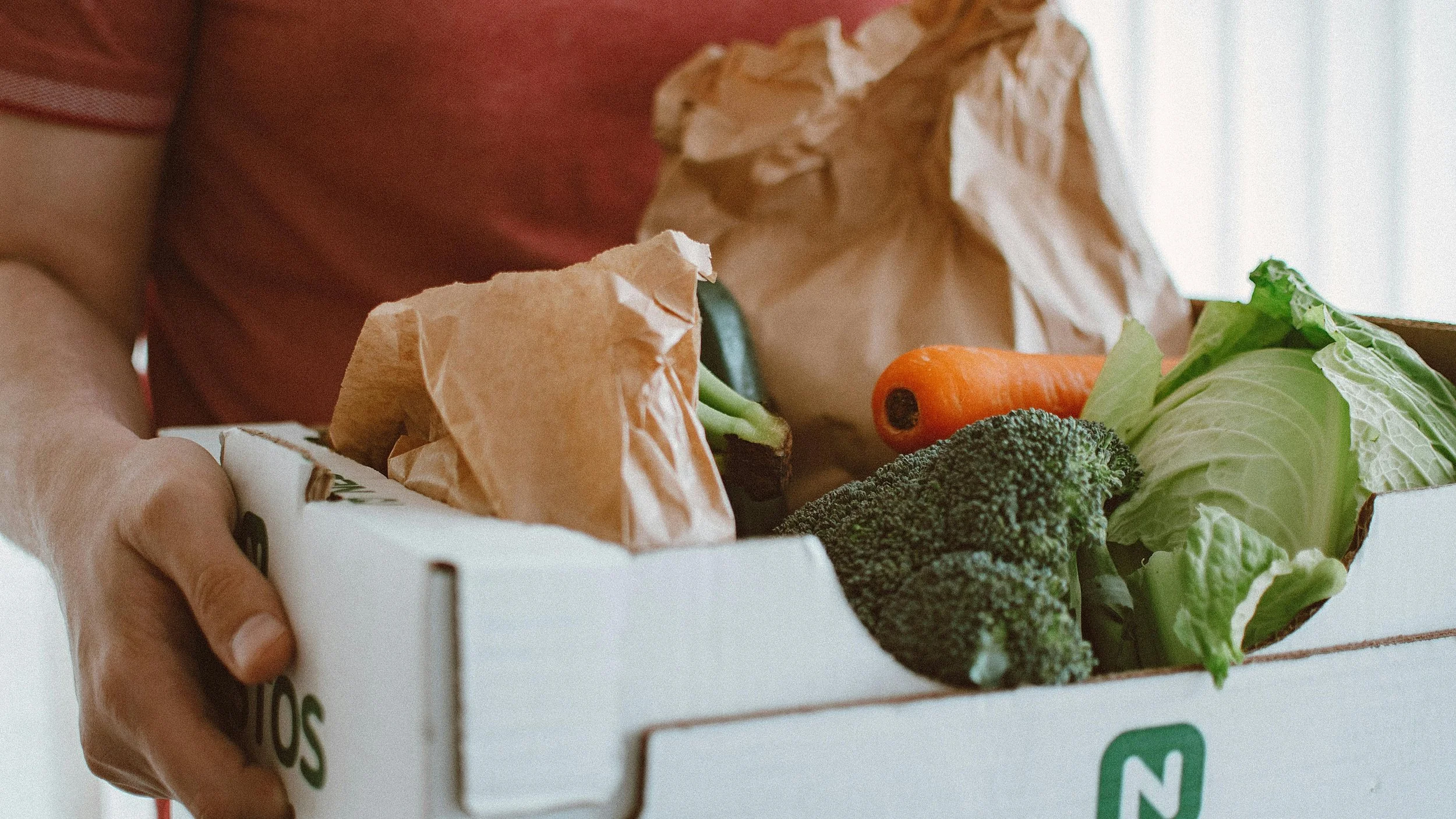
One of these partners is Trevecca Towers, a retirement community that is committed to serving seniors and persons with disabilities with a caring living environment that promotes dignity and relevance. Every Wednesday morning the Towers open their chapel and fill it with donated food for residents to “shop”. After a few months of this, Nick Polk, the Director of the Service Coordinator Department, noticed a trend in the food they were receiving. “We had food co-ops delivering almost exclusively bread, sweets, and processed foods. While these items can be helpful, I started getting more residents asking if we might be able to receive more fruits and veggies. This request resulted in us reaching out to The Nashville Food Project and becoming a sharing partner.” The Nashville Food Project has been sharing extra produce from local farms and pre-packaged produce from Whole Foods with Trevecca Towers each week for the last year. “The reality is that it’s way easier to get ahold of sweets and processed foods than it is organic food and fresh produce, and The Nashville Food Project has made strides in changing that reality for our residents”, says Nick.

Contrast Trevecca Towers with another sharing partner, Safe Room. Safe Room is a Tennessee Department of Children’s Services program that provides designated spaces for children waiting for placement in a foster or kinship home. When Safe Room reached out to The Nashville Food Project, it wasn’t for fresh produce but instead for what they called “comfort foods”. Dana Eskridge, a Volunteer Service Coordinator with Safe Room, explained that “Since the kids that come through here are in transition, we try to keep foods stocked in our fridges that can act as a comfort while they are with us.” In response to this request, we have been able to share Whole Foods donated prepared food items ranging from soups, salads, and sandwiches to frozen pizzas, pastries, and desserts with Safe Room twice a week.
I used to think that being healthy was exclusively tied to eating nutritional food and living an active lifestyle. But after being apart of The Nashville Food Project’s work the last couple of years and seeing so many nuanced expressions of our mission in action, I am starting to realize that being healthy is also about meeting each others needs and having balance and connection in our lives. At The Nashville Food Project, we strive to embrace the complications and conflicts that exist not only in our current food system, but in our collected response to that system. I really love that about this place.
Supporting Academic Perseverance Through Food
Earlier this month we sat down with one of our meal partners, Preston Taylor Ministries, to learn more about their program and how they are using The Nashville Food Project's food to support their work to education and instill students with academic perseverance.
Earlier this month we sat down with one of our meal partners, Preston Taylor Ministries, to learn more about their program and how they are using The Nashville Food Project's food to support their work to education and instill students with academic perseverance.

Tell me a little about your organization and specifically the program that is supported with TNFP food.
Preston Taylor Ministries has been operating for 19 years. Next year will be our twentieth year. We have seven elementary and middle school sites that we partner with throughout the 37209 zip code. We own one of the buildings that we run programming from, but the majority are partnerships with other organizations. We really try to have a presence in the footprint that exists in the neighborhood.
We try to be that school-home-afterschool connection to close those gaps. Here at St. Luke’s Community House we are a K-8 program so we actually have two programs running simultaneously: a K-4 elementary school program and a 5-8 middle school program.
What’s the specific program that you run here at St. Luke’s Community House?
Our primary feeder school for elementary is Cockrill Elementary. We’ve worked out a transportation system with Metro Nashville, and they bus those students directly here, which is great. Of the 35 elementary school students that come, probably 25 of them are all Cockrill students. Other feeder schools are Charlotte Park Elementary, Eakin Elementary and Gower Elementary. For our middle school program, our primary feeder school is Nashville Prep. That’s a charter school that is a block away. Probably 28 of the 35 middle schoolers come from there, and they walk here.
We’re after-school from around 3:30 to 5:30, and our primary mission is “Joy-filled friendships, Christ-centered atmosphere, and a love for learning.”
We are in an air conditioned gym, and we take full advantage of that. Our program consists of physical education, academics, reading intervention and chapel time. We have a total of 70 students that rotate…
Wow! That’s a lot of kids.
Yeah, it doesn’t feel like it. When you get it down to everyone knowing where they’re supposed to be, it’s manageable. You’ve just got to trust me on that!
That’s such a great focus on filling the gaps to create a holistic experience. One of The Nashville Food Project’s primary goals is filling gaps for our partners, supporting their work that is breaking cycles of poverty. Education seems so important in that work. How are you all working in the education space?
Our goal when it comes to education and academics is really what we call “academic perseverance.” We know that in the 25 minutes we have for homework help in a two hour after-school program, it’s very difficult for us to increase a grade level. What we can do is use all of the two hours that we have with those students to build an atmosphere and a mindset of perseverance and follow-through, doing hard things and doing the next, right thing. That carries over into the academic pieces of our program. So that’s really our first approach - understanding that we’re creating a framework of perseverance in everything that we do.
Then, we have a reading intervention piece. We know that in K through third grade, students are learning to read. In grades fourth through eighth, students are reading to learn. In those latter years, we know that most of the information they intake academically will be through reading comprehension so that becomes our focus. As they become better readers, they become better learners. There are things that we have to do in that third rotation that revolve around giving that student a better chance at focus and concentration, breaking barriers of distraction. Food is a big part of that.

Why do you think that offering food alongside this program is important? How does it support the work?
When I say the word food, what I mean is healthy, nutritional snacking. We don’t want to give our students anything that then steals their energy, ability to focus and ability to concentrate. What we want to give them is food that’s going to support the next hard thing that they have to do.
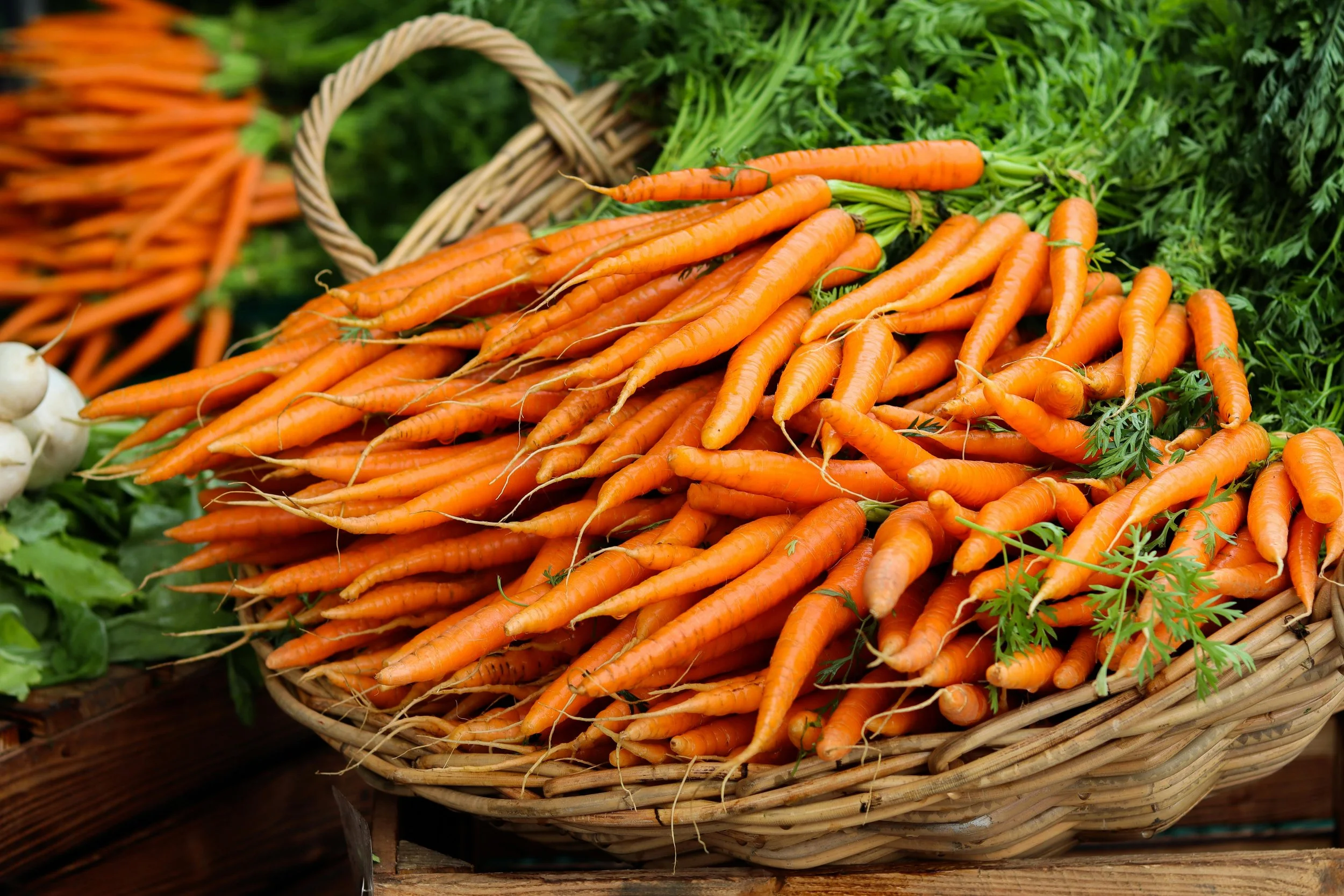
We’re always looking for ways to introduce healthy snacks with the mindset that Cheetos are going to keep you from wanting to do your homework, but hummus and carrots are going to energize you and give you the brain power that you need to be able to do that next hard thing, which might be math. That’s the approach that we take, and that’s why The Nashville Food Project is such an important and integral partner to academic excellence here.
It sounds like you all are carrying out your program in a way that’s helping the students learn more about how to feed themselves and what the food that they eat does for their ability to learn and be active. What do you think the students are learning about and through this food?
We also partner with Second Harvest, and they have a lot of literature that we can use to educate the students in their native language. They give us those to help support the education piece. We use that alongside cooking lessons and other things. We have cooking rotations with our students where the approach is always to get kids to make their own healthy snacks. If there is a particular snack that we’re serving from The Nashville Food Project, we have a conversation with our volunteers about introducing those foods, talking about the colors of those foods and what the colors mean in terms of what that gives you - what orange food gives you, what red food gives you and what green food gives you. We’re always sending that message right through that window into our kitchen.
It also gives us the opportunity to have conversations around perseverance when it comes to trying new things and why it’s important to at least take a bite. You can’t explain to me what you’re saying “no” to until you try it. That’s been a huge part of getting students into the whole mindset of what perseverance means in every aspect of their life including how they feed themselves. That’s an emotional decision so the social and emotional learning part of that - of not shutting yourself down to trying new things - is a big piece of it as well.
It’s great to see you all thinking about food and its impact on your students in such a meaningful way.
Yeah! It’s a very holistic and integrative approach here, and everything that we do points to those goals.
Other than food, what do you think are the biggest factors outside of your control that are impacting the education and development of the students you work with?
Here at the St. Luke’s facility, 100% of our students are living below the poverty line, and 68% of our students are native Spanish speakers. They are the first English speakers in their families so for reading comprehension, they always have to go the long way around the barn.
Particularly in our fifth through eighth grade population, Nashville Prep is a college preparatory school teaching high order and critical thinking skills. Reading a paragraph and being able to extrapolate data, form a conclusion, find evidence to support a question - those sorts of things take a lot of concentration when English isn’t your native language so ELL and being able to work with that population in homework help is always a challenge.
The other problem is that for this population their support system is often not in the country. Having a caring adult, having high participation in our mentoring program where there’s a caring adult in their lives other than their mom has been a big part of our mission at PTM because their support system isn’t even here. Not down the street. Not in another neighborhood. In another country.

I know that one of the things that The Nashville Food Project has been doing here at PTM that’s different from some of our other after-school program partners is the Community Suppers you do. I’d love to hear about how that came about.
When I first came and sat down with The Nashville Food Project and talked about the programs that you offered, we decided that rather than having healthy snacks coming four days a week, we wanted a way to be able to share that experience in a family setting, bringing the community together around healthy food. So we negotiated that once a quarter we would have a Community Supper, and we could share that experience, where students could communicate to the parent about the food they were eating. I think we had 42 people here for the first Community Supper, but for the last one we had about 120!
It’s a huge huge part of what we do here! It gives us an opportunity, a way for us to increase our parent engagement and find out what’s going on in the home and just sit down and break bread together. Just share a meal together. It has turned into Community Supper/Dance Party. There’s a lot of dancing that goes on! Which is great.
During Community Suppers we always talk about The Nashville Food Project and go into depth about the people that gleaned the food, the people that prepared the food, the people that transported the food. The meal is always so beautiful and so colorful, and we go into what we’re eating and why it’s important. I stand there at that microphone, and that’s what we talk about. We always have the food portion of the evening, then some sort of enrichment where we’re highlighting something in the program to give them a little bit about what we do while their kids are here.
We have four Community Suppers a year. The one in May has become our graduation ceremony and volunteer appreciation dinner. The one in September is sort of our open house when we’re launching the program, getting to know the families, meeting some parents for the first time. The one in November/December becomes sort of a holiday meal. It has become an integral part of what we do, and I’m so glad that we’ve structured it this way.
You hear a lot about how much parent involvement can impact a student’s performance. Have you all seen a difference in your students after being able to get their families more involved in your program through these Community Suppers?
What’s great about it is that it helps us to close that loop in terms of what’s going on in the school and how that needs to be communicated to the home base. When that’s carried through a child, a lot gets lost in translation so we do get to be that unifying arm. We close that loop in terms of what’s happening in the school and after-school environment. That’s one piece of it.
Like I said, 68% of these students are learning in English instead of their native language, so it is so difficult for parents to be a help. That’s one area where we can bridge the gap. I just had a parent meeting a couple of weeks ago, and we instilled a new homework policy where we’re not only looking at homework, we’re correcting it, and we’re initialing off on it. This is a way for a parent to know, “Hey, there’s been a caring, educated adult that’s looked at this. I don’t have to feel shame or pressure to be the person who helps with this when I’m not an English reader.”
These are some of the ways in which having Community Suppers and having parents come alongside us builds rapport, credibility and trust.
How We Shared in 2016
Thanks to the support of our incredible community, in 2016 The Nashville Food Project shared more food than ever before! Through a new partnership with St. Luke’s Community House and the addition of eight new meal partners, we doubled our annual meals production from 50,000 to 16 partners in 2015 to over 114,000 to 23 partners in 2016!

Thanks to the support of our incredible community, in 2016 The Nashville Food Project shared more food than ever before! Through a new partnership with St. Luke’s Community House and the addition of eight new meal partners, we doubled our annual meals production from 50,000 to 16 partners in 2015 to over 114,000 to 23 partners in 2016!

“Our students have been more open to trying new foods. We see a better attitude, more even energy & well balanced moods on TNFP food days. Our community suppers have helped us unite our families & staff.”

“[The Nashville Food Project’s meals have] allowed us focus on independent skill-building by treating this as restaurant/learning opportunity. Our clients have had access to new, nutrient dense foods that they have loved.”
In 2016, we increased our food recovery efforts, recovering over 108,000 pounds of food that would otherwise be thrown away. About one quarter of all recovered food was shared with new partner organizations. These partners used the food in their own kitchens and helped stock refrigerators for their residents and clients. This ensured that even more families had reliable access to fresh, healthy food.