Taste of goo goo benefits The Nashville Food Project
Hands-on chocolate class at Goo Goo Cluster supports efforts to grow, cook, and share food across Nashville
Media Release
WHAT:
The Nashville Food Project invites the community to a Taste of Goo Goo, a hands-on chocolate-making experience benefiting its work across Nashville.
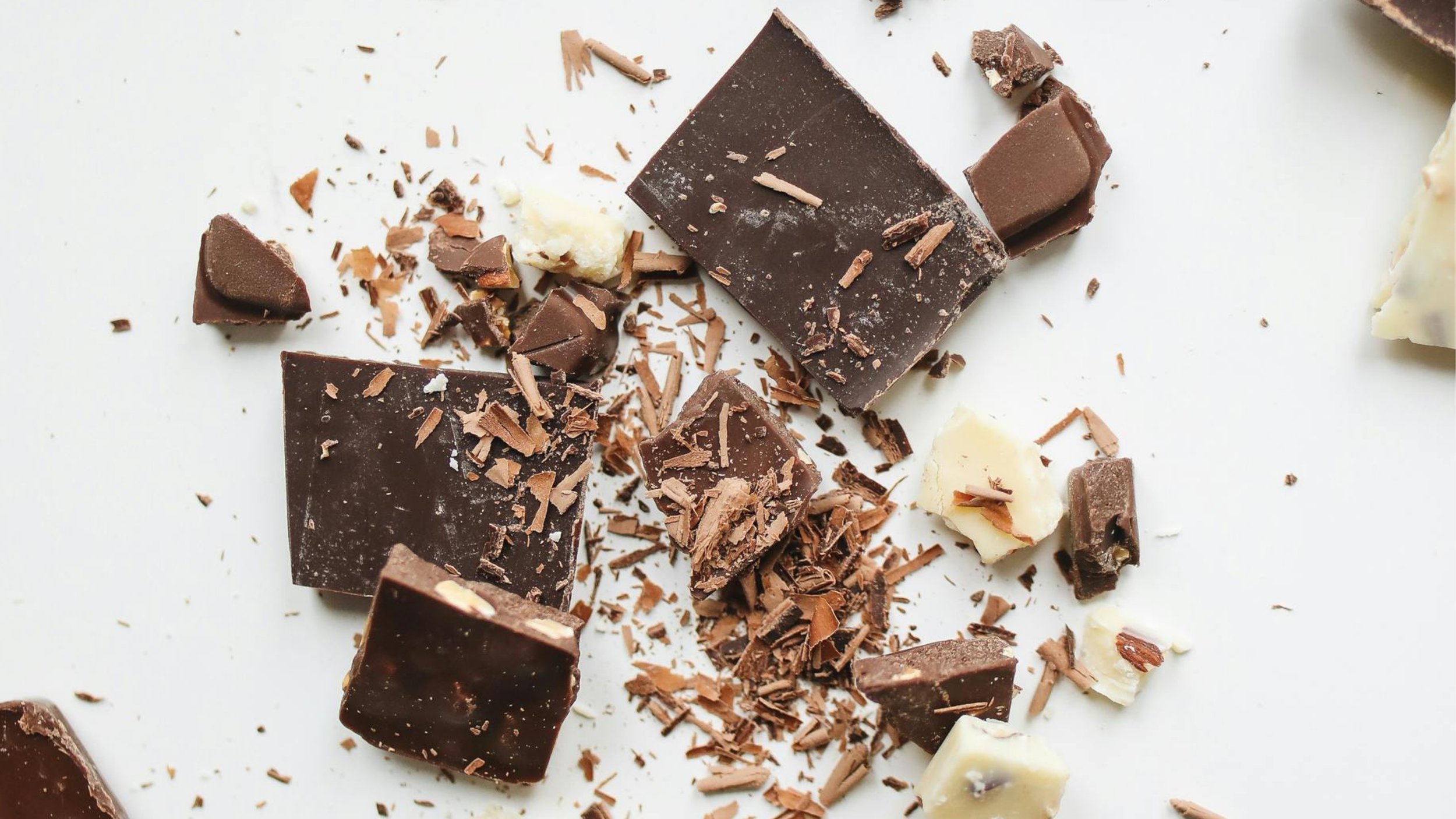
As part of The Nashville Food Project’s Sous series, which offers behind-the-scenes experiences with local culinary partners, this one-hour class at the Goo Goo Cluster flagship store gives participants the opportunity to create their own custom candy bar, sample a variety of Goo Goo favorites, and learn about the history of Nashville’s official candy bar and America’s first combination candy bar.
Each guest will receive classic Goo Goo clusters, a take-home apron, and 10% off any in-store purchase during the event.
One hundred percent of ticket sales will support The Nashville Food Project’s mission to grow, cook, and share nourishing food with communities across Nashville.
WHO:
The Nashville Food Project
Goo Goo Cluster
WHEN:
Tuesday, March 24, 2026
5:30 PM – 6:30 PM CTT
WHERE:
Goo Goo Cluster Flagship Store
116 3rd Ave South
Nashville, TN 37201
MEDIA CONTACT:
Esperanza Merritt
communications@thenashvillefoodproject.org
Registration Link
About The Nashville Food Project
The Nashville Food Project was born from the belief that all people should have access to the food they want and need. In pursuit of that vision, we bring people together to grow, cook, and share food, cultivating community and working to alleviate hunger across our city.
In Nashville, one in seven people lacks consistent access to enough food to sustain a healthy lifestyle, while more than 40% of all food goes to waste. Hunger is not caused by a lack of food alone. It is shaped by systems. Poverty, unemployment, low wages, and rising housing costs all contribute to the challenges many of our neighbors face.
We believe food can be a powerful tool to foster health, belonging, and justice in our community. Through our kitchens, Community Agriculture Network, and partnerships across Nashville, we work to transform surplus into nourishment and connection.
In 2026, we will share more than 344,000 scratch-made meals and recover over 330,000 pounds of food, supporting after-school programs, immigrant communities, homeless outreach organizations, and many others across Nashville.
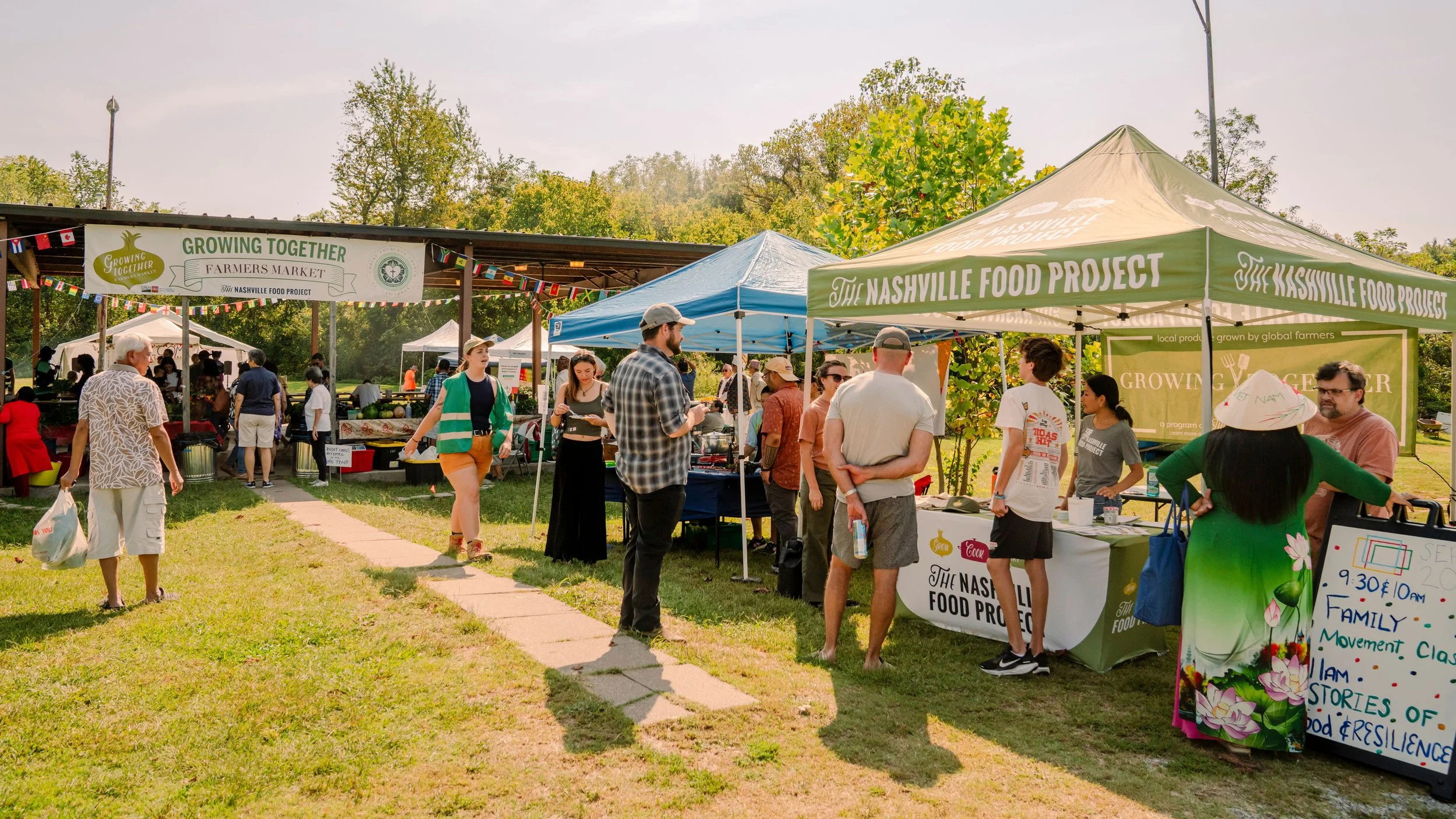
Grow — In our gardens, we grow organic food intensively, and share resources with others interested in growing their own food.
Cook — In our kitchens, we use recovered, donated and garden-grown food to prepare and cook made-from-scratch meals.
Share — In our community, we share nourishing meals in partnership with local poverty-disrupting nonprofits and community groups.
The Nashville Food Project embraces a vision of vibrant community food security in which everyone in Nashville has access to the food they want and need through a just and sustainable food system.
The Nashville Food Project Invites Community to Help Plant New Orchard at Mill Ridge Park
This spring, the farm will expand with the addition of a community orchard featuring more than 200 fruit trees and berry brambles. Once established, the orchard will increase access to fresh fruits and berries for growers at Mill Ridge and neighbors throughout the surrounding Antioch community.
Media Release
WHAT:
The Nashville Food Project invites community members to join in planting a new community orchard at The Community Farm at Mill Ridge Park.
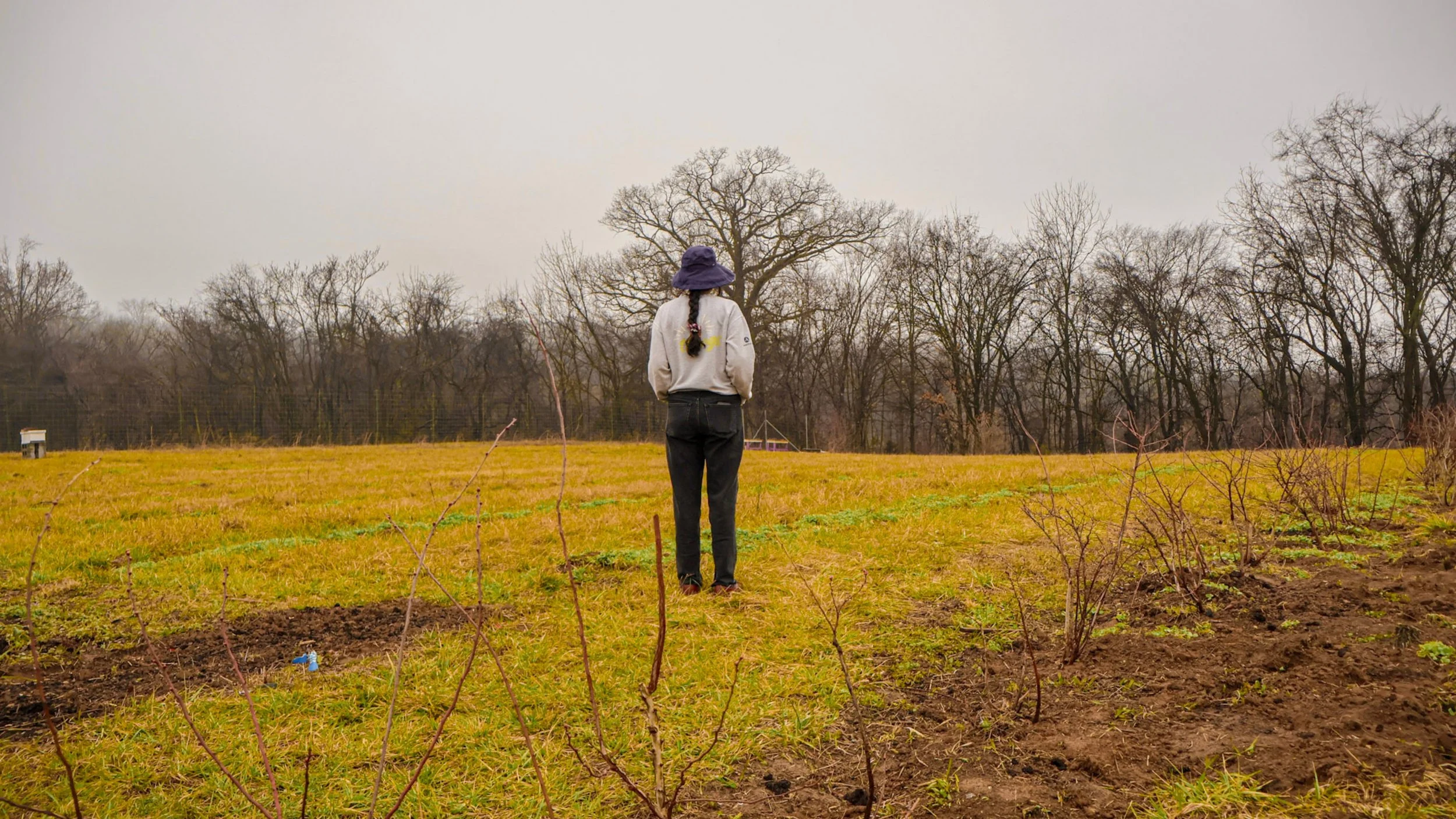
Since 2019, The Community Farm at Mill Ridge has served as The Nashville Food Project’s largest urban agriculture site. Located in Antioch at 12944 Old Hickory Blvd, the farm includes more than three acres of community garden plots where growers cultivate food and build connections with neighbors.
This spring, the farm will expand with the addition of a community orchard featuring more than 200 fruit trees and berry brambles. Once established, the orchard will increase access to fresh fruits and berries for growers at Mill Ridge and neighbors throughout the surrounding Antioch community.
In addition to producing food, the orchard will support environmental health by expanding the tree canopy, improving soil quality, and creating habitat for pollinators. It will also serve as a gathering space where neighbors can learn, connect, and steward the land together.
Volunteers attending the Orchard Planting Party will help take the first steps in establishing the orchard. Tasks may include labeling trees, organizing materials, digging planting holes, planting trees and brambles, and mulching around each new planting. Opportunities will be available for volunteers of varying abilities and experience levels.
Participants are encouraged to wear clothes suitable for outdoor work, including long pants and closed-toe shoes. Volunteers should bring a filled water bottle and may wish to bring hats, sunglasses, or layers depending on weather conditions. Garden gloves, bug spray, sunscreen, and water refill stations will be available onsite.
No prior gardening experience is required. All are welcome to participate.
This planting is part of a larger effort to grow Nashville’s network of community orchards. By December 2027, The Nashville Food Project plans to plant the first 10 community orchards in low-income, low-access neighborhoods across the city and train at least 20 community orchard stewards to care for them.
Orchard stewardship and maintenance plans will guide this work, supported by annual workshops that train stewards in horticultural best practices. Along the way, we will engage at least 100 volunteers in planting and caring for these shared spaces.
Looking ahead to the end of 2026, the Community Orchard Manager will lead outreach and community engagement to identify and onboard at least 10 additional orchard partners for new sites to be planted between 2027 and 2029. This work will include evaluating orchard sites, designing orchard layouts with community members, developing tree and supply lists, and training local stewards in orchard care and long-term maintenance.
Together, these orchards will become places where communities gather, grow food, and cultivate lasting care for the land and for one another.
WHO:
The Nashville Food Project
Community volunteers
WHEN:
Friday, March 27
Saturday, March 28
8:15 AM – 12:00 PM CT
WHERE:
The Community Farm at Mill Ridge Park
12944 Old Hickory Blvd
Antioch, TN 37013
MEDIA CONTACT:
Esperanza Merritt
communications@thenashvillefoodproject.org
Registration Link
About The Nashville Food Project
The Nashville Food Project was born from the belief that all people should have access to the food they want and need. In pursuit of that vision, we bring people together to grow, cook, and share food, cultivating community and working to alleviate hunger across our city.
In Nashville, one in seven people lacks consistent access to enough food to sustain a healthy lifestyle, while more than 40% of all food goes to waste. Hunger is not caused by a lack of food alone. It is shaped by systems. Poverty, unemployment, low wages, and rising housing costs all contribute to the challenges many of our neighbors face.
We believe food can be a powerful tool to foster health, belonging, and justice in our community. Through our kitchens, Community Agriculture Network, and partnerships across Nashville, we work to transform surplus into nourishment and connection.
In 2026, we will share more than 344,000 scratch-made meals and recover over 330,000 pounds of food, supporting after-school programs, immigrant communities, homeless outreach organizations, and many others across Nashville.
Grow — In our gardens, we grow organic food intensively, and share resources with others interested in growing their own food.
Cook — In our kitchens, we use recovered, donated and garden-grown food to prepare and cook made-from-scratch meals.
Share — In our community, we share nourishing meals in partnership with local poverty-disrupting nonprofits and community groups.
The Nashville Food Project embraces a vision of vibrant community food security in which everyone in Nashville has access to the food they want and need through a just and sustainable food system.
Steady in the Storm: 2,400 Meals and the Work Before the Crisis
This response would not have been possible without our volunteer community.
Our volunteers are always ready to activate. Always ready to step in. Many hands truly make light work. The trust and commitment of this community allow us to respond not with scrambling, but with steadiness.
Media Release
When Winter Storm Fern began impacting families across Davidson County, our response did not begin with panic. It began with preparation.
By Friday, The Nashville Food Project had prepared and shared 2,400 meals at the Hadley Park and Smith Springs Community Center Disaster Assistance Centers. The week prior, we had already mobilized 1,000 meals as part of our emergency response efforts.
In moments like this, the numbers matter. But what matters more is the infrastructure that makes those numbers possible.
When the storm hit, our culinary team moved immediately into response mode.
All tilts were filled. Production expanded. Double shifts were activated. At the same time, we continued preparing meals for our regular community partners. Care does not pause during a crisis.
Chef Bianca, Chief Culinary Officer, coordinated logistics. Chef Trish activated to support distribution on site. Julia, Director of Culinary Operations, ensured production remained steady and focused. There was no reinvention. There was integration.
We leaned on the systems already in place.
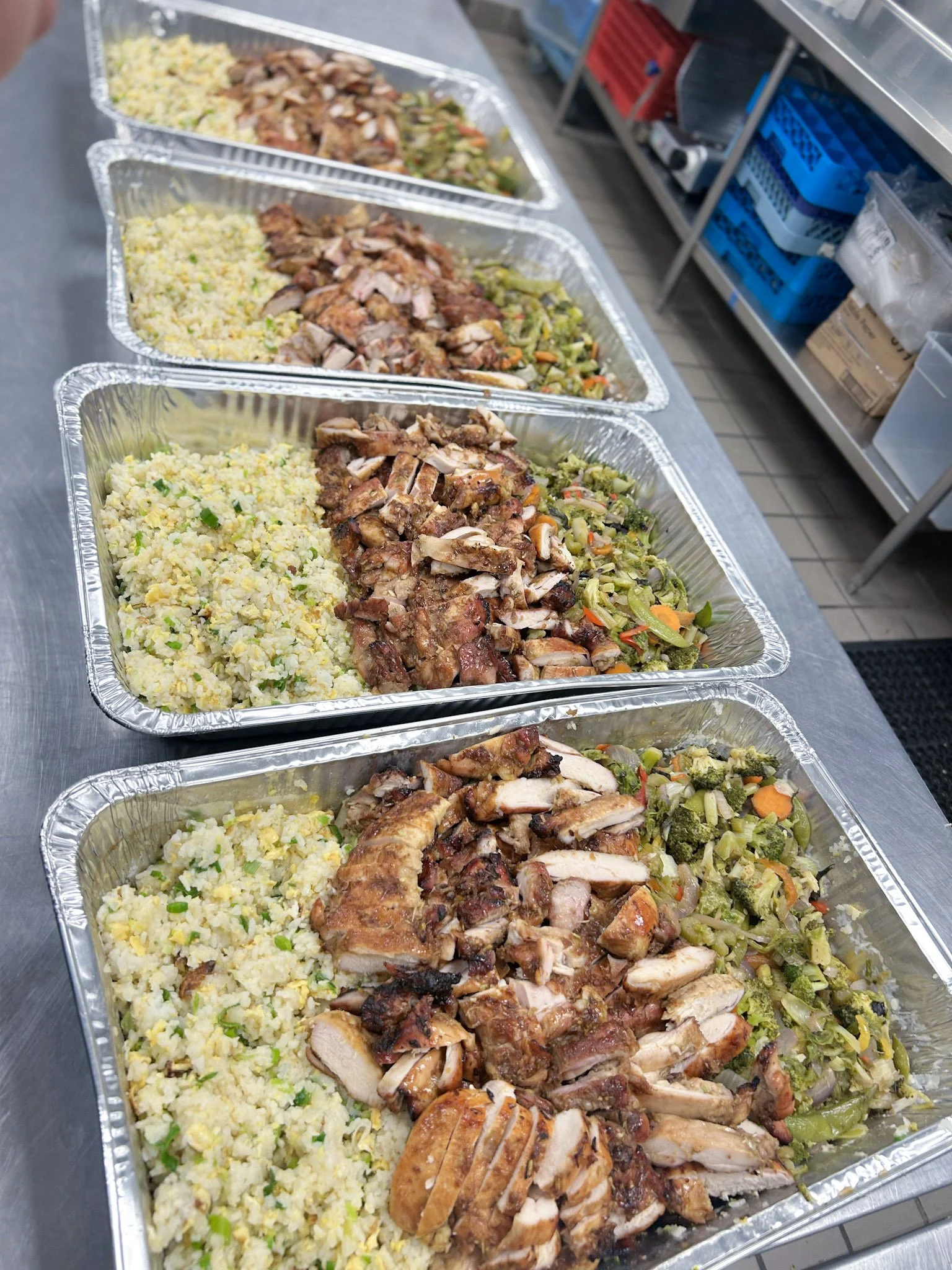
During this activation, our team prepared:
Mains
60 servings chicken pot pie
150 servings chili
335 servings chicken alfredo
875 servings ground beef spaghetti
400 servings pork jambalaya
400 pieces BBQ chicken
Individual Meals
60 sweet and sour pork
90 “Marry Me” chicken
Sides
225 servings garden salad
Total meals prepared and shared: 2,400
Each tray prepared represented more than food. It represented steadiness in the middle of disruption.
CJ Sentell, Chief Executive Officer
What stood out most was not simply efficiency. It was commitment.
Many team members were navigating their own power outages and water disruptions. And still, they showed up. Brad. Anya. Asia. Others stepped into additional hours to cover gaps. They supported one another while supporting the community.
It was a clear reflection of our values in action.
We had a plan before requests formally came in. We did not need to reinvent the wheel. We extended what we already do well. We mirrored our regular community partner menus. We activated trusted volunteers and contract partners. We operated with hospitality, even in urgency.
Storms do not create food insecurity. They expose it.
When families already navigating instability lose power, transportation, or access to groceries, the gap widens quickly. Recovery becomes more difficult. The burden grows heavier.
This is why strong food systems matter before a crisis hits.
By investing in sustainable infrastructure—kitchen capacity, volunteer leadership, recovery logistics, and long-standing community partnerships—we shorten recovery time. We close gaps faster. We prevent instability from compounding into crisis.
When systems are not in place, nonprofits must carry the weight alone. When they are, communities move together.
This response would not have been possible without our volunteer community.
Our volunteers are always ready to activate. Always ready to step in. Many hands truly make light work. The trust and commitment of this community allow us to respond not with scrambling, but with steadiness.
In the midst of Winter Storm Fern, we did what we always do.
We grew.
We cooked.
We shared.
And we did it together.
About The Nashville Food Project
The Nashville Food Project was born from the idea that ALL people should have access to the food they want and need. We know that one in seven people in Nashville lacks access to enough food to sustain a healthy lifestyle. But we also know that more than 40% of all the food in our city goes to waste. Solutions to hunger take much more than simple handouts. Poverty, unemployment, low wages and escalating housing costs all contribute to the challenges that the most vulnerable residents of our city face.
We believe food can be a powerful tool to foster health, belonging and justice in our community. That’s why we...
Grow — In our gardens, we grow organic food intensively, and share resources with others interested in growing their own food.
Cook — In our kitchens, we use recovered, donated and garden-grown food to prepare and cook made-from-scratch meals.
Share — In our community, we share nourishing meals in partnership with local poverty-disrupting nonprofits and community groups.
The Nashville Food Project embraces a vision of vibrant community food security in which everyone in Nashville has access to the food they want and need through a just and sustainable food system.
Working toward these goals requires powerful, creative community collaboration and we would love for you to be a part of it.