
The Nashville Food Project’s Blog







Scaling Back Nashville's Free School Lunch Program
Last month, Nashville schools announced a scale back of a program which for the past 4 years has provided free lunch to all Metro school students, regardless of income. We reached out the The Tennessee Justice Center to help us understand the changes and what is at stake.
Note: Find information on 2018 Nashville summer meal program sites and times here. In addition to these sites, there will be a lunch served at McGruder Family Resource Center (2013 25th Ave N) Monday-Friday from 11:30 am - 12:30 am through July 27th 2018. No registration is required - any child under 18 can come and have lunch for free. A tent is set up in the parking lot behind the center.
By TNFP's Office Manager, Elizabeth Langgle-Martin
I vividly remember the day in kindergarten when I opened my lunch, removed my sandwich from its plastic baggie and bit into it, only to discover it was two slices of plain bread. It’s a story that’s gone down in our family’s folklore. My sweet, young, probably exhausted, mom, in the morning rush and commute, forgot to put peanut butter, cheese, or anything that would constitute a sandwich between the slices of wheat bread. It’s funny, because I had a mother that carefully packed me lunches every day of my elementary school career. Veggie sticks, tuna sandwiches, raisins and apples. Granola bars, cucumber slices and thermoses of milk. My stomach was full and I could focus on the perils of learning cursive, fractions, and trading Beanie Baby cards.

I know that my lunch experience is not universal. In Tennessee, one in seven families doesn’t know where their next meal is coming from. Most of us can agree that a child who is hungry isn’t able to listen, learn, befriend their peers, and engage in a holistic school experience. When I read the news headlines that students’ access to free and reduced lunches was changing, I reached out to Madison Wall (Children Nutrition Advocate) and Keith Barnes (Director of Nutrition) at The Tennessee Justice Center to help me understand all the elements and what is at stake.
Please note, this is my personal interpretation of an hour-long interview. I’m new to this conversation and maybe you are too! Hopefully, my slightly bumpy explanation will encourage you to dive a little deeper into the way policy affects food accessibility in Metro Nashville schools.
Federally funded free school meal programs in the U.S. date back to the 1940s. (Check out this handy factsheet). In 2013/4, the Nashville community became an early adopter of the Community Eligibility Provision (or CEP) – a program that allows school districts to serve free meals to ALL students, regardless of income. This meant that MNPS schools no longer had to enroll and closely track individual student eligibility. Among students, it reduced the stigma of receiving meal assistance and -- perhaps most importantly -- made sure no child needing access to nutrition was falling through the gaps.
But recently, it was determined that Nashville’s school system no longer meets the benchmark to fall under the blanket of this program. Barnes suggests that this can be attributed to a combination of things such as: the gentrification of urban neighborhoods, a tense time in immigration policy which discourages families without documentation to provide personal information, and even some economic improvements.
So what next? Metro Schools has announced that half of the city’s lowest income schools will continue to provide lunch to all children at no cost to the student. However, the remaining half of the city’s schools will return to assessing the students’ individual eligibility to determine who does or doesn’t receive free meals. Advocates are concerned that this abrupt change may result in students who have been relying on the free lunch program struggling to meet their nutritional needs during the school day.
The Tennessee Justice Center is asking for MNPS to continue offering a lunch to all the children enrolled at no cost to the student and their families, which they believe can be supported by a number of creative, sustainable funding solutions. In particular, they are advocating for school district leaders to implement an strategy to help all eligible families within the MNPS system to enroll in SNAP, which can both help schools receive additional federal reimbursement, and ensure that more eligible families have food in their pantries at home.
Program quality is constantly on TJC’s radar as well. For instance, Madison notes that the existing free breakfast program is hard to access for some students. For instance, if a free breakfast is offered until 7:45 am but the last bus doesn’t arrive at the campus until 7:50 am, that group of students is unable to partake. Madison works with schools to look at alternative ways to make sure that all students can access the meals that the school is paying for and preparing each day.
So, the big question… How can the average Nashville resident (like me!) advocate for students to continue to have access to meals at no cost to the child during their school day?
1. Ask the mayor’s office to make an immediate investment of 7 to 8 million dollars to our school district to ensure that all students continue to receive uninterrupted access to lunch during their school day. You can email Mayor Briley directly at mayor@nashville.gov.
2. Sign up for email updates from The Tennessee Justice Center to learn more and receive prompts for accessible action items. You can also learn more and get involved in specific campaigns through their website, including signing up to be a Breakfast Champion. Supporting this proposed in-class meal model (Breakfast After the Bell!) would allow more students to eat the available free breakfast.
At The Nashville Food Project, we're working toward a vision in which everyone in Nashville has access to the food they want and need through a just and sustainable food system. We recognize that this cannot occur without the intentional and detailed work of advocacy and policy change, and we are thankful for the work of The Tennessee Justice Center and other similar groups as they seek to help increase access to nutritious food in our community.
For Everyone Born
Recent proposed changes to the Supplemental Nutrition Assistance Program (formerly known as food stamps) suggest a shake-up may be in store for one of our country’s most important safety net programs. This has a team talking about what we believe to be essential ingredients of effective food support.
Reflection by TNFP's Office Coordinator, Elizabeth Langgle-Martin
"For everyone born, a place at the table; for everyone born, clean water and bread, a shelter, a space, a safe place for growing; for everyone born, a star over head." - Shirley Erena Murray
Lately, I’ve heard a lot of discussions surrounding the proposed changes to the existing SNAP program. If you’ve been on social media or even scanned the news, you most likely have caught wind of the conversation.
First of all, what is SNAP, and who does it serve? SNAP (Supplementary Nutritional Assistance Program) was formerly known as the food stamp program. SNAP is the federal benefit with which families around the United States purchase food items from grocery stores and farmers’ markets. The USDA reports that two thirds of SNAP participants last year were children, elderly, or had a disability. In January of 2018, 81,809 individuals in Davidson County alone received SNAP assistance. Currently, eligible individuals or families receive their approved amount of funds each month directly to a debit-style benefit card. The allotted amount can be spent on eligible food items from participating vendors. The average amount of the benefit tends to be about $1.52 per eligible person per meal.
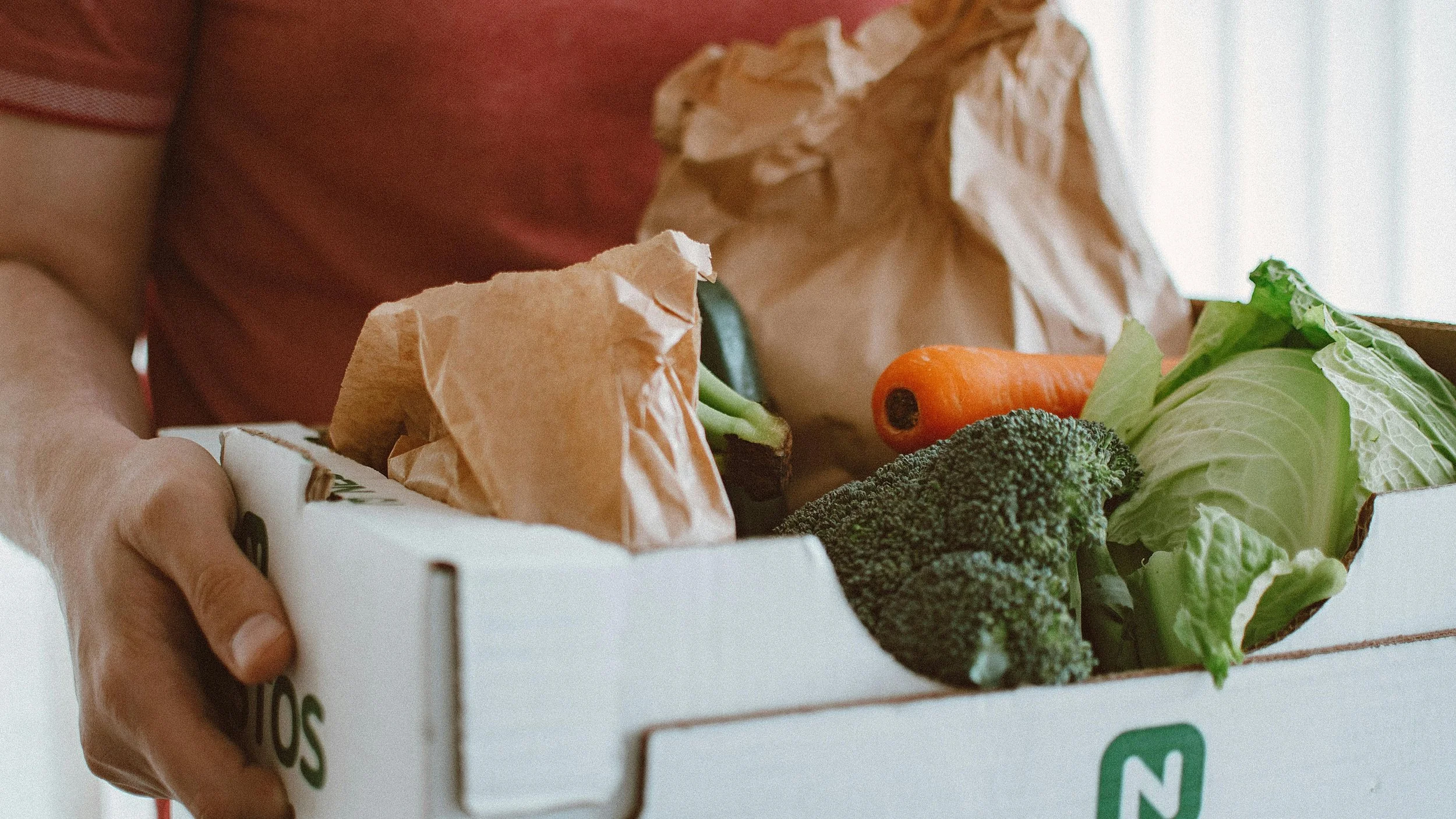
Recent proposed changes suggest eliminating the debit type card which allows participants to choose ingredients and construct meals like non-participating families. These benefits would be replaced, at least in part, with a monthly government issued box of non-perishable staples. Reports suggest that these boxes would include items such peanut butter, pastas, and canned vegetables.
These proposed changes have The Nashville Food Project team actively thinking and talking about why we believe access to fresh foods and freedom of choice when thinking about food is essential to effectively supporting the families that rely on SNAP to supplement their grocery budgets and make ends meet.
Here are some of our reflections on what we believe are essential components to good food support:
Access to fresh foods

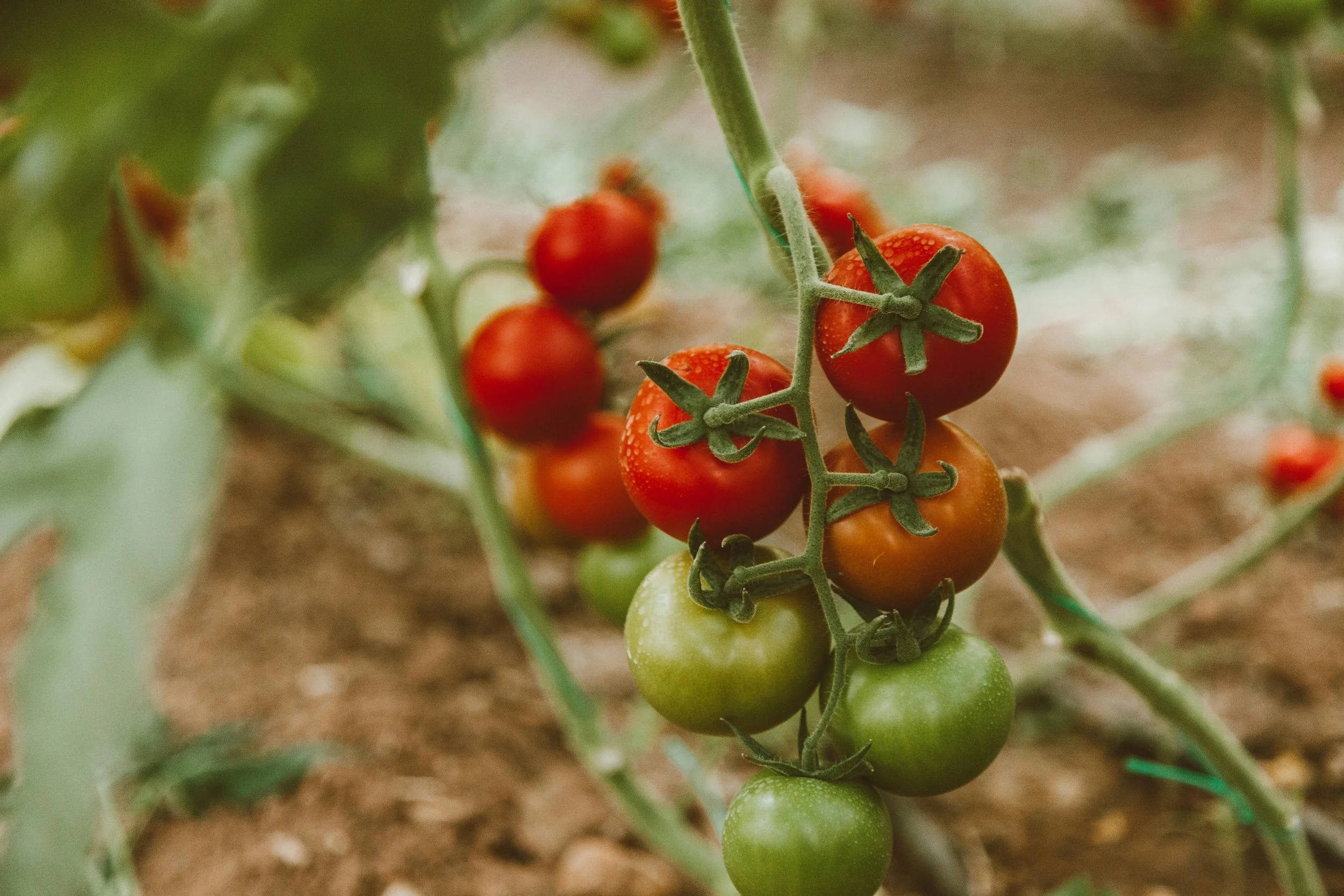
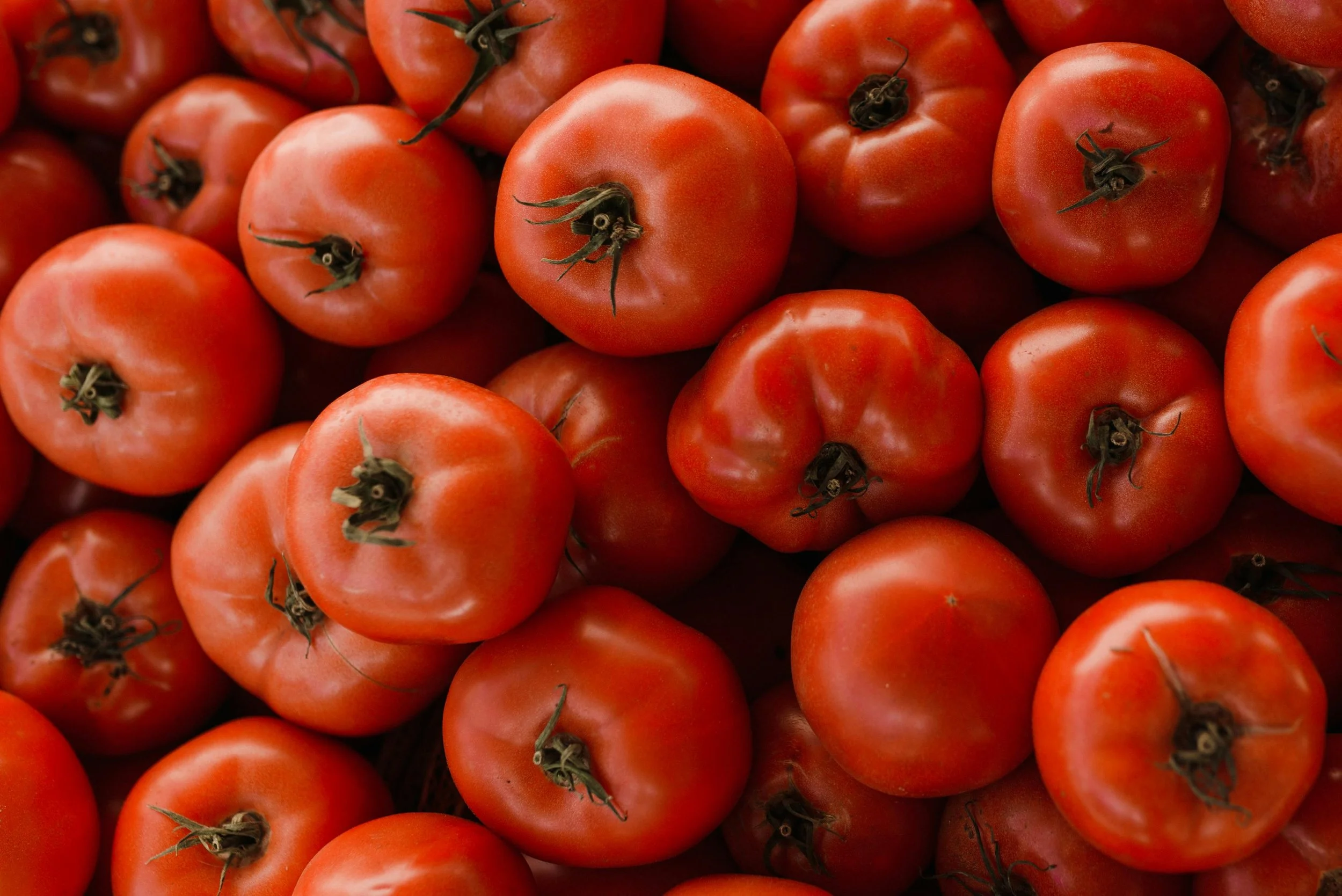
We believe that all people deserve access to fresh, nutritious food. Take a look at TNFP’s vision statement: “The Nashville Food Project embraces a vision of vibrant community food security in which everyone in Nashville has access to the food they want and need through a just and sustainable food system.” We believe that a just and sustainable system means families having access to foods that haven’t undergone extensive processing, foods that contribute to a healthy lifestyle. Fresh lettuce, ripe tomatoes, and peaches that aren’t drowning in heavy syrup shouldn’t be considered the food of the elite.
Self-Determination and Dignity

Years of working with individuals who are straddling the poverty line has taught me that people are the experts of their own experience. The most resilient folks I have known are people who manage to grow riverside food gardens while living in a tent or who hand deliver a birthday card after spending the night sleeping on a church stoop. In college, one of my professors once said that if someone’s situation or struggle was simple, they would have already figured it out themselves.
Poverty is the result of complex systems, years of discrimination, resource access issues, and income inequality. Removing everyday choices and elements of self-determination from SNAP participants inherently suggests that their experience of poverty is purely the result of a personal failing, a failing so great that they now require someone who hasn’t struggled in the same way to tell them what is or is not acceptable to purchase, prepare, and serve to their families. Many families already feel an element of shame for needing to utilize a supplemental program, but to remove the ability to shop alongside non-participating families would further alienate already marginalized groups of people.
Value of Cultural Identity

Do you have a favorite holiday dish that your grandmother made or a cake that your family bakes for every birthday? Many of us were raised with meals and recipes passed down for generations. However, traditional meals for a new American family from Burma might look very different from someone raised in urban areas of Chicago, which would vary greatly from meals prepared in New Orleans.
Food is deeply personal and tied to who we are and where we are from. We create traditions utilizing food and share who we are with others through its preparation. When freedom of choice is eliminated from the foods we eat and replaced with “cookie cutter options,” we discount the way that culture and tradition influence our eating habits and vice versa. We believe that limiting control over one’s own food choices, choices that reflect one’s tastes and traditions, would render a serious flaw in any type of nutrition assistance program.
While SNAP isn’t a perfect program in its current state, it’s essential that any changes to the program serve to increase participants’ access to a variety of fresh foods and allow for food choices that reflect the nutritional and cultural needs of each participant. Without these, any program would be a step backward.
Obviously, SNAP is not the only way to increase access to fresh, nutritious foods for families in need. Here are a few things you can do to help support and increase in fresh, nutritious food for families experiencing food instability:
1. Share extra fresh produce from your gardens with a local food bank (or if you are in the Nashville area, with The Nashville Food Project, of course)!
2. Support community gardening initiatives which increase land access for under-resourced neighbors to grow their own food.
3. Help de-stigmatize nutrition assistance programs such as SNAP by sharing factual, well researched information. Here is a good starting point to learn more.
Most importantly, we must remember that there is enough. It’s easy to fall into a mindset of scarcity. However, it’s essential to recall that 40% of the food produced in the United States goes to waste. There is plenty of food to meet the needs of all people and plenty of room at the table.