
The Nashville Food Project’s Blog




Reflecting on Summer's Sweet Peas
Over the summer, our meals were prepared, packaged and delivered to 16 meal partners for Sweet Peas, a summer program sharing healthful meals with kids during the critical months when school is out. Also critical, Sweet Peas happens thanks to the generous financial support of sponsor Jackson®, which funded the program to help share more than 18,000 meals this summer!
Katie Scarboro remembers hearing from a parent who was shocked when her child requested fruit rather than chips at the grocery store. The child had tasted grapes or strawberries for the first time during YMCA Fun Company programming.
“The parent was just floored that the kid had that kind of response,” she says.
Truth be told though, Katie says she hears similar stories often as Anti-Hunger Initiatives Director at the YMCA of Middle Tennessee — especially when it comes to the fruit.
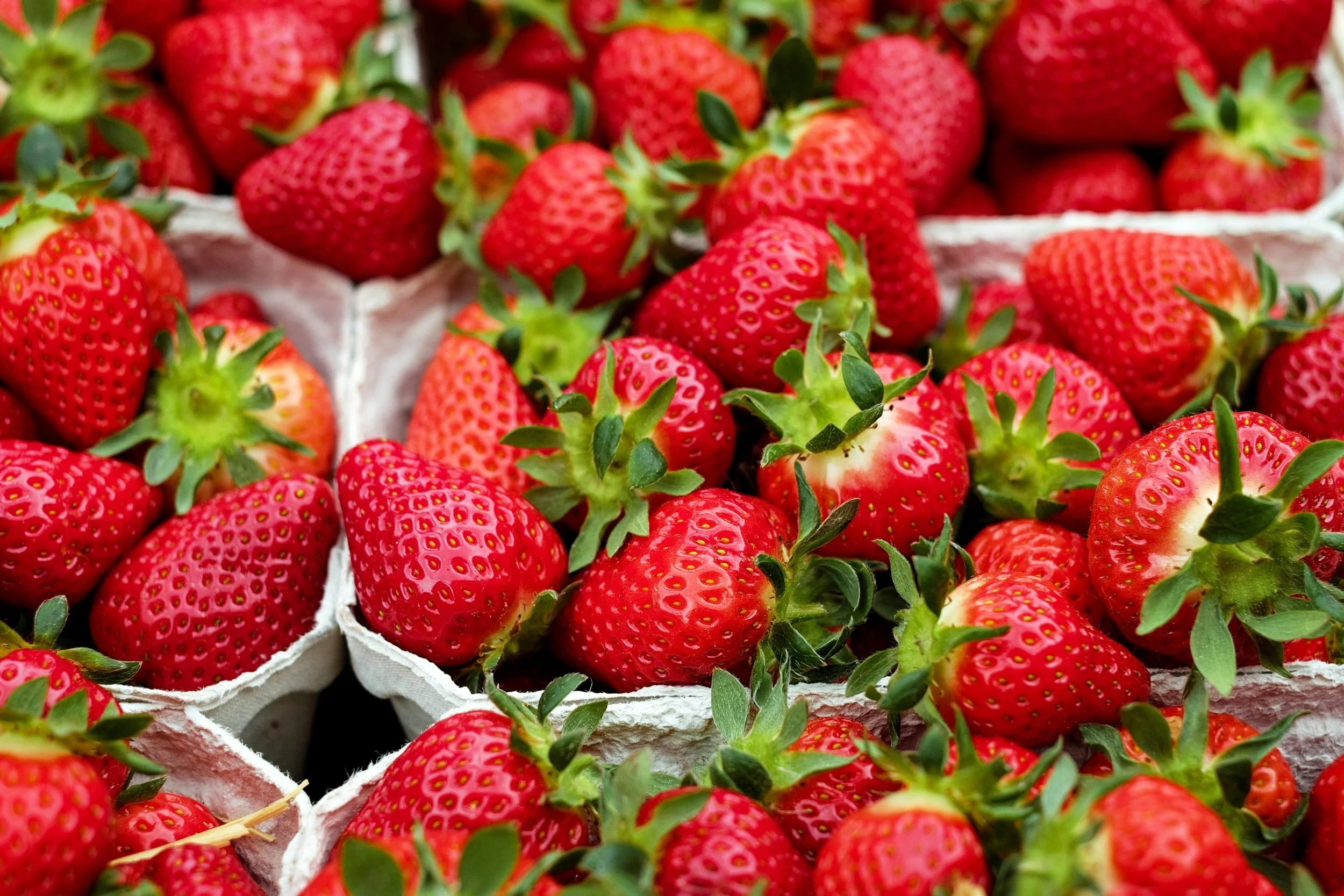
”They cannot get enough of it,” she says. “You’d have kids come back over and over for fruit salad. And when you have kids who have the world at their fingertips in terms of gummy bears and candy in general and prefer to eat fruit salad? That’s fantastic.”
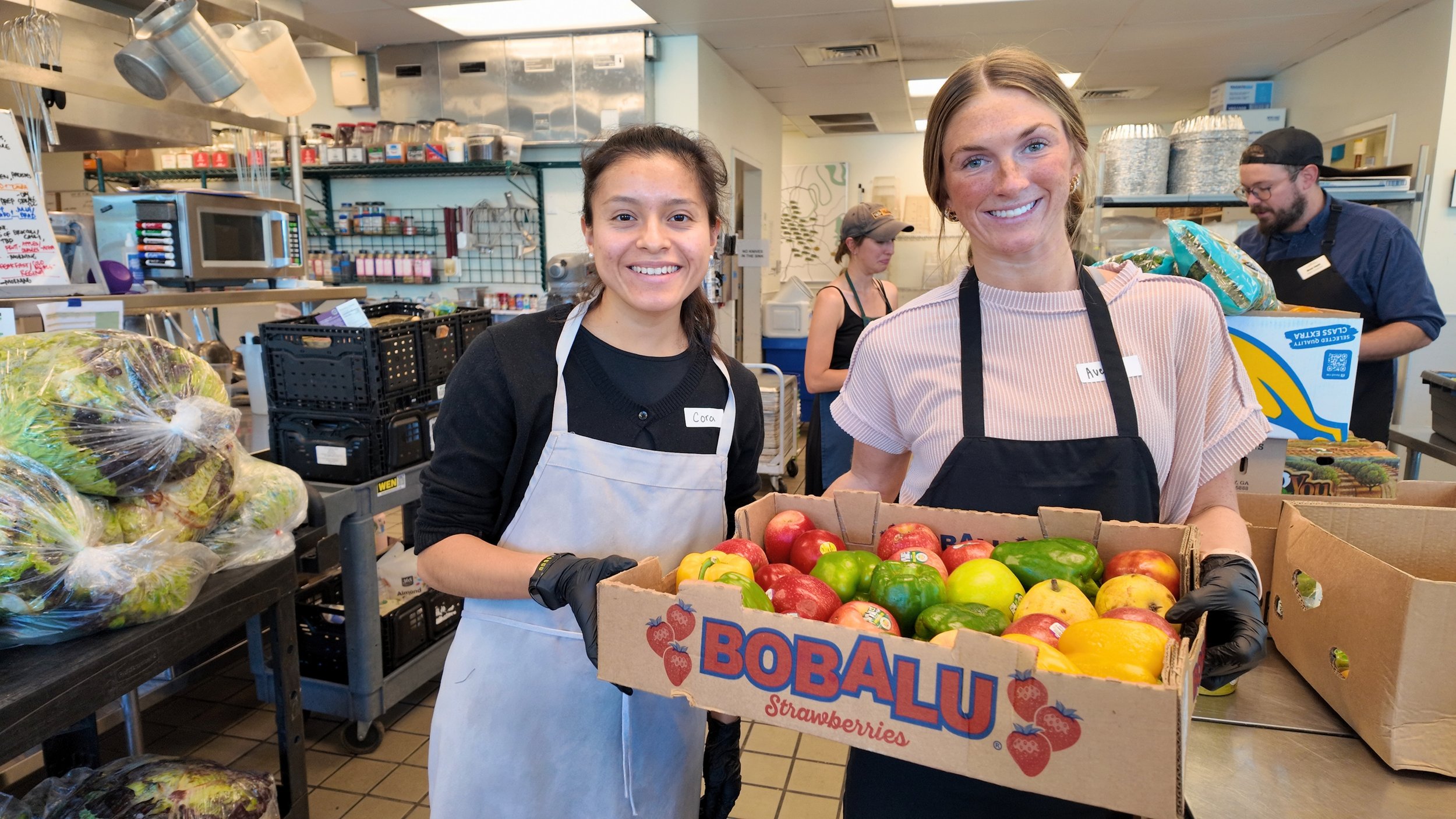
While fruit might seem simple, it takes a lot of collaboration to get salads like this one — and other snacks and meals — to the table.

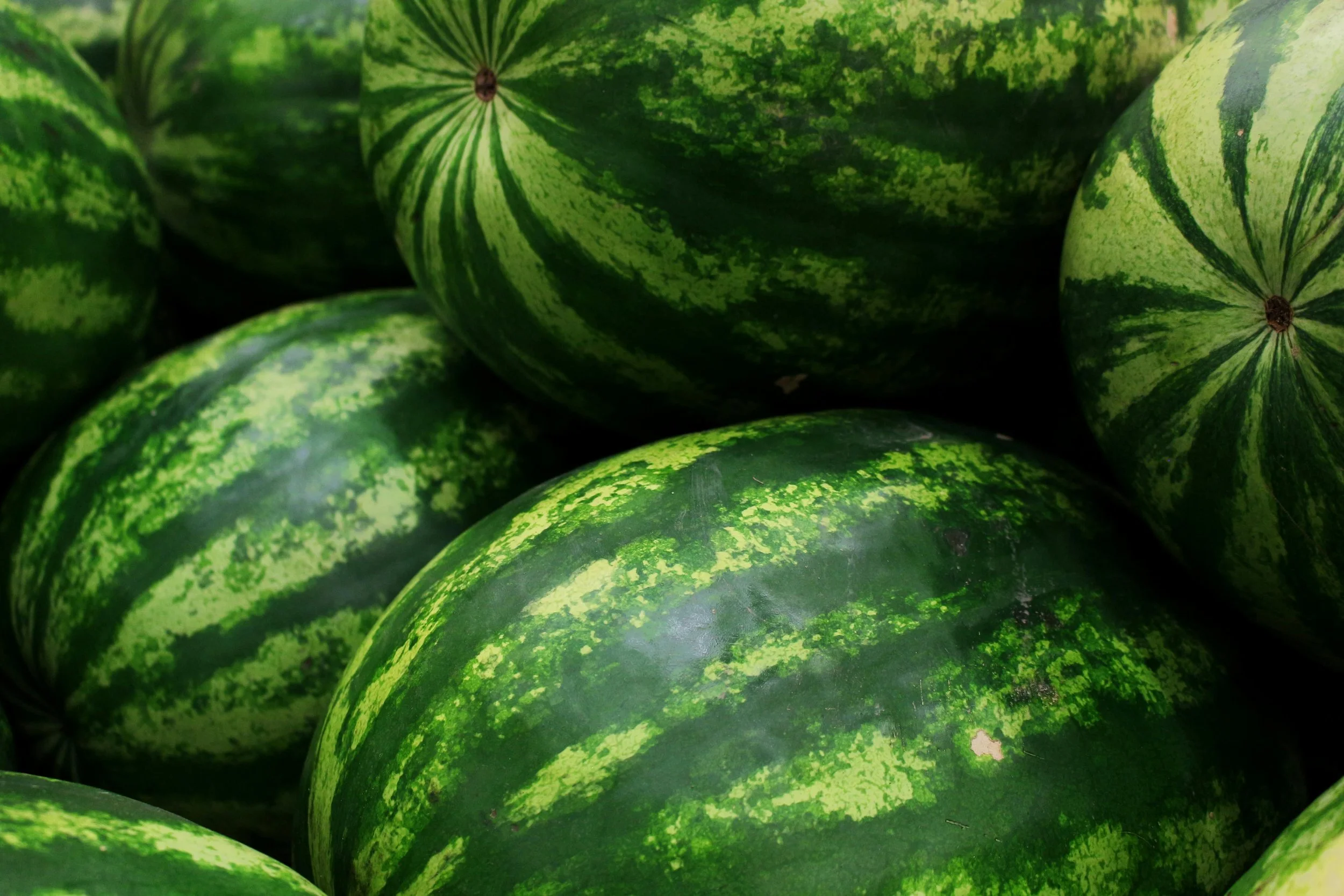
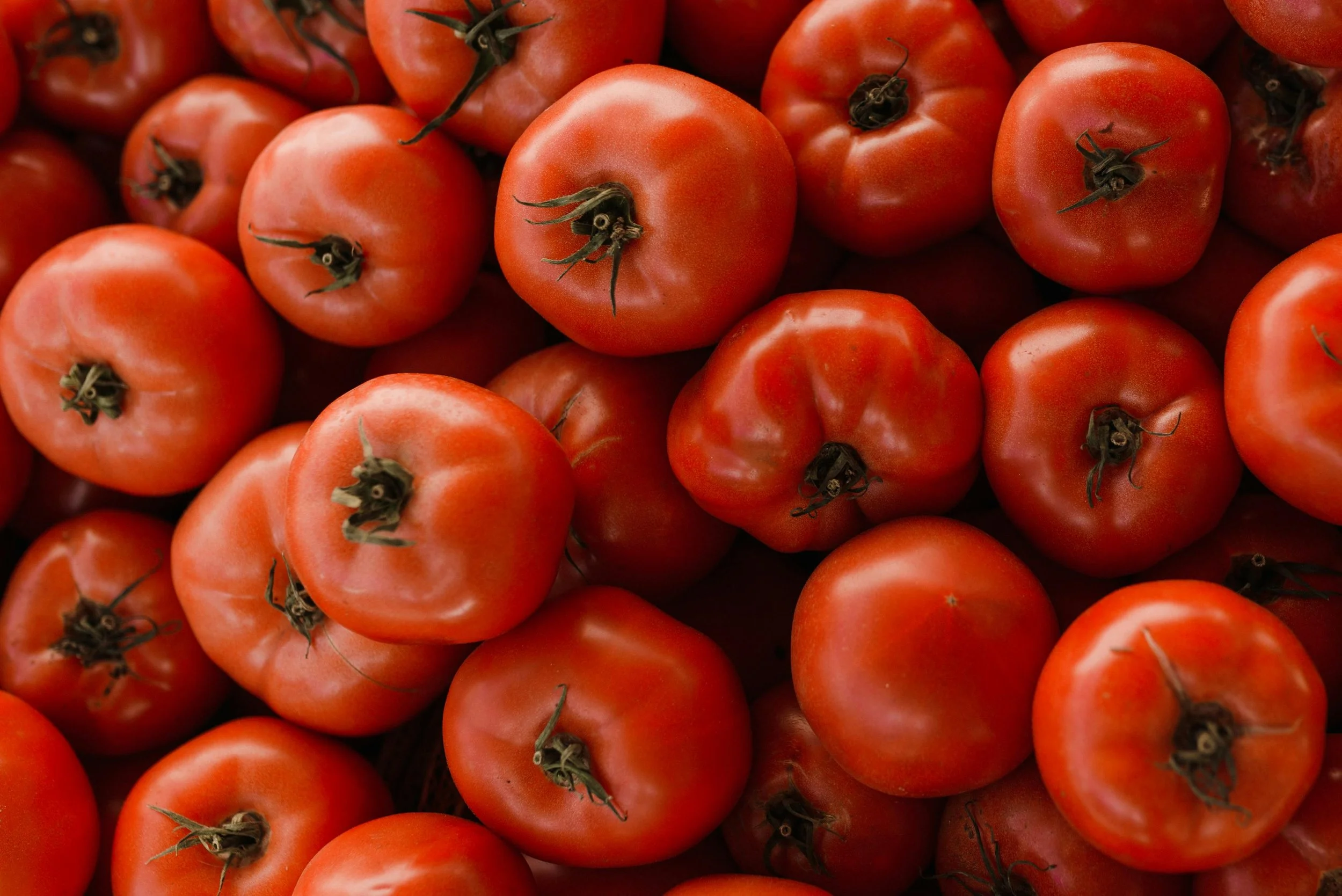
The Nashville Food Project often relies on donations of fruit from partners like Whole Foods Market, Costco, local farmers or generous suppliers such as The Peach Truck. The fruit salads go alongside snacks or meals such as barbecue chicken and roasted vegetables. They’re prepared, packaged and delivered to 16 meal partners (such as YMCA Fun Company) for Sweet Peas, a summer program sharing healthful meals with kids during the critical months when school is out. Also critical, Sweet Peas happens thanks to the generous financial support of sponsor Jackson®, which funded the program to help share more than 18,000 meals this summer!

“In the summer we know the need is so much greater,” Katie says. “We also know that kids get a break from school in the summer, but parents don’t get a break from work during the summer. They still have the same hardships of providing care and food for their kids for the summer as the entire school year. We want to try to bridge that gap as much as we possibly can.”
Fun Company provides all day care through their Summer Adventure Programming, beginning at 6 a.m. and ending at 6 p.m., which gives kids a safe place to be along with a meal or snacks. “It helps the parents not have to worry about rushing home to cook a hot meal or get fast food on the way back,” Katie says.
This year, the YMCA staff also helped facilitate the new Promising Scholars program, which helps kids catch up on the learning loss that happened during the pandemic and virtual learning. Even still, Katie noted the ongoing and new phase of pandemic life: “We know that things have improved for some and not improved for others— and have gotten drastically worse for other folks.”
In addition to YMCA Fun Company, Jackson® funding allowed Sweet Peas and TNFP to partner with 15 additional organizations such as Nations Ministry, Preston Taylor, NICE, Project Transformation, Nashville Freedom School and LETS Play.
In summer months, we thankfully have a range of fresh produce to inspire meals to provide “not just food but good, healthy and whole food,” Katie says.

“It’s really nice to have mixed greens,” she adds. “They start to wonder why there’s a little green stripe or red stripe in this leaf. It opens up a bigger conversation about the world of food.”
As the Sweet Peas program comes to a close, we reflect with gratitude for the many hands and hearts that funded, fueled and fed this work.
“We have parents or kids who will say, ‘We just really appreciate this existing and this being there in our community,’” Katie says. “We are really grateful that things like this exist and center around helping us meet the need as the need has been presented. It’s an integral part of the work we’re able to do.”

Addressing Child Poverty Beyond the Pandemic
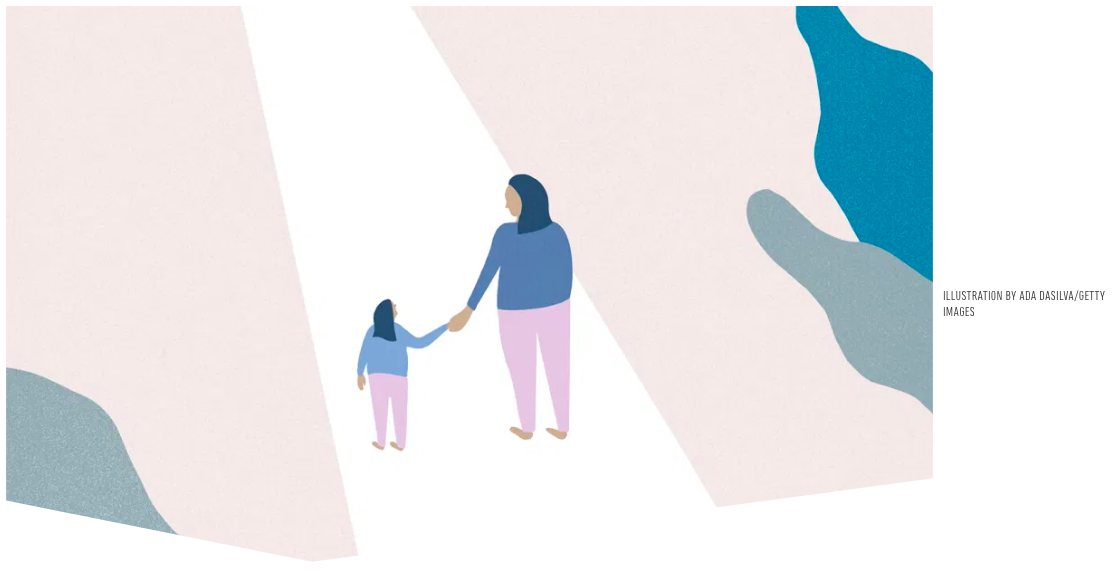
Development Manager Johnisha Levi wrote an article for Yes! Media on the American Rescue Plan’s potential to reduce child poverty in the United States. The plan seeks to uplift American families suffering from the economic impacts of COVID-19 with a series of cash transfers and expansion of benefits. While the focus of the bill is specifically COVID-19 relief, it has potential to have lasting impacts on childhood poverty and hunger in our country.
by Johnisha Levi
Last month I wrote an article for Yes! Media on the American Rescue Plan’s potential to reduce child poverty in the United States. The plan, which was signed into law in March, seeks to uplift American families suffering from the economic impacts of COVID-19 with a series of cash transfers and expansion of benefits. While the focus of the bill is specifically COVID-19 relief, it has potential to have lasting impacts on childhood poverty and hunger in our country.
At The Nashville Food Project, we have long recognized that child hunger is not an isolated problem, but one that is inextricably linked to housing, education, employment and a host of other systemic failures. This is why we work collaboratively with local organizations that provide child and youth poverty-alleviating programming so that we can augment the impact that our work has on children and families in our community. Sharing our nutritious meals and fresh produce supports the essential work that these organizations do every day to help lift children and their families out of poverty. Just look at our Sweet Peas: Summer Meals for Children program, which will provide close to 15,000 meals for children over the next two months, lessening the critical summer nutrition gap for area children and youth who rely on school meals for their daily nutrition.
The benefits that the American Rescue Plan offers to U.S. families have the potential to significantly reduce the child poverty rate in America, giving it great historical context. You can learn more about the bill’s provisions in the Yes! piece and in the excerpt below:
The Center on Social Policy at Columbia University has estimated that the American Rescue Plan will cut the child poverty rate by as much as 56% this year, which will alleviate the suffering of children of all races. The poverty rate for Black, Hispanic and Indigenous children, who are disproportionately impacted by both poverty and COVID-19, would decline by 52%, 45% and 61% percent respectively. However, as the Children’s Defense Fund’s Director of Poverty Policy, Emma Mehrabi, cautions, “Th[is] data will only live up to its projections if families—especially the hardest to reach—know about the benefits [offered through the plan] and can easily access them. So we need to make sure that families and communities on the ground are aware of this program and we need to work aggressively to get them signed up.”
The Plan’s newly liberalized child tax credit, which is a cash transfer that can be spent as parents/guardians determine, has been receiving a lot of media coverage due to its transformational potential. The Plan’s child tax credit is fully refundable, and therefore does not phase out jobless parents nor those with the lowest incomes who pay little to no federal income; it will benefit 93% of the parents of American children, or 69 million people. Prior to the legislation, the poorest 10% of children did not receive any benefit from the child tax credit and approximately 25% received only a partial benefit. Many of the children whose families were excluded from the original tax credit were the children of single parents, Black and Hispanic children, and those who live in rural areas.
Effectively, parents who receive the child tax credit under the Rescue Plan are getting a small taste of what it would be like to have a guaranteed minimum income to support their children. According to a recent UNICEF report, at least 23 countries guarantee a minimum income for families with children. A guaranteed minimum income for children not only alleviates poverty in real time; it has also been linked to better health outcomes for children, improved performance in schools, and the ability to earn higher incomes as adults.
The temporary child tax credit is only a start; to have a significant and far-reaching impact, we’d have to make such assistance to families permanent and also combine it with other legislative solutions that address the deep economic and racial disparities in this country. But we hope that the American Rescue Plan opens doors to a more empathetic manner of addressing poverty in this country—one that treats it as a societal failure rather than an individual moral shortcoming. We owe it to our children to give them a better start in life.
Sweet Peas 2020 with Gratitude for Good Neighbors
As for nutritious meals and snacks, we’re proud to partner with Project Transformation at three of their sites this summer. We know one in six children do not have access to the food they want and need. Lack of access can be even greater during the summer with the absence of school meals. Given this alarming information we launched a program last year called Sweet Peas: summer eats for kids. Now in its second year—amidst the current crisis—we know the need for nourishing meals is even greater.

Like so many of us in 2020, Sarah McCormick, Senior Director of Operations & Impact at one of our partner organizations Project Transformation, has had a challenging year. And yet, she also has had the opportunity to see folks, as she beautifully puts it, “rediscover what it means to be a neighbor.”
As planning began for Project Transformation’s summer camps for children, she and her colleagues knew would need to look different in the time of COVID-19. Through that planning, they heard two overwhelming needs from parents: Something for the kids to do and something for them to eat.
Meanwhile, they also knew they wanted to stay committed to their core goals of literary development and social-emotional development—even at safe distances. Volunteers and partners jumped in with open hearts and minds to make necessary shifts launching grab-and-go locations for meals and “summer camp in a bag,” which included a new book each week for building young home libraries as well as activities for inside and outdoors.
As for nutritious meals and snacks, we’re proud to partner with Project Transformation at three of their sites this summer. We know one in six children do not have access to the food they want and need. Lack of access can be even greater during the summer with the absence of school meals. Given this alarming information we launched a program last year called Sweet Peas: summer eats for kids. Now in its second year—amidst the current crisis—we know the need for nourishing meals is even greater.

Nashville Food Project meals ready for pick-up at a Project Transformation site.
We also understand, though, that food can’t solve all inequities and that’s why we love to work in community with partners like Project Transformation. As author Francis Moore Lappe says: “People go hungry not from a lack of food but from a lack of power...with a wider lens we can see that hunger is not caused by scarcity of food but scarcity of democracy.” Literacy is power. Emotional intelligence is power. We believe the work of partners like Project Transformation helps break down inequitable systems. And by providing meals alongside their work, we’re building stronger communities together.
McCormick says research shows that children in communities experiencing marginalization often lack access to tools and enrichment activities over the summer especially. “We want to make sure kids aren’t regressing,” she says. “For us there’s a wider gap potentially (during pandemic) because kids are out of school longer. It’s even more important to get books into the homes and let them know they are supported.”
Just as Project Transformation worked through COVID-19 challenges with the help of supporters, likewise, our Sweet Peas program got a big leg up from this year’s sponsor, Jackson National Life Insurance Company. Our volunteer program has been suspended since March leaving the kitchen staff with 380 fewer sets of hands to help prepare meals each month. Yet we still needed to increase summer output and share about 12,500 meals with kids. So in addition to helping fund the program, Jackson rolled up their sleeves to help cook.
With the Jackson offices mostly closed to staff, Jackson converted their dining services facility into a satellite kitchen preparing nearly 4,500 nutritious meals for Sweet Peas. The Jackson dining services team stayed busy while helping us expand our reach to partners. Over an eight week period, the Jackson team served 140 kids, four days a week to two Project Transformation summer camps.

Meal prep at Jackson’s headquarters for Project Transformation sites.
“It feels good obviously,” says Wess Victory, Food Services Director at Jackson. “I think it’s helped morale around here to know we’re doing some good.”
While Victory and team offer healthy options for Jackson employees on a regular basis, they worked even harder to pack summer lunches for kids with vegetables and whole grains. But when neighbors work together, we like to believe lunches come packed with power for a better future too.

Jackson’s kitchen serving as a satellite kitchen for The Nashville Food Project.

Jackson meals headed for Project Transformation sites.