
The Nashville Food Project’s Blog




Looking Back at Nourish 2026
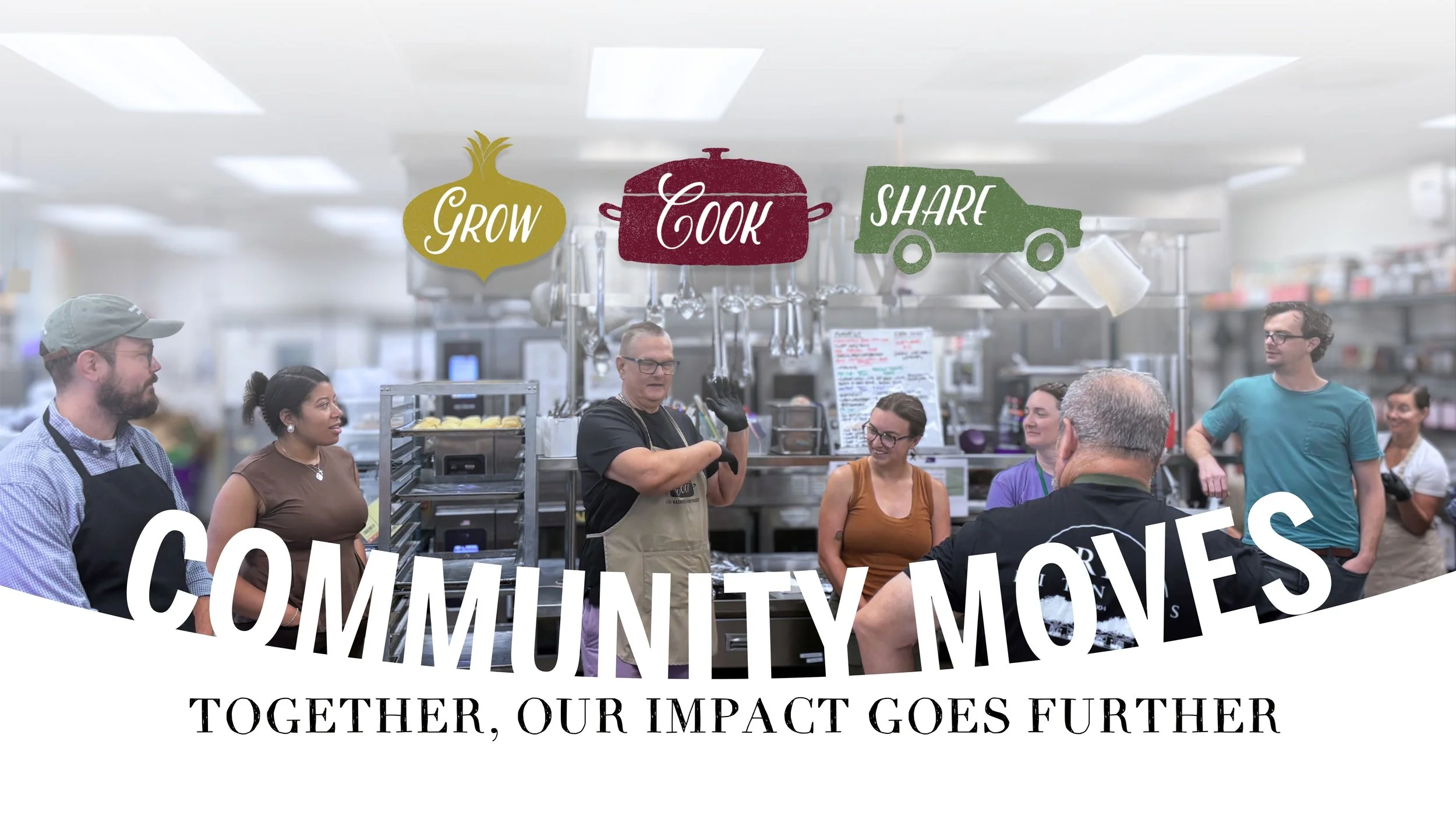
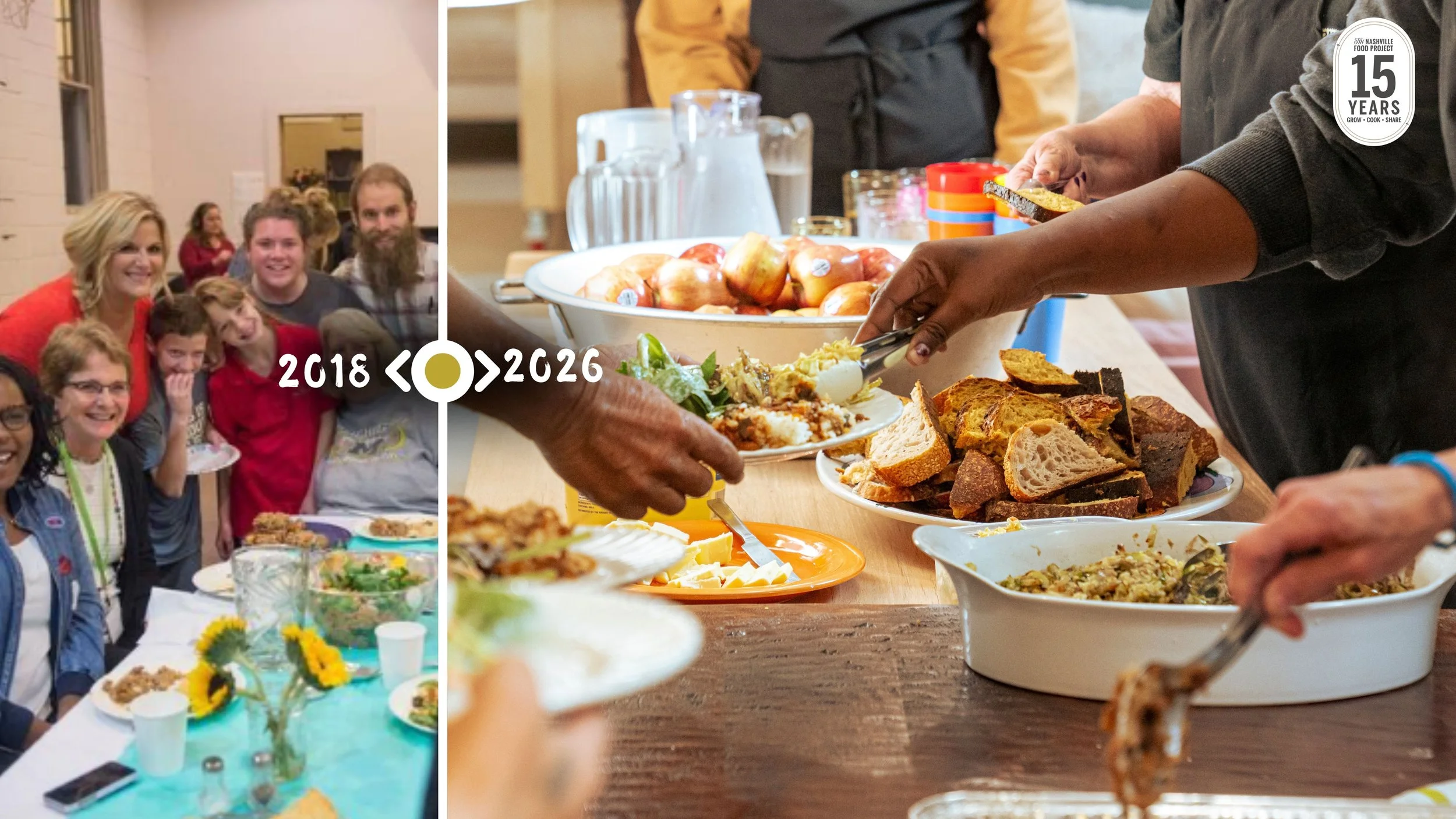
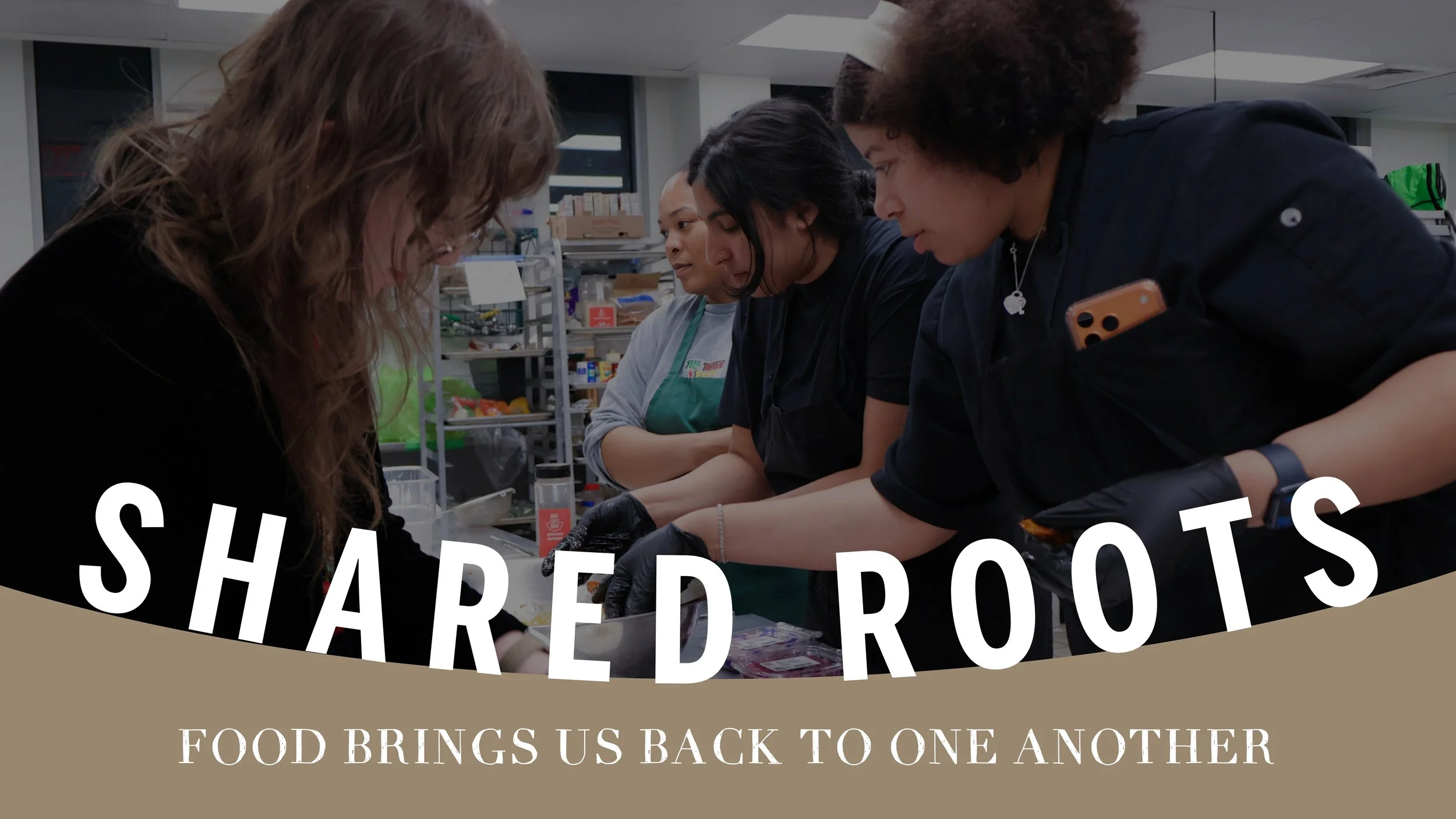
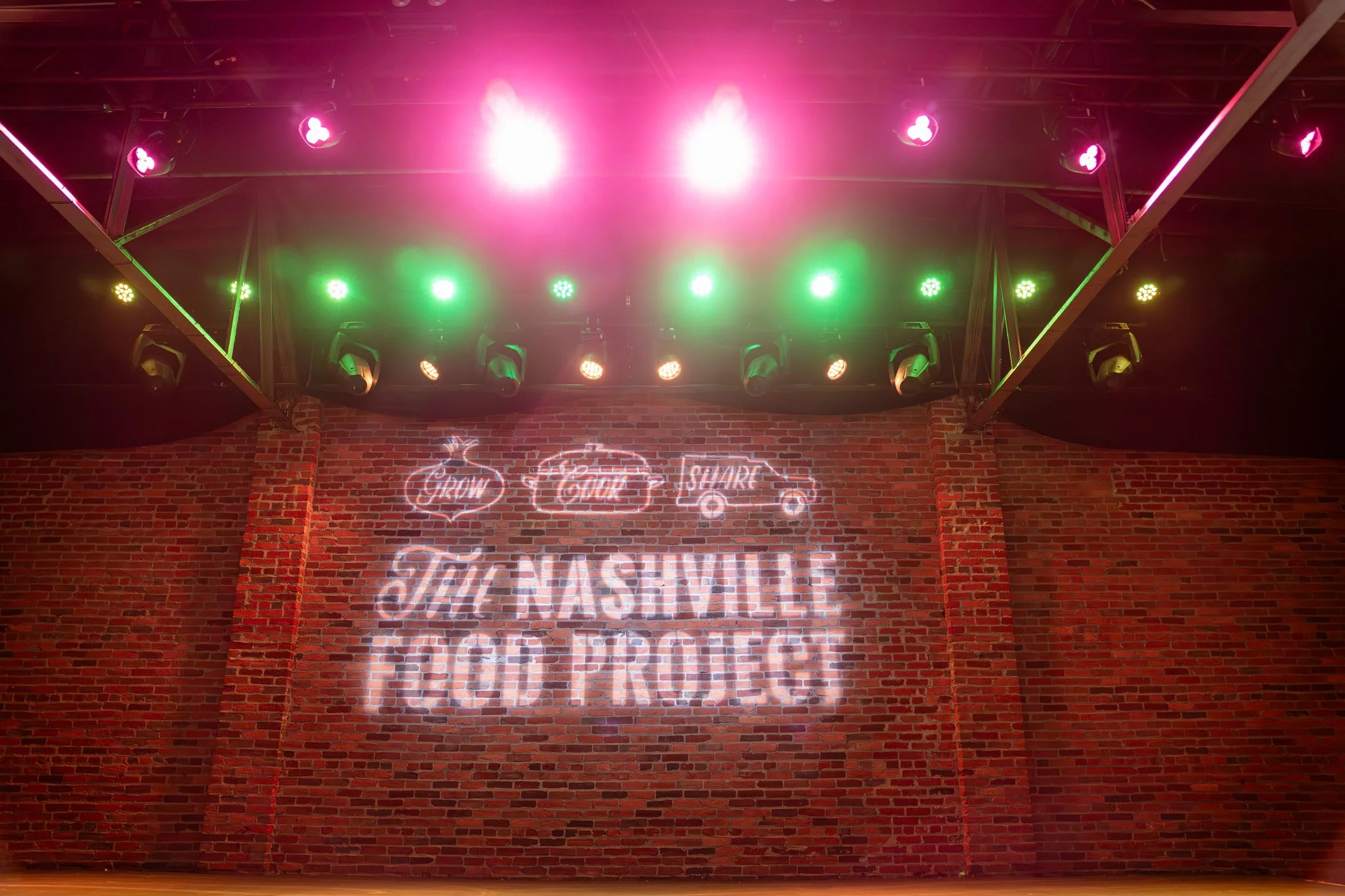
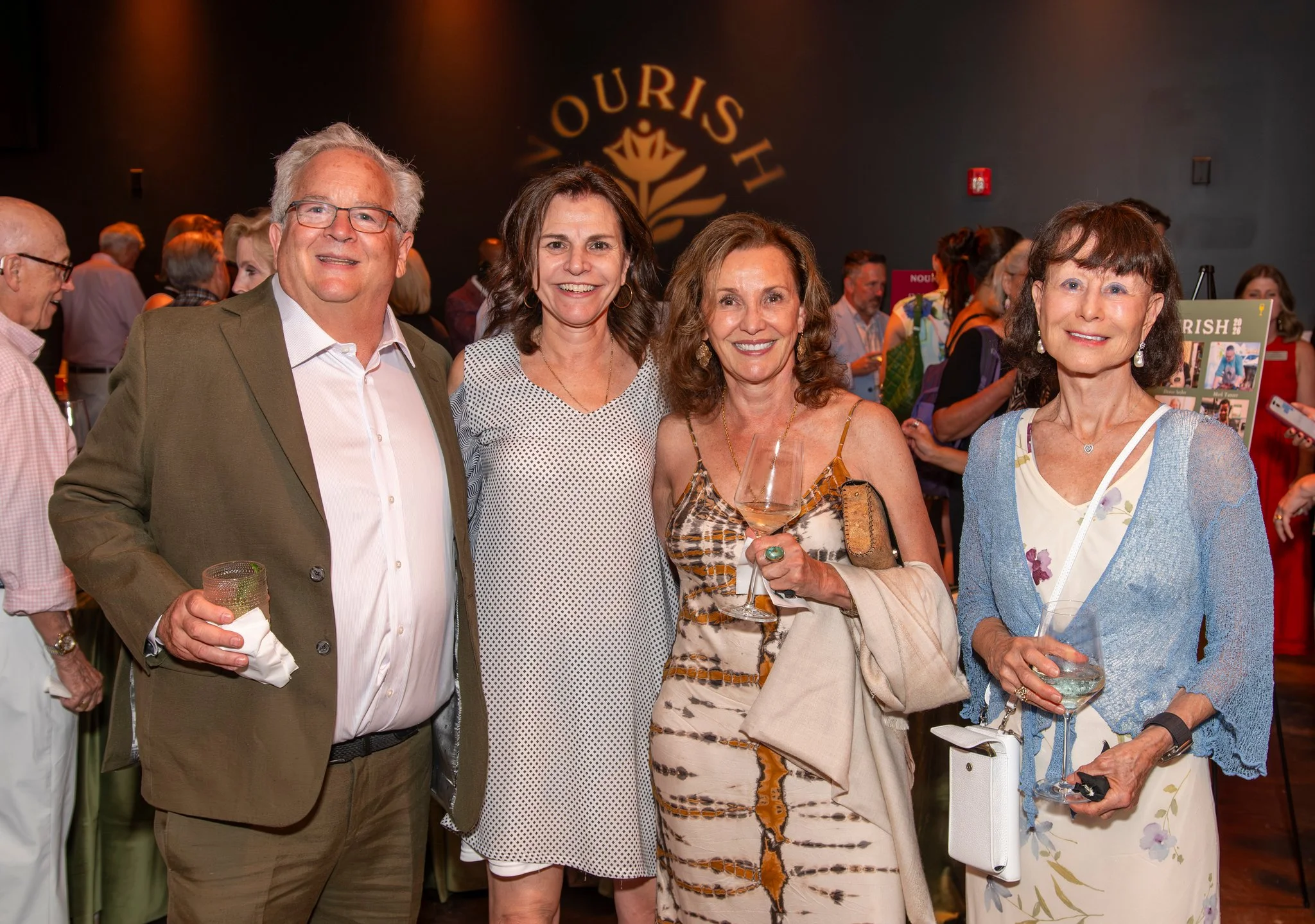
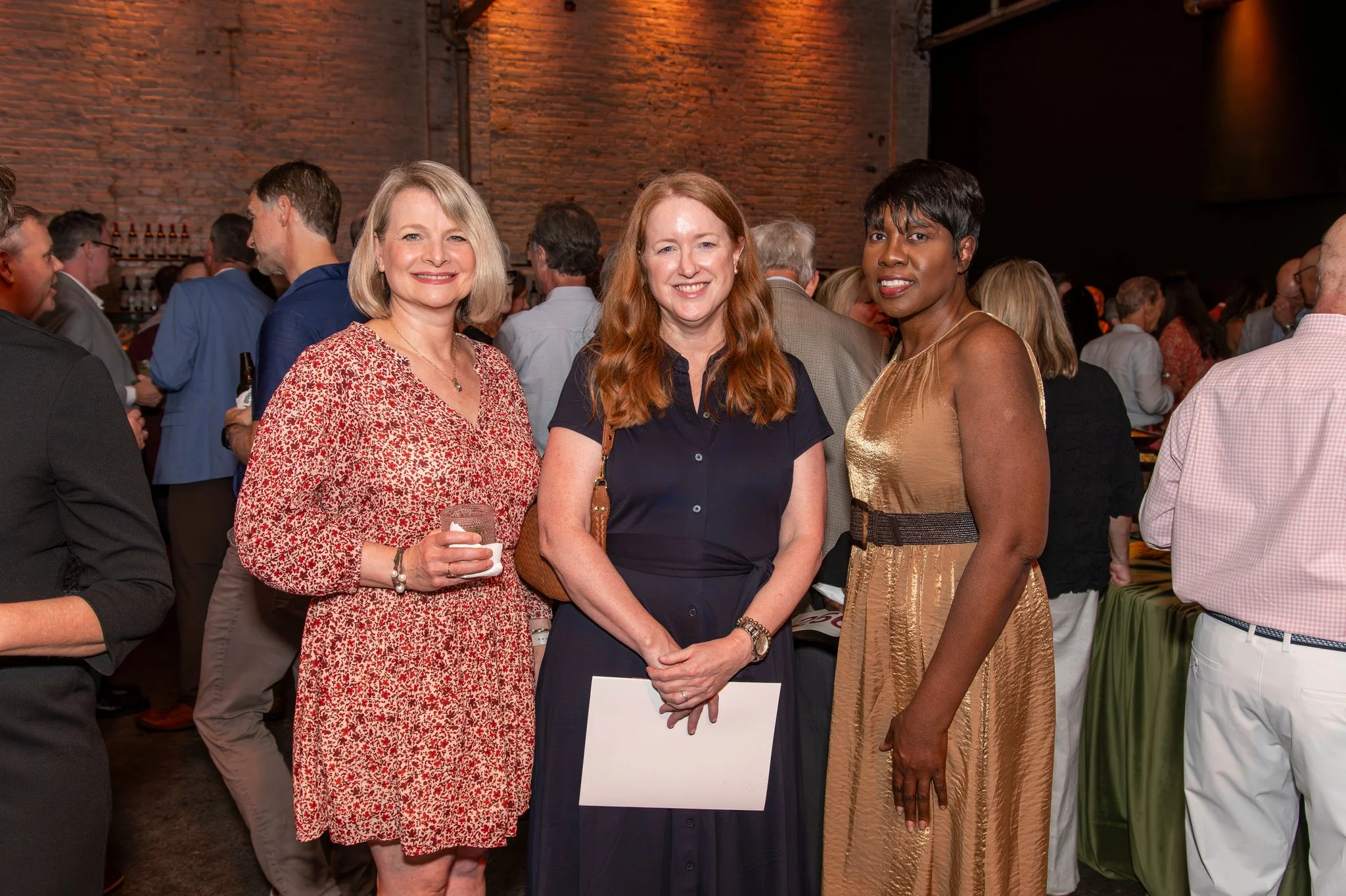
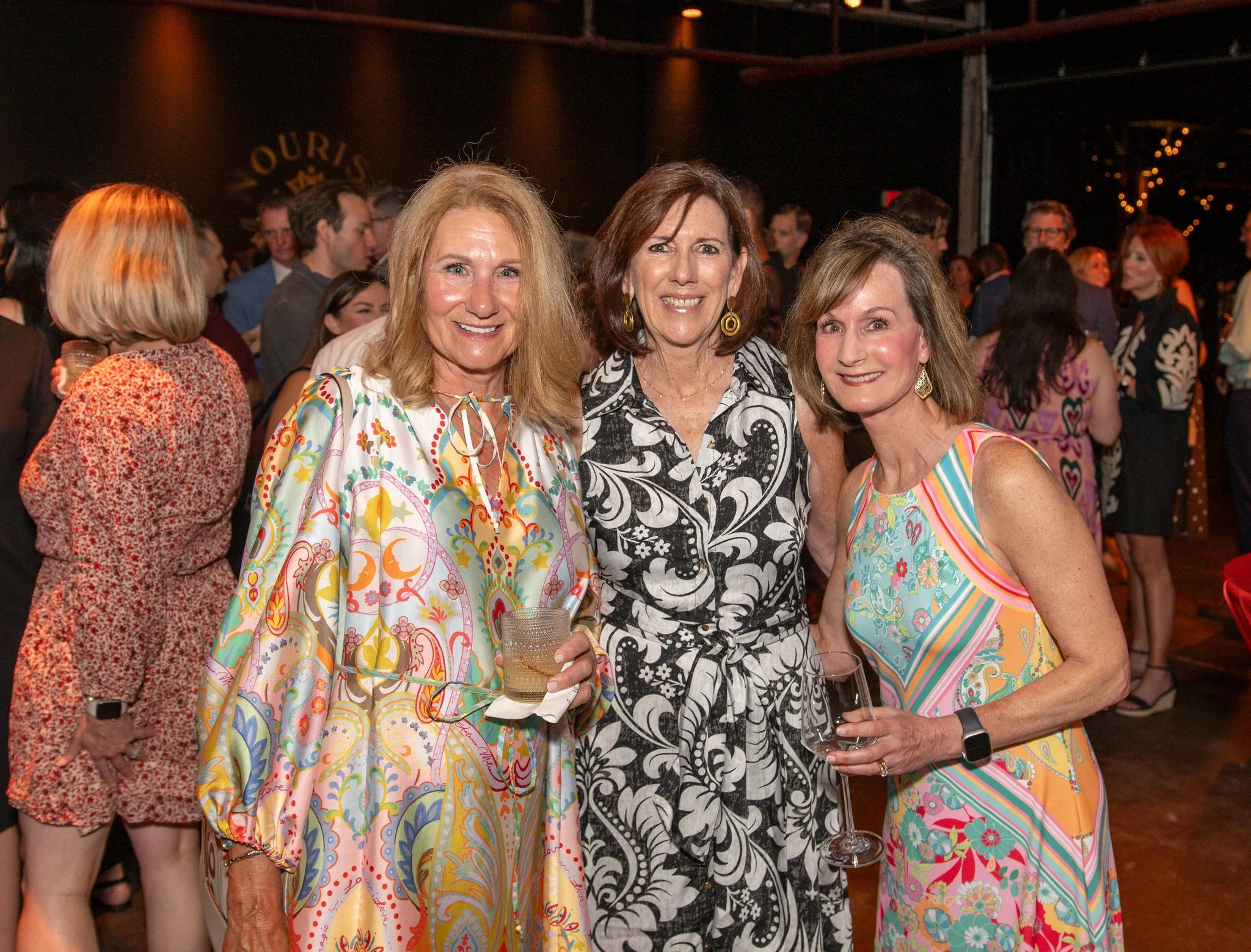
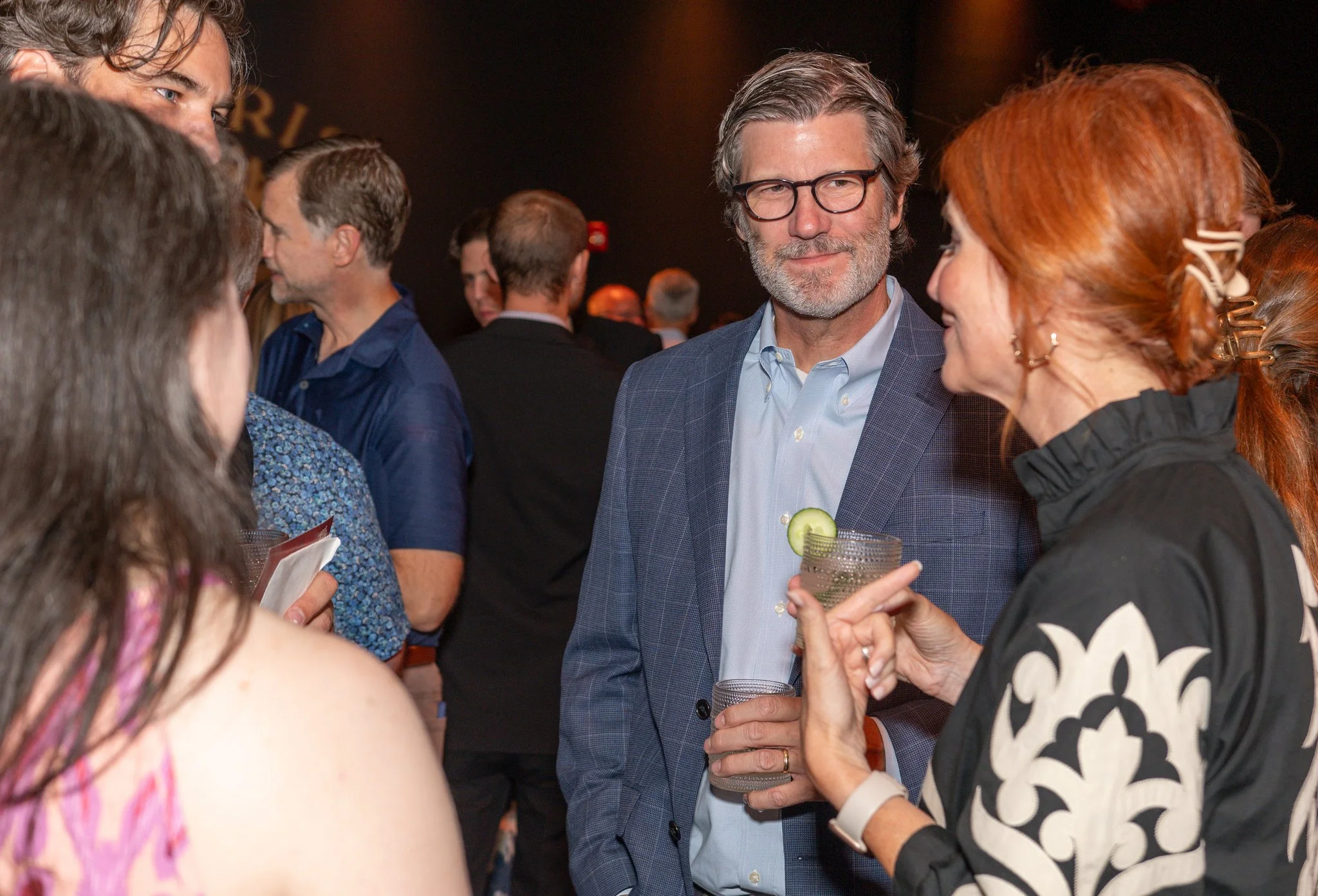
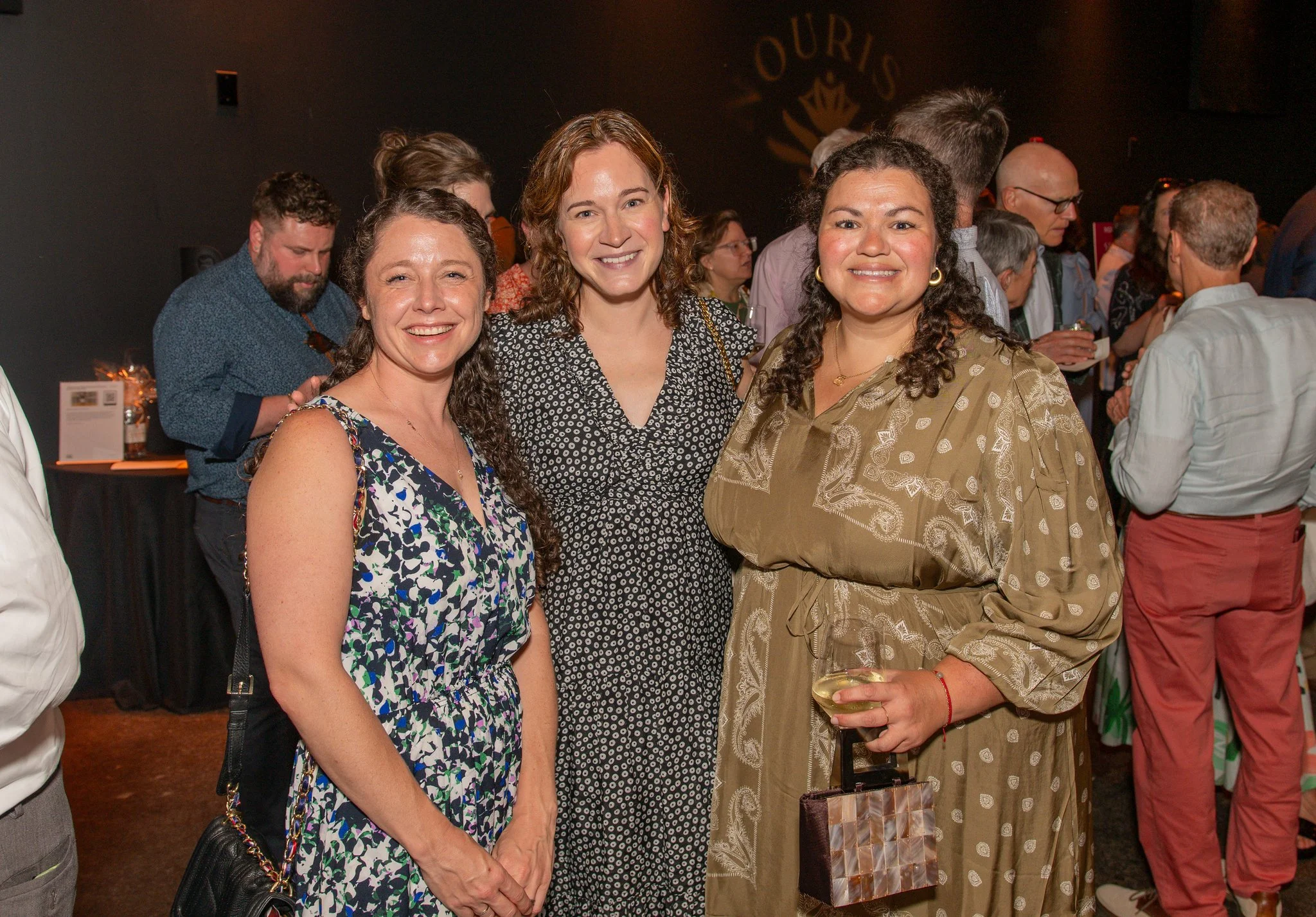
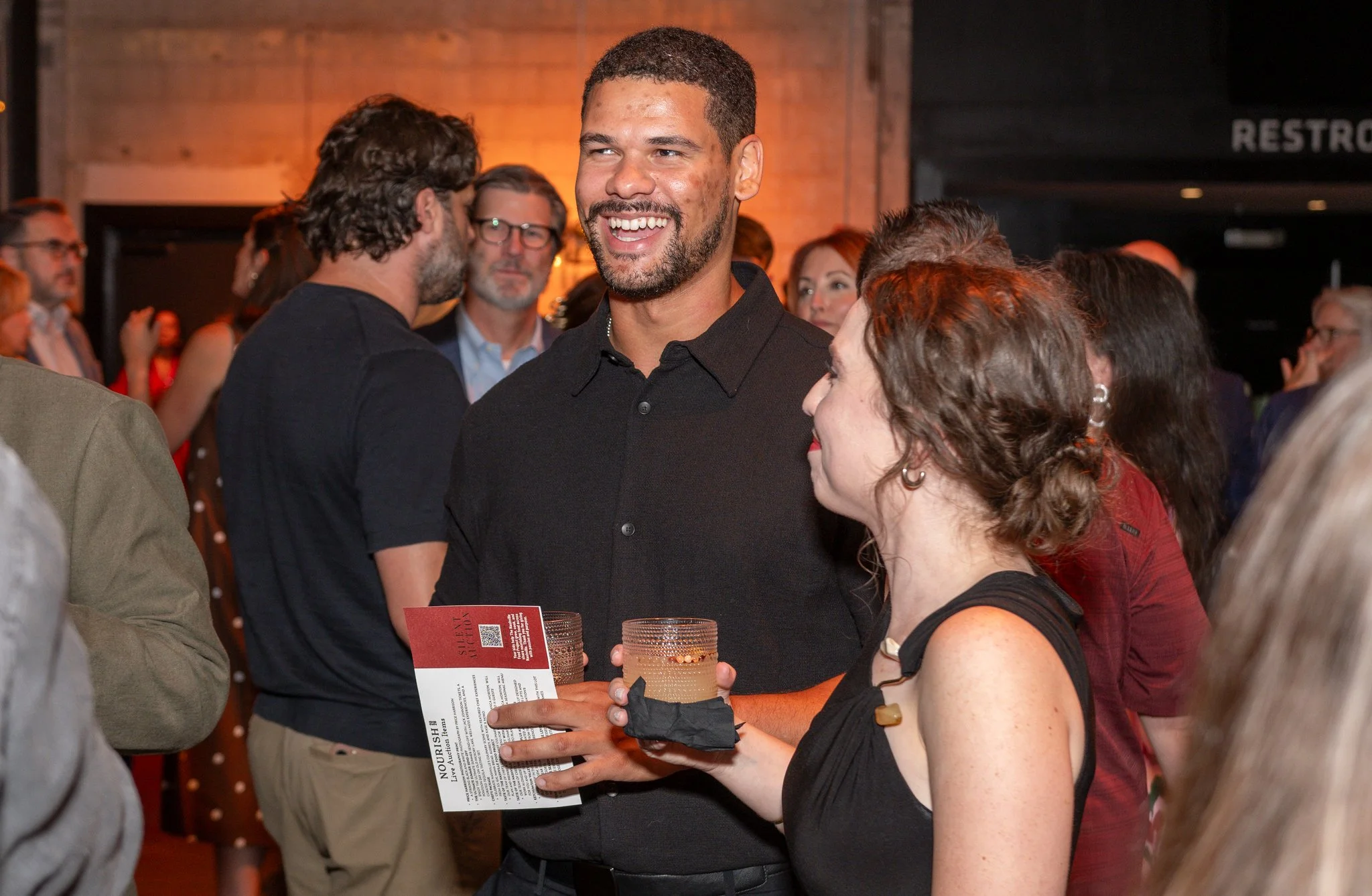
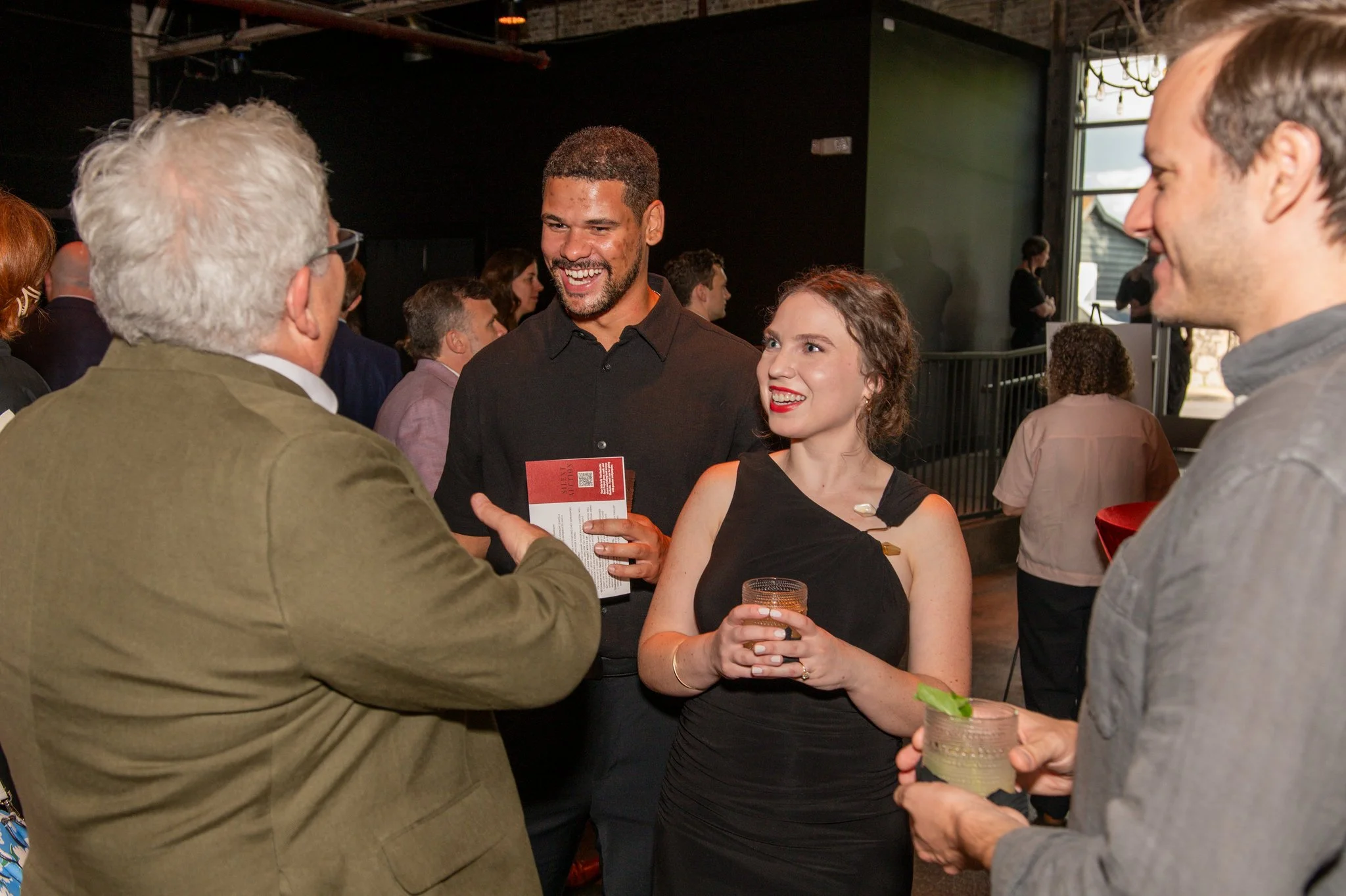
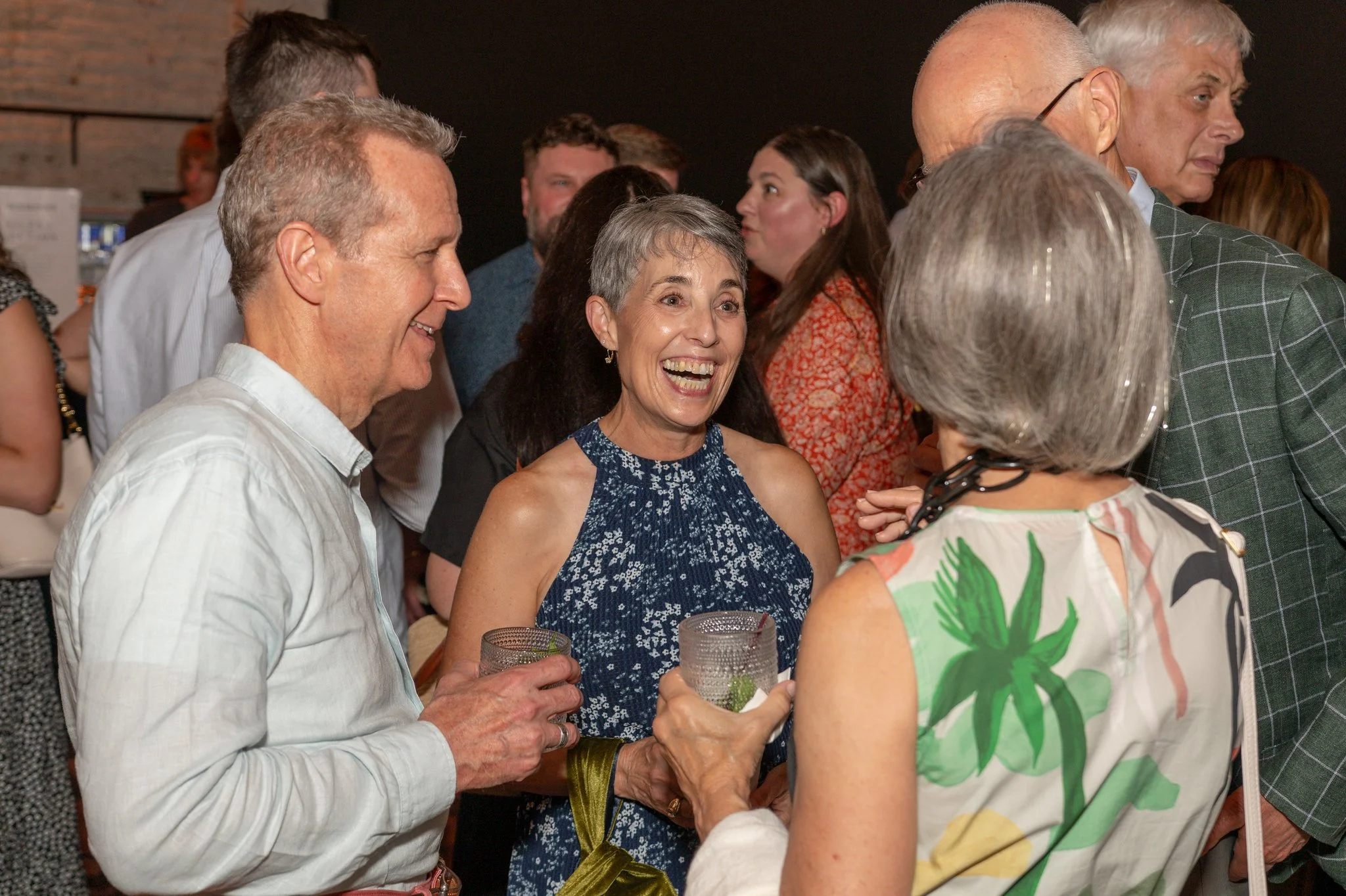
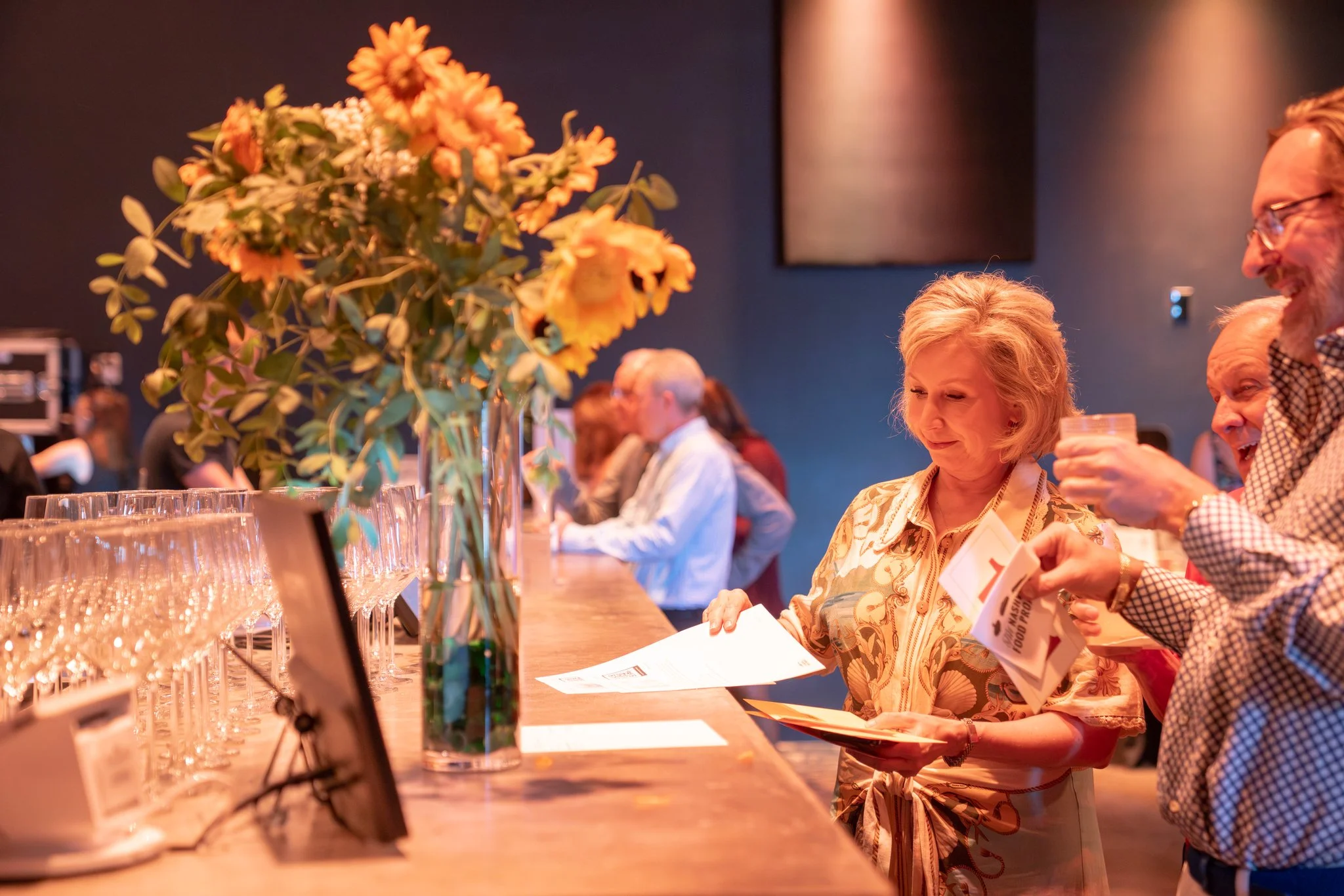
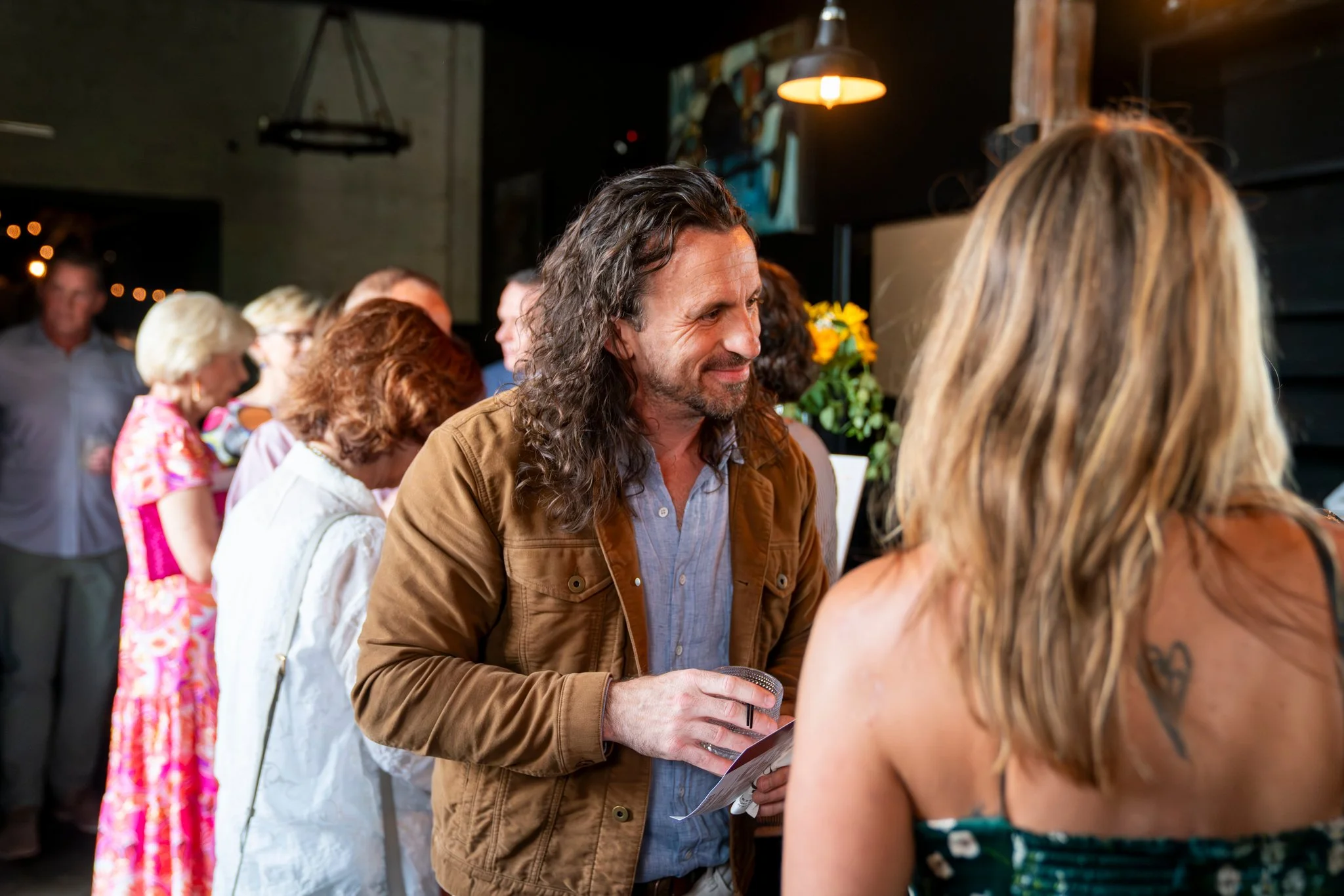
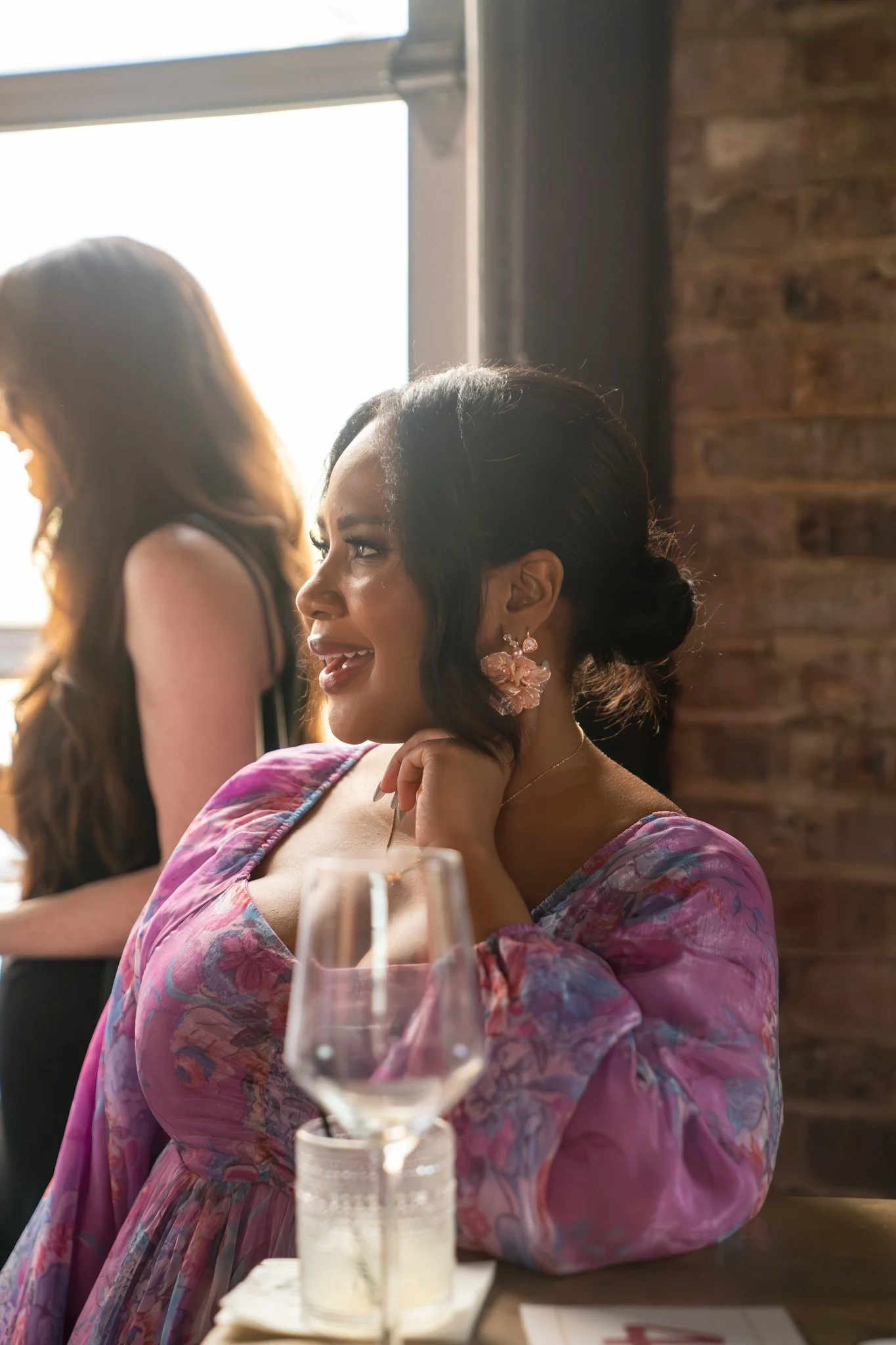
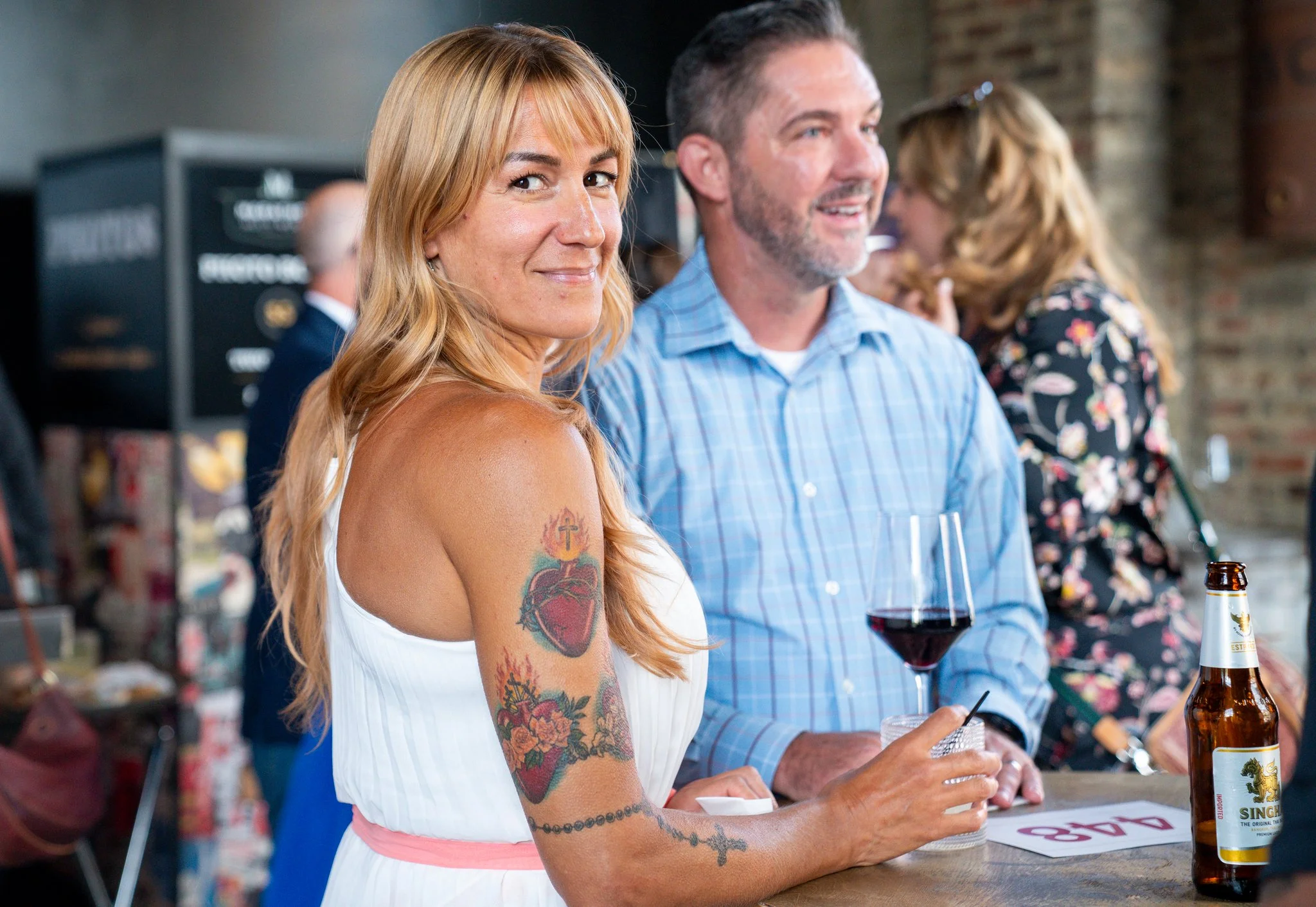
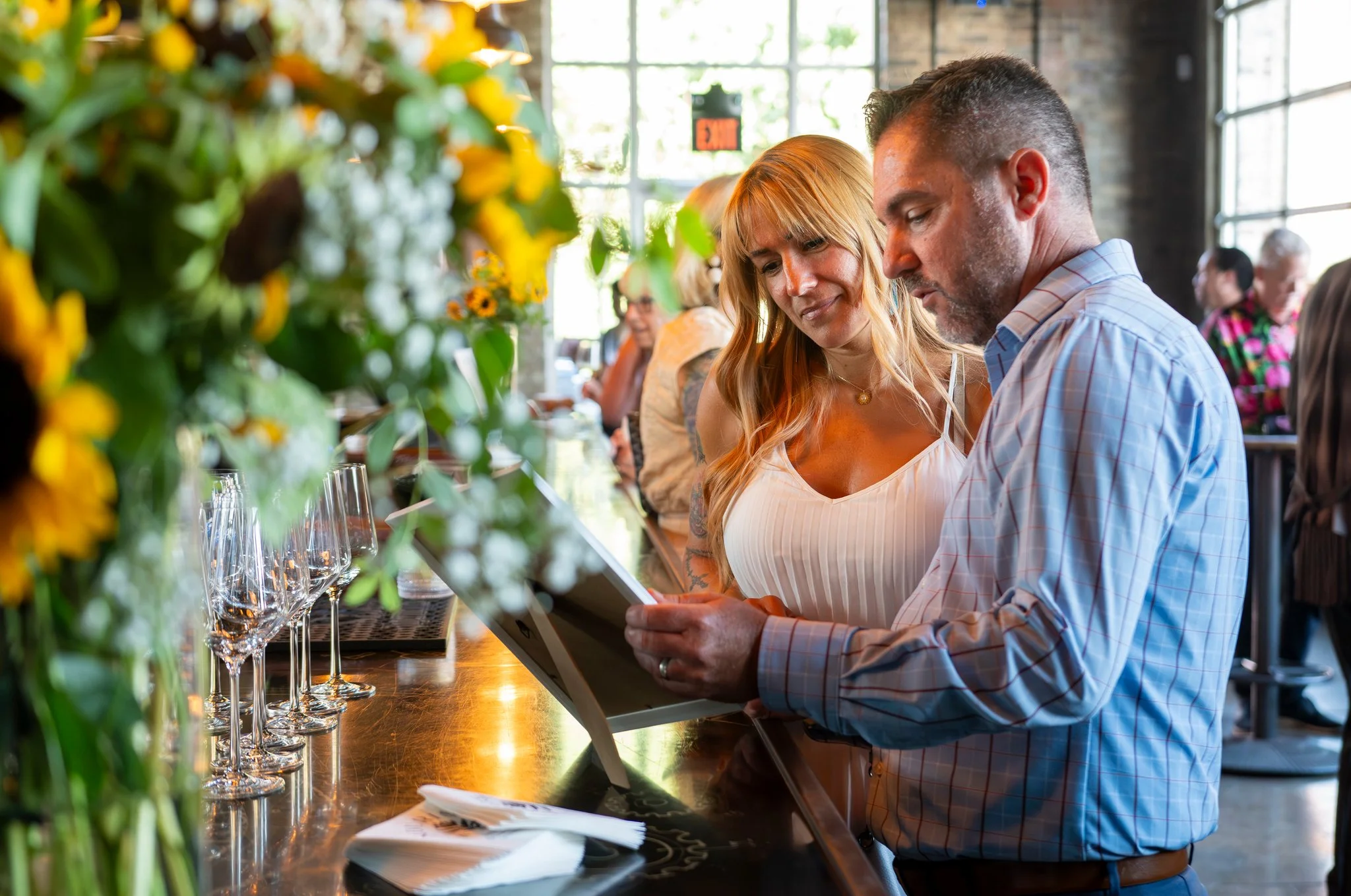
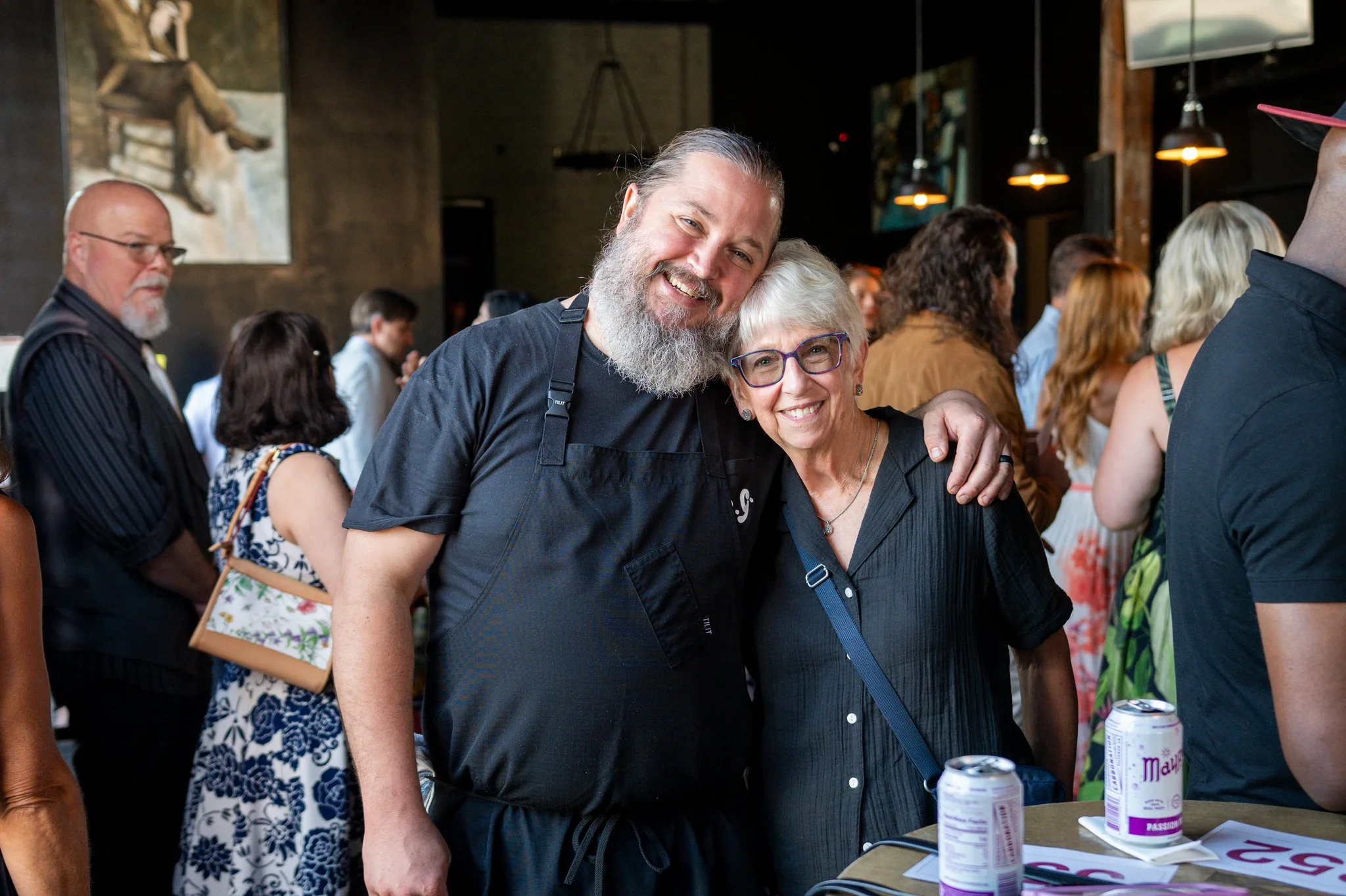
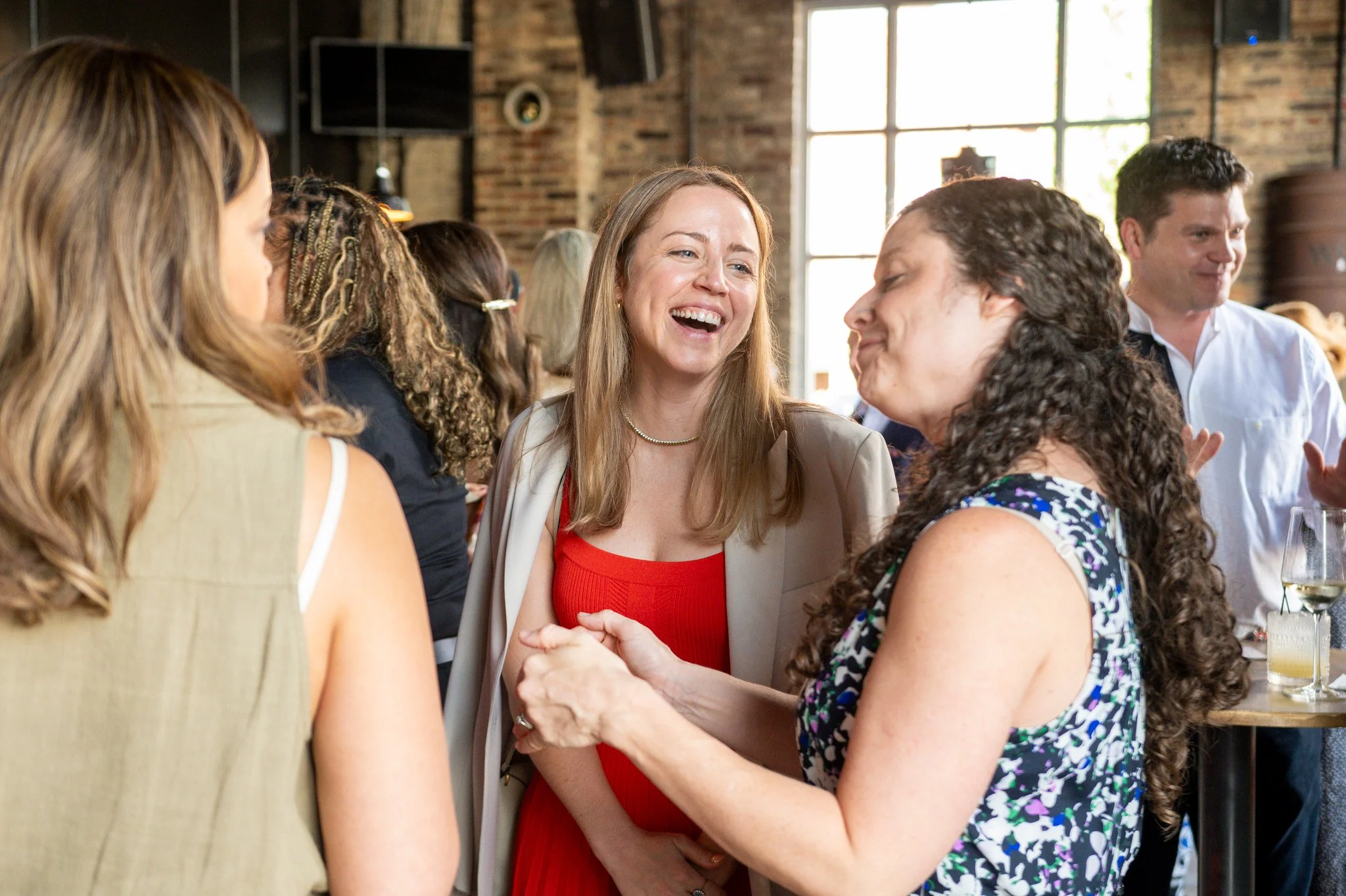
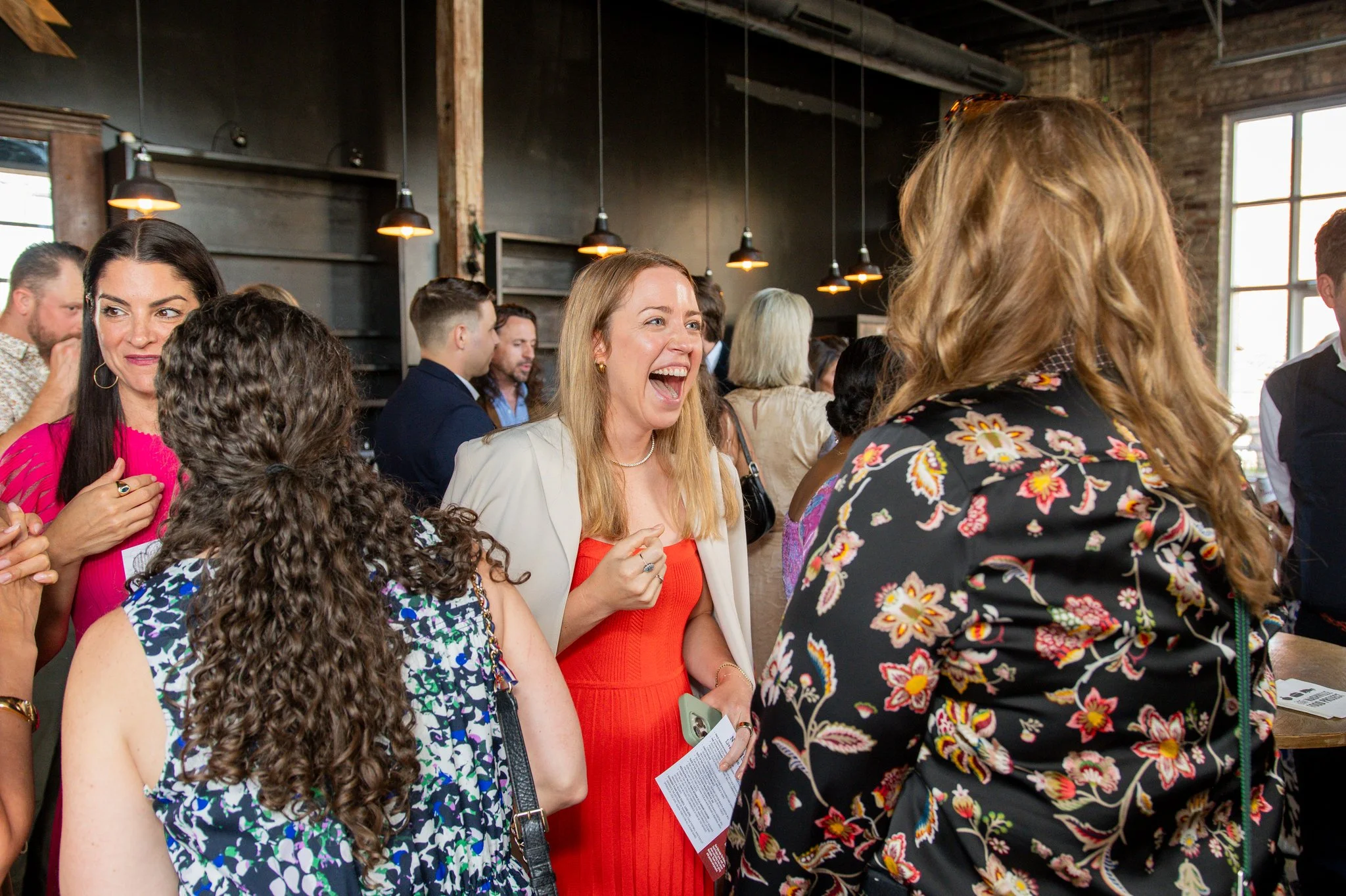
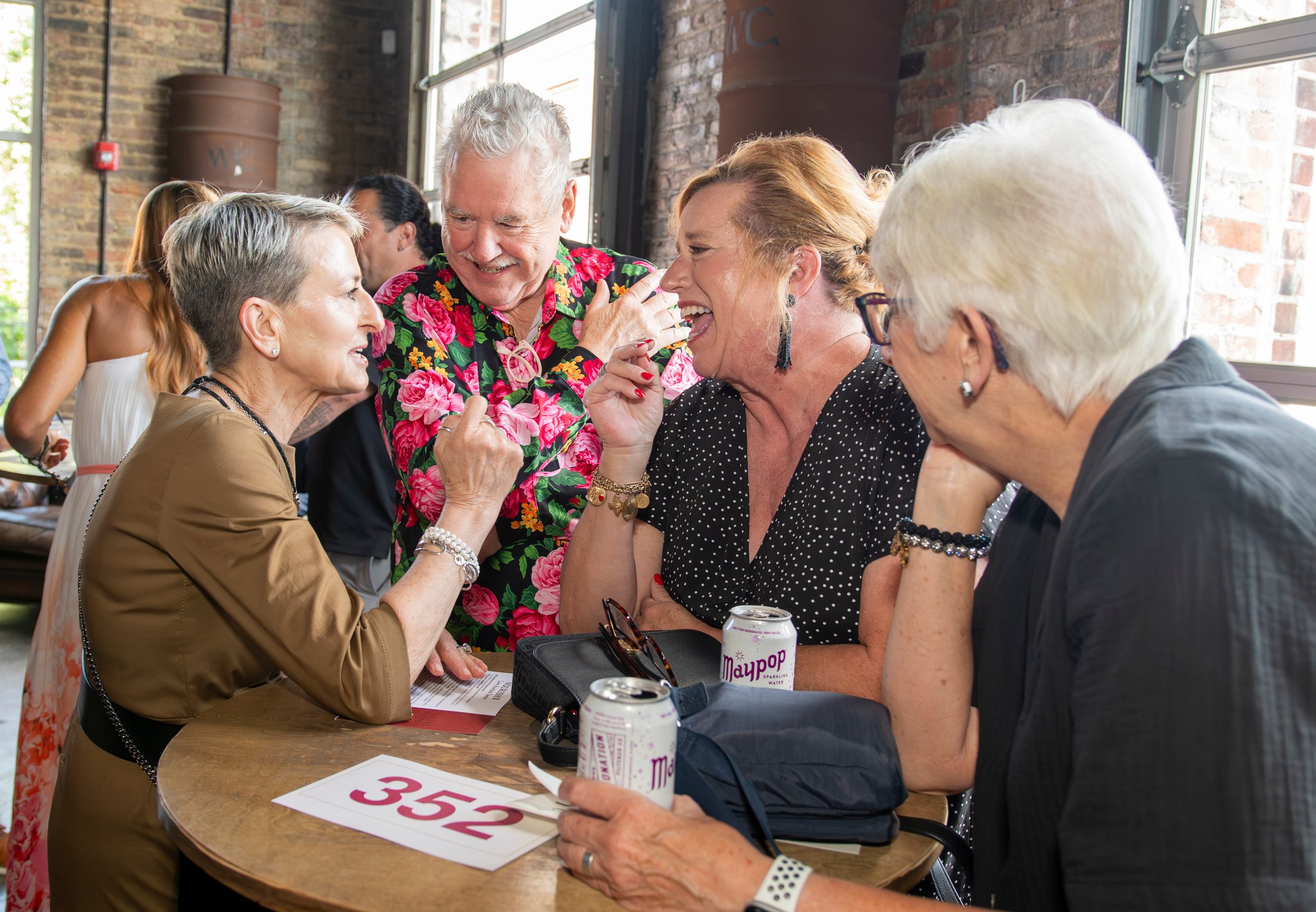
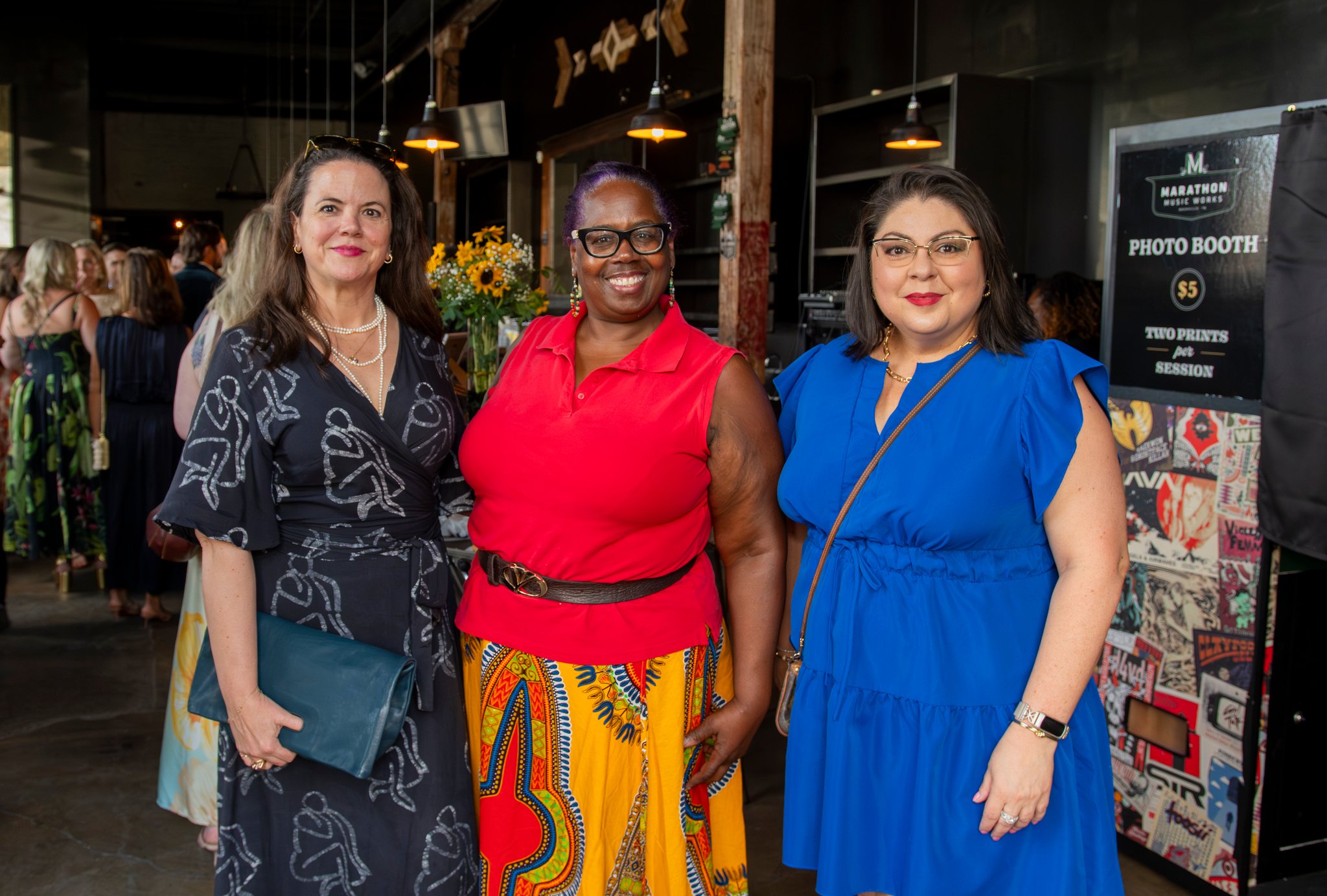
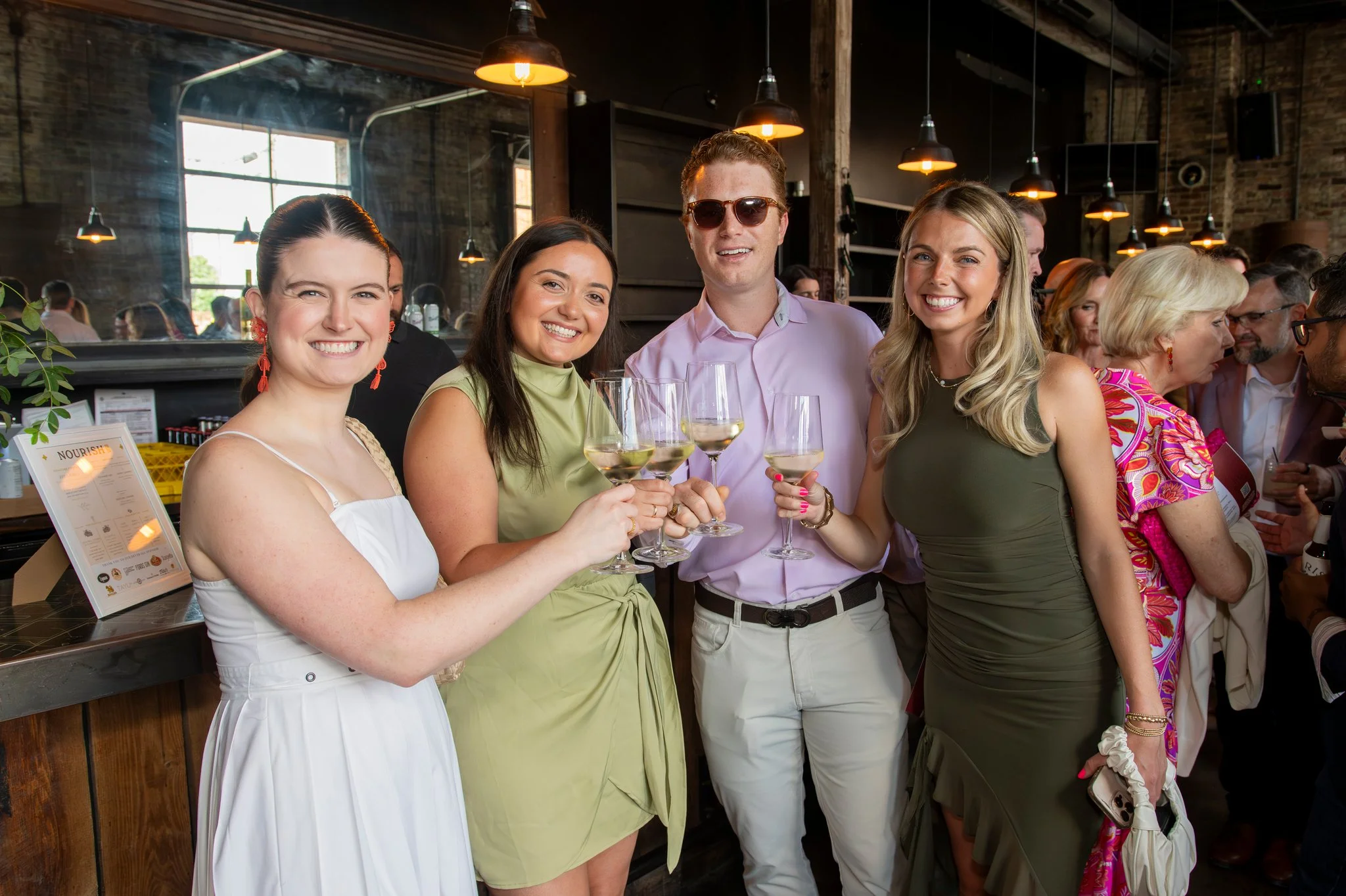
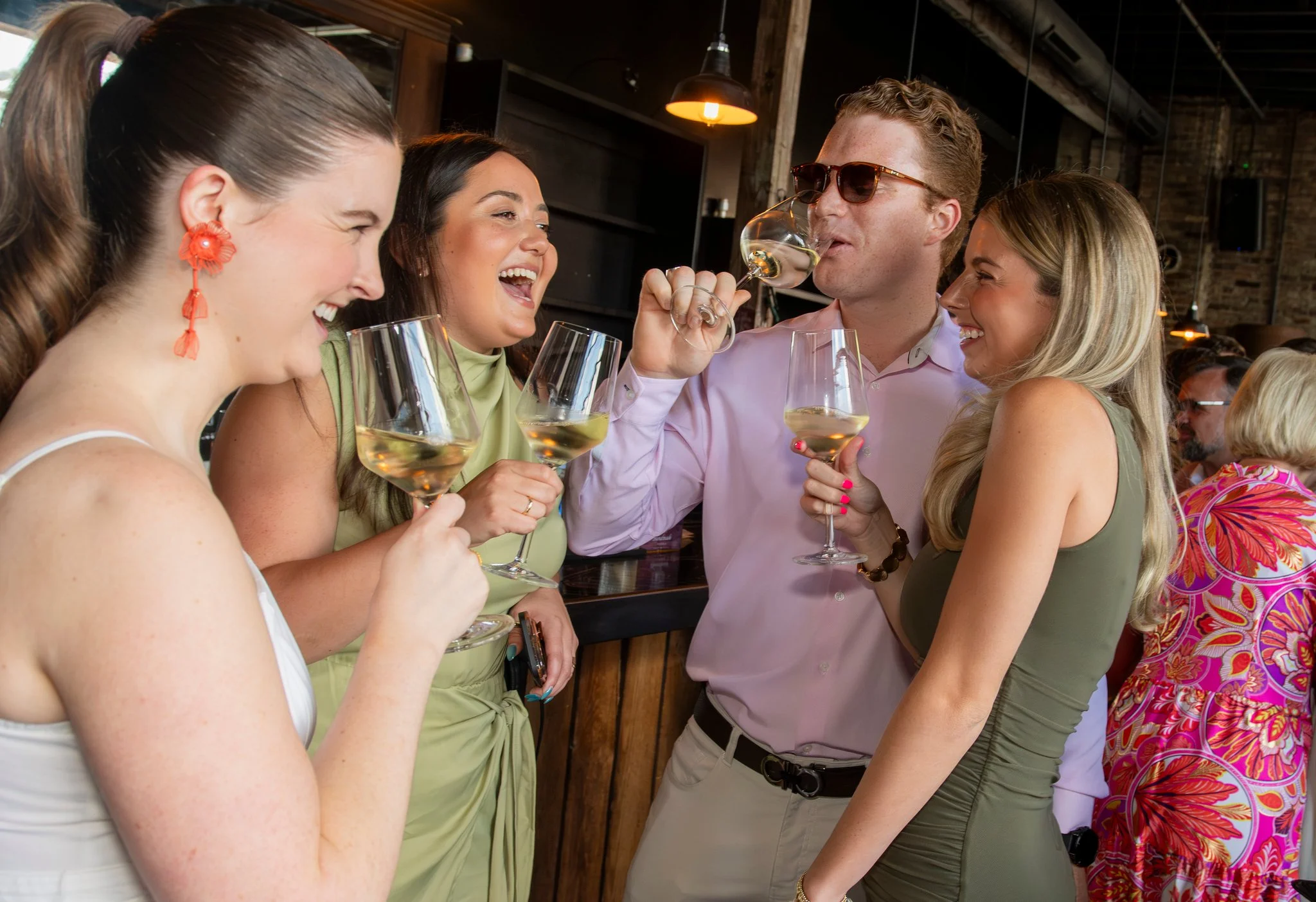
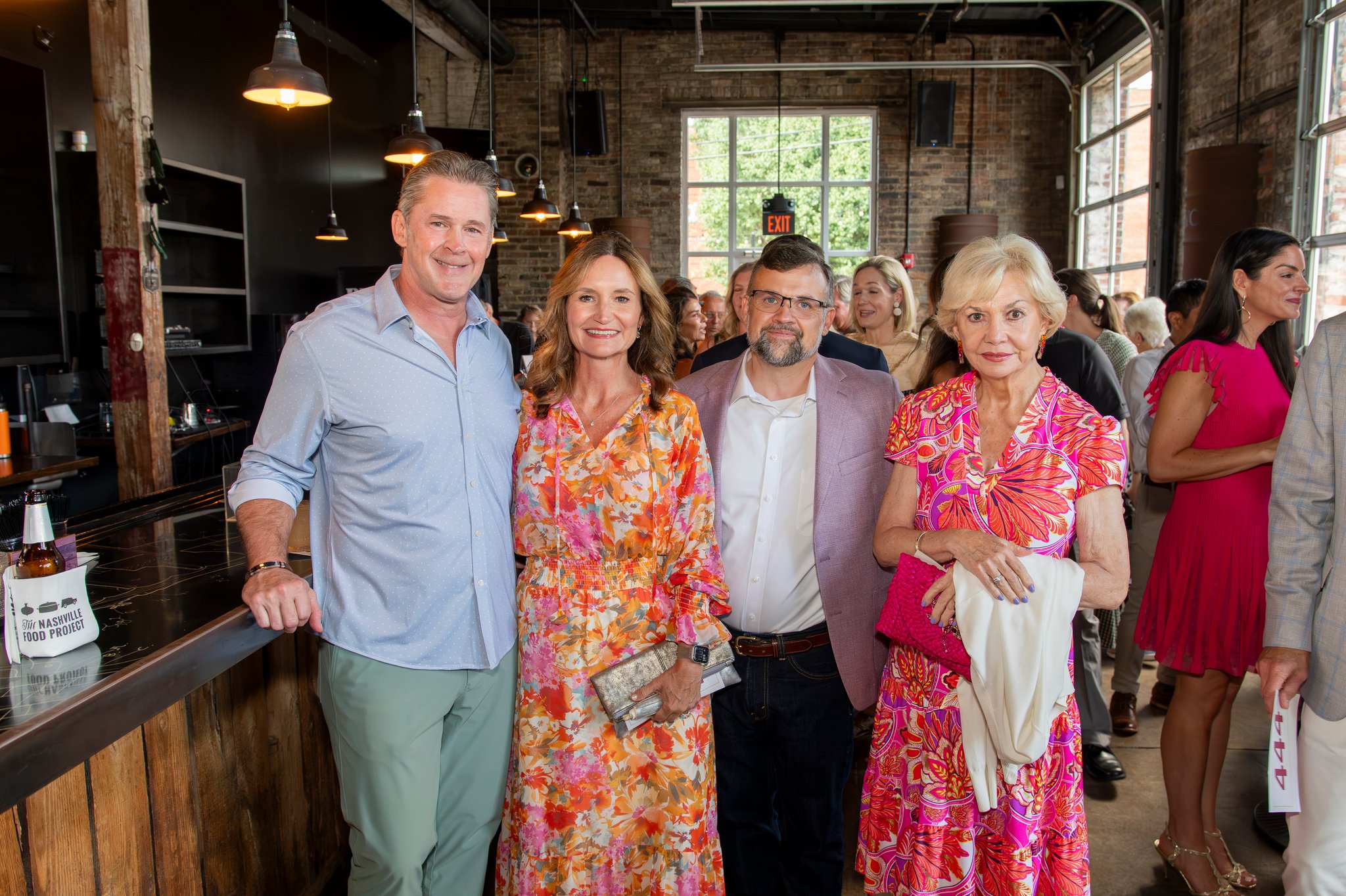
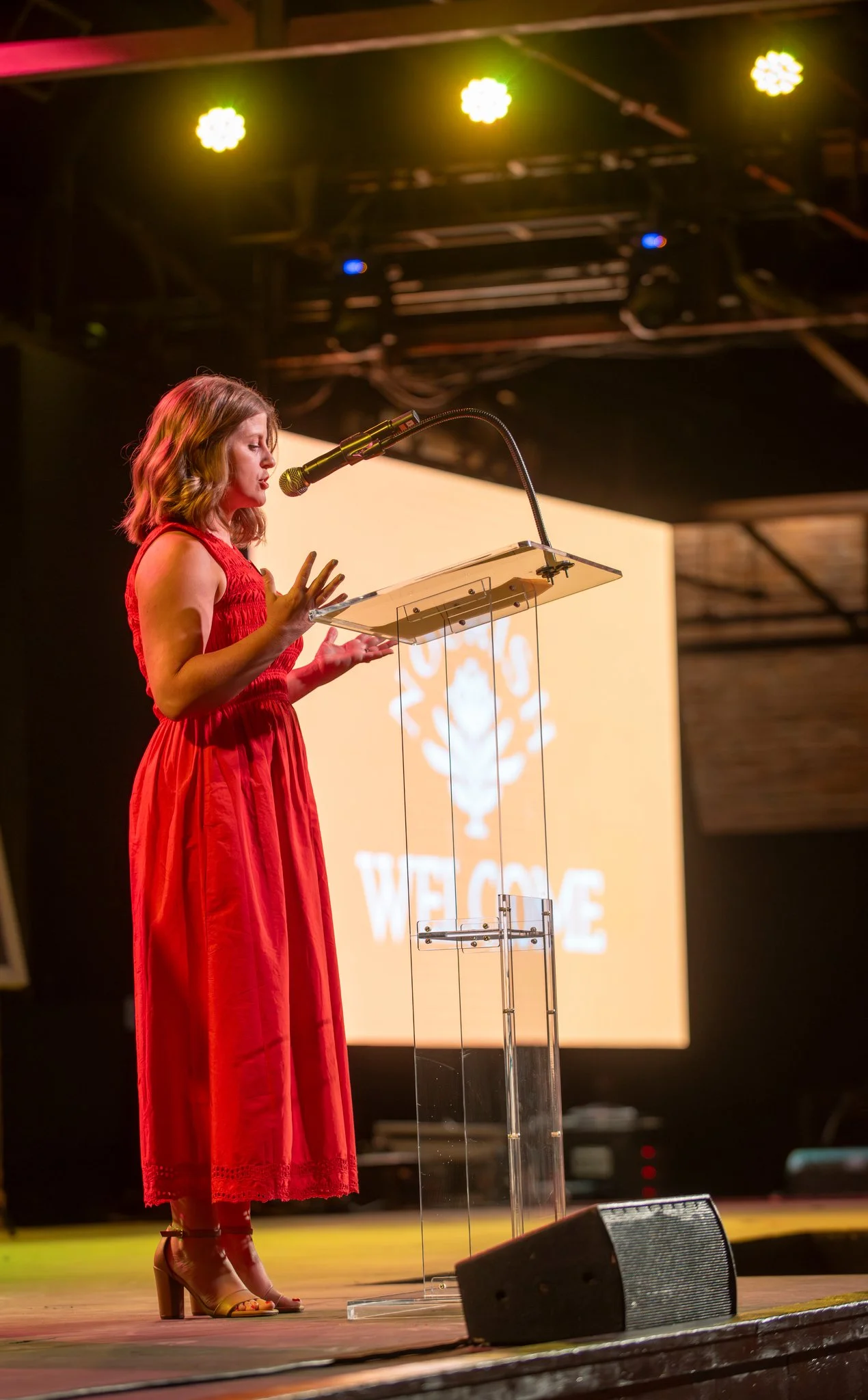
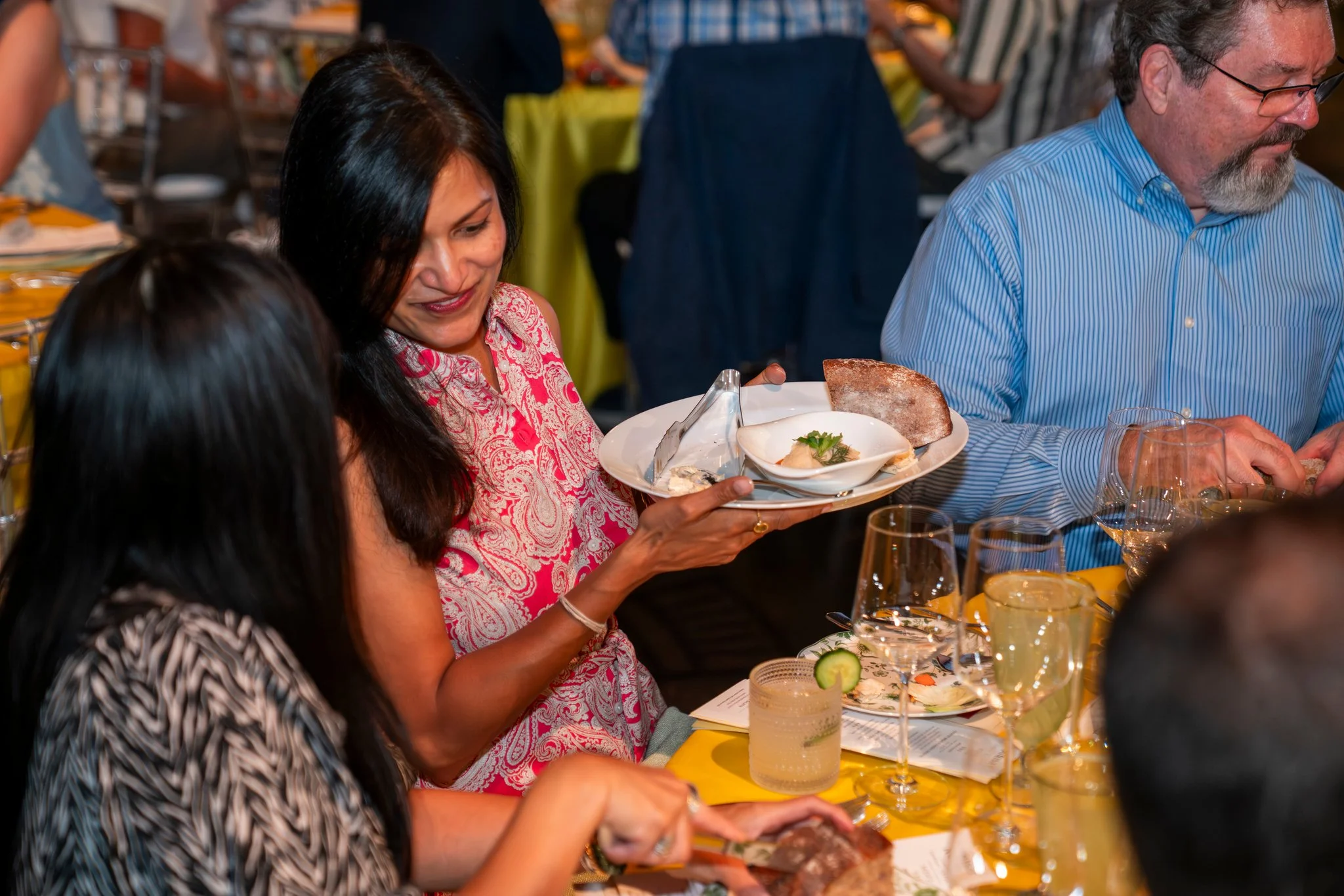
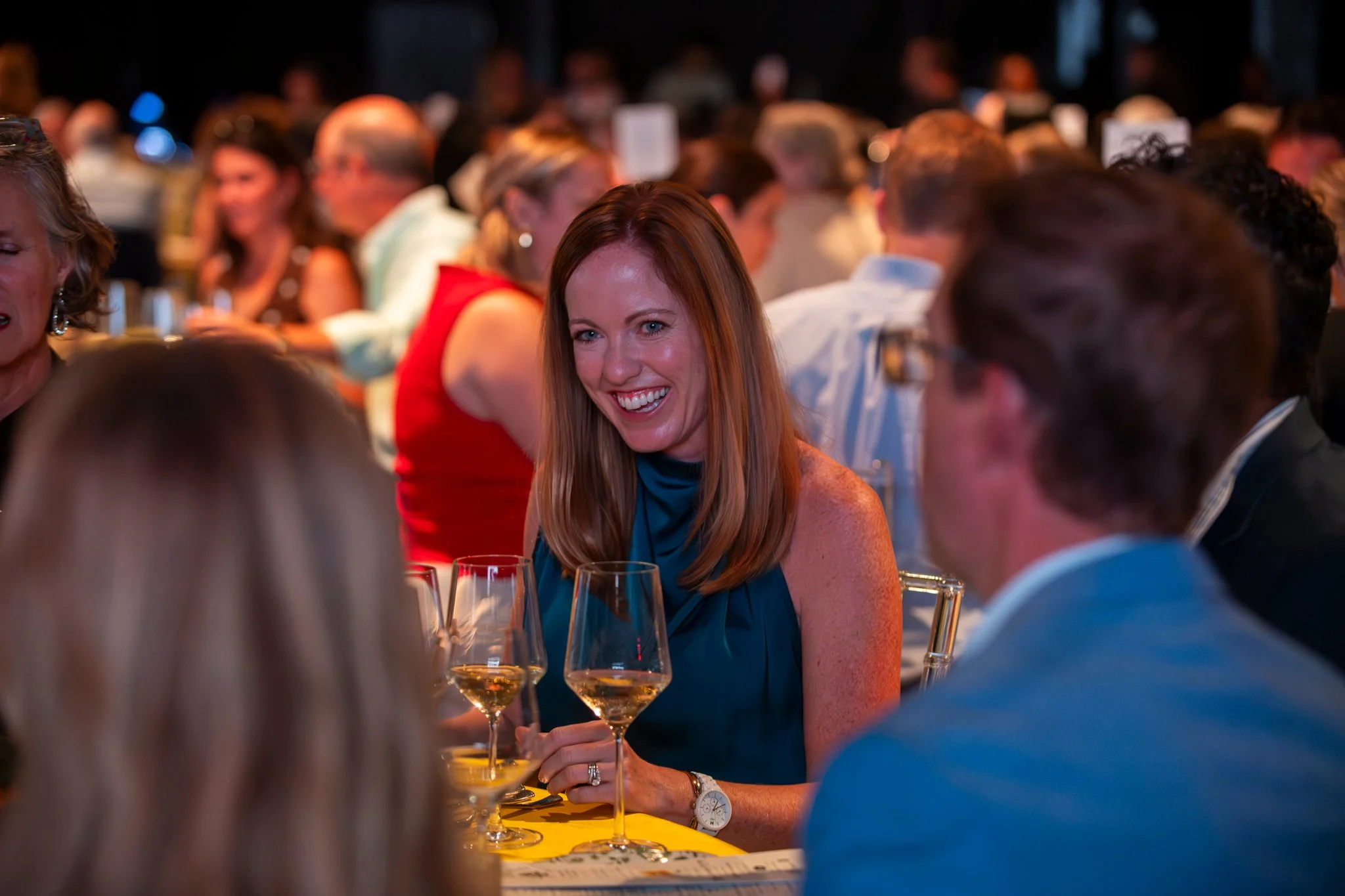
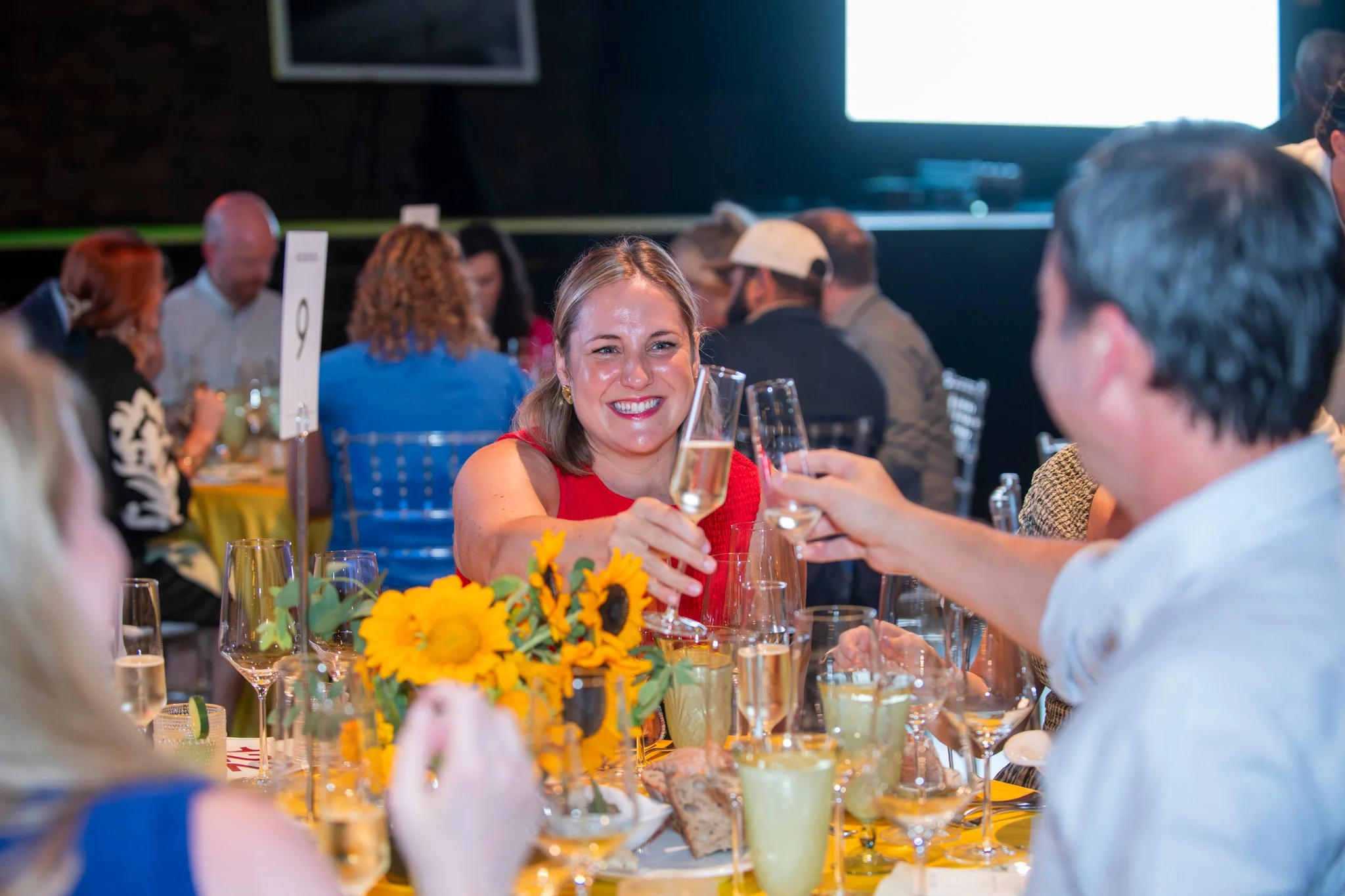
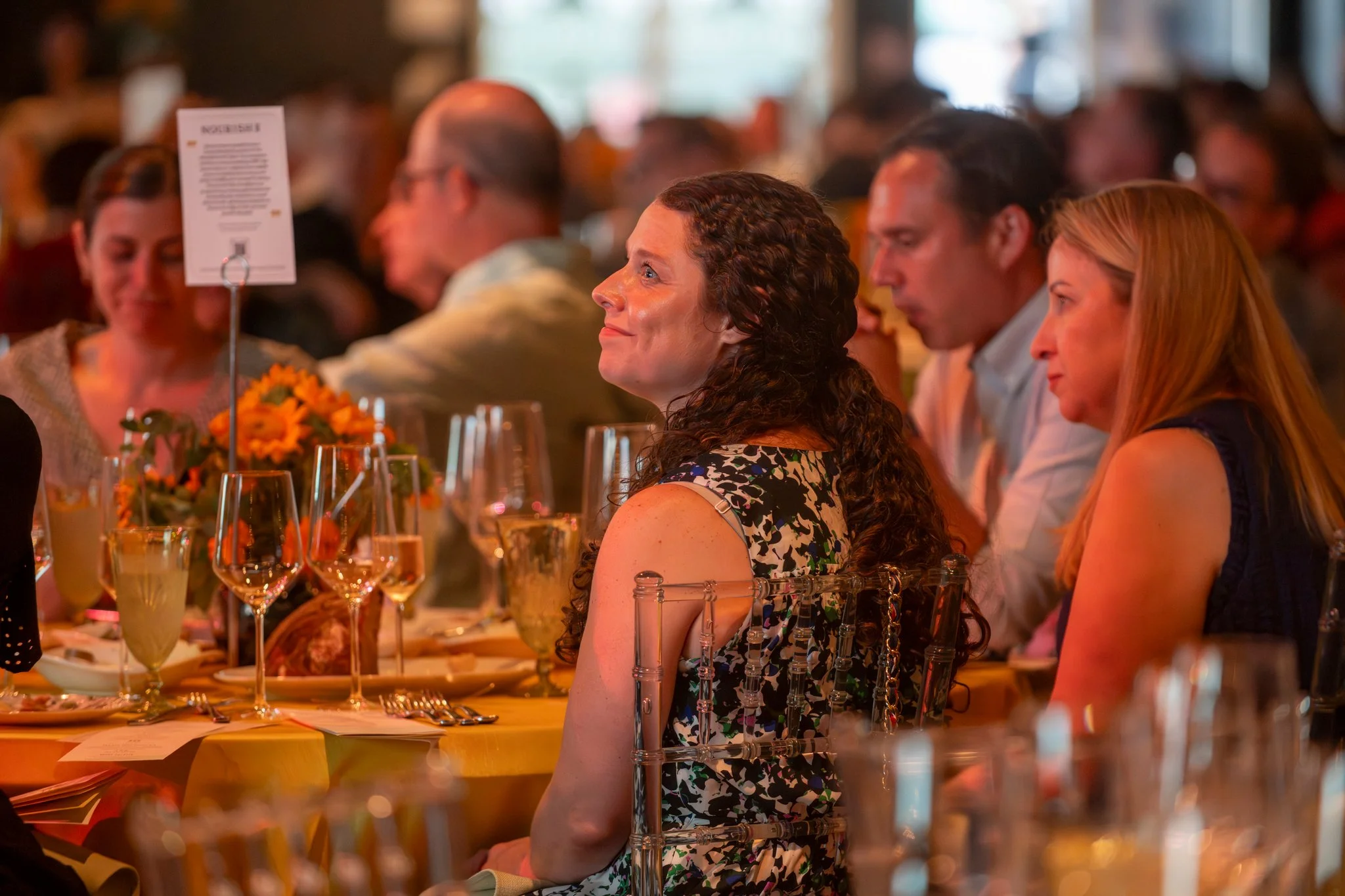
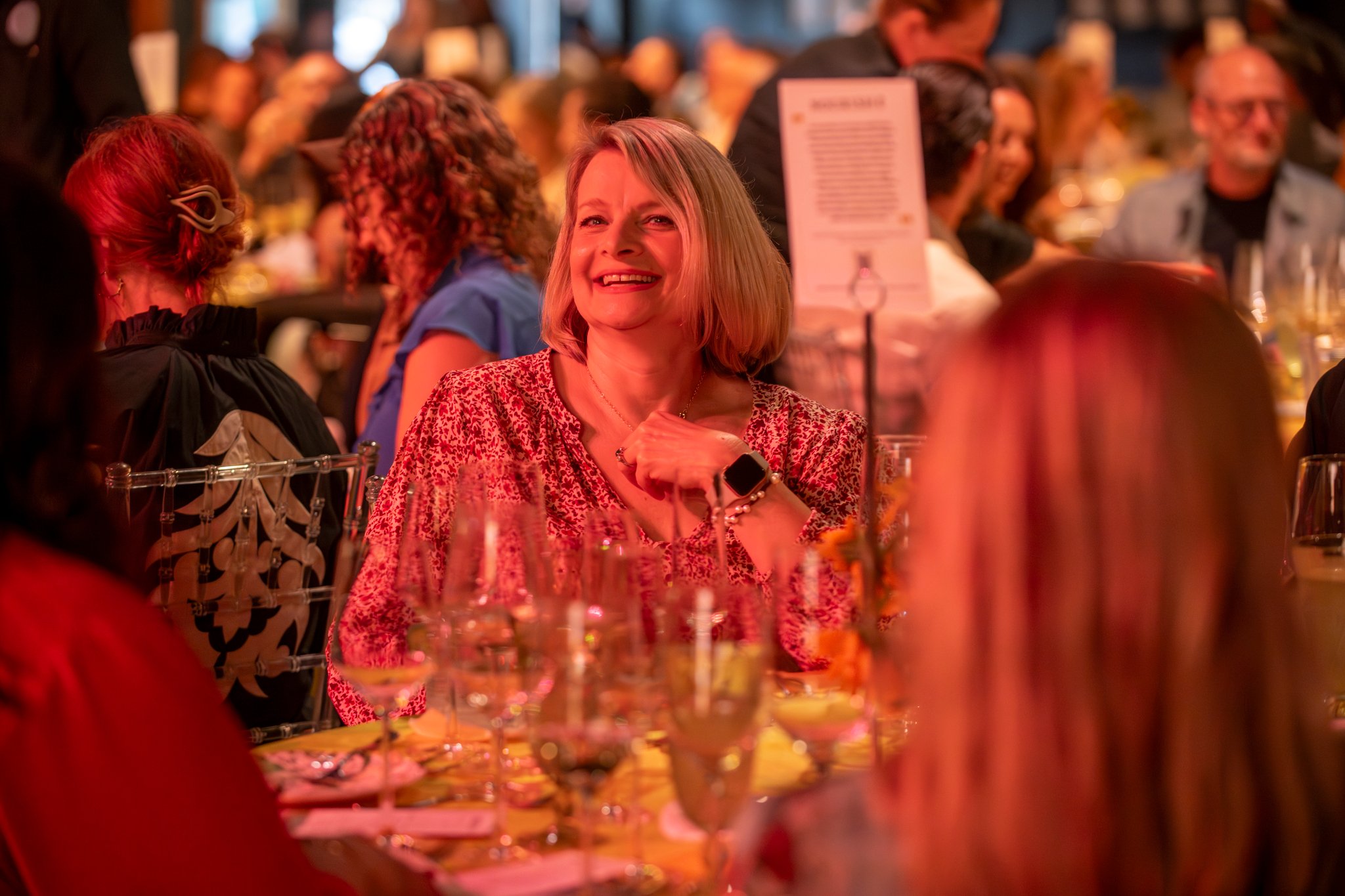
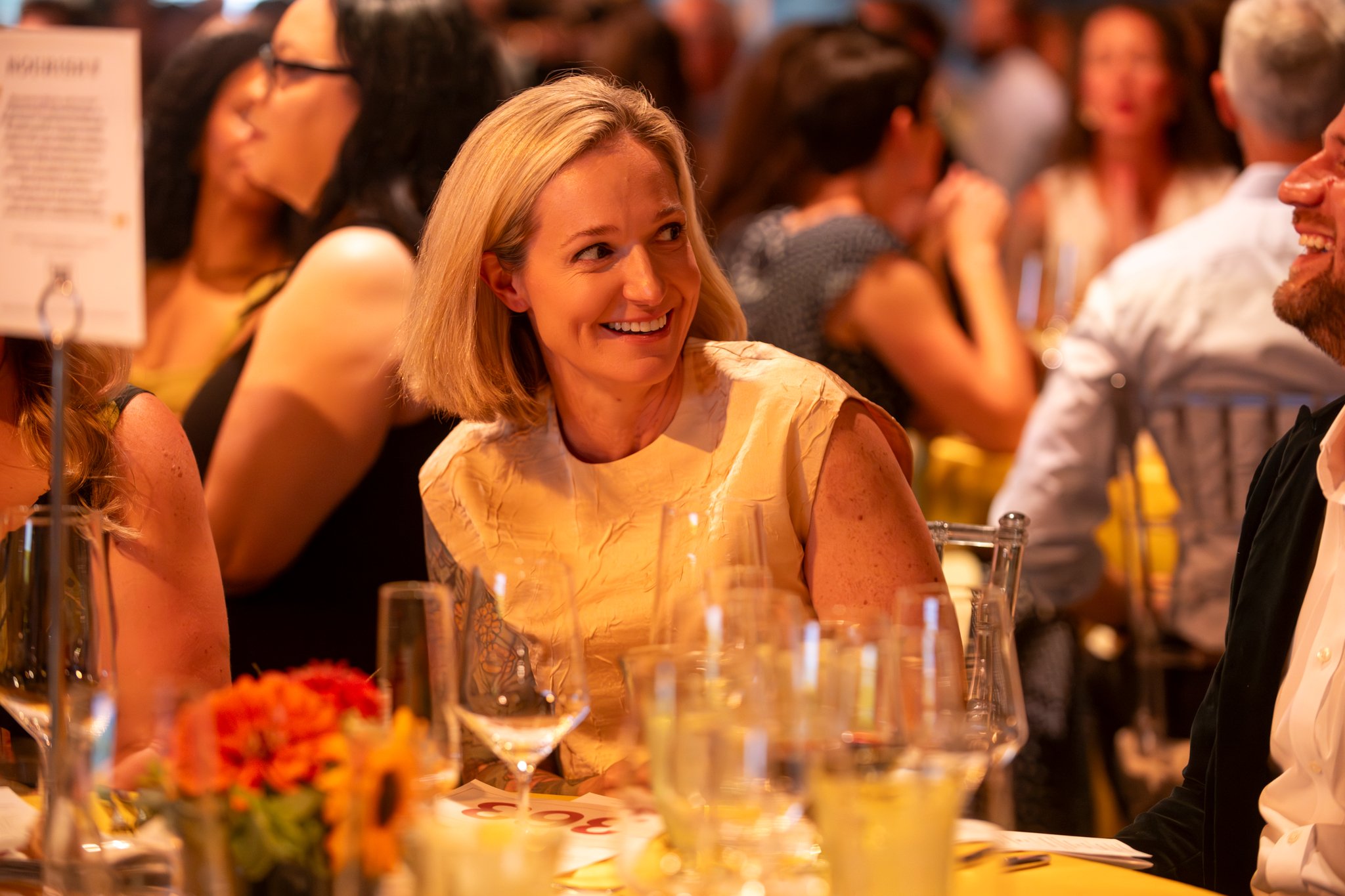
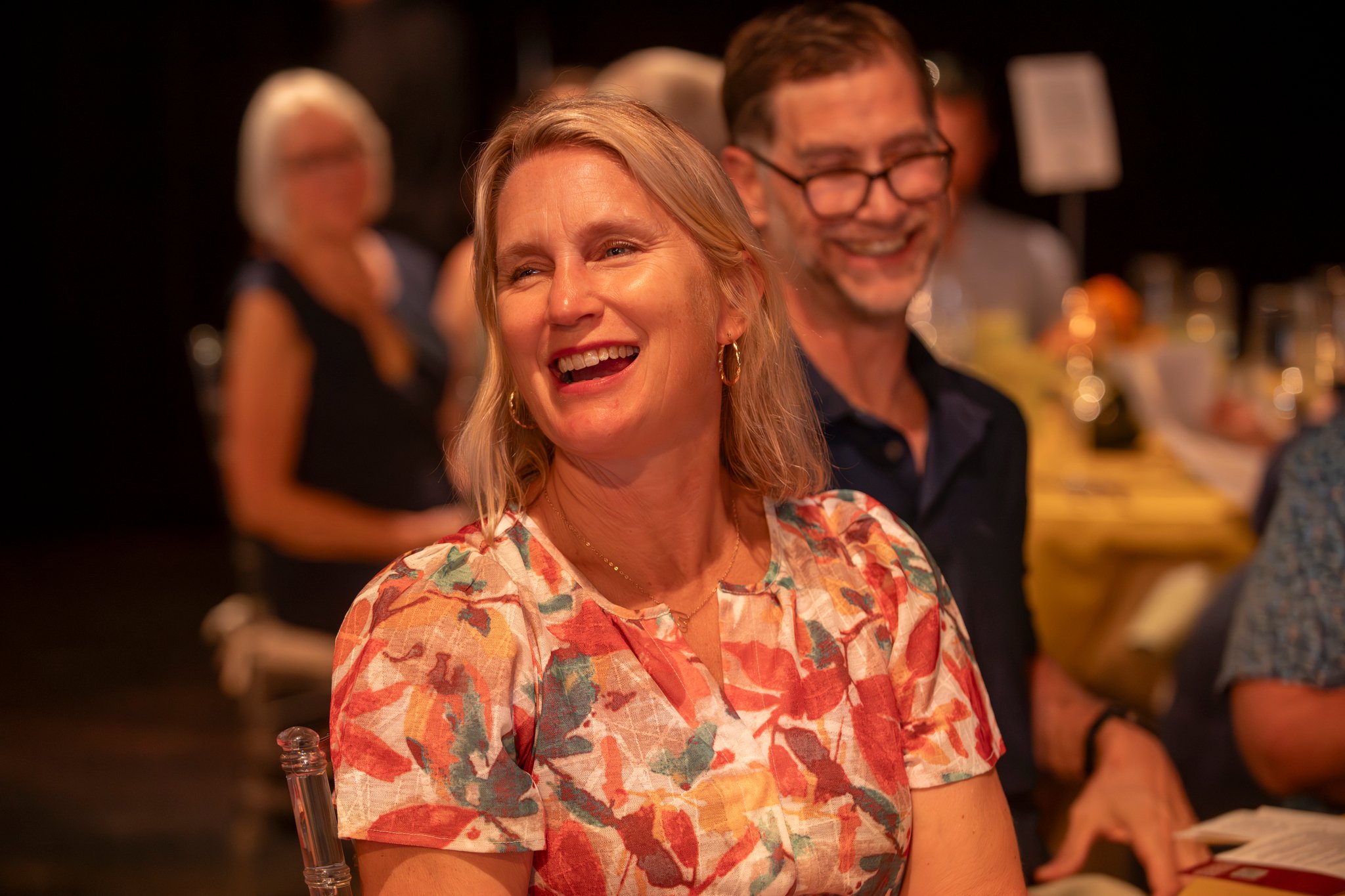
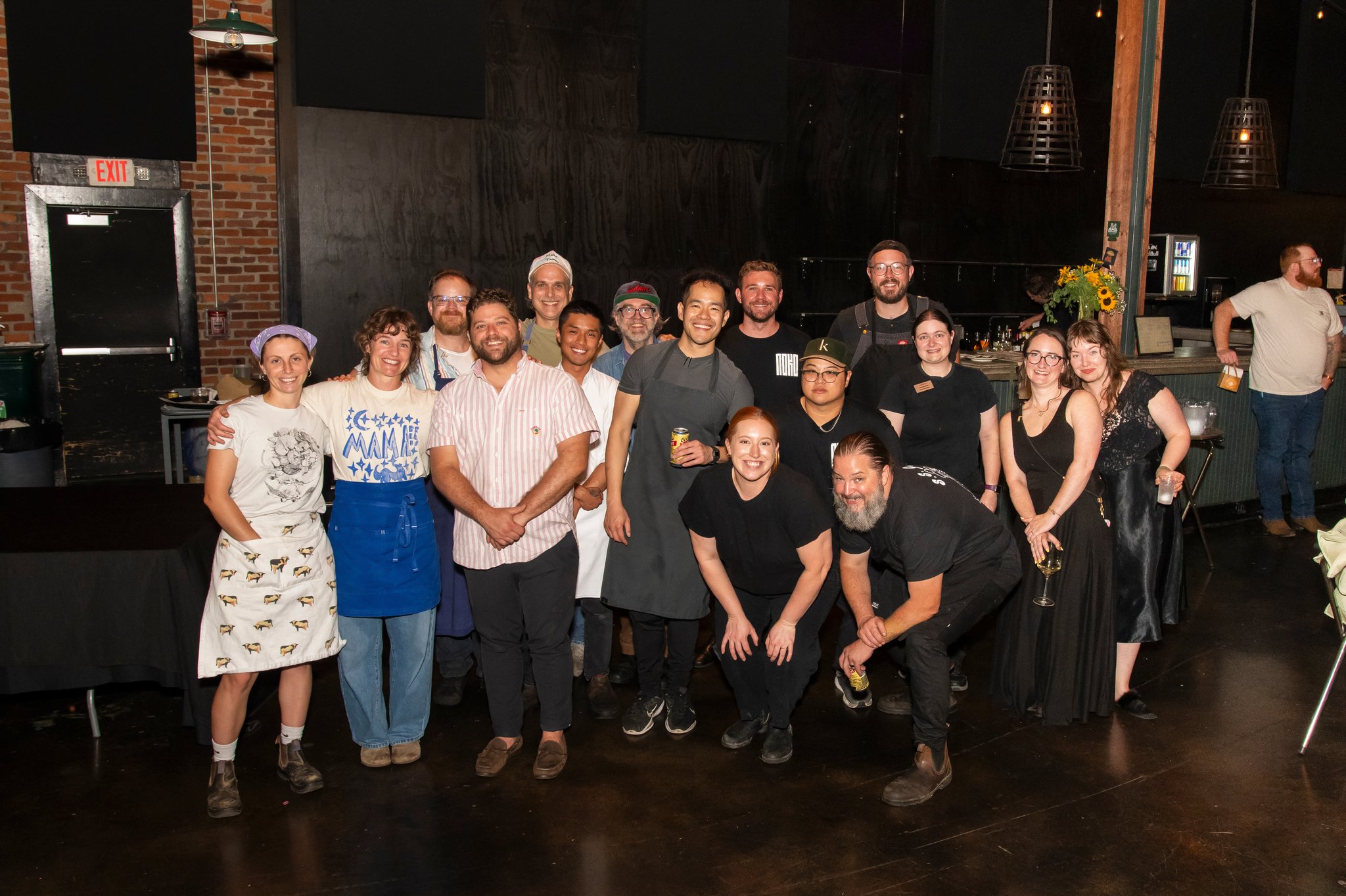
Nourish 2026 was a powerful celebration of food, community, and connection. From a beautifully collaborative meal prepared by top chefs to stories that highlighted the heart of our mission, the evening brought people together around a shared table and a shared purpose—to nourish Nashville.
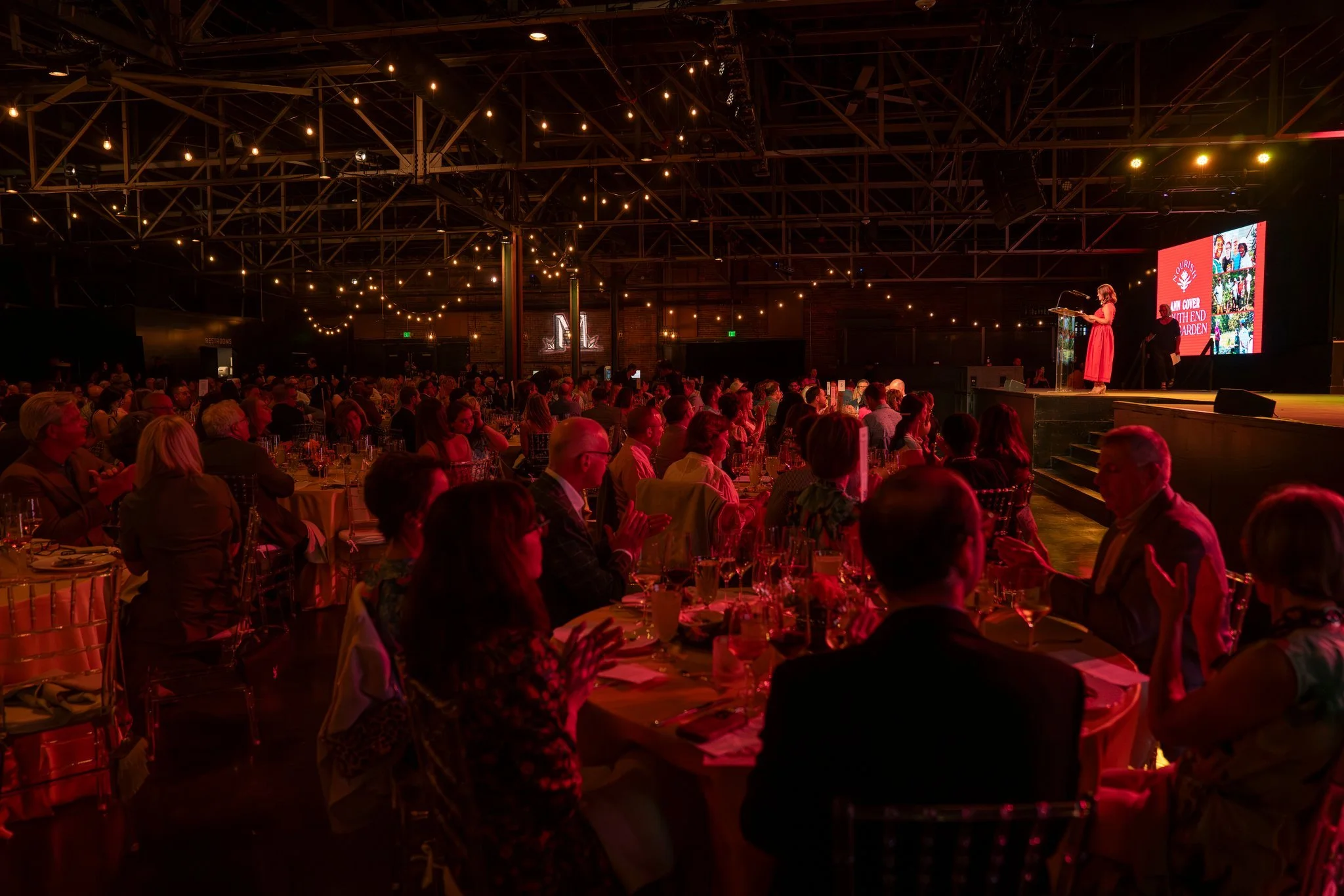
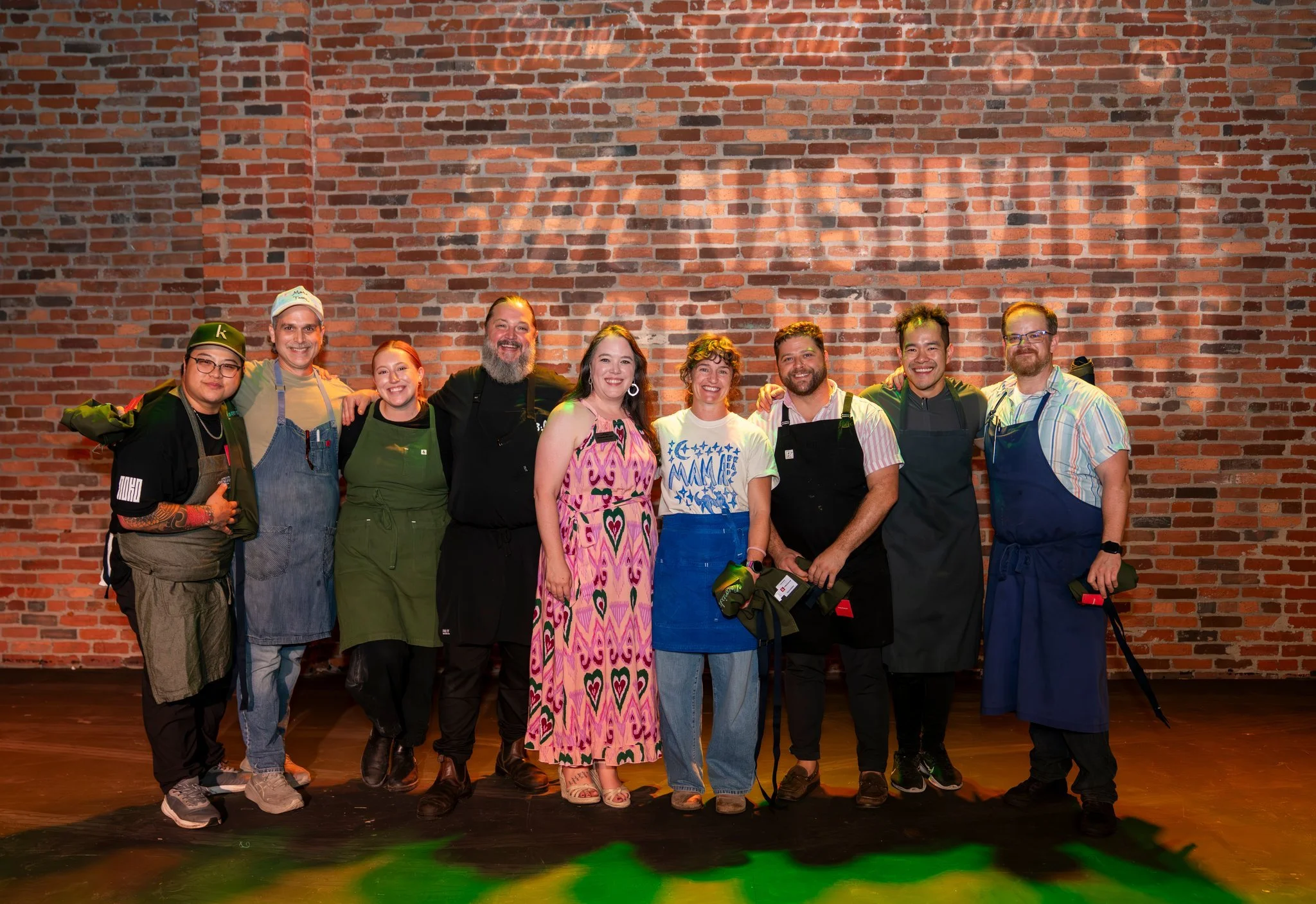
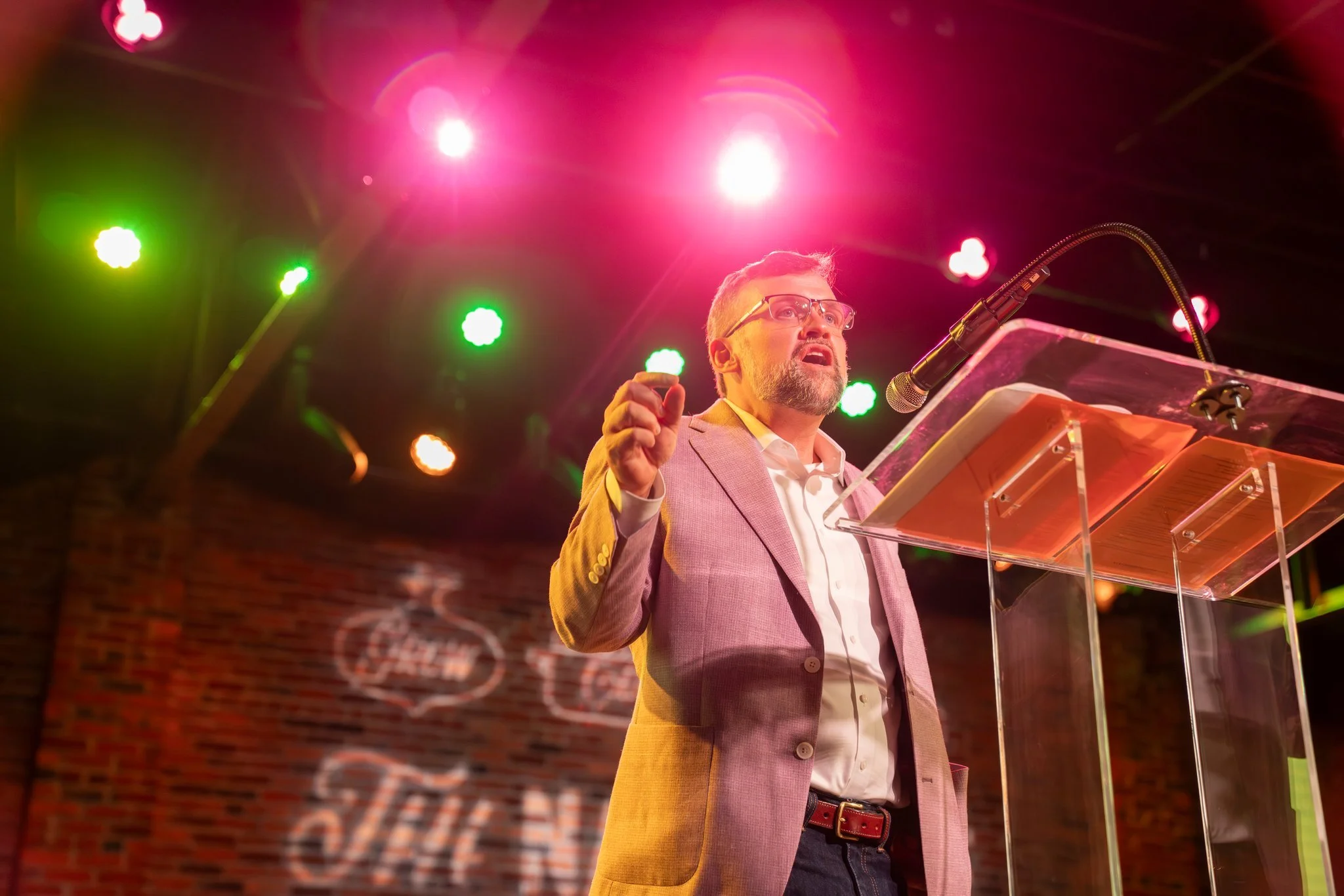
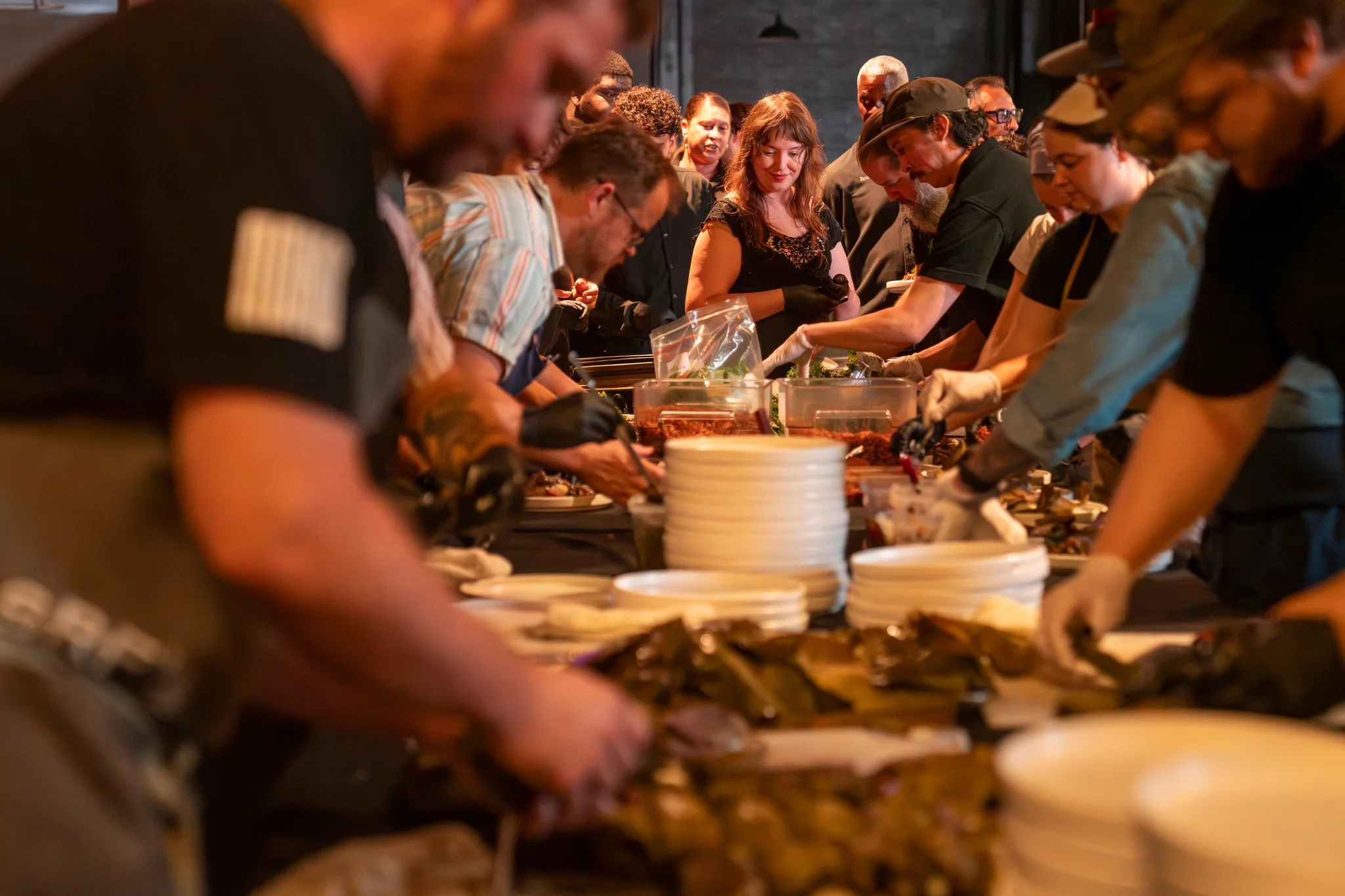
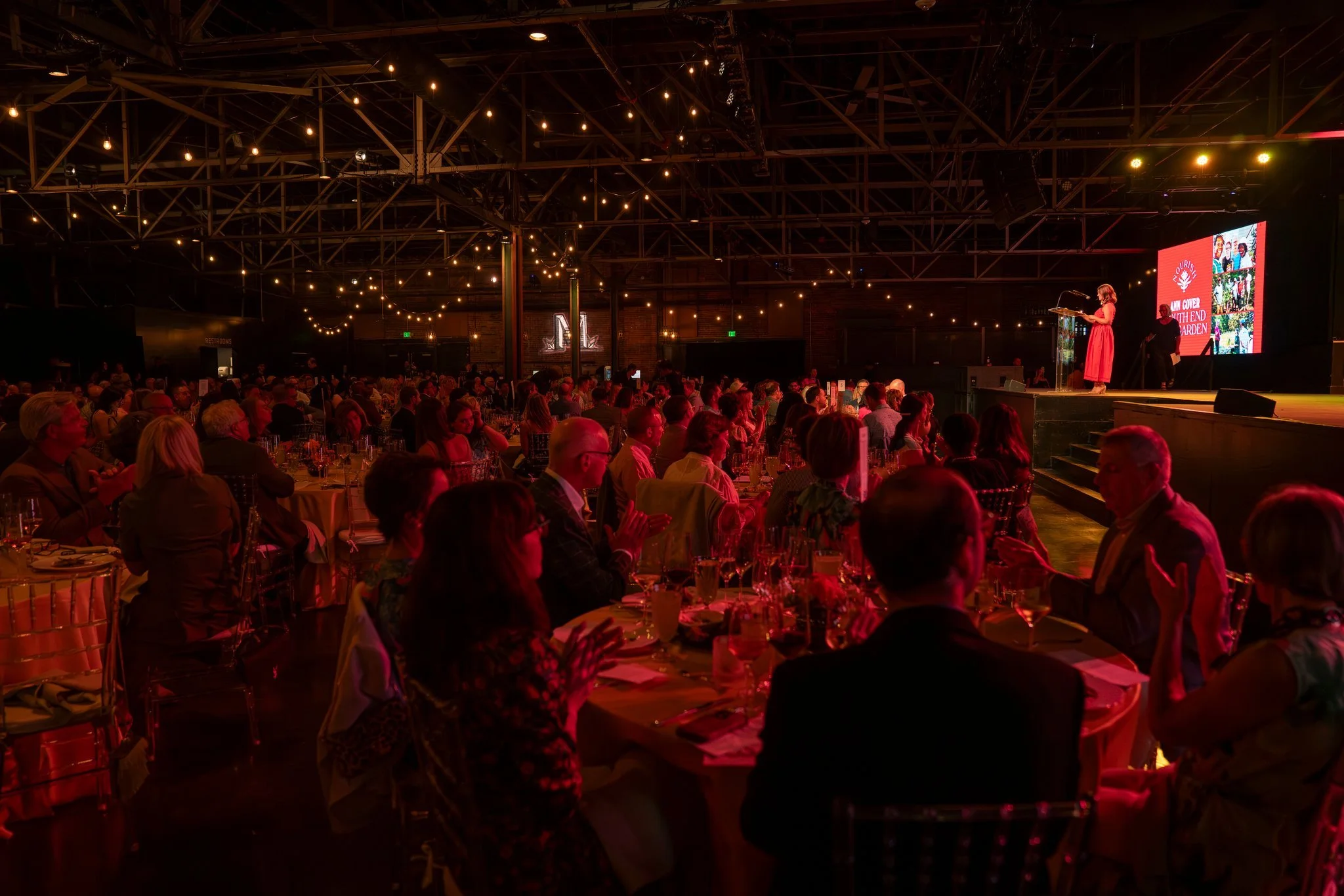
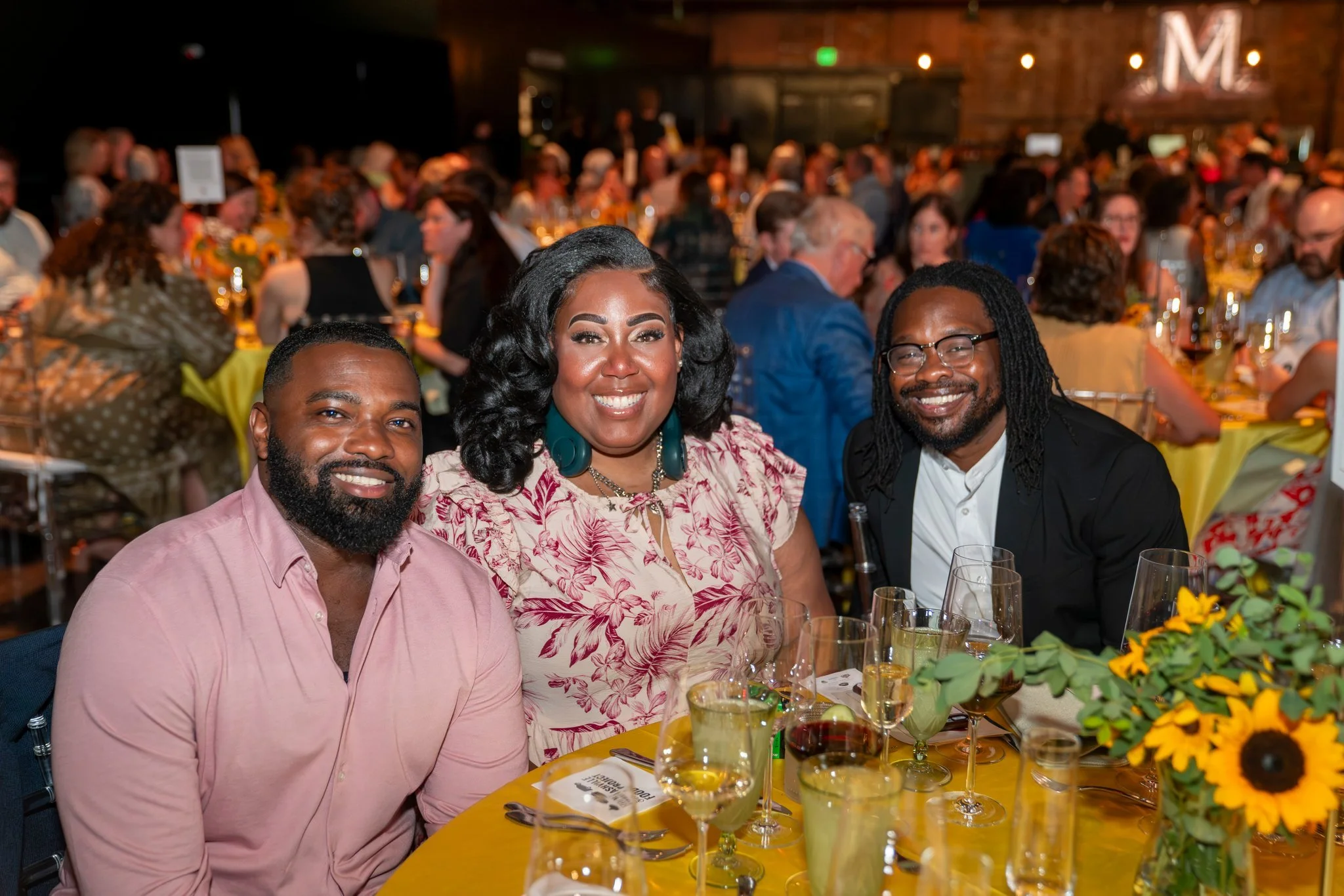
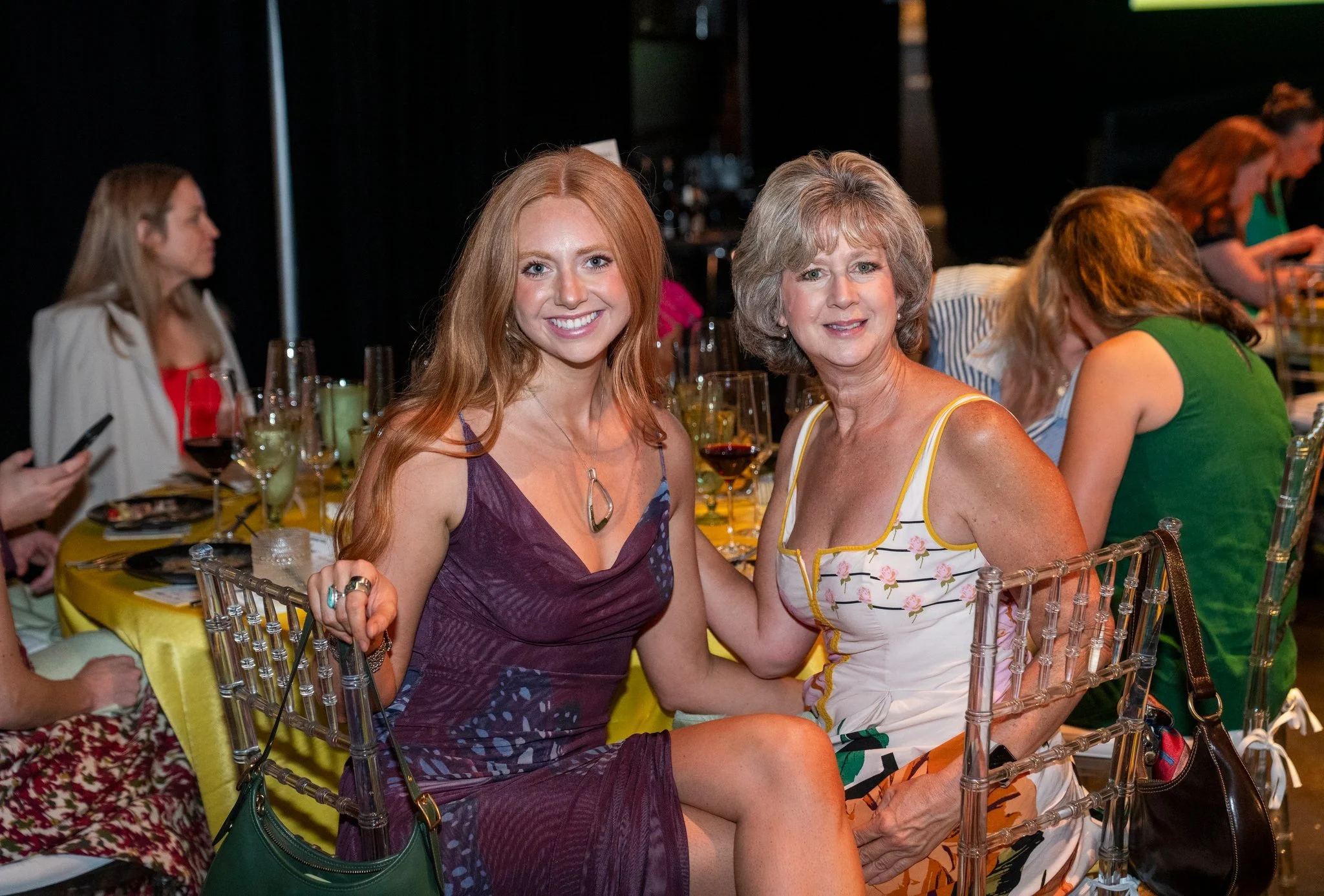
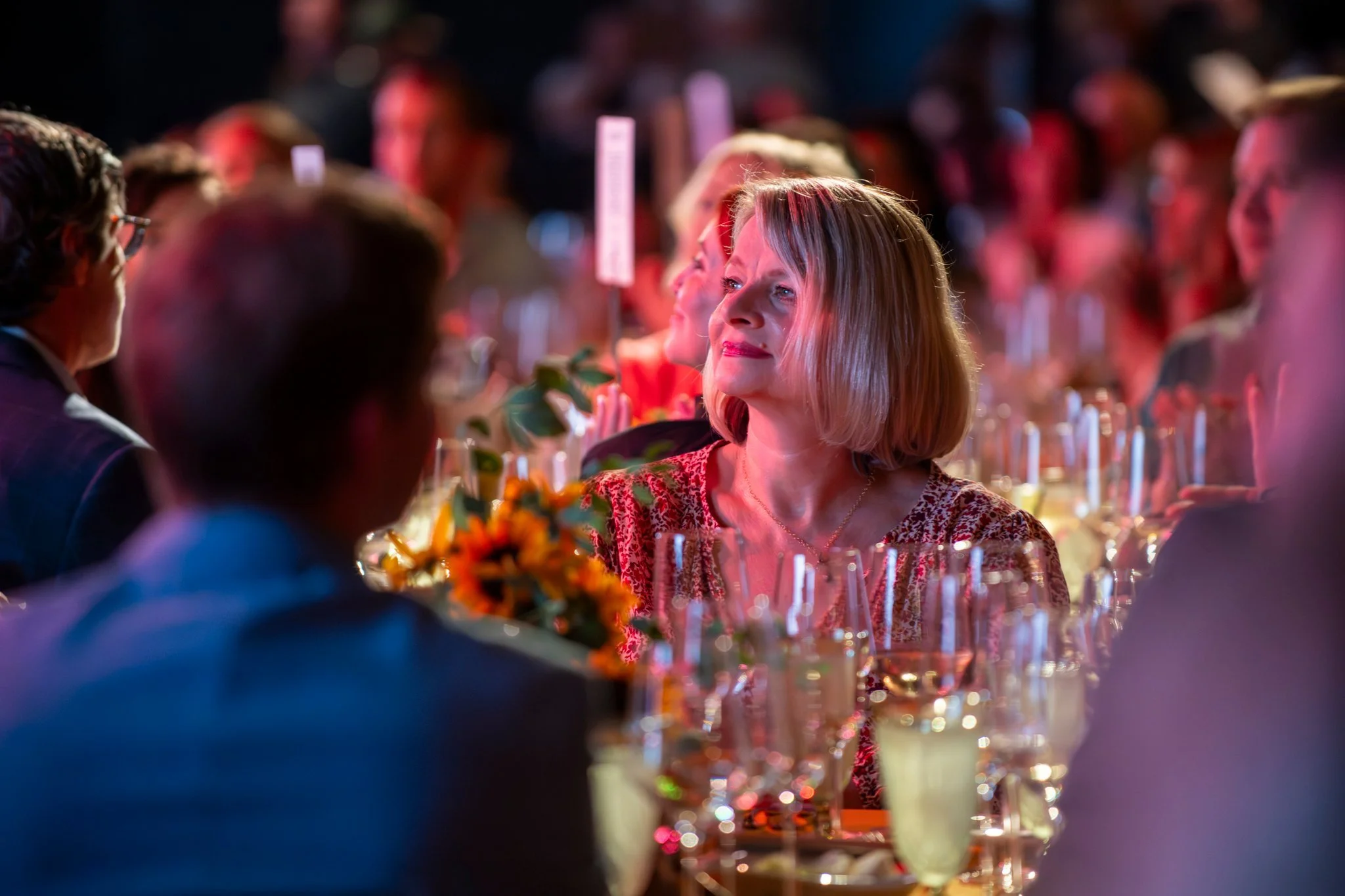
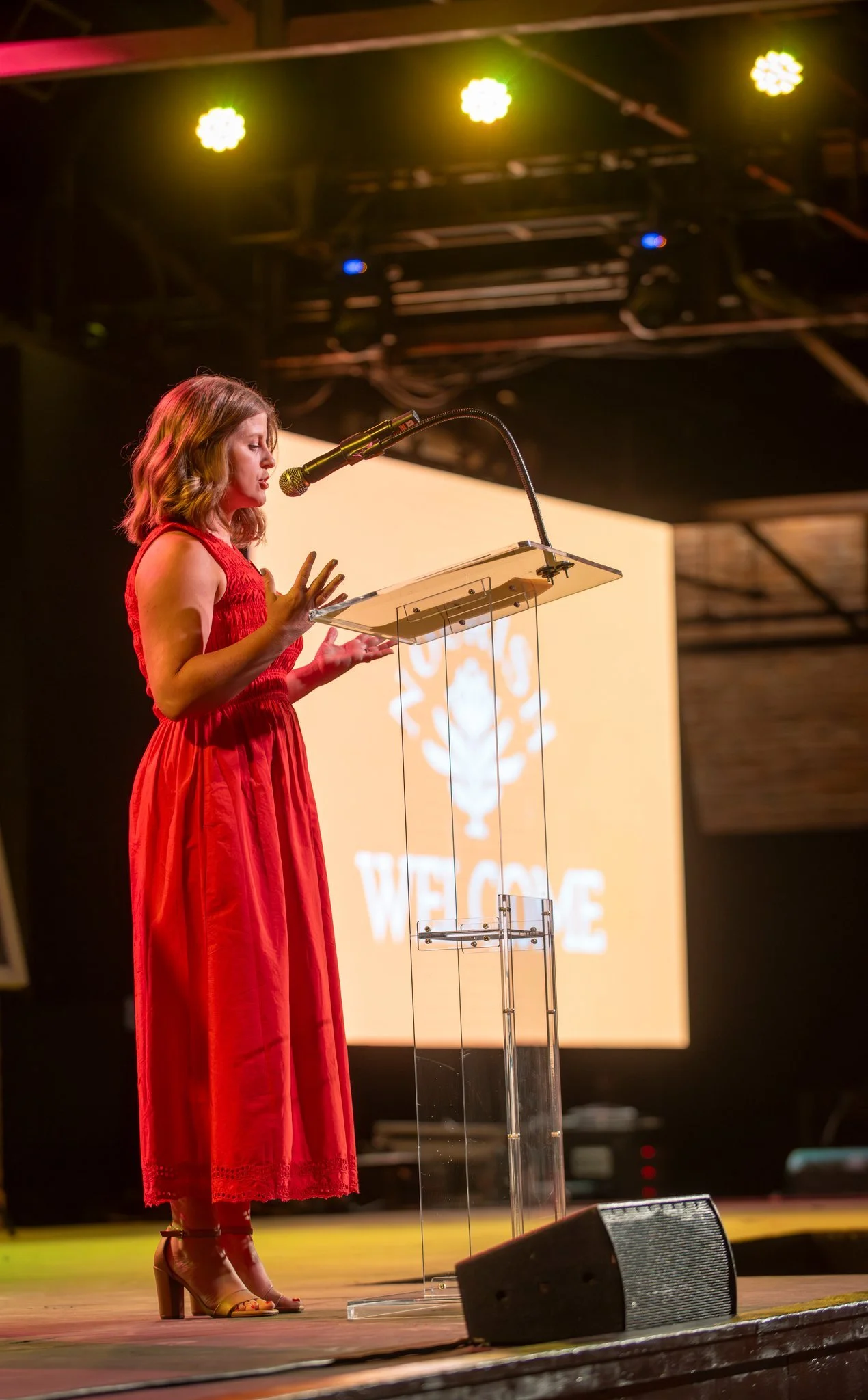
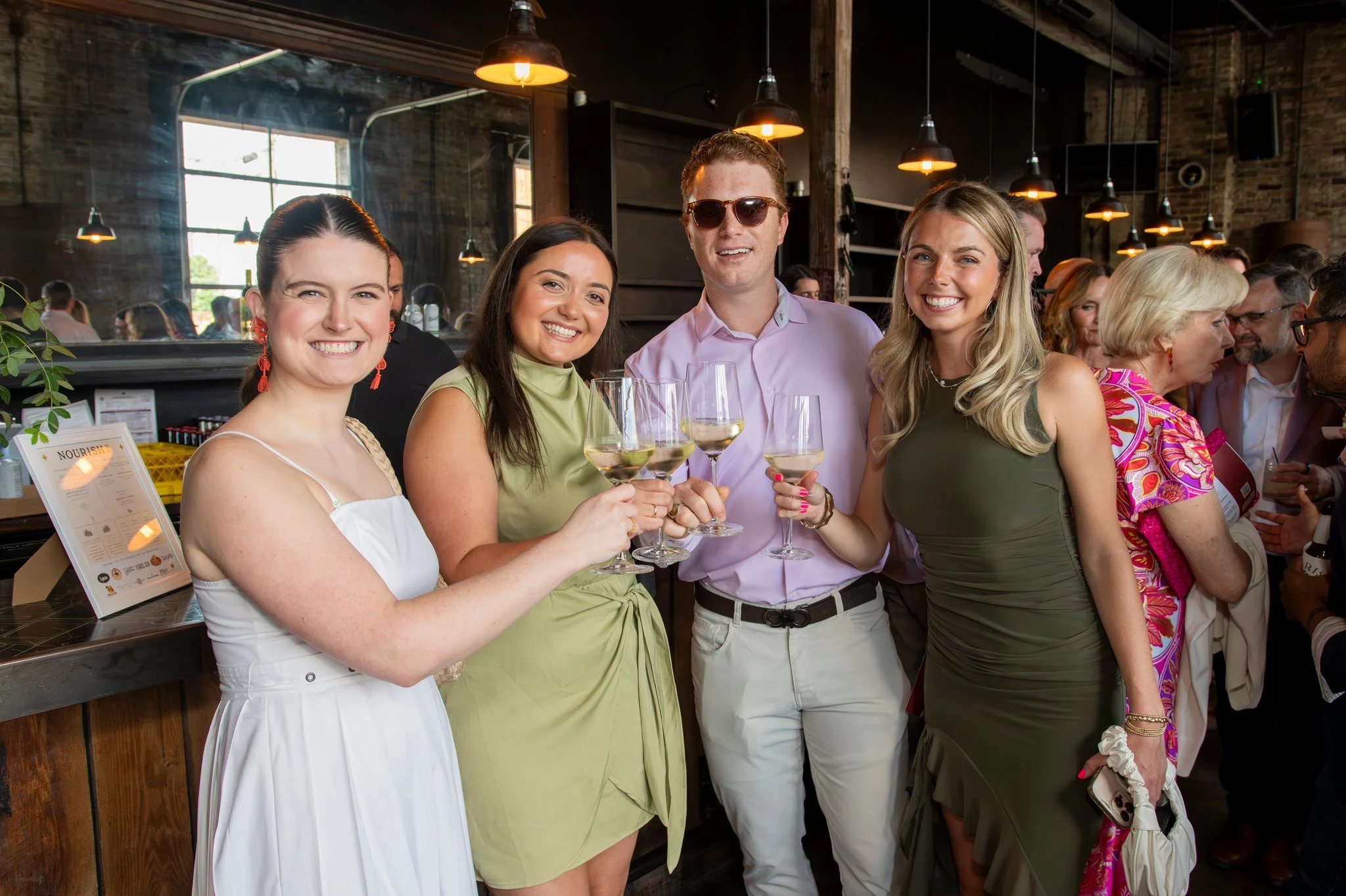
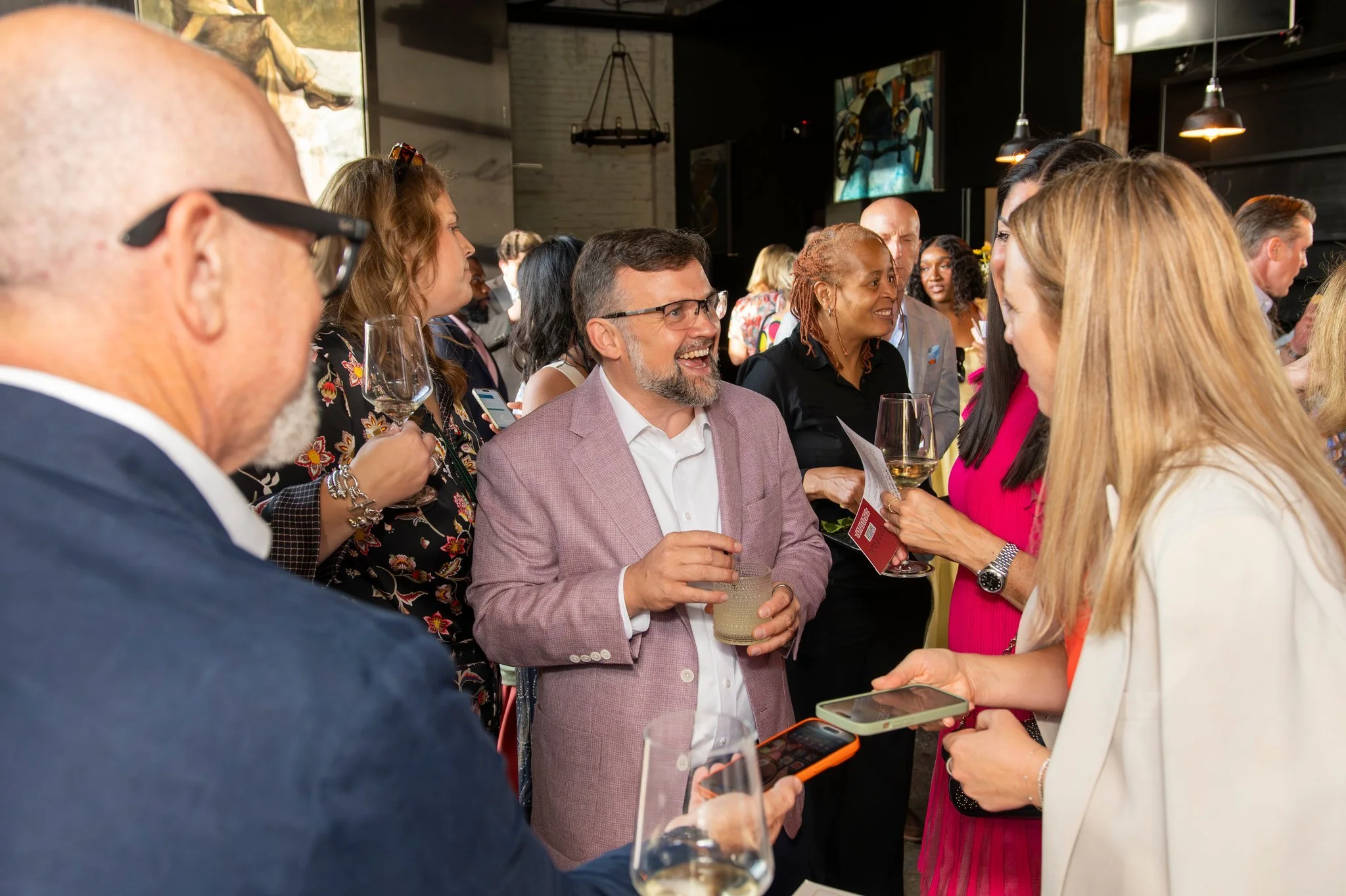
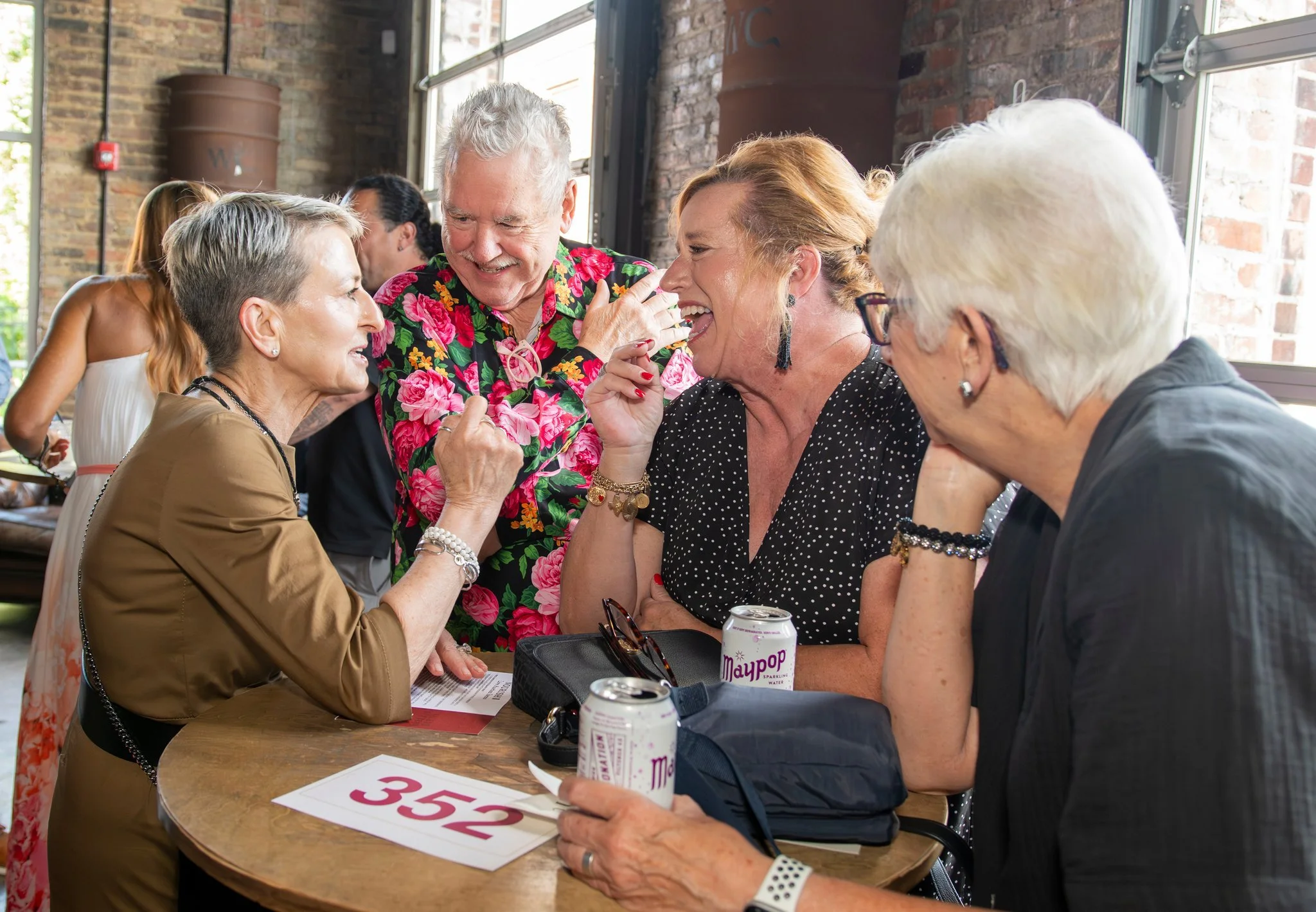
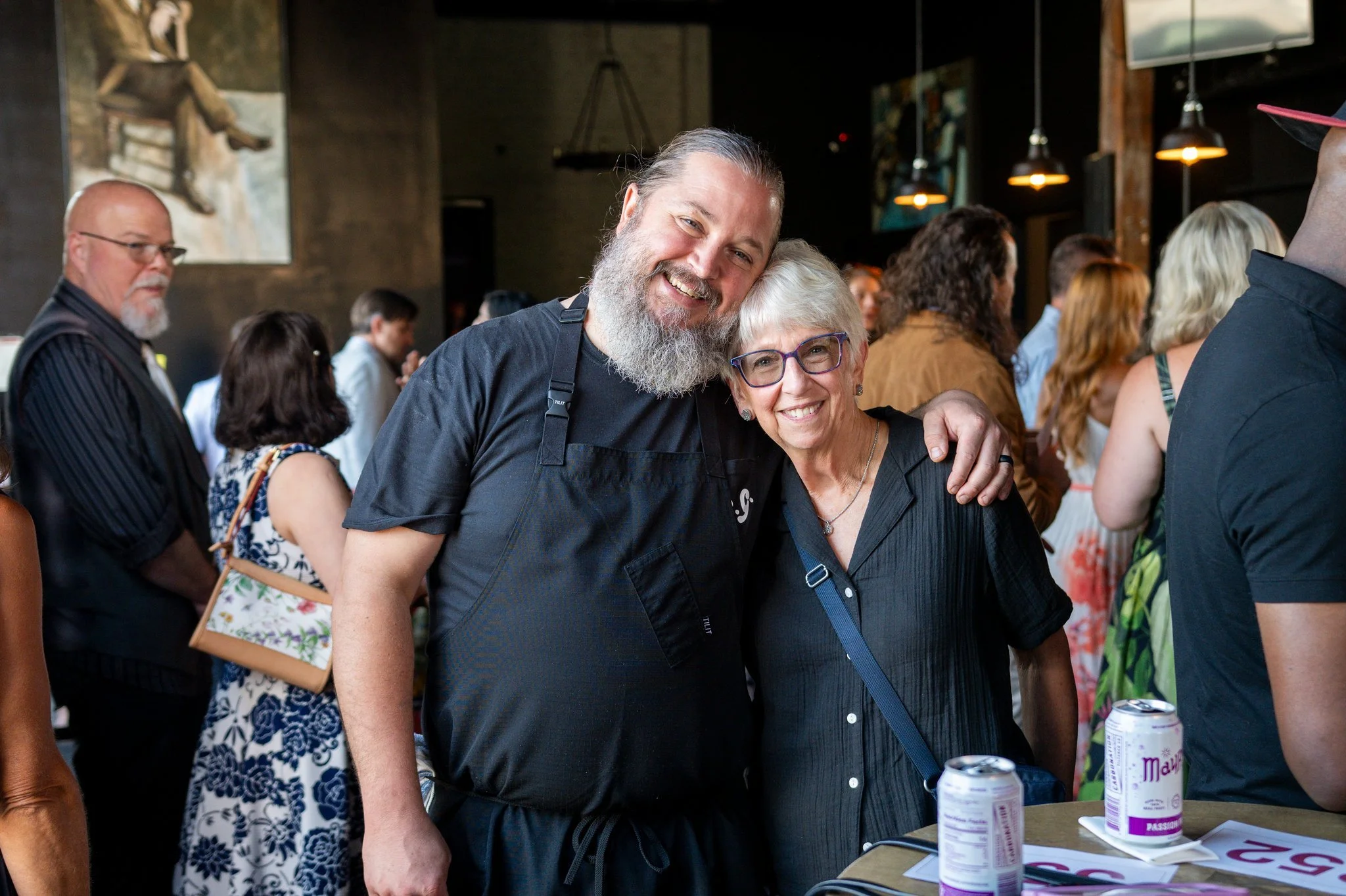
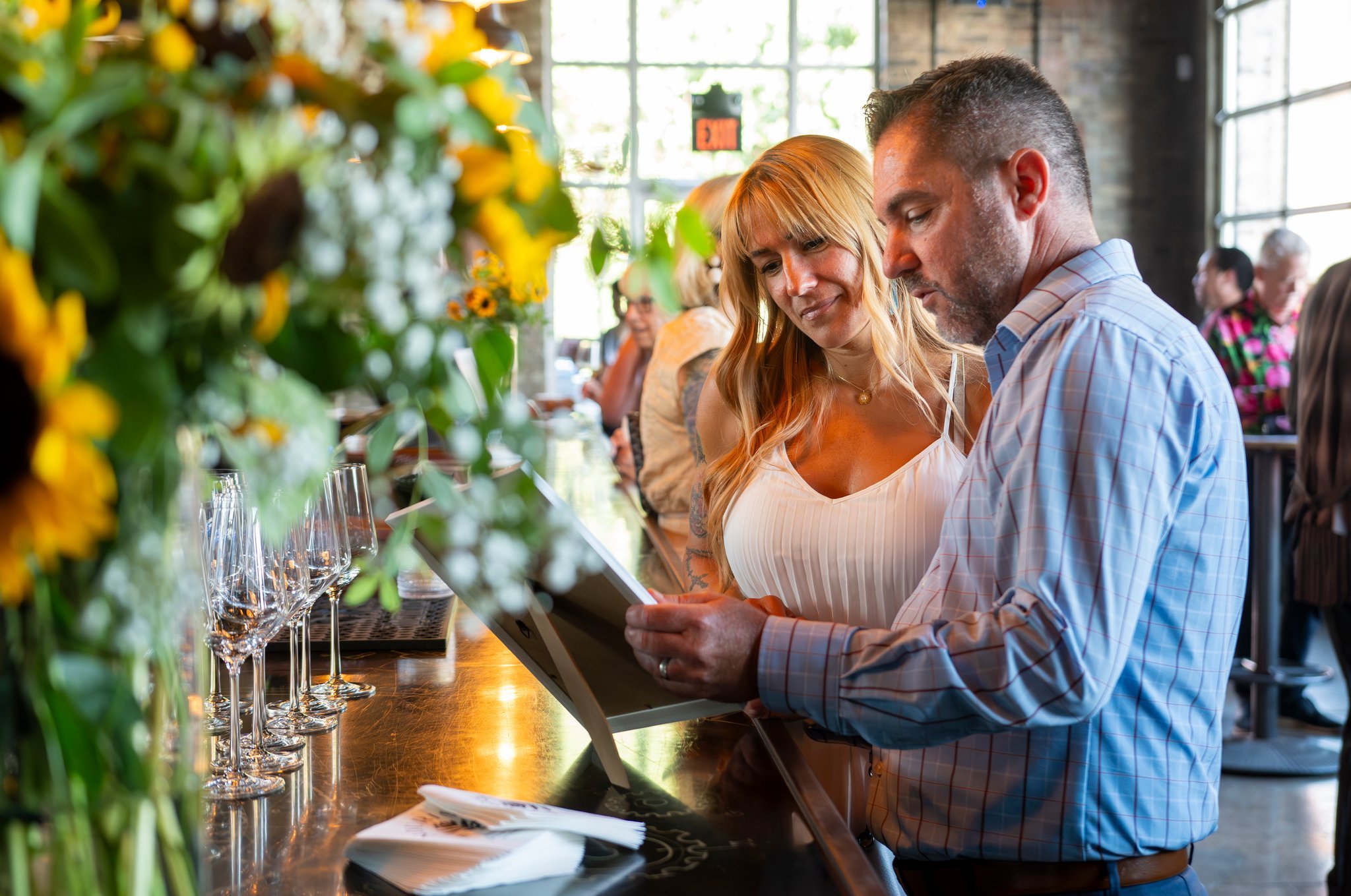
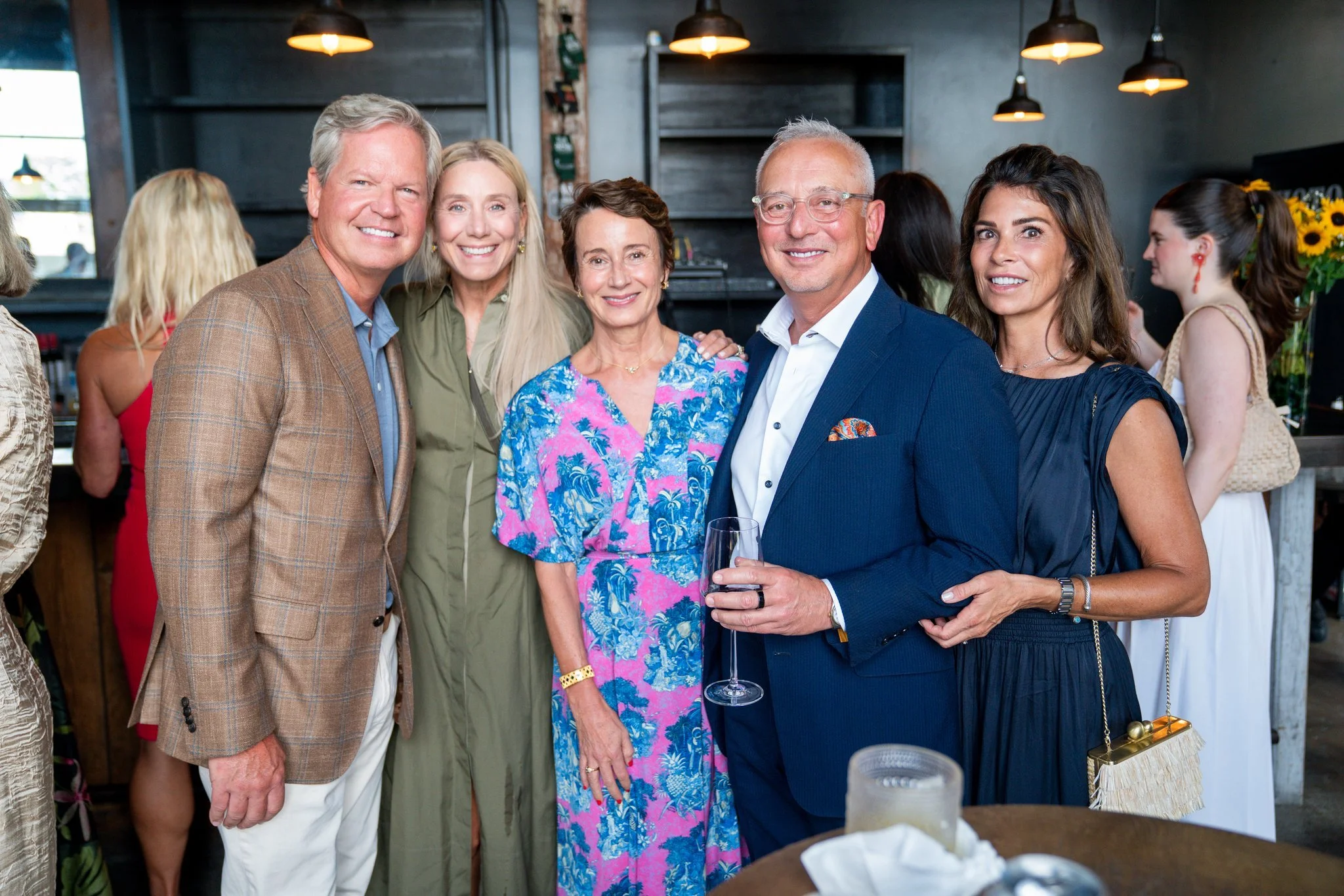
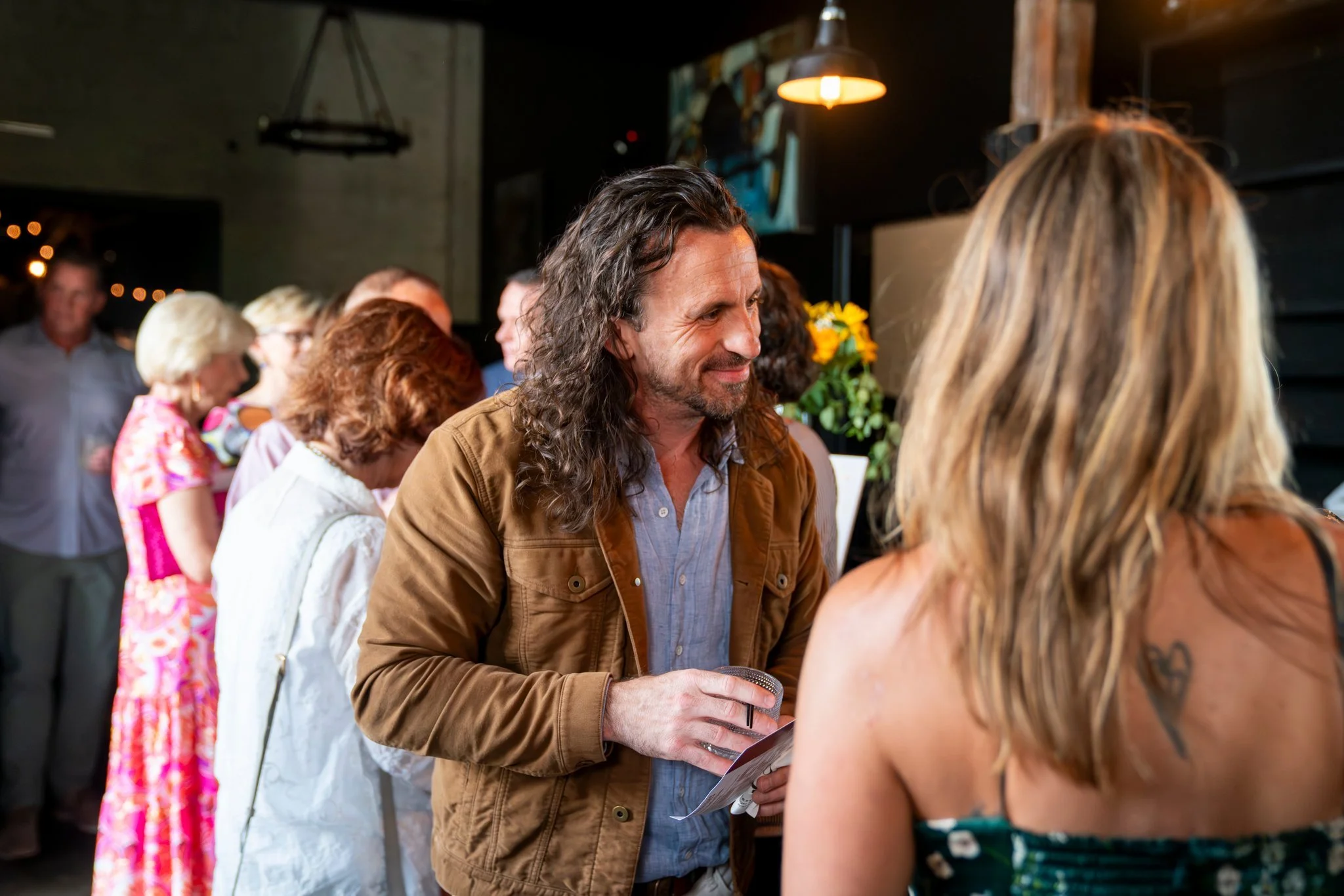
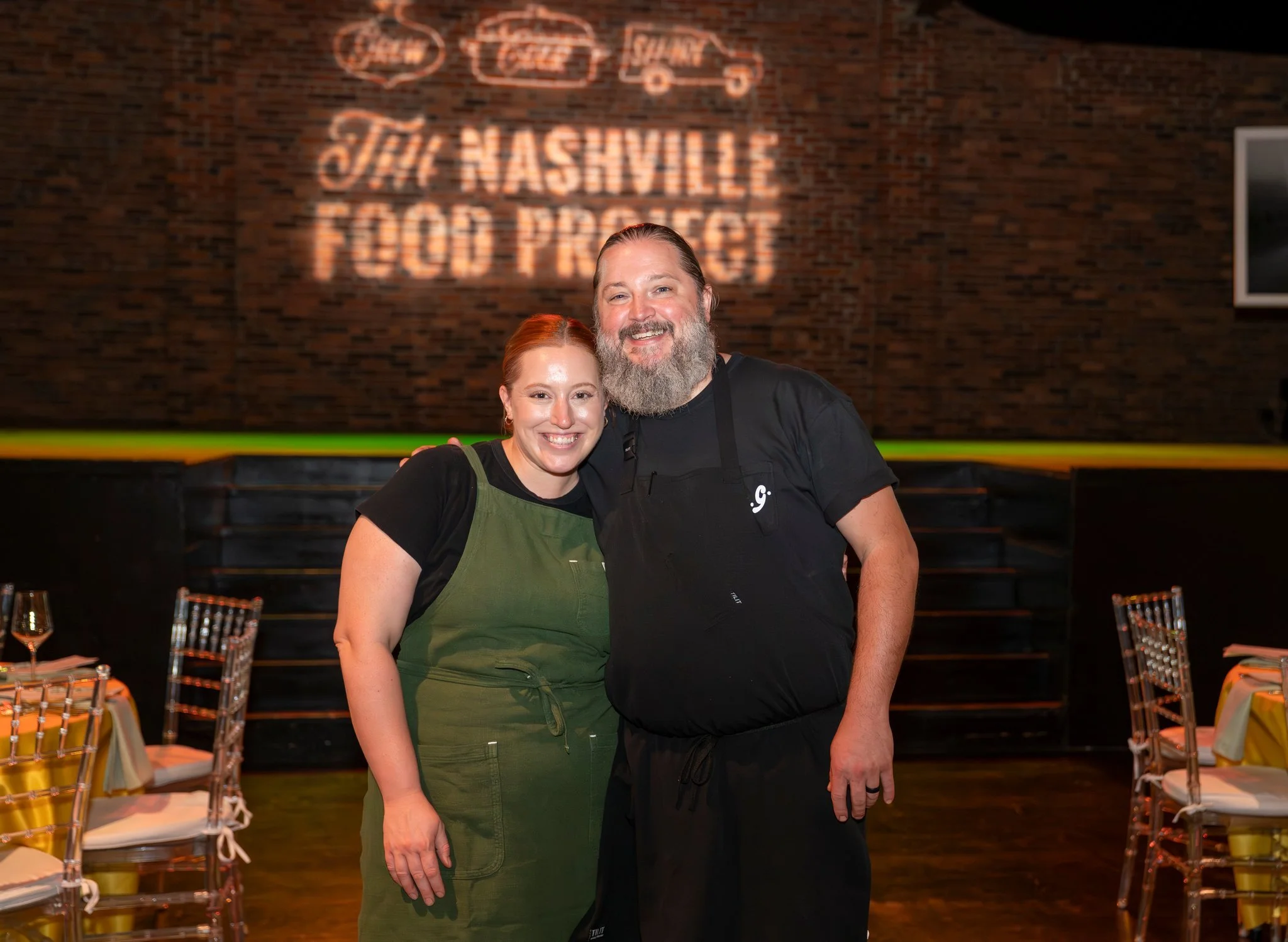
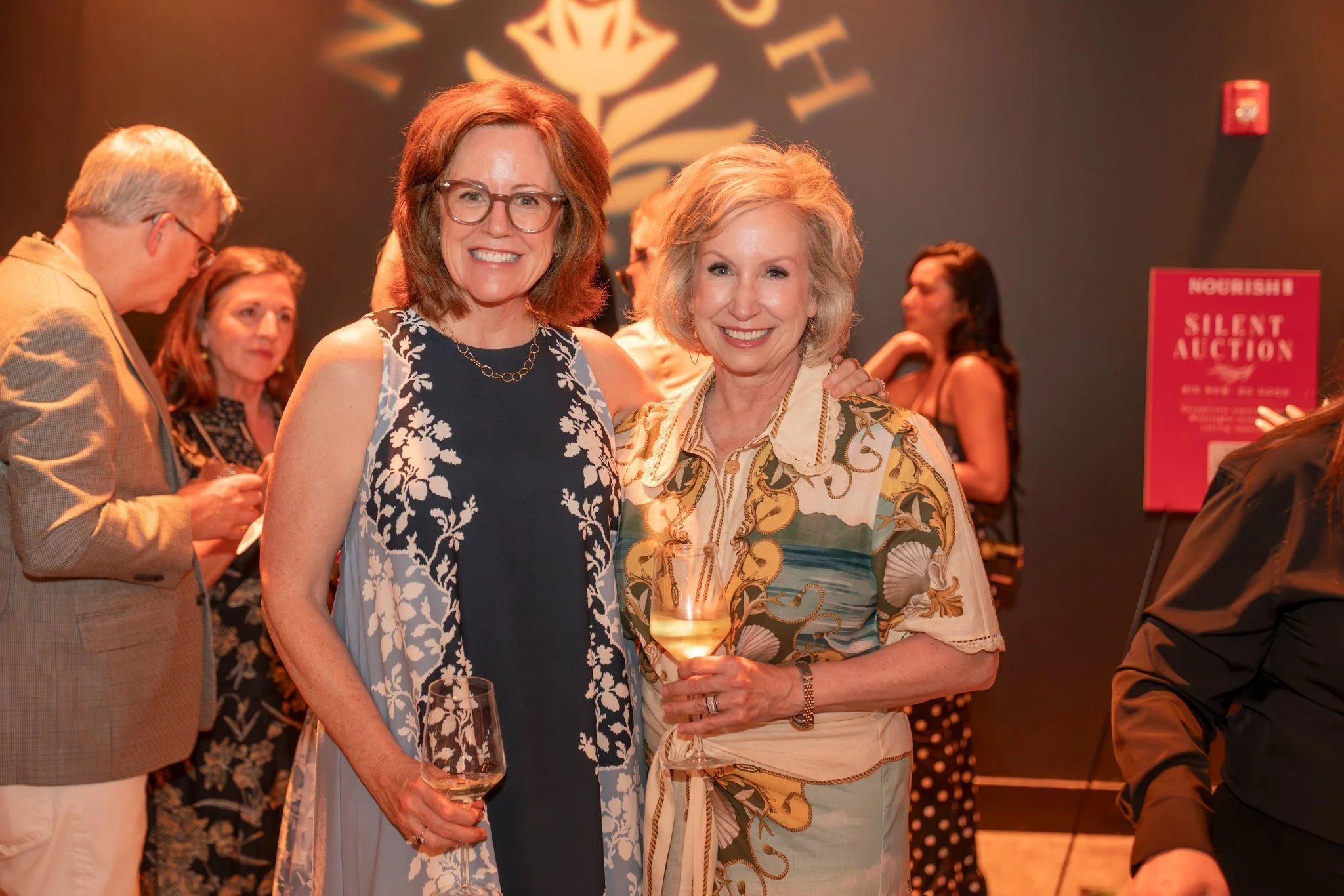
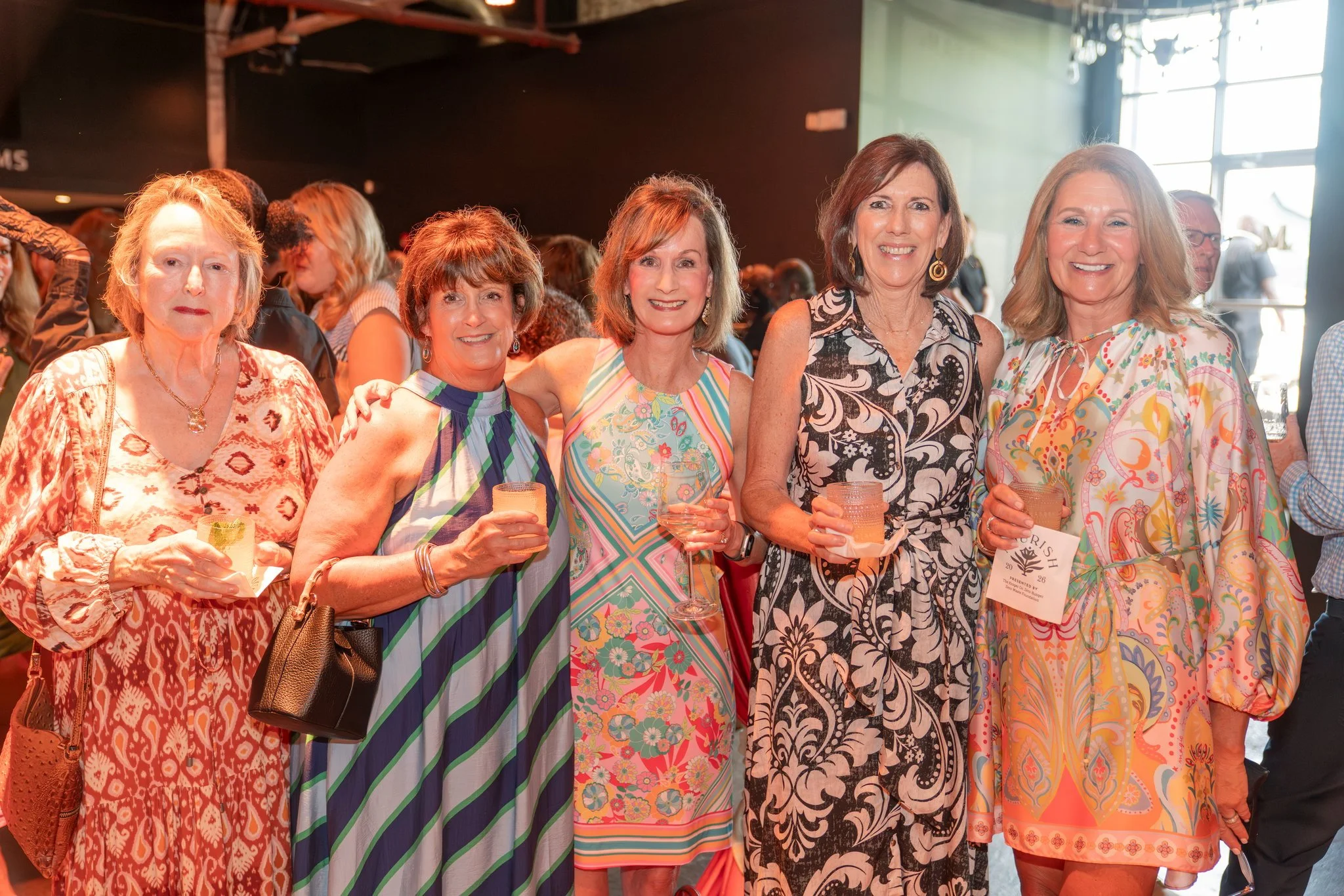
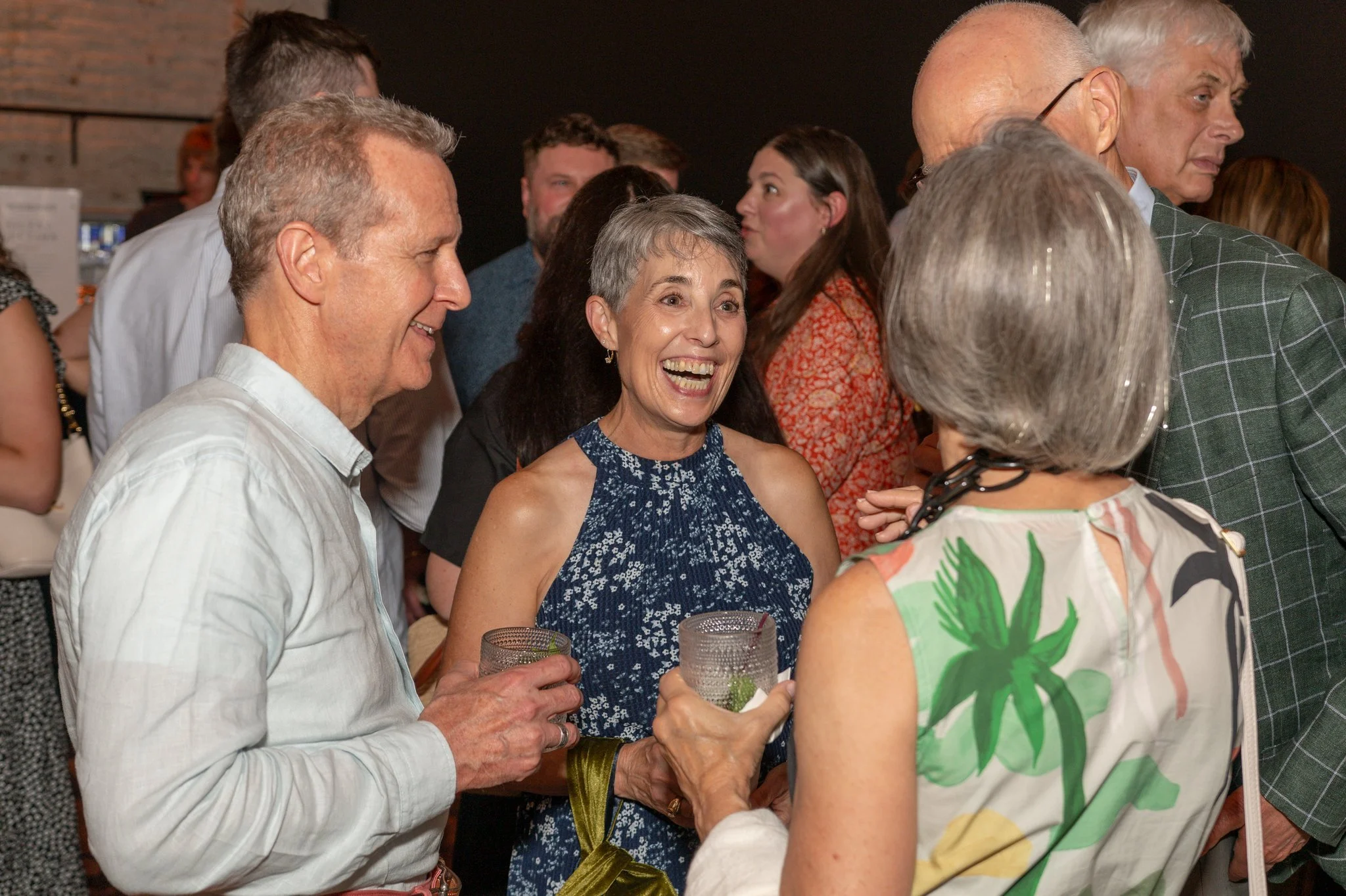
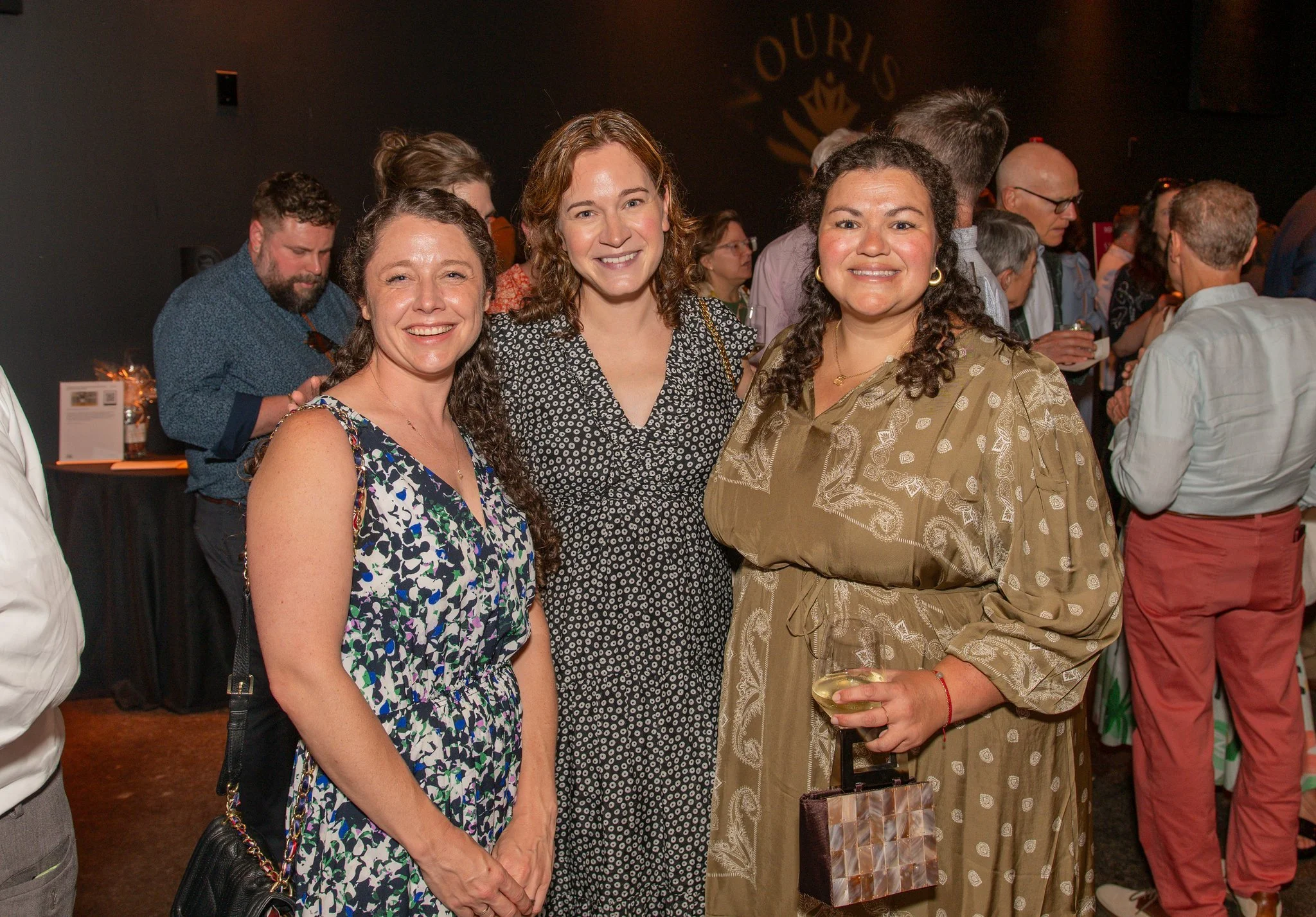
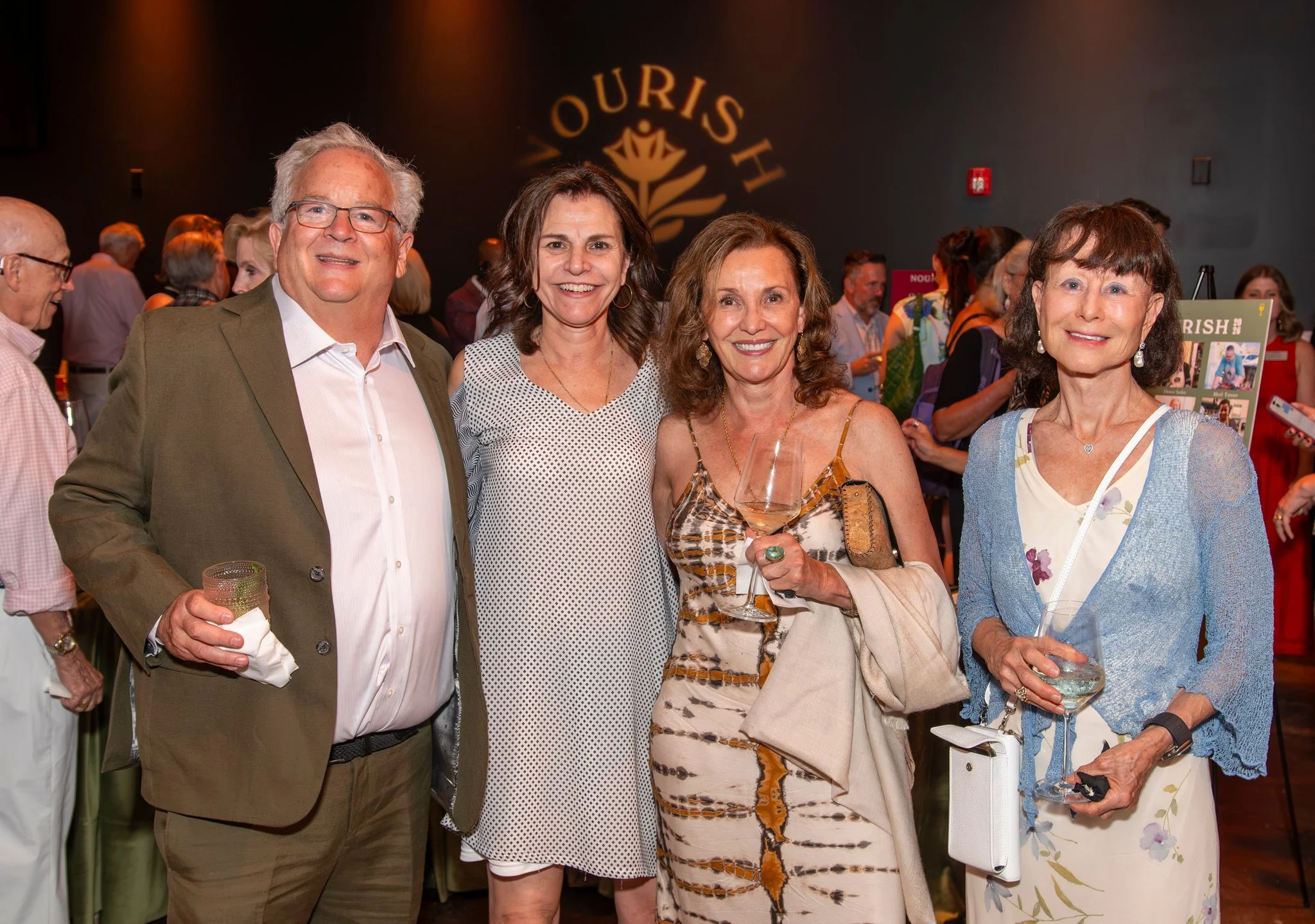
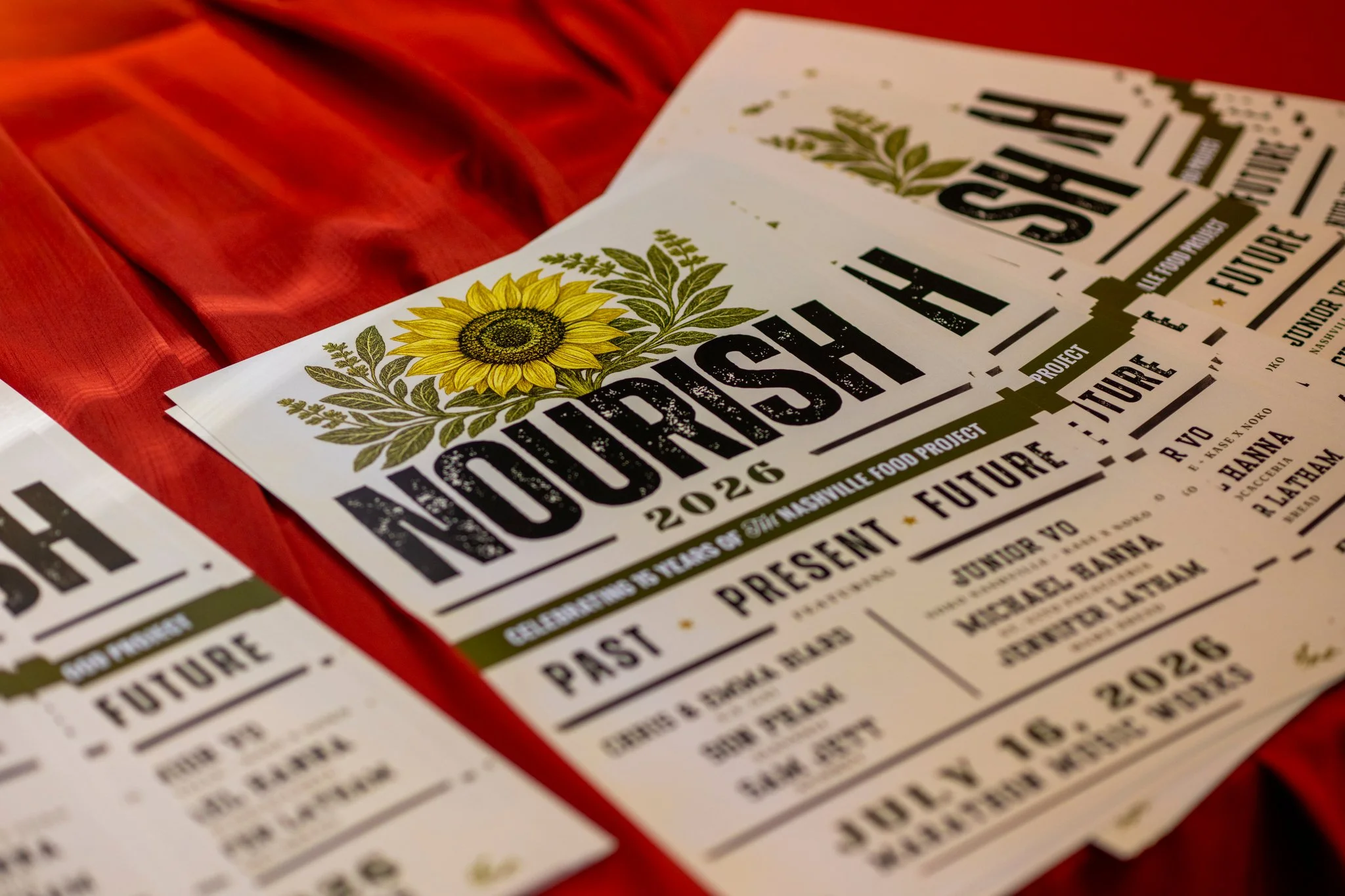
On July 16, 2026, we gathered for Nourish, presented by Kroger Zero Hunger Zero Waste Foundation, and what a night it was.
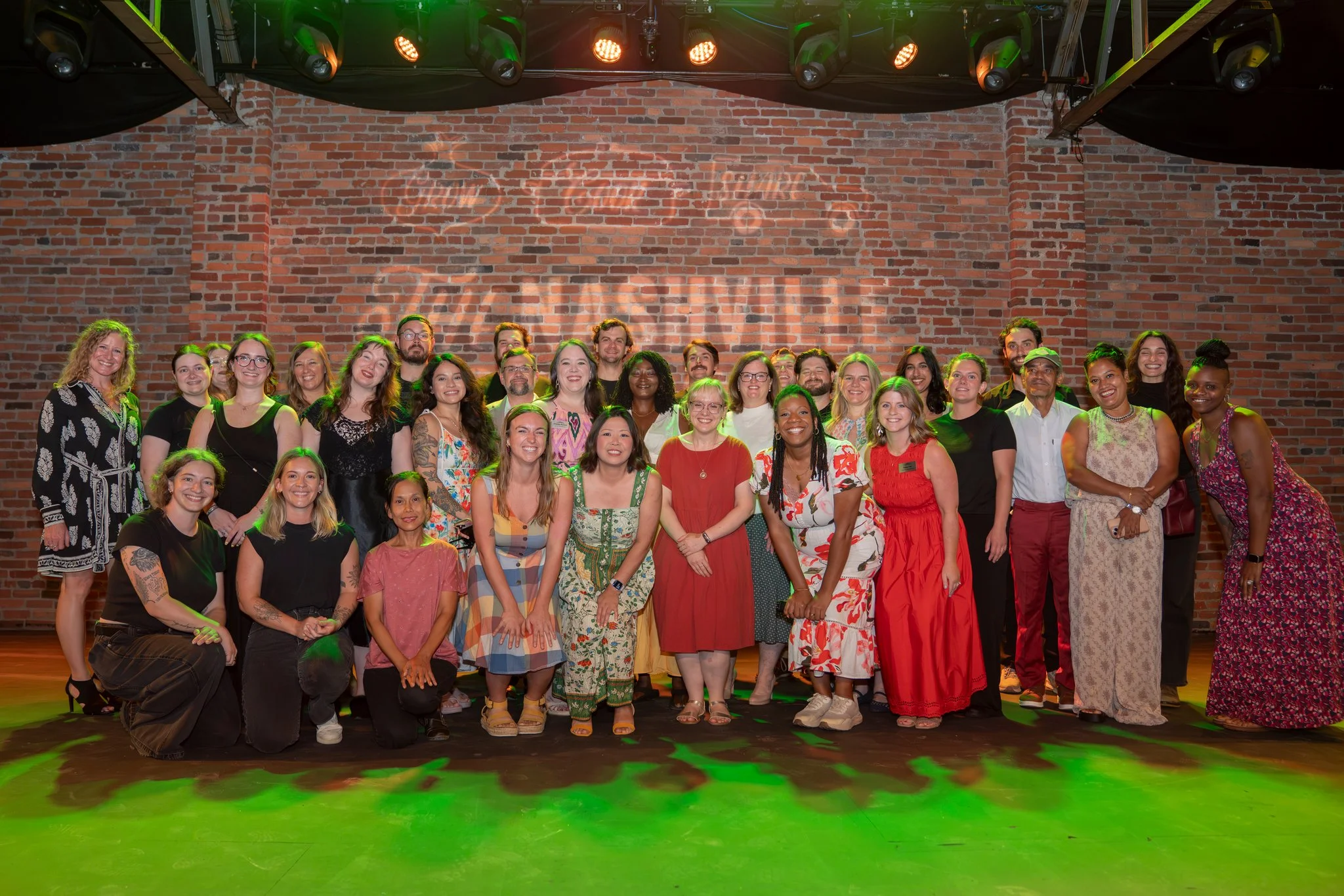
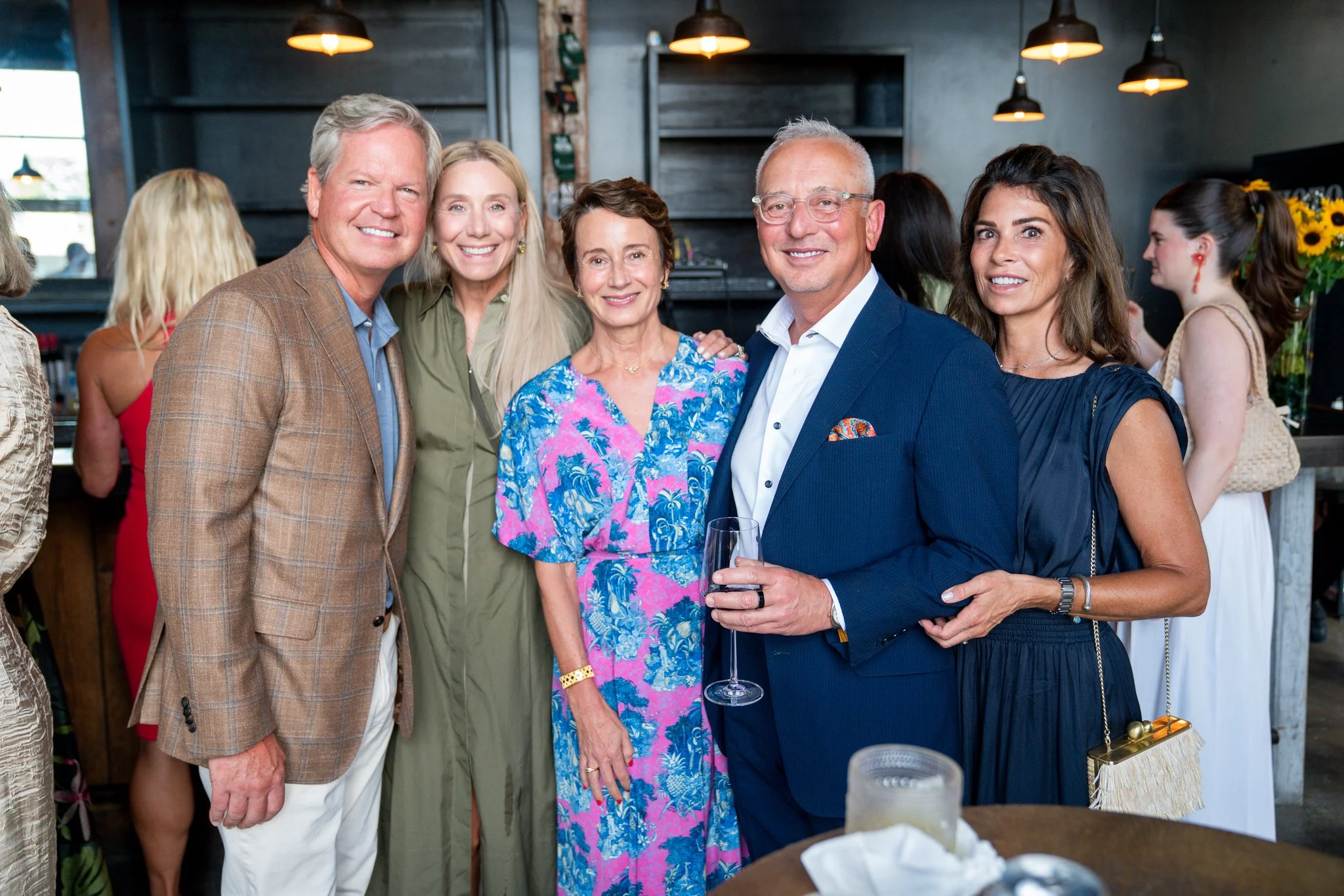
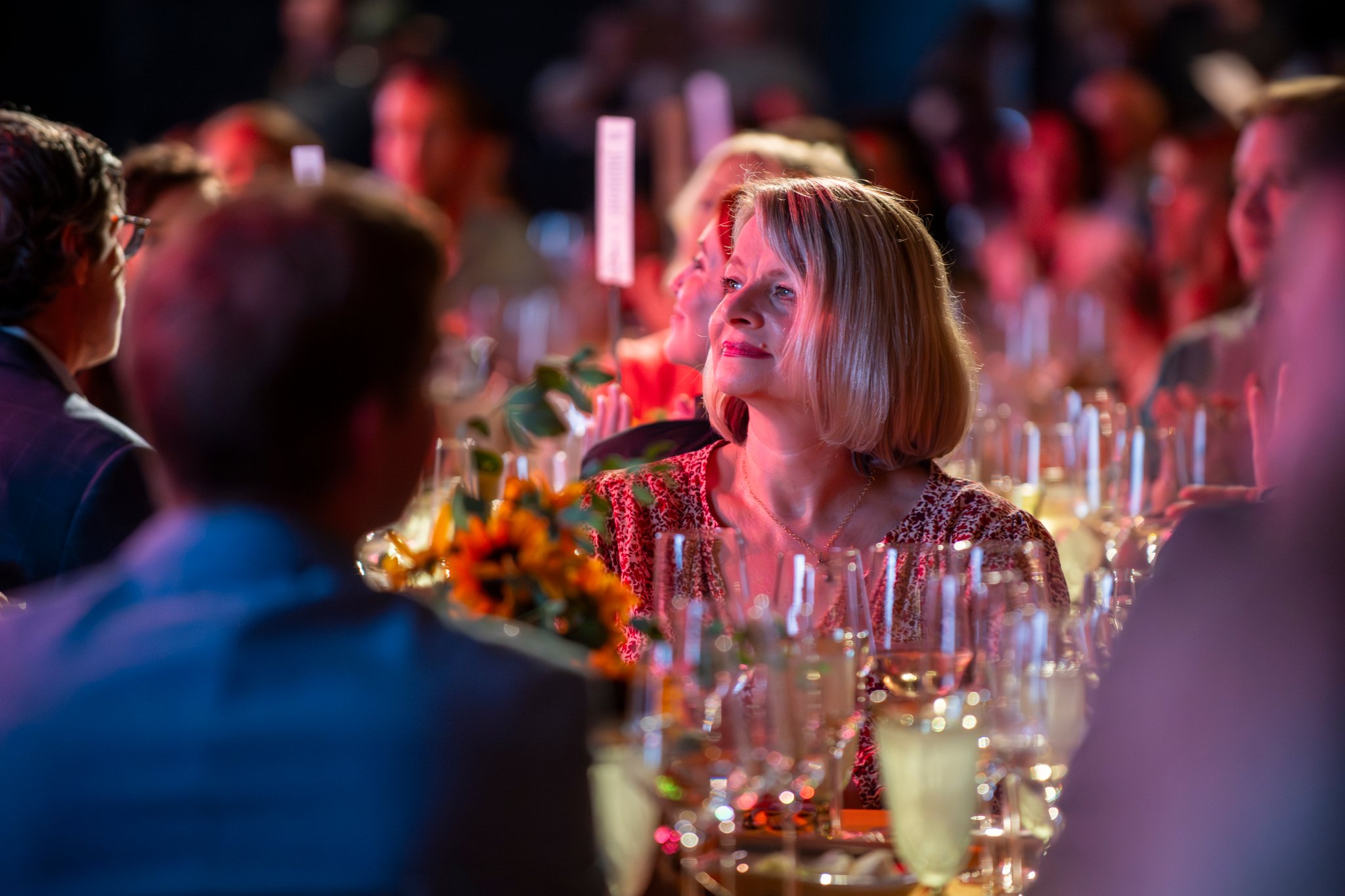
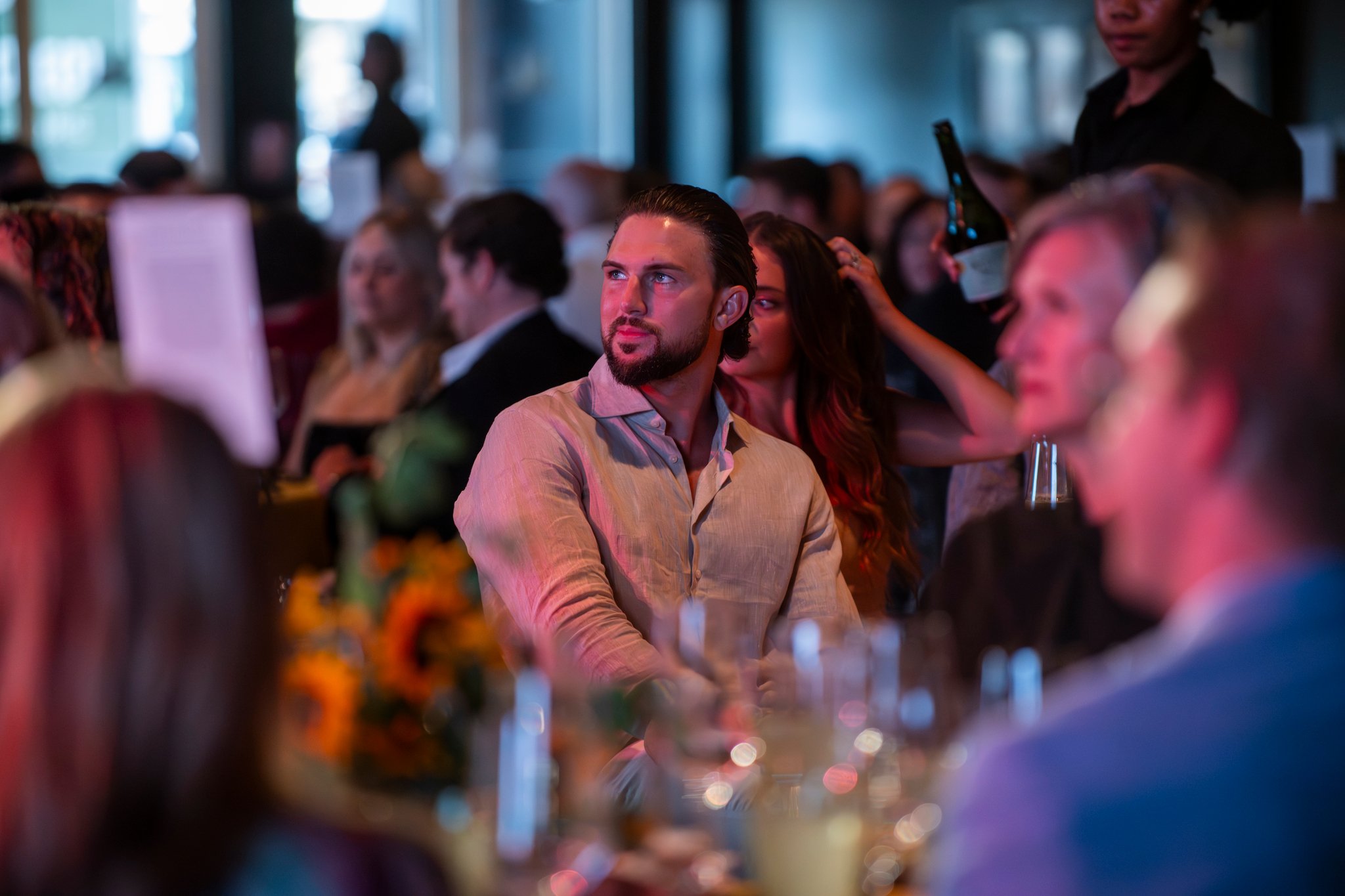
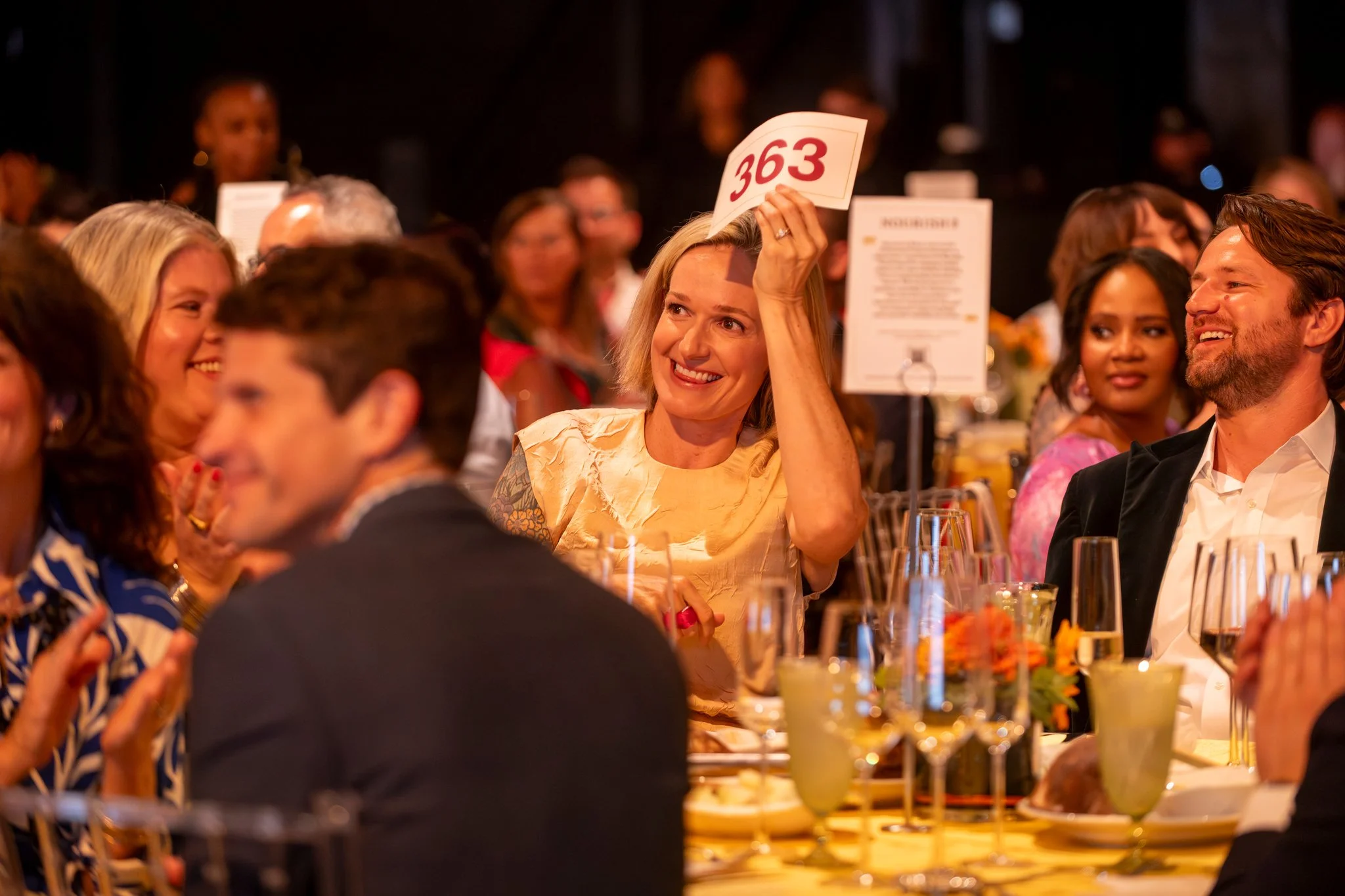
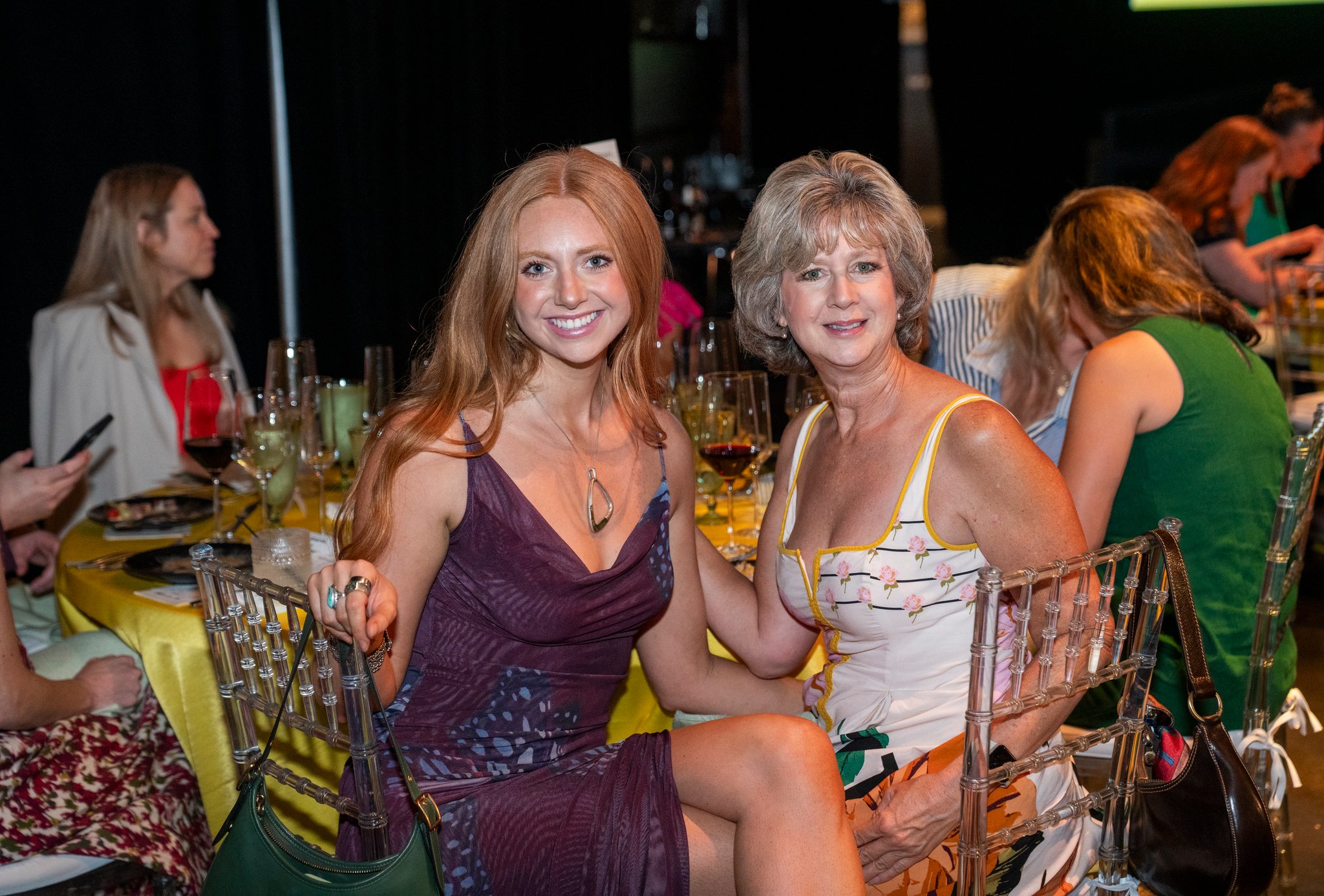
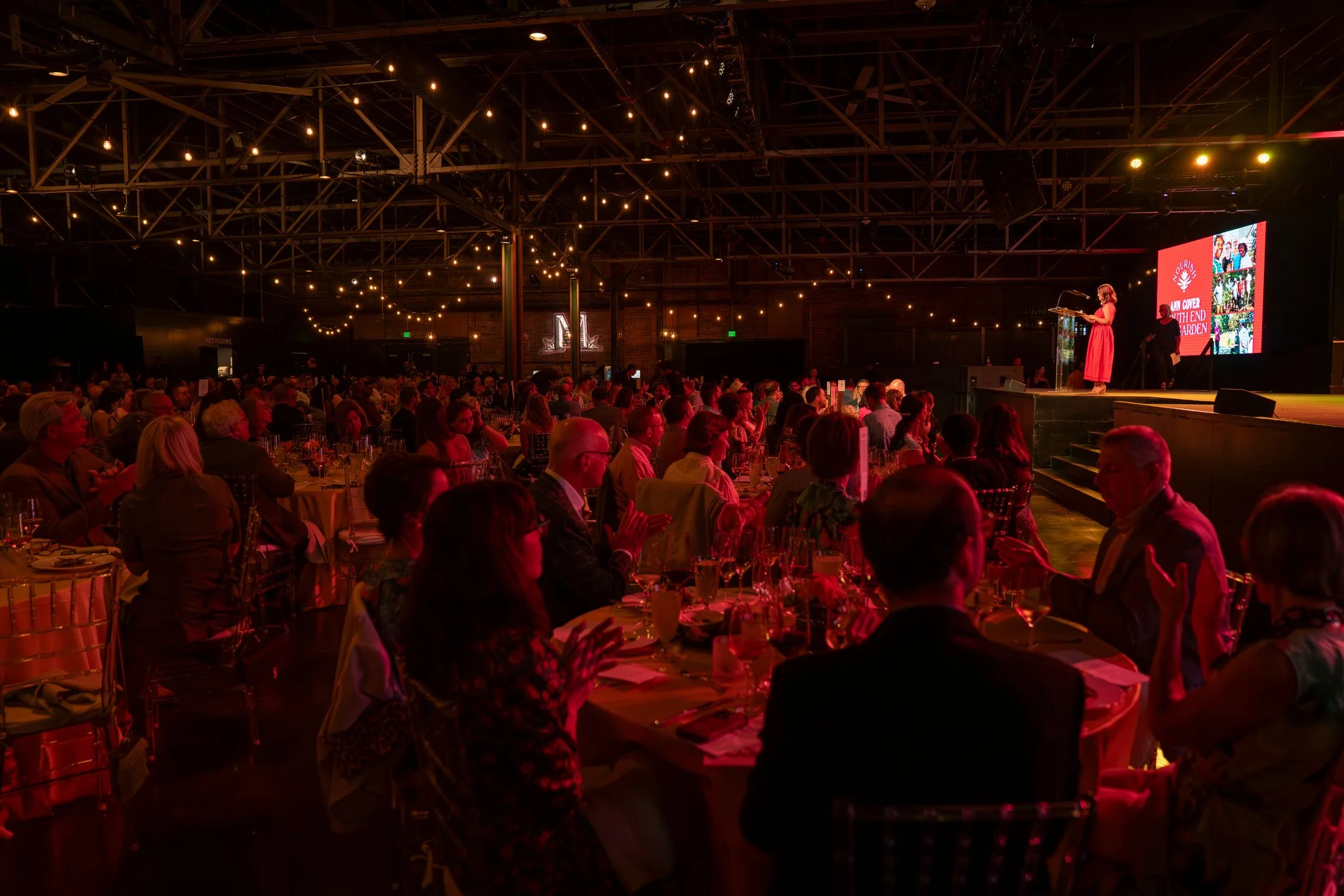
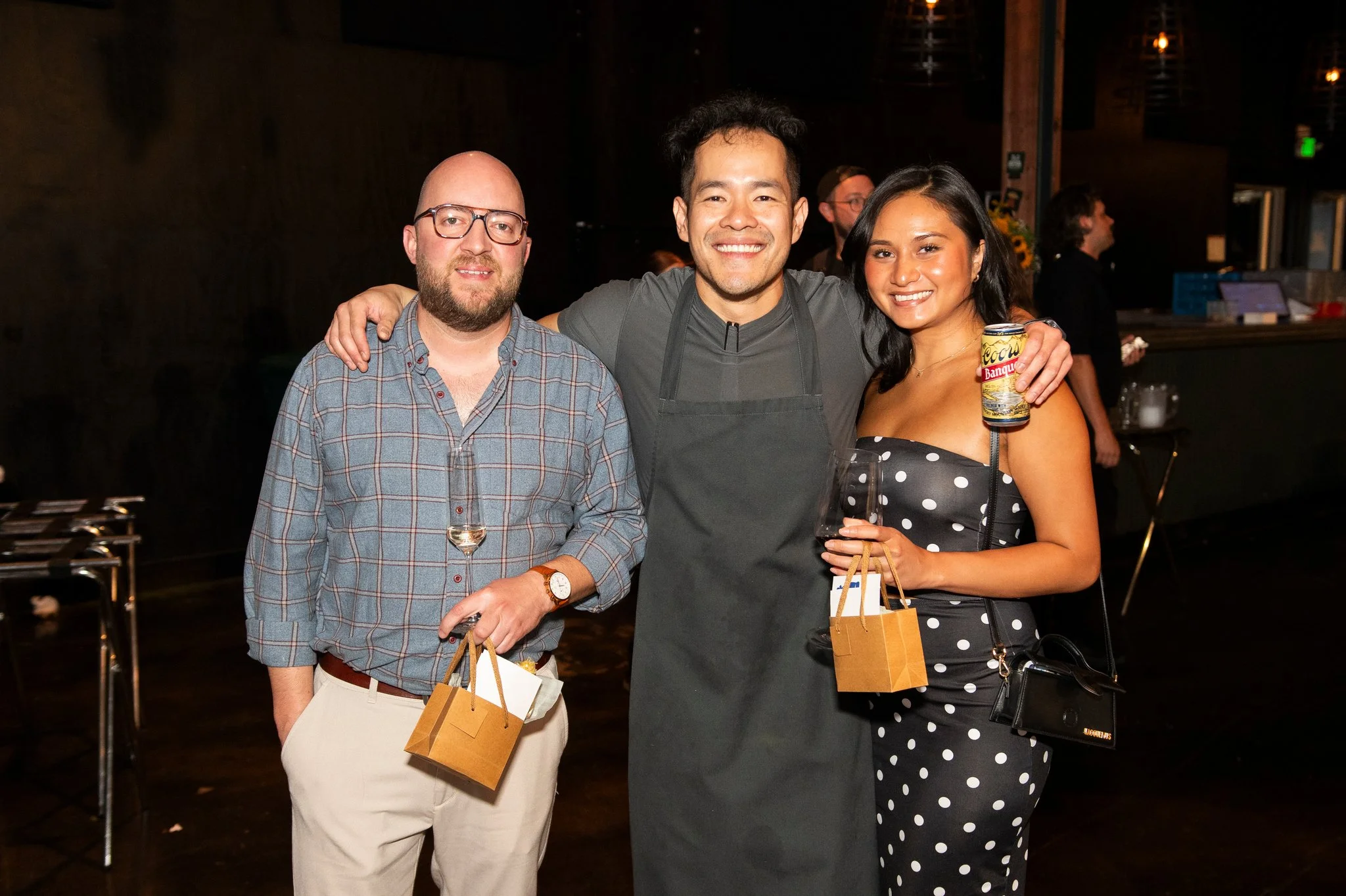
More than 300 guests came together around the table, helping raise more than $260,000+ to support the mission of The Nashville Food Project: bringing people together to grow, cook, and share nourishing food.
The numbers tell part of the story, but the spirit of Nourish is found in the people who make the evening possible. It was a celebration of community, collaboration, and connection, a night when the table became a place for generosity, shared purpose, and joy.
A Meal Created Together
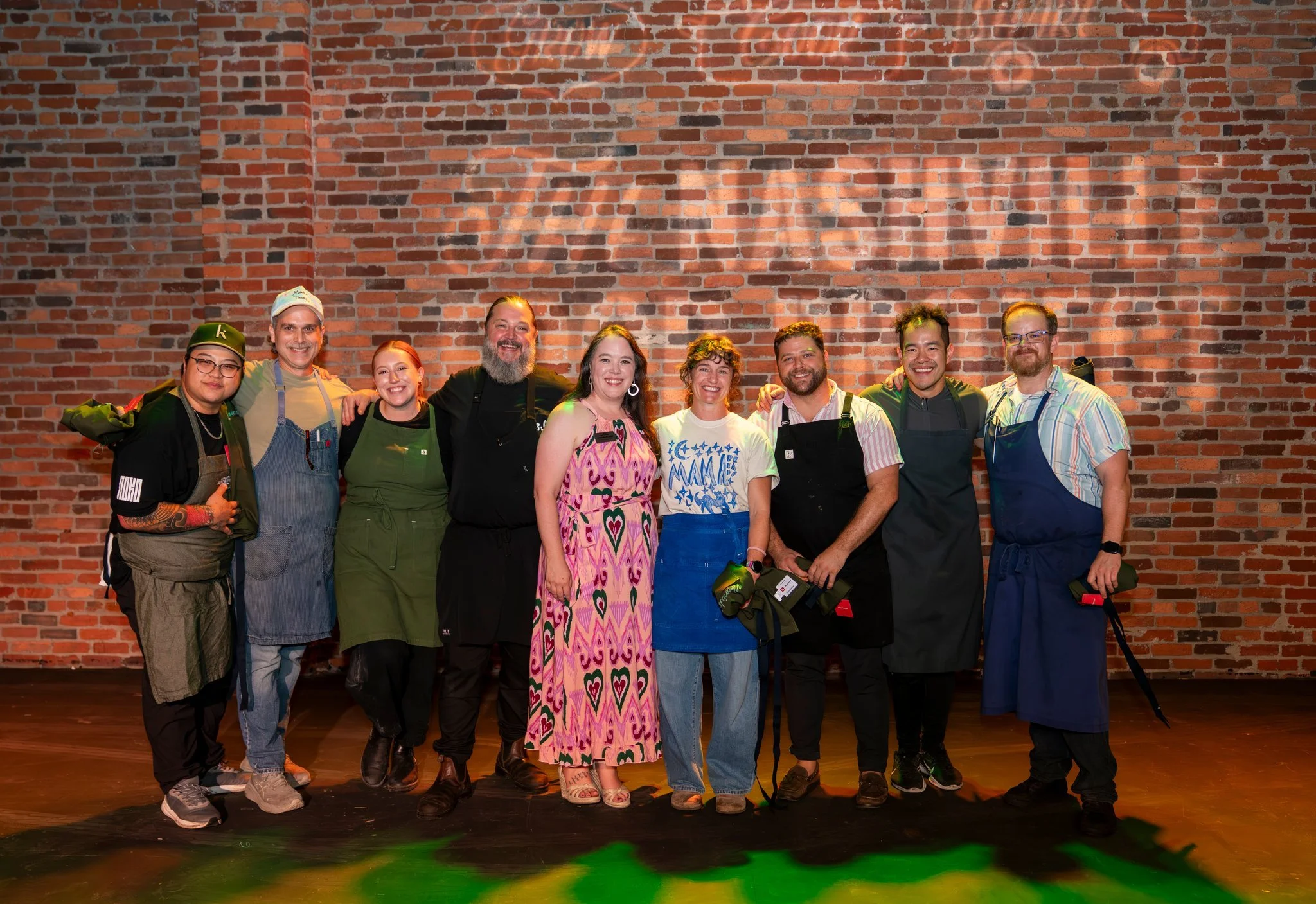
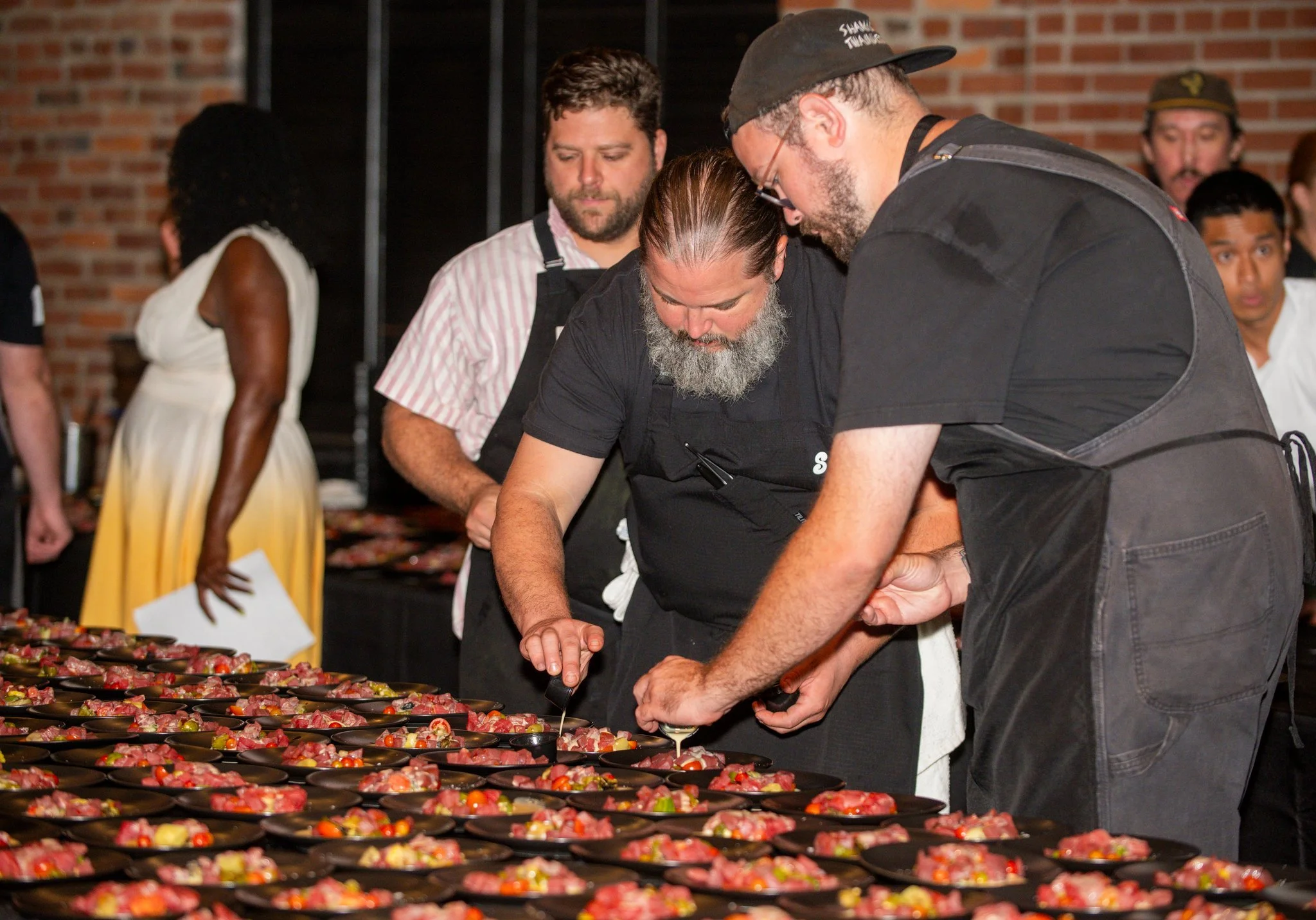
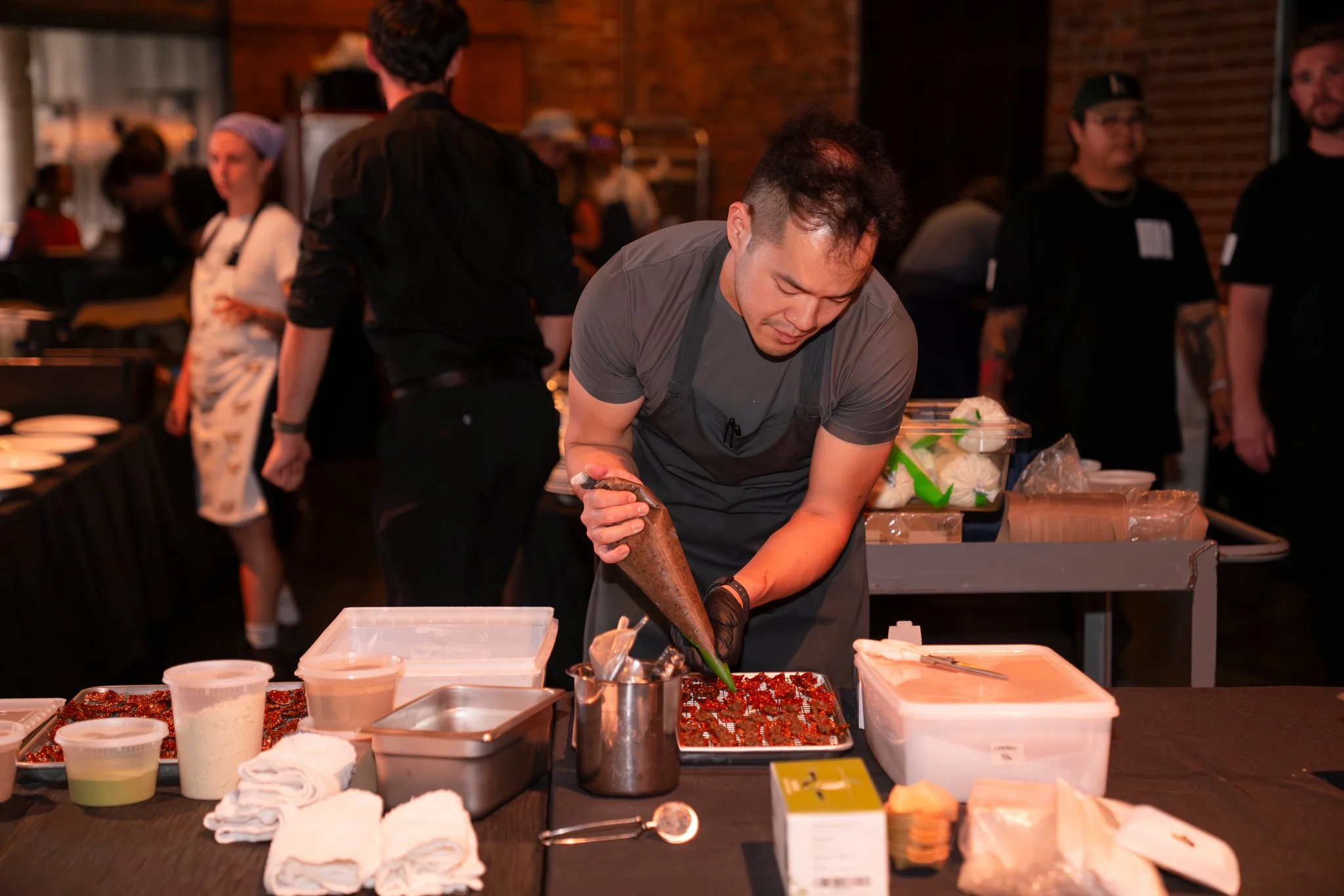
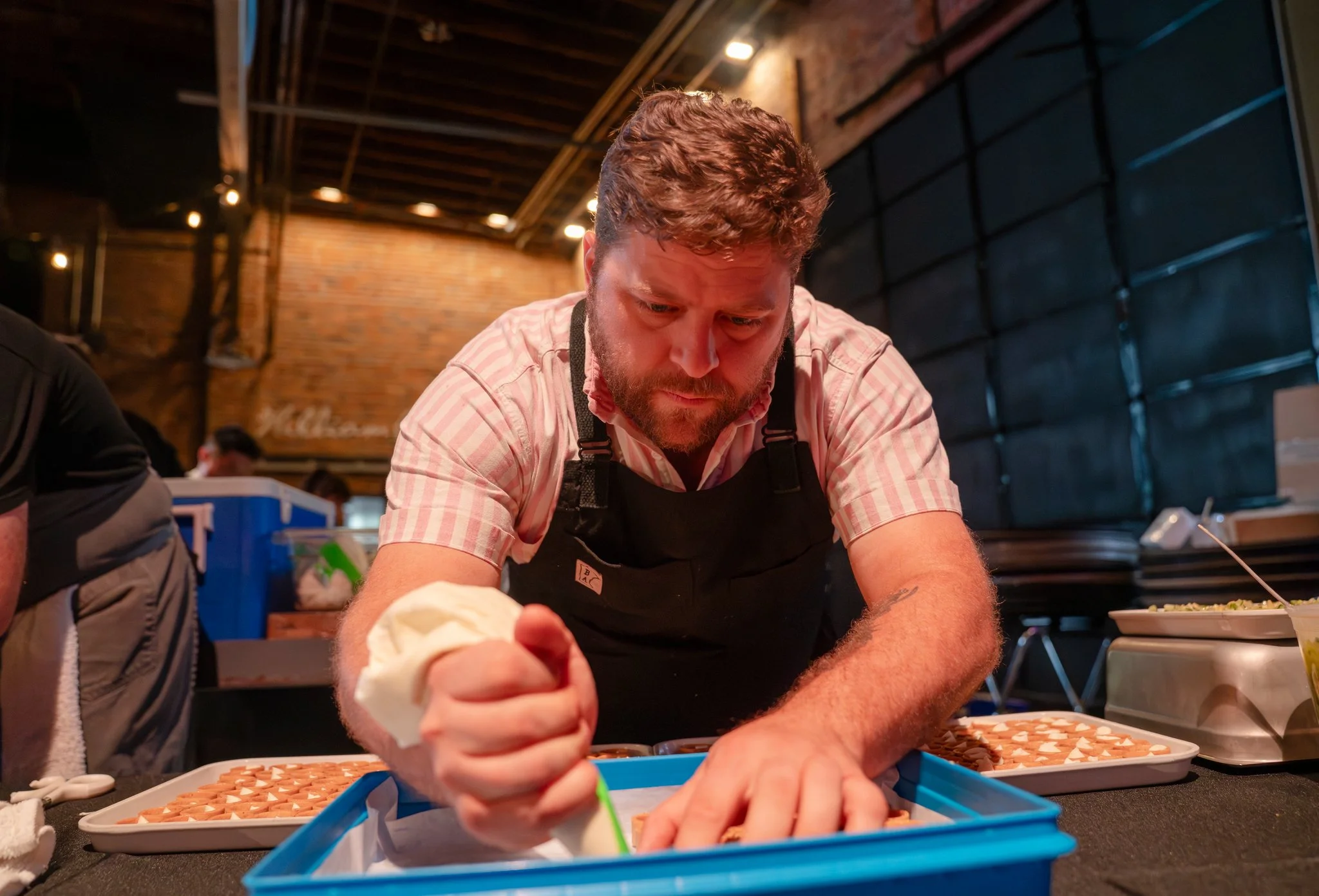
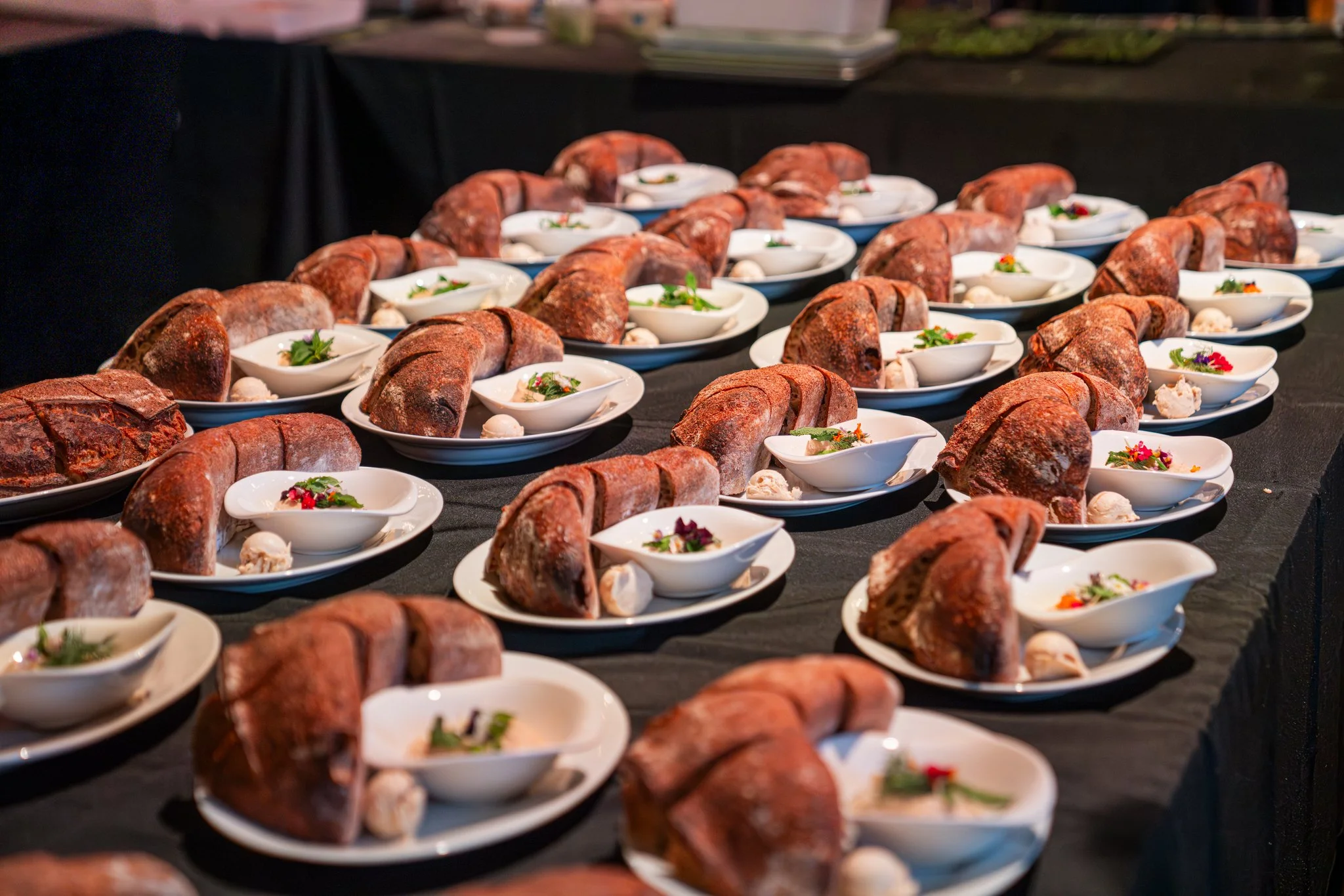
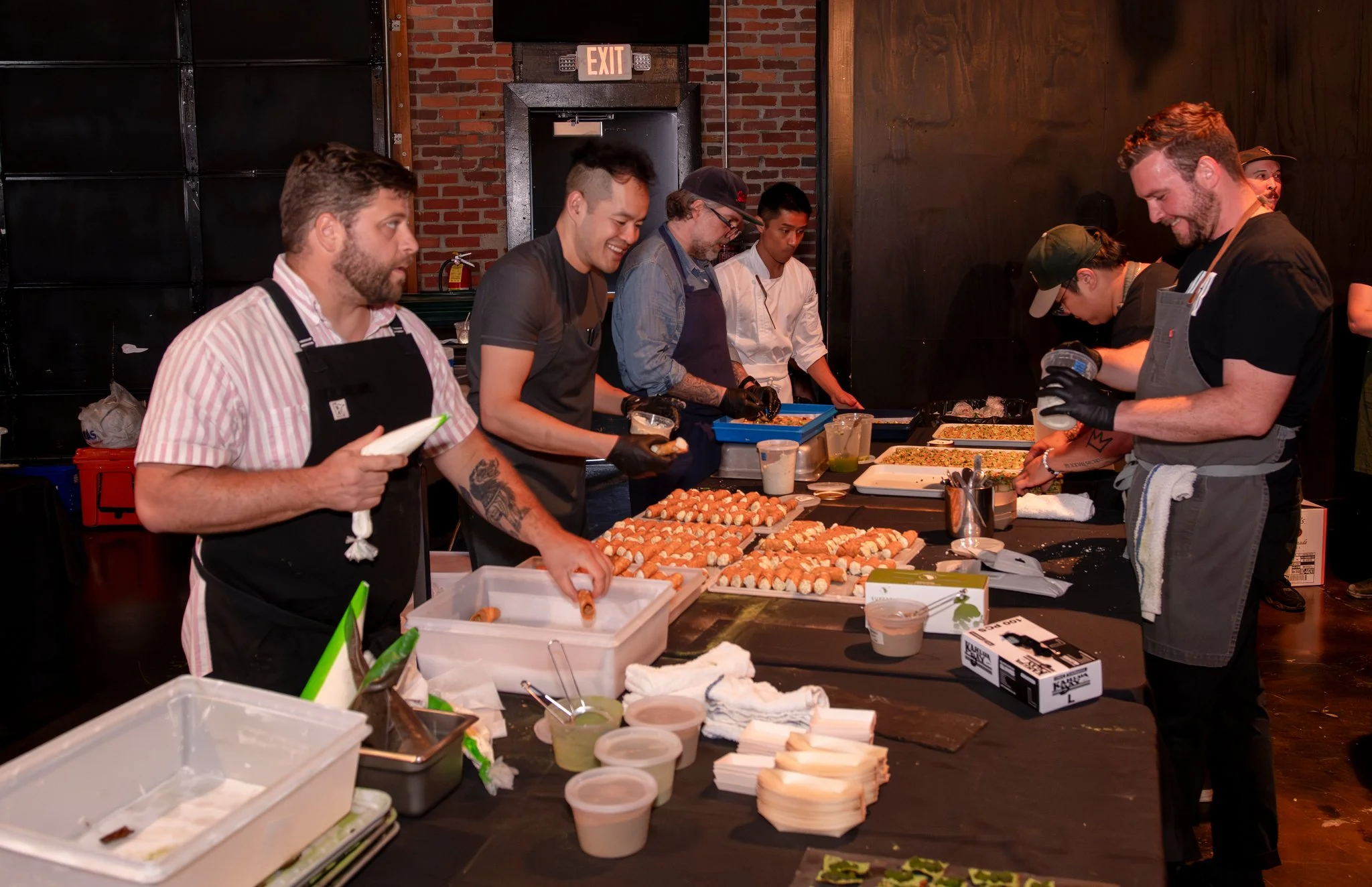
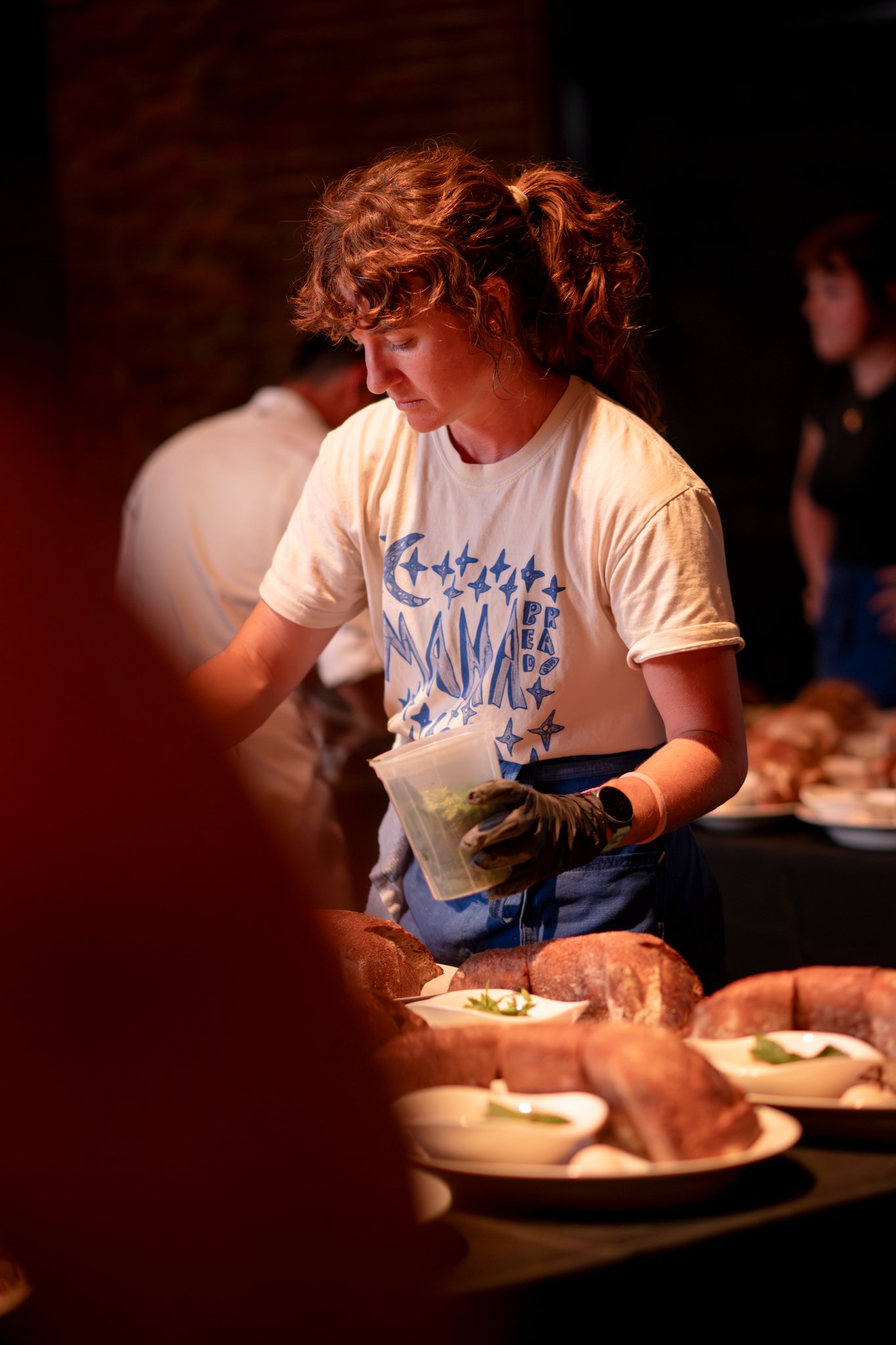
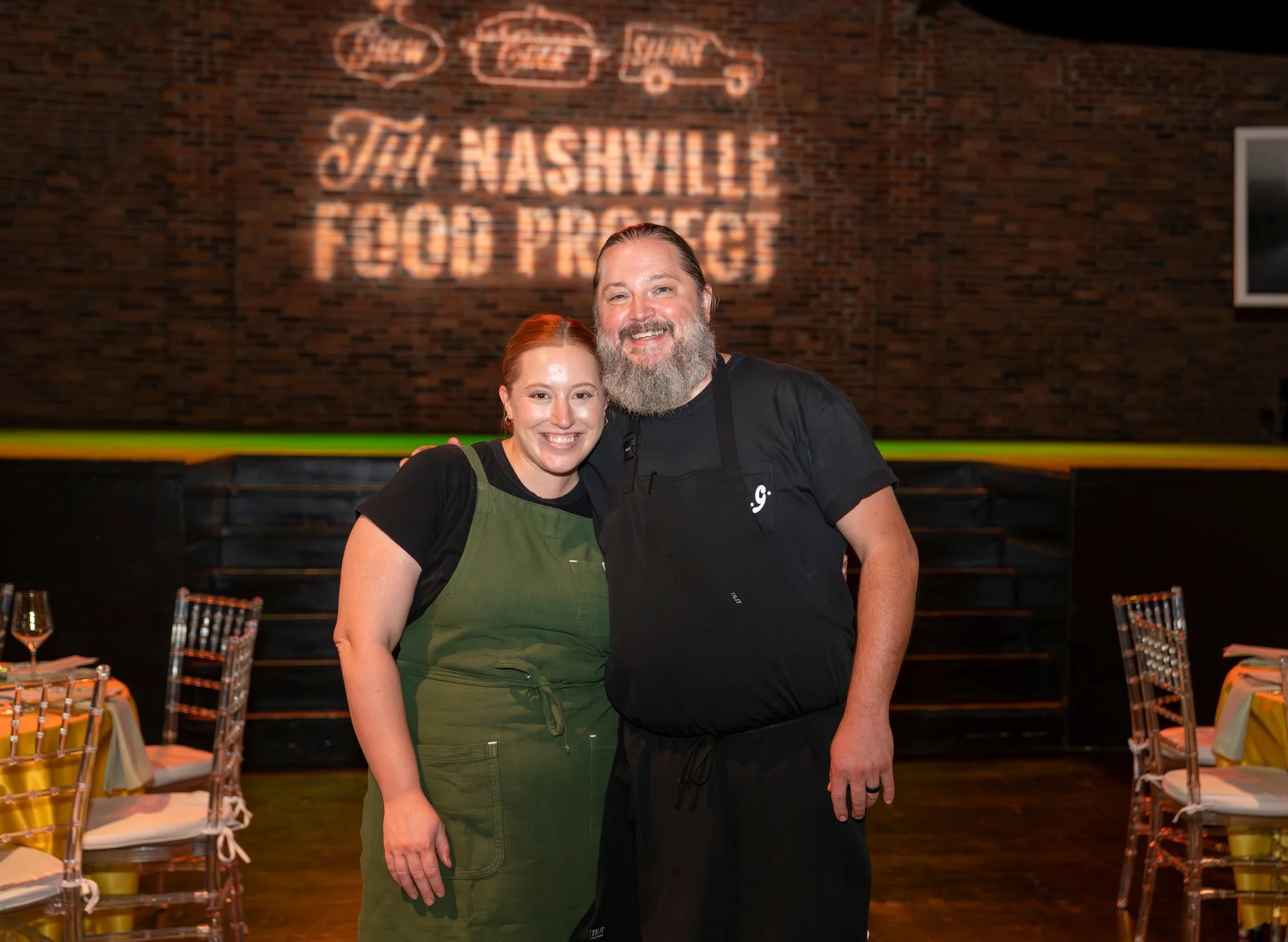
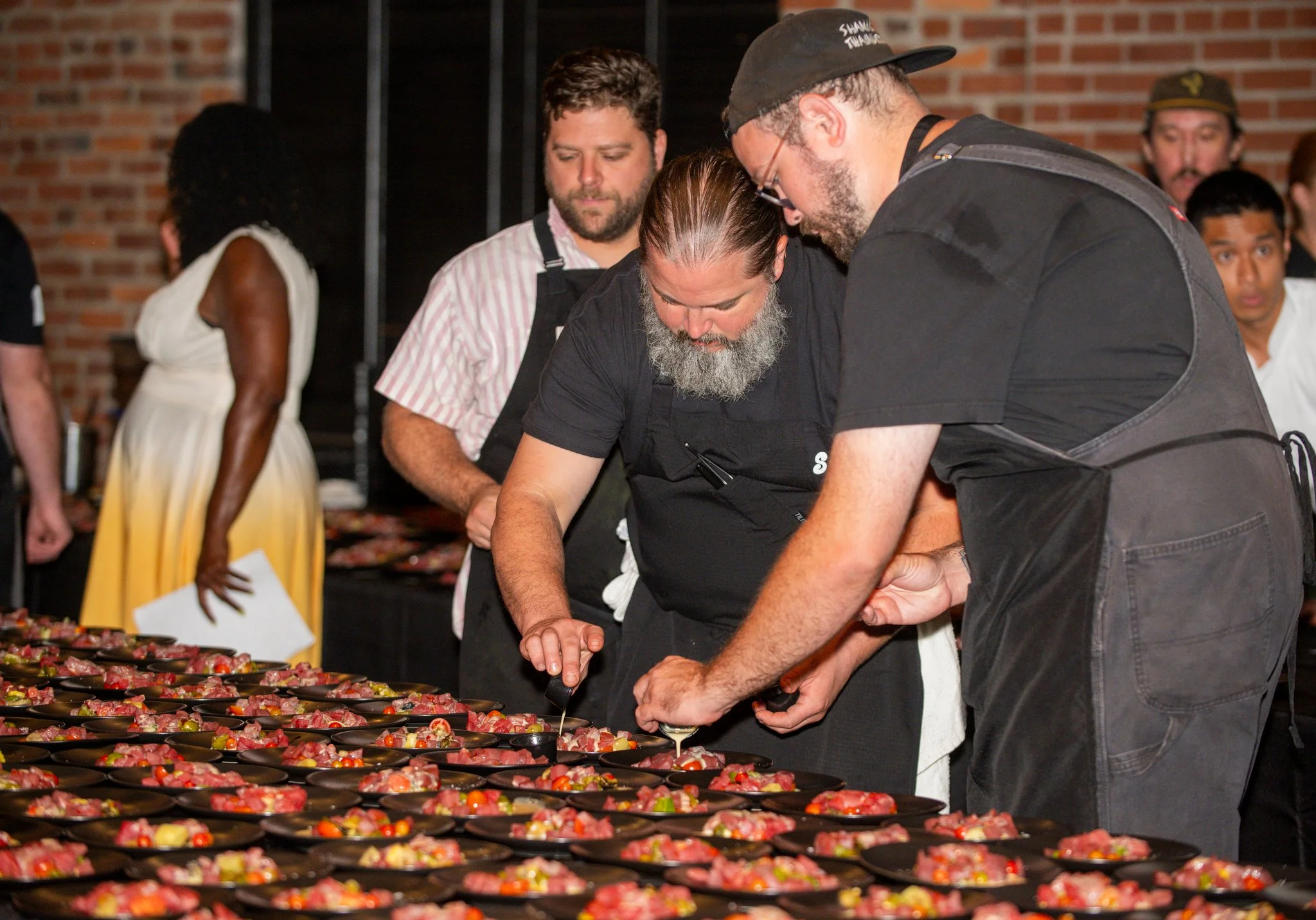
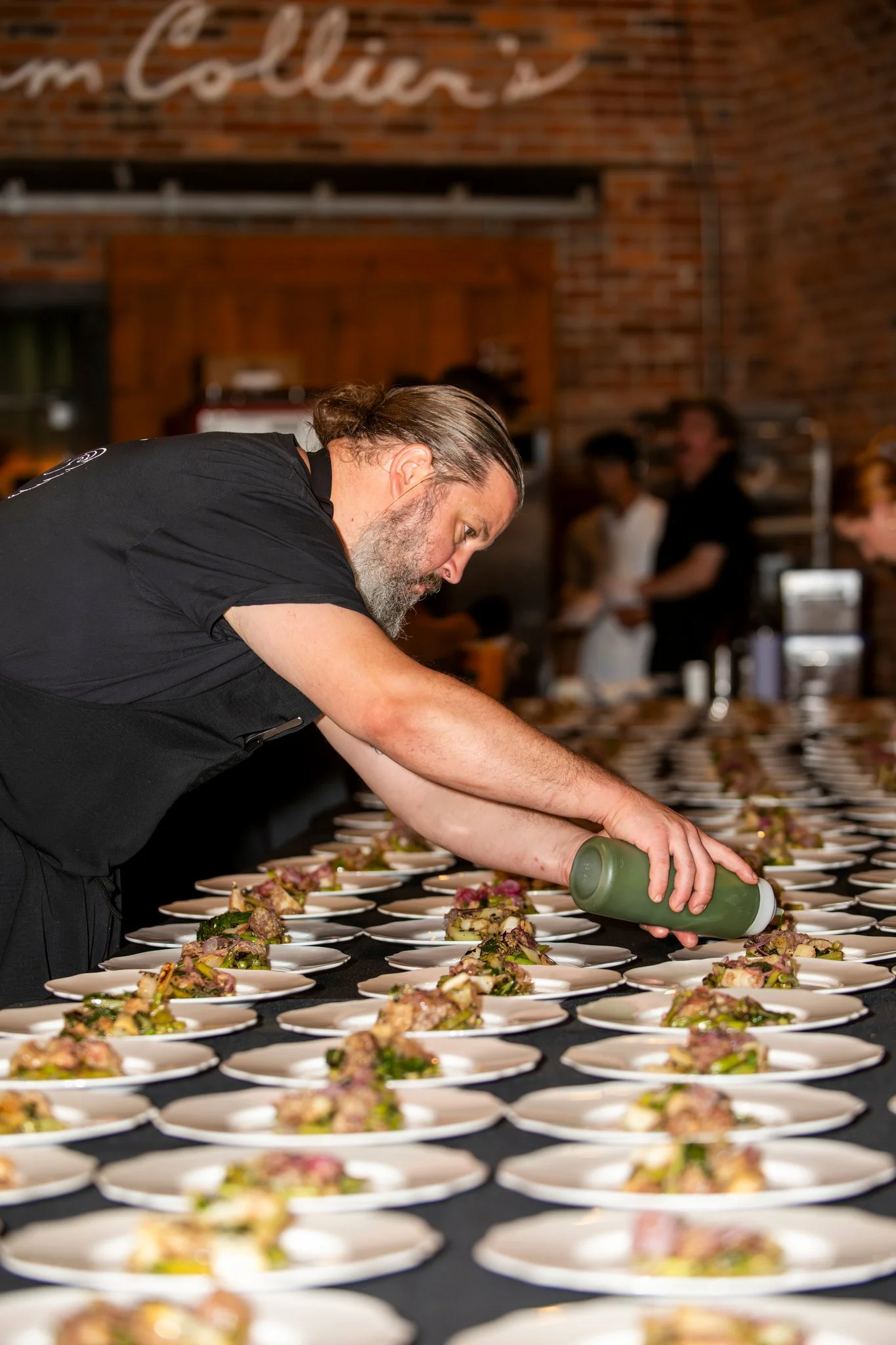
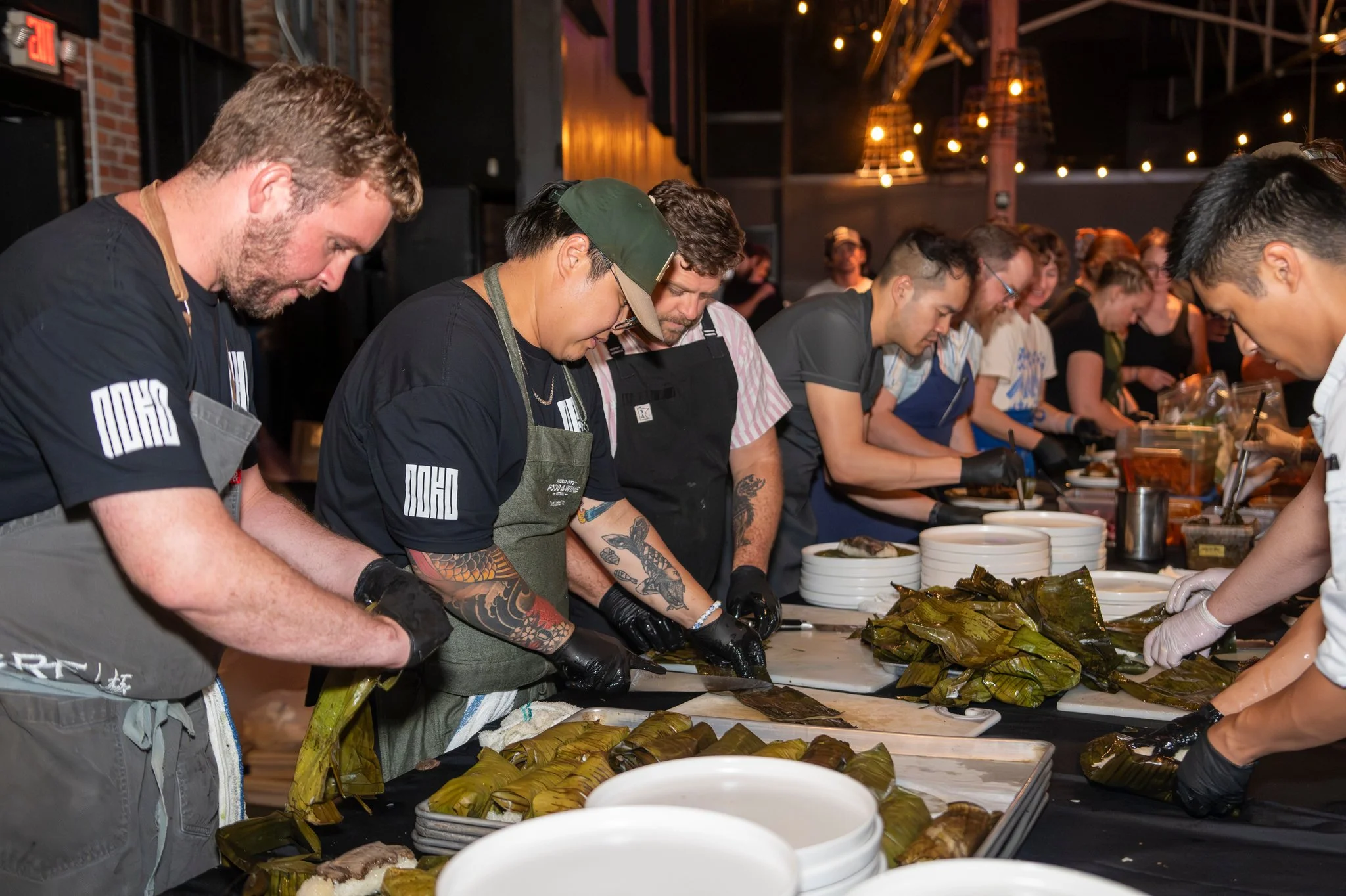
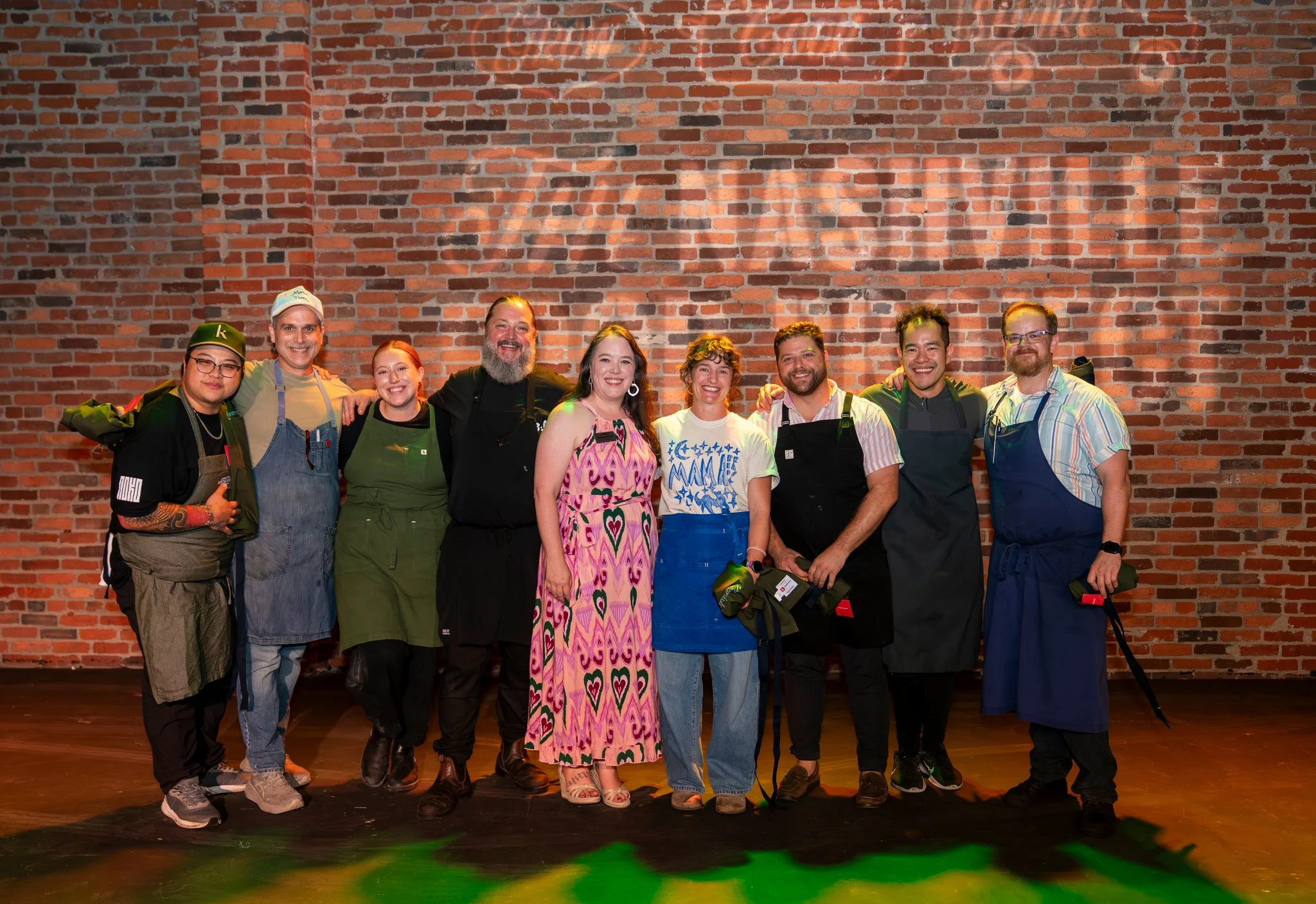
This year’s chef lineup brought together Chris and Emma Baird of S.S. Gai, Son Pham of Eleven11, Sam Jett of audrey, Junior Vo of Noko Nashville and Kase x Noko, Michael Hanna of St. Vito Focacceria, and Jennifer Latham of Mama Bread.
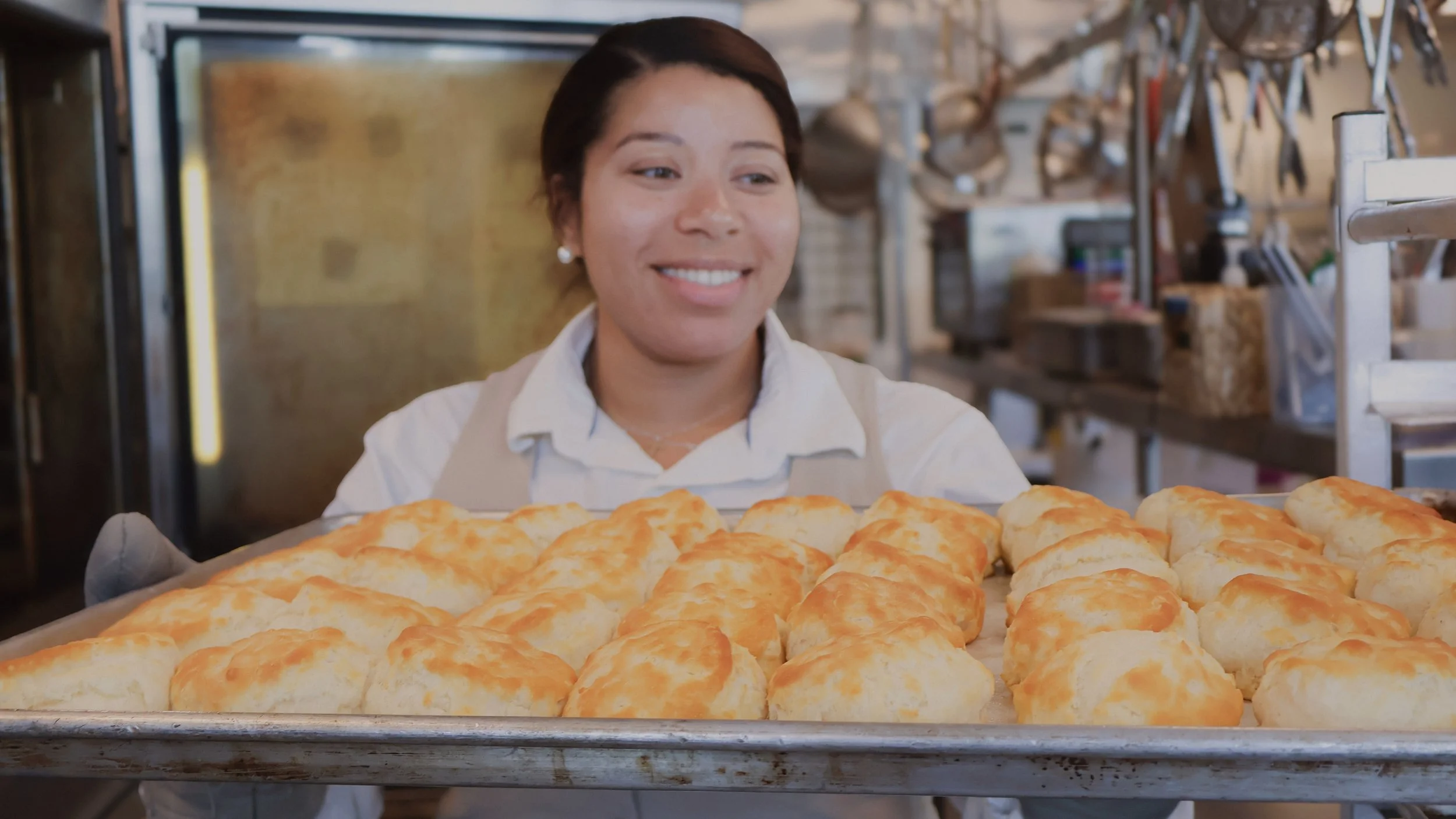
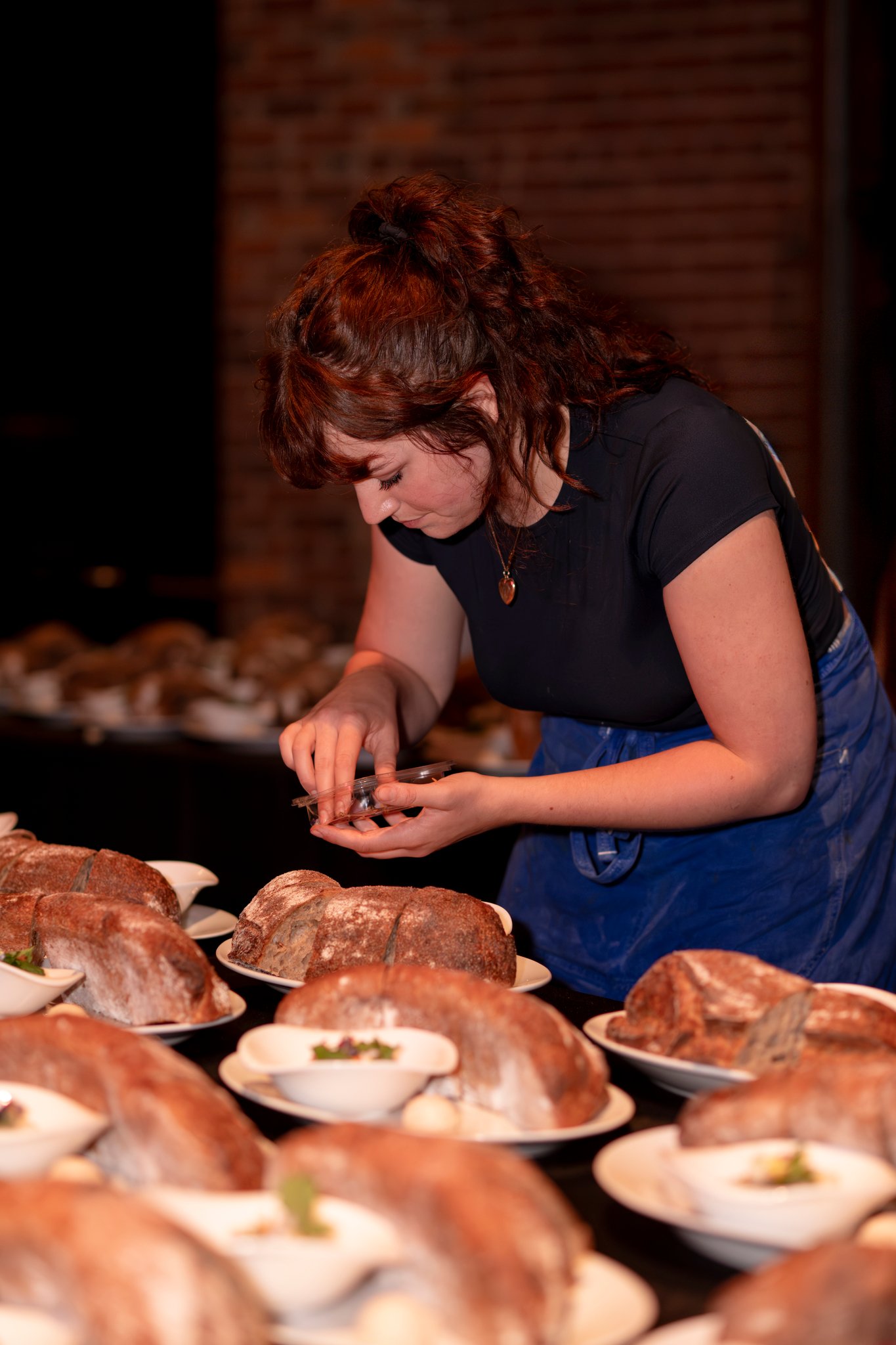
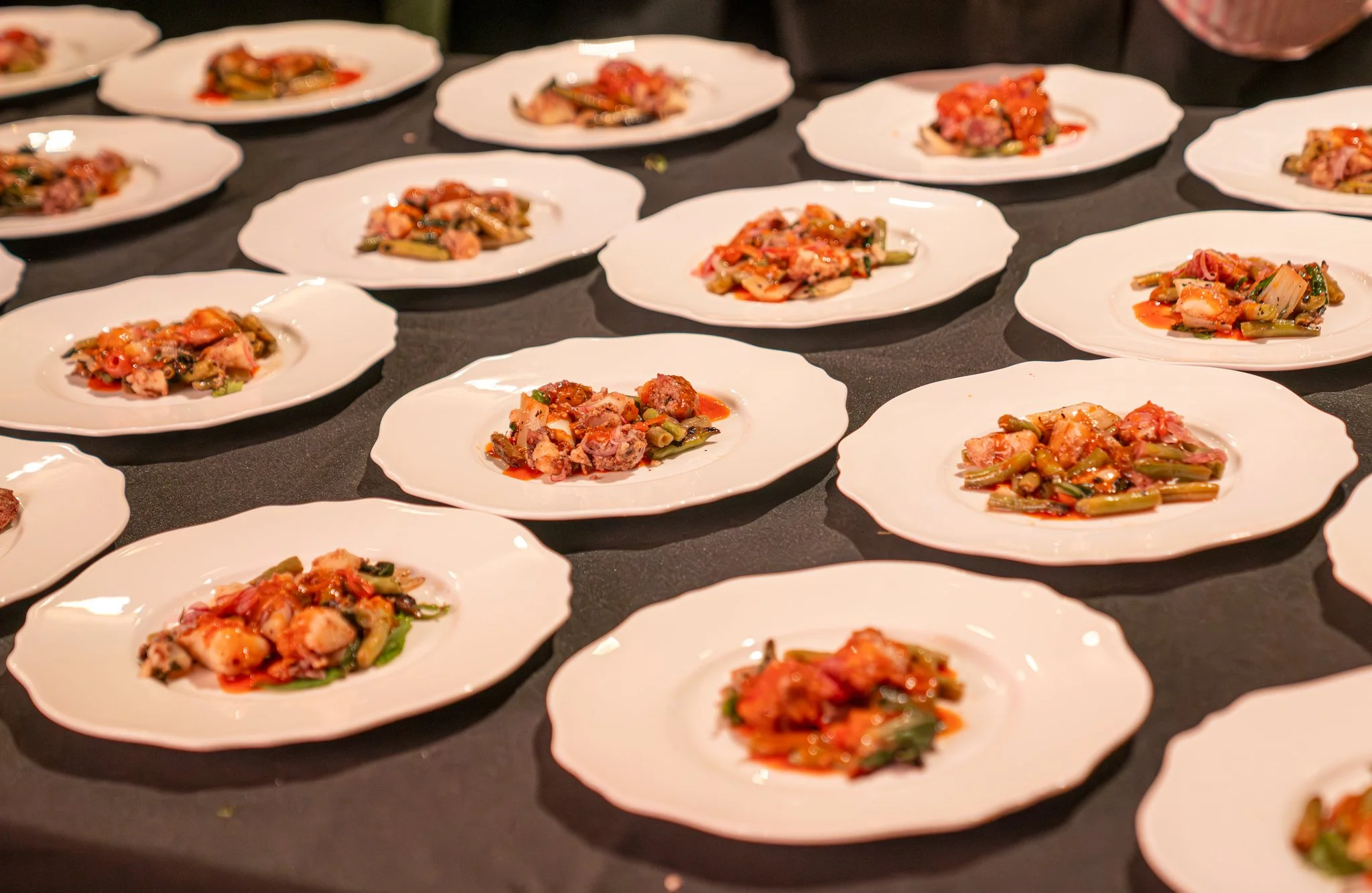
Each chef brought a distinct voice and vision to the table, creating a multi-course meal shaped by different cultures, techniques, and traditions. Just as meaningful as the food itself was the spirit of collaboration behind it. Throughout the evening, chefs worked side by side, helping one another prep, plate, and bring each course to life with care and camaraderie.
That generosity of spirit reflected what Nourish has always been about: people offering what they have in service of something larger than themselves.
Looking Back and Looking Ahead
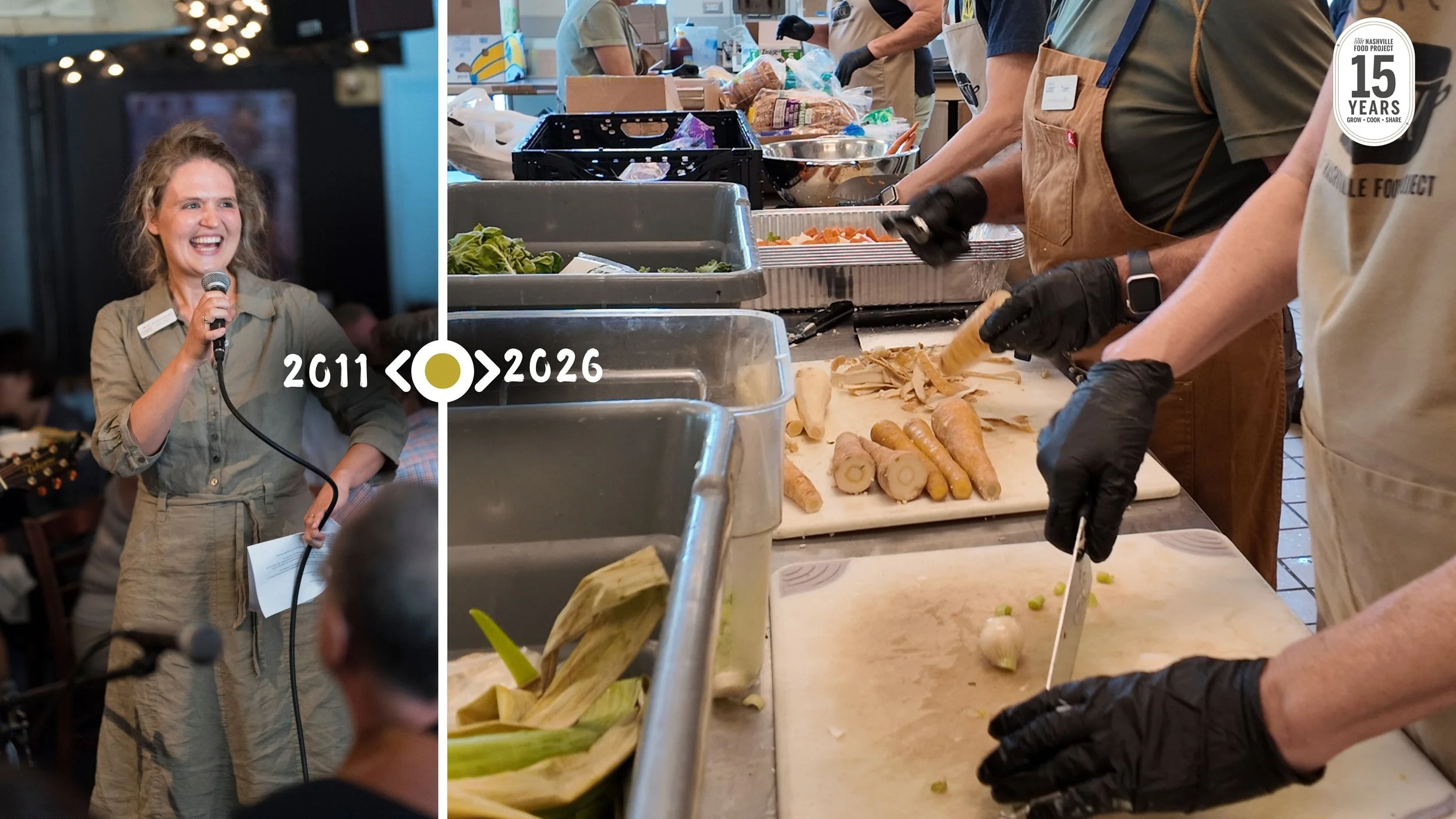
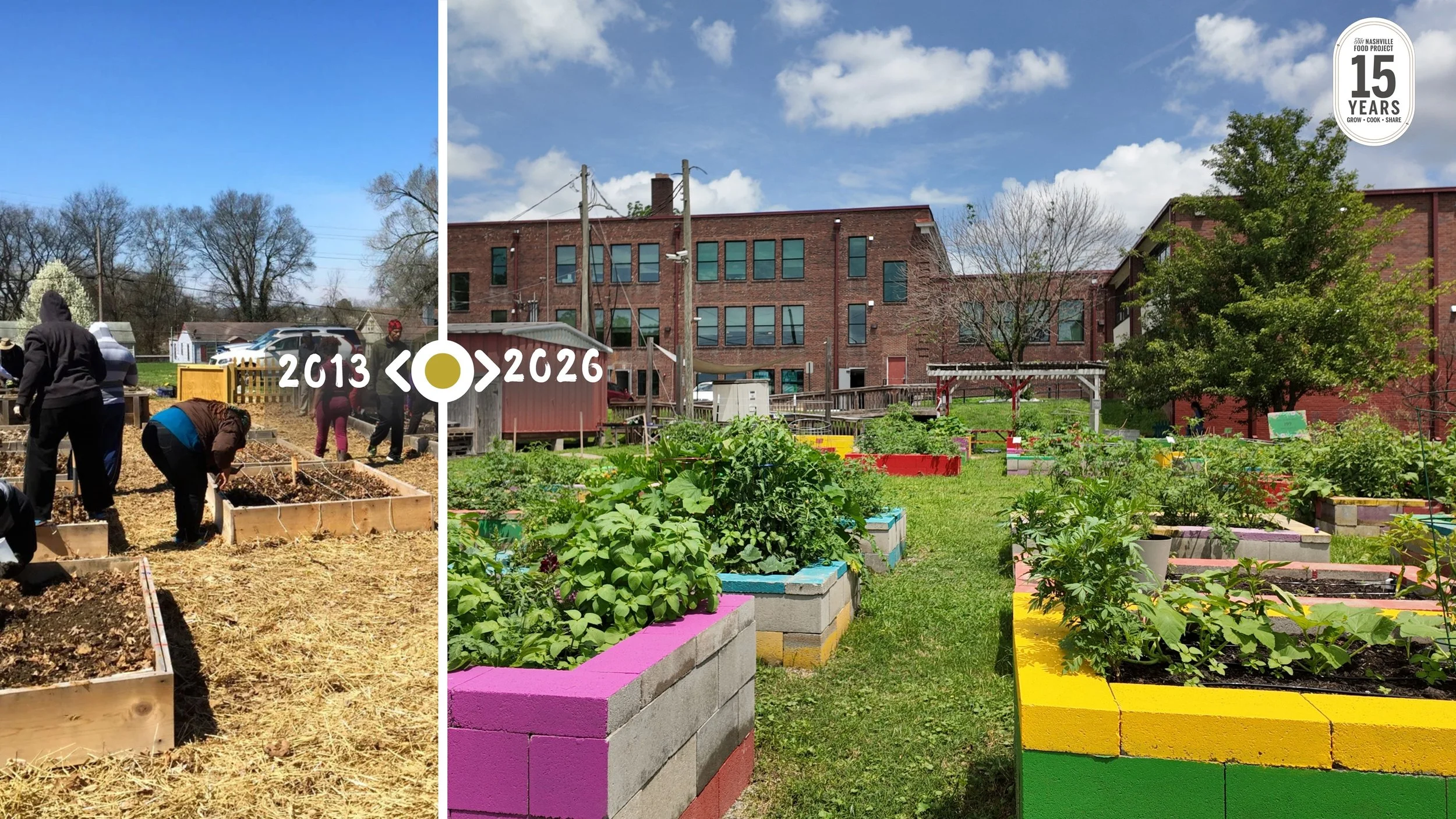
At Nourish, we premiered Past. Present. Future., a new film created in honor of The Nashville Food Project’s 15th anniversary.
The film traces the relationships, acts of hospitality, and shared commitments that have shaped this work from the beginning. It honors those who helped build The Nashville Food Project, reflects on the people carrying the work forward today, and looks toward what may still be possible when a community continues to grow, cook, and share nourishing food together.
We are grateful to now share the film beyond the room where it first premiered and invite our wider community into this reflection on where we have been, where we are, and where we are going together.
Honoring Amy Lee
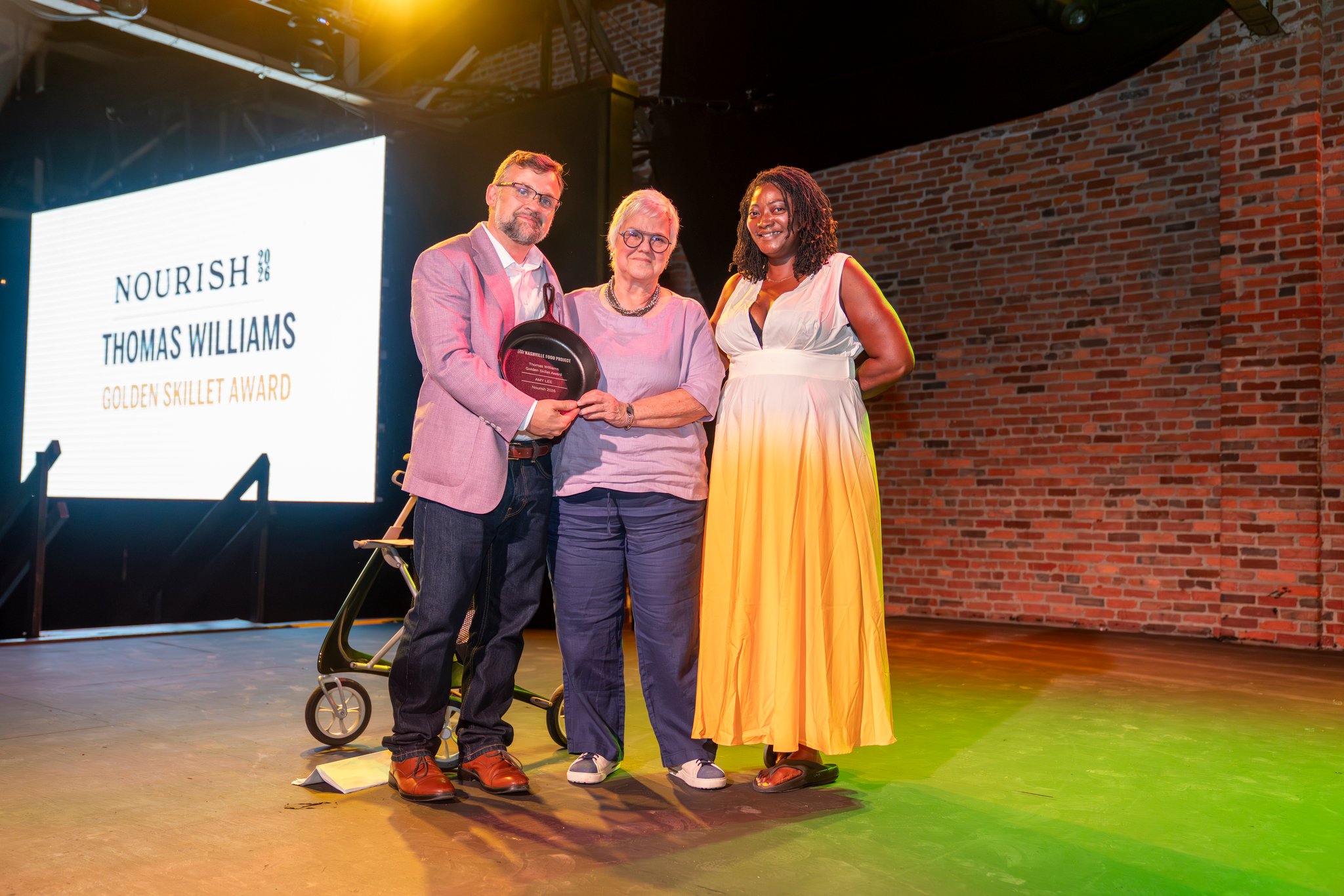
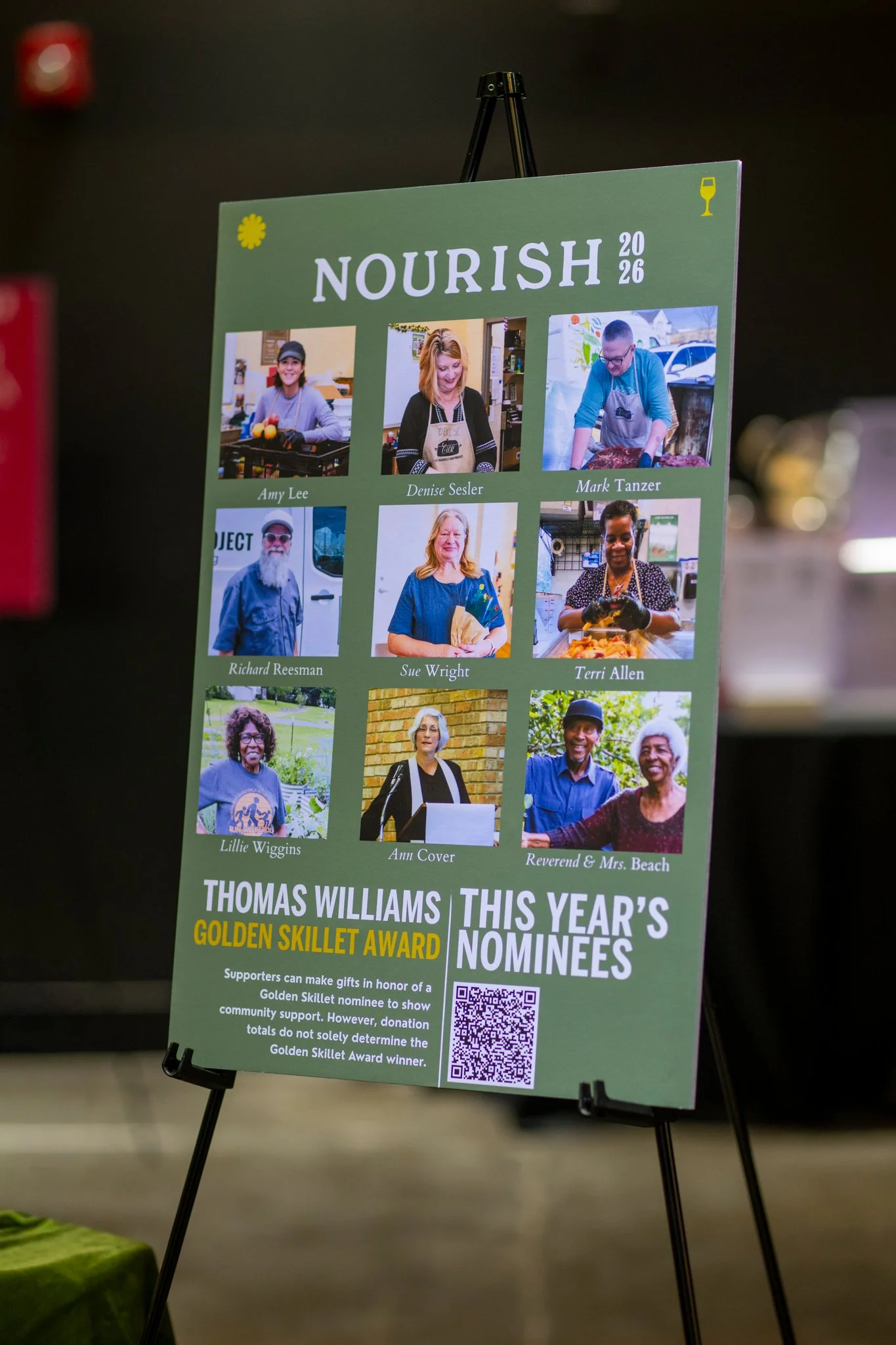
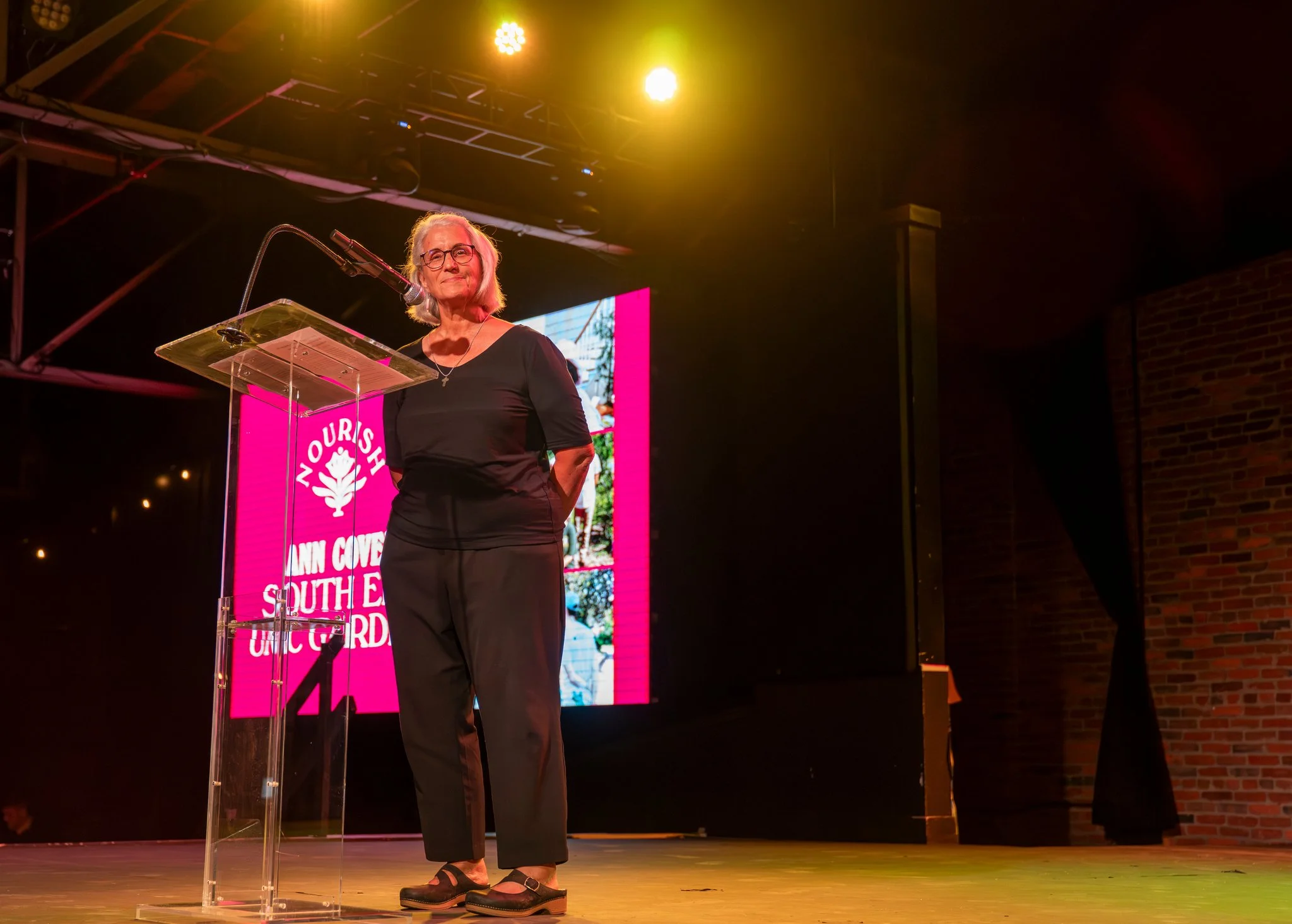
One of the evening’s most heartfelt moments was the presentation of the Thomas Williams Golden Skillet Award to Amy Lee. Although Amy was unable to attend, her mother accepted the award on her behalf.
Established in 2017, the award honors a volunteer whose generosity, compassion, and dedication reflect the spirit of The Nashville Food Project. Amy has served faithfully for years, creating opportunities for others to participate and helping cultivate a sense of belonging wherever she volunteers.
This year’s presentation held particular significance following the passing of Thomas Williams earlier this month. As the founder of Nourish and the namesake of the Golden Skillet Award, Thomas helped shape the spirit of the evening from its earliest days. Though this was our first Nourish without him, his legacy endured in the hospitality, generosity, and joy shared around the table.
Honoring Amy was a meaningful way to recognize the volunteers who continue carrying that spirit of service forward.
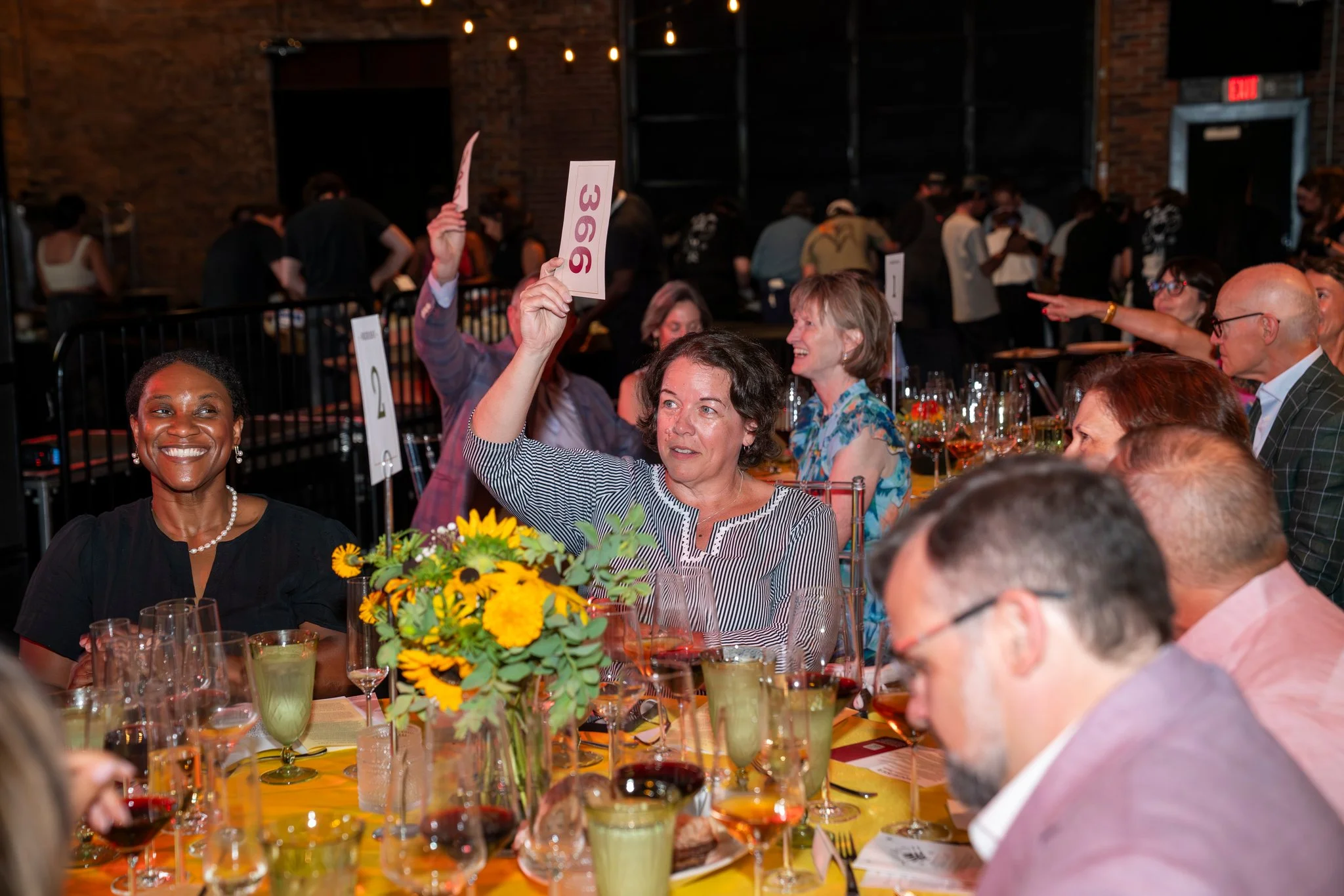
Raising Paddles, Raising Hope
The evening’s generosity extended far beyond the dinner table. Guests contributed $72,330 in donations, including support inspired by a $20,000 matching gift that helped extend the impact of every contribution.
Because of the generosity of individual donors, sponsors, chefs, volunteers, and community partners, The Nashville Food Project will be able to grow, cook, and share tens of thousands more nourishing meals with neighbors across Nashville in the months ahead.
Nourish reminds us that a table can hold far more than a meal. It can hold memory, relationships, generosity, and hope for what we can build together.
Thank you to everyone who helped make Nourish 2026 possible.
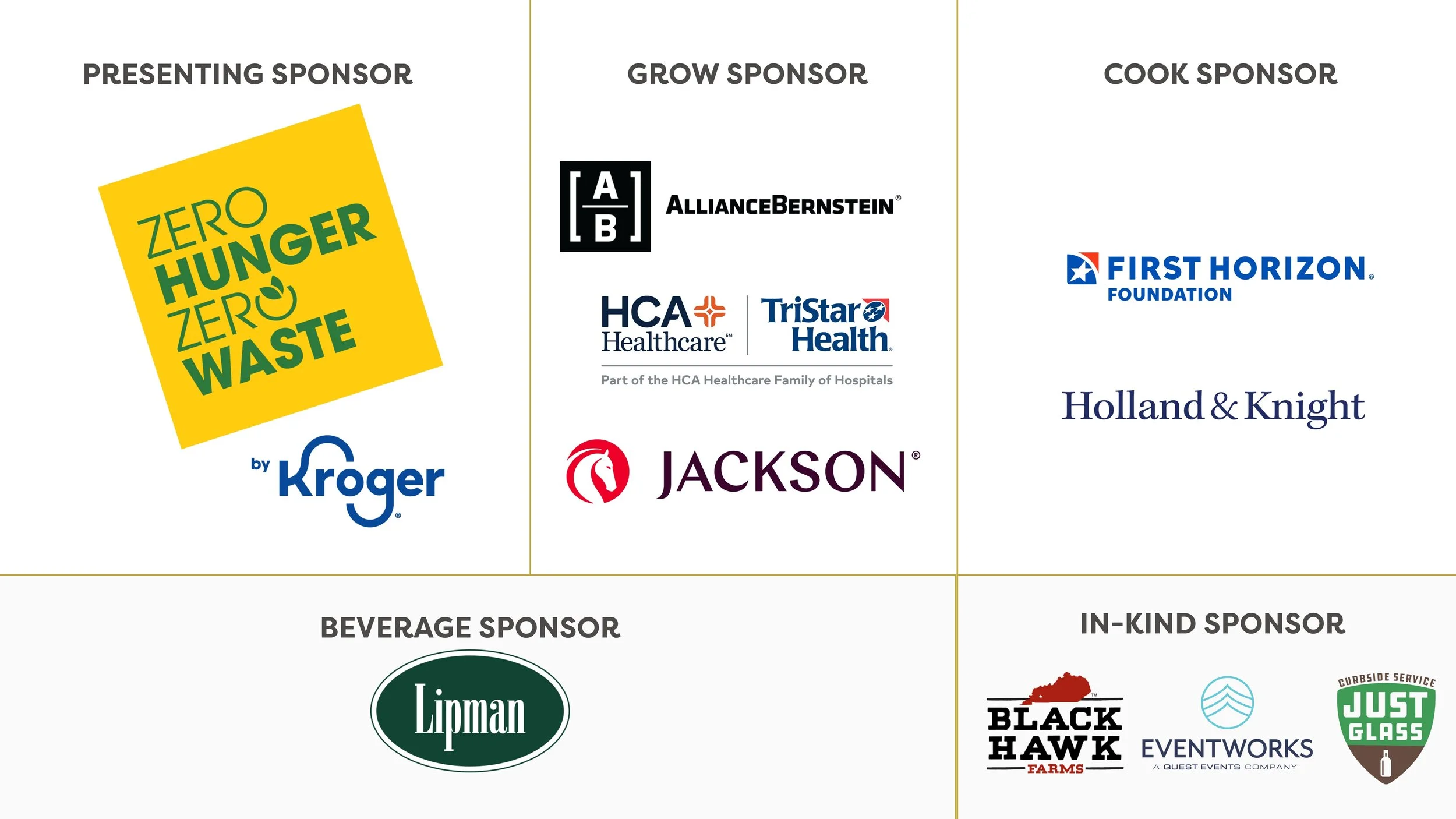
With Gratitude to Our Sponsors
Nourish 2026 would not have been possible without our generous sponsors. We are deeply grateful to the following partners:
Nourish is one evening, but the work it supports happens every day.
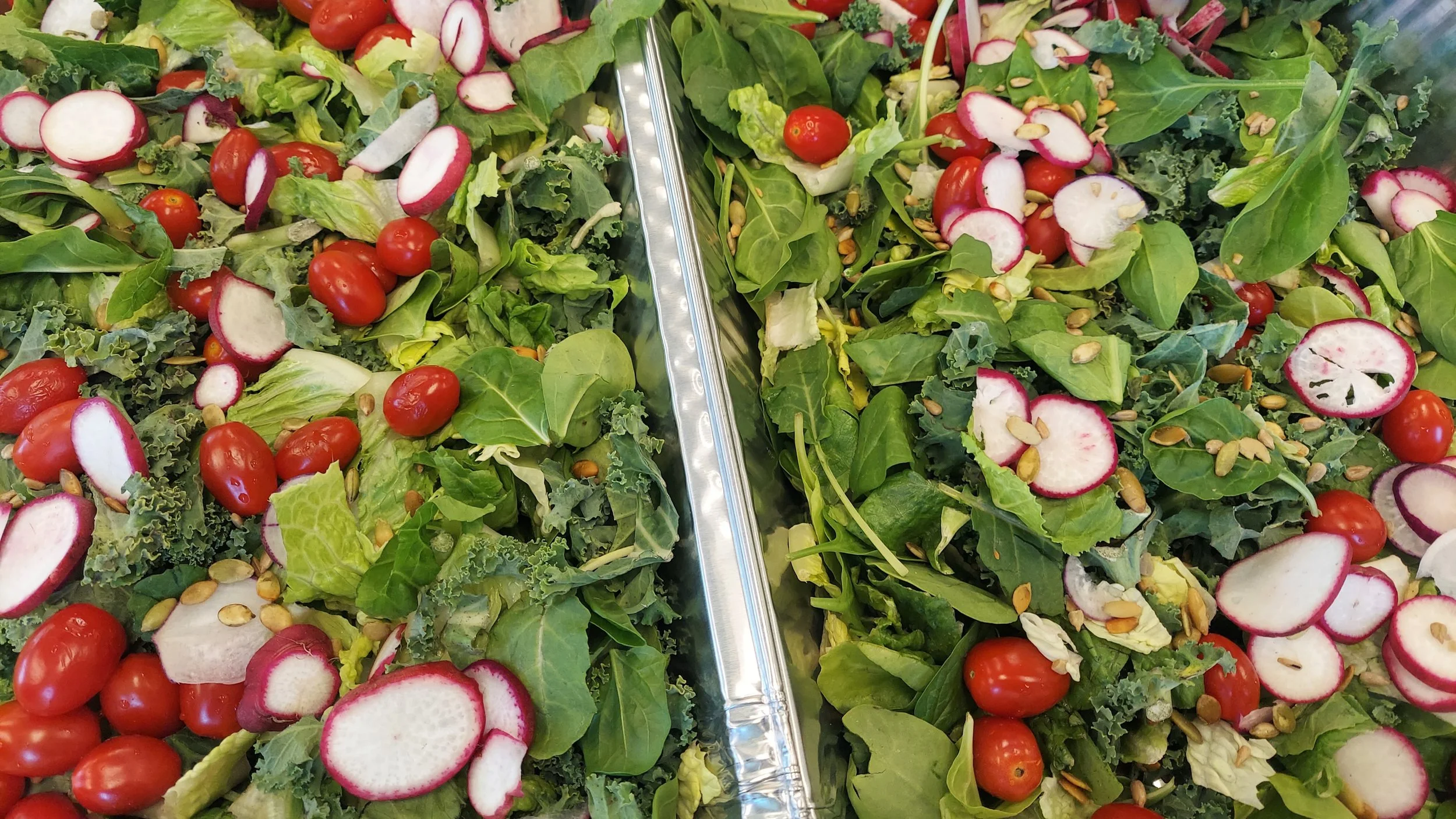
Each week, The Nashville Food Project prepares and shares thousands of scratch-made meals, stewards community gardens and orchards, recovers fresh food that might otherwise go to waste, and works alongside neighbors to strengthen our local food system.
If you weren't able to join us at Nourish, or if you'd like to extend the impact of the evening, there's still time to make a gift. Your support helps ensure that more neighbors have access to nourishing food and welcoming community throughout the year.
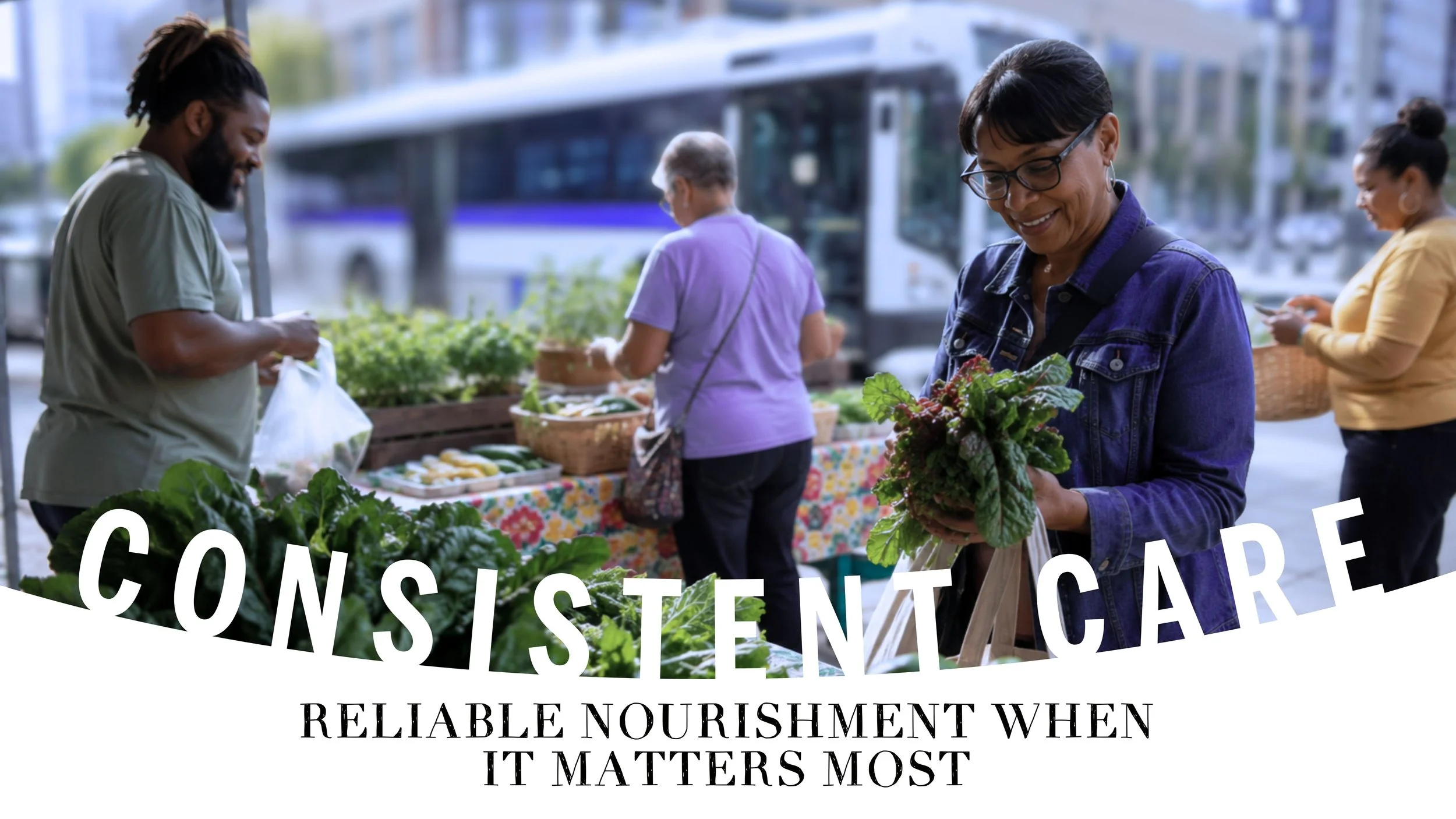
Steady Care
Care is rarely dramatic.
More often, it is steady. It looks like meals prepared on schedule. Routes driven again. Kitchens opened on cold mornings. Volunteers returning, not for recognition, but because someone is counting on them.
For many of our neighbors, especially seniors and those who rely on regular meals, care is not an occasional kindness. It is a necessity shaped by consistency. Hunger does not pause for weather or calendars. Nourishment must remain reliable if it is to be dignified.
For us, care takes the form of rhythm. Food is grown, recovered, prepared, and shared not only in moments of urgency, but day after day. Seniors living on fixed incomes. Neighbors managing chronic illness. People navigating isolation. For them, a steady meal is more than food. It is reassurance. It is stability. It is the quiet knowledge that someone remembered.
This kind of care is built over time. Through repetition. Through trust earned slowly. Through systems designed to endure and people willing to carry responsibility together. It is not flashy work. But it is faithful work.
We often measure impact in numbers, and those numbers matter. But the deeper story of care lives in consistency. In the volunteer who learns a delivery route by heart. In the cook who prepares each meal with the same attention, whether the room is full or nearly empty. In the neighbor who opens their door each week knowing that care will arrive as promised.
Caring community is not built only in moments of crisis. It is built through reliability. Through showing up even when it is cold. Especially then.
This is how nourishment becomes human. Not as charity, but as relationship. Not as a one time response, but as a shared practice. Some neighbors depend on this work, and that dependence is not a failure. It is a reflection of our shared life together.
As this work continues, we remain grateful for everyone who makes steady care possible. The volunteers who return. The partners who remain committed. The supporters who understand that consistency is its own form of generosity.
Supporting neighbors day after day is how caring community takes shape.
Supporting neighbors, day after day
Steady care
Get involved:
Volunteer | Give Food | Donate
Looking Back at Nourish 2025
Nourish 2025 was a powerful celebration of food, community, and connection. From a beautifully collaborative meal prepared by top chefs to stories that highlighted the heart of our mission, the evening brought people together around a shared table and a shared purpose—to nourish Nashville.

On July 17, 2025, we gathered for our 15th annual Nourish, presented by Kroger—and what a night it was. We're humbled and incredibly proud to share that Nourish 2025 brought together more than 300 guests and raised nearly $250,000 to support our mission of bringing people together to grow, cook, and share nourishing food.
But beyond the numbers, Nourish was once again a beautiful celebration of community, collaboration, and connection—a night where the table became a place for generosity, shared purpose, and joy.


An Unforgettable Meal
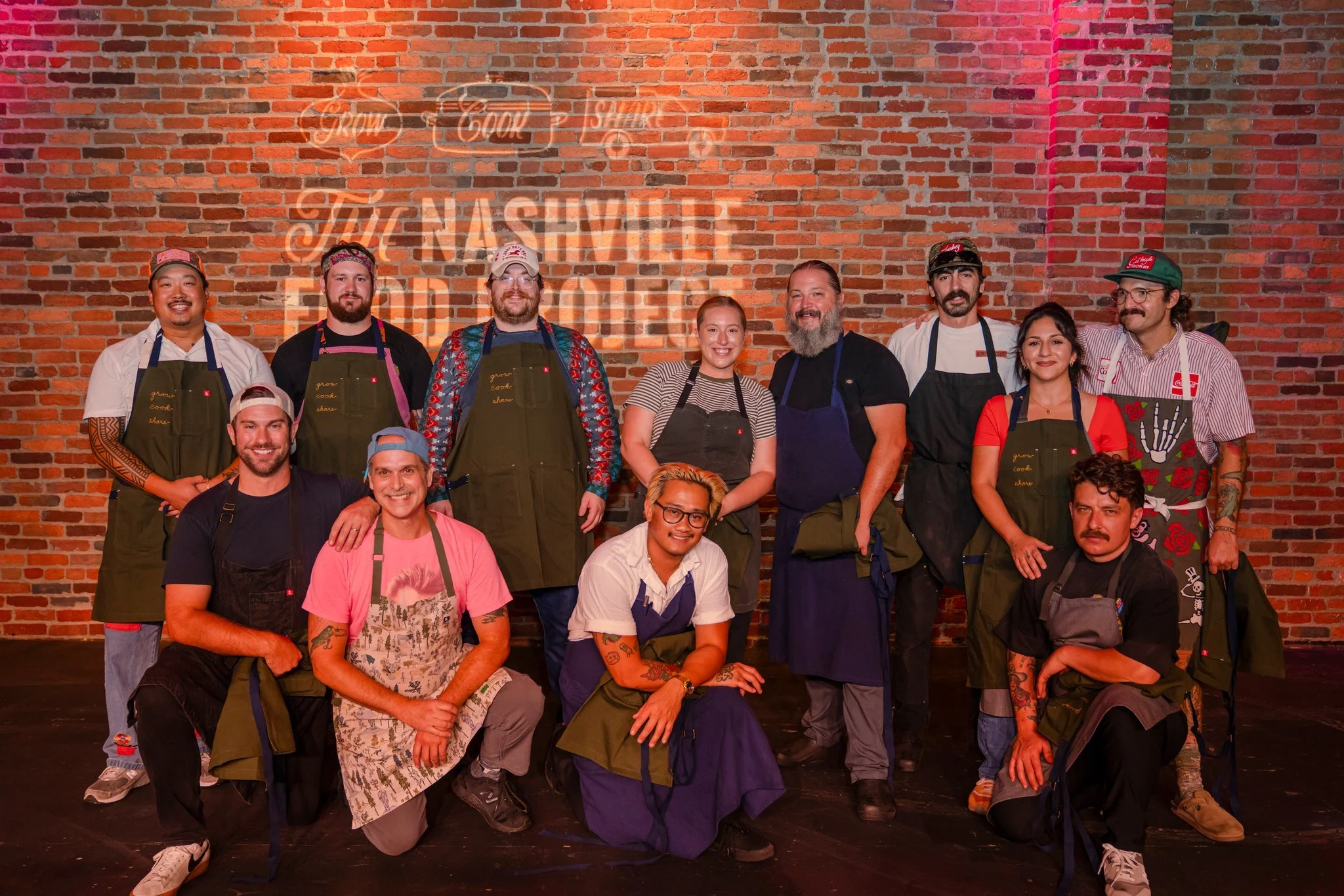
This year’s all-star chef lineup included teams from:
Bad Idea
Curry Boys BBQ
S.S. Gai
Tantísimo
Turkey and the Wolf Icehouse
Saap Saap BBQ (unable to attend due to a family emergency)
Each chef brought a distinctive voice and vision to the meal, creating a multi-course experience that reflected diverse cultures, techniques, and a shared love for food. One of the evening’s most inspiring moments was witnessing these chefs collaborate in real time—helping one another plate, prep, and bring each dish to life with care and camaraderie.

We also premiered a behind-the-scenes chef video, highlighting their visit to the Growing Together Farm—and what fuels their passion for food and community.
Honoring Our Volunteer Hero: Theresa McCurdy

One of the evening’s most heartfelt moments was the presentation of the Thomas Williams Golden Skillet Award, which honors an outstanding volunteer who embodies the spirit of our work. This year, we were thrilled to present the award to Theresa McCurdy, who has quietly and faithfully given over 440 volunteer hours since 2022.
Theresa’s steady presence, compassion, and commitment have made her an integral part of our kitchen community. Her story is a powerful reminder that it’s not just meals we’re making—it’s community, built one kind gesture at a time.
The Thomas Williams Golden Skillet Award, established in 2017, recognizes a volunteer who has shown deep dedication to the work of The Nashville Food Project. Its namesake Thomas Williams is the founder of Nourish.
Raising Paddles, Raising Hope
This year’s Night of Giving was especially impactful thanks to a $20,000 matching gift, which helped double the power of every contribution made that evening. From $5,000 pledges to $100 gifts, the generosity in the room was overwhelming and deeply inspiring.
Thanks to the support of individual donors and corporate partners, we’ll be able to share tens of thousands more nourishing meals with our neighbors in the months ahead.
With Gratitude to Our Sponsors
Nourish 2025 would not have been possible without our generous sponsors. We are deeply grateful to the following partners:

Looking Ahead
Nourish isn’t just an annual event—it’s a reflection of our ongoing work and the community that makes it possible. Whether you were with us in person or supporting from afar, thank you for helping us grow this movement.
Together, we’re building a more food-secure, connected, and resilient Nashville. One meal. One garden. One relationship at a time.

Fueling Potential: How Summer Meals Support Youth at the Boys & Girls Club
At the Andrew Jackson Clubhouse of the Boys & Girls Clubs of Middle Tennessee, kids are spending the summer learning, growing—and thanks to The Nashville Food Project’s made-from-scratch meals—staying nourished, too.
Through the Sweet Peas Summer Eats for Kids program, sponsored by Jackson®, hundreds of healthy meals are delivered each week to support youth during a time when access to regular food can drop off.
This partnership is part of The Nashville Food Project’s Community Meals program, which brings nutritious food directly to organizations already creating safe, supportive spaces for young people.
Now in its sixth year, the collaboration with Jackson is helping serve over 100,000 meals this summer—fueling not just plates, but potential across the city.
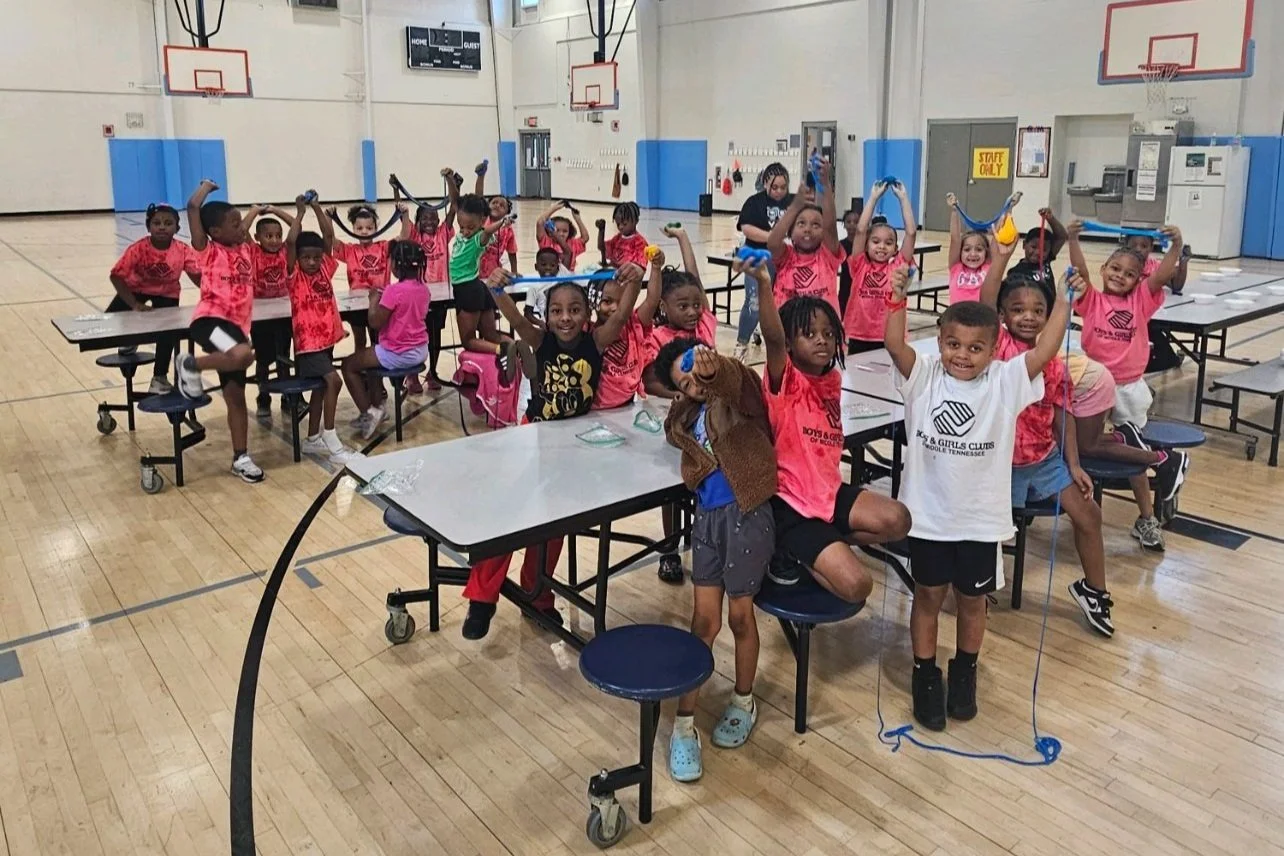
At the Boys & Girls Clubs of Middle Tennessee’s Andrew Jackson Clubhouse, every day is filled with opportunities for youth to learn, grow, and connect. And thanks to Sweet Peas Summer Eats for Kids—sponsored by Jackson National Life Insurance Company® (Jackson®)—those days are also fueled by healthy, made-from-scratch meals from The Nashville Food Project.
We handle the food so BGCMT can stay focused on its mission: to help all young people—especially those who need us most—reach their full potential as productive, caring, responsible citizens.
“When school is out, many children and teens lose access to regular meals,” says Denise Carothers with BGCMT. “The Nashville Food Project’s summer meals ensure that youth have access to healthy food even when school is out. These meals do more than fill plates—they strengthen support systems, create safe spaces, and help children and teens thrive.”
Each week this summer, the Andrew Jackson Clubhouse receives hundreds of meals packed with local produce and kid-friendly favorites like veggie pasta and chicken tacos. And they’re just one of many partners receiving meals through Sweet Peas this summer. With Jackson’s incredible support—now in its sixth consecutive year—we’ll serve more than 100,000 meals this summer to children across the city.

This partnership is part of our Community Meals program, which provides nutritious, made-from-scratch meals to organizations already gathering people in meaningful ways. Our meals help reduce barriers to food access by showing up where people already are—programs like BGCMT that offer stability, community, and a sense of belonging.
This work is only possible because of corporate partners like Jackson, who share our belief that good food is a powerful way to build stronger, healthier communities—one meal at a time.
Brooklyn Heights, Cosecha, and TNFP team up to grow something powerful in Nashville
The Nashville Food Project has a new partnership with Brooklyn Heights Community Garden and Cosecha Community Development, thanks to a USDA Community Food Projects grant. The three organizations are working together to increase local access to fresh fruit and veggies. That includes some free produce boxes, new produce markets, and new gardening and wellness classes.

Nashville’s spring ushers in more than just warm weather and blooming gardens: It marks the start of a new chapter in community-powered food justice. As the last frost melted away in early April, seasoned gardeners and first-timers alike rolled up their sleeves, eager to tend the soil and nurture the possibilities growing there.
This spring, The Nashville Food Project is proud to launch a new, multi-year partnership with Brooklyn Heights Community Garden and Cosecha Community Development, made possible by a USDA Community Food Projects Grants Program. Through this grant, the three organizations are working together to increase community members’ access to fresh fruits and vegetables. That includes some free produce boxes, new produce markets, and new gardening and wellness educational opportunities. It’s a major milestone for our city — the first time Brooklyn Heights, Cosecha, or TNFP have received federal funding. This grant recognizes the essential work grassroots organizations are doing to build a more just, inclusive, and resilient food system. It also signals Nashville’s growing potential to become a national leader in urban and community agriculture.

This work is especially urgent in North and South Nashville, where many neighbors still face barriers to fresh, healthy food because of a long history of redlining, displacement, and disinvestment. From North Nash and Jefferson Street to Nolensville Road and out to Antioch — Black, immigrant, and refugee families are often surrounded by fast food and convenience stores instead of grocery stores.
These overlapping food deserts (neighborhoods without easy access to fresh, affordable food) and food swamps (areas crowded with fast food and convenience stores) contribute to high rates of chronic illness. That is why it matters so much that Brooklyn Heights and Cosecha are part of this project — they are right at the heart of where change is needed most.

Recently Brooklyn Heights Community Garden hosted a spring kickoff to set the tone for what’s to come. Children ran through the garden laughing, while local chef Mariah Ragland of Radical Rabbit fed the community mouthwatering vegan soul food nachos. In the background stood a new hoop house — a structure that will help feed neighbors through a free CSA program later this season.
Soon after, The Nashville Food Project opened its Community Farm at Mill Ridge with a community work day, plant sale, and lunch where community gardeners gathered to get to know each other. At that site, more than 60 families grow food through rented plots. On any given day, you can hear many different languages spoken and see varieties of vegetables growing from around the world.

The stories behind this work are just as vibrant as the gardens themselves. At Cosecha Community Development, Celia manages the school garden at Whitsitt Elementary. A quiet, consistent presence in the community, Celia is known not just for maintaining crops, but for being a source of knowledge and comfort. "What can I plant for a stomach ache?" neighbors ask her.
Celia is deeply woven into the school community — coordinating lesson plans with teachers, helping students learn about pollinators and plant life cycles, and guiding families through their first gardening experiences. Her four children all attended Whitsitt, and today she works alongside the school’s family engagement team to make the garden an interactive classroom for hundreds of children. Teachers have guided students through harvesting potatoes and picking and tasting hot chilis — inviting them to experience the full spectrum of tastes and sensations food can offer.

Brooklyn Heights has a parallel story. Ms. Pearl, a longtime resident, first bought a home on Haynes Street, then another across from it, and then the lot next door — that land is now the Brooklyn Heights Community Garden. Bridget Bryant, one of TNFP’s former growers at Mill Ridge Farm, now serves as the site’s garden manager. She plans crops, maintains the space, and hosts monthly workshops. Their Healing in the Garden series uses yoga, meditation, and medicinal herbs to support mental and physical health. These third spaces — neither home nor work — offer refuge, connection, and healing for isolated neighbors.
Recent surveys of local gardeners affirm what we know to be true: 95% reported building meaningful relationships through their time in the garden. Every participant said gardening improved their connection to the land and to one another.
“I’ve started harvesting and drying herbs to make homemade soap. I never thought I’d have the tools or confidence to do something like this”
The beauty of this work lies in the people. In a neighbor offering compost tips to someone new. In a shared bowl of freshly picked greens. In a parent showing their child how to water seeds. These small, powerful acts are what transform a garden into a gathering place — and a meal into a movement.
As we look to the months ahead, The Nashville Food Project will launch the Growing Together Farmers Market on May 3 — Antioch’s first-ever farmers market, featuring SNAP/EBT access, multilingual signage, and culturally relevant produce grown by immigrant and refugee farmers. These growers earned significant income last year through CSA and direct-to-consumer sales, demonstrating what’s possible when land, opportunity, and community intersect. The Nashville Food Project’s new farmers market reflects the vision this grant helps make possible.
Even amid national rhetoric that threatens to divide, this work keeps us focused on what matters. The Nashville Food Project sees food as a powerful tool for justice, resilience, and belonging. In a time when national support for community-led change can feel uncertain, our gardens stand as living proof of what a community can achieve when rooted in care, courage, and collaboration — and we are deeply grateful for the USDA’s support in building a more equitable food future for Nashville through community gardens.

As this partnership between The Nashville Food Project, Cosecha Community Development, and Brooklyn Heights Community Garden blooms and our gardens open their gates, you are invited to take part. There is a place for everyone in this movement.
You might join a community volunteer day — what we call an Energy Exchange Workday or experience healing events like Healing & Wellness: Reiki Soundscape at Brooklyn Heights. You can check out the new Growing Together Farmers Market, sign up for TNFP’s CSA, lend a hand in one of Cosecha’s community gardens, or shop the market at Cosecha Community Development.
There are so many ways to get involved at The Nashville Food Project and join a movement reshaping what is possible for food access in Nashville. Together, we aren’t just growing vegetables — we are cultivating a future where everyone has a place at the table.
Growing Multigenerational Community at McGruder Garden
In 2009, an advisory board for a community center in North Nashville formed, and one of the responses from the community was a desire for a space to grow. In addition to the garden being a gathering place for community and a sacred green space in a fast-growing city, it also proposed a solution to the neighborhood’s lack of access to fresh food — there was no grocery store in North Nashville.
14 years later, many of the garden’s original growers — including founders Rev. and Mrs. Beach — still come to McGruder Community Garden each week. It’s a space where people from all walks of life work together to grow whatever they want — be it okra, dill or marigolds — for themselves, their families and their community.
Check out this video and take a look at a typical morning at McGruder!
Sweet Peas Partner Spotlight: Window of Love
Every Tuesday, Wednesday and Thursday, Samaria serves lunch to the J. Henry Hale neighborhood out of her front window. It began during the COVID-19 pandemic when schools shut down, leaving children who relied on schools’ daily breakfasts and lunches without food. As 2020 trudged on, Samaria continued to spread much-needed joy and food throughout her community, becoming known throughout her neighborhood as Window of Love.

In front of her home on Jo Johnston Avenue, Samaria Leach is setting out a stack of chapter books. “Especially during the summer, I like to make sure the kids have something to read when they come to get their food,” she explains. “They seem to really like it.”
Every Tuesday, Wednesday and Thursday, Samaria serves lunch to the J. Henry Hale neighborhood out of her front window. It began during the COVID-19 pandemic when schools shut down, leaving children who relied on schools’ daily breakfasts and lunches without food. As 2020 trudged on, Samaria continued to spread much-needed joy and food throughout her community, becoming known throughout her neighborhood as Window of Love.

Eventually, schools resumed for the fall semester, as did regular school meals for the kids who had become frequent visitors to the Window. But the question stuck with Samaria: where were these kids normally getting food during the summer months, or even spring break? She knew that Window of Love needed to stretch beyond those lonely pandemic months.
“God placed on my heart to continue and continue, so that’s what I did: continue and continue and continue.” —Samaria Leach, Window of Love
With support from her neighbors and a network across the city, Samaria was able to continue, opening the Window three days a week during the summer and other school breaks. Now, she shares food with between 50 and 75 kids each week during the summer months, in addition to educational resources and even the occasional field trip!
The gap that Window of Love fills is one that affects thousands of children every summer: local school systems provide a reliable source of nutrition for families that are impacted by food insecurity. In fact, every school year, Metro Nashville Public Schools serves around 4 million breakfasts and 8.4 million lunches. But during the summer months, without these daily meals, many youth are at risk of hunger. The Nashville Food Project is proud to work alongside partners like Window of Love through our summer children’s meals program, Sweet Peas, sponsored by Jackson National Life Insurance Company (Jackson®) for the fifth year in a row. This summer alone, the program distributed nearly 11,500 meals to kids across Nashville.
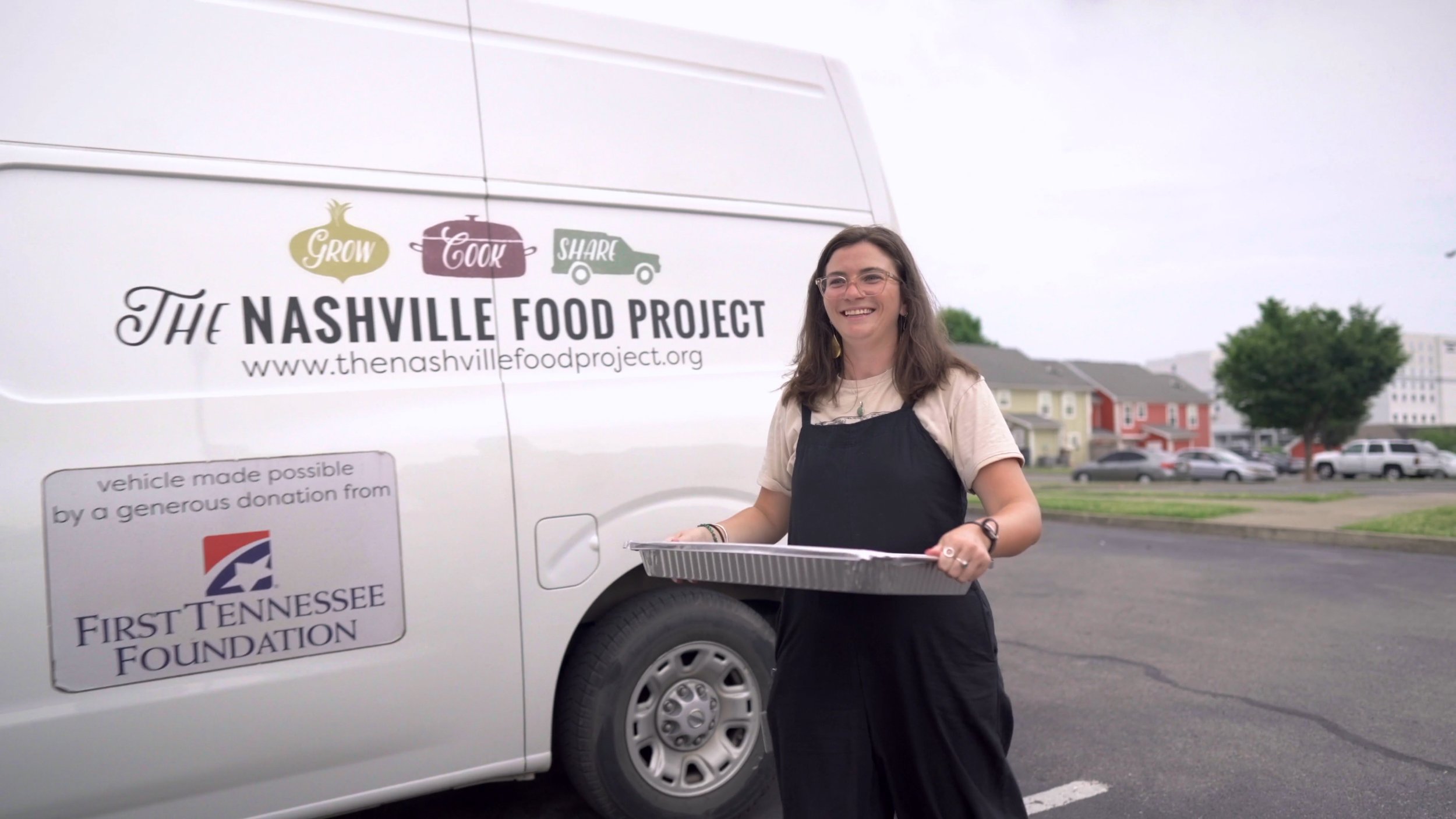
Through Sweet Peas, The Nashville Food Project was able to help Window of Love scale up their efforts to build community and alleviate hunger this summer by supplementing the snacks Samaria was already making with 90 additional nutritious snacks full of hard-to-come-by fruits and veggies each week. The partnership made it possible for kids in Samaria’s North Nashville neighborhood to try new foods, too.
“One day we had salads,” explains Samaria, “and one of the little boys was like, ‘I don’t eat salads!’ I said, ‘what if I add something special?’ So I put some turkey on there for him, added a little cheese, and he asked for a salad again the next day. It’s life-changing for the kids.”


It takes a lot of collaboration to get salads like this one in front of — and in the bellies of! — these kids. And Window of Love isn’t the only place it’s happening. In addition to Window of Love, funding from Jackson® made it possible for us to share meals with children at 18 other sites this summer.
“It takes a community,” says Samaria. “It’s not just about me. The Window is about everybody — communities working together — because our goal is the same thing: to make sure no child is going hungry.”

Partner Spotlight: The Ark
AmeriCorps member Lilah Abrams writes about The Ark, one of our meals partners. The Ark addresses gaps in social services and community resources for seniors in Cheatham County, Tennessee. The Nashville Food Project shares about 100 meals each week with their seniors.
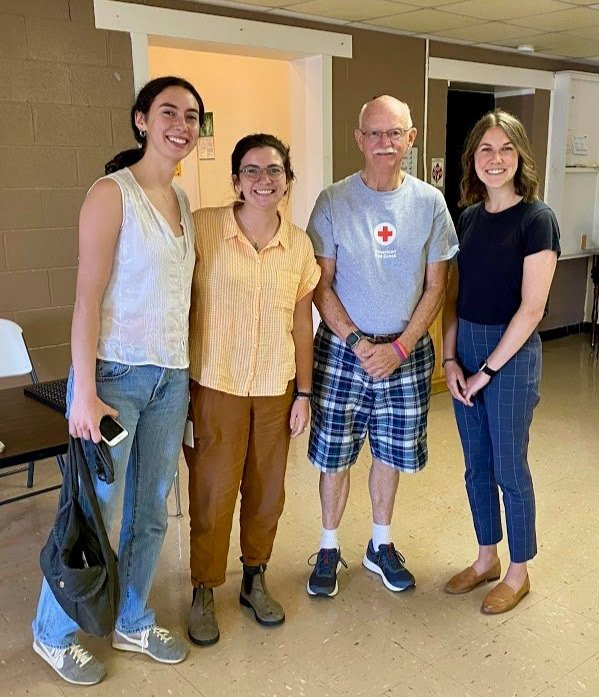
The Nashville Food Project staff and our new friend, Butch
By Lilah Abrams, AmeriCorps Member
Butch usually starts lunch with a joke — an evident ritual that manages to draw a number of giggles from individuals throughout the room. Since 2001, Butch, alongside his wife Marilyn, Melanie Smiley, and Anne Carty, has guided the Senior Lunch program at The Ark, creating a regular space to laugh, share, connect, learn and eat.
These weekly lunches seem to exemplify the core of the Ark’s work in their community: creating a web of care that is fundamentally personal.

While the organization was officially founded in 2001, their meals programming has roots reaching back to 1995 – led by two volunteers who remain active Meals on Wheels delivery drivers. Dedicated to the goal of “addressing severe gaps in social services and community resources for seniors in South Cheatham County,” The Ark’s programming takes many different forms: hosting weekly a “Senior Lunch” out of Pegram United Methodist Church providing utility assistance to seniors throughout the community, offering a robust food pantry, and subsidizing “back-to-school” shopping through their thrift store, Noah’s Ark, among other modes of community involvement.
However, their work of community building – through humor, generosity and hospitality – seems as foundational as much of their programming. The exuberance and warmth of The Ark’s organizing, around and with their meals, embodies much of what The Nashville Food Project holds as a value – “bringing people together” and “cultivating community through food.” In experiencing this, I was reminded of a sentiment I’ve heard repeated here at the Food Project, pulled from words first spoken by Tallu, that imagines a world in which people “have enough to eat and people to eat with.” Experiencing the Senior Lunch at The Ark and their thoughtful, yet incredibly natural ways of creating spaces to explore ‘being together, this sentiment felt brought to life.

This mother-daughter pair helps with Meals on Wheels deliveries and makes regular appearances at Wednesday Senior Lunch.
Sharing these values and goals, The Nashville Food Project has been partnering with The Ark since 2018, serving about 100 total meals each week for both the Meals on Wheels program and weekly Senior Lunches, cooked in our kitchens. Like the work we seek to do in our spaces, Melanie Smiley, a former director of meals for the local school district, often adds and alters based on what folks have been asking for (usually including some dessert options and homemade drinks gathered from donation), before serving inside the church’s community space or distributing among volunteer drivers.
It is over these cake slices, glasses of lemonade, and plates of homemade beef stroganoff that The Ark draws people in to gather – forging new connections and nurturing years-long friendships…eating and having people to eat with.


You can learn more about The Ark’s work to create community in Cheatham County on their website.

Partner Spotlight: Nashville International Center for Empowerment (NICE)
Prior to this August, the Nashville International Center for Empowerment (NICE) helped in the resettlement and community-building processes for about 80 individuals per year. In the past four months, however, they’ve worked to welcome more than 180 new Nashville arrivals from Afghanistan–and they don’t expect to slow down for a few more months.
By: Lilah Adams, Americorps Member- Community Engagement Coordinator
Prior to this August, the Nashville International Center for Empowerment (NICE) helped in the resettlement and community-building processes for about 80 individuals per year. In the past four months, however, they’ve worked to welcome more than 180 new Nashville arrivals from Afghanistan–and they don’t expect to slow down for a few more months.
While the expansion has pushed the organization far past its historical limits, they fit within a network of organizations adjusting to new needs. The city expects to welcome about 500 Afghans by the end of the year–just a sliver of the group of more than 50,000 forced into the resettlement process around the U.S. in 2021.
The widespread evacuation of Afghanistan is a response to the Taliban takeover in the country late last year, resulting in the quick uprooting of thousands of Afghanistan residents. The speed and mechanisms of the departure pose new challenges, with the majority of Afghan nationals assigned a “humanitarian parole” designation, separate from the traditional “refugee” status typical to individuals working with resettlement agencies. Those working with NICE emphasize that this designation shifts traditional processes for benefit eligibility and the timeline of governmental support for these new arrivals.
The situation remains continuously evolving and is exacerbated by the challenges intrinsic to the continued spread of COVID-19 throughout the world, which has required incredible flexibility and adaptiveness from all involved.
NICE has responded to new needs by making a series of organizational adjustments, simultaneously teaching and learning as they navigate new organizational terrain.
Chris Linthicum, director of resettlement services, emphasizes that partnerships have become essential to their coordination efforts, sharing resources with other resettlement agencies in the city, such as Catholic Charities.
As such, part of this new organizing has taken the form of an expanded partnership between NICE and The Nashville Food Project, with TNFP supporting NICE’s efforts through 8 weeks of produce and dry goods/pantry-staples meal support, aiming to provide initial access to both nutritious and culturally-connective foods.

Snapshots of dry goods shares and fresh produce bags heading to Afghan families!
Volunteers and employees at NICE have coordinated delivery of this food support to help ease the often-disruptive transition. The partnership has extended beyond the weekly produce distribution as well, supporting the organization’s vaccination event efforts with produce distribution in coordination.
Founded by Dr. Gatluak in 2005 to help build community for refugees from Sudan in Nashville, NICE recognizes that “the challenges faced by the NICE target population are often exacerbated by ‘mainstream’ support systems that often do not account for the steep access problems facing non-native English speakers, the majority of whom are unfamiliar with American culture.”

CEO and founder, Dr. Gatluak (left), alongside NICE logo and messaging (right)
Since then, NICE’s programming has developed into four main categories of support–education (from early childhood through high school), resettlement (initial contacts and coordinating upon arrival in the U.S.), employment (largely through a match grant program), health (intensive case management services), and ultimately assistance with immigration navigation.
In emphasizing shared experiences as a new arrival in the United States himself, Dr. Gatluck projects the shared value of hospitality–celebrating investment in relationships and people’s ability to both serve as guest and host–a dynamic evidenced in NICE’s commitment to empowerment as central in resettlement.
As NICE continues to welcome new Nashvillians, the organization is also urging fellow individuals in the community to consider how to support the resettlement process, specifically as they seek temporary and long-term housing solutions for our new neighbors. To learn more about NICE’s essential work and how to offer your support, check out their website.
Joining Forces for Free Community Health Days
In late 2021, thanks to generous funding from Welcoming America’s Resilient Rapid Response Fund, the TNFP team had the opportunity to lean into a new form of community health and care. We leveraged our resources and community connections to increase opportunities for New American communities to access COVID-19 vaccines and health information with intentional language support alongside access to fresh, local produce distribution and other essential services.
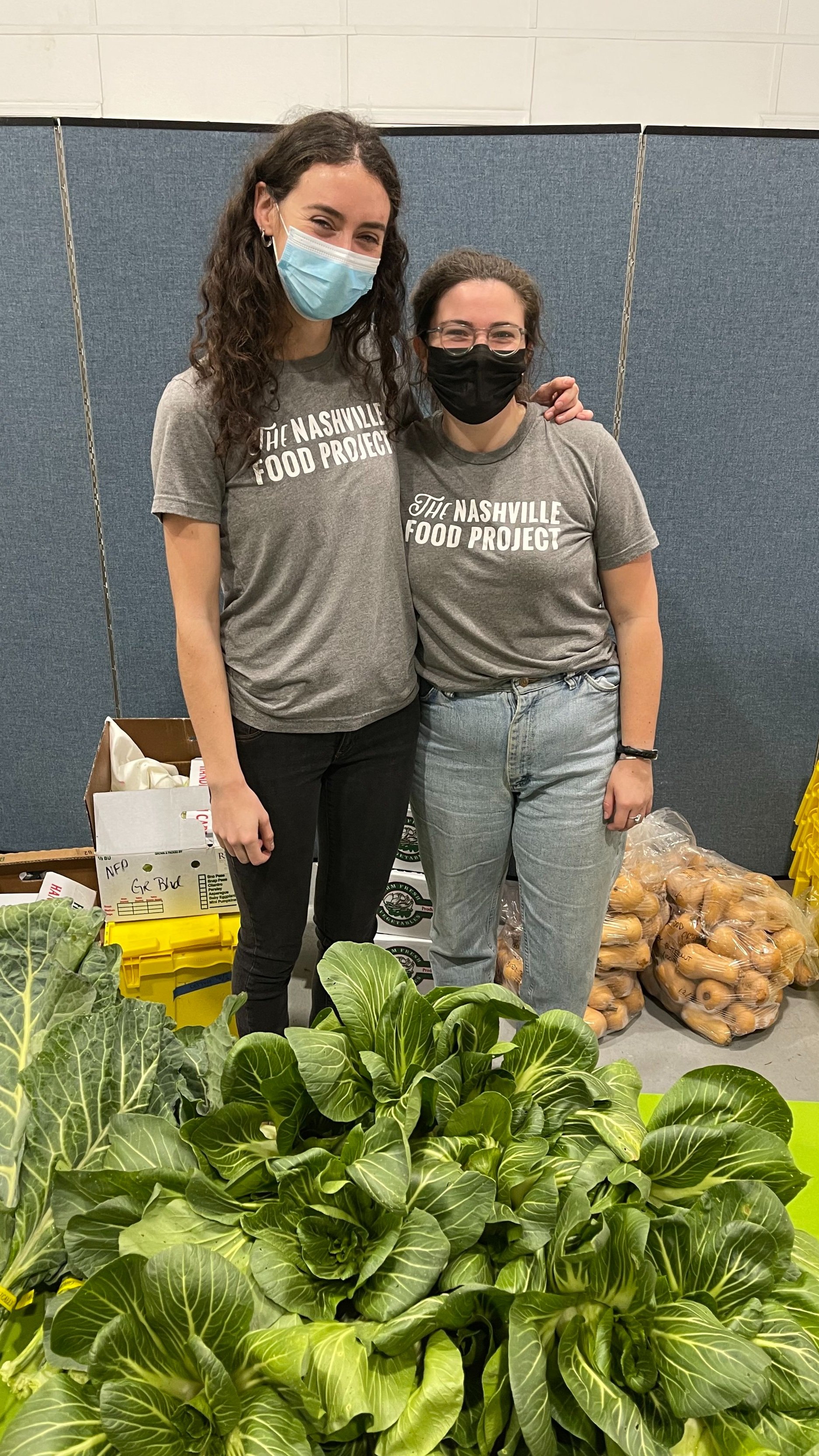
Lilah and Annie get ready to share some bok choy, collards and other produce.
by Elizabeth Langgle-Martin, Community Engagement Manager
The Nashville Food Project’s work has long been that of sharing high-quality, fresh food alongside powerful and essential programming in our city to enhance the poverty-interrupting work of nonprofit partners, community organizers, grassroots movements, and others.
In late 2021, thanks to generous funding from Welcoming America’s Resilient Rapid Response Fund, the TNFP team had the opportunity to lean into a new form of community health and care. We leveraged our resources and community connections to increase opportunities for New American communities to access COVID-19 vaccines and health information with intentional language support alongside access to fresh, local produce distribution and other essential services.
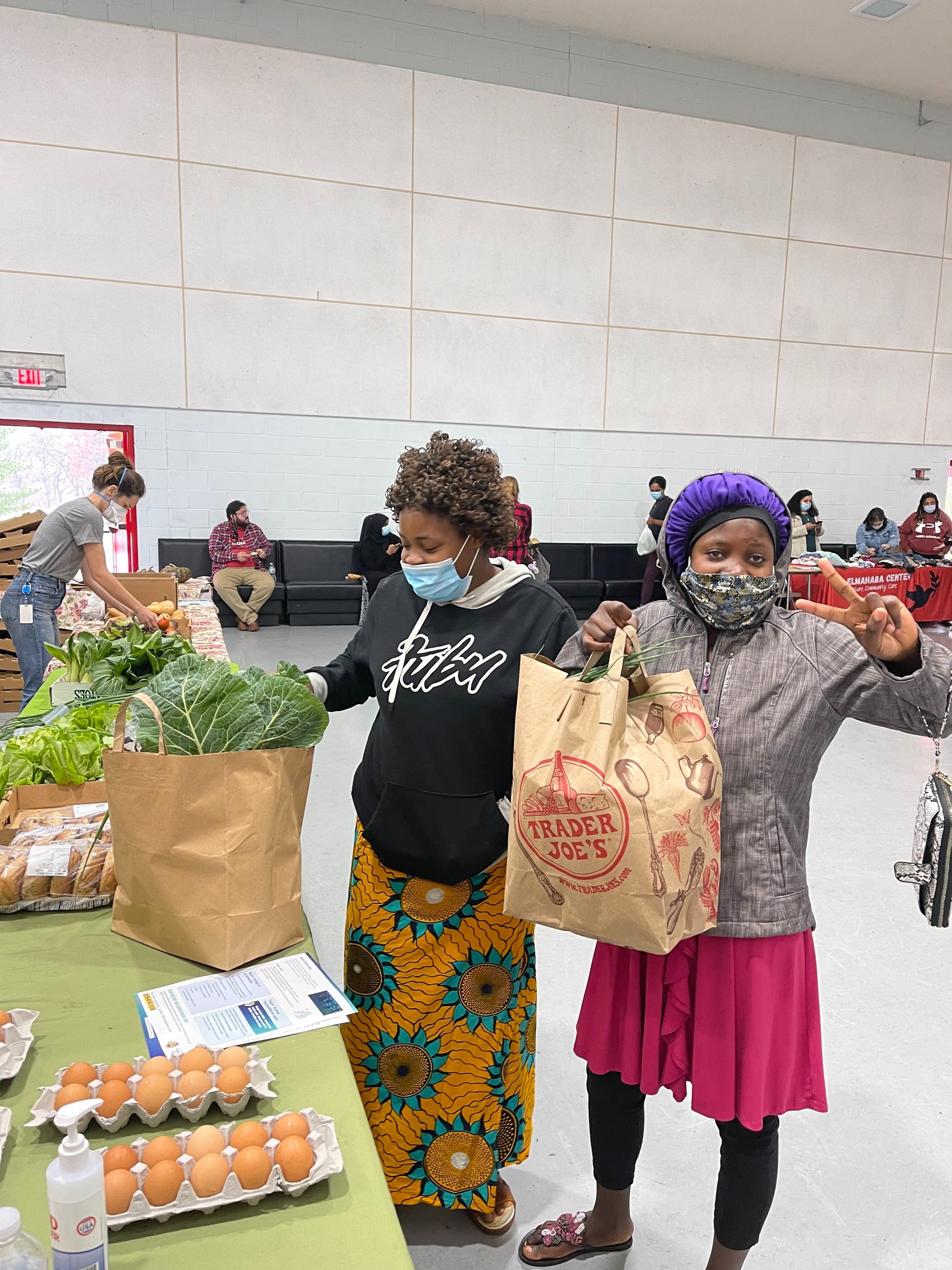
Event participants — shared with permission.
Inspired by our long time partnership with Christ Lutheran Church (the site of our Growing Together farm) and its sister congregations, alongside the vibrant community work of Elmahaba Center, we held three community health and COVID-19 vaccine events in South Nashville with deep support from a network of language workers and a number of other service providers. Metro Health’s COVID Vaccine Strike Teams, under the leadership of Tameika Evans and Ebony Harris, provided combinations of testing and vaccine services. Throughout the course of planning and feedback from the represented communities, offerings grew to include diaper support through Nashville Diaper Connection, paper goods through Community Resource Center, children’s items through Elmahaba, and resource and health information through Tennessee Justice Center, Siloam Health’s Community Health Workers, NICE’s Trusted Messengers and so many more.
At the close of our early December event, our team celebrated the 96 vaccines administered throughout these three events. We also shared pounds and pounds of locally grown produce such as thick bundles of collard greens, carrots with leafy tops, a rainbow of peppers, potatoes and beets as well as other herbs and vegetables alongside flats of eggs. Guests to these events represented more than six language groups, with folks sharing greetings and information in Arabic, Swahili, Burmese, Nepali, Spanish, and English. Our favorite moments included neighbors sharing the varied uses of different produce heaped on folding tables and comparing preparation ideas or snagging extra eggs for a neighbor and herbs for their aunt. We also loved the cheers when someone received their first vaccine dose and watching small children race their matchbox cars from Elmahaba Center across the gymnasium floor.
We are excited to continue this work in the new year through an invitation to collaborate with Tennessee Immigrant & Refugee Rights Coalition (TIRRC), Conexion Americas, NICE, PENCIL, Hispanic Family Foundation, Metro Health and others for another rendition at the TIRRC headquarters on Jan. 8! Make sure to follow along with our partners in this vital and timely work!


Partners with the Tennessee Justice Center were on hand to help with questions about SNAP and TennCare.
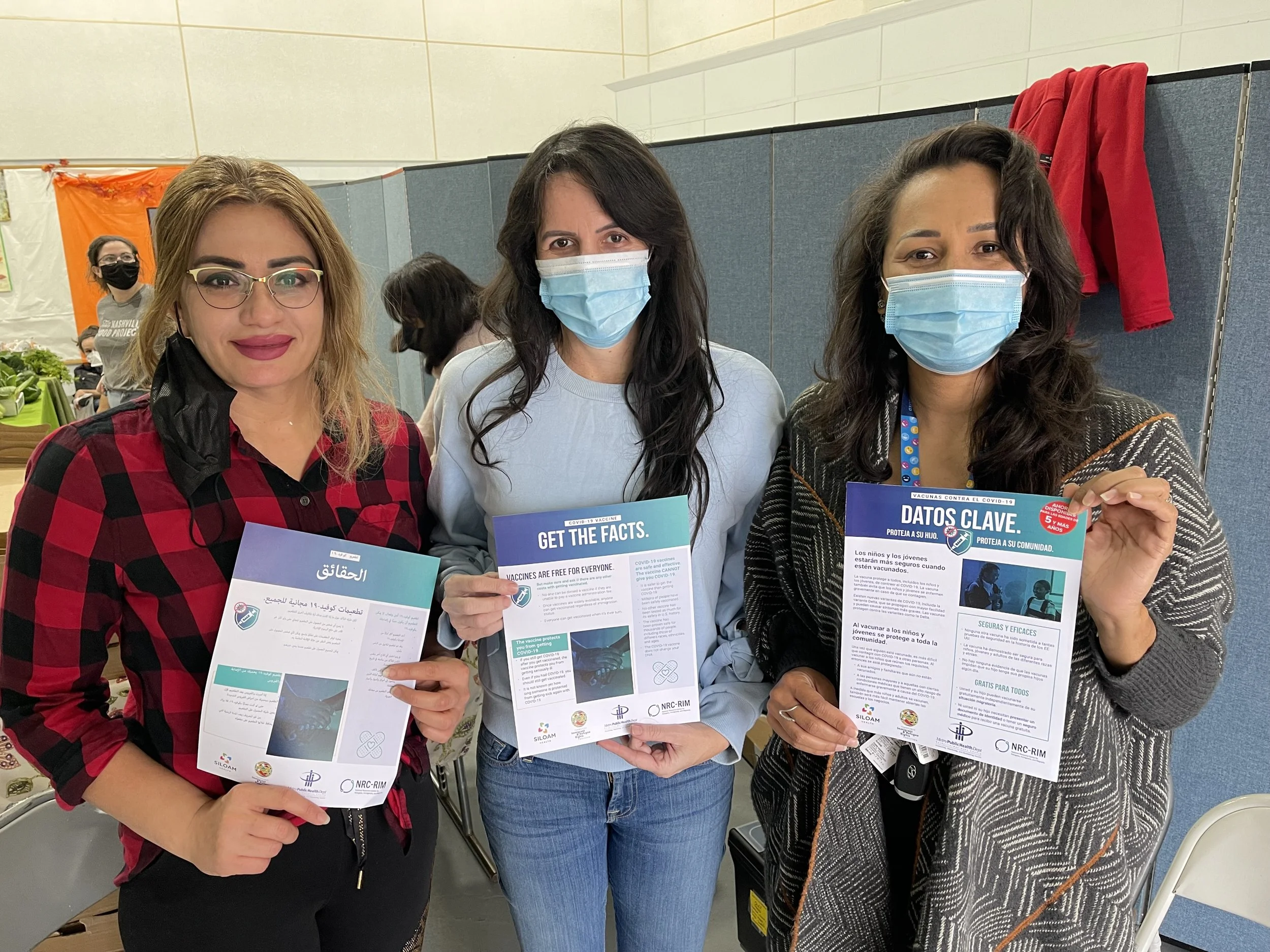
Partners with NICE and Siloam Health.

Two of our co-hosts at Christ Lutheran Church, Pastor Esther Godfrey and President of Church Council Mark Miller.
Partner Spotlight: The Village at Glencliff
Food Access Coordinator Annie Slaughter writes about The Village at Glencliff, one of our meal partners. The Village at Glencliff is a medical respite community which aims to bring people experiencing homelessness dignified and quality medical care after they have been released from the hospital. The Nashville Food Project shares about 85 meals a week with the residents.

Photo by Cecelie Eiler
by Annie Slaughter, Food Access Coordinator
In Southeast Nashville twelve micro homes are making a big difference in both the housing and medical fields. The Village at Glencliff is a medical respite community which aims to bring people experiencing homelessness dignified and quality medical care after they have been released from the hospital. While the average stay is 90 days, residents can stay in their program until they are able to secure permanent housing. In addition to medical care, the Village at Glencliff offers their residents homemade, nourishing meals provided by The Nashville Food Project. We share about 85 meals a week with the residents.
The village, which is located at the Glencliff United Methodist Church, had their groundbreaking in July and hit the ground running in late summer. “We had a COVID program since folks were being put in the old jail. They were literally having to stay in jails because they were unhoused and they had COVID,” said Zoey Caldwell, the organization’s volunteer and program manager. “It was scary, initially, I will be honest. I was so glad not to be a worker on the front lines and then suddenly that is my job. But there was a need and we had to do what it takes a village to be and do and that was to step in where we were needed.”
The Village at Glencliff is the first medical respite community in the country that allows residents to bring a partner and have pets while offering three meals a day and guaranteed, individual housing until a permanent living situation is found. “We want to be the national and even international model of what that grace looks like,” says Caldwell.

Zoey Caldwell (left), Cecelie Eiler (right)
They also have a rain garden, raised beds, and various medicinal and edible plants around their campus. The gardens, which were designed and implemented with the help of Nashville Foodscapes, were the dream of Cecelie Eiler, the Village’s administrative and data manager. “One thing I realized with my research was that gardening and having access to more hands-on food production, localized food production, has a lot to do with our mental, spiritual and physical healing. Which are all large components of who we are as humans,” Eiler says.

Photo by Cecelie Eiler
If you would like to help The Village of Glencliff, they offer twice monthly volunteer garden work days as well as volunteer opportunities to provide companionship and skill classes to their residents. “We need people to come and be a friend. That was a big thing, we didn’t want people to come and feel isolated,” Caldwell said. “We want this to be a community.”
Sign up to volunteer here: https://www.villageatglencliff.org/volunteer.
Q&A with Justin Hiltner, featured musician for our 10th Anniversary Picnic Party
When banjoist, songwriter, journalist and activist Justin Hiltner recorded a set at our headquarters for the upcoming 10th Anniversary Picnic Party, he took a minute to introduce a new song about “anxiety and growing Old Tennessee melons, called Muskmelons.”
A whole song about growing melons? We were obviously smitten.
To say we have loved working with Justin for this event would be an understatement. Learn more about him below, and don’t miss the streamed show, which will air Sunday, September 26!

Left to right: Tristan Scroggins, Justin Hiltner, Vickie Vaughn, Brennen Leigh
When banjoist, songwriter, journalist and activist Justin Hiltner recorded a set at our headquarters for the upcoming 10th Anniversary Picnic Party, he took a minute to introduce a new song about “anxiety and growing Old Tennessee melons, called Muskmelons.”
A whole song about growing melons? We were obviously smitten.
To say we have loved working with Justin for this event would be an understatement. Learn more about him below, and don’t miss the streamed show, which will air Sunday, September 26! Reserve your tickets here!
How did you get into playing banjo and songwriting?
I first saw a banjo on TV when I was six years old and told my parents, "That's what I want to do!" Their response, quite reasonable, was, "If you still want to play banjo in a year, we'll get you a banjo." Now here we are, twenty-two years later, and the entire course of life has been altered by the whim of a six-year-old! I recently realized that that first instance of seeing a banjo was actually in "Cotton Patch Gospel" a Broadway musical that was a bluegrass and southern retelling of the gospel story. Quite a fitting origin story, I think!
I really began getting into songwriting in high school, when I was very much into writing and poetry and realized my own writing was lyrical to begin with—perhaps growing up a musician impacted that? haha – and it really blossomed as a primary vehicle for my art and self expression when I moved to Nashville in 2011 and began surrounding myself with other creators and musicmakers who saw songwriting not just as a craft or a livelihood, but as a modern form of literature and a folkway, too.
What has your journey in Nashville been like? We hear you have a new record coming in Fall 2021?
I love living in Nashville and in the South! I grew up in the country in rural central Ohio and Nashville and the surrounding hills really remind me of home—but with a lot more music everywhere you look. I don't know if I'll stay in Nashville forever, but I've found such a bright, diverse, fulfilling community here and I'm so grateful for the artistic and creative communities I've tapped into as well. One of my main goals when I first moved to town was to record and release a truly solo album, and I'm so excited that that debut project is coming before the end of this year. It might not be in the fall now, but very soon. The project is called 1992 and is just me, the banjo, and my sad, gay banjo songs!
We're so thrilled you're a part of this momentous occasion with us and loved hearing that you've been following our mission. Is food security a passion of yours?
Food security and food justice are two huge tentpoles of my personal mission in life and in music! Food security and food justice will be central strategies to responding to the climate crisis in a way that centers Black, Brown, Indigenous, disabled, and Queer communities. Community-based organizations like the Nashville Food Project have an important and vital role to play in those responses. I'm a hobby gardener and farmer and avid birdwatcher myself, so I've always believed so strongly that connecting ourselves and our human communities to our greater ecosystems is how we will right so many of the unjust problems of the modern world. I was so excited to be plugged in with y'all for the Picnic Party, not only because of how my mission in music aligns with the NFP's mission, but because I just truly love gardening, farming, and modern solutions for solving food insecurity and food injustices.
We hear you have a few songs about gardening and/or farming and other issues that sound quite aligned to our work! Can you tell us a bit more about those songs and your inspiration in writing them?
I truly have so many songs about nature, gardening, birds, fruits and vegetables, bumblebees, and just spending time grounded and connected to the natural world. The real problem was choosing which ones to showcase for this event! I love writing about the things I'm most passionate about, and whether I've sat down to expressly write about nature or I just happen to find that's what's pouring out of my pen, I find myself most fulfilled when I'm making art about the natural world and the sheer resplendent, awe-inspiring beauty in her every day, mundane things. I love poets like Mary Oliver and Theodore Rothke who connect such abstract and ethereal concepts and philosophies to concrete creatures and settings and feelings in nature. I try to do the same in my songwriting, whether I'm writing about migrant workers, or using birds as metaphors, or writing about anxiety and growing melons!
We also know you to be an activist and proponent of inclusion in roots music. Can you tell us more about that and the work you've been proud to be part of in that regard?
Being one of very few openly queer folks in bluegrass, I've always had an activist bent to my art and the community that surrounds my creative process. I believe so strongly that roots music and bluegrass are for everyone, regardless of who you are, your identity, background, or where you're from. Taking that central belief into every avenue of my career in bluegrass has been a North star for me while I've navigated the music industry over the past ten years. It's how I'm able to prioritize events and partnerships like this one, because I have a mission in music greater than just, "Make music cause I like to do it." I believe so strongly that we'll only solve all of the pressing injustices of modernity if we each realize we all individually and collectively have a stake in enacting that justice. That's why I keep my activism as present as possible in my music—there's much work to be done, but together we can get that work done!
Okay, Dolly Parton's America. We must know more. Can you tell us about being part of that?
Dolly Parton's America might just be the COOLEST thing I've ever gotten to do! I'm such a huge fan of Dolly, her music, her songwriting, and her artistic ethos, to get to be even a small part of the Peabody Award-winning podcast about her made by one of my all-time favorite podcast and radio hosts, Jad Abumrad – and his amazing co-producer, Shima Oliaee – was a dream come true. That at one point in the episode I appear in they cut directly from my voice to Dolly's saying, "God made everybody just the way they are" – I still get goosebumps and tears well up every time I hear it. DPA gave me the largest audience and microphone I've ever had to date, I appreciate it so much and I still connect with new folks and fans who found me via the podcast every day! So freakin' cool. Dolly if you're out there reading this, love ya.

Reflecting on Summer's Sweet Peas
Over the summer, our meals were prepared, packaged and delivered to 16 meal partners for Sweet Peas, a summer program sharing healthful meals with kids during the critical months when school is out. Also critical, Sweet Peas happens thanks to the generous financial support of sponsor Jackson®, which funded the program to help share more than 18,000 meals this summer!
Katie Scarboro remembers hearing from a parent who was shocked when her child requested fruit rather than chips at the grocery store. The child had tasted grapes or strawberries for the first time during YMCA Fun Company programming.
“The parent was just floored that the kid had that kind of response,” she says.
Truth be told though, Katie says she hears similar stories often as Anti-Hunger Initiatives Director at the YMCA of Middle Tennessee — especially when it comes to the fruit.
”They cannot get enough of it,” she says. “You’d have kids come back over and over for fruit salad. And when you have kids who have the world at their fingertips in terms of gummy bears and candy in general and prefer to eat fruit salad? That’s fantastic.”
While fruit might seem simple, it takes a lot of collaboration to get salads like this one — and other snacks and meals — to the table.

The Nashville Food Project often relies on donations of fruit from partners like Whole Foods Market, Costco, local farmers or generous suppliers such as The Peach Truck. The fruit salads go alongside snacks or meals such as barbecue chicken and roasted vegetables. They’re prepared, packaged and delivered to 16 meal partners (such as YMCA Fun Company) for Sweet Peas, a summer program sharing healthful meals with kids during the critical months when school is out. Also critical, Sweet Peas happens thanks to the generous financial support of sponsor Jackson®, which funded the program to help share more than 18,000 meals this summer!

“In the summer we know the need is so much greater,” Katie says. “We also know that kids get a break from school in the summer, but parents don’t get a break from work during the summer. They still have the same hardships of providing care and food for their kids for the summer as the entire school year. We want to try to bridge that gap as much as we possibly can.”
Fun Company provides all day care through their Summer Adventure Programming, beginning at 6 a.m. and ending at 6 p.m., which gives kids a safe place to be along with a meal or snacks. “It helps the parents not have to worry about rushing home to cook a hot meal or get fast food on the way back,” Katie says.
This year, the YMCA staff also helped facilitate the new Promising Scholars program, which helps kids catch up on the learning loss that happened during the pandemic and virtual learning. Even still, Katie noted the ongoing and new phase of pandemic life: “We know that things have improved for some and not improved for others— and have gotten drastically worse for other folks.”
In addition to YMCA Fun Company, Jackson® funding allowed Sweet Peas and TNFP to partner with 15 additional organizations such as Nations Ministry, Preston Taylor, NICE, Project Transformation, Nashville Freedom School and LETS Play.
In summer months, we thankfully have a range of fresh produce to inspire meals to provide “not just food but good, healthy and whole food,” Katie says.

“It’s really nice to have mixed greens,” she adds. “They start to wonder why there’s a little green stripe or red stripe in this leaf. It opens up a bigger conversation about the world of food.”
As the Sweet Peas program comes to a close, we reflect with gratitude for the many hands and hearts that funded, fueled and fed this work.
“We have parents or kids who will say, ‘We just really appreciate this existing and this being there in our community,’” Katie says. “We are really grateful that things like this exist and center around helping us meet the need as the need has been presented. It’s an integral part of the work we’re able to do.”

Partner Spotlight: Growing Together + Tennessee Immigrant & Refugee Rights Coalition
Growing Together Manager Tallahassee May writes about the farmers’ produce-sharing partnership with Tennessee Immigrant and Refugee Rights Coalition.
“In growing food for local sales and distribution, [the farmers] have the autonomy to grow food that is both culturally meaningful to them as well as crops that support relationship-building with different cultures.”
by Tallahassee May, Growing Together Manager
It is morning at the Growing Together garden on Haywood Lane. The forecast looks to be a very hot one, and already the air is heavy with humidity. The farmers harvest for produce deliveries, working a bit faster than usual to beat the midday heat.

This year the Growing Together program of The Nashville Food Project has expanded its produce outlets to include new partnerships in the city. As part of the Food Project mission to cultivate community and alleviate hunger, the Growing Together farmers now work to grow food that is specific for distribution to communities that otherwise may not have access to fresh, culturally appropriate produce.
On Thursdays we deliver produce to the Tennessee Immigrant and Refugee Rights Coalition (TIRRC), a statewide, immigrant and refugee-led collaboration whose mission is to empower immigrants and refugees throughout Tennessee to develop a unified voice, defend their rights, and create an atmosphere in which they are recognized as positive contributors to the state. Our friends at TIRRC provide many services and community engagement opportunities, including legal services, voter registration, naturalization and paths to citizenship, English language classes, as well as an assistance line, a community garden, and events such as the upcoming InterNASHional Food Series. This is all happens with the vision of lifting up fundamental American freedoms and human rights and building a strong, welcoming, and inclusive Tennessee.

As a part of their programming, TIRRC now offers free bags of Growing Together produce to its members who are participating in their services and events. “We love this opportunity,” says Arturo Salomon Reyes, Operations Coordinator at TIRRC. “I personally have noticed how helpful this has been with everybody that comes to get their free veggies. I've talked to most of the families that come every week. They tell me how helpful this is for them, especially how some of them sometimes don't have enough money to pay rent and buy food for the week.”
At The Nashville Food Project we emphasize relationship-building with other nonprofits, communities and organizations who partner with us to share nourishing food. This happens through our meals, but we also have the opportunity with Growing Together farmers to share fresh produce as well. We are grateful to these partners supporting the work of expanding food access, such as TIRRC and also others including Trap Gardens, Legacy Mission Village, and HIghlands Apartments.
In so many ways, this symbiosis between TIRRC and the Growing Together program encapsulates the many layers of food justice work that The Nashville Food Project supports. With the Growing Together program, participants who arrived to the United States as refugees are supported with land and resources that they would otherwise not have access to. In growing food for local sales and distribution, they have meaningful work for a supplemental income that allows them to contribute in significant ways to their family. In the garden, the farmers have the autonomy to grow food that is both culturally meaningful to them as well as crops that support relationship building with different cultures. This work makes a deep impact across many parts of the community, and encourages and supports marginalized peoples’ participation in the food system.

As Chandra and Tonka wash their freshly dug potatoes, and Lal weighs his cucumbers, we also gather bags of tender green beans, and pints of colorful and juicy cherry tomatoes. Crunchy green bell peppers are added to the bags as we pack. “Coming from a Hispanic family I know how important and how useful vegetables are in our everyday life, “ Arturo tells us later. “I see this same benefit for the families who come every week to get their produce. They always tell me how much we are helping them, so I always make sure to tell them that this wouldn't be possible without The Nashville Food Project and the people who work hard at the farm.”
We are grateful for your partnership, TIRRC!

Growing Together Manager Tallahassee May and Growing Together Coordinator Chris Burke talk with folks at TIRRC’s Welcome Home event.

Meat of the Matter: A Visit with Trusted Protein Partners
Today on the blog, we visit with two of our trusted protein partners—Porter Road Butcher and Tennessee Grass Fed. The level of commitment and generosity from these folks with their sharing of high-quality goods is an extraordinary gift.

by Elizabeth Langgle-Martin, Community Engagement Manager
On a recent Monday afternoon, our Meals Coordinator, Sarah, poured steaming roasted vegetables with ground beef onto beds of rice in restaurant pans to be labeled and sent out the door on a schedule that runs like clockwork—or at least like a well-rehearsed dance. This dish, like those before it, headed for one of The Nashville Food Project’s 34 partners that serve our made-from-scratch meals alongside their programming from homeless outreach efforts to after school offerings and GED classes.
The ground beef that marries so well with the peppers, onions and tomatoes is part of Porter Road Butcher’s weekly investment of 100 pounds of locally sourced, ethically raised ground beef.
To learn more, we visited Porter Road Butcher’s shop on Gallatin Road recently. Team member April Caldwell said that PRB’s co-founders (Chris Carter and James Peisker), “believe everyone should have access to delicious, pasture-raised meats and are committed to organizations that are focusing on nourishing our community and the Nashville Food Project does just that.”
This level of commitment and generosity through the sharing of high-quality goods is an extraordinary gift from a generous industry. Indeed, farms and food producers throughout the Nashville area have consistently supported TNFP with their investments each year to the point that donated and recovered food makes up 19 percent of our organizational budget. Gifts of high-quality, high-value items like animal proteins are the meat (literally) of many of the offerings we are able to extend to our partners and we have the commitment of folks like those at Porter Road Butcher to thank for it.
So far this year, PRB has already donated 2,700 pounds of ground beef (valued at $8,100 dollars). During my visit, I tasted cheese laden with vegetable ash and took a peek the ivory containers of lard and tallow in coolers, evidence of PRB’s commitment to full animal processing that reduces the waste that happens in mainstream animal harvesting all while yielding versatile, flavorful ingredients for the home cook. April and I chatted next to the smoker behind the building, the rich thick smoke and stacked firewood juxtaposed with sounds of Gallatin Road traffic just steps away.


Similarly, this summer, Tennessee Grass Fed’s generous donation of over 1,000 pounds of all-beef hotdogs meant that we could offer a kid-approved favorite during the peak of summer programming that still met our standard for high-quality, nutrient-dense, flavorful offerings. This summer, TNFP partnered with youth-focused programming and provided over 19,300 meals in just a handful of weeks to meet the nutritional needs of the children our partners serve.
At Tennessee Grass Fed, Phil and Kathy Baggett transitioned family land that has been farmed since 1837 into a grass-fed farming operation in 2007. Located on 422 acres in the Clarksville area, the Baggett family is committed to the health of the land, their animals, and the products they pour into Middle Tennessee communities.
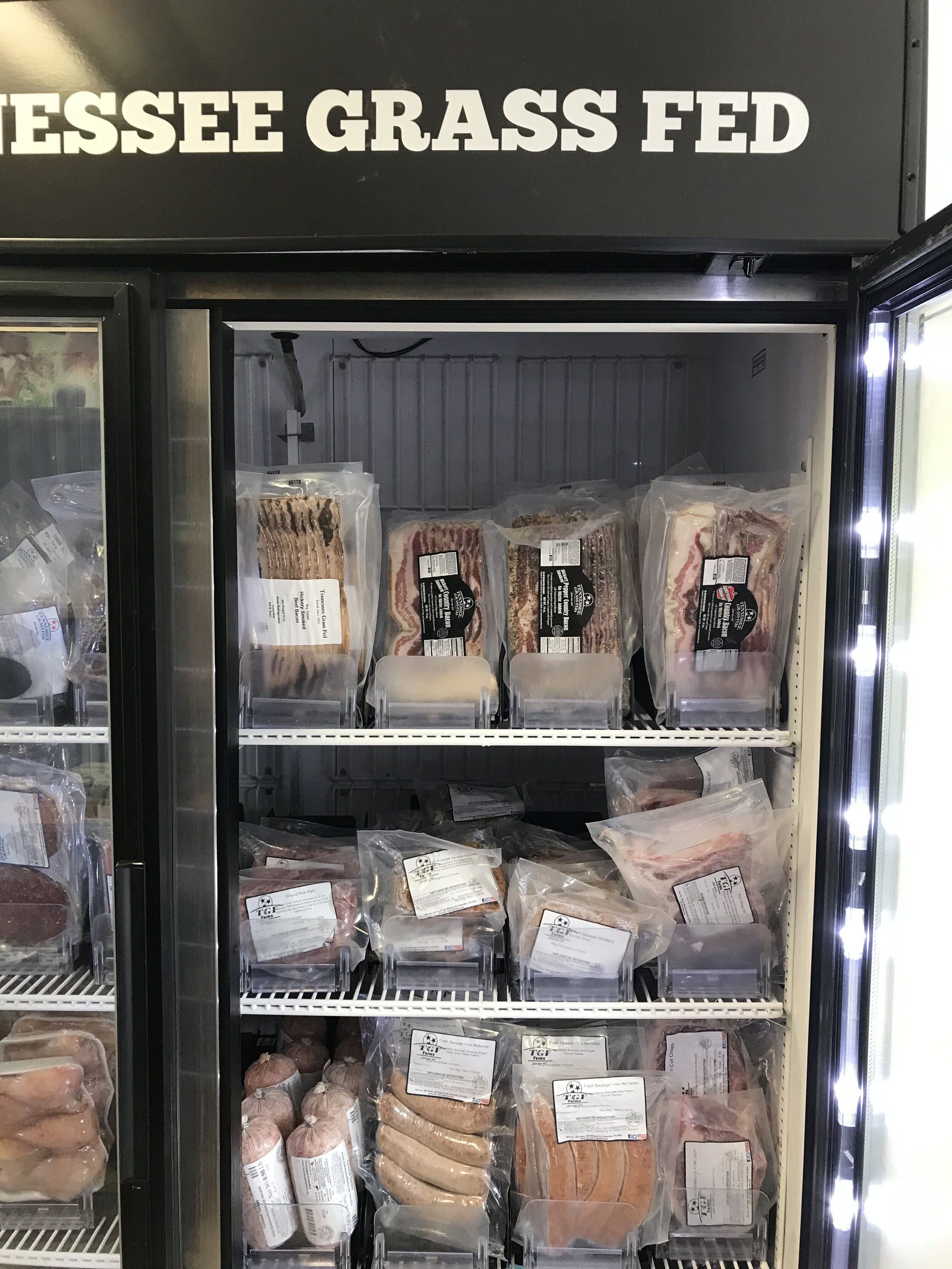
On a balmy summer morning, I sat in their 100-year-old dairy barn-turned-farm store, packing room, and offices around a residential dining table. Shelves nearby were stocked with sauces, seasonings, honey, and other staples and coolers were filled with rows of meat offerings, primarily their own grass-fed beef cuts but also chicken and pork offered through deep inter-farm connections that Phil and the Baggett family has cultivated with other producers. When Phil spoke about their web of providers, it reminded me of TNFP’s value of Interdependence. This includes items like the honey, sauces, and even eggs that they want to display in the farm store to make a convenient stop for customers where they can source a number of their core groceries. The network of local food providers with which the Baggett’s collaborate means that when Tennessee Grass Fed does well in business, a whole network of local farmers also do well, creating relationships built around mutual success and community.
Phil spoke enthusiastically about soil health, perennial ground cover, grass varieties, pasture rotation, and a team that cultivates and cares for the cattle with gentle and intentional respect. Other staff members in the packing room awaited customer orders purchased digitally, carefully packaging and labeling items for either home delivery or delivery to one of the farmers markets or freezer drop sites that makes their high-quality products easily accessible to consumers from East Nashville, to Clarksville, all the way to Mt. Juliet and Murfreesboro.


Immediately across from the farm store and packaging facility is a historic home—the one that Phil was born and raised in. He pointed out the four front-facing windows and talked about how it was originally log cabin construction. As our conversation came to a close he told me how to navigate a way out that winds through the property with huge grassy pastures, immaculately tended fencing and crisp black and silver barns. I passed a few cows taking advantage of the ample trees, each looking easily pleased in their own little cool hammocks of shade.
At The Nashville Food Project, we often dream about a just and sustainable food system, noting that this would require the collective work of many from the work of politicians to farmers to the ordering and recovery practices of restaurants, grocery stores and even to what is featured on individual kitchen tables. The work of PRB and TGF among others reminds us that we can cultivate foods, even animal proteins, in ways that have the potential to be good for the earth, the animals, the producer, and the health of the community.
Want to get your hands on some goodness?
Tennessee Grass Fed products can be ordered online and delivered to your home or convenient drop spot (think East Nashville Brew Works)! If you are up for a short drive (40 minutes from downtown Nashville) you can even visit the farm, book a tour, and snag products from their on-site farm store!
Porter Road Butcher is centrally located on Gallatin Pike and products can also be ordered online for nationwide delivery. Stop by the butcher shop and chat with their crew to get the insider info on the different cuts and their team’s personal favorites!
Partner Spotlight: Elmahaba Center
We spotlight Elmahaba Center, a nonprofit serving the Arabic-speaking community, as well Ashraf Azer, interpreter for the Arabic-speaking gardeners at the Community Farm at Mill Ridge. We are privileged to host seven Egyptian gardeners on the farm this season and have loved learning about a specific type of green used to make Molokhia, a beloved Egyptian soup.
When Ashraf Azer arrived in the United States from his native Egypt about 15 years ago, he took a job as a housekeeper at Gaylord Opryland Hotel. He cleaned rooms by day and spent three evenings a week for three years at McGavock High School taking English classes.
“I was the most annoying one,” he said of his persistence in learning. “I was always asking the teacher.”
These days, Ashraf works as operation manager in housekeeping at Opryland—and he serves as an interpreter for the Arabic-speaking community gardeners at The Community Farm at Mill Ridge.

While you can hear multiple languages in our gardens, this is the first year we’ve had the privilege of hosting Arabic-speaking folks, specifically seven gardeners who came to the United States from Egypt and live predominantly in South Nashville. For this new development, we thank Ashraf and the folks at Elmahaba Center, a nonprofit formed two years ago to serve the Arabic-speaking community. Ashraf, a leader in the community, acted as a founding Board member.
Ashraf says response to the community garden applications took off quickly in his community, which has an agriculturally rich culture of fertile land along the Nile River. “We are very passionate about farming. It’s our history,” he says.
But in this country few people have access to land for growing their own food. “Not everybody in the Arabic-speaking community owns a house. Most own an apartment. Even the houses don’t have a big backyard,” he says. “It’s something everybody maybe dreams about.”
Folks also were eager to know, for example, if they could grow culturally significant crops at Mill Ridge like specific greens for Molokhia, a soup many consider the national dish of Egypt with a name that means “vegetable for kings” and dates back to the time of the pharaohs.

“All this stuff is very, very important ingredients in our food,” he says. “The green soup. It’s a big deal.”
Lydia Yousief, founder and executive director of Elmahaba Center, adds that food sovereignty is crucial for healthy communities. “When there are limited people who are able to own land, that means that the food we are eating—mostly people of color—is given to us. You don’t have much agency when you don’t have land in what you’re putting into your body.” That also translates to less agency over health, mental capacity, community and culture.

“Having the power to cultivate the land is also mutual,” she says. “I can’t just grow anything in Tennessee. I have to listen to the land as well. Once you do that you become not temporary here.”
Beyond their own tables, Ashraf says growing food provides opportunities to be connected to a place in giving back. “Maybe they like to donate but don’t have the resources to donate,” he says. “But they can donate food.”
Helping people have access to gardens and interpretation is, of course, just one part of the work at Elmahaba Center, whose name means “unconditional love.” Lydia estimates that between 50,000 and 75,000 Arabic speakers live in Nashville but belong to various communities—Egyptian, Iraqi, Yeminis and Syrians—with different cultures and religions. “If our reaction is to further isolate, that’s not gonna save anybody,” she says. So the group holds cross-cultural Community Saturdays to provide goods like clothes or food. Elmahaba also posts educational videos on all manner of topics from COVID-19 to legal advice with hopes to expand more into ESL, citizenship and businesses classes for Arabic speakers.
In the meantime, The Nashville Food Project will be working to expand and create safe spaces where gardeners of all cultures can continue to grow different but culturally relevant food side by side. As Lydia says, “We are much stronger together than alone.”

To learn more and support Elmahaba Center, visit their website or follow their work on social media.
Partner Spotlight: Darrell Hawks of Friends of Mill Ridge Park
The Nashville Food Project stewards a portion of Mill Ridge Park as the Community Farm at Mill Ridge, as space that currently hosts about 80 community garden participant families. Our partnership with Friends of Mill Ridge Park (FMRP) has been essential in the continued success of TNFP’s efforts to create infrastructure and land access opportunities for folks to grow their own food in the South East Nashville area. As we celebrate the ways that our work is intertwined with other types of environmental justice work in Nashville, we spoke with FMRP Executive Director, Darrell Hawks.
As many of you may know, The Nashville Food Project stewards a portion of Mill Ridge Park as the Community Farm at Mill Ridge, as space that currently hosts about 80 community garden participant families that are able to elect from individual plots or communal gardening opportunities! Monthly training in four languages creates spaces for learning and plots hold vibrant patches of green with produce selections reflective of the gardener’s culture, tastes, and preferences.
Now entering into our third growing season in this incredible space, our partnership with Friends of Mill Ridge Park (FMRP) has been essential in the continued success of TNFP’s efforts to create infrastructure and land access opportunities for folks to grow their own food in the South East Nashville area. If you’ve been out to the farm you will notice rows and rows of carefully tended young fruit trees as you turn off of Old Hickory Boulevard. As we celebrate the ways that our work is intertwined with other types of environmental justice work happening in Nashville, we wanted to invite Friends of Mill Ridge’s Executive Director, Darrell Hawks, to share more about this burgeoning oasis.

Can you share a little about yourself and your work with Friends of Mill Ridge?
While completing my MBA at Belmont University, I worked to develop and operate social enterprise employing people after incarceration. Outside of work, I spent much of my time in the outdoors and became more aware of the exclusivity of the outdoors. With motivation to “open the outdoors,” in 2018 I began new work as founding executive director of Friends of Mill Ridge Park. FMRP is an Antioch-based nonprofit with a mission to enhance and advocate for Mill Ridge Park to strengthen the community in Southeast Davidson County. We operate at Mill Ridge Park as an official partner to the Nashville Department of Parks & Recreation. Through our work, we create outdoor experiences (in the areas of education, recreation, and conservation) for people lacking sufficient access to the outdoor and outdoor services.
For those aren’t familiar with Mill Ridge Park, can you share a little about the space as a whole?
Mill Ridge Park is 650 acres (mostly undeveloped) of woodlands, grasslands, and historic farmlands. Located in Antioch, off of I24 and nearby Cane Ridge High School, it’s a Nashville Regional Park, soon to be developed with park amenities and facilities to serve our fast-growing community in southeast Davidson County. The masterplan, developed with community involvement, can be seen online.

I saw that Friends recently celebrated surpassing their 100th fruit tree planted at Mill Ridge Park, not far from the Community Farm that TNFP stewards! Congrats! Can you share how increased fruit tree presence became a priority in the bigger vision for the Mill Ridge green space?
The orchard, included in the master plan for Mill Ridge Park, creates opportunities for FMRP to engage the community to advance our mission. By involving the coming in the creation and care of the orchard, we generate regular experiences in outdoor education, recreation, and conservation… all while improving the air and water quality and food access in our community. Additionally, the placement of the orchard will serve to buffer the sound of nearby traffic.

What types of trees have been added to the space? Are there varieties you are personally excited about?
There are a variety of apple, pear, plum, persimmon, and cherry trees that make up the orchard currently. I’m excited about the cherry trees and the possibility of pawpaw trees, which I’m learning about from Tennessee natives.
The Nashville Food Project’s work at the Community Farm at Mill Ridge is intimately connected with the work of Metro Parks and Friends of Mill Ridge among countless other relationships and interdependent efforts. We love examining the way that varied efforts in Nashville intertwine for mutual goals and visions. Can you share some of the folks who have been essential to creating this expanding orchard at Mill Ridge?
To create and grow the orchard at Mill Ridge Park, we’ve enjoyed partnering with the Cumberland River Compact, Root Nashville, Hands On Nashville, plus a variety of other community and corporate partners.

When you think about the orchard in 5 and 10 years, how do you imagine the presence of fruit trees will positively impact the space?
The site alone of an orchard signifies a cared-for space, and in this case of a public orchard we have a cared-for community! It’s even more special that it’s community generated! In the coming years, our park will be beautified by the presence of the orchard, blooming and fruiting throughout the seasons. It will bring our community together for the service of pruning and picking, for the learning about conservation, for the celebration of eating and sharing! And it won't end at the park exit; the orchard will serve as inspiration for some to go back to their own, greenspaces to grow and care and share.
My family and I recently attended Kite Fest hosted by Friends of Mill Ridge! It was wonderful and my toddler is still talking about it! What ways can people connect with Friends upcoming events or volunteer opportunities?
We share about upcoming activities at Mill Ridge Park at friendsofmillridgepark.org and on our social sites (Facebook, Instagram, and Twitter). We also invite the community to share ideas and requests for experiencing Mill Ridge Park. Happening these days, we have outdoor yoga, park meditations, outside cinema, birding and plant walks, and others.

Speaking of trees, did you catch our Instagram Live conversation with Root Nashville? Tree canopy enthusiast Meg Morgan joined TNFP’s Community Engagement Manager Elizabeth Langgle-Martin to talk all things trees, environmental justice, food access, and our interdependent work for healthy ecosystems, neighborhoods, communities and people. Click HERE to watch and listen.

A Spirit of Service
"What I love about these programs as we think about the spirit of service is these programs are built on the strengths of those who participate and not their deficits." - our founder Tallu Schuyler Quinn delivering her acceptance speech for the 2020 Alumna Spirit of Service Award at Harpeth Hall School. You can watch the full speech here, where we also offer our gratitude to Harpeth Hall for their recent donations helping us stock our pantry and provide nourishing meals in the community.

Our founder Tallu Schuyler Quinn took the stage recently at Harpeth Hall School to accept the 2020 Alumna Spirit of Service Award. She shared about her journey and our work at The Nashville Food Project including programs like Growing Together.
“What I love about these programs as we think about the spirit of service is that they are built on the strengths of those who participate and not their deficits. I think that's an important and extraordinary way for us to think about poor people. Those of us who haven’t grown up in poverty can often think about poor people as just what they lack. Many of these program participants, while they lack much in life because of an unjust economic system, have incredible strengths, knowledge and experience that contributes something really meaningful in our community. To me that’s such a core tenant in the spirit of service.”
It was a particularly special time, too, as the school’s students and parents also worked that week to raise funds and gather pantry supplies to help keep our kitchens stocked and our community fed. A spirit of service showing up in multiple ways!

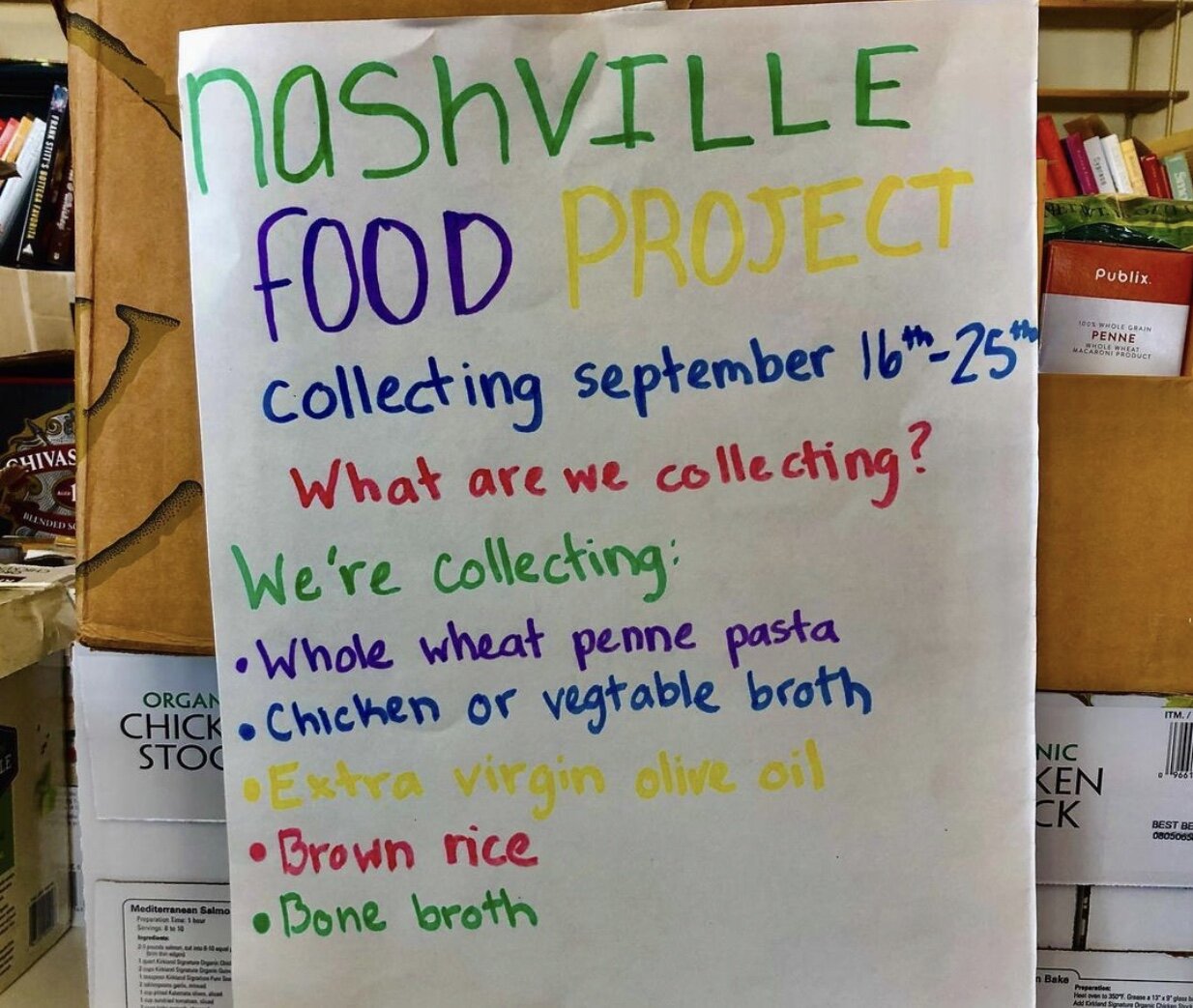
During the drive—as well as one Harpeth Hall hosted in 2020—the Harpeth Hall community pulled together an incredible 2,300 pounds of often-used ingredients including cooking oils, stocks, beans, rice and other highly adaptable and fundamental building blocks to our meals.
“These ingredients can be used to add substance and nutrition to such a wide variety of dishes and really help take the edge off of our budget,” says Procurement Manager David Frease. “This frees the kitchen up to spend their resources on more fresh, high-quality produce and protein, adding more diversity to the meals they create.”

David finds some peace after sorting donations at The Nashville Food Project headquarters.
The latest drive also happened toward the end of the cooler months, a particularly lean time for us when the majority of our local farm partners go into hibernation and there aren't as many donations coming into the kitchen.
“The idea of the students rallying behind our cause in such great numbers is really incredible,” David says.

You can hear Tallu’s full speech from Harpeth Hall at the video below.
Flood Relief: A Few Ways to Help
It’s hard to believe we have faced yet another set of tragic circumstances in Nashville after a brutal year of a tornado, COVID, a bombing and now floods, which recently took the lives of seven Nashvillians. We are doing our small part by sending out meals alongside Metro Social Services, Open Table Nashville and People Loving People. These organizations have all been tirelessly caring for and advocating for our neighbors without housing who have shouldered the brunt of this latest trauma. Additional ways to help partners and friends listed here.

It’s hard to believe we have faced yet another set of tragic circumstances in Nashville after a brutal year of a tornado, COVID, a bombing and now floods, which recently took the lives of at least seven people.
The latest of these disasters has us thinking to the early days of The Nashville Food Project’s formation in the aftermath of the 2010 flood. In the midst of it all, the words of Betsy Philips in the Nashville Scene yesterday have us digging deep :
This is, I think, the way forward through yet another tragedy. Do the ritual. Even if we’re burned out and pissed, and even if we feel betrayed by a lot of our neighbors, even if we feel like chumps for helping, help anyway. Help not because you’re feeling it, but because this is what we do in times like this. Help because one of the most important things about Nashville is that we help, and even with everything else that’s changed in the city, we don’t have to be changed into the kinds of people who don’t help.
We can preserve what’s good about Nashville by being good, even when we’re not feeling it.
Today we’re doing our small part by sending out meals alongside Metro Social Services, Open Table Nashville and People Loving People. These organizations have all been tirelessly caring for and advocating for our neighbors without housing who have shouldered the brunt of this latest trauma.

How else can we help those affected by the recent floods? We have collected various calls to action from partners and friends here:
Hands On Nashville is working closely with Nashville's Office of Emergency Management to deploy volunteers in safe ways to areas in need of help.
Community Resource Center has been updating their list of needs on their social media and website such as tarps, rakes, and outdoor trash cans.
Open Table Nashville has been keeping their social media updated with needs for those experiencing homelessness including a current need for Kroger and Walmart gift cards.
Room in the Inn also has listed a need for items like socks, sleeping bags, sleeping mats and more.
Shower the People Nashville will be holding a flood debris clean-up on Thursday, April 1.
People Loving People also serving the unhoused community in Nashville has been updating their social media with needs.
Follow and support our friends at Cul2vate Farms as they work to determine the damage on their property.
Please let us know if you hear of other needs, and we will keep this list updated.
Offering a Place of Hope and Joy
The Nashville Food Project garden spaces have long been witness to the wisdom, hope and joy of growers who came to the United States from Southeast Asia. We also have been witness to their added hardships and concerns this past year including anti-Asian violence here. and abroad.

Growing Together farmers with their new cooler, a game-changer for their vegetable harvesting.
The Nashville Food Project garden spaces have long been witness to the wisdom, hope and joy of growers who came to the United States from Southeast Asia. In the community gardens and at the Growing Together garden, we have watched Nepali mustard sprout from the soil and tasted a rainbow of heirloom hot peppers lighting up the rows. At community potlucks, we have been treated to gundrek soup and potato paneer curry lovingly made with the fruits of labor on shared garden land.


But this year amidst the everyday fears and economic losses of a pandemic, we also have been witness to the added hardships of our friends who already endured so much by coming to the United States as refugees from countries like Bhutan and Burma (now known as Myanmar). Family members in farming communities have faced COVID diagnoses after working jobs at hotspots such as meat processing facilities. In February, we learned of the military coup and violence erupting in Myanmar, the home country to many garden program participants. (Growing Together farmer Roi, for example, has been sending her Growing Together earnings to a school for the blind in that country terrorized by the coup.) And on American soil, we are seeing racism and violence directed at Asian communities too. Following the Atlanta shooting, Growing Together Manager Tallahasee May posted these words on the Growing Together instagram account:
“Violence against Asian Americans and BIPOC is not new. During this past year, however, as the Covid 19 pandemic surged and fear mongering and false rhetoric spread through local and federal leadership, we heard that the immigrant, Asian, and Asian American community felt the rise in tension and persecution. Many participants in the Growing Together program told how they feel threatened and vulnerable as they move through their day, and have continued to live in fear. Unfortunately - again- this is not new. But it should not and can not continue. It is very much time to call out this racism, to support the work for civil rights, prevention of hate crimes, and for restorative justice initiatives in communities, and for all to speak up against dangerous rhetoric against Asian Americans and descendants. The Growing Together program and @thenashvillefoodproject celebrate and are grateful for the Asian American community and for all the work and support they generously contribute on this path towards food and social justice.”
It is no doubt a heavy time. And yet, we continue to intentionally strive for our garden spaces to provide a safe place of hope and joy—where farmers can feel connected to this soil and to the community around them. We are proud to offer programs where we do not focus on scarcity or lack but rather abundance in harvest and also the abundance these growers bring in their strengths, community connection and deep knowledge.
We thank you for your support of the growers.
Today we also offer a few additional ways to show support to the local API community.
Follow API Middle Tennessee, which offers links to:
Sign up for future workshops to help advocate for a safe and just Tennessee for Asian and Pacific Islanders.
Support the families of Atlanta victims.
As well as report any harm happening in our community.
Consider training on the positive impacts of bystander intervention.
Support local immigrant and refugee advocacy groups such as Tennessee Immigrant and Refugee Rights Coalition, Nation’s Ministry, Nashville International Center for Empowerment and Catholic Charities of Tennessee.
Support Asian-owned restaurants. Just a few of our staff favorites include Ate’s Filipino Kitchen, East Side Banh Mi, Thai Esane, Thai Ni Yom and Laovin’ It.