
The Nashville Food Project’s Blog






Fueling Potential: How Summer Meals Support Youth at the Boys & Girls Club
At the Andrew Jackson Clubhouse of the Boys & Girls Clubs of Middle Tennessee, kids are spending the summer learning, growing—and thanks to The Nashville Food Project’s made-from-scratch meals—staying nourished, too.
Through the Sweet Peas Summer Eats for Kids program, sponsored by Jackson®, hundreds of healthy meals are delivered each week to support youth during a time when access to regular food can drop off.
This partnership is part of The Nashville Food Project’s Community Meals program, which brings nutritious food directly to organizations already creating safe, supportive spaces for young people.
Now in its sixth year, the collaboration with Jackson is helping serve over 100,000 meals this summer—fueling not just plates, but potential across the city.
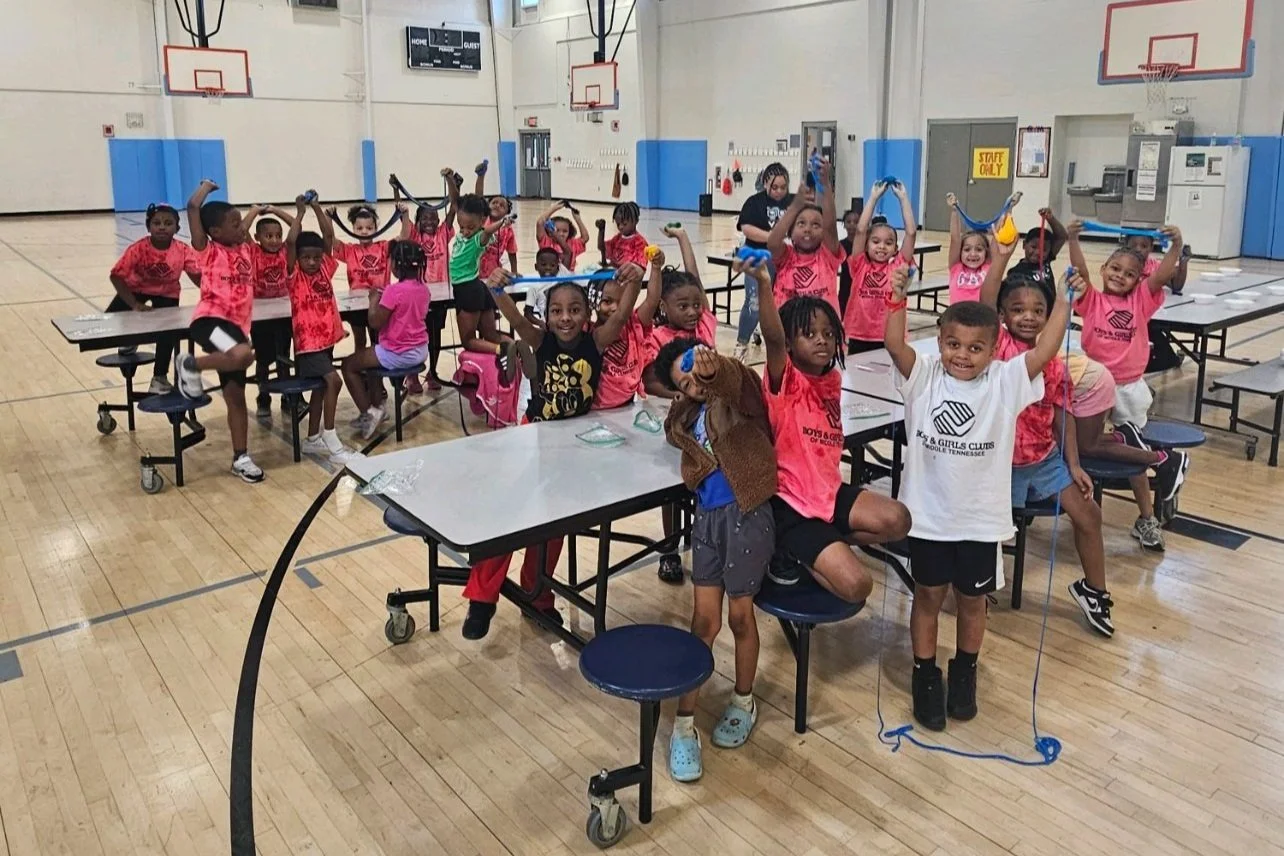
At the Boys & Girls Clubs of Middle Tennessee’s Andrew Jackson Clubhouse, every day is filled with opportunities for youth to learn, grow, and connect. And thanks to Sweet Peas Summer Eats for Kids—sponsored by Jackson National Life Insurance Company® (Jackson®)—those days are also fueled by healthy, made-from-scratch meals from The Nashville Food Project.
We handle the food so BGCMT can stay focused on its mission: to help all young people—especially those who need us most—reach their full potential as productive, caring, responsible citizens.
“When school is out, many children and teens lose access to regular meals,” says Denise Carothers with BGCMT. “The Nashville Food Project’s summer meals ensure that youth have access to healthy food even when school is out. These meals do more than fill plates—they strengthen support systems, create safe spaces, and help children and teens thrive.”
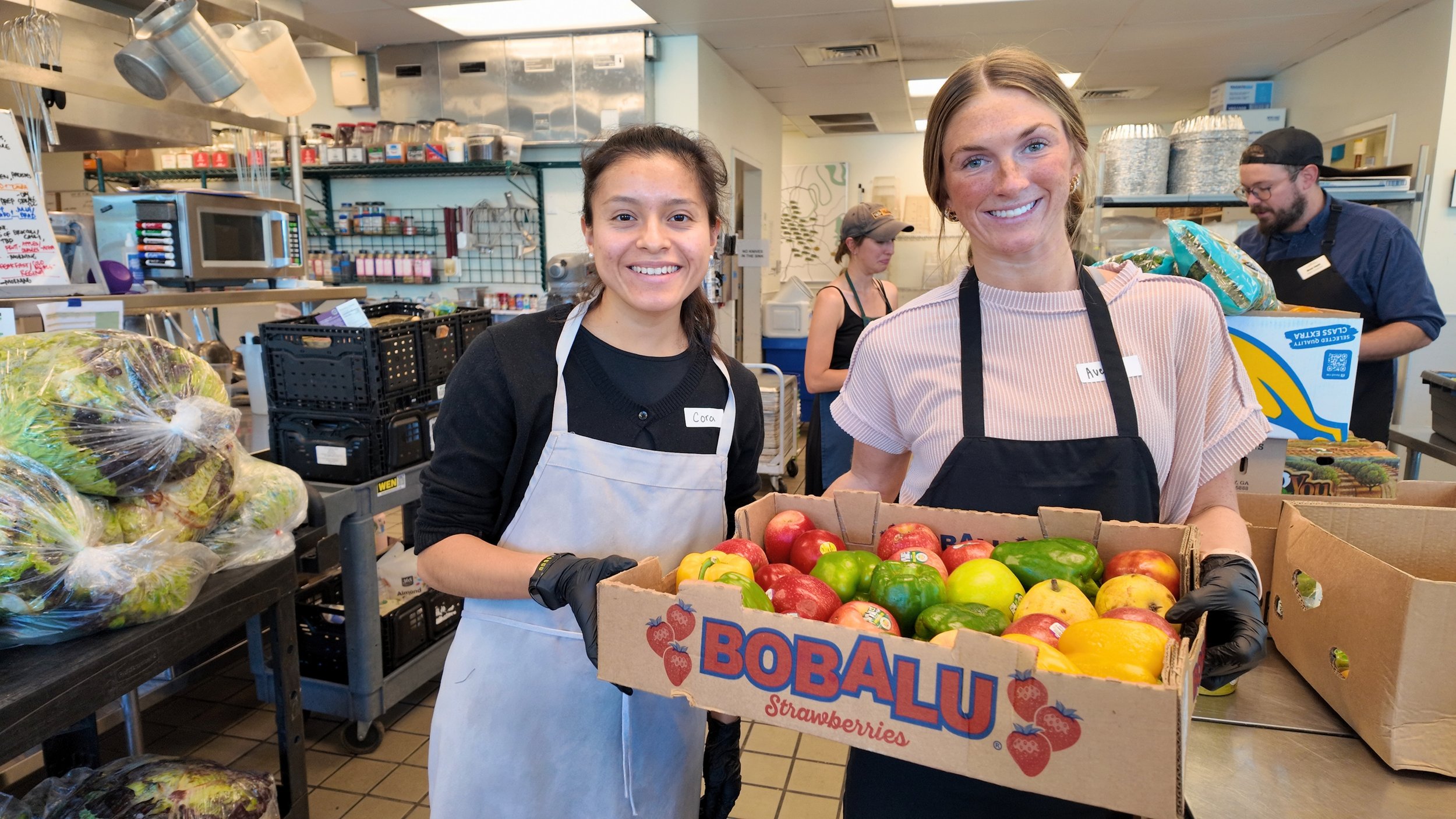
Each week this summer, the Andrew Jackson Clubhouse receives hundreds of meals packed with local produce and kid-friendly favorites like veggie pasta and chicken tacos. And they’re just one of many partners receiving meals through Sweet Peas this summer. With Jackson’s incredible support—now in its sixth consecutive year—we’ll serve more than 100,000 meals this summer to children across the city.

This partnership is part of our Community Meals program, which provides nutritious, made-from-scratch meals to organizations already gathering people in meaningful ways. Our meals help reduce barriers to food access by showing up where people already are—programs like BGCMT that offer stability, community, and a sense of belonging.
This work is only possible because of corporate partners like Jackson, who share our belief that good food is a powerful way to build stronger, healthier communities—one meal at a time.
Introducing Children to New Foods
Looking ways to get the kids in your life to try new foods? TNFP serves nutritious meals and snacks to about 370 different children each week, so we’re right there with you! We’re sharing highlights on what we’ve learned about how to (and how not to) introduce new, nutritious foods to children.

If you’re looking for ways to get kids to try new and nutritious foods… we are right there with you! Through our meals program, The Nashville Food Project serves nutritious meals and snacks to about 370 different children each week across a number of sites. Our meals team works hard to pack our menus with fresh and nutritionally-dense ingredients -- especially fruits and vegetables. At the same time, we’re giving equal priority to ensuring these meals are culturally appropriate and, of course, delicious. As you can imagine, finding menus that meet all these parameters can be a challenge, especially with often-times picky kids! Here’s some of what we’ve learned about introducing new foods to children.

Start early. If you can, introducing a variety of foods to kids at a young age goes a long way. We see this difference in the kids we’ve been serving from a younger age - offering them new fruits and vegetables daily. By the time they’re older, they’ve seen these foods so many times that it’s become familiar.

Exposure and persistence. Repetition is vital to introducing a child to new foods, and what they’re willing to try can change through different stages of development. Toddlers often like a new food after trying it 5-10 times. Kids aged 3-4 may need to try it 15 times or more. All to say… keep at it! It’s a process.
Make it fun. How you present the food definitely affects how the kids react. If you’re excited, the children will mirror your excitement and follow your lead. Sometimes kids are turned off by the look of a new food, so try different, fun presentations. We have a lot of fun turning healthy snacks into fun animals and characters, and the kids love it!
Don’t force it. Negative reactions to new foods is totally normal! Kids may use food as a way to control their environment because they don’t have a lot of other choices they get to make for themselves. When you can, focus on giving options and encouraging trying new things.

Try different flavors and preparations. If they don’t like a vegetable one way, try a different seasoning or a different way of preparing it. We often try more nutritious takes on foods that are familiar and comforting, like a greek-yogurt based salad dressing instead of ranch.
Balance. If you’re introducing a food you know will be unfamiliar and challenging, offer it alongside a familiar favorite. Or chop up vegetables and incorporate into dishes that are already favorites (for example, adding sauteed squash to a marinara sauce).
Connect to the source of the food. Many studies show when children interact with and understand the source of the food they’re eating, they’re more excited to try it. We’ve seen this first-hand hosting groups in our gardens and our kitchens. Get your kids more involved in growing and preparing the food the eat, and they’ll definitely get more excited to try the fruits of their labor (pun intended).
What are your tips and tricks for getting kids to try new foods?