
The Nashville Food Project’s Blog




Growing Together: Highlights of 2021
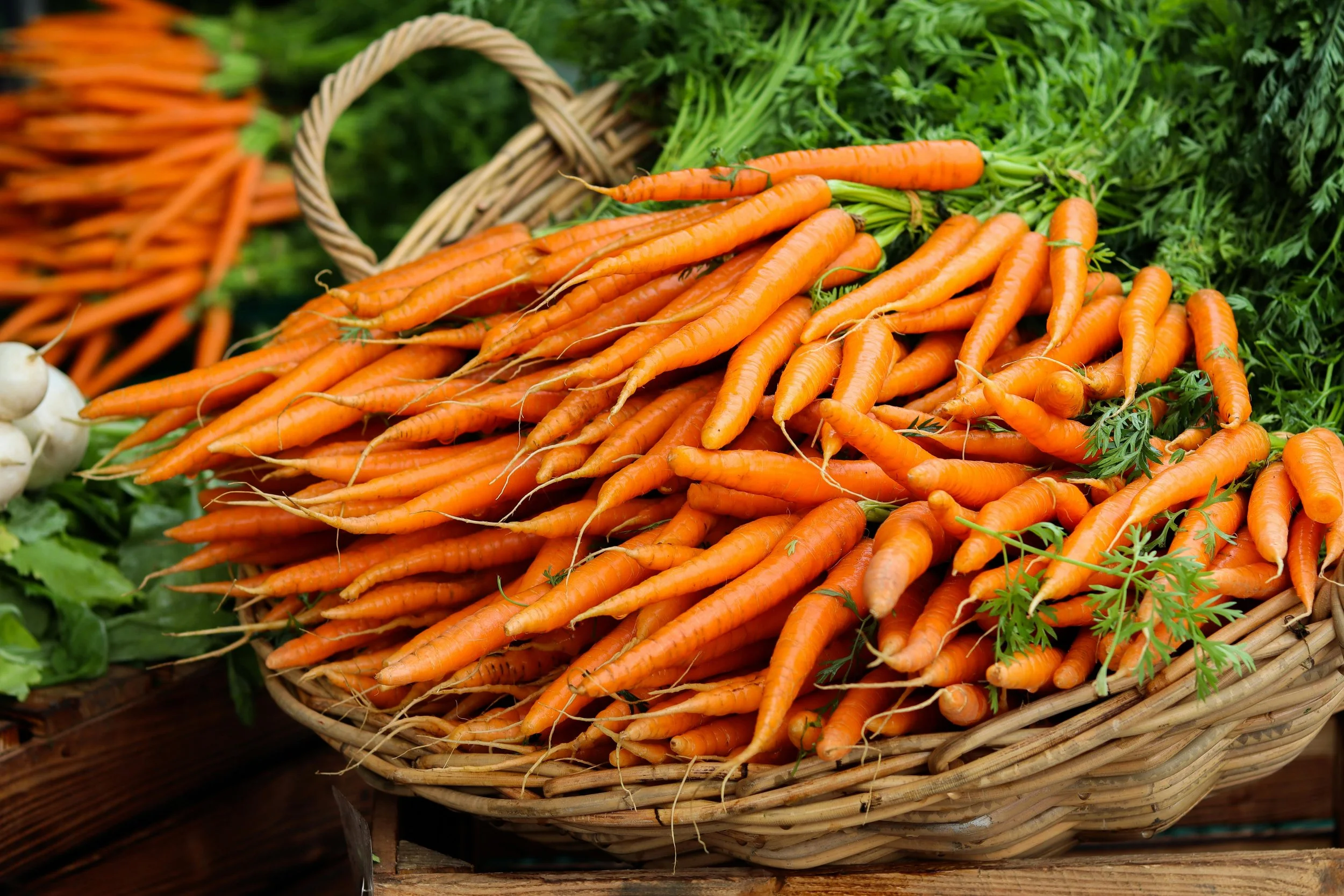
The Growing Together program is small, but its impact is deep. This year, there were six families farming our one acre of land. More than 20,000 pounds of vegetables were harvested from this green and compact corner of our city. More than 5,000 pounds of that were purchased by The Nashville Food Project from the farmers and then shared with partners and community members who helped distribute to those who otherwise lack access to fresh produce. We are also grateful for the customers who participated in our community supported agriculture (CSA) program. In this post, we share a few favorite moments of the year.

by Tallahassee May, Director of Growing Together
On a sunny Sunday afternoon in November, the Growing Together farmers hosted a potluck to celebrate the conclusion of the season. Colorful bowls and trays of vegetable curries, Nepali dumplings called momos, roti, and rice pilau, filled the tables and welcomed guests to the garden.
As a part of The Nashville Food Project’s garden program, Growing Together supports those who came here as refugees and immigrants from Bhutan and Myanmar in their desire to farm. A big part of this work is the facilitation of access to land, resources, training, and markets that otherwise would not be available because of language and cultural barriers. Now in its seventh year, the Growing Together garden is a vibrant community space that provides a safe and beautiful sanctuary for its participants as well as their families and friends. It is always a very special occasion to open the garden to visitors and to commemorate the harvest together.

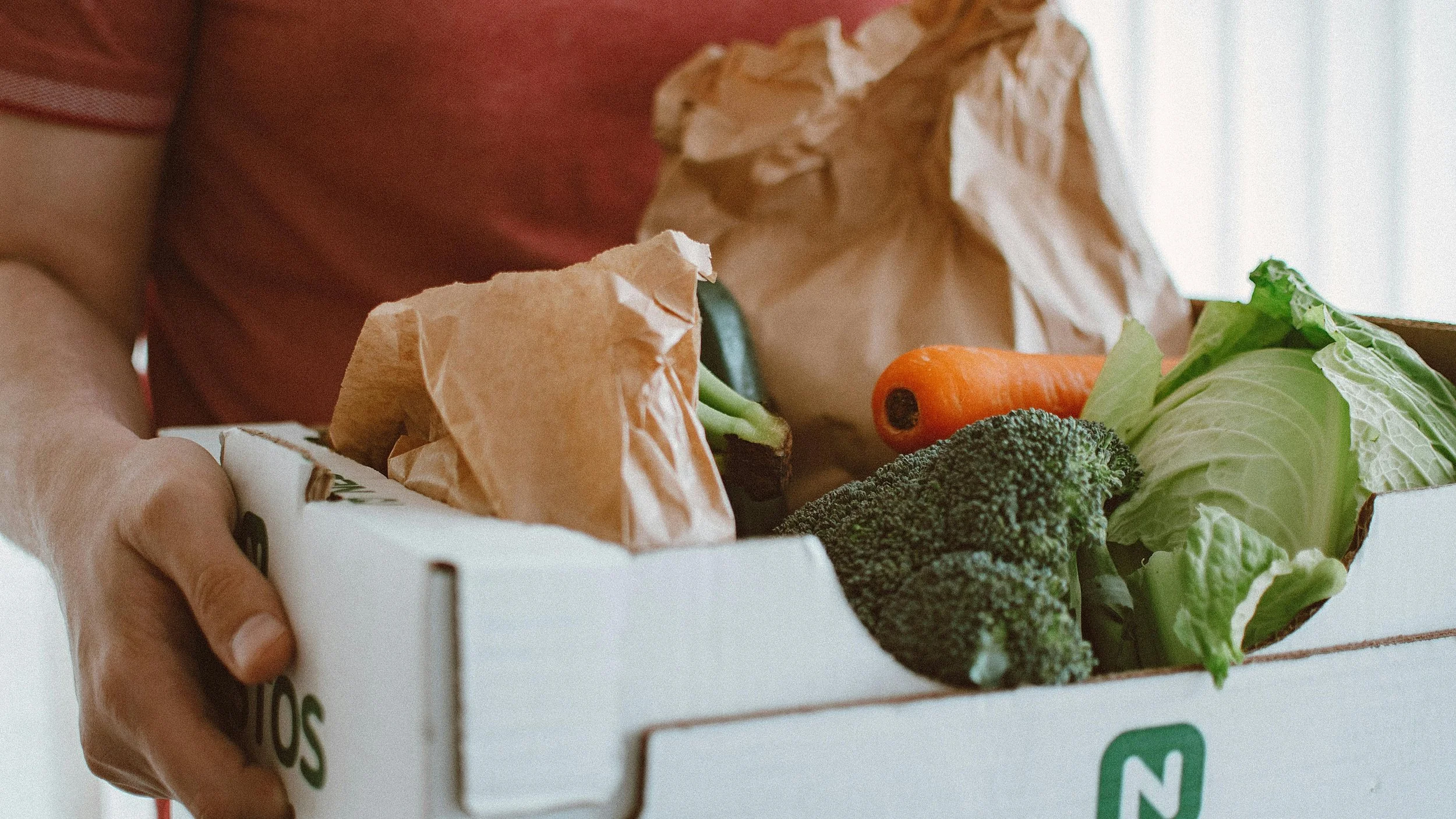
The Growing Together program is small, but its impact is deep. This year, there were six families farming our one acre of land. More than 20,000 pounds of vegetables were harvested from this green and compact corner of our city. More than 5,000 pounds of that were purchased by The Nashville Food Project from the farmers and then shared with partners and community members who helped distribute to those who otherwise lack access to fresh produce. We are also grateful for the customers who participated in our community supported agriculture (CSA) program. The Growing Together CSA fed 65 households, supplying weekly boxes of familiar Tennessee vegetables as well as the farmers’ cultural foods such as bitter gourd, long beans, and heirloom Nepali mustard.
Here are just a few of our favorite moments from the year:
Welcoming volunteers back to the garden! Volunteers play such an important role in our infrastructure and maintenance at the garden site, and it was wonderful to work together again tackling projects.

Harvesting shiitake mushrooms! Thanks to a seed money grant from Slow Food Middle Tennessee, we were able to purchase logs and start our shiitake mushroom enterprise this year. Our hope is to have enough in the coming years to offer them in our Veggie Boxes to our CSA customers. This year was a fun learning adventure, and we picked enough to make some delicious shiitake mushroom salt to share with our guests at the year-end potluck.
New Partnerships! This year we worked closely with other organizations and community members who helped facilitate the distribution of fresh produce bags. We have so much admiration for the work of Nashville Immigrant Center for Empowerment (NICE), Tennessee Immigrant and Refugee Rights Coalition (TIRRC), Trap Gardens, Highlands Apartments, and organizers from the Burmese Community, and we appreciate the opportunity to collaborate with them in sharing organically grown and culturally appropriate vegetables to those in need.

A new onsite walk-in cooler! This was a game-changer for our program, making our vegetable harvesting much more efficient and improving the quality of our produce.

Donating vegetables to the Burmese community for their fundraiser. The crisis in Myanmar left many civilians in that country powerless and desperate for resources. The local Burmese community banded together to raise funds for family members there by using Growing Together vegetables to make and sell kimchi.
This Nashville Scene cover story on our work along with the the work of The Nashville Food Project!
As Farmer Nar says: “The garden is a memory of home. I am glad I can work and make money here, but most important to me is how it makes me feel. I can be true to who I am when I am in the garden.”
Thank you to everyone who supported Growing Together this year!
Q&A with Justin Hiltner, featured musician for our 10th Anniversary Picnic Party
When banjoist, songwriter, journalist and activist Justin Hiltner recorded a set at our headquarters for the upcoming 10th Anniversary Picnic Party, he took a minute to introduce a new song about “anxiety and growing Old Tennessee melons, called Muskmelons.”
A whole song about growing melons? We were obviously smitten.
To say we have loved working with Justin for this event would be an understatement. Learn more about him below, and don’t miss the streamed show, which will air Sunday, September 26!

Left to right: Tristan Scroggins, Justin Hiltner, Vickie Vaughn, Brennen Leigh
When banjoist, songwriter, journalist and activist Justin Hiltner recorded a set at our headquarters for the upcoming 10th Anniversary Picnic Party, he took a minute to introduce a new song about “anxiety and growing Old Tennessee melons, called Muskmelons.”
A whole song about growing melons? We were obviously smitten.
To say we have loved working with Justin for this event would be an understatement. Learn more about him below, and don’t miss the streamed show, which will air Sunday, September 26! Reserve your tickets here!
How did you get into playing banjo and songwriting?
I first saw a banjo on TV when I was six years old and told my parents, "That's what I want to do!" Their response, quite reasonable, was, "If you still want to play banjo in a year, we'll get you a banjo." Now here we are, twenty-two years later, and the entire course of life has been altered by the whim of a six-year-old! I recently realized that that first instance of seeing a banjo was actually in "Cotton Patch Gospel" a Broadway musical that was a bluegrass and southern retelling of the gospel story. Quite a fitting origin story, I think!
I really began getting into songwriting in high school, when I was very much into writing and poetry and realized my own writing was lyrical to begin with—perhaps growing up a musician impacted that? haha – and it really blossomed as a primary vehicle for my art and self expression when I moved to Nashville in 2011 and began surrounding myself with other creators and musicmakers who saw songwriting not just as a craft or a livelihood, but as a modern form of literature and a folkway, too.
What has your journey in Nashville been like? We hear you have a new record coming in Fall 2021?
I love living in Nashville and in the South! I grew up in the country in rural central Ohio and Nashville and the surrounding hills really remind me of home—but with a lot more music everywhere you look. I don't know if I'll stay in Nashville forever, but I've found such a bright, diverse, fulfilling community here and I'm so grateful for the artistic and creative communities I've tapped into as well. One of my main goals when I first moved to town was to record and release a truly solo album, and I'm so excited that that debut project is coming before the end of this year. It might not be in the fall now, but very soon. The project is called 1992 and is just me, the banjo, and my sad, gay banjo songs!
We're so thrilled you're a part of this momentous occasion with us and loved hearing that you've been following our mission. Is food security a passion of yours?
Food security and food justice are two huge tentpoles of my personal mission in life and in music! Food security and food justice will be central strategies to responding to the climate crisis in a way that centers Black, Brown, Indigenous, disabled, and Queer communities. Community-based organizations like the Nashville Food Project have an important and vital role to play in those responses. I'm a hobby gardener and farmer and avid birdwatcher myself, so I've always believed so strongly that connecting ourselves and our human communities to our greater ecosystems is how we will right so many of the unjust problems of the modern world. I was so excited to be plugged in with y'all for the Picnic Party, not only because of how my mission in music aligns with the NFP's mission, but because I just truly love gardening, farming, and modern solutions for solving food insecurity and food injustices.
We hear you have a few songs about gardening and/or farming and other issues that sound quite aligned to our work! Can you tell us a bit more about those songs and your inspiration in writing them?
I truly have so many songs about nature, gardening, birds, fruits and vegetables, bumblebees, and just spending time grounded and connected to the natural world. The real problem was choosing which ones to showcase for this event! I love writing about the things I'm most passionate about, and whether I've sat down to expressly write about nature or I just happen to find that's what's pouring out of my pen, I find myself most fulfilled when I'm making art about the natural world and the sheer resplendent, awe-inspiring beauty in her every day, mundane things. I love poets like Mary Oliver and Theodore Rothke who connect such abstract and ethereal concepts and philosophies to concrete creatures and settings and feelings in nature. I try to do the same in my songwriting, whether I'm writing about migrant workers, or using birds as metaphors, or writing about anxiety and growing melons!
We also know you to be an activist and proponent of inclusion in roots music. Can you tell us more about that and the work you've been proud to be part of in that regard?
Being one of very few openly queer folks in bluegrass, I've always had an activist bent to my art and the community that surrounds my creative process. I believe so strongly that roots music and bluegrass are for everyone, regardless of who you are, your identity, background, or where you're from. Taking that central belief into every avenue of my career in bluegrass has been a North star for me while I've navigated the music industry over the past ten years. It's how I'm able to prioritize events and partnerships like this one, because I have a mission in music greater than just, "Make music cause I like to do it." I believe so strongly that we'll only solve all of the pressing injustices of modernity if we each realize we all individually and collectively have a stake in enacting that justice. That's why I keep my activism as present as possible in my music—there's much work to be done, but together we can get that work done!
Okay, Dolly Parton's America. We must know more. Can you tell us about being part of that?
Dolly Parton's America might just be the COOLEST thing I've ever gotten to do! I'm such a huge fan of Dolly, her music, her songwriting, and her artistic ethos, to get to be even a small part of the Peabody Award-winning podcast about her made by one of my all-time favorite podcast and radio hosts, Jad Abumrad – and his amazing co-producer, Shima Oliaee – was a dream come true. That at one point in the episode I appear in they cut directly from my voice to Dolly's saying, "God made everybody just the way they are" – I still get goosebumps and tears well up every time I hear it. DPA gave me the largest audience and microphone I've ever had to date, I appreciate it so much and I still connect with new folks and fans who found me via the podcast every day! So freakin' cool. Dolly if you're out there reading this, love ya.

Hard things and simmering soups
Garden volunteer extraordinaire, Linda Bodfish once said that when the needs change, we change with them. And as we’ve been in the fields, passing bags along (metaphorically and for some staff, quite literally), there have been moments of clarity when we see the opportunity of these moments of crisis. We are challenged to recenter our work around TNFP’s core values and move in a common rhythm to meet the ever-changing needs of our neighbors.

Photo by Abigail Bobo, abigailbobo.com.
Post by Elizabeth Langgle-Martin, Community Engagement Manager
“I want to be with people who submerge
in the task, who go into the fields to harvest
and work in a row and pass the bags along,
who are not parlor generals and field deserters
but move in a common rhythm
when the food must come in or the fire be put out.”
-Marge Piercy from “To Be of Use”
As the weather cools and we enter into this new season, I am thinking back on the “fires” our community has faced over these last six months and the storms that we are still navigating. There are many. Devastating local tornados, the uncharted imposition globally of COVID-19, nationwide police brutality highlighting deep-seated systemic racism, our beloved Tallu’s glioblastoma diagnosis… the list is long and daunting.
However, when I think of this TNFP family, I think of Bianca creating beautiful meals from recovered ingredients other chefs would turn away. I remember Julia last year calmly explaining that cows broke into Mill Ridge’s fields and destroyed crops that represented months of hard work. Without missing a beat, she began to implement a plan to move forward. I think of Tallu writing powerful words of comfort and reflection hours after taxing cancer treatments. I think of Elke and Jake squeegeeing inches of water out of the flooded kitchen in the wee hours of the morning to make sure the meals team could stay on schedule. I think of countless hands that showed up the evening of March 3rd to recover thousands of pounds of meat even while much of the city was still without power. I think of the endless, faithful donations that keep the lights on, the trucks running, the walk-in full, and our team cared for.
I think of a group of people who knows how to do hard things.
Garden volunteer extraordinaire, Linda Bodfish once said that when the needs change, we change with them. And as we’ve been in the fields, passing bags along (metaphorically and for some staff, quite literally), there have been moments of clarity when we see the opportunity of these moments of crisis. We are challenged to recenter our work around TNFP’s core values and move in a common rhythm to meet the ever-changing needs of our neighbors.
We are grateful for those of you who have loved and joined us “in the fields” in so many different seasons. You’ve shown up to unload food donations, broadfork unbroken ground, and stuff envelopes. You’ve organized pantries, chopped onions, hauled compost, and shared stories.
As we are stretched in new ways to meet new needs and root more deeply to who we have chosen to be, we feel comfort in the steadfast support of this vibrant community.
As we slowly prepare to reintroduce volunteers into TNFP spaces as part of our phased plan, this season is calling for shift to a smaller and more intentional volunteer presence, a rebirth of our dedication to the best use of donated and recovered food, and a continued, steadfast commitment to supporting increasing the accessibility of agricultural space and high-quality food. Towards the end of October, we will be entering into a trial period to workshop new volunteer roles and systems with a handful of long-term volunteers. We’ll keep you all in the loop as we decide how and when our spaces will be accessible for more hands!
What’s simmering… from our home kitchens to yours!
If the TNFP crew is passionate about one thing in the home kitchen during the fall, it’s probably soups. Here are some of our faves that are easily adaptable to your own tastes!

Alice Water’s Fall Minestrone (Christa’s Go-To… can you imagine this with veggies right from the fields of Sweeter Days?)
Flavors of Morocco-Inspired Vegetable and Chickpea Stew (David Frease says this is his first soup of the season every year)
Skinny Taste’s No Beans Sweet Potato Chili (a favorite of Meg and myself—though we make it vegetarian by subbing black beans for the ground turkey, so you do you)
Green Soup with Ginger (JJ’s pick for times when you may be feeling under the weather and need a kick)
Carrot Soup with Chermoula (Elke’s been loving this one recently!)
When the Helpers Need our Help
Our restaurant friends have shown up for us in extraordinary ways over the years with their skilled hands, big hearts, expert knowledge, creativity and efficient work. They’ve taught us through action about service and heaped generosity upon us helping raise thousands to fund our twin goals of cultivating community and alleviating hunger in our beloved city Nashville. They’ve had our backs—and thus, the backs of so many across this city. They’ve shown us all hospitality and provided space for building community at their welcome tables. And now our restaurant friends need us.

Just five days after devastating storms swept through Nashville, our staff was feeling overwhelmed and verging on burnout. We had been in constant motion to add extra meal prep sessions, organize new distribution routes and increase production to share thousands of emergency meals over and above our typical run of partner meals.
But we knew we had to keep going in order to meet the needs of the marginalized neighbors across our city. We needed clutch help. And as they always have, the chefs and restaurateurs stepped up.
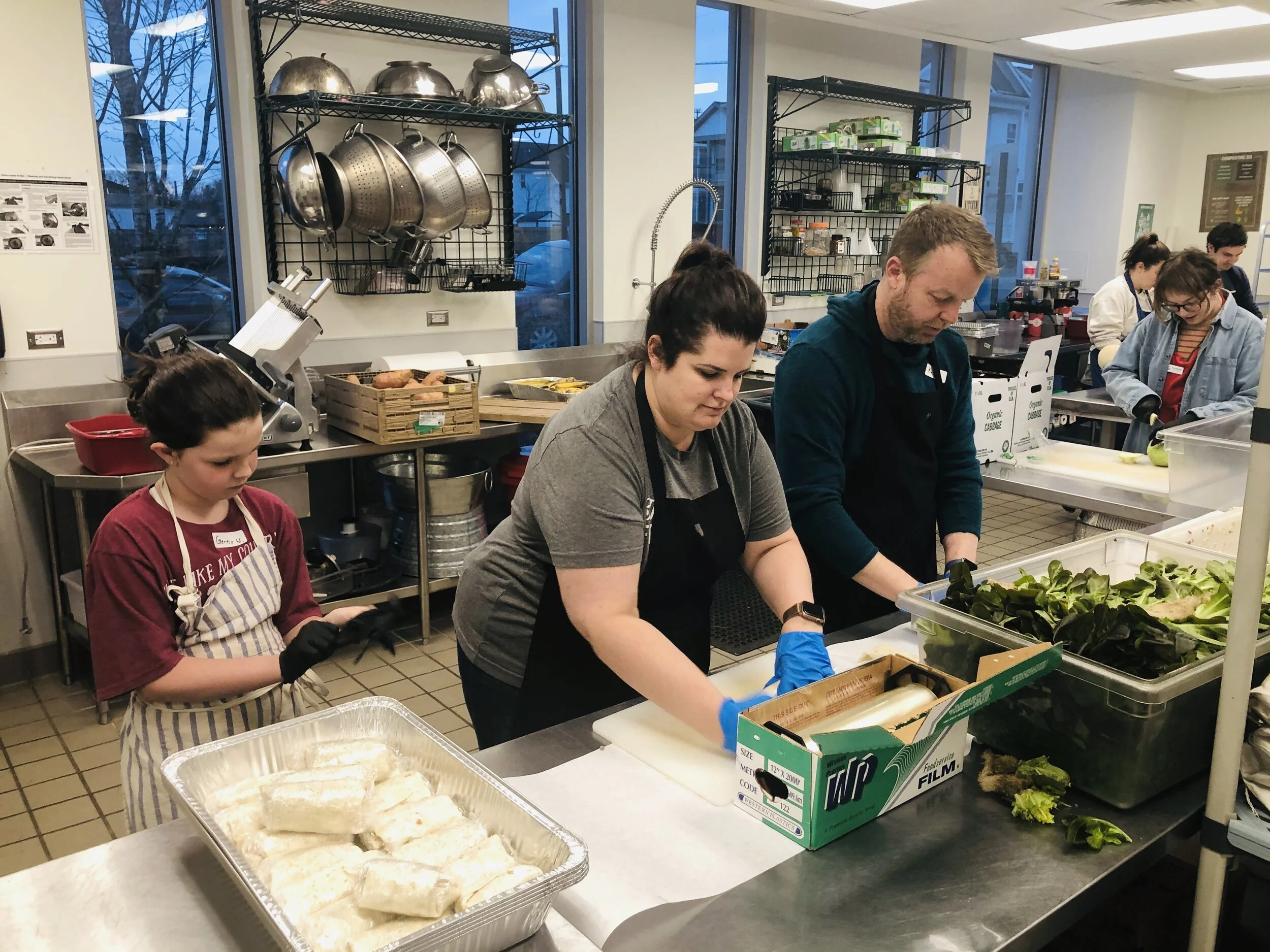
The first Sunday after the storm, a team of 14 professionals had assembled in our kitchen—sleeves rolled up, aprons tied on, ready to work. Some of their restaurants were still without power while others had worked busy shifts all week or been a part of enormous volunteer efforts around town. None of us knew at the time that just days later, they would be shutting their doors indefinitely and helplessly sending staff home amid COVID-19.
Our restaurant friends have shown up for us in extraordinary ways over the years with their skilled hands, big hearts, expert knowledge, creativity and efficient work. They’ve taught us through action about service and heaped generosity upon us at Simmer and Nourish dinners and donated packages to our silent and live auctions that help us raise thousands of dollars to fund our twin goals of cultivating community and alleviating hunger in our beloved city of Nashville.
They’ve had our backs—and thus, the backs of so many across this city. They’ve shown us all hospitality and provided space for building community at their welcome tables. And now our restaurant friends need us.
So how can we help? We can take part in the innovative measures they’ve had to put into place. We can order take-out, gift cards and merch. We can contribute to GoFundMe accounts for workers, many of whom were already living close to the margins. But we also can make our voices heard. A coalition of chefs and restaurant owners mobilized quickly this week to form Tennessee Action for Hospitality. We invite you to visit their site, read their requests and take action.
As we reflect on the past couple weeks, we’d also like to offer specific thanks.
Chef Lisa Marie White of Biscuit Love helped us quickly pull together that all-star team for Sunday prep including Pastry Chef Jaime Miller of Lockeland Table, Tandy Wilson of City House, Tandy’s wife Stephanie Melidis Wilson, Kate Redden of City House, as well as Biscuit Love staff and alums John and Emily Dyer and James Handy. Davis Reese from Sean Brock’s team joined us as well as longtime Dulce Dessert owner Juanita Lane, longtime chef Betsy Johnston and Scarlett Egan, and Chris DeJesus of M Street with his wife and Pastry Chef Brook Champagne and their soon Arlo.

In just a three-hour session, here’s a glimpse at what they accomplished:
15 gallons of chicken stock
20 gallons of marinara
Muffin batter to use all week (with streusel topping)
Scones, frozen on sheet pans with baking instructions
A 12-gallon Lexan pan of pasta salad
2 full Lexan pans of herbed croutons
450 sack lunches with wrapped home-baked cookies
Several pans of banana bread, portioned and labeled
Replenished mise en place and sliced deli turkey
And then without us asking—they washed dishes and mopped the floor!

Restaurant friends showed up in other important ways too. With the power still out at his Germantown restaurant Tailor, Vivek Surti joined a regular prep session as did Tom Eckert from Maneet Chauhan’s restaurants (Maneet and team also delivered emergency meals!). Arnold Myint came in to break down whole chickens, make soup and stock and fry tenders. Despite running several busy restaurants Karl and Sarah Worley, co-owners of Biscuit Love and ‘za, came in for prep—rolling chicken salad wraps—with their daughter Gertie.
Katie Struzick and Lucie Bardone of Lockeland Table organized, labeled and inventoried a refrigerated truck donated by US Foods to World Central Kitchen. Jaime Miller also from Lockeland Table spent two days organizing our walk-in cooler and pantry—critically helpful as we received hundreds of donations of perishable product from dozens of generous donors.


Chef Julia Sullivan of Henrietta Red donated ingredients. Julia Jaksic of Cafe Roze helped deliver our meals on foot. Molly Martin of Juniper Green, Levon Wallace formerly of Strategic Hospitality, Trey Cioccia of The Farm House and Black Rabbit, and Tony and Caroline Galzin of Nicky’s Coal Fired also offered support. We could go on— and that’s in just two weeks time.
At The Nashville Food Project, we hold as a value the belief that every individual has the capacity to be both guest and host. In this time of need for Nashville’s hospitality community — and for so many Nashville neighbors — we hope for creativity and innovation in finding ways to help the helpers among us.
For those in the industry, please be in touch if you know folks with specific needs. You can reach out to me directly at jennifer@thenashvillefoodproject.org and I will take your confidential requests to our Leadership Team at The Nashville Food Project, and we will do our best to support you where you are.