
The Nashville Food Project’s Blog




Growing Together: Highlights of 2021
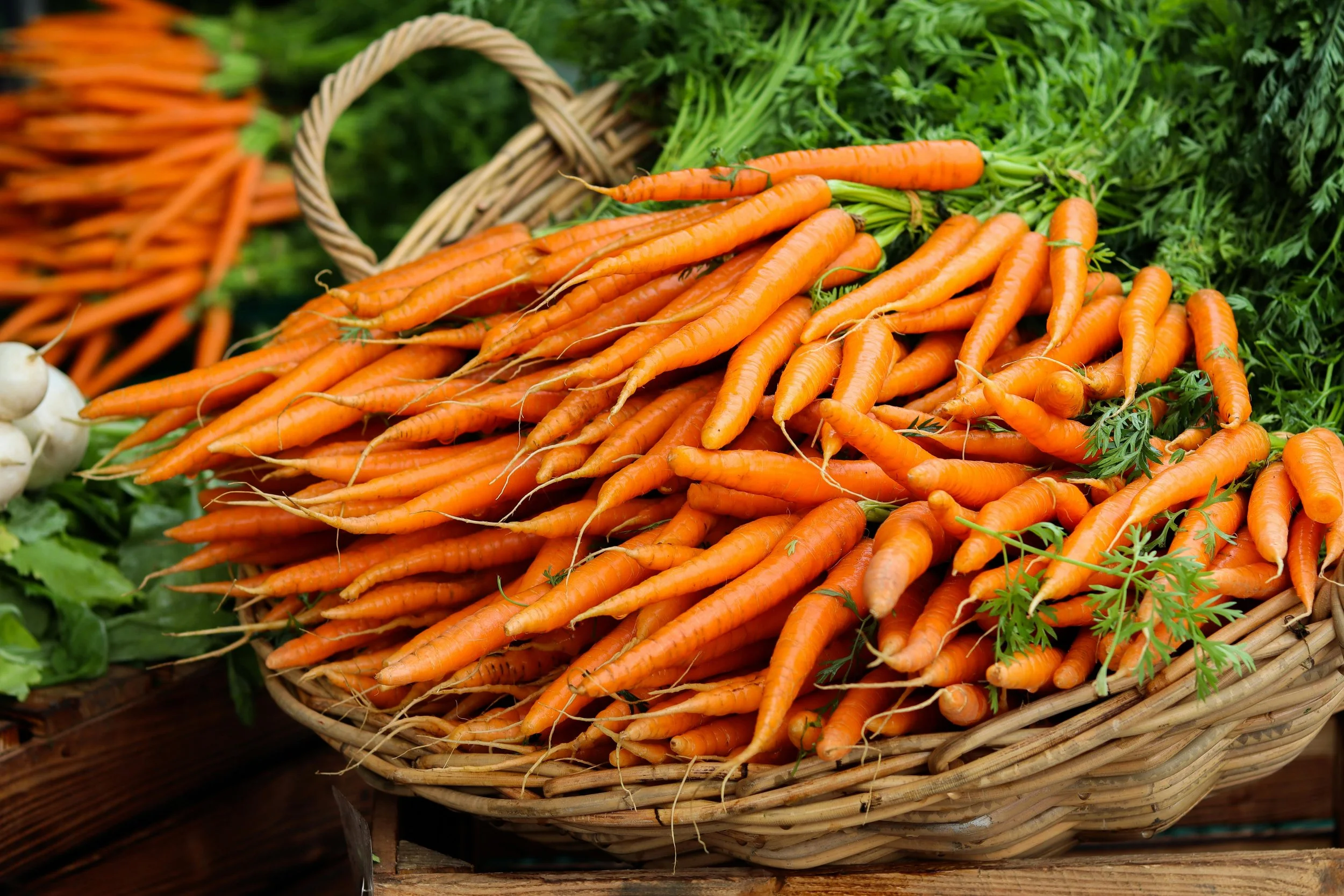
The Growing Together program is small, but its impact is deep. This year, there were six families farming our one acre of land. More than 20,000 pounds of vegetables were harvested from this green and compact corner of our city. More than 5,000 pounds of that were purchased by The Nashville Food Project from the farmers and then shared with partners and community members who helped distribute to those who otherwise lack access to fresh produce. We are also grateful for the customers who participated in our community supported agriculture (CSA) program. In this post, we share a few favorite moments of the year.

by Tallahassee May, Director of Growing Together
On a sunny Sunday afternoon in November, the Growing Together farmers hosted a potluck to celebrate the conclusion of the season. Colorful bowls and trays of vegetable curries, Nepali dumplings called momos, roti, and rice pilau, filled the tables and welcomed guests to the garden.
As a part of The Nashville Food Project’s garden program, Growing Together supports those who came here as refugees and immigrants from Bhutan and Myanmar in their desire to farm. A big part of this work is the facilitation of access to land, resources, training, and markets that otherwise would not be available because of language and cultural barriers. Now in its seventh year, the Growing Together garden is a vibrant community space that provides a safe and beautiful sanctuary for its participants as well as their families and friends. It is always a very special occasion to open the garden to visitors and to commemorate the harvest together.

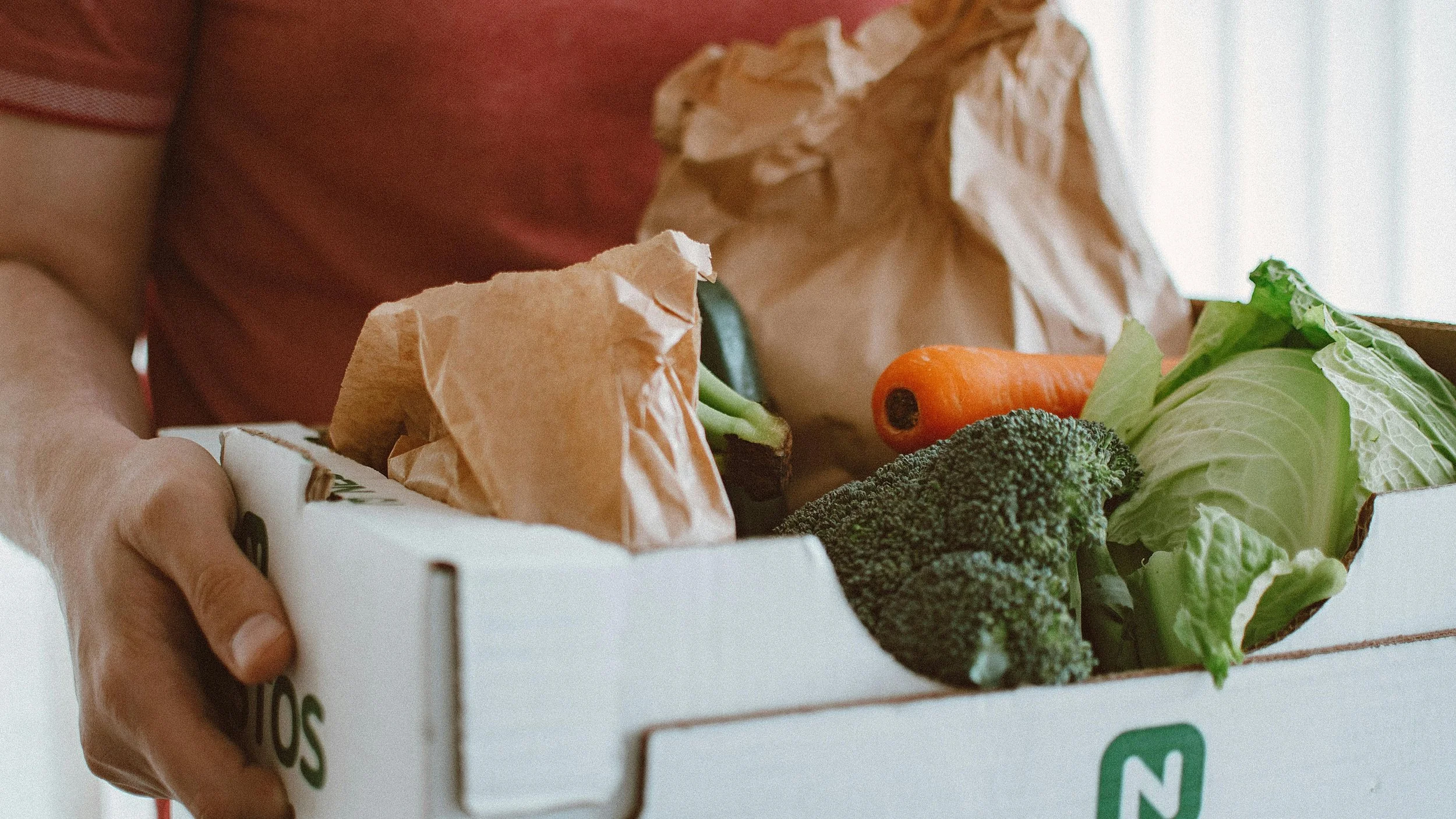
The Growing Together program is small, but its impact is deep. This year, there were six families farming our one acre of land. More than 20,000 pounds of vegetables were harvested from this green and compact corner of our city. More than 5,000 pounds of that were purchased by The Nashville Food Project from the farmers and then shared with partners and community members who helped distribute to those who otherwise lack access to fresh produce. We are also grateful for the customers who participated in our community supported agriculture (CSA) program. The Growing Together CSA fed 65 households, supplying weekly boxes of familiar Tennessee vegetables as well as the farmers’ cultural foods such as bitter gourd, long beans, and heirloom Nepali mustard.
Here are just a few of our favorite moments from the year:
Welcoming volunteers back to the garden! Volunteers play such an important role in our infrastructure and maintenance at the garden site, and it was wonderful to work together again tackling projects.

Harvesting shiitake mushrooms! Thanks to a seed money grant from Slow Food Middle Tennessee, we were able to purchase logs and start our shiitake mushroom enterprise this year. Our hope is to have enough in the coming years to offer them in our Veggie Boxes to our CSA customers. This year was a fun learning adventure, and we picked enough to make some delicious shiitake mushroom salt to share with our guests at the year-end potluck.
New Partnerships! This year we worked closely with other organizations and community members who helped facilitate the distribution of fresh produce bags. We have so much admiration for the work of Nashville Immigrant Center for Empowerment (NICE), Tennessee Immigrant and Refugee Rights Coalition (TIRRC), Trap Gardens, Highlands Apartments, and organizers from the Burmese Community, and we appreciate the opportunity to collaborate with them in sharing organically grown and culturally appropriate vegetables to those in need.

A new onsite walk-in cooler! This was a game-changer for our program, making our vegetable harvesting much more efficient and improving the quality of our produce.

Donating vegetables to the Burmese community for their fundraiser. The crisis in Myanmar left many civilians in that country powerless and desperate for resources. The local Burmese community banded together to raise funds for family members there by using Growing Together vegetables to make and sell kimchi.
This Nashville Scene cover story on our work along with the the work of The Nashville Food Project!
As Farmer Nar says: “The garden is a memory of home. I am glad I can work and make money here, but most important to me is how it makes me feel. I can be true to who I am when I am in the garden.”
Thank you to everyone who supported Growing Together this year!
Partner Spotlight: Growing Together + Tennessee Immigrant & Refugee Rights Coalition
Growing Together Manager Tallahassee May writes about the farmers’ produce-sharing partnership with Tennessee Immigrant and Refugee Rights Coalition.
“In growing food for local sales and distribution, [the farmers] have the autonomy to grow food that is both culturally meaningful to them as well as crops that support relationship-building with different cultures.”
by Tallahassee May, Growing Together Manager
It is morning at the Growing Together garden on Haywood Lane. The forecast looks to be a very hot one, and already the air is heavy with humidity. The farmers harvest for produce deliveries, working a bit faster than usual to beat the midday heat.

This year the Growing Together program of The Nashville Food Project has expanded its produce outlets to include new partnerships in the city. As part of the Food Project mission to cultivate community and alleviate hunger, the Growing Together farmers now work to grow food that is specific for distribution to communities that otherwise may not have access to fresh, culturally appropriate produce.
On Thursdays we deliver produce to the Tennessee Immigrant and Refugee Rights Coalition (TIRRC), a statewide, immigrant and refugee-led collaboration whose mission is to empower immigrants and refugees throughout Tennessee to develop a unified voice, defend their rights, and create an atmosphere in which they are recognized as positive contributors to the state. Our friends at TIRRC provide many services and community engagement opportunities, including legal services, voter registration, naturalization and paths to citizenship, English language classes, as well as an assistance line, a community garden, and events such as the upcoming InterNASHional Food Series. This is all happens with the vision of lifting up fundamental American freedoms and human rights and building a strong, welcoming, and inclusive Tennessee.

As a part of their programming, TIRRC now offers free bags of Growing Together produce to its members who are participating in their services and events. “We love this opportunity,” says Arturo Salomon Reyes, Operations Coordinator at TIRRC. “I personally have noticed how helpful this has been with everybody that comes to get their free veggies. I've talked to most of the families that come every week. They tell me how helpful this is for them, especially how some of them sometimes don't have enough money to pay rent and buy food for the week.”
At The Nashville Food Project we emphasize relationship-building with other nonprofits, communities and organizations who partner with us to share nourishing food. This happens through our meals, but we also have the opportunity with Growing Together farmers to share fresh produce as well. We are grateful to these partners supporting the work of expanding food access, such as TIRRC and also others including Trap Gardens, Legacy Mission Village, and HIghlands Apartments.
In so many ways, this symbiosis between TIRRC and the Growing Together program encapsulates the many layers of food justice work that The Nashville Food Project supports. With the Growing Together program, participants who arrived to the United States as refugees are supported with land and resources that they would otherwise not have access to. In growing food for local sales and distribution, they have meaningful work for a supplemental income that allows them to contribute in significant ways to their family. In the garden, the farmers have the autonomy to grow food that is both culturally meaningful to them as well as crops that support relationship building with different cultures. This work makes a deep impact across many parts of the community, and encourages and supports marginalized peoples’ participation in the food system.

As Chandra and Tonka wash their freshly dug potatoes, and Lal weighs his cucumbers, we also gather bags of tender green beans, and pints of colorful and juicy cherry tomatoes. Crunchy green bell peppers are added to the bags as we pack. “Coming from a Hispanic family I know how important and how useful vegetables are in our everyday life, “ Arturo tells us later. “I see this same benefit for the families who come every week to get their produce. They always tell me how much we are helping them, so I always make sure to tell them that this wouldn't be possible without The Nashville Food Project and the people who work hard at the farm.”
We are grateful for your partnership, TIRRC!

Growing Together Manager Tallahassee May and Growing Together Coordinator Chris Burke talk with folks at TIRRC’s Welcome Home event.

Kale Yeah!
A recent donation from Harpeth Moon Farms of 150 pounds of kale really had the meals team busy brainstorming all the ways to prepare and share these greens— stewarding a precious, nutritious gift to its highest best use. We share some uses for kale in this post along with a recipe.

Last week, we posted on social media about a glorious donation of 150 pounds of kale from Harpeth Moon Farm. That’s a mountain of greens!

But we always love the challenge in stewarding gifts like this by using every part of the vegetable to pack as much tasty nutrition into our meals as possible. It often includes brainstorming by the meals team to think of many ways to use a product—such as whirling greens into juices, folding them into stir-frys or pastas, roasting, braising, pickling, and making stocks with the stems.
For part of this batch, Contract Meals Coordinator Jake Martin had the idea to make a kale pesto, which could be used in several different applications. We spread it onto French bread for a pizza base, added it to cream sauce for pesto pasta, and transformed it into green goddess for drizzling over veggie grain bowls.
Jake came to The Nashville Food Project earlier this year after working with his father Chef Michael Martin of South Fork Catering Co. During the height of the pandemic, the Martin father-son duo supported our meals program by using their time and skills to help us process vegetables when we had no extra hands (a.k.a. volunteers) to help us and as South Fork had fewer events to cater. Creativity comes in many forms—finding smart ways to use vegetables and creative ways to work together too!

Kale Pesto
2 to 3 cloves garlic
3 cups packed kale (about 1 small bunch)
¾ cup toasted walnuts
2 tablespoons lemon juice (about 1 lemon)
¾ teaspoon kosher salt
¼ teaspoon ground pepper
Red pepper flakes, optional (if you want to add some kick)
¼ extra-virgin olive oil (more if desired)
⅓ cup grated Parmesan cheese
Combine all ingredients in a food processor and whirl until smooth!
Partner Spotlight: Darrell Hawks of Friends of Mill Ridge Park
The Nashville Food Project stewards a portion of Mill Ridge Park as the Community Farm at Mill Ridge, as space that currently hosts about 80 community garden participant families. Our partnership with Friends of Mill Ridge Park (FMRP) has been essential in the continued success of TNFP’s efforts to create infrastructure and land access opportunities for folks to grow their own food in the South East Nashville area. As we celebrate the ways that our work is intertwined with other types of environmental justice work in Nashville, we spoke with FMRP Executive Director, Darrell Hawks.
As many of you may know, The Nashville Food Project stewards a portion of Mill Ridge Park as the Community Farm at Mill Ridge, as space that currently hosts about 80 community garden participant families that are able to elect from individual plots or communal gardening opportunities! Monthly training in four languages creates spaces for learning and plots hold vibrant patches of green with produce selections reflective of the gardener’s culture, tastes, and preferences.
Now entering into our third growing season in this incredible space, our partnership with Friends of Mill Ridge Park (FMRP) has been essential in the continued success of TNFP’s efforts to create infrastructure and land access opportunities for folks to grow their own food in the South East Nashville area. If you’ve been out to the farm you will notice rows and rows of carefully tended young fruit trees as you turn off of Old Hickory Boulevard. As we celebrate the ways that our work is intertwined with other types of environmental justice work happening in Nashville, we wanted to invite Friends of Mill Ridge’s Executive Director, Darrell Hawks, to share more about this burgeoning oasis.

Can you share a little about yourself and your work with Friends of Mill Ridge?
While completing my MBA at Belmont University, I worked to develop and operate social enterprise employing people after incarceration. Outside of work, I spent much of my time in the outdoors and became more aware of the exclusivity of the outdoors. With motivation to “open the outdoors,” in 2018 I began new work as founding executive director of Friends of Mill Ridge Park. FMRP is an Antioch-based nonprofit with a mission to enhance and advocate for Mill Ridge Park to strengthen the community in Southeast Davidson County. We operate at Mill Ridge Park as an official partner to the Nashville Department of Parks & Recreation. Through our work, we create outdoor experiences (in the areas of education, recreation, and conservation) for people lacking sufficient access to the outdoor and outdoor services.
For those aren’t familiar with Mill Ridge Park, can you share a little about the space as a whole?
Mill Ridge Park is 650 acres (mostly undeveloped) of woodlands, grasslands, and historic farmlands. Located in Antioch, off of I24 and nearby Cane Ridge High School, it’s a Nashville Regional Park, soon to be developed with park amenities and facilities to serve our fast-growing community in southeast Davidson County. The masterplan, developed with community involvement, can be seen online.

I saw that Friends recently celebrated surpassing their 100th fruit tree planted at Mill Ridge Park, not far from the Community Farm that TNFP stewards! Congrats! Can you share how increased fruit tree presence became a priority in the bigger vision for the Mill Ridge green space?
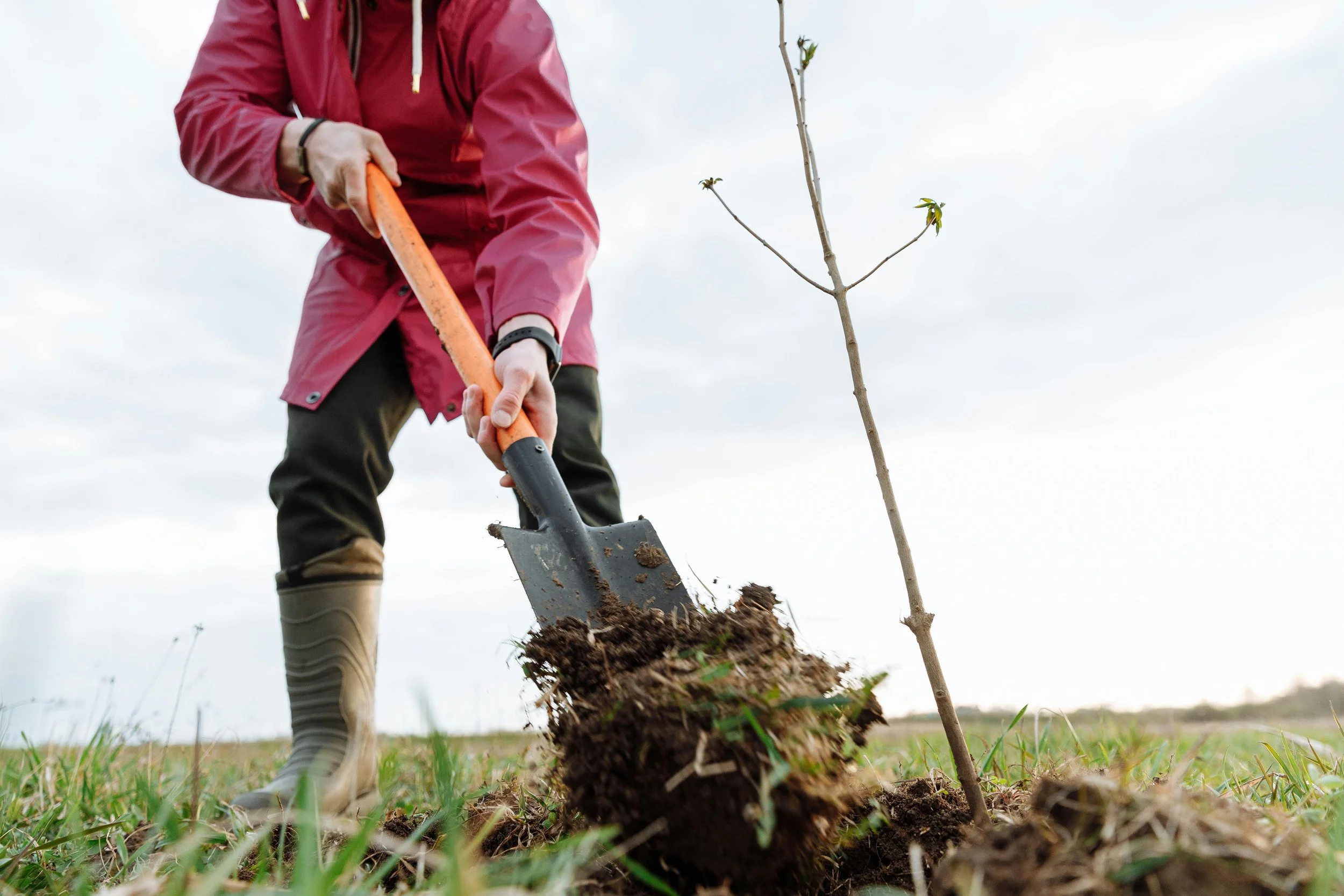
The orchard, included in the master plan for Mill Ridge Park, creates opportunities for FMRP to engage the community to advance our mission. By involving the coming in the creation and care of the orchard, we generate regular experiences in outdoor education, recreation, and conservation… all while improving the air and water quality and food access in our community. Additionally, the placement of the orchard will serve to buffer the sound of nearby traffic.

What types of trees have been added to the space? Are there varieties you are personally excited about?
There are a variety of apple, pear, plum, persimmon, and cherry trees that make up the orchard currently. I’m excited about the cherry trees and the possibility of pawpaw trees, which I’m learning about from Tennessee natives.
The Nashville Food Project’s work at the Community Farm at Mill Ridge is intimately connected with the work of Metro Parks and Friends of Mill Ridge among countless other relationships and interdependent efforts. We love examining the way that varied efforts in Nashville intertwine for mutual goals and visions. Can you share some of the folks who have been essential to creating this expanding orchard at Mill Ridge?
To create and grow the orchard at Mill Ridge Park, we’ve enjoyed partnering with the Cumberland River Compact, Root Nashville, Hands On Nashville, plus a variety of other community and corporate partners.

When you think about the orchard in 5 and 10 years, how do you imagine the presence of fruit trees will positively impact the space?
The site alone of an orchard signifies a cared-for space, and in this case of a public orchard we have a cared-for community! It’s even more special that it’s community generated! In the coming years, our park will be beautified by the presence of the orchard, blooming and fruiting throughout the seasons. It will bring our community together for the service of pruning and picking, for the learning about conservation, for the celebration of eating and sharing! And it won't end at the park exit; the orchard will serve as inspiration for some to go back to their own, greenspaces to grow and care and share.
My family and I recently attended Kite Fest hosted by Friends of Mill Ridge! It was wonderful and my toddler is still talking about it! What ways can people connect with Friends upcoming events or volunteer opportunities?
We share about upcoming activities at Mill Ridge Park at friendsofmillridgepark.org and on our social sites (Facebook, Instagram, and Twitter). We also invite the community to share ideas and requests for experiencing Mill Ridge Park. Happening these days, we have outdoor yoga, park meditations, outside cinema, birding and plant walks, and others.

Speaking of trees, did you catch our Instagram Live conversation with Root Nashville? Tree canopy enthusiast Meg Morgan joined TNFP’s Community Engagement Manager Elizabeth Langgle-Martin to talk all things trees, environmental justice, food access, and our interdependent work for healthy ecosystems, neighborhoods, communities and people. Click HERE to watch and listen.

Remembrance at the Community Farm at Mill Ridge
Let us first remember the trees.
If you can imagine 1,000 years ago, to when this hillside and all that our eyes could see was covered in a vast forest of maple, oak, chestnut, and hickory. A squirrel could travel for miles without touching the ground.
by Tallahassee May, Growing Together Education Manager, with information from the Southeast Davidson Regional Park Master Plan

Let us first remember the trees.
If you can imagine 1,000 years ago, to when this hillside and all that our eyes could see was covered in a vast forest of maple, oak, chestnut, and hickory. A squirrel could travel for miles without touching the ground.
Let us remember the indigenous people who lived here from time immemorial, who hunted the buffalo, elk, and deer that once roamed here. The Mississippian Indian Culture who created vast networks of agricultural communities and large cities, who raised the three sisters of corn, beans and squash and who built large ceremonial mounds throughout Tennessee and the Southeast.
Let us remember the Cherokee and the Shawnee, who thrived here for hundreds of years before European settlers arrived, who were forcibly removed by Andrew Jackson and his Indian Removal Act of 1830 and were marched on the Trail of Tears off of this land they had lived on for generations to new, unfamiliar, and unwelcoming territory.
European settlers started arriving in this area in the 1700’s. By 1850, the railroad had arrived, and this area of Mill Ridge supported a 400-acre, mixed-use vegetable and animal farm, owned by James Holloway. Twenty percent of Tennessee residents at that time were blacks living in slavery. Thirty-two enslaved people lived and worked on this nearby Holloway farm, and the graves of their descendants can now be found throughout this park property.
Let us remember that the conversion of these fields from forest to agricultural use—that the development of this community with a thriving agricultural economy—was dependent on the labor of black slaves.
The Moore Family bought this property in 1919. It was a dairy farm for many years, then converted to cattle only in 1950. In 1930, the house was built. It was one of the first in the area to have running water and an indoor bathroom. The house of the Moore Family Farm is now owned by Metro Parks, and it is hoped to be an integral part of this community farm development in the future.
Let us remember, and let us move forward in this remembering, giving thanks to those who came before and embracing the stewardship that is now our privilege to uphold.

Photo from the Grand Opening of the Community Farm at Mill Ridge, 2019.
Community Cupboard: a weekly grocery share
As part of our emergency response, we introduced a new initiative called Community Cupboard: a weekly grocery share. Through this program, we offer weekly grocery shares at no cost to those who have lost jobs and income as a result of COVID-19.
The Nashville Food Project believes that everyone deserves access to the food they want and need, but in the wake of the COVID-19 pandemic and recent tornadoes that devastated our community, so many are lacking that access right now. We have been hard at work shaping an effective community food response in this emergency time.
As part of that work, we introduced a new initiative in April called Community Cupboard: a weekly grocery share. Through this program, we offer weekly grocery shares at no cost to those who have lost jobs and income as a result of COVID-19.

With thanks to Fat Bottom Brewing, our on-the-ground partner in this endeavor, a good portion of those weekly shares will be distributed to out-of-work hospitality industry workers—a part of our community that has supported The Nashville Food Project in extraordinary ways over the years.

The grocery shares include a week’s worth of quality pantry staples, local vegetables, and fresh fruit, as well as local meats, dairy and eggs. With funding from sponsors and donors, we are able to focus on nourishing produce from local farms and producers, keeping dollars in our local economy. Just a few regional food businesses filling these bags include Noble Springs Dairy, Biscuit Love, KLD Farm, Bare Bones Butcher, Kenny’s Farmhouse Cheese, Just Love, Frothy Monkey, Charpier’s Bakery, and produce from our friends at Rally House Farms, HydroHouse Farms, Sweeter Days Farm, and our own Community Farm at Mill Ridge.

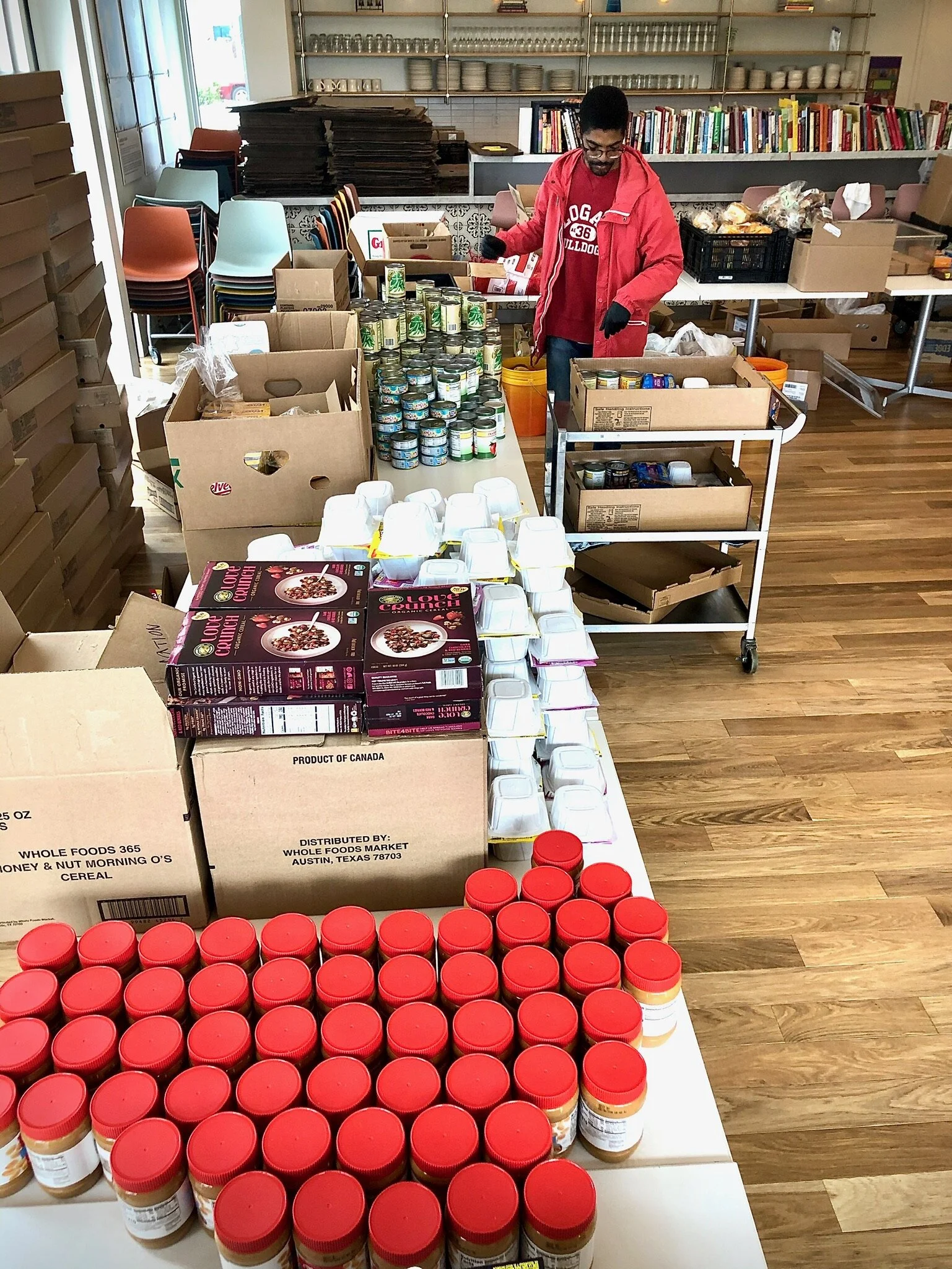

Grocery shares include microwavable, scratch-made meals from The Nashville Food Project kitchens too!

Many thanks to partners at Fat Bottom Brewery, Nashville SC and the sponsors who have made this possible, including Renasant Bank, 506 Lofts, the Russell, Captain Morgan and Piedmont Natural Gas.
An Update from the Growing Together Farmers: "Believing in Tomorrow"
So many doors, businesses, and communities are closed and we are all feeling the impact and the collective suffering. And yet. We at the Nashville Food Project and within the Growing Together community have no choice but to use this as an opportunity to imagine, envision, and create new doors, new opportunities, and new pathways forward. We will continue on with our vision of community food security, where everyone has access to the food they want and need.

by Sally Rausch, Growing Together Market Manager
This is a scary and challenging time for so many in our community. The global pandemic is showing us the reality of things—that while we are much more connected and interdependent than we could have ever thought, the brokenness of our global systems is amplified in times of crises and therefore the impact is widespread. What is affecting us here in Nashville is affecting communities across the country and around the world. We are seeing this in our healthcare system and our economy, and it is and will continue to disproportionately exclude and exploit the most vulnerable among us, especially communities of color.
Still, it is spring, and the farmers in The Nashville Food Project’s Growing Together program are charting a path forward. These farmers, like so many farmers in our community and beyond, are continuing to plant seeds and transplants, tending the land with hope for what’s to come. These farmers are not exempt from the fallout of these times. Many of the farmers are elders in their communities and rely on support from their adult children—whose jobs are on hold or terminated altogether. Many have expressed concern and fear around the possibility of targeted racial violence—such as has been reported here and here. And, as many of us can relate, the farmers have loved ones who are more susceptible to the virus or are vulnerable themselves.
One of our values at The Nashville Food Project is interdependence, and we talk frequently about how healing happens in relationship. We know the path of healing from the impacts of this pandemic will be a long one, but we are committed as ever to working towards healing through relationship-building and connection, even if this looks different than ever before.

There are so many ways to rally around and support one another in this time—one way you can make a tangible impact within our community is by supporting local farmers like those in the Growing Together community. These farmers are facing income loss due to the closure of restaurants and farmers markets, but there are many ways to support Growing Together in this time. The first is by making an account on Growing Together’s newly updated online marketplace! Each week, Growing Together will send you an email with the fresh produce available that week. You can place an order based on exactly what items you and your family want and then pickup your order Saturday mornings from 9am – 12pm at The Nashville Food Project. You don’t have to worry about anything being out of stock or braving the grocery store, and everything will be bagged and ready for an easy pickup on Saturday morning. And of course, purchasing local produce means that it has traveled fewer miles and passed through fewer people, making it healthier for the planet and for your family.
Another way you can support Growing Together is by purchasing a Growing Together CSA (Community Supported Agriculture) share. While the Spring CSA is sold out, we still have several Fall season CSA shares available! CSA customers invest in a farmer by purchasing a “share” in their farm production at the beginning of the season and then receive a weekly share of vegetables throughout the CSA season. This model guarantees income for the farmers, provides an infusion of cash upfront, ensures a market for their produce, and cultivates relationships between customers and the local farmer. During this time of social distancing and isolation, the CSA model is a safe way to access high quality, locally grown vegetables every week. Even if you decide the Growing Together CSA isn’t the right fit for you, we urge you to consider checking out this list of CSAs available from our farmer friends in the Middle Tennessee area.
So many doors, businesses, and communities are closed and we are all feeling the impact and the collective suffering. And yet. We at the Nashville Food Project and within the Growing Together community have no choice but to use this as an opportunity to imagine, envision, and create new opportunities and new pathways forward. We will press on towards our vision of community food security, where everyone has access to the food they want and need. We are so grateful for your support.
To sign up for Growing Together’s online marketplace, click here.
