
The Nashville Food Project’s Blog



Five Years at the Table
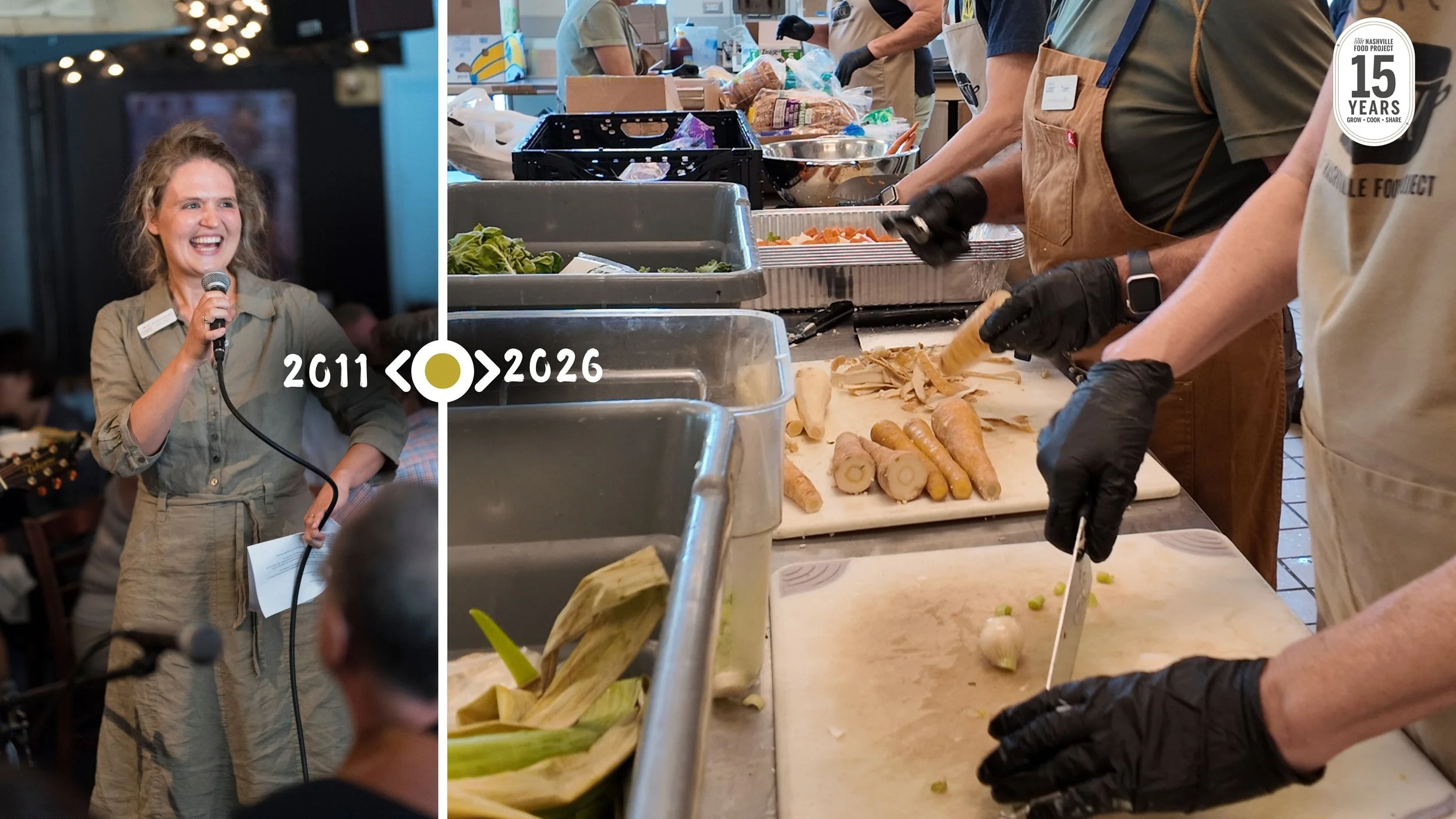
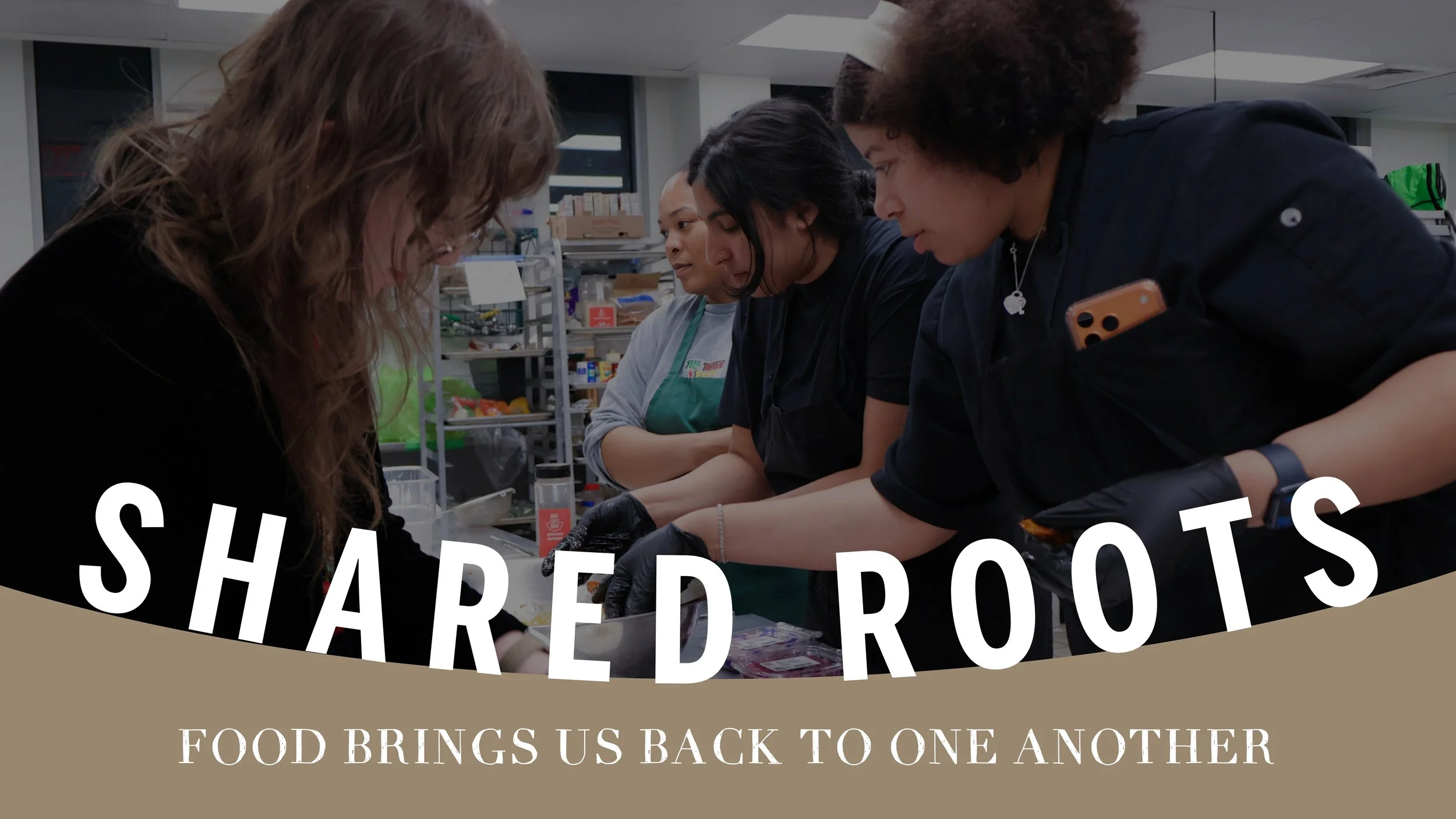
Five years ago, I walked into an organization still learning the shape of its new home in the Nations. The Nashville Food Project had just moved into its headquarters when the world shut its doors. We celebrated our tenth anniversary over Zoom that year, with a musical guest performing to a city listening from their kitchen tables and living rooms. It should have felt strange. Instead it felt like a promise: that even scattered, we were still a table.
Not long after, we lost our founder, Tallu Schuyler Quinn. Grief does not organize itself around fiscal years. It shaped the seasons that followed more than any strategic plan could have. We grieved. We cooked. We planted. We kept going, because that is what a community that loves each other does.
The volunteers came back slowly, the way people do after a hard season, one Tuesday shift at a time. Five years later, our volunteer numbers are finally approaching where they once were. In the meantime, the need across our city grew, and so did our capacity to respond.
We grow more food. We share more meals. We reach more neighbors.
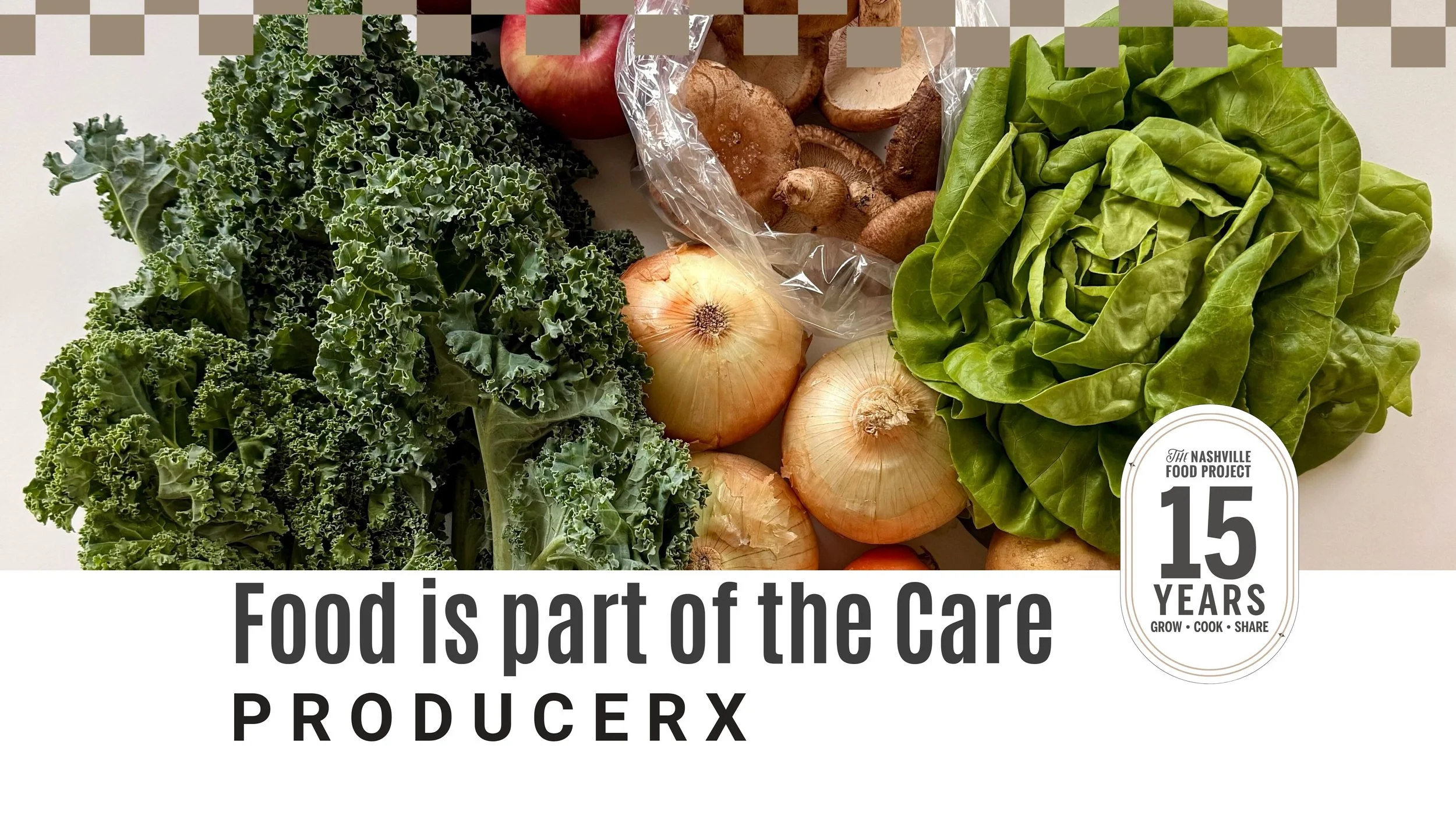
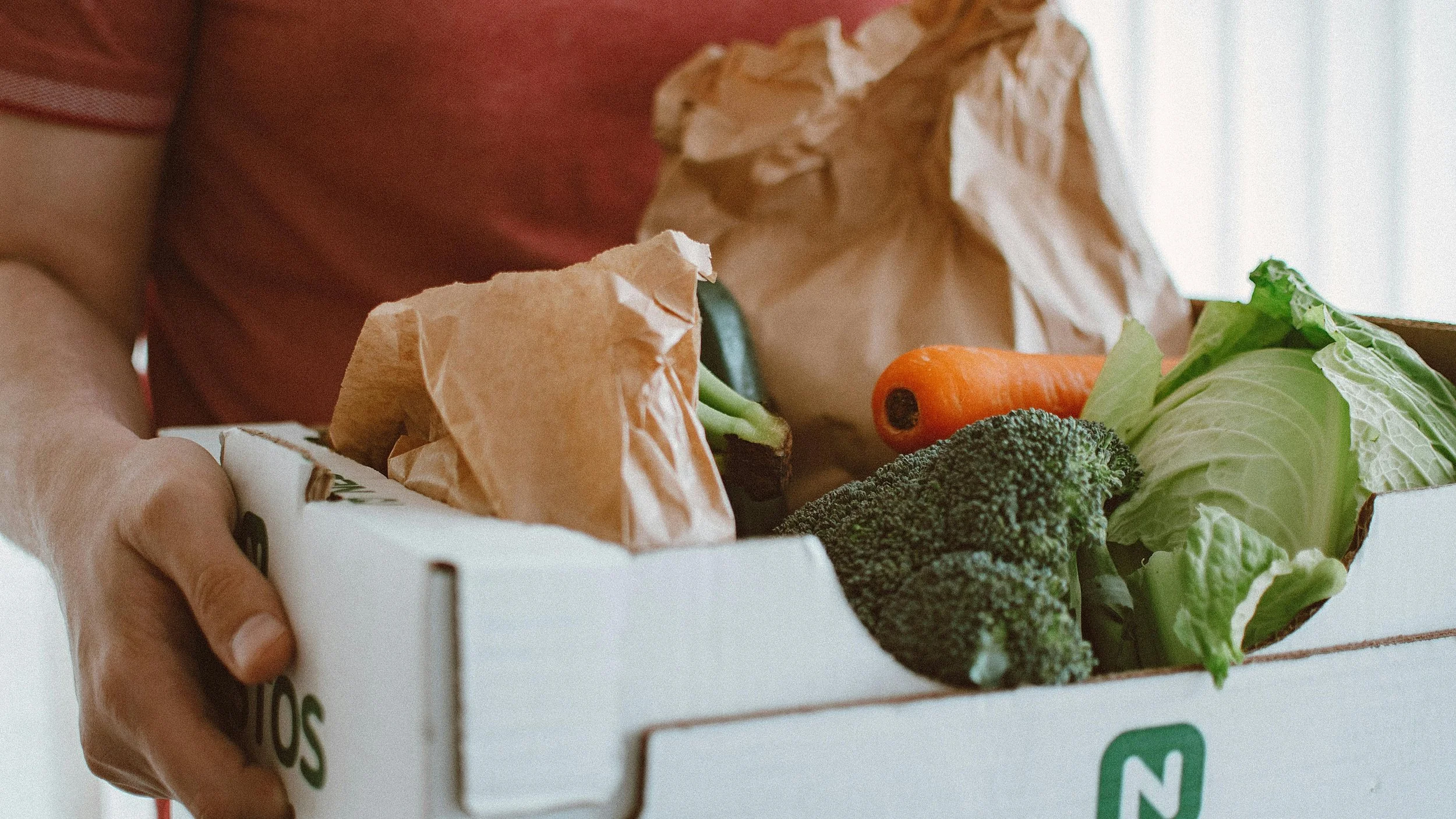
Our meals production has expanded well beyond what it was, including heart-healthy meals developed through the Nashville Wellness Collaborative’s Heart of Nashville initiative and more than nine thousand meals delivered directly to neighbors who cannot easily come to us. Through our new Food is Medicine program, ProduceRx, we are also connecting fresh produce with neighbors as part of their care, including through home delivery. Sometimes the most faithful thing you can do is meet someone at their door instead of asking them to find yours.
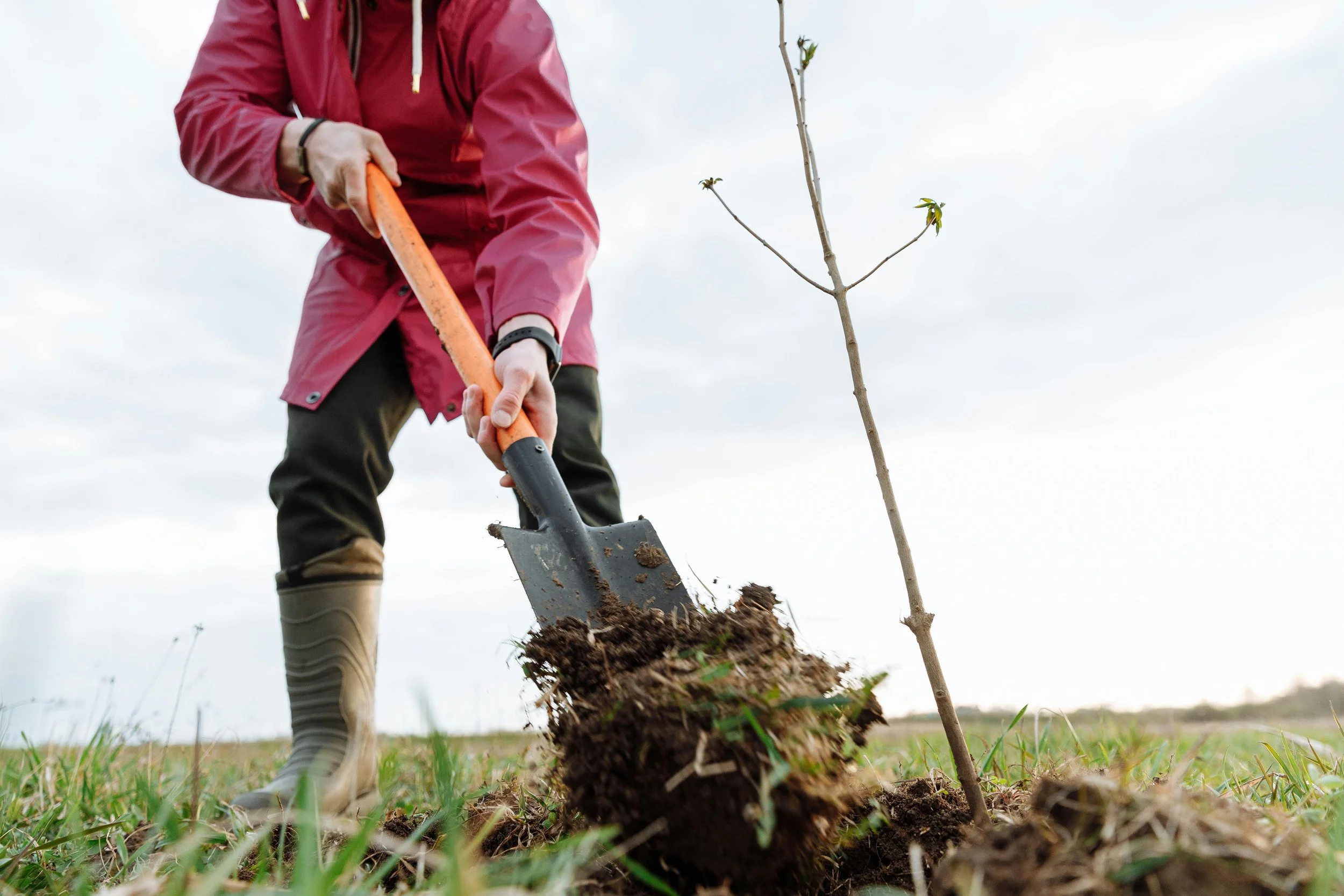
We rethought what it means to grow food in this city, too. The Community Agriculture Network and our community orchards program came out of that rethinking, along with partnerships with The Giving Grove and the Urban Garden Project. Our partnership with the Friends of Mill Ridge Park has also only deepened with time. What is unfolding in that park, in the southeast corner of Nashville, is not just a garden. It is an agrarian vision for what a neighborhood can grow into.
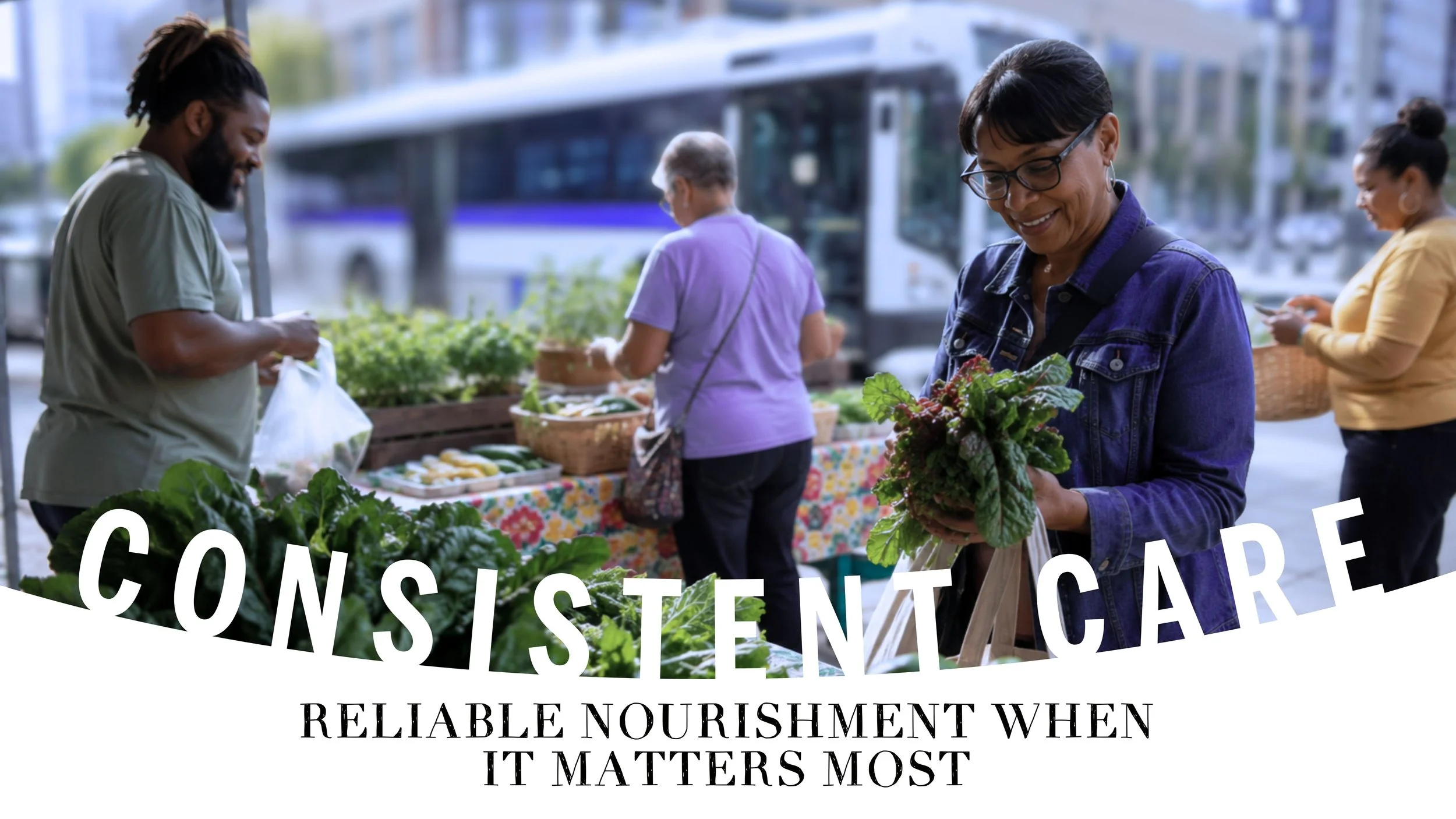
We have mapped hunger, too, alongside Meharry Medical College, tracing bus stop by bus stop across North Nashville how far a neighbor must travel to reach food, because you cannot steward what you have not first paid attention to. Justice begins with careful attention. So does good soil. That same evidence is already shaping how we work, not just what we advocate for. It is part of why you will now find our Community Markets set up at WeGo Central, meeting people where the buses already stop.
And we have moved from diagnosis toward action. For nearly a decade, this organization has helped name what is broken in Nashville's food system, including FeedBack Nashville in 2023 that engaged over 85 organizations and nearly 1,000 residents from every corner of the city. What that work made clear is not complicated to say, even if it is hard to do: Nashville knows its problems well. What the city has lacked is the dedicated capacity to turn that knowledge into policy. We are now working to build that capacity, carrying this work forward in Nashville and across Tennessee, on questions as practical as who can grow food on what land and as structural as how our state pays for produce as medicine.
None of this growth was inevitable. It was tended, year by year, meal by meal, relationship by relationship. The need in this city has grown. So has our capacity to meet it, not because we set out to become bigger, but because the table needed to make room for more.
Five years in, I am less interested in what we built than in what building it taught me: that hope is not a feeling you wait for. It is a garden you plant, a meal you cook, a door you knock on, again and again, until it becomes a habit, and then a community, and then, if you are patient, a home.
Get involved:
Volunteer | Give Food | Donate | Gatherings
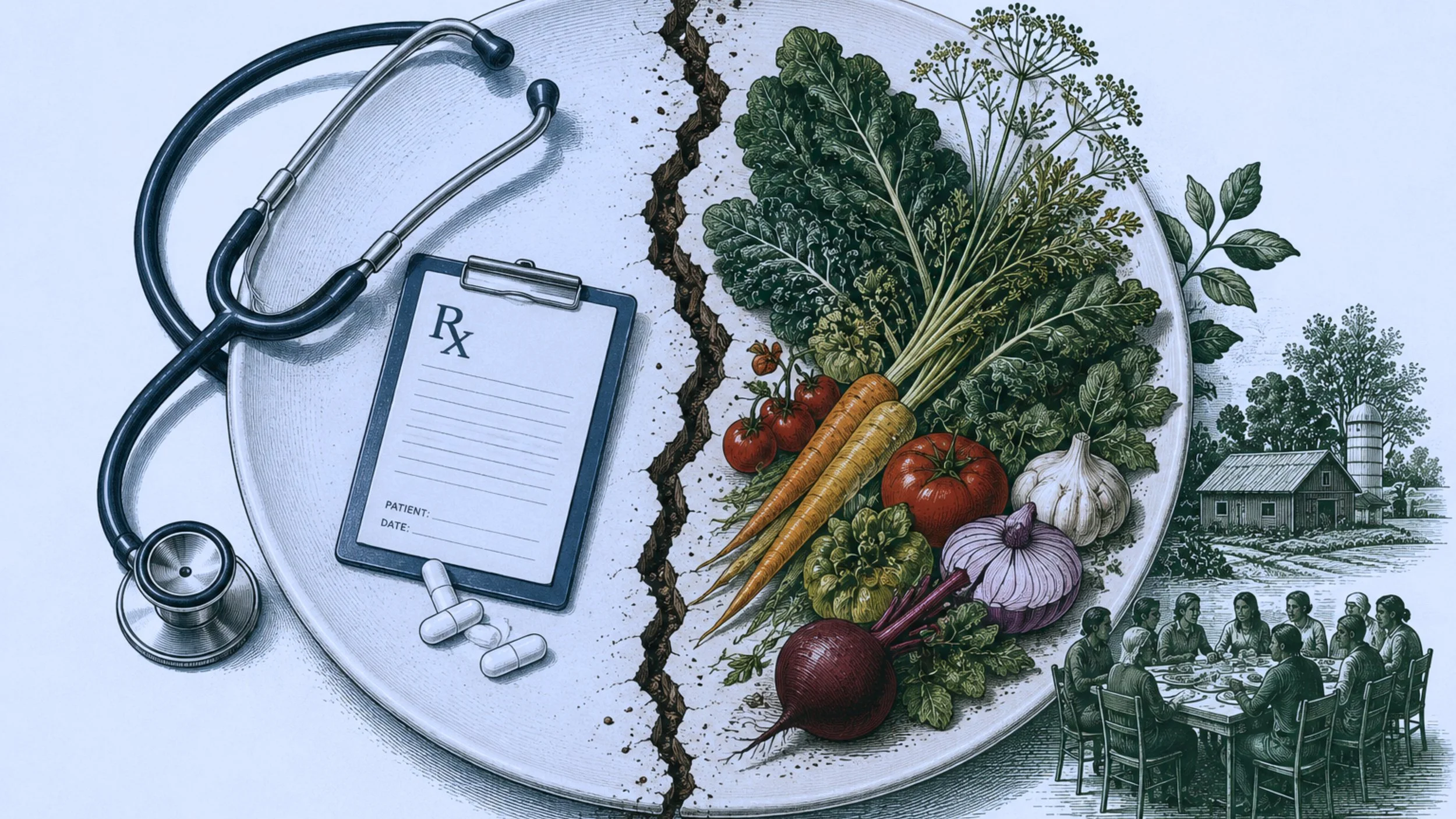
Food Is Part of the Care
Through ProduceRx, fresh food became one part of a larger circle of care built around access, trust, and partnership.
A box of vegetables can look like a simple thing.
For one ProduceRx participant, it meant replacing canned food with something fresh. For another, it meant finally learning to enjoy squash. Someone else found that cooking brought back memories of meals with their grandfather.
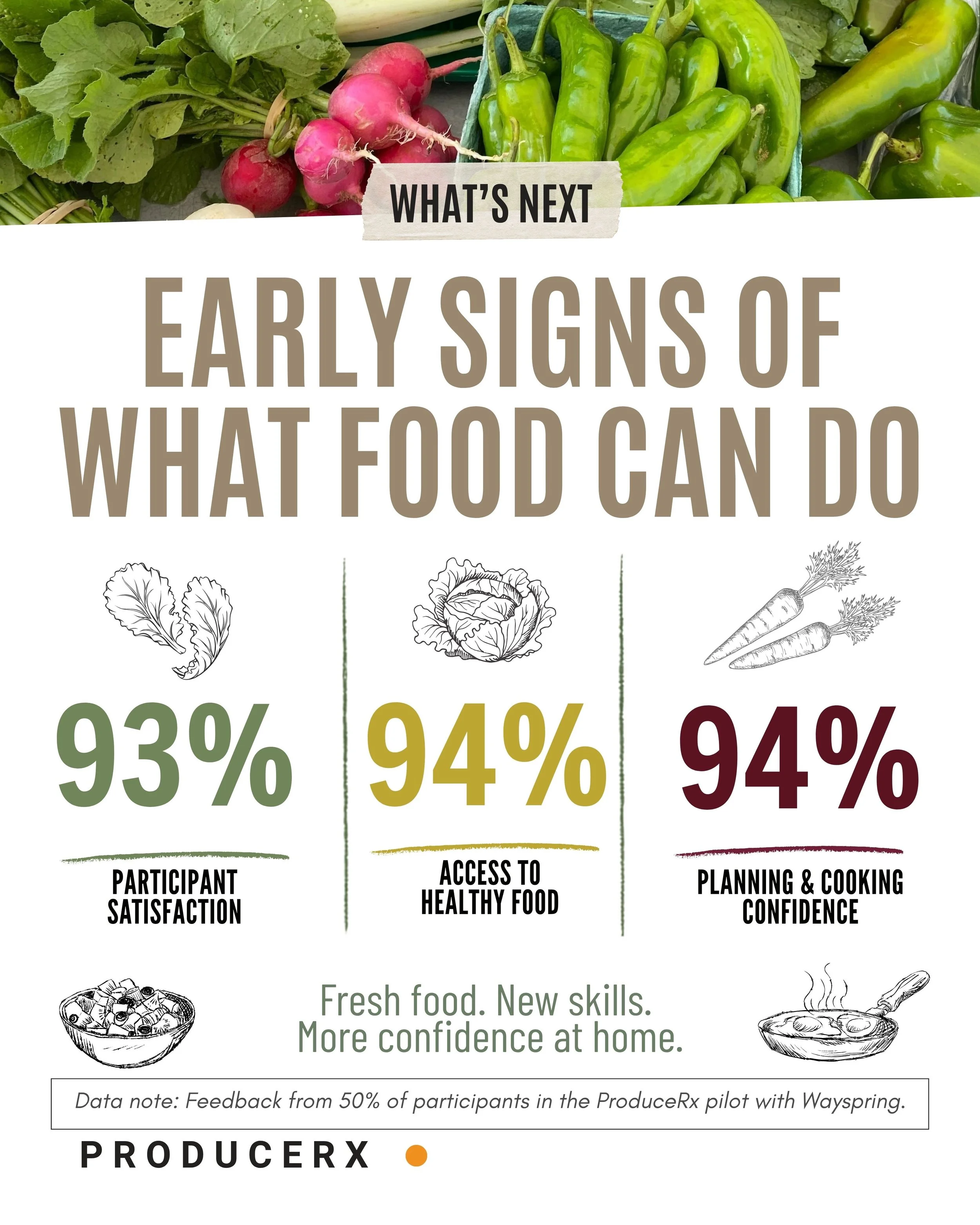
The Nashville Food Project’s ProduceRx connected participants with fresh produce and support for preparing it. The program began with a practical understanding: health is shaped not only in a clinic, but also by what is available in the kitchen, whether someone can get to it, and whether they feel supported along the way.
The early pilot was small, with feedback from six participants, but their experiences offer a meaningful glimpse of what this kind of partnership can make possible.
Participants described trying unfamiliar vegetables, learning new recipes, planning fuller meals, and relying less on processed foods. Some froze produce for later. Others shared what they had with roommates and neighbors.
One participant said, “These are foods I would normally eat out of a can, if at all. This gave me access to real food.”
The produce mattered. So did the relationships around it.
Regular check-ins gave participants a consistent point of connection. In one case, that ongoing engagement helped someone remain connected long enough to receive additional support they needed. The program did not separate nourishment from the rest of a person’s life. It treated food as one part of community care.
The pilot also surfaced important questions for what comes next. Transportation made pickup difficult for some participants. Others wanted more fruit, easier-to-prepare foods, or additional guidance for working with dietary needs and limited kitchen equipment.
Listening to those experiences is part of the work.
Food Is Medicine can sound clinical. In practice, it can be deeply human: fresh greens prepared in a new way, squash that recalls someone you love, extra vegetables passed to a neighbor, or a familiar voice checking in again.
As The Nashville Food Project looks toward its next 15 years, partnerships like ProduceRx point toward a future in which food access, health, and community care are not treated as separate concerns.
Because sometimes care begins with a prescription.
And sometimes, it begins with what is for dinner.
Get involved:
Volunteer | Give Food | Donate | Gatherings
What Happens Along the Way
The work is easy to name. What grows around it is harder to measure.
There are the things volunteers come to do: chop onions, sort donations, transport meals, pull weeds, load trucks. Then there are the things that happen while they are doing them.
In 2013, Tallu wrote about a volunteer who had become her friend. He traveled to the kitchen by bus each week, arrived on time, called if he was running late, and remembered staff birthdays. He treated his commitment to the work with great care.
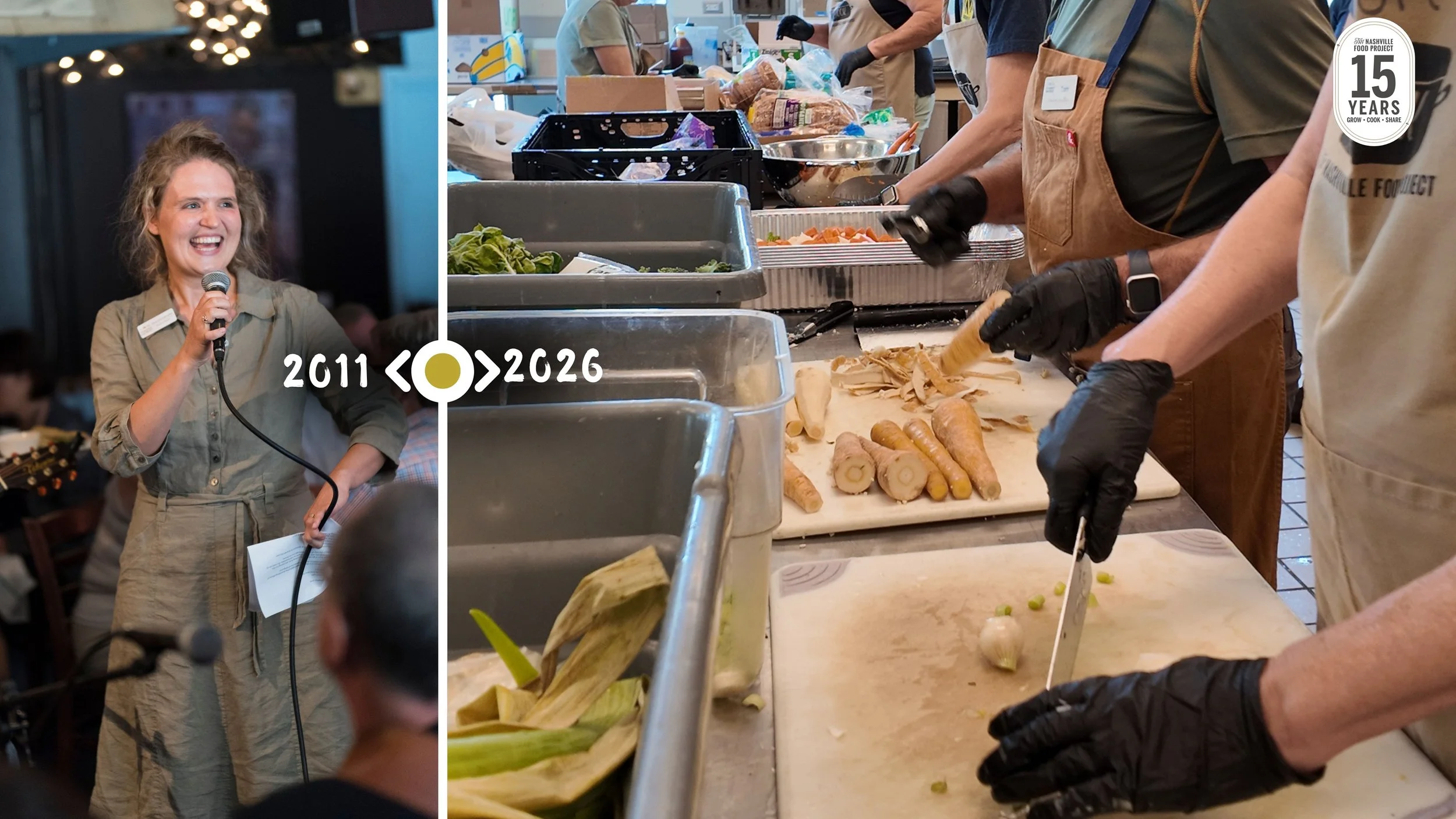
When a Social Security employee questioned whether he could manage his own finances, Tallu described the person she knew: reliable, communicative, generous. The employee removed the requirement that someone else manage his benefits.
Her friend left beaming. Tallu reminded him that she had not changed the outcome. She had simply been there long enough to witness what he had already accomplished.
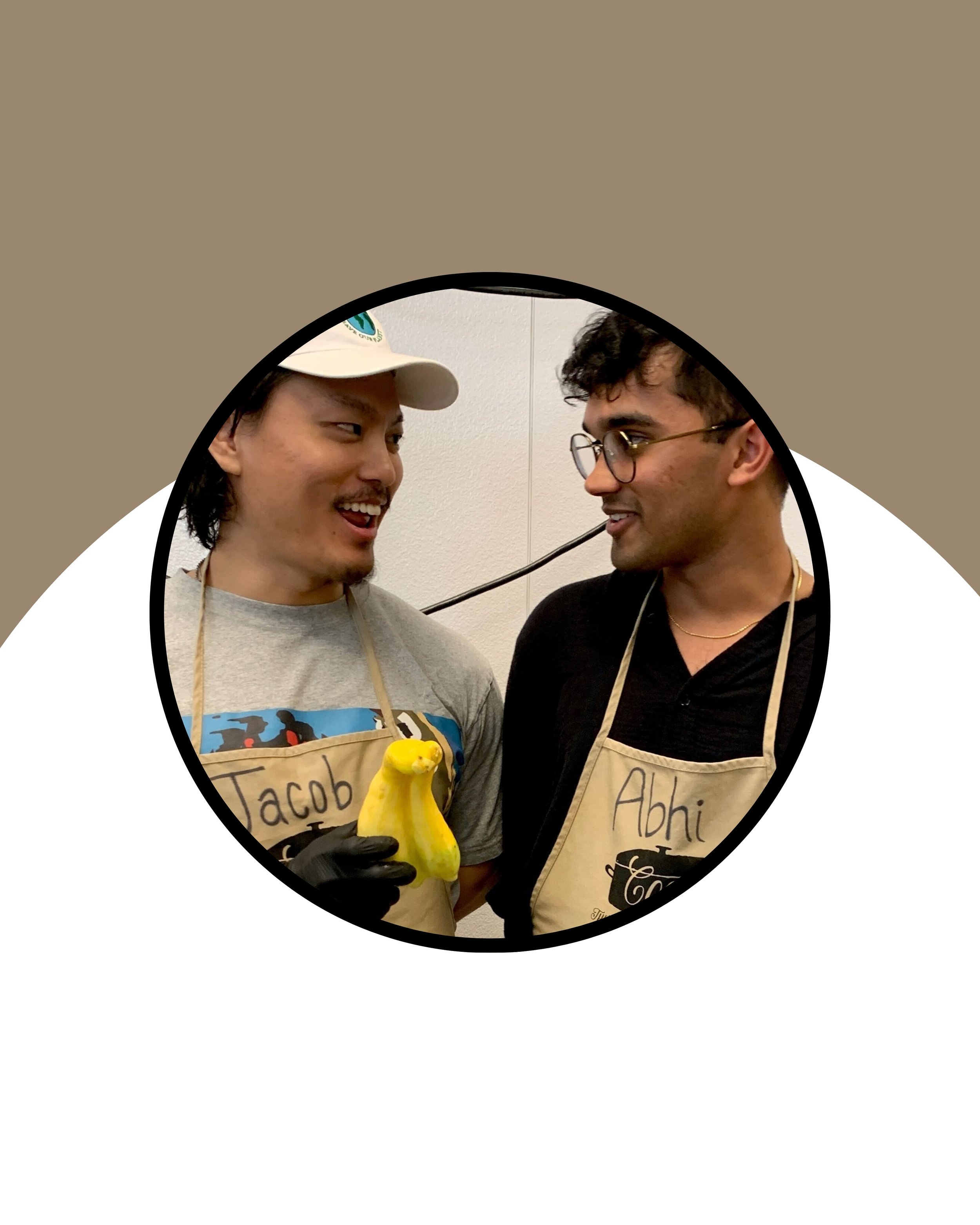
Years later, Jacob and Abhinav met during a Tuesday-night kitchen shift. Abhinav arrived and decided the knives needed sharpening. Jacob made fun of him. By the end of the evening, they had decided to become friends.
They eventually became roommates and Tuesday-night regulars. Between dull knives, endless potatoes, and the last dishes of the evening, a volunteer shift became a weekly ritual.
The circumstances are different, but both stories reveal something true about this work.
People come to be useful. They return because someone remembers their name. Slowly, almost unnoticed, strangers become regulars. Regulars become friends. Someone sees what another person carries and reflects it back to them.
Over 15 years, thousands of volunteers have helped grow food, prepare meals, and keep the work moving. Along the way, they have found purpose, humor, trust, and one another.
The onions get chopped. The meals get packed. The dishes eventually get washed.
And then there is everything else.
Get involved:
Volunteer | Give Food | Donate | Gatherings
The Table Was the Point
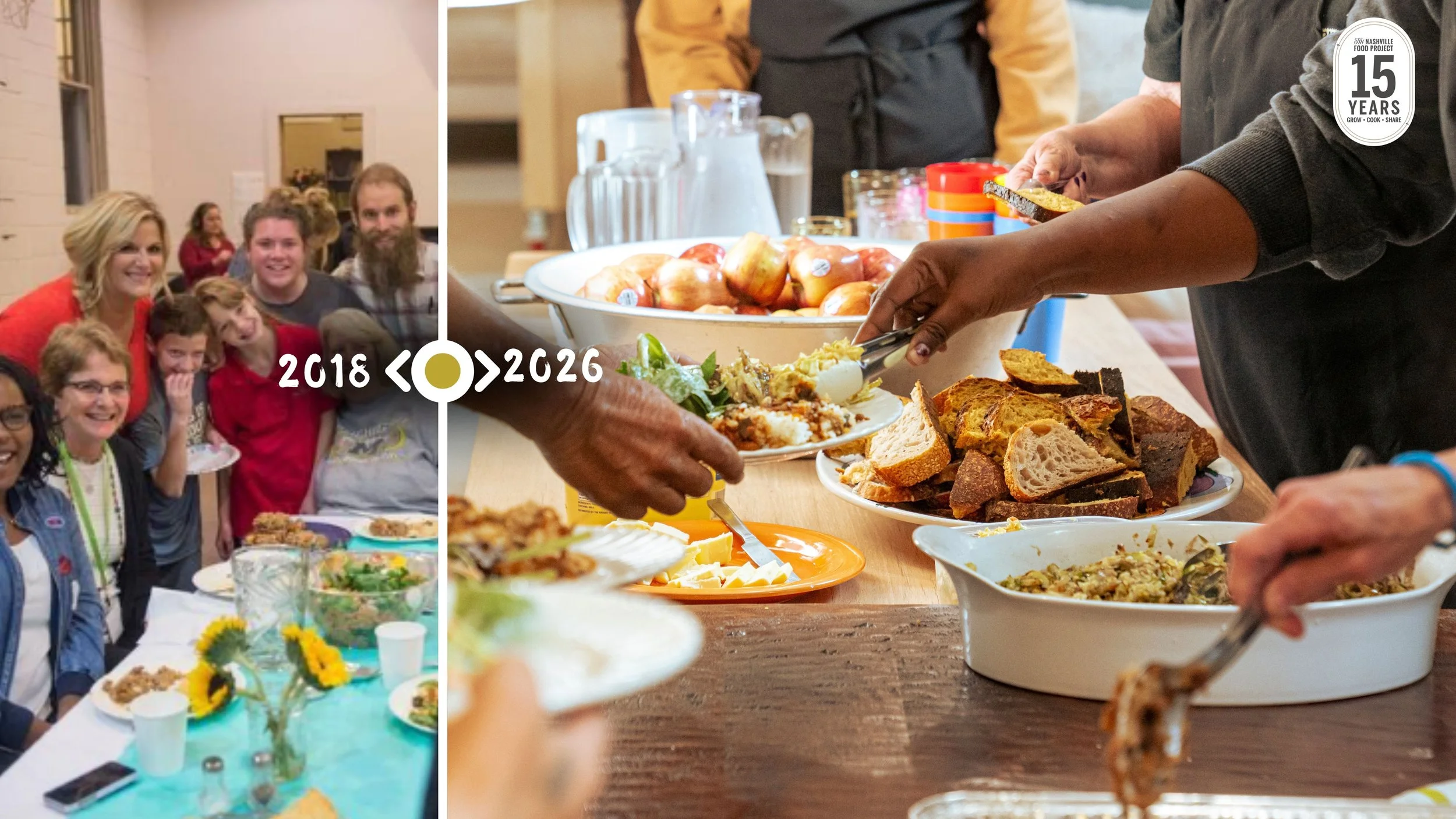
In 2013, a Tuesday night meal at Trinity United Methodist Church offered an early lesson in what hospitality could become when everyone had something to give.
On Tuesday evenings in 2013, volunteers loaded prepared food into The Nashville Food Project’s trucks and drove toward the intersection of Trinity Lane and Dickerson Pike.
Inside Trinity United Methodist Church, the fellowship hall was being made ready. Tables were covered with cloths and flowers. Real plates replaced disposables. Cups, forks, and knives were set in their places. At 6:30, neighbors gathered for a blessing, and the meal was served family style.
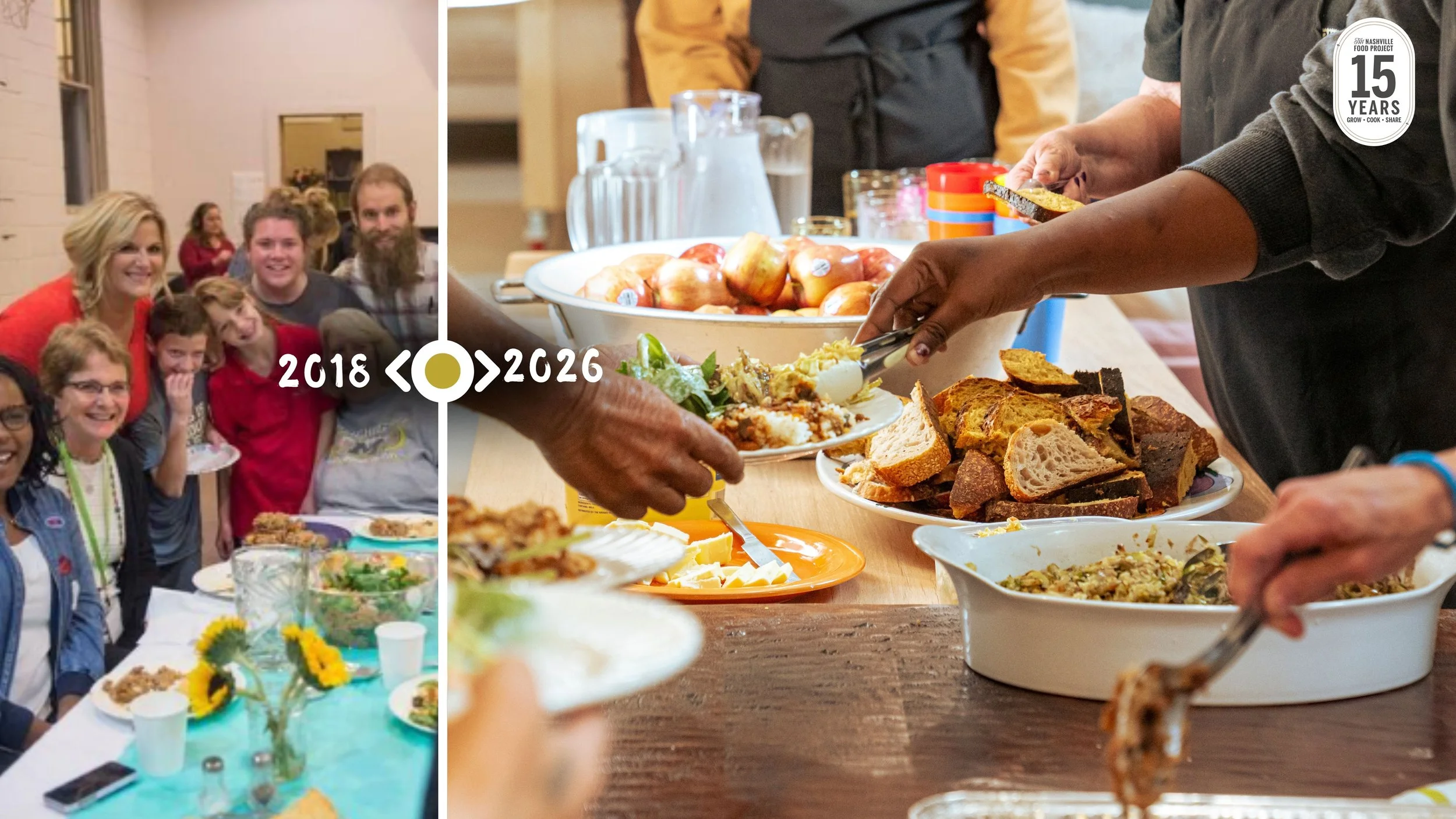
The room held children eager to finish dinner and reach the basketball court, babies watching the commotion from highchairs, families, older neighbors, church members, people living outside, people in recovery, volunteers, and staff. It was loud. It could be hectic. More than anything, people felt welcome.
The meal was nourishing, but the arrangement of the room mattered just as much.
Community members greeted people at the door, hosted tables, helped with setup, and stayed to clean. The Nashville Food Project arrived with food, but the evening did not belong to any one organization or group. Its success depended on many people deciding that the gathering was theirs to shape.
In a reflection titled “Breaking Down the Barriers,” The Nashville Food Project’s founder, Tallu Quinn, wrote about what these evenings were teaching her. Those accustomed to thinking of themselves as the givers had to learn when to step forward and when to step back. Around the tables, the distinction between those who had plenty and those experiencing poverty became less certain.
Everyone arrived needing something. Everyone arrived carrying something to offer.
That idea challenged a familiar model of service, one that divides a room into helpers and people being helped. A shared meal offered another possibility. A person might arrive hungry and still be the first to welcome a newcomer. Someone who helped set the table might later need food placed before them. The host could become the guest, and the guest could become the host, sometimes in the course of a single evening.
The table made room for both.
More than a decade later, Tuesday meals continue on the same property, now known as Trinity Community Commons. The name reflects a larger transition. Trinity Community Commons began within the active church in 2013, growing from a question posed by United Methodist pastors and members: What might happen if the property were reimagined as a place of radical hospitality for all its neighbors?
Trinity United Methodist Church closed in 2022, following a fire that had badly damaged the sanctuary the year before. The congregation transferred the property to Trinity Community Commons, an independent neighborhood nonprofit carrying the work forward. The historic site is now being reimagined as a community hub with gathering spaces, food access, gardens, services, and affordable housing.
The building’s future is changing, but Tuesday evenings remain.
Today, neighbors gather for a weekly potluck. It is a contemporary expression of the lesson Tallu observed in 2013: hospitality becomes something deeper when it is not performed by one group for another, but practiced among neighbors.
Over 15 years, The Nashville Food Project has prepared and shared millions of meals. Those numbers help convey the scale of the work, but they do not fully explain what a meal can hold.
A table can hold dinner. It can also hold the person who cooked, the neighbor who arranged the flowers, the child already thinking about basketball, the volunteer learning to listen, and the guest who notices that someone new has entered the room.
It can hold hunger without reducing anyone to it.
It can hold the possibility that giving and receiving are not fixed identities, but ordinary parts of belonging to one another.
In 2013, the tables at Trinity were dressed with flowers, real plates, and silverware because the meal was worth taking seriously. The people gathering around it were worth taking seriously, too.
That is still the point.
Get involved:
Volunteer | Give Food | Donate | Gatherings
What Took Root at McGruder
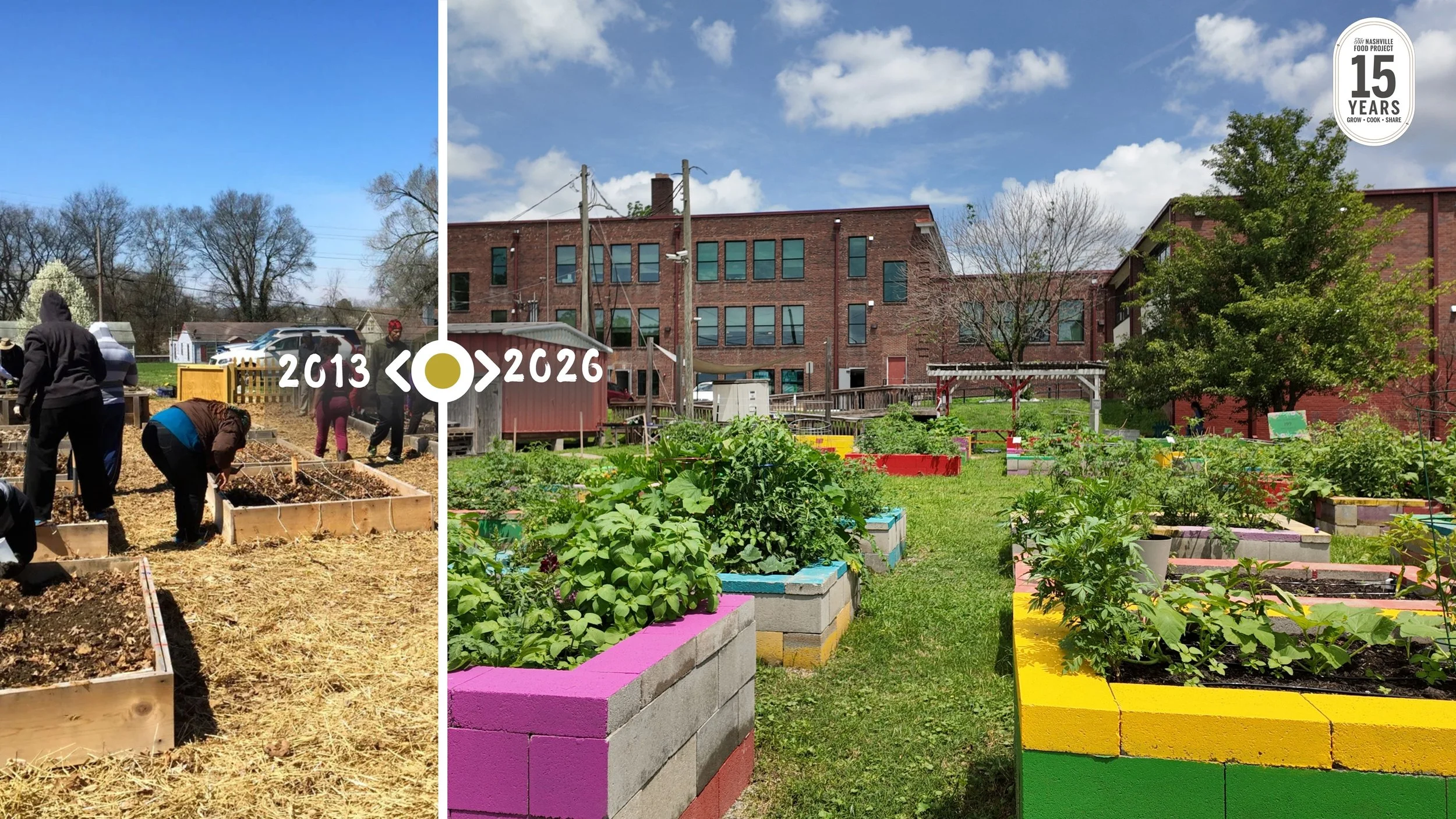
In the spring of 2013, every garden bed was claimed. What grew next would help shape The Nashville Food Project’s understanding of community agriculture.
In the spring of 2013, after a winter of waiting, neighbors gathered at McGruder Community Garden for opening day. The garden occupied a modest patch of North Nashville and contained 17 raised beds. By the time the season began, every one of them had been claimed.
The gardeners called themselves the Green Thumbers. They were families with children, older couples who had lived in the neighborhood for years, participants in a local wellness program, and people who arrived knowing no one. They came carrying different experiences and expectations, but all of them came prepared to grow something.
The usual rituals of a community garden followed. Plots were assigned. Seeds and tools were discussed. Wooden signs were set out for gardeners to paint with their names. Yet when the paintbrushes appeared, no one hurried forward.
The hesitation was not shyness. No one wanted to claim more than they needed.
Some gardeners offered to share their plots so that space would remain for neighbors who might arrive later. Others explained that they intended to grow food for people around them and would keep only what no one else wanted. Reverend John Beach, who had cultivated every bed the previous year, declined a plot of his own. Surprised by the number of people who had come, he chose instead to share a bed with his wife.
It was a small act of hospitality, expressed in square feet.
Community gardens are often described through what they produce: tomatoes, peppers, greens, herbs, pounds harvested. The measurements are useful, but they rarely capture the whole purpose of the place. A garden may be shared without becoming communal. People can work in neighboring plots and remain strangers.
McGruder was different from its first spring. Before there was anything to harvest, the gardeners had begun making room for one another.
The Nashville Food Project’s garden coordinator observed that the most meaningful gardens contain “layers of community,” a fabric of relationships extending beyond the fact that people happen to grow vegetables beside one another. Gardening skills could be taught through workshops. Seeds could be planted at the correct depth. Weeds could be identified and removed. But no lesson plan could manufacture the generosity the Green Thumbers brought with them.
That had to come from the gardeners themselves.
More than a decade later, the work of community agriculture has grown considerably. Today, The Nashville Food Project’s Community Agriculture Network connects farms and gardens across the city through shared tools, infrastructure, education, volunteer support, and relationships. More than 100 neighborhood growers participate across the network, bringing their own knowledge, traditions, and reasons for cultivating food.
The scale is larger, but the central idea is familiar.
A garden is not simply a place where food is produced. It is a place where knowledge moves between generations, where someone lends a tool without keeping track of the favor, and where a harvest can travel beyond the person who planted it. It is a place where people practice the quiet work of belonging to one another.
McGruder offered an early picture of what this could look like. Seventeen beds were enough to reveal that abundance is not only a question of how much space, food, or money is available. It is also a question of how people choose to use what they have.
The Green Thumbers chose to share.
As The Nashville Food Project marks 15 years of growing, cooking, and sharing nourishing food, we are looking back at the places and people who helped form this work. Much has changed since that first spring at McGruder. The network has expanded. New growers have arrived. New farms, gardens, markets, and orchards have taken root.
Still, the lesson remains: community begins when someone decides there is room for another person.
Sometimes, it begins with a garden bed.
Get involved:
Volunteer | Give Food | Donate | Gatherings
Hamilton
Staff Spotlight: Creating Connection Around the Table
For Hamilton, food is an invitation to care for one another and build relationships that last beyond the meal.
A table can serve many purposes.
It can hold a meal prepared for a celebration, bring colleagues together at the end of a long day, or offer friends and neighbors a place to sit beside one another. Whatever the occasion, gathering around food creates an opportunity to slow down, share something meaningful, and feel connected.
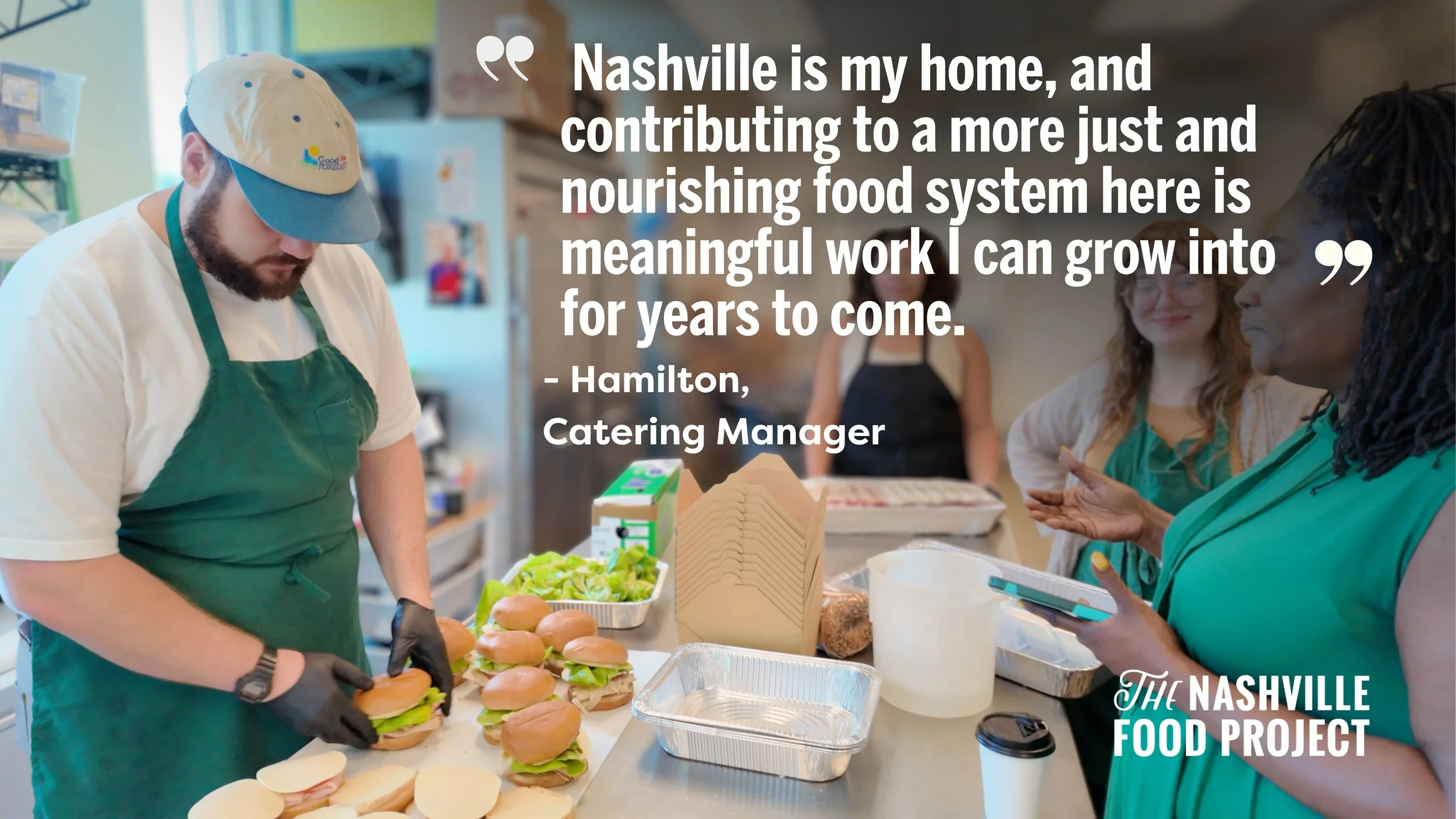
That belief is central to how Hamilton approaches his new role as Catering Manager at The Nashville Food Project.
“I believe the table is one of the most powerful places where we demonstrate care and create relationships,” Hamilton shared. “I want my work to reflect that.”
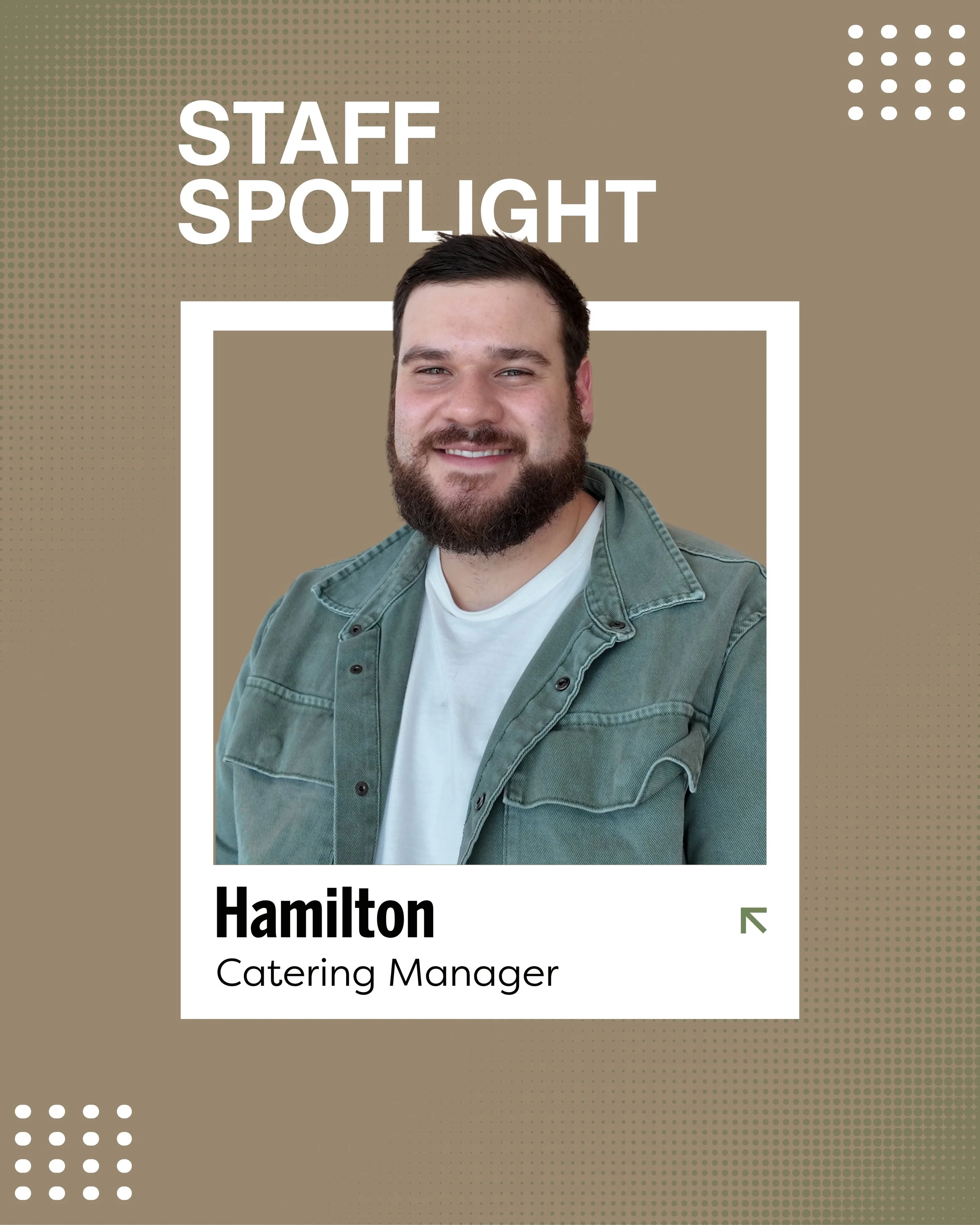
Through our catering program, Hamilton will help create meals and experiences rooted in hospitality. His work will include the many practical details required to bring people together around food, but he also sees what those details make possible: a space where guests feel welcomed and relationships can begin or deepen.
Hospitality often takes shape through small choices. It can be found in a thoughtfully prepared meal, a table set with intention, or the care taken to make sure each guest feels considered. These choices may be easy to overlook once an event begins, but together they help create the atmosphere people carry with them when they leave.
For Hamilton, this work is also personal because Nashville is home.
“Nashville is my home, and contributing to a more just and nourishing food system here is meaningful work I can grow into for years to come,” he said.
The Nashville Food Project’s catering program offers a distinct way to support that vision. Each catering order helps sustain our work of bringing people together to grow, cook, and share nourishing food. A meal prepared for one gathering becomes connected to a broader effort to cultivate community and alleviate hunger across Nashville.
That connection reflects what we have long believed about food: its meaning is rarely limited to what is on the plate. Food can welcome someone into a room. It can express thoughtfulness without requiring many words. It can turn an ordinary meeting into a shared experience and remind us that care is something we practice.
As Catering Manager, Hamilton will help carry that spirit into the gatherings our team serves. His role sits at the meeting point of food, hospitality, and relationship, three things that have always been closely connected in our work.
We are grateful to welcome Hamilton to The Nashville Food Project and to have his care and perspective shaping this next chapter of our catering program.
Every table offers a chance to create connection. We look forward to seeing what Hamilton helps make possible around ours.
Get involved:
Volunteer | Give Food | Donate | Gatherings
Karissa
For Karissa, hope is found in the many people and offerings that become part of one shared story.
A meal rarely begins in the kitchen. It may begin with a farmer gathering the morning’s harvest, a business setting aside ingredients that can still be used, or a volunteer choosing to spend a few hours chopping vegetables beside someone they have just met. It may also begin with a community partner who understands where food is needed and how best to share it.
By the time everyone gathers around the table, many people have already had a hand in what is being served.
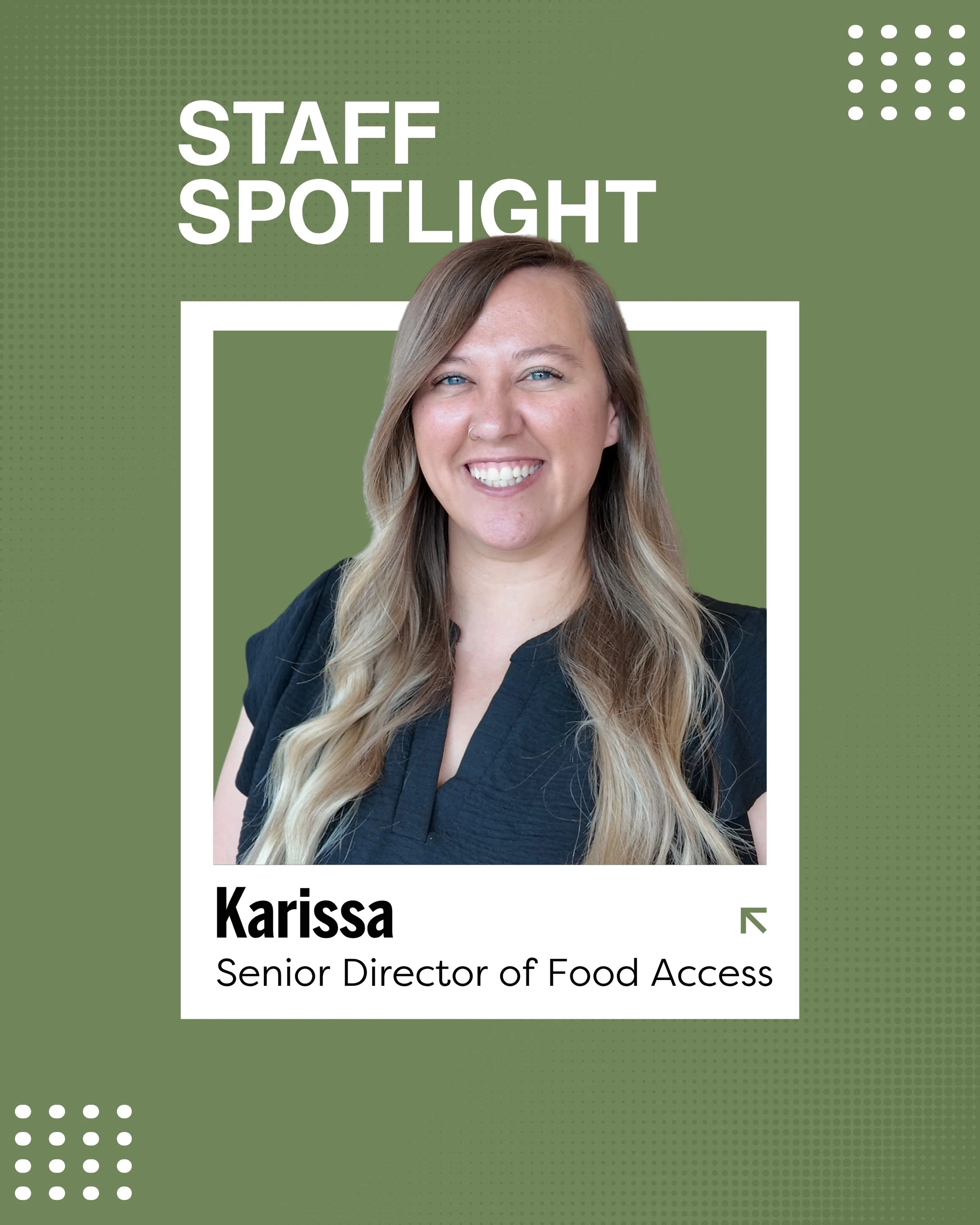
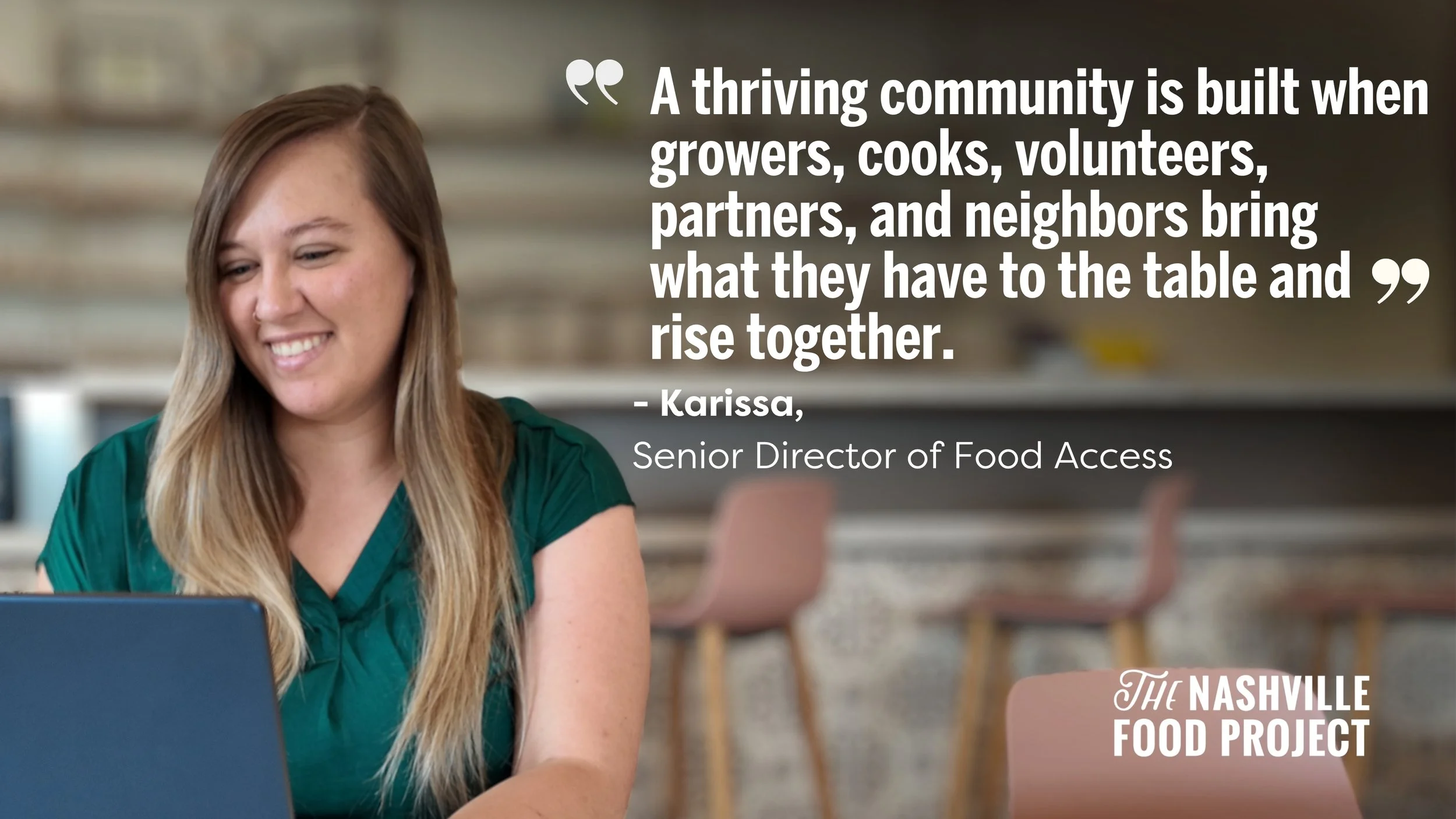
As Senior Director of Food Access at The Nashville Food Project, Karissa sees those connections every day. Her work is shaped by a belief that food can do more than nourish the body. It can create the conditions for people to recognize and care for one another.
“What gives me hope is that food has a unique ability to bring people together across differences,” Karissa shared, “not only to share nourishment, but to feel seen, known, and connected.”
Food has always carried this possibility. A table asks people to pause. It gives them a reason to sit beside one another. Conversation may begin with what is on the plate, but it rarely ends there.
For Karissa, the work of food access is not only about moving food from one place to another. It is about the relationships that make that movement possible and the dignity with which food is grown, prepared, and shared.
“A farmer’s harvest, a recovered ingredient, a volunteer’s time, and a community partner’s work can all become part of one shared story,” she said.
Each contribution may seem small when viewed on its own. Together, they form a food system rooted in cooperation rather than isolation. Growers bring knowledge of the land. Cooks transform ingredients into meals. Volunteers offer their hands and time. Community partners bring trusted relationships with neighbors. No single person or organization carries the work alone.
“A thriving community is built when growers, cooks, volunteers, partners, and neighbors bring what they have to the table and rise together,” Karissa reflected.
That collective effort is what gives her hope. It can meet an immediate need while also creating something more lasting: stronger relationships, greater access, and a food system shaped by the people who live within it.
For The Nashville Food Project, this means looking beyond the meal itself. Nourishing food matters deeply, but so does how it reaches someone, who had a voice in the process, and what becomes possible when people work together.
As Karissa shared, this work “can do more than meet a fundamental need. It can catalyze individual and community transformation while building a more sustainable and accessible food system across Nashville.”
Hope, in this sense, is not abstract. It is visible in the harvest, the recovered ingredient, the hours spent preparing a meal, and the partner who welcomes a neighbor to the table. It is built through many people bringing what they have and trusting that, together, it can become enough.
Get involved:
Volunteer | Give Food | Donate | Gatherings
Jacob & Abhinav
Community Story: More Than a Tuesday Night
As Jacob and Abhinav prepare to leave Nashville, they reflect on the friendship and sense of purpose they found in our kitchen.
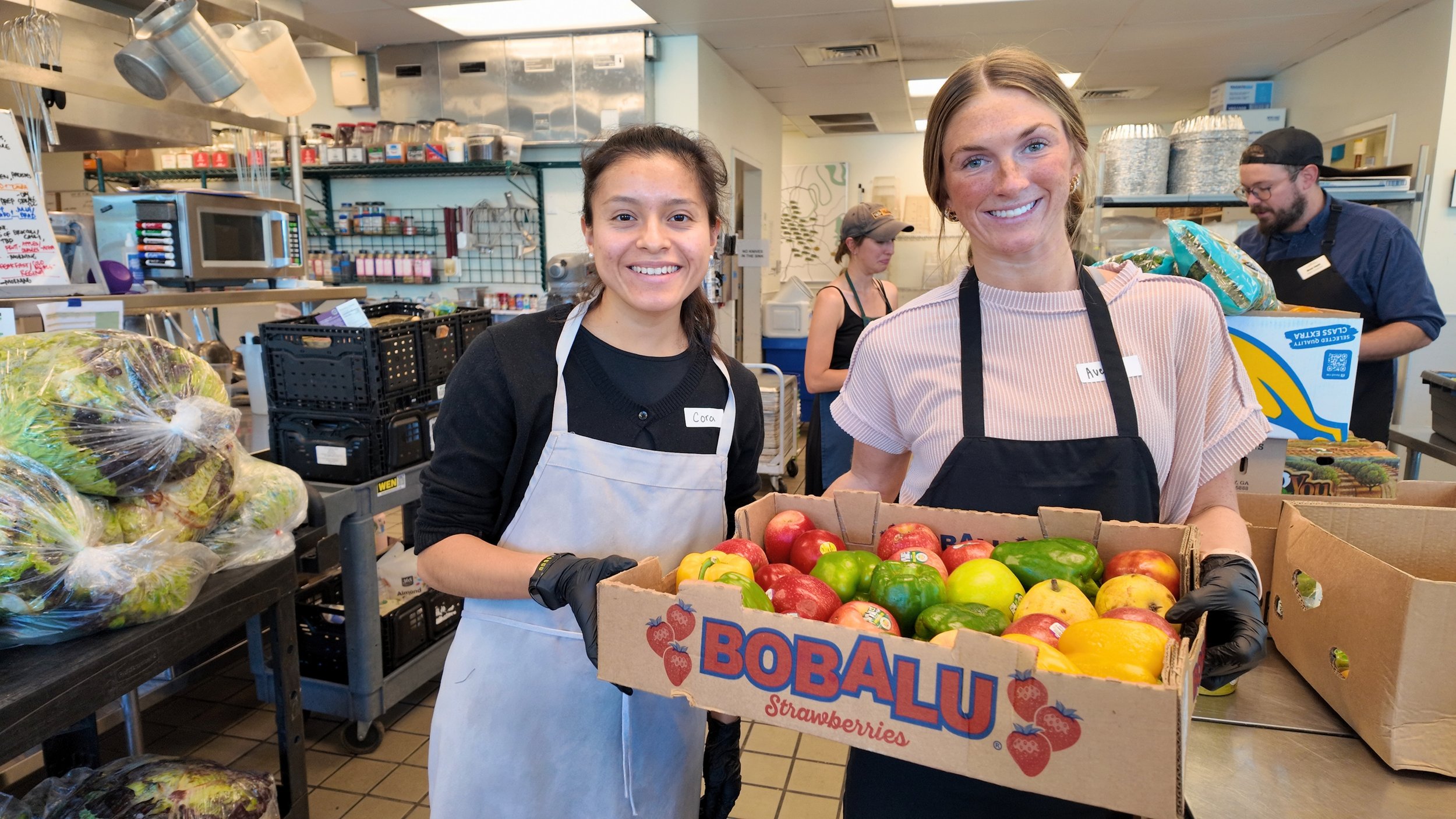
On Tuesday evenings, volunteers arrive at The Nashville Food Project from work, put on aprons and gloves, and take their places around the cutting boards. There are onions to chop, meals to portion, and dishes that will continue accumulating until someone finally shuts down the dish pit.
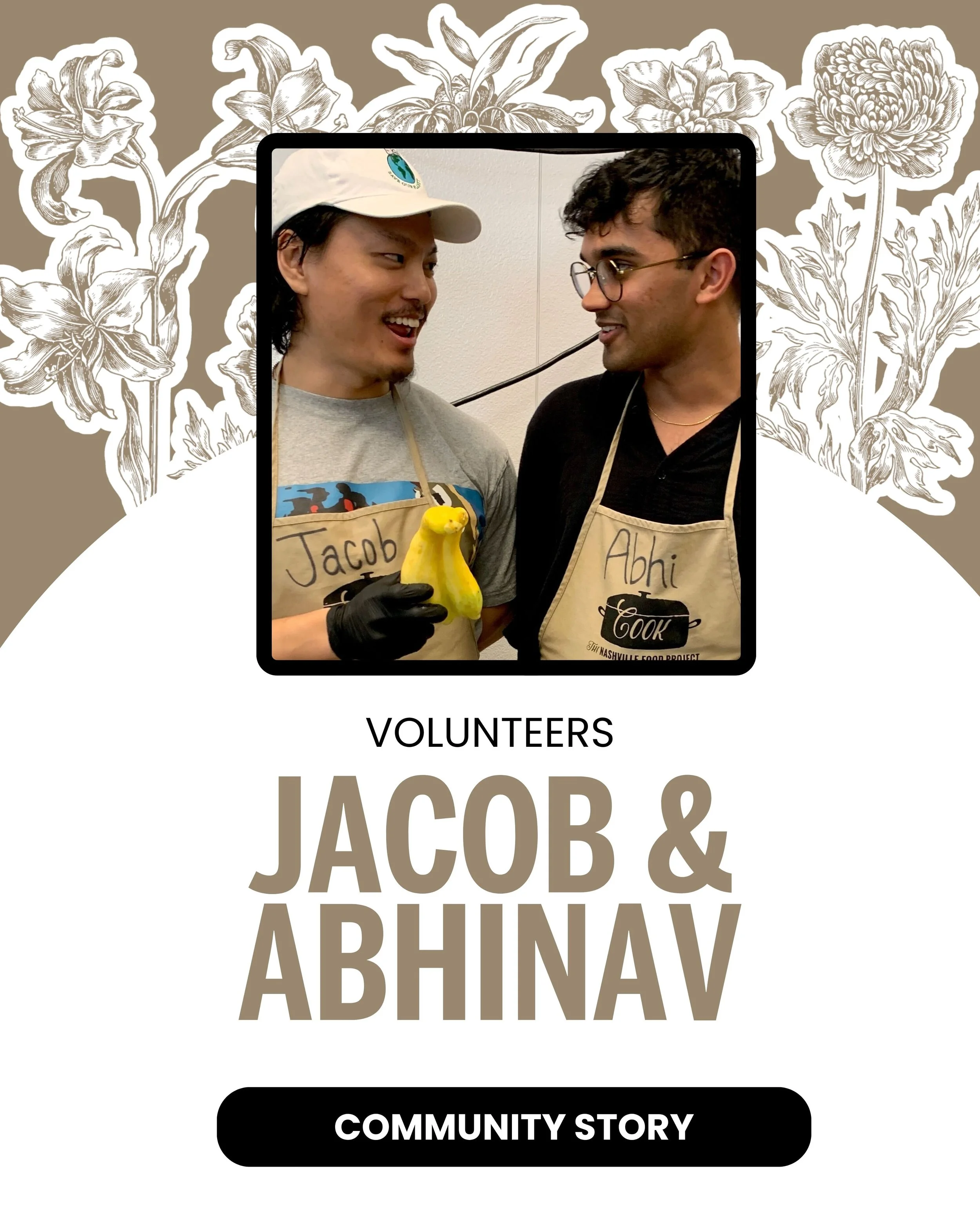
For Jacob and Abhinav, this became a weekly ritual.
Their friendship began during Abhinav’s first shift. Newly arrived in Nashville and looking for people who shared his interests in food, agriculture, and community, he entered the kitchen and decided that the knives needed sharpening.
Standing across from him was Jacob Kim, who found this funny.
“He made fun of me the entire night,” Abhinav recalled. “That night, we decided we should be friends.”
They eventually became roommates. They also became Tuesday-night regulars, inviting friends to volunteer and building relationships with the people who worked beside them.
The structure of a kitchen shift encourages this. Two hours spent peeling fruit or chopping what appears to be an inexhaustible supply of potatoes leaves plenty of room for conversation. Small talk eventually runs out. Something more familiar takes its place.
“I think it’s reinforcing,” Abhinav said. “People come, and then we become friends with them, and then we invite others to join us.”
Jacob arrived at The Nashville Food Project by a different route. Before working in corporate sales, he had been a paramedic, a job in which the value of helping someone was immediate and clear. A mentor suggested volunteering as a way to reconnect with that sense of purpose.
“I came here, and I was like, ‘This actually works for me,’” Jacob said. “This is what I want to be doing.”
Food was a natural place for both of them to find connection. In Jacob’s Korean family, affection was often expressed through a question: “Have you eaten yet?” An apology might arrive as a plate of fruit. Abhinav recognized the same language in his Indian family, where a guest would seldom be allowed to leave without eating something.
“It is the heart and soul of how people come together,” Abhinav said.
That belief gave the work added meaning. Abhinav was especially drawn to watching recovered ingredients, food that might otherwise have been discarded, become something nourishing and thoughtfully prepared.
“What’s really special is seeing all of that food being given another life,” he said.
With each shift, Jacob and Abhinav learned more of the kitchen’s private geography: how to operate the equipment, where everything belonged, and how to close the dish pit before the evening grew too late. Eventually, they became the people showing new volunteers where to stand and what to do next.
There was satisfaction in this progression from visitor to regular, from uncertain beginner to trusted guide. There was also plenty of friendly competition, spirited debate about the fastest way to cut a mango, and pizza shared after the work was finished.
Now Jacob and Abhinav are leaving Nashville for new cities, where both hope to find places to volunteer again. They will carry with them what Tuesday evenings taught them: that useful work can steady the mind, that food can say what words do not, and that friendship may begin with something as ordinary as a dull kitchen knife.
We are grateful for the humor, curiosity, and care they brought to our kitchen. Their Tuesday-night routine is ending, but the community they helped create remains.
Get involved:
Volunteer | Give Food | Donate | Attend an Event
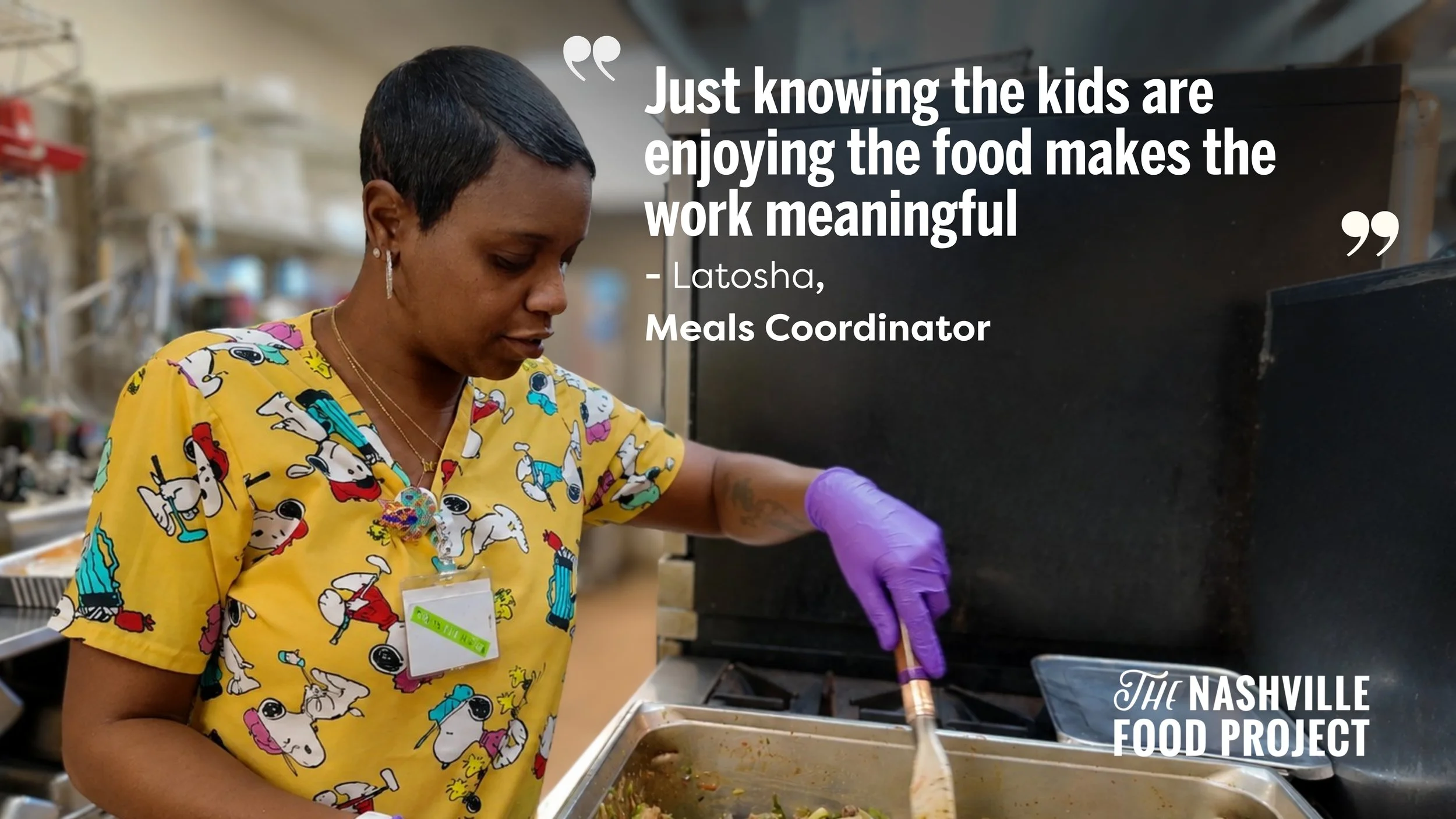
Latosha
Staff Spotlight: The Care Behind Every Meal
For Latosha, meaningful work begins with knowing that children are enjoying the food she helped prepare.
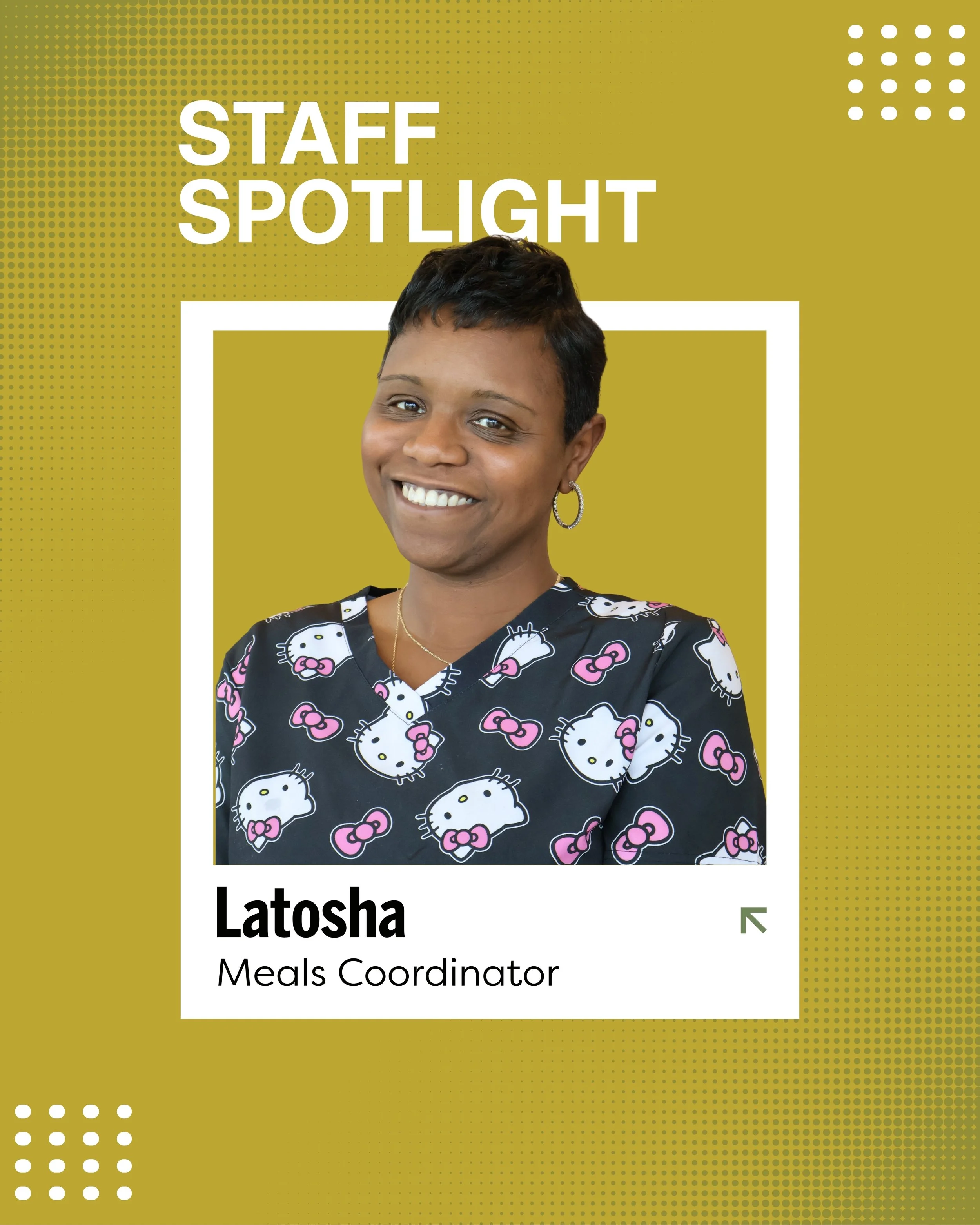
Long before a meal reaches a table, there is work to be done.
Ingredients must be prepared. Portions must be counted. Containers must be organized and packed. Every detail matters when nourishing food is being prepared for children and families across Nashville.
At The Nashville Food Project’s kitchen based at St. Luke’s Community House, Latosha helps hold those details together.
As Meals Coordinator, she supports the daily work of preparing, organizing, and sharing meals with care. It is practical, hands-on work, but its meaning reaches far beyond the kitchen.
“Just knowing the kids are enjoying the food makes the work meaningful,” Latosha shared.
Her words offer a simple reminder of why each step matters. Behind every meal is a child sitting down to eat. There are children discovering a new favorite dish, talking with friends over lunch, or finding the energy they need for the rest of the day.
Latosha may not always be present for those moments, but she helps make them possible.
Much of the work inside a community kitchen happens quietly. It can be found in the steady rhythm of preparing ingredients, checking quantities, arranging meals, and making sure food is ready to go where it is needed. These tasks may appear ordinary on their own, but together they become an act of care repeated across hundreds of meals.
That care is part of the shared effort behind everything we do. Our team brings people together to grow, cook, and share nourishing food with the goals of cultivating community and alleviating hunger in Nashville. Each person contributes something essential, from the growers who tend the land to the volunteers who prepare ingredients, the kitchen staff who turn those ingredients into meals, and the community partners who welcome neighbors around the table.
Latosha’s work is one part of that larger circle.
At St. Luke’s Community House, the kitchen is more than a place where food is prepared. It is where planning becomes nourishment and where many individual tasks come together around a common purpose. The meals that leave the kitchen carry the attention of everyone who helped prepare them.
For Latosha, the clearest measure of that work is not found in a production count or a completed checklist. It is knowing that a child received a meal and enjoyed it.
There is something deeply human in that measure. Food should do more than meet a need. It should offer comfort, familiarity, and pleasure. It should invite someone to eat, not simply provide something to eat.
We are grateful for Latosha and for the care she brings to this work each day. Through her role, nourishing food is prepared thoughtfully, organized carefully, and shared with the children and families at the heart of our mission.
Sometimes the meaning of a meal is as simple as knowing that a child enjoyed it. And sometimes that is enough to make every careful step behind it worthwhile.
Get involved:
Volunteer | Give Food | Donate | Gatherings
What a Bus Stop Teaches Us About Food Access
Every city has an invisible curriculum.
Without quite meaning to, a city teaches its residents what they may expect from public life and, by extension, from one another. A sidewalk suggests that walking is ordinary. A library proposes that knowledge belongs to everyone. A neighborhood park makes a similar claim about leisure: that it need not always be purchased. Even a bus stop offers a lesson. It tells us who is expected to wait, under what conditions, and whether that waiting is worthy of comfort, safety, or dignity.
We tend to think of infrastructure as concrete and steel, the solid and technical background against which life unfolds. But infrastructure is also the architecture of opportunity. It determines, often quietly, which parts of daily life will be easy and which will require patience, improvisation, or risk.
Food is no exception.
For years, conversations about food access have often begun with a map of grocery stores. The language of “food deserts” helped draw attention to real inequities in where healthy food is sold and where it is not. But the metaphor also encouraged a particular way of seeing the problem. It suggested that access was largely a matter of distance, and that placing a store inside a neglected radius might resolve what the map had revealed.
Life is rarely so orderly.
A grocery store can be two miles away and remain practically unreachable. A food pantry may distribute thousands of pounds of fresh produce each month and still lie beyond the path of the people who could most benefit from it. Most households do not simply shop at the nearest store. They shop where the prices fit their budget, where the produce is fresh, and where they can find the ingredients that belong on their family’s table.
For households with limited income, the closest store may not be the most useful one. Research in other cities has found that the people most likely to experience hunger, particularly those who depend on public transit, often travel the farthest to buy food.
The question, then, is not simply where food is located. It is whether people can reach the places that actually meet their needs.
That distinction seems small. It changes almost everything.
We often speak about transportation as though it were separate from food. One agency runs the buses. Another studies hunger. Another tracks public health. But no one experiences transportation at nine o’clock, food at ten, and health at eleven. A parent leaves work, catches a bus, picks up a child, stops for groceries, and heads home. An older adult leaves a medical appointment hoping to buy vegetables before making the return trip. A family passes through a library, a park, and a market in the course of a single Saturday afternoon.
Institutions divide a city into functions. Life does not.
Once we begin with the journey a person is actually making, rather than with the organizational chart of city government, the boundaries among transportation, housing, health, and food begin to soften. A grocery store without a safe sidewalk is less accessible than it appears on a map. A produce prescription has limited value when fresh food lies beyond a practical bus route. A bus stop without a bench or shelter discourages the very trips on which a family’s access to healthy food may depend.
Food access, in other words, is not only a quality of a place. It is a quality of the relationships among places.
This understanding led The Nashville Food Project to look closely at an unlikely piece of the food system: the bus stop.
Earlier this year, residents and community partners helped us document conditions at 373 bus stops across North Nashville. After a morning of training, neighbors walked the corridors stop by stop, recording the presence, or absence, of sidewalks, shelters, curb ramps, benches, lighting, and safe crossings. We then considered what they found alongside the locations of grocery stores, food pantries, and community meal sites.
At first glance, it resembled a transportation study. It was, more broadly, a study of how civic infrastructure shapes access to food.
Fewer than one in four stops met basic accessibility standards. Fewer than fifteen percent had a shelter. Fewer than six in ten were connected to the surrounding neighborhood by a sidewalk. Barely a quarter could clearly accommodate a neighbor using a wheelchair, pushing a stroller, or carrying several bags of groceries.
One resident described a stop as “just a stick in the ground.”
From the window of a passing car, the difference between a signpost and a true bus stop may seem minor. For the person waiting beside it in the summer heat, or stepping from the curb with groceries in both hands, it can be the difference between access and isolation.
The barriers were not distributed evenly. Near the State Capitol and areas of new development, stops were more likely to have shelters and smooth sidewalks. Along residential blocks where many neighbors actually waited, there was often little more than a sign beside the road. Infrastructure appeared to have followed real-estate investment more closely than it had followed need.
Cities are always deciding whose journeys should be easy. Most of those decisions are made quietly.
A sidewalk. A bench. A curb ramp. A bus shelter.
We classify these as engineering details, but they are also civic choices. Each answers a set of questions that cities rarely ask aloud: Whose time matters? Whose safety counts? Who is expected to participate in public life, and under what conditions?
Seeing food access this way changes more than transportation policy. It also changes how we understand the movement of food through a city.
For generations, we have organized food largely around commerce. Grocery stores open where the market will support them, and households are expected to arrange their lives accordingly. When nourishing food proves difficult to reach, the usual response is to help people travel farther.
There is another possibility.
Instead of organizing people around food, we can organize food around the ordinary rhythms of people’s lives.
Schools already gather families. Transit centers already gather commuters. Public housing communities already gather neighbors. Libraries already serve as places of learning, connection, and refuge. These are not merely convenient locations for distributing food. They are civic institutions around which daily life is already arranged.
When residents are asked which approaches they would actually use, the strongest interest is often not in a subsidized trip to a distant store. It is in bringing fresh food closer through a neighborhood market or produce box. People have been telling us where food belongs. The task is to listen carefully enough to build around what we hear.
This is the idea behind The Nashville Food Project’s growing Community Markets initiative.
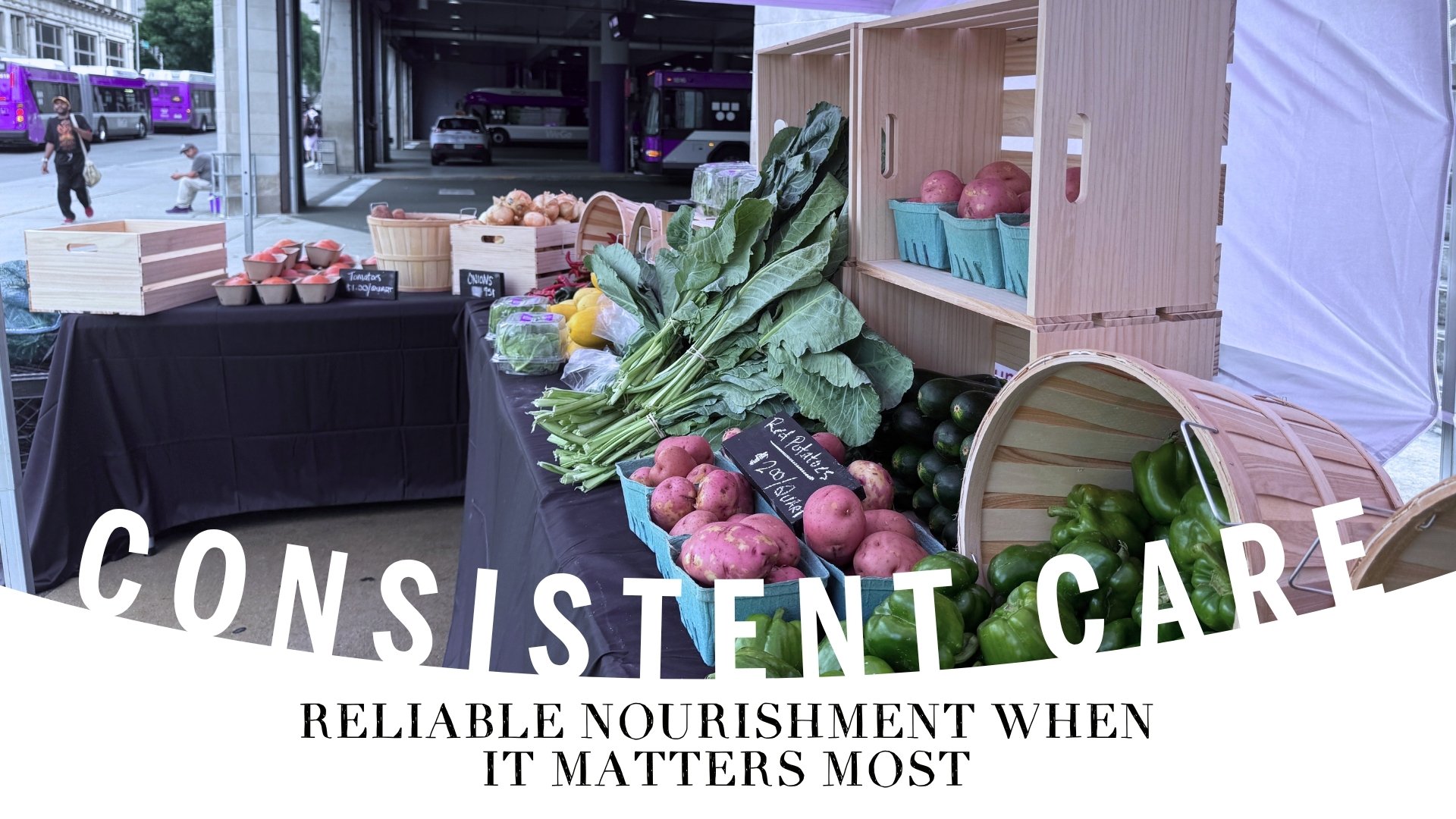
Beginning August 12, we are partnering with WeGo Public Transit and Cul2vate to bring a fresh produce market to the Elizabeth Duff Transit Center at WeGo Central. The premise is almost disarmingly simple. Thousands of riders already pass through the station each day. Instead of asking someone to make an additional trip after work, the market makes fresh food part of the journey already underway.
A commute home can include tomatoes, greens, peppers, or squash for dinner.
This same principle shapes the Growing Together Farmers Market in South Nashville, where immigrant and refugee growers have helped define what the market should be. It may also shape future markets in public housing communities or at other neighborhood gathering places. The form will change because every community is different.
The principle will remain: good food access begins where people already are.
Bringing food closer does not, of course, let the bus stop off the hook. A neighborhood market is no excuse for leaving the journey unsafe. The improvements needed are neither novel nor extravagant: a shelter, a bench, a light, a curb ramp, a safe sidewalk connecting the stop to the surrounding neighborhood.
Considered against what they make possible, these are among the smallest investments a city can make and among the most consequential. They determine whether a neighbor with a cane can board the bus, whether a parent and child can wait safely through a July afternoon, and whether a bag of groceries makes it home intact.
Those investments should follow need, reaching the residential corridors where people wait every day. The neighbors who walked North Nashville’s bus routes did more than document what was missing. They created a stop-by-stop record of where the work could begin. That record belongs in the city’s planning, not in a drawer.
This may be the larger lesson of the project.
We often measure cities by the projects they complete and the services they provide. Those measures matter. But another measure is whether a city’s institutions recognize their dependence on one another. Whether transportation advances public health. Whether housing supports education. Whether parks cultivate community. Whether nourishing food is woven into the ordinary places where daily life unfolds.
The most resilient cities are not necessarily the ones with the greatest number of programs. They are the ones that make the conditions for flourishing feel ordinary.
That work often begins in places so familiar that they nearly escape our attention: the sidewalk outside a grocery store, the path between a clinic and a bus route, the bench where someone rests on the way home.
Or a bus stop that becomes, for a few hours each week, a place to bring home dinner.
For generations we have organized food around commerce. Grocery stores rise where markets support them, and the rest of the city is expected to arrange its life accordingly. When healthy food proves hard to reach, we help people travel farther.
There is another possibility.
Rather than organizing people around food, we can organize food around the ordinary rhythms of people's lives. Schools already gather families. Transit centers already gather commuters. Public housing already gathers neighbors. Libraries already gather communities. These are not merely convenient places to hand out food. They are civic institutions around which daily life is already organized. And when residents are asked which solutions they would actually use, the strongest interest is not in a subsidized ride to a distant store. It is in fresh food brought closer: a produce box, a neighborhood market. People have been telling us, all along, where food belongs.
This is the idea behind our growing Community Markets initiative.
Later this year, The Nashville Food Project will partner with WeGo Public Transit to open a fresh produce market inside the Elizabeth Duff Transit Center. The concept is almost disarmingly simple. Thousands of riders already pass through the station every day. Instead of asking someone to make another trip after work, fresh food becomes part of the trip they are already making. The commute home becomes a chance to buy vegetables for dinner.
The same principle shapes our Growing Together Farmers Market in Antioch, where immigrant and refugee growers and shoppers have helped define what the market should be. It may shape future markets in public housing communities or other neighborhood anchors. The format will change because communities differ.
The principle will not.
Good food access begins where people already are.
None of this lets the bus stop off the hook. Bringing food closer is no excuse for leaving the journey unsafe. The remedies are neither exotic nor costly: a shelter, a bench, a light, a curb ramp, a safe sidewalk to the door. Set against what they return — whether a neighbor with a cane can board, whether a parent can wait out a July afternoon, whether the groceries make it home — they are among the smallest investments a city can make and among the most consequential. They should follow need rather than development, reaching first the residential blocks where people actually wait. The neighbors who walked these corridors did more than document what was broken. They left a stop-by-stop record of where to begin. That record belongs in the city's planning, not in a drawer.
This, perhaps, is the larger lesson.
We measure cities by the projects they complete and the services they provide. Those things matter. But the deeper measure is whether the institutions of a city recognize one another. Whether transportation advances public health. Whether housing supports education. Whether parks strengthen community. Whether food is woven into the ordinary places where life already unfolds.
The most resilient cities are not those with the most programs. They are those that make flourishing ordinary.
And that work begins, more often than we imagine, in the places between.
Get involved:
Volunteer | Give Food | Donate | Gatherings
What It Took to Keep Children Nourished All Summer Long
Summer offers children a welcome break from school, but hunger does not follow the academic calendar. When classrooms close, many families lose access to the dependable meals their children receive during the school year. Sweet Peas helps keep nourishing food within reach until those familiar school-day routines return.
Thanks in part to the support of our longtime partner Jackson Financial, Inc., we were able to provide nourishing meals to children across Middle Tennessee throughout the summer.
By late July, summer has developed its own familiar rhythm. Mornings begin at camps and community centers. Backpacks carry water bottles instead of homework. Children settle into days shaped by games, field trips, new friendships, and the occasional afternoon that seems to stretch on forever.

In our kitchens, summer has a rhythm of its own. Each morning, our team prepares breakfasts, lunches, and snacks for children across Middle Tennessee through Sweet Peas: Summer Eats for Kids. Meals are packed, counted, and sent out to the community organizations where young people are spending their days.
Summer offers children a welcome break from school, but hunger does not follow the academic calendar. When classrooms close, many families lose access to the dependable meals their children receive during the school year. Sweet Peas helps keep nourishing food within reach until those familiar school-day routines return.
Thanks in part to the support of our longtime partner Jackson Financial, Inc., we were able to provide nourishing meals to children across Middle Tennessee throughout the summer.
This summer, we shared meals through Aventura Community School; Boys & Girls Clubs of Middle Tennessee’s Franklin Clubhouse; Bridging the Gap Learning Center; Cottage Cove; Firm in Totality; Harvest Hands at Napier; Meharry DNA Learning Center; Nashville International Center for Empowerment; Project Transformation sites in Antioch, Madison, Murfreesboro, and Smyrna; UrbanPromise; and Water Walkers.
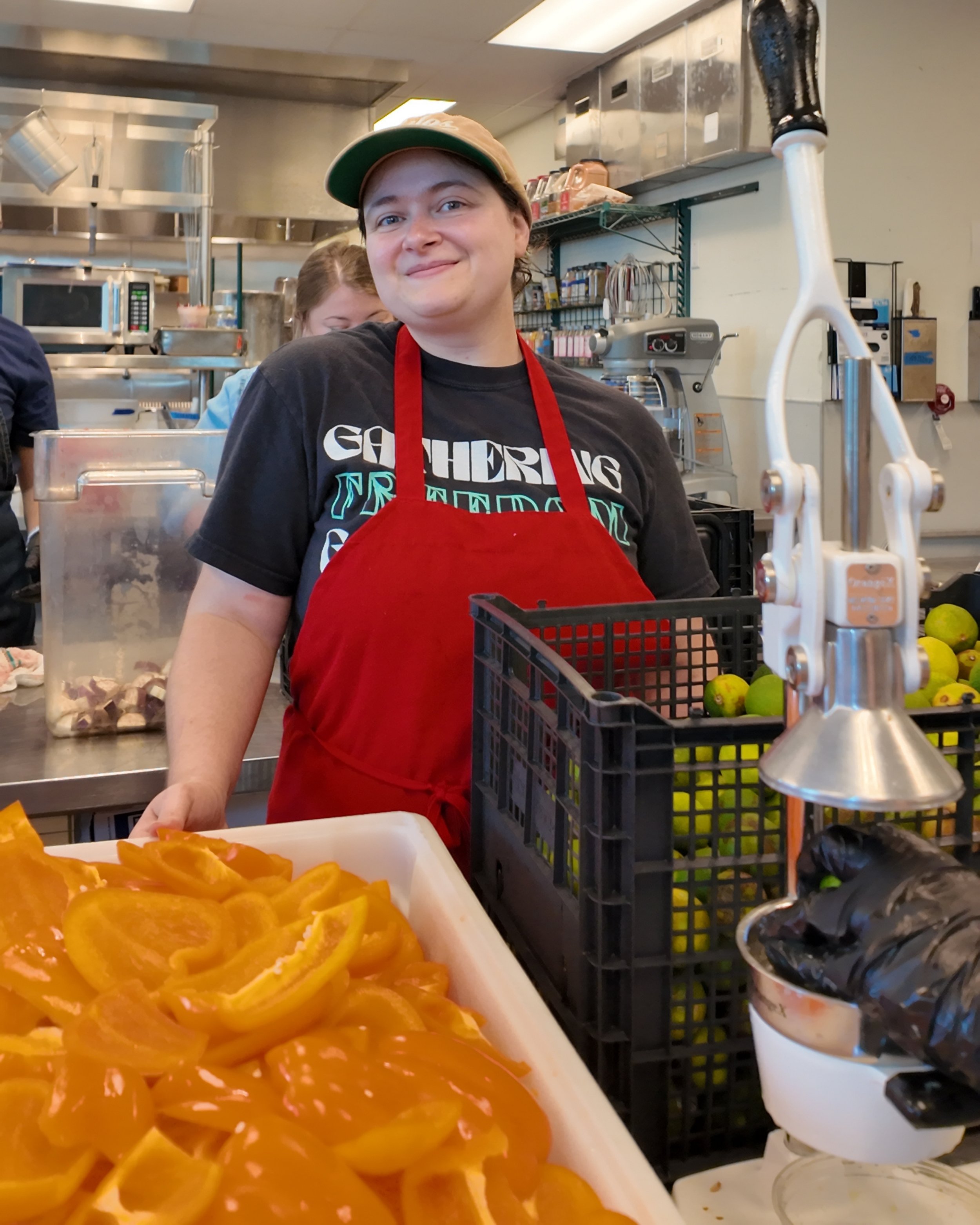
At some sites, the day began with breakfast. At others, lunch offered a welcome pause between activities. An afternoon snack might be eaten quickly before everyone returned to the gym, the playground, or the next project. The meals were different from site to site, but the purpose remained the same: to make sure children had the nourishment they needed to take part fully in their summer days.
During one week in July, our team prepared 815 breakfasts for children at Bridging the Gap Learning Center, Cottage Cove, Firm in Totality, Nashville International Center for Empowerment, and Water Walkers. We also prepared 815 snacks for children at Boys & Girls Clubs of Middle Tennessee’s Franklin Clubhouse, Harvest Hands at Napier, and UrbanPromise, in addition to lunches shared across our wider network of summer partners.
The numbers tell us how much food left our kitchens. They cannot tell us everything that happened after it arrived.
They do not show the child eating breakfast before a morning of learning, the friends talking over lunch, or the caregiver who had one less meal to plan that day. They cannot capture the comfort of being offered food in a place where you already know the people and feel at home.
That is why our community partners matter so much. They know the children and families who walk through their doors. They have built trust through the steady work of showing up, season after season. By sharing meals through these familiar spaces, we can meet children where they already are.
At the Franklin Clubhouse, for example, meals became part of days filled with games, learning, and time with friends and caring adults. Our relationship with Boys & Girls Clubs of Middle Tennessee continues after summer ends, with community meals shared throughout the year at its Fairview Clubhouse.
This is the quiet strength of partnership. No single organization has to do everything. Each brings what it knows, the relationships it has built, and the care it can offer. Together, we create something more dependable for children and families.
Now, as summer programs wind down and school-year routines return, we are thinking about all the hands that carried these meals from our kitchens to tables across the region. We are grateful for every partner who opened its doors, every staff member who welcomed children, and every person who helped make sure food was there when it was needed.
Summer is coming to an end. The relationships that sustained this work are not.
Volunteer | Give Food | Donate | Gatherings
A Market Along the Way
Every weekday afternoon, thousands of people pass through WeGo Central. They arrive from work, school, appointments, and errands, then wait beneath the steady churn of buses for the next part of the journey home.
Beginning August 12, that journey may include a bag of tomatoes, a bundle of greens, or another small answer to the familiar question of what to make for dinner.
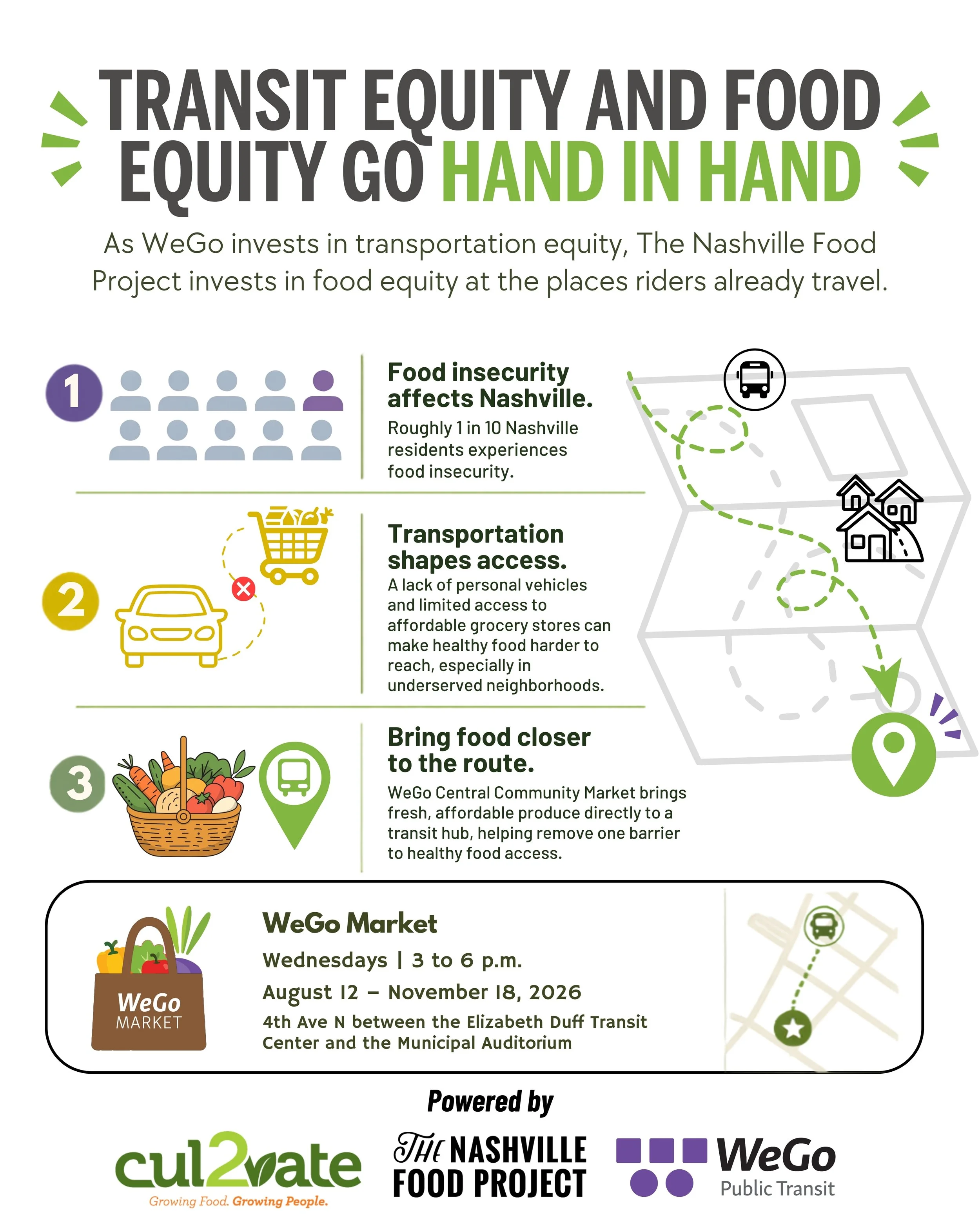
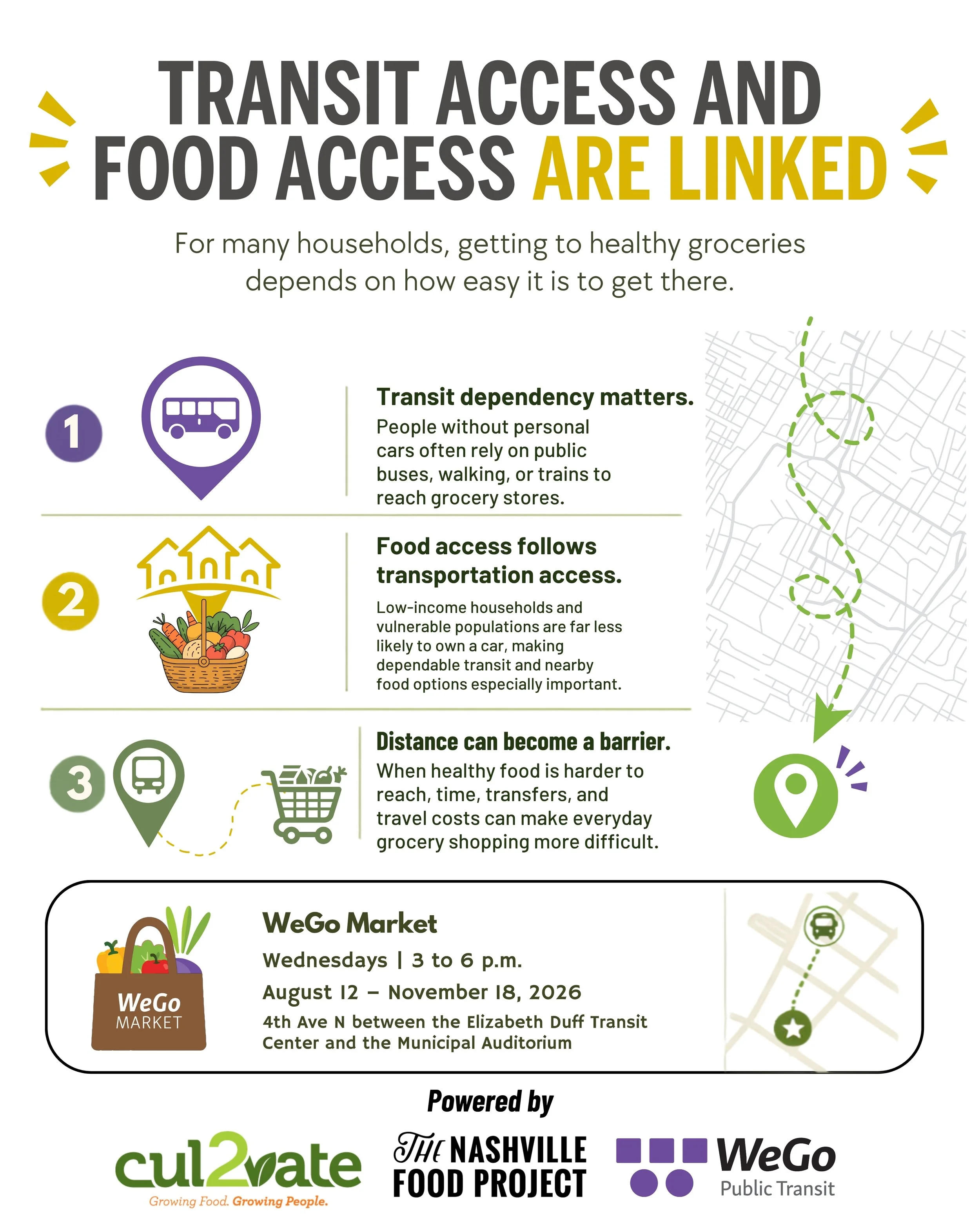
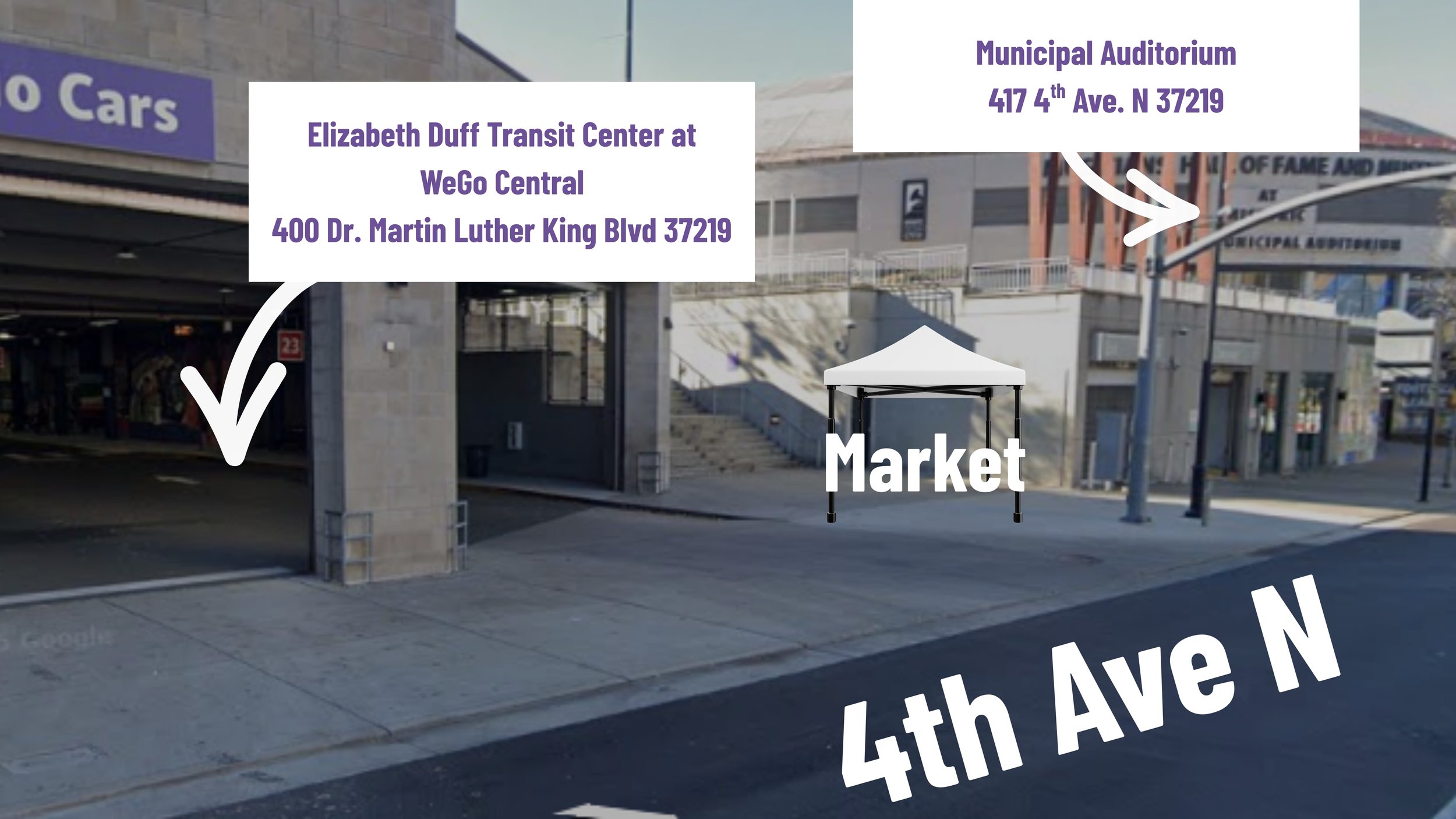
The WeGo Market is a new weekly produce market created through a partnership among WeGo Public Transit, The Nashville Food Project, and Cul2vate. Each Wednesday afternoon, farmers and market staff will set up along 4th Avenue North, between the Elizabeth Duff Transit Center at WeGo Central and the Municipal Auditorium. From 3 to 6 p.m., transit riders, downtown workers, and nearby residents will be able to shop for fresh, locally grown produce at prices designed to meet household budgets.
The idea behind the market is straightforward: bring good food to a place people already go.
Food access is often discussed in terms of distance. How far is the nearest grocery store? Does someone have a car? Can they carry several days’ worth of groceries on the bus? But distance is only part of the equation. Time, cost, work schedules, transportation, and the simple exhaustion of adding one more stop to a long day all shape what food is truly within reach.
A market at a transit center cannot resolve each of those pressures. It can, however, remove one of them. Shopping for produce no longer has to require another trip. It can become part of the trip already being made.
“We want our community to have access to the best, freshest local produce at prices they can afford while ensuring our local farmers aren’t shouldering the cost,” said Rebecah Boynton, Community Markets Manager at The Nashville Food Project. “Through partnerships like this, we’re creating a model that supports local agriculture while simultaneously making quality food more accessible and convenient.”
That balance matters. Affordability for shoppers should not come at the expense of the people who grow the food. The market is structured to support both, making produce available at deeply discounted prices while ensuring that farmers are not asked to absorb the difference.
The produce will come from Cul2vate, a Nashville nonprofit that grows food while providing workforce development opportunities for people rebuilding their lives. The partnership is also something of a reunion. A decade ago, The Nashville Food Project became the first organization to receive produce from Cul2vate.
“We’re proud to work together to bring creative solutions to food access disparities by bringing nutritional food options right to the central hub of transit within our city,” said Joey Lankford, Cul2vate’s Executive Director.
Public transit has always been about access, though food is not usually the first thing that comes to mind. A bus route connects people with jobs, classrooms, health care, and one another. The WeGo Market asks what else that infrastructure might make possible.
“Public transit traditionally serves the community by connecting people to employment, healthcare, and educational opportunities,” said Steve Bland, CEO of WeGo Public Transit. “It is exciting to partner with The Nashville Food Project and Cul2vate to expand that role and introduce new ways transit can support our neighbors in overcoming food insecurity.”
For The Nashville Food Project, the market reflects a belief that food access works best when it is woven into the life of a community. It should be present in the neighborhoods where people live, in the organizations they trust, and along the routes they travel every day.
There will be free samples and recipe cards at the market, but its most meaningful offering may be convenience itself: fresh food placed directly in the path of daily life. A shopper can step off a bus, choose what looks good, and continue home. Something grown nearby becomes dinner. A public street becomes a marketplace. The commute makes room for nourishment.
Market Details
Market DetailsWhat: WeGo Market
When: Wednesdays, 3 to 6 p.m., August 12 through November 18, 2026
Where: 4th Avenue North between the Elizabeth Duff Transit Center at WeGo Central and the Municipal Auditorium
Address: 400 Dr. Martin Luther King Jr. Blvd. and 417 4th Ave. N., Nashville, TN
Partners:WeGo Public Transit, The Nashville Food Project, and Cul2vate

Get involved:
Volunteer | Give Food | Donate | Gatherings
Looking Back at Nourish 2026
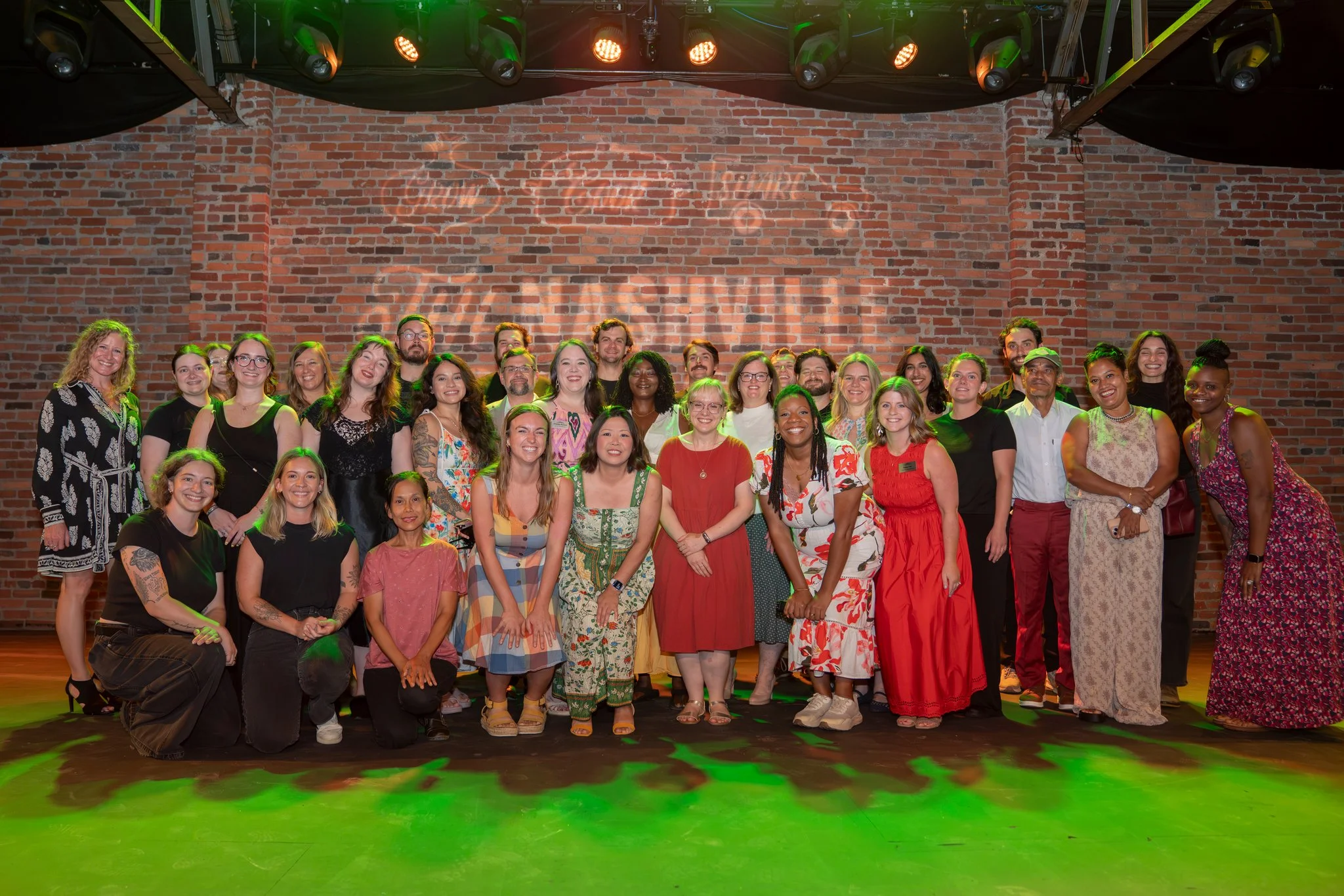
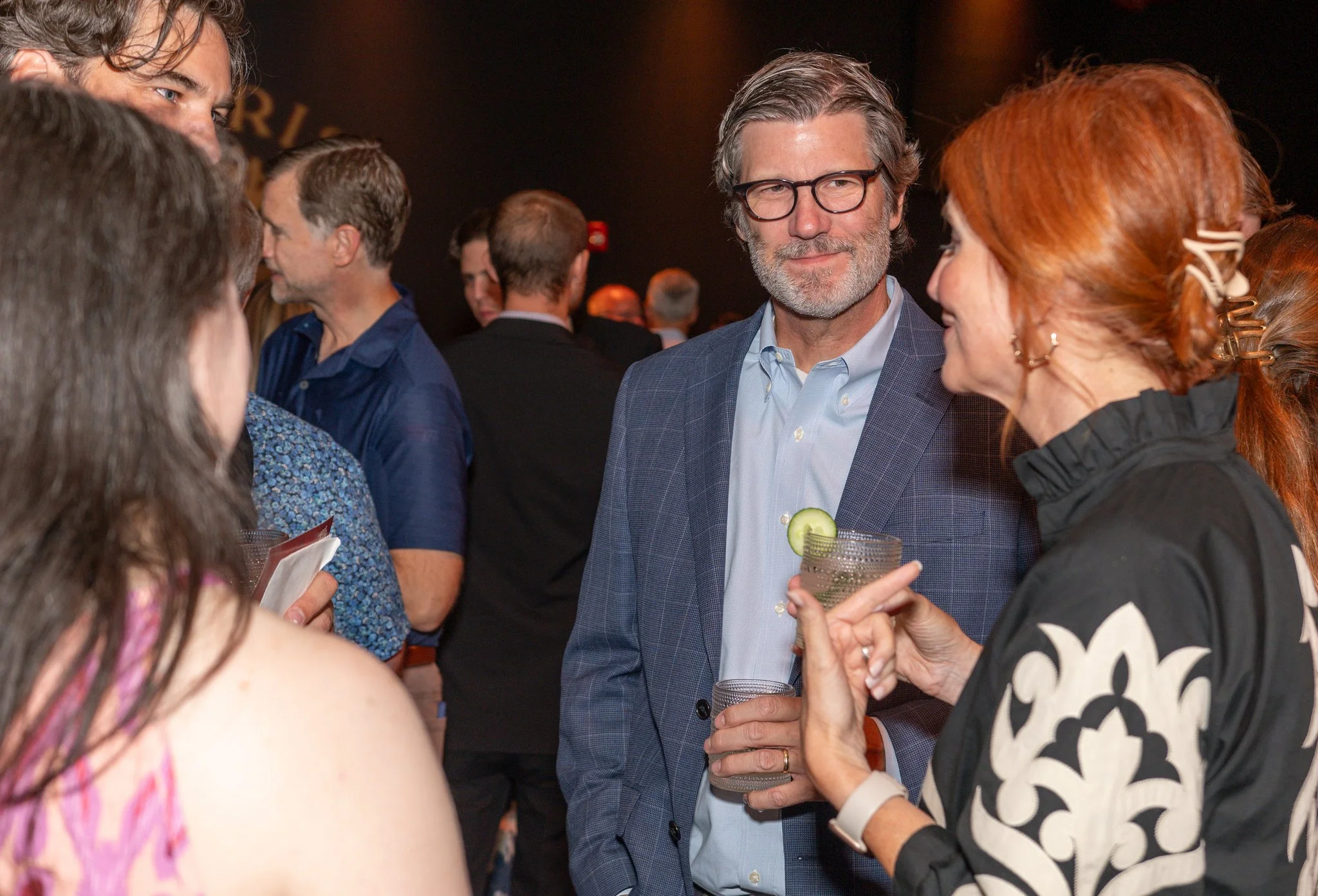
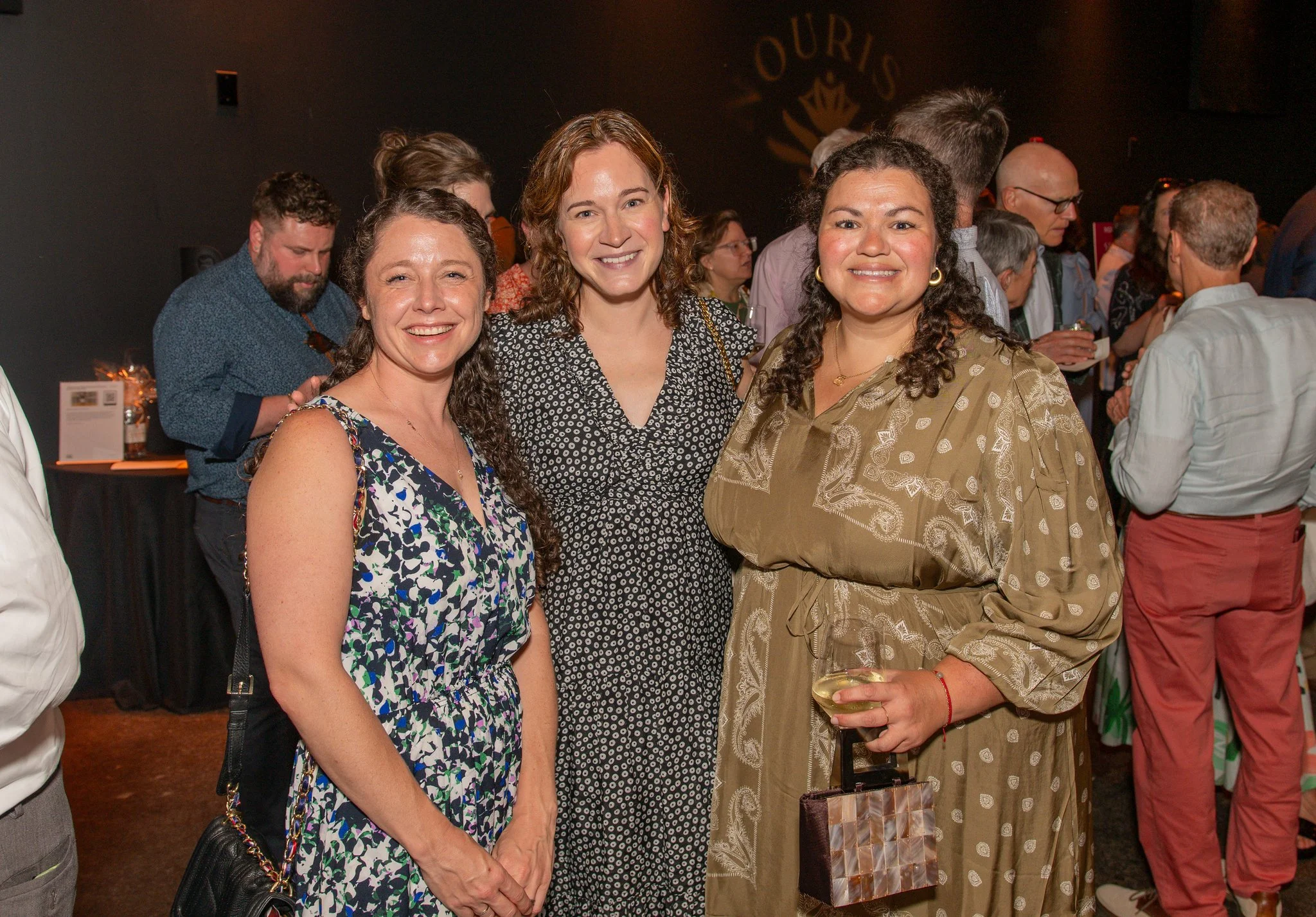
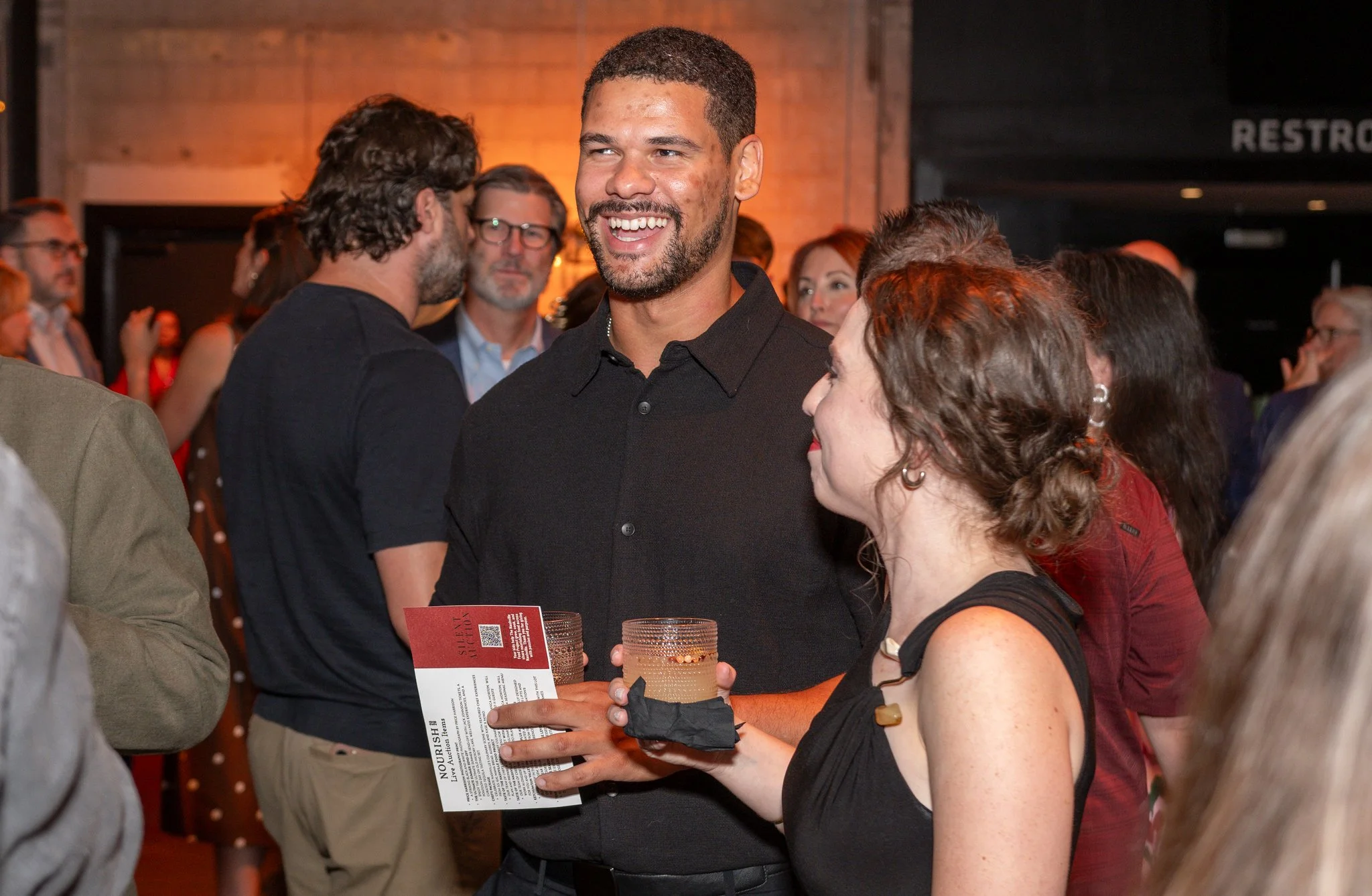
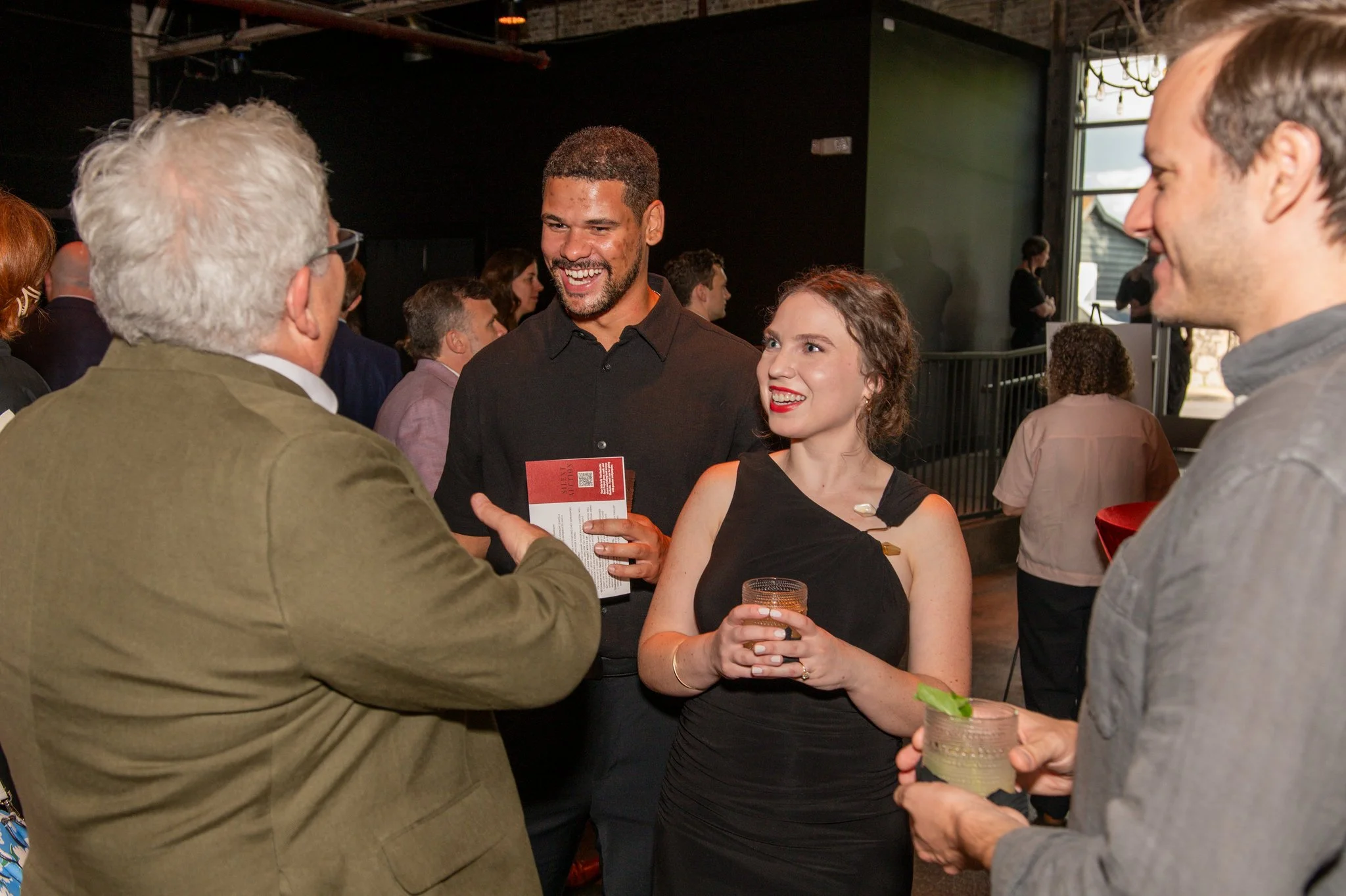
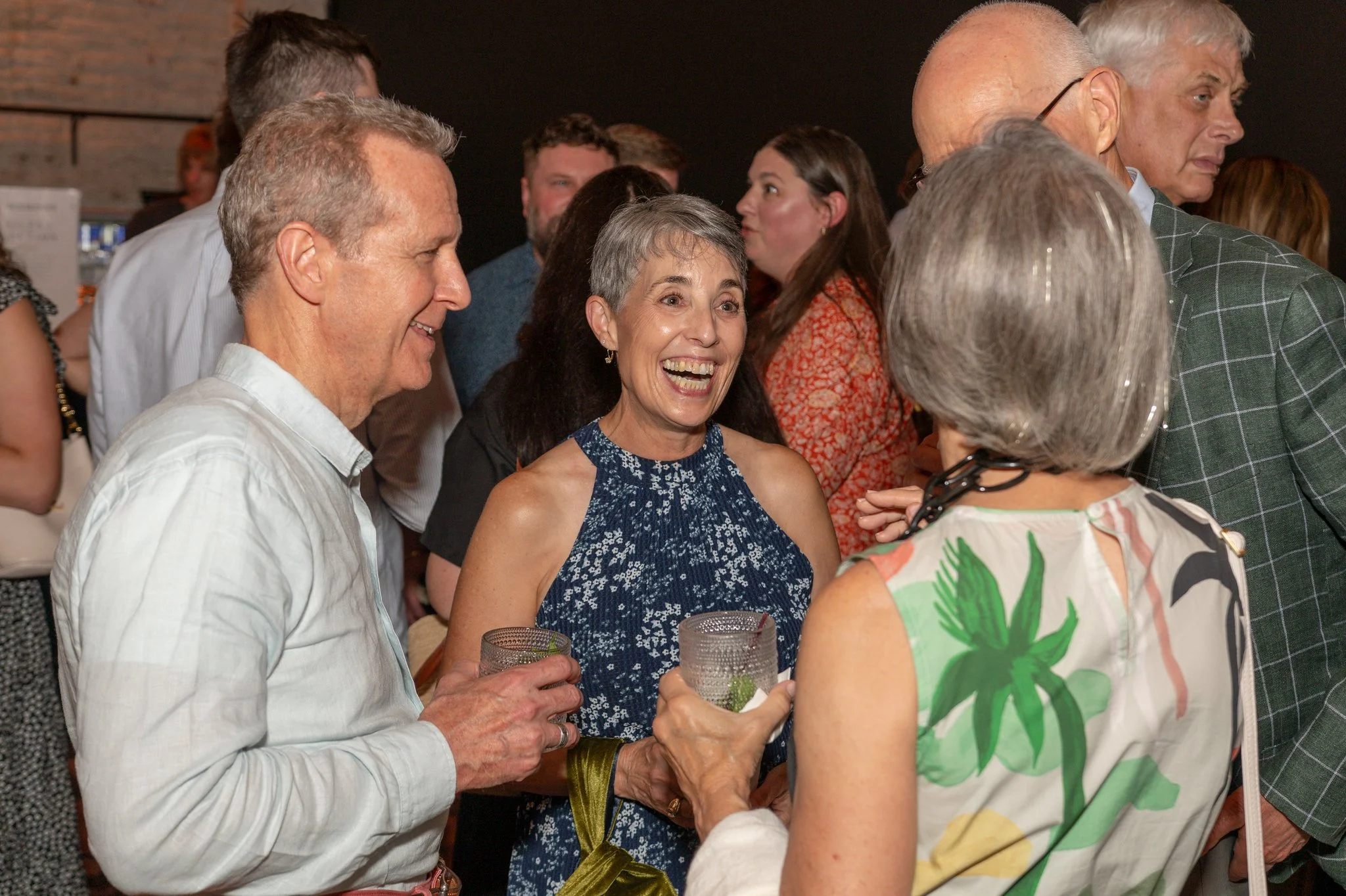
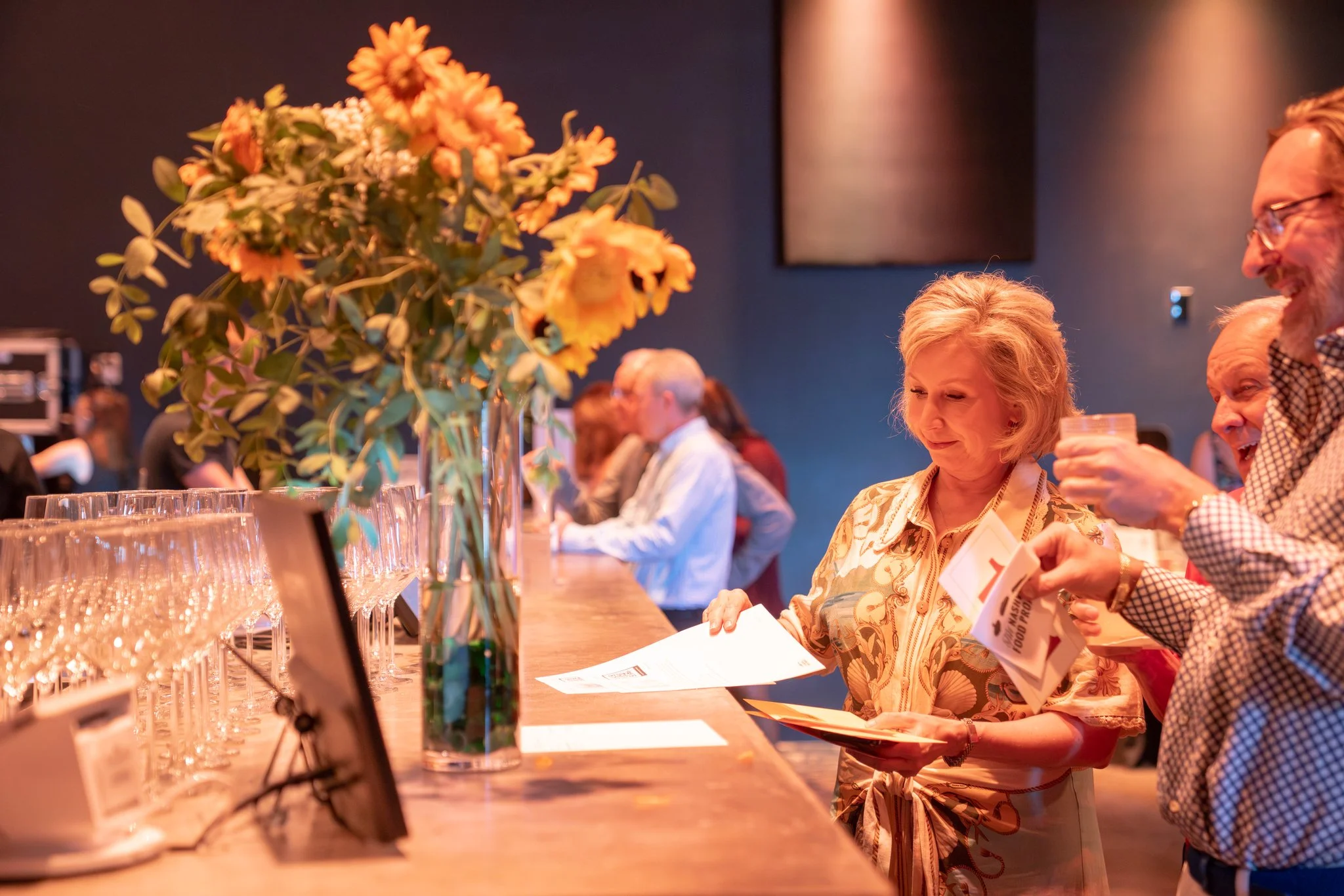
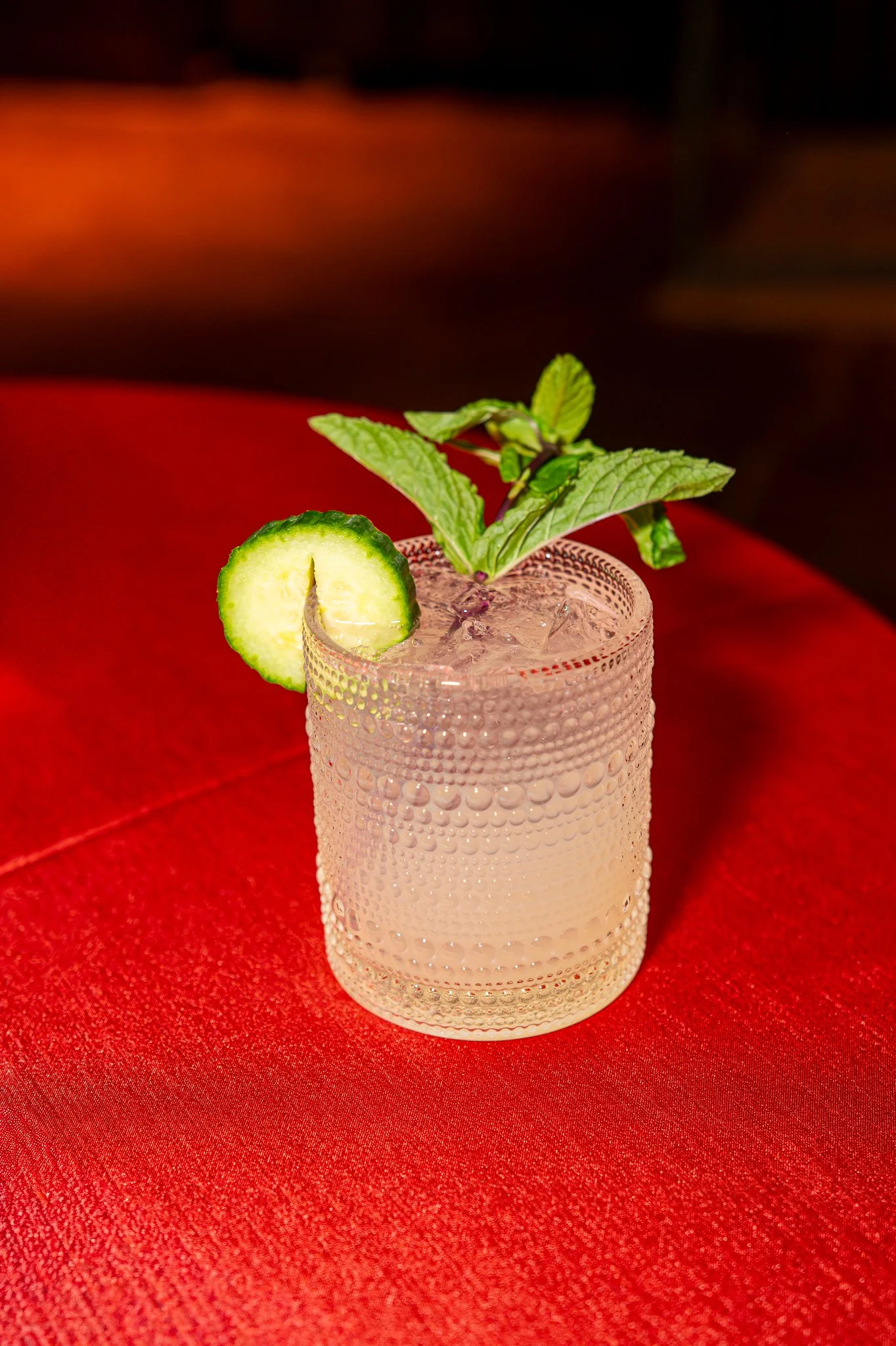
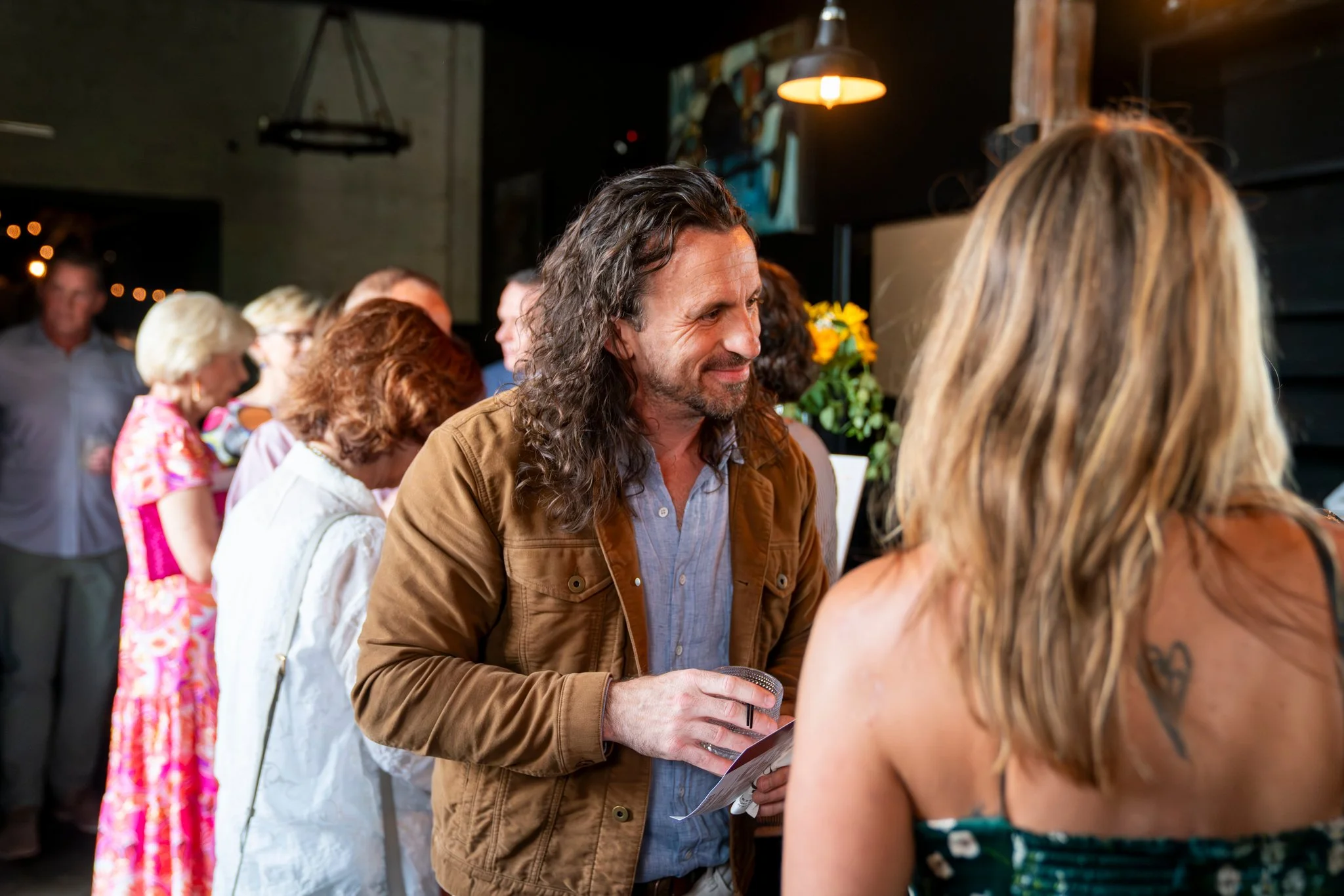
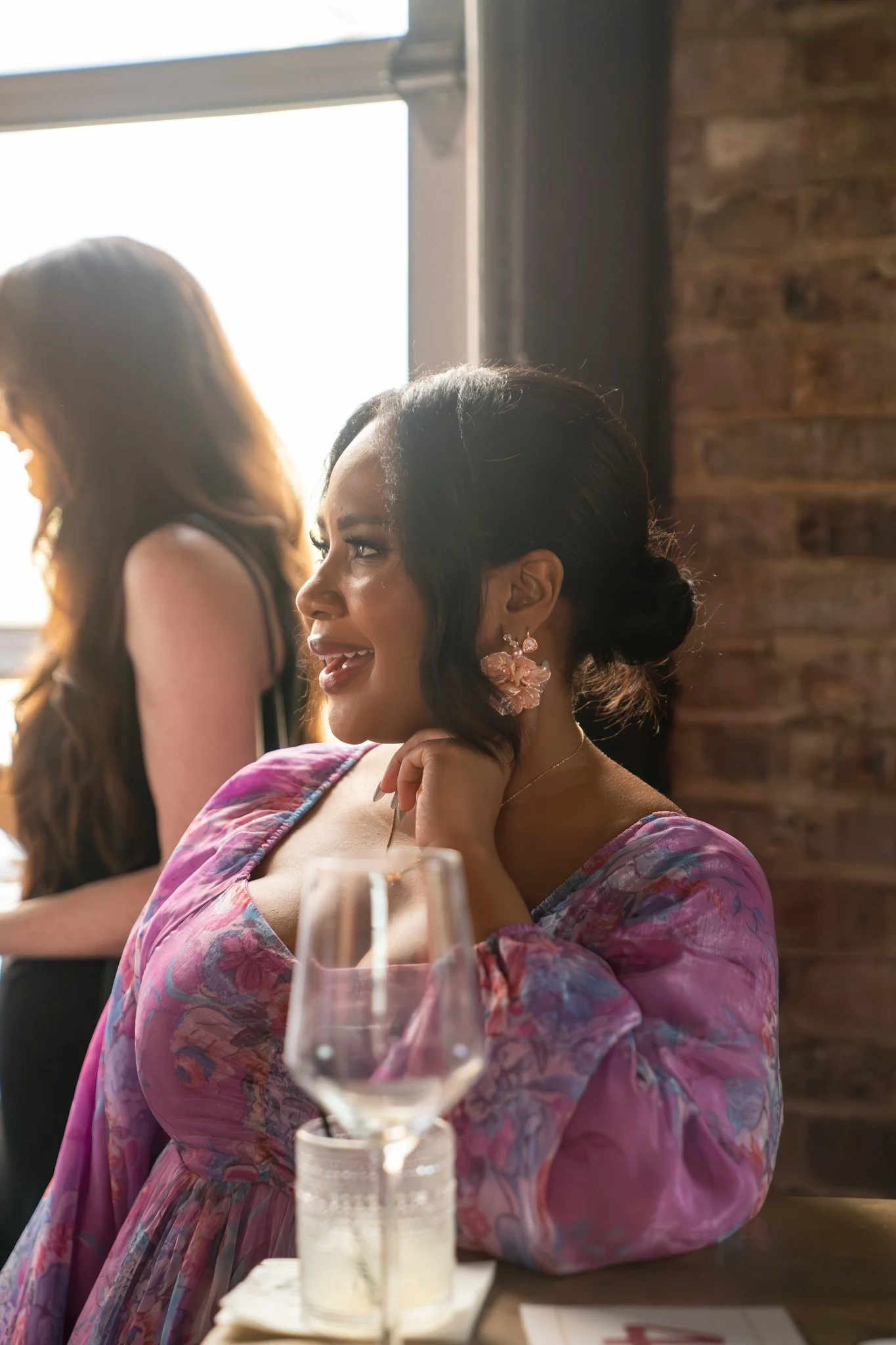
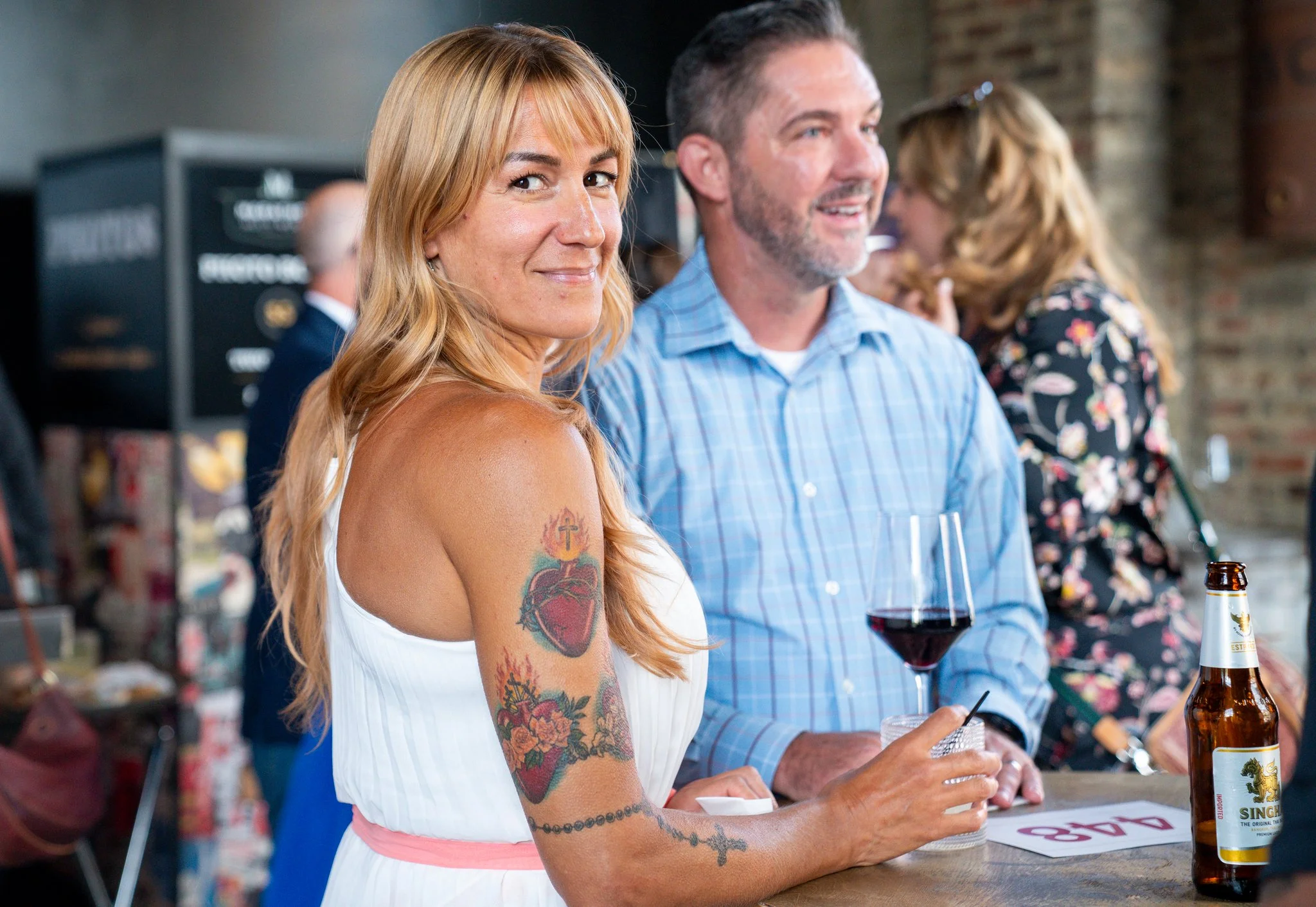
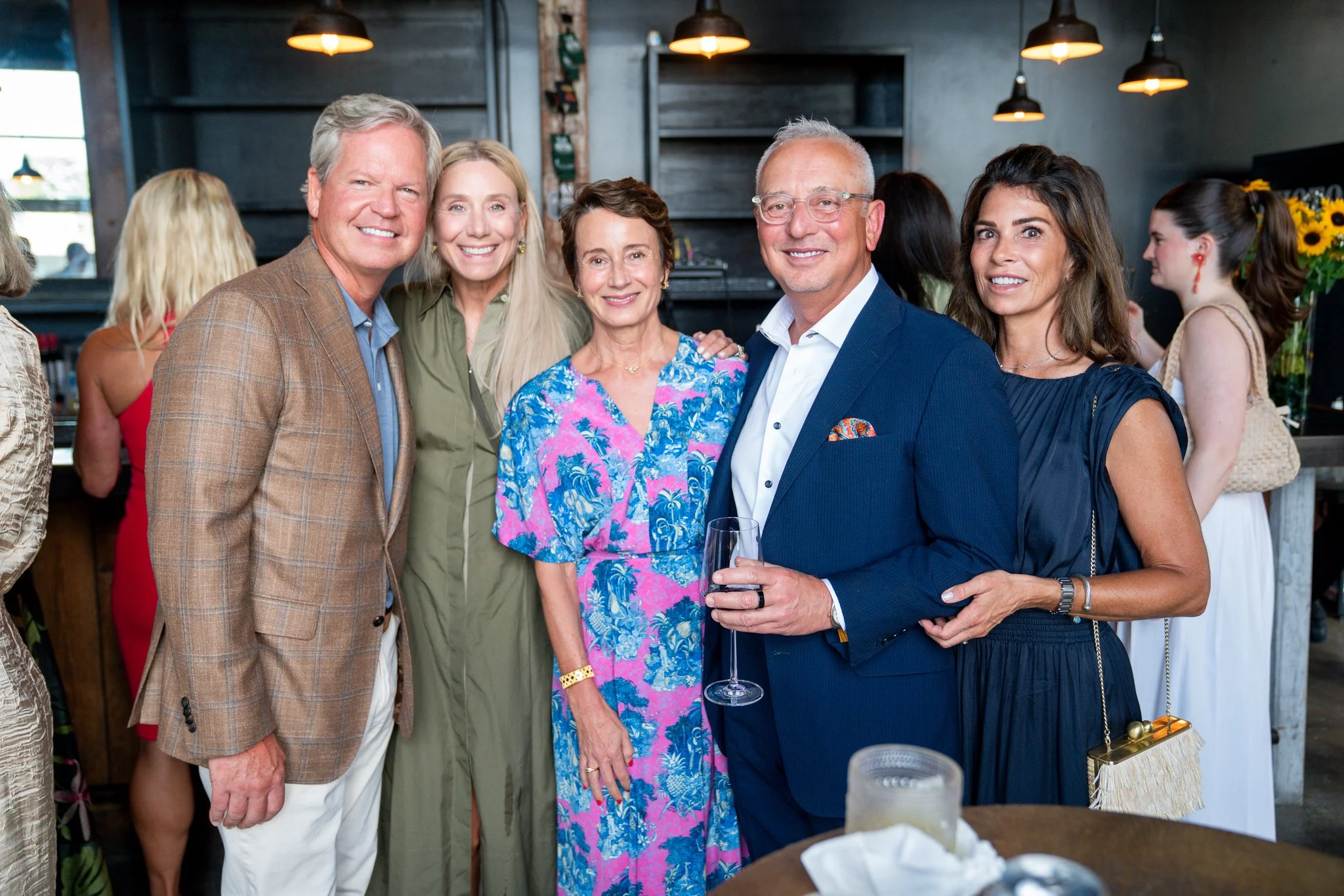
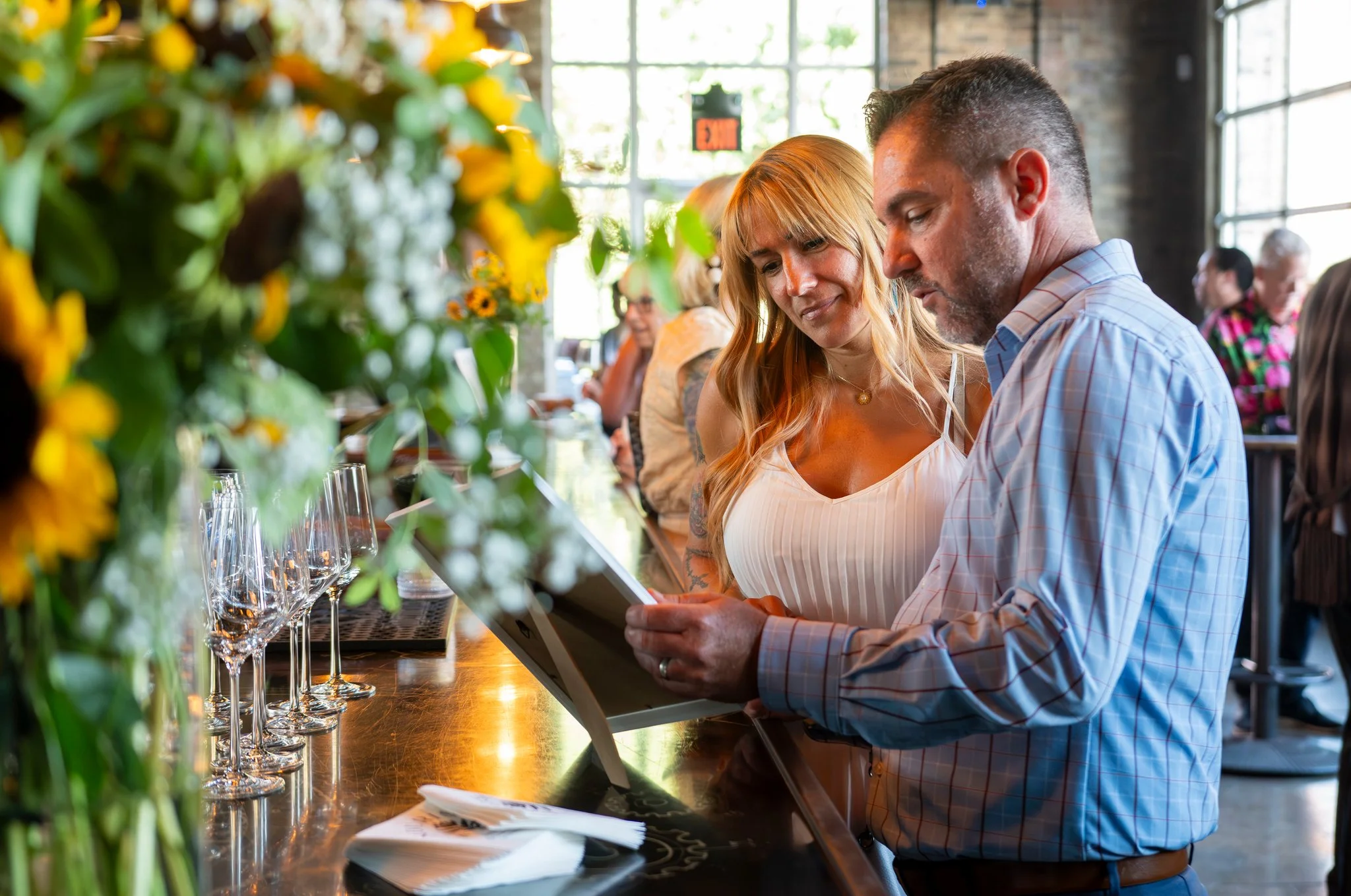
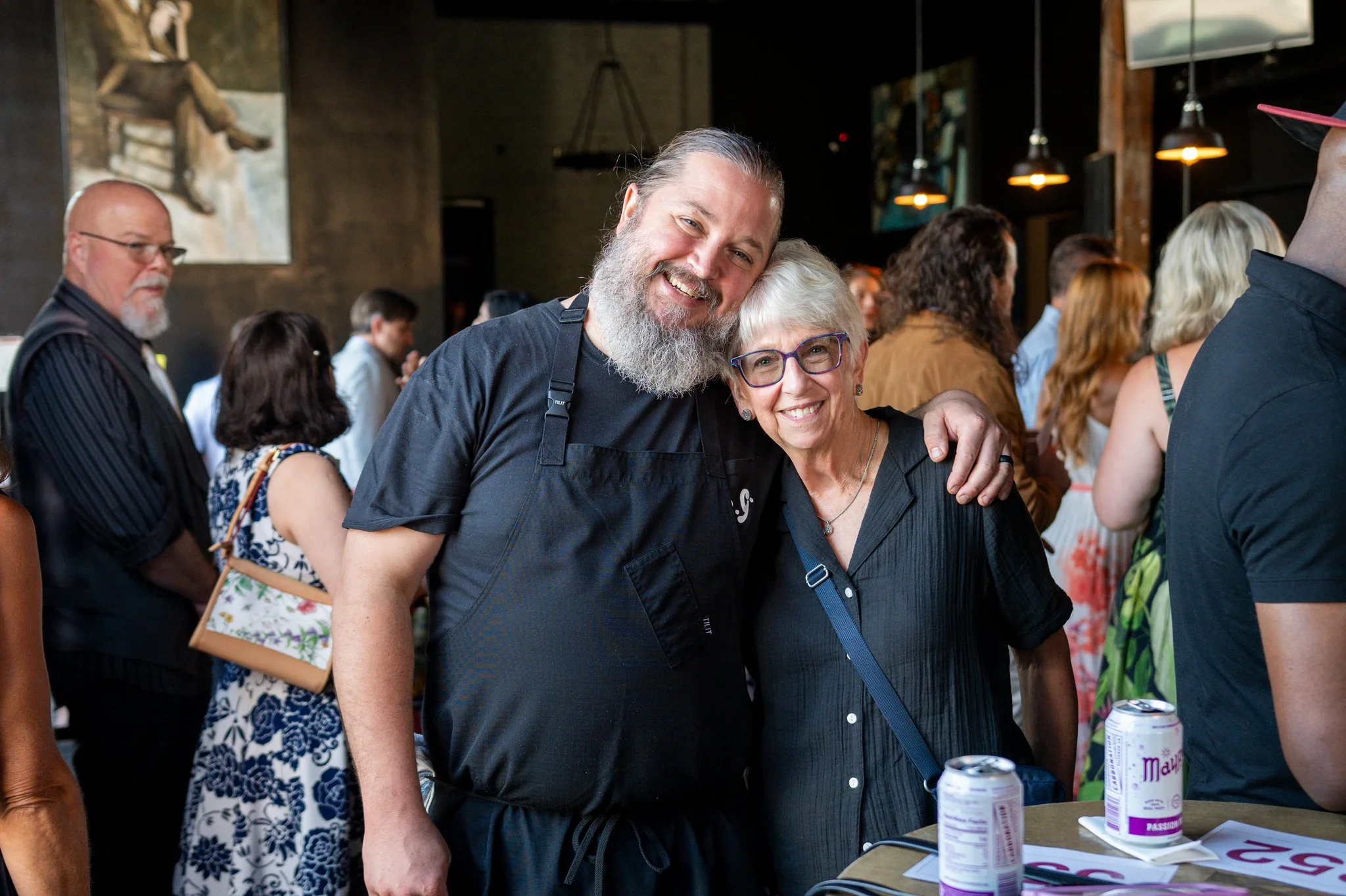
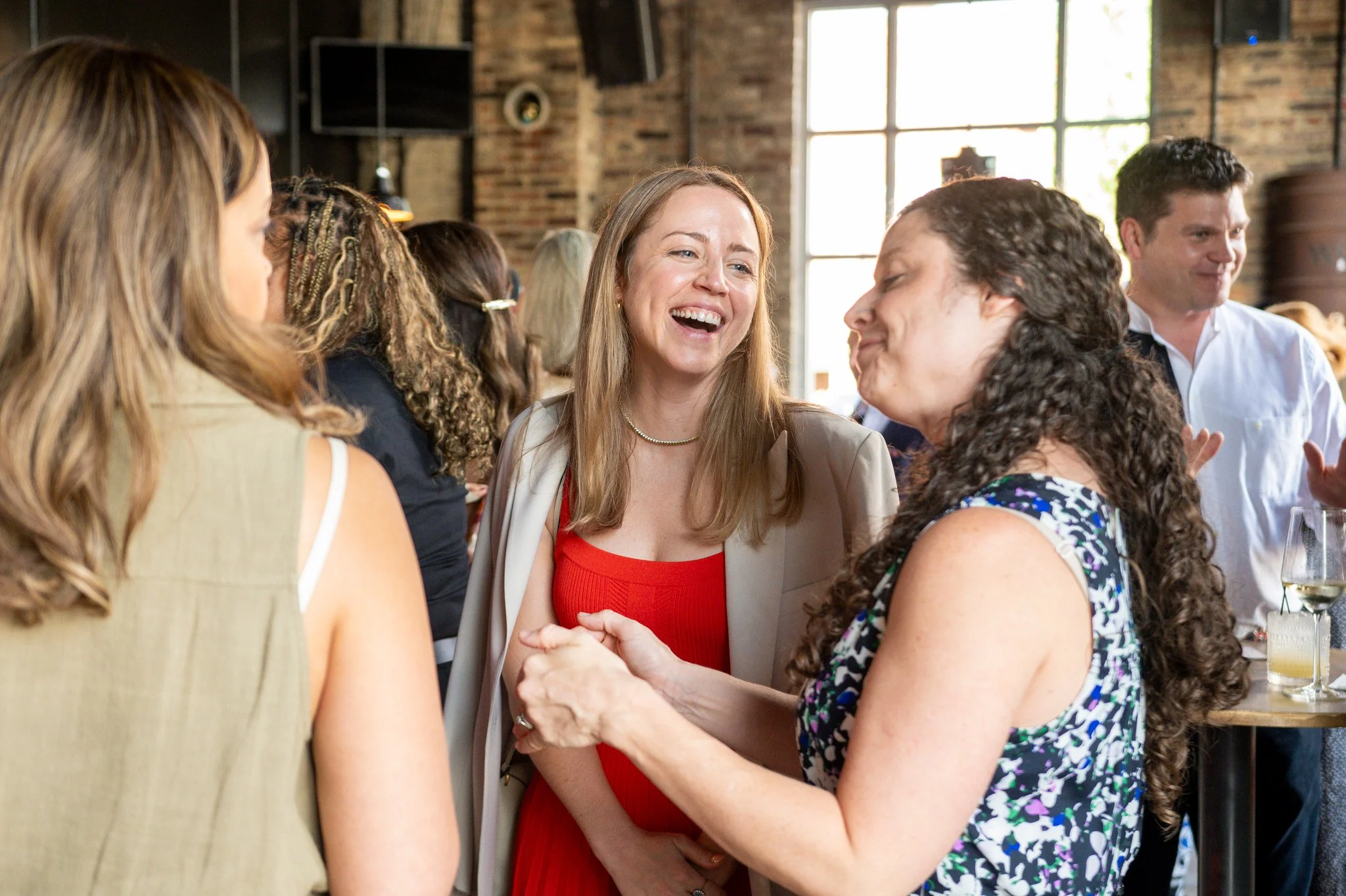
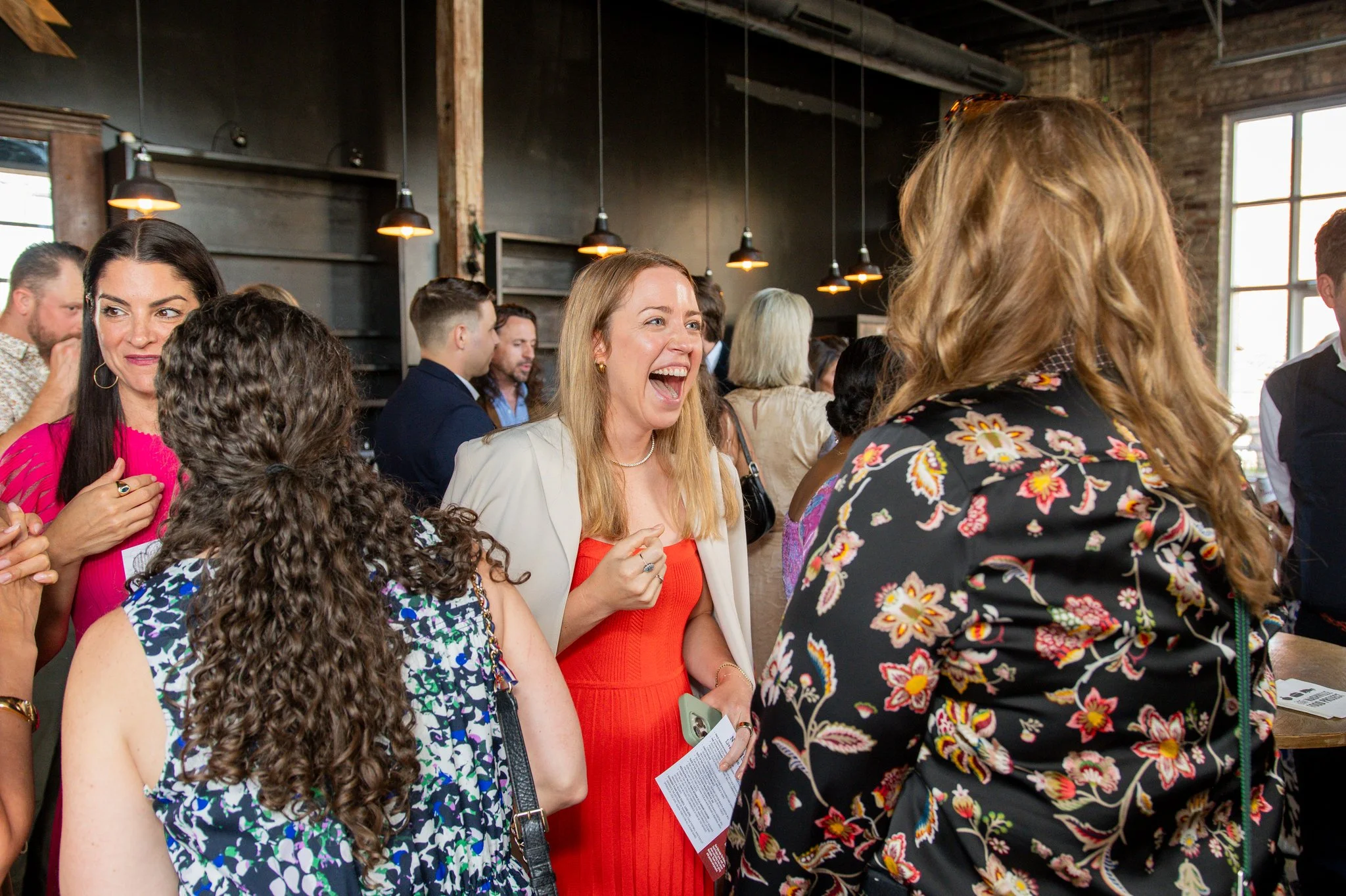
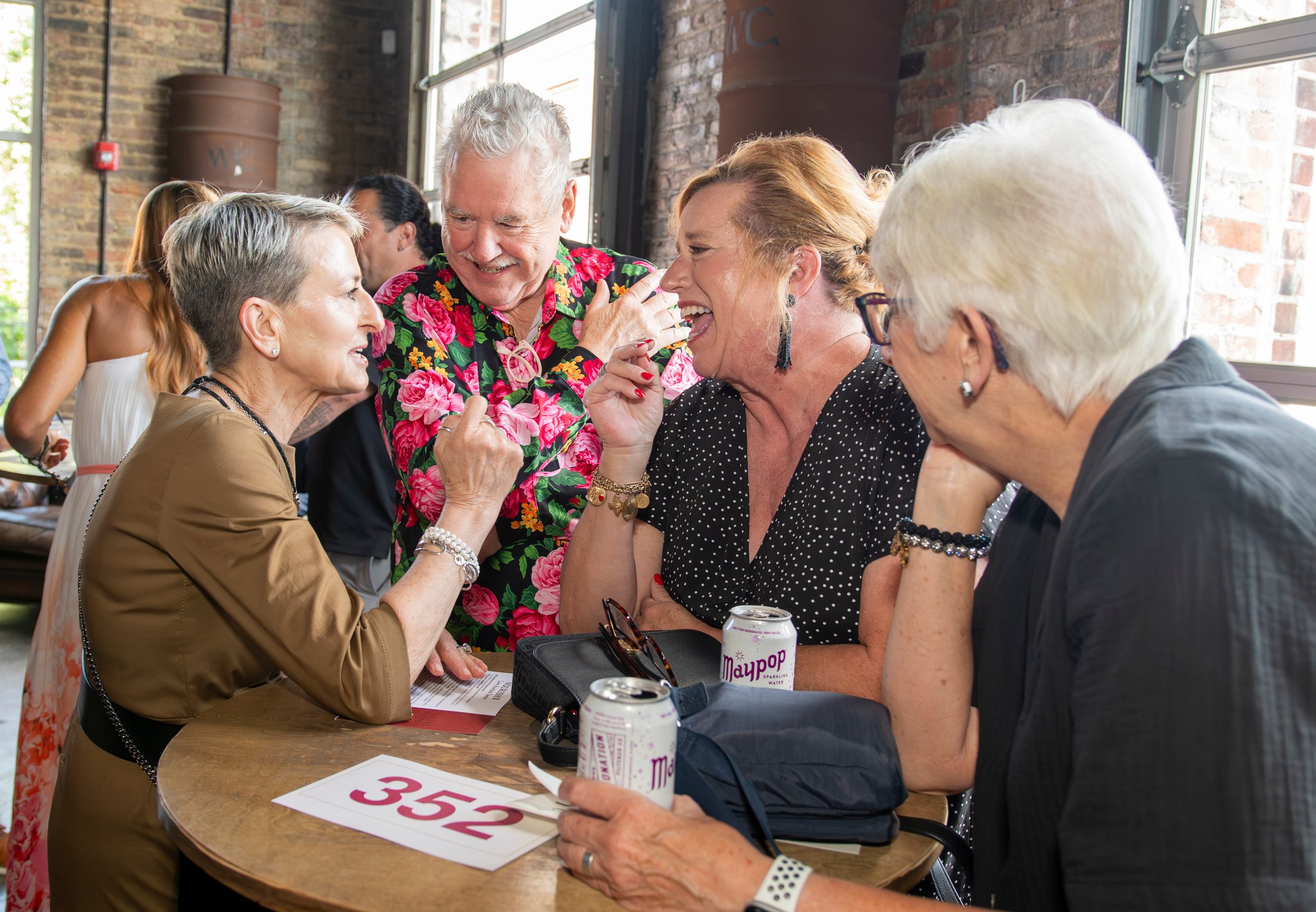
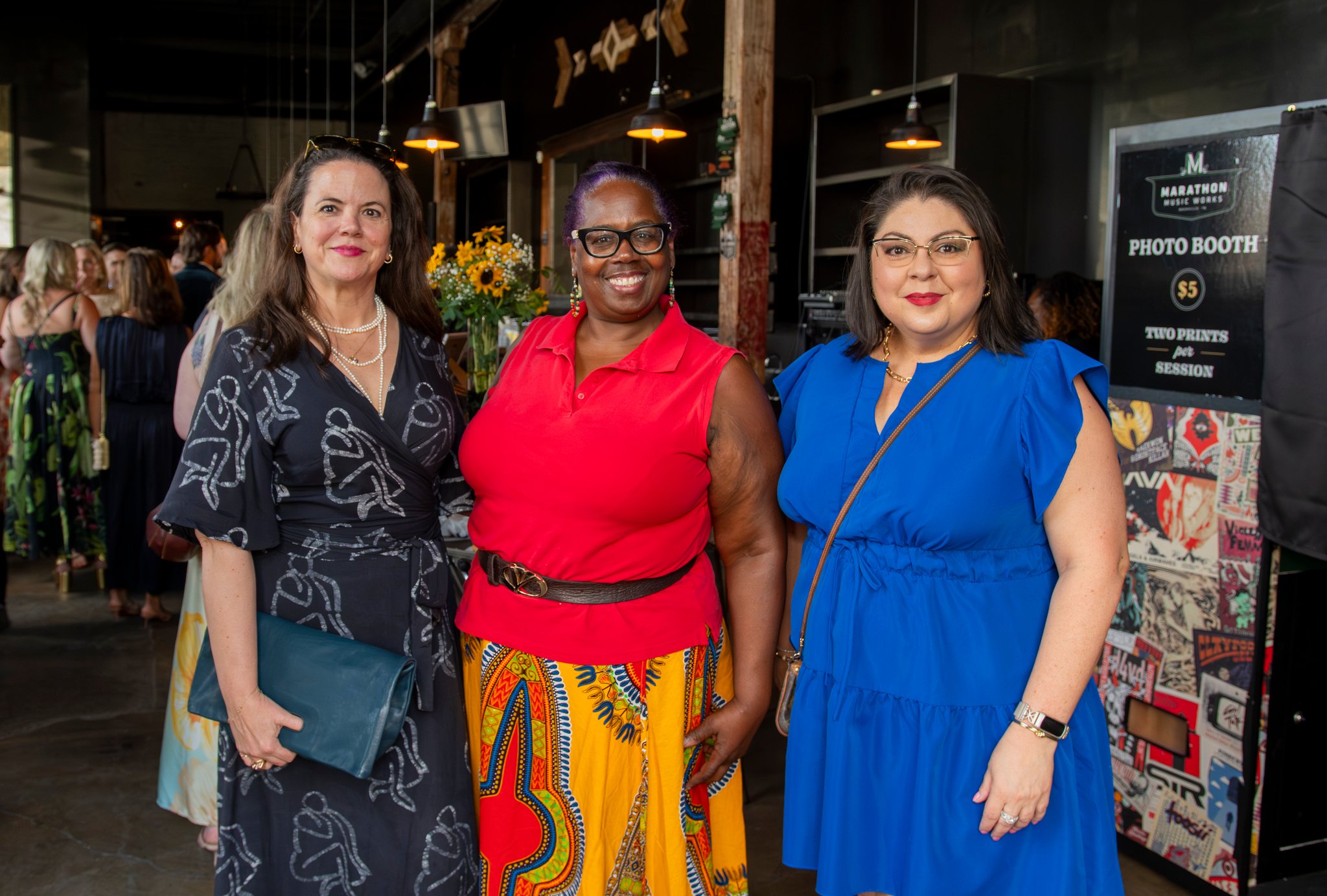
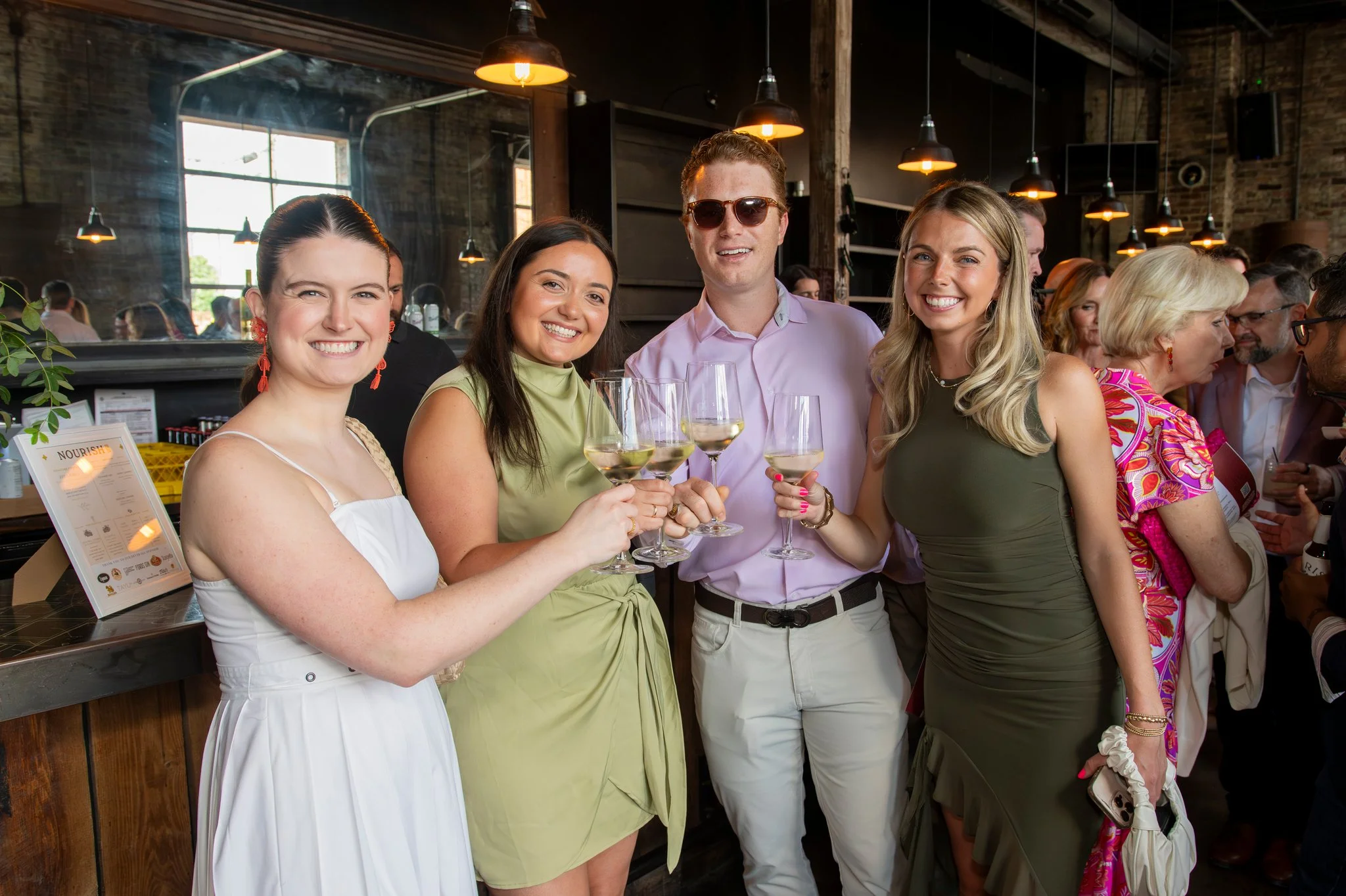
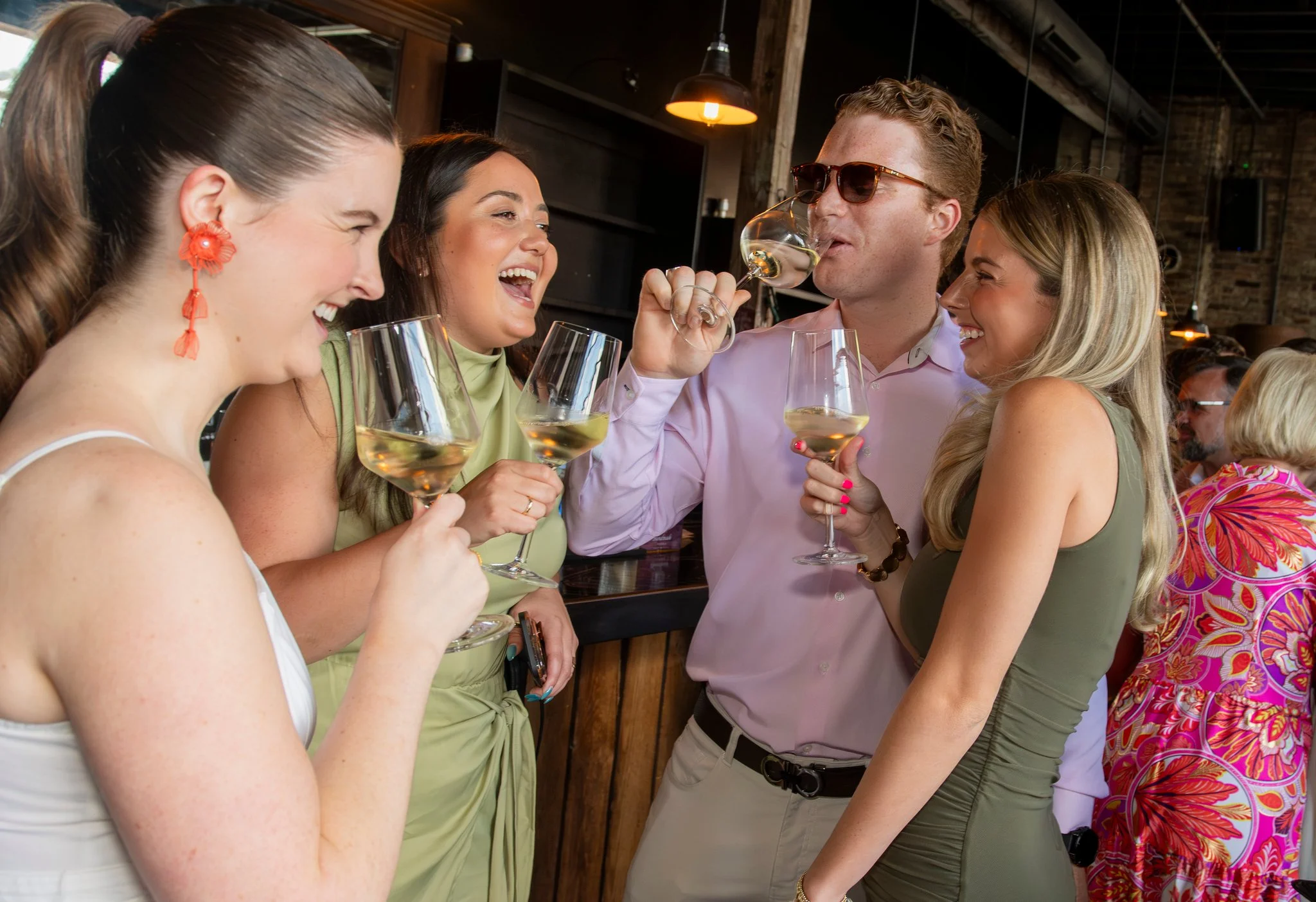
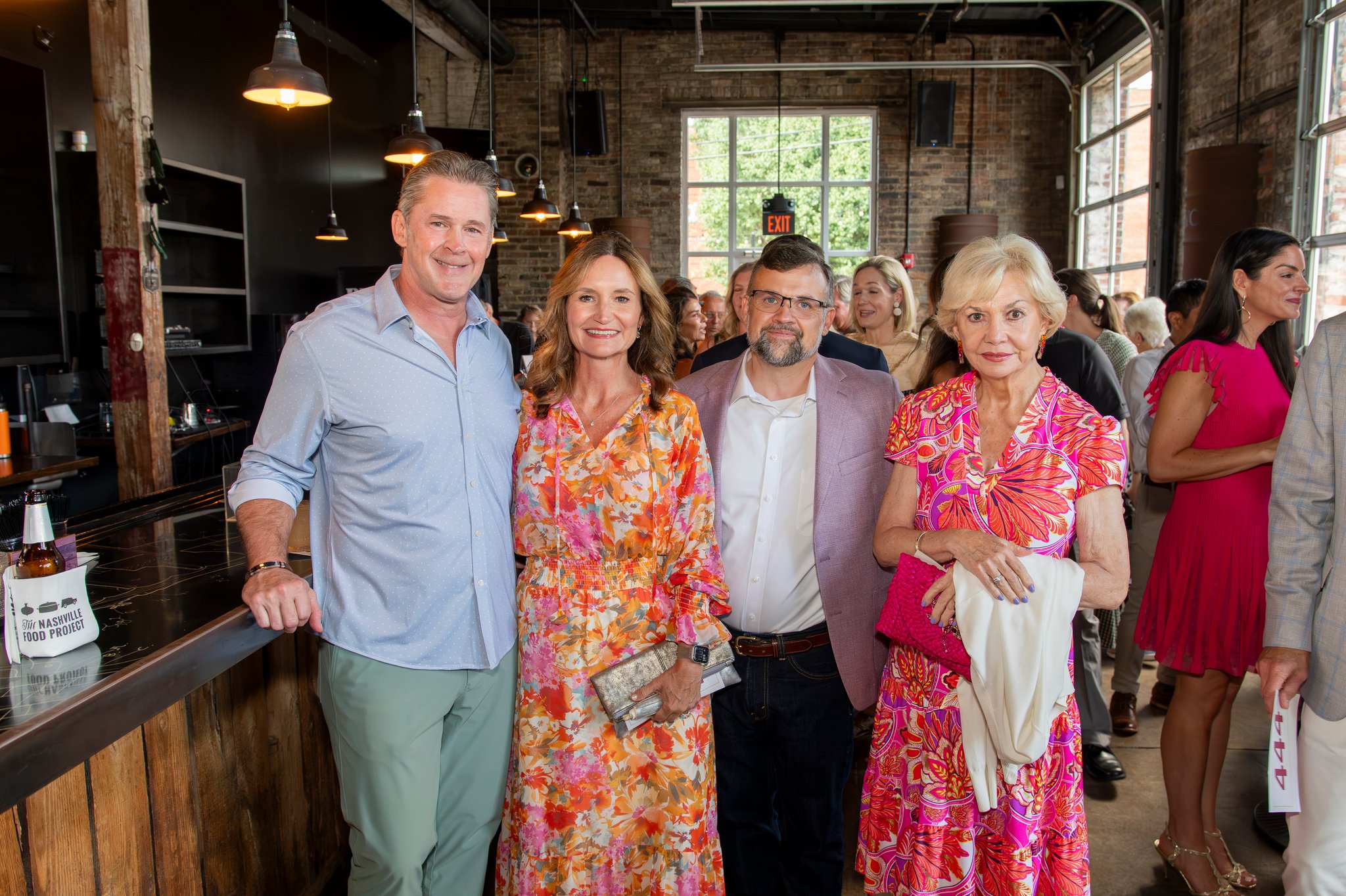
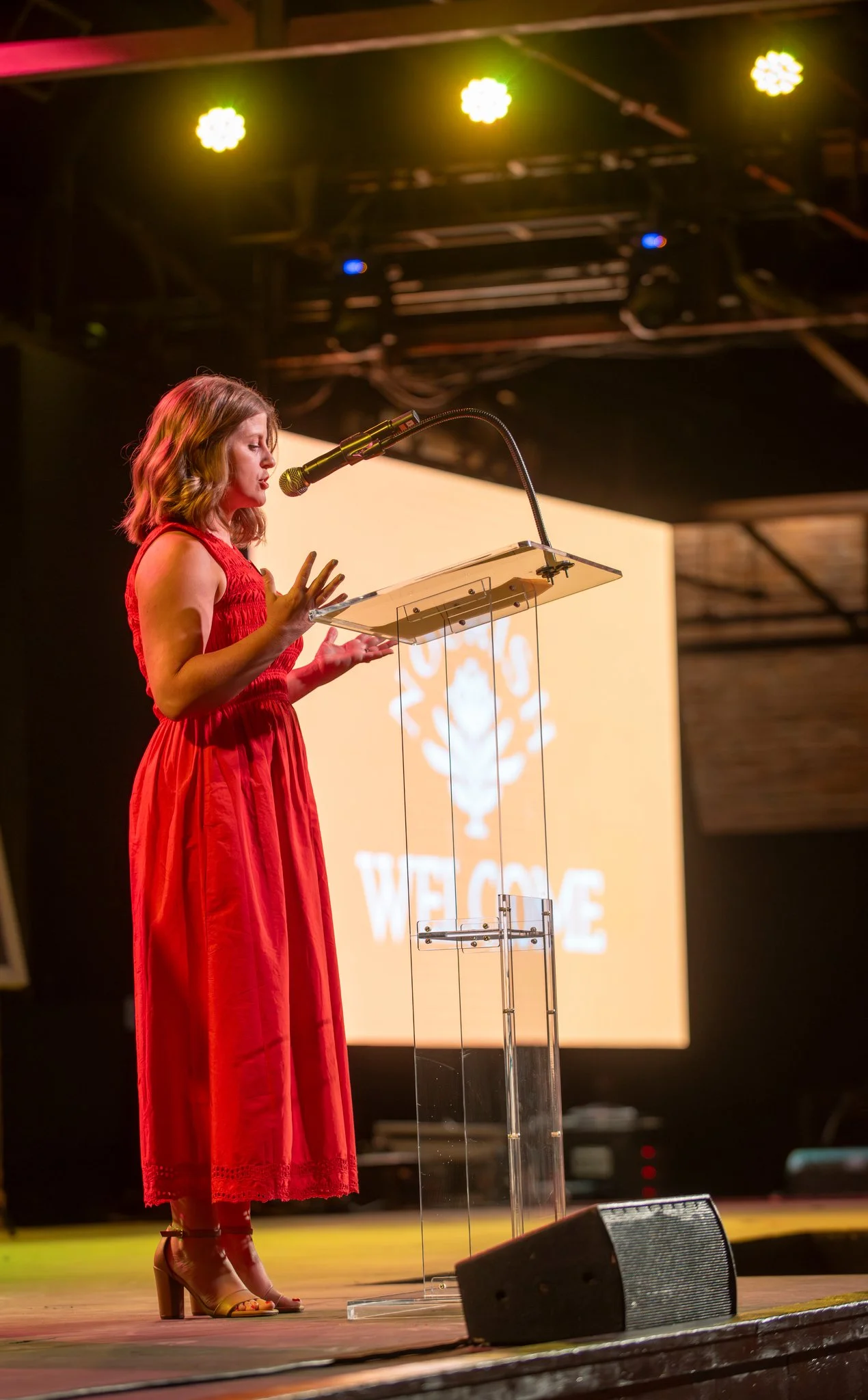
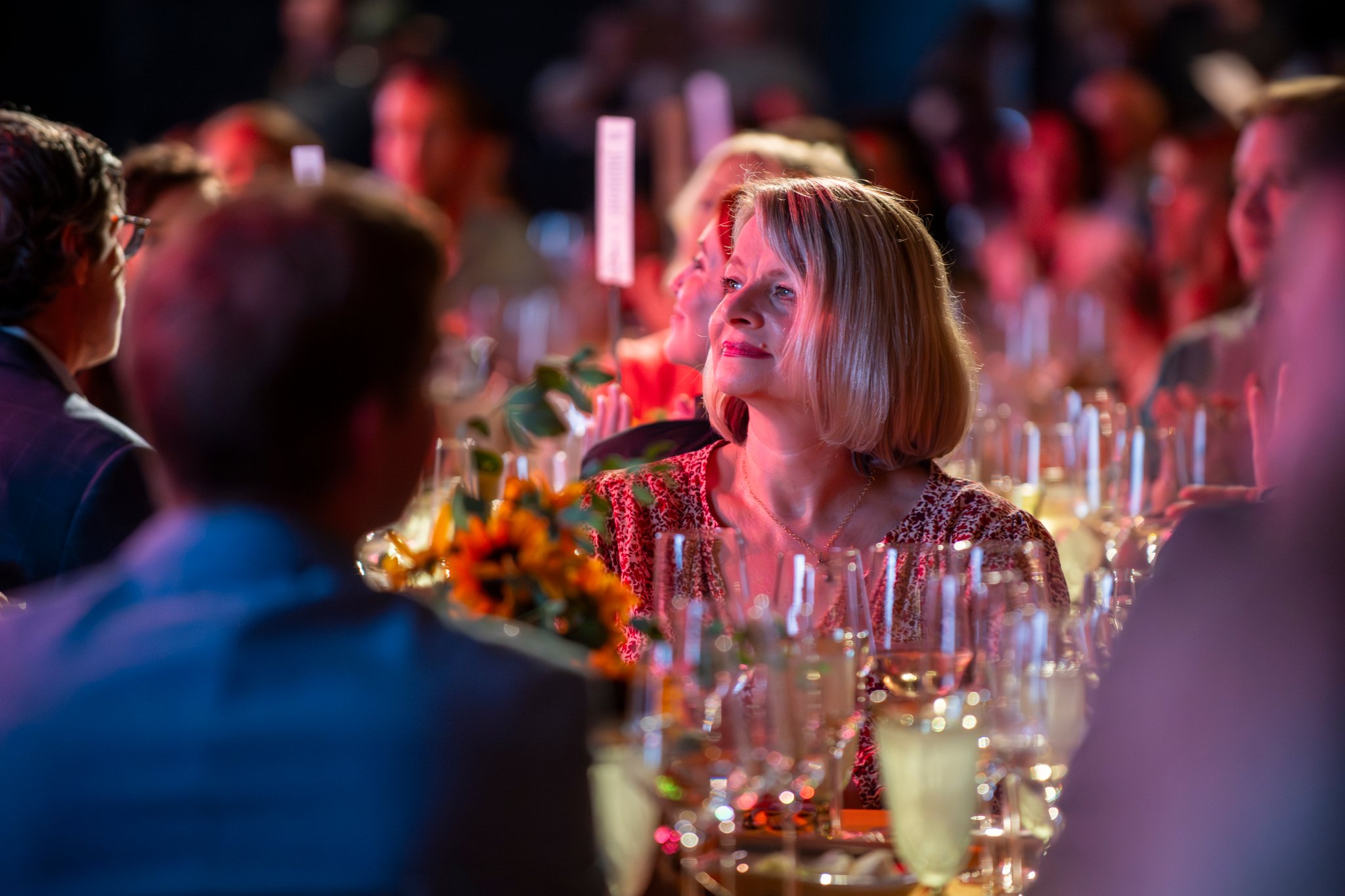
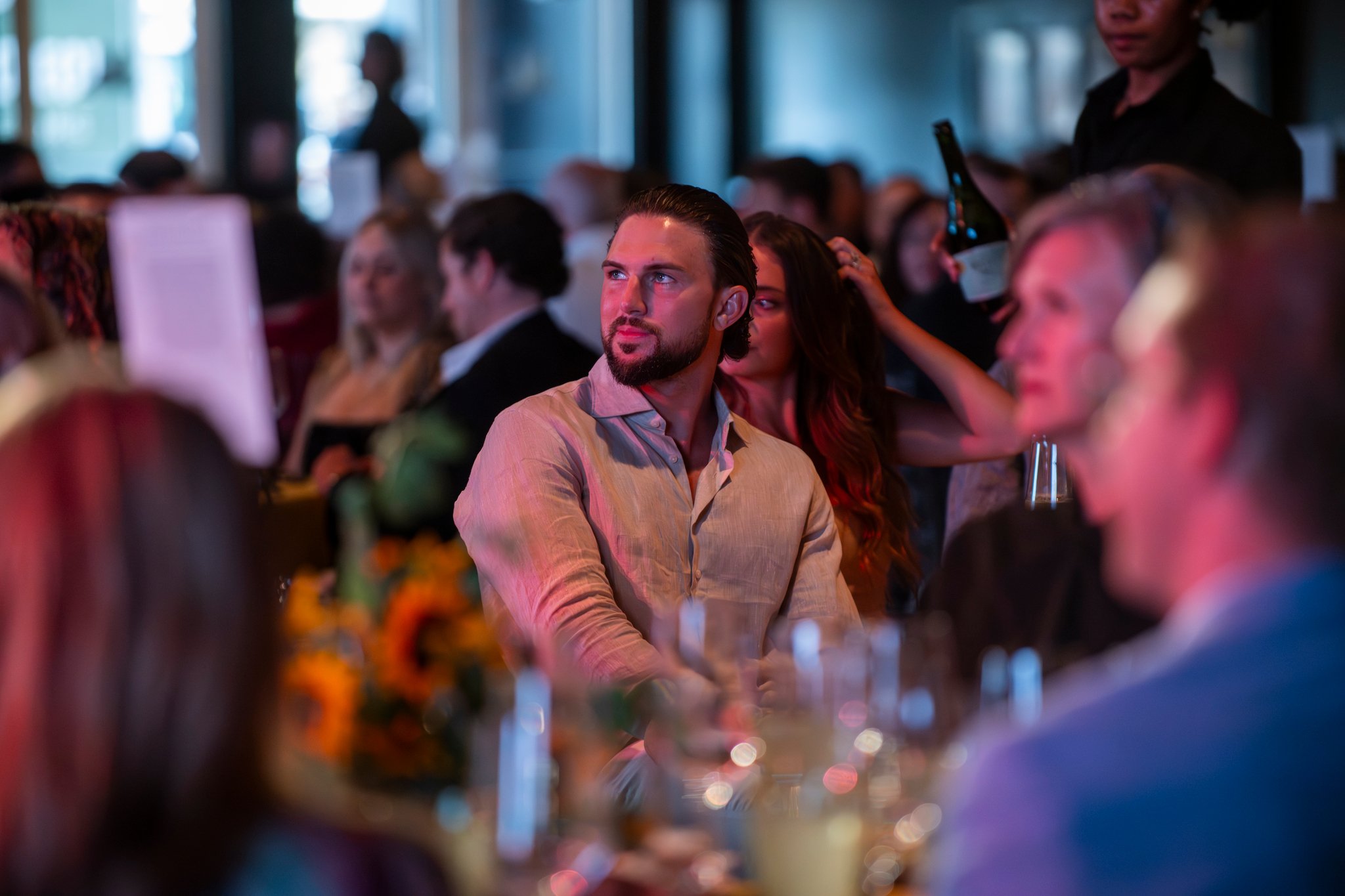
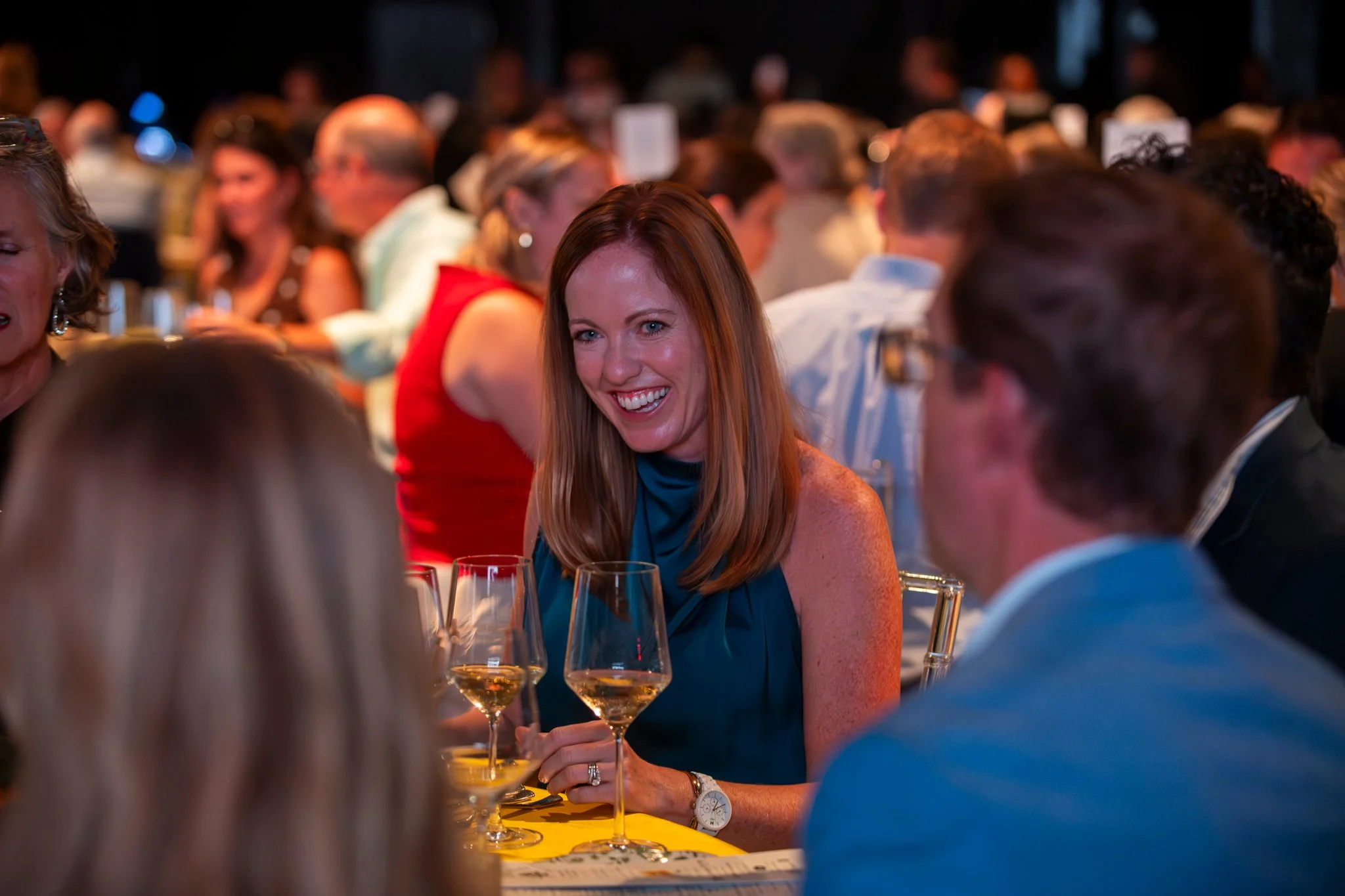
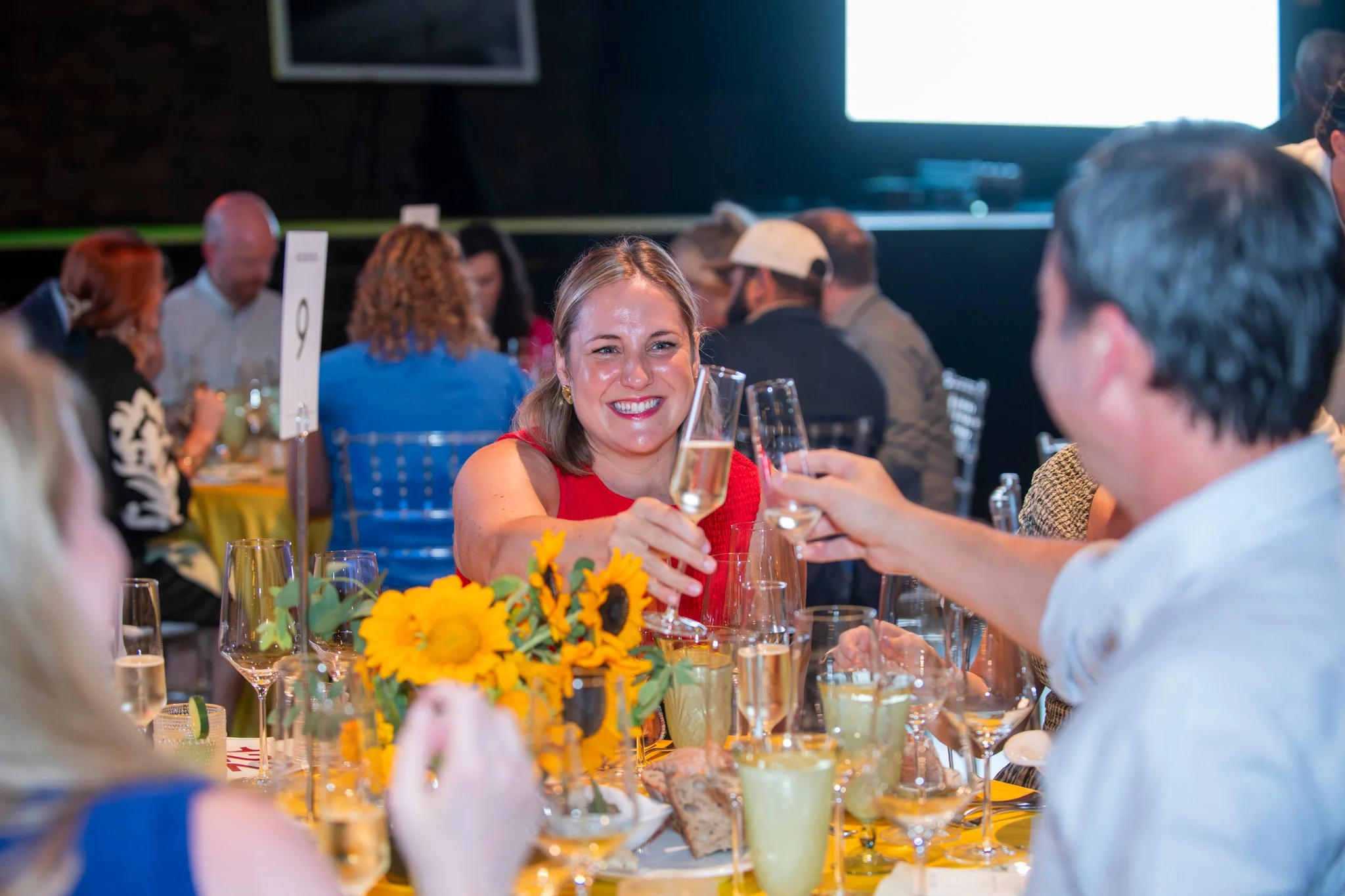
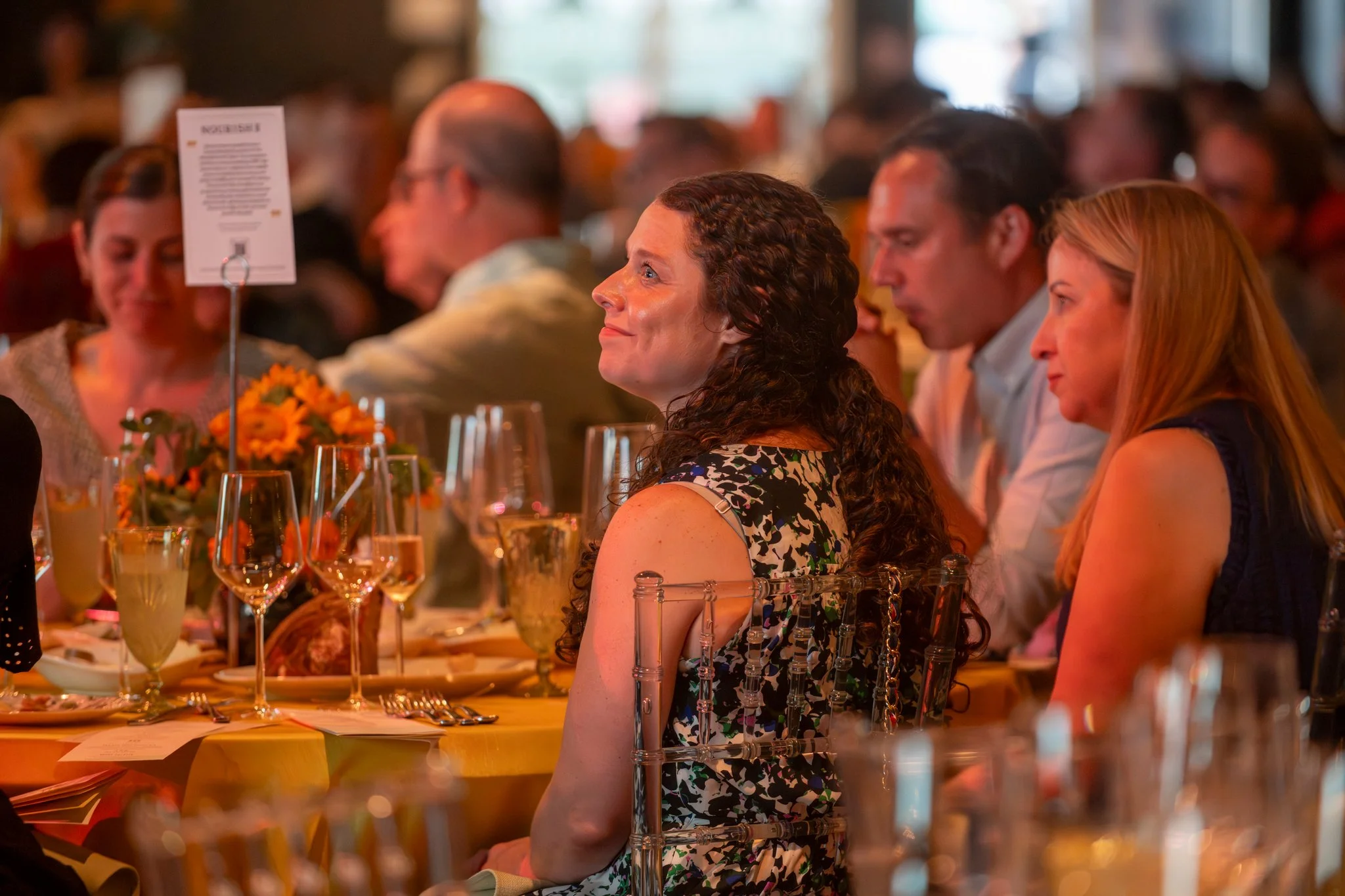
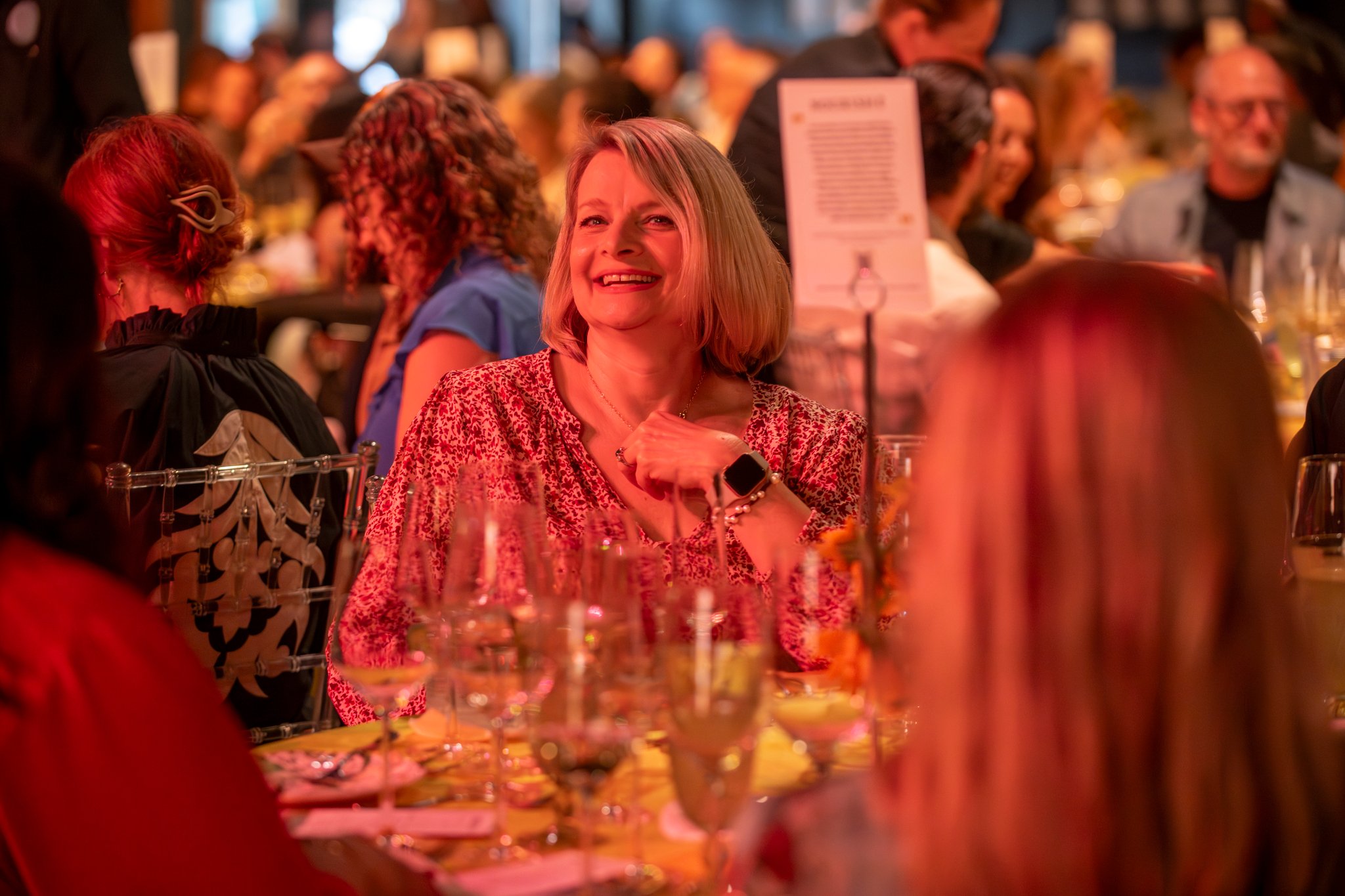
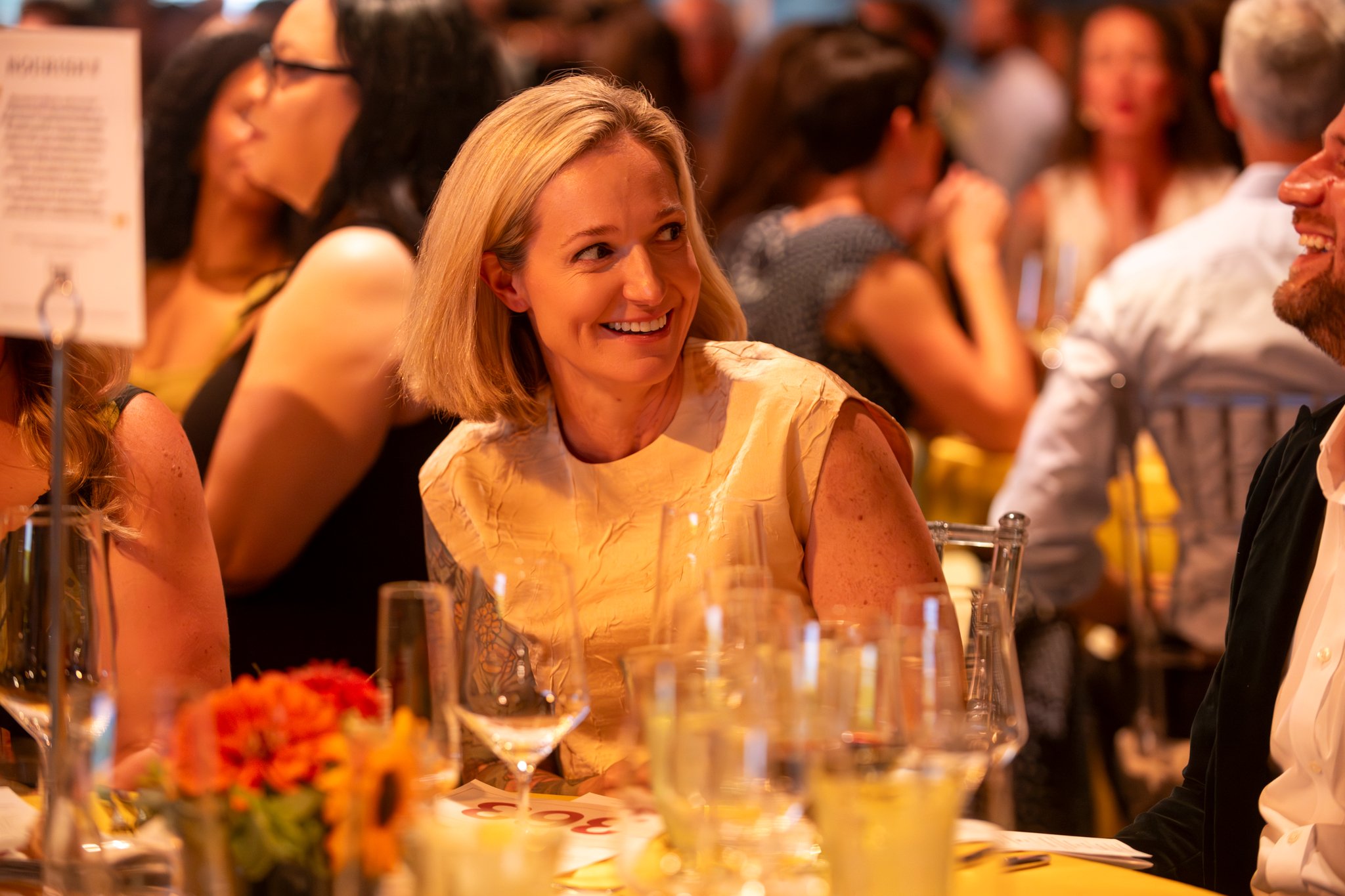
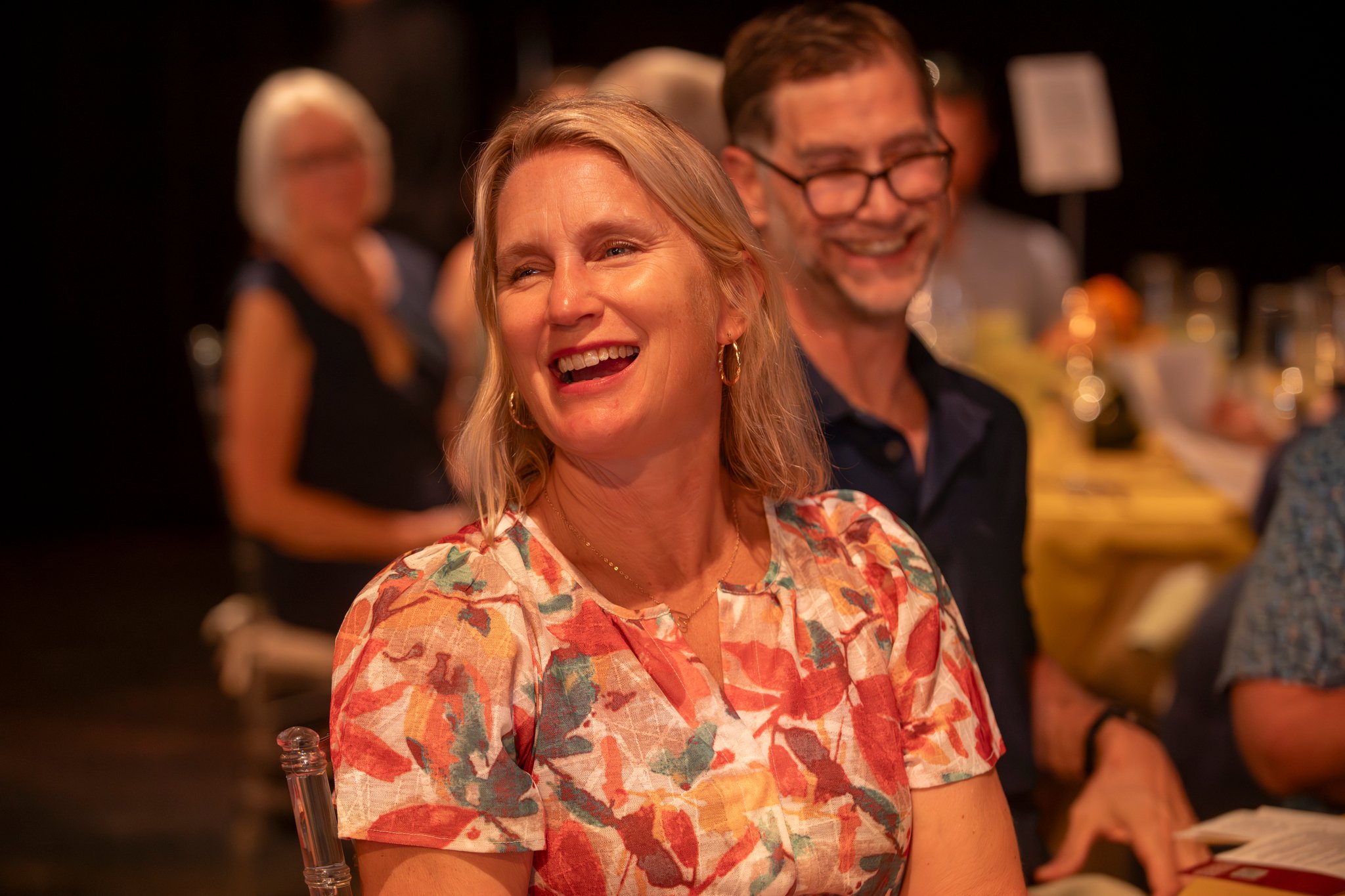
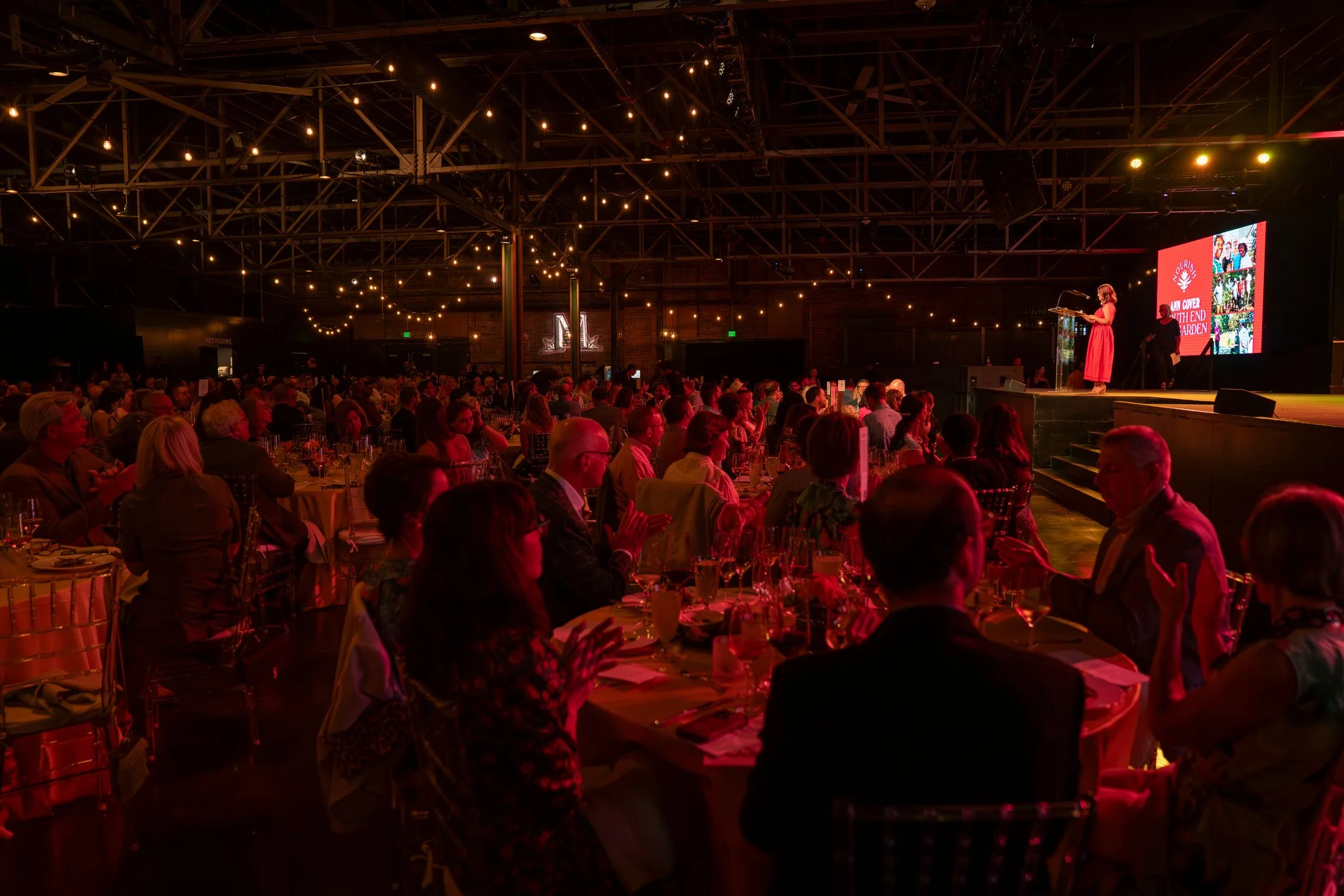
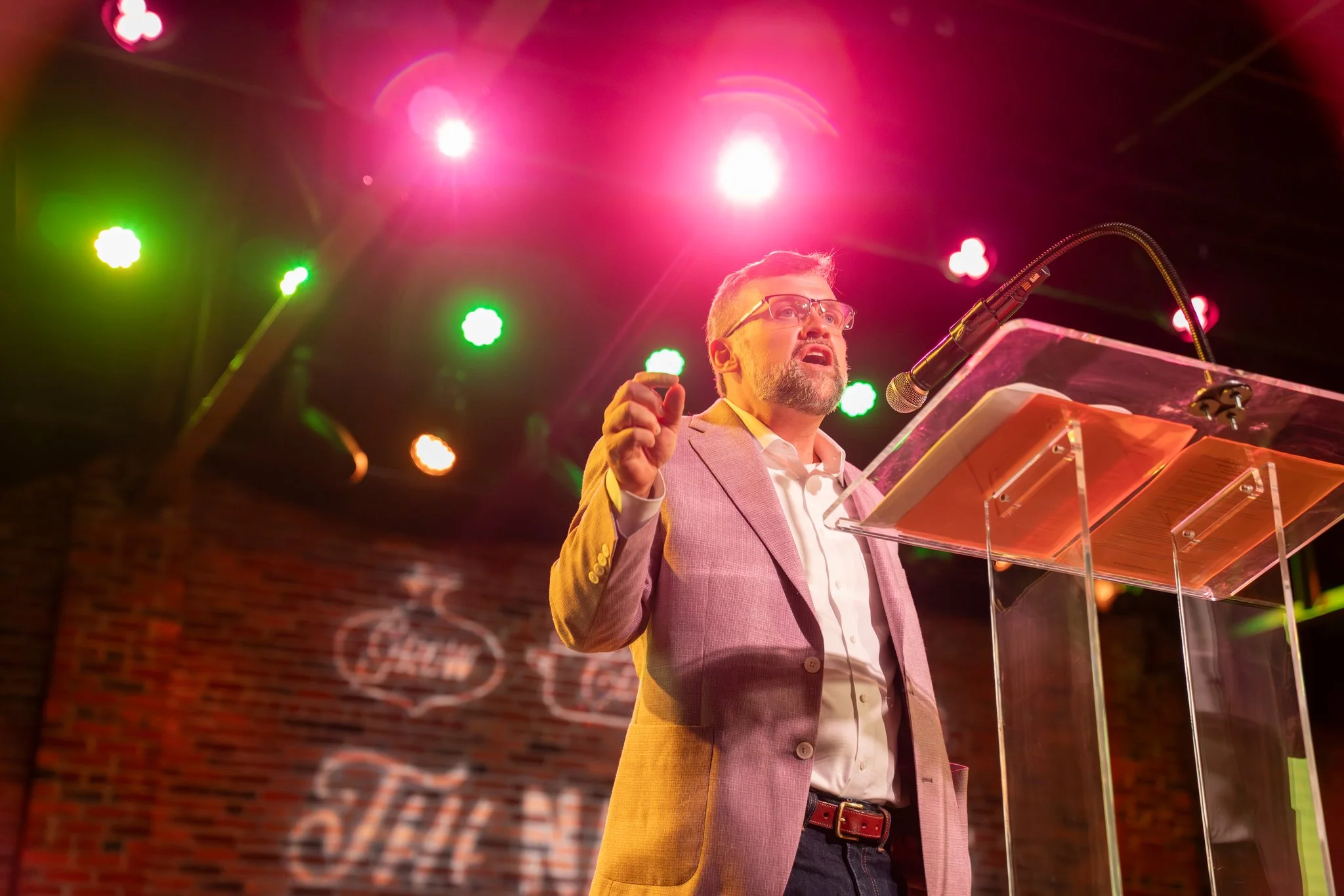
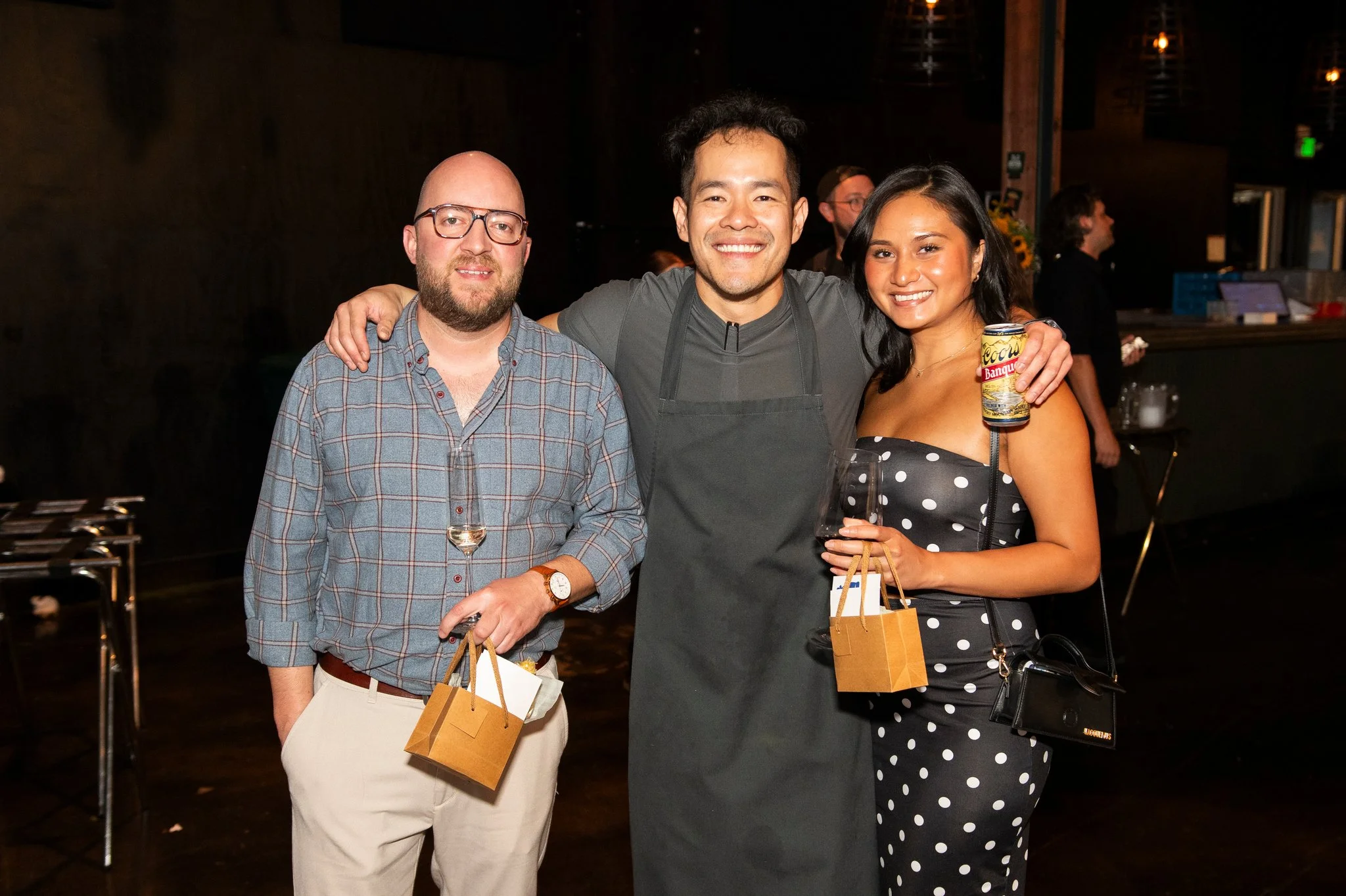
Nourish 2026 was a powerful celebration of food, community, and connection. From a beautifully collaborative meal prepared by top chefs to stories that highlighted the heart of our mission, the evening brought people together around a shared table and a shared purpose—to nourish Nashville.
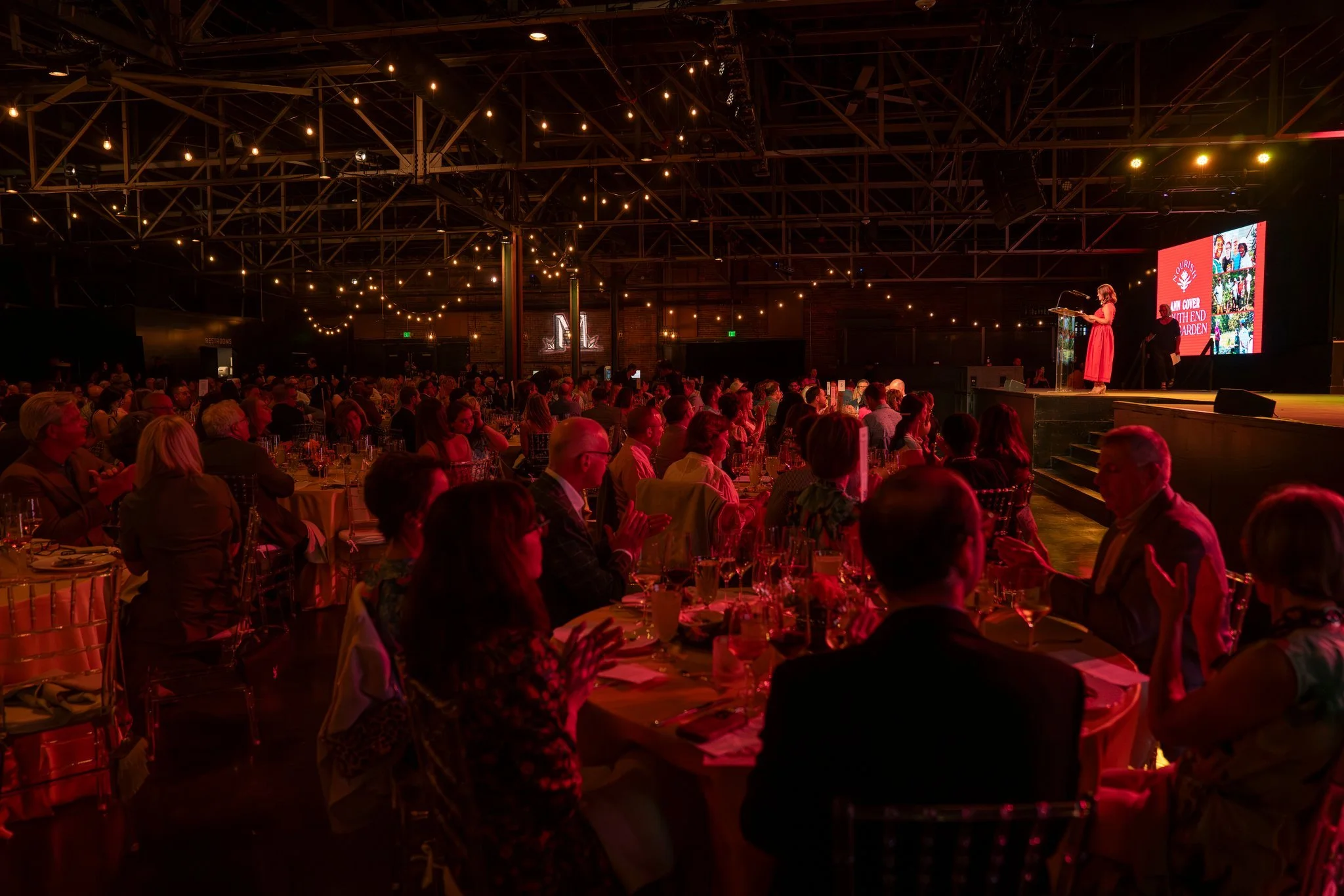
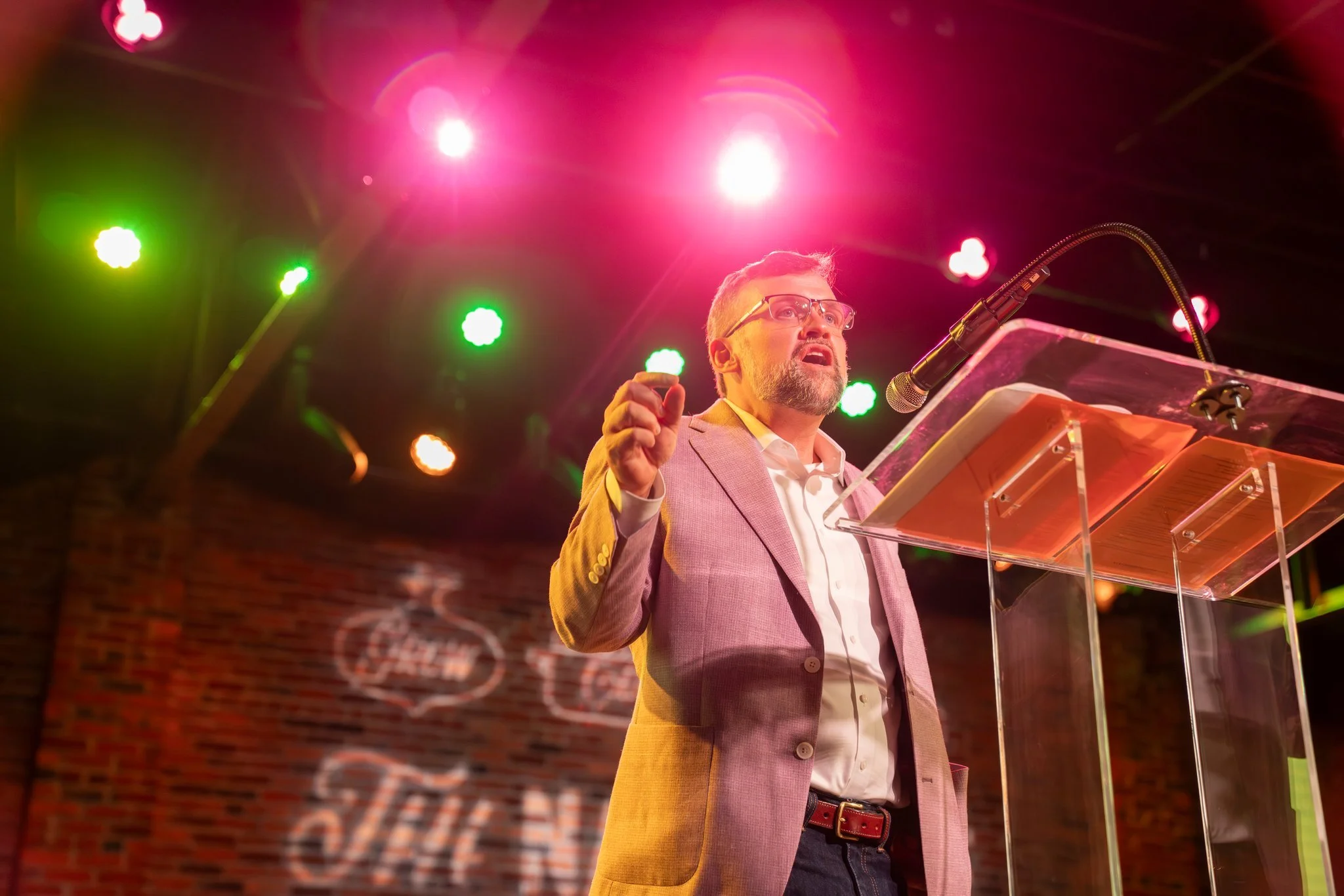
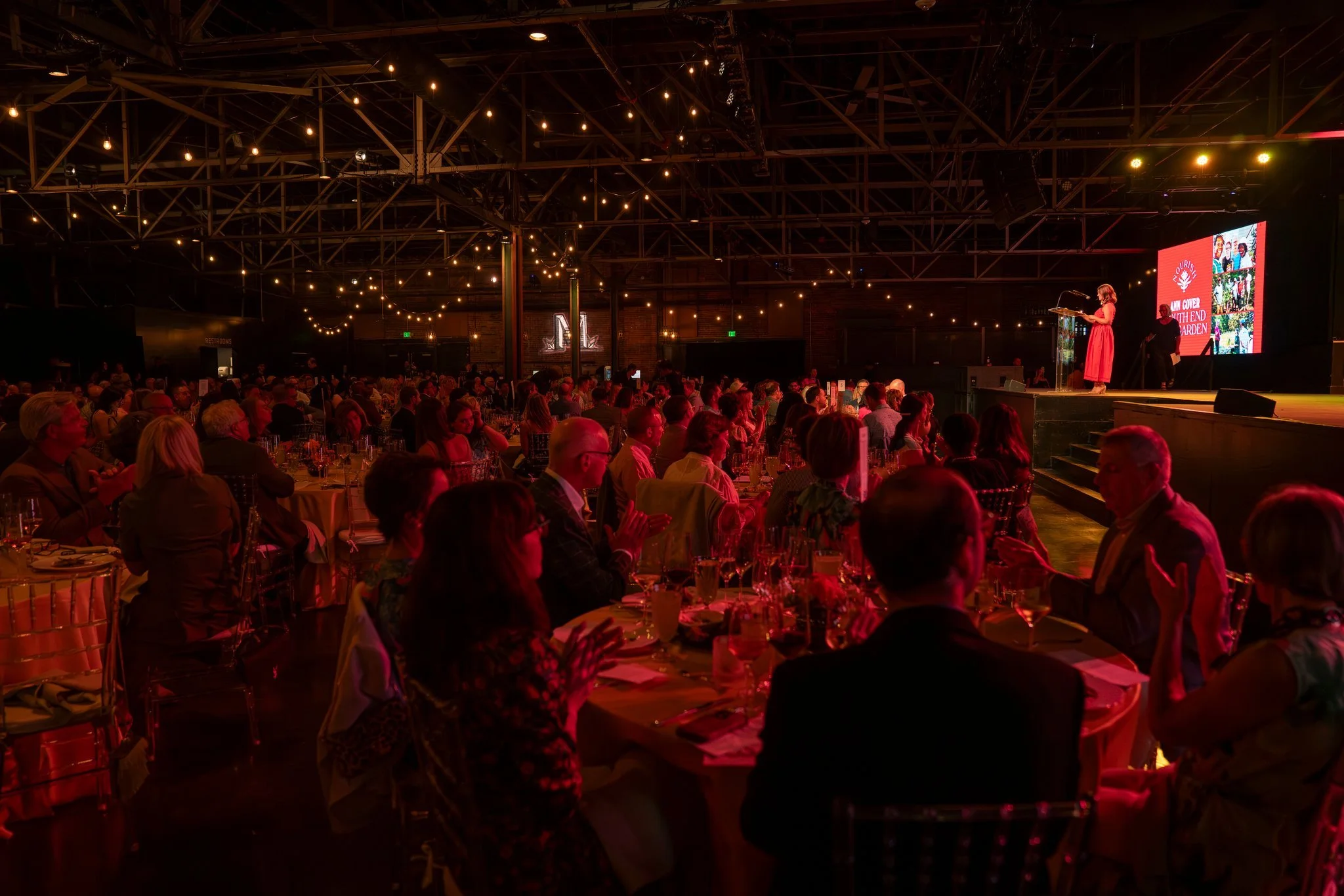
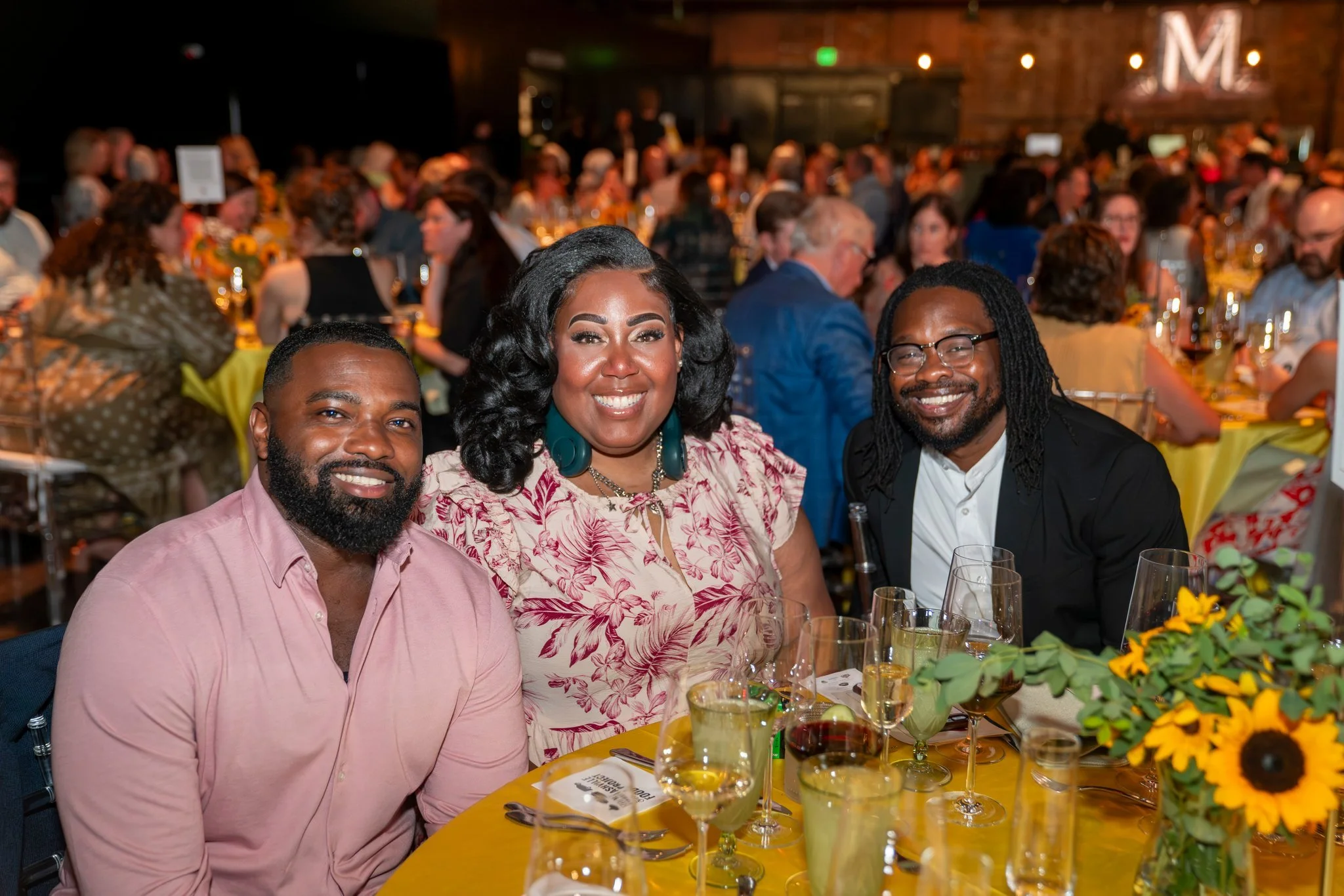
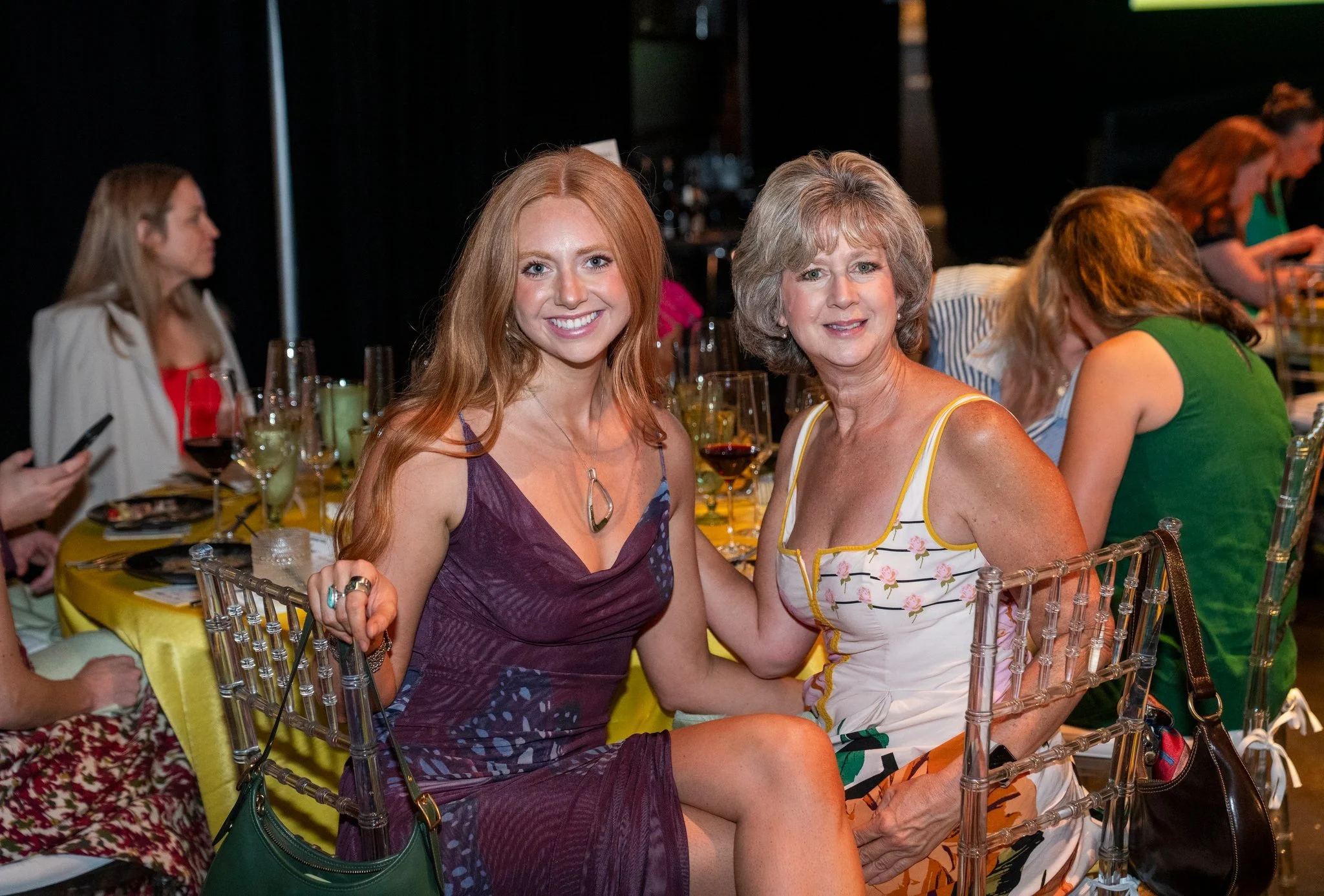
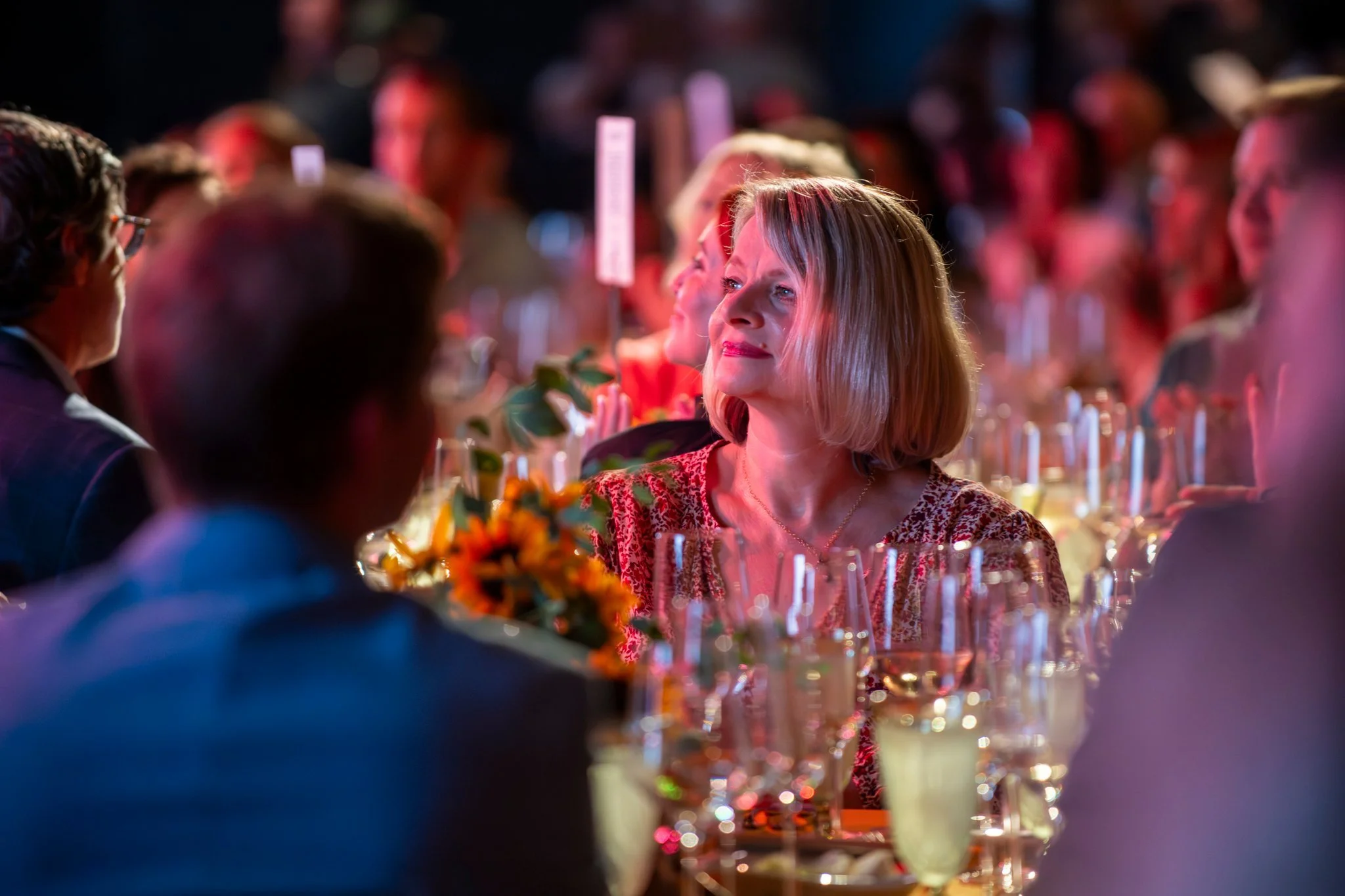
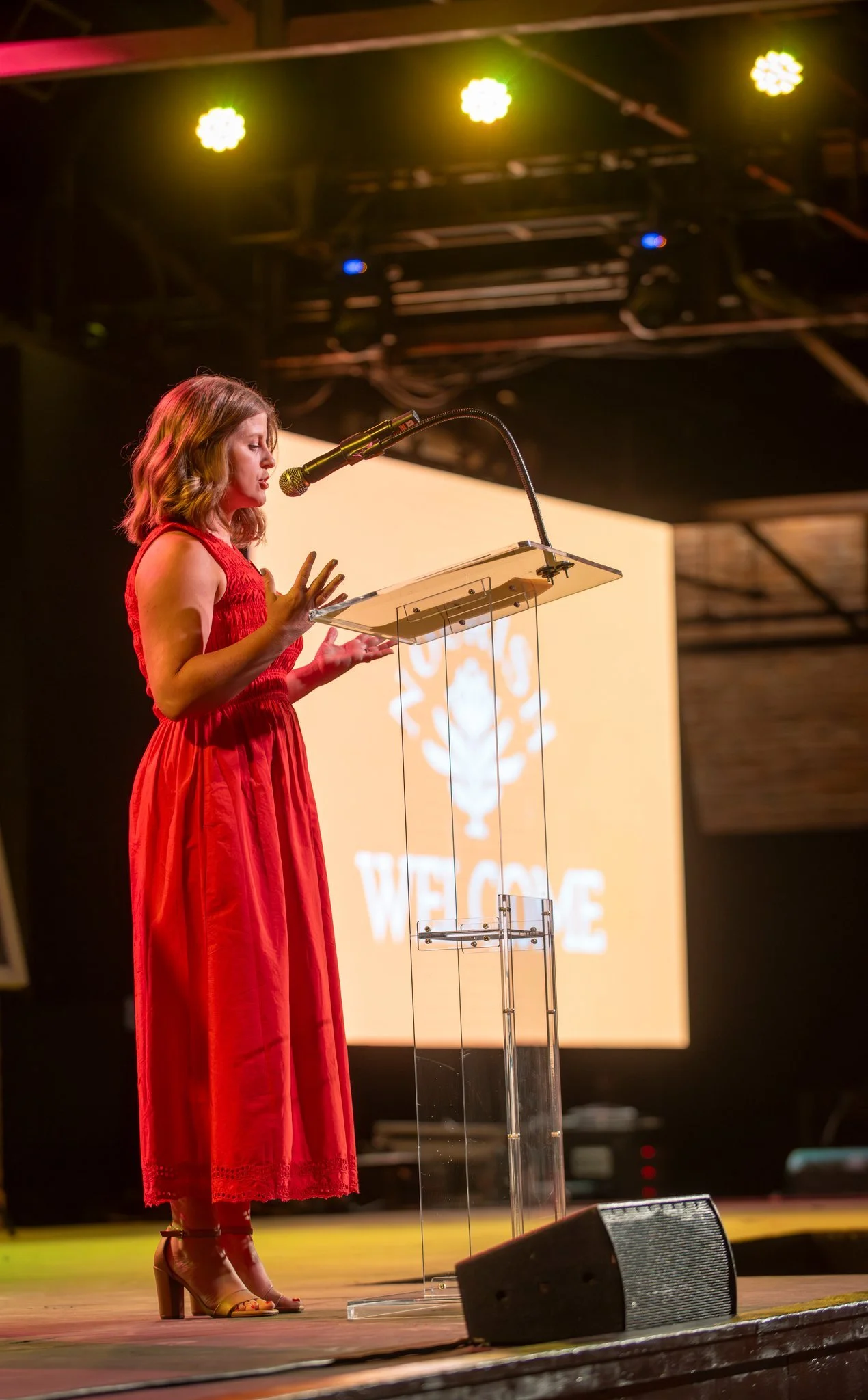
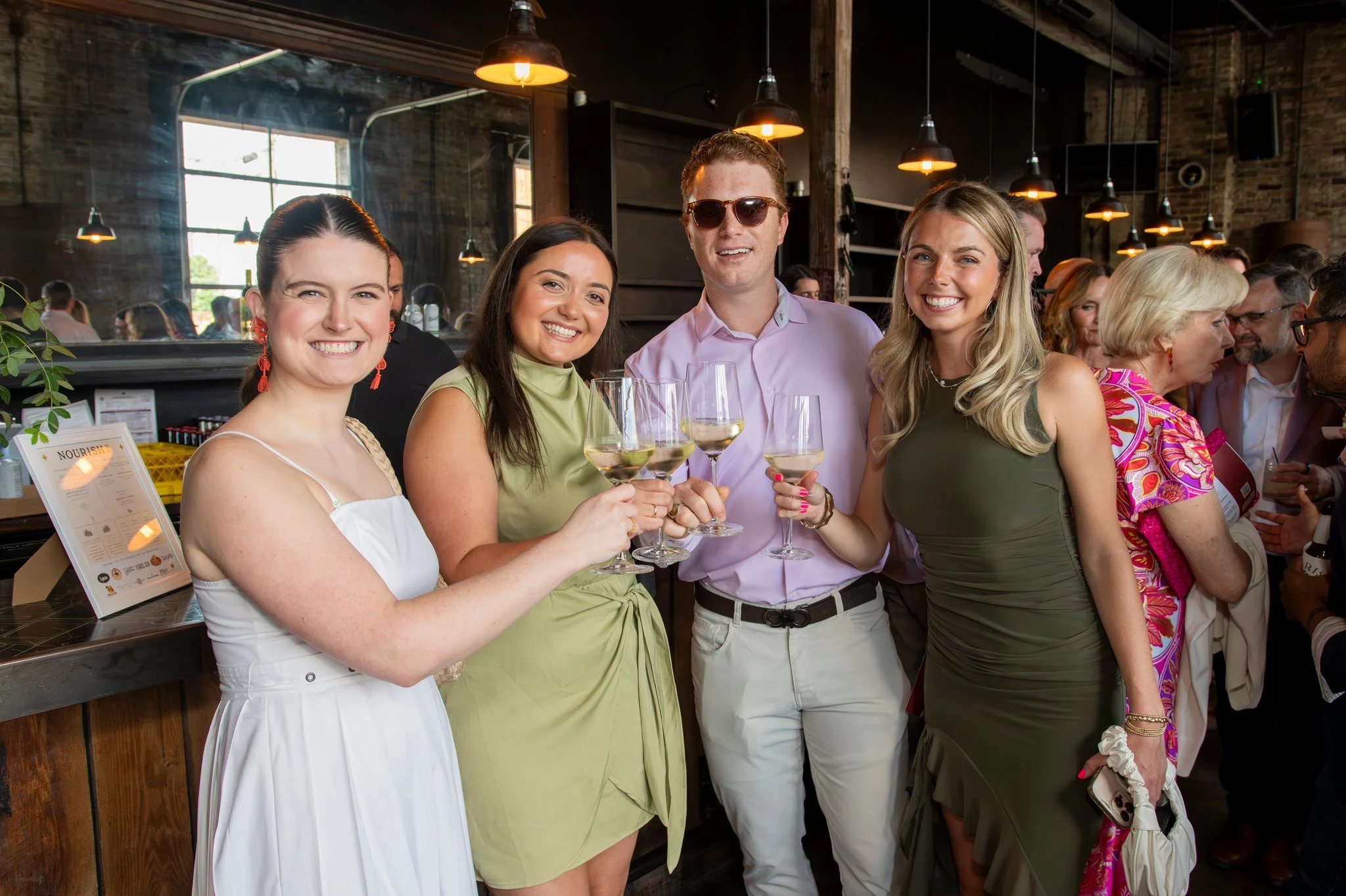
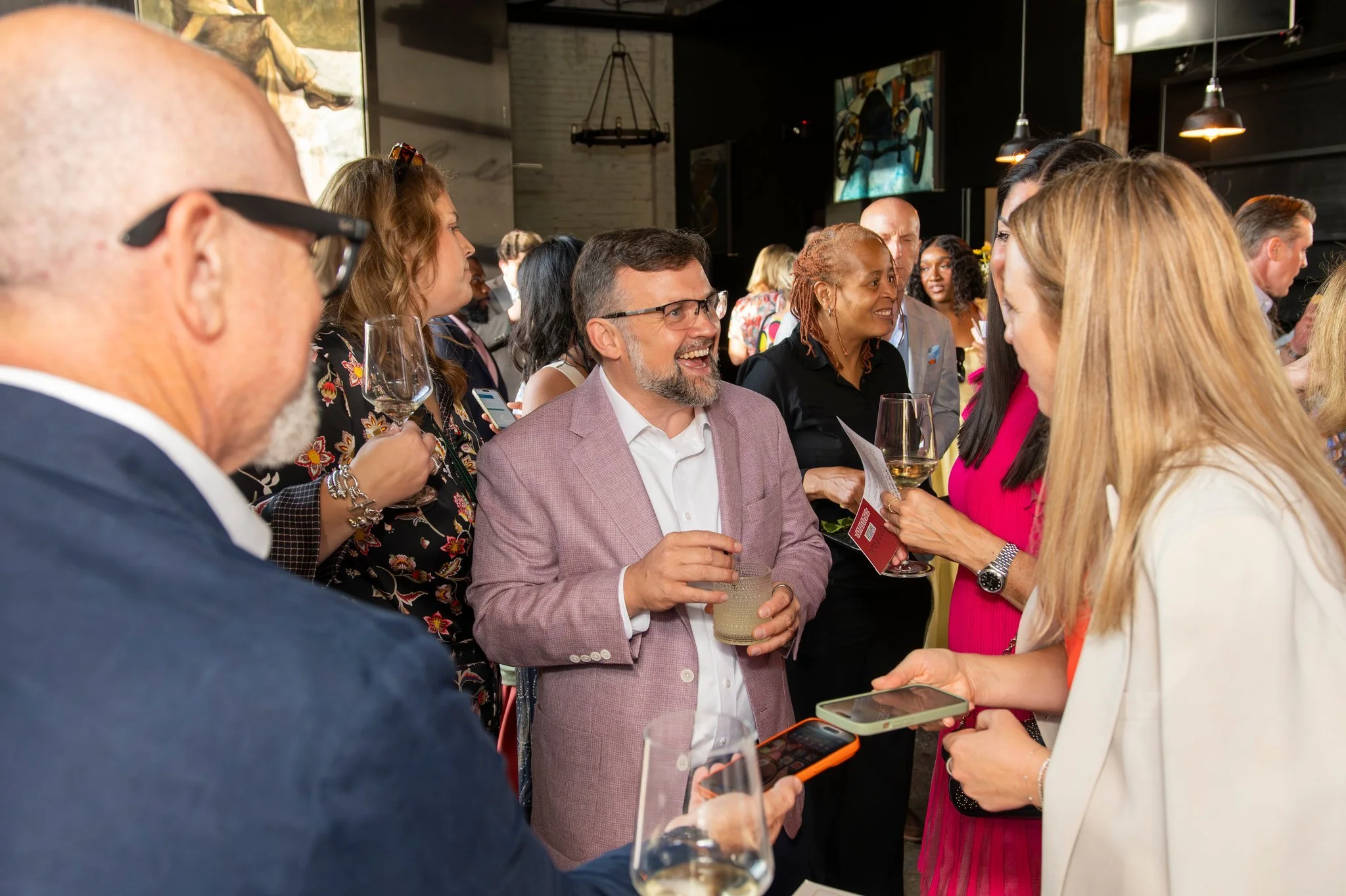
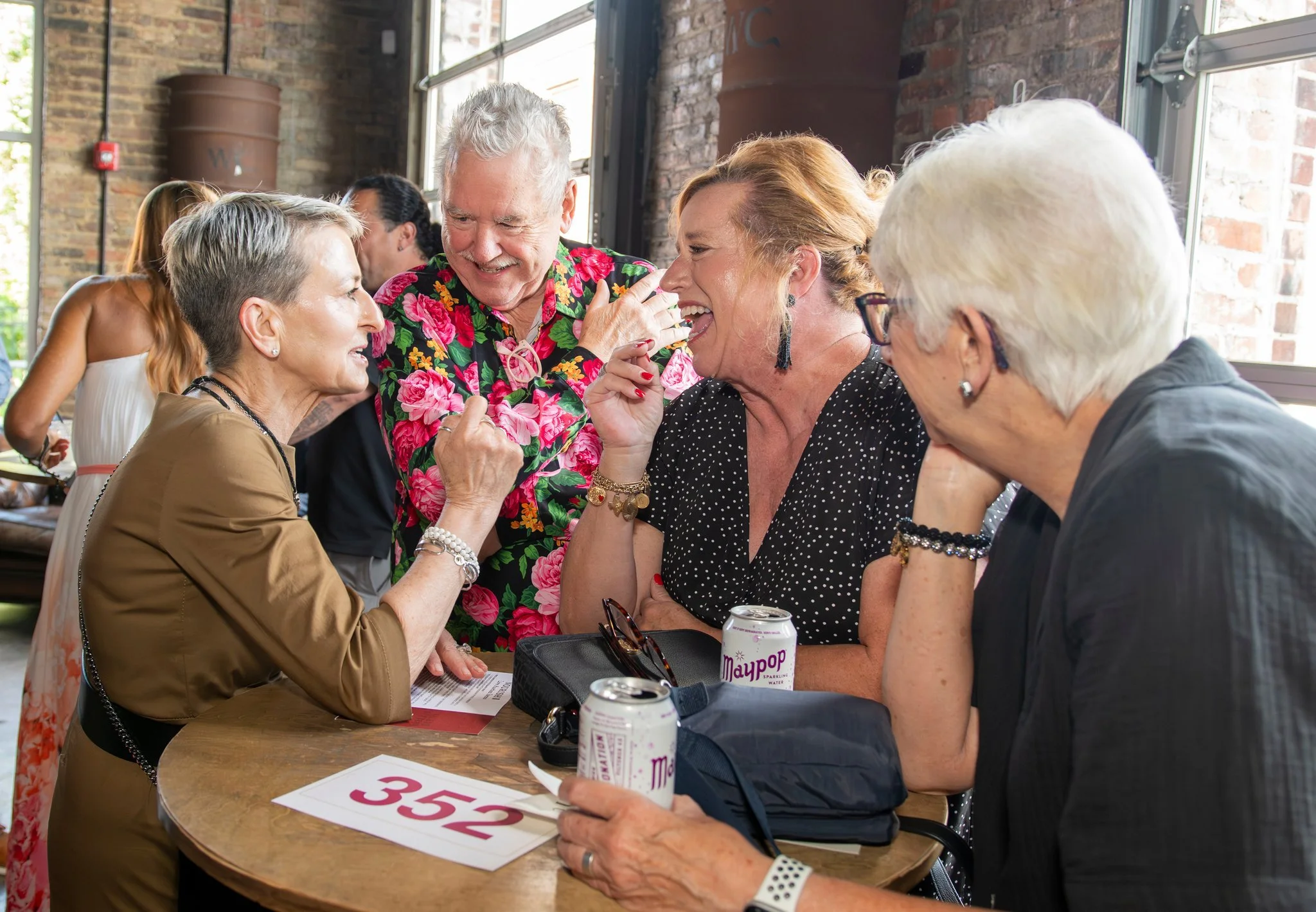
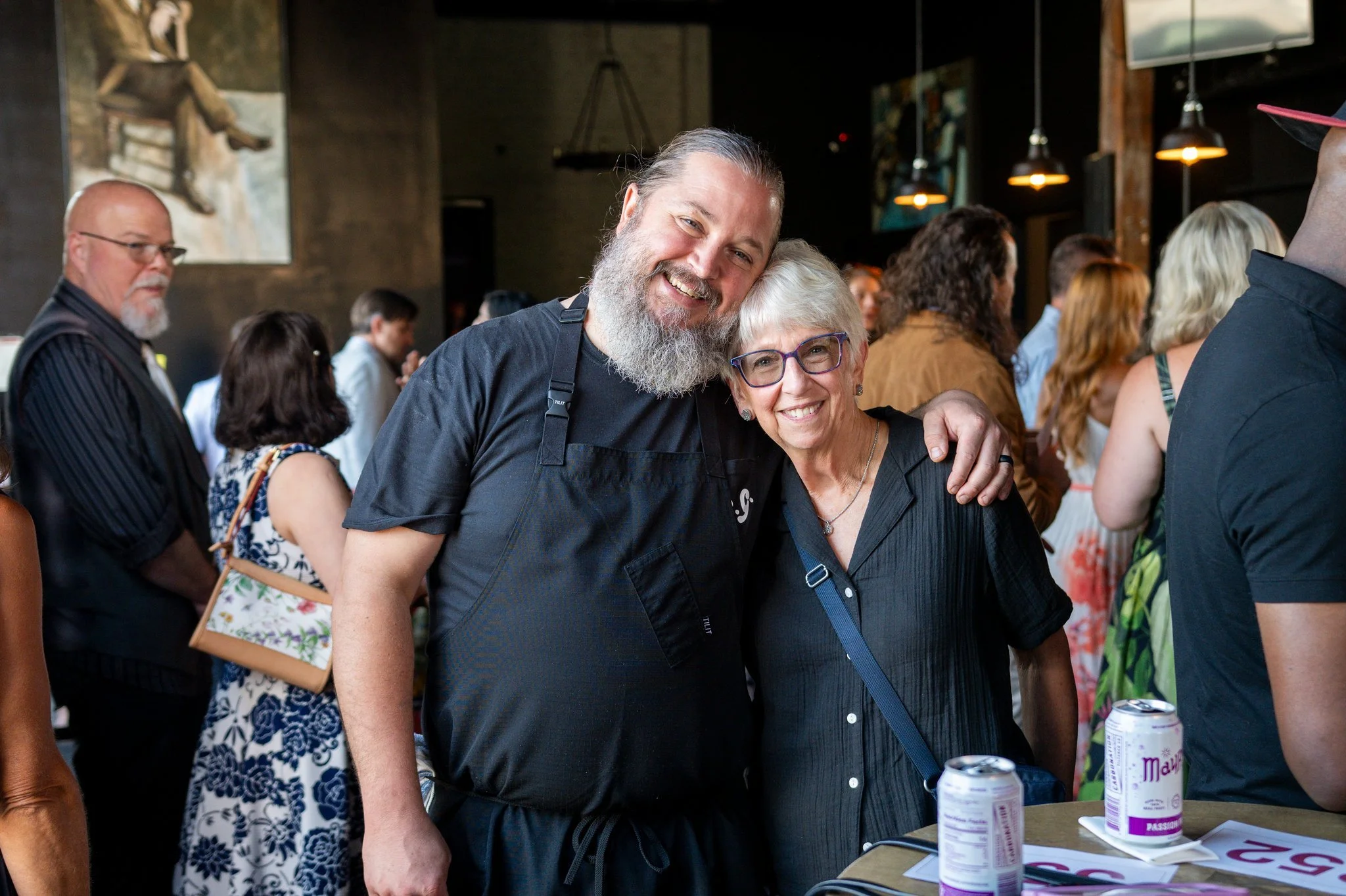
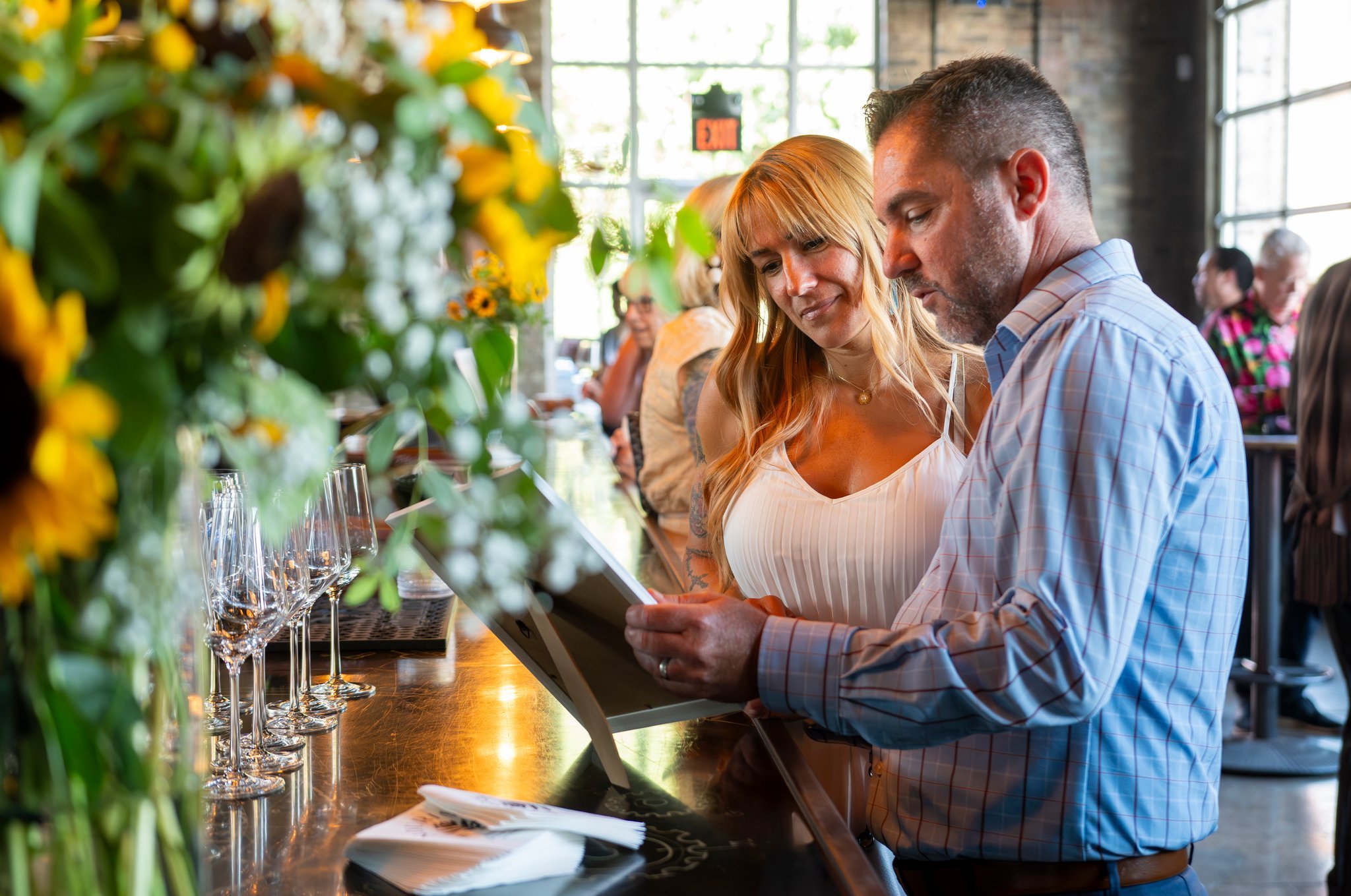
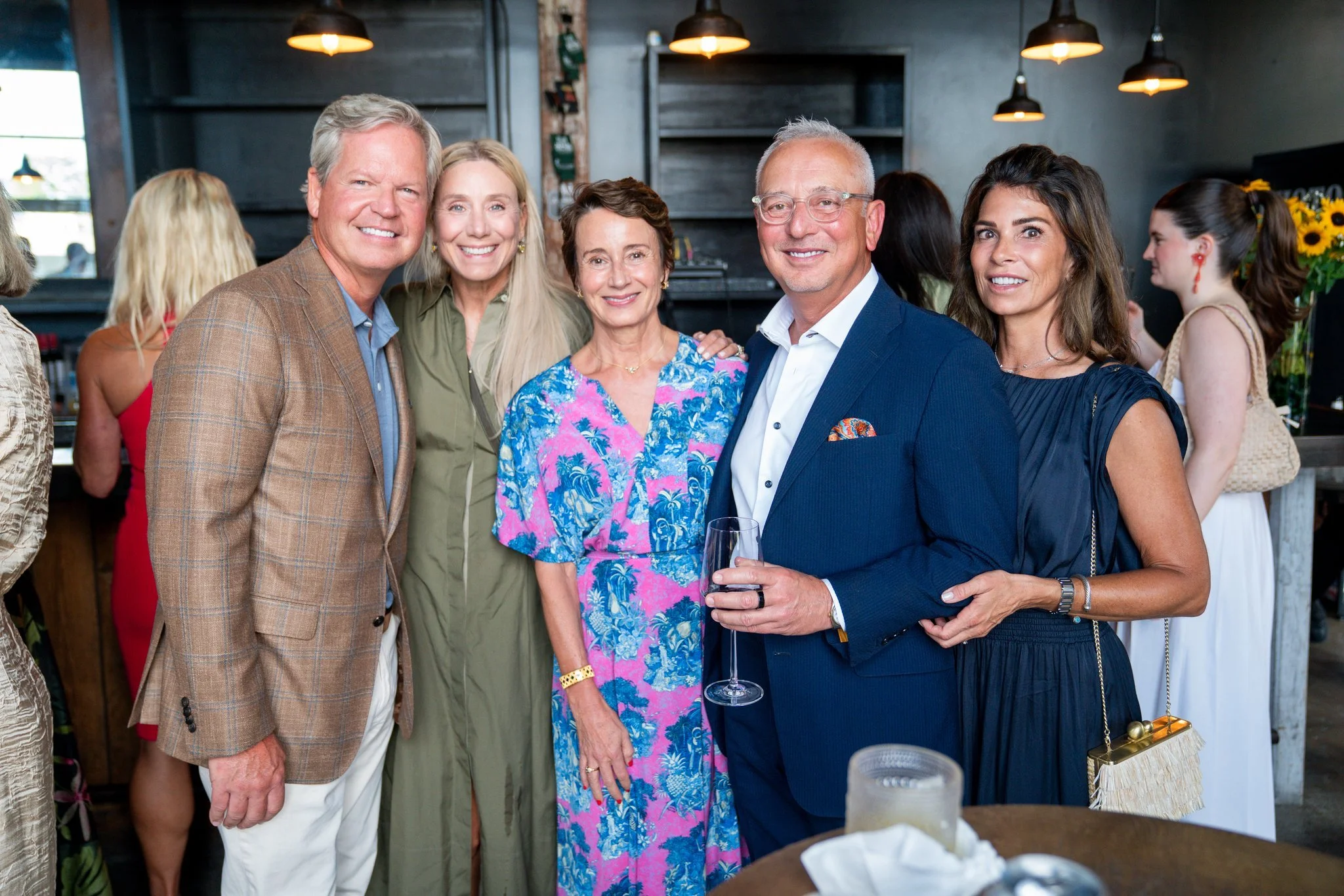
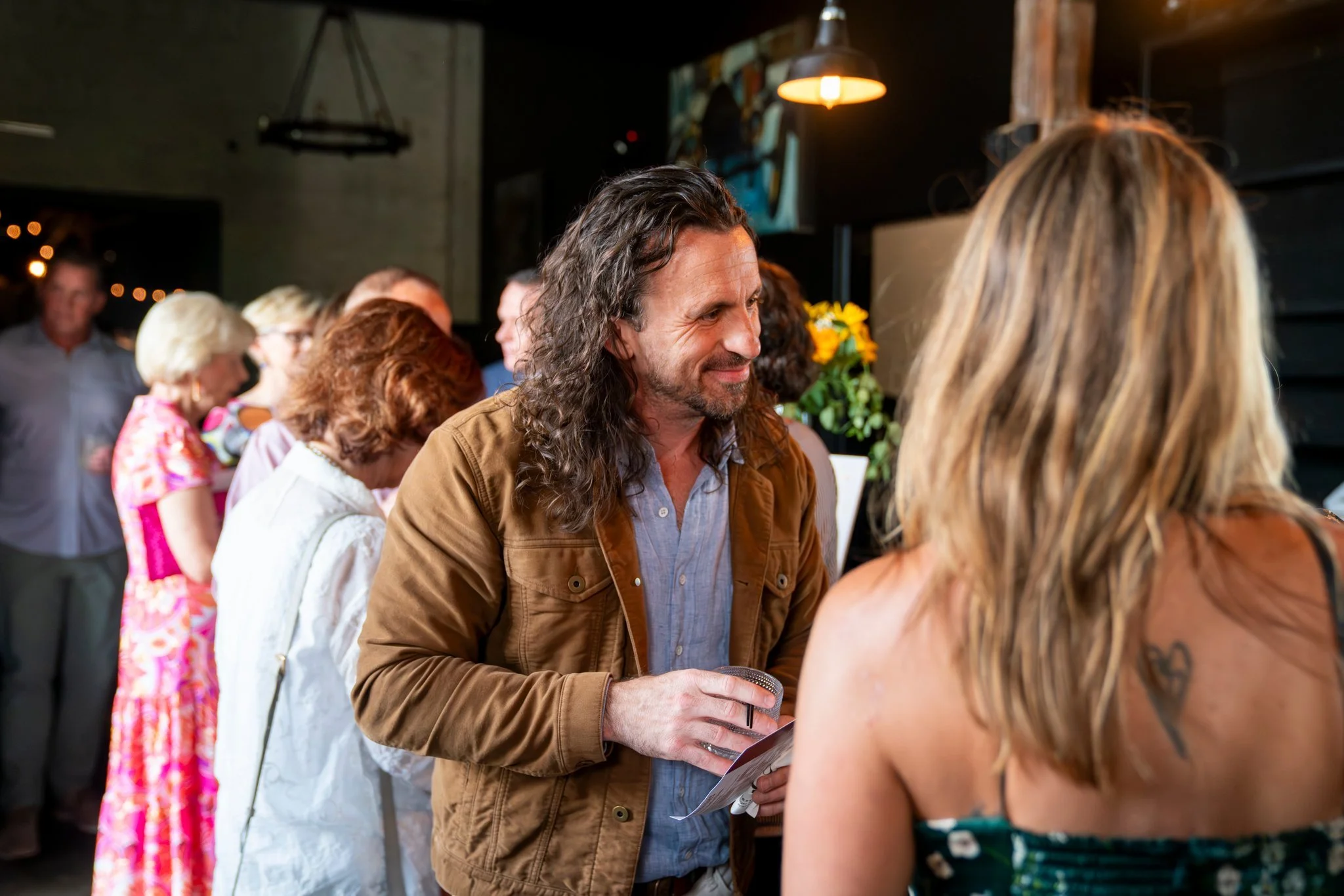
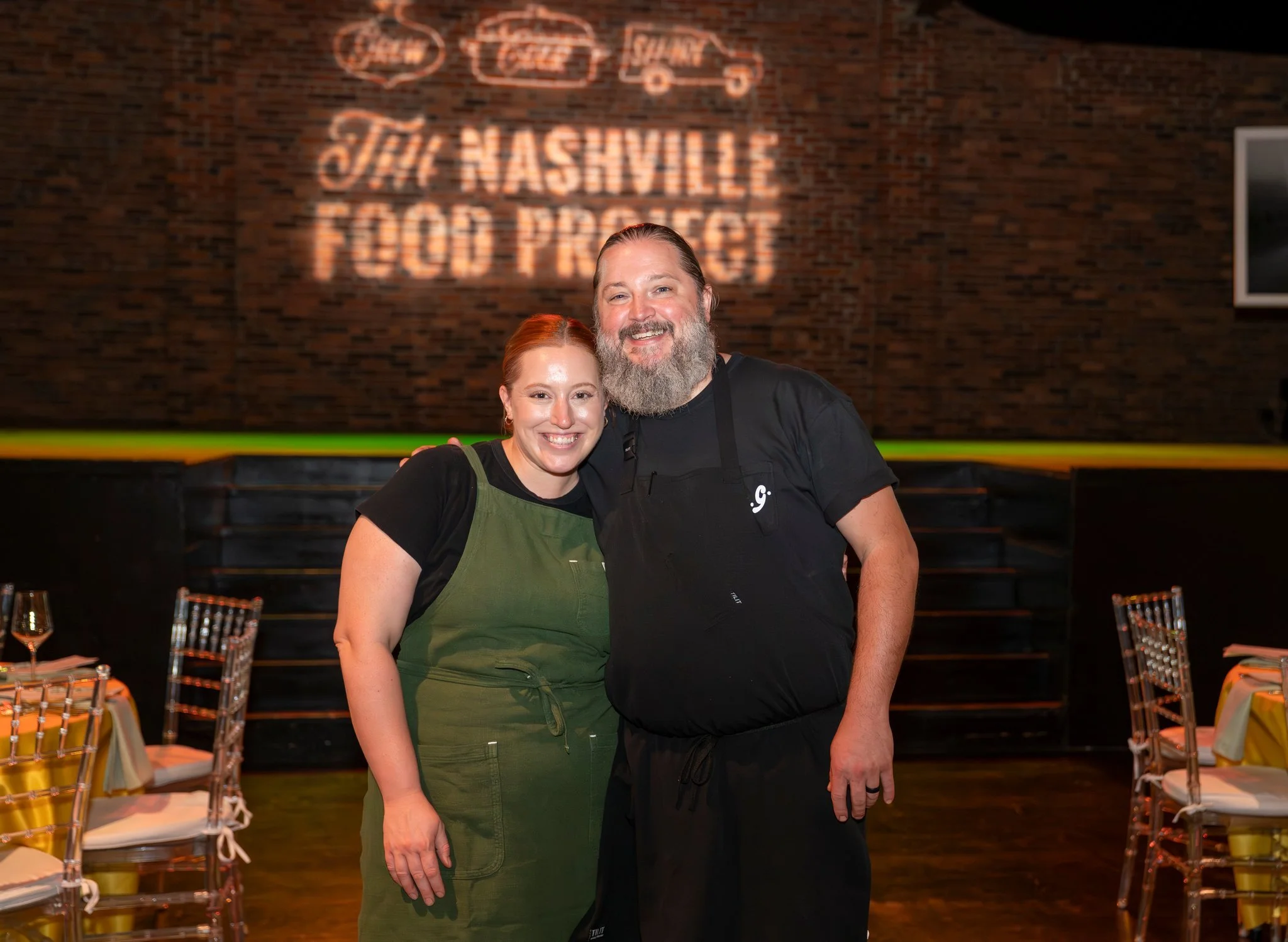
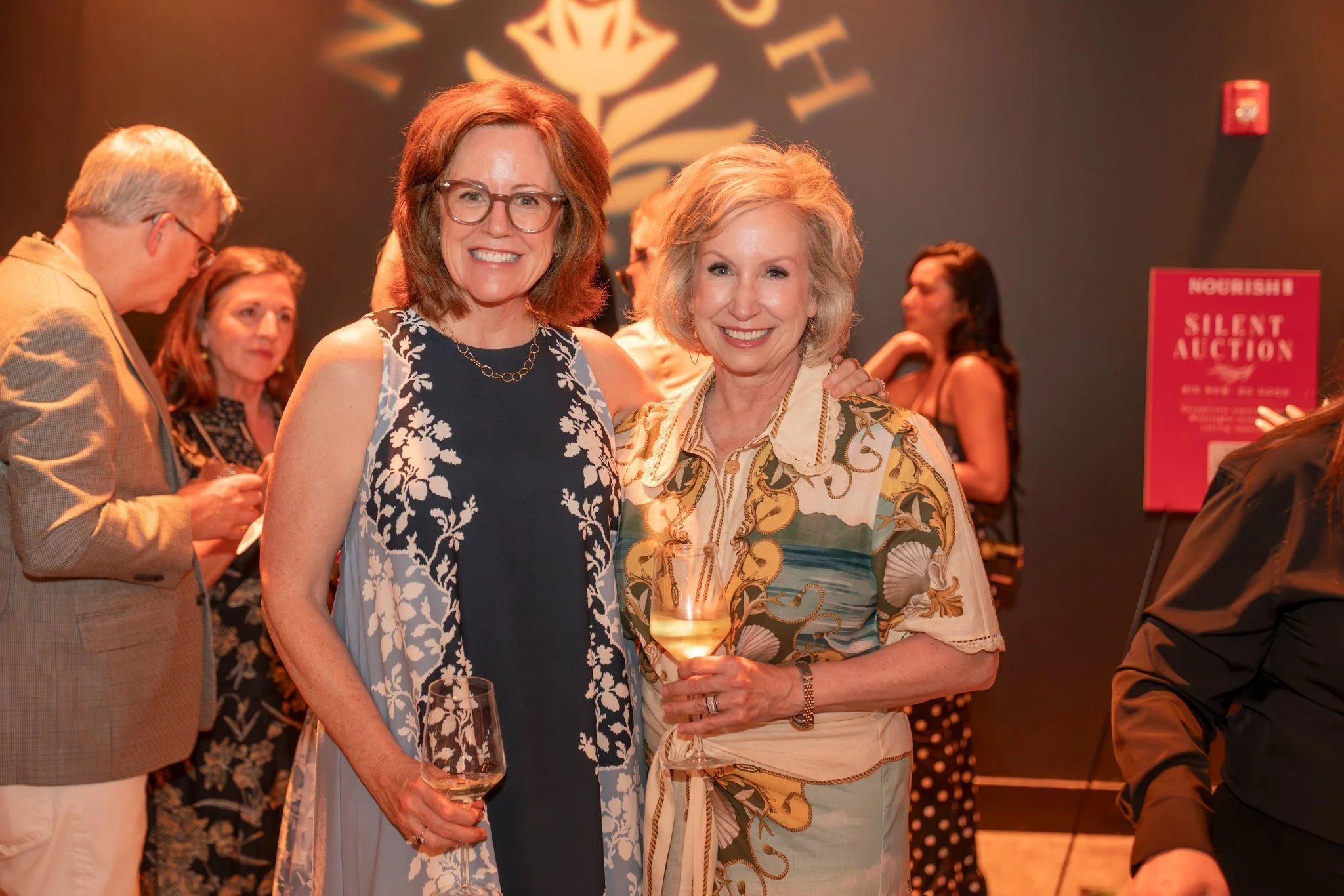
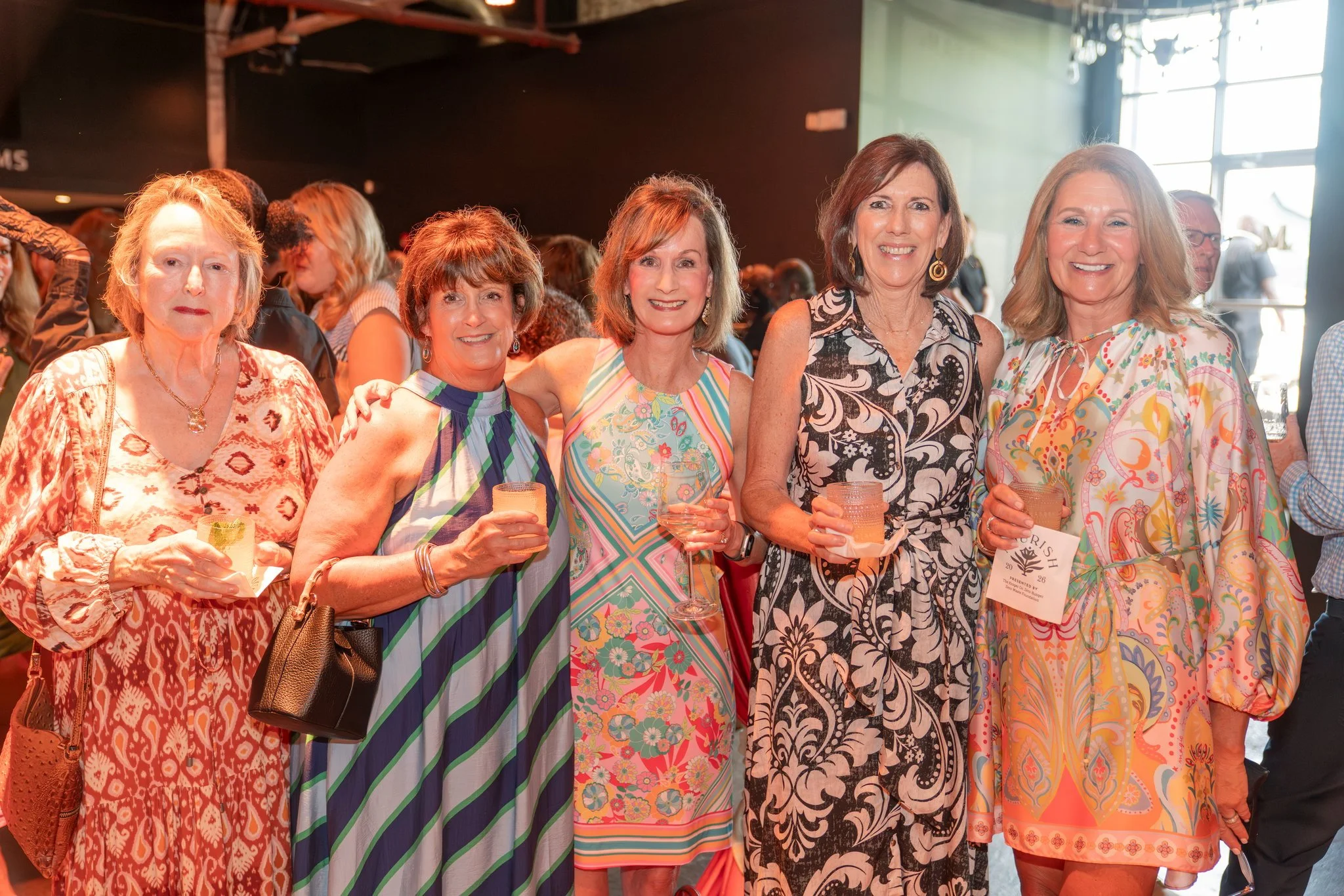
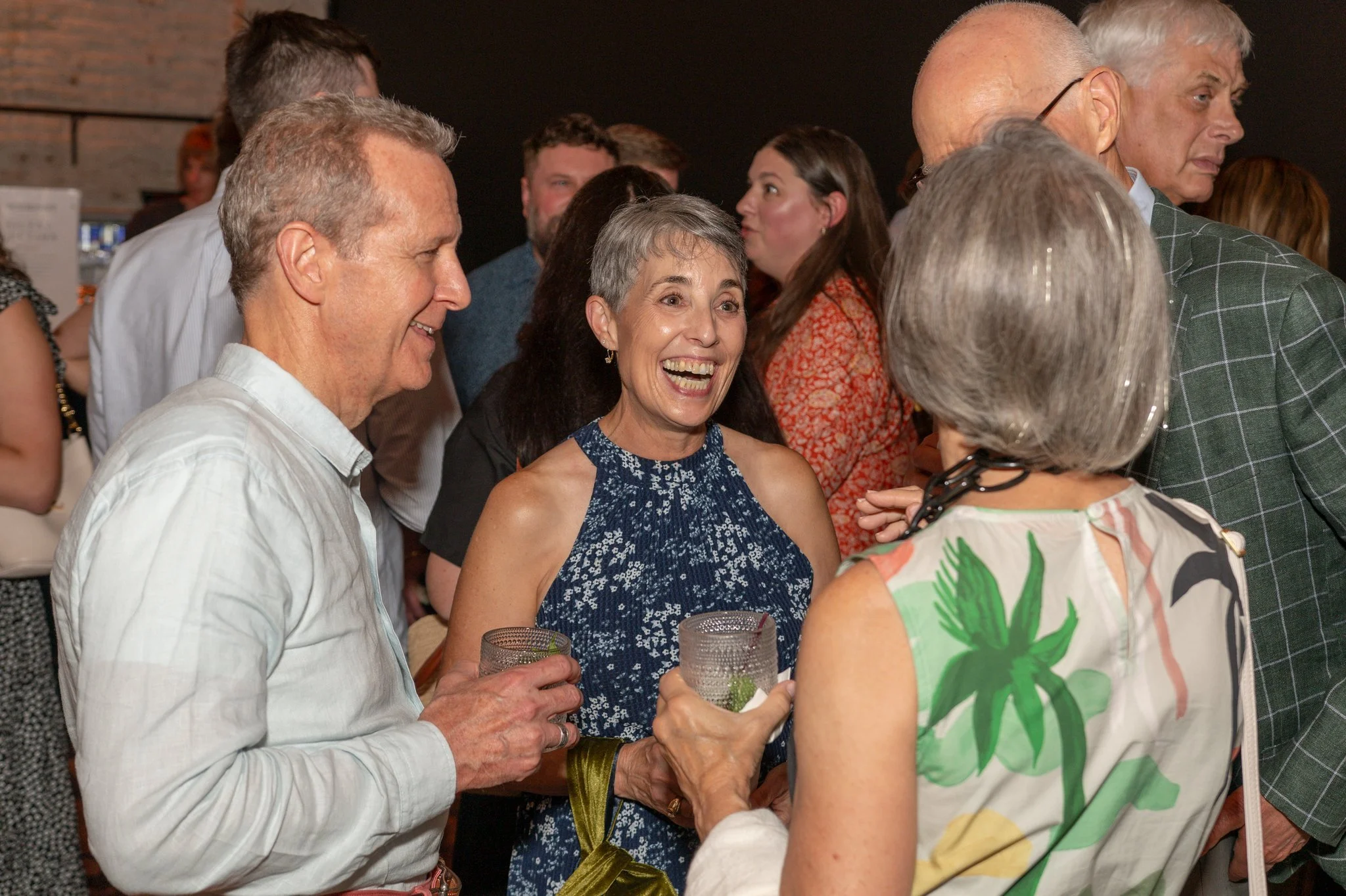
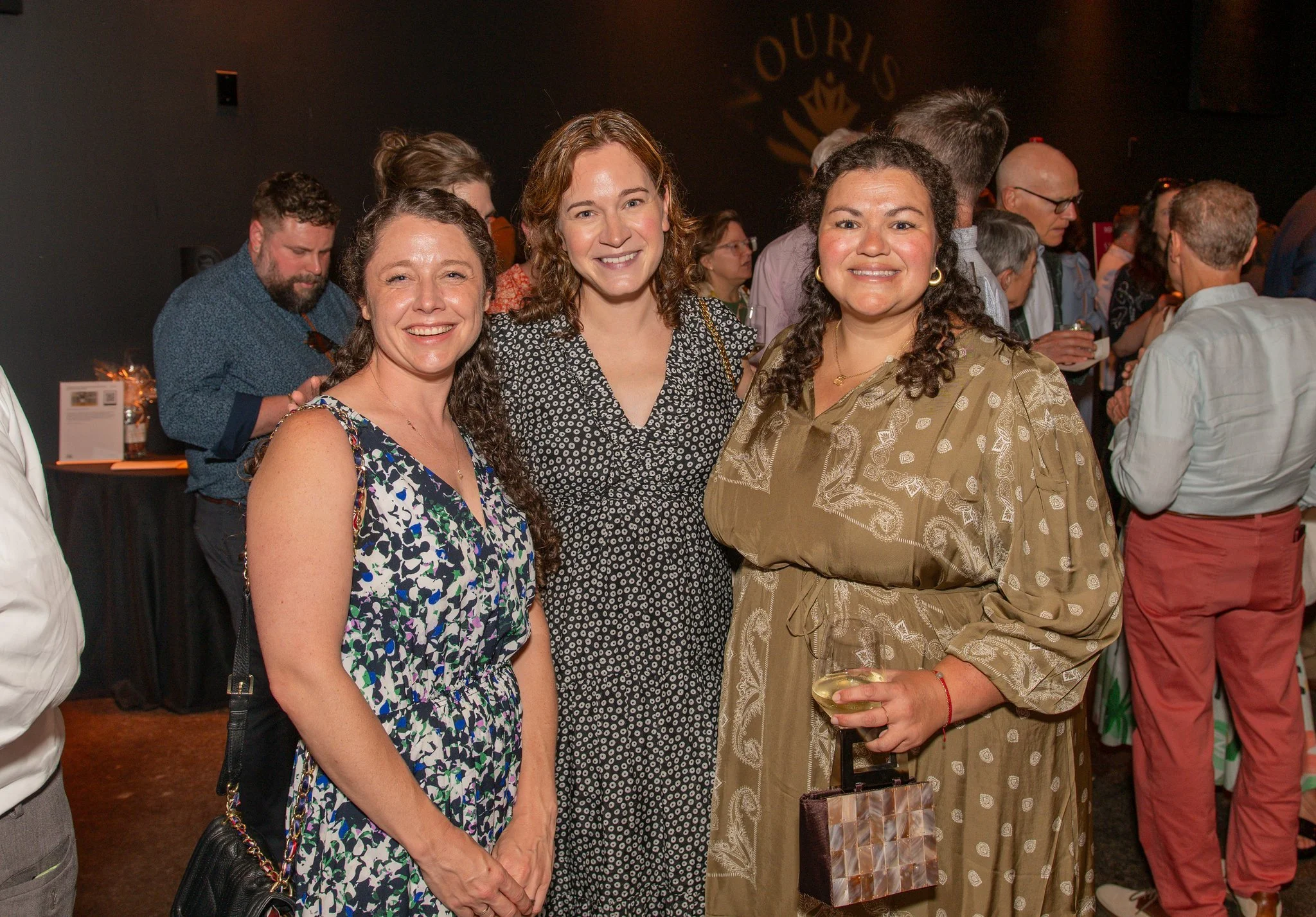
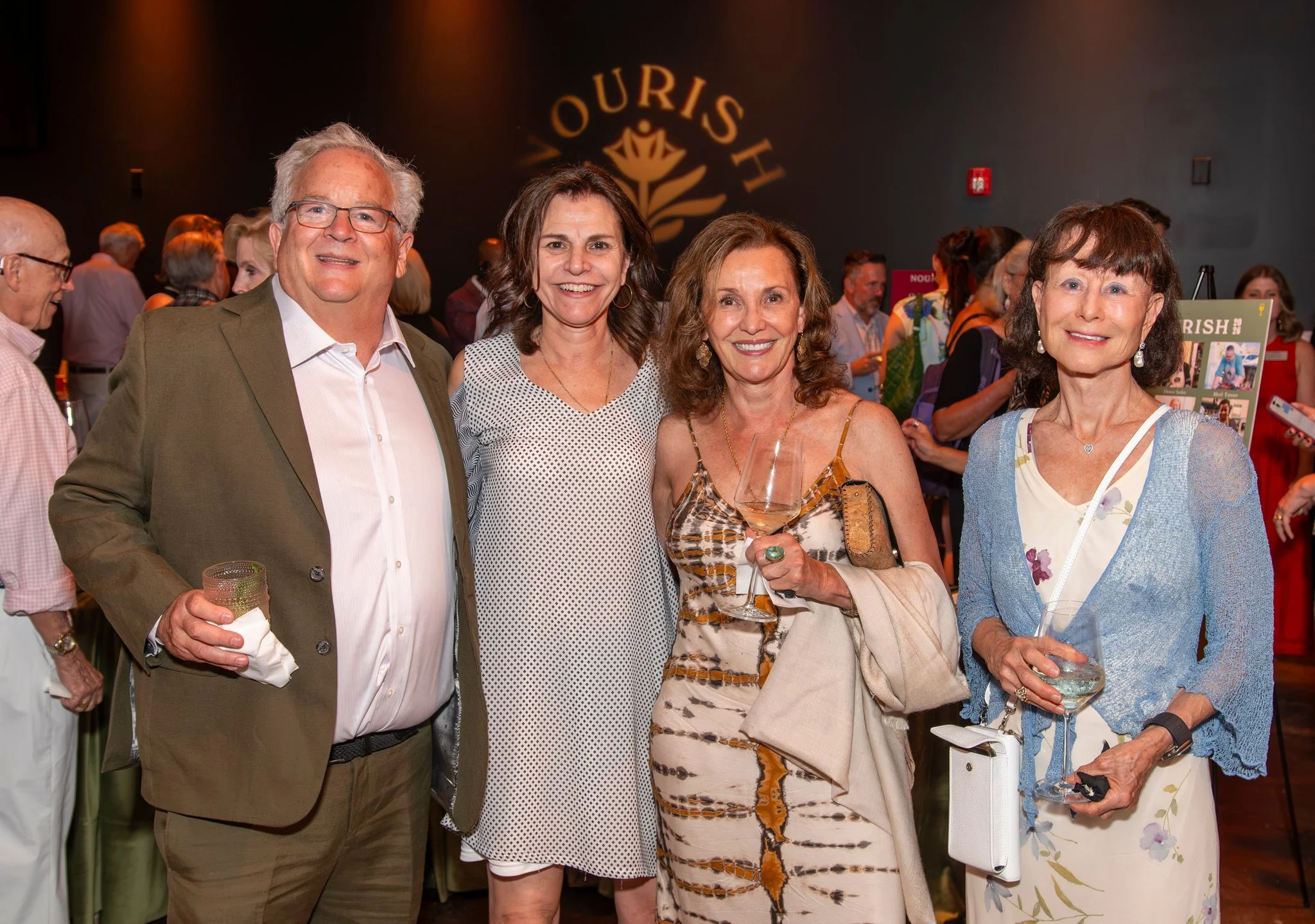
On July 16, 2026, we gathered for Nourish, presented by Kroger Zero Hunger Zero Waste Foundation, and what a night it was.
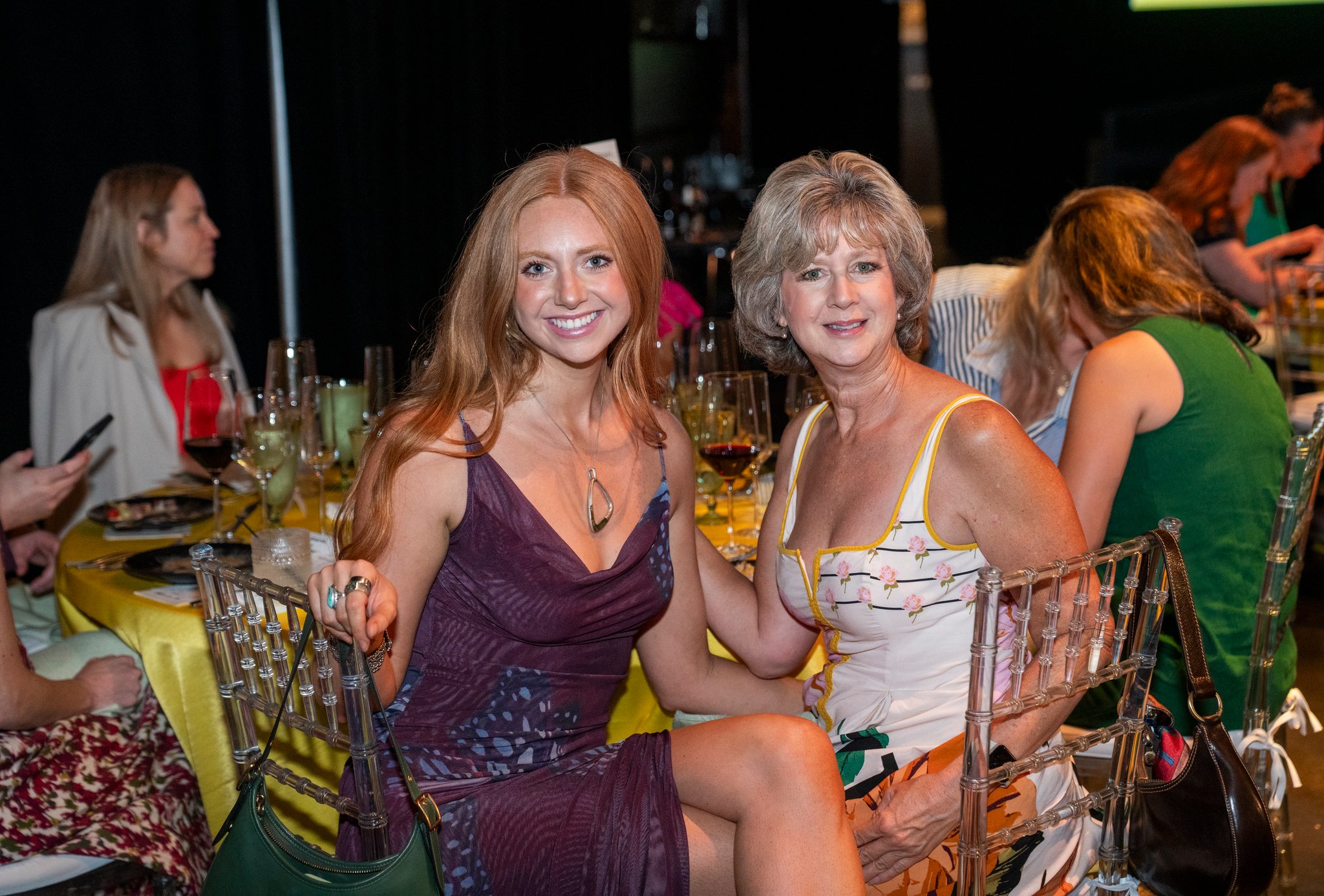
More than 300 guests came together around the table, helping raise more than $260,000+ to support the mission of The Nashville Food Project: bringing people together to grow, cook, and share nourishing food.
The numbers tell part of the story, but the spirit of Nourish is found in the people who make the evening possible. It was a celebration of community, collaboration, and connection, a night when the table became a place for generosity, shared purpose, and joy.
A Meal Created Together
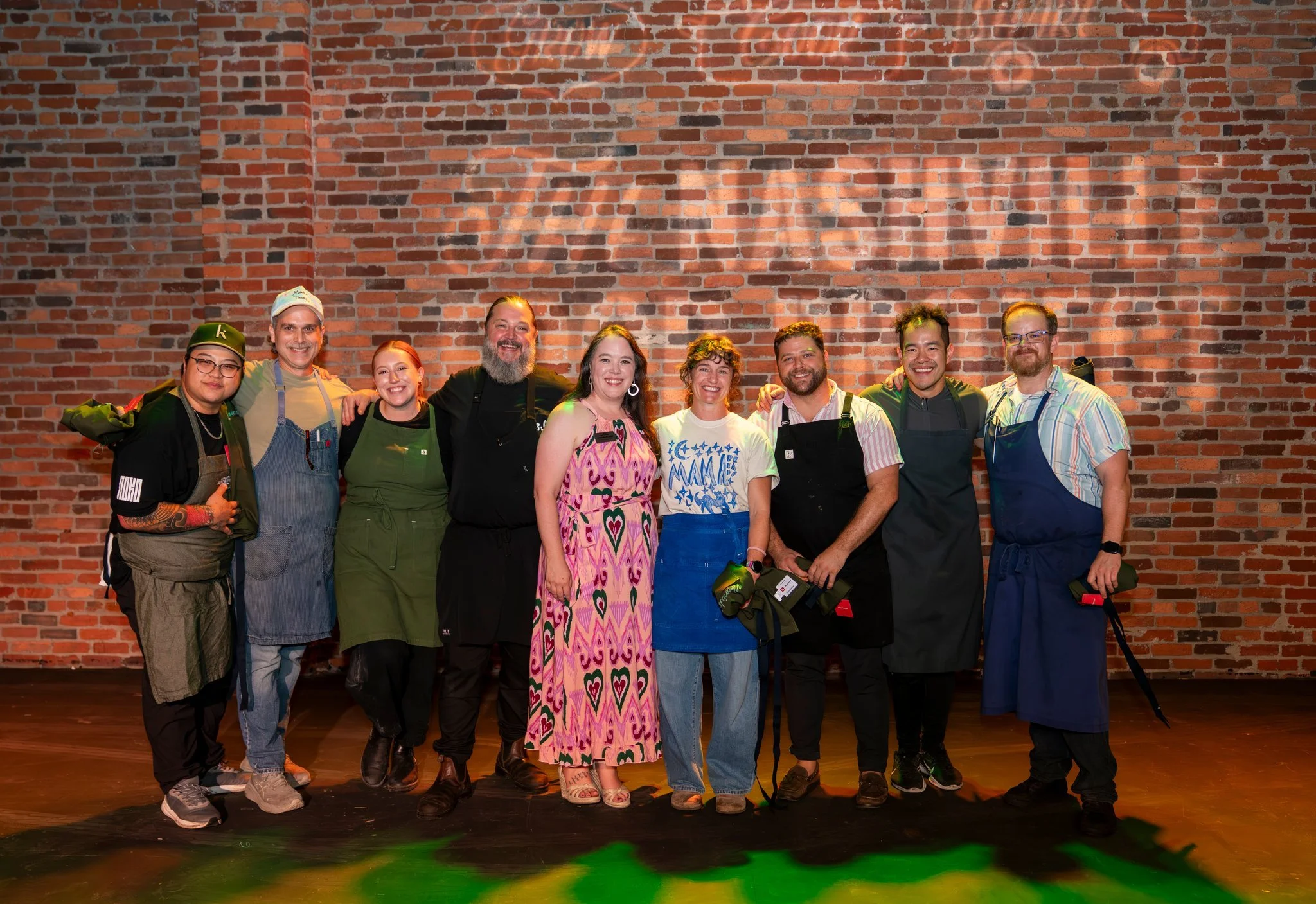
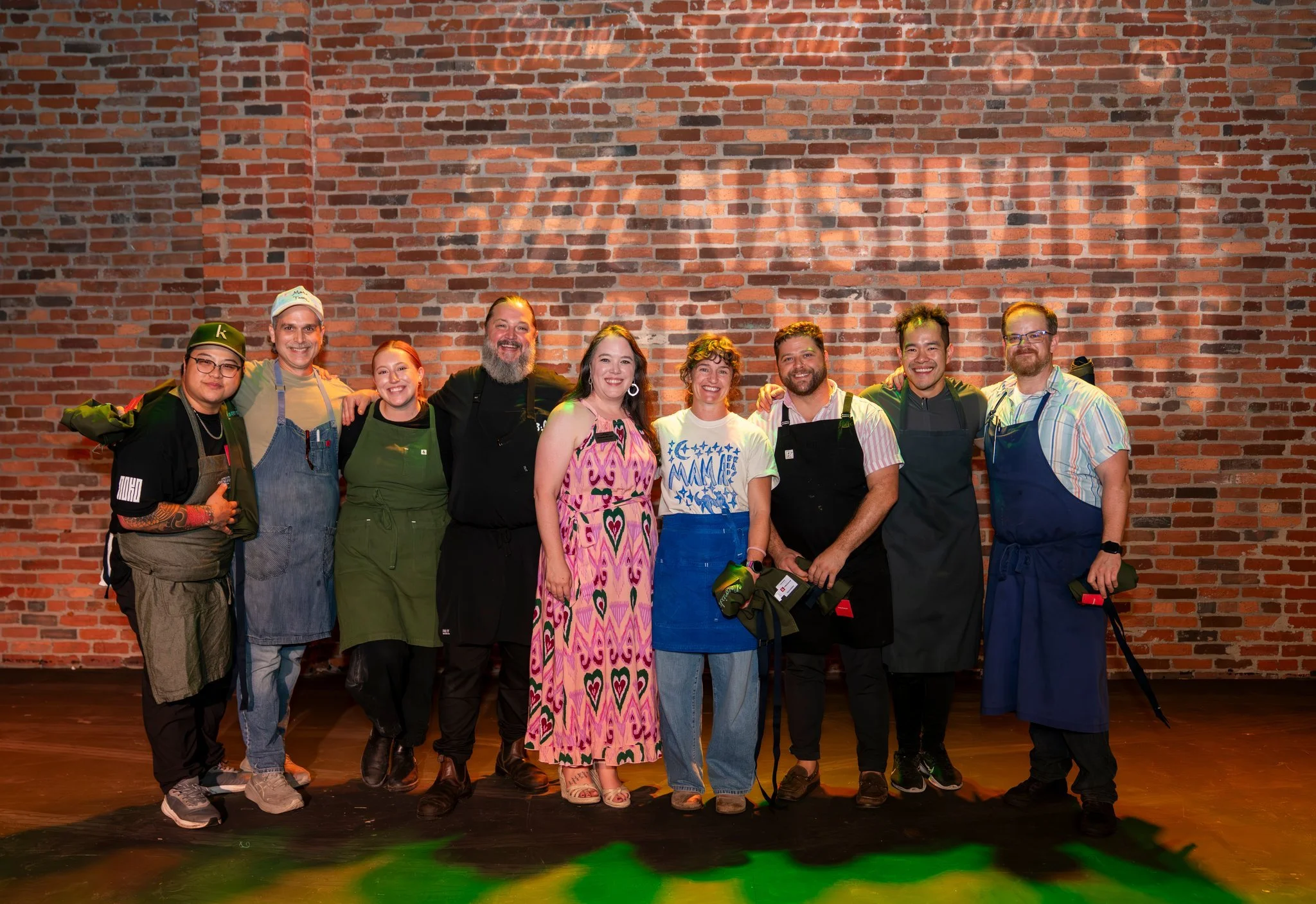
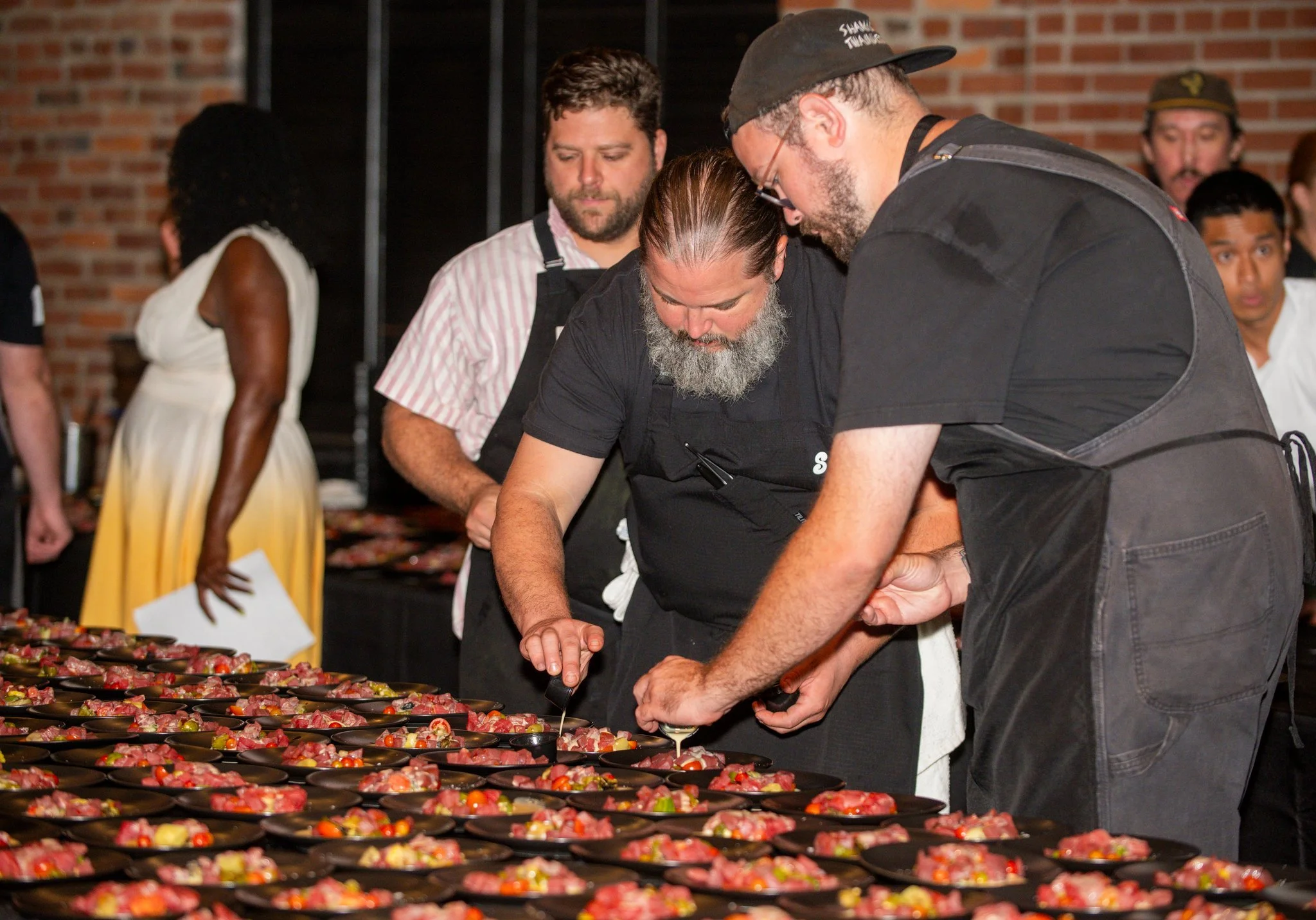
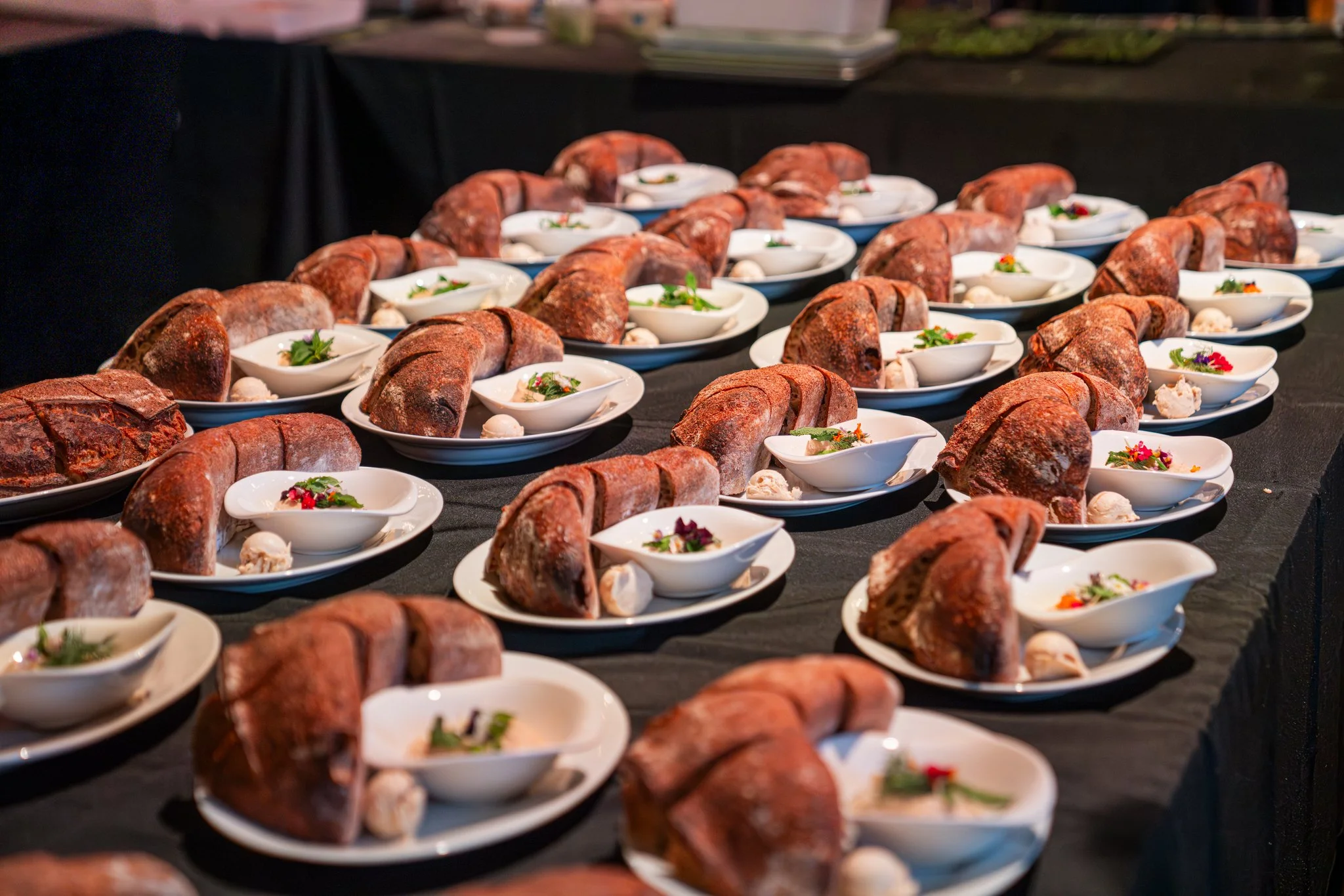
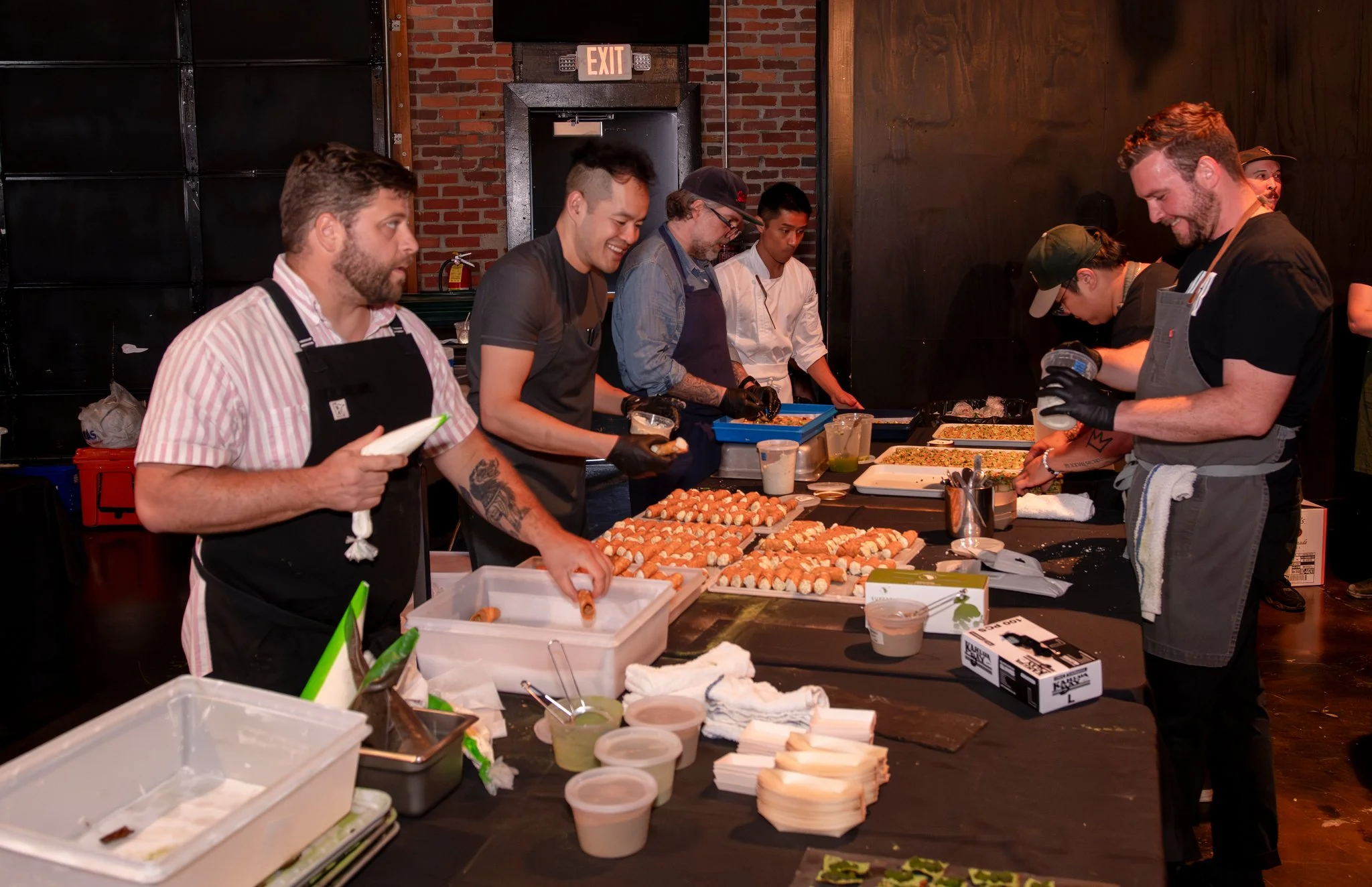
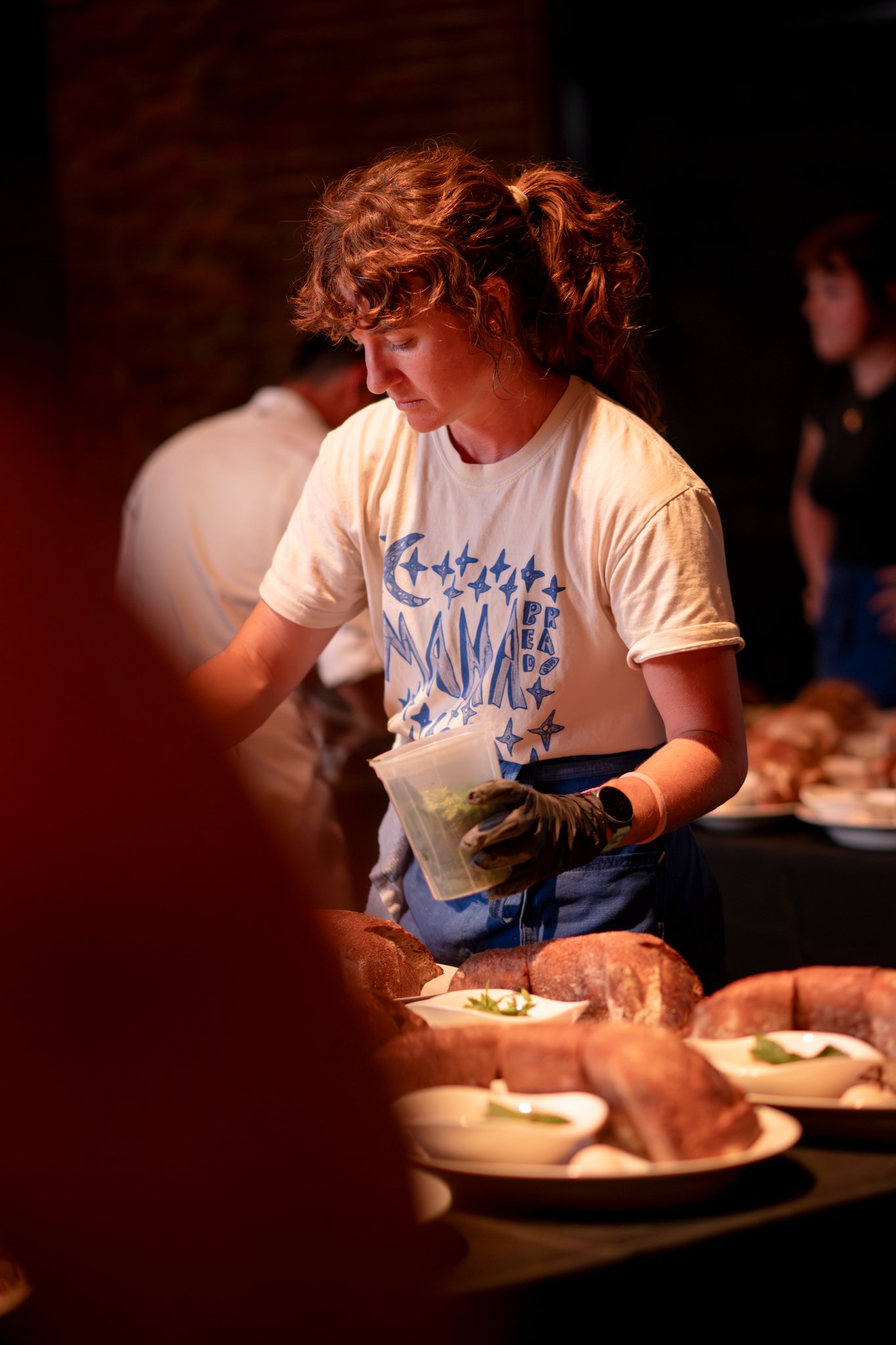
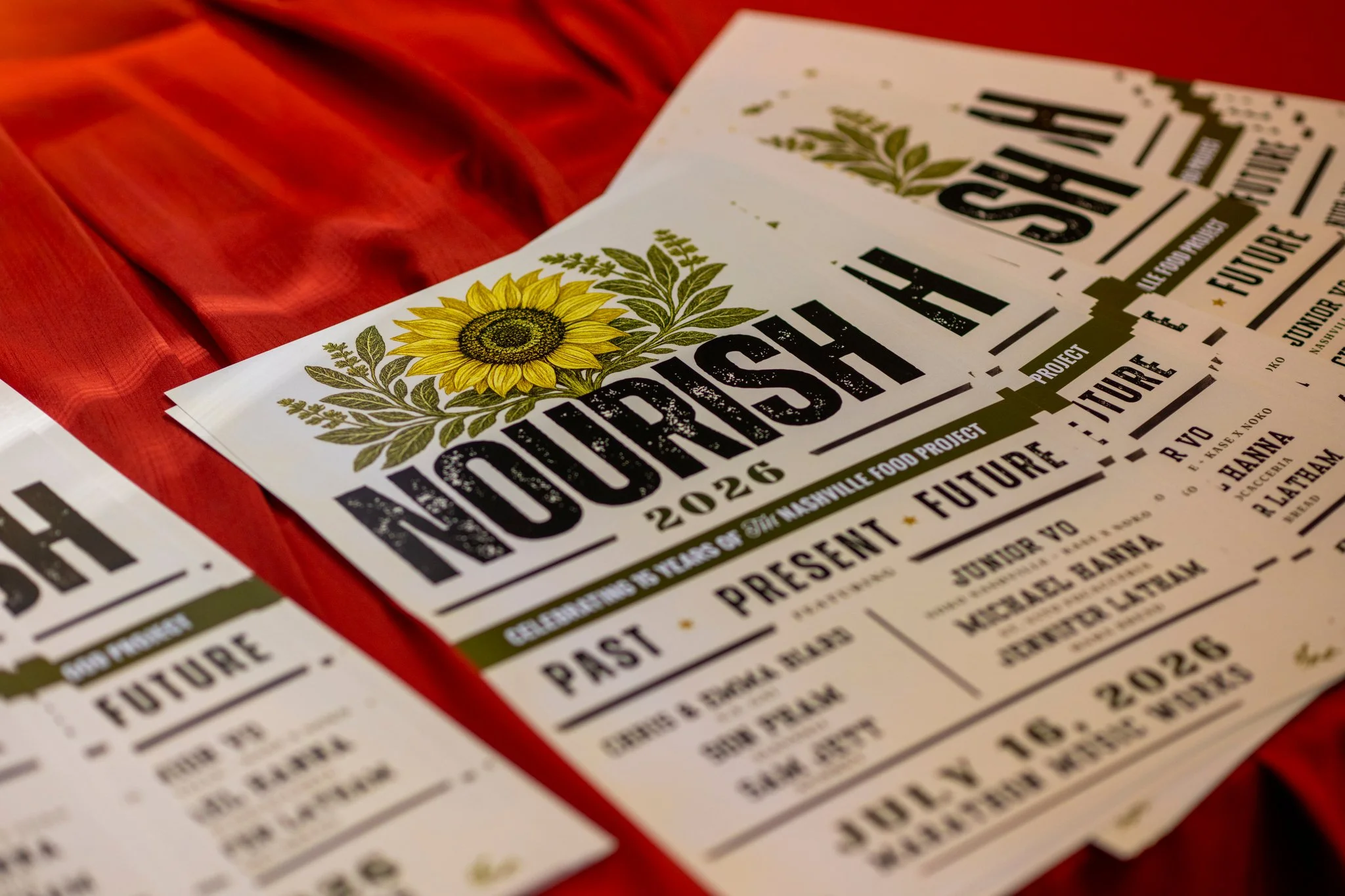
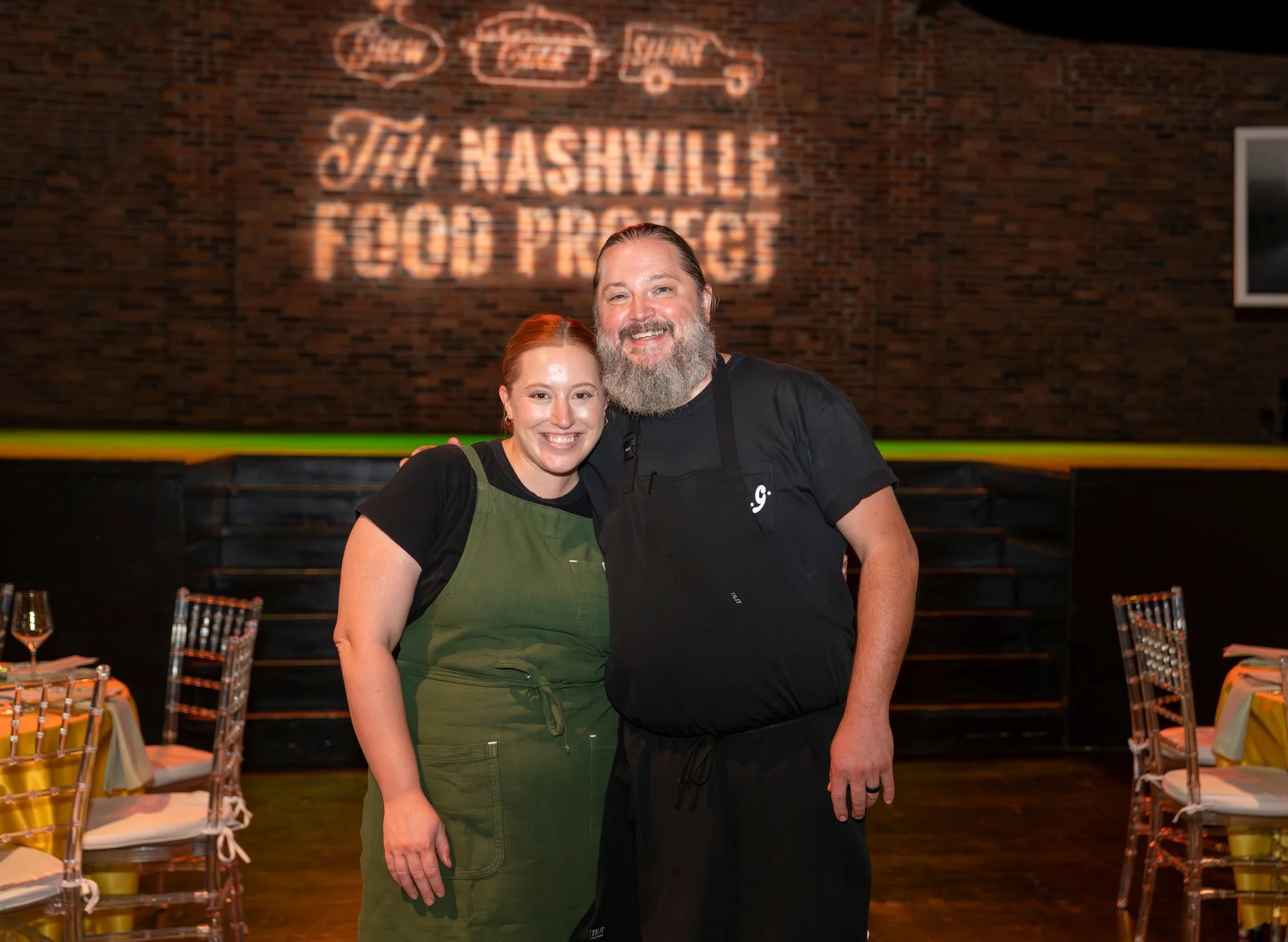
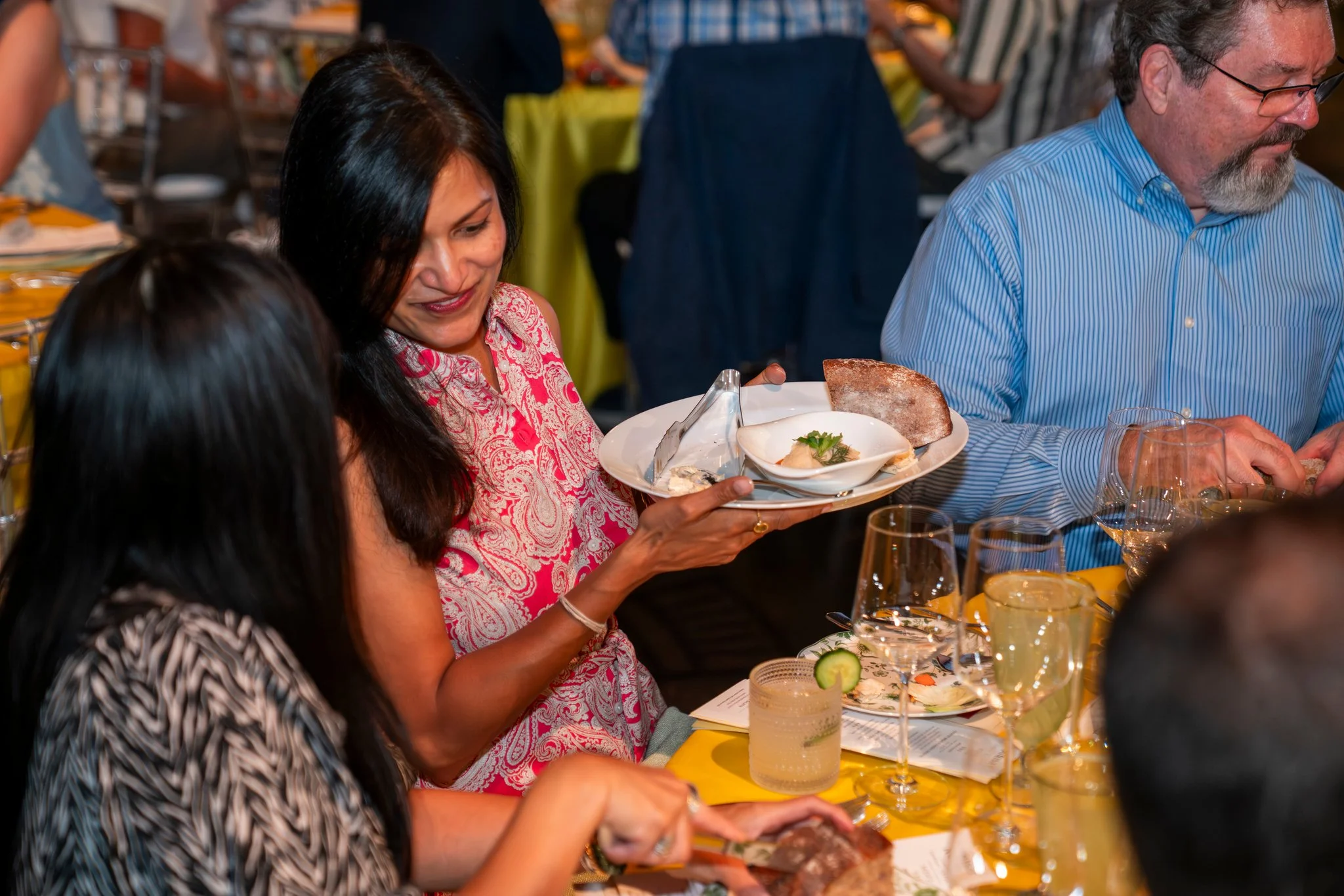
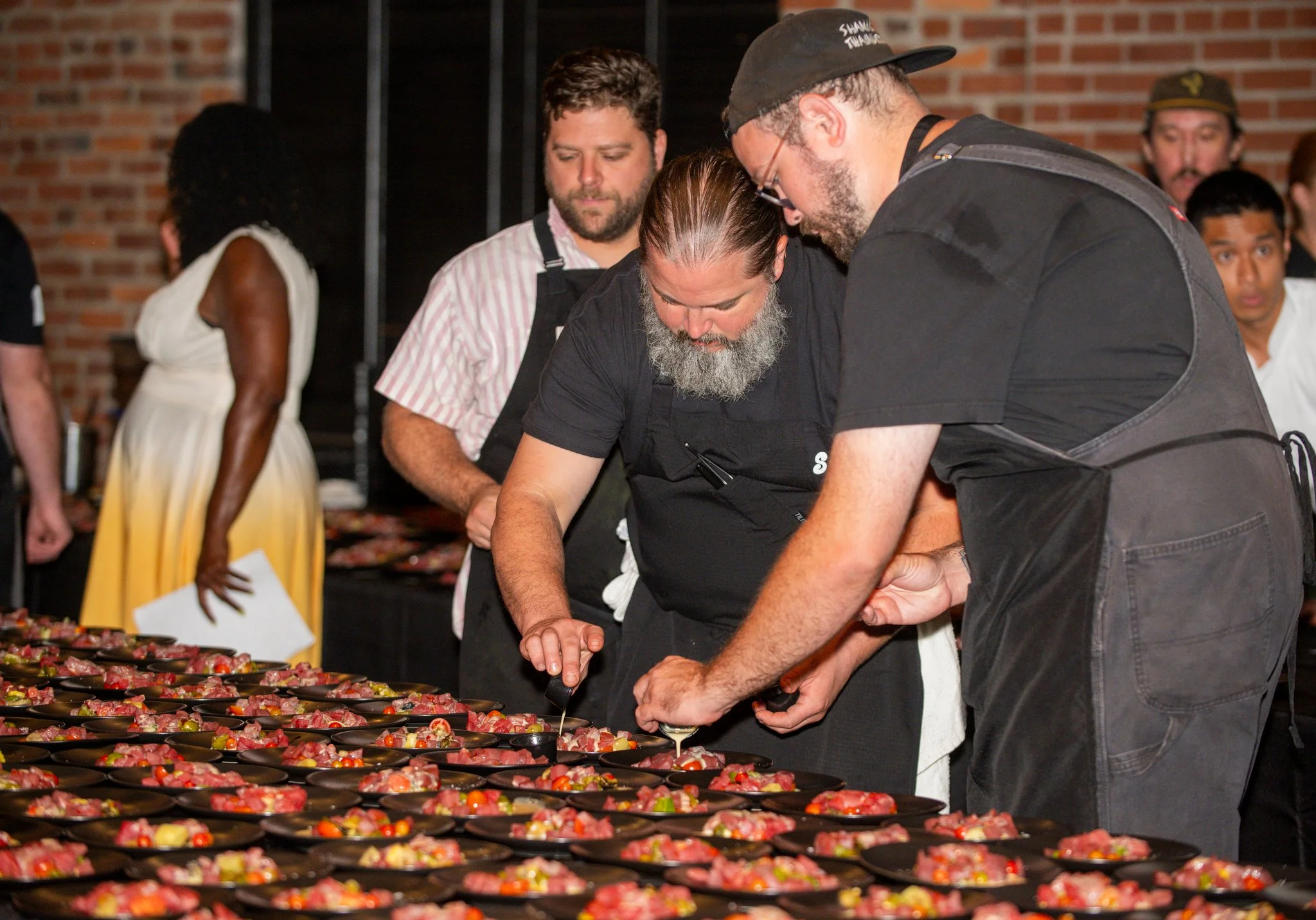
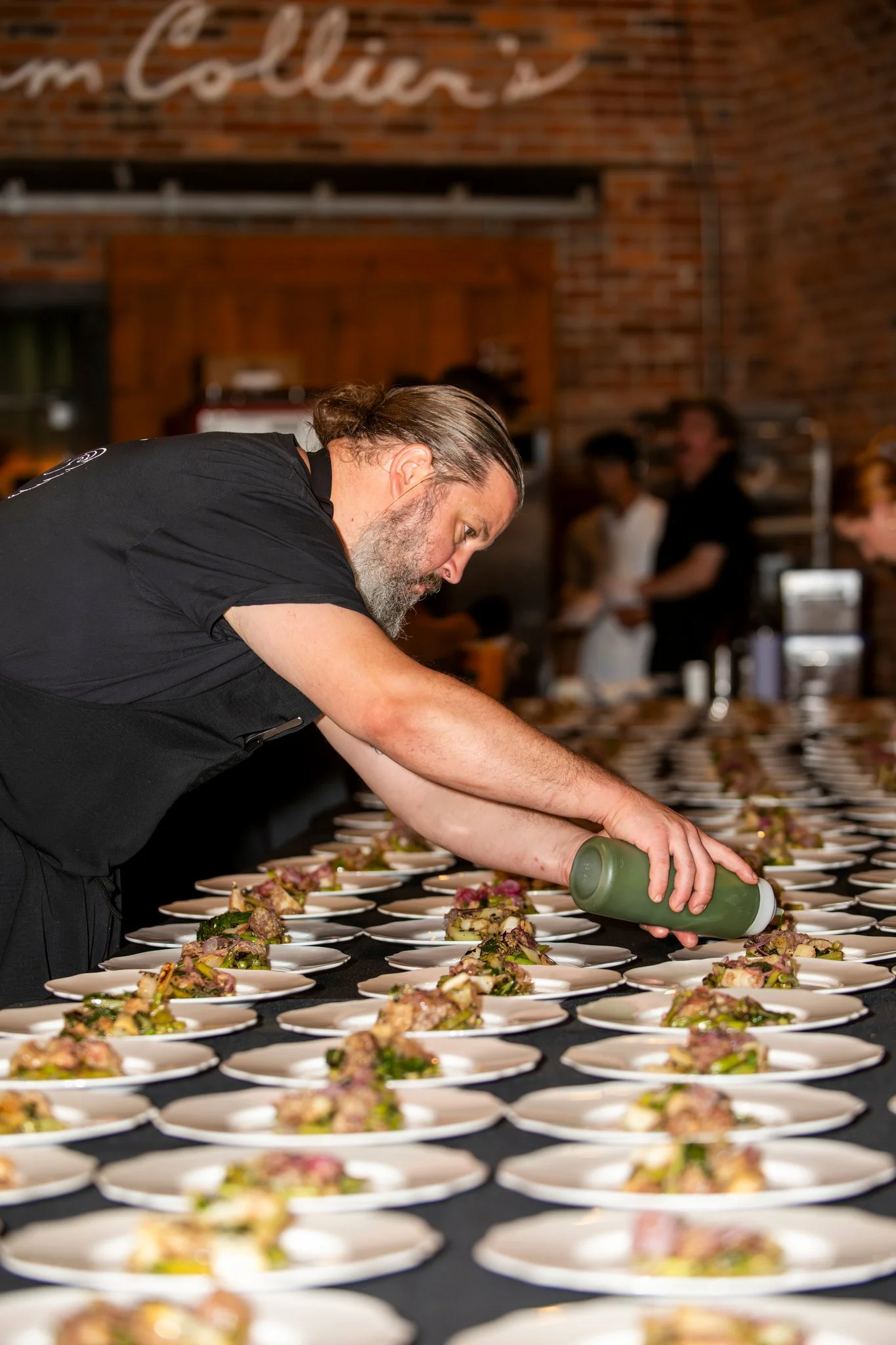
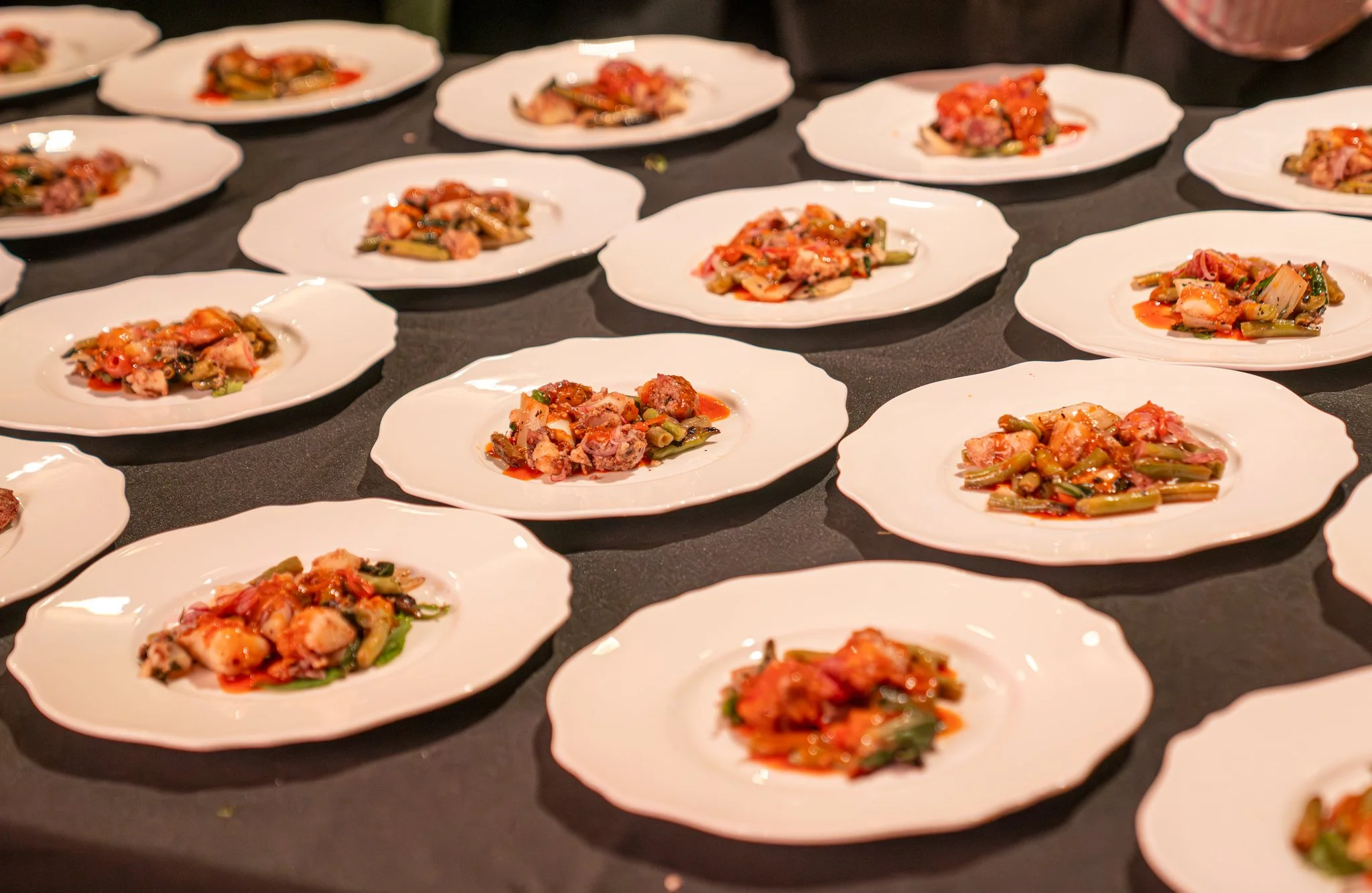
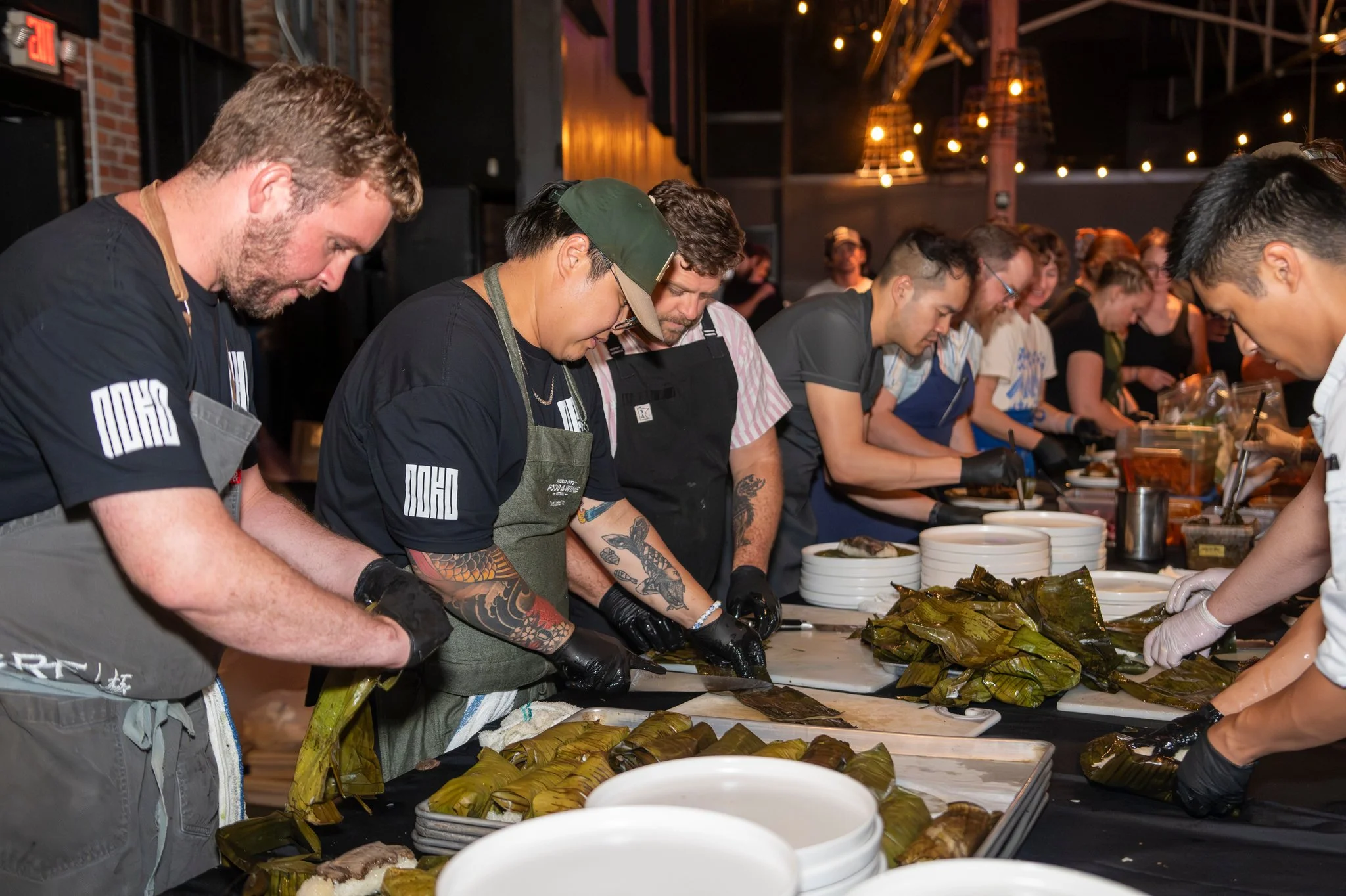
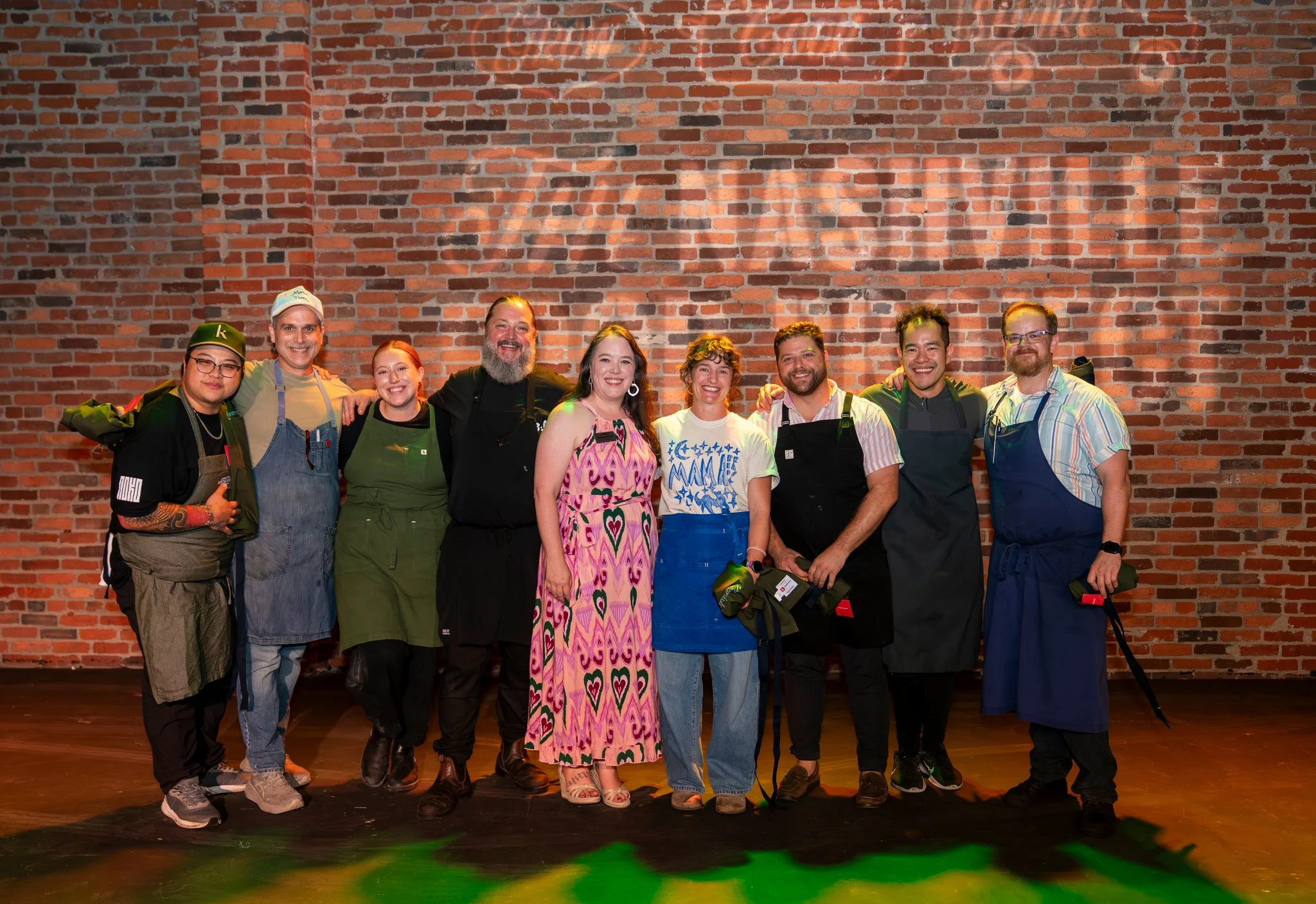
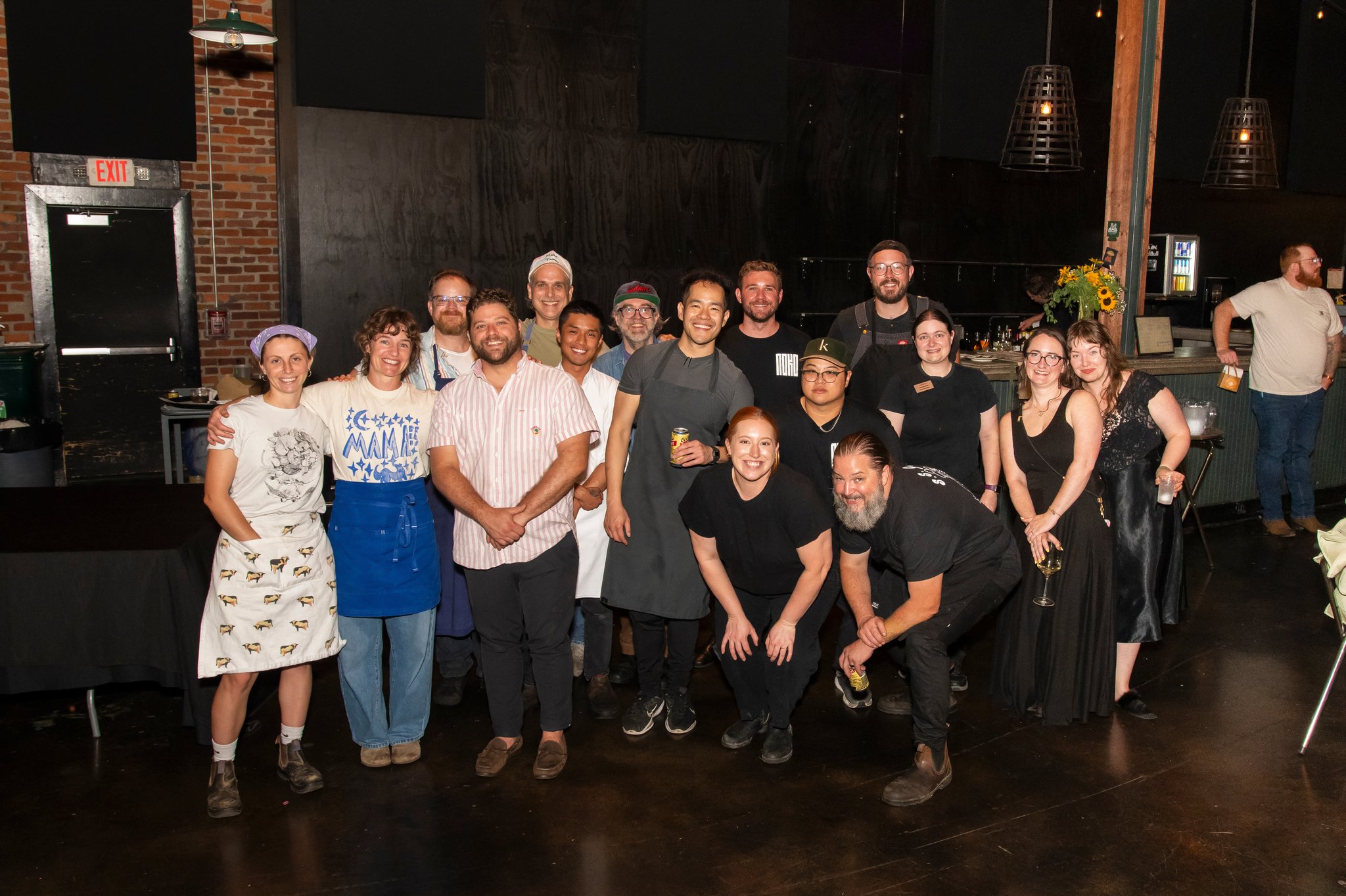
This year’s chef lineup brought together Chris and Emma Baird of S.S. Gai, Son Pham of Eleven11, Sam Jett of audrey, Junior Vo of Noko Nashville and Kase x Noko, Michael Hanna of St. Vito Focacceria, and Jennifer Latham of Mama Bread.
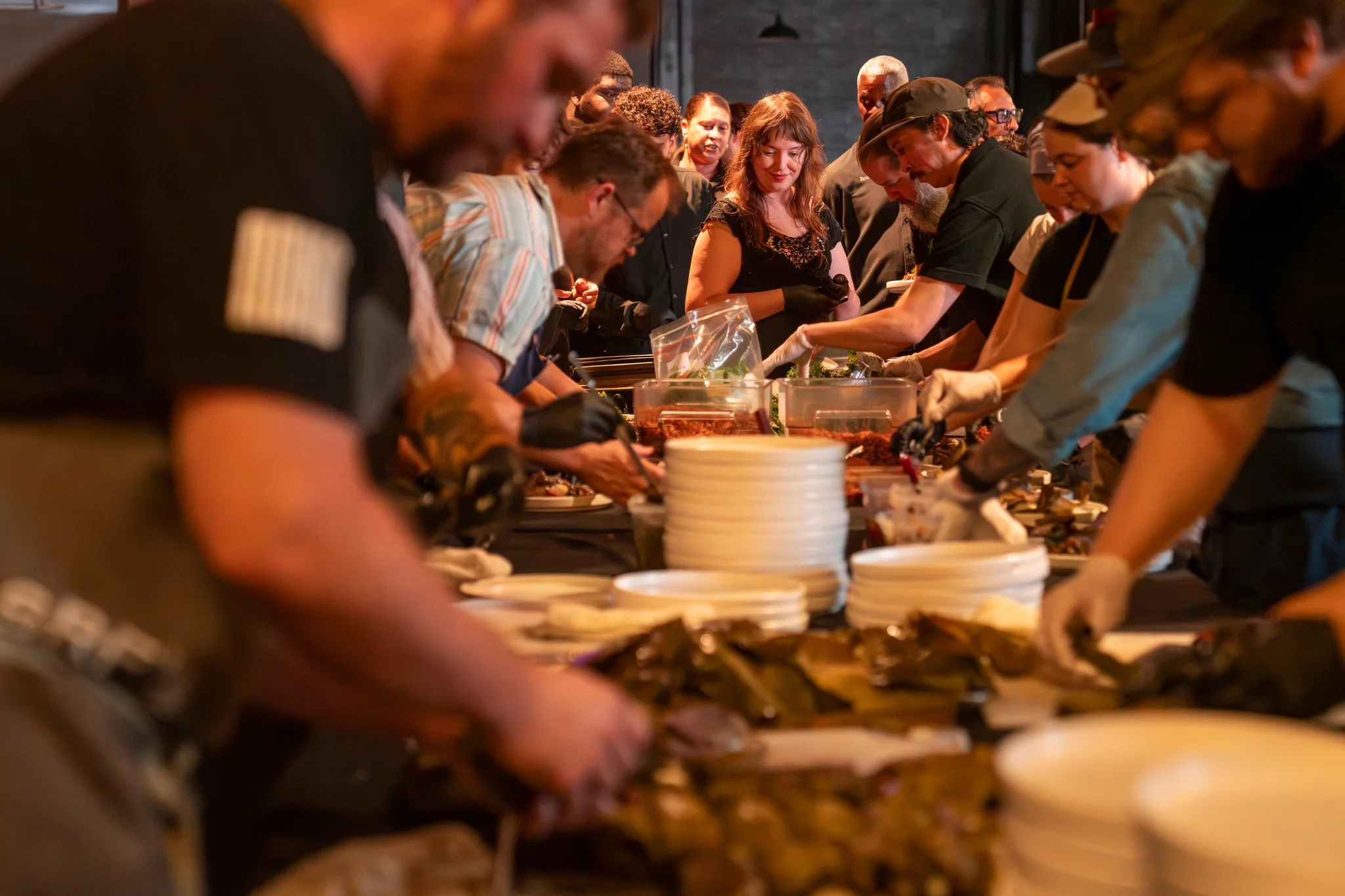
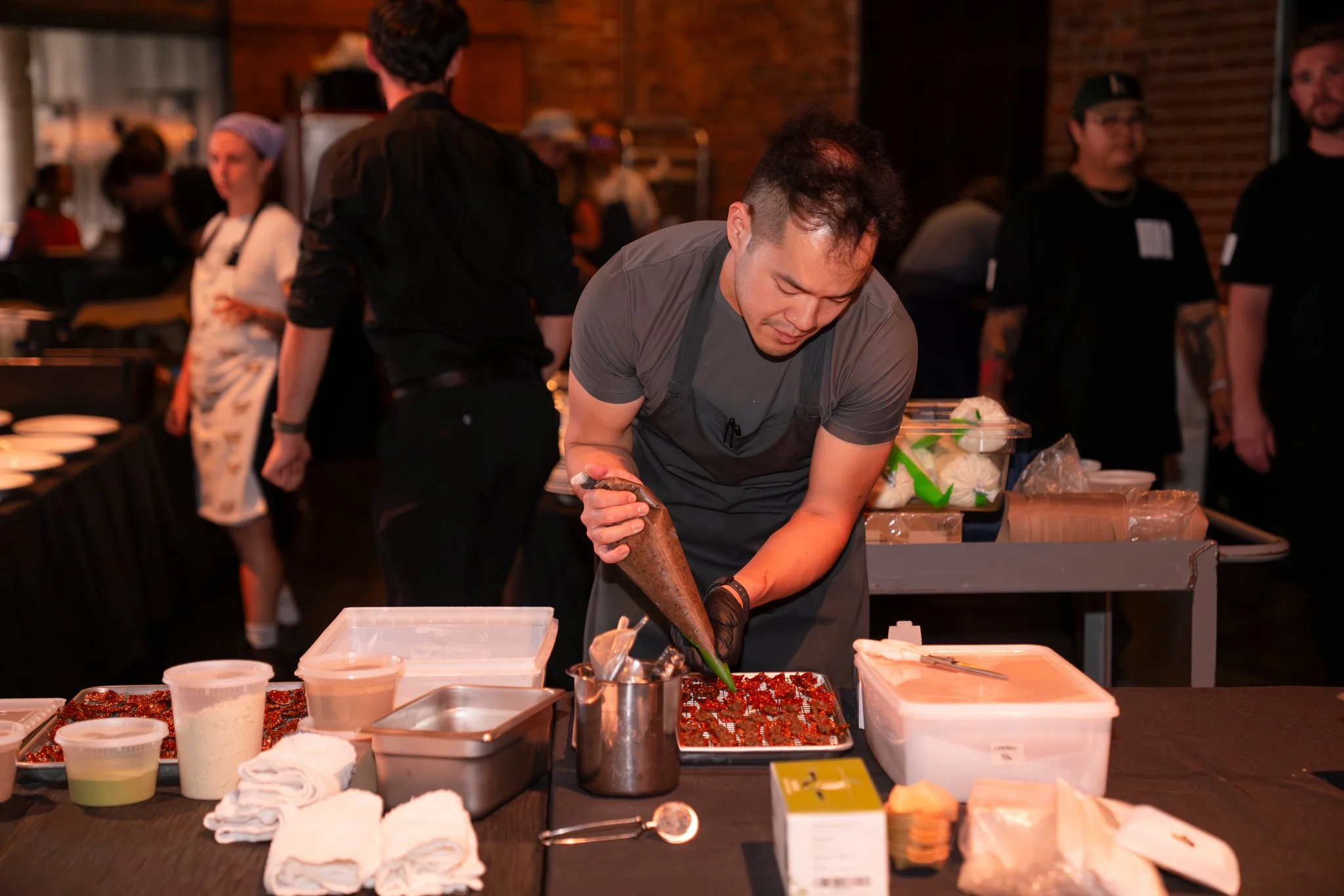
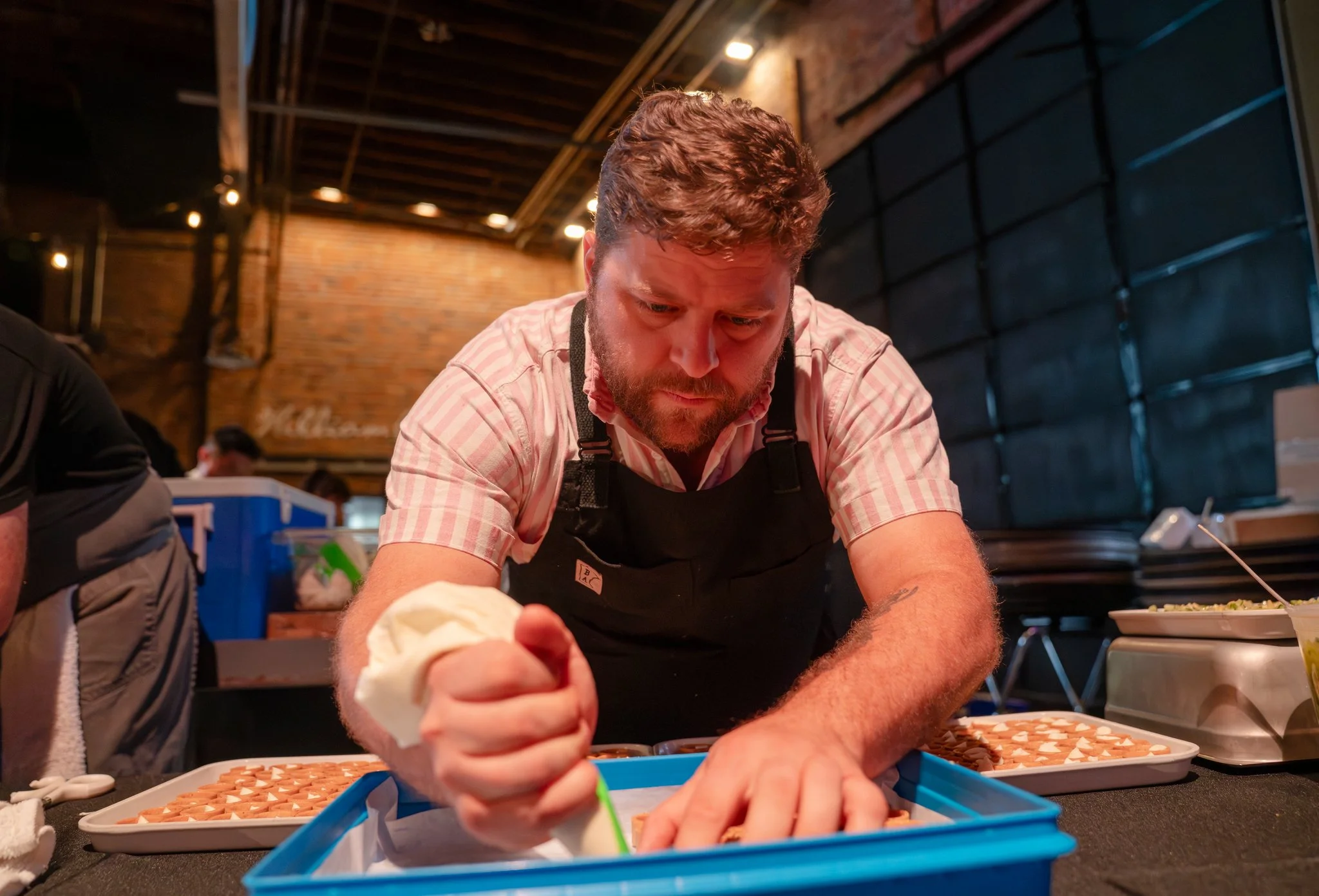
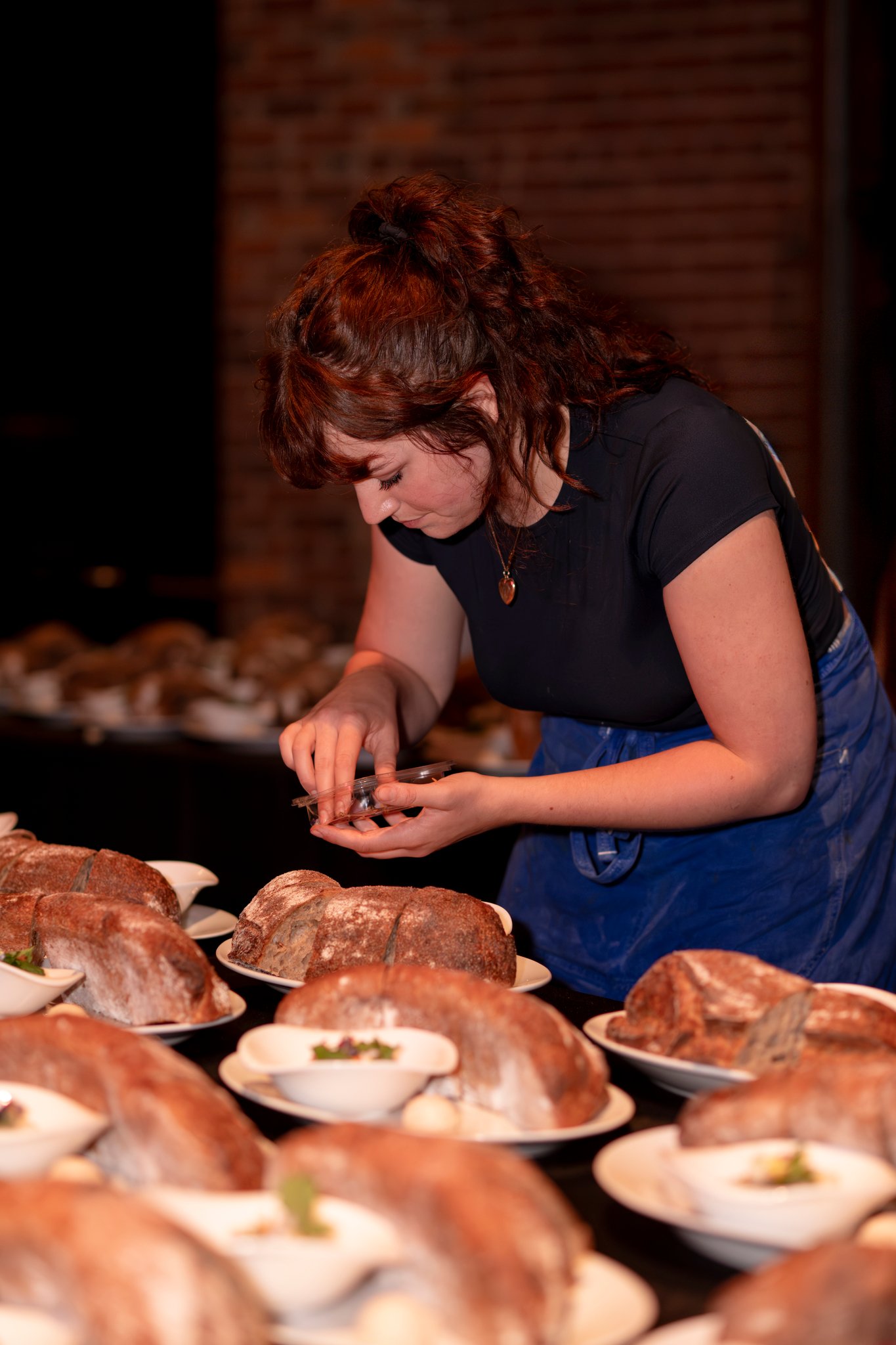
Each chef brought a distinct voice and vision to the table, creating a multi-course meal shaped by different cultures, techniques, and traditions. Just as meaningful as the food itself was the spirit of collaboration behind it. Throughout the evening, chefs worked side by side, helping one another prep, plate, and bring each course to life with care and camaraderie.
That generosity of spirit reflected what Nourish has always been about: people offering what they have in service of something larger than themselves.
Looking Back and Looking Ahead
At Nourish, we premiered Past. Present. Future., a new film created in honor of The Nashville Food Project’s 15th anniversary.
The film traces the relationships, acts of hospitality, and shared commitments that have shaped this work from the beginning. It honors those who helped build The Nashville Food Project, reflects on the people carrying the work forward today, and looks toward what may still be possible when a community continues to grow, cook, and share nourishing food together.
We are grateful to now share the film beyond the room where it first premiered and invite our wider community into this reflection on where we have been, where we are, and where we are going together.
Honoring Amy Lee
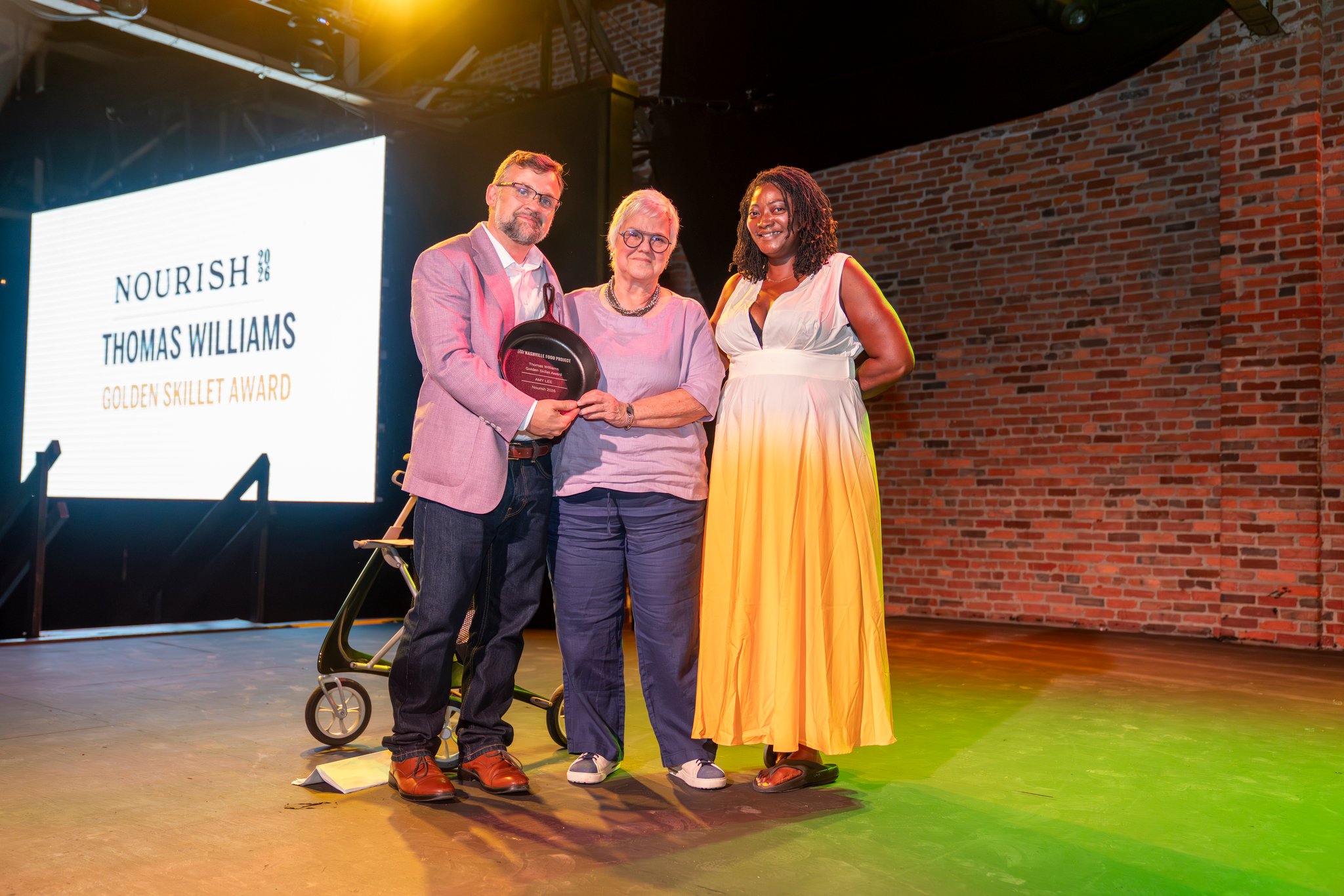
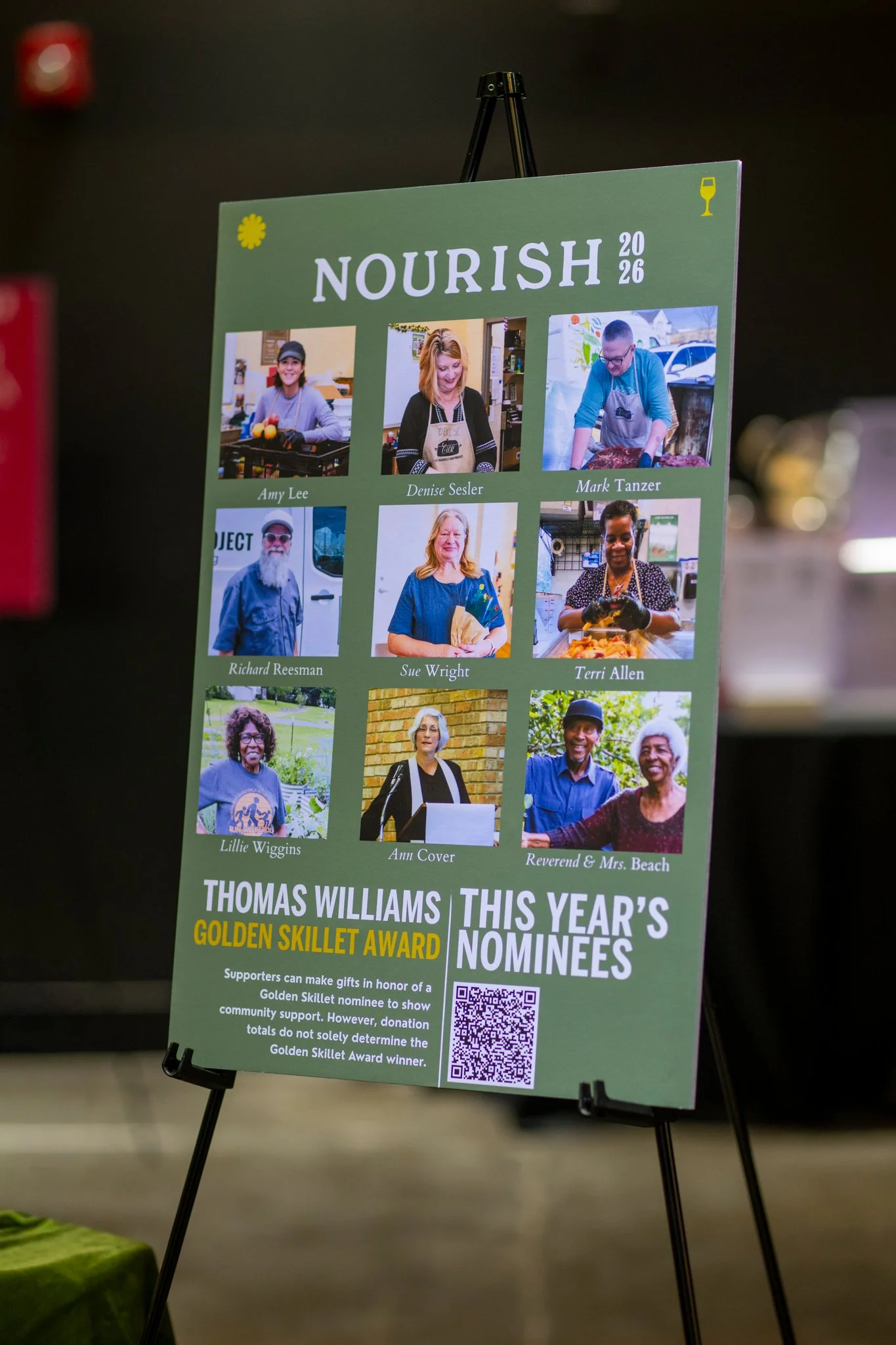
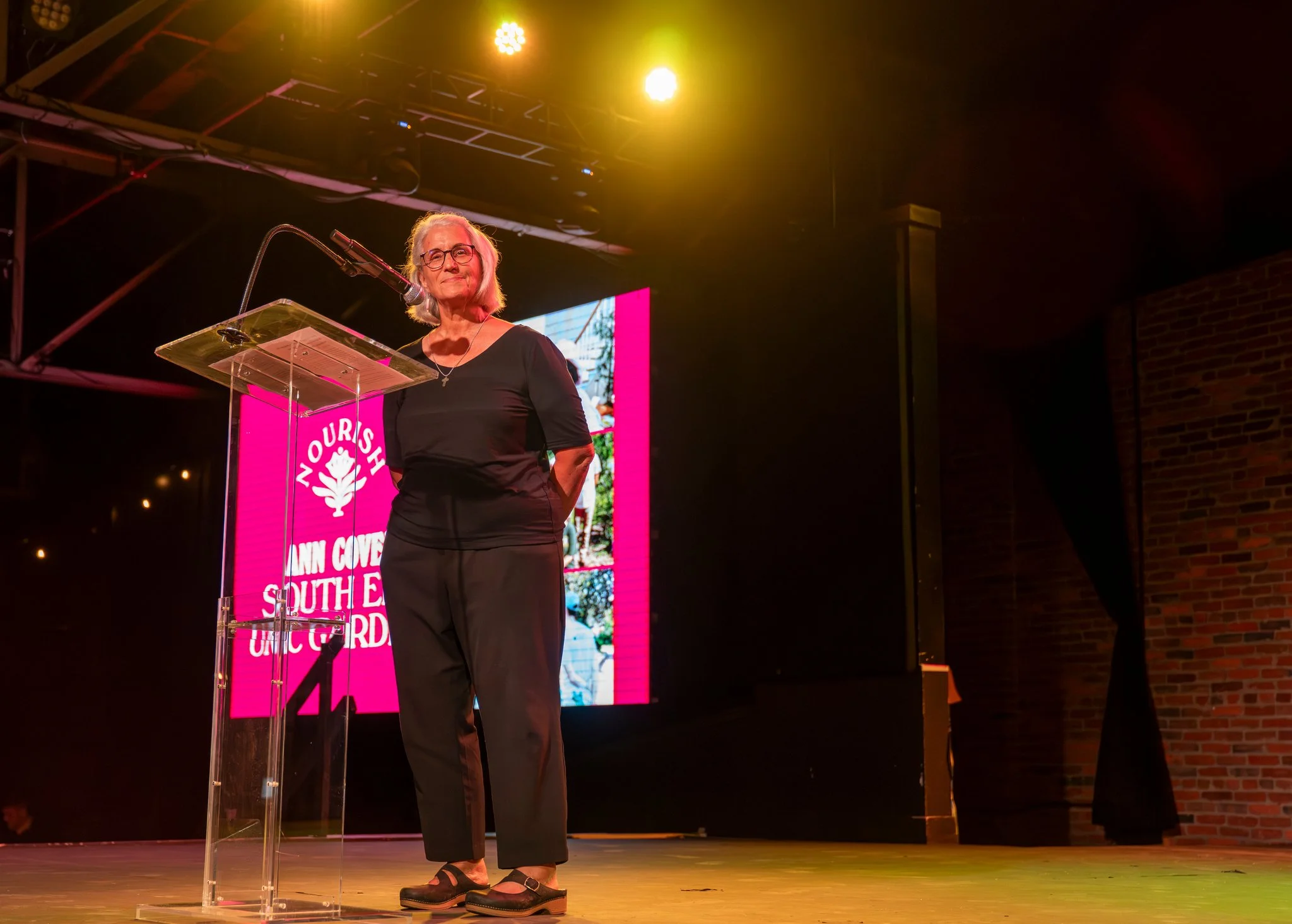
One of the evening’s most heartfelt moments was the presentation of the Thomas Williams Golden Skillet Award to Amy Lee. Although Amy was unable to attend, her mother accepted the award on her behalf.
Established in 2017, the award honors a volunteer whose generosity, compassion, and dedication reflect the spirit of The Nashville Food Project. Amy has served faithfully for years, creating opportunities for others to participate and helping cultivate a sense of belonging wherever she volunteers.
This year’s presentation held particular significance following the passing of Thomas Williams earlier this month. As the founder of Nourish and the namesake of the Golden Skillet Award, Thomas helped shape the spirit of the evening from its earliest days. Though this was our first Nourish without him, his legacy endured in the hospitality, generosity, and joy shared around the table.
Honoring Amy was a meaningful way to recognize the volunteers who continue carrying that spirit of service forward.
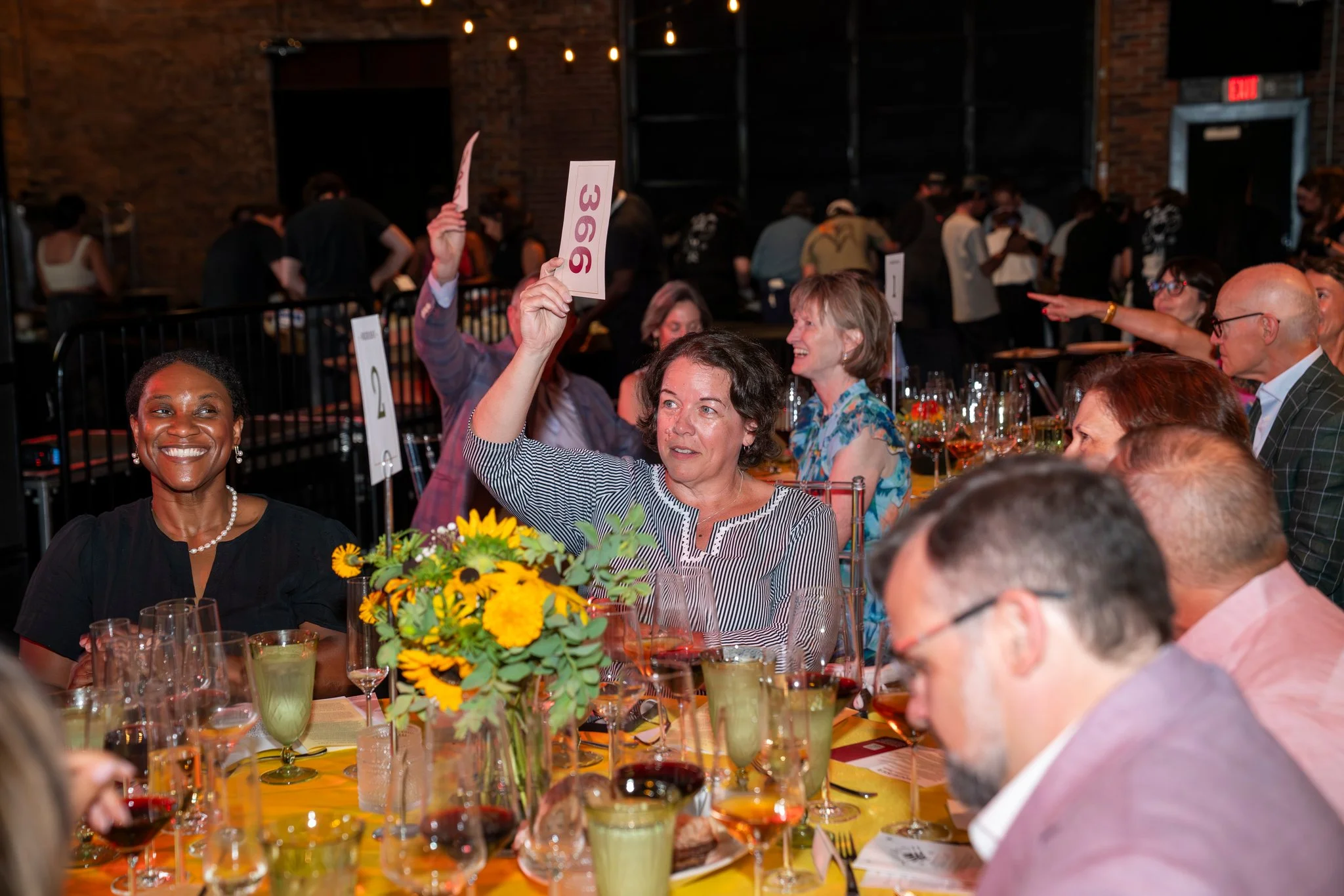
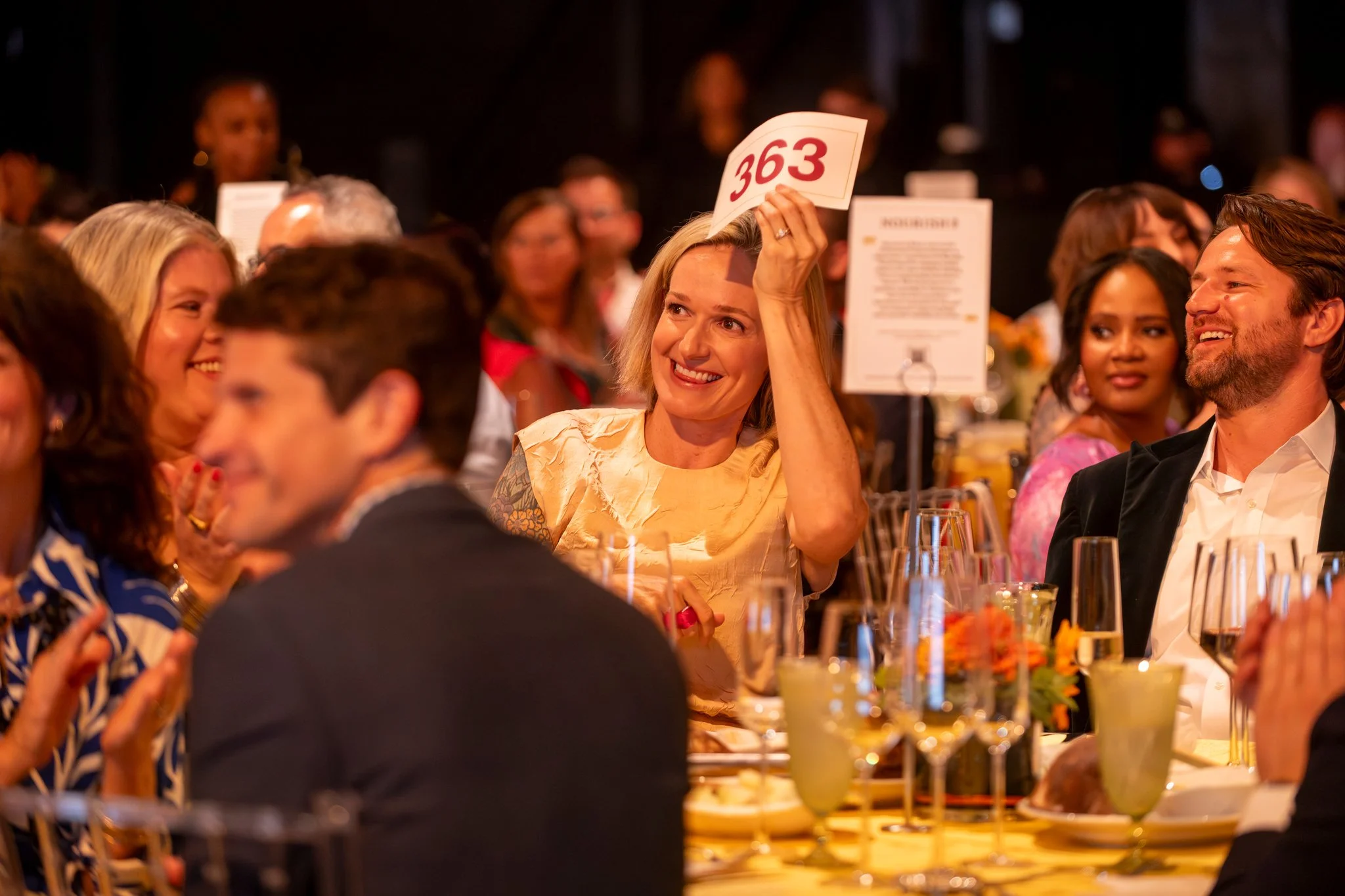
Raising Paddles, Raising Hope
The evening’s generosity extended far beyond the dinner table. Guests contributed $72,330 in donations, including support inspired by a $20,000 matching gift that helped extend the impact of every contribution.
Because of the generosity of individual donors, sponsors, chefs, volunteers, and community partners, The Nashville Food Project will be able to grow, cook, and share tens of thousands more nourishing meals with neighbors across Nashville in the months ahead.
Nourish reminds us that a table can hold far more than a meal. It can hold memory, relationships, generosity, and hope for what we can build together.
Thank you to everyone who helped make Nourish 2026 possible.
With Gratitude to Our Sponsors
Nourish 2026 would not have been possible without our generous sponsors. We are deeply grateful to the following partners:
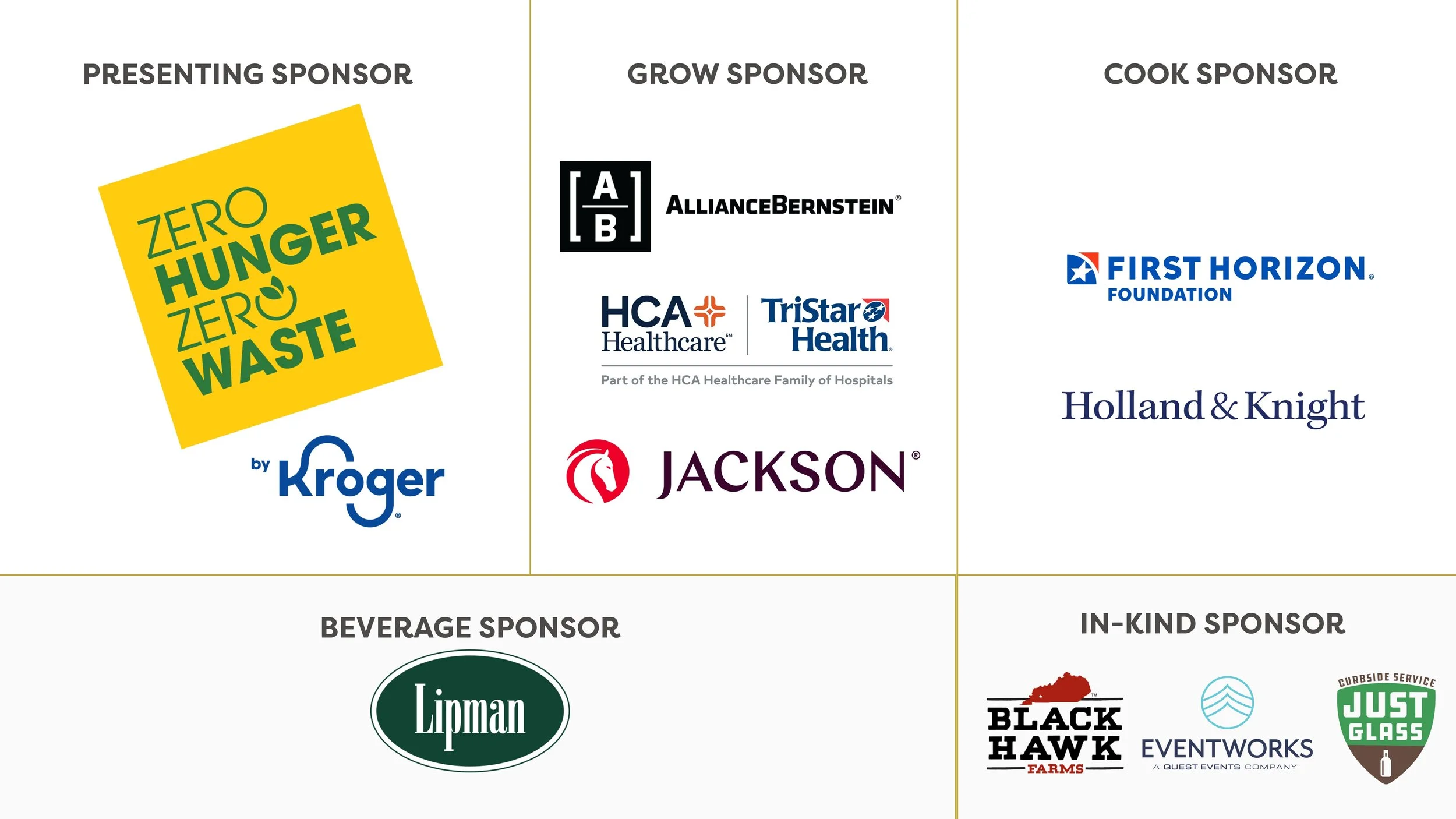
Nourish is one evening, but the work it supports happens every day.
Each week, The Nashville Food Project prepares and shares thousands of scratch-made meals, stewards community gardens and orchards, recovers fresh food that might otherwise go to waste, and works alongside neighbors to strengthen our local food system.
If you weren't able to join us at Nourish, or if you'd like to extend the impact of the evening, there's still time to make a gift. Your support helps ensure that more neighbors have access to nourishing food and welcoming community throughout the year.
What Gardens Can Teach Cities
Earlier this spring, on a bright morning at the Community Farm at Mill Ridge, volunteers and neighbors put more than 140 fruit and nut trees, berry brambles, and companion plants into the ground. Most had not met before that morning. By the time the trees bear fully, some of the children who carried water that day will have children of their own. We did not plant this food forest — an orchard designed to grow like a woodland, in layers, feeding people and soil at once — to solve next month's hunger. We planted it as a wager on a shared future and the people who will tend the grove for decades to come.
The gardens, orchards, and farms we steward as part of the Community Agriculture Network are not merely a charming complement to the work of feeding a city. They are among the most important forms of civic infrastructure a city has, and their importance extends far beyond the food they produce.
The simplest thing a garden does is also the easiest to overlook: It puts people in one another's company. Not in a meeting, not in a program, not in a transaction. Just near each other, hands busy, across weeks and seasons. A man waters his tomatoes at the same hour each evening and falls into conversation with the woman in the next plot. A teenager learns to graft a fruit tree from an elder who learned it in another country. Someone's grandmother grows okra from seeds she has saved across two generations, and by August three families on the block are growing it too.
No one planned any of this. A garden does not organize community; it makes community possible, holding open a place where connection has room to happen. You cannot schedule belonging. You can only tend the ground where it tends to grow. We have built a world remarkably good at keeping people busy and apart at the same time. A garden is a small refusal.
The relationships that grow there are only the beginning. Once people share a thing, they cannot help but govern it together. The garden has a fixed number of plots and, often, a waiting list, and someone must decide who gets one. The water bill comes due, and someone must decide how it is shared. The gardener who keeps tidy rows and the one who lets her beans run wild have to work out how to be neighbors. None of this is grand. All of this is political in the oldest sense of the word: people deciding together how to live with something they share.
We have come to treat citizenship mostly as a status, a document, a box on a form. But there is an older meaning. Citizenship is also something you do: the plain capacity to show up among others and act on the things you share. Much of our public life has thinned against that measure. We do remarkably little in concert with the people who live nearest us. A garden reverses this, and on terms the formal order often denies to the very people we work beside. Many of the stewards who lead our sites are immigrants and refugees, elders and pastors, longtime residents of neighborhoods the city wrote off long ago. Some have no ground of their own to cultivate. Some cannot vote. But on a piece of co-stewarded land they are no one's clients. Growers set the rules, hold one another to them, teach the next steward, and decide together what the harvest is for.
It is often taken for granted that anything held in common will be ruined, overused, neglected and wrecked, unless it is carved into private property or policed from above. Whatever belongs to everyone, the thinking goes, belongs to no one. But gardens quietly prove otherwise. Ordinary people have been disproving this for as long as there have been commons, writing their own rules, keeping them, passing them down. A community garden is exactly that: a small, self-governed commons, a place where people practice running a shared world before and beyond anyone's permission. Schools of democracy turn out to be hidden inside the work of growing tomatoes, in a place where no one came to learn democracy and everyone does.
None of this is new, and we did not invent it. Through a new national network called the Urban Garden Project, TNFP now helps lead this work alongside some of the oldest community-gardening organizations in the country: Denver Urban Gardens, New York's GreenThumb, the Pennsylvania Horticultural Society, Seattle's P-Patch. They have spent decades proving what a city's gardens are actually for. What unites us is the conviction that the humblest patch of ground can be a place where a democracy practices being one. Few investments in a city's future matter more.
Democracy survives only where people practice its habits. Gardens are among the few places left where those habits are quietly learned. In this sense, community gardens, farms, and orchards do not teach political opinions. They teach the habits without which politics cannot succeed.
So the next time you pass one of our sites, a few raised beds and a hand-lettered sign and an older man bent over his peppers, see what is actually there. Not a hobby, not a charity, but a small and stubborn experiment in whether a city can belong to everyone who lives in it. We plant trees whose fruit we will not control and whose shade we may never sit under. There may be no more hopeful—or more democratic—thing to do.
— C.J. Sentell
Get involved:
Volunteer | Give Food | Donate | Attend an Event
Food is Medicine Fault Lines
“At one pole is a clinical, reimbursement-oriented, standardized worldview. At the other pole is a community-centered, systems-oriented, flexible worldview.” - C.J. Sentell, CEO
Every field reaches a point where its arguments stop being about tactics and start being about identity. Food Is Medicine (FIM) has largely arrived there. Beneath the visible debates — over terminology, evidence, eligibility, and sourcing — sits a single, deeper question: what kind of thing is Food Is Medicine, and whom does it serve?
After attending FIMCON in D.C. earlier this year, I wanted to understand how the key debates and conceptual tensions of the movement map onto its widely varying implementations. What I found is that these issues are not independent disputes but surface expressions of two coherent worldviews, and that understanding this structure clarifies where alliances are durable, where they are fragile, and where the field’s most generative opportunities lie.
Two poles
At one pole is a clinical, reimbursement-oriented, standardized worldview. It understands FIM as a medical intervention: food prescribed at the point of care to treat or manage diagnosed disease, validated by rigorous evidence, delivered to uniform standards, and ultimately paid for by health insurers. Its promise is durability and scale — a permanent place in the healthcare system.
At the other pole is a community-centered, systems-oriented, flexible worldview. It understands FIM as one component of a just food system: nourishing food connected to people through dignity and relationship, prioritizing local and equitable sourcing, prevention, and community engagement. Its promise is reach, legitimacy, and the capacity to address the conditions that produce diet-related disease in the first place.
Neither pole is wrong, and most organizations hold a blend of both. But nearly every contested choice in the field pulls toward one or the other, which is why the disagreements rhyme.
A quick way to locate a program’s orientation is to ask three questions: whom does it serve, how does it source, and what does it count as success? A program organized around becoming reimbursable will tend to serve the diagnosed, source by nutrient specification, and measure clinical and cost outcomes. A program organized around a particular community’s health will tend to serve by need, often source locally or regionally, and measure food security, trust, and reach. The three answers move together because they are driven by a single prior question — what the program is ultimately for. That motivation is the generative variable beneath the ten fault lines that follow; the columns are its visible signatures.
Importantly, motivation and position are not the same thing, which is what makes the fault lines worth thinking about. A program can be motivated by community health yet be pulled by funding structures toward the reimbursement pole — e.g., medically-tailored meal providers and produce-prescription programs that begin in the community and move into the payer world. It is worth paying attention to where a program’s heart sits and if, and how, its funding shapes its implementation.
The fault lines
Ten recurring fault lines run through the movement. Read down either column and a consistent posture emerges; the rows are not separate arguments so much as ten windows onto the same divide.
A structural note: these fault lines tend to travel together. Clinical integration correlates with sourcing-agnosticism (standardize the food to nutrition specifications and the lowest compliant supplier wins), while community-centered work correlates with local and equitable sourcing (the farm relationships are part of the point). The columns above are therefore best read as a single diagonal, not ten dials to be set independently.
How the field lines up
Plotting the major players against two axes — community-centered versus clinically integrated, and sourcing-agnostic versus equitable-sourcing-prioritized — makes the coalitions and rifts legible.
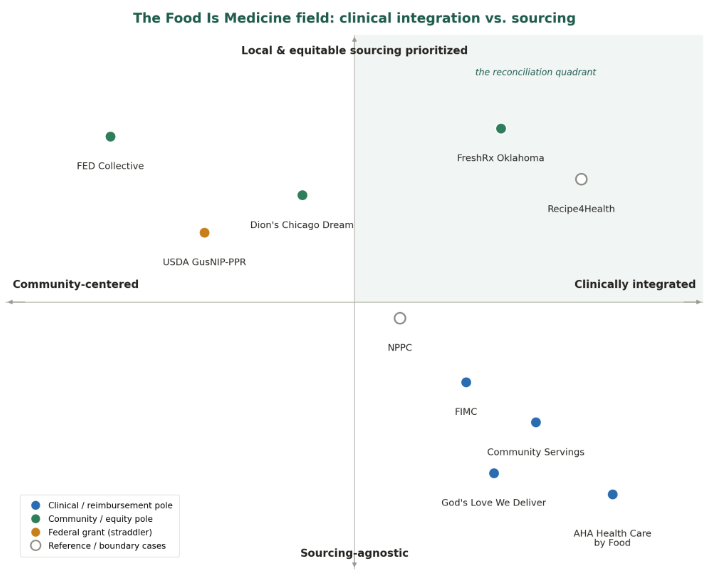
Major FIM organizations plotted by clinical integration (horizontal) and sourcing values (vertical). Color marks each organization's home pole; position marks where it actually operates — so the green markers in the upper-right reconciliation quadrant are community-rooted programs that have reached clinical integration. Hollow markers (Recipe4Health, NPPC) are reference points.
The American Heart Association’s Health Care by Food initiative is the purest expression of the clinical pole: a large, research-driven effort built to generate the randomized evidence that will make FIM a reimbursable medical benefit, essentially agnostic on where the food comes from. The Food is Medicine Coalition (FIMC) sits close beside it on standardization and reimbursement — it owns the field’s tightest accreditation criteria for medically tailored meals — but arrives there from the opposite origin: its members are CBO providers climbing into the clinical-payer world from community roots.
That shared destination is also the field’s most consequential latent rift. AHA and FIMC agree that FIM should be standardized, medically necessary, and reimbursed — but the moment reimbursement arrives, their interests can diverge over who sets quality standards, who is credentialed to deliver, and whether CBOs survive a payer market that rewards scale and low cost. The very mechanism that promises sustainability may narrow the mission that justified it.
The FED Collective — a group of BIPOC-led CBOs organized around the principles of fidelity, equity, and dignity — anchors the opposing pole. Crucially, it is not outside the movement in opposition; its framework was built specifically for the produce-prescription field. It is best understood as the equity conscience working from within, in tension with the clinical pole over gatekeeping, power, and sourcing rather than over whether FIM should exist. USDA’s produce-prescription work (the GusNIP program) is the quiet hinge between the poles: it funds the community and prevention end through grants while generating the standardized evaluation data that the reimbursement end depends on — building, somewhat ironically, the runway for the clinical world that may one day absorb it.
The diagonal predicts that one quadrant should be nearly vacant: organizations that are both clinically integrated and committed to local, equitable sourcing. That quadrant is where the field’s two worldviews would reconcile rather than split — and it is not entirely empty. Models such as Recipe4Health, a clinically integrated program embedded in federally qualified health centers and moving toward covered-benefit status, nonetheless write regenerative, local, and BIPOC-farmer sourcing into both their design and the coverage language they advocate. Such models are existence proofs that the diagonal is a tendency, not a law. For any organization rooted in the community-and-equity pole, this quadrant — not the clinical pole itself — is the strategically interesting frontier: it shows that a CBO can engage the reimbursement world without being flattened by it.
The pattern holds when more organizations are added. The medically-tailored-meal providers — e.g., God's Love We Deliver and Community Servings — sit beside FIMC in the clinical, standardized, sourcing-agnostic corner, as its member organizations would. Two cases complicate the diagonal in instructive ways. FreshRx Oklahoma, a produce prescription that pairs clinic referral and outcome tracking with local, regenerative, equity-driven sourcing, lands in the reconciliation quadrant — reaching it from the community side, just as Recipe4Health reached it from the clinical side. And Dion's Chicago Dream, a dignity-first, food-security-centered delivery model, has built a Medicaid-funded produce prescription channel that pulls it from the community pole toward the center — a community organization bridging into reimbursement.
Agency and Dignity
One further fault line deserves separate treatment, precisely because it does not travel on this diagonal: participant agency, or the degree of choice a program affords. At one end, food is prescribed with no selection — a medically tailored meal or a pre-packed produce box; at the other, participants choose freely, through farmers-market tokens or a produce-prescription card redeemed at retail, with curated boxes and delivery on one side and vouchers and cards on the other. What makes it distinct is that all four combinations exist: medically tailored meals are clinical and low-choice; a produce-prescription debit card is clinical but high-choice; farmers-market token programs are community-rooted and high-choice; and a curated box of local-farm produce is community-rooted yet low-choice. Because agency does not reduce to the clinical-versus-community divide, it is a semi-independent axis rather than another reading of the same one.
Its deeper significance is that it splits the idea of dignity itself — and the split runs inside the community-and-equity pole, not only between the poles. One reading of dignity is autonomy: people are not patients to be dosed, so let them choose, which favors vouchers and culturally relevant selection. The competing reading is dignity as access and quality: curate the best local, regenerative food, strip away the transportation and time barriers, and deliver it, which favors the box. These two dignities genuinely conflict, because tight local and regenerative sourcing from a handful of small farms often only works as a curated seasonal share — so maximizing choice tends to route programs through retail and cede the farm relationship, while maximizing equitable sourcing tends to constrain choice. A quieter force reinforces the same divide: a fixed box is a cleaner “dose” to study, so the clinical evidence agenda subtly favors controlled contents, while choice introduces the variability that complicates a trial.
Food insecurity & the clinical gateway
A question that looks merely administrative — must a participant be food insecure to receive FIM? — carries the entire clinical-versus-community divide inside it. Two terms do quiet work here. Food security measures quantity and access — whether a household reliably has enough food for an active, healthy life — and carries the anti-hunger, anti-poverty lineage of the safety net. Nutrition security is a newer framing centered on quality: consistent, affordable access to foods that actively promote health and prevent or treat disease. The shift is not merely additive — recasting the goal as nutrition security makes it legible to healthcare and to reimbursement, but it can also abstract hunger into a clinical risk factor and quietly displace the structural poverty that food insecurity names.
In practice, eligibility follows one of four logics. Most produce-prescription and medically-tailored grocery programs use a dual gate: a qualifying diet-related condition together with a positive food-insecurity screen. Many substitute a proxy, treating enrollment in a means-tested program such as Medicaid or SNAP as evidence of food insecurity. Some require a clinical diagnosis alone, with no food-access test — the medically-tailored-meal tradition and the framing favored by the clinical pole, where the warrant is the disease rather than household budget. And some, mostly in the grant-funded CBO world, require food insecurity alone (or residence in a high-need area) with no clinical gate at all.
Beneath the variation sits a collision between two logics of who deserves the benefit. Food insecurity is a social and economic criterion; medical necessity — the gateway to insurance reimbursement — is a clinical one, and by law a permanent Medicaid benefit generally cannot single out particular conditions or means-test medical care the way an anti-poverty program does. The community pole targets the food insecure precisely because they are the people for whom food access, not diagnosis, is the binding constraint. So the eligibility question is actually a proxy for another, deeper question: is FIM medical treatment or social policy?
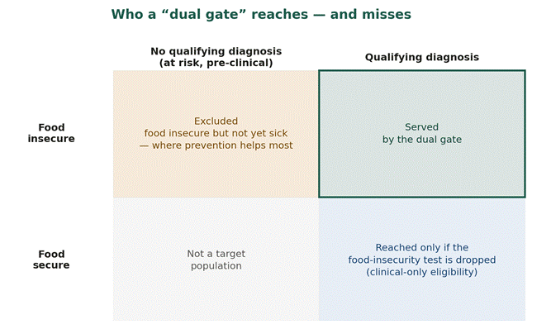
A dual gate serves only those who clear both tests, and misses the food insecure who are not yet sick. A proxy such as Medicaid or SNAP enrollment shifts the dividing line toward insurance status.
The concept doing the work here is “health-related social needs” (HRSN). This is the term the healthcare system uses to reclassify non-medical conditions — food, housing, transportation, interpersonal safety — as health-relevant, and therefore as something payers can be asked to cover. Health-related social needs are the conceptual bridge across the central divide: they are the mechanism by which a community concern like hunger becomes a reimbursable medical service. That makes it the field’s most consequential policy instrument — the door to the reconciliation quadrant, where Medicaid pays CBOs to do FIM work — but it opens that door on the clinical pole’s terms, medicalized and dual-gated. Its partial retraction in 2025, then, is not a technicality; it is the field’s central tension playing out in real time, deciding whether the social and the clinical can be funded as one thing or must split apart again.
The dominant federal pathway tried to split the difference, and in doing so revealed which way the field is tilting. Under the Centers for Medicare and Medicaid Services’ Health-Related Social Needs framework for Section 1115 waivers, nutrition supports were offered only to enrollees who were medically appropriate and met both clinical and social risk-factor criteria — a dual gate, but one in which hunger was reframed as “nutrition insecurity,” and the services were positioned as treatments for defined patient populations rather than as programs addressing poverty. Even where food insecurity survives as a criterion, the framing battle is being won by the clinical worldview. Nor is the ground stable: in March 2025 the federal guidance underwriting that framework was rescinded, leaving existing approvals intact but future social-need coverage to be decided case by case — throwing weight back onto grant funding and state improvisation, and reopening the eligibility question rather than settling it.
The consequences are significant, and in places perverse. The dual gate — diagnosis and food-insecurity screen together — is the most exclusionary design of all, and it cuts directly against prevention: it cannot reach the food insecure who are not yet sick, the very people upstream help would serve best for public health goals. Proxies ease the screening burden but redraw the boundary of “the deserving” around insurance status, excluding the food insecure who are uninsured, just above the income line, or barred from Medicaid by immigration status, while including enrollees who are not currently in need. And if reimbursement pressure pushes the field toward clinical-only eligibility, the benefit can drift up the income gradient toward insured, diagnosed, comparatively better-off patients — an equity failure hidden inside a scalability win. For an organization that treats food security as the very point of its work, this is the eligibility-level form of the field’s central choice: keep food insecurity central and remain in the equity lane, harder to reimburse, or adopt clinical eligibility to reach reimbursement and risk drifting from the people it exists to serve.
Why the fault lines matter
Read as a single structure, rather than a list of policy choices, these tensions become predictive, explaining in advance which alliances will hold, which will fracture, and why. They explain why allies who agree on the goal can still collide over implementation, why the grant world and the reimbursement world are more entangled than they appear, and why the contest over sourcing is ultimately an argument about whether FIM is a narrow health intervention or a broader instrument of food-system change through the lens of public health.
The most important strategic questions for the field follow directly: Can the clinical pole’s drive for evidence and reimbursement be harnessed without surrendering community ownership and equitable sourcing? Can standardization and local autonomy be reconciled in a single accreditation logic? Must a person be hungry to deserve nourishing food as care — or sick to deserve it at all? And who will occupy the reconciliation quadrant in numbers, proving that the movement’s two worlds can in fact be one?
These questions matter because the fault lines in the FIM movement reveal deeper institutional pressures. Reimbursement rules shape eligibility. Evidence standards shape intervention design. Agricultural policy shapes what food is grown, what it costs, and whose farms survive. Community organizations, health systems, funders, and policymakers are not simply choosing among neutral alternatives; they are responding to incentives built into larger economic and political systems. Recognizing this does not make the movement's internal debates less important. It makes them more consequential. Every decision about evidence, sourcing, eligibility, or delivery quietly answers a larger question about what FIM is becoming—and whether it will merely treat the consequences of a broken food system or help reshape the conditions that made it necessary in the first place.
Beyond FIM
The framework presented here also points beyond FIM itself. The movement did not create the conditions it now seeks to address. Rising rates of diet-related disease reflect decades of choices about agricultural subsidies, food manufacturing, labor markets, housing, health care, transportation, education, and economic opportunity. Likewise, the movement's internal fault lines are not simply products of competing philosophies; they are shaped by reimbursement systems, philanthropic priorities, regulatory structures, and political incentives that reward some approaches while constraining others.
Seen this way, FIM is less a complete solution than a revealing intervention. It exposes the places where healthcare, agriculture, and social policy fail to align. No single reimbursement model, produce prescription, or medically tailored meal program can resolve those underlying contradictions. Human flourishing ultimately depends on a broader ecosystem of institutions: a food system that rewards nutritious production rather than simply inexpensive calories; healthcare that values prevention alongside treatment; labor policies that provide living wages; housing and transportation that make healthy food accessible; and communities with the capacity to shape their own food futures.
The question, then, is not whether FIM should become more clinical or more community-centered. It is whether the movement can hold these commitments together while building a world in which food is once again ordinary nourishment rather than extraordinary medicine.
Get involved:
Volunteer | Give Food | Donate | Attend an Event
Julia
Staff Spotlight: Choosing Abundance, Building Community
For Julia, community is something you can feel the moment you walk through the kitchen doors at The Nashville Food Project.
It is the volunteer carefully chopping vegetables beside someone they just met. The farmer arriving with freshly harvested produce. The partner organization picking up meals to share with neighbors across the city. The regular rhythm of people coming together, each carrying a different story, skill, or offering.
“Community in my role looks like never knowing who is going to walk through our doors on a daily basis,” Julia shared. “The patchwork of people I come into contact with doing this work is vast, and that diversity is beautiful.”
As Director of Culinary Operations, Julia helps oversee the preparation and sharing of thousands of nourishing meals each week. But for her, the work has always been about more than food alone. It is about the relationships built around it.
Over time, she has watched the culture inside the kitchen ripple outward into the broader community.
“The community we have cultivated internally through our kitchen team and regular volunteers projects impact outward,” she said, “to the people and places where collaborative care is needed most.”
That idea of collaborative care has deeply shaped the way Julia sees both food and community. Through the daily work of preparing meals, recovering ingredients, and creating pathways for access, she has come to believe even more strongly in the power of collective action.
“Cultivating community around creative ways to increase access to food across the city has shown me how many small actions add up to create change,” she reflected.
Working inside our kitchens has also challenged the scarcity mindset that so often shapes conversations around food and resources.
“The knowledge that there is enough to go around is such a strong motivator in everything I do,” Julia said. “I know there is enough because I see how much food comes through our doors every day.”
For Julia, witnessing that abundance firsthand has transformed the way she moves through the world. Instead of focusing on limitation, she sees possibility. Instead of competition, she sees care.
Grounding her in that work is the memory of our founder Tallu Quinn, whose vision and advocacy continue to shape the organization years later.
“The memory of our founder Tallu, and the fierce advocate she was for the work we do, keeps me grounded in moving this mission forward,” Julia said.
That legacy lives on not only in the meals shared each day, but also in the community that continues to gather around the table: volunteers, staff, farmers, partners, and neighbors choosing, together, to care for one another.
In Julia’s eyes, community is not something abstract. It is built day by day through shared labor, shared meals, and the belief that there is enough when we work together.
Get involved:
Volunteer | Give Food | Donate | Attend an Event
Avery & Cora
Internship Spotlight
This summer, two new interns will spend their days learning how stories, relationships, and community support sustain The Nashville Food Project's work across Nashville.
As members of our Development Team, Avery and Cora will experience a side of nonprofit work that often happens behind the scenes. While meals may be the most visible expression of our mission, every meal shared begins with something deeper: people. People who volunteer their time. People who invest in the work. People who believe that food can bring communities together.
For Avery, that learning begins with storytelling.
"I'm looking forward to developing my storytelling skills by helping share the stories behind The Nashville Food Project's 15 years of service and impact."
As The Nashville Food Project approaches its fifteenth anniversary this September, Avery will help capture and share stories that reflect the heart of our work. Some of those stories live in the kitchen, where meals are prepared each day. Others begin in community gardens, partner organizations, volunteer shifts, and neighborhood gathering spaces. Together, they tell the story of a city that continues to show up for one another through food.
Storytelling has always been an important part of our mission. Every meal shared, every volunteer welcomed, and every partnership formed is rooted in human connection. Through her work this summer, Avery will help elevate the voices of the people who make our work possible and the neighbors whose lives are touched by it.
For Cora, the summer offers a different perspective on how change happens.
"I am excited to learn more about The Nashville Food Project's mission and impact in the Nashville community by assisting the Development team. This internship will not only challenge me but also help me grow in my communication and research skills."
Working alongside our Development Team, Cora will help strengthen the relationships that sustain our mission. She will learn how philanthropy, community engagement, and donor stewardship work together to support The Nashville Food Project's ability to grow, cook, and share nourishing food across Nashville.
While many people encounter our work through a meal, a farmers market, or a volunteer shift, there is an entire network of supporters behind those experiences. Their generosity helps ensure that nourishing food reaches neighbors across the city while supporting a stronger and more connected local food system. Through her internship, Cora will gain a firsthand understanding of how those relationships are cultivated and sustained over time.
One of the most valuable parts of serving on our Development Team is seeing how interconnected every aspect of The Nashville Food Project truly is. The generosity of donors helps expand our reach. Volunteers transform ingredients into meals. Community partners help ensure those meals reach the people who need them most. No part of the work stands alone.
As Avery and Cora begin their summer with us, we are grateful for the curiosity, creativity, and enthusiasm they bring to our team. We are equally excited for what they will learn about the power of food, community, and collective action.
At The Nashville Food Project, we believe that cultivating a more nourished Nashville requires people at every stage of their journey. Investing in emerging leaders is one way we continue building toward that future.
Please join us in welcoming Avery and Cora to The Nashville Food Project. We look forward to learning alongside them and seeing the impact they will make in the months ahead.
Shared Roots
At Matthew Walker Comprehensive Health Center in North Nashville, a patient managing high blood pressure leaves her appointment with a week of meals. These meals are scratch-made in our kitchen, low in sodium, and built around the vegetables and whole grains her heart depends on. The food arrives through her comprehensive care plan, coordinated by the Heart of Nashville initiative, alongside her prescriptions and her blood pressure readings. For a woman in a neighborhood with few grocery stores, these meals are treatment. But they are also something more.
Last week I traveled to Washington, D.C., for FIMCON, the first time the entire Food is Medicine field gathered under one roof. More than eight hundred of us filled the room: clinicians and farmers, researchers and funders, cooks and policymakers. I attended alongside Pragati Singh, a The Nashville Food Project board member and health care strategist, and stayed on for the advocacy day on Capitol Hill. The energy was hard to mistake. After years of scattered pilots, the field has begun to cohere. More than a dozen states now test nutrition interventions through their Medicaid programs. The evidence on health outcomes and cost-effectiveness keeps strengthening. The support crosses party lines. The case that food belongs in health care is, increasingly, made.
And yet the question I carried home was not whether food is medicine. That question is closing. The one that remains open is quieter and, I think, more consequential: Where does the food that is the medicine come from?
A prescription for fresh produce can be filled in more than one way. The dollars behind it can travel to a distant warehouse and a national supplier, or they can land on a farm down the road. Either route may lower a patient's blood pressure. Only one of them also pays a local grower, keeps a small farm in business, and returns money to the neighborhood it came from.
The sums involved are not small. More than 1.2 million Tennesseans are eligible for these programs, and the Rockefeller Foundation estimates they would move some $1.4 billion a year at full scale. Sourced close to home, that spending could route $564 million through Tennessee's own food economy and $61 million to its farmers. Today, almost none of it does. That money can pass our communities by, or it can take root in them.
This is where our two oldest commitments meet. The Nashville Food Project exists to alleviate hunger and to cultivate community, and for fifteen years we have treated those as a single task rather than two. A neighborhood's health and its access to healthy, affordable food are not separate problems. They are one fabric. Hunger is rarely only an empty stomach; it is the visible edge of disinvestment, isolation, and a food system that flows around certain places instead of through them. So the work of feeding people well is also the work of repairing what frays between them. A good meal tends a body. Shared and sourced with care, it also tends the community bonds a body depends on.
Our food-as-medicine work answers the question of where the food comes from by growing as much of the answer as we can. Through Heart of Nashville, a place-based health initiative convened by NashvilleHealth and anchored at Matthew Walker, our kitchen prepares scratch-made, heart-healthy meals for residents managing hypertension. We have served more than 8,500 of these meals so far, many delivered straight to patients' doors, and among those we track, more than a third have improved by at least one hypertension stage. Through Produce Rx, now expanding across the city, we fill prescriptions for fruits and vegetables grown on small regenerative farms, many led by growers who carry generations of agricultural knowledge. The medicine, in other words, grows here. And the growing of it is part of the cure.
This is the difference I kept turning over on the flight home. Food as medicine is a powerful idea. Food grown by local farmers for local patients is a transformative one because it heals more than a single body at a time. It strengthens the farmer, the patient, and the street that holds them both. In a Nashville summer, when the gardens run over and the markets fill with people, that connection is easy to see. The harder, longer work is to build it into how our city cares for its people so that a prescription written in a clinic and a seed planted in a field belong to the same story. That is the work we are committed to, and we are grateful to do it alongside you.
Get involved:
Volunteer | Give Food | Donate | Attend an Event
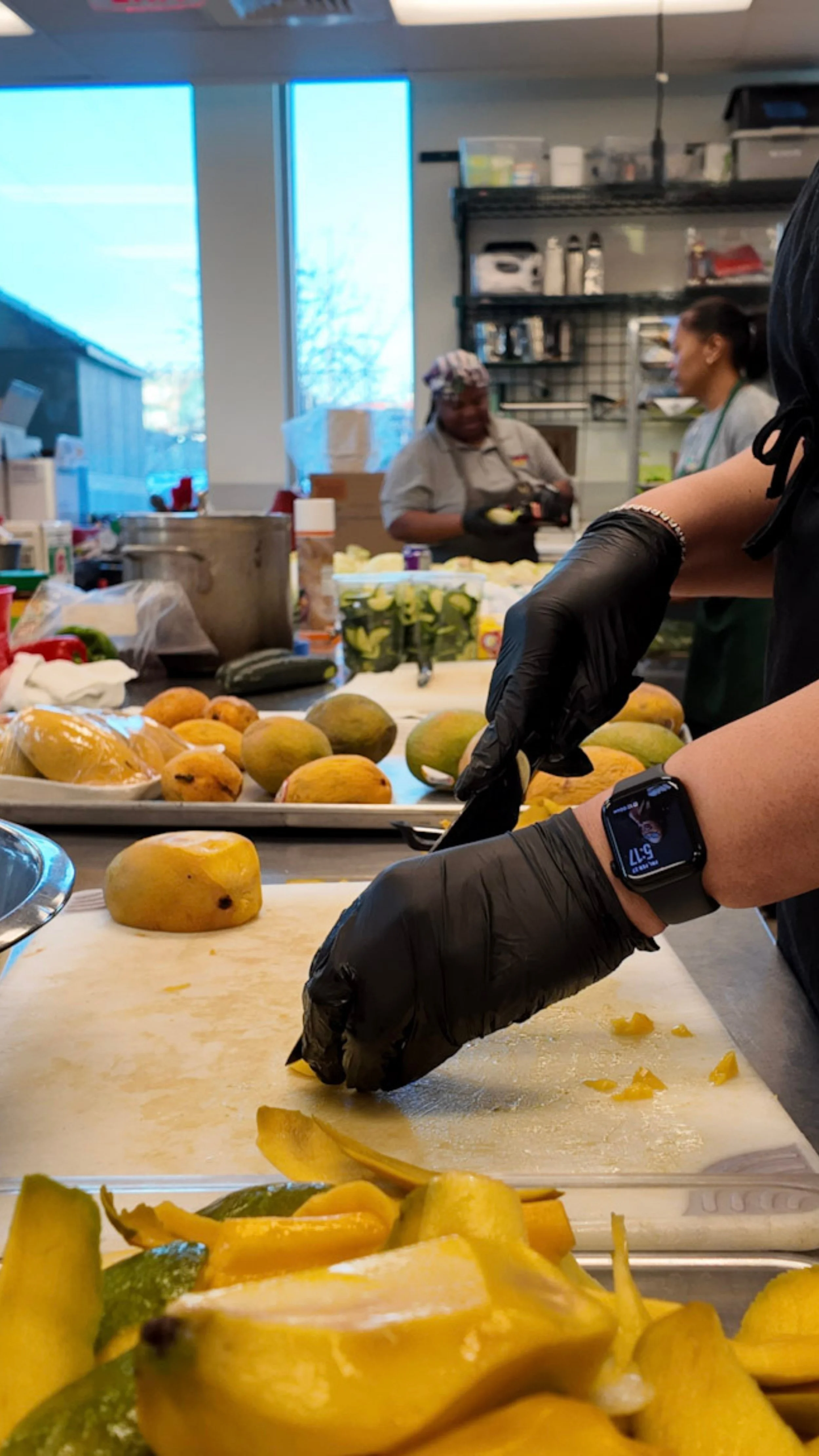
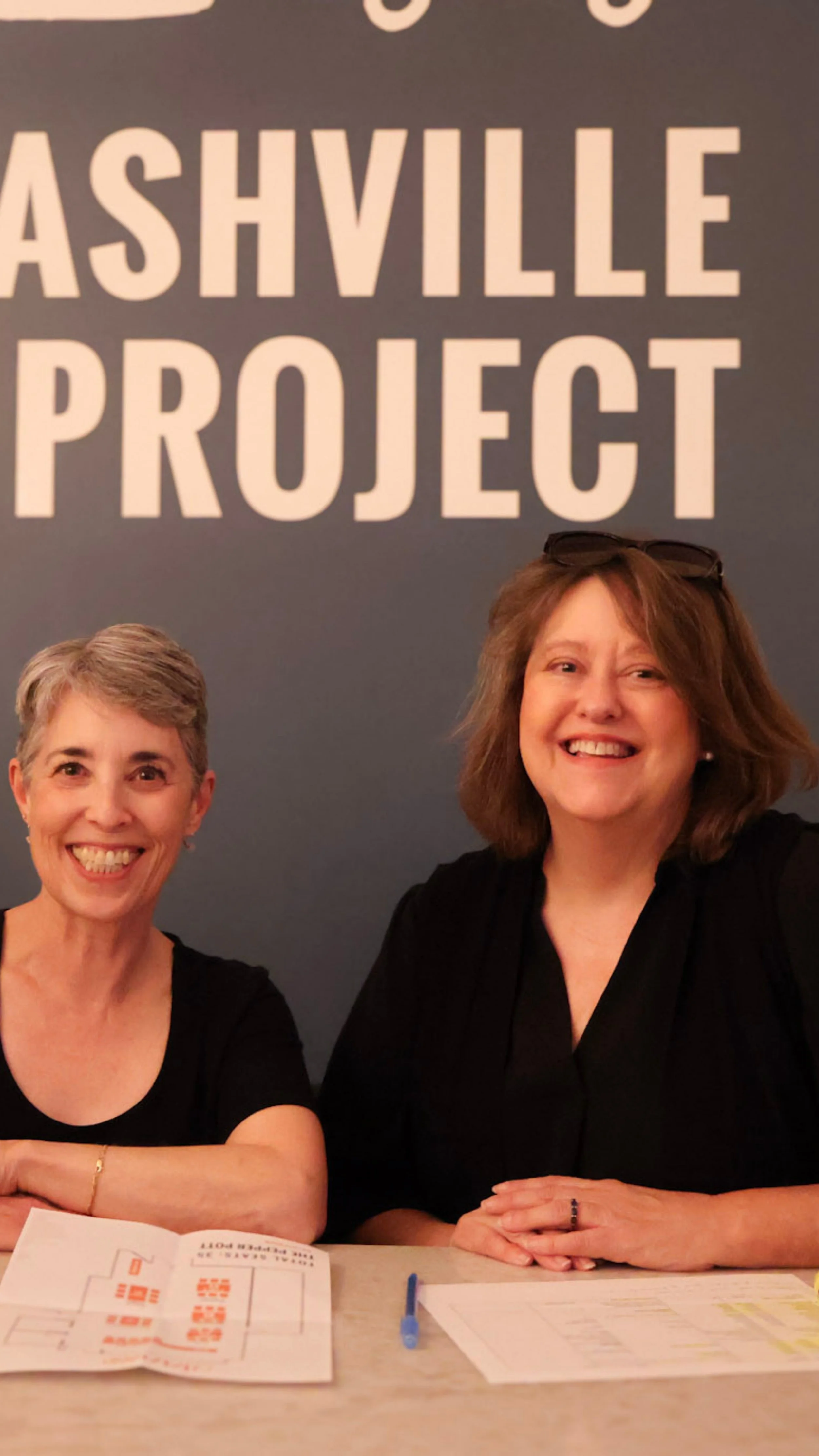
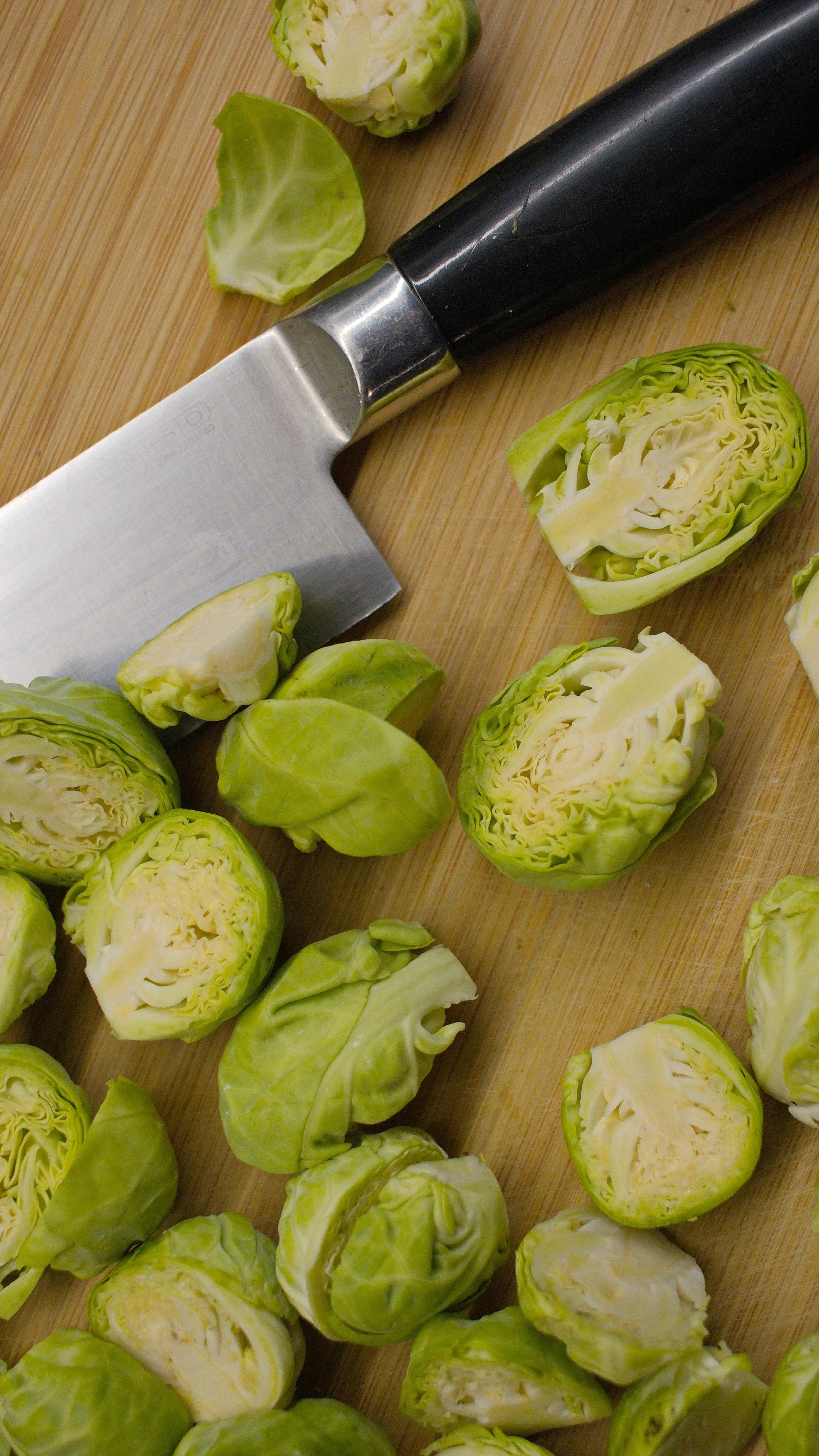
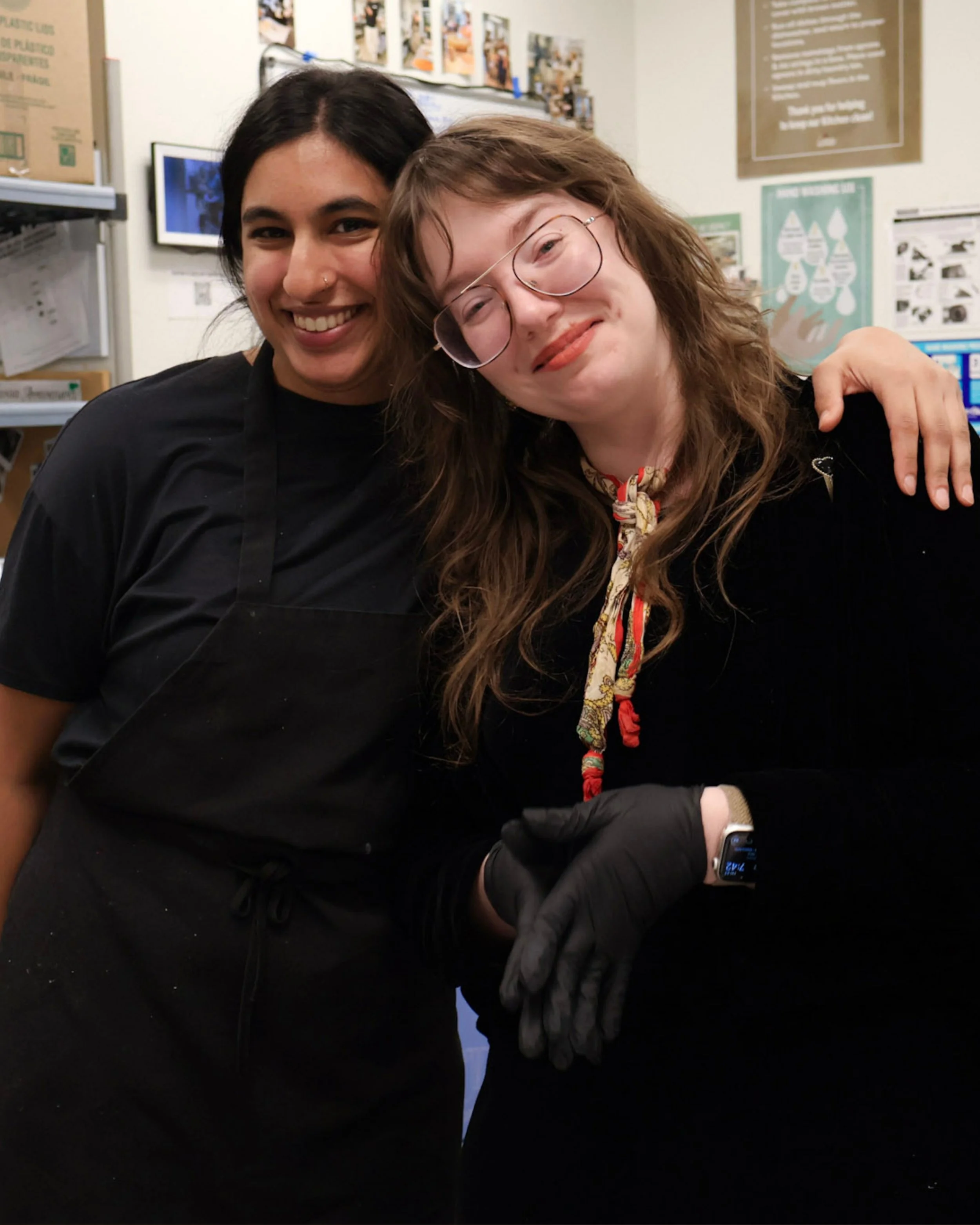
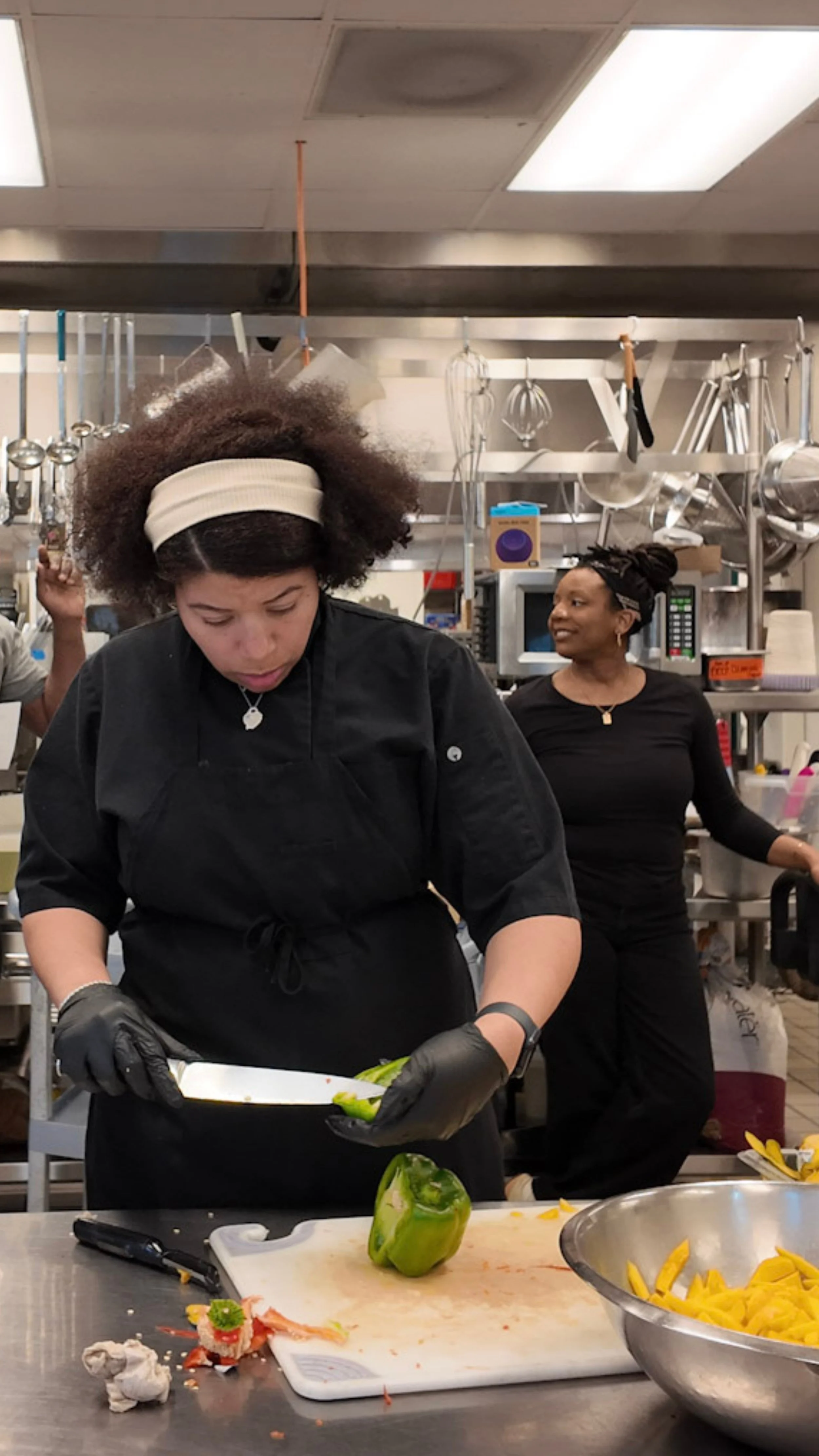
Lexie
When Lexie first learned about The Nashville Food Project, it was through a class project researching nonprofits in Nashville. What began as academic research quickly became something more personal.
“The mission really resonated with me,” Lexie shared.
A few years later, that connection led her to complete an internship with us during the fall semester of her senior year. What she expected to be a meaningful learning experience became something much deeper: a community rooted in care, hospitality, and shared purpose.
“I had the best internship experience and loved the people here,” she said. “So I continued volunteering after my internship finished.”
Today, Lexie serves as a volunteer driver, helping deliver nourishing meals to community partners across Nashville. Through each route, delivery, and conversation, she has witnessed the way food creates connection not only between neighbors, but also among the people working together to share it.
“Every connection I made was created thanks to food,” Lexie reflected. “We all see the value of food in nourishing our bodies and bringing people together.”
For Lexie, volunteering became about more than delivering meals. It became about being part of a network of care that stretches across the city.
As she spent more time with staff, volunteers, and community partners, she found herself drawn to the shared values at the center of the work: dignity, compassion, and a belief that everyone deserves access to nourishing food.
“I think the connections I formed here have felt so uniquely deep and rewarding because of those shared values,” she said.
Driving routes throughout Nashville also gave Lexie the opportunity to witness firsthand the impact of consistent, caring relationships. The gratitude and kindness she encountered from community partners and neighbors receiving meals stayed with her long after each delivery ended.
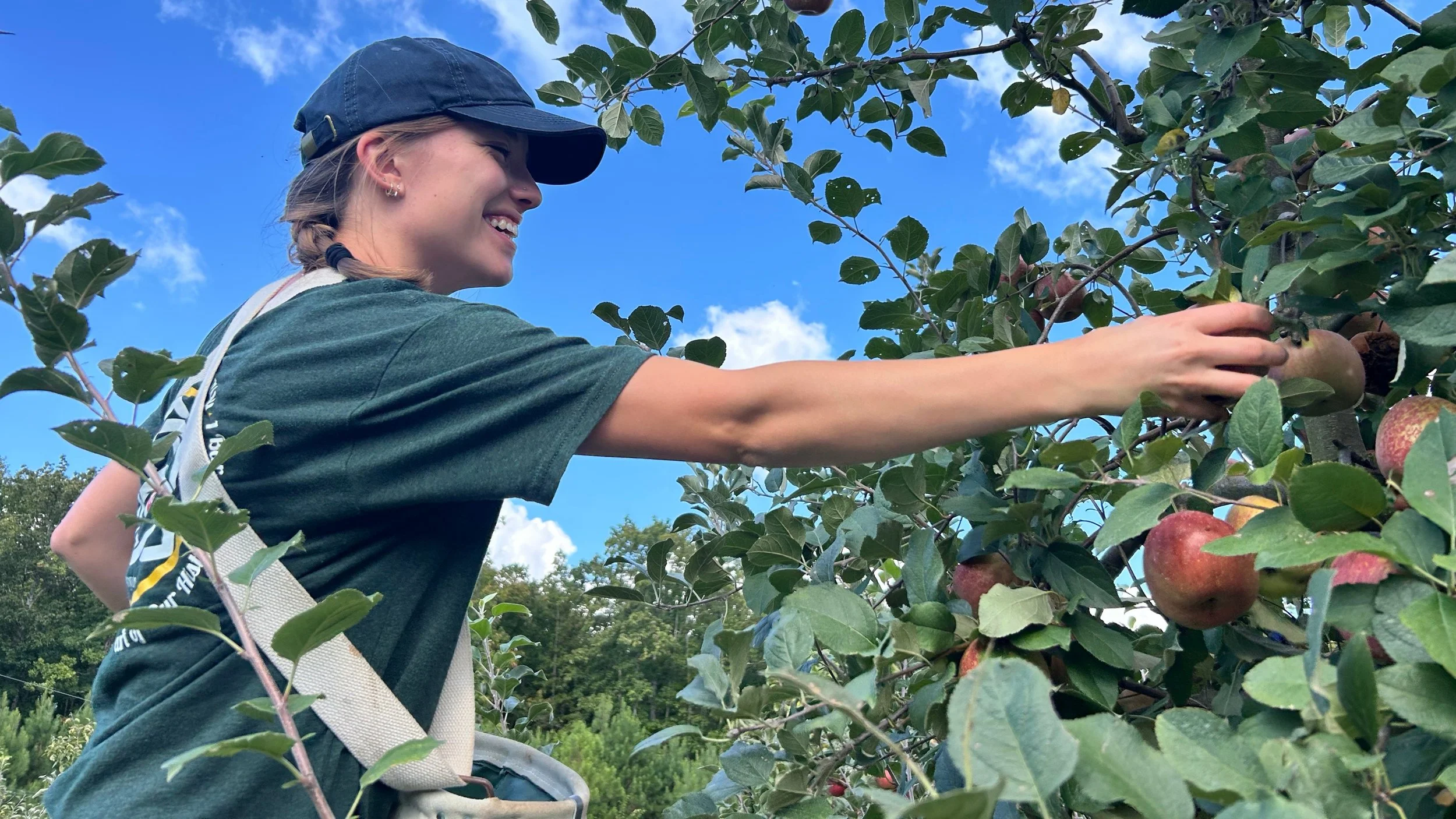
“The kindness and appreciation from those receiving our deliveries make the healing power of food really clear,” she shared. “Getting to interact with so many nice people throughout the Nashville community kept me coming back.”
At The Nashville Food Project, food is never just food. It is a way of showing up for one another. A way of building trust, community, and belonging over time.
Lexie’s story is a reminder that sometimes the smallest acts, loading meals into a car, making a delivery, sharing a moment of conversation, can become part of something much larger: a city where people care for one another through food.
And often, those connections begin with simply showing up at the table together.
Get involved:
Volunteer | Give Food | Donate | Attend an Event
Logan
Staff Spotlight: Food as a Language of Care
Before Logan joined The Nashville Food Project, she knew she was searching for more than just a job. After studying Agroecology at University of California, Santa Cruz and moving across the country, she wanted her work to feel grounded in purpose, surrounded by people who believed in building a more caring and connected world.
“When I came across The Nashville Food Project, I was drawn to the mission immediately,” Logan shared. “Food, justice, dignity — those are all things that deeply matter to me.”
She applied for multiple roles over the course of a year and a half before finally landing on the Share team. Today, as our Produce Access Manager, Logan helps expand Produce Rx, a food-is-medicine initiative that connects patients experiencing food insecurity and diet-related chronic conditions with access to nourishing food through healthcare partnerships.
For Logan, the work is deeply personal because food has always been tied to love.
Some of her earliest memories center around her childhood kitchen, watching her mom move effortlessly between the stove, cutting board, and crowded holiday tables, creating meals that made everyone feel welcome. Logan remembers helping prep vegetables, stirring pots on the stove, and proudly serving as the designated taste tester. In the summers, her family harvested basil from their backyard garden by the bundle, turning it into homemade pesto that she still says is the best she has ever had.
But what stayed with her most was not just the food itself. It was the feeling her mother created around it.
Their home became a gathering place, especially during the holidays. Friends, neighbors, and anyone without a place to go always had a seat at the table. Through those moments, Logan learned that food could be more than nourishment. It could be comfort. Hospitality. Care. A reminder that someone belongs.
“I think people can taste the love in food,” she reflected.
That understanding continues to shape the way Logan approaches her role at The Nashville Food Project. During her first year, care looked like delivering meals to partner organizations across Nashville. Today, it also looks like helping expand access through Produce Rx and supporting neighbors navigating both health challenges and food insecurity.
“Food can be an act of caring, and it can also make people feel cared for,” she said. “When someone feels cared for, dignity is sparked.”
Outside of work, Logan still finds herself returning to the kitchen. Cooking remains one of the places where she feels most grounded and most herself. She also loves spending time near the water, traveling, watching movies at The Belcourt Theatre, listening to live music in small spaces, and spending time with her dog.