
The Nashville Food Project’s Blog




Waste Not, Want Not
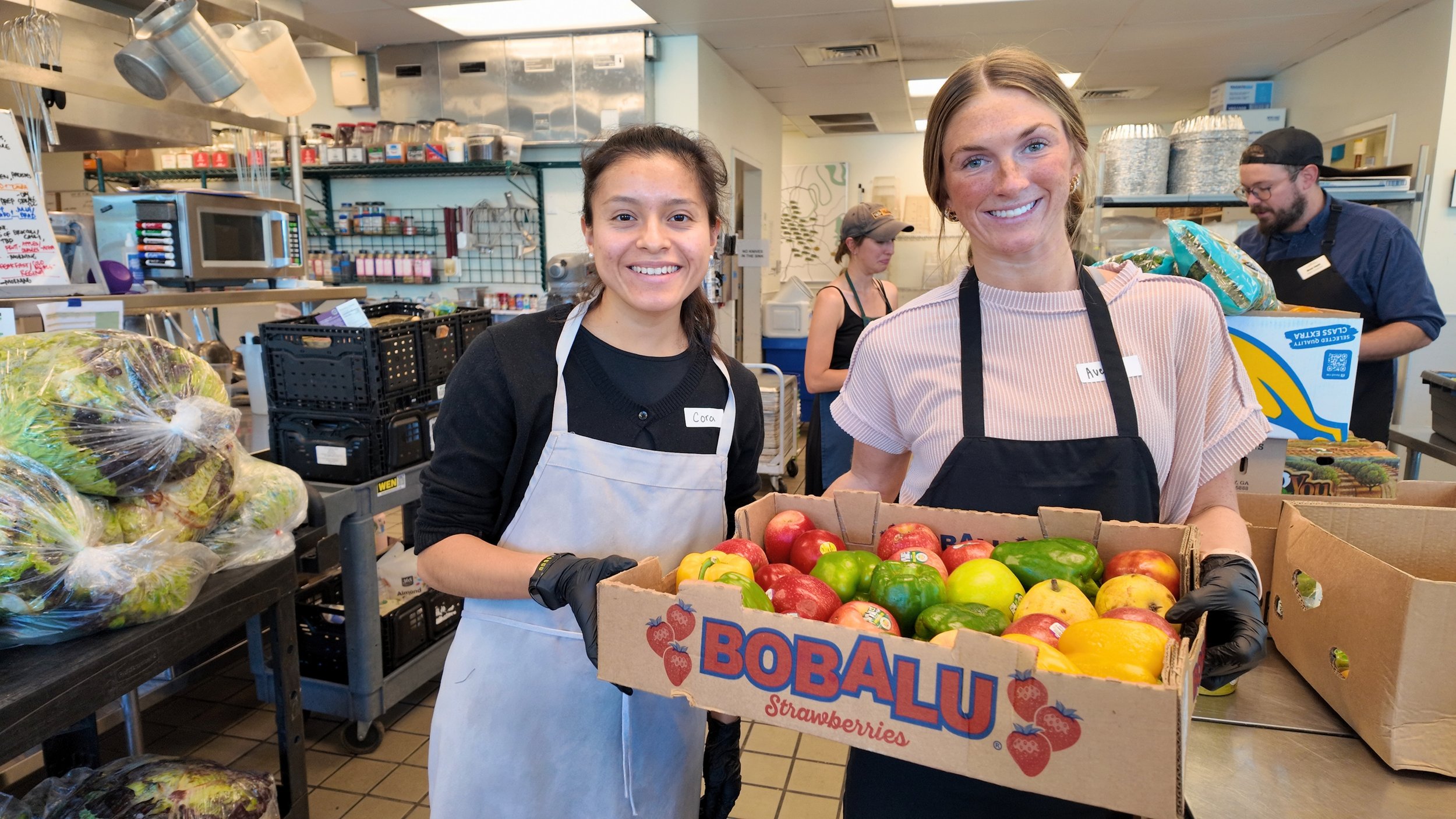
Putting a dent in those numbers could feel daunting, but it’s an issue that we hope to continue working on in 2016. In addition to gleaning from farms, restaurants and grocery stores each week for meals, we’ll be partnering with Zero Percent, a Chicago-based organization that has developed a mobile app and online platform to maximize our food recovery efforts…

Almond milk that could have headed for the dumpster after a food conference at Music City Center. But thankfully, a volunteer brought it to TNFP instead for including in bread puddings and other uses.
Earlier this month, The Tennessean included The Nashville Food Project in a story about food waste.
“Forty percent of the food produced in this country doesn’t make it from farm to mouth,” writes Jim Myers. That’s about $165 billion or $2,225 per family per year of wasted food.
Putting a dent in those numbers could feel daunting, but it’s an issue that we hope to continue working on in 2016. In addition to gleaning from farms, restaurants and grocery stores each week for meals, we’ll be partnering with Zero Percent, a Chicago-based organization that has developed a mobile app and online platform to maximize our food recovery efforts.
But what else can we do at home? Meals Manager Anne Sale shared some inspiration and hope for making small changes that add up. Here are three ways she helps reduce food waste at TNFP:
1) Dehydrating over ripe fruit – By using a dehydrator, she makes raspberry or banana powder to include as a flavoring in granola bars or truffles.
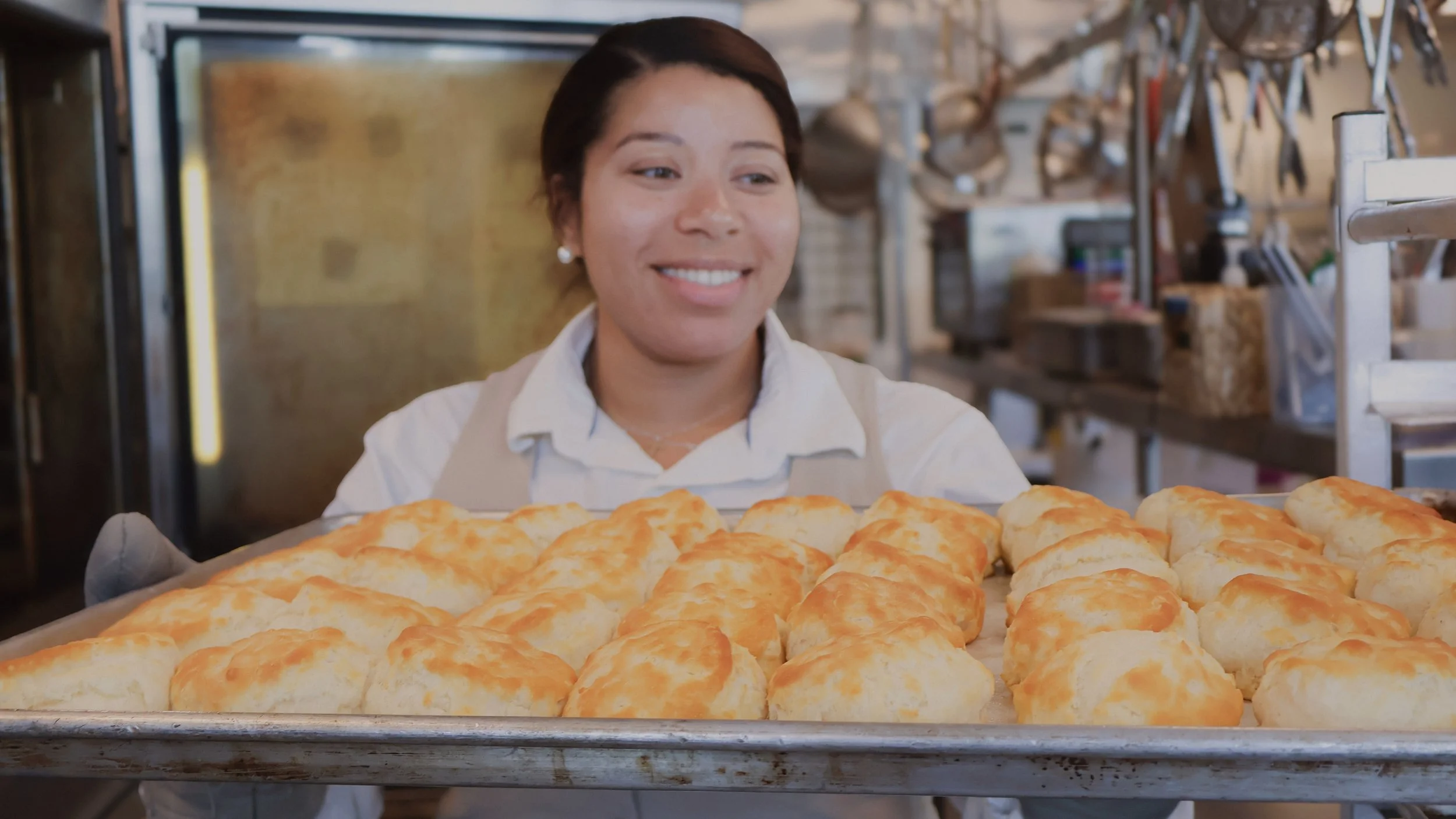
2) Using "day old" croissants and pastries as a base for bread puddings. Adding an egg and milk mixture to stale bread helps breathe new life into it.
3) Re-purposing day old fruit pies – Anne and volunteers often break pies into pieces and give them a fresh oatmeal streusel topping.
To read more tips on eliminating food waste at home, click here.
You can find the full Tennessean story here.
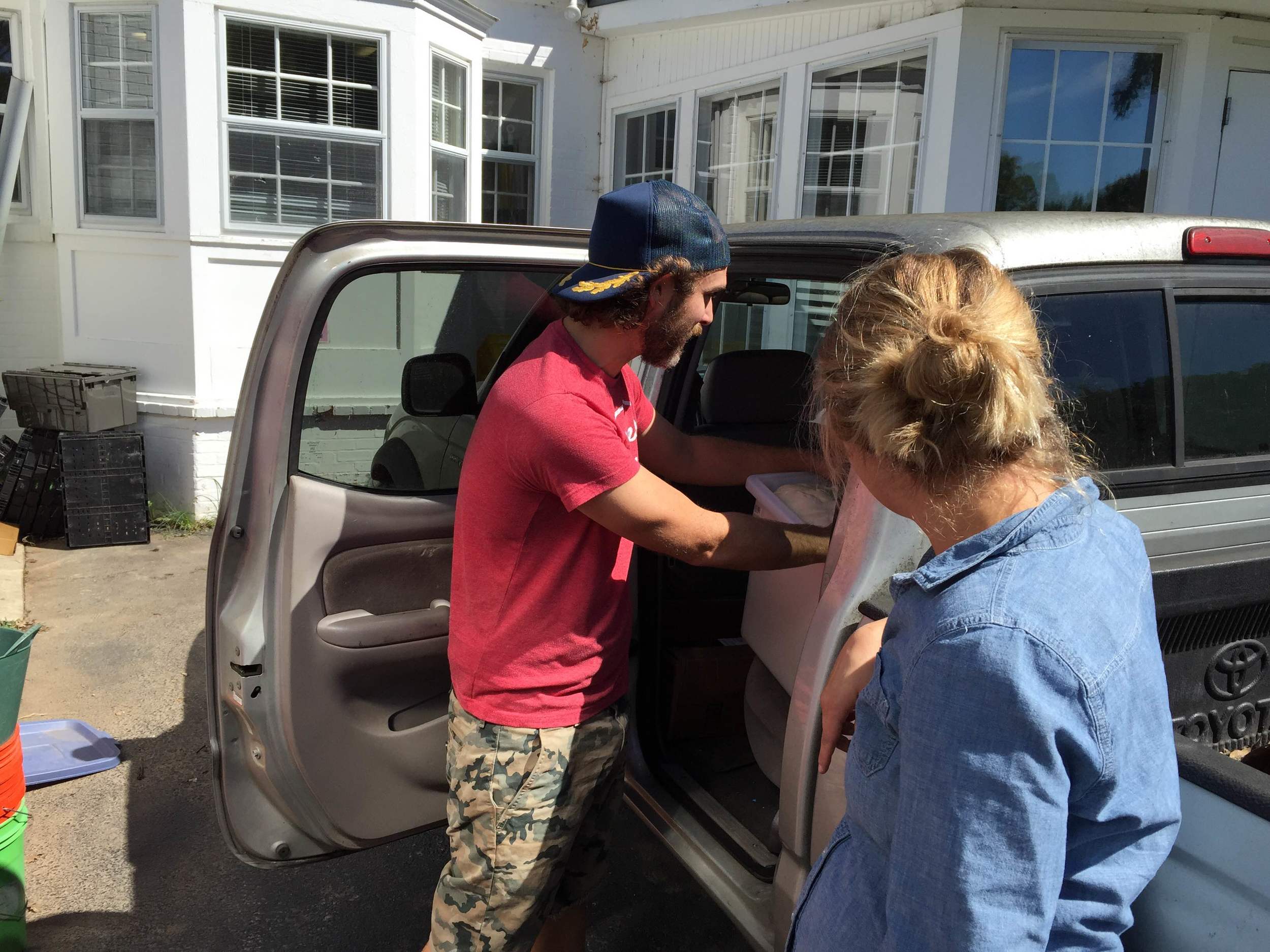
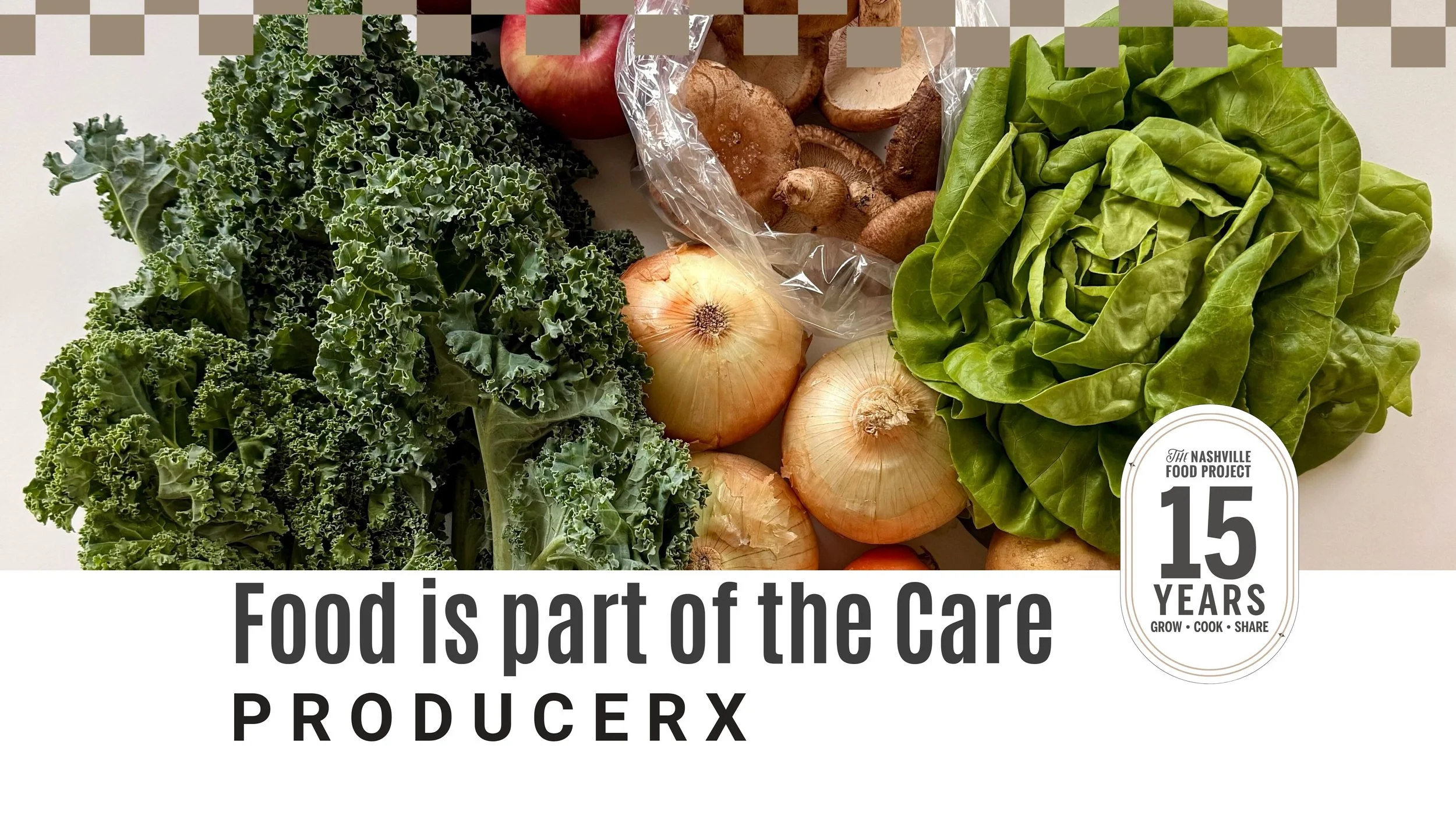
Rather than waste food, we're grateful that Tandy Wilson of City House brings leftover dough to The Nashville Food Project.

The Society of St. Andrew, a ministry that salvages food from local farms, makes a delivery of butternut squash to TNFP.