
The Nashville Food Project’s Blog




Introducing Children to New Foods
Looking ways to get the kids in your life to try new foods? TNFP serves nutritious meals and snacks to about 370 different children each week, so we’re right there with you! We’re sharing highlights on what we’ve learned about how to (and how not to) introduce new, nutritious foods to children.

If you’re looking for ways to get kids to try new and nutritious foods… we are right there with you! Through our meals program, The Nashville Food Project serves nutritious meals and snacks to about 370 different children each week across a number of sites. Our meals team works hard to pack our menus with fresh and nutritionally-dense ingredients -- especially fruits and vegetables. At the same time, we’re giving equal priority to ensuring these meals are culturally appropriate and, of course, delicious. As you can imagine, finding menus that meet all these parameters can be a challenge, especially with often-times picky kids! Here’s some of what we’ve learned about introducing new foods to children.

Start early. If you can, introducing a variety of foods to kids at a young age goes a long way. We see this difference in the kids we’ve been serving from a younger age - offering them new fruits and vegetables daily. By the time they’re older, they’ve seen these foods so many times that it’s become familiar.

Exposure and persistence. Repetition is vital to introducing a child to new foods, and what they’re willing to try can change through different stages of development. Toddlers often like a new food after trying it 5-10 times. Kids aged 3-4 may need to try it 15 times or more. All to say… keep at it! It’s a process.
Make it fun. How you present the food definitely affects how the kids react. If you’re excited, the children will mirror your excitement and follow your lead. Sometimes kids are turned off by the look of a new food, so try different, fun presentations. We have a lot of fun turning healthy snacks into fun animals and characters, and the kids love it!
Don’t force it. Negative reactions to new foods is totally normal! Kids may use food as a way to control their environment because they don’t have a lot of other choices they get to make for themselves. When you can, focus on giving options and encouraging trying new things.

Try different flavors and preparations. If they don’t like a vegetable one way, try a different seasoning or a different way of preparing it. We often try more nutritious takes on foods that are familiar and comforting, like a greek-yogurt based salad dressing instead of ranch.
Balance. If you’re introducing a food you know will be unfamiliar and challenging, offer it alongside a familiar favorite. Or chop up vegetables and incorporate into dishes that are already favorites (for example, adding sauteed squash to a marinara sauce).
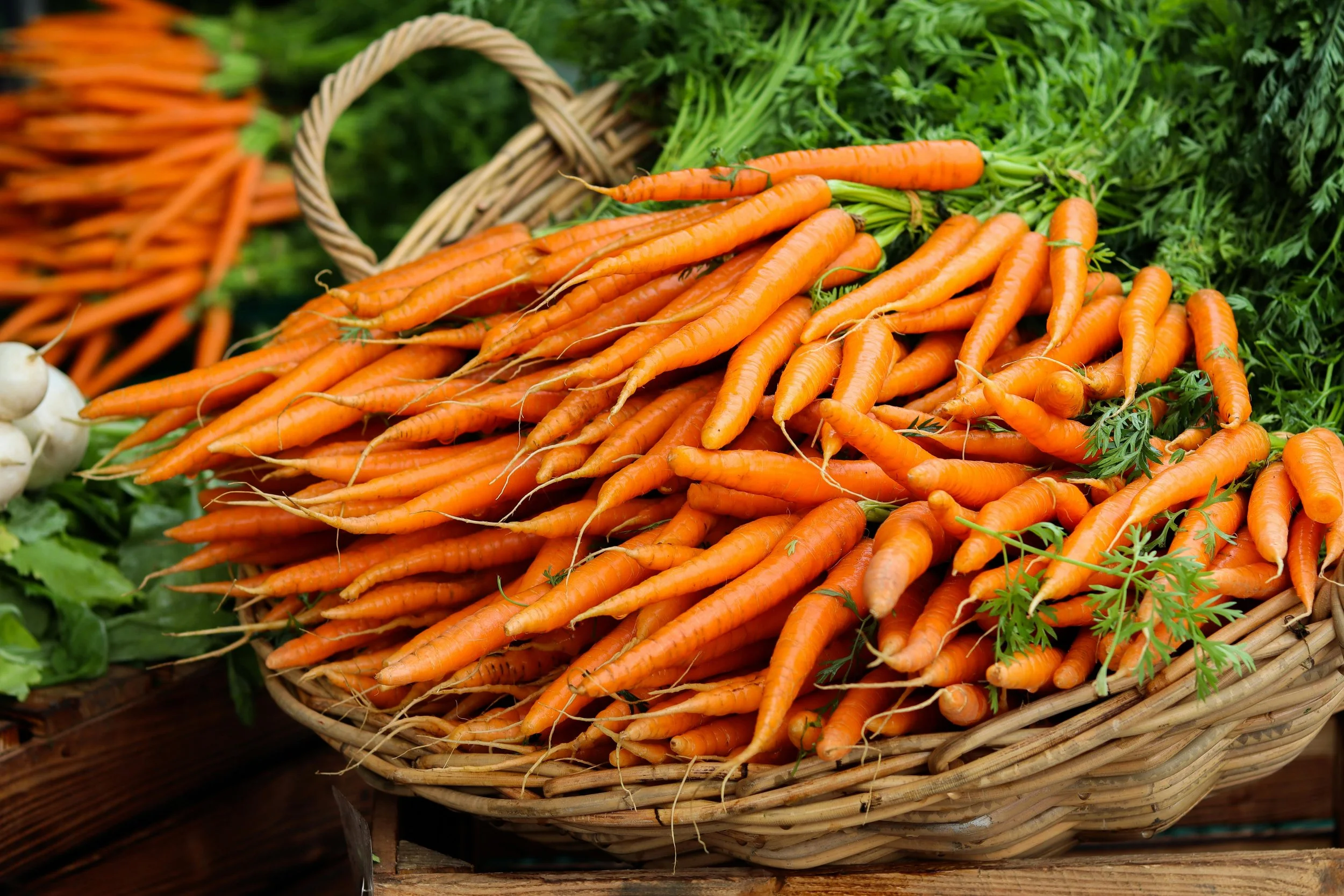
Connect to the source of the food. Many studies show when children interact with and understand the source of the food they’re eating, they’re more excited to try it. We’ve seen this first-hand hosting groups in our gardens and our kitchens. Get your kids more involved in growing and preparing the food the eat, and they’ll definitely get more excited to try the fruits of their labor (pun intended).
What are your tips and tricks for getting kids to try new foods?
Food is Comfort
In January 2017, we began a partnership with the YWCA, providing weekday dinners for their Weaver Domestic Violence Center. This 51-bed shelter is the largest domestic violence shelter in Tennessee, providing a safe space for women and children escaping domestic violence (men are housed at another partner facility).

The statistics of domestic violence in our country are staggering. One in four women in the U.S. experiences intimate partner violence in her lifetime. Approximately 15.5 million children are exposed to domestic violence every year. And in our own community, The Metro Nashville Police Department received over 26,600 reports of domestic violence in 2014 - that’s one report every 20 minutes.
In January 2017, we began a partnership with the YWCA, providing weekday dinners for their Weaver Domestic Violence Center. This 51-bed shelter is the largest domestic violence shelter in Tennessee, providing a safe space for women and children escaping domestic violence (men are housed at another partner facility).
“The women, the children, our staff - anyone who walk through these walls - deserves a clean, welcoming, healthy place,” says Laura Clark, the Residential Coordinator at the shelter for the past 17 years.
The YWCA empowers domestic violence survivors to take control of their lives, while offering them safety and the resources to ensure their self-sufficiency. The YWCA’s programs are designed to empower women and offer opportunities for self-determination in every area of life, including the design of their food program at the shelter.
“Food is so powerful...And sometimes the women couldn’t eat what they wanted. They couldn’t buy what they wanted. Everything was locked up. Everything was centered around the control of their abuser.”
In contrast, the two kitchens at the shelter are stocked with pantry items and ingredients for the women and families to have access on their own schedule. They have spaces for any of their personal food, and can add requests for spices or other pantry items to a community shopping list.
"At first when they talked about having (TNFP) I didn’t know exactly what it was – they started and thought, ‘Oh my gosh - I don’t know why we couldn’t have found you all years ago!’"
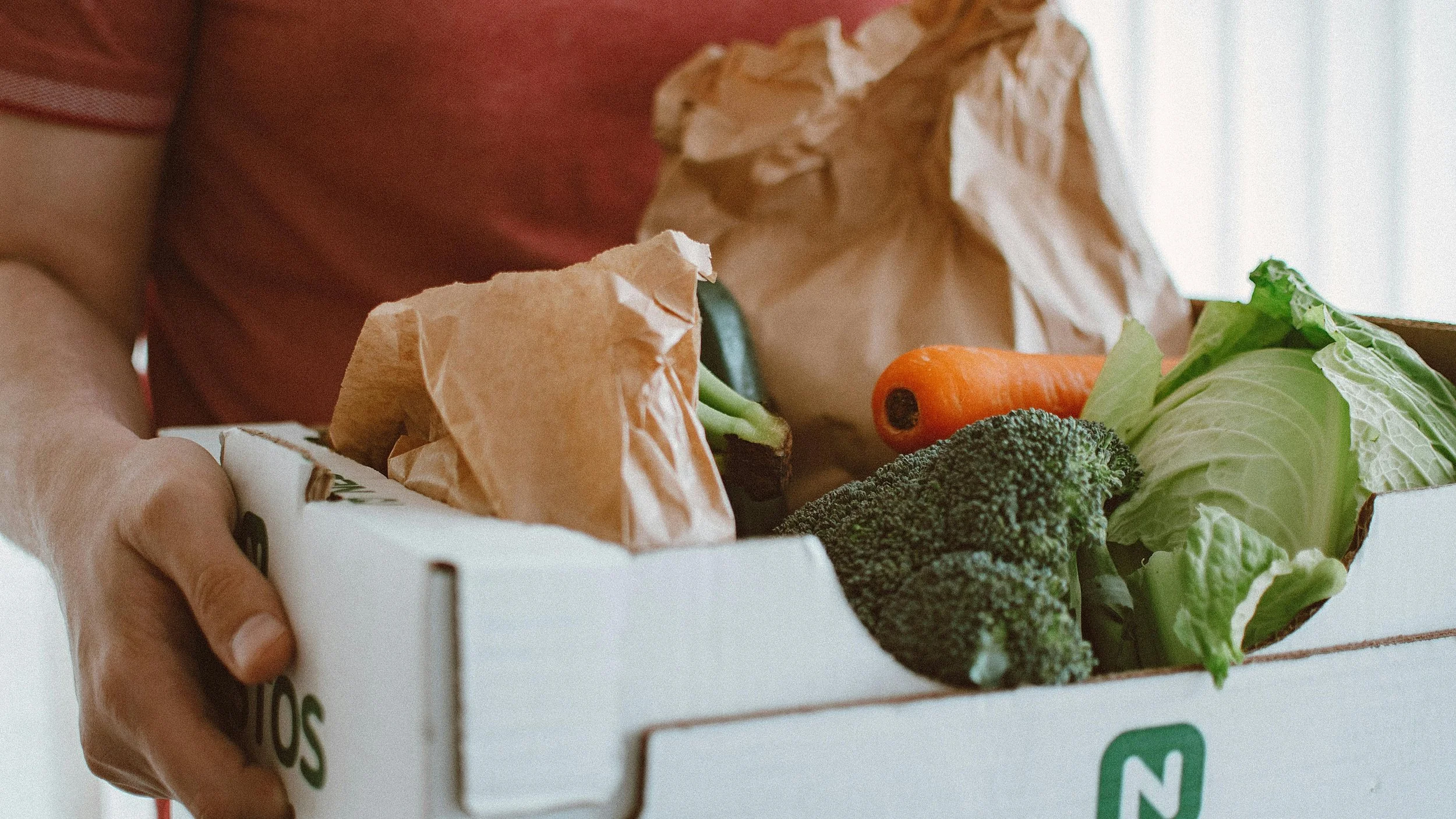
The dinner meal at the shelter, provided by TNFP, is advertised to start early evening, but the women can come at whatever time works for their schedule. “Many of the women work, have school, and are taking care of their kids. When they come here, we want to offer at least one good meal a day – which is (TNFP),” Laura tells us. “Food is comforting. And our goal is to make sure they’re fed and they’re taken care of – it’s just one less thing to worry about.”
When asked about how the food has been received, Laura shared, “I have seen positive impacts. Some of the women have never eaten like this. It’s healthy, and it’s flavors that you don’t get just anywhere - even in the restaurants,” she adds, smiling.
“This is a different way of life for a lot of these women and kids. And I’ve seen a difference. I’ve seen a difference in people and the way they eat.”
And of course, this is just one small piece of the much broader impact of the YWCA’s work. In 2016, the YWCA served 453 adults and children at the Weaver Domestic Violence Center, providing not just a safe space, but also case management, safety planning, support groups, and counseling.
We are so grateful to be a partner with the YWCA in this important work! Learn more about the YWCA’s mission and programs on their website.
Creating and Sustaining a Local Food Web
The Nashville Food Project has been proud to call ourselves a full circle organization in the past. We grow, cook and share food in a way where each of our programs nurture and sustain each other and our mission. However recent events have led us to wonder if we have limited ourselves in speaking this way and if actually what we are growing into is a vibrant and resilient food web…
by Christina Bentrup, Garden Director
The Nashville Food Project has been proud to call ourselves a full circle organization in the past. We grow, cook and share food in a way where each of our programs nurture and sustain each other and our mission. However recent events have led me to wonder if we have limited ourselves in speaking this way and if actually what we are growing into is a vibrant and resilient food web.

We all learned in biology class that food webs are made up of interdependent linkages. No part of a web is too small to not have an oversized effect on the whole web if disrupted or displaced. In the garden program at TNFP we grow thousands of pounds of fresh produce for our meals program, work with over 75 community and market gardeners and engage hundreds of volunteers each month in learning about urban agriculture through doing this work.

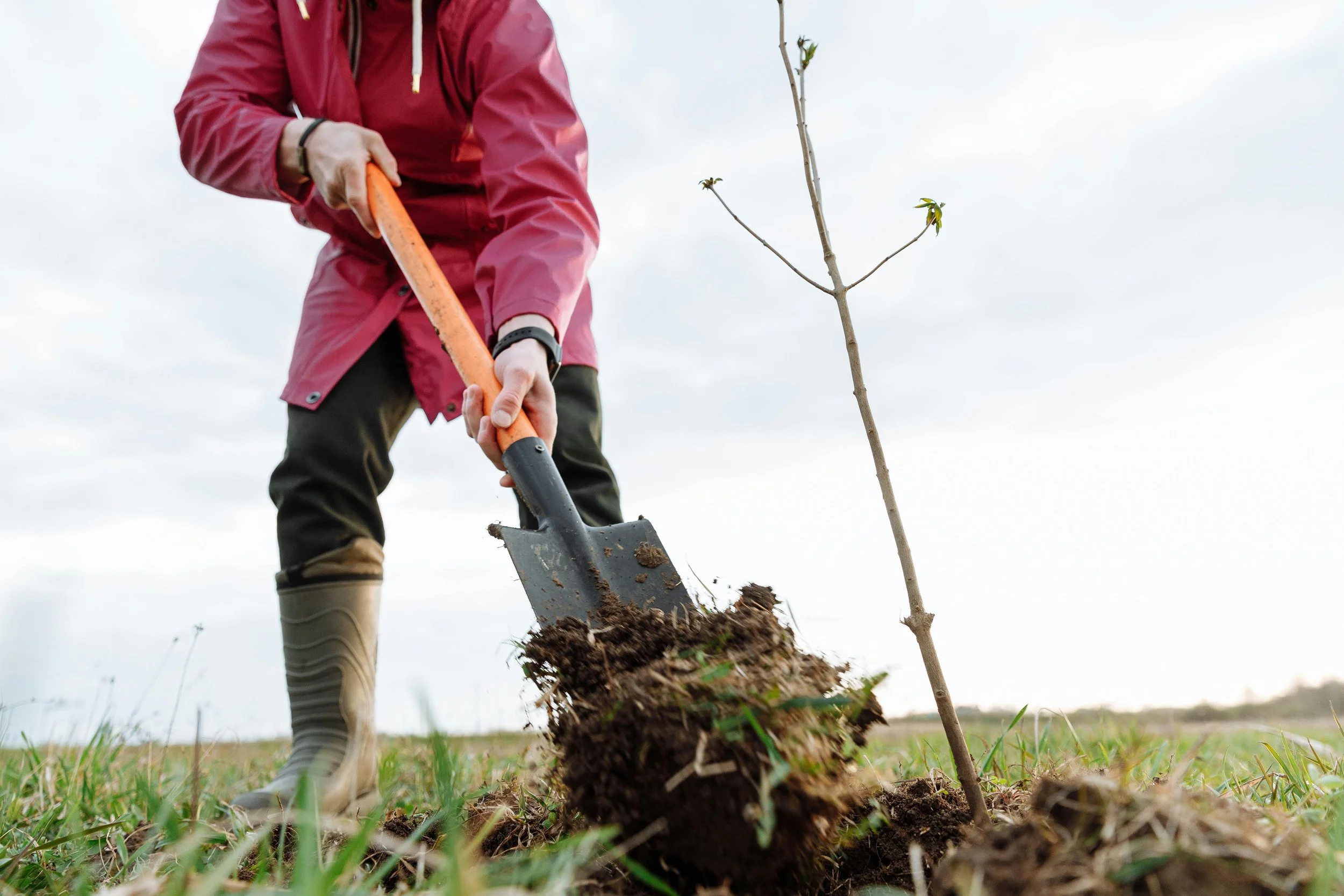
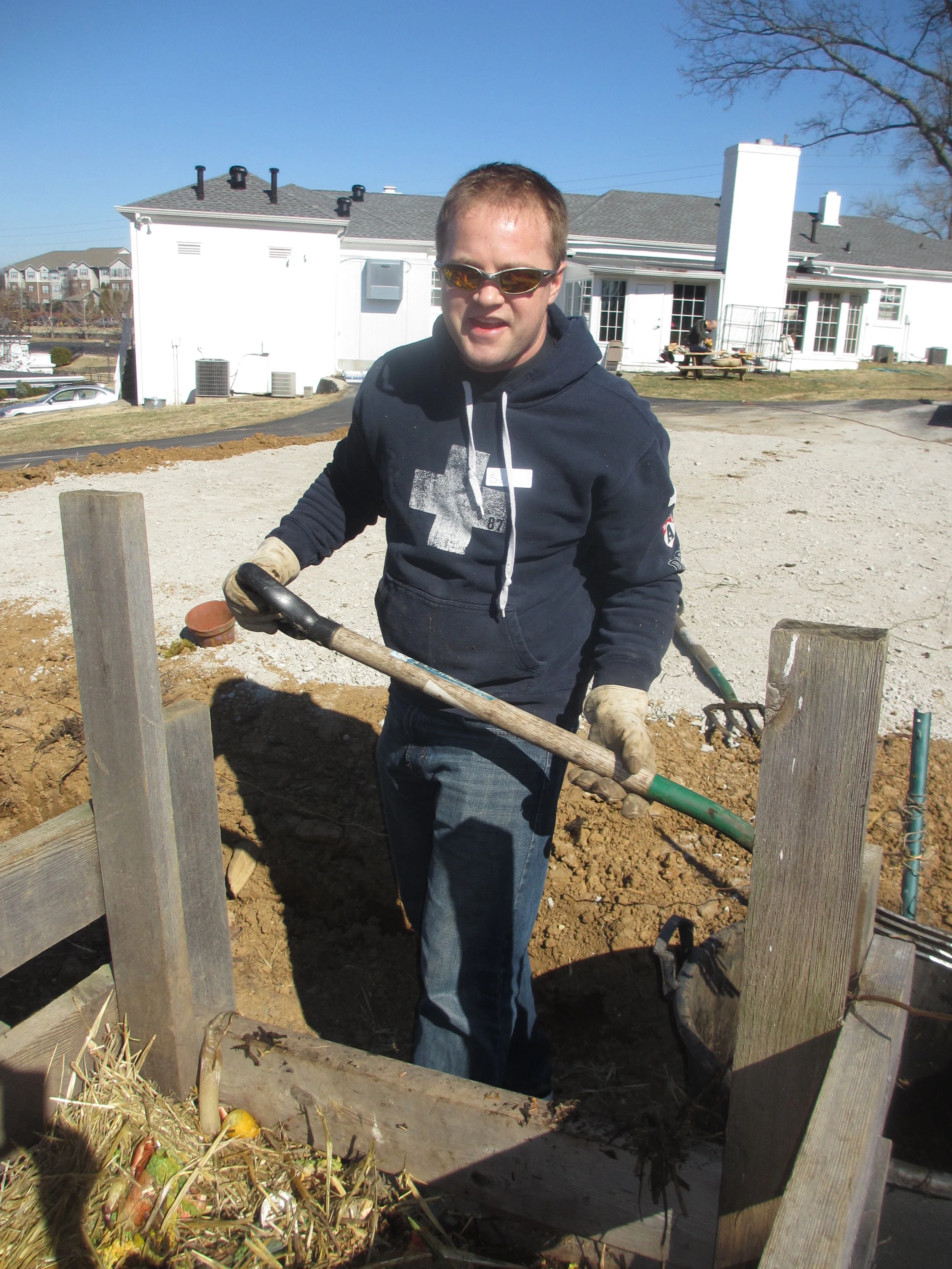
Daily, in and around our gardens we compost, raise chickens, provide homes for bees and other pollinators, collect rainwater, plant cover crops to protect and nurture the soil - the list goes on and on. We collectively refer to these aspects of our gardens as ecosystem components. In our controlled environment, our gardens could survive without many of these aspects. But they thrive because each of these parts contributes to a whole that supports and sustains a vibrant farm ecosystem.


I believe that what is happening in the gardens at TNFP is a microcosm of our larger work. Food webs depend upon producers, consumers and even decomposers - no component exists in isolation or can survive fragmentation. We believe the same is true for Nashville’s food system. The isolation and fragmentation of communities has led to people without enough food to eat and without the social connections to tap into community resources that can help.
TNFP shares meals and gardens because we believe that food has an incredible ability to connect and unite people in deep ways. The non-profit partners we work with every day share our meals to build community in their programs. Our gardens provide places for connection to the land and to diverse community-building activities. Volunteers in all of our programs nurture and support this work and build community with us and each other every time they gather. We are creating and sustaining a vibrant food web that makes connections, supports people and carefully stewards our resources.
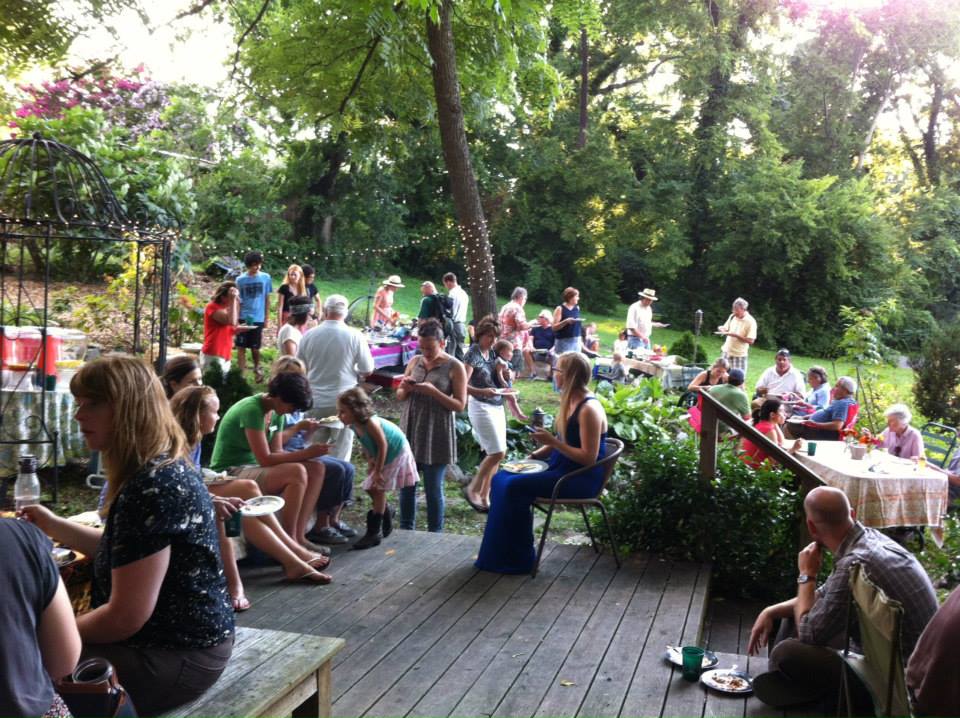
Someone told us recently that we needed to work more on connecting the dots in our programs. We have a difficult story to tell and a complex solution to the problems we’ve identified. We need to understand better the root causes of fragmentation and isolation in our communities. We need to find innovative ways to measure the impact of our work and to evaluate and to place value in the links in our food systems.
Decades of factory farming that has fragmented food supply chains and destroyed ecosystems have shown that linear efforts to simplify food production don’t work. In our gardens we strive for complexity and resiliency to support an ecosystem based on food production that is connected to our specific places and communities - as does The Nashville Food Project as a whole.


We strive to create and support connectivity, to build resiliency, and to do these things in a framework of justice and anti-racism. It’s a difficult and complex story to tell but that doesn’t mean we should simplify our efforts. Rather we need to continue to appreciate the thousands of small links joining together to make big change. We cannot do this work alone. We invite you to be a part of our food web, help us share our story, and make the connections that build community through fighting hunger.
Enchilada Sauce
One of our interns prepared this amazing made-from-scratch enchilada sauce this week. We served it with our Mexican Shepherd's Pie. Makes 3 gallons.

- 24 14.5oz cans of diced tomatoes
- 3 6oz cans of tomato paste
- 3 14.5oz cans of low sodium chicken broth
- 4 medium onions, or 10 cups roughly chopped onions
- 8 garlic cloves, minced
- 2 handfuls of crushed tortilla chips
- 1/2 cup olive oil
- 6 tablespoons of cumin
- 6 tablespoons of chili powder
- 3 tablespoons of garlic powder
- 6 tablespoons of salt
- 6 tablespoons of pepper
- 4 cups dice green chilis
- 1 Tbl chipotle peppers in adobo sauce
In a 3 gallon pot, add 1/2 cup of olive oil, or enough to coat the bottom of the pot. Bring the pot to medium high heat. Add the onions and garlic cloves to the pot and sauté until lightly browned. Add the diced tomatoes, tomato paste, and chicken broth, and stir together. Stir in the cumin, chili powder, garlic powder, salt, and pepper. Bring to a boil. Add in the chilis and chipotle mix. With an immersion blender, puree all the ingredients. Add 2 large handfuls of crushed tortilla chips and leave them for 1-2 minutes, until soft. Using the immersion blender, puree once more until smooth consistency.