
The Nashville Food Project’s Blog




Bottle Gourd Curry
One of the things we love most about the connection between our gardens and our kitchens is the fun challenge of incorporating local, seasonal foods you don’t often find at area grocery stores. For example? All summer long, a vine has been working its way up, over and all around the trellis entryway to the Woodmont garden behind TNFP’s office...

One of the things we love most about the connection between our gardens and our kitchens is the fun challenge of incorporating local, seasonal foods you don’t often find at area grocery stores.
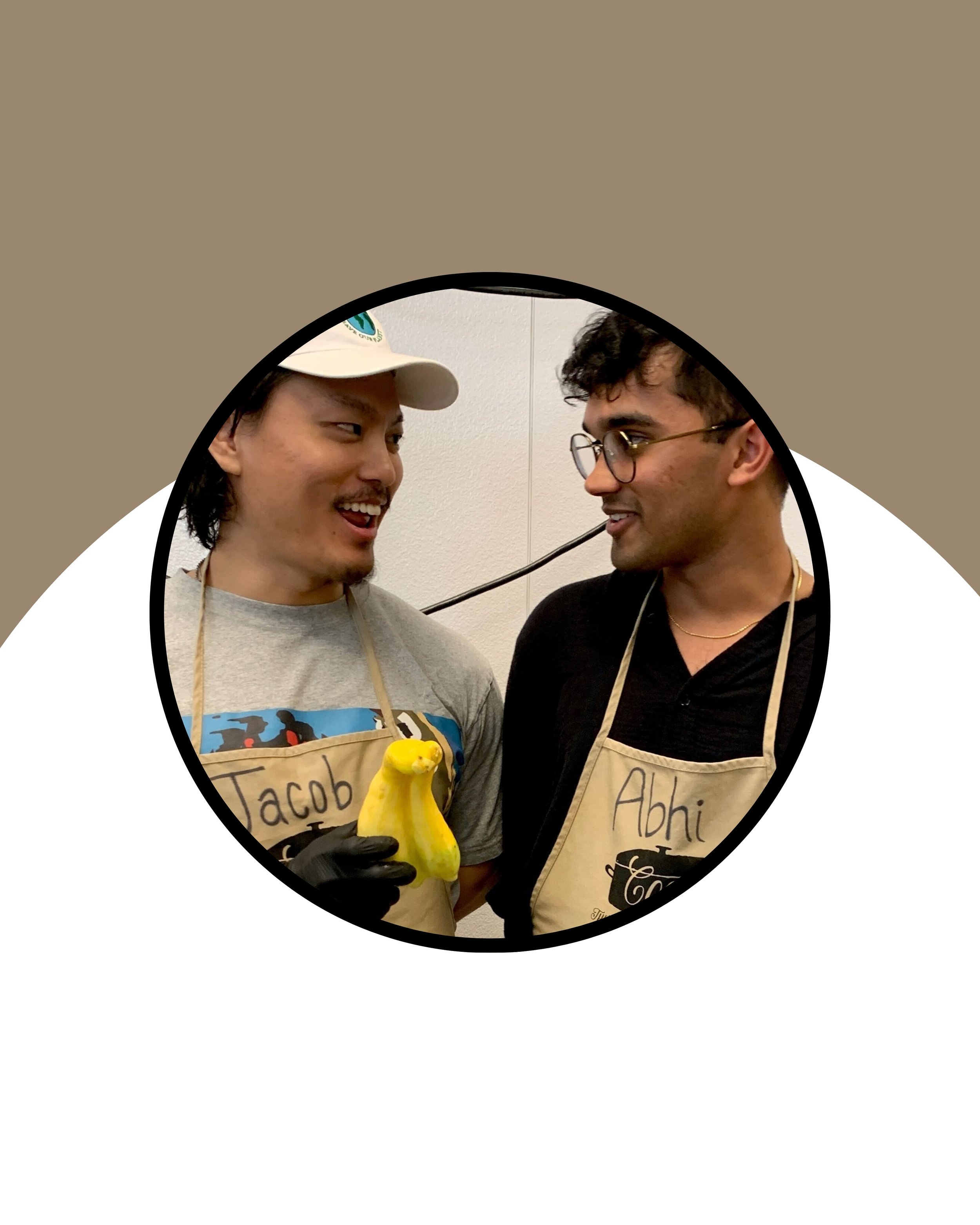
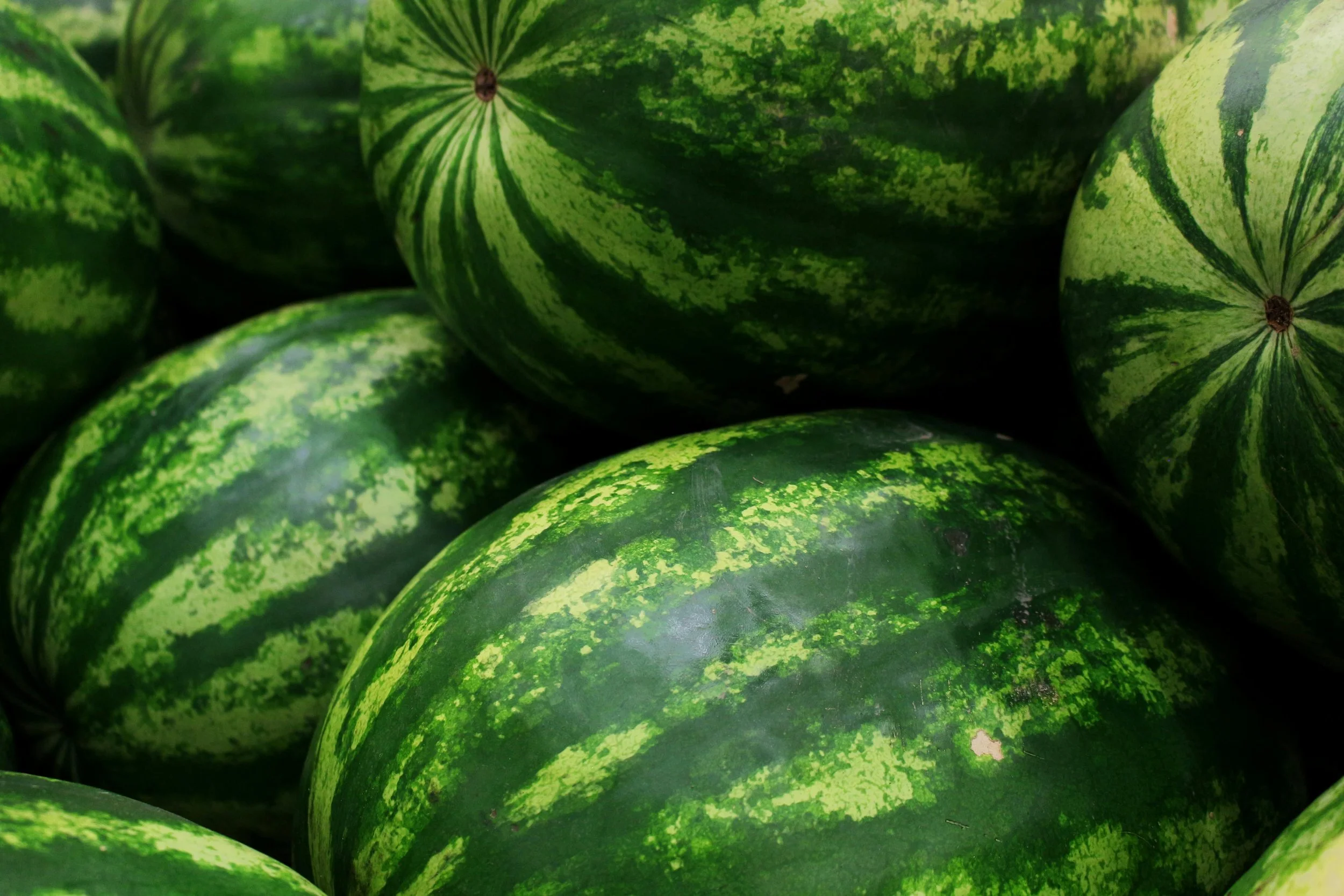
For example? All summer long, a vine has been working its way up, over and all around the trellis entryway to the Woodmont garden behind TNFP’s office. Through the window of our kitchen, cooks and meal prep volunteers have been watching this slow progress for months — and finally, last week, walked the 20 feet from the back door of the kitchen to harvest the huge, rounded fruits: bottle gourd!

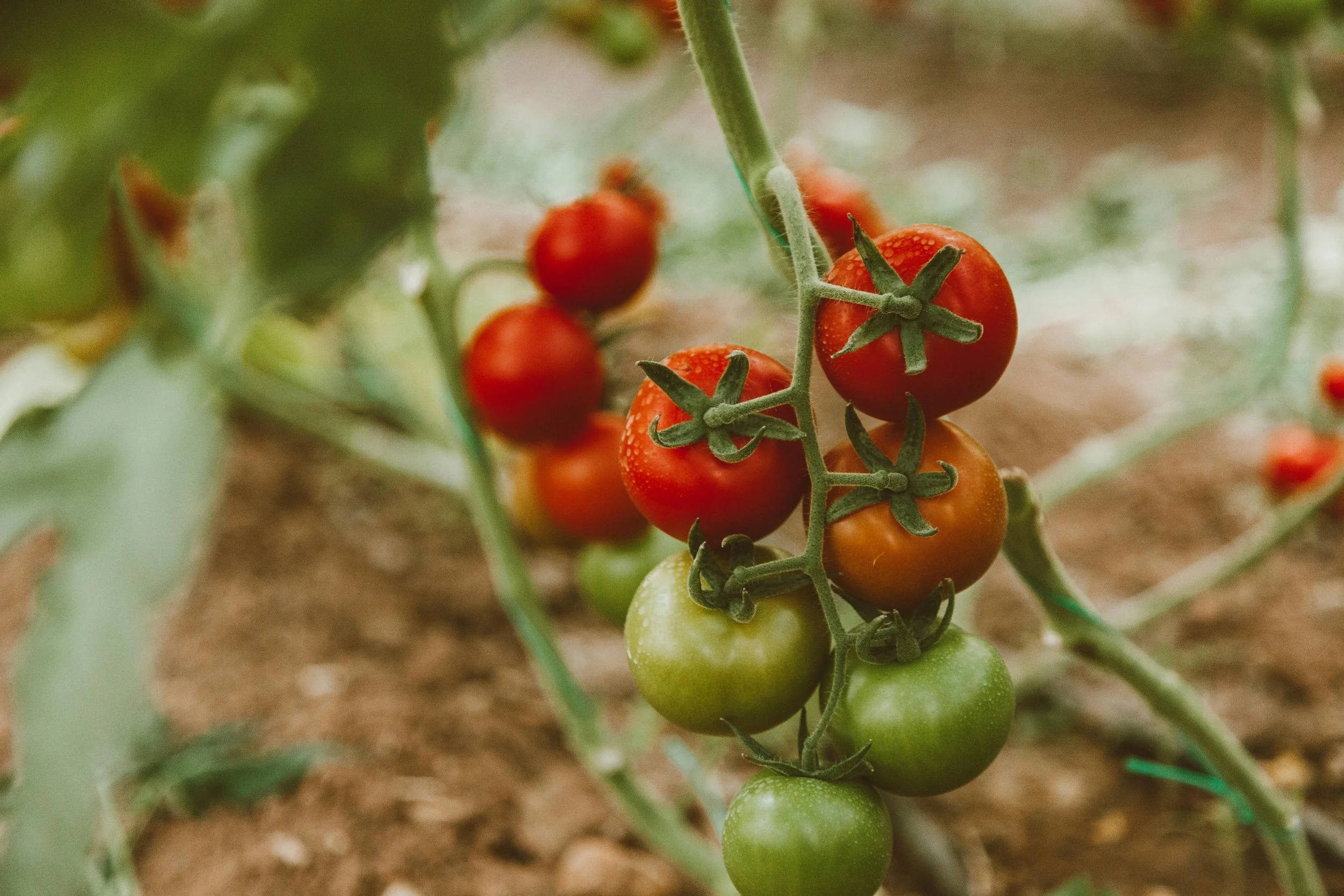
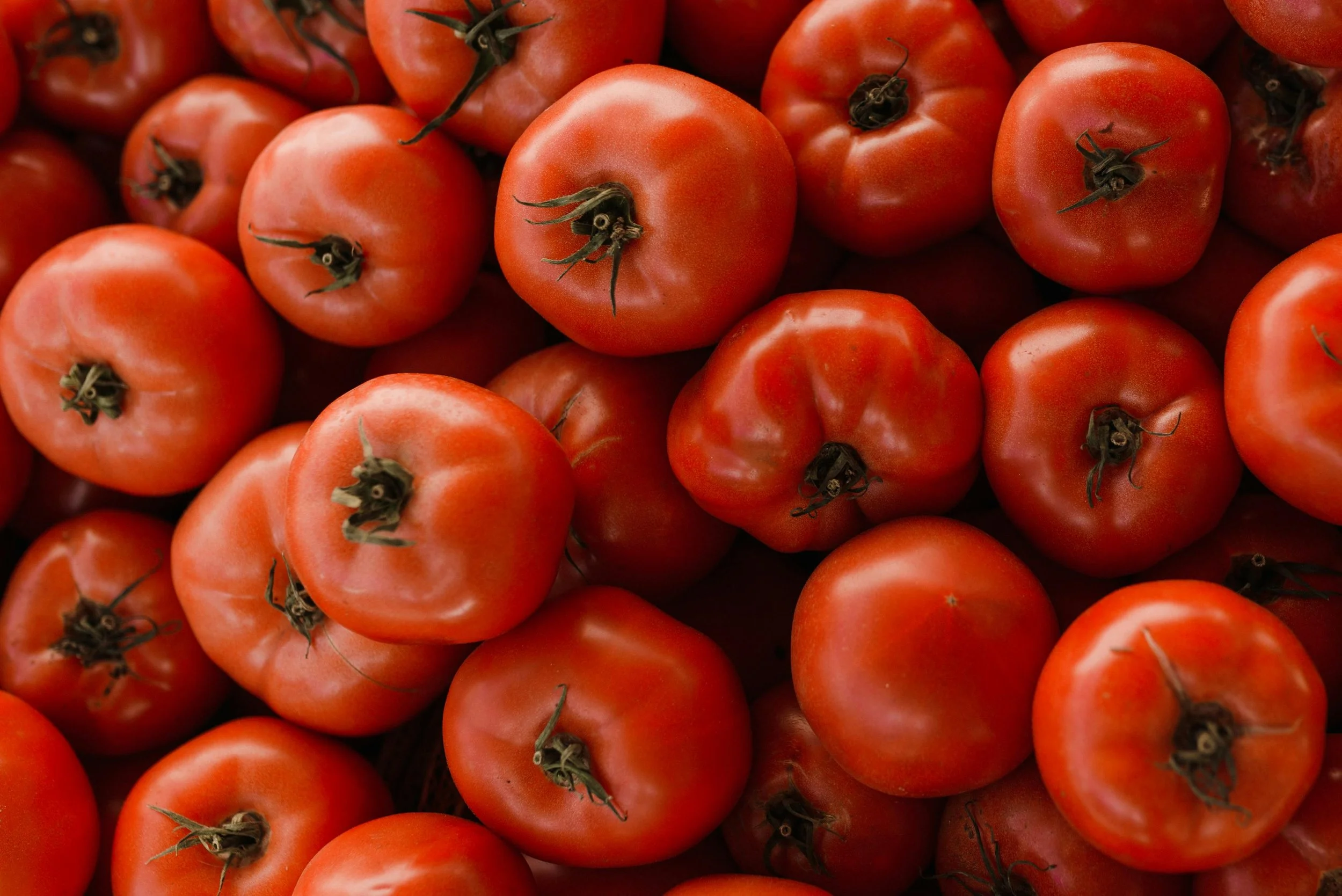
Tomato & masking tape for size reference!
Bottle gourd — also known as calabash, white-flowered gourd, New Guinea bean, Tasmania bean and long melon — comes in lots of different shapes and sizes, but generally can be either harvested young to be eaten as a vegetable or harvested mature to be dried and used as a container. This is a great example of a plant that can provide a lot of health benefits. Not only does it have a cooling effect in the body, but it’s also said to help maintain a healthy heart and blood pressure and even helps reduce sleeping disorders.
So… what do you cook with bottle gourd? While there are lots of options, we decide to feature it in a curry dish on menus at different meal sites throughout last week. We also grated it to use as a replacement for zucchini in zucchini bread.
Try it out our version of a bottle gourd curry with the recipe below!

Bottle Gourd Curry
Makes 4-6 servings
Ingredients
3 tbsp olive oil or vegetable oil, and as needed
1 tbsp ginger garlic paste
1/2 cup chopped onion
1/2 cup chopped tomato
2 cups cubed bottle gourd
1 tbsp red chili paste
2 tbsp garam masala
2 tsp cumin
2 tsp turmeric
Salt to taste
1 can of coconut milk
Coriander to taste
2 tsp brown sugar
Rice (optional to serve)
Directions
Wash bottle gourd under running water. Peel the skin and chop to bite-sized pieces (we found this article helpful for more detail on cleaning and preparing bottle gourd).
Pour oil to a wide, heavy-bottomed pan. Then add ginger-garlic paste, and saute chopped onion. Once soft, add tomato, then bottle gourd and spices (red chili paste, garam masala, cumin, turmeric and salt). If you have other seasonal vegetables on hand, you could add those as well.
Fry on medium to high flame for 3 to 5 minutes; keep stirring to avoid burning. If the gourd is not tender or less juicy, cover the pan and cook until the gourd is fully cooked. If tender, continue to fry without covering until it is fully cooked. Careful not to overcook!
Add coconut milk and stir well to mix. Last, add coriander and brown sugar. Serve curry over cooked rice.
Based on recipe from Indian Healthy Recipes and notes from TNFP volunteer cooks Mary Dionne and Meera Sardessai.
The Gift of Food: Our Top 4 Needs
We're often asked about our food donation needs in our kitchens, so we've come up with a list of our top four. Whether you're an individual, a congregation, a farmer, or a restaurant... all of these gifts, both big and small, work together to make our work possible.
Here at The Nashville Food Project, we strive to share the freshest, most nutritious meals possible with our community. We wouldn't be able to do this without the incredible support of so many friends, volunteers, neighbors, and partners who first share with us - in so many creative ways!
We're often asked about our food donation needs in our kitchens, so we've come up with a list of our top four. Whether you're an individual, a congregation, a farmer, or a restaurant... all of these gifts, both big and small, work together to make our work possible.
1. Healthy Pantry Staples
Shop Our Amazon Wish List

We're keeping a running list of healthy pantry staples often used in our meal preparation, along with items needed for our garden program, on our Amazon Wish List. You can shop online and have it mailed to our address (3605 Hillboro Pike, Nashville, 37215) - or if you see any of these items at the store and think of us, feel free to pick those out and drop them off with us in person. Gift cards to grocery stores are also welcome and appreciated!
2. Extra Virgin Olive Oil
Host A Drive

Yes, olive oil is a pantry staple... but it's so important to our kitchens it gets its own shout-out! Volunteer-organized food drives regularly help fill our pantry. Lately, we've been encouraging groups interested in hosting a food drive with friends, co-workers or faith communities to collect extra virgin olive oil. If you're interested in hosting an olive oil drive, contact Booth Jewett at booth@thenashvillefoodproject.org to let us know and to confirm details.
3. Fresh Produce
Share Your Harvest

Fresh fruits and vegetables are VITAL to our meals. Whether your harvest is large or small, from a home garden or a farm... we're excited! Call our office at 615.460.0172 to let us know you'd like to donate and confirm a good time to drop off. If schedules allow, we can pick up produce donations of at least 75 pounds within 15 miles of our office in Green Hills.
This year, we're also beginning to purchase 'seconds' from local farms! If you're interested in learning more, contact our Food Donations Coordinator, Booth at booth@thenashvillefoodproject.org.
4. Meat
Become a WASTEless Partner

Meat is one of our most costly food budget items, and we rarely have it donated. This year, we're seeking out partners interested in donating proteins on a regular basis. In particular, we're piloting providing food preservation equipment to a small number of Nashville-area restaurants, or "WASTEless partners", to facilitate regular donation of meat trimmings. Are you, or do you have a connection to, a restaurant or organization that could become a regular meat donor? We'd love to talk! Email booth@thenashvillefoodproject.org.
Oh, the Places You'll Go
A simple ingredient - tomato, lettuce, carrots - can touch thousands of lives once it comes through the doors of TNFP. Today, we’re following the journey of one ingredient in our meals last week: big, beautiful, leafy kale.
A simple ingredient - tomato, lettuce, carrots - can touch thousands of lives once it comes through the doors of TNFP. With every crop that we grow, and every meal that we make our ultimate goals are to alleviate hunger and build community. With such lofty goals it’s no wonder that hundreds of people are needed to make this a possibility, and, in return, thousands more are touched by the respect and love shared within their meal. In this blog we will follow the journey of one ingredient in our meals last week: big, beautiful, leafy kale.

Photo courtesy of Sweeter Days Farm
With every meal, our goal is to support the community through a multifaceted approach. For this reason we love to grow produce in our gardens. But when that is not possible, our next favorite option is to buy local, naturally-grown foods from other community members. Our meals team is working on a new program to purchase "2nds" from farmers in the hopes of decreasing the waste from our city's food stream by diverting into our meals. This week, we purchased three bins of kale from Sweeter Days Farm to use for the entire week in our South Hall Kitchen. The kale was pulled to make room for new crops and would have otherwise been thrown away.

Our meals team works hard to come up with a plan to use every bit of food that comes our way, and that requires a lot of help. TNFP Intern Kate helped wash and cut the kale for a salad. Kate is a part of Lipscomb University’s IDEAL Program which is a two-year certificate program designed to support students with intellectual or developmental disability. Students in this program take classes, participate in internships, and enjoy the college experience. At TNFP Kate provides assistance in the South Hall kitchen. “I wash fruit, cut up fruit for salad, help prep cookies, vegetables, and snacks.” Kate does much more than help with meal prep. She brings a level of energy and enthusiasm that is passed to everyone working alongside her which helps make the finished product like kale salad that much more incredible.

Although a kale salad always hits the spot, we like to get creative with our meals and use the ingredients that are available. TNFP volunteer cook Shellye and her team prepared a strata with the kale, other veggies, and ham. Almost every meal that comes from the South Hall kitchen is prepared by volunteer cook teams. Shellye explains why she committed to volunteering at TNFP as a regular cook. “I’ve been volunteering here for five years, and I really enjoy the camaraderie of cooking with others and meeting a need to feed healthy food to people who really need it.”
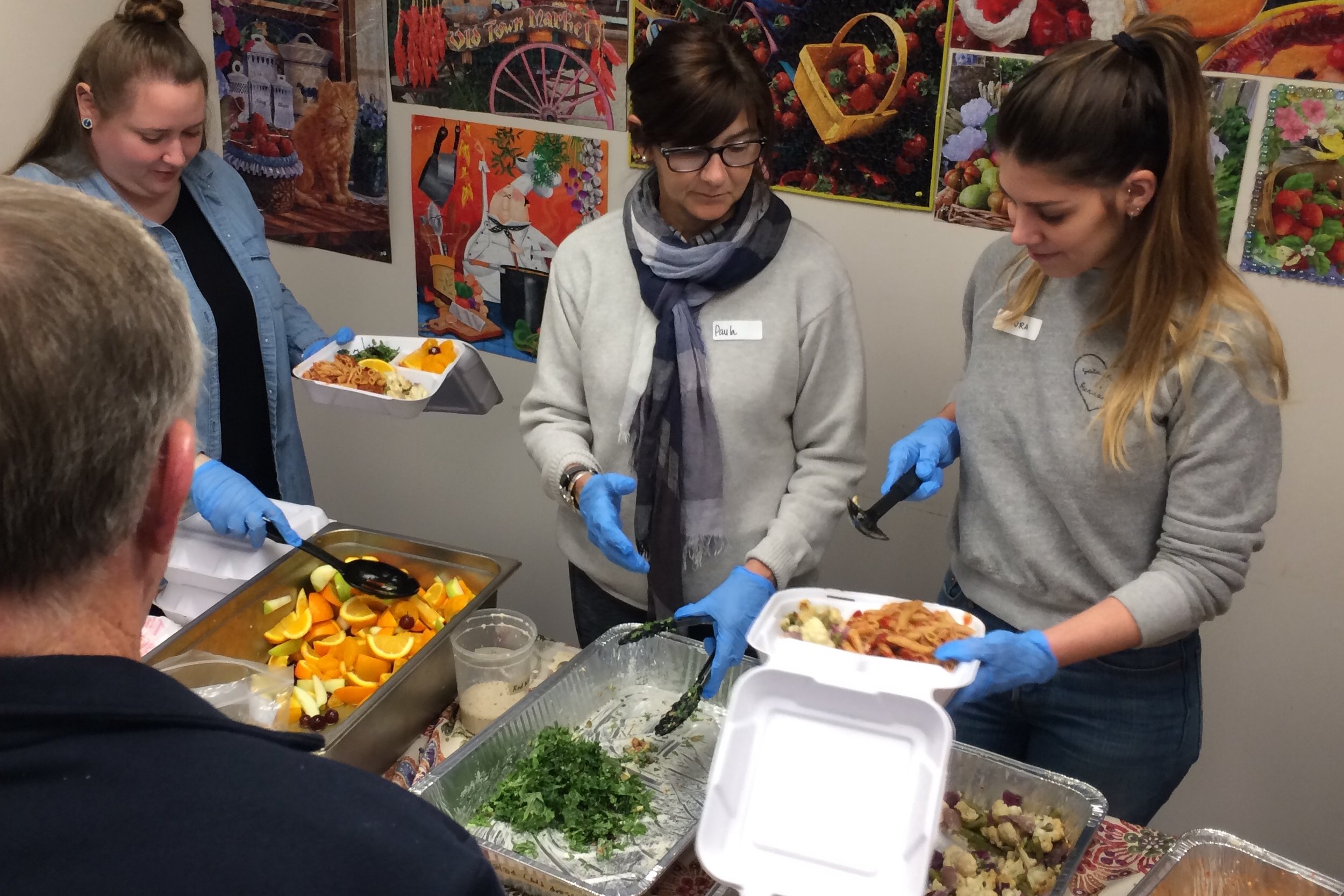
Paula (center) serving kale salad at John Glenn & Peggy Ann Residential Housing.
When it comes to sharing food, the purpose is not simply to serve a meal but rather to make connections, meet our neighbors, and find commonalities. Long time volunteer Paula and a group of new volunteers served the meal, complete with kale salad, at John Glenn & Peggy Ann Residential Housing. As a volunteer for over five years she has volunteered in almost every role at TNFP with her family. “I love the mission of bringing good food to people who need it. Food is a common denominator. I like to serve meals in my own home and bring a little bit of home to people who may not have it right now. It's rewarding to serve food.“

The last stop on our journey is in the hands, hearts, and bellies of the people with whom we share our meals. John L Glenn and Peggy Ann are residential centers in North Nashville run by National Church Residences, an agency that provides affordable housing for low-income seniors. TNFP serves 60 hot meals to residents here each week. Victoria at John Glenn and Peggy Ann Residential Housing says “The food has been really, really good and the [volunteer] servers are kind, generous and considerate. It’s a blessing and we look forward to it every week!” When we talked several residents were sitting around a table with their food chatting with each other, visiting with family, and talking to volunteers.
“Food is a common denominator.”
Something so small as a few bins of kale can truly make an impact on hundreds of people when communities are so tightly woven. Each person in Nashville is connected in a powerful way, and though it may not be a connection that is seen at all times, it's there. As Paula mentioned before “food is a common denominator.” And in this story the denominator was kale.
Rhythm in the Kitchen
Meet Marirae and Joyce, two of our most loyal volunteers. They’ve cooked our Friday lunch every week for 6 years - that’s over 16,000 meals! They’ve also become life-long friends.
It’s a rainy and foggy Friday Nashville morning. The day brightens as I enter The Nashville Food Project kitchen, greeted by committed volunteers, Joyce and Marirae. The space is full of joy. On the menu: fish tacos, slaw, and sweet potatoes.

Every Friday, Joyce and Marirae work together to cook a meal to share with the residents of Vine Hill. One would think this pair has known each other since college, but after talking to them, you learn that their story starts here, in the TNFP Kitchen.
Joyce: Marirae and I met right here in the kitchen at TNFP when it was called Mobile Loaves and Fishes. We met about 6 years ago.
Over the years, the two have had various others join them on the weekly Friday morning cook sessions. Now, Joyce and Marirae cook together every single week and deliver that meal at least once a month.
The stories of how they joined the TNFP family are different, yet still bring them together for the weekly cook time:
Marirae: My story’s a bit funny. I joined a group of “food people.” One of them had a party at their house. I noticed a letter addressed to Mobile Loaves and Fishes (ML&F). I kept seeing the trucks and thought, “I want to do that”. After asking around, someone put me in touch with Tallu, and I began volunteering! In the meantime, this transitioned from ML&F to TNFP.
Joyce: I go to church at Woodmont Christian. After retiring from my regular day job, I had some free time and knew I wanted to volunteer here and work. I talked to Tallu about it, and here I am.

The kitchen gets warmer as the sound of sizzling oil in the pan starts to fills the room. When Joyce and Marirae are not at TNFP, they are very busy running their own businesses. Joyce is self-employed in accounting and rental management while Marirae is a personal chef that cooks and delivers healthy food. They make the weekly commitment to serve others in spite of their busy lives.
So I asked them: What is it that brings you back? What is your favorite thing about TNFP?
Joyce: My favorite thing about TNFP is working with Marirae.
Marirae: Working with Joyce, and I love the vibe. I love feeding healthy food to people instead of “junk.” I love Tallu’s good spirit, and everyone that works here is kind.
As the meal progresses, I watch the two move around the kitchen, working seamlessly to complete the meal in time. There is a calming flow to them that allows me to interview them all without being in the way. They begin putting the fish tacos together.
According to the pair, they “party like rock stars” when they have free time. They go on double dates with their husbands, go out to lunch, dinner, and see each other a lot. In fact, during the interview, the pair made lunch plans for that day!
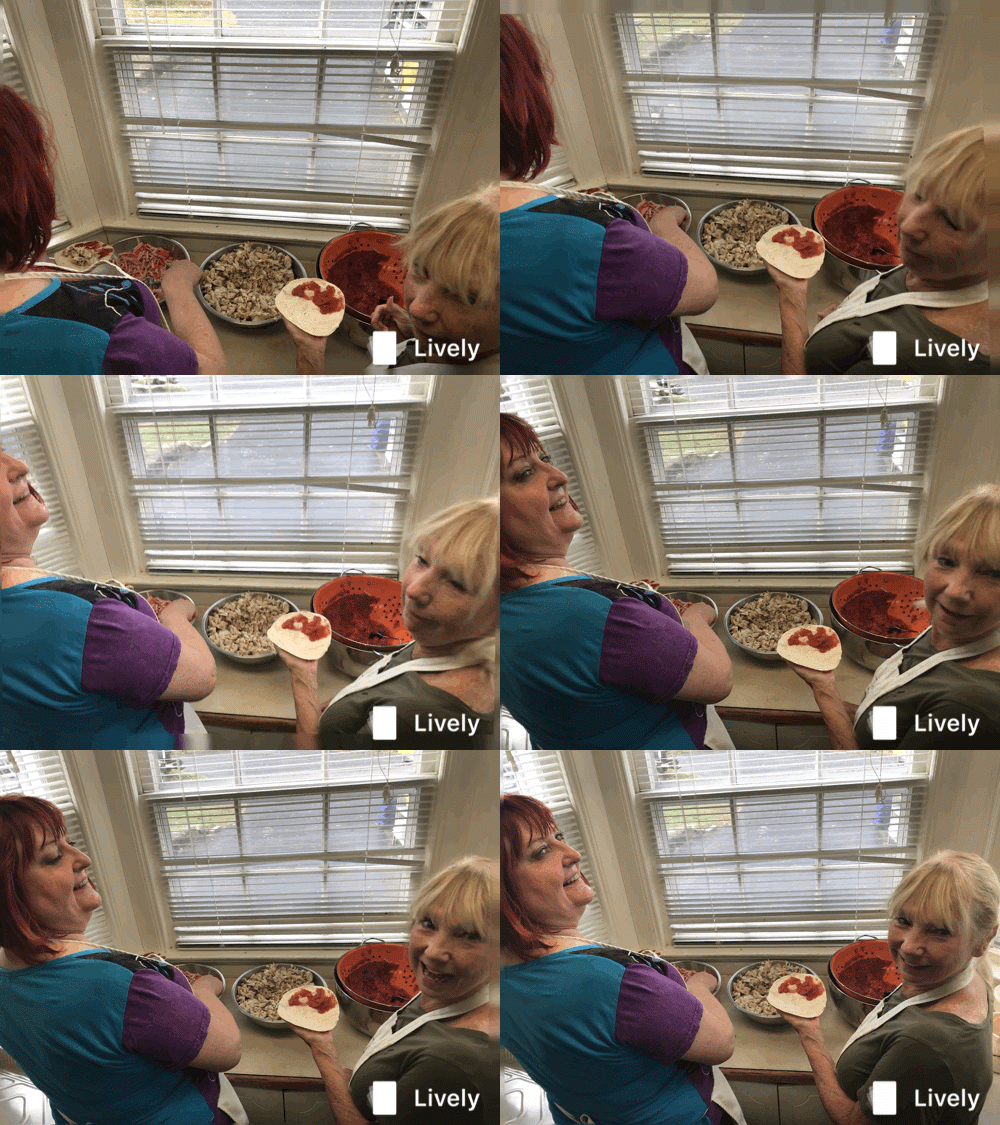
Watching their cooking rhythm is mesmerizing so I asked “If you describe your cooking rhythm in a music genre, what would it be? Could it be fast like Hip Hop or slow yet upbeat like Jazz?”
Marirae: We have comedic rhythm.
Joyce: We laugh a lot.
Marirae: And I swear a lot!
Laughter and the sizzling of the tortillas continue throughout the small kitchen as I leave. Joyce and Marirae continue cooking, as they have done together the past several years. The happiness within their friendship is evident, and anyone that enters the kitchen can feel the joy. It’s enlightening to learn of a relationship that began at this organization and has been cultivated ever since. We could all stand to be a little bit more like these two.
We All Need Something
For the past few school years, the seventh and eighth graders at Abintra Montessori School have been filling our prep room each month. It’s a partnership that we have grown to love and one that we’re proud to hear is essential to the education of Abintra students.

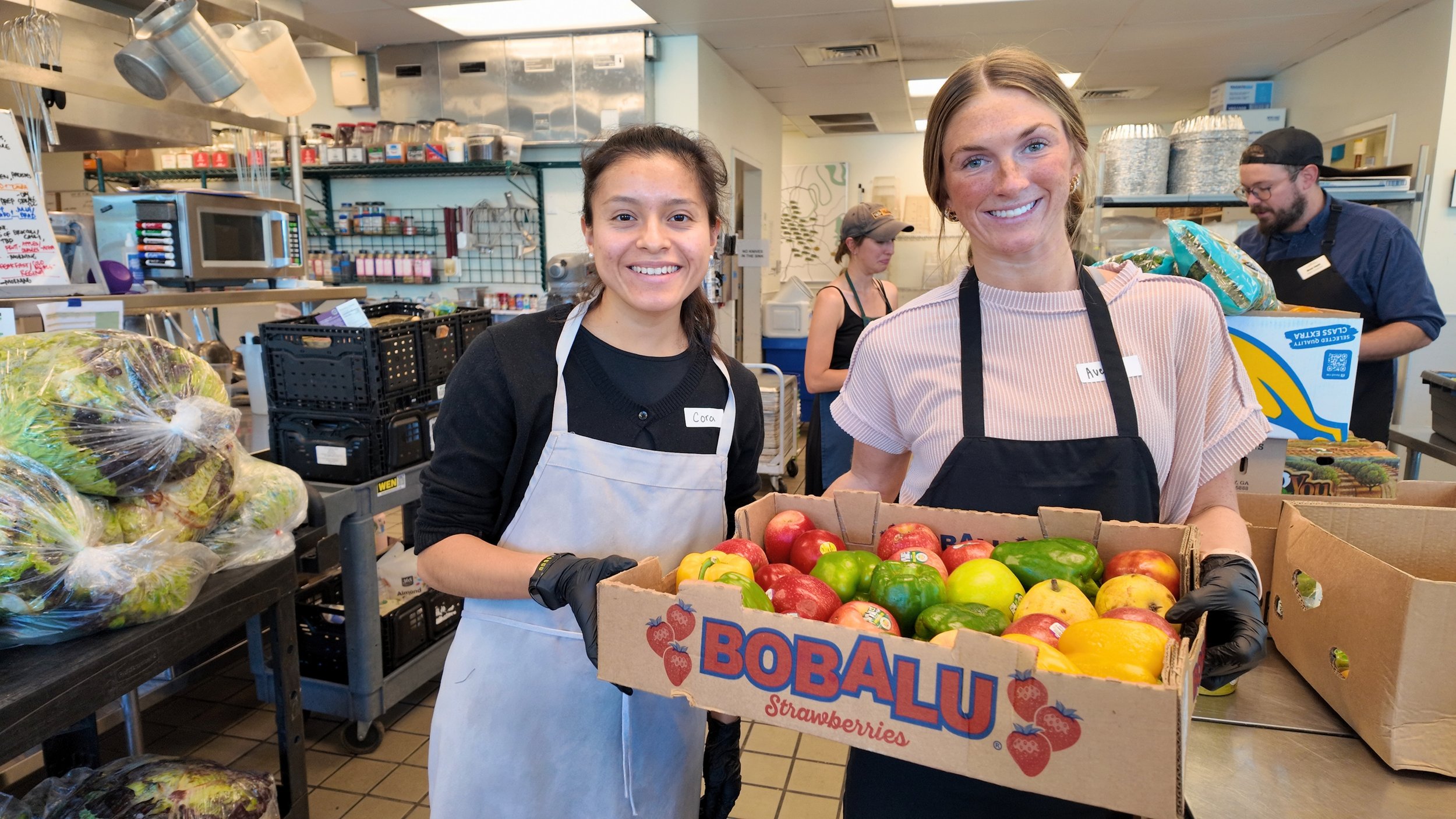
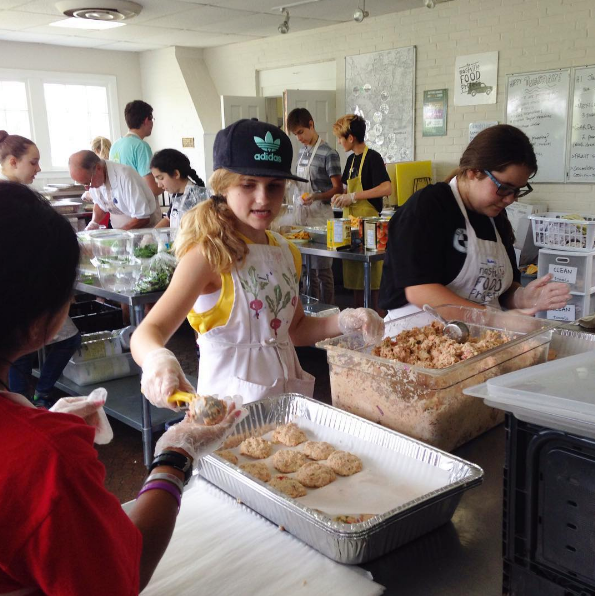
For the past few school years, the seventh and eighth graders at Abintra Montessori School have been filling our prep room each month. There the students clean and chop vegetables, assemble sandwiches and snacks, and put together beautiful fruit salads while listening to fun tunes with our staff. It’s a partnership that we have grown to love and one that we’re proud to hear is essential to the education of Abintra students.
“Volunteering is an integral part of our curriculum,” Abintra Middle School Guide Kim Blevins-Relleva tells us. “We’re trying to teach students to think critically about the world.”
She explains that there is a social justice component to Abintra’s educational philosophy, teaching the students that what they do in the community matters just as what they learn in the classroom matters in their daily lives.

Abintra looks at volunteerism as so much more than an opportunity for students to feel better about themselves, but an opportunity to make a positive contribution.
“We believe that access to food should be a basic human right, but it really is a privilege here in our community,” Kim tells us. She says that food insecurity is a reality that many Abintra students struggle to relate to so it’s that much more important for them to realize the impact of the work they do in The Nashville Food Project kitchen. Each time the students help with meal prep, they look at our meal partner map to learn more about where the food is going and the work it is supporting.

In our kitchen, the students get so much more than a fun volunteer activity. “They enjoy being entrusted to do jobs that typically adults would do - cooking and chopping. At The Nashville Food Project, they’re treated with respect by the staff, and they get to see the final product of what they’ve created,” Kim explains.
Kim tells us that the school tried many different organizations before settling on The Nashville Food Project as the regular volunteer partner for their middle school. They looked for an experience that taught their students that we all need each other in some way. “No matter who you are or what your life circumstance may be, we all need help.”
Here at The Nashville Food Project, they found a similar philosophy that blurs the lines between giver and receiver, one in which we recognize our interdependence and our shared basic needs.
Having the Abintra students in our kitchen has become something we look forward to as each school year nears. They’ve just rejoined us this month, and we couldn’t be more thrilled to welcome them back.
While We're Here
On a typical Tuesday our South Hall kitchen is filled with a steady group of diverse and dedicated volunteers, and you can’t escape the good vibes. Today, cherry sorting is increased with the help of the background music, not to mention it led to the first common ground and opening to discuss the focus of this blog: friendship.

On a typical Tuesday our South Hall kitchen is filled with a steady group of diverse and dedicated volunteers, and you can’t escape the good vibes. A 3-year veteran, Linda, tells me that it’s the music that Meals Coordinator Katie always plays that gets everyone grooving. Very easy to agree with after hearing the funk of Ray Charles come through the radio. I do feel our cherry sorting production was increased with the help of the background music, not to mention it led to the first common ground and opening to discuss the focus of this blog: friendship.
Although Linda suggests that the music was meant to appease some of the older volunteers (Psshh, she was in tow with her teenage grandson that day, back for his second visit.), it really is just another tool in nurturing community and friendship. With so much food to prep, it would be easy to get too involved with the work and miss the opportunity to build relationships, but that never seems to be the case around here.
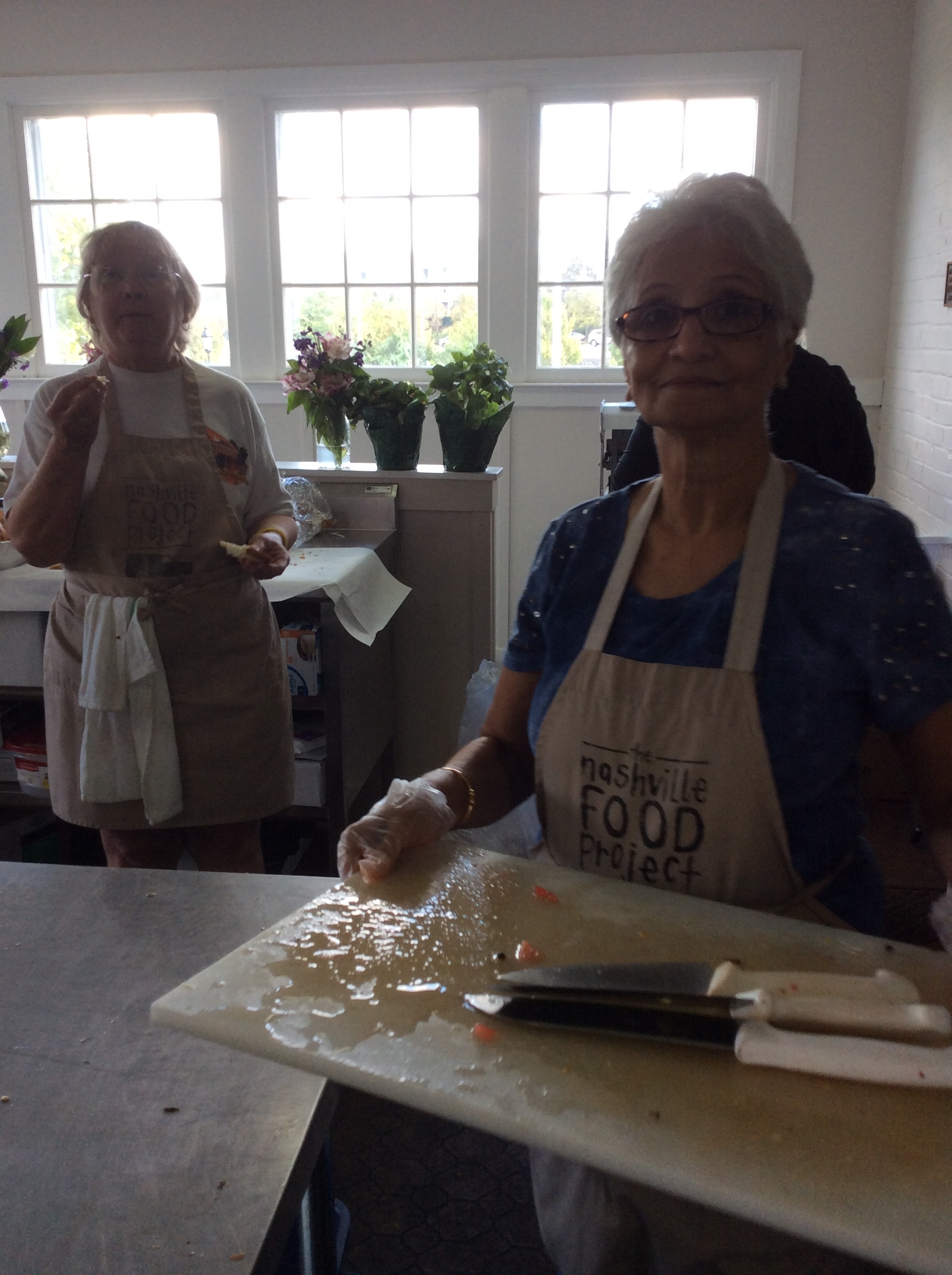
I asked my delightful cherry sorting partner, Meera (very cool lady), why she keeps coming back, and she told me that, for her, she just wants to help and volunteer her time, simple as that. She went on to say that “while we are here, is when you see something special.”
Hearing the story of how she began meeting and building friendships with other volunteers, you can see that there is much more going on here than just sorting cherries. Meera is apparently an amazing cook and master of spice! As we are having this conversation, a dedicated volunteer cook Mary comes by to try out a few of the Rainer cherries on the table.
I soon find out that Meera and Mary have been volunteering together for nearly five years! These ladies, along with Linda and their friends Marilyn and Cheri, all met in the TNFP kitchen, and through their service to the organization, they’ve built lasting friendships that follow them outside our kitchens. It is amazing to see the friendships that have been cultivated over these cutting boards and mixing bowls.
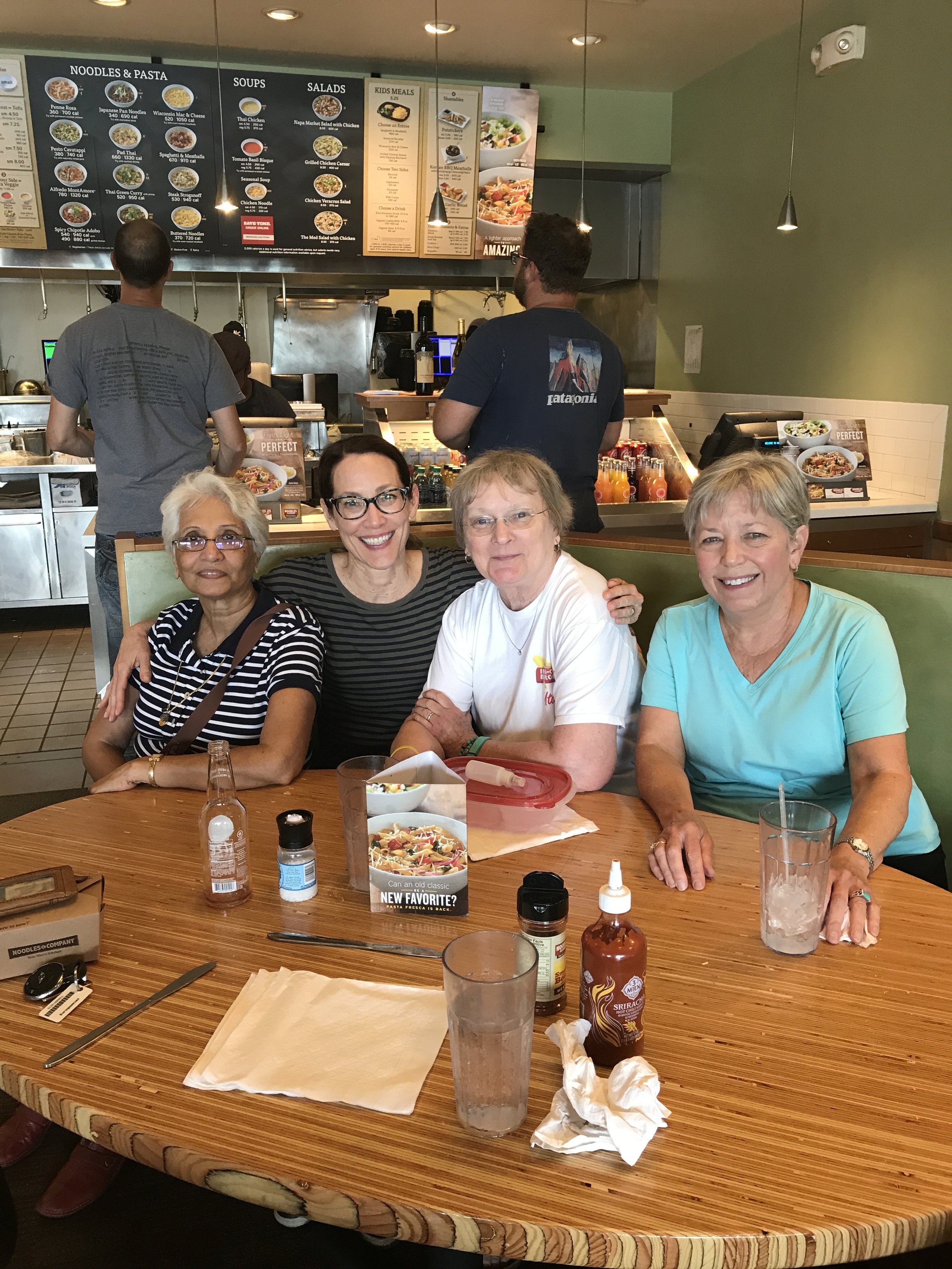
These ladies and their friendship really shows the mission of The Nashville Food Project in action, and shows how we are fulfilling our mission to cultivate community. Each time I volunteer with TNFP, I am amazed at how much of the real work of the organization happens just by being in the space surrounded by these amazing volunteers.
If you want to help us cultivate community, just show up, open-up, give a hand, and listen to the music. Why we are here is great, but what happens while we are here is the magic.
Spreading Joy Through Nourishing Food
On any day of the week, you can walk into the kitchen at St. Luke’s and be greeted with a smile and warm hello in the midst of all of the hustle and bustle that takes place when over 200 meals are being prepared for the day. This warm and inviting atmosphere is just one reflection of the great partnership that has been established between St. Luke’s and The Nashville Food Project.
by Patricia Bing, St. Luke's Community House Family Resource Center Director
On any day of the week, you can walk into the kitchen at St. Luke’s and be greeted with a smile and warm hello in the midst of all of the hustle and bustle that takes place when over 200 meals are being prepared for the day. This warm and inviting atmosphere is just one reflection of the great partnership that has been established between St. Luke’s and The Nashville Food Project.

The partnership between the two organizations began in March of 2016, sprouting from two separate places- St. Luke’s need to provide quality and nutritious food to our clients, and The Nashville Food Project’s desire to begin a social enterprise. After being connected with one another, talks ensued, and that, as they say, was the beginning of a beautiful friendship.
The Nashville Food Project now provides food for two programs at St. Luke’s. The first being our Senior Services program, that provides freshly prepared lunches that are delivered to seniors in their homes Monday through Friday and meals for our weekly senior activities. The second program is our preschool, for which The Nashville Food Project prepares breakfast, lunch, and snack daily.

There was a period where we had to transition the participants of both programs to the new menus and foods they were now being served. The Nashville Food Project did a great job of finding compromises that mixed in the foods clients were used to being served with healthier alternatives. The communication between the two organizations was essential to a successful partnership. The Nashville Food Project did, and still does, an excellent job of making sure they understand what both our seniors and children like and want. They talk to the teachers. Seniors are polled and asked questions, and they are always open to any idea or suggestions that may come from the St. Luke’s staff.

At St. Luke’s we recognize that food is a vehicle. It is a way to educate, bring people together, and help us discover what other needs the members of our community may have. Through this partnership, we are able to not only introduce nutritious foods to our clients, but it gives us an opportunity to educate them on why it is healthy and what other healthy food options may be out there.
We have heard stories from individuals about how this change in their diet has improved their quality of life. One of our seniors let us know that since switching to the healthier meals, her blood pressure is lower, blood sugar is better controlled and she has lost 8 pounds. Today, I walked into a classroom of two-year olds during lunch time and they could not get enough of the salad, green beans, and spaghetti they were eating. Most had abandoned their forks in favor of their hands to make sure they got every delicious bite.
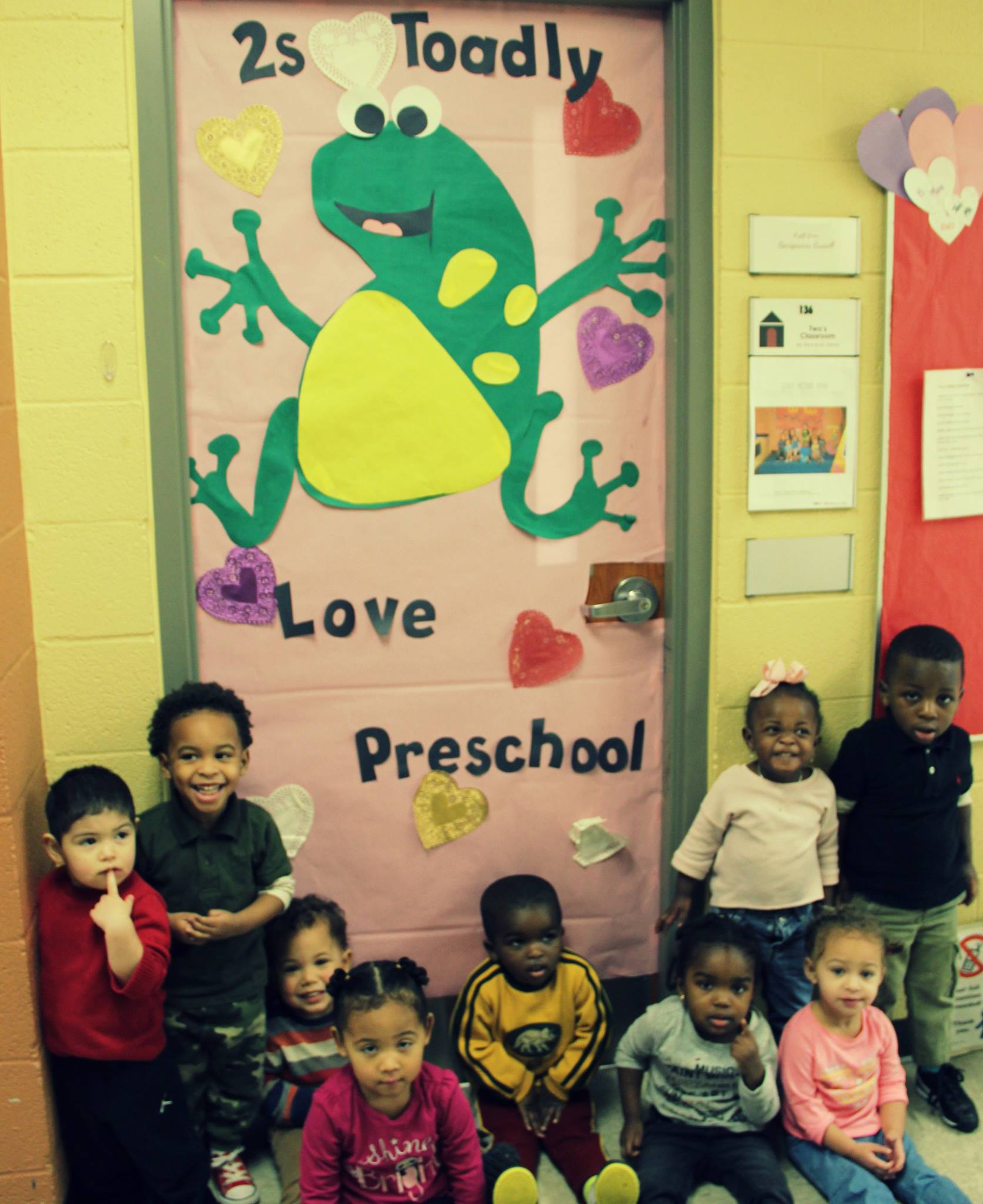
There is now a positive energy that surrounds the preparation, delivery, and consumption of the food that is pure joy to witness. These examples truly show what a success the partnership between St. Luke’s Community House and The Nashville Food Project has been and will continue to be.
How We Cooked in 2016
With the addition of several new meal partnerships, 2016 was a year of unprecedented growth in our meals program. We opened a second kitchen at St. Luke’s Community House, doubled our meals production, nearly tripled our food recovery efforts and added a total of FIVE new positions to our meals team!
With the addition of several new meal partnerships, 2016 was a year of unprecedented growth in our meals program! We opened a second kitchen at St. Luke’s Community House, doubled our meals production, nearly tripled our food recovery efforts and added a total of FIVE new positions to our meals team!

We can’t talk about changes in our meals program without starting with our biggest change - in March of 2016, we opened our second kitchen site at St. Luke’s Community House. This was an exciting opportunity to double our meals outputs while building a solid relationship with a new partner in St. Luke’s. We completed a minor renovation of the kitchen, adjusting the layout and bringing in new equipment and shelving to maximize the space and ensure that we worked efficiently while producing the healthiest meals possible.
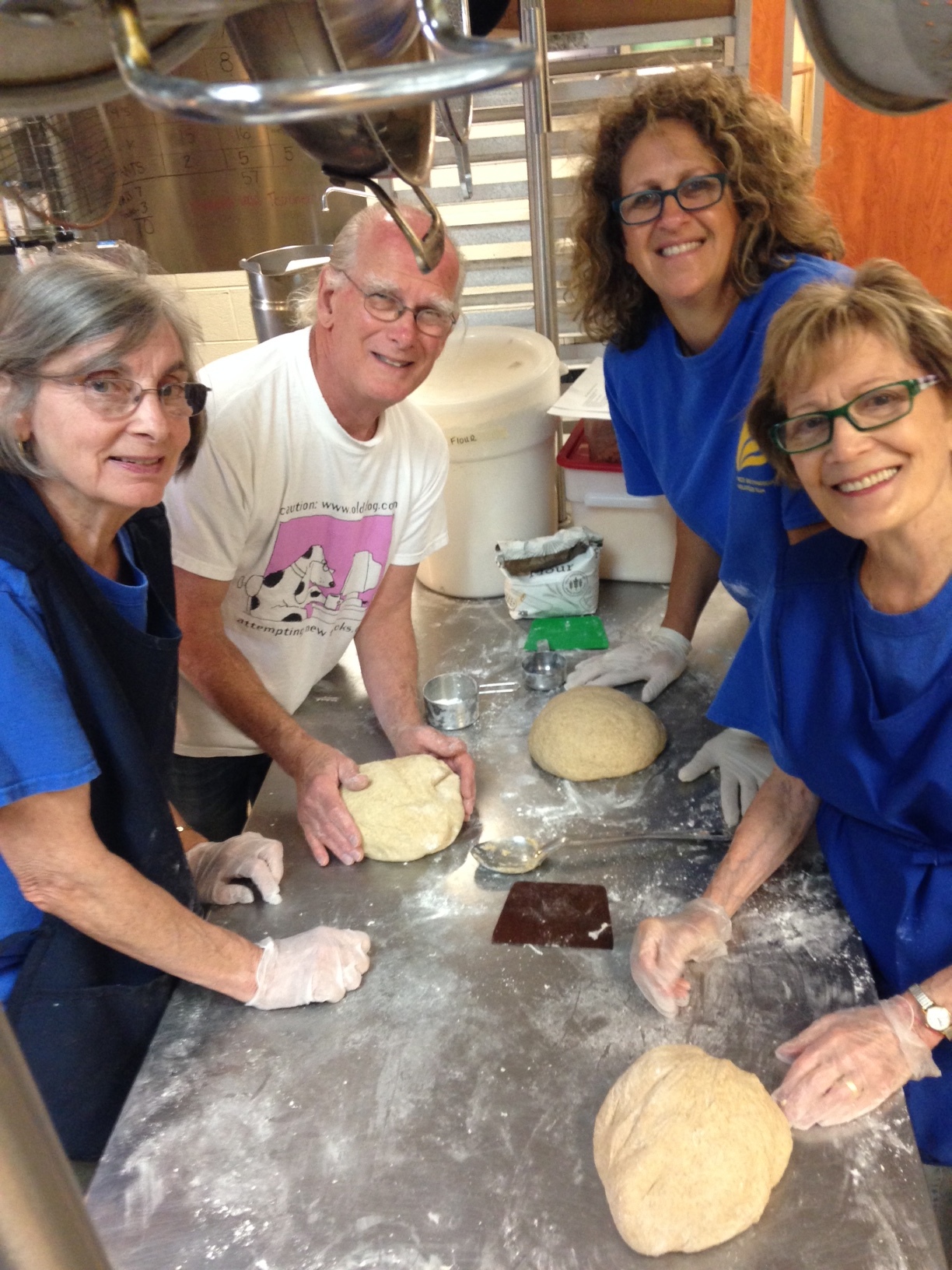
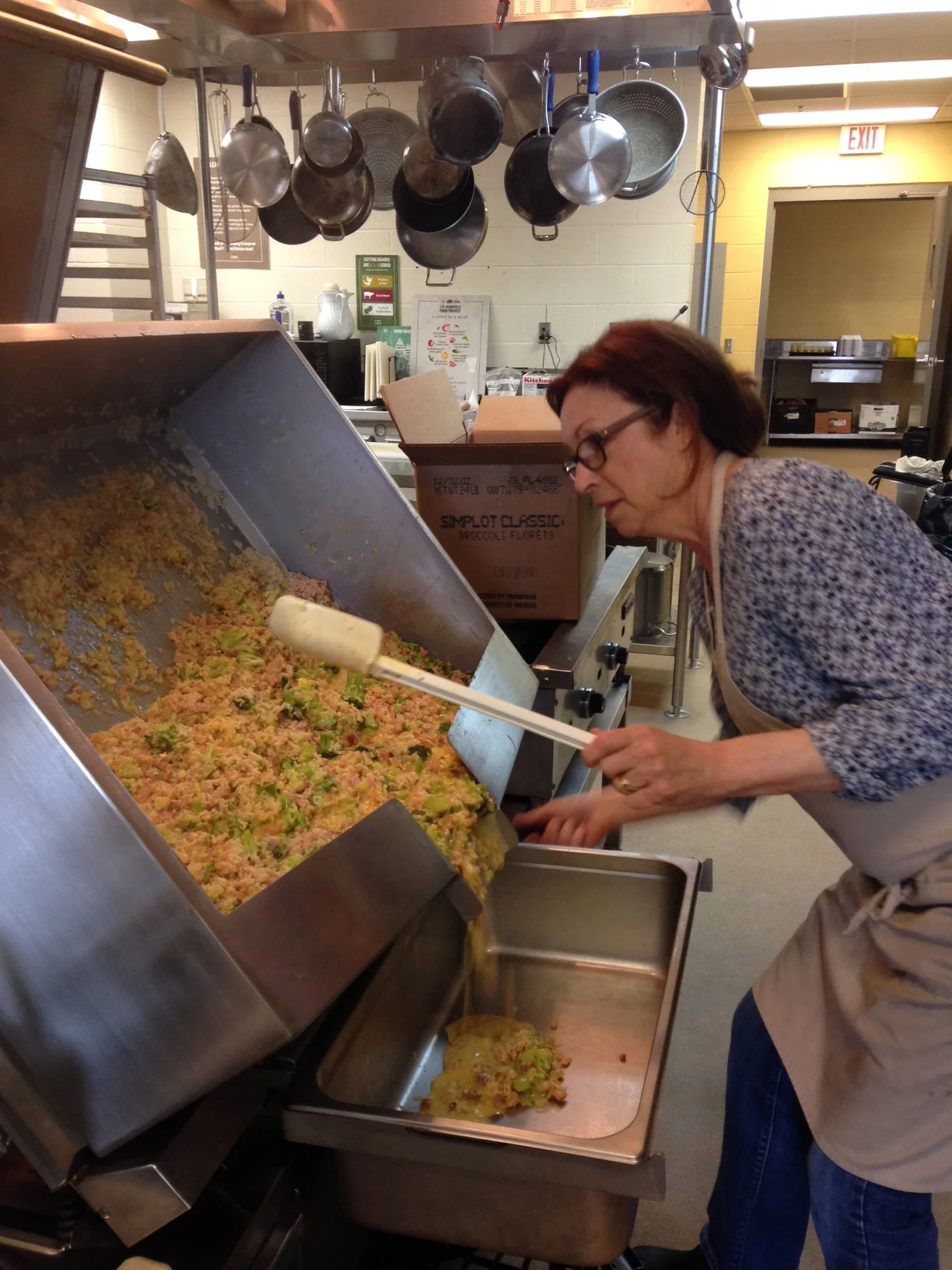

Volunteer extraordinaire Ann Fundis led the opening of the new kitchen and worked tirelessly to get the kitchen up and running until permanent staff, Kelli Johnson and Sarah Morgan, were hired. We were able to expand our volunteer opportunities and add new morning prep times to support the kitchen. Thanks to an amazing team of HCA volunteers, we also built and initiated a robust new compost system at St. Luke’s to utilize any food waste generated by the kitchen. Through all these efforts, we’ve been able to provide more than 100 preschoolers and seniors with more high-quality fruits and vegetables five days a week.

Determined to make a real difference in the amount of usable food entering our city’s waste stream, we created the new position of Food Donations Coordinator. In the role, Booth Jewett, has strengthened partnerships with local farmers, grocers and markets to nearly triple the amount of food we recovered from 2015 to 2016. This has provided more than $150,000 of food to support our meals program while keeping costs down.

In addition to recovering more food, Booth has also initiated partnerships with 11 nonprofits to share excess donated food. These partners use this food in their own kitchens and stock client refrigerators, ensuring even more have reliable access to fresh food.
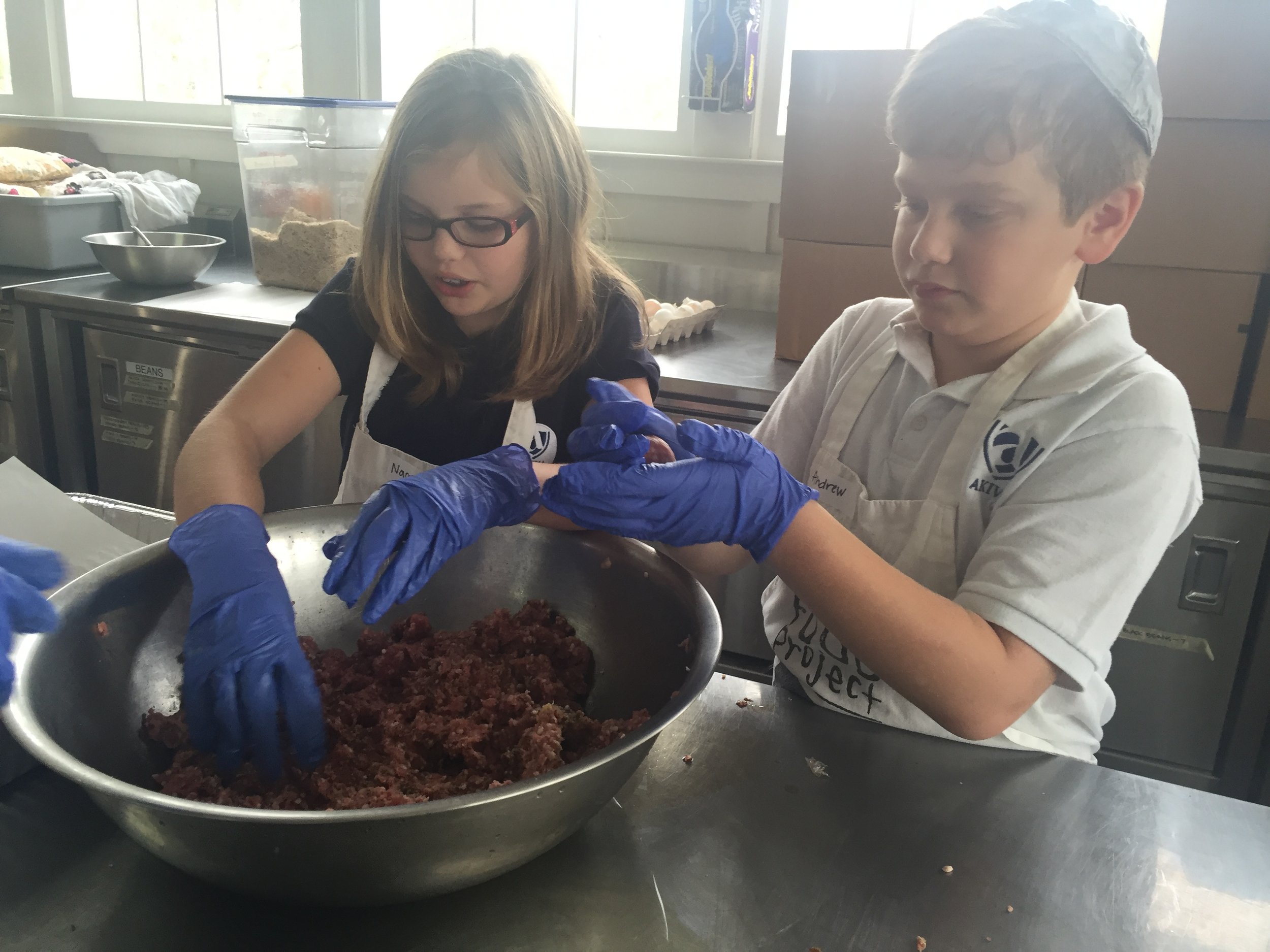
In our South Hall kitchen, we’ve also seen incredible growth, hiring new Meals Manager Christa Ross and Meals Assistant Kathleen Costello. This new staffing helped us increase South Hall meals outputs from just over 1,000 each week in 2015 to more than 1,300 each week in 2016. We added additional volunteer prep times, re-arranged the prep space and created new systems to make our work more efficient and ensure that we are making the best use of every resource we have!

