
The Nashville Food Project’s Blog


Oh, the Places You'll Go
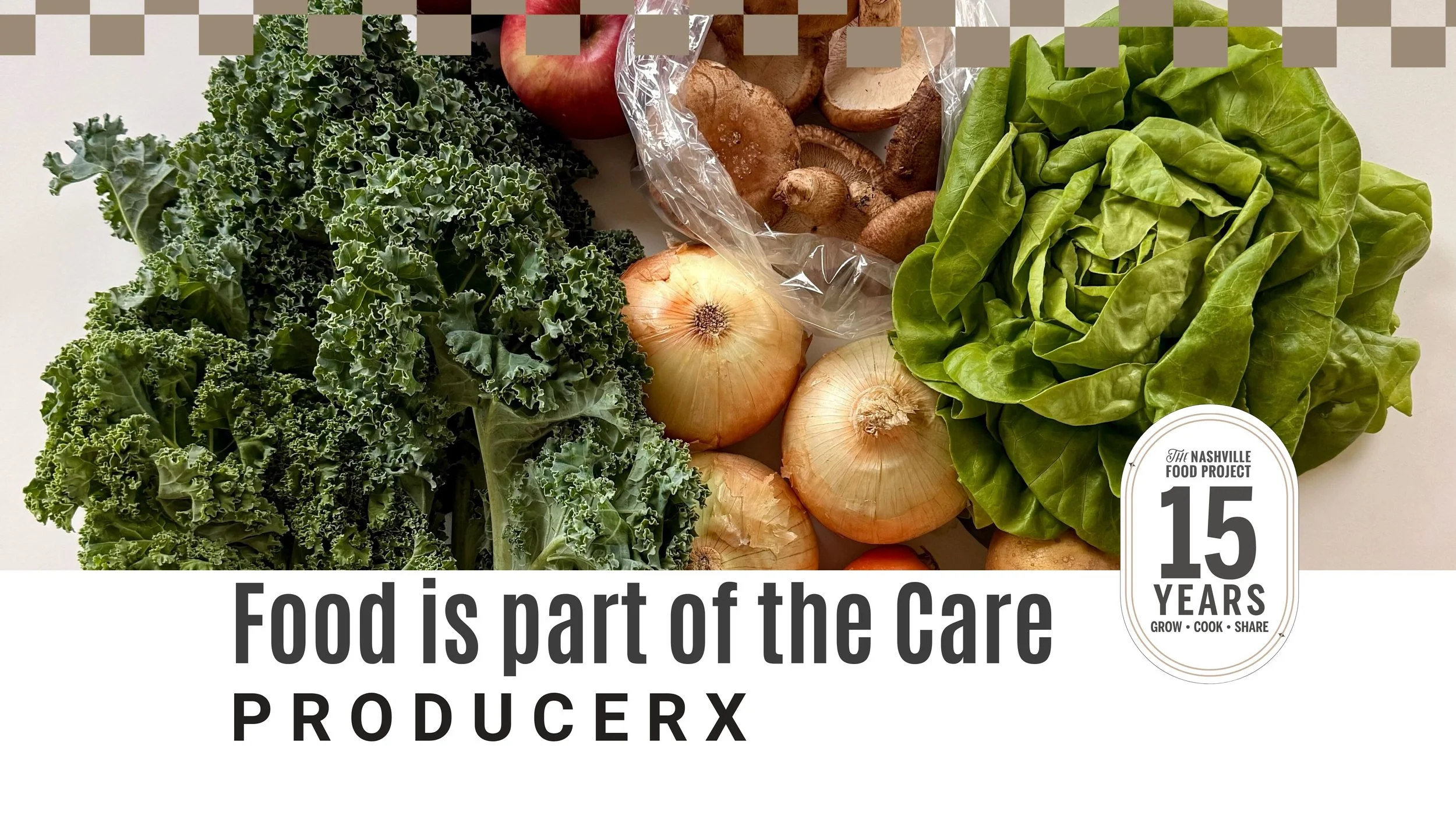
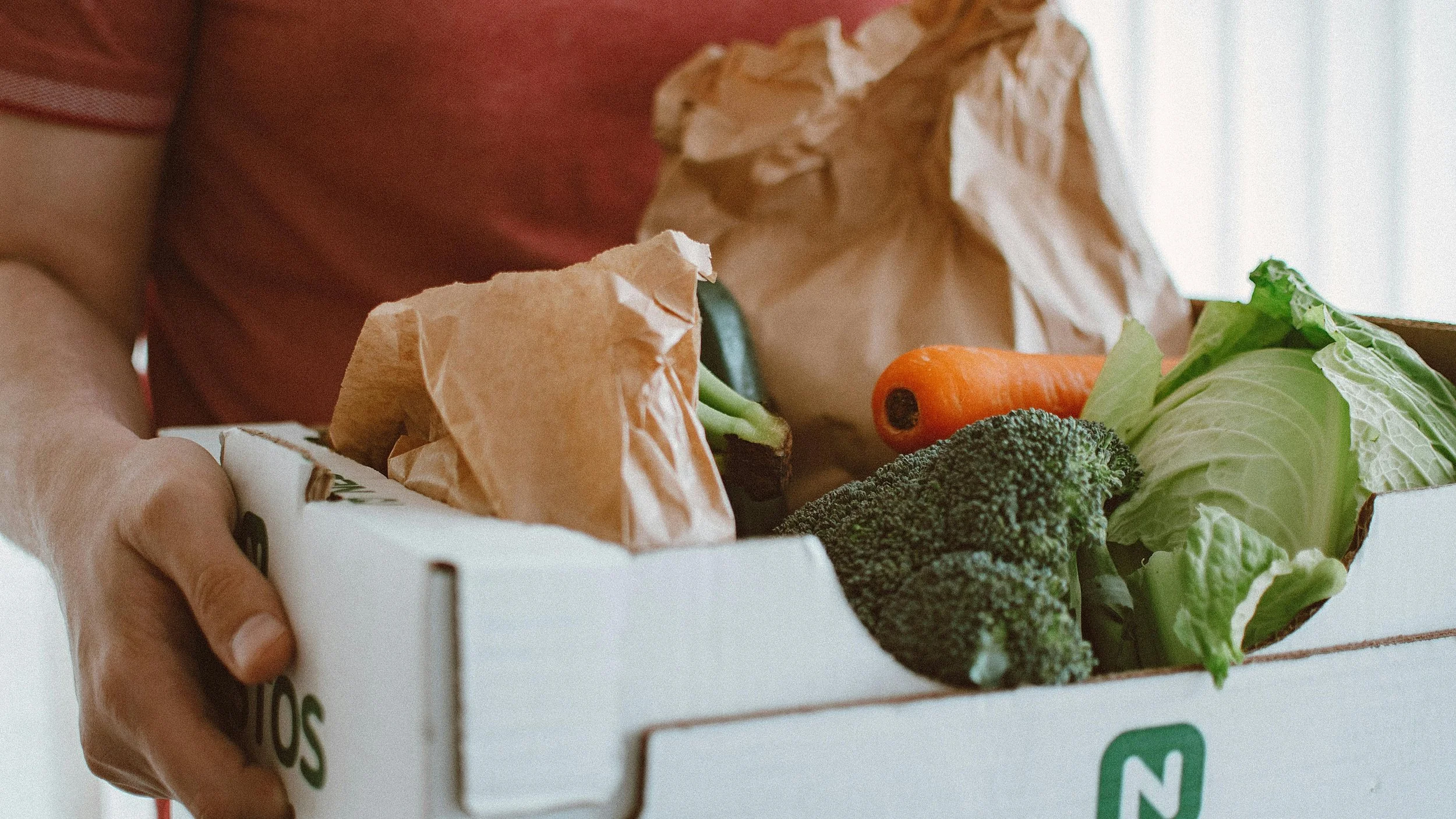
A simple ingredient - tomato, lettuce, carrots - can touch thousands of lives once it comes through the doors of TNFP. Today, we’re following the journey of one ingredient in our meals last week: big, beautiful, leafy kale.
A simple ingredient - tomato, lettuce, carrots - can touch thousands of lives once it comes through the doors of TNFP. With every crop that we grow, and every meal that we make our ultimate goals are to alleviate hunger and build community. With such lofty goals it’s no wonder that hundreds of people are needed to make this a possibility, and, in return, thousands more are touched by the respect and love shared within their meal. In this blog we will follow the journey of one ingredient in our meals last week: big, beautiful, leafy kale.

Photo courtesy of Sweeter Days Farm
With every meal, our goal is to support the community through a multifaceted approach. For this reason we love to grow produce in our gardens. But when that is not possible, our next favorite option is to buy local, naturally-grown foods from other community members. Our meals team is working on a new program to purchase "2nds" from farmers in the hopes of decreasing the waste from our city's food stream by diverting into our meals. This week, we purchased three bins of kale from Sweeter Days Farm to use for the entire week in our South Hall Kitchen. The kale was pulled to make room for new crops and would have otherwise been thrown away.

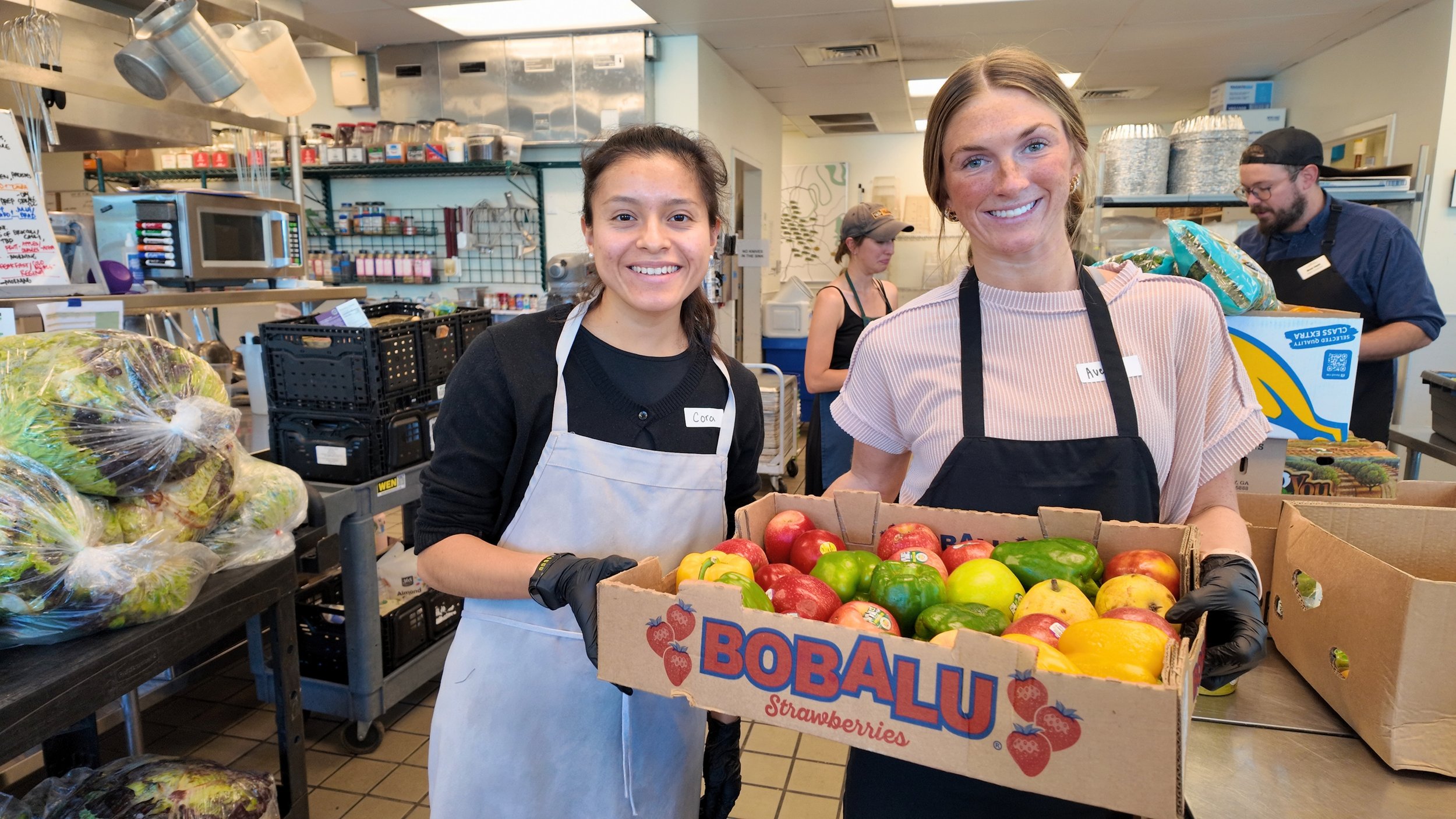
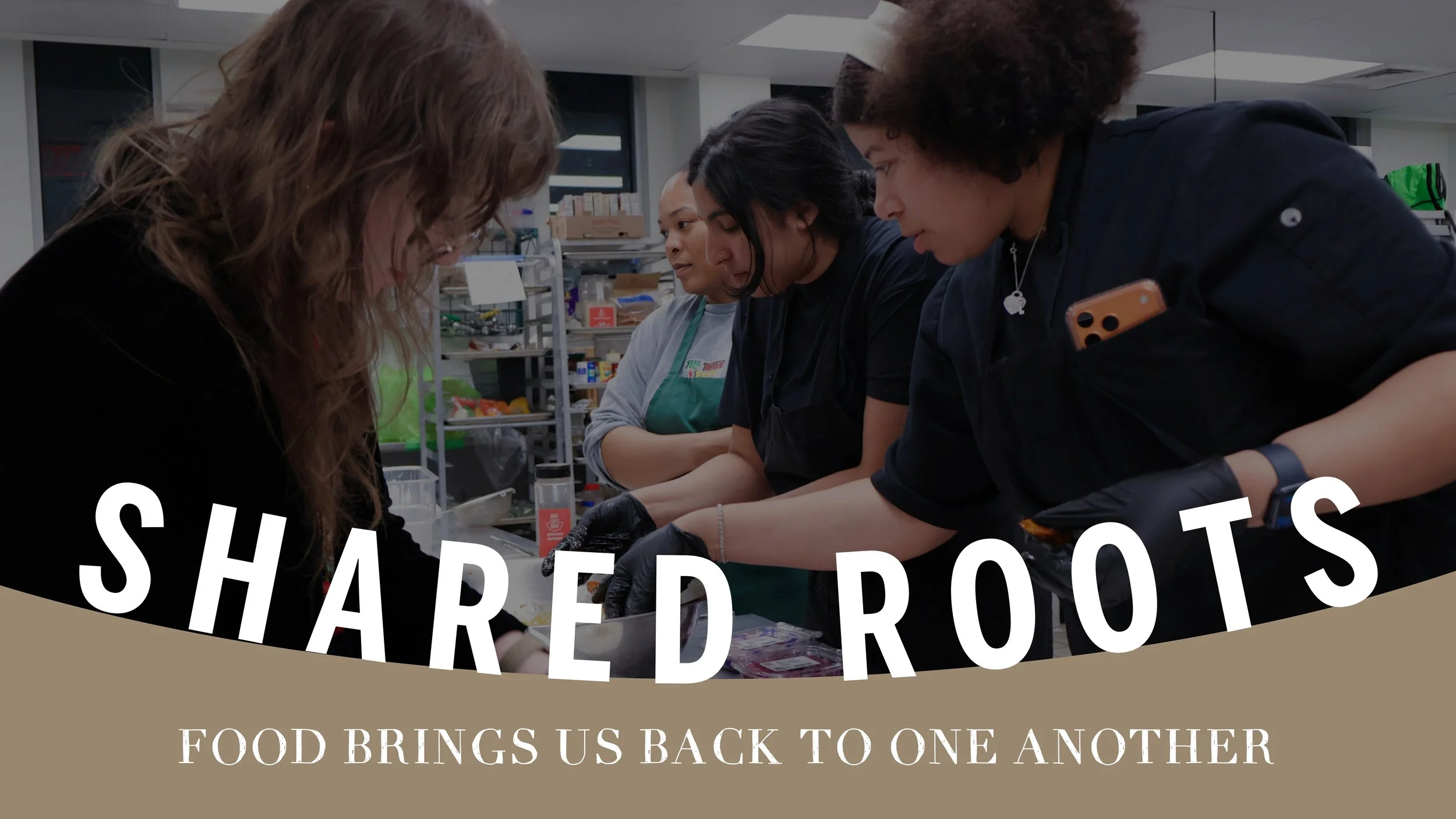
Our meals team works hard to come up with a plan to use every bit of food that comes our way, and that requires a lot of help. TNFP Intern Kate helped wash and cut the kale for a salad. Kate is a part of Lipscomb University’s IDEAL Program which is a two-year certificate program designed to support students with intellectual or developmental disability. Students in this program take classes, participate in internships, and enjoy the college experience. At TNFP Kate provides assistance in the South Hall kitchen. “I wash fruit, cut up fruit for salad, help prep cookies, vegetables, and snacks.” Kate does much more than help with meal prep. She brings a level of energy and enthusiasm that is passed to everyone working alongside her which helps make the finished product like kale salad that much more incredible.

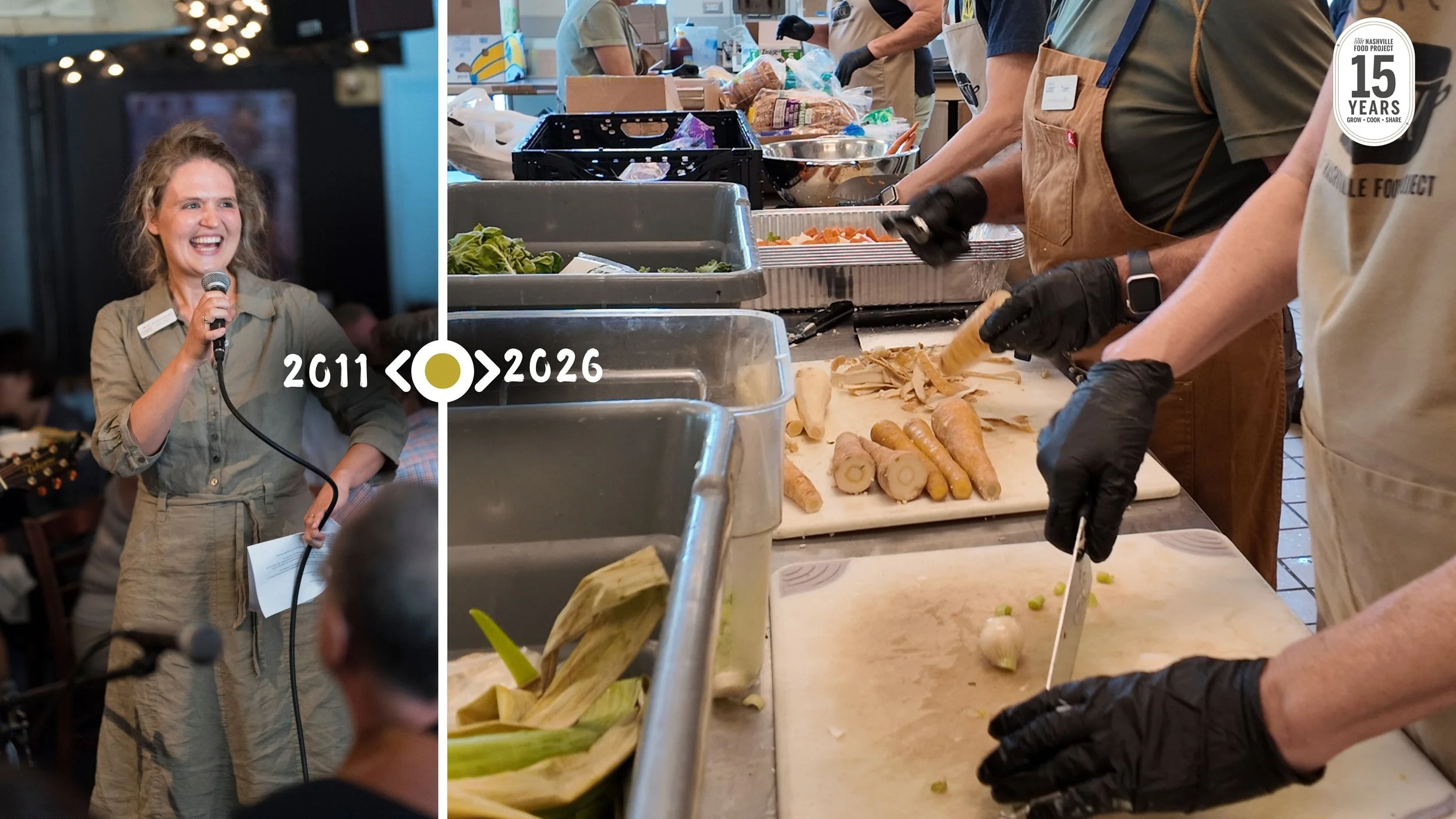
Although a kale salad always hits the spot, we like to get creative with our meals and use the ingredients that are available. TNFP volunteer cook Shellye and her team prepared a strata with the kale, other veggies, and ham. Almost every meal that comes from the South Hall kitchen is prepared by volunteer cook teams. Shellye explains why she committed to volunteering at TNFP as a regular cook. “I’ve been volunteering here for five years, and I really enjoy the camaraderie of cooking with others and meeting a need to feed healthy food to people who really need it.”
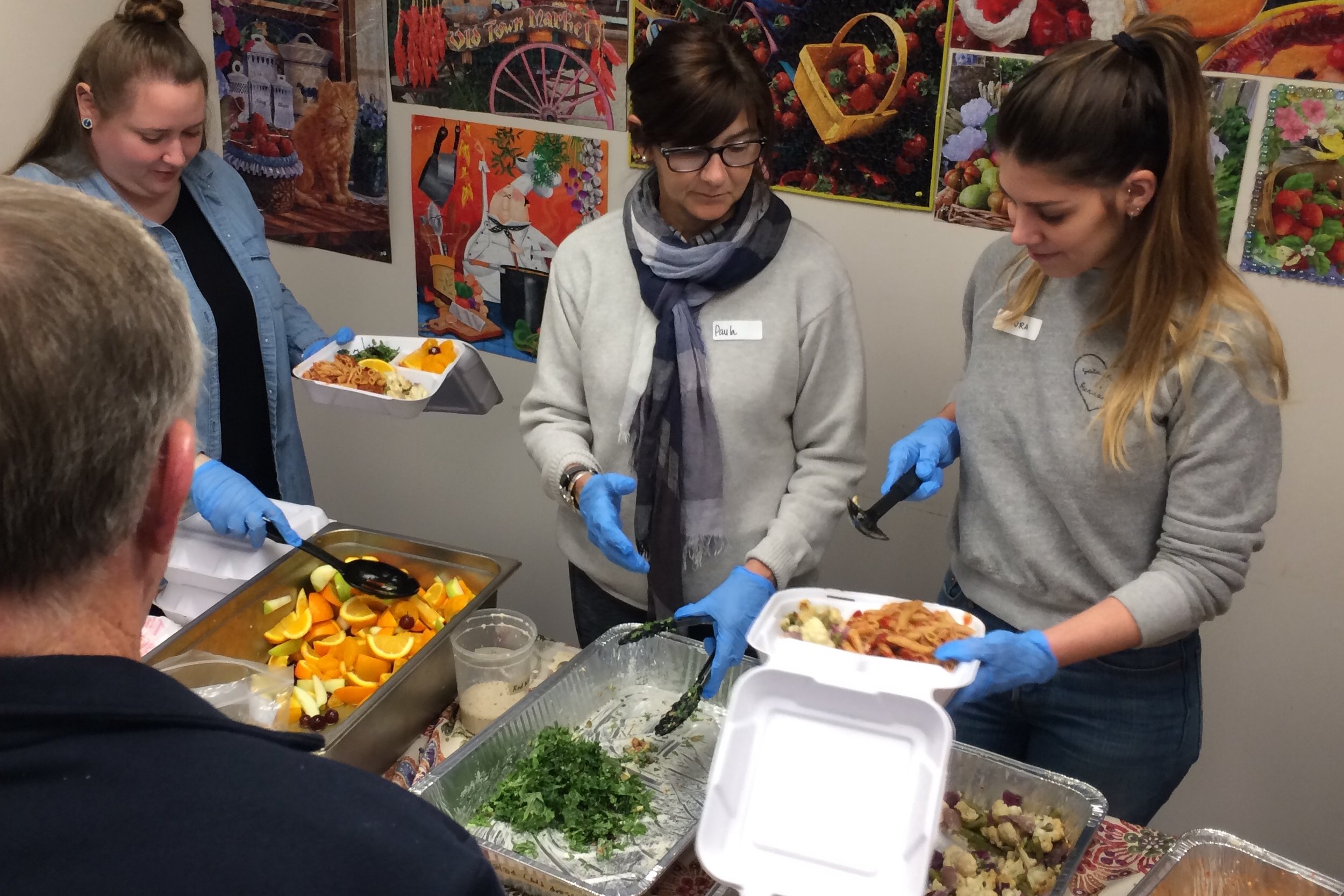
Paula (center) serving kale salad at John Glenn & Peggy Ann Residential Housing.
When it comes to sharing food, the purpose is not simply to serve a meal but rather to make connections, meet our neighbors, and find commonalities. Long time volunteer Paula and a group of new volunteers served the meal, complete with kale salad, at John Glenn & Peggy Ann Residential Housing. As a volunteer for over five years she has volunteered in almost every role at TNFP with her family. “I love the mission of bringing good food to people who need it. Food is a common denominator. I like to serve meals in my own home and bring a little bit of home to people who may not have it right now. It's rewarding to serve food.“

The last stop on our journey is in the hands, hearts, and bellies of the people with whom we share our meals. John L Glenn and Peggy Ann are residential centers in North Nashville run by National Church Residences, an agency that provides affordable housing for low-income seniors. TNFP serves 60 hot meals to residents here each week. Victoria at John Glenn and Peggy Ann Residential Housing says “The food has been really, really good and the [volunteer] servers are kind, generous and considerate. It’s a blessing and we look forward to it every week!” When we talked several residents were sitting around a table with their food chatting with each other, visiting with family, and talking to volunteers.
“Food is a common denominator.”
Something so small as a few bins of kale can truly make an impact on hundreds of people when communities are so tightly woven. Each person in Nashville is connected in a powerful way, and though it may not be a connection that is seen at all times, it's there. As Paula mentioned before “food is a common denominator.” And in this story the denominator was kale.
Creating and Sustaining a Local Food Web
The Nashville Food Project has been proud to call ourselves a full circle organization in the past. We grow, cook and share food in a way where each of our programs nurture and sustain each other and our mission. However recent events have led us to wonder if we have limited ourselves in speaking this way and if actually what we are growing into is a vibrant and resilient food web…
by Christina Bentrup, Garden Director
The Nashville Food Project has been proud to call ourselves a full circle organization in the past. We grow, cook and share food in a way where each of our programs nurture and sustain each other and our mission. However recent events have led me to wonder if we have limited ourselves in speaking this way and if actually what we are growing into is a vibrant and resilient food web.

We all learned in biology class that food webs are made up of interdependent linkages. No part of a web is too small to not have an oversized effect on the whole web if disrupted or displaced. In the garden program at TNFP we grow thousands of pounds of fresh produce for our meals program, work with over 75 community and market gardeners and engage hundreds of volunteers each month in learning about urban agriculture through doing this work.

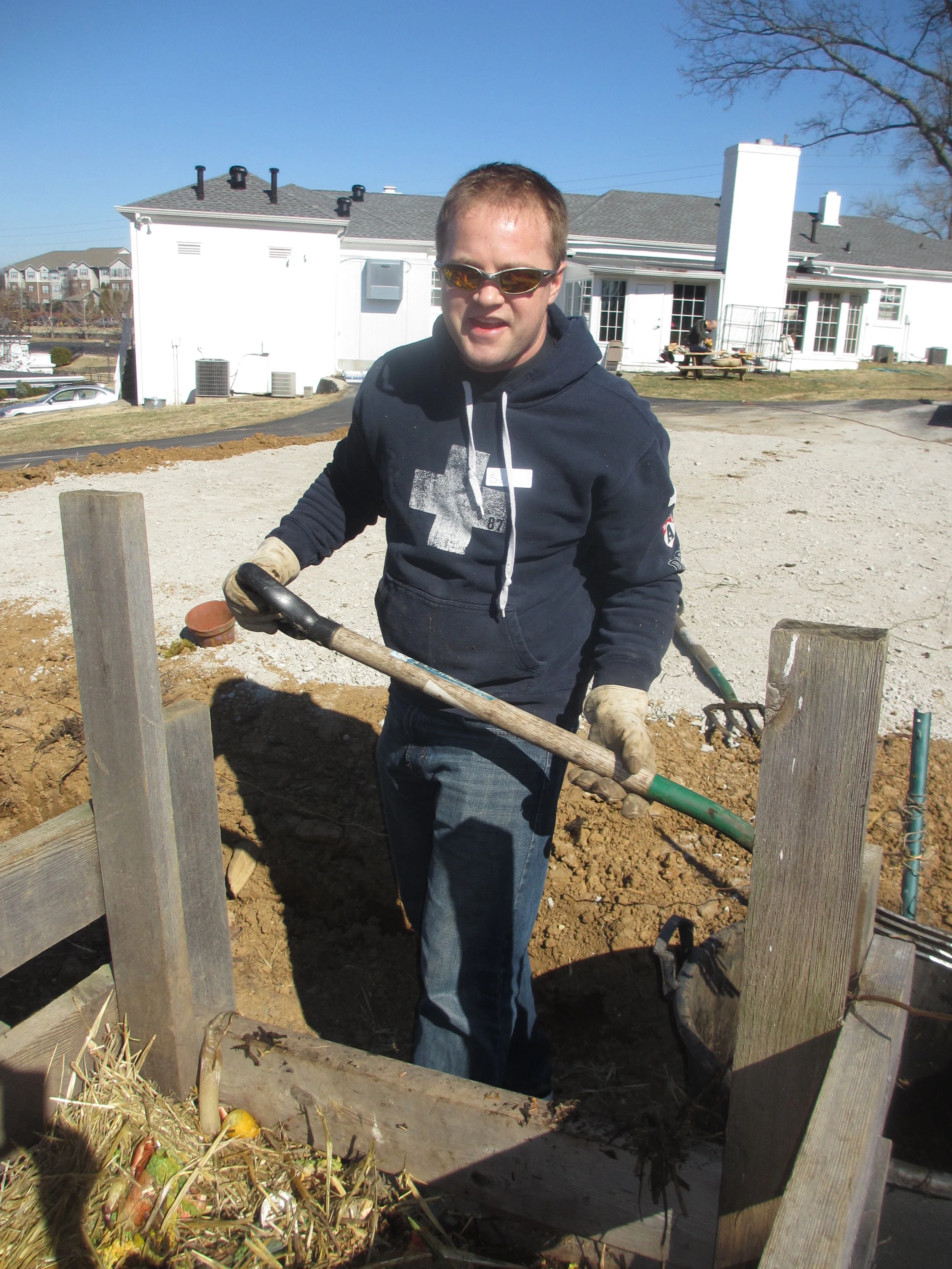
Daily, in and around our gardens we compost, raise chickens, provide homes for bees and other pollinators, collect rainwater, plant cover crops to protect and nurture the soil - the list goes on and on. We collectively refer to these aspects of our gardens as ecosystem components. In our controlled environment, our gardens could survive without many of these aspects. But they thrive because each of these parts contributes to a whole that supports and sustains a vibrant farm ecosystem.


I believe that what is happening in the gardens at TNFP is a microcosm of our larger work. Food webs depend upon producers, consumers and even decomposers - no component exists in isolation or can survive fragmentation. We believe the same is true for Nashville’s food system. The isolation and fragmentation of communities has led to people without enough food to eat and without the social connections to tap into community resources that can help.
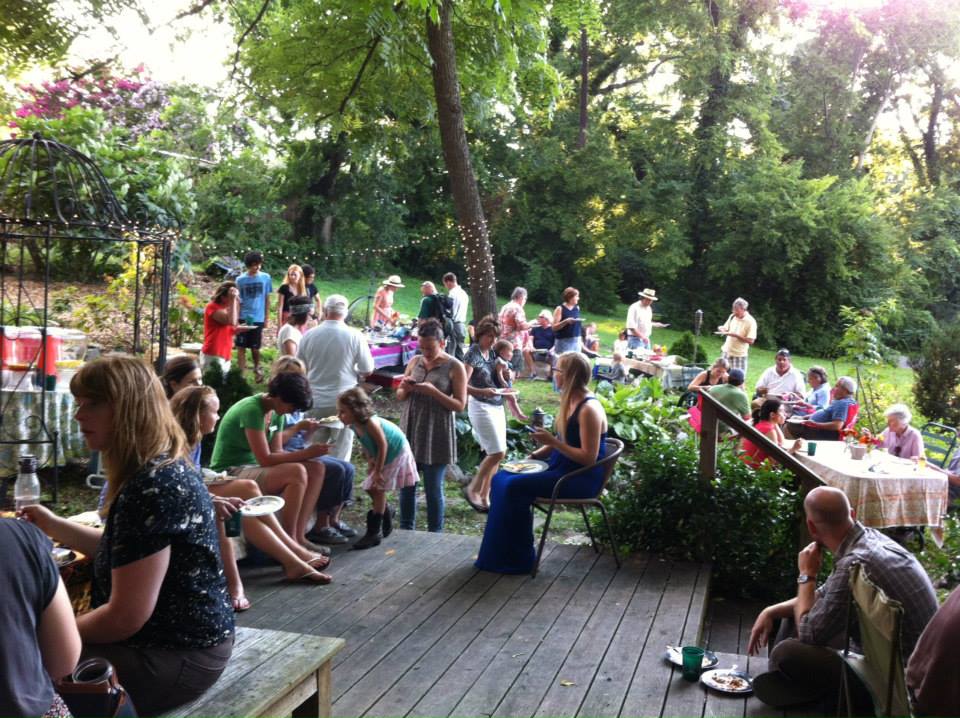
TNFP shares meals and gardens because we believe that food has an incredible ability to connect and unite people in deep ways. The non-profit partners we work with every day share our meals to build community in their programs. Our gardens provide places for connection to the land and to diverse community-building activities. Volunteers in all of our programs nurture and support this work and build community with us and each other every time they gather. We are creating and sustaining a vibrant food web that makes connections, supports people and carefully stewards our resources.
Someone told us recently that we needed to work more on connecting the dots in our programs. We have a difficult story to tell and a complex solution to the problems we’ve identified. We need to understand better the root causes of fragmentation and isolation in our communities. We need to find innovative ways to measure the impact of our work and to evaluate and to place value in the links in our food systems.
Decades of factory farming that has fragmented food supply chains and destroyed ecosystems have shown that linear efforts to simplify food production don’t work. In our gardens we strive for complexity and resiliency to support an ecosystem based on food production that is connected to our specific places and communities - as does The Nashville Food Project as a whole.


We strive to create and support connectivity, to build resiliency, and to do these things in a framework of justice and anti-racism. It’s a difficult and complex story to tell but that doesn’t mean we should simplify our efforts. Rather we need to continue to appreciate the thousands of small links joining together to make big change. We cannot do this work alone. We invite you to be a part of our food web, help us share our story, and make the connections that build community through fighting hunger.