
The Nashville Food Project’s Blog










Remembrance at the Community Farm at Mill Ridge
Let us first remember the trees.
If you can imagine 1,000 years ago, to when this hillside and all that our eyes could see was covered in a vast forest of maple, oak, chestnut, and hickory. A squirrel could travel for miles without touching the ground.
by Tallahassee May, Growing Together Education Manager, with information from the Southeast Davidson Regional Park Master Plan

Let us first remember the trees.
If you can imagine 1,000 years ago, to when this hillside and all that our eyes could see was covered in a vast forest of maple, oak, chestnut, and hickory. A squirrel could travel for miles without touching the ground.
Let us remember the indigenous people who lived here from time immemorial, who hunted the buffalo, elk, and deer that once roamed here. The Mississippian Indian Culture who created vast networks of agricultural communities and large cities, who raised the three sisters of corn, beans and squash and who built large ceremonial mounds throughout Tennessee and the Southeast.
Let us remember the Cherokee and the Shawnee, who thrived here for hundreds of years before European settlers arrived, who were forcibly removed by Andrew Jackson and his Indian Removal Act of 1830 and were marched on the Trail of Tears off of this land they had lived on for generations to new, unfamiliar, and unwelcoming territory.
European settlers started arriving in this area in the 1700’s. By 1850, the railroad had arrived, and this area of Mill Ridge supported a 400-acre, mixed-use vegetable and animal farm, owned by James Holloway. Twenty percent of Tennessee residents at that time were blacks living in slavery. Thirty-two enslaved people lived and worked on this nearby Holloway farm, and the graves of their descendants can now be found throughout this park property.
Let us remember that the conversion of these fields from forest to agricultural use—that the development of this community with a thriving agricultural economy—was dependent on the labor of black slaves.
The Moore Family bought this property in 1919. It was a dairy farm for many years, then converted to cattle only in 1950. In 1930, the house was built. It was one of the first in the area to have running water and an indoor bathroom. The house of the Moore Family Farm is now owned by Metro Parks, and it is hoped to be an integral part of this community farm development in the future.
Let us remember, and let us move forward in this remembering, giving thanks to those who came before and embracing the stewardship that is now our privilege to uphold.

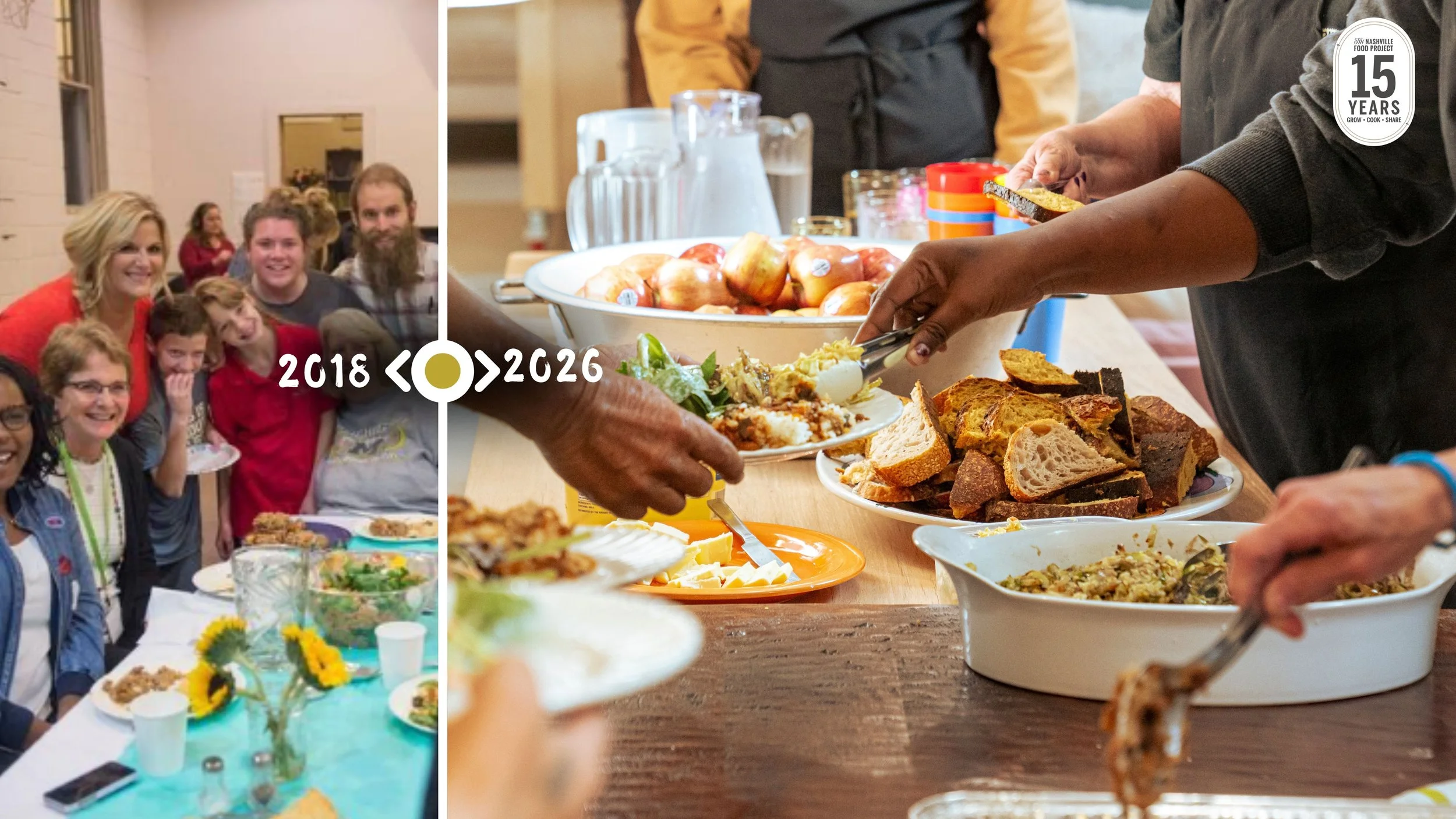
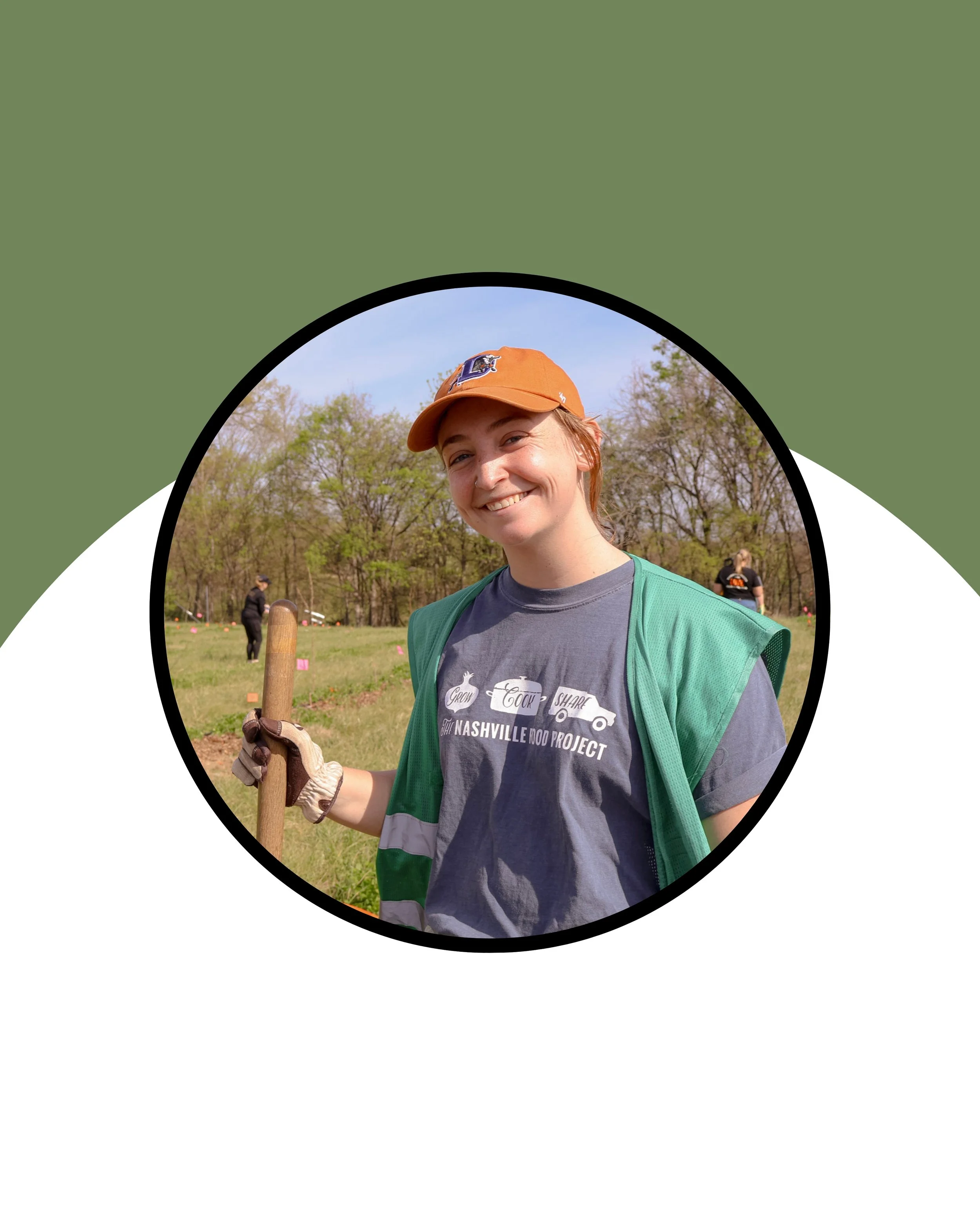
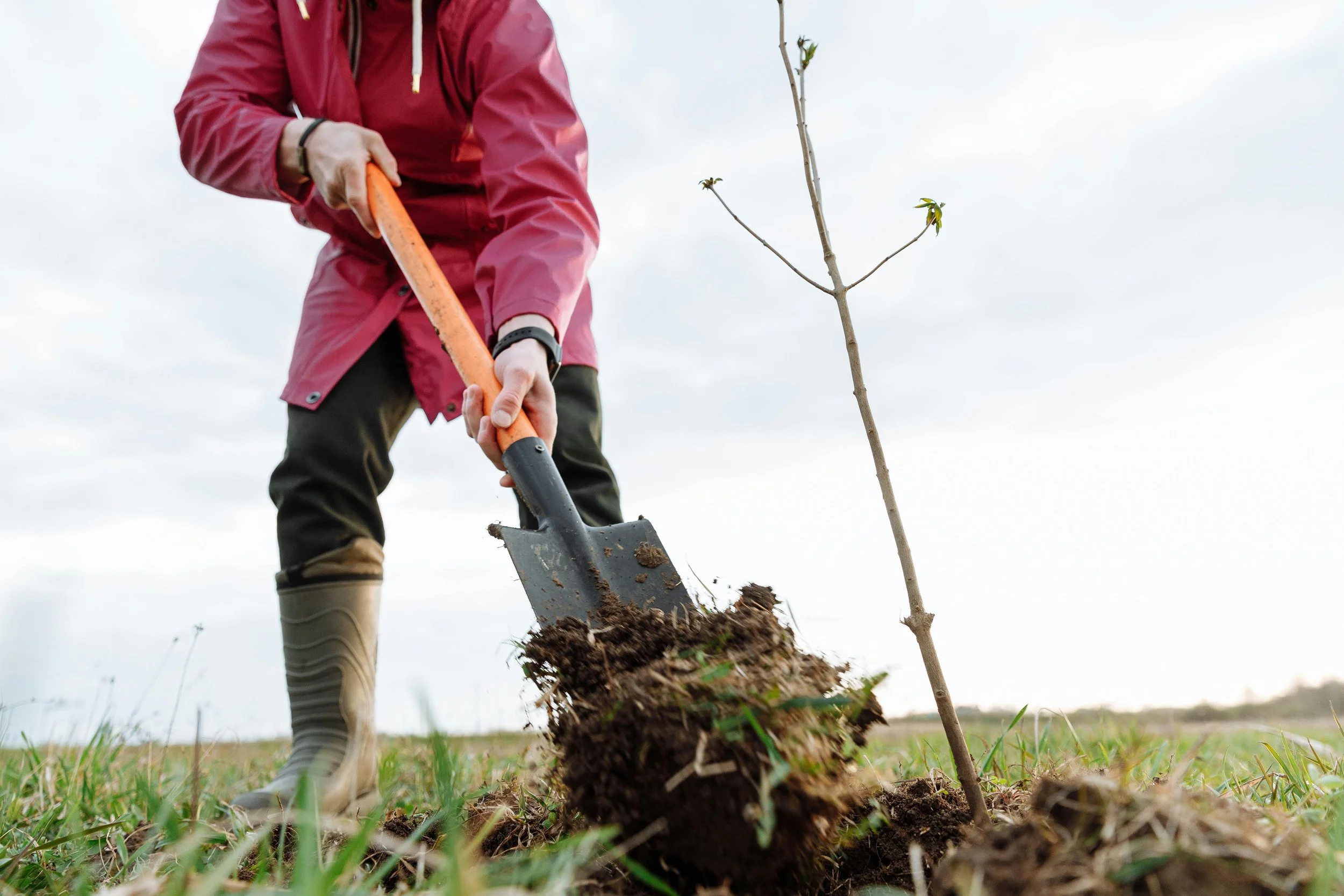
Photo from the Grand Opening of the Community Farm at Mill Ridge, 2019.