
The Nashville Food Project’s Blog





Introducing Children to New Foods
Looking ways to get the kids in your life to try new foods? TNFP serves nutritious meals and snacks to about 370 different children each week, so we’re right there with you! We’re sharing highlights on what we’ve learned about how to (and how not to) introduce new, nutritious foods to children.

If you’re looking for ways to get kids to try new and nutritious foods… we are right there with you! Through our meals program, The Nashville Food Project serves nutritious meals and snacks to about 370 different children each week across a number of sites. Our meals team works hard to pack our menus with fresh and nutritionally-dense ingredients -- especially fruits and vegetables. At the same time, we’re giving equal priority to ensuring these meals are culturally appropriate and, of course, delicious. As you can imagine, finding menus that meet all these parameters can be a challenge, especially with often-times picky kids! Here’s some of what we’ve learned about introducing new foods to children.

Start early. If you can, introducing a variety of foods to kids at a young age goes a long way. We see this difference in the kids we’ve been serving from a younger age - offering them new fruits and vegetables daily. By the time they’re older, they’ve seen these foods so many times that it’s become familiar.

Exposure and persistence. Repetition is vital to introducing a child to new foods, and what they’re willing to try can change through different stages of development. Toddlers often like a new food after trying it 5-10 times. Kids aged 3-4 may need to try it 15 times or more. All to say… keep at it! It’s a process.
Make it fun. How you present the food definitely affects how the kids react. If you’re excited, the children will mirror your excitement and follow your lead. Sometimes kids are turned off by the look of a new food, so try different, fun presentations. We have a lot of fun turning healthy snacks into fun animals and characters, and the kids love it!
Don’t force it. Negative reactions to new foods is totally normal! Kids may use food as a way to control their environment because they don’t have a lot of other choices they get to make for themselves. When you can, focus on giving options and encouraging trying new things.

Try different flavors and preparations. If they don’t like a vegetable one way, try a different seasoning or a different way of preparing it. We often try more nutritious takes on foods that are familiar and comforting, like a greek-yogurt based salad dressing instead of ranch.
Balance. If you’re introducing a food you know will be unfamiliar and challenging, offer it alongside a familiar favorite. Or chop up vegetables and incorporate into dishes that are already favorites (for example, adding sauteed squash to a marinara sauce).
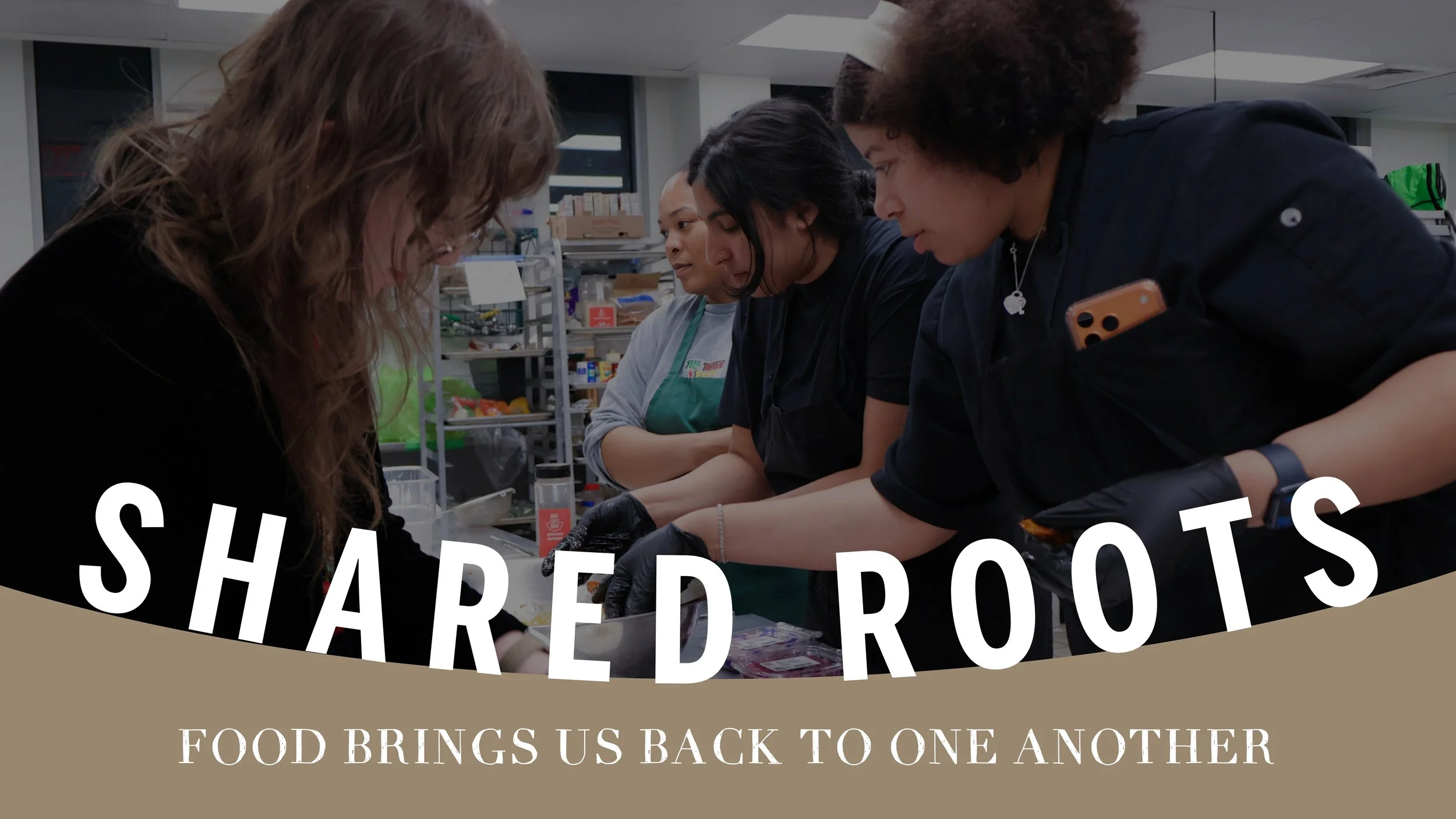
Connect to the source of the food. Many studies show when children interact with and understand the source of the food they’re eating, they’re more excited to try it. We’ve seen this first-hand hosting groups in our gardens and our kitchens. Get your kids more involved in growing and preparing the food the eat, and they’ll definitely get more excited to try the fruits of their labor (pun intended).
What are your tips and tricks for getting kids to try new foods?
Salt, Fat, Acid, Heat: The Elements of Good Cooking
Some of our staff and volunteers have been reading Salt, Fat, Acid, Heat by Samin Nosrat. This charming, readable book has taught us even more about the basic elements of good cooking — without a recipe!

At The Nashville Food Project, we are continually looking for opportunities to learn from and with one another as we go about our work. So it’s not surprising that some of our staff and volunteers decided to read and get together to discuss a book on the elements of good cooking: Salt, Fat, Acid, Heat by Samin Nosrat. And, of course, it’s been a great reason to get together and share a meal!
Our review? Salt, Fat, Acid, Heat is your gateway to being able to cook without a recipe! It breaks down the processes that take place in your kitchen every single day, making it so easy to understand what is happening with your food and why. With it's beautiful illustrations and straightforward explanations, it's a quick and interesting read that will change the way you think about cooking -- and the way your food tastes -- through use of four elements (you guessed it!): Salt, Fat, Acid, and Heat. It also has an incredible index filled with kitchen basics, cooking how-tos, and recipes.
Here’s some of the things we took away from each chapter:

“The thing that has been the biggest takeaway for me is the idea of salting from within. Whether salting pasta water, creating osmosis in boiling veggies or denaturing meat by salting early before cooking, salt plays such a vital role and has many dynamic qualities in all of its uses. My food is forever changed!” - David, St. Luke’s Meals Manager

“Find an olive oil you love, store it out of the light and heat, pay attention to the production date, and use it quickly (because it doesn’t take long for it to go rancid!). I also learned you’re should heat your pan first and then add your oil. You can test with a drip of water for pan readiness.” - Cheri, Volunteer

“I learned the most in the acid chapter. The other 3 elements are all things that I consistently taste and adjust for but learning to taste for acid has improved my cooking immensely! I've been adding splashes of vinegars, lemon juice & even wine more frequently and love the results.” - Christa, Meals Director

“Look at the food, not at the heat source! That means looking for sensory cues (sizzles, spatters, steam, browning…) rather than obeying a set time at a certain temperature. I always thought about heat in cooking as the oven or the burner, but also learned to pay attention to the temperature of the food itself.” - Grace, Impact Manager
Have you read it? Tell us what you think!

Nothing Wasted: Summer Gardens
Every fall, when we start to feel that first nip in the air, it signals that it’s time to close our summer gardens. It’s a time we look forward to around here, a time when we get our creative juices flowing to come with new ways to save and use what’s left in our gardens.
Every fall, when we start to feel that first nip in the air, it signals that it’s time to close our summer gardens. While we’re still planting heartier winter crops during these colder months, we do have to harvest all those spring and summer crops still left at the end of the season. It’s a time we look forward to around here, a time when we get our creative juices flowing to come with new ways to save and use what’s left in our gardens.

This time of year, the most common things left in our gardens are herbs, peppers, eggplant and green tomatoes. For the peppers, we like to dry them with ristras, and use the dried peppers in all sorts of different recipes. To use up the other veggies, we love making eggplant parmesan, salsa verde and stuffed peppers. Most of these freeze well so you can enjoy them long into the winter.


The herbs, though, let us get really creative! We like to dry them in our dehydrator and use them in tons of handmade products that we sell around the holidays at our now annual event Scratch Made. We make a number of teas, herb-blended salts, simple syrups and more.
Here are some of our favorites and things you can expect to see at this year’s Scratch Made:

Herbal tea blends: We love a good tea around here! Some of our favorite tea-making herbs are stinging nettle, peppermint and lemon balm. At this year’s Scratch Made, you’ll find tea blends for women’s health, relaxation, general health and a yummy one just to brighten your day.

Herbed salt blends: These are always a crowd pleaser. This year, we’re bringing back favorites like dill salt, gomasio and our Italian blend with rosemary, parsley, thyme, tarragon and oregano. New this year, you can buy hand-made za’atar and a zesty lime salt.

Simple syrups: Flavor-infused imple syrups are great for adding to coffees and cocktails. This year we’ll offer ginger, rosemary, jalepeno, turmeric and lavender simple syrups.

Salve and lip balm: Don’t forget the bees! We always love making products that make use of beeswax from our bee hives. This year we’ll have the popular comfrey wound salve and an all-natural lip balm.
This year we’ve added a new product: fermented hot sauce. We used lots of hot peppers grown by the Growing Together farmers to make this delicious sauce that we’re excited to share with you. If you want to make your own, here’s our recipe:

Ingredients
1 cup hot peppers, washed and stemmed (about 6 medium-sized peppers), we used jalapeno, serrano and cayenne peppers
1-1/2 tsp salt
1-1/2 tsp sugar, optional
1 tbsp whey
Water
White vinegar to taste
Directions
Place hot pepper, whey, salt, sugar and enough water to cover in a jar, and seal. Place har in a warm place (around 70 degrees is optimal). Over the next 3-5 days, gently agitate the jar 1-2 times a day. You’ll notice the brine will become cloudy.
Blitz the peppers and seeds in a blender or food processor. Be careful not to splash. A well-ventilated area is best for this. Pour the puree into a jar. Add white vinegar to taste. Store in the refrigerator. This will keep for several months.