
The Nashville Food Project’s Blog





TNFP Volunteers Honored at Hands On Nashville Strobel Volunteer Awards
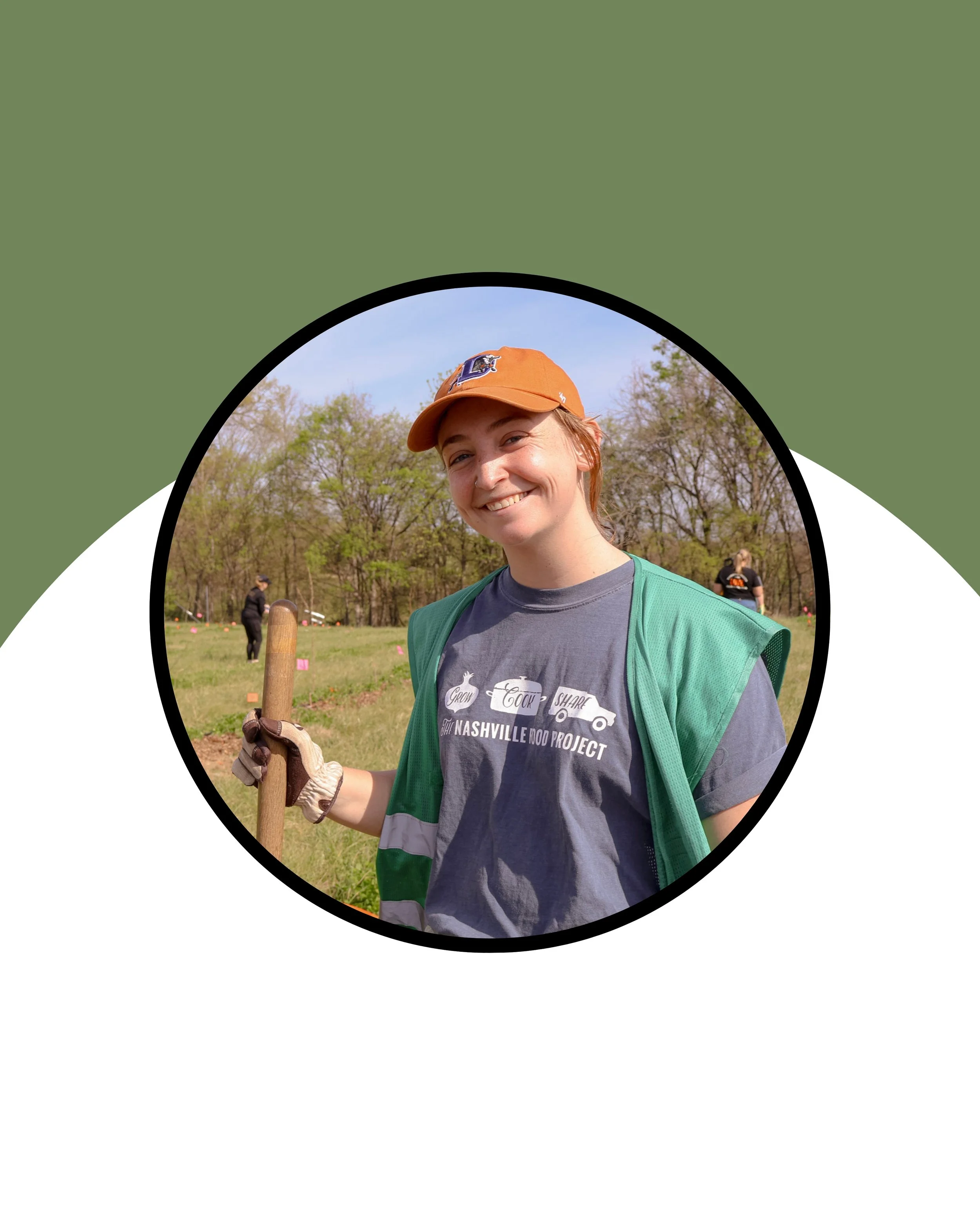
Two volunteers from The Nashville Food Project received honors at the 2025 Mary Catherine Strobel Volunteer Awards. Marcie Smeck Bryant won the Social Justice Impact Award, and Cheri Ferrari was a top finalist for the Charles Strobel Legacy Award. Presented by Hands On Nashville/United Way, the awards are Middle Tennessee's largest annual celebration of volunteerism.

Each year, our friends at Hands On Nashville/United Way honor dedicated volunteers across Middle TN for their commitment to service through the Mary Catherine Strobel Volunteer Awards. Named after Mary Catherine Strobel, an activist and community leader. This May, The Nashville Food Project had the honor of two of our nominations being selected as finalists!
Marcie Smeck Bryant, a beloved board member and leader in fostering community meals across Nashville, took home the award for Social Justice Impact. Cheri Ferrari, a longtime kitchen volunteer, pie extraordinaire, and "pie-oneer" of our Volunteer Lead Program, was among the top three finalists for the Charles Strobel Legacy Award. Check out more of their stories below!

Marcie Smeck Bryant - Social Justice Impact Award Recipient
Since before we were officially known as The Nashville Food Project, Marcie Smeck Bryant has been a dedicated volunteer—sharing her time, heart, and energy to support our neighbors across Nashville. She plays a key role in our community meals program, showing up every Tuesday to deliver and share meals at Trinity Community Commons (TCC), where neighbors—housed and unhoused alike—gather to eat, connect, and support one another through daily challenges.
In addition to her on-the-ground work, Marcie has served on our board since 2023 and chairs our Strategy Committee, where she played a key role in shaping a new strategic communications plan designed to support and advance our broader organizational strategy.
Marcie is also a leader in Nashville's "community meals" movement, helping launch a weekly dinner at Belmont United Methodist Church that brings neighbors together around food and mutual support. Beyond the TCC and Belmont meals, she's contributed to FeedBack Nashville workshops—a collaborative effort to envision a more equitable and accessible food system in our city. Marcie's steadfast commitment to strengthening her community through food is not only inspiring—it's a model we strive to emulate at The Nashville Food Project.

Cheri Ferrari - Charles Strobel Legacy Award Finalist
Cheri Ferrari is the living "embodiment of hospitality," a quality that has defined her service since she began volunteering with The Nashville Food Project in 2015. With her warmth, generosity, and tireless commitment, Cheri invites every volunteer who comes through the doors to "be part of our joy." Her dedication to making everyone feel welcome and valued has not only enriched TNFP's culture but created a ripple effect of positivity that keeps volunteers returning time and time again.
As a Volunteer Prep Lead, Cheri is often the first person new volunteers meet, greeting everyone with her characteristic warmth and enthusiasm. On Monday mornings and Tuesday nights, when Cheri is leading, the energy is palpable—as laughter and chatter echo through the kitchen. From remembering everyone's favorite pie or dessert to staying hours after her scheduled shift to support our Meals Team, Cheri approaches every interaction with love and authenticity. Her ability to make volunteers feel connected and valued speaks to the core of our mission, demonstrating the transformative power of her service.
Want to hear more about Cheri and Marcie? Check out their stories—along with those of all the other inspiring finalists and winners on United Way of Greater Nashville's YouTube channel!
YouTube Links:
Marcie Smeck Bryant - 2025 Mary Catherine Strobel Volunteer Awards | Social Justice
Cheri Ferrari - 2025 Mary Catherine Strobel Volunteer Awards | Charles Strobel Legacy of Service

Anatomy of a Meal
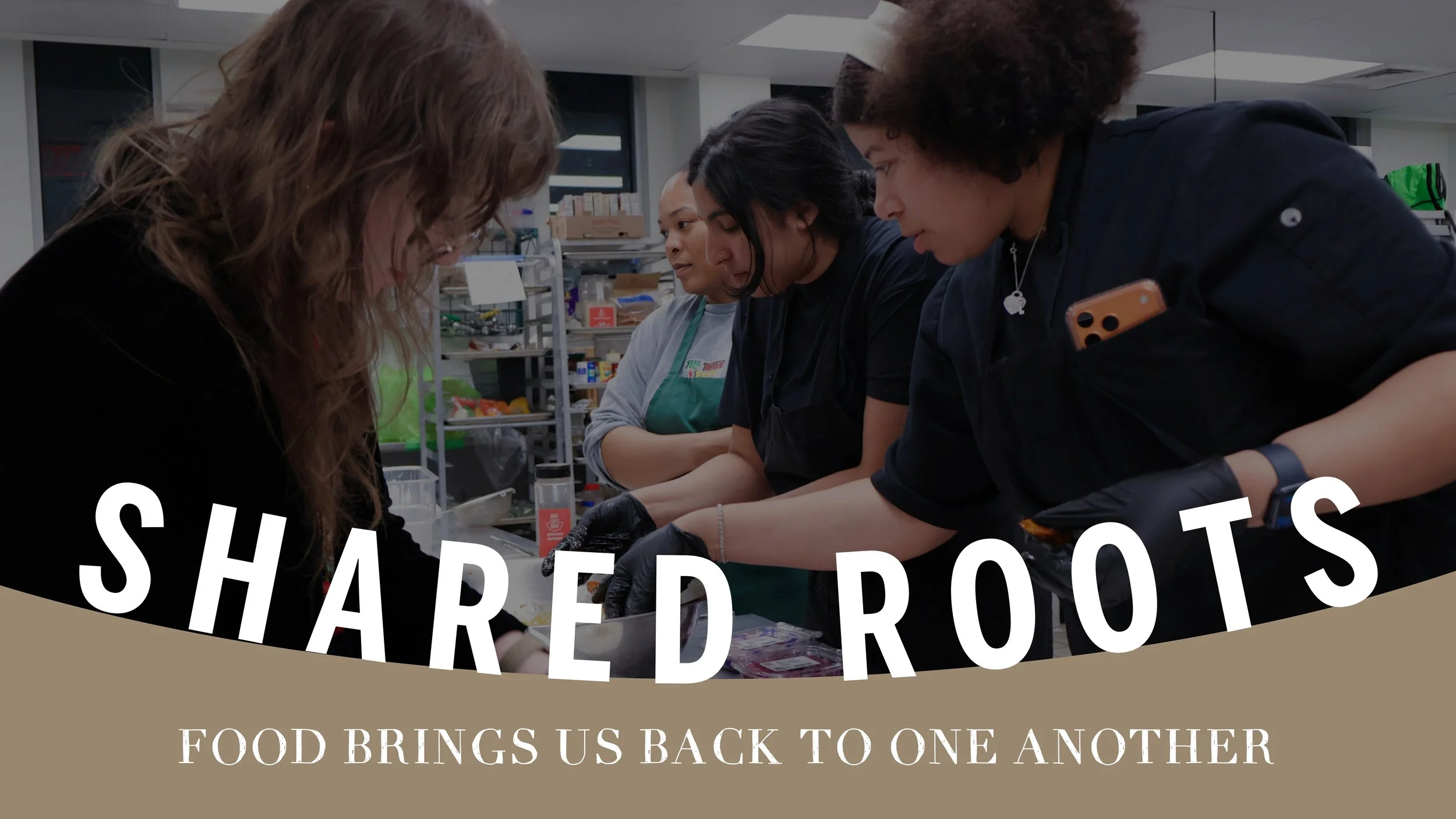
We often say that many hearts and hands go into this work. But what exactly do we mean by that? Follow us while we make a beef lasagna to find out!
We often say that many hearts and hands go into this work. But what exactly do we mean by that? Follow us while we make a beef lasagna to find out!
Food Donations and Recovery
When most people cook, they decide on a recipe and then go grocery shopping for the ingredients. But for us, it’s the other way around. At any time, our walk-in refrigerator, freezer and dry storage may have thousands of servings of meat, pasta, beans, assorted veggies and more — and most often, it came from generous donors or was diverted on its way to the landfill. In fact, about 65 percent of the food we prepare in our kitchens comes from donations or recovery efforts. When it comes time to plan our menu for the week, we begin by taking stock of what we have and leaving room for any fresh ingredients that may be coming later in the week. This week, our first step is evaluating our protein supply…

Every Tuesday, a few of the fine folks from Porter Road Butcher pull up at the freezer behind our headquarters to drop off a weekly meat donation: usually some combination of ground beef, bacon, sausage and steaks. Always, they’re donating in quantities of hundreds of pounds at a time. If we’re cooking with meat, this is often where our meal begins. This time, we’re using ground beef!
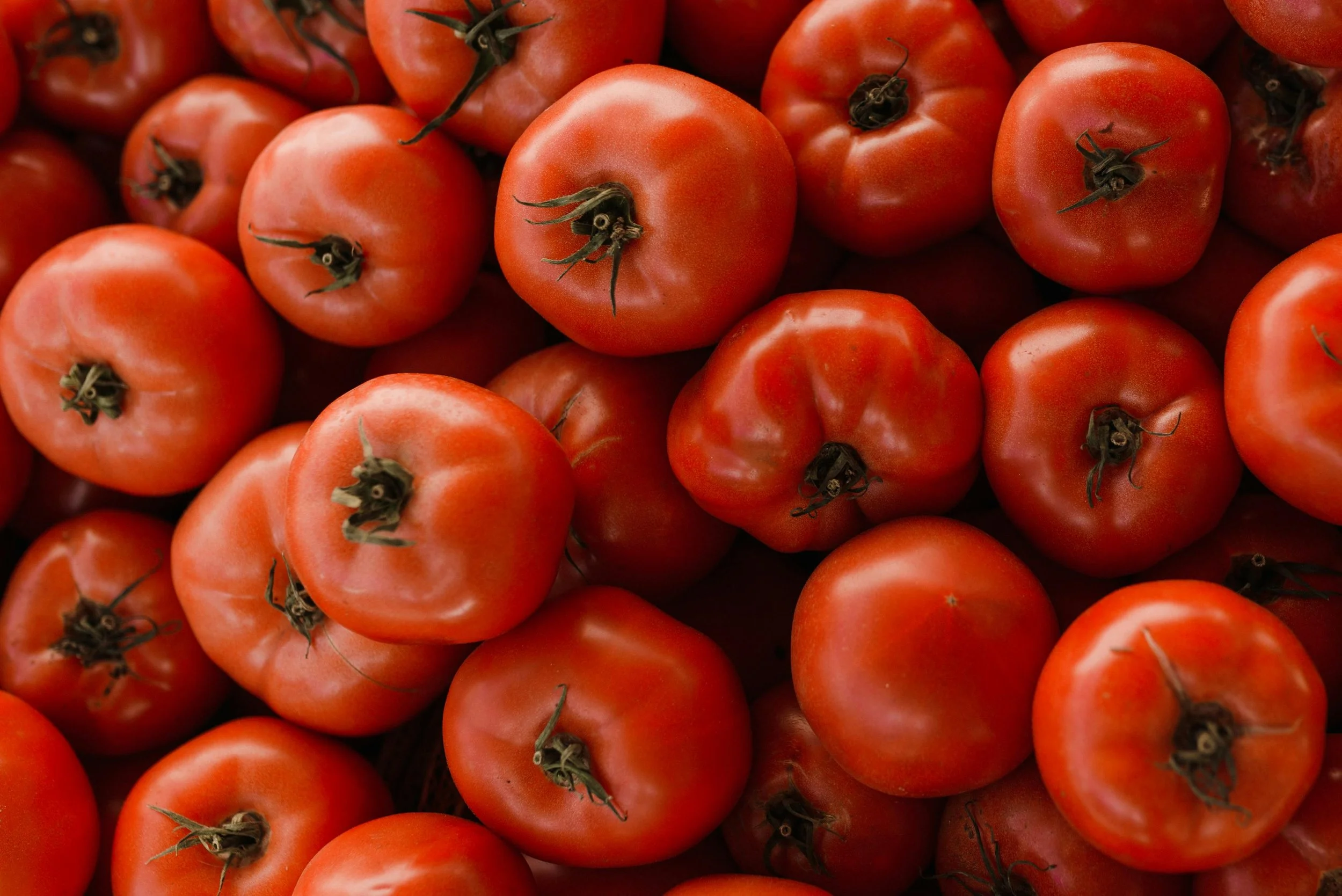
Then comes produce! For something like a beef lasagna, the vegetables we need are fairly basic — mostly tomatoes for the homemade marinara sauce. Besides, all meal recipients will get a veggie side; in this case, it’s a roasted veggie medley. During the summer and fall months especially, we often receive gracious donations from local farms with a bumper crop. These particular tomatoes came from Cul2vate and Bells Bend Farms, with a few cans of recovered Costco tomatoes thrown in to thicken up the sauce a bit.


We round it out with cheese recovered from Whole Foods and lasagna noodles donated by a recent local food drive. From there, we’re ready to start cooking!
Food Preparation and Assembly
A huge branch of our volunteer program is processing donations. Usually, that means getting the bulk food that has been donated or recovered into manageable pieces for our kitchens to cook with. Whether a team of volunteers is chopping veggies or shredding chicken, there are always extra hands around here.
A few days before it was time to put together this meal, volunteers cut up huge chunks of cheese into easily meltable blocks. This ahead-of-time preparation makes it easy for our meals staff to get to work making cheese sauce! Meals Coordinator Bryan cooks off the beef and blends up the marinara sauce. At this point, everything is prepped and ready for assembly.
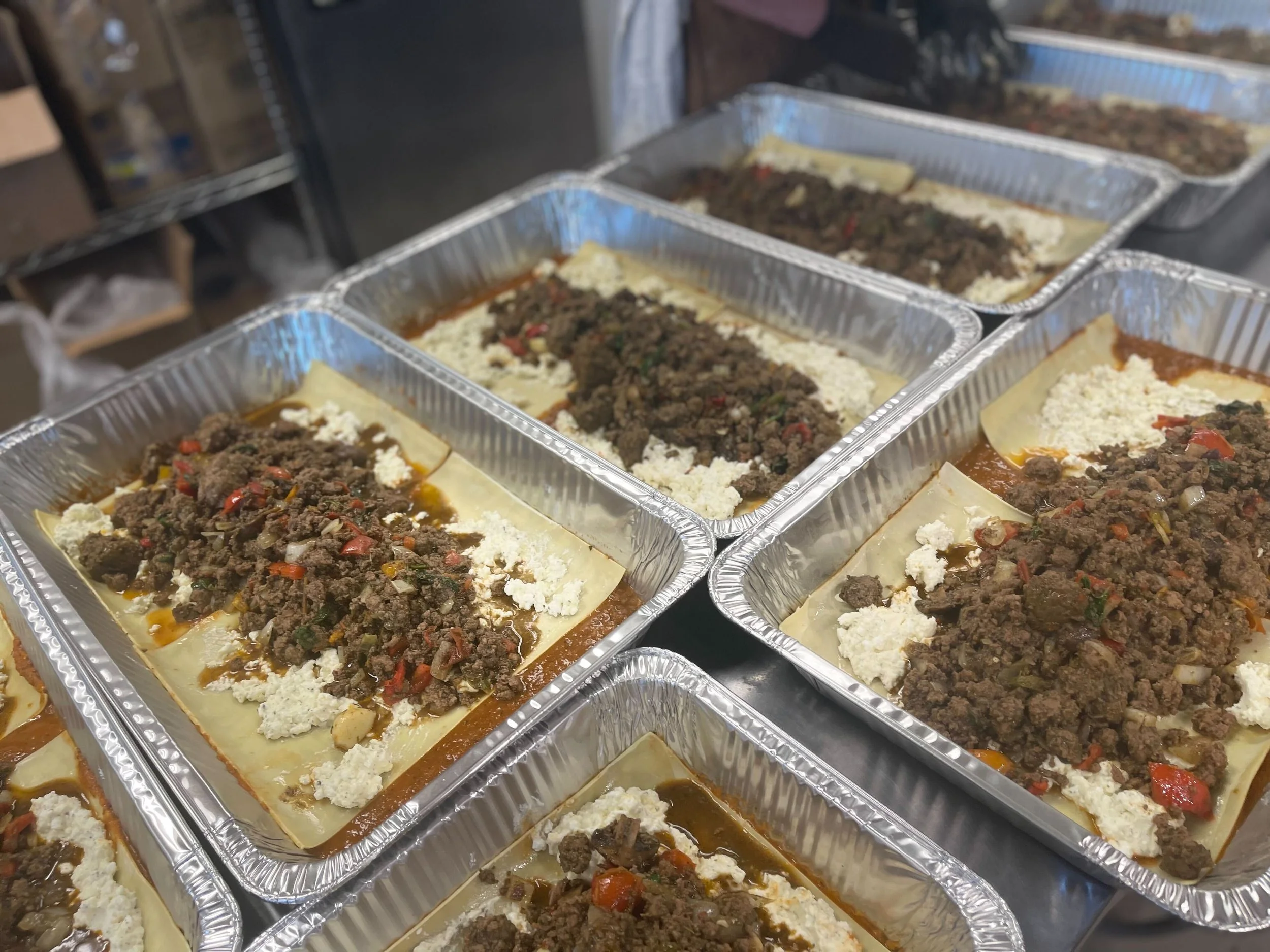
Food assembly is a little more detail-oriented and labor-intensive than processing, so the volunteer group that helps us put together our lasagna is one that has been around a while. Led by our friend Ann, this group of women comes in a few Thursdays a month to help us cook — a task almost always reserved for Food Project veterans. They do an amazing job!

Food Distribution and Delivery

We always prepare meals at least a day in advance. After this one is baked, it spends the night in our walk-in refrigerator and is reheated the following morning before our share team loads the vans and leaves for their meal distribution routes! Our food access partners include after-school programs, immigrant communities, homeless outreach organizations and so many others in Nashville.
We share this beef lasagna with the veggie roast and a portion of homemade applesauce with friends at Dismas House, Community Care Fellowship, FiftyForward, Project Transformation, Preston Taylor Ministries, the Martha O’Bryan Center, YWCA, Project Return and seven different after-school sites in partnership with the YMCA.
Once it gets to the sites, many more hands are involved in serving, eating and cleaning up after the meal. But that’s a story for another time…
New Seasons, New Phases: An Update Regarding Volunteers
Interim Co-CEO and Chief Programs Officer Christa Bentley shares a transparent look at the phased plan we've been following to help us make countless hard decisions during the pandemic, keeping our programming open—and hopefully very soon— bringing volunteers back to our spaces!

Volunteers with staff in our kitchen pre-pandemic. Photo by Abigail Bobo.
by Christa Bentley,
Interim Co-CEO, Chief Programs Officer
A little over a year ago I was having my first day back after a leisurely maternity leave, mid-February 2020. I remember I spent my first two weeks back working virtually because I wasn’t ready yet to leave my sweet babe, and it was such a challenge. I hated not being in the room with everyone I was working with. Two weeks later, the day after my first scheduled day back at the office, I woke up to news reports of a devastating tornado in Nashville. Two weeks after that we shut down our volunteer program to stop the spread of COVID-19 and here I’ve been at my home office (let’s be honest, it’s my dining room) ever since.
Today I want to share an open look with all of you at where we are right now with our volunteer program. It is wild to even think that we are coming up on almost a year of very few volunteers in our kitchens, gardens, and food trucks. TNFP’s Volunteer Program has been the backbone of our organization since our inception, spurred on by the support we felt from so many during the 2010 Nashville flood. It’s how our community has responded to nearly every significant crisis, by filling our spaces with helping hands to amplify our work. But COVID-19 has been an entirely new crisis for our city and for The Nashville Food Project. We have had to make so many changes to the way we work to nourish our community. And the loss of volunteers has proved one of the biggest differences, requiring a lot more time in the trenches for our small but mighty team: chopping, weeding, and cooking more than we ever have had to do on our own.
A few months into the pandemic we created a tool we’ve been calling our “phased plan” (the linked plan shows some of the details we’ve included) to help us make decisions about all aspects of our programming, including how many people and volunteers we welcome back into our spaces and when. The plan is broken down into 4 phases (A,B,C,D), and each details a lot of the things our staff were wondering about: work from home, space capacity, in-person meetings, output capacity, on-site protocols, you name it. Our move from each phase is dictated by 4 weeks of consistently decreasing trends in the COVID diagnosis rates in Davidson County (we’re tracking this data available from Mayor Cooper’s office).
This is a conservative approach. We know this, but we also stand behind it. It has helped us make countless hard decisions and most importantly has kept our programming open. Because our kitchens are tight quarters, it has been vital that we keep exposure down. One positive test in our kitchens might mean an enormous scramble for our meals team and an inability to continue serving meals to our partner organizations, something we are desperately trying not to do with the need for access to food higher than it has ever been.
While the garden spaces do feel safer, our site capacities mean that we have to work through what is essential for our programming in our decision making, especially as many of the communities that participate in our garden programs have been disproportionately affected by this pandemic. We are constantly asking ourselves “does this keep people (staff and participants) that have to be on site safe” and “does this provide access to healthy food”? We are incredibly lucky to have had very few incidents of exposure in our spaces over the past year and we credit that to procedures that are truly working and staff that are willing to follow protocols even when it often means making their jobs harder.

I am sharing all of this now as we’ve got a little hope in our hearts for the chance to share this work with volunteers once again. As of Monday March 1st, we have moved into Phase B of our plan after many weeks of decreasing case rates. Additionally, we are starting to get some of our onsite team vaccinated, which has been one of our biggest concerns around introducing additional people into our spaces (especially as uncertainty still remains around the ability to spread the virus even after vaccination). This positive news means that we’re dreaming and working on engaging in this work with all of you once again. While these details will take a little time, I hope this message gives you hope that it is coming.
This year has given us a lot of time to think about our volunteer programs. Much of our timing in the past was built out of long ago necessity. As we are thinking about the future here are a few of the things that we have been talking about.
1. We would like volunteers to play an integral role in ensuring that we are using as much donated food as possible, decreasing the amount of food that ends up in the landfill and increasing our ability to batch cook and put things away when there is an abundance.
2. We would like volunteers to help us grow and maintain our garden sites, working on specific projects at our sites and engaging with the land and history of the land in meaningful ways.
3. We would like to increase accessibility to our volunteer times, expanding our hours into nights and weekends and diversifying the people who support this crucial work.
4. We would like to reintegrate volunteers into our work safely while also always providing an enjoyable, engaging experience for both volunteers and our dedicated staff.
We know that the coming months will come with more learning, just as the past year has. We want to thank you all for supporting us through it all, and for helping us learn and evolve. I have always treasured how seriously The Nashville Food Project takes the beginning of our mission statement, “Bringing people together…,” and I can’t wait to bring you all back into this work once again!
Hard things and simmering soups
Garden volunteer extraordinaire, Linda Bodfish once said that when the needs change, we change with them. And as we’ve been in the fields, passing bags along (metaphorically and for some staff, quite literally), there have been moments of clarity when we see the opportunity of these moments of crisis. We are challenged to recenter our work around TNFP’s core values and move in a common rhythm to meet the ever-changing needs of our neighbors.

Photo by Abigail Bobo, abigailbobo.com.
Post by Elizabeth Langgle-Martin, Community Engagement Manager
“I want to be with people who submerge
in the task, who go into the fields to harvest
and work in a row and pass the bags along,
who are not parlor generals and field deserters
but move in a common rhythm
when the food must come in or the fire be put out.”
-Marge Piercy from “To Be of Use”
As the weather cools and we enter into this new season, I am thinking back on the “fires” our community has faced over these last six months and the storms that we are still navigating. There are many. Devastating local tornados, the uncharted imposition globally of COVID-19, nationwide police brutality highlighting deep-seated systemic racism, our beloved Tallu’s glioblastoma diagnosis… the list is long and daunting.
However, when I think of this TNFP family, I think of Bianca creating beautiful meals from recovered ingredients other chefs would turn away. I remember Julia last year calmly explaining that cows broke into Mill Ridge’s fields and destroyed crops that represented months of hard work. Without missing a beat, she began to implement a plan to move forward. I think of Tallu writing powerful words of comfort and reflection hours after taxing cancer treatments. I think of Elke and Jake squeegeeing inches of water out of the flooded kitchen in the wee hours of the morning to make sure the meals team could stay on schedule. I think of countless hands that showed up the evening of March 3rd to recover thousands of pounds of meat even while much of the city was still without power. I think of the endless, faithful donations that keep the lights on, the trucks running, the walk-in full, and our team cared for.
I think of a group of people who knows how to do hard things.
Garden volunteer extraordinaire, Linda Bodfish once said that when the needs change, we change with them. And as we’ve been in the fields, passing bags along (metaphorically and for some staff, quite literally), there have been moments of clarity when we see the opportunity of these moments of crisis. We are challenged to recenter our work around TNFP’s core values and move in a common rhythm to meet the ever-changing needs of our neighbors.
We are grateful for those of you who have loved and joined us “in the fields” in so many different seasons. You’ve shown up to unload food donations, broadfork unbroken ground, and stuff envelopes. You’ve organized pantries, chopped onions, hauled compost, and shared stories.
As we are stretched in new ways to meet new needs and root more deeply to who we have chosen to be, we feel comfort in the steadfast support of this vibrant community.
As we slowly prepare to reintroduce volunteers into TNFP spaces as part of our phased plan, this season is calling for shift to a smaller and more intentional volunteer presence, a rebirth of our dedication to the best use of donated and recovered food, and a continued, steadfast commitment to supporting increasing the accessibility of agricultural space and high-quality food. Towards the end of October, we will be entering into a trial period to workshop new volunteer roles and systems with a handful of long-term volunteers. We’ll keep you all in the loop as we decide how and when our spaces will be accessible for more hands!
What’s simmering… from our home kitchens to yours!
If the TNFP crew is passionate about one thing in the home kitchen during the fall, it’s probably soups. Here are some of our faves that are easily adaptable to your own tastes!

Alice Water’s Fall Minestrone (Christa’s Go-To… can you imagine this with veggies right from the fields of Sweeter Days?)
Flavors of Morocco-Inspired Vegetable and Chickpea Stew (David Frease says this is his first soup of the season every year)
Skinny Taste’s No Beans Sweet Potato Chili (a favorite of Meg and myself—though we make it vegetarian by subbing black beans for the ground turkey, so you do you)
Green Soup with Ginger (JJ’s pick for times when you may be feeling under the weather and need a kick)
Carrot Soup with Chermoula (Elke’s been loving this one recently!)
The Heroes Among Us
National Volunteer Week, April 15th - April 21st, is a time to honor the volunteers that work by our side every day. This week we will celebrate each individual who has impacted our mission of bringing people together to grow, cook and share nourishing food!
National Volunteer Week, April 15th - April 21st, is a time to honor the volunteers that work by our side every day. This week we will celebrate each individual who has impacted our mission of bringing people together to grow, cook and share nourishing food, with the goals of cultivating community and alleviating hunger in our city.

South Hall Kitchen Volunteer, Rita Pirkl
What does it mean to be a hero? The first thing that comes to mind may be a cape and super powers. You may think of an extraordinary act of selflessness like carrying a person out of a burning building. Its true that this is an act of heroism, however, there are heroes among us that make just as strong of an impact but stay hidden in the bustle of everyday life. At TNFP, those heroes are our volunteers- those people that are the backbone of our organization and the foundation of every program. Their superpowers are weed wrangling, cooking, driving, and simply taking the time to support our community!
In 2017, we were able to grow 59,075 pounds of fresh fruits and vegetables in our gardens and create 152,514 meals from scratch in our kitchen to serve community members through over 30 partners. Those impacts could have never been made without the support of 3,758 volunteers who served over 10,375 hours last year.
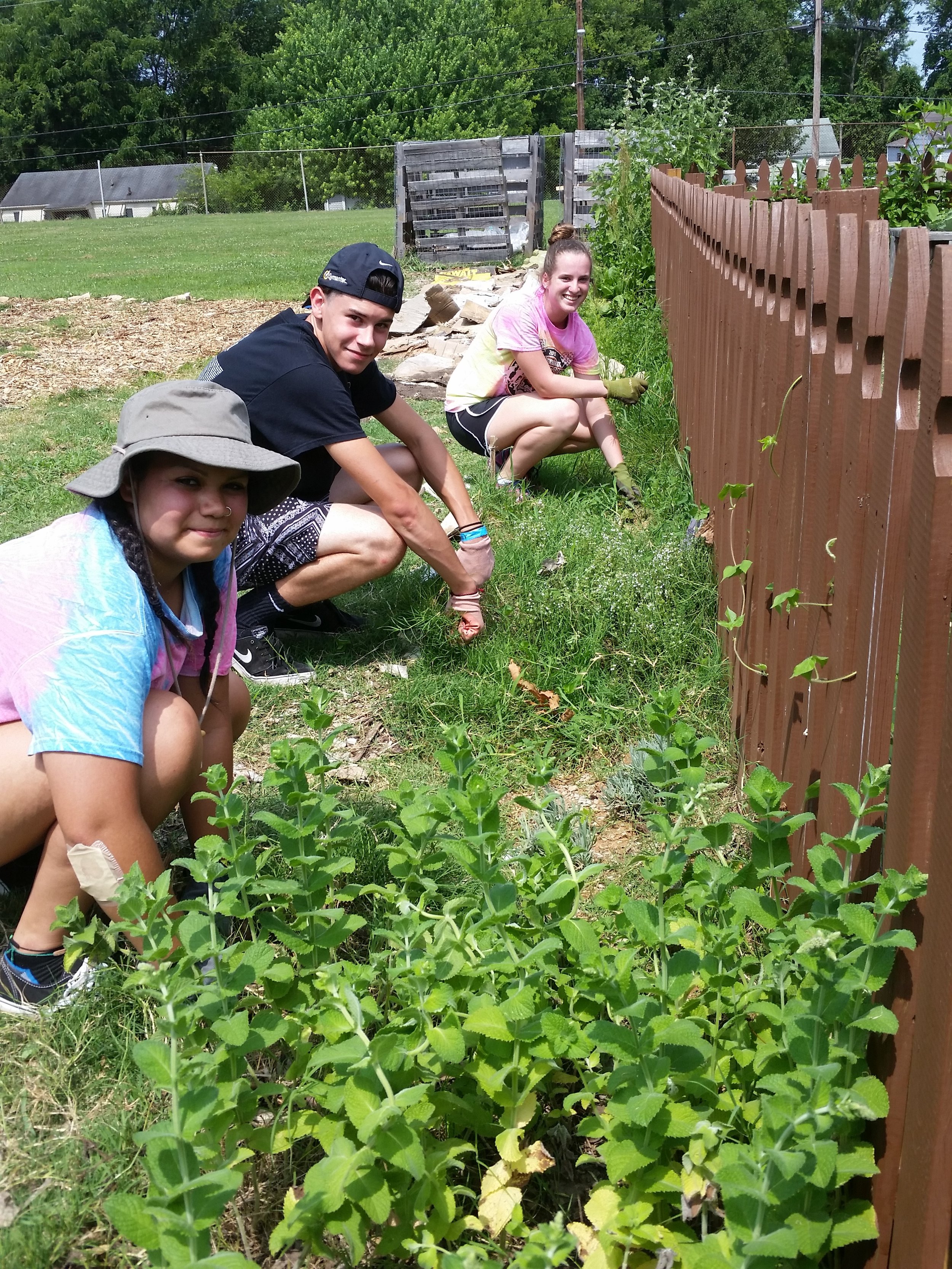
Volunteers at McGruder Garden
Each volunteer contributes to our mission. Garden volunteers help our produce thrive by maintaining the soil through tilling, broadforking, and weeding. They also ensure that the gardens are in their best condition for community gardeners by helping to maintain tools and garden infrastructure. Volunteers in our kitchens provide the tedious but necessary (and fun!) work of washing, chopping and preparing each element that goes into our meals, as well as cooking and serving meals to feed and empower thousands of community members. We are incredibly grateful to all of our volunteers from individuals who have spent one afternoon in the gardens to dozens of regular, ongoing volunteers in our kitchens and food recovery. Thank you to the heroes among us!
If you are interested in being a TNFP hero please sign up to volunteer at thenashvillefoodproject.org/givetime.
Oh, the Places You'll Go
A simple ingredient - tomato, lettuce, carrots - can touch thousands of lives once it comes through the doors of TNFP. Today, we’re following the journey of one ingredient in our meals last week: big, beautiful, leafy kale.
A simple ingredient - tomato, lettuce, carrots - can touch thousands of lives once it comes through the doors of TNFP. With every crop that we grow, and every meal that we make our ultimate goals are to alleviate hunger and build community. With such lofty goals it’s no wonder that hundreds of people are needed to make this a possibility, and, in return, thousands more are touched by the respect and love shared within their meal. In this blog we will follow the journey of one ingredient in our meals last week: big, beautiful, leafy kale.

Photo courtesy of Sweeter Days Farm
With every meal, our goal is to support the community through a multifaceted approach. For this reason we love to grow produce in our gardens. But when that is not possible, our next favorite option is to buy local, naturally-grown foods from other community members. Our meals team is working on a new program to purchase "2nds" from farmers in the hopes of decreasing the waste from our city's food stream by diverting into our meals. This week, we purchased three bins of kale from Sweeter Days Farm to use for the entire week in our South Hall Kitchen. The kale was pulled to make room for new crops and would have otherwise been thrown away.

Our meals team works hard to come up with a plan to use every bit of food that comes our way, and that requires a lot of help. TNFP Intern Kate helped wash and cut the kale for a salad. Kate is a part of Lipscomb University’s IDEAL Program which is a two-year certificate program designed to support students with intellectual or developmental disability. Students in this program take classes, participate in internships, and enjoy the college experience. At TNFP Kate provides assistance in the South Hall kitchen. “I wash fruit, cut up fruit for salad, help prep cookies, vegetables, and snacks.” Kate does much more than help with meal prep. She brings a level of energy and enthusiasm that is passed to everyone working alongside her which helps make the finished product like kale salad that much more incredible.

Although a kale salad always hits the spot, we like to get creative with our meals and use the ingredients that are available. TNFP volunteer cook Shellye and her team prepared a strata with the kale, other veggies, and ham. Almost every meal that comes from the South Hall kitchen is prepared by volunteer cook teams. Shellye explains why she committed to volunteering at TNFP as a regular cook. “I’ve been volunteering here for five years, and I really enjoy the camaraderie of cooking with others and meeting a need to feed healthy food to people who really need it.”
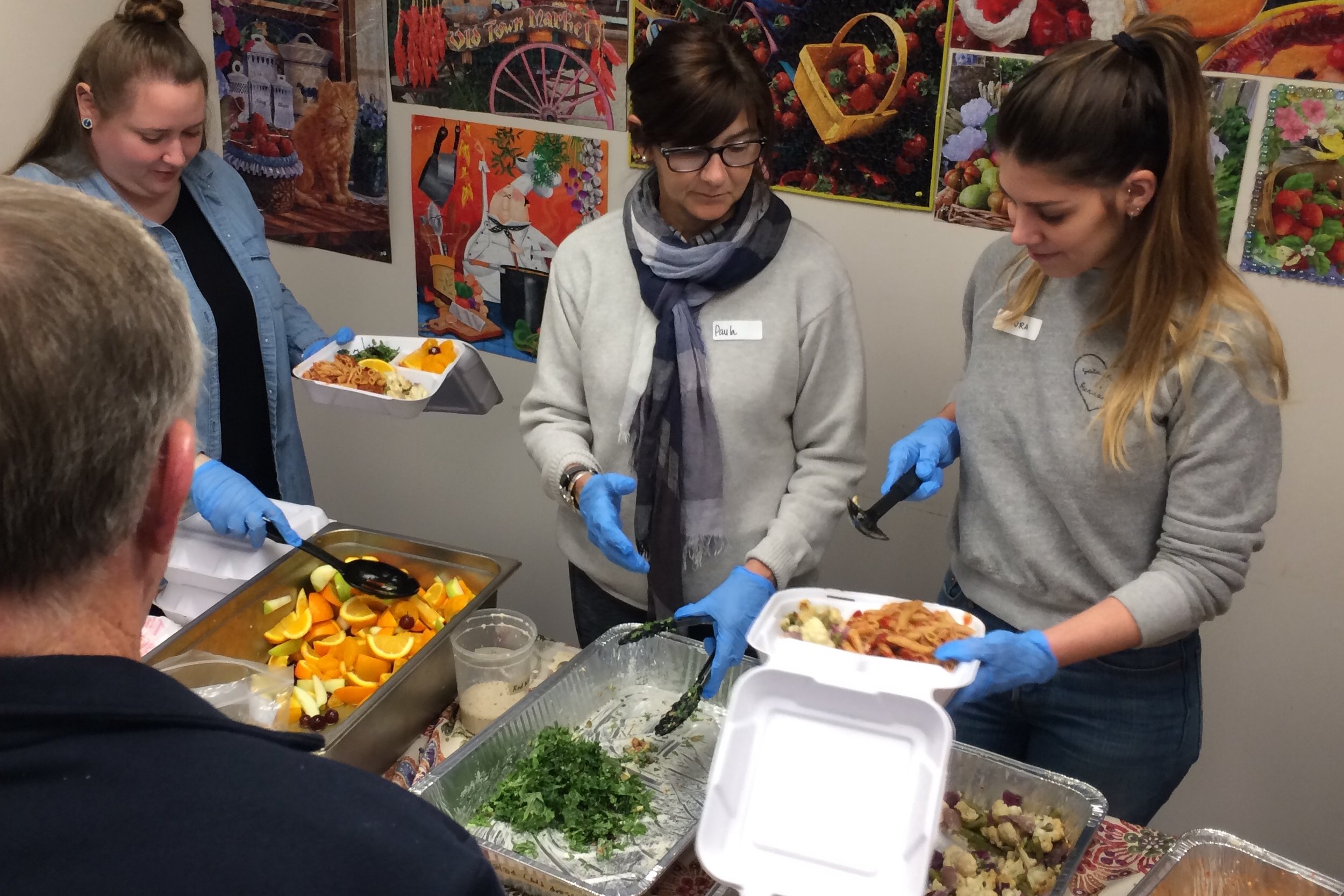
Paula (center) serving kale salad at John Glenn & Peggy Ann Residential Housing.
When it comes to sharing food, the purpose is not simply to serve a meal but rather to make connections, meet our neighbors, and find commonalities. Long time volunteer Paula and a group of new volunteers served the meal, complete with kale salad, at John Glenn & Peggy Ann Residential Housing. As a volunteer for over five years she has volunteered in almost every role at TNFP with her family. “I love the mission of bringing good food to people who need it. Food is a common denominator. I like to serve meals in my own home and bring a little bit of home to people who may not have it right now. It's rewarding to serve food.“

The last stop on our journey is in the hands, hearts, and bellies of the people with whom we share our meals. John L Glenn and Peggy Ann are residential centers in North Nashville run by National Church Residences, an agency that provides affordable housing for low-income seniors. TNFP serves 60 hot meals to residents here each week. Victoria at John Glenn and Peggy Ann Residential Housing says “The food has been really, really good and the [volunteer] servers are kind, generous and considerate. It’s a blessing and we look forward to it every week!” When we talked several residents were sitting around a table with their food chatting with each other, visiting with family, and talking to volunteers.
“Food is a common denominator.”
Something so small as a few bins of kale can truly make an impact on hundreds of people when communities are so tightly woven. Each person in Nashville is connected in a powerful way, and though it may not be a connection that is seen at all times, it's there. As Paula mentioned before “food is a common denominator.” And in this story the denominator was kale.
Rhythm in the Kitchen
Meet Marirae and Joyce, two of our most loyal volunteers. They’ve cooked our Friday lunch every week for 6 years - that’s over 16,000 meals! They’ve also become life-long friends.
It’s a rainy and foggy Friday Nashville morning. The day brightens as I enter The Nashville Food Project kitchen, greeted by committed volunteers, Joyce and Marirae. The space is full of joy. On the menu: fish tacos, slaw, and sweet potatoes.

Every Friday, Joyce and Marirae work together to cook a meal to share with the residents of Vine Hill. One would think this pair has known each other since college, but after talking to them, you learn that their story starts here, in the TNFP Kitchen.
Joyce: Marirae and I met right here in the kitchen at TNFP when it was called Mobile Loaves and Fishes. We met about 6 years ago.
Over the years, the two have had various others join them on the weekly Friday morning cook sessions. Now, Joyce and Marirae cook together every single week and deliver that meal at least once a month.
The stories of how they joined the TNFP family are different, yet still bring them together for the weekly cook time:
Marirae: My story’s a bit funny. I joined a group of “food people.” One of them had a party at their house. I noticed a letter addressed to Mobile Loaves and Fishes (ML&F). I kept seeing the trucks and thought, “I want to do that”. After asking around, someone put me in touch with Tallu, and I began volunteering! In the meantime, this transitioned from ML&F to TNFP.
Joyce: I go to church at Woodmont Christian. After retiring from my regular day job, I had some free time and knew I wanted to volunteer here and work. I talked to Tallu about it, and here I am.

The kitchen gets warmer as the sound of sizzling oil in the pan starts to fills the room. When Joyce and Marirae are not at TNFP, they are very busy running their own businesses. Joyce is self-employed in accounting and rental management while Marirae is a personal chef that cooks and delivers healthy food. They make the weekly commitment to serve others in spite of their busy lives.
So I asked them: What is it that brings you back? What is your favorite thing about TNFP?
Joyce: My favorite thing about TNFP is working with Marirae.
Marirae: Working with Joyce, and I love the vibe. I love feeding healthy food to people instead of “junk.” I love Tallu’s good spirit, and everyone that works here is kind.
As the meal progresses, I watch the two move around the kitchen, working seamlessly to complete the meal in time. There is a calming flow to them that allows me to interview them all without being in the way. They begin putting the fish tacos together.
According to the pair, they “party like rock stars” when they have free time. They go on double dates with their husbands, go out to lunch, dinner, and see each other a lot. In fact, during the interview, the pair made lunch plans for that day!
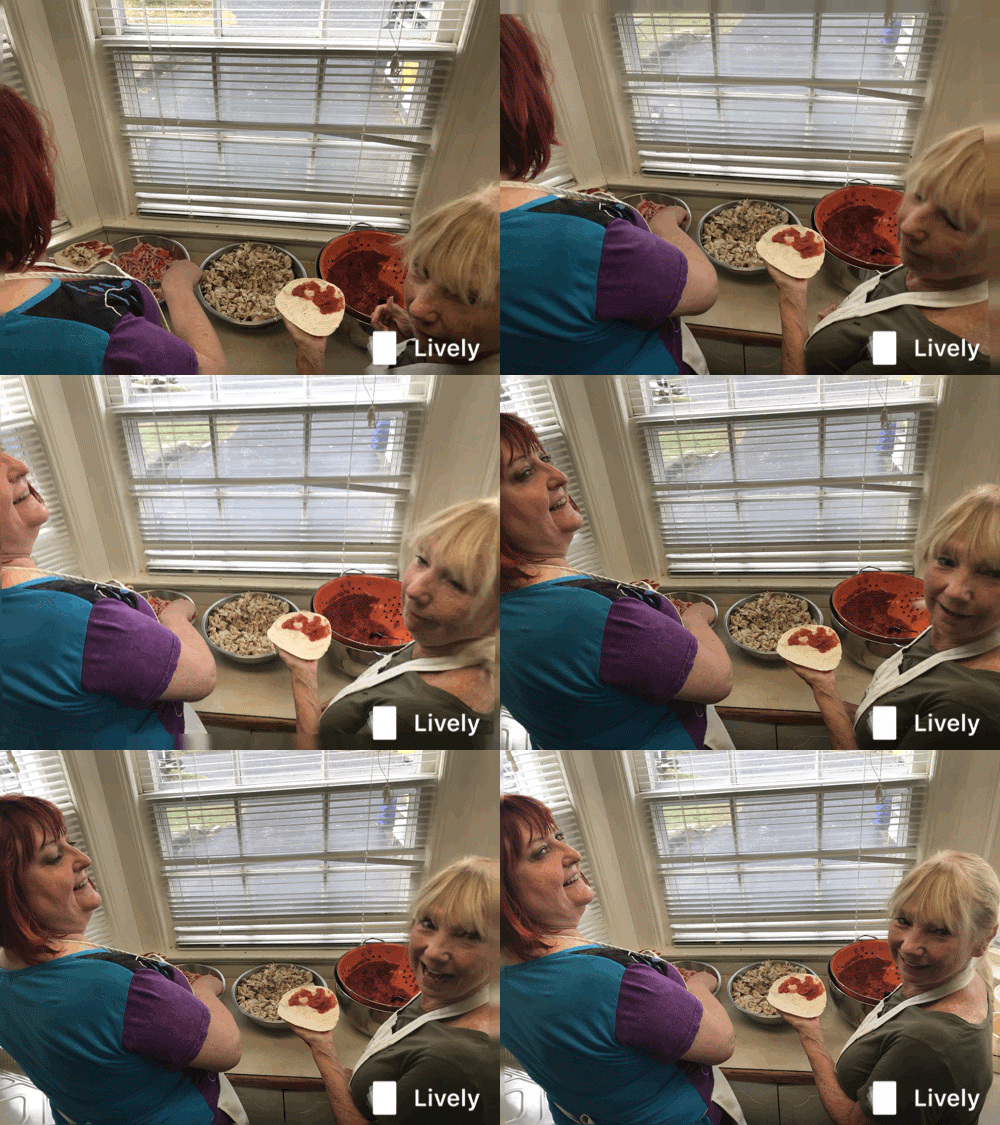
Watching their cooking rhythm is mesmerizing so I asked “If you describe your cooking rhythm in a music genre, what would it be? Could it be fast like Hip Hop or slow yet upbeat like Jazz?”
Marirae: We have comedic rhythm.
Joyce: We laugh a lot.
Marirae: And I swear a lot!
Laughter and the sizzling of the tortillas continue throughout the small kitchen as I leave. Joyce and Marirae continue cooking, as they have done together the past several years. The happiness within their friendship is evident, and anyone that enters the kitchen can feel the joy. It’s enlightening to learn of a relationship that began at this organization and has been cultivated ever since. We could all stand to be a little bit more like these two.
We All Need Something
For the past few school years, the seventh and eighth graders at Abintra Montessori School have been filling our prep room each month. It’s a partnership that we have grown to love and one that we’re proud to hear is essential to the education of Abintra students.

For the past few school years, the seventh and eighth graders at Abintra Montessori School have been filling our prep room each month. There the students clean and chop vegetables, assemble sandwiches and snacks, and put together beautiful fruit salads while listening to fun tunes with our staff. It’s a partnership that we have grown to love and one that we’re proud to hear is essential to the education of Abintra students.
“Volunteering is an integral part of our curriculum,” Abintra Middle School Guide Kim Blevins-Relleva tells us. “We’re trying to teach students to think critically about the world.”
She explains that there is a social justice component to Abintra’s educational philosophy, teaching the students that what they do in the community matters just as what they learn in the classroom matters in their daily lives.

Abintra looks at volunteerism as so much more than an opportunity for students to feel better about themselves, but an opportunity to make a positive contribution.
“We believe that access to food should be a basic human right, but it really is a privilege here in our community,” Kim tells us. She says that food insecurity is a reality that many Abintra students struggle to relate to so it’s that much more important for them to realize the impact of the work they do in The Nashville Food Project kitchen. Each time the students help with meal prep, they look at our meal partner map to learn more about where the food is going and the work it is supporting.

In our kitchen, the students get so much more than a fun volunteer activity. “They enjoy being entrusted to do jobs that typically adults would do - cooking and chopping. At The Nashville Food Project, they’re treated with respect by the staff, and they get to see the final product of what they’ve created,” Kim explains.
Kim tells us that the school tried many different organizations before settling on The Nashville Food Project as the regular volunteer partner for their middle school. They looked for an experience that taught their students that we all need each other in some way. “No matter who you are or what your life circumstance may be, we all need help.”
Here at The Nashville Food Project, they found a similar philosophy that blurs the lines between giver and receiver, one in which we recognize our interdependence and our shared basic needs.
Having the Abintra students in our kitchen has become something we look forward to as each school year nears. They’ve just rejoined us this month, and we couldn’t be more thrilled to welcome them back.
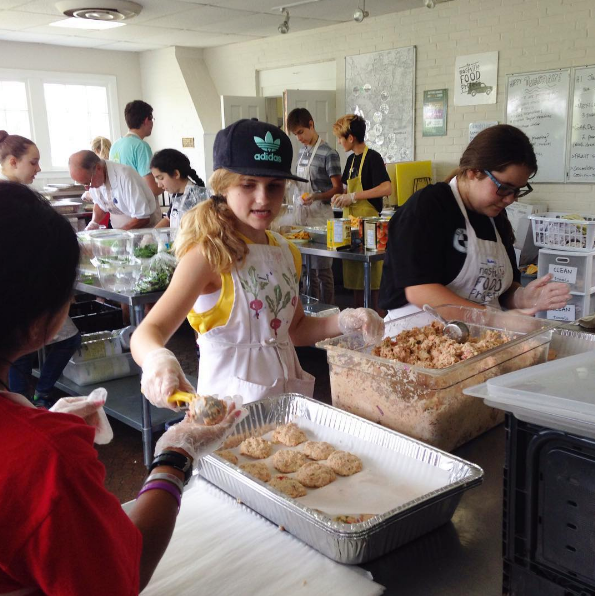
While We're Here
On a typical Tuesday our South Hall kitchen is filled with a steady group of diverse and dedicated volunteers, and you can’t escape the good vibes. Today, cherry sorting is increased with the help of the background music, not to mention it led to the first common ground and opening to discuss the focus of this blog: friendship.

On a typical Tuesday our South Hall kitchen is filled with a steady group of diverse and dedicated volunteers, and you can’t escape the good vibes. A 3-year veteran, Linda, tells me that it’s the music that Meals Coordinator Katie always plays that gets everyone grooving. Very easy to agree with after hearing the funk of Ray Charles come through the radio. I do feel our cherry sorting production was increased with the help of the background music, not to mention it led to the first common ground and opening to discuss the focus of this blog: friendship.
Although Linda suggests that the music was meant to appease some of the older volunteers (Psshh, she was in tow with her teenage grandson that day, back for his second visit.), it really is just another tool in nurturing community and friendship. With so much food to prep, it would be easy to get too involved with the work and miss the opportunity to build relationships, but that never seems to be the case around here.
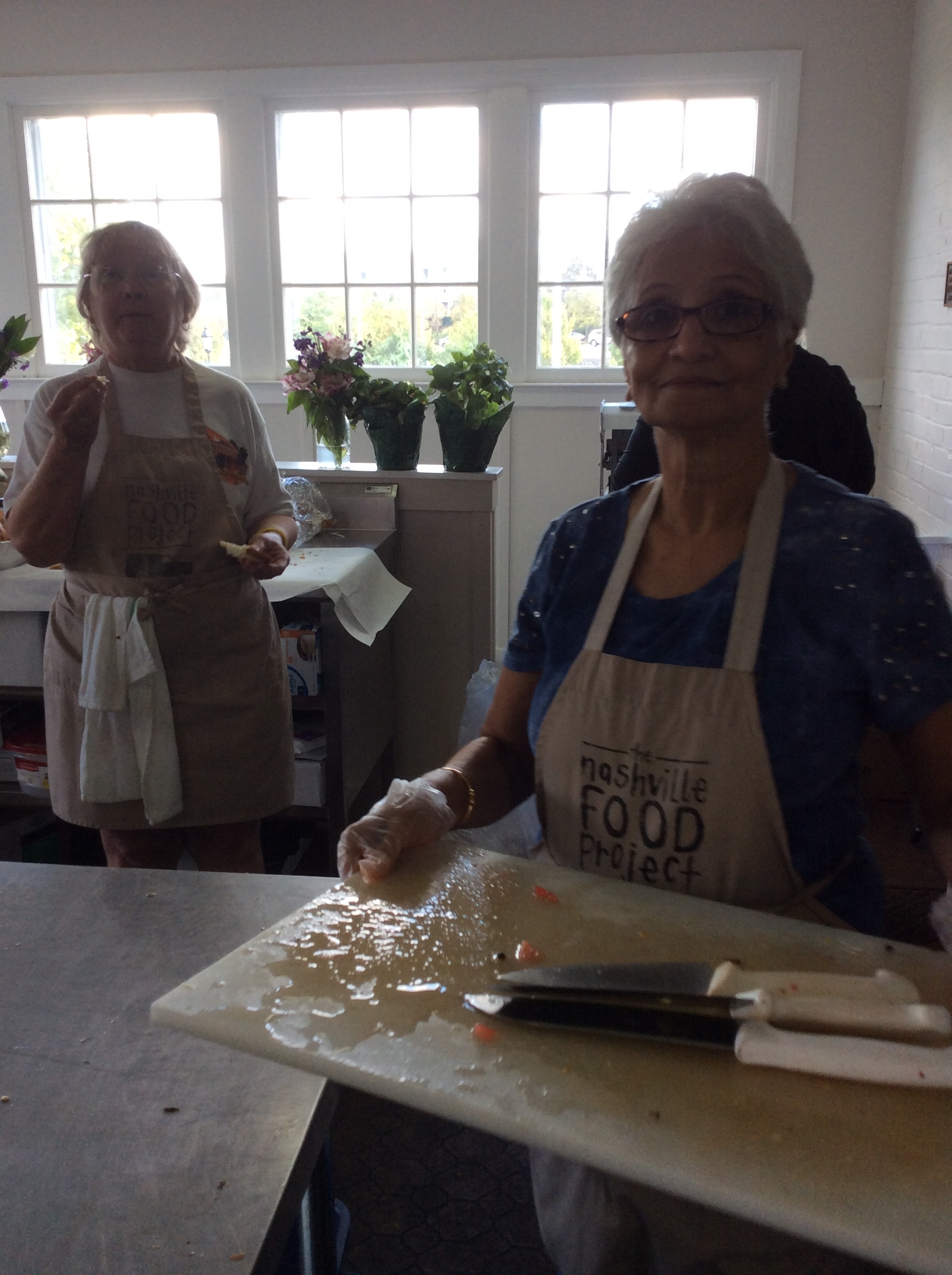
I asked my delightful cherry sorting partner, Meera (very cool lady), why she keeps coming back, and she told me that, for her, she just wants to help and volunteer her time, simple as that. She went on to say that “while we are here, is when you see something special.”
Hearing the story of how she began meeting and building friendships with other volunteers, you can see that there is much more going on here than just sorting cherries. Meera is apparently an amazing cook and master of spice! As we are having this conversation, a dedicated volunteer cook Mary comes by to try out a few of the Rainer cherries on the table.
I soon find out that Meera and Mary have been volunteering together for nearly five years! These ladies, along with Linda and their friends Marilyn and Cheri, all met in the TNFP kitchen, and through their service to the organization, they’ve built lasting friendships that follow them outside our kitchens. It is amazing to see the friendships that have been cultivated over these cutting boards and mixing bowls.
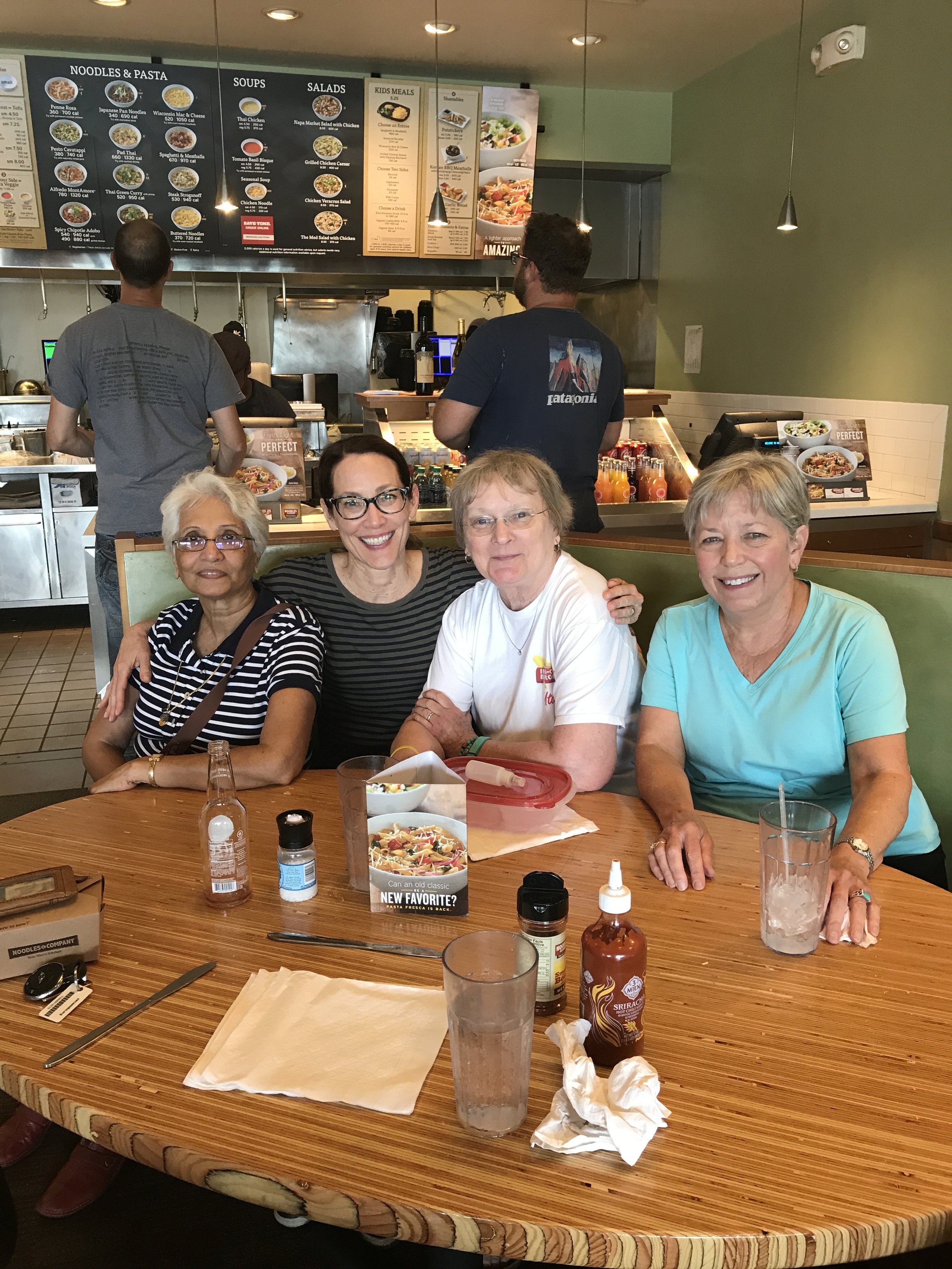
These ladies and their friendship really shows the mission of The Nashville Food Project in action, and shows how we are fulfilling our mission to cultivate community. Each time I volunteer with TNFP, I am amazed at how much of the real work of the organization happens just by being in the space surrounded by these amazing volunteers.
If you want to help us cultivate community, just show up, open-up, give a hand, and listen to the music. Why we are here is great, but what happens while we are here is the magic.
How YOU Nourished Our City in 2016
The Nashville Food Project has always been an organization powered by the work of so many incredible community volunteers. In 2016 YOU helped us do more than ever before! Check out this Top Ten list of our 2016 volunteer program accomplishments.
The Nashville Food Project has always been an organization powered by the work of so many incredible community volunteers. In 2016 YOU helped us do more than ever before! Check out this Top Ten list of our 2016 volunteer program accomplishments:

10. We piloted an online volunteer sign-in system at our South Hall kitchen. As we continue to refine the program, we’ve loved the positive attitudes and helpful feedback we’ve received from volunteers. Our goal is to make volunteering an easy and fun experience from start to finish.

9. We welcomed a new Volunteer Coordinator, Mariah Ragland! Mariah joined the team to coordinate all volunteer activities and promote The Nashville Food Project to new groups of volunteers. It’s been wonderful to see volunteers embrace Mariah and work with her to continue improving The Nashville Food Project’s volunteer experience.


8. In addition to opening our second kitchen in partnership with St. Luke’s Community House in March, we added 10 new weekly volunteer opportunities to support the production of those meals. With your help we’ve been able to serve 1,330 meals a week to a new community!
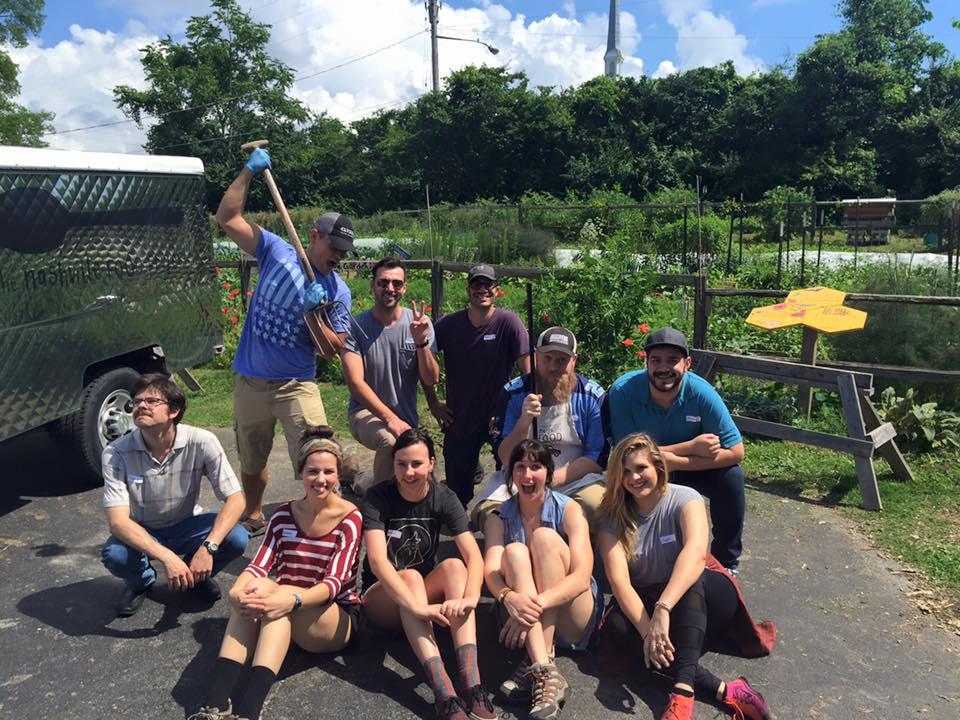
7. We welcomed many new community and corporate partners as volunteers. New partners like Clyde’s On Church and Taco Mamacita have become regular volunteers. Existing partners like Jackson National Life Insurance have increased their volunteer efforts, helping us to continue to grow our work.

6. As our urban agriculture program expanded, so did volunteer opportunities in our new gardens! In 2016, we added ongoing volunteer activities in the McGruder Community Garden, Blackman Road Garden and Haywood Lane Garden.

5. On December 30 and 31st, volunteers helped us collect food and monetary donations at back-to-back Widespread Panic shows at Bridgestone arena. During these two nights, we collected almost $5,000 and 200 pounds of food to support our programs!
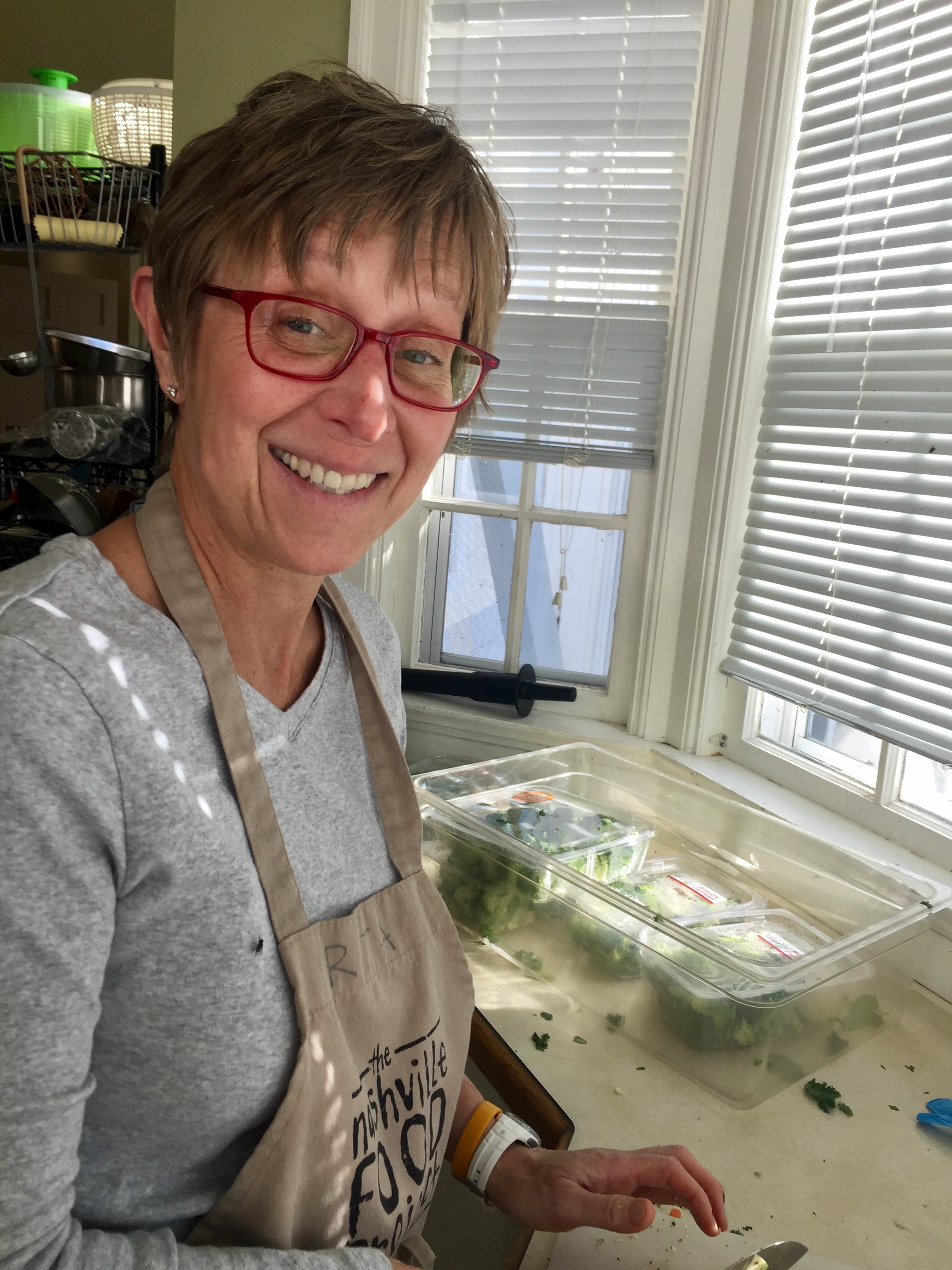

4. We implemented a new way to highlight our incredibly dedicated volunteers with a Volunteer of the Month recognition. Each month, our staff submits names of volunteers who have gone above and beyond typical volunteer activities. One outstanding volunteer is selected to be featured in our kitchens the following month. We love having another way to thank and recognize the many people who make our work possible.
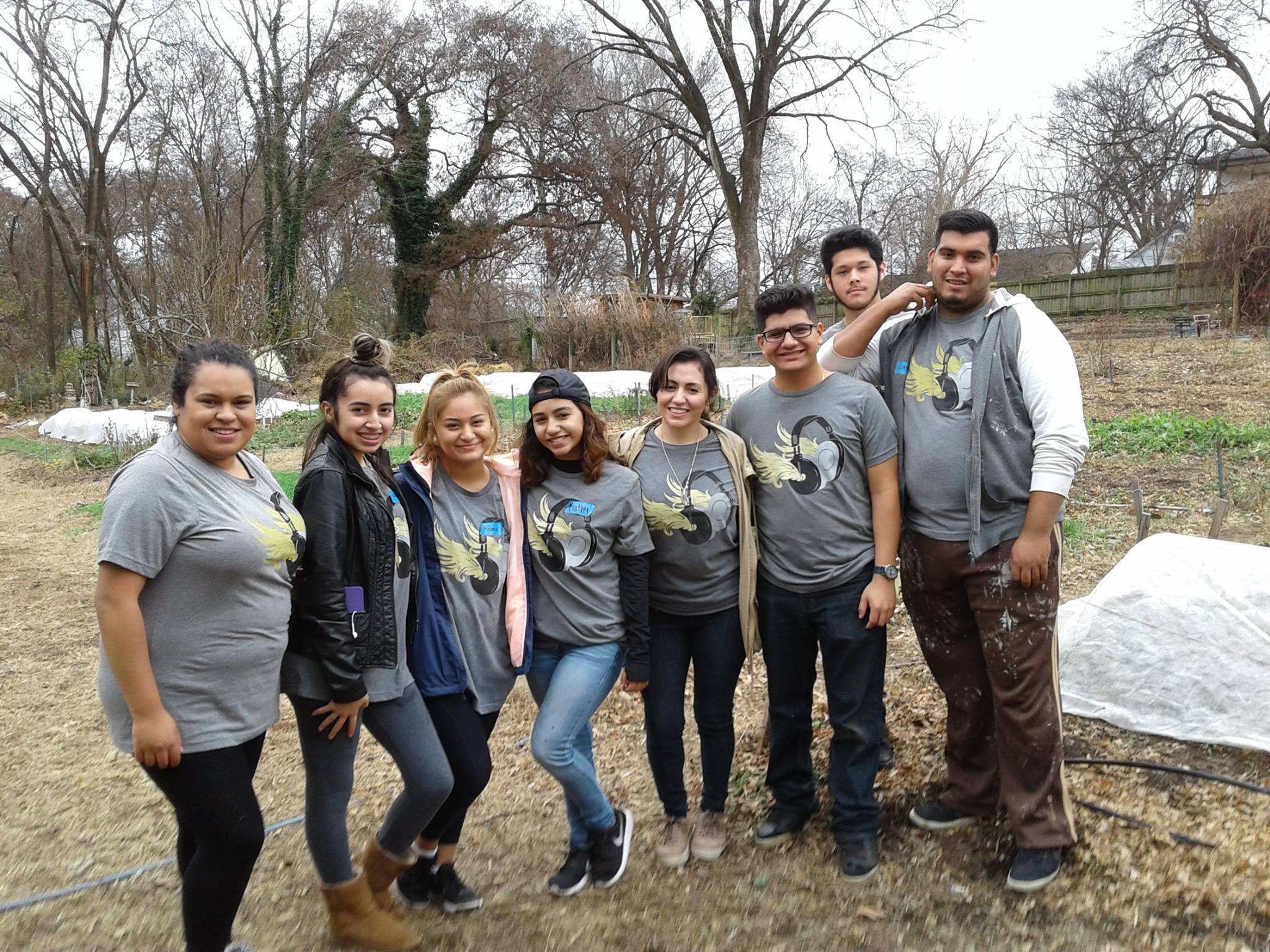
3. While we’re so grateful for our dedicated, regular volunteers, we were excited to welcome many new faces in 2016! Organization-wide, each month an average of 370 unique volunteers served in our kitchens, in our gardens and on our food trucks.
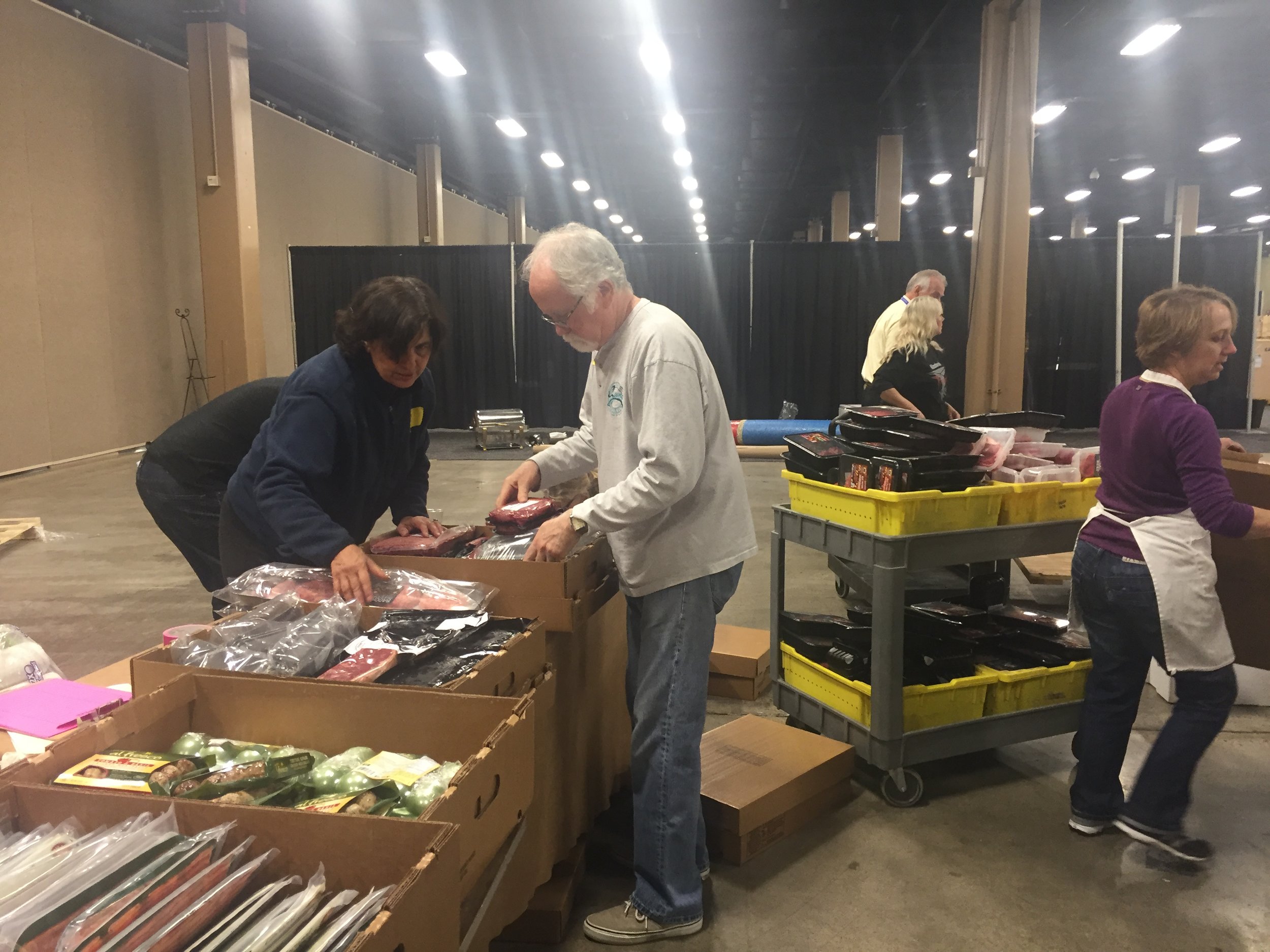
2. The year kicked off in a big way when we were invited to recover food from a meat conference hosted at Gaylord Opryland Hotel. A group of 15 volunteers joined TNFP staff for a crazy night of sorting, packing, and storing more than 11,000 pounds of meat. This supplied our TNFP meals with meat from February through October, feeding more than 70,000 in our community!
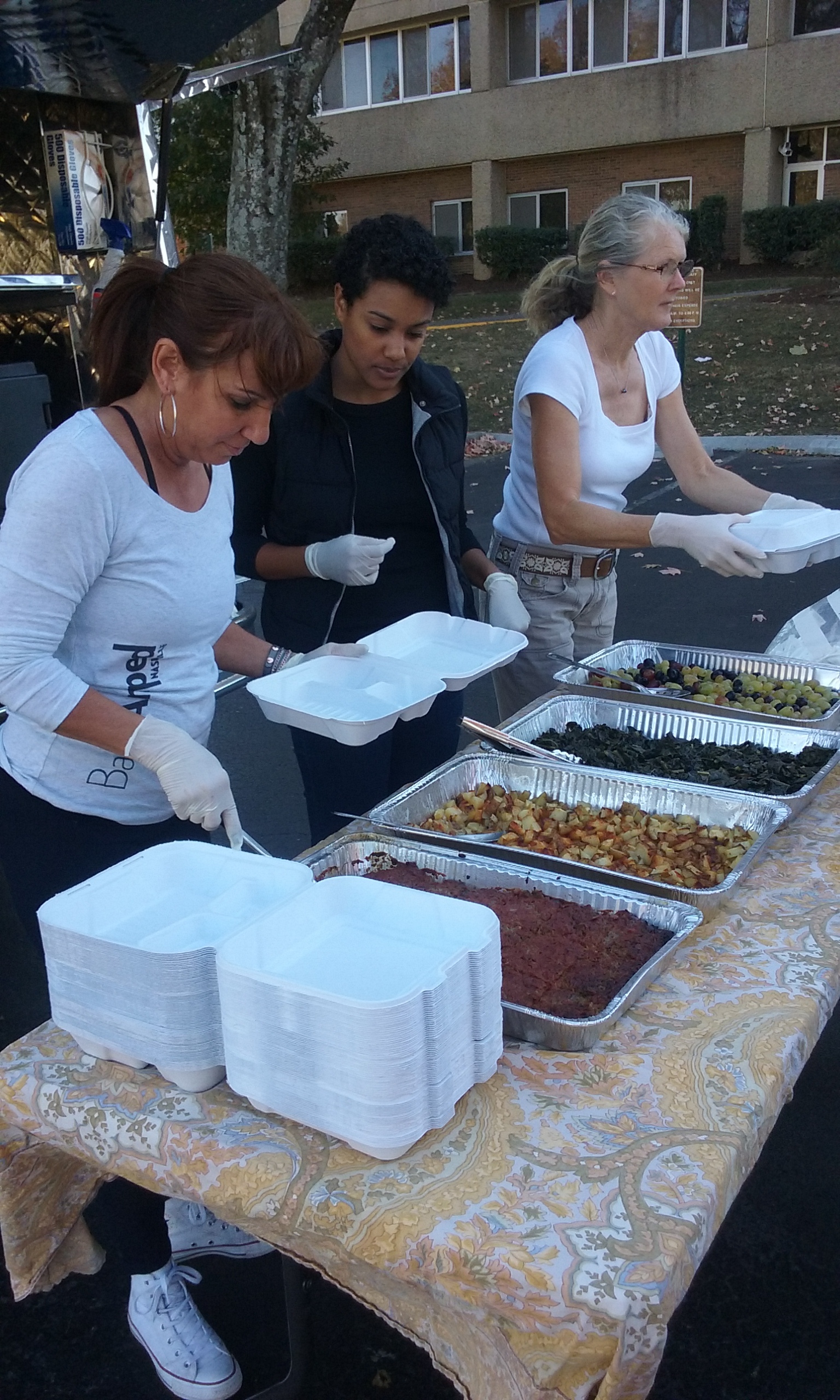
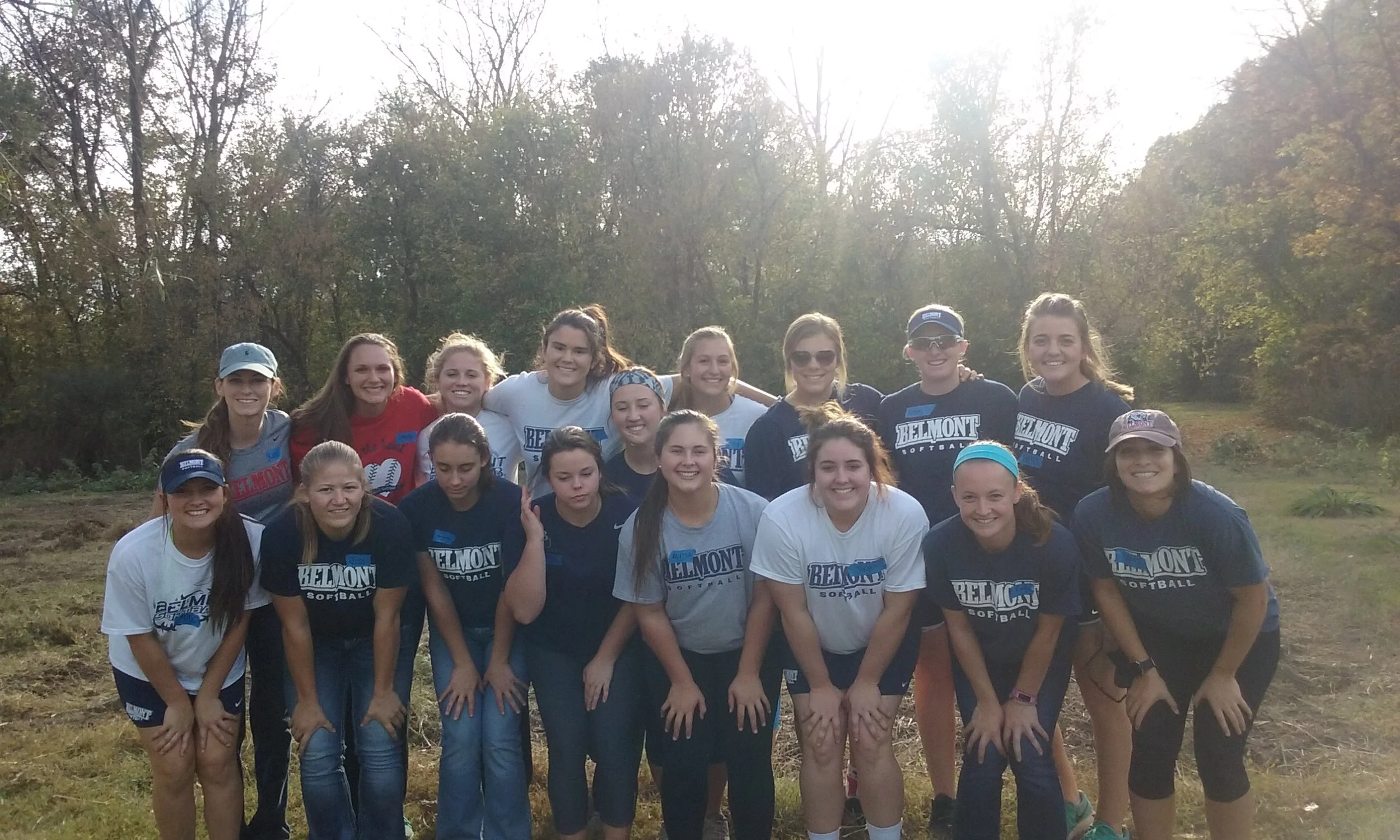
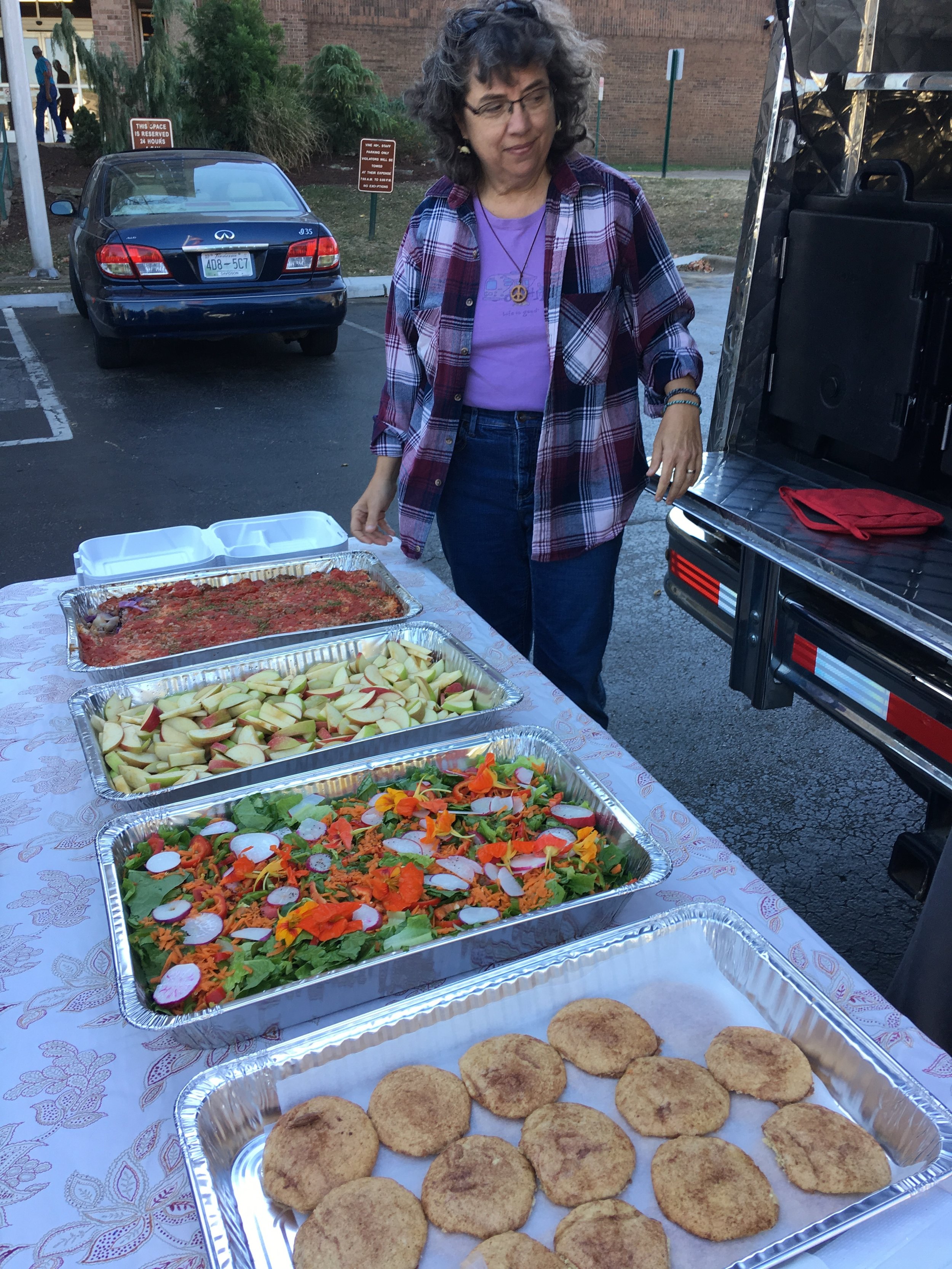
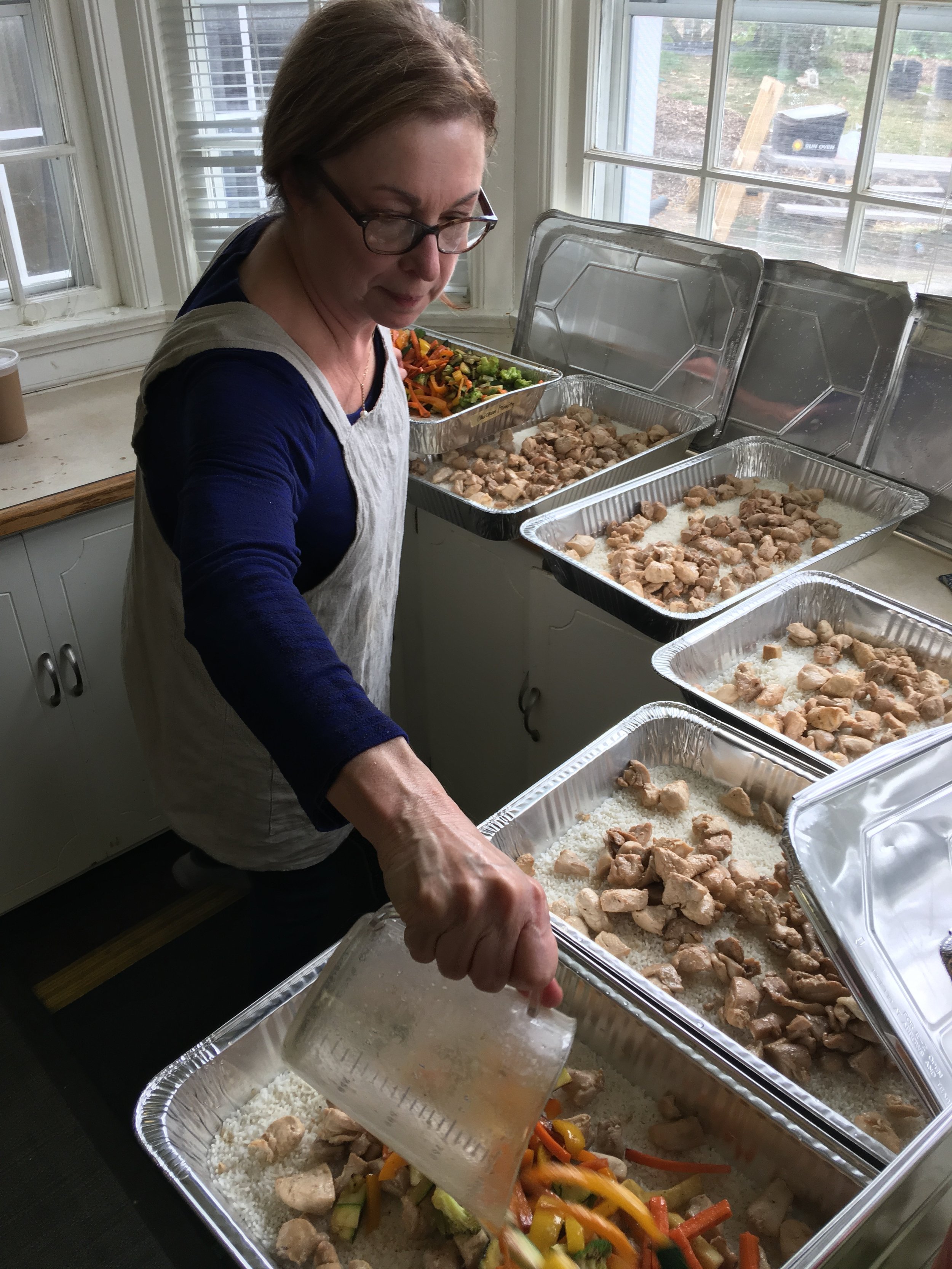
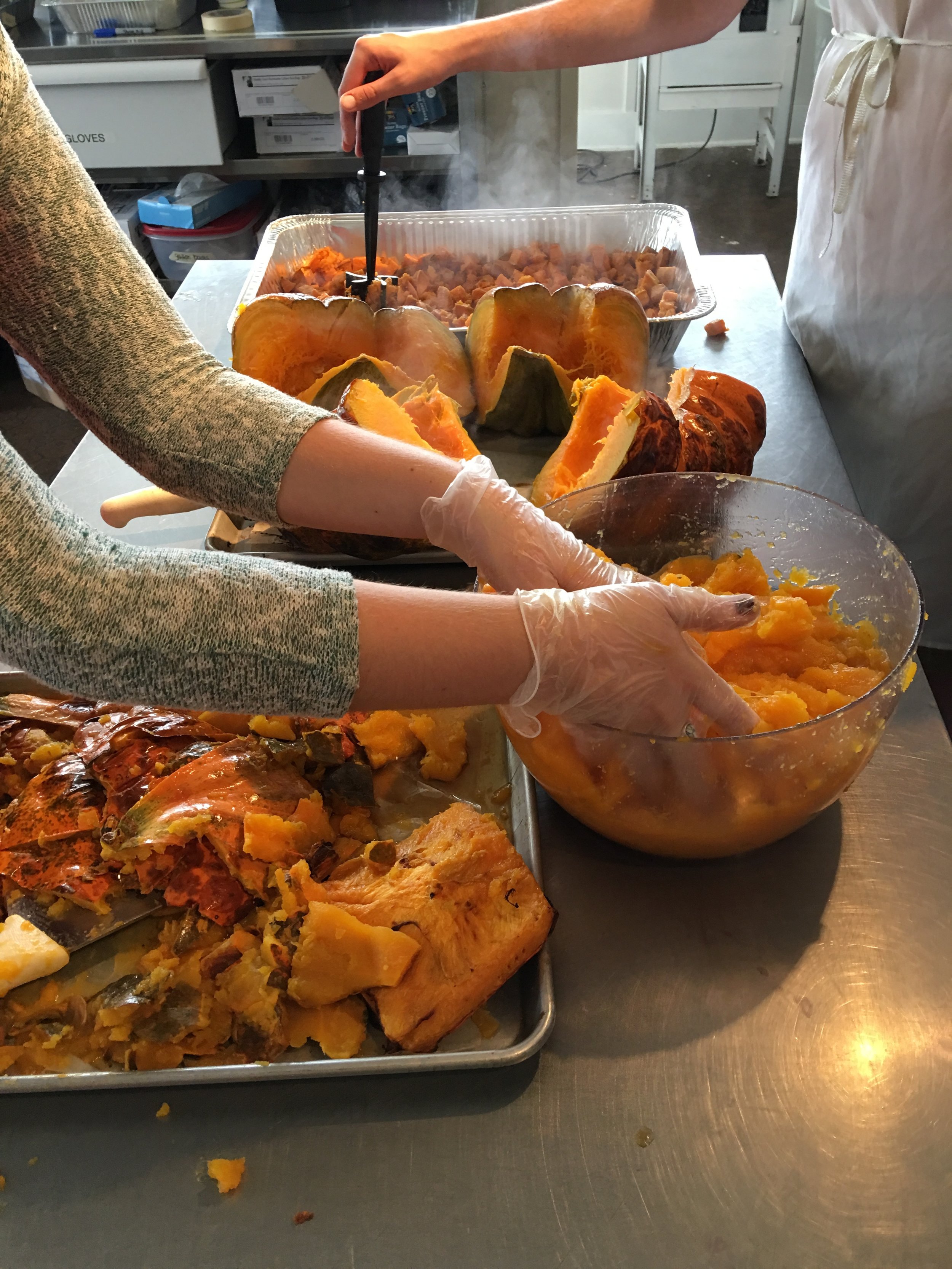
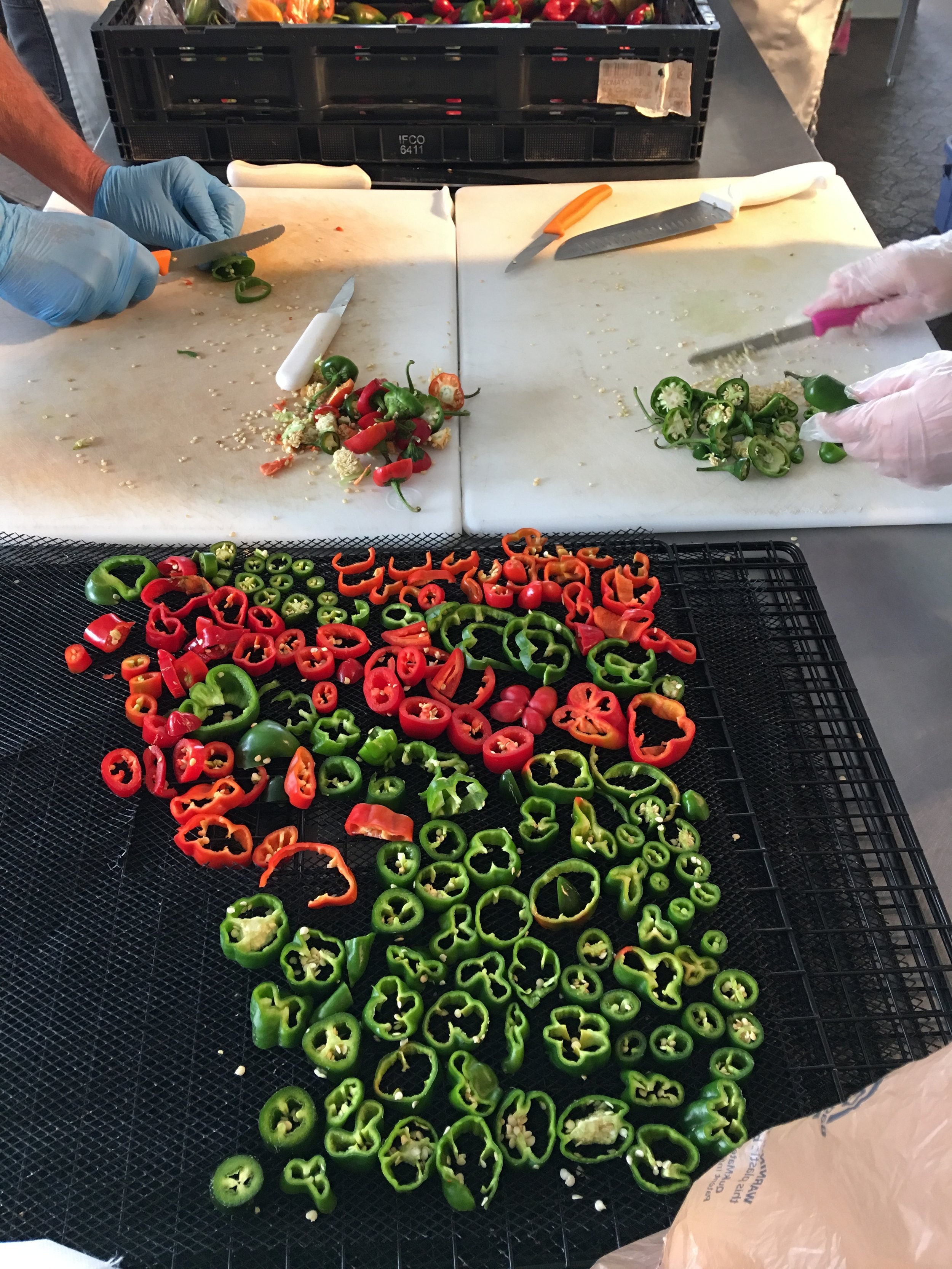
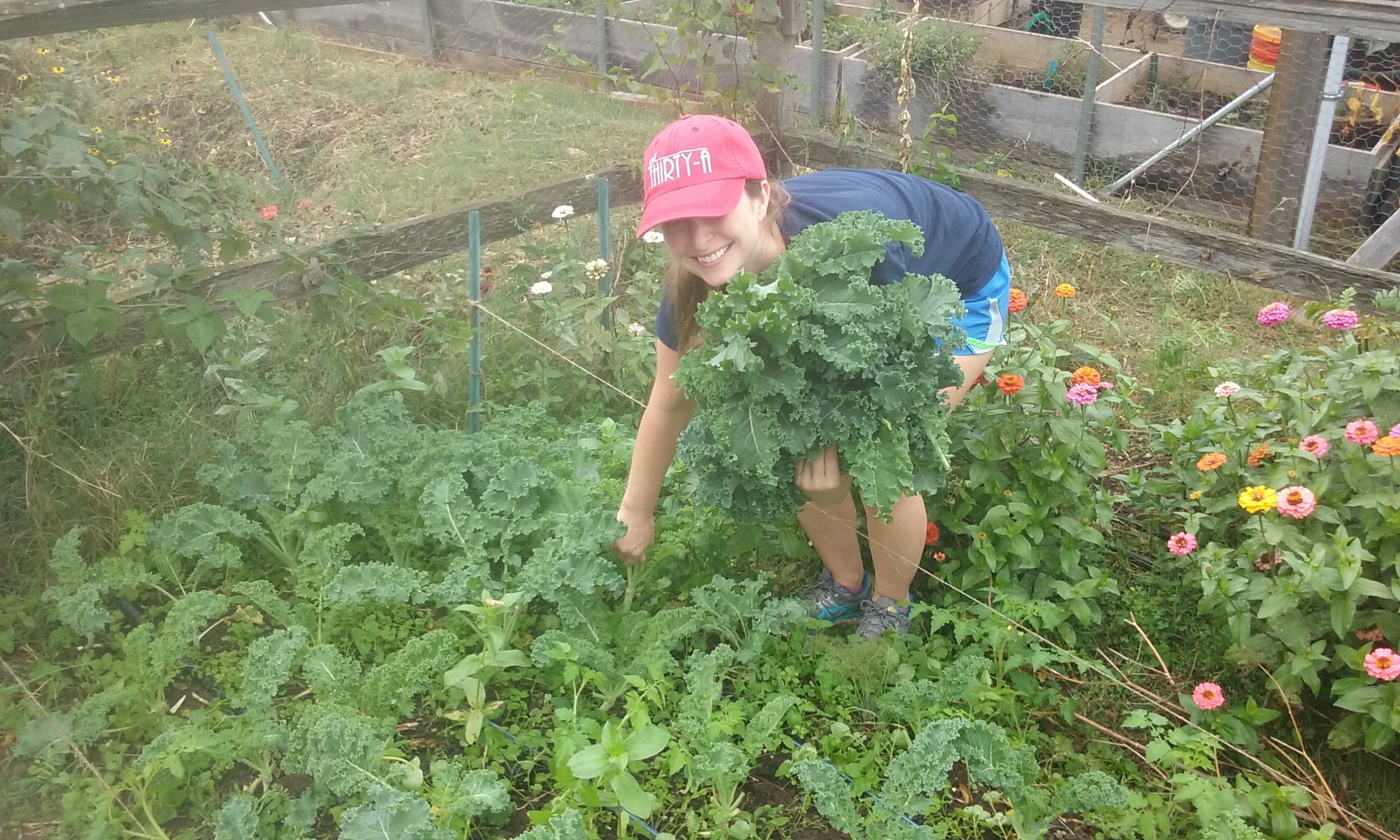
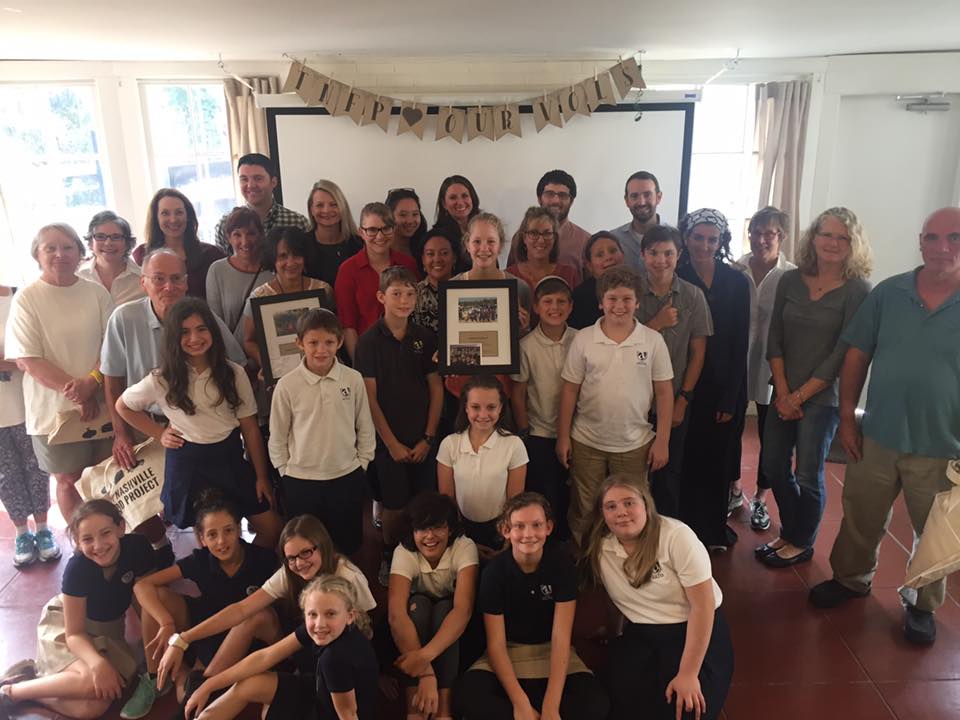
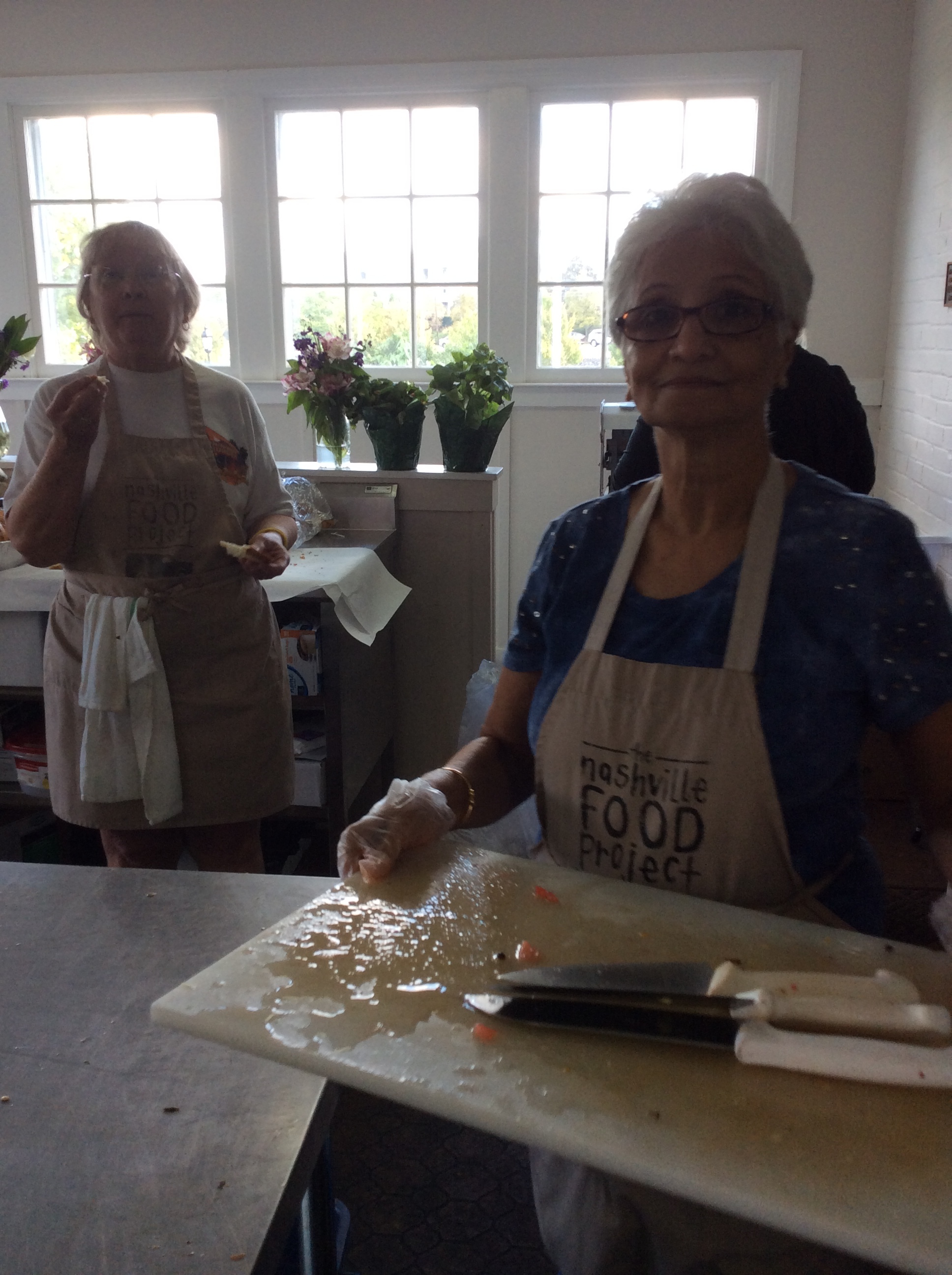
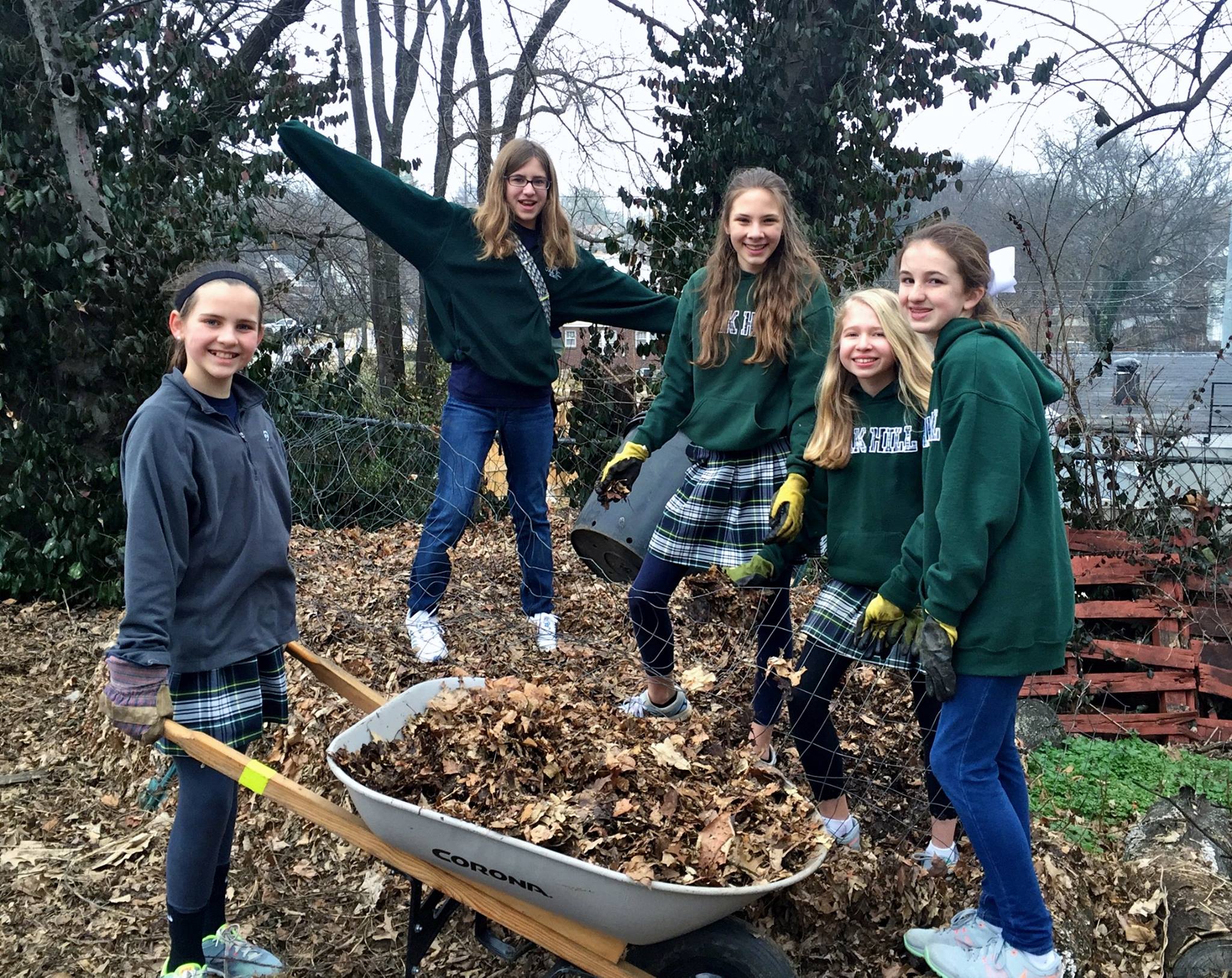
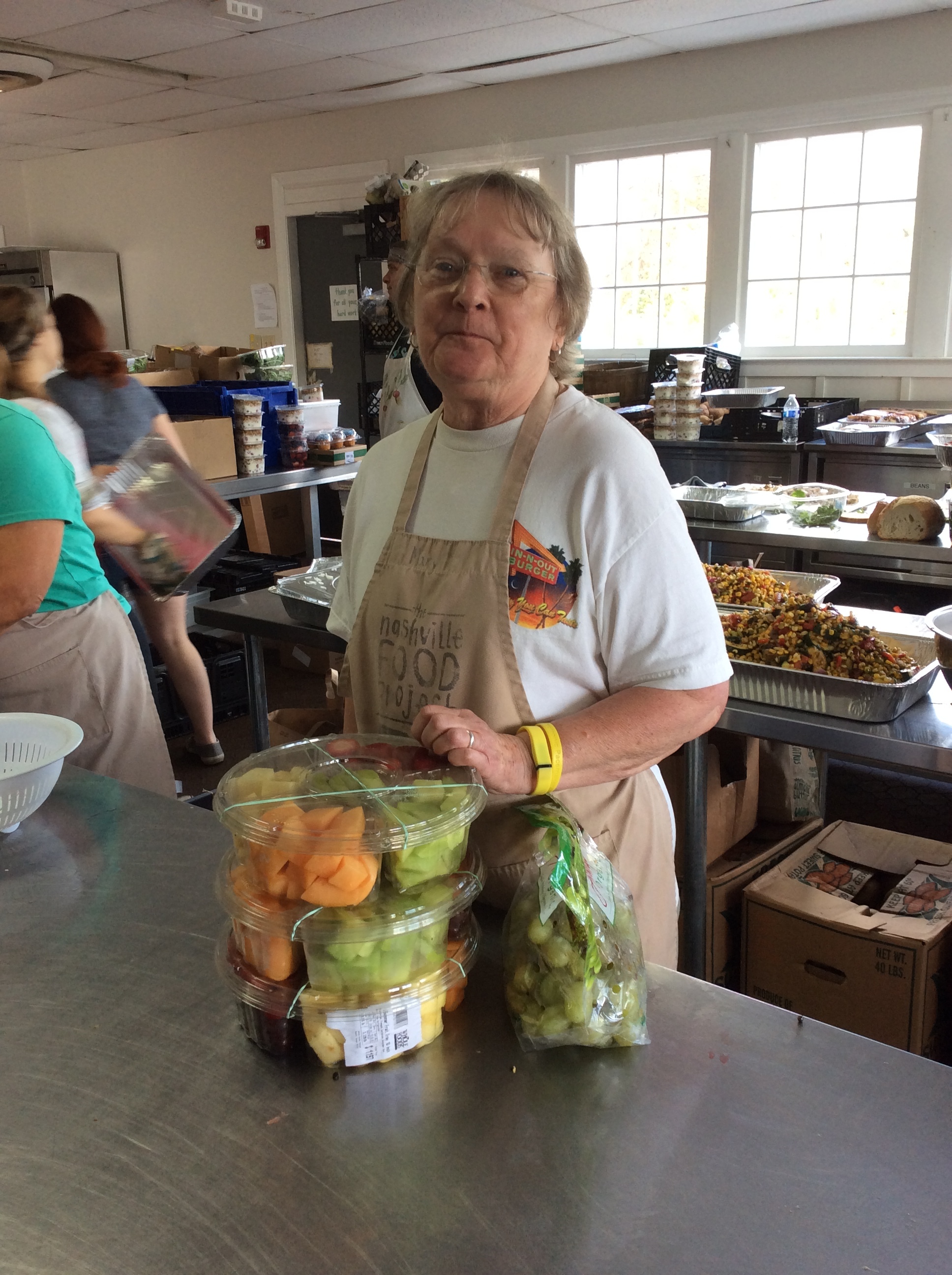
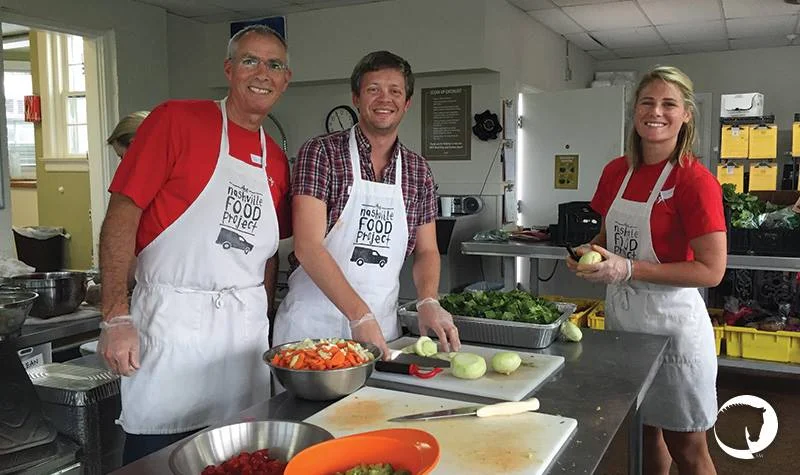
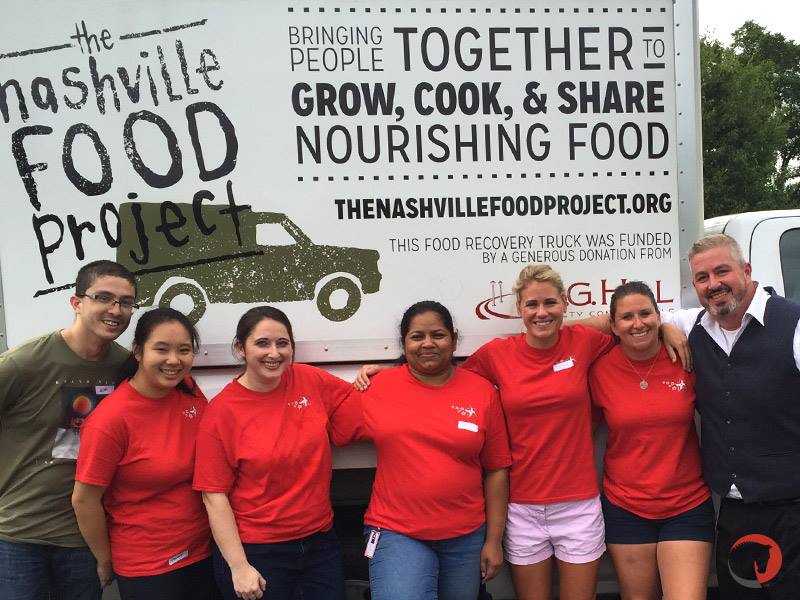
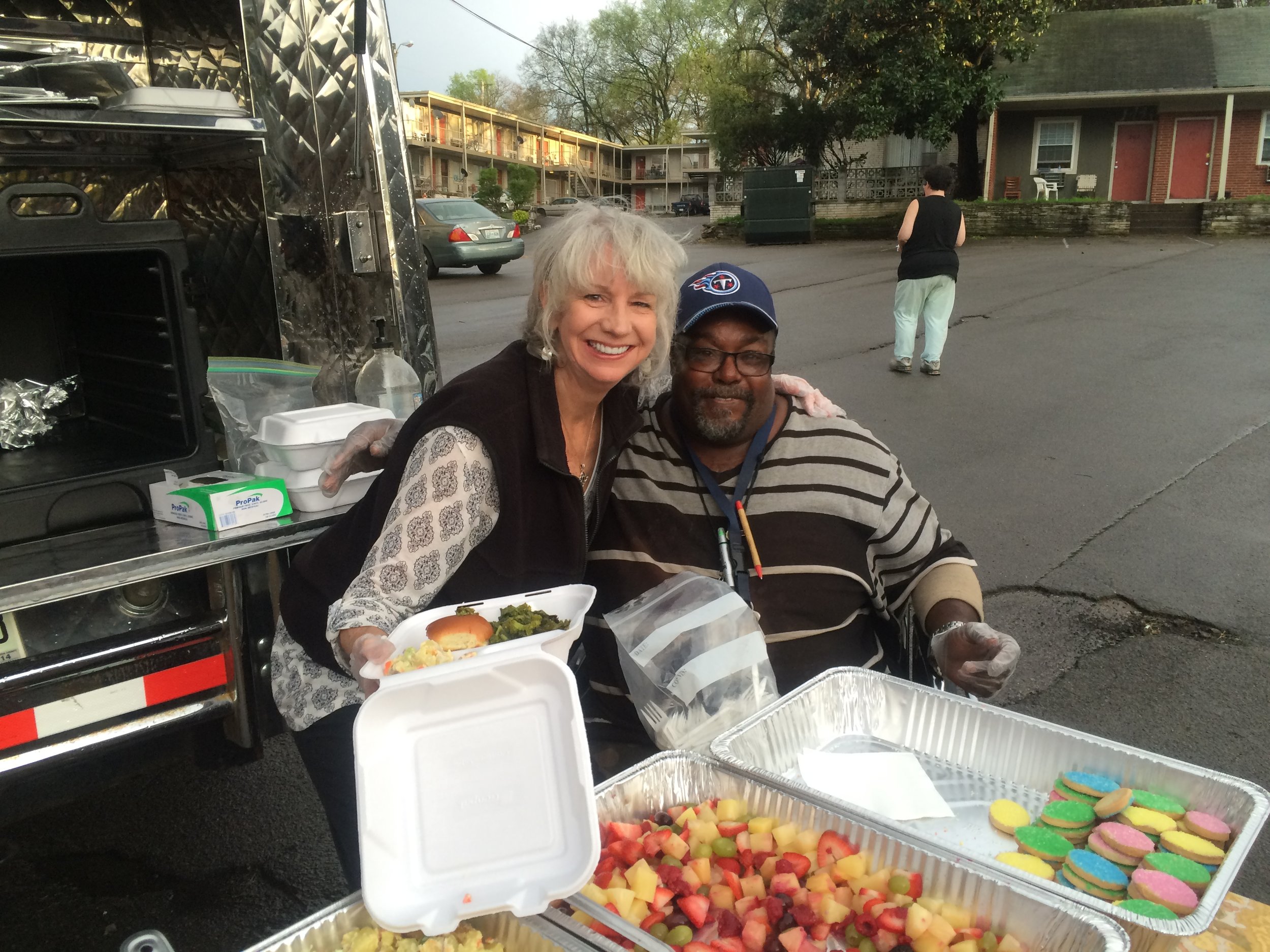
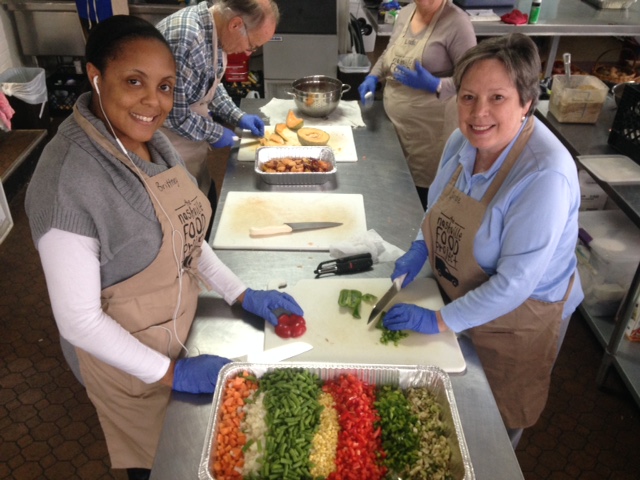
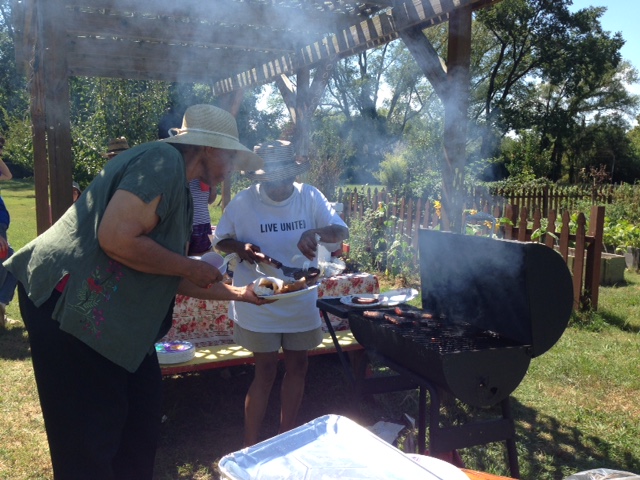
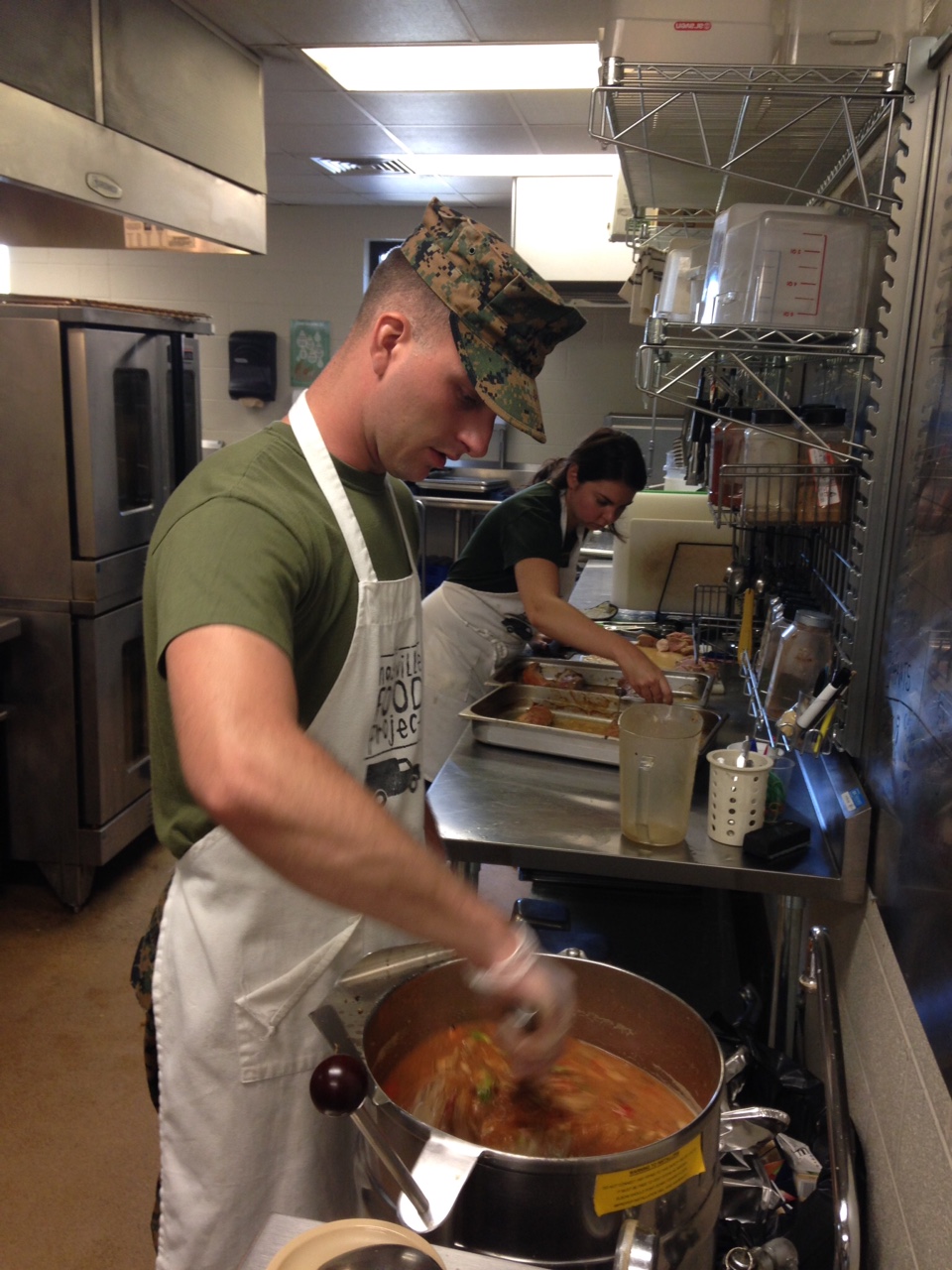
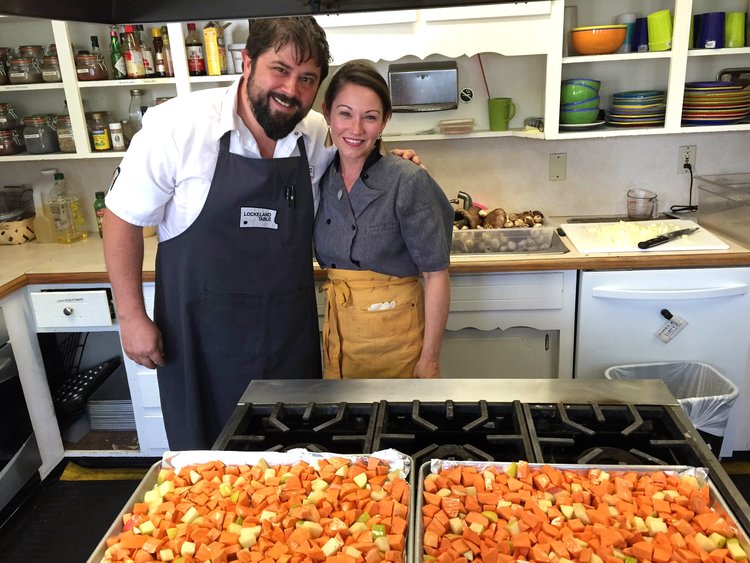
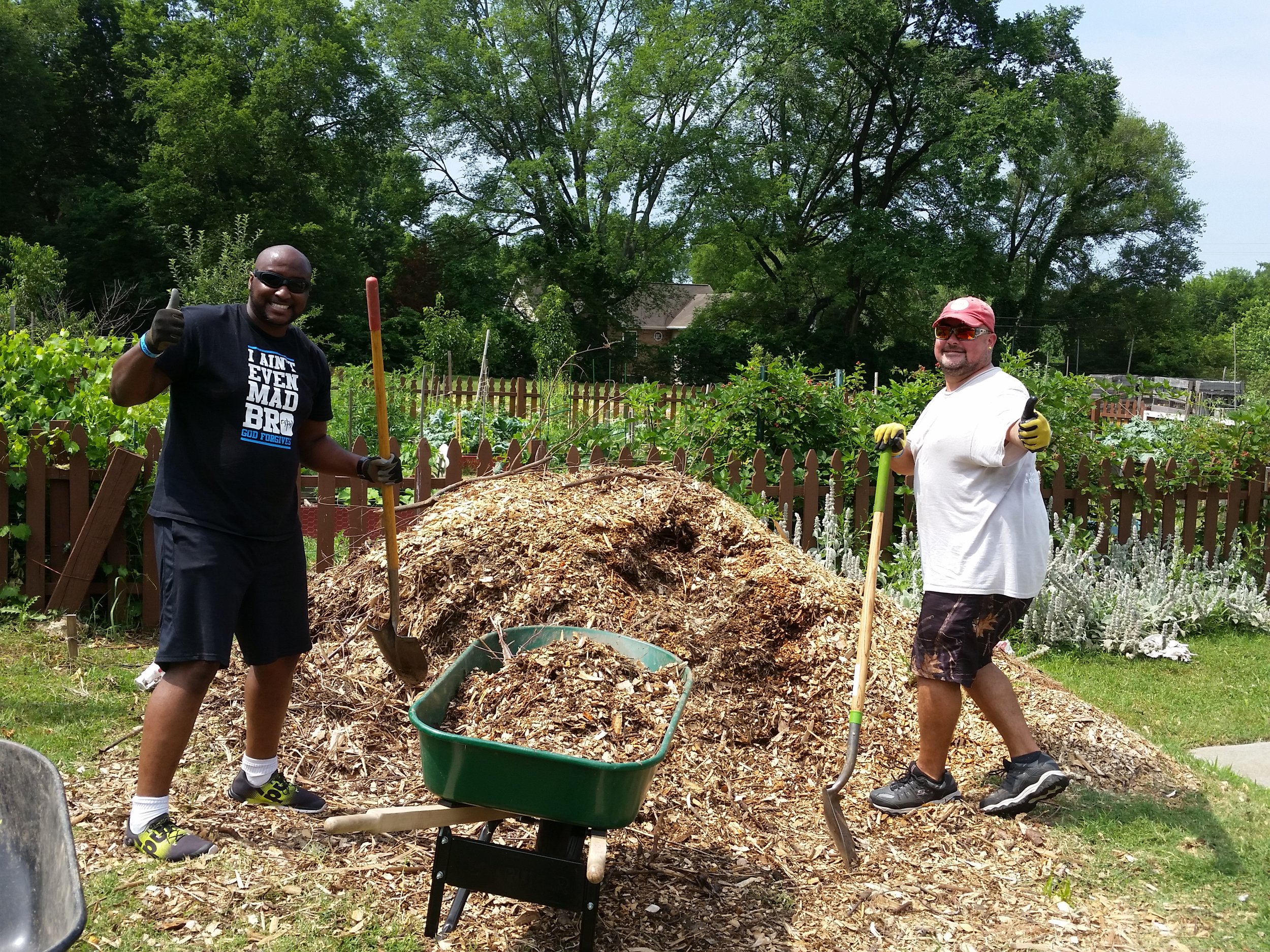
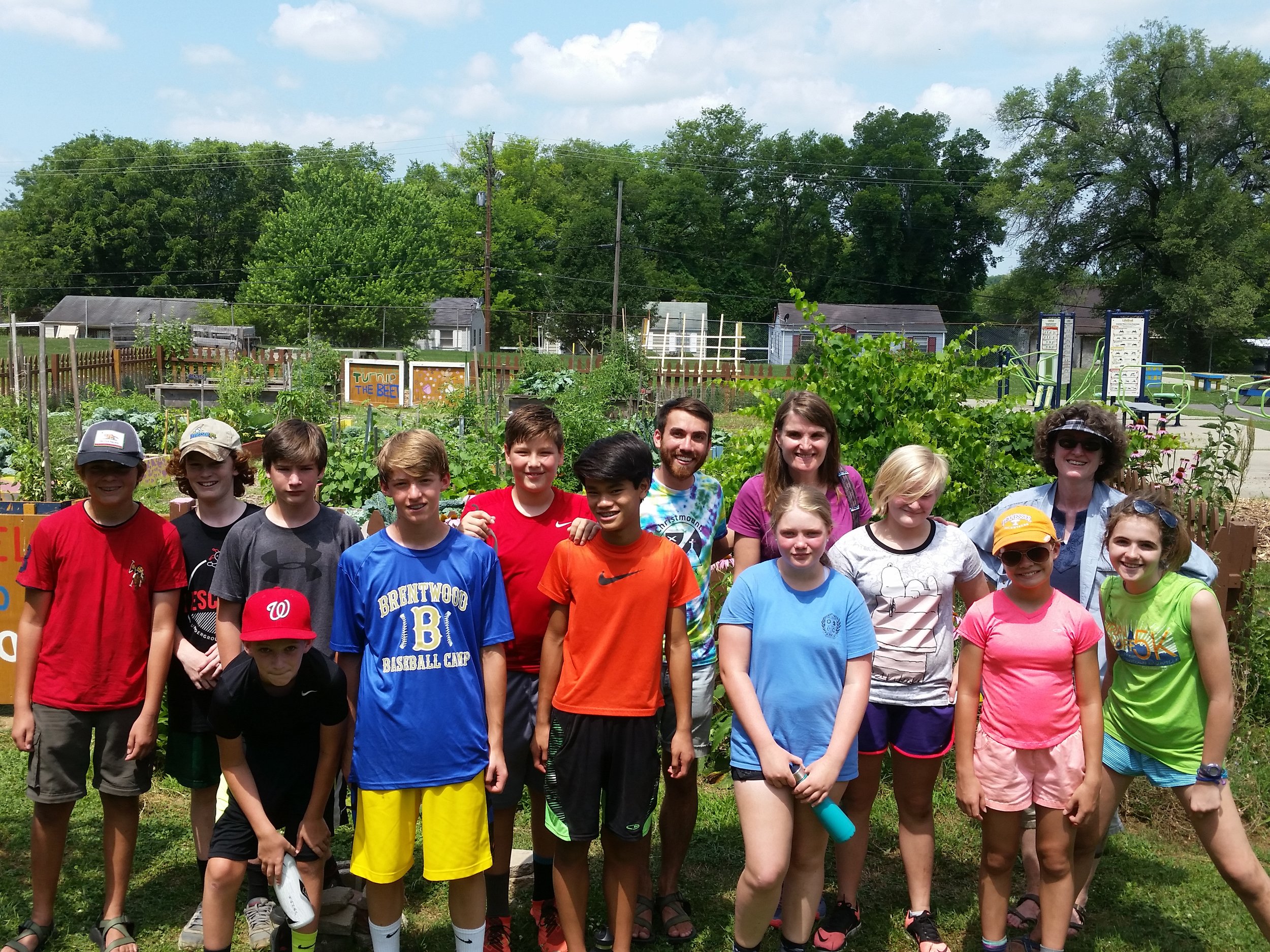
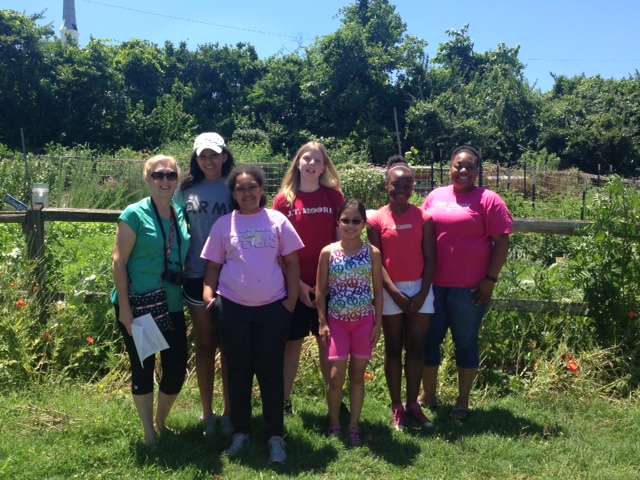
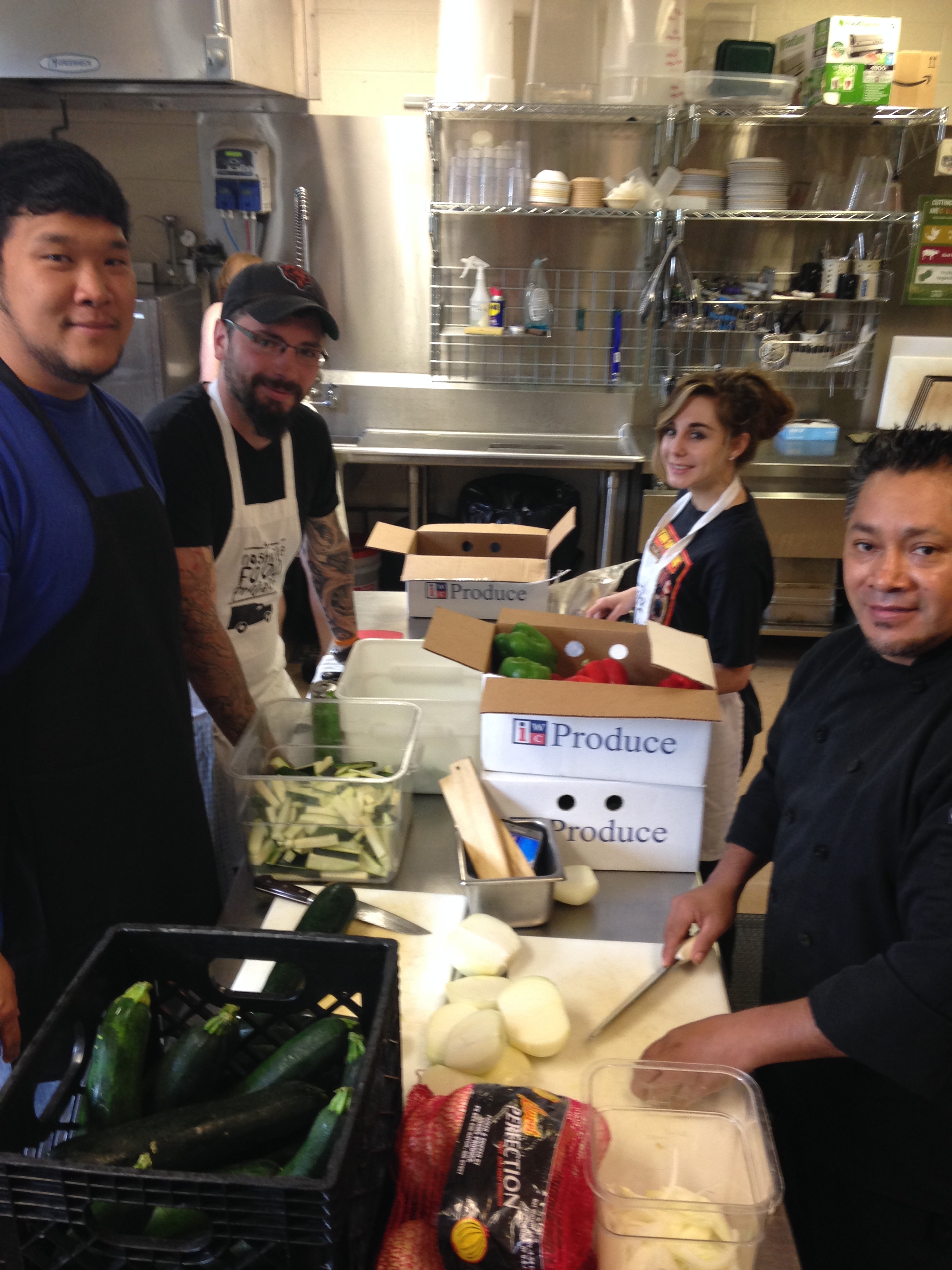
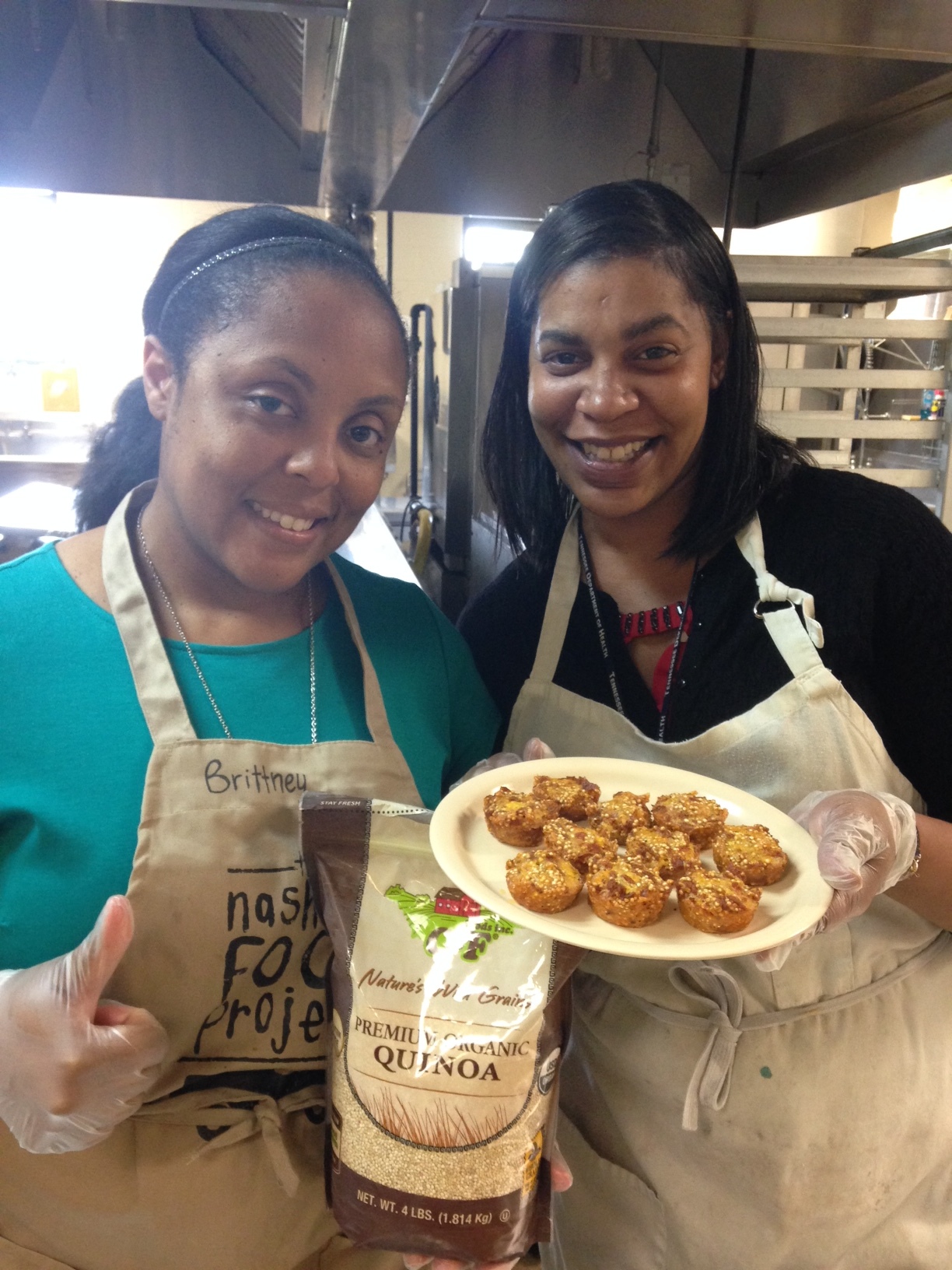
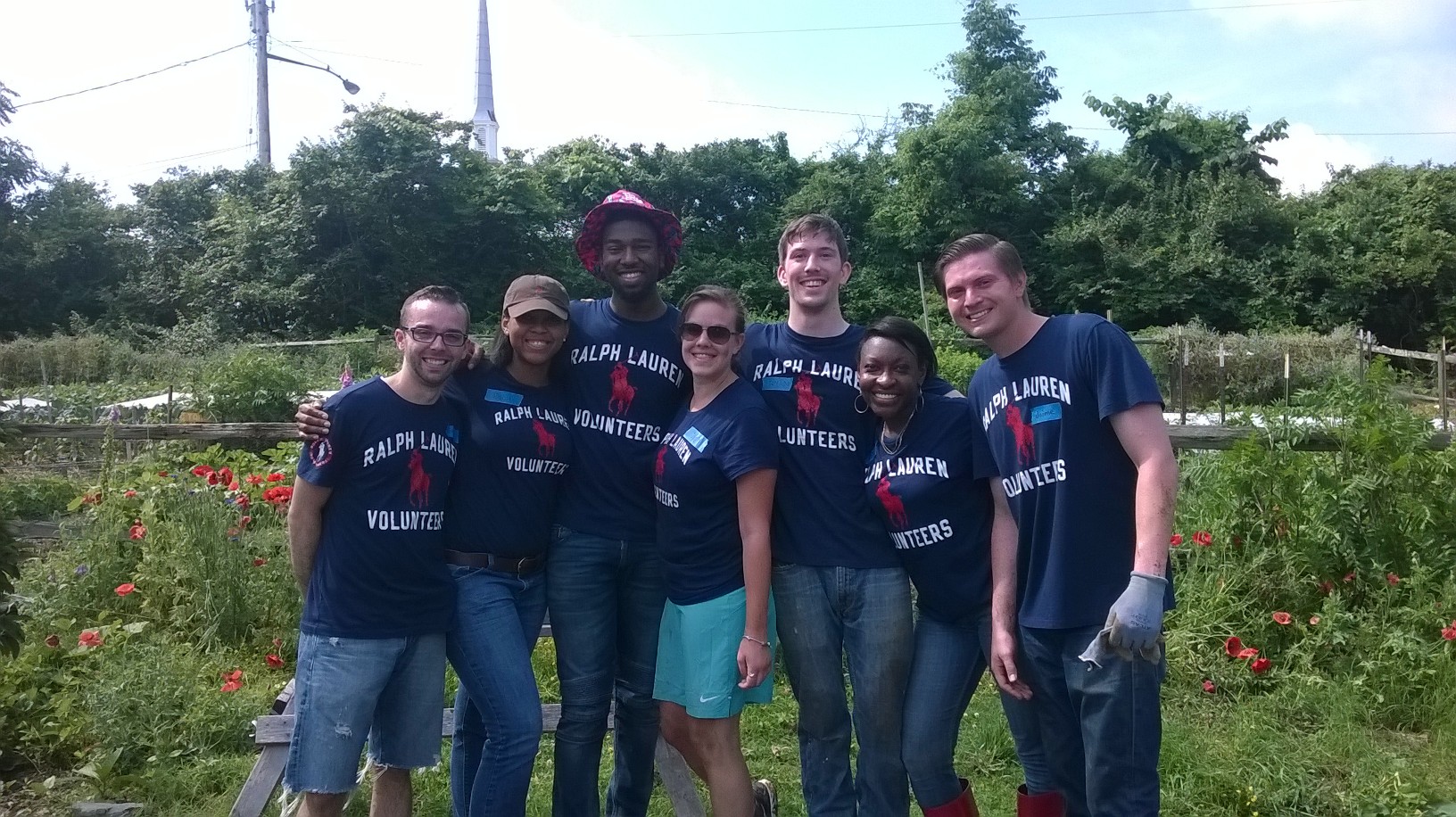
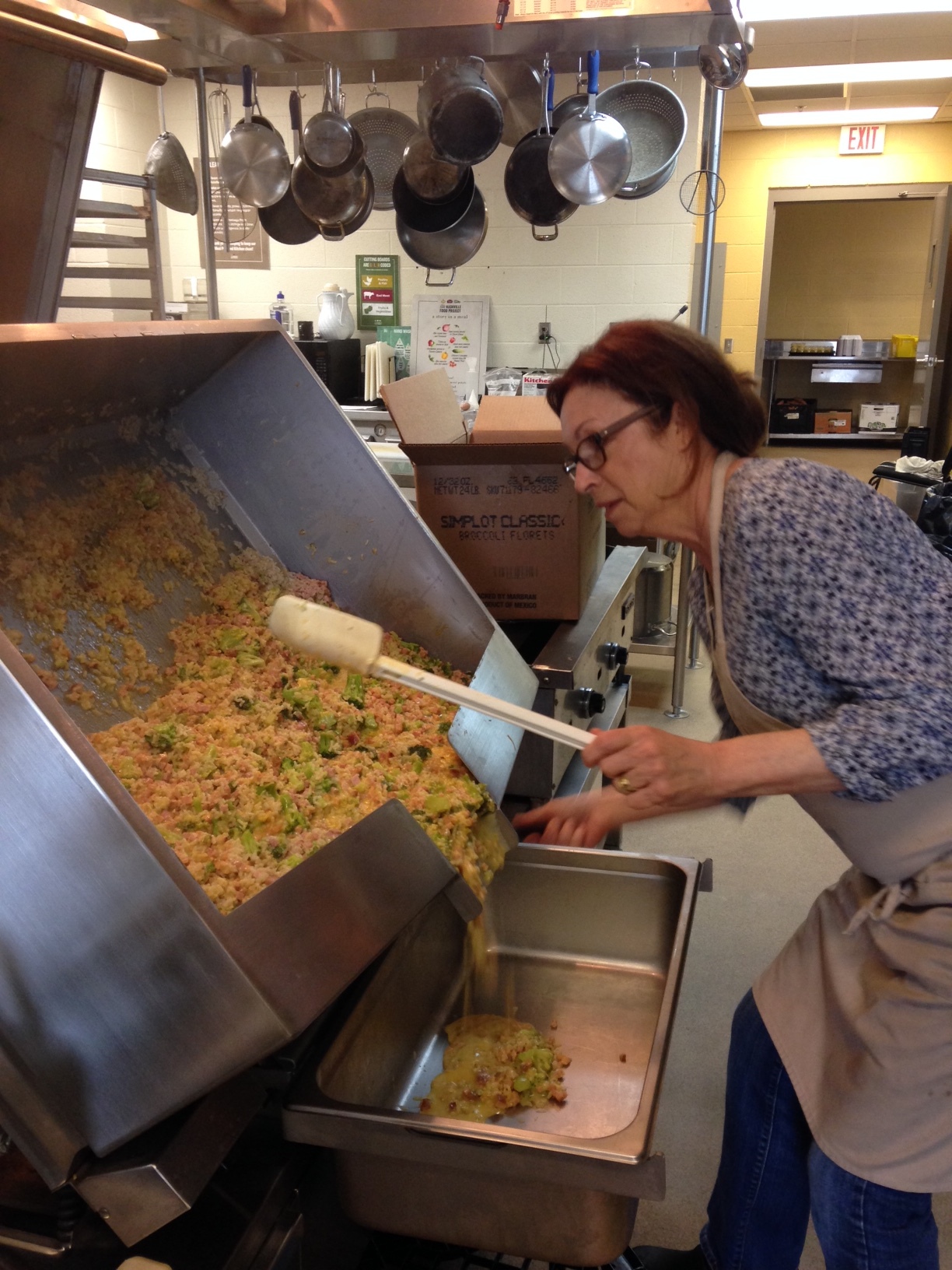
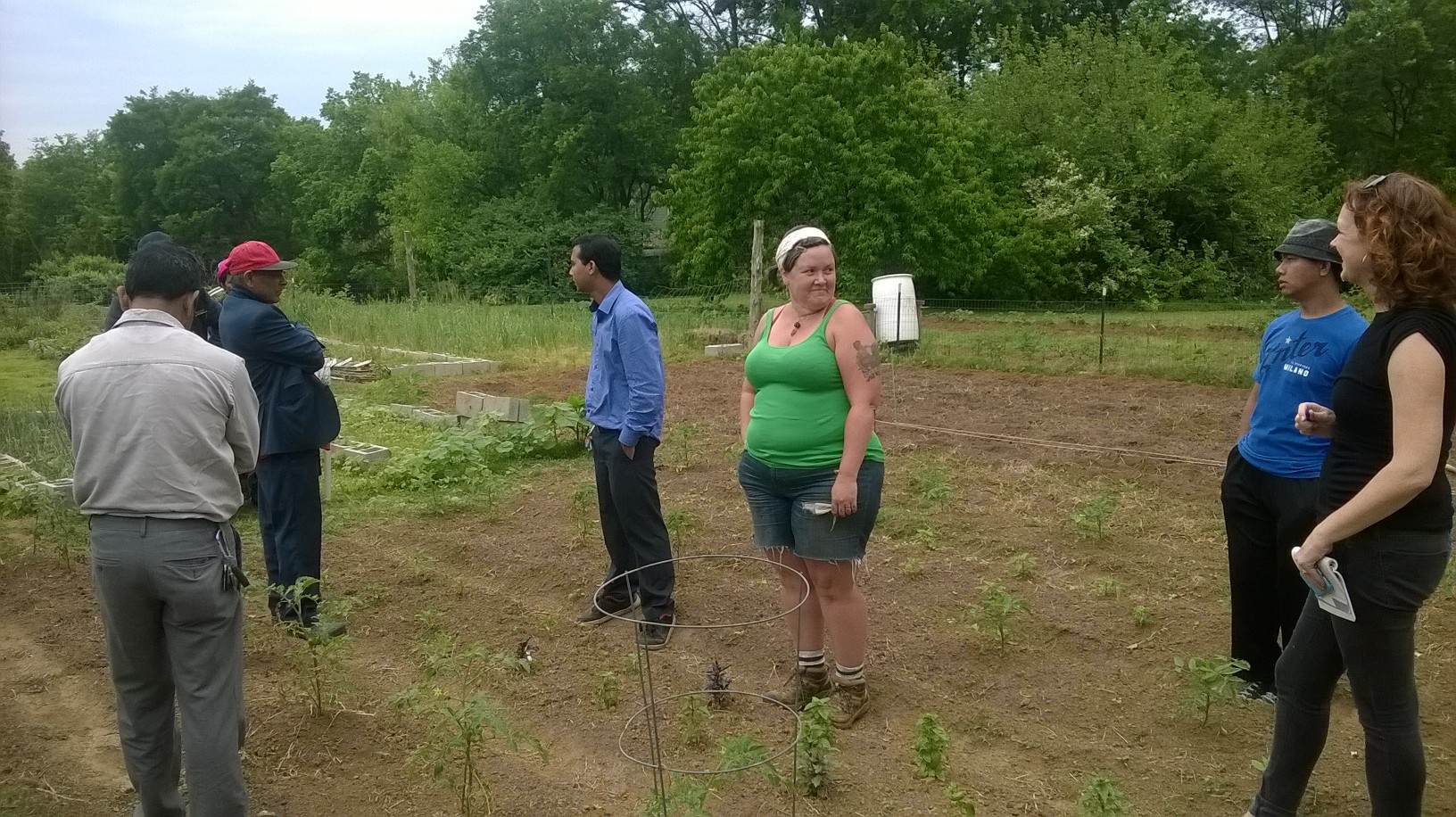
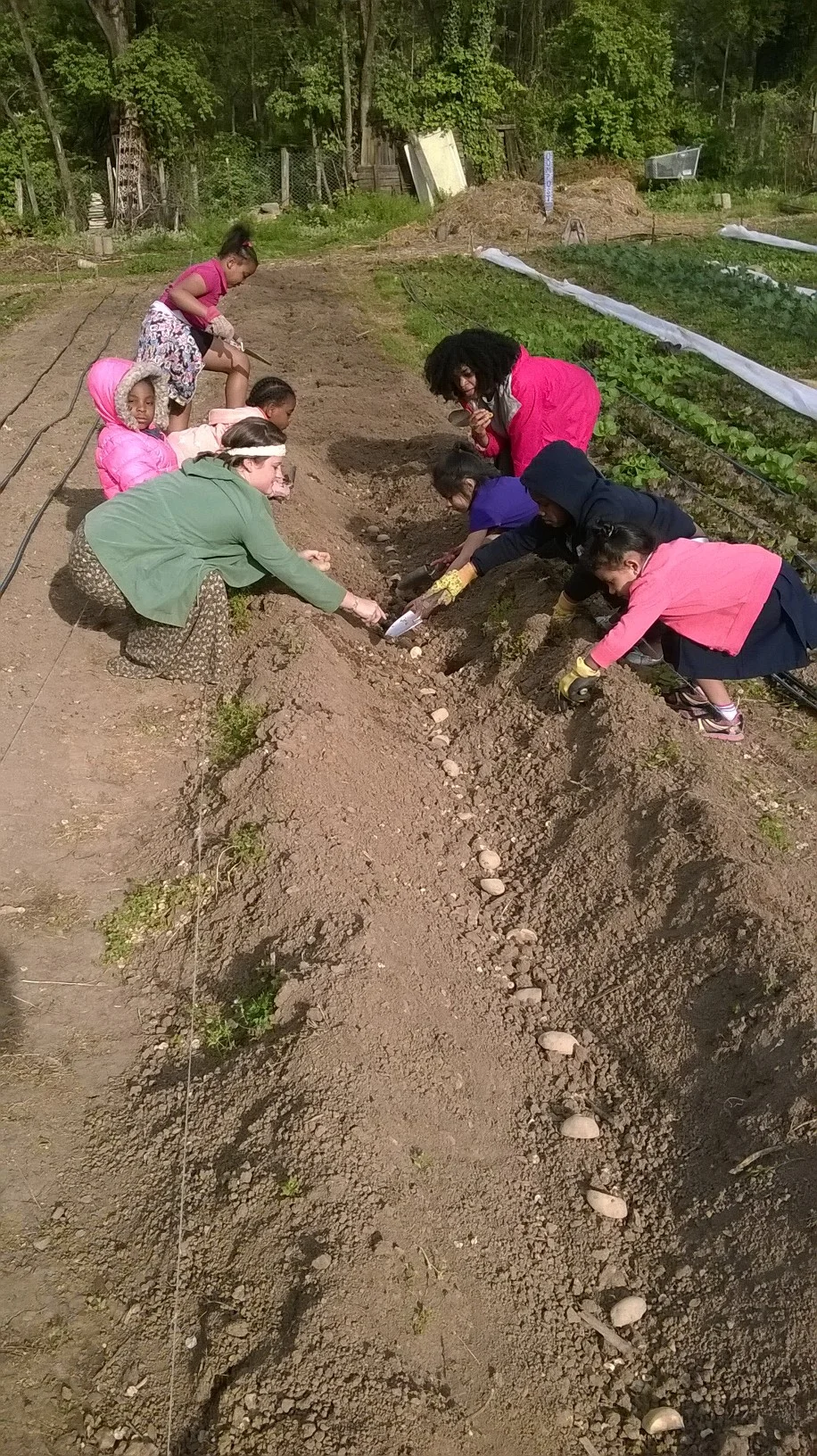
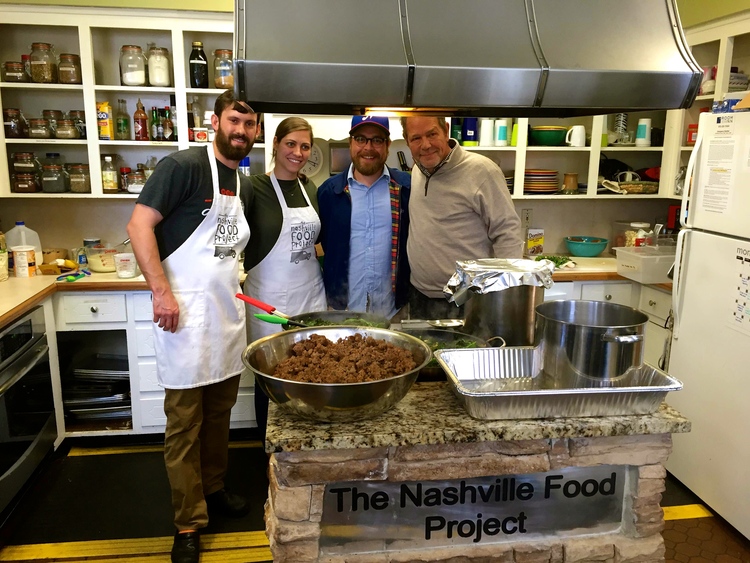
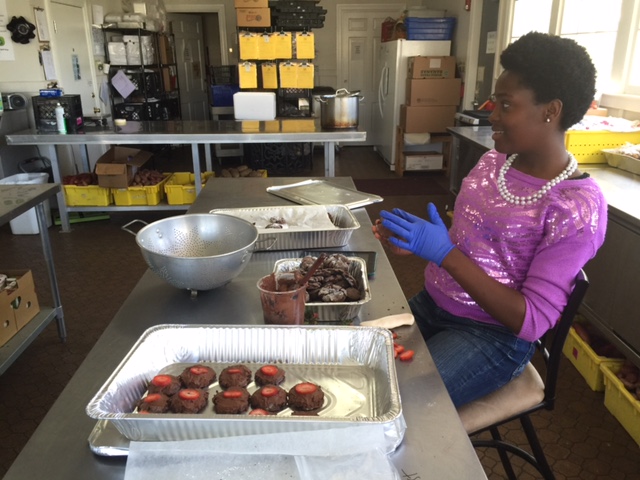
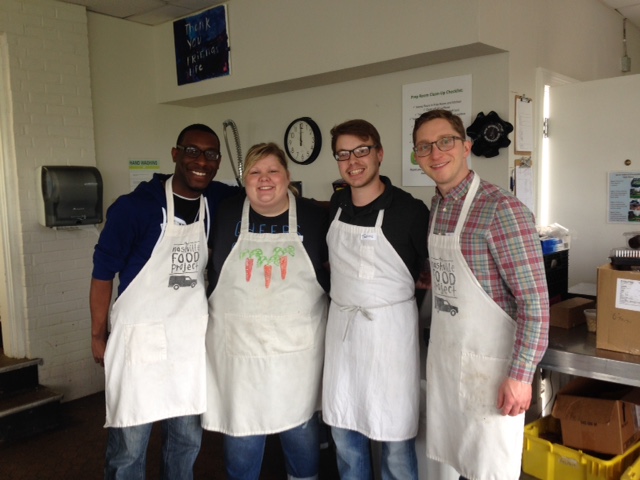
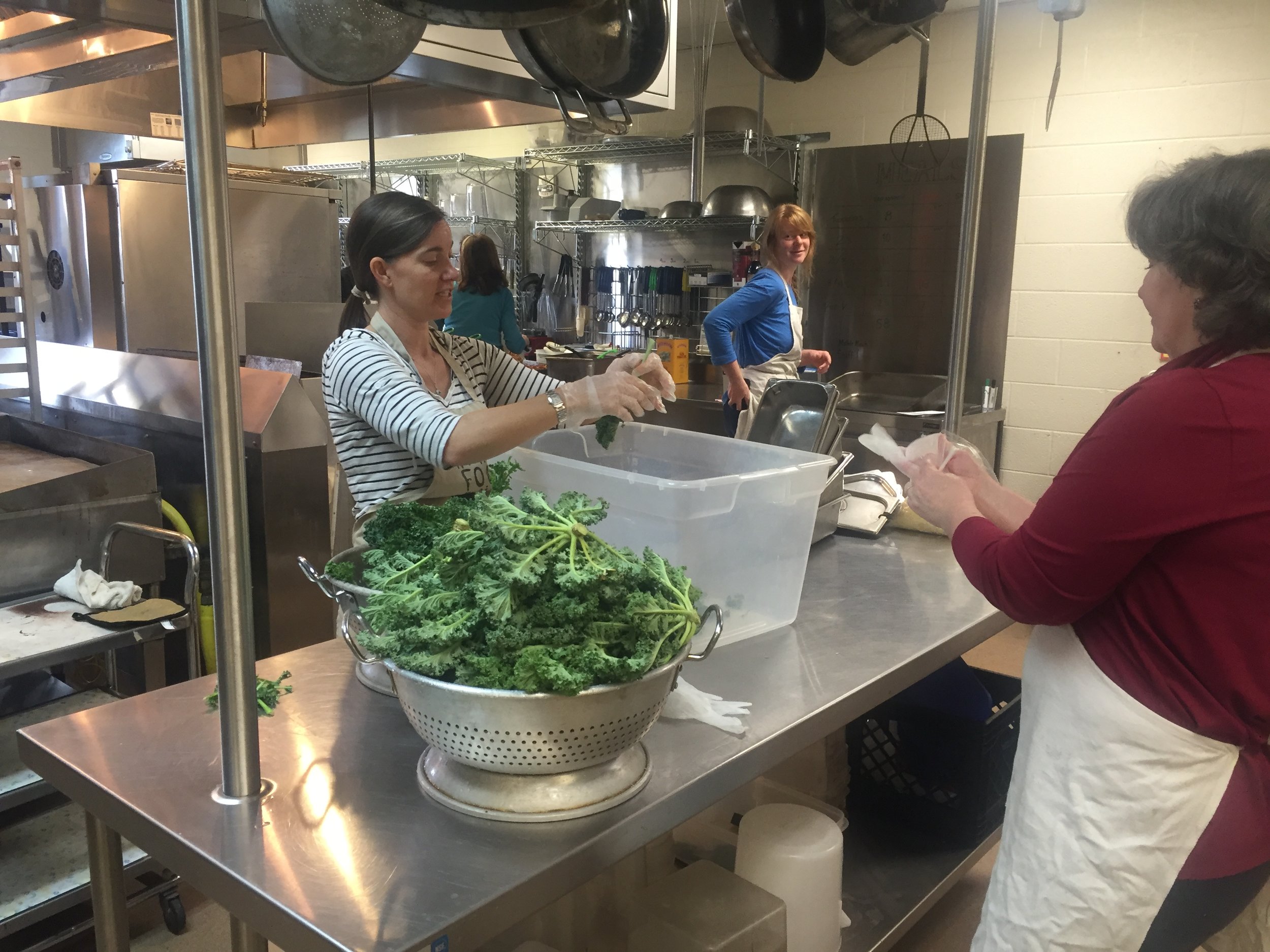
1. We truly are blown away by the support of our community as we worked to nourish our city in 2016. Looking back on the year, we’re thrilled to say that 7,047 volunteers gave a total of 17,967 hours of volunteer service to The Nashville Food Project! The US Bureau of Labor Statistics values an hour of volunteer time at $23.56, meaning that TNFP volunteers gave a value of $423,303 of time to our community. Thank you!
