
The Nashville Food Project’s Blog




Sowing Seeds of Justice
It is past time to sow seeds that yield justice and a more equitable future. The profound impact of racism on life and death demands a full response from every single part of American society. At The Nashville Food Project we know we do not have all the answers, but we believe we can be part of the solution. We have learned and continue to learn that anti-racism work cannot be treated as side work, but it is the work of community food justice.

Greetings from my small corner of this city I love.
Emergency and urgency are all around us. Institutional violence, spiking unemployment, food insecurity, low-wage work without adequate protection, crippling debt, insufficient healthcare—all of these emergencies amplified by the weight of a global pandemic. The roots of these and other disparities are the result of legacies of white supremacy and systemic racism that have for centuries shaped policing, housing, food and land access, criminal justice, education, and healthcare.
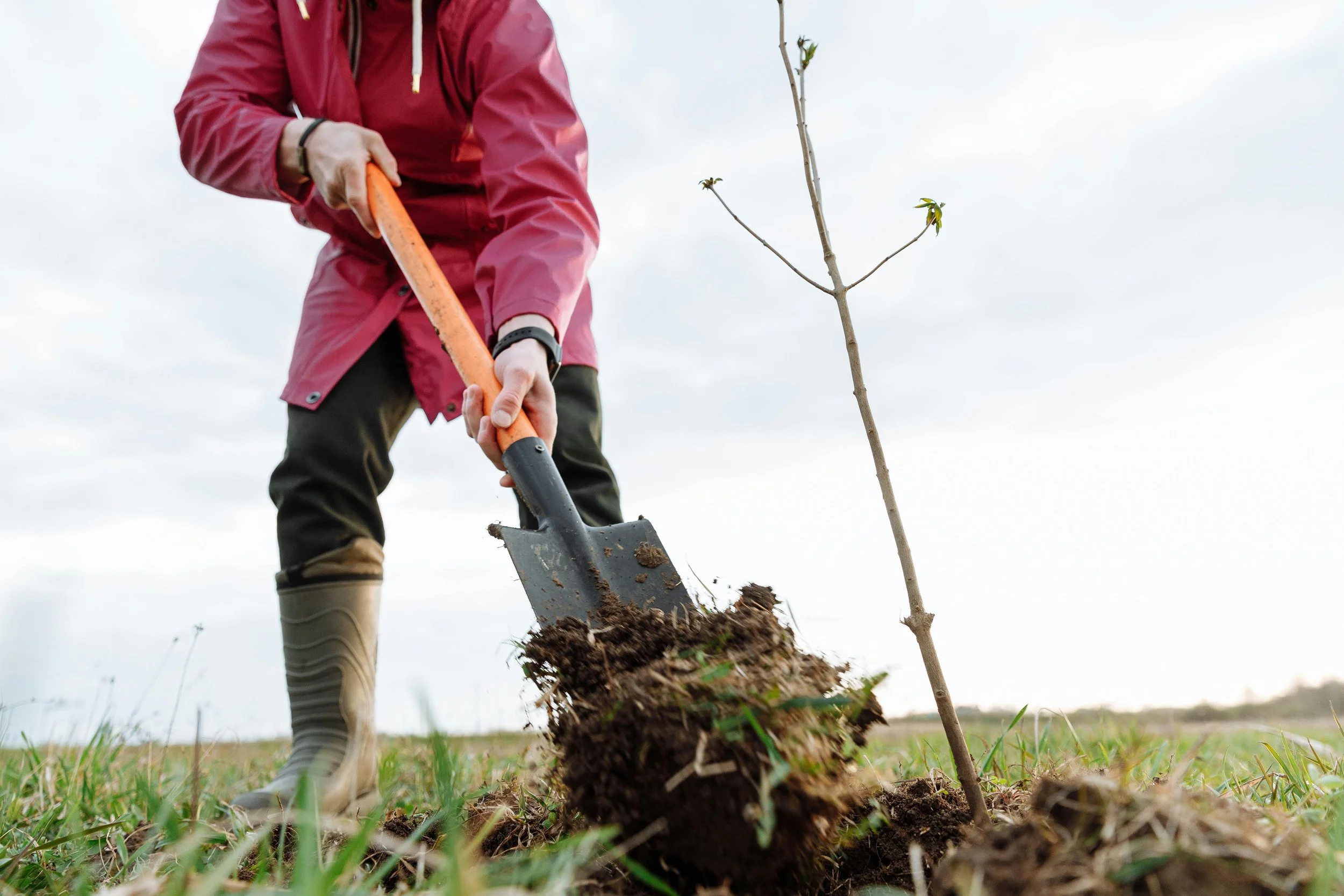
So the turned up patches of dark, fertile soil in our gardens seem more urgent than ever. As we consider what we plant and how we plant, we’re mindful that we can’t expect a just yield without centering the work of equity and racial justice. The luminous Toni Morrison, in her novel The Bluest Eye, has me thinking about what soil can nurture and yield when she wrote, "the land of the entire country was hostile to marigolds that year. The soil is bad for certain kinds of flowers. Certain seeds it will not nurture, certain fruit, it will not bear, and when the land kills of its own volition, we acquiesce and say the victim had no right to live. We are wrong, of course, but it doesn't matter. It's too late."
It is past time to sow seeds that yield justice and a more equitable future. The profound impact of racism on life and death demands a full response from every single part of American society. At The Nashville Food Project we know we do not have all the answers, but we believe we can be part of the solution. We have learned and continue to learn that anti-racism work cannot be treated as side work, but it is the work of community food justice. The crucial nature of our mission to grow, cook, and share nutritious food must be paired with an active commitment to learn and unlearn, to listen, to deepen empathy, to name injustice, and to leverage every resource available to us—money, relationships, time, effort, ideas and more—to address and undo the systemic racism that permeates every aspect of American life.
In full transparency, in this time of COVID emergency and all the ensuing change, so much of what we at The Nashville Food Project want for our community has been relegated to the back burner. We are guilty of pausing our momentum towards fulfillment of our current equity goals, and we have work to do to re-center anti-racism as a crucial part of our daily work and identity. I want to share with you The Nashville Food Project’s Equity and Inclusion Plan, a true work in progress that we have been pulling together over the last few years. It is not perfect but neither is this work, and if these recommendations can amplify your own organization’s commitment to anti-racism, please feel free to lean on them and borrow freely! Our staff and board recommit to educating ourselves, amplifying voices of Black and brown leaders and communities, sharing resources and moving many of our equity and inclusion goals into actionable next steps. We recommit to making room for this work and funding our capacity to grow it. We will also be using our blog and social platforms to listen, share, respond, lead.
To the Black members of our community and other affected people of color—we mourn your pain, celebrate your joy, lift up your contributions, honor your experiences. We see you and are with you.
To the white members of our community, this work is lifelong. Start where you are and attend to it daily. Skip no days. Get in the conversation, do the work, listen deeply, make mistakes and own them, stay with it, and be transformed. Galvanize what you learn by turning your learning into action. It is our responsibility to bring our personal privileges into public life in support of real and lasting change.
Grace and peace,

Tallu Schuyler Quinn
Click here to read The Nashville Food Project’s Statement of Anti-Racism, as well as our other core organizational values that ground us to this work to which we are called and by which we are challenged.
I really appreciate this post by the brilliant nonprofit leader Vu Le about doing the daily work of flossing out racism.
Creating and Sustaining a Local Food Web
The Nashville Food Project has been proud to call ourselves a full circle organization in the past. We grow, cook and share food in a way where each of our programs nurture and sustain each other and our mission. However recent events have led us to wonder if we have limited ourselves in speaking this way and if actually what we are growing into is a vibrant and resilient food web…
by Christina Bentrup, Garden Director
The Nashville Food Project has been proud to call ourselves a full circle organization in the past. We grow, cook and share food in a way where each of our programs nurture and sustain each other and our mission. However recent events have led me to wonder if we have limited ourselves in speaking this way and if actually what we are growing into is a vibrant and resilient food web.

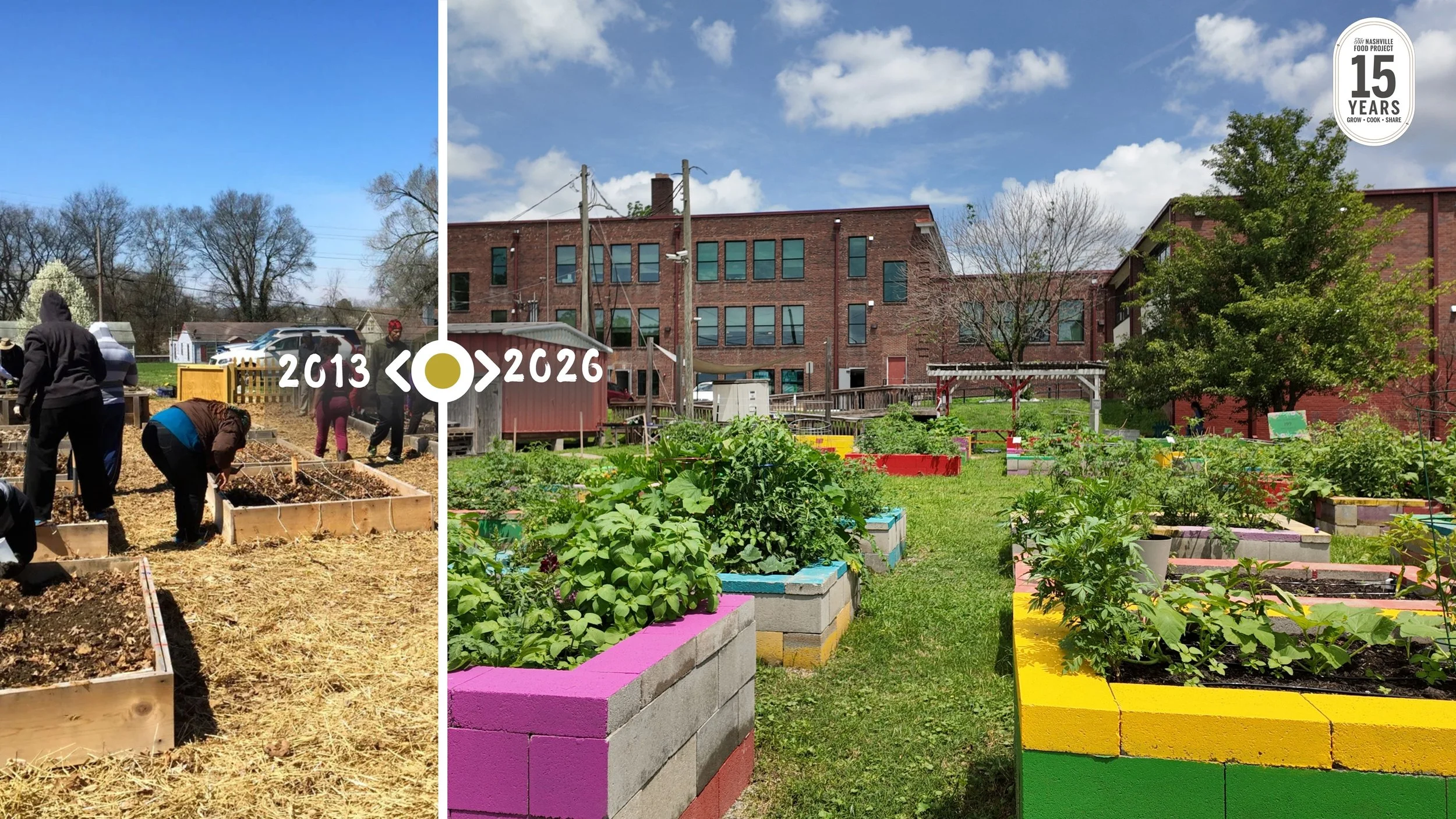
We all learned in biology class that food webs are made up of interdependent linkages. No part of a web is too small to not have an oversized effect on the whole web if disrupted or displaced. In the garden program at TNFP we grow thousands of pounds of fresh produce for our meals program, work with over 75 community and market gardeners and engage hundreds of volunteers each month in learning about urban agriculture through doing this work.

Daily, in and around our gardens we compost, raise chickens, provide homes for bees and other pollinators, collect rainwater, plant cover crops to protect and nurture the soil - the list goes on and on. We collectively refer to these aspects of our gardens as ecosystem components. In our controlled environment, our gardens could survive without many of these aspects. But they thrive because each of these parts contributes to a whole that supports and sustains a vibrant farm ecosystem.


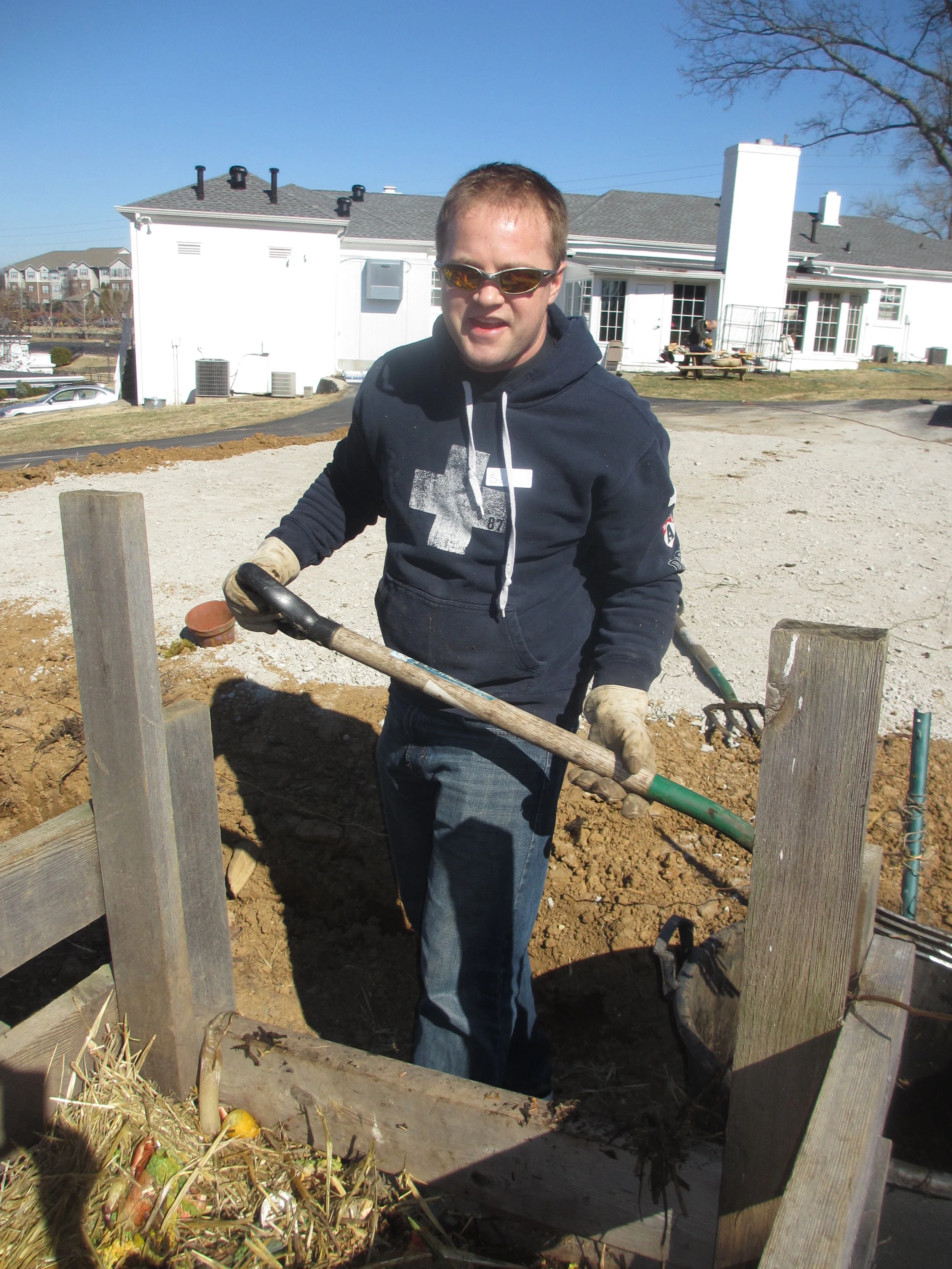
I believe that what is happening in the gardens at TNFP is a microcosm of our larger work. Food webs depend upon producers, consumers and even decomposers - no component exists in isolation or can survive fragmentation. We believe the same is true for Nashville’s food system. The isolation and fragmentation of communities has led to people without enough food to eat and without the social connections to tap into community resources that can help.
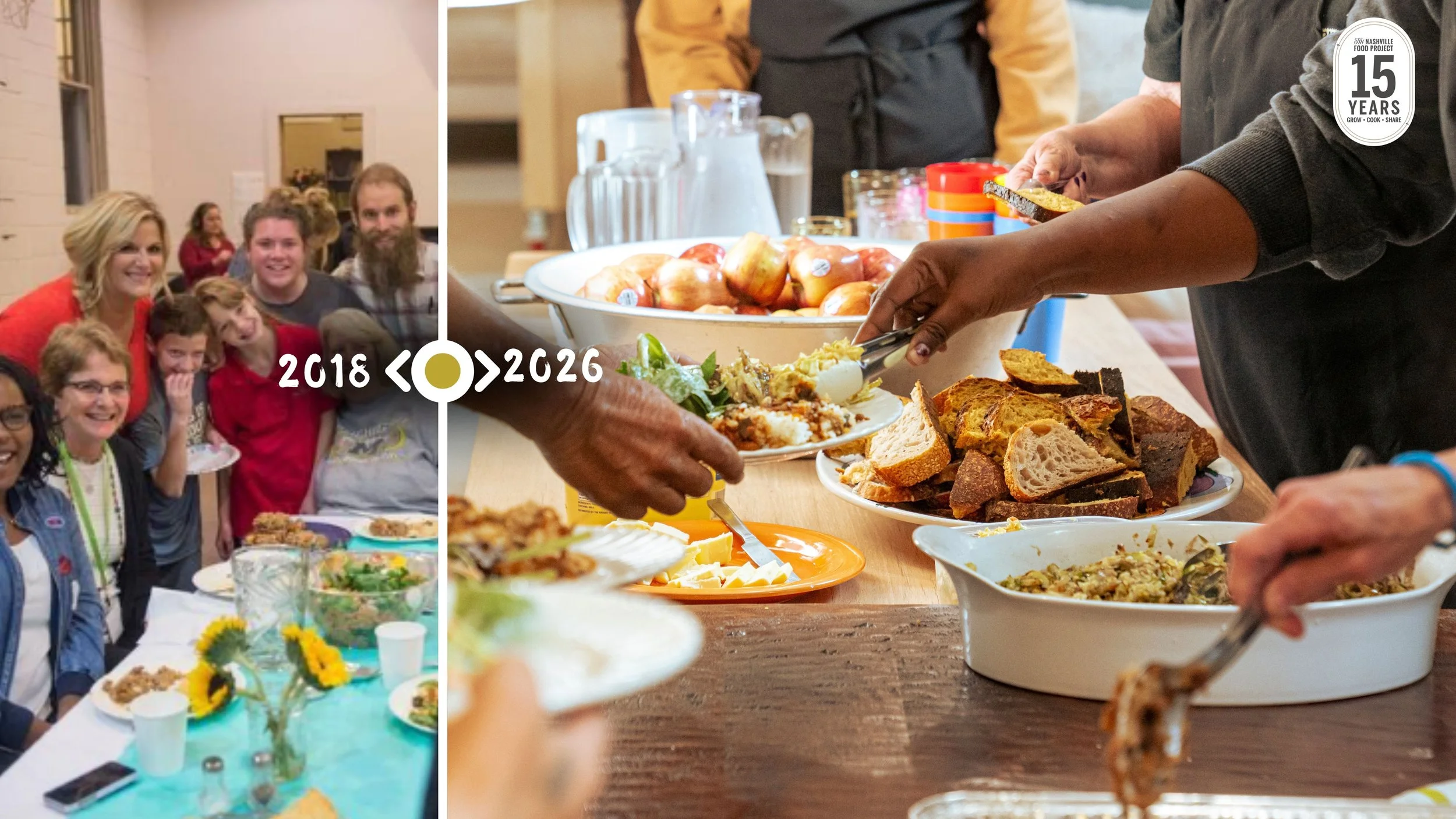
TNFP shares meals and gardens because we believe that food has an incredible ability to connect and unite people in deep ways. The non-profit partners we work with every day share our meals to build community in their programs. Our gardens provide places for connection to the land and to diverse community-building activities. Volunteers in all of our programs nurture and support this work and build community with us and each other every time they gather. We are creating and sustaining a vibrant food web that makes connections, supports people and carefully stewards our resources.
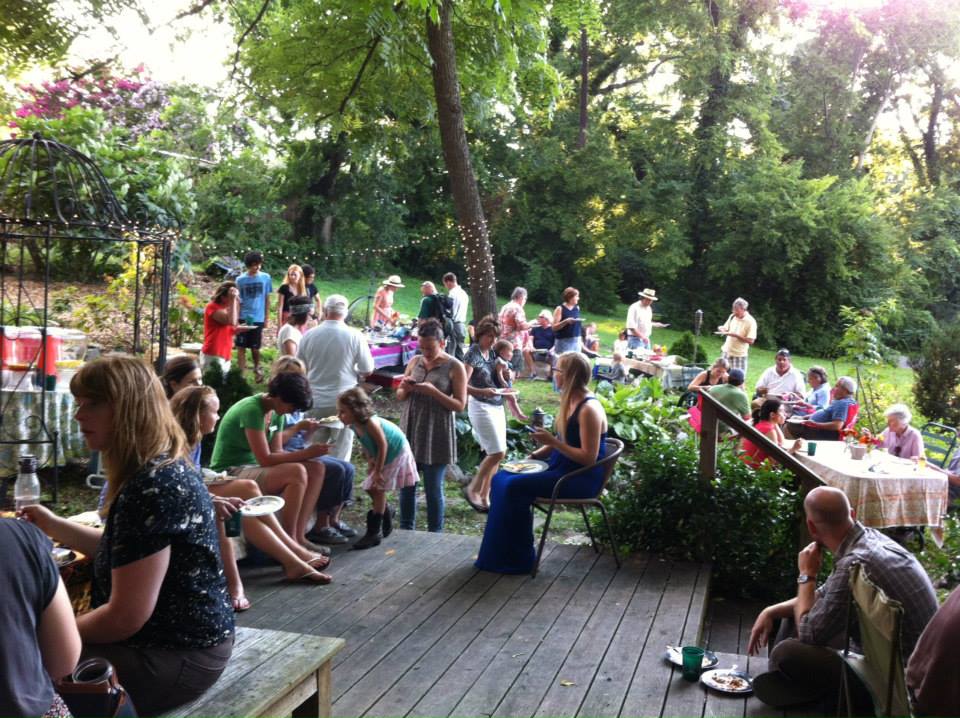
Someone told us recently that we needed to work more on connecting the dots in our programs. We have a difficult story to tell and a complex solution to the problems we’ve identified. We need to understand better the root causes of fragmentation and isolation in our communities. We need to find innovative ways to measure the impact of our work and to evaluate and to place value in the links in our food systems.
Decades of factory farming that has fragmented food supply chains and destroyed ecosystems have shown that linear efforts to simplify food production don’t work. In our gardens we strive for complexity and resiliency to support an ecosystem based on food production that is connected to our specific places and communities - as does The Nashville Food Project as a whole.


We strive to create and support connectivity, to build resiliency, and to do these things in a framework of justice and anti-racism. It’s a difficult and complex story to tell but that doesn’t mean we should simplify our efforts. Rather we need to continue to appreciate the thousands of small links joining together to make big change. We cannot do this work alone. We invite you to be a part of our food web, help us share our story, and make the connections that build community through fighting hunger.