
The Nashville Food Project’s Blog




Siddi Rimal: Gardener, Interpreter, Advocate
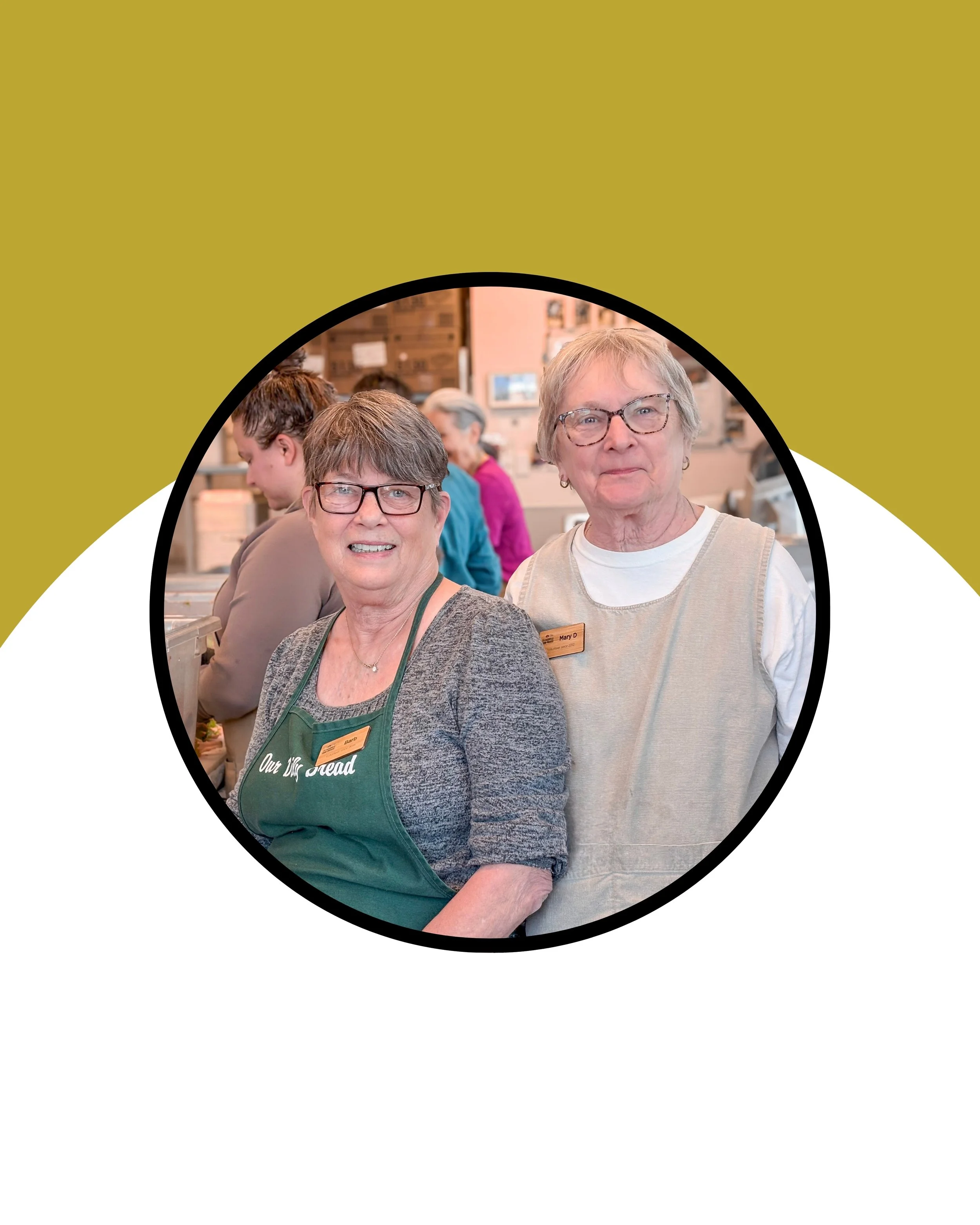
Siddi Rimal has tended a community garden plot and worked as a Nepali-to-English translator with The Nashville Food Project’s urban agriculture program for five years. Like many of the community gardeners and all the farmers in Growing Together, he came to the United States as a refugee…
By Jennifer Justus, Culinary Community Liason

Siddi Rimal: photo by Danielle Atkins
The farmers of Growing Together gathered under a pavillion near their farm plots and snipped the dried scapes off garlic bulbs and trimmed the roots they had planted the previous fall. They talked amongst themselves in their native Nepali as cicadas sang from the trees. And occasionally, a jet from the nearby Nashville airport buzzed their acre teeming with Nepali mustard greens, tomatoes, zinnias and dancing with butterflies and bees.
There’s always work to do as farmers, so cleaning garlic had to happen during their weekly meeting. But when the group starts communicating—especially from Nepali to English and back again—that’s when Siddi Rimal’s job begins.
Siddi has worked as an interpreter between the Growing Together farmers and community gardeners who speak Nepali and the English-speaking staff of The Nashville Food Project for five years. He’s crucial to the programs' successes. His support to the programs came at the perfect time and he has remained committed though he’s not professionally trained as an interpreter and he has another job (like many of the farmers) as a technician on the paint line at Nissan.
And it’s not that the Bhutanese and Burmese farmers in the program need help in knowing how to grow things. They’ve got that part down. Many of them came here with decades of experience and fill their plots to the edges with crops and trellises for hanging gourd and long beans. But they do need help navigating the red tape of American systems and sales outlets.
For example, in their meeting they discussed harvesting schedules and plans for packing CSA boxes. Tallahassee May, Education Manager for Growing Together, also talked with the farmers about wholesale orders for restaurants and plans for the Saturday booth at the Richland Park Farmers’ Market.
Siddi must listen carefully and then accurately convey what’s being said even if there’s not a direct translation. It requires concentration and patience because every conversation takes four times as long -- Tally to Siddi, Siddi to farmers, farmers to Siddi and Siddi back to Tally.

Siddi with Growing Together farmers and TNFP staff at the Haywood Lane garden.
But for Siddi, a man who spent half his life in a refugee camp, time is relative.
All the farmers in Growing Together came to the United States as refugees. In Siddi’s case, his family was evicted from Bhutan in 1992 during ethnic cleansing and complicated tangle of factors including religious, political, socioeconomic and geographical reasons (read a brief history of the Bhutanese refugee crisis here).
“Many people were killed and many people lost their homes, lost their property, land, cattle and all,” he says. “When we left, we had to leave our land, our home, cattle— everything. We had to run at nighttime.”
Siddi was 5 years old when his family fled.
“It was a violent moment,” he says. “As far as I know from history and people being a witness, we’re told that armies raped the women and killed some of the social activists. They sent some of them to prison and some were sent for no reasons and tortured there. Some people they kill —put in the sack and throw in the river. Lot of torture and things.”
At the refugee camp in Nepal, they received basic needs from organizations like the United Nations and Red Cross.
“But even though they help us, we had to spend a miserable life,” Siddi says. “We lived in a small hut, made of bamboo and like straw or plastic roof.”
The Nepali camps, which eventually swelled to about 100,000 people, had problems with malnourishment, illnesses, overcrowding.
“In the hut when the weather was very hot like this, it was very hard to live in there,” Siddi says. If there was heavy rainfall and storms, most of the rain goes into the house and floods. It was very hard to tell this story. Because we were in a very difficult situation. And not for a couple of years, it was 22 years.”
The refugees in Nepal often found jobs outside the camp with locals by working in their fields or cutting rice patties. Siddi, who was educated in the camp, worked as a trainer in camp where he met his wife. The couple started the process of applying to come to the United States when they were in their early 20s. It took them three years — repeated interviews, medical tests and background checks — before they were cleared.
“I came to Vegas the first time—Sept 25, 2012,” he says of his first placement in the United States at 26 years old. “There were a lot of people, and it was crowded. I was a little bit nervous there. I never had any experience with the airport, you know? We had to go to the train, so that was like...my mind was blown.”
After two days in Las Vegas, he made his way to Nashville where his wife’s family had already been resettled a couple years prior. Siddi’s father-in-law also later introduced him to The Nashville Food Project’s Wedegewood Urban Gardens, where Siddi began maintaining a plot as a community gardener. Then when the Growing Together program began for growers who take their produce to market, Siddi took on the role as interpreter.

Siddi translating introductions at a community garden potluck.
“Obviously it is very helpful,” he says of the Growing Together program. “Every time I meet with people, even at the grocery store, I always talk about the program.”
Farmers share that it helps provide fresh food for their families in addition to supplemental income. They’re able to grow crops traditional to their backgrounds like komatsuna, bitter gourd, long beans and hot peppers. It’s also a way for farmers to feel more rooted here. And even though the elders might struggle to pick up the language or feel as useful here compared to their younger family members, farming gives them the opportunity to pass along the life-giving skill of tending to the earth and coaxing nourishing treasure from it—all in the company of their community. As one farmer told TNFP, “It helps me feel less alone.”
Granted, there are still challenges. For many of the farmers and gardeners, transportation often arises as a hurdle since many don’t have a driver’s license or access to a vehicle. Language barriers for some, especially when Siddi isn’t around, also pose problems.
But just as TNFP’s Tally and Sally Rausch have picked up Nepali words, the farmers too have learned English words like the names for vegetables— “onion,” “tomato.” They know “gift,” which they use while pressing a potato into the palm of a friend. They issue lots of “good mornings.”
As the meeting at the Growing Together farm neared its end, one of the farmers, Nar, finished working through her stack of garlic, so she threw her arms up in a “V.” She flashed a smile and shouted a word in Nepali. The others laughed. And then she pressed her palms together at her heart.
Some things, it turns out, don’t need translating after all.
Introducing Tastes of Burma and Bhutan
With market season well underway, the Growing Together farmers are busy harvesting, washing and packing their crops for restaurants and markets, as well as preparing for their fall CSA and a new September partnership with MEEL, a local online marketplace and farmstand…
By Grace Biggs, Impact Manager

With market season well underway, the Growing Together garden is a busy, vibrant place, full of life and movement. Farmers gather to harvest, wash, and pack their crops from their individual plots three times a week, often with the support of their families. Each farmer is autonomous, planting the crops they want, working according to their own schedule, and setting their own financial goals for the food they sell. But there’s also a lot that the farmers share.
“Being on a shared space has so many benefits,” explains Sally, the Growing Together Market Manager. “There’s the immense learning opportunity of seeing what other farmers are doing and learning from your peers. And there’s also a benefit in having shared market outlets.”

Marketing and selling to new customers is a huge challenge for any farmer. This season, the Growing Together program is connecting farmers with a wide variety of market outlets: the Richland Park Farmer’s Market on Saturdays, wholesale listings on Nashville Grown and Locally Grown, direct sales to area restaurants, a 20-customer fall CSA, and (new this year) weekly farm stands at TNFP’s headquarters on Wednesday evenings.
“The Growing Together farmers offer something unique,” says Sally. As a customer, you can expect to see many vegetables you are familiar with here in the South, like tomatoes and salad greens. You can also expect to taste traditional crops from farmers' home countries of Burma and Bhutan, such as bitter gourd, daikon radishes, and mustard greens.

I see this firsthand while sitting with Sally at the farm stand in the Nations on a Wednesday night, as a return customer walks up to the booth, bags in hand. They chat about their weeks, and Sally begins to point out what’s for sale. “Here’s arugula, and this is a leafy chinese cabbage. It’s great raw, similar to lettuce, but you can also cook it.” Customers come and go throughout the evening, taking their pick of veggies ranging from yellow squash to shisoto peppers, often leaving with at least one food they hadn’t heard of before that day.
““The familiar veggies and flower bouquets make the booth accessible, then we get to introduce other new foods. It’s such as long process to change people’s preferences. Luckily, we have an amazing base of customers who are interested in trying something new!””
This willingness to try something new has also been true of many of our chef friends, including City House, TKO, Two Ten Jack and Green Pheasant. In addition to ordering what they know they need for their menus, they’ve been excited to incorporate whatever the farmers have available, including the farmers’ traditional foods.

As summer winds down, farmers are gearing up for their fall CSA. “There’s going to be such a huge difference in the CSA this year. The transition from summer to fall can be a hard time in the season to have produce ready to harvest, especially if you’re trying to offer a diversity, but after learning so much in the first year, farmers are coming in more prepared, especially for the first few weeks of the CSA.” The 2019 Fall CSA is sold out, but you can sign up for the Growing Together email newsletter to stay in the loop on next year’s CSA here.
Ready to try some tastes of Burma and Bhutan for yourself?
For the month of September, Growing Together produce will be featured by MEEL, a local online marketplace and farm stand, including a special menu of Dinner Kits inspired by traditional Bhutanese and Burmese dishes such as Komatsuna with Creamy Heirloom Polenta and Ema Datshi with Bhutanese Red Rice and Suja.
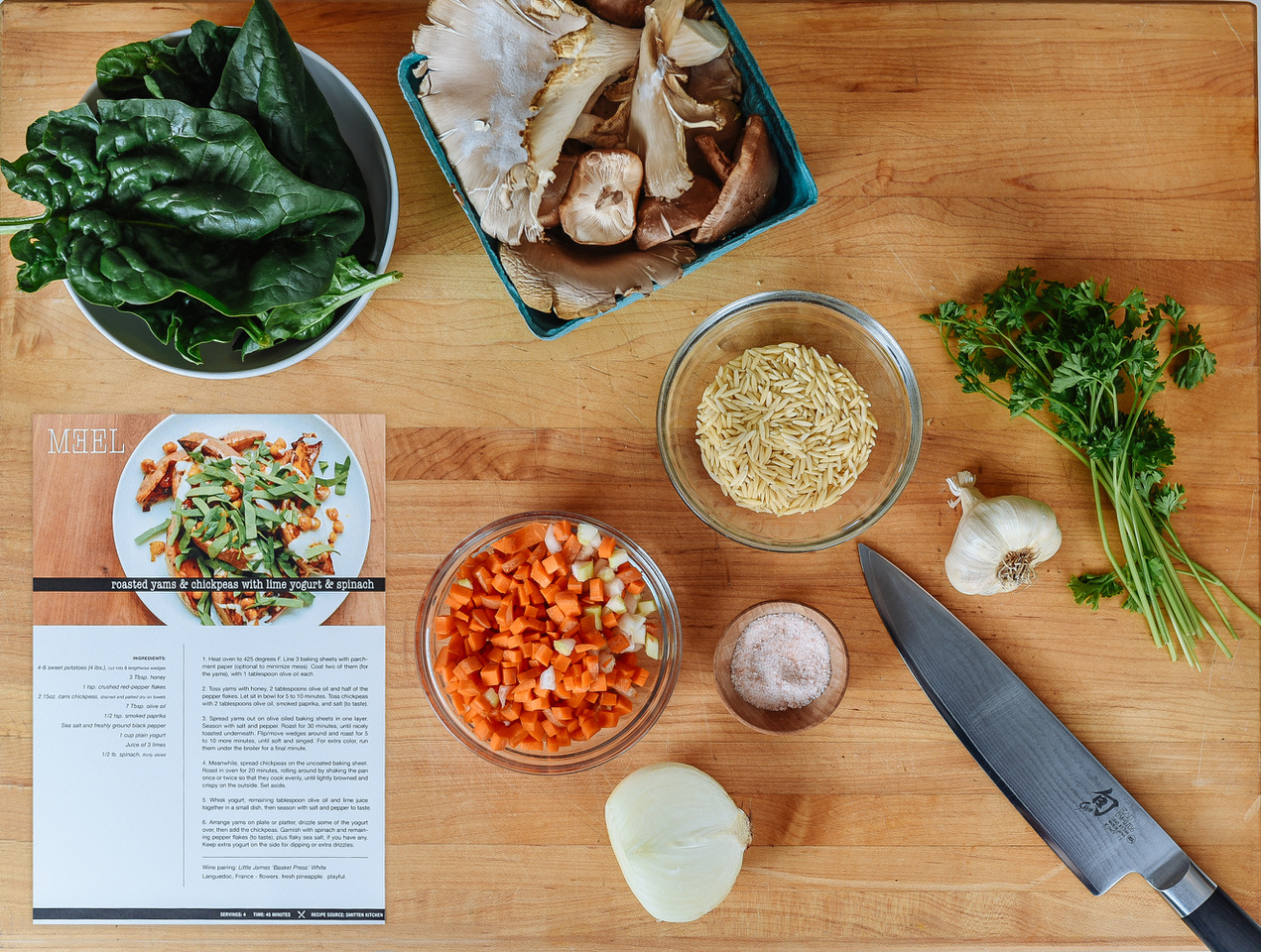
These Growing Together MEEL Kits and a Growing Together Farmstand Box will go “live” on Monday, August 26th, available for delivery beginning September 3rd. Menus will be available at this link. Use the promo code “GROW” and they’ll donate 10% of your purchase to The Nashville Food Project!
Also, through the end of October, you can visit the Growing Together farmers at the Richland Park Farmers’ Market every Saturday 9 am to 12:30 pm, and at our headquarters in the Nations (5904 California Avenue) every Wednesday 5 pm to 7 pm.
4 Tips to Growing When the Going Gets Hot
July in Tennessee can be a tough time to stay motivated to get outside and face what seems like an endless wave of weeds, bugs, and humidity. But season after season, you may find yourself being drawn back in. How do you stay motivated to keep gardening? We asked our staff to share their tips and advice on staying inspired and active in their own gardens.

Gardens are pretty magic, especially in the spring. Soil is freshly turned, the air is cool, seeds are planted, and everything seems possible. Then the weeks roll on, and slowly but surely, summer arrives. As your harvest starts to come in, the days are getting hotter, the pests are getting bigger, and the weeds are getting higher.
Sound familiar? You’re not alone! July in Tennessee can be a tough time to stay motivated to get outside and face what seems like an endless wave of weeds, bugs, and humidity. But season after season, you may find yourself being drawn back in.
How do you stay motivated to keep gardening? We asked our staff to share their tips and advice on staying inspired and active in their own gardens.
Do a Little Every Day
“Do a little bit every day, preferably in the morning or evening when it’s cool and you can stay out of the sun. If there’s an area with loads of weeds, use the summer sun’s power to kill them by mulching the area with black plastic for awhile. Another tactic could be putting down a thin layer of cardboard covered with compost for weed killing.
”
2. Don’t Just Work, Enjoy!
“My favorite thing to do to stay motivated in the garden is to not just go out to the space to work, especially when it’s hot! I like to reserve some time early in the morning or as the sun is setting to just spend some time in the garden enjoying the abundance and beauty of the space. To pick a few flowers or fruits just for myself to enjoy and to sit and watch and listen as birds and bees move happily around me. It’s a grounding time and reminds me why we work so hard to grow our own!
Also... Buy a nice stirrup hoe. They are the best.”
3. It’s Better Together
“Ask a friend to help you! I’m not the best at asking for help - and honestly not the best at acting out this advice - but the times I’ve asked or had a friend offer to work with me not only helps knock out some weeds, it’s also been a great way to spend time together and share some veggies. The best times have been when we can cook a meal together afterward.”
4. Remember why You Work
“I’m motivated by thinking about how growing food is an act of resilience! The more that I practice and share in the practice with others, the more knowledge and experience I can hold and share with future generations.
For me, getting in my garden after I work is a way to decompress and to be present and engaged with my surroundings. It’s something that makes me feel alive. So, that’s pretty motivating, too!”
Why do you garden? What keeps you motivated? Let us know in the comments!
If you don’t have a garden of your own and feel inspired to dig your hands into the dirt, we welcome you to volunteer with us! Click here to learn more about volunteering in our garden as either an individual or a group.
Celebrating the Community Farm at Mill Ridge
Since last fall, we’ve been busy breaking ground and building infrastructure at our newest garden site in southeast Nashville - the Community Farm at Mill Ridge Park. Located in Metro Nashville's newest regional park, this community farm will be a new home to TNFP garden programs. So much planning, love and work has already been poured into this project, and we were incredibly excited to celebrate with a grand opening of the farm on Saturday!
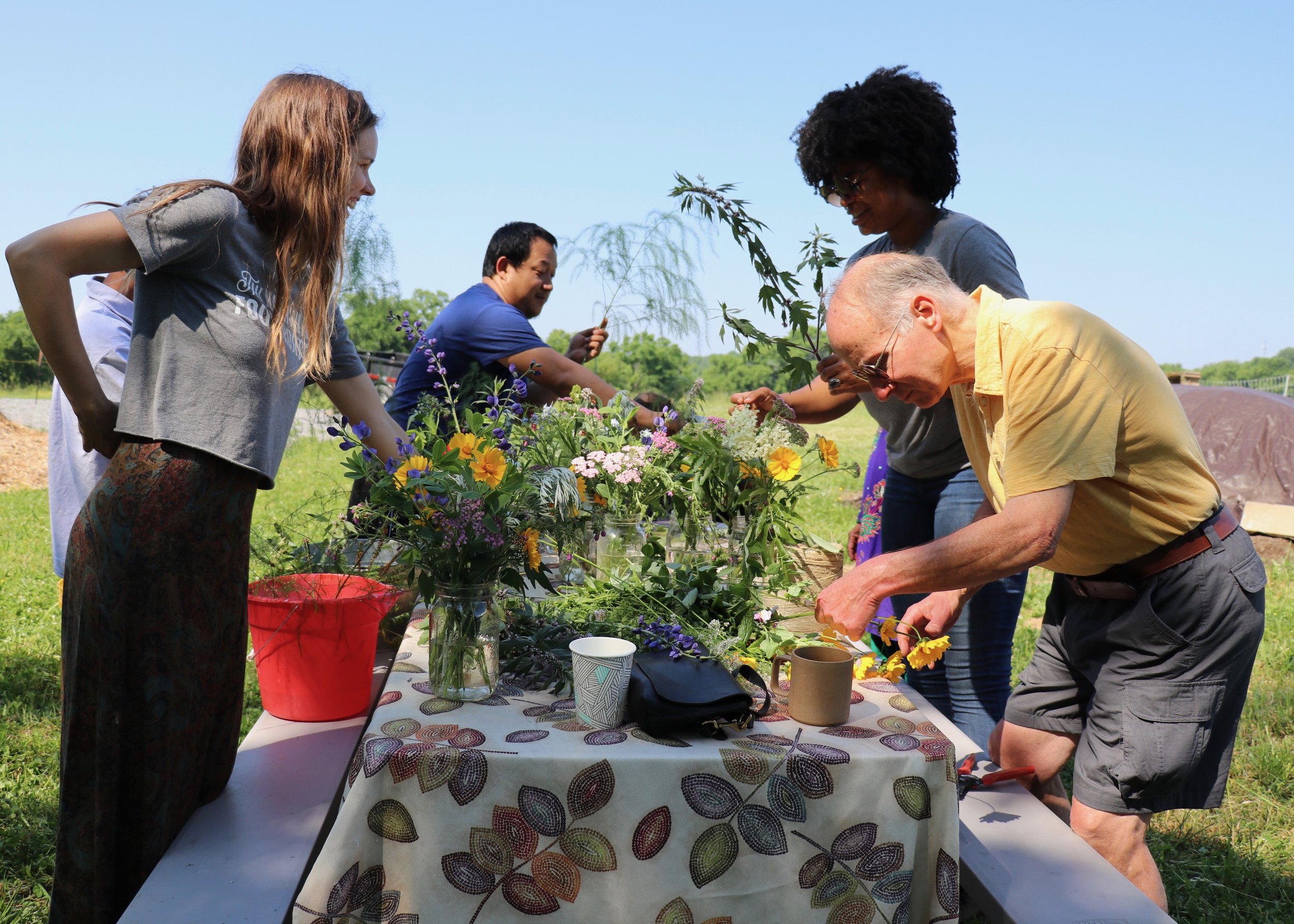
Since last fall, we’ve been busy breaking ground and building infrastructure at our newest garden site in southeast Nashville - the Community Farm at Mill Ridge Park. Located in Metro Nashville's newest regional park, this community farm will be a new home to TNFP garden programs. So much planning, love and work has already been poured into this project, and we were incredibly excited to celebrate with a grand opening of the farm on Saturday!
From the moment staff, volunteers and gardeners first arrived to begin set up on the morning of the party, this was truly a community event. Everyone pitched in with setting up tables, chairs, activity stations, flower arranging, and more.

As guests arrived, staff began to offer tours of the gardens. This year, TNFP is opening the farm with two elements of our garden programming: production and community gardens. The production gardens offer a way for folks to play a role in growing food for our meals program, engaging volunteers in a small-scale and efficient garden. The community garden at Mill Ridge hosts 12 families this season, offering land, resources and education opportunities for folks to grow food for themselves and their families, with plans to expand next year.

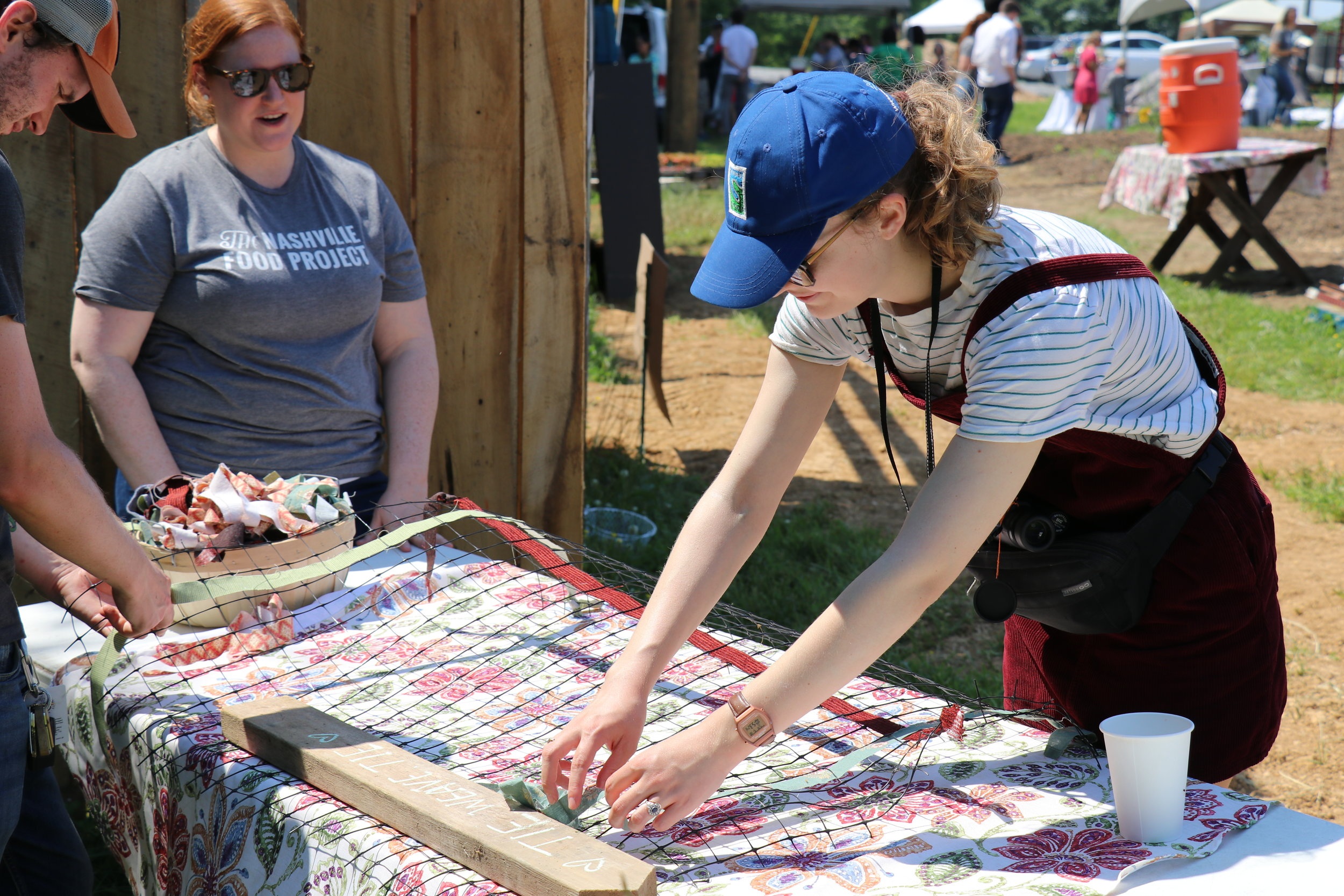
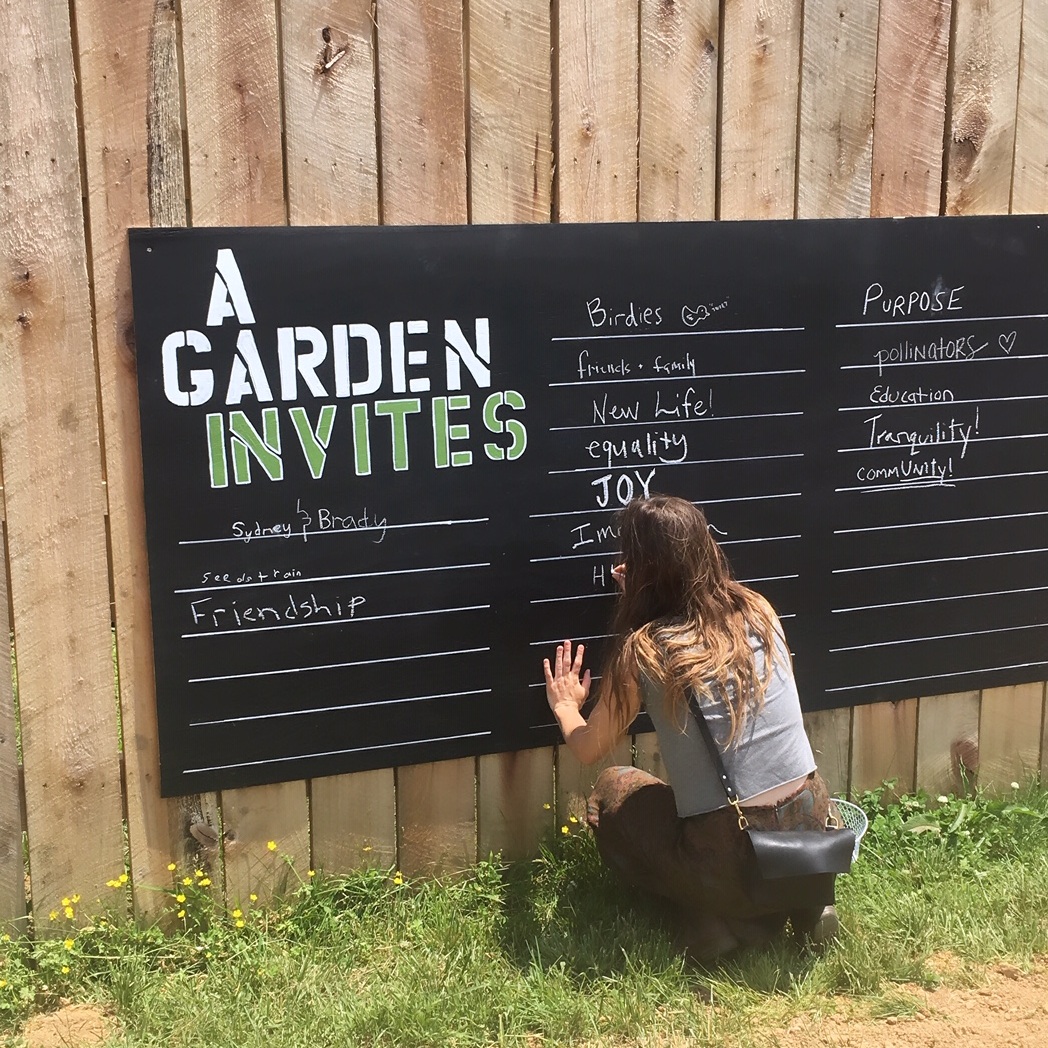
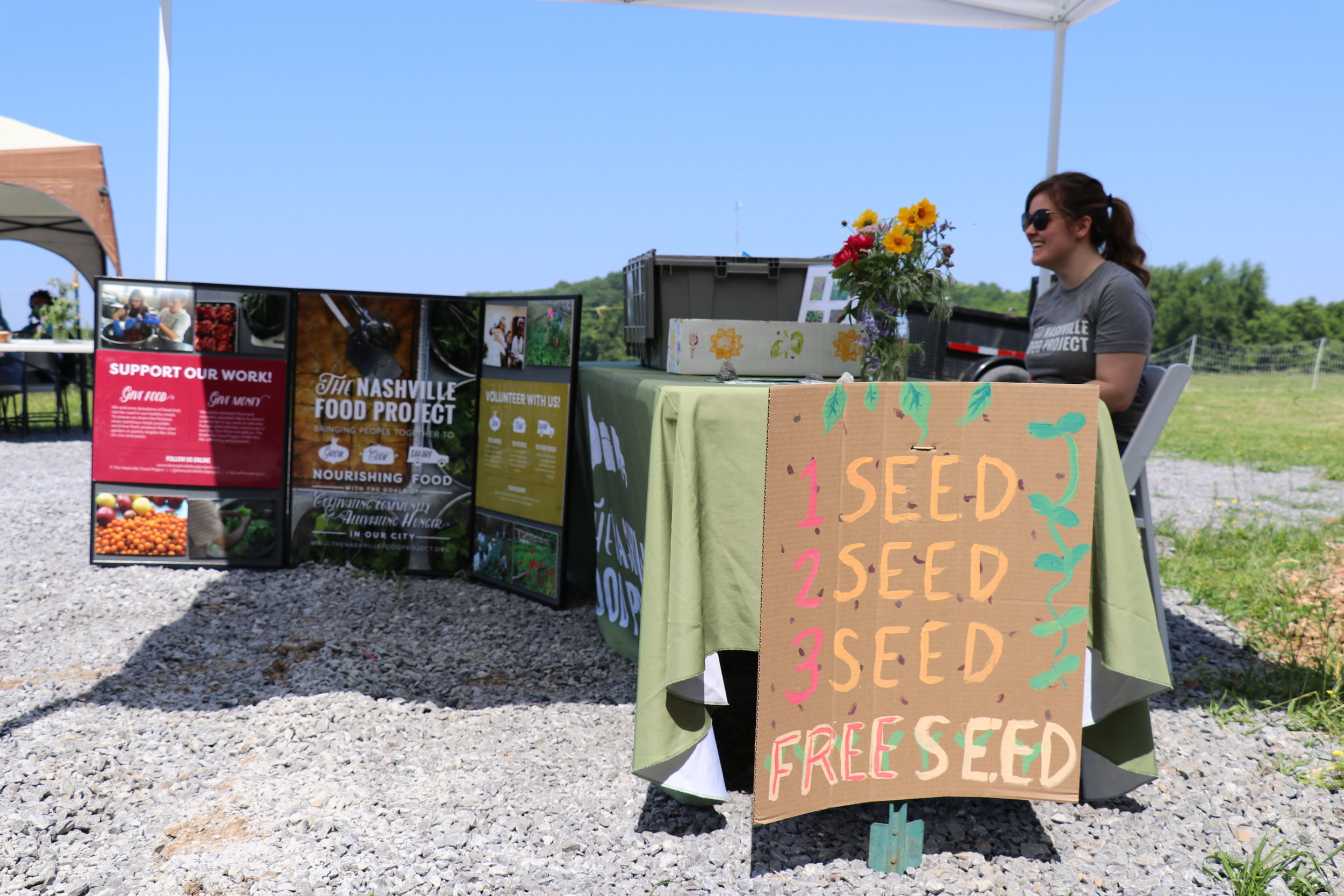
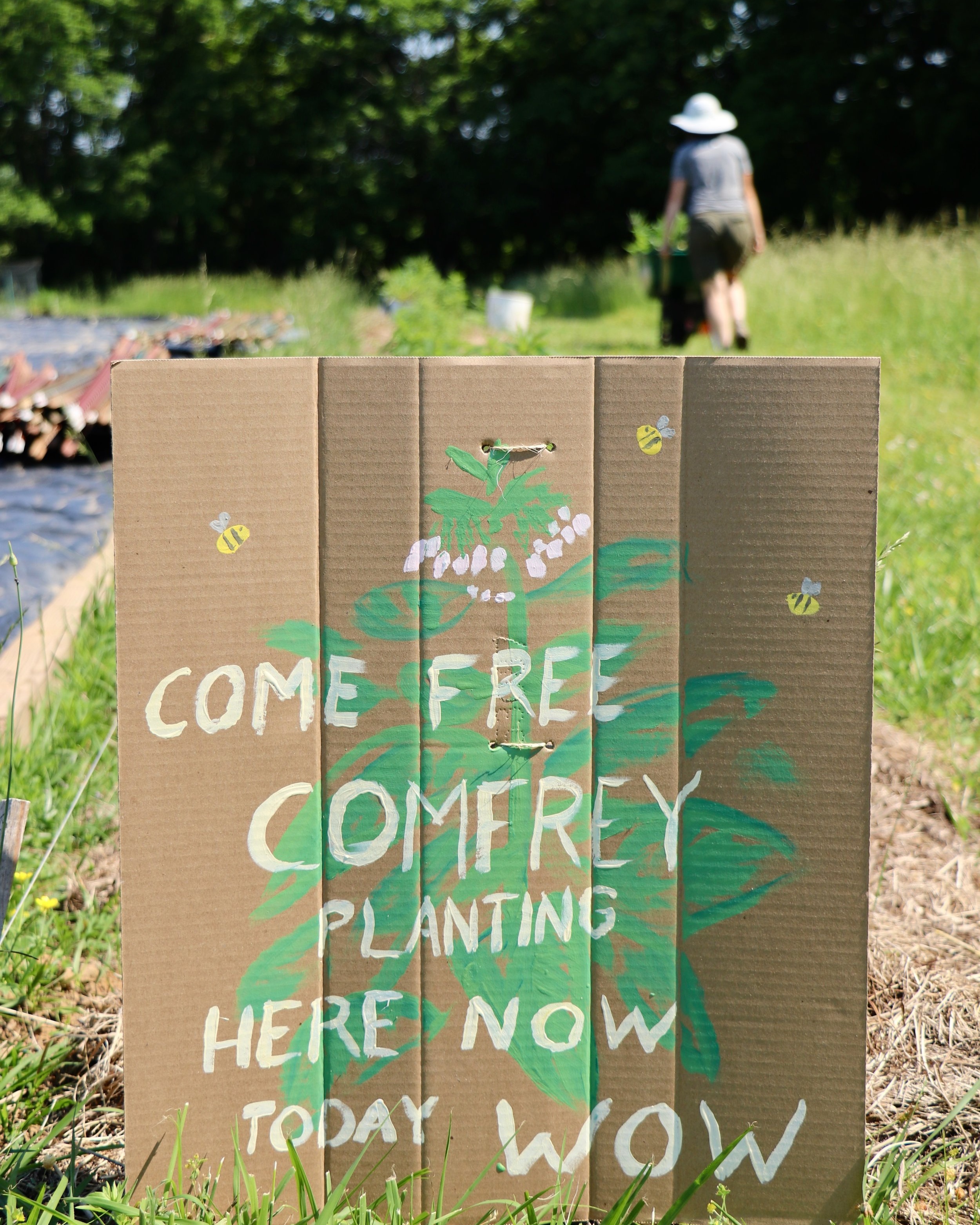
Throughout the property, visitors to the farm also found opportunities to engage in community art projects, a comfrey planting, and offerings of free plants and seeds for their own home gardens. And, of course, it wouldn’t be a TNFP event without lots of snacks, marked with a “Lettuce Eat!” sign.
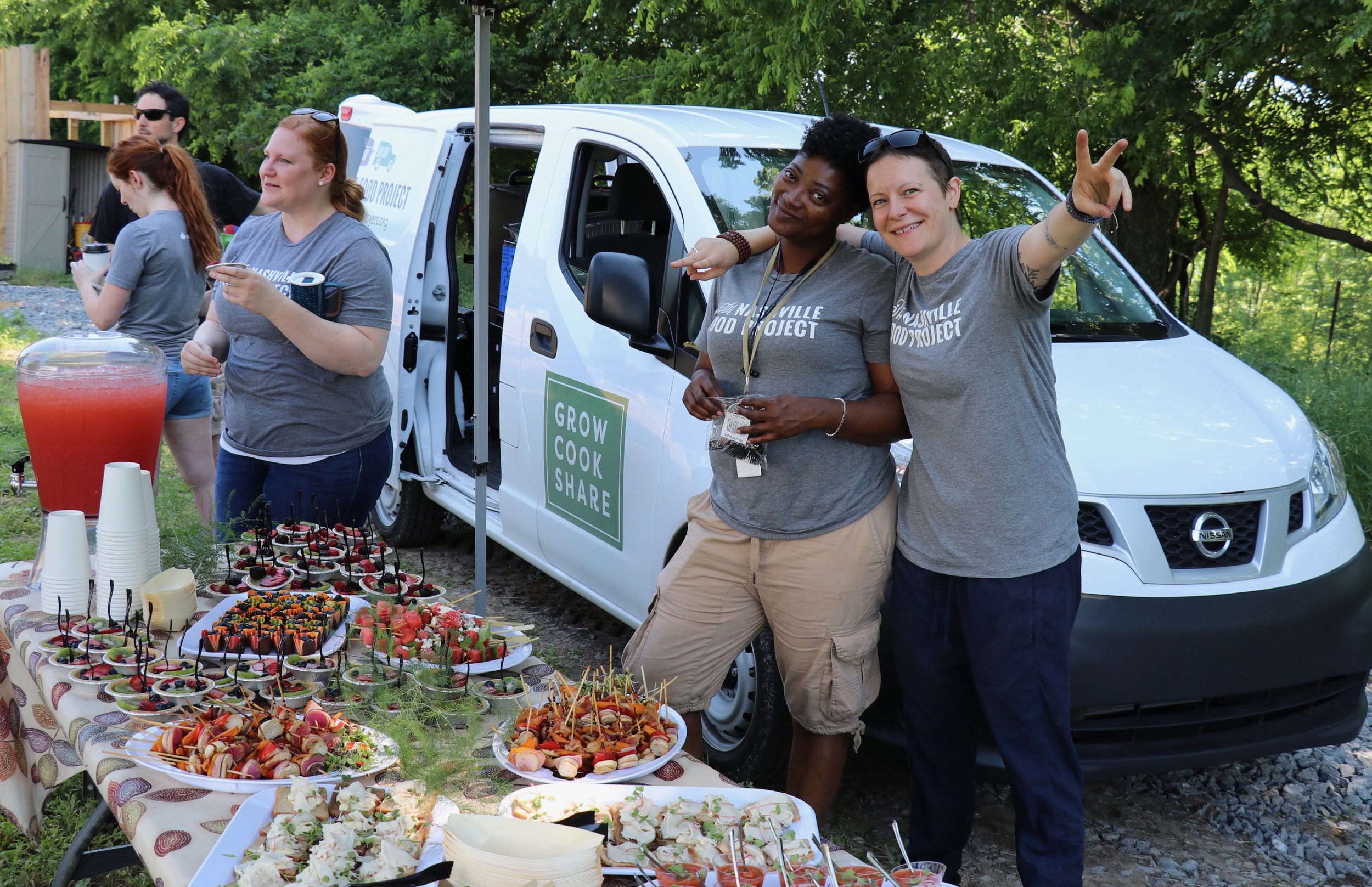
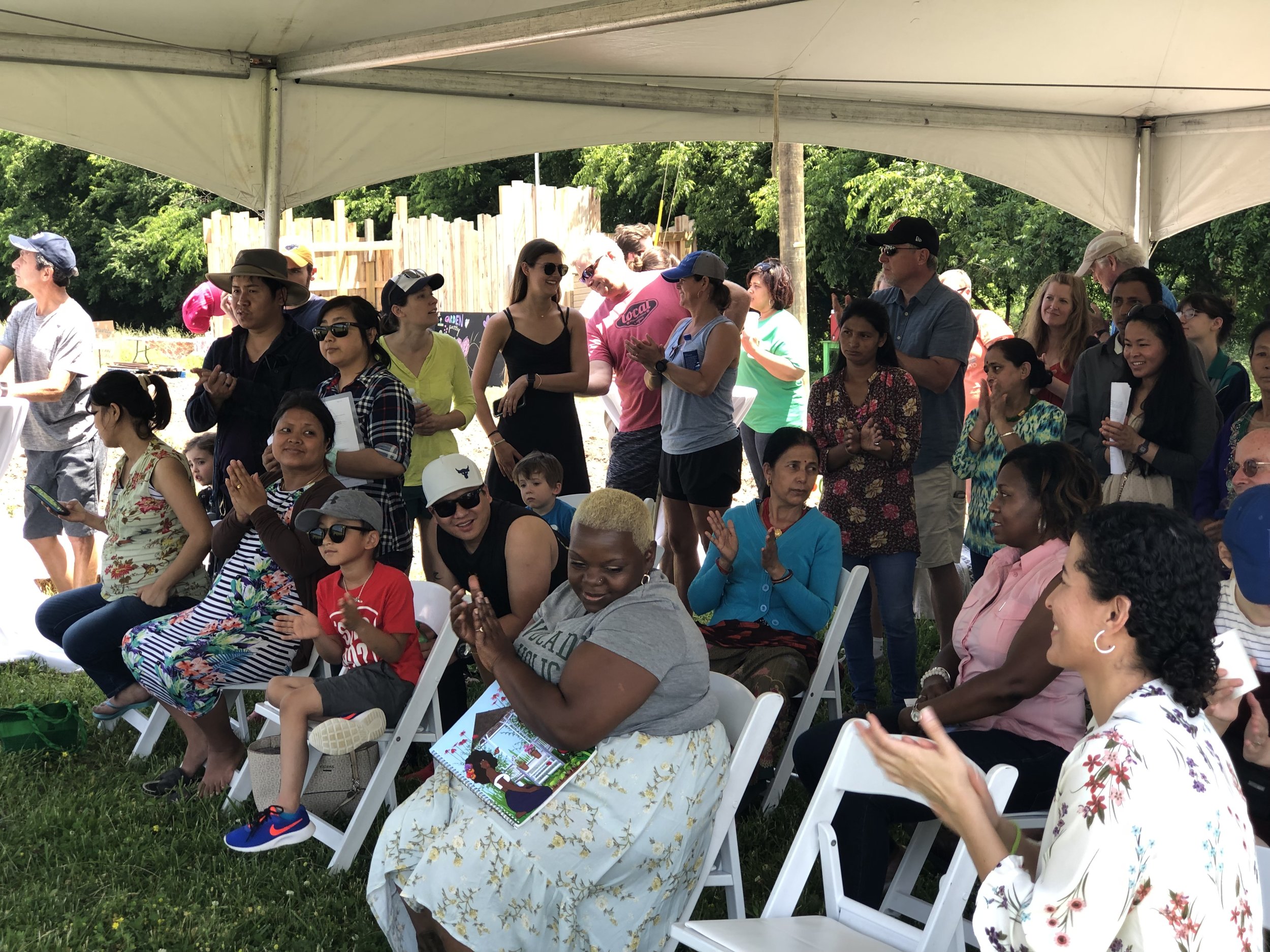
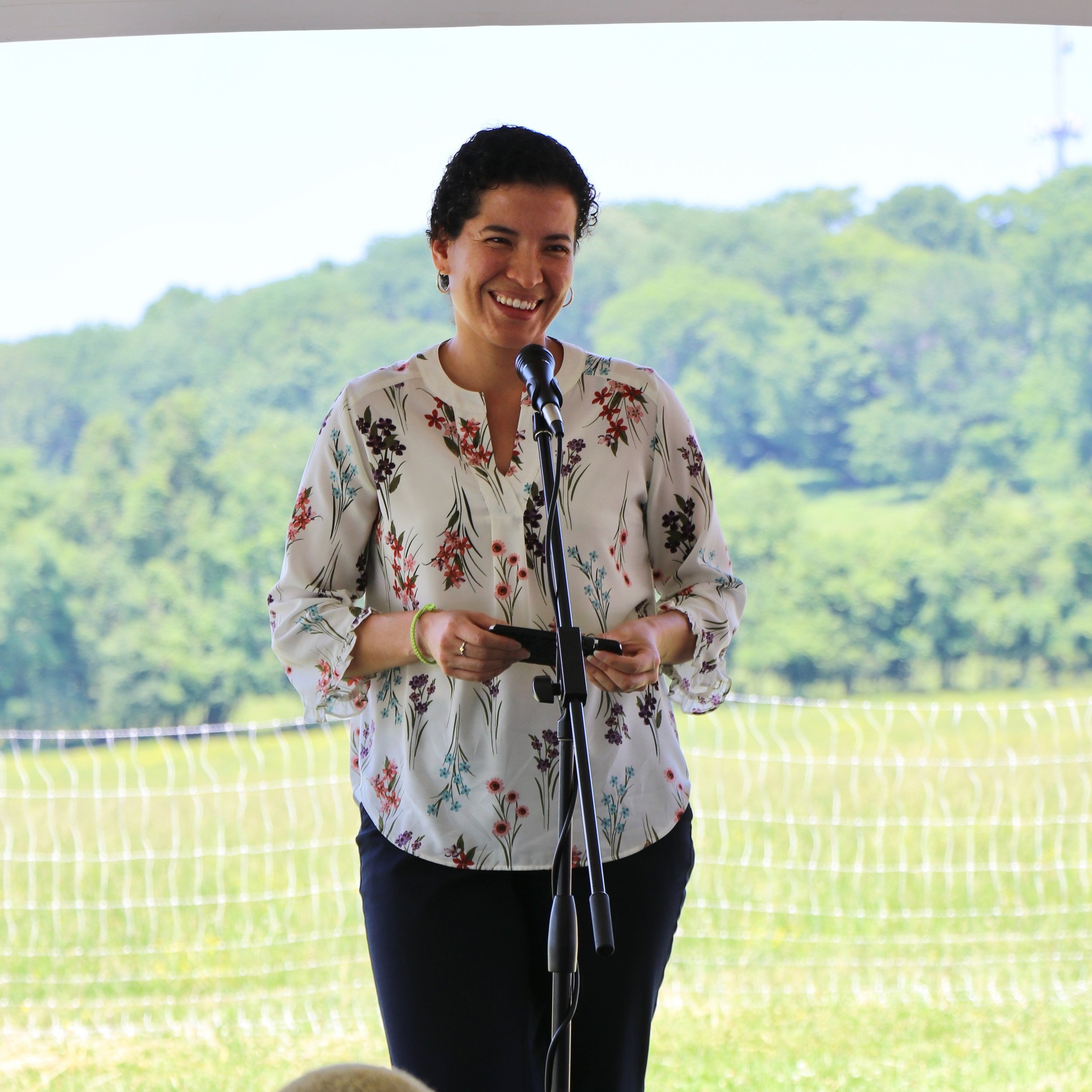
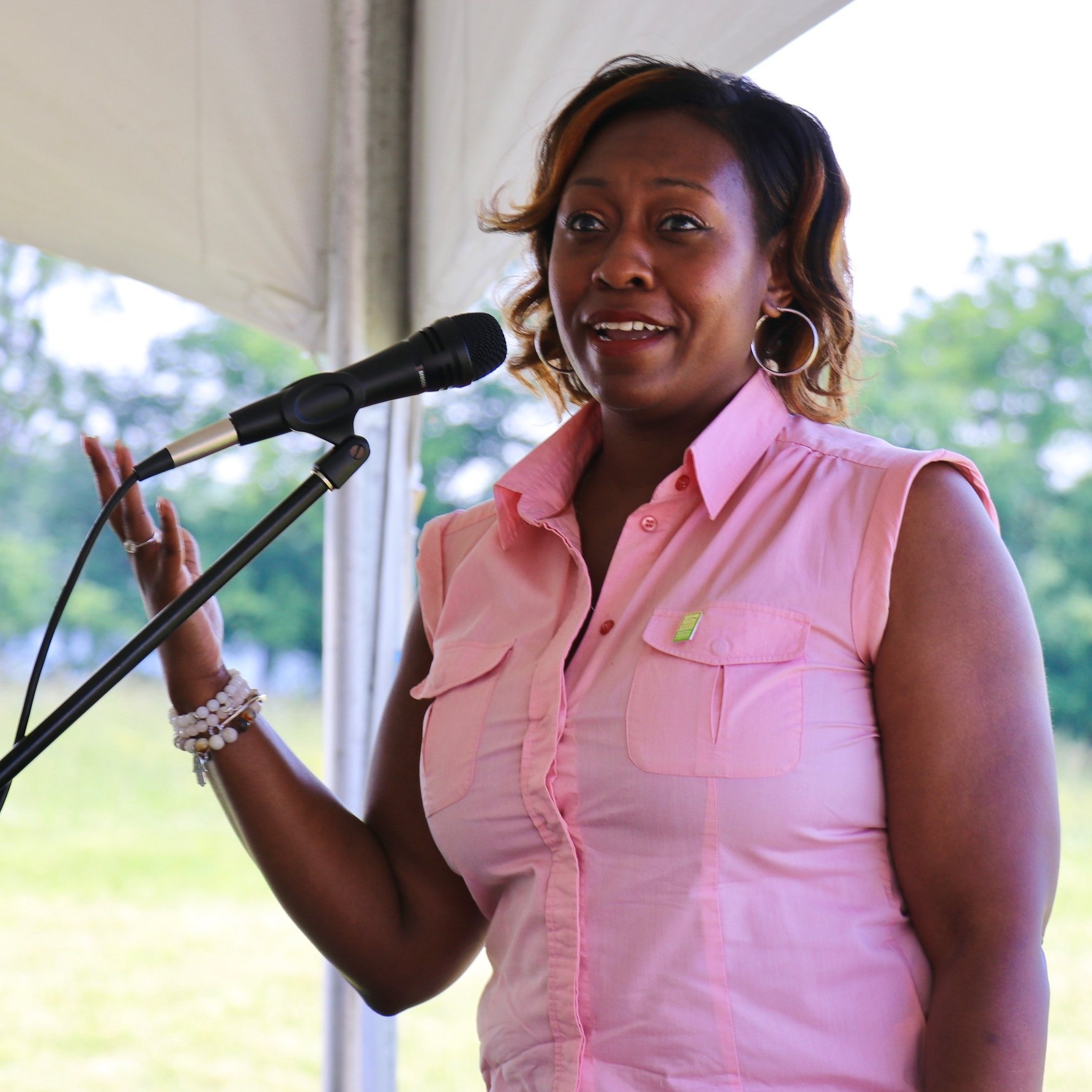
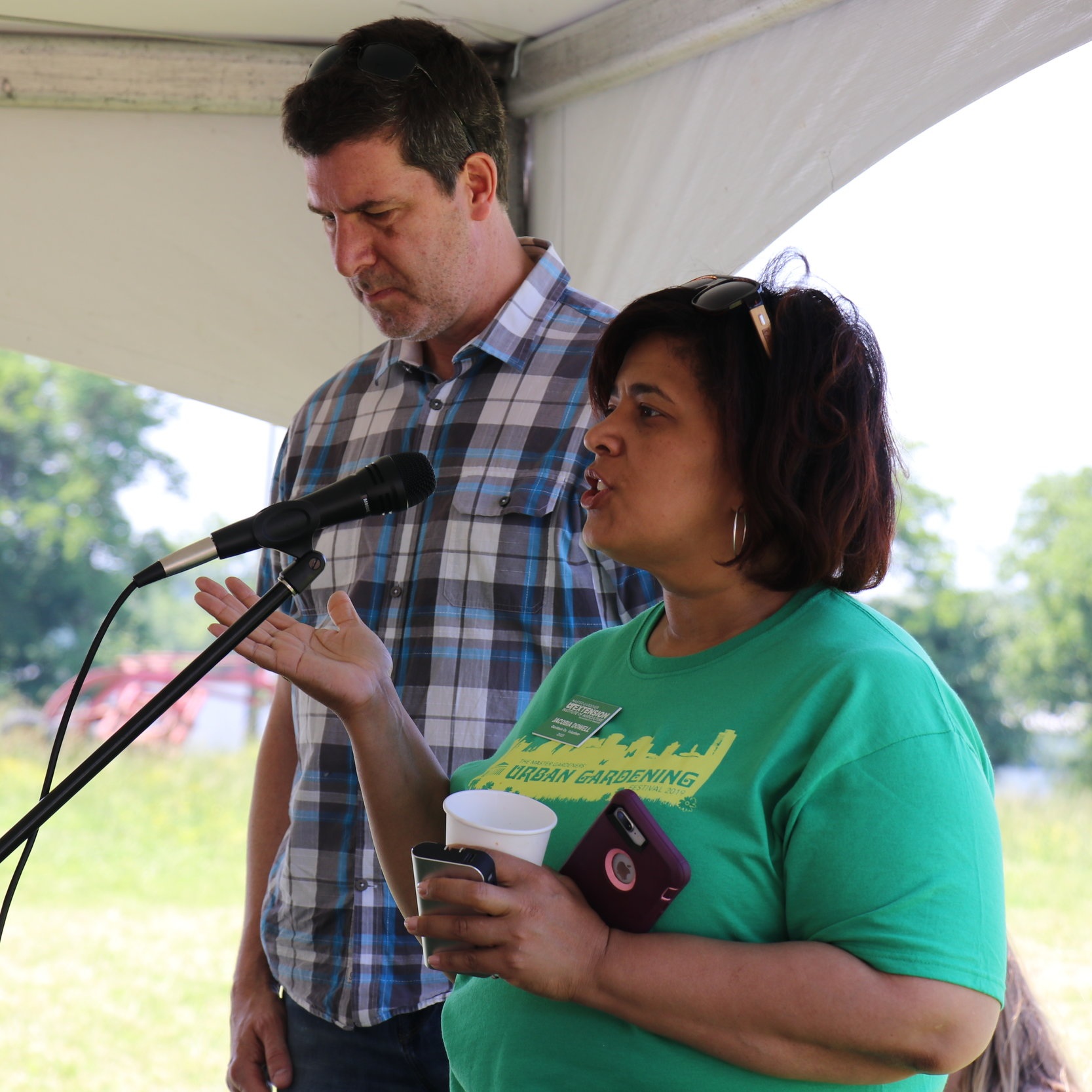
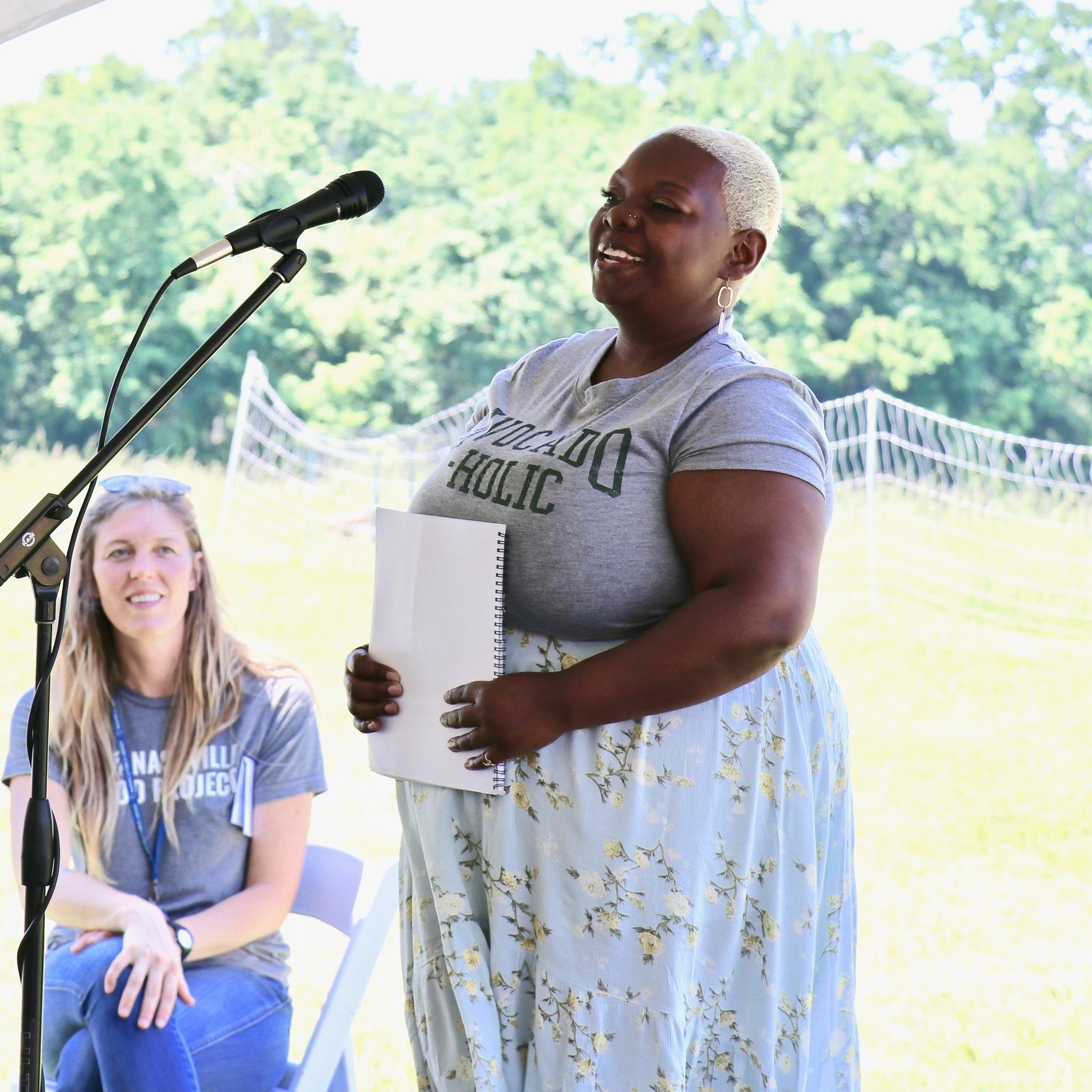
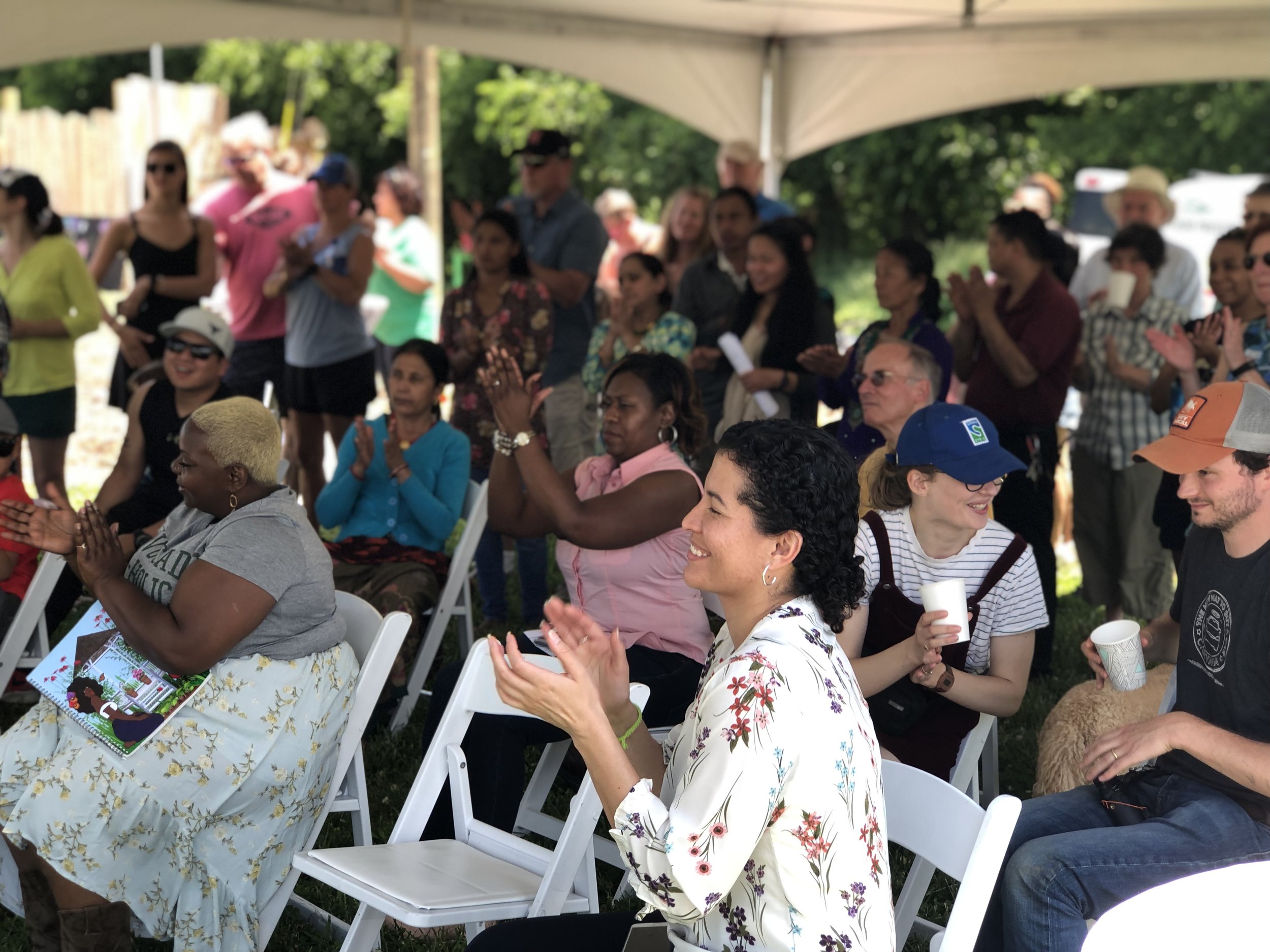
Next, everyone gathered in the tent for an INCREDIBLE line-up of speakers. Lauren Bailey, Hannah Davis and Christa Bentley of TNFP, Darrell Hawks of the Friends of Mill Ridge Park, Monique Odom of Metro Parks, Metro Councilwoman Jacobia Dowell, Community Gardener Bridget Bryant, Vanessa Lazon from the Mayor’s Office, and a beautiful performance and blessing by Rashad Rayford of Southern Word. The speakers talked about their excitement for people to have the opportunity to grow their own food in community at this farm.

We were also honored to have Ms. Mary Moore and Ms. Aileen Williamson attend the celebration, whose family owned and ran the property as a family livestock farm beginning in 1919. Before it was purchased by the Moore family, the property was owned by the Holloway family, who grew commodity crops and kept livestock. When the Holloways settled here in 1850, they had two young children and owned 32 slaves. In 2015, Metro Parks of Nashville purchased the Moore Farm and several adjacent properties to create what is now Mill Ridge Park.

The Moore sisters, Ms. Mary Moore and Ms. Aileen Williamson
As the speakers closed, Sankofa African Drum and Dance of Tennessee led us all in dancing together as a community. They shared with us that Sankofa is an Akan word that means, "We must go back and reclaim our past so we can move forward; so we understand why and how we came to be who we are today.”

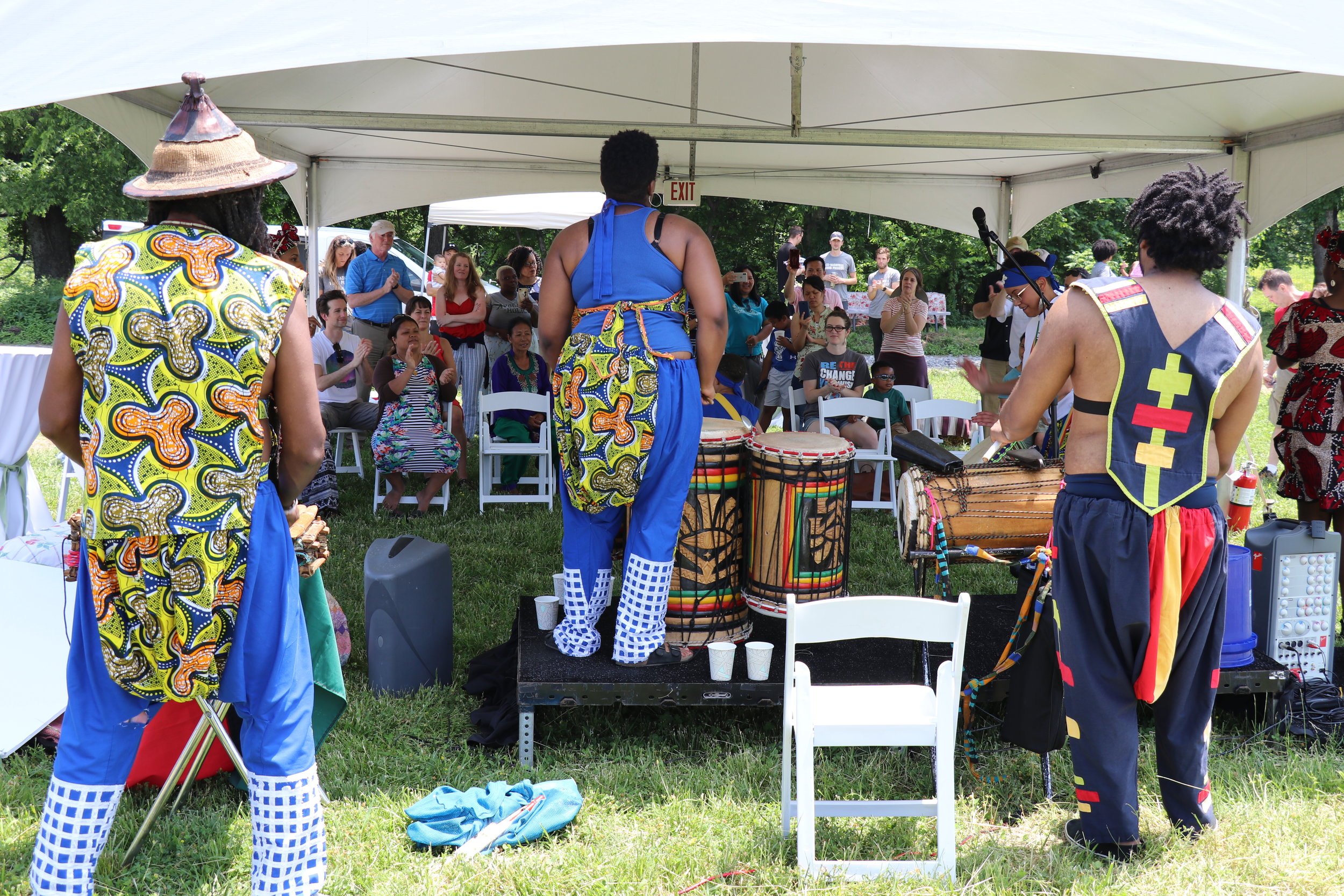
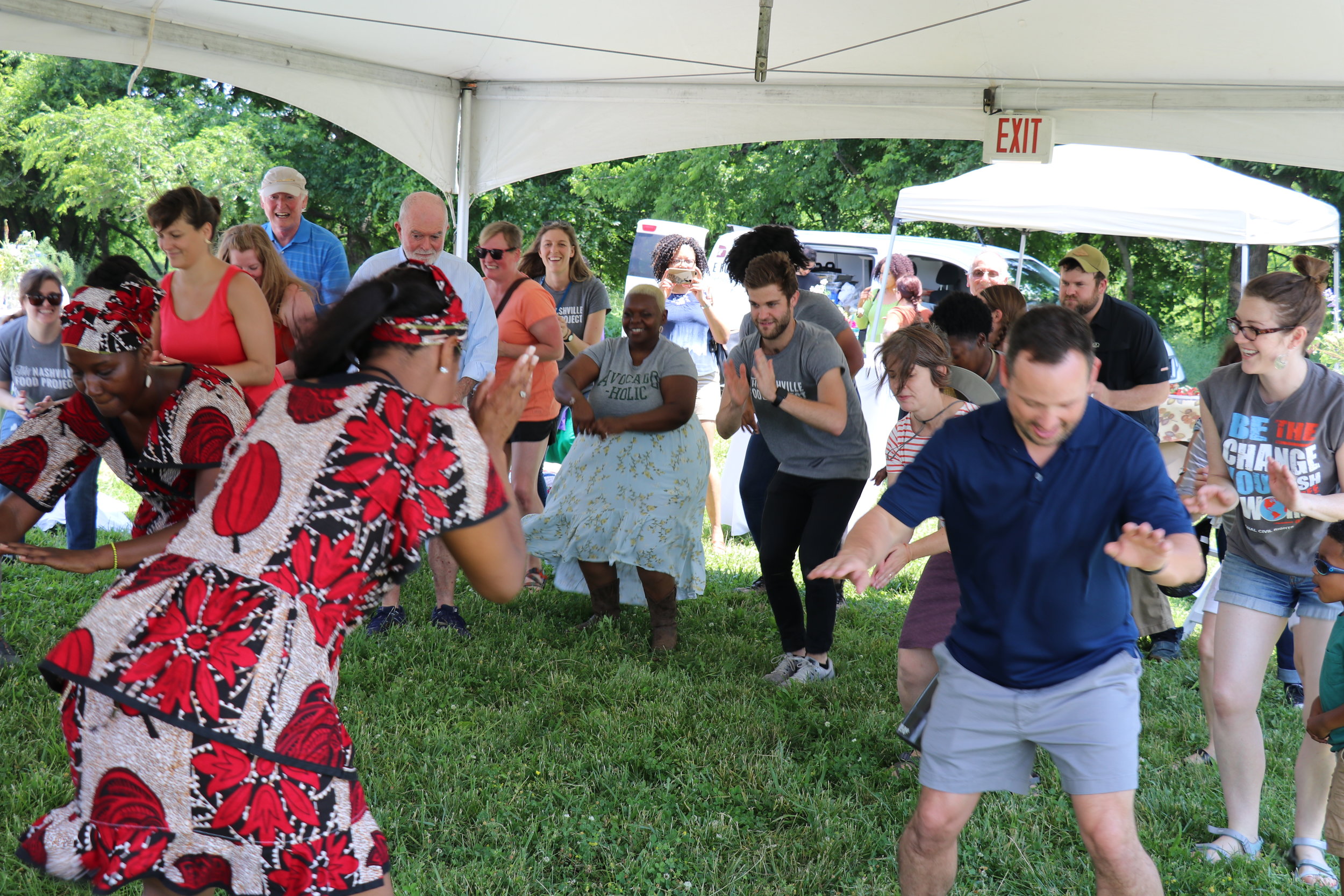
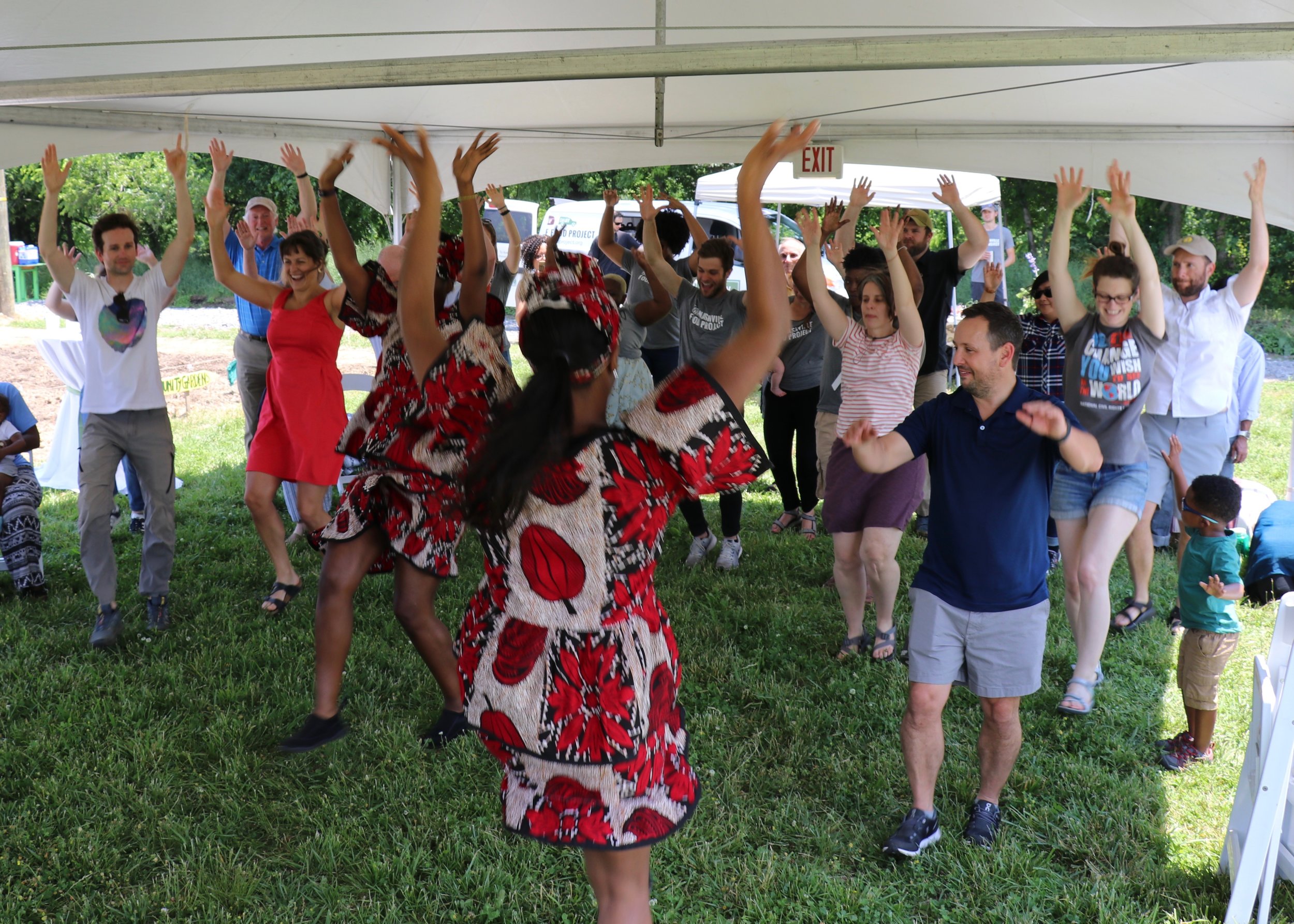

This call to understand our past, including slavery and the genocide of native peoples, is vital to understanding where we are today in agriculture. At TNFP we envision vibrant community food security where people have the food they want and need through a just a sustainable food system. We know that we have never had a just and sustainable food system, so we hope that you'll join us in this work to create a just and sustainable food system through this community farm!
Learn more about volunteering in our gardens at thenashvillefoodproject.org/givetime.
Understanding Garden Pests
It’s a beautiful spring day, and neighbors are gathering for garden workshop at the Wedgewood Urban Garden, an urban oasis tucked off of Wedgewood Avenue near the Tennessee State Fairgrounds. Today, we’re learning about garden pests. Whether it’s aphids or caterpillar worms, many gardeners can relate to pest problems. At TNFP gardens, we’re using and encouraging an approach to natural pest control called Integrated Pest Management…
By Grace Biggs, Impact Manager

It’s a beautiful spring day, and neighbors are gathering at the Wedgewood Urban Garden, an urban oasis tucked off of Wedgewood Avenue near the Tennessee State Fairgrounds. Since The Nashville Food Project undertook management of the space in 2011, hundreds of Nashvillians have grown their own food in community at the garden.
There are many different methods utilized to establish community gardens. Here at TNFP, gardeners manage their own individual or family plots. With the support of monthly garden trainings and community work days combined with assistance from TNFP garden staff and community leaders, each gardener is well equipped and supported for a successful growing season. So far there are 25 people who have signed up for a plot at the Wedgewood Urban Garden. This includes both new and long-time Wedgewood-Houston neighbors, as well as families who came to the United States as refugees from Bhutan.
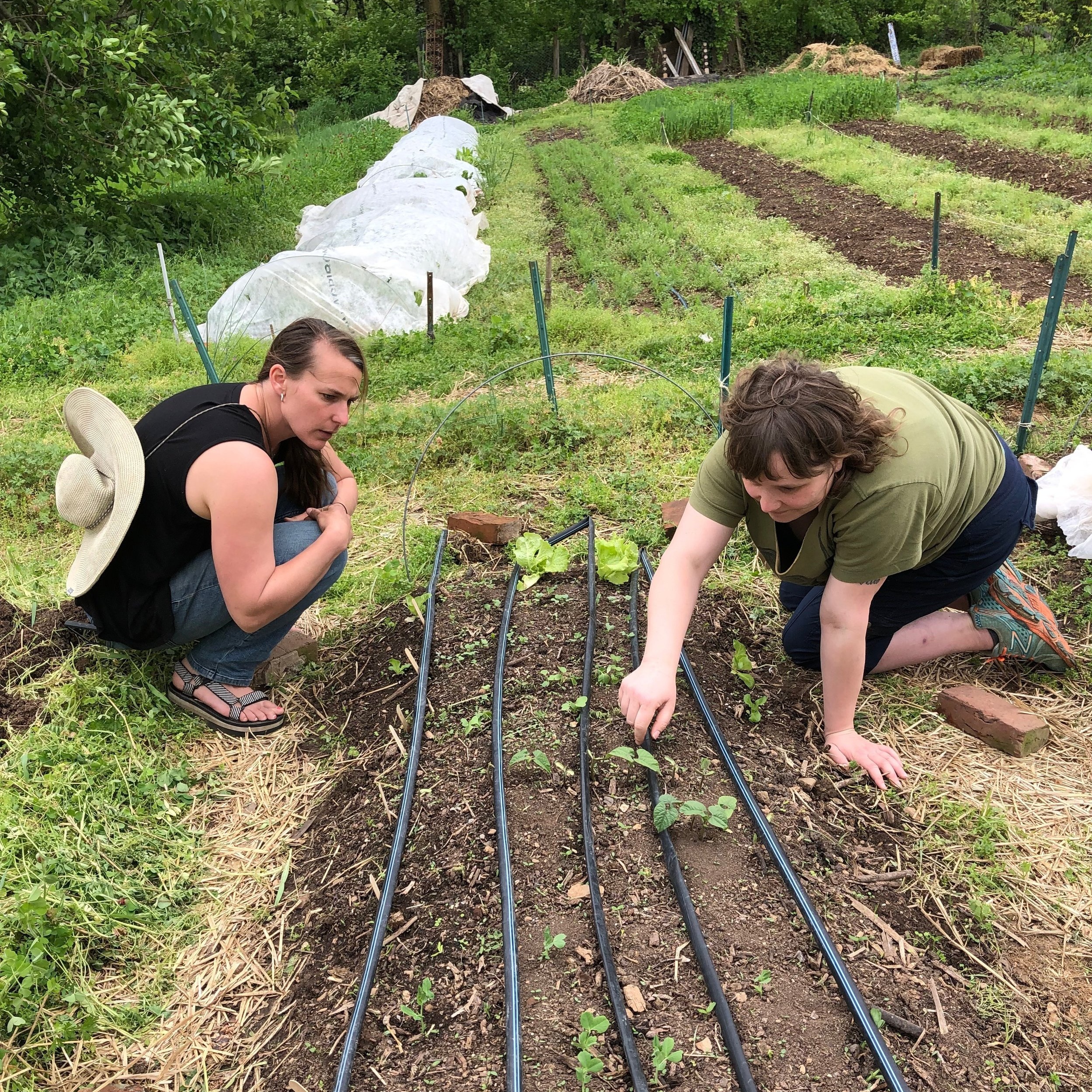
Today, I’m joining the neighborhood gardeners for their monthly garden training. As I come up the hill to the upper garden, I see a few gardeners have arrived and are already working. Some are tending to their young spring crops while others are just starting their garden journey and are preparing their beds for planting. As I walk around, I get the run-down on what people have planted: arugula, collards, radishes, carrots, bush beans, snap peas… the list goes on!
When it’s time to start the training, we head down to a shaded deck in the lower garden, surrounded by trees, perennial herbs and flowers. Lauren, TNFP’s Director of Garden Programs, uncovers a board with an outline on today’s topic: spring garden pests.

“There are some pests that will out-compete us if we don’t get ahead of the game,” Lauren begins as we settle in for the workshop. To start off, we went around the circle and shared about any past experiences we’d had with garden pests.
“I had a lot of beetles on my cucumbers last year,” said one gardener. “Never caught any in the act, just saw the evidence after.”
There were many nods of agreement as we took turns sharing our experiences. Whether it’s aphids or caterpillar worms, many gardeners can relate to pest problems.
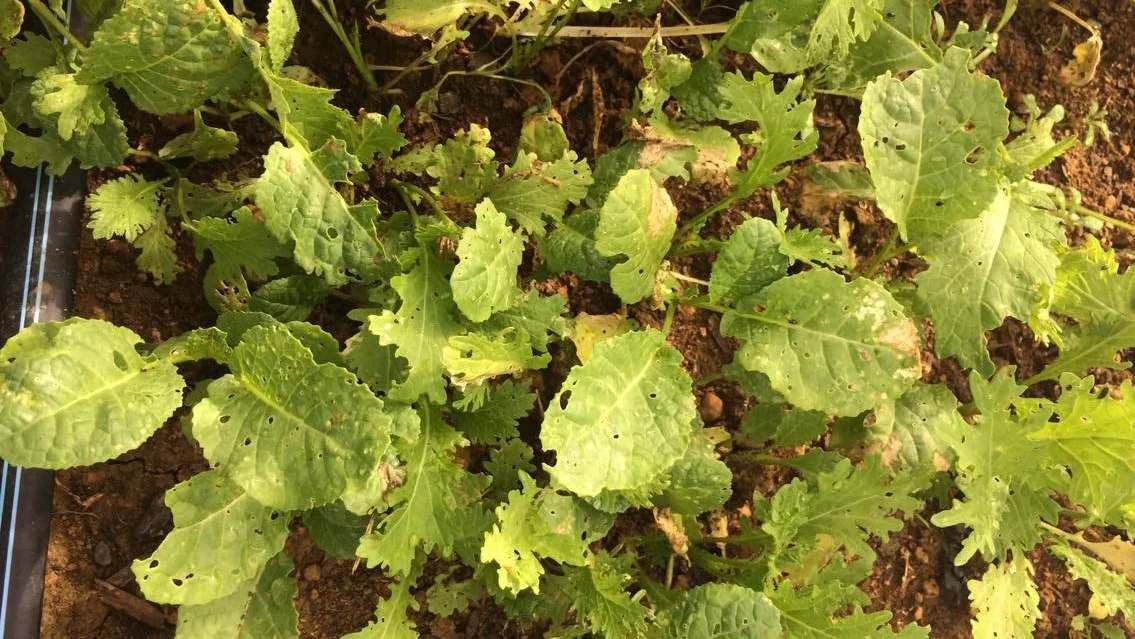
So why not spray a chemical and be done with the problem?
The gardeners have agreed and are committed to only utilizing organic methods of gardening, which also includes pest control. Most chemical insecticides can’t target a particular kind of insect, so they kill not just the pests but their predators as well. That means, ironically, that these pests can easily return -- unless you spray again, and again.
At TNFP gardens, we’re using and encouraging an approach to natural pest control called Integrated Pest Management. Lauren broke it down for us into four steps: 1) identifying and understanding the pest, 2) prevent, 3) physical control, and 4) organic chemical control.
1) Identifying and understanding the Pest
“When you’re able to identify the pest and understand their behavior, it’s like knowing your enemy. If you know their behavior, you’re better able to stay one step ahead.”
Identifying and understanding the pests in your garden is the foundation of integrated pest management. If you’re trying to identify a pest in your garden, these questions can often help get you there…
What does it eat?
What does it look like or how does it behave?
What kind of insect is it? A beetle, bug, caterpillar or worm, or maggot?
Click through the photos below for some examples of spring pests and their behavior.
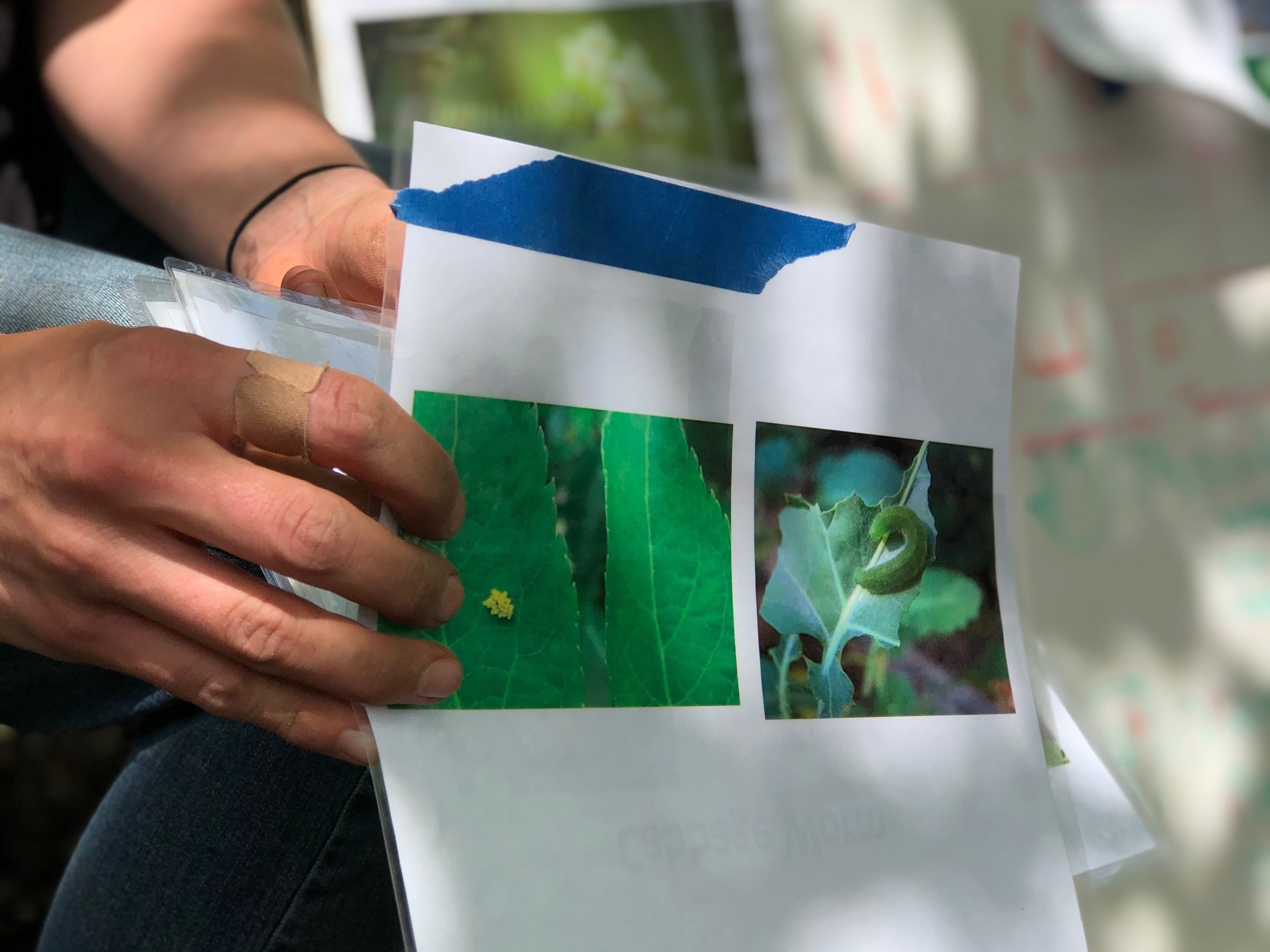
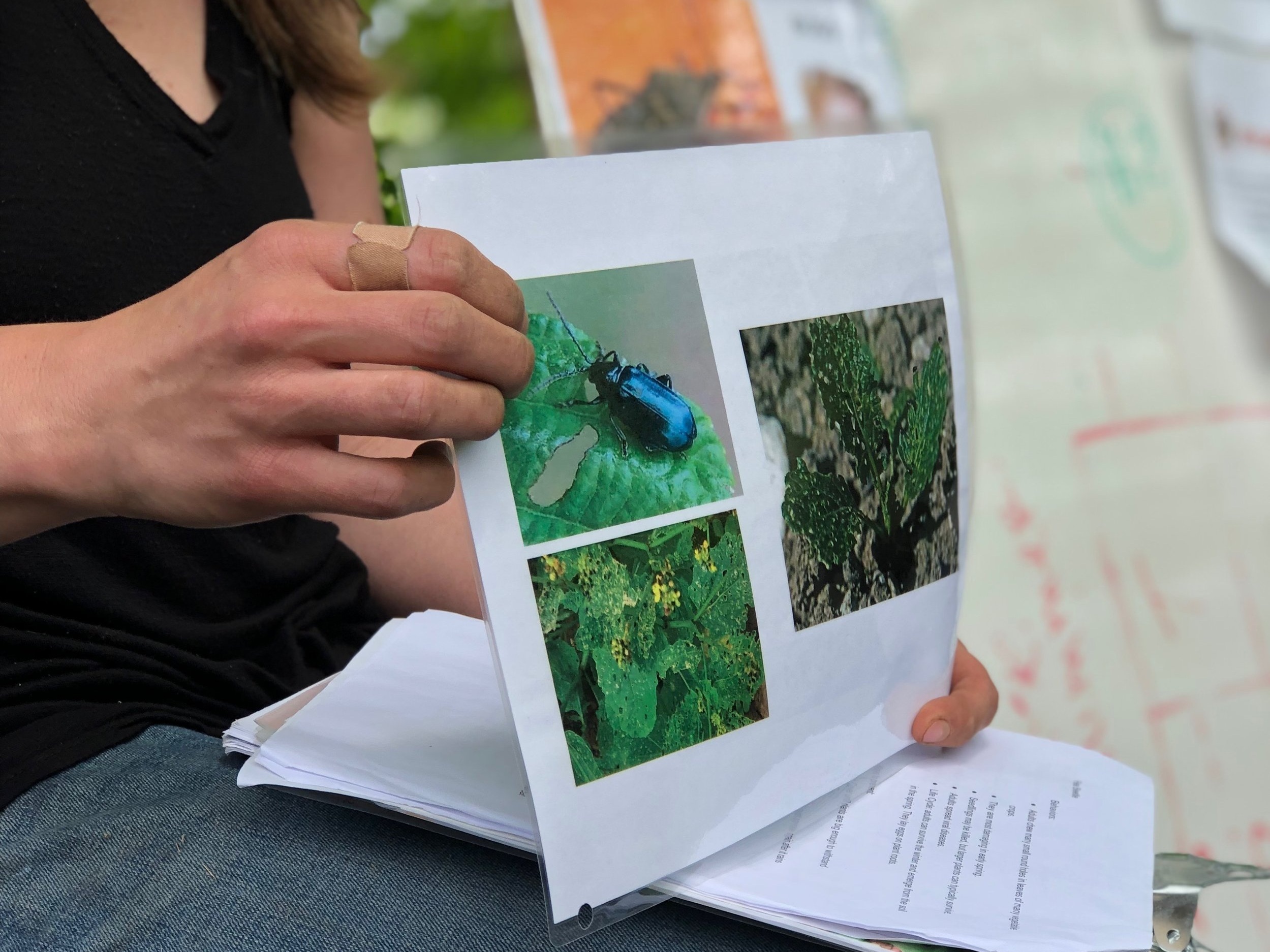
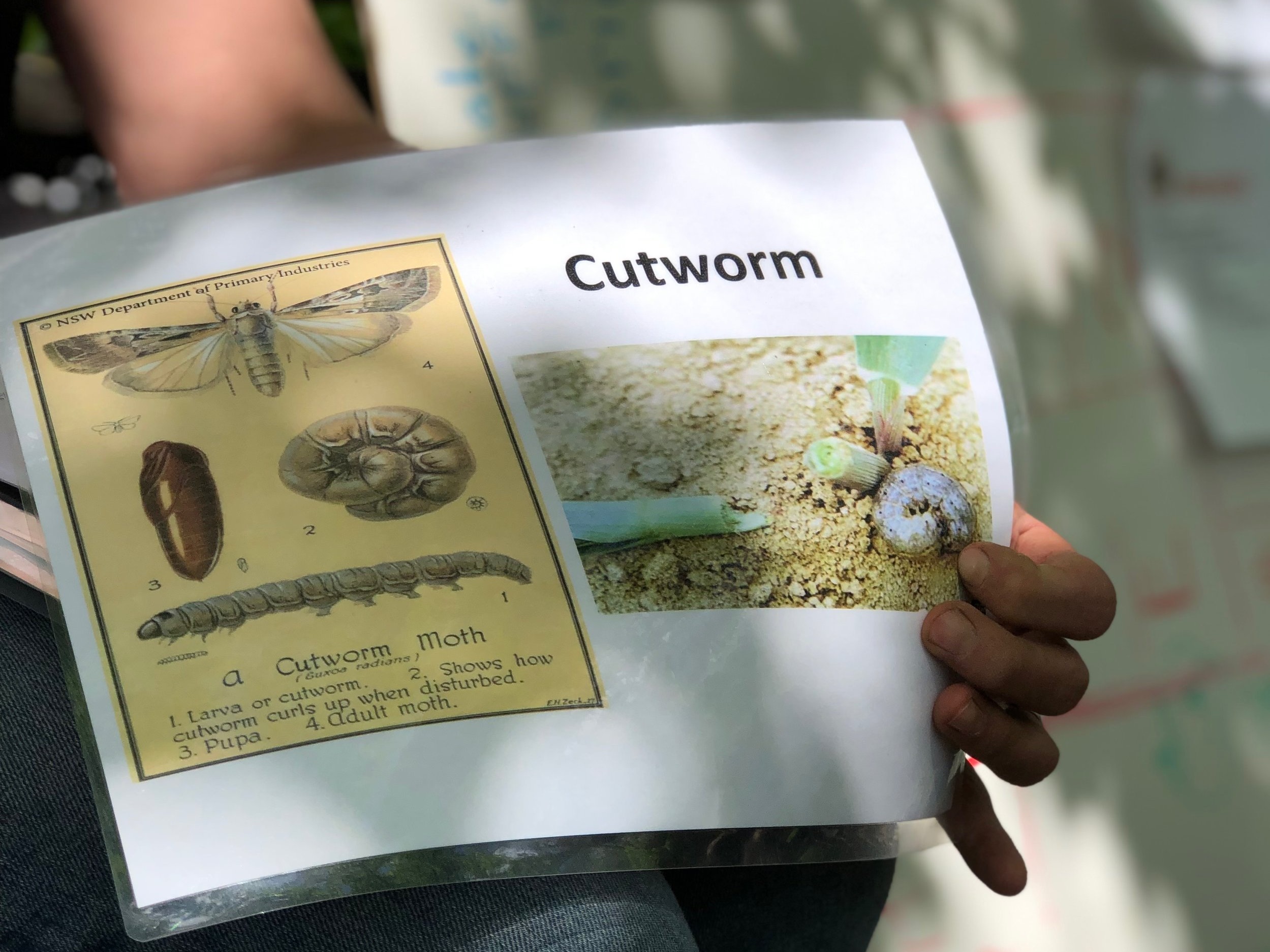
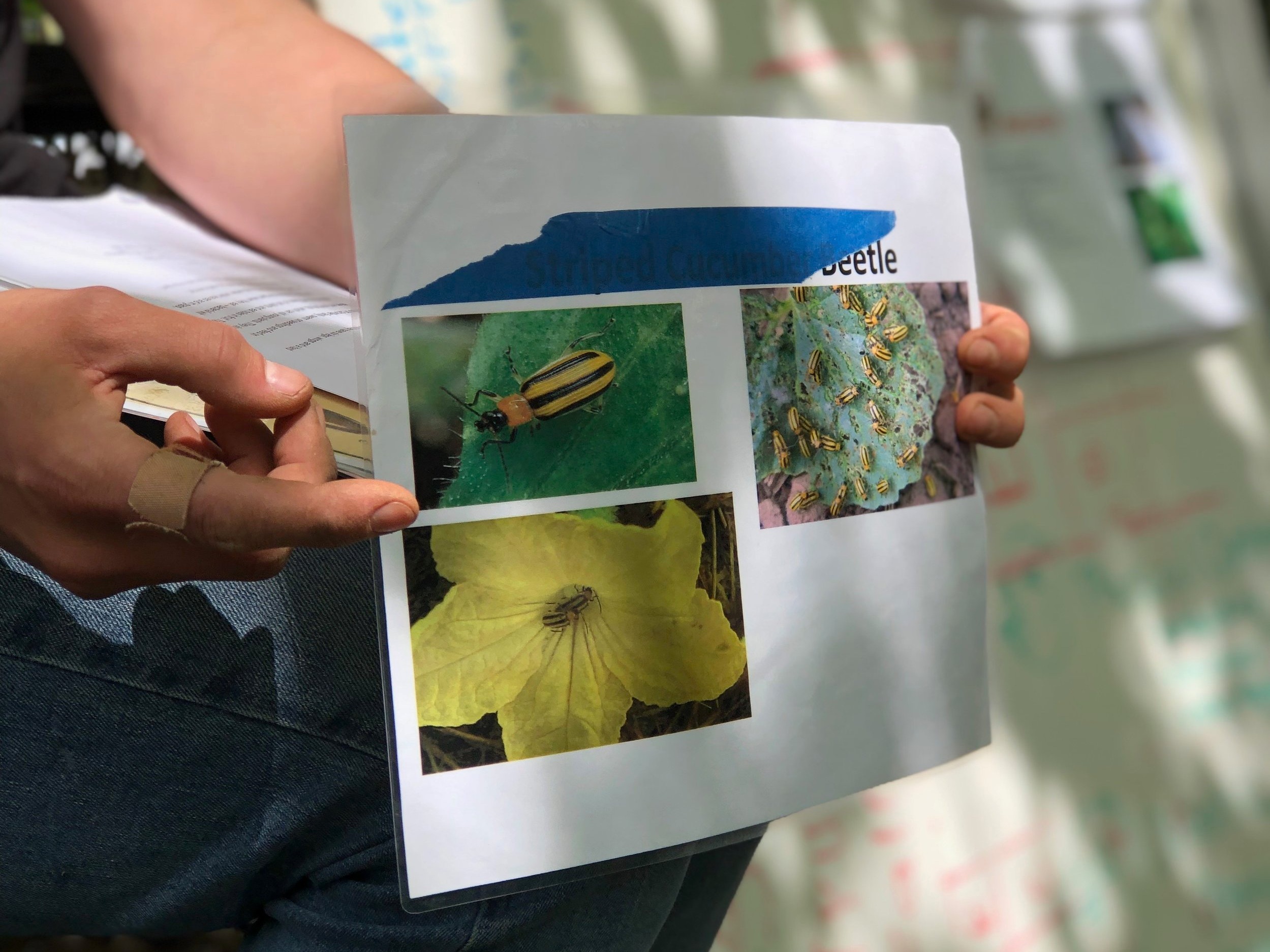
2) Prevent
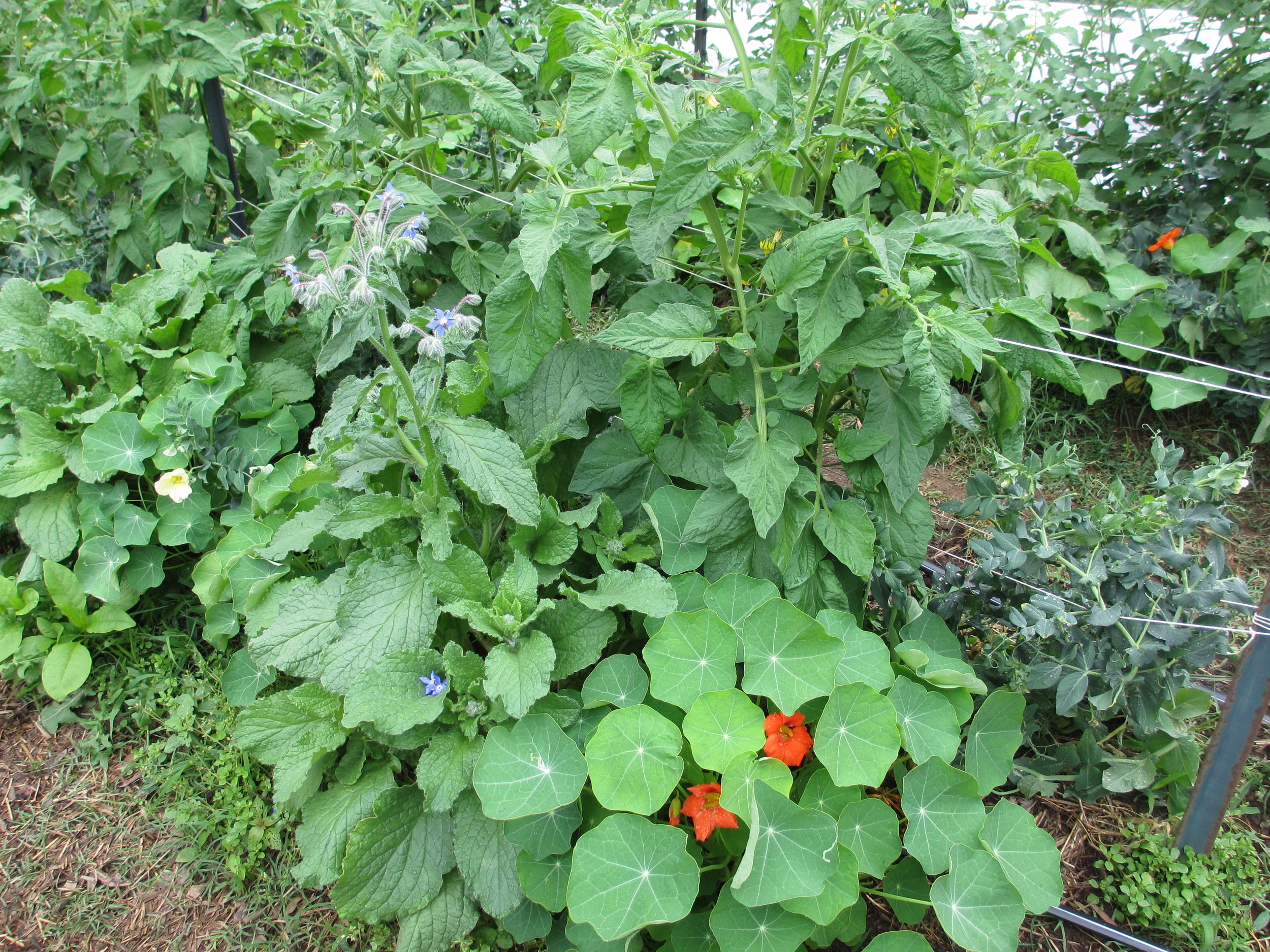
Now that you’ve identified and understand the behavior of the pest, you can prevent! Being prepared for pests and doing what you can to discourage them can save your plants from damage and lessens the need for other controls later on.
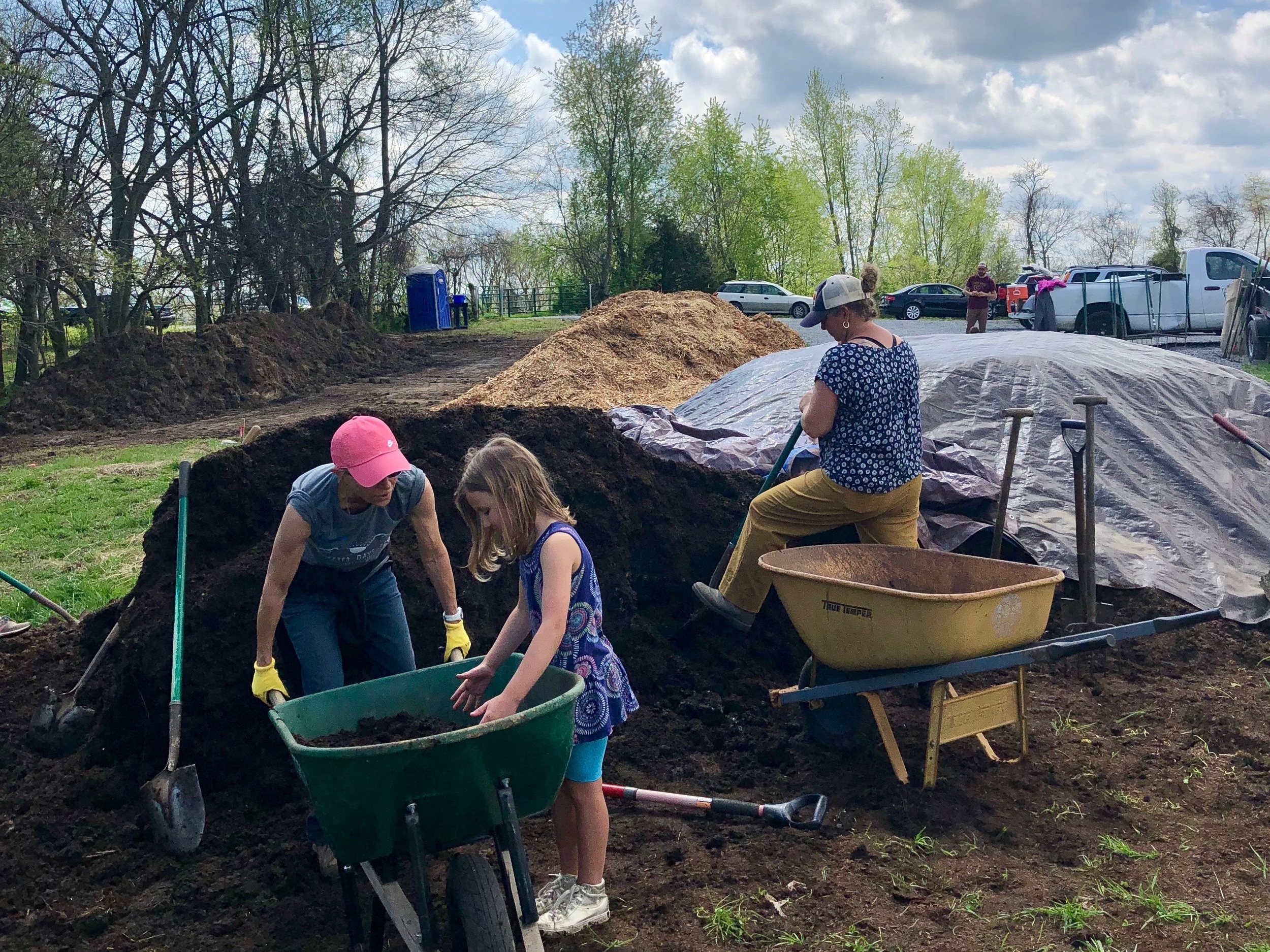
There are lots of approaches to both long and short-term prevention that you can apply to your garden. Click through the photos below for some examples!
Long term prevention:
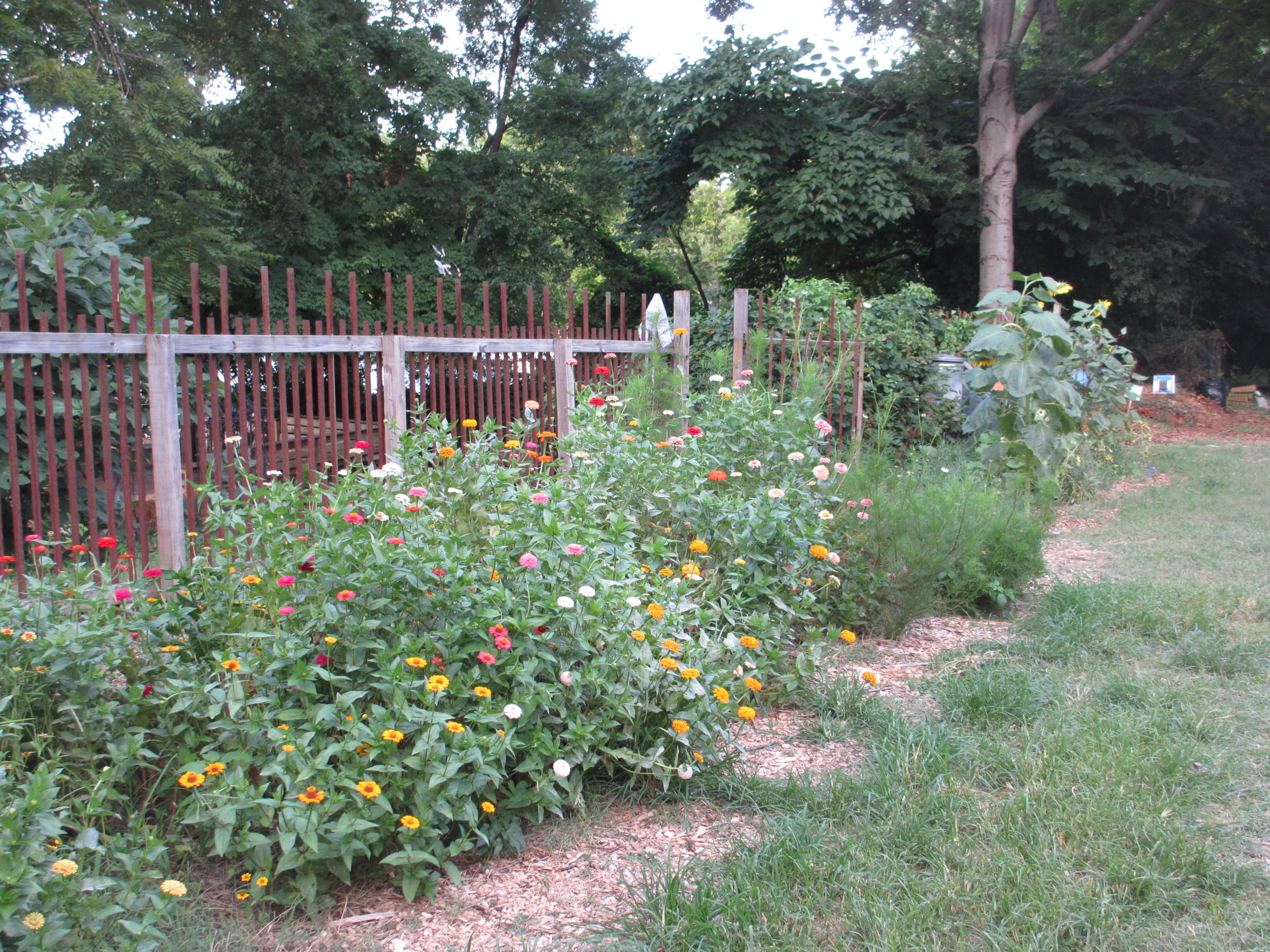
Short term prevention:
3) Physical control
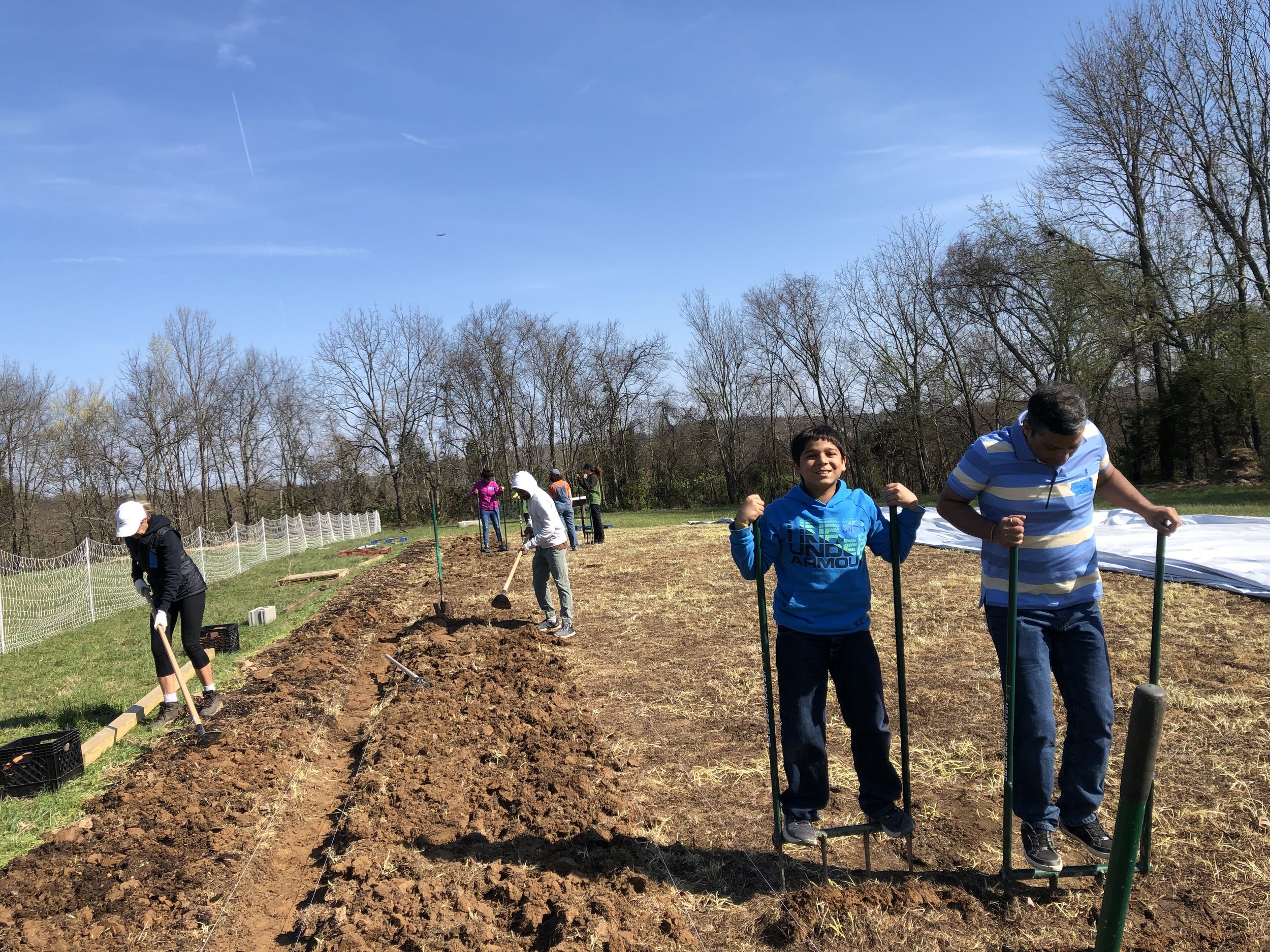
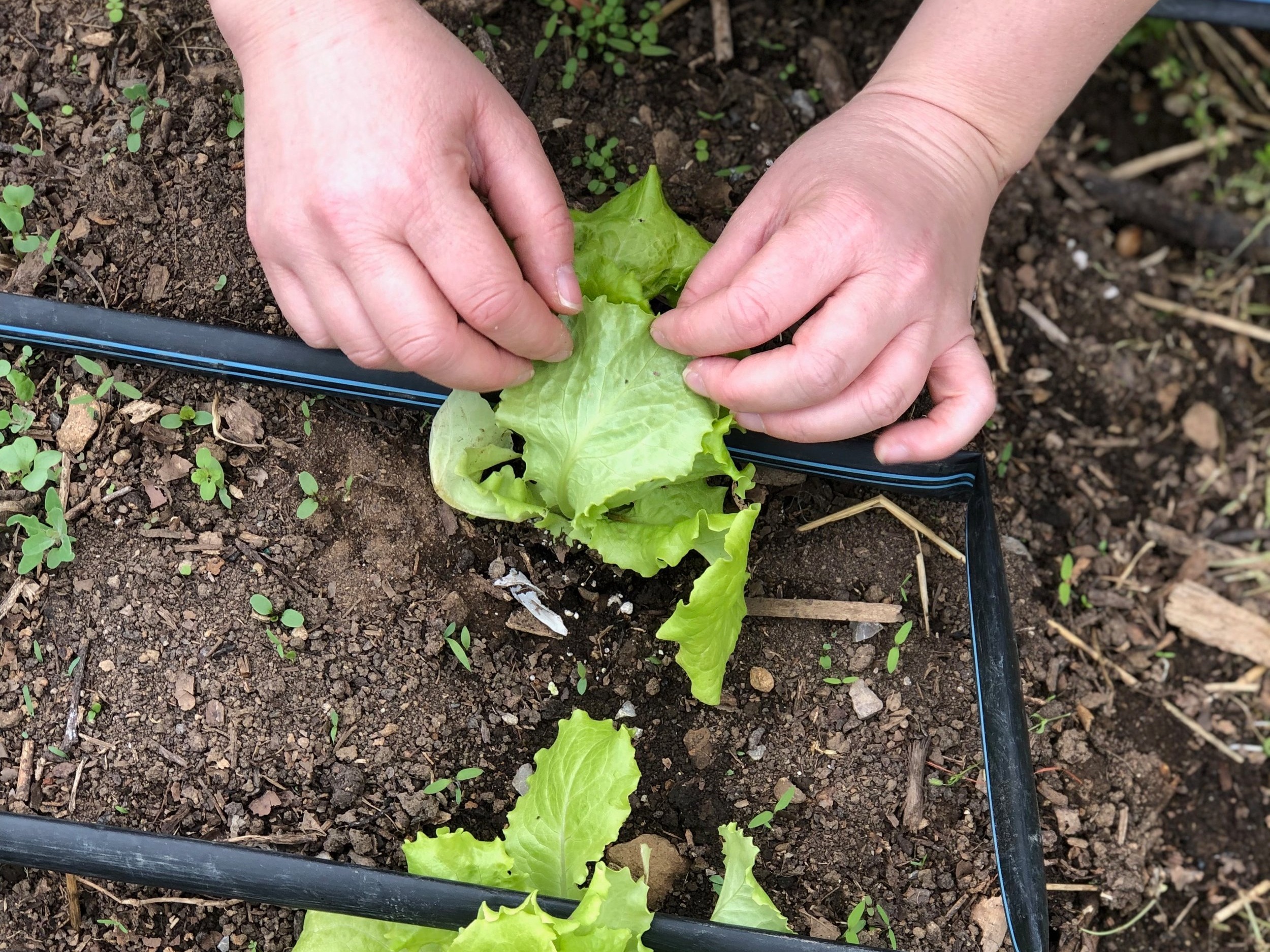
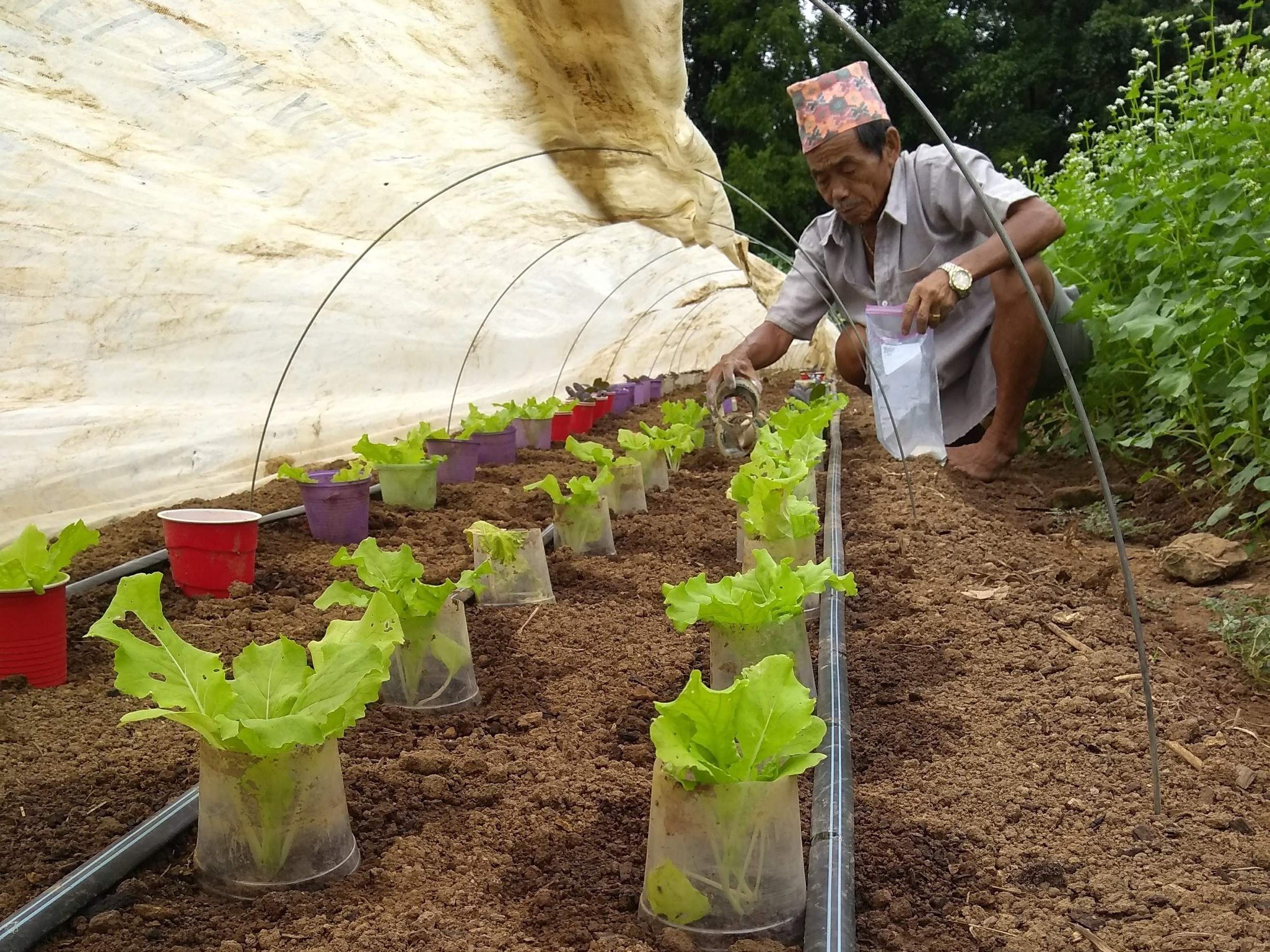
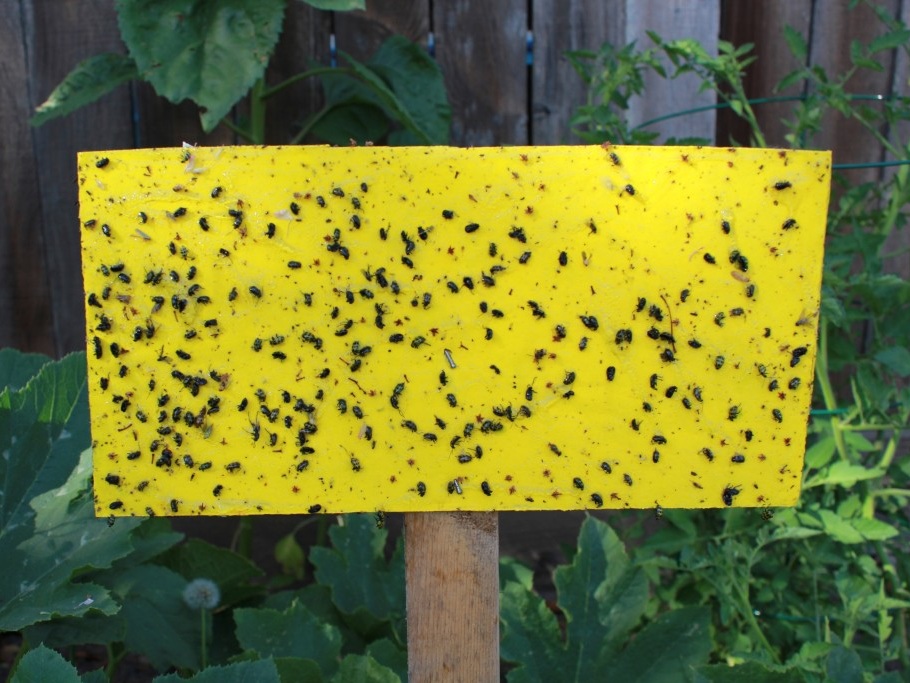
Even after using these prevention methods, there’s a good chance you’ll still confront some pests in your garden, especially in a shared space. The next step in integrated pest management is physical control, such as knocking pests off of plants with a spray of water or using barriers and traps.
Here are some examples…
4) Organic chemical control
If all else fails, there are a number of organic chemical control options that are not particularly toxic except to insects. We use this as a last resort, since some of these approaches can also harm beneficial insects. Look for products that are approved by The Organic Materials Review Institute (OMRI) - a private, nonprofit organization that determines whether or not a product qualifies as organic under the USDA's National Organic Program. Food grade versions of Diatomaceous earth, Safer Soap and Neem Oil are a few examples.
We often say the trainings at our community gardens are more of a knowledge exchange… many of the gardeners bring a wealth of different experiences, and we’re always learning more together!
If you’re interested in reading more about natural pest control, The Organic Gardener’s Handbook of Natural Pest and Disease Control is a great resource that you can find at the Nashville Public Library. We also love The Timber Press Guide to Vegetable Gardening in the Southeast as a general guide to gardening in Tennessee.
What pest control approaches have worked for you in your garden? Let us know in the comments!
A Guide to Seed Starting
Since gardeners and farmers growing in many spaces can utilize and benefit from starting seeds indoors, we thought we’d share some of the tips and tricks the Growing Together farmers and staff of The Nashville Food Project use to grow the healthiest transplants!
By TNFP’s Growing Together Market Manager, Sally Rausch

Lal Subba, Growing Together farmer, mixing potting soil in the Nashville State Community College greenhouse.
It’s officially spring! And like many vegetable growers, the Growing Together farmers are in the flurry of activity that comes with warmer weather and the beginning of a new growing season. These days you’ll find the farmers at their garden in South Nashville getting their plans and seeds in order, tilling their beds, and planting cool weather crops. But you’ll also find these farmers starting seeds in the greenhouse on Nashville State’s campus, which they generously share with The Nashville Food Project.
Starting seeds indoors is a primary component of spring farming work (and is utilized throughout the growing season as well). This allows farmers to get a head start on the growing season, cut costs (seeds are much cheaper than purchasing seedlings), and maintain control over the health of their seedlings.
Since gardeners and farmers growing in many spaces can utilize and benefit from starting seeds indoors, we thought we’d share some of the tips and tricks the Growing Together farmers and staff of The Nashville Food Project use to grow the healthiest transplants!

Materials You Need
Potting Mix: You can find pre-made potting mix at most local hardware or garden stores. When the Growing Together farmers purchase their own potting soil, they look for brands that are organic to eliminate any chemicals that might have been added. You can also make your own potting soil! There are many recipes out there, but you can find the recipe The Nashville Food Project uses at the end of this post.
Seed Trays: Growing Together utilizes various types of trays depending on what they are planting, but it’s really up to you and your preferences. You can find seed trays at your local hardware store, or you can get creative and use recycled items like egg cartons, eggshells (be sure to carefully crack the eggs, so that most of the shell is retained like a small bowl), homemade newspaper boxes, K-cups from your morning coffee, and so much more. Click here for an article with even more ideas! Just make sure your medium has a drainage hole of some sort.
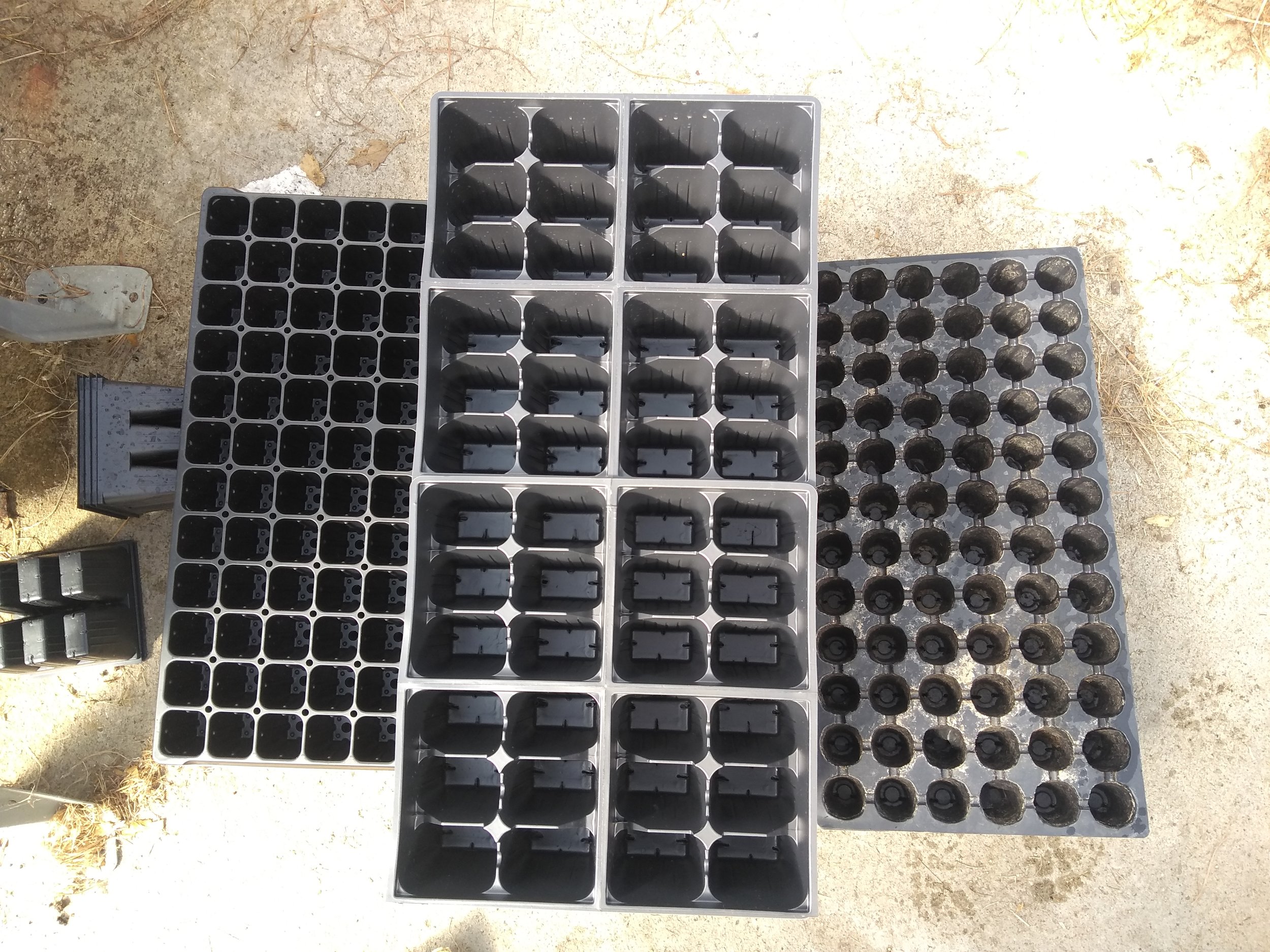
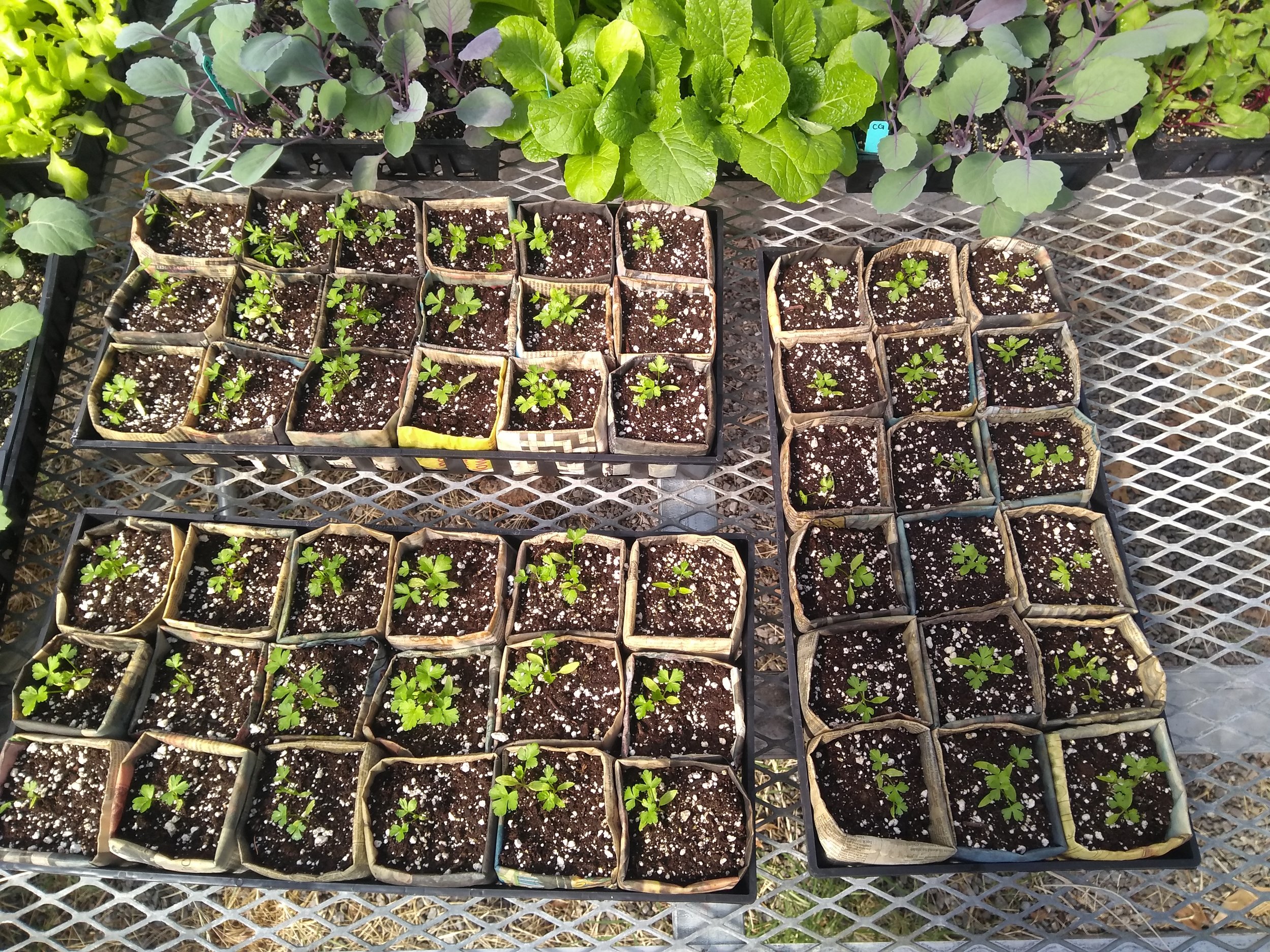
Seeds: Growing Together purchases their seeds from several seed companies, but many of the farmers also save their own seed from year to year! Here’s a great resource for learning more about the best tips for saving your own seeds.
Getting dirty!
1. Adding water: We often transfer the potting mix from our large bag into a smaller container, so that we can mix in water more easily. A five-gallon bucket works great when seeding smaller amounts. Begin adding water and mixing it into the soil. You want the soil wet enough that it clumps together when you squeeze a handful, but not so wet that it drips water when you squeeze it. Adding water before you put the soil in the trays helps the soil to absorb water more evenly after you plant your seeds. Beginning with dry soil, you run the risk of flooding the tray and disrupting your seeds when you water them.

After adding some water, we begin filling the seed trays.
2. Filling trays: Once your soil is ready, you can begin to transfer it into your trays. A great tip is to fill the entire tray and then go back through and press down gently with two fingers. This will lightly compact the soil, so you can then go back through and top off the tray with potting. This ensures that the seeds you plant will have the best growing environment to successfully germinate and begin growing roots.
3. Now it’s time to plant! Some tips to follow when you’re planting:
Depth matters! This is listed on the seed packet, or a good rule of thumb is to plant seeds 2-3 times as deep as the diameter of the seed.
Plant extra seeds, because sometimes every seed doesn’t germinate. You can always thin out extras later.
After you plant, place your seed trays in a warm location. Seeds germinate best at different temperatures, so it’s helpful to use the seed packet to find this information. For seeds that prefer warm soil to germinate (like tomatoes and peppers), we often put the trays on heating mats in our greenhouse. There are some DIY heating mat options out there, although this step isn’t absolutely necessary.
Once seeds germinate, make sure they are in a very sunny location. Seedlings will get leggy quickly if they are reaching too hard to find the light they need.
Water regularly to maintain soil moisture. You never want the soil to dry out, but balance is key. Add too much water and you run the risk of either your seeds or roots rotting.
Label your seeds! No matter how much you think you’ll remember, it’s always better to label what you’ve planted and when.

Remember to label!
When to start seeds
When to plant your seeds indoors varies greatly. Location, first and last frost dates, and crop are all things that impact planting dates. We love this resource that creates a planting calendar for your specific location with information about each crop’s best planting dates.
Ready to get started? Make your own potting soil at home using TNFP’s recipe below! You can also purchase produce directly from Growing Together farmers — find out where here, including information on purchasing a Fall CSA share (hurry, before it sells out!).

TNFP Homemade Potting Mix
Measure with a 5 gallon bucket:
3 buckets peat moss or coir
½ cup lime (to adjust pH)
Mix well.
Add:
2 buckets coarse sand (for drainage)
2 cups feather meal or blood meal (for nitrogen)
2 cups greensand (trace minerals)
Mix well.
Add:
1 bucket sifted soil (adds healthy bacteria from the garden)
2 buckets sifted compost (good organic matter)
Mix well.

Rocky Glade Farm
Last month the Growing Together program hit the road on a research mission, AKA, a field trip! We arrived at the Rocky Glade Farm in Eagleville, Tennessee on a cold and rainy Tuesday morning. The operation is 50 acres and even in February, it was a bustling place…
By Growing Together Intern, Julia Bridgforth

Last month the Growing Together program hit the road on a research mission, AKA, a field trip! We arrived at the Rocky Glade Farm in Eagleville, Tennessee on a cold and rainy Tuesday morning. The operation is 50 acres and even in February, it was a bustling place! Rocky Glade Farm is an interesting facility because instead of focusing on the summer growing season, the Vaughn family does the majority of its business during the winter months. The diverse array of vegetables were flourishing during a time when the trees were bare.

Julie Vaughn was our tour guide. When Chandra, a Growing Together Farmer, asked her why her family focused on winter growing, she answered in two parts. Six years ago, Julie became pregnant with twins, and since she is such an asset to the farm, the Vaughns decided to take it easy that year and not participate in the summer markets. What they thought would be a one year hiatus turned into an idea. Since most farms grew in the summer, there was a bounty of competition at markets which made selling produce a bit more challenging. However, in the winter, restaurants and families still wanted fresh produce but found it much more difficult to find. So, the Vaughns decided to switch gears and make winter their cornerstone season. They spend summers growing storage crops like winter squash, sweet potatoes, potatoes and other vegetables in preparation for fall and winter CSA customers. About 70% of their customer base is restaurants in and around Nashville who are dedicated to serving farm fresh produce all year round. While they also do CSAs and online markets, Rocky Glade Farms has stopped going to traditional farmers markets, since the winter markets are far less popular.
Julie and her husband started the farm together and have kept it a family business ever since. Their only employees are themselves and their four hard-working children, ages 14, 11 and the 6 year-old twins. Since she homeschools her children, they are able to have traditional lessons in the mornings with plenty of time for farm work in the afternoons, which is also incredibly knowledge enriching.
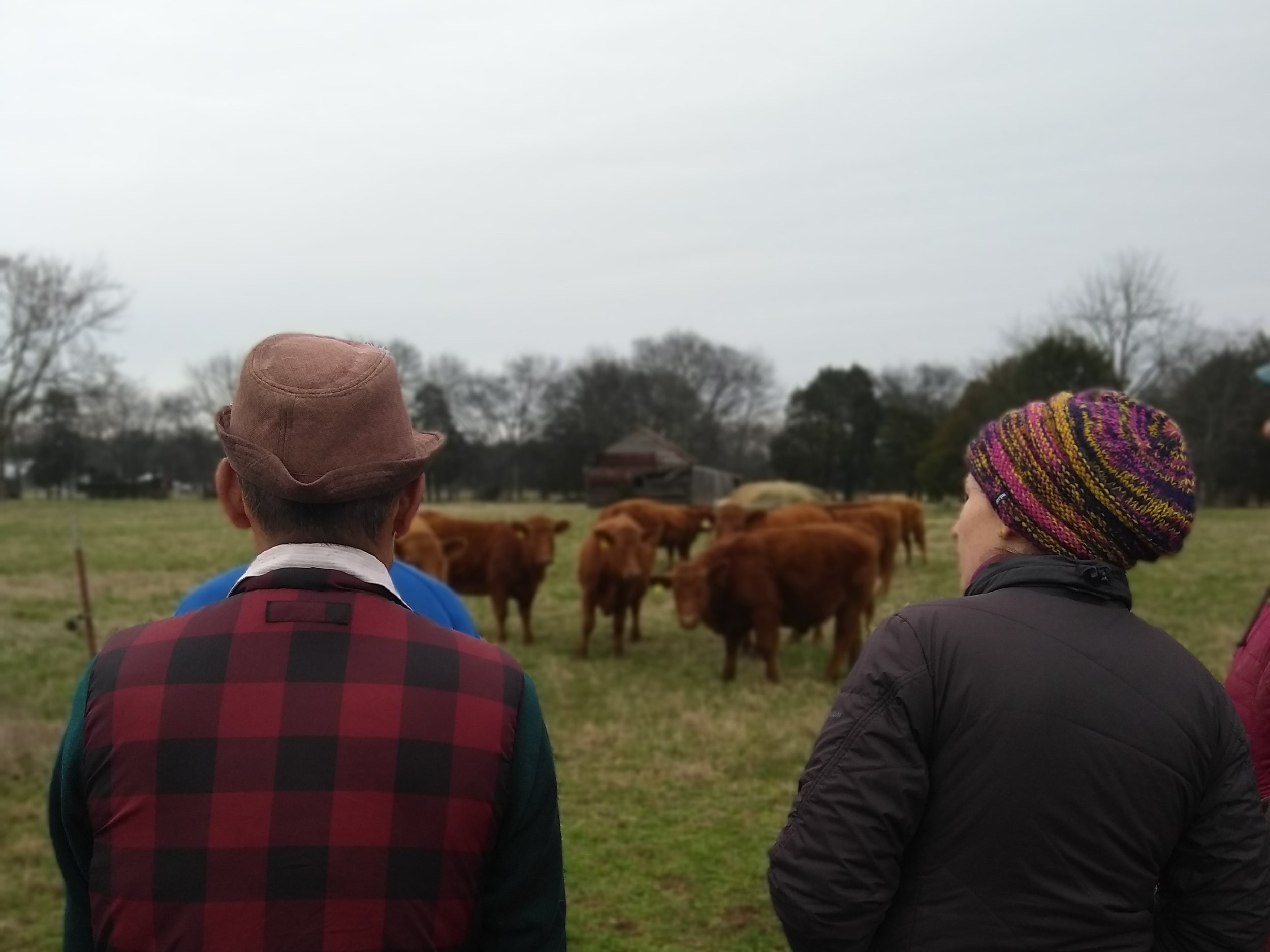
On top of their impressive vegetable production, Rocky Glade Farm also has cows and chickens. The chickens, which are the oldest two sons’ business, provide farm fresh eggs and eat leftover produce as well as incredible lessons for the boys such as business management and animal husbandry. The cows are not a typical production. Rocky Glade Farm Beef is 100% grass-fed. Through rotational grazing, the cows have fresh grass all the time and are never fed or given supplemental antibiotics or growth hormones. Instead of selling packaged meat to customers, families purchase entire cows while they are alive. The Vaughs raise the cows until they are full grown, bring them to the processor and then the family picks up the assorted meat cuts to enjoy. The Rocky Glade Beef method is most useful to families who generally eat meals at home three or more times per week and who are able to use and enjoy different cuts of beef. Also, it is advisable to have an entire freezer or two dedicated to storing the meat, which takes up about 7 square ft of space.

The tour of Rocky Glade Farms was an incredible experience. We owe so much thanks to the Vaughn family for giving us such a wonderful tour of their facilities. As we walked through the hoop houses filled with the fresh smell of greens, a meditative feeling befell the entire group. The hoop houses were a warm sanctuary, an oasis of life that energized the Growing Together Farmers in a time of winter trainings and planning that can seem underwhelming in comparison to rooting around in the dirt in the sunshine-filled spring. Many of the farmers left even more inspired to pursue their dream of having their own lands where they can farm with their family.

The Farmer & Chef Bond
Last week the Growing Together farmers hosted a visitor at their weekly training - Jessica Benefield, chef and partner at Two Ten Jack and The Green Pheasant. Jessica and her husband, Trey Burnett, were some of the first chefs to seek out and maintain a consistent relationship with Growing Together.
By Growing Together Intern, Julia Bridgforth
Last week, the farmers of Growing Together gathered for their weekly winter training session. Although these sessions are usually filled with robust lessons about crop planning and best practices for marketing, this day was extra special.
Jessica Benefield, of the renowned restaurant Two Ten Jack, entered the classroom at Christ Lutheran Church off of Haywood Lane with a full smile and genuine excitement to meet the farmers that have grown so much for her restaurant over the years. Jessica is the chef and partner at three restaurants - Two Ten Jack (Nashville and Chattanooga locations), a Japanese-inspired neighborhood pub referred to as an izakaya, and the recently opened The Green Pheasant, which is a Japanese-inspired fine dining experience.

Jessica and her husband, Trey Burnett, were some of the first chefs to seek out and maintain a consistent relationship with the New American Farmers of Growing Together, supporting the farmers since they began selling to restaurants. Specifically seeking the farmers out for their unique and specialty crops, Jessica not only continues to purchase pounds and pounds of komatsuna, mustard greens, and shishito peppers throughout the season, but she’s also eager to try products she’s unfamiliar with like pumpkin shoots and hibiscus leaves - or whatever else the farmers are growing!
After a welcoming presentation which included adorning her with sindoor, a red powder on her forehead to celebrate her arrival, and a decorative shawl, the energy in the room was filled with gratitude and shared community marked by smiles, cheers and loud claps. Jessica took a seat in the circle and thanked the farmers of the program for their produce. “It is the highest quality food that I receive all year,” she said. She continued with a small speech explaining her background and reasoning for her close interaction with Growing Together.

“Sometimes, it is easy to get brought down by the work mentality of what I do as a chef, because it is hard work. But whenever we receive your vegetables, it excites the entire kitchen. Experimenting with the new and interesting ingredients that you all grow gives us so much life. And it is so important to us to know who we are buying the produce from. Our lives as chefs benefit every time we get food from you, and the culinary experience we are able to present improves.”
Two Ten Jack’s focus on the neighborhood is not just a catchy tagline. They partnered with local artists for their interior decorating and have a desire to be as involved in the neighborhood as possible, creating a welcoming space for food and community. The goal is to connect the rural Japanese culture of the 1800s to a modern Southern city. Having farmers that grow exotic crops such as thai basil, shishito peppers, komatsuna and a variety of mustard greens within the Two Ten Jack sphere has created the perfect partnership that benefits the farmers with a steady customer base, and helps the restaurant achieve its goal of supporting the community.

The farmers were extremely excited about Jessica coming to speak and were bursting with questions about which foods she prefers and swapping recipes for roselle leaves (also known as hibiscus leaves) and squash blossoms. Jessica is optimistic about furthering her partnership with Growing Together, and is especially interested in the intensely hot peppers that Chandra, a farmer from Bhutan, said he would grow specifically for her. Jessica requested, “the hotter the pepper, the better. I like to make people cry with our special hot sauce.” That is a challenge the farmers were eager to accept.
Direct relationships with chefs in Nashville are incredibly important to the success of the Growing Together farmers. These relationships help create a secure market by consistently purchasing farmers’ product, leaving them less reliant on weekly market sales which are constantly in flux. These relationships also create pathways for these farmers to grow their sales and share their produce with the larger Nashville community. And as Jessica explained, these relationships also improve the chef’s experience. Exciting ingredients and a true bond with the hands that cultivate the ingredients increase the enjoyment chefs feel in the kitchen, which Jessica believes presents itself with love in the dishes she creates to feed the people of Nashville.
Learn more about where you can find Growing Together produce in Nashville here.

Mill Ridge Community Farm: A Place to Grow
To continue and expand TNFP’s thriving garden programs, we are excited to announce a new partnership with Metro Parks and Friends of Mill Ridge Park to develop a community farm at Metro Nashville's newest Regional Park, Mill Ridge Park in Antioch!
By TNFP’s Impact Manager, Grace Biggs
TNFP’s Urban Agriculture Programs have come a long way from when we first broke ground on a small plot behind our kitchen in 2009. Now, almost 10 years later, programs include includes vibrant production, community and market gardens across our city…
In production gardens, hundreds of Nashvillians from all walks of life receive informal agricultural education through volunteer activities each year while supplying our kitchens with thousands of pounds of produce. The community gardens provide people who face barriers to growing their own food with a space to reconnect or connect to the practice of growing food. And through an innovative market garden program, New Americans from agrarian backgrounds are growing produce to sell for personal income. Beyond the value of their earnings, these farmers are able to reconnect with farming to contribute financially to their families through meaningful work.

To continue and expand these thriving programs, we are excited to announce a new partnership with Metro Parks and Friends of Mill Ridge Park to develop a community farm at Metro Nashville's newest Regional Park, Mill Ridge Park in Antioch. Through an intensive, year-long public planning process for the park, the community was asked to share their vision for the space. The first theme that arose? Food! Specifically, growing and cooking food as a way to celebrate community, share special occasions, and learn about different cultures.
We’re delighted to be a part of bringing this vision to life! This season, TNFP is opening community garden programming at Mill Ridge with 15 families, providing access to land, tools, resources and monthly garden trainings and work days throughout the season. We’ll also be starting production gardens to supply food for TNFP’s meals program.

As you might imagine, starting a new farm is no small task! We are enjoying creating a vision for the community farm that will preserve a piece of rural Nashville while becoming a vibrant site of community agriculture for this growing area of Nashville. We are digging into the work of clearing out old storage buildings, improving access, building site infrastructure like water and fencing. Moving our greenhouse from our original garden in Green Hills to the Mill Ridge site in December was a milestone in the process, and we plan to have it operational by mid-summer. In the coming months we’ll be building community garden beds and transplanting perennial herbs and flowers. Amidst all this activity, we’re trying to save space to just enjoy the beautiful setting and dream about the spring.

Ready to get involved? We’ll be posting regular volunteer opportunities to support the continued work needed to get the farm off the ground and running. You can view the dates/times and sign up for volunteer openings here. We’ll also be hosting a grand opening of the farm on May 18th, including music, activities, snacks and a brief program - get the details and let us know you can join us here.
We’re excited to see you there!
"Hey Thanks"
We were so grateful to read this INSPIRED article "Hey Thanks, Nashville Food Project" in this week's Nashville Scene. Each Scene editor was asked to write a thank you letter to a person, place or organization in Nashville. The Scene's culture editor, Erica Ciccarone, was a community gardener with TNFP at Wedgewood Urban Gardens this summer…
We were so grateful to read this INSPIRED article "Hey Thanks, Nashville Food Project" in this week's Nashville Scene. Each Scene editor was asked to write a thank you letter to a person, place or organization in Nashville. The Scene's culture editor, Erica Ciccarone, was a community gardener with TNFP at Wedgewood Urban Gardens this summer. The thank-you letter written to us (below) is the the first of eight "letters" listed in piece. Check out the original feature here.
“hey thanks, nashville food project”
By Erica Ciccarone
My introduction to your organization came around this time last year, when I volunteered in your Wedgewood Urban Garden — more out of curiosity than a desire to be of service. Immediately, I was smitten. Over the course of the past year, I’ve turned compost with a big pitchfork, clipped buttery leaves of lettuce, collected eggs from your chicken coop and sunk my bare hands into soil.
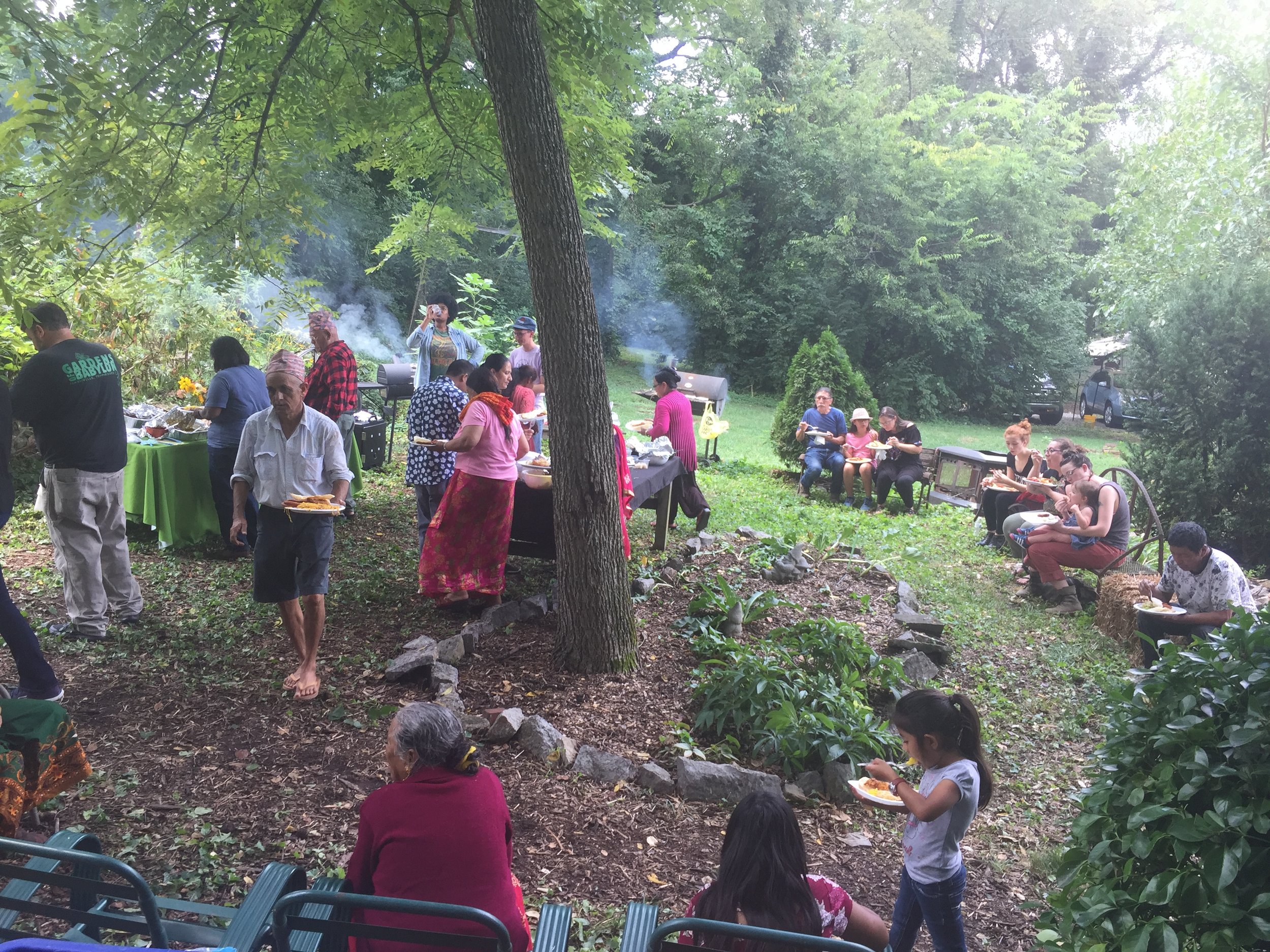
You gave me a garden plot through the community gardening program, and I learned to tend my very own 40-square-foot patch of soil, which in turn tended to me with a bounty of tomatoes, green beans, eggplant, squash and basil. The garden has been a haven, without politics or Twitter or deadlines — just sun and rain, earth and bugs. Between volunteering and the community garden, I broke bread with fellow gardeners from Bhutan and Burma, and I pulled weeds and sprinkled seeds with musicians, teachers, corporate executives and missionaries. You’ve provided me with an opportunity to internalize your values: that all Nashvillians deserve access to nourishing, delicious food; that we should welcome immigrants and refugees and create systems that benefit us all; and that growing food together can teach us how to be better stewards of the land.
That’s just how you’ve affected one person. I’ll throw down some stats: In 2017 alone, 3,758 Nashvillians volunteered in your gardens and kitchens and drove your trucks to partner sites. Sixty-nine families grew food with your knowledgeable, nurturing garden managers. Your gardens produced 15,780 pounds of organic compost, diverting 120,648 pounds (!) of food waste from landfills. Every week, you provide 4,000 meals and snacks, prepared in your two kitchens, to hungry Nashvillians. Your food trucks deliver these to after-school programs, emergency shelters and ESL classes.

I first came to your Wedgewood Urban Garden as a volunteer because of a memory. When I was a child, my father and I converted our sandbox into a small raised garden bed. Our crops were limited to Italian-American necessities — peppers, tomatoes and basil — but something else grew with them: a closeness we achieved without effort. Planting seeds together nurtured our relationship for years down the road. I’ve lived far from home for almost 20 years, and neither of us is very good at picking up the phone. But the closeness persists. My father and I grew together. We are growing together.
That’s what is so crucial about you, The Nashville Food Project. You provide an opportunity for people all over the city to build relationships through the most ordinary, ancient of activities: growing, cooking and eating. Thank you for reminding me of the value of community that’s formed through learning — the excitement of sharing a lesson with peers, of sampling Bhutanese cuisine, of discovering cucumber beetle eggs with a friend and squishing them with our fingers. Our city is better because you exist.
A Book and a Garden
TNFP garden intern, Sarah Tolbert, reflects on how a book and a garden, though seemingly unbridgeable, altered the course of her thinking and life.
By TNFP garden intern, Sarah Tolbert

Sarah at TNFP’s Wedgewood Urban Gardens
A book and a garden, though seemingly unbridgeable, altered the course of my thinking and life.
In my junior year, an independent project led me to James Baldwin’s The Fire Next Time and marked the beginning of an insatiable desire to pursue a more just and equitable society; I am certain this book changed my life. As I sat in my room devouring Baldwin’s words, his eloquence in discussing racial disparities perplexed me, and I was moved to tears. From his words, I grew aware of the deliberate distance history facilitated between whites and blacks. Deeply rooted fears and insecurities bred methods of segregation, violence, and discrimination, thus a habit of isolation has permeated deeply into American society. I remember Baldwin saying that you are formed by what you have seen, and I remember feeling lost upon realizing that my childhood had sheltered me from seeing the disparities and hatred of which he so vividly speaks. Frankly, my failure to notice bothered me.
The urgency of Baldwin’s words galvanized me into doing a summer internship with a nonprofit called The Nashville Food Project, combining social justice with my passion for gardening. The mission of the Food Project is to grow, cook, and share nourishing foods with the goals of cultivating community and alleviating hunger in Nashville. TNFP develops sustainable garden practices and community garden spaces in areas vulnerable to marginalization. During my internship, I witnessed Baldwin’s words coming to life. I began to realize that these things for which I care-- gardening, confronting climate change, and food-- have become exclusive in and of themselves in my own community. I learned that nourishing foods tend to be reserved for communities of wealth and privilege, and that marginalized communities are the ones most impacted by the effects of climate change. I began to understand that the reason why I passed a Whole Foods in my neighborhood and a discount supermarket on the way to work was a result of the disparities Baldwin described. And from this, one of the darkest realizations haunted me: this history of violence, hatred, and marginalization has permeated so deeply as to even reach the gardens in which we grow our food.
Still, some of Baldwin’s words offered hope. He spoke of the deep need humans have for each other to become a nation, to achieve our identity and maturity, and to become better as individuals. These words solidified for me the direction of my life. Processing and witnessing his words, I began to see my place in this narrative using the garden as a catalyst for social change. I understood that my place in this world is to use my love of gardening to correct disparities, because I learned that the garden is a beautiful place to cultivate community: the garden is a start. When working with my hands in the soil, I not only feel a physical connection to the earth, but a deeper connection with the community around me. I see the power that sharing food has in bringing people together, and in turn the power that growing food has in building community.
Gardening has not only reconnected me to my community, but also to my identity. Coming from a line of Tennessee farmers and gardeners, I have been able to identify with this part of my heritage and honor their legacy by learning how to grow food. The greatest honor I have given my family, though, has been in expanding their craft to include a broader audience. Farming in my family started as a self-sustaining pursuit. Today, I am transforming the implications of farming in my family to a cause greater than ourselves: to grow not only a meal, but to create a gathering around a table, a human connection, a stronger community. Ultimately, I hope to use these connections to improve the disparities of my community and the world around me.

A Place To Explore
Summer in the garden is one of my favorite times of the year. So many elements in the garden space are in constant motion and work together like a symphony creating the natural rhythms and harmonies of the season.
By Kia Brown, TNFP's Community Garden Manager
photo courtesy of Keepsake Portraits by Lisa

Summer in the garden is one of my favorite times of the year. So many elements in the garden space are in constant motion and work together like a symphony creating the natural rhythms and harmonies of the season. The buzzing of the bees as they visit the summer blossoms, the swish of the cucumber leaves hanging from their trellises as they are caught by the breeze, and on certain days the whispered gasps and exalted exclamations of children can be heard letting me know that summer has arrived.
This summer I was delighted to share my love for summer with children and youth from two partner organizations, Cottage Cove and Youth Life Learning Center. Grade by grade -- kindergarten through 4th grade -- each group began their introduction with tours at the Wedgewood and McGruder gardens.
While walking through the garden we smell and taste various herbs, fruits, and vegetables, and try to identify familiar crops grown in ways that are unfamiliar to them. Seeing growing carrots for the first time, many students mistook the root vegetable for an herb, but it wasn’t until I brushed away the dirt did they see the beginning of the familiar orange root. At Wedgewood, the tour must include petting the chickens and braving the bees. At McGruder, we spend time trying to guess the fruits growing in the orchard. Each tour is a sensory experience. After the initial introduction the subsequent garden lessons range from reviewing the categories of crops we eat (fruit, root, and leaves) and in which seasons they grow, discussing flower parts and ending the lesson by planting flowers in take home pots, and creating bird feeders while talking about seed dispersal. My goal for each lesson is to cover all the planned information while still providing time for questions, discussions, and the inevitable tangents that occur when working with children.

Working with youth I am always amazed by the connections their minds make. Once when I was leading the lesson on crop categories, I had asked the students to name a few root vegetables, but they had gotten stalled after naming potatoes and carrots. As a hint, I asked the group “What vegetable makes you cry if you slice it?” Thinking I was going to immediately hear onions, I called on the first hand I saw, but the answer that came out instead, loud and proud, was “sushi”. After about 5 minutes of laughter we collected ourselves enough to resume the lesson, but I was still chewing on that answer trying to puzzle it out as we said our goodbyes for the day. Was this just one of those random answers you get from kids or was there a connection I was missing. I thought about it. One of the main things people put on sushi is green wasabi paste, which comes from the root of the wasabi plant, and if you eat too much it will definitely make you cry, among other things. So, based on his experience the student was correct. Now, to be honest I don’t know if it was my own mind trying to force a connection between sushi and root vegetables or if, for the student, that association was instantaneous. I like to think the latter.
I describe leading kids through the garden as organized chaos at best, but there are a couple of rules each student knows to follow when they step in the garden. The first occurs during the lesson. If there is something that I am passing out to be eaten it must be tasted. Many kids tell me they are “allergic” to the color green and will immediately say no thanks. I even get a skeptical look from some when I pass out cherry tomatoes, but as soon as they take a bite their eyes pop and most ask for more. So we have an agreement that anything passed out must be tried because they will never know if they like something, if they don’t try it first.

The second rule comes at the end of each lesson. We gather around the sorrel plants (or 'sour leaf plant', as the kids call it), to review what they learned that day. Each student says something about the day’s lesson without repeating something previously stated, and they are rewarded with a leaf that tastes like the skin of a green apple. By using this method of reflection I have learned that chickens will always be a popular subject while, for the children, the joys and intricacies of compost aren’t nearly as interesting. If a student is struggling to come up with a fact for the day, they are allowed to ask a friend for help and I try to provide a better hint than the one I used for onions. That way each student can walk away knowing two things: That the garden is a place where people and the earth work together harmoniously, each needing each other to thrive, and that the garden also provides tasty treats if you know where to find them.
Stepping Into Community
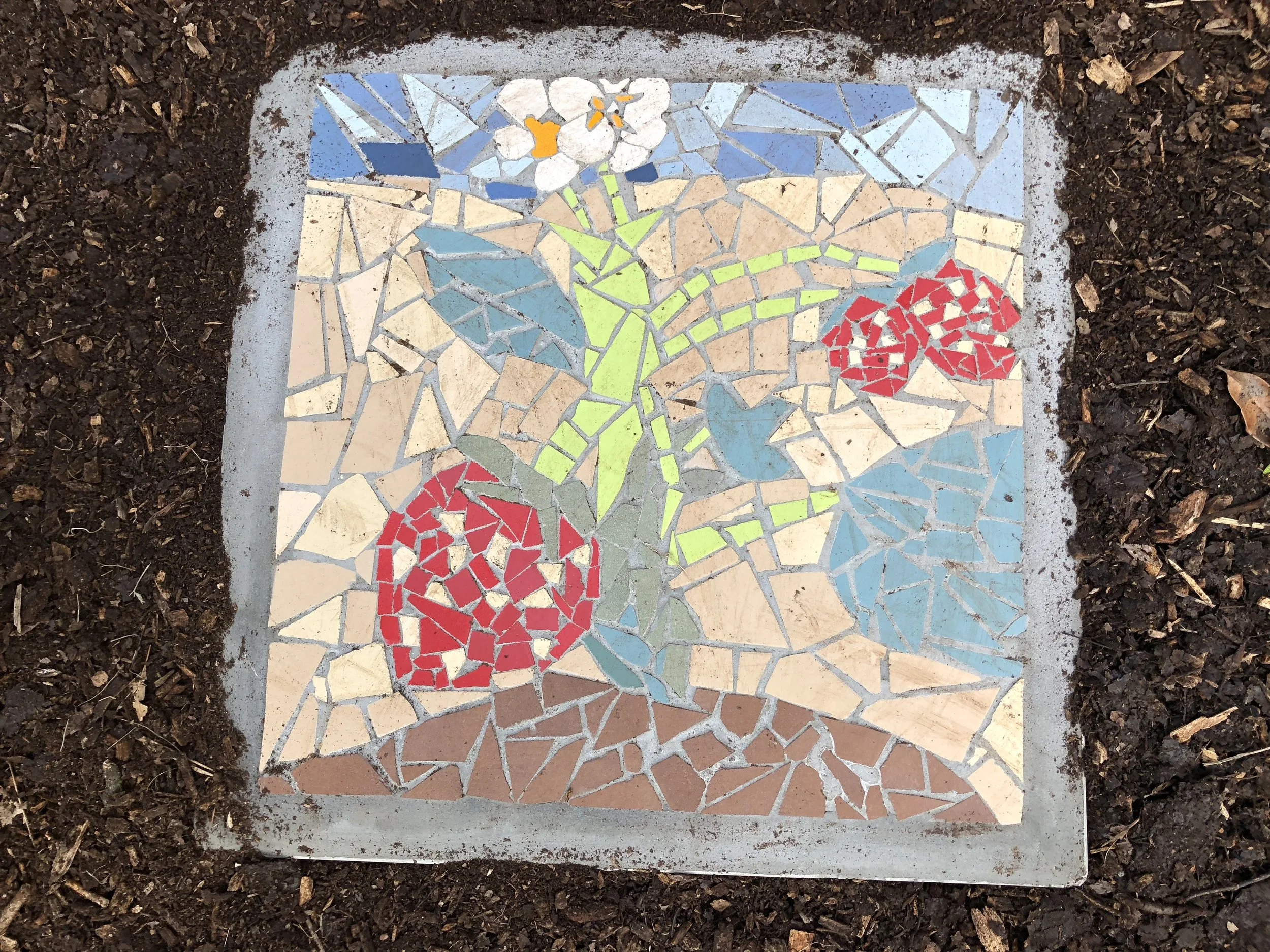
Walking into the Wedgewood Urban Garden feels a little magical. Surrounded by herbs, flowers, tomato plants and art created by local artists. It is a space where volunteers gather, where gardeners celebrate, and where people and plants grow. Recently a new feature has been added to the lower herb garden -- thirteen meticulously made, porcelain mosaic stepping stones.

Walking into the Wedgewood Urban Garden feels a little magical. Surrounded by herbs, flowers, tomato plants and art created by local artists. It is a space where volunteers gather, where gardeners celebrate, and where people and plants grow. Recently a new feature has been added to the lower herb garden -- thirteen meticulously made, porcelain mosaic stepping stones.
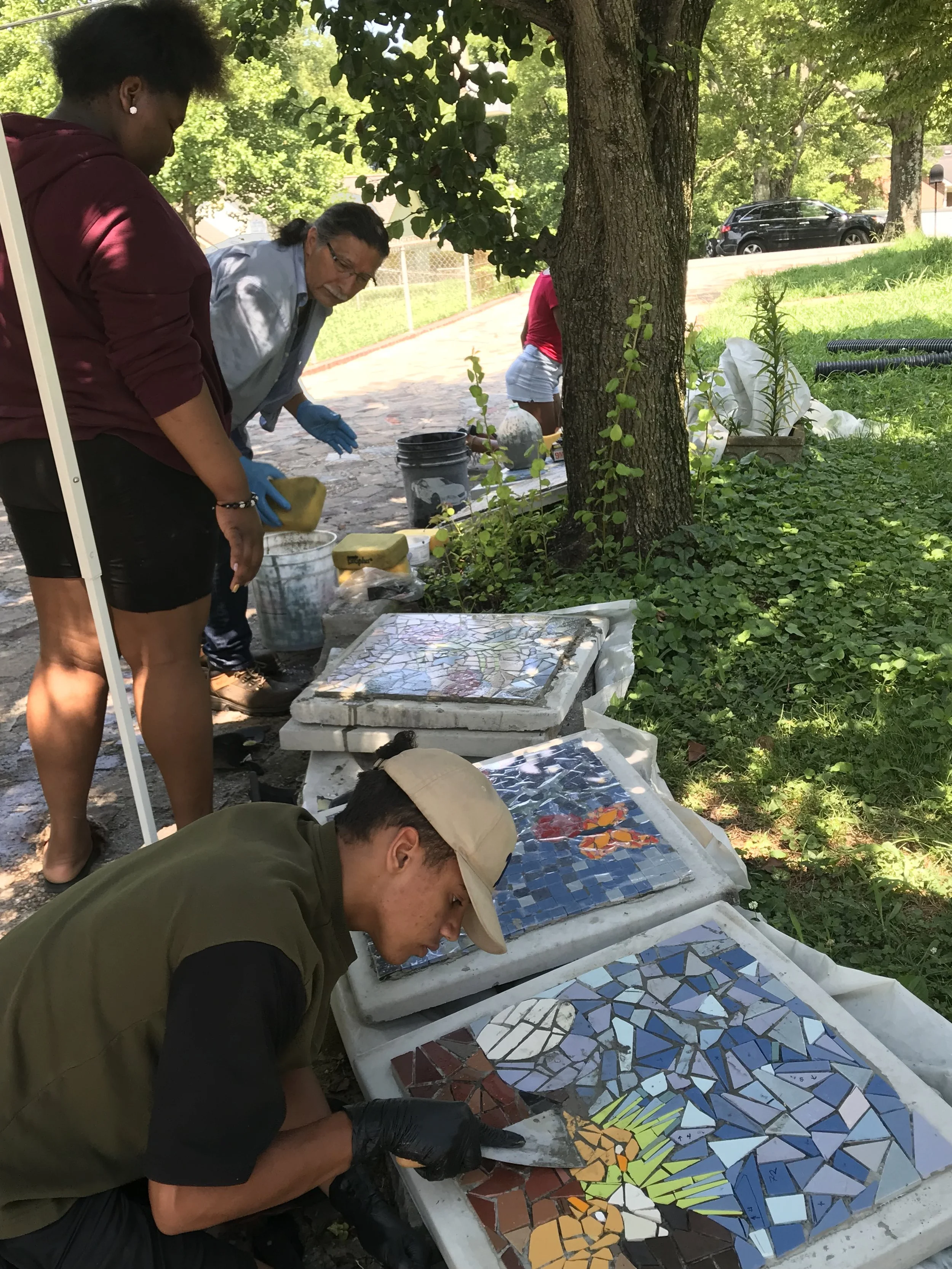
Ten local artists labored hard and creatively over the summer to create the mosaics that each represent a cycle that we see in the gardens every day. An egg hatching and growing into a rooster. Bees leaving their hives to pollinate tomato plants and returning to their hive to make honey. Seeds being sowed in the ground then growing steadily into a strawberry plant. And finally tomatoes being whisked away in a pick-up truck to be enjoyed in a salad ultimately representing the farm to table process.
Who are the artists behind such intricate and thought provoking pieces? 14 and 15 year olds in a summer apprenticeship offered by Metro Nashville Arts Commission through the Opportunity NOW program. Led by local artists Jairo and Susan Prado, as well as a college-aged Near Peer Coach, the kids learned about what it looks like to pursue a career in art. Along the way, students were introduced to guest speakers who shared how their jobs connect to the arts and were shown many types of artwork.
One of the most impactful lessons that students learned was about community based and public art. On a field trip the teens were exposed to public art and had the realization that their own communities had many pieces of public art work. They learned that community art is a way for them to communicate experiences, history, and ideas to people the artist may never meet.
Metro Nashville Arts Commission connected the Prado Studio with The Nashville Food Project, and the Wedgewood Urban Garden became the site of the installation because it is a community space where the pieces could be enjoyed by volunteers and community members. Community Garden Manager, Kia Brown, spoke with the teenagers about the various cycles that occur in the garden. Then each artist chose which part of the cycle they wanted to create on their tile. First, they sketched out the image. Then they transferred the sketches into line drawings that became the template of the stones. In the process they learned how to use the tile cutter, power tools, and the basics of creating a mosaic.
There were challenges in the process. The students realized that creating art is very involved and requires a lot of dedication to take a work from start to finish. Susan said that “at the end of the summer students were able to say ‘I did it’ and have a sense of completion.”
The final installation was officially revealed to the public at a summer potluck hosted by the Wedgewood community gardeners. You can learn more information about Opportunity NOW here. For more information on how to become a community gardener please visit our website.
The Finished Pieces
Plant Cycle


Egg to chicken cycle


farm to table cycle


Pollination Cycle


Reflections of a First Time Gardener
Jasmyn Alvarez, a Wedgewood Community Gardener, reflects on her first growing season in a community garden. She shares information about her goals, how she used the square foot garden method to achieve them, and the results of her efforts.
By Jasmyn Alvarez, a Wedgewood Community Gardener
Finding direction

When it comes to gardening it’s hard to know where to start. Aside from helping my grandmother weed in her flower beds as a kid, I don’t have much experience. I signed up for a community garden plot at Wedgewood Urban Garden this June feeling a little nervous but ready to try. I’m so grateful for Community Garden Manager, Kia Brown, for her advice and tips for starting and maintaining a garden no matter what time of the year. There is nothing like the magic of watching a seed grow into a beautiful plant, then seeing its fruits on my plate!
In the community gardens you’ll find that you have a lot of choices and ways to focus on your goals - it could be to try something new or get outside. One of my goals is to improve my health by eating whole foods and being active. I wanted to use all of my community plot space to grow as many fruits and vegetables as possible, so Kia introduced me to a method called 'Square Foot Gardening.' The idea is that you break up your plot into square feet and plant as many of one type of plant as you can fit in order to maximize the space.
A GUIDE TO SQUARE FOOT GARDENING
STEP 1
The first step was figuring out what vegetables I wanted to plant. I thought about the types of vegetables that I love to eat to make sure that nothing grown would go to waste. Here’s what made the cut:
- Lettuce
- Peppers
- Radishes
- Spinach
- Tomatoes
- Basil
- Beans
- Beets
- Butternut squash
- Cabbage
- Cucumbers
STEP 2
I started my garden plot in July so I needed to figure out what to grow during the heat of the summer and what would have to wait until the fall. Kia has a great guide - anything leafy grows and root vegetables grow when its cool (spring or fall) anything that flowers or produces fruit should grow in the summer. Herbs can be sprinkled in during any season as long as they have consistent water and nutrients. We divided everything up into those two categories.
Spring & Fall Crops
- Beets
- Cabbage
- Lettuce
- Radishes
- Spinach
Summer Crops
- Beans
- Butternut squash
- Cucumbers
- Peppers
- Tomatoes

STEP 3
The next step is to figure out how long it takes the plants to go from a seed to being harvested which is also known as “days to maturity.” You can find this number on the seed packets or online. Its best if you know the specific variety of the plants you want because that can change the time it takes to grow. Since I started my plot in June I only planned the days to maturity for summer crops.
Summer Crops (Days to Maturity)
- Beans (50-60 days)
- Butternut squash (85 days)
- Cucumbers (55-65 days)
- Peppers (70-90 days)
- Tomatoes (65-70 days)
STEP 4
Next I looked at if I planted them on that day when would all of the crops be ready to harvest. For plants that take a long time to mature like squash, peppers and tomatoes it may be helpful to purchase plants that have already started to grow and transplant them into the garden. In general they should all be ready to harvest between the end of July through August. That is a lot of produce to be harvested in just a few weeks so the next step is to plan out successions. Meaning I can plant half of my crops in the beginning and plant the rest of it two-three weeks later. This way I can eat these amazing vegetables for months instead of weeks.
STEP 5
The final portion of planning the garden is figuring out how many plants fit into each square foot. For example, I can fit 4 green bean plants in one square foot, one tomato plant into 4 square feet. I wrote out exactly where I wanted to put each plant on a piece of paper.
STEP 6
The last step in starting the garden is the most fun - planting my seeds and transplants!
How’d It Grow?
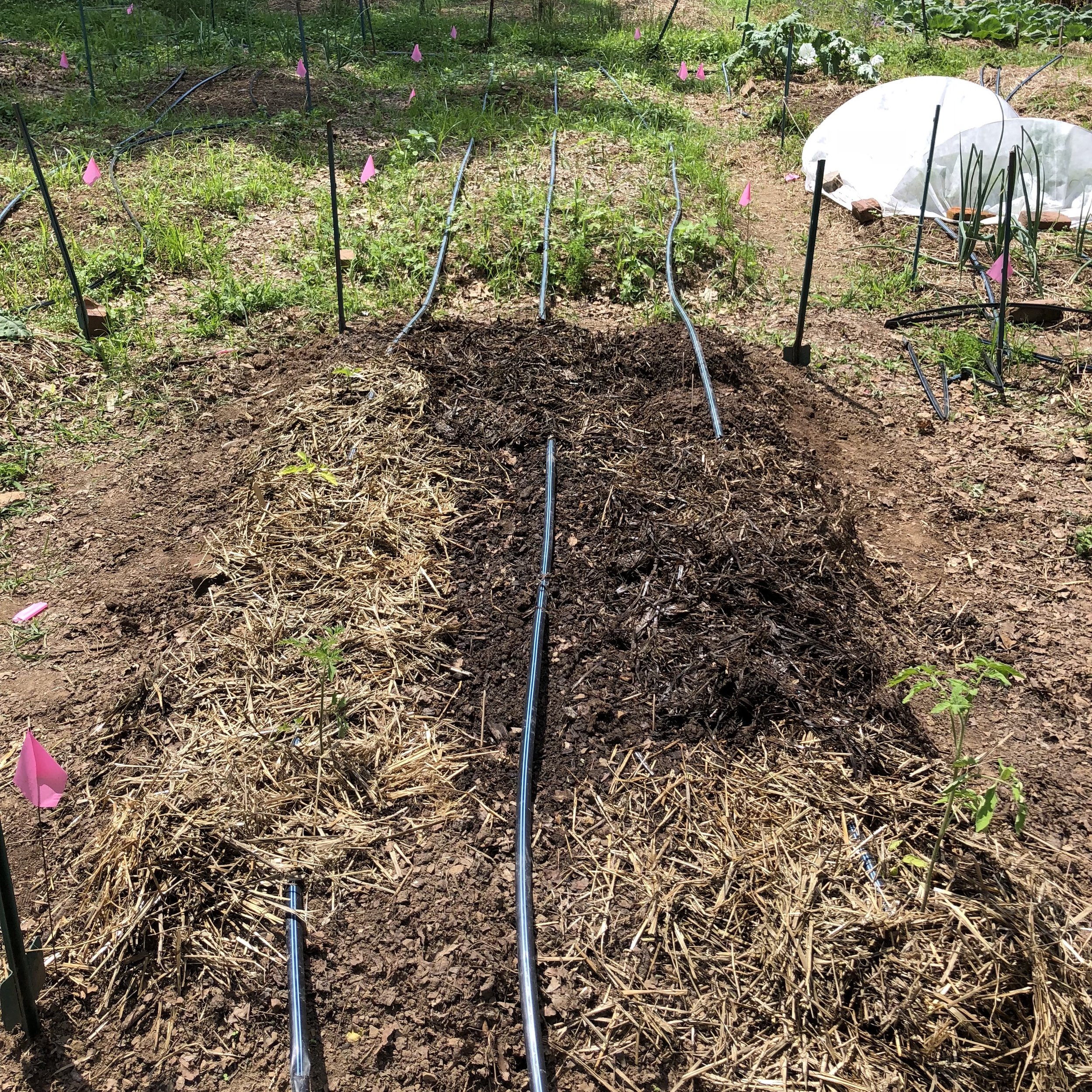
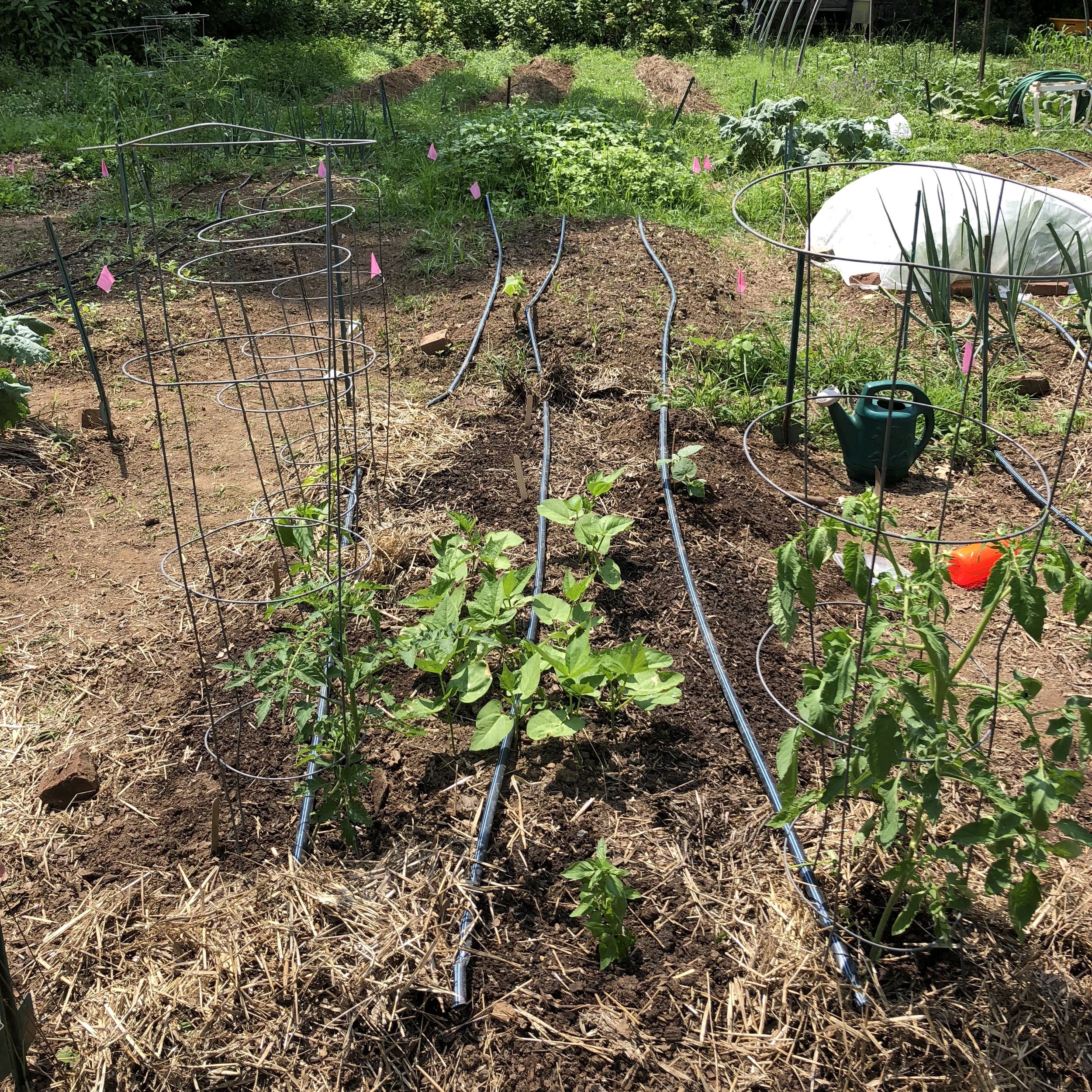
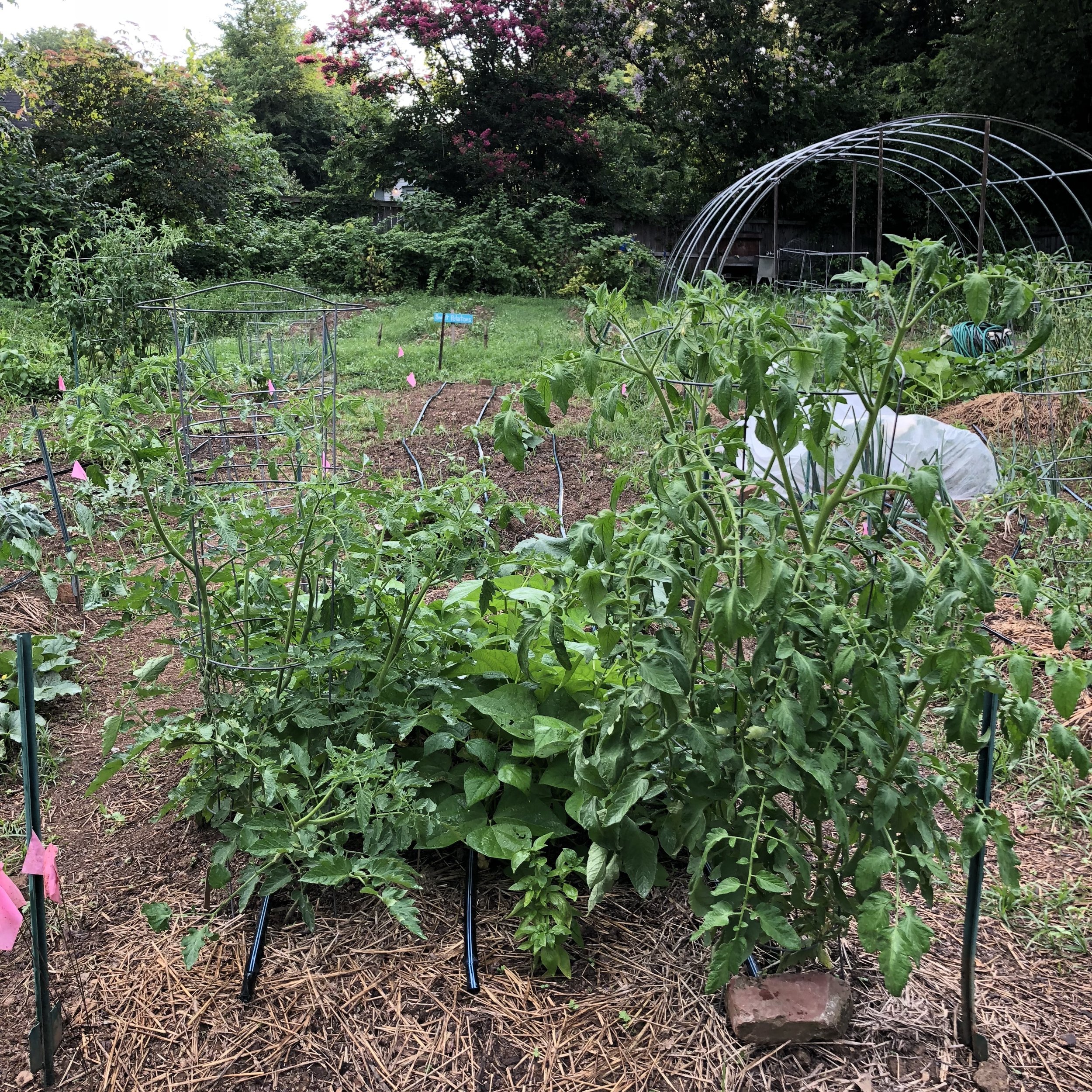
There were some parts of my plan that had to be reworked once I started planting my crops but overall I have a great idea of what produce I’ll have in the next few weeks. I’ve enjoyed spending more time outdoors and even getting some exercise by taking care of my garden plot. What I’ve learned the most from growing a garden is that food is amazing. The time and energy that goes into growing food makes you appreciate the flavors and nutrients you get when you eat it. I’ve already started planning out all the ways I’m going to eat my food so that none of it goes to waste. Although the experience has been new, thanks to Kia, I now feel I have the tools and resources to successfully start a garden. I’ve had a lot of help from my “Garden Brothers & Sisters” too!
The Nashville Food Project is currently enrolling gardeners for the Wedgewood Urban Garden near the fairgrounds. For more information and to find out if you are eligible for a plot, please visit www.thenashvillefoodproject.org/signup.
Dead Nettle, Henbit, Chickweed, Bedstraw
This spring, staff from local garden care company, The Weeding Woman, led TNFP's garden staff in a workshop on... you guessed it... weeds! Our Production Garden Assistant, Jacob Siegler, reflects on the experience.
This spring, staff from local garden care company, The Weeding Woman, led TNFP's garden staff in a workshop on... you guessed it... weeds! Our Production Garden Assistant, Jacob Siegler, reflects on the experience.

On a rainy Saturday, a group of gardeners sat around a picnic table at Wedgewood Urban Garden and munched on Violet flowers. A few minutes into the workshop, one of The Weeding Woman staff reminded us that a weed is just something you don’t want to be there. In other words, in a bed of eggplant, a tomato is considered a weed. We all mucked through the brisk morning, learning the names of all the weeds in our garden.
In a garden space filled with vegetables, herbs, and flowers grown purposefully, I wasn’t used to spending time getting to know all the plants that we didn’t want to be there. I wonder if other gardeners resonate with that. We spend a lot of time getting to know the plants we want, but often neglect not only the names of our weeds, but also the fact that they have been, and will continue to be, coming up in our gardens.

The Weeding Woman was founded by Jennifer Johnson in 2005. Laid off from a job in the film/ television industry, she started thinking about her love for gardening. When she ran into a couple she knew at the Cheekwood Native Plant Sale and told them she had pulled all the weeds in her garden, they hired her to do the same in theirs. That was the first seed. She realized there was a demand in Nashville for knowledgeable, dedicated gardeners who could come in and hand-weed residential gardens. After getting a few early gigs, the organization took off. Now, with a team of nine and growing (they are looking to hire!), The Weeding Woman works in yards across the city, as well as a project at the Hermitage. Their work allows homeowners to avoid spraying chemicals in their gardens, and provides thorough and informed weeding, planting, and garden design.
Later in the workshop, we received a lesson on the medicinal properties of our weeds. Chickweed can be used for stomach problems. Henbit is high in iron and can be used in salads. Dead nettle is anti-inflammatory. Violet flowers can be eaten, candied, and used for tea, and have historically been used as a treatment for cancer. There is a whole world of benefits in the plants I, for years, have mindlessly ripped out and thrown away.

After the workshop, I didn’t all of the sudden start saving all our chickweed, or drinking violet tea in the morning. But, putting a name to a plant and understanding its value to humans cannot be overlooked. It allowed me and continues to allow me to build relationship with a space, in getting to know its species and their differences.
As gardening and agriculture become increasingly mechanized, the value of real hands performing precise, careful work cannot be understated. The intention required to ‘get to know’ your weeds has a value that, in my opinion, extends beyond the garden. When we explore something deeply, we understand it on a level that allows us to communicate it to others. Learning from The Weeding Woman in our garden was this glorious deliverance of information. They showed us how to explore more deeply in a space we thought we knew. They reminded us that there is always more to explore.
Learn more about The Weeding Woman and request a free home garden consultation on their website, or get some experience with weeds first-hand by volunteering in a TNFP garden!
Growing Together’s New Fall CSA
Just as a garden feels constantly in motion, so too is the Growing Together program itself evolving and growing. This year our program has exciting news to share -- the Growing Together farmers will be growing for a Community Supported Agriculture (CSA) program for the first time!
By TNFP's Growing Together Program Manager, Sally Rausch

Purchase your Growing Together CSA share today!
While this year’s cold and rainy winter seemed unending, these sunny days and quickly rising temperatures are striking evidence that the growing season is among us! At The Nashville Food Project’s market garden, home to our Growing Together program, we’re seeing new growth all around. The cover crop is tall and flowering ready to be cut down and used as mulch or incorporated into the soil, leafy greens are getting bigger by the day, radishes are poking the tops of their heads out of the soil, and summer transplants are in the ground reminding us that tomato season is quickly approaching.
Every day I walk through the garden I see something new or changing. And just as the garden feels constantly in motion, so too is the Growing Together program itself evolving and growing. This year our program has exciting news to share -- the Growing Together farmers will be growing for a Community Supported Agriculture (CSA) program for the first time!
Currently, seven farmers participate in the Growing Together program, growing produce to sell through various markets around Nashville. All of these farmers came to Nashville as refugees from Burma and Bhutan and bring with them collective decades of agricultural experience and knowledge. This program is an opportunity for these farmers to practice their livelihood and their trade in a city with rapidly rising land costs, barriers to farming for so many who want to grow food, and in a state with some of the most historically anti-immigrant and refugee policies in the nation.
As this program has grown, the market outlets available in the program have as well. Two years ago, farmers primarily sold their produce at a weekly farmer’s market. Last year, farmers had more opportunities to sell through the online food hub Nashville Grown, a platform that connects local restaurants with local farmers. This additional market outlet allowed the farmers’ collective sales to nearly double from the previous year!

As Growing Together continues to evolve as a program, we look for ways the program can grow that will offer opportunities for farmers to gain increased control over their growing and marketing processes. This year, the farmers are selling their produce at the Richland Park Farmer’s Market every Saturday, weekly to restaurants such as Thistle Farms and Two Ten Jack, regularly to a variety of restaurants each week through Nashville Grown, and (for the first time this year) through an 8-week fall CSA!
You may be asking... why a CSA?
CSAs are quickly becoming more widespread around the country, as the local food movement becomes more popular. A CSA model connects customers with local farmers by offering customers the opportunity to purchase a “share” or investment in a farmer. Typically, a farmer will offer a certain number of “shares” to the public - a weekly box or bag of produce from their farm. Interested customers purchase a membership in the farm at the beginning of the season and then receive a share of produce each week during the CSA time frame. Many farmers like this model as it allows for deeper connection with customers throughout the season who have chosen to support a farmer despite the possibility of crop failure, weather, or other uncontrollable circumstances. This decreases the farmer’s risk, and farmers work hard to ensure that their “shareholders” are getting a variety of delicious vegetables each week with the comfort of knowing they have a reliable and steady market for them.
Further, in the CSA model, the Growing Together farmers have the opportunity to gain even more control over what they are growing to sell and what goes into the CSA share each week. This way, a farmer can grow the food they also want to eat and use these varieties to fill their CSA box, with leftovers going home to be cooked into delicious meals for the farmer and their family rather than going to waste.
While Growing Together is a collective of seven farmers, the CSA will provide an opportunity for each customer to be connected with one farmer throughout the season. Each week, the customer will receive a bag of vegetables grown and harvested by that farmer, creating the opportunity for the customer to get to know the farmer as well as learn more about vegetables that may be new to them.

Just as our gardens require time and attention to see these momentous changes throughout the season, so too does our work at The Nashville Food Project require evaluation and evolution to ensure that what we do is on the pathway towards building greater community food security – the Growing Together Fall CSA is just one stone in this path.
And… If 8 weeks of local, naturally grown produce excites you, we invite you to purchase a share! Customers are encouraged to sign up and pay for shares no later than June 15th, an up-front investment in the farmers’ success. The CSA will run from September 1 through October 20, with pick-up of shares each Saturday at the Richland Park Farmer’s Market between 9:30 am and 12:30 pm. Learn more and sign up here.
Small Seeds, Big Lessons
Bridget grew up helping her grandfather in his garden, harvesting black eyed peas and picking flowers with her grandmother. But her community garden plot with TNFP was the first growing space that she was able to call her own, where she’s learned lessons from the garden are lessons for life!

I met Bridget on a bright, sunny day. Like most conversations in Nashville the weather was the first thing we talked about. It wasn’t a topic to break an awkward silence, rather Bridget was enthusiastically sharing that she was hoping for a few more weeks of winter. She explained that some of her seeds need cold weather when they are planted in order to flourish so she’s hoping the sunshine will hold off for a few more weeks. This is just one of the many lessons that Bridget has learned in her time as a community gardener at Wedgewood Urban Garden.
Bridget grew up helping her grandfather in his garden. She enjoyed helping him harvest black eyed peas and picking flowers with her grandmother. However, she says that her community garden was the first growing space that she was able to call her own. I asked Bridget to explain how being a community gardener over the past four years has impacted her life and she shared her life lessons with me.
Treat the earth right and it will return the favor
Growing a plant is a simple balance of water, soil, and sunlight but it takes time and attention. Being in tune to the needs of plants and patiently watching them grow gives you an appreciation to how delicate the act of growing is.
“I pay attention more to nature and gardening has made me appreciate it on a whole other level. ”
When you give the earth and plants what they need they will give the same back. Last year Bridget grew enough produce to make a meal every day. Even last week she made a dinner with bell peppers that she harvested and stored last summer.
Don’t be afraid to try new and different things
Christina Bentrup, former TNFP Garden Director, spent time with Bridget in the garden probing her to try new things. “She would say ‘try this’ and eat something right off the vine! I’ve learned that from her.” This was the first step in her trying new things - she seeks new vegetables for her garden, like kiwano and squash, and grows them using trial and error. This process has been a gateway to Bridget’s personal growth.
“Now, I’m not afraid to try bigger things in life. What could be the worst thing to happen? You fail. Then you try again. If you don’t want to try again then you keep moving.”
Don’t judge a plant by its foliage
Bridget’s favorite addition to her garden is kiwano, an African jelly cucumber. It took a long time to grow with an abundance of leaves but no fruit in sight. While preparing to pull the plant from the ground she was surprised with several cucumbers tucked under the fence. Unlike local varieties that soak up the sun, these cucumbers were hiding beneath a plethora of leaves. The taste and texture of the plant was equally unexpected. “It was interesting to see people’s reactions to how [kiwanos] look. They look like a weapon but you cut it open and it’s so opposite of its hard and thorny exterior...[It’s] soft and gooey on the inside.” It was so tasty that Bridget is growing it again!

Share what you learn
Growing a garden has pushed her toward healthy eating. “It feels good to eat what you grow, I know what I’m putting in my body.” Bridget has started a chain reaction in her community. She sells and shares her vegetables with community members, co-workers and friends and created Zysis Speaks, a blog sharing tips for gardeners growing in small spaces. She has seen the impact that her produce has made with others. “Last year I grew spaghetti squash and posted live videos, pictures, and info about how to cook it. The next thing you know someone else posted their pictures showing that they did it, too. If I hadn’t grown it I probably would have never tried spaghetti squash.”
Find your roots
The connection of growing her own plants has led to healthy changes in eating and appreciating the beauty of nature.
“When you go to a grocery store and buy a flower there’s not a connection.
There’s not a part of you in that plant. But if I’ve touched a plant,
a part of me is in that plant.”
In her garden she has also developed a new connection to her grandparents and ancestors who had a farming background. “Now I can understand why my grandfather planted black eyed peas. I also think of my grandma out there picking peas when I’m here in the soil and the dirt.”

Reach for the sun
Bridget noticed that some seedlings were growing tall and skinny, and she wondered why. She learned that when plants are not getting the sunlight that they need to grow they will elongate towards the sun.
“[The plant] will reach to get where it wants to be. If plants can overcome their struggles so can I.”
For more tips and information, view Bridget’s blog Zysis Speaks or follow her Facebook page. If you are interested in signing up for a community garden plot at McGruder Family Resource Center or Wedgewood Urban Garden please submit an application at bitly.com/tnfpgardenapp.
Learning as a Collaborative Community
Though the days are short and the winter air is cold, TNFP garden participants are busy planning and training for the season ahead. Regular garden trainings with our Community Garden and Growing Together programs provides space for learning and knowledge-sharing.

Though the days are short and the winter air is cold, gardeners are planning and training for the growing season ahead.
Wednesday morning we arrived at Hillcrest United Methodist Church and followed the signs to the room where Growing Together winter trainings take place. Esther was the first farmer to arrive -- true to her punctual nature. Esther and her husband Thomas have been in the program since its inception in 2013. Both arrived to the US as refugees from Burma and found a new home in Nashville. Thomas has a background in farming and agriculture from his roots in Burma. Over their time in Nashville he’s shared his knowledge with Esther and she too is now a highly skilled farmer and Growing Together veteran. As each farmer walks through the doors the room becomes a space for learning, sharing, and building.
We are At-Once Both Students and Teachers

At TNFP we believe that every person has wisdom to share and lessons to learn. We can learn from the experiences of others if given the opportunity to listen. This value is foundational to the design of both TNFP’s community garden program and market garden program, Growing Together. Beyond simply providing access to land, these programs facilitate space for knowledge-sharing through regular trainings. From the moment the gardens close in October, TNFP program staff are planning the trainings for Growing Together farmers and community gardeners. These trainings officially began in January for the Growing Together program and the New American community gardens.
Both programs work with community members who originally came to the US as refugees from Burma and Bhutan and who have agrarian backgrounds of varying degrees. For some, they began farming in childhood growing the vegetables that were used in family meals. For others, they grew crops in the hopes of selling them in the markets and to make a living.
Growing Together: Sharing Knowledge for Collective Success

The Nashville Food Project's agriculture training program Growing Together is designed to expand access and opportunity to people from agrarian backgrounds. Through our program, farmers gain access to land, inputs, seeds and training, and continue to build upon their farming skills and earn supplemental income though the sale of their produce.
You may be wondering -- if the farmers and gardeners have such a deep founded knowledge of farming, why do they need trainings? These trainings aren’t about one “expert” conveying knowledge to a group. Instead, these programs create a multi-generational space for community building and knowledge sharing. Our Growing Together Program Manager, Sally Rausch, shares, “This is a collective project, and part of the training is how people work collectively using the same resources. The trainings offer both opportunities and relationship building so they can be a successful collective.”

Through end-of-season interviews the farmers expressed that they wanted more marketing outlets and to improve their sales. This feedback has been heavily incorporated into this year’s trainings. The trainings will cover topics like marketing outlets, customer preferences, and planning crops so that they will be at peak harvest quality for customers looking for their unique crops. At the most recent training, farmers were asked to share what sold the best at the Richland Farmers’ Market and what items didn’t sell as well. Then they planned out what crops they wanted to sell through the farmers market, Nashville Grown, and through a new CSA program that the farmers are piloting this year. By working together and sharing feedback, farmers are learning how to best plan and sell their crops through individual outlets as well as through their collective outlets as a group.
During the training sessions, the lines of student and teacher are blurred. Each gardener and farmer has a plethora of knowledge to share. After three training sessions Sally mentions “Gosh... I’ve already learned so much from the farmers. It’s my goal to have the trainings be an interactive experiential classroom where we are all learning from each other. I want to get to know the farmers and learn about their perspective and experience because they know how to grow really high quality produce… I think about my job as, ‘How can we integrate that valuable experience into the trainings to go even deeper and support the farmers in being more successful?’”
Community Gardens: Building a Foundation through Past Experiences

TNFP's community garden program facilitates three community garden sites across Nashville, providing access to land, supplies, and ongoing training. There are two New American community gardens, with these spaces held for Bhutanese and Burmese community members of any skill level. These sites begin trainings in January with the growing season kicking off in March. There are two neighborhood community gardens in North Nashville and Wedgewood Houston. These sites start trainings during the growing season with plots open to neighbors.
The New American community garden training is more comprehensive covering topics that all gardeners should know to succeed like what crops grow best in Nashville and when they should be planted. The purpose of these trainings are to make sure everyone is on the same page.
Similarly to the Growing Together program the topics are chosen based on gardner feedback during end of season evaluations and challenges in the previous seasons. Our Community Garden Manager, Kia Brown, explains, “In the past there has been a difficulty in understanding the irrigation system that we use. This year as a planning stage we are going in depth on how the system works, how to fix it, and how to plan crops so that they work best with it.” In this scenario Kia observed that the gardeners’ traditional farming methods did not work with the irrigation system offered last year. To overcome a problem that so many struggled with she has planned an in-depth training on irrigation.

In all TNFP programs there is an opportunity for everyone involved to be both teachers and learners and create a flow of knowledge sharing. Kia shares that she wants to explore the three sisters planting method. In this method each plant has a purpose - corn is used as a trellis for pole beans and squash is planted at the base to reduce weeds. Kia says, “it uses a comprehensive system where everything grows and dies at the right time all while something else is taking place. It’s something I’ve learned from the gardeners and that I am still learning about.”
TNFP garden training programs allow gardeners to expand on the skills they already have and learn from the trial-and-error of others while also gaining the opportunity to be introduced to new farming methods and tools that may bring them success. Garden trainings are a space created for all involved to learn and grow from one another embodying our value of learning. For more information about our garden programs please visit our website.
Nothing Wasted: Summer Gardens
Every fall, when we start to feel that first nip in the air, it signals that it’s time to close our summer gardens. It’s a time we look forward to around here, a time when we get our creative juices flowing to come with new ways to save and use what’s left in our gardens.
Every fall, when we start to feel that first nip in the air, it signals that it’s time to close our summer gardens. While we’re still planting heartier winter crops during these colder months, we do have to harvest all those spring and summer crops still left at the end of the season. It’s a time we look forward to around here, a time when we get our creative juices flowing to come with new ways to save and use what’s left in our gardens.

This time of year, the most common things left in our gardens are herbs, peppers, eggplant and green tomatoes. For the peppers, we like to dry them with ristras, and use the dried peppers in all sorts of different recipes. To use up the other veggies, we love making eggplant parmesan, salsa verde and stuffed peppers. Most of these freeze well so you can enjoy them long into the winter.


The herbs, though, let us get really creative! We like to dry them in our dehydrator and use them in tons of handmade products that we sell around the holidays at our now annual event Scratch Made. We make a number of teas, herb-blended salts, simple syrups and more.
Here are some of our favorites and things you can expect to see at this year’s Scratch Made:

Herbal tea blends: We love a good tea around here! Some of our favorite tea-making herbs are stinging nettle, peppermint and lemon balm. At this year’s Scratch Made, you’ll find tea blends for women’s health, relaxation, general health and a yummy one just to brighten your day.

Herbed salt blends: These are always a crowd pleaser. This year, we’re bringing back favorites like dill salt, gomasio and our Italian blend with rosemary, parsley, thyme, tarragon and oregano. New this year, you can buy hand-made za’atar and a zesty lime salt.

Simple syrups: Flavor-infused imple syrups are great for adding to coffees and cocktails. This year we’ll offer ginger, rosemary, jalepeno, turmeric and lavender simple syrups.

Salve and lip balm: Don’t forget the bees! We always love making products that make use of beeswax from our bee hives. This year we’ll have the popular comfrey wound salve and an all-natural lip balm.
This year we’ve added a new product: fermented hot sauce. We used lots of hot peppers grown by the Growing Together farmers to make this delicious sauce that we’re excited to share with you. If you want to make your own, here’s our recipe:

Ingredients
1 cup hot peppers, washed and stemmed (about 6 medium-sized peppers), we used jalapeno, serrano and cayenne peppers
1-1/2 tsp salt
1-1/2 tsp sugar, optional
1 tbsp whey
Water
White vinegar to taste
Directions
Place hot pepper, whey, salt, sugar and enough water to cover in a jar, and seal. Place har in a warm place (around 70 degrees is optimal). Over the next 3-5 days, gently agitate the jar 1-2 times a day. You’ll notice the brine will become cloudy.
Blitz the peppers and seeds in a blender or food processor. Be careful not to splash. A well-ventilated area is best for this. Pour the puree into a jar. Add white vinegar to taste. Store in the refrigerator. This will keep for several months.
Learning Together
We often say that food has the power to transform lives, and we see this so clearly in our Growing Together program. Growing Together is The Nashville Food Project’s agricultural micro-enterprise training program. Through it, we work to expand farming access and opportunity to a group of growers who are originally from Burma and Bhutan.
We often say that food has the power to transform lives, and we see this so clearly in our Growing Together program. Growing Together is The Nashville Food Project’s agricultural micro-enterprise training program. Through it, we work to expand farming access and opportunity to a group of growers who are originally from Burma and Bhutan. Through the program, farmers gain access to land, seeds, training and collective sales outlets, supporting them as they grow food to sell and earn supplemental income for their families.

While food is the tool of Growing Together, education and transformation are the results of the program, for both The Nashville Food Project and the participating farmers. Not only do the farmers learn important skills from our staff, but they learn from each other, and we learn from them! We recently sat down with one of these farmers, Chandra Paudel, to talk about what he has learned and what he has shared with others by participating in this program.
Chandra, like the other Growing Together participants, worked as a farmer in his native country of Bhutan. While he began the program with vast farming knowledge, he tells us that he has enjoyed building upon that knowledge.

“This year I learned about how to look for pests and control them,” he says, adding that he has also “Continued to build on the bed preparation skills.”
Growing Together Program Manager Lauren Bailey can attest to that. “Chandra’s plot is meticulous; the time and care that he devotes to tending his plot is unmistakable.”

Chandra says that in addition to honing his farming skills, he has also learned more about budgeting, record keeping and crop production planning. On one Saturday each month you can see him at the Growing Together booth at the Richland Park Farmers’ Market. There Chandra is able to interact directly with his customers, showing them new types of produce not often grown in Middle Tennessee, while gaining the skills and knowledge necessary to grow for and sell at market.
Lauren tells us that Chandra manages his household and his plot, while also working as a paid leader of the Growing Together community, giving him added responsibility of upkeep of the common areas on the farm.

“Chandra shares so much with the community of growers and the staff,” she tells us. Lauren explains that Chandra truly is a leader in his Growing Together community. “He embodies this leadership in his willingness to take on new techniques and apply information that staff share in trainings and meetings. I think of him as an “idea champion”. If staff suggests a certain pest control practice or harvesting tip, he is often the first to positively respond with an eager nod.”
Growing Together is strengthened by Chandra and farmers like him, who enrich the practice by sharing of themselves. The reality of community-shared farmland can often be messy and unpredictable, but this incredible community makes it work with their willingness to learn with us and one another.
