
The Nashville Food Project’s Blog

Not Just About the Meal
It’s not just about the meal. We want our food to be the backdrop, the engine, the song in the background of all the good work of our partners. A few weeks ago, we received the note below from our amazing meals partner Preston Taylor Ministries - her feedback on a recent meal shared by TNFP with their community…
It’s not just about the meal…. we want our food to be the backdrop, the engine, the song in the background of all the good work of our partners. A few weeks ago, we received the note below from our amazing meals partner Preston Taylor Ministries - her feedback on a recent meal shared by TNFP with their community.
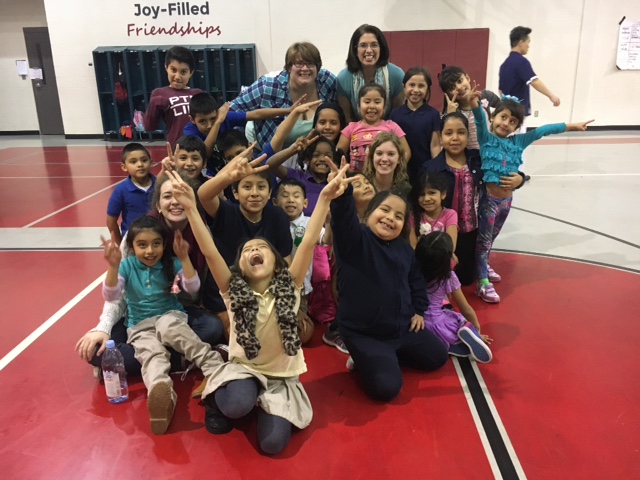
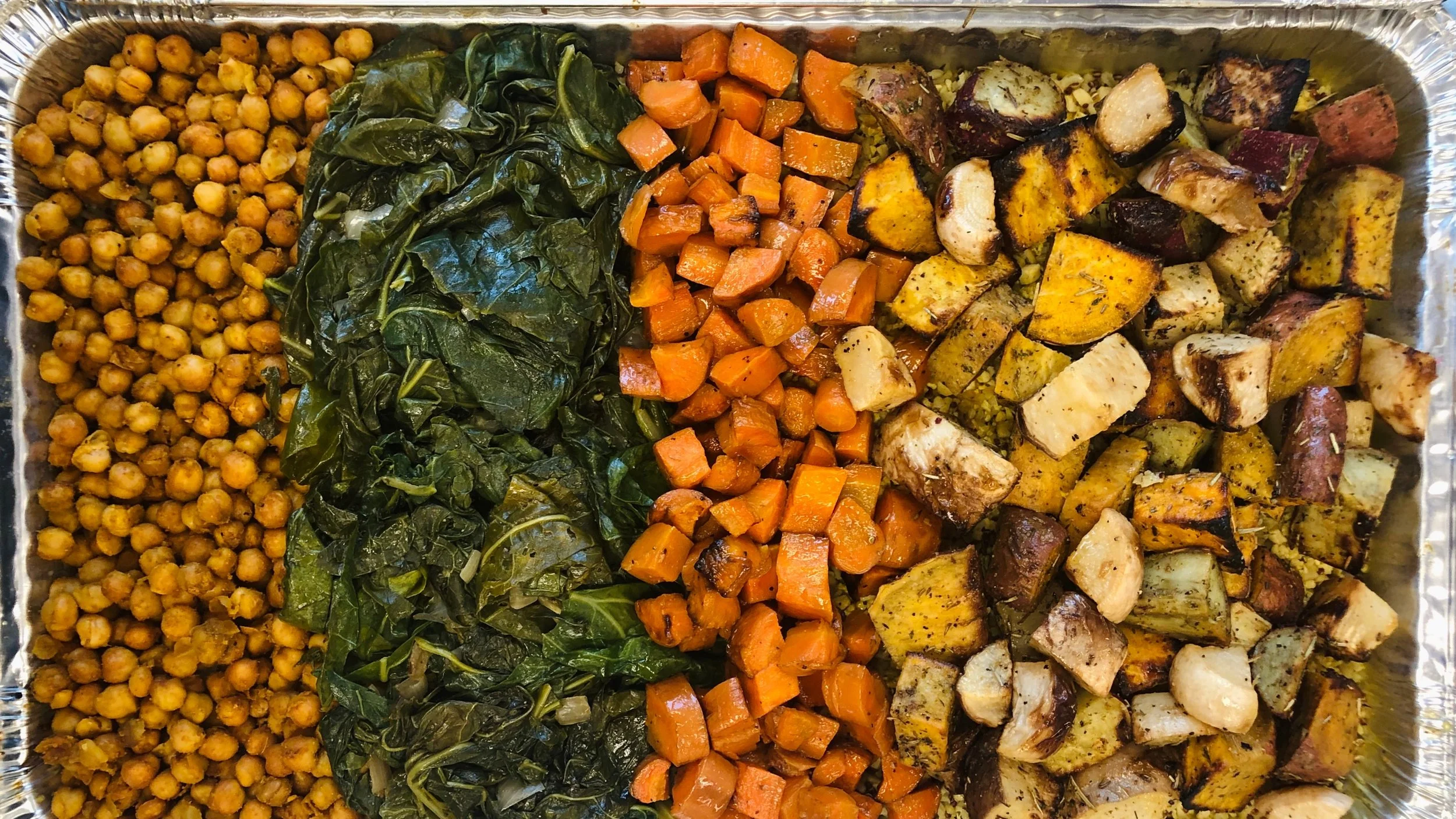
“Just wanted to let you know what an amazing time we had last night. With holiday music playing, red sauce aromas coming from the kitchen and parents streaming through the door in droves speaking 3 different languages, it was a magical night. As always, we were able to share your story, not just about the meal, but with all the fresh produce, fruit, labor and love that you lavish on us all year long. I’m always so grateful when I get to brag on how rarely I serve a Cheezit and I couldn’t do that without the consistent and intentional ways in which you serve our students and families. We had about 8 new families there that had never experienced our community supper and several came up to me to tell me what a delicious meal it was. We had 96 RSVPs and as usual, close to 120 plates handed out. The meal was super simple to serve and with all the prep work done by you, it gave me time to kiss new babies that weren’t here last year and hug on grandparents I haven’t seen since our summer meal. Wednesdays are long because we have students at PTM starting at 1:30pm and very little time to turn the gym into an event space. But your hard work of getting a meal prepared gives us the freedom to love them well, so it’s with a grateful heart that we say thank you. ”
The Nashville Food Project is more committed than ever to making our Nashville community healthier and happier by supporting partners like Preston Taylor with good food! Is there a way food could support the work of your organization or community group? Click here to learn more about becoming a meal partner.
Gratefull : A City-Wide Thanksgiving Feast
Last Monday, The Nashville Food Project was excited to participate in a new event held in Nashville this year: Gratefull, a city-wide Thanksgiving potluck. Many Americans celebrate Thanksgiving as a time for reflection and gratitude, shared with loved ones over a meal…
By TNFP’s Meals Director, Christa Ross Bentley

Last Monday, The Nashville Food Project was excited to participate in a new event held in Nashville this year: Gratefull, a city-wide Thanksgiving potluck. Many Americans celebrate Thanksgiving as a time for reflection and gratitude, shared with loved ones over a meal. At TNFP, we have experienced firsthand that sharing a meal has a powerful effect on each of us.
Gratefull, through the support of sponsors, community volunteers, and one long table, is a shared meal intentionally designed as an agenda-free platform to unite neighbors within divided communities over something we all share, food. This idea sparked our interest as a beautiful example of the vibrant community food system that we work towards every day.

The history of Gratefull is worth including here! The original event was held in Chattanooga, and is shared below as they describe on their website.
“Originally called One Table, this event [Gratefull] was born from a desire to unite different groups of people in Chattanooga, Tennessee. In 2014 the staff of Causeway, a local nonprofit, were walking to lunch discussing the invisible wall that stood on Martin Luther King Boulevard, dividing two of the city’s green spaces. One was known as a popular venue for outdoor concerts and played a key role in Chattanooga’s startup culture. The other was known as a place for people experiencing homelessness, or who lived in the nearby public housing unit. They decided to invite both sides, and the broader groups that they represented, to share a meal at one table in the middle of that dividing line.
The first year, 700 people showed up to what everyone thought would be a one-time event. Because the city embraced it so much, it has since become a beloved tradition. Each year, it grew in numbers and in heart. Last year, 1500 neighbors showed up and 100% of the people who took our survey said that they had a conversation with someone they had never met before.”
You can also read more here in an article written about the event by The Washington Post.

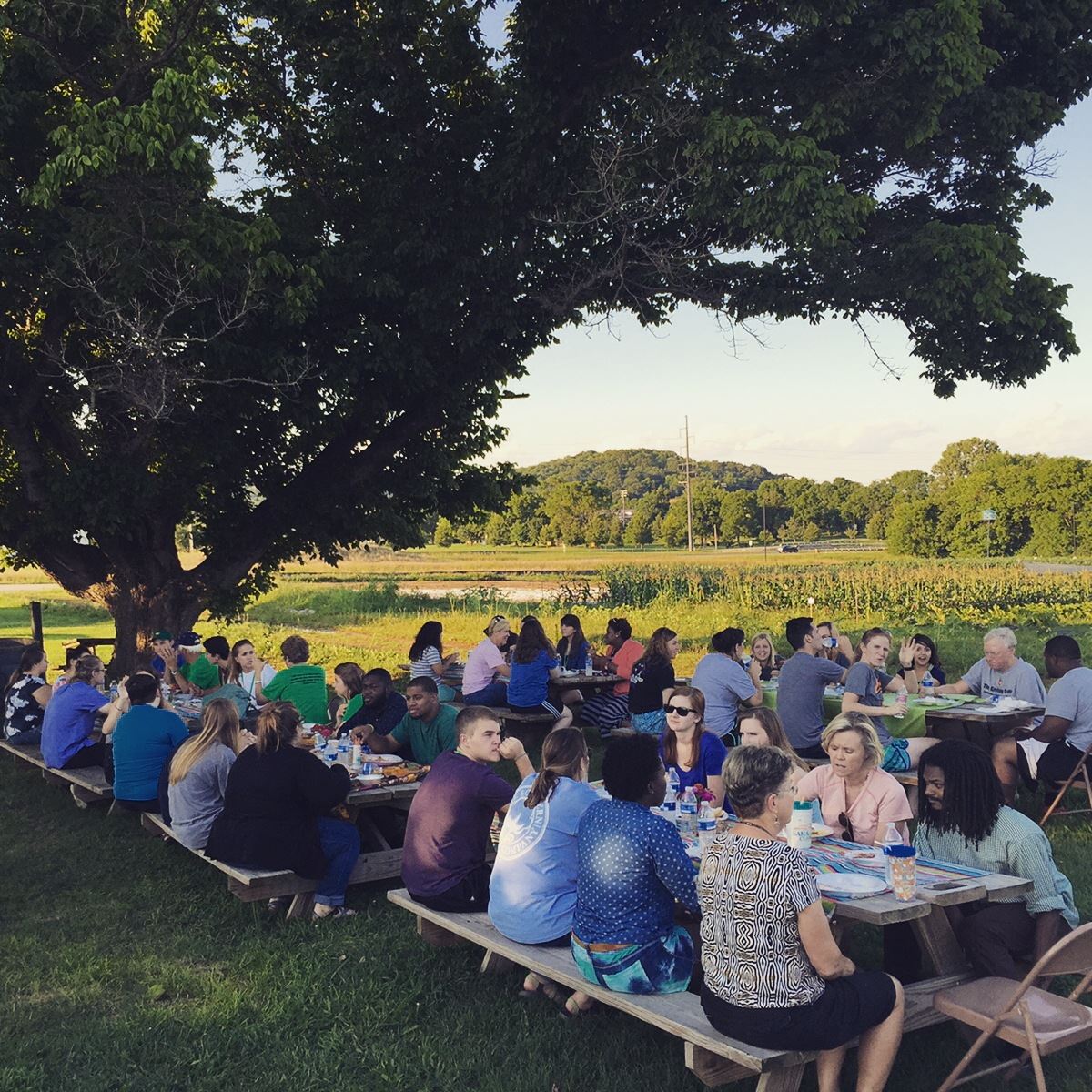
The Gratefull: Nashville event was held outside of the Edgefield Baptist Church on Russell St. in East Nashville. Together, a group of incredible volunteers gathered to set up the event, serve the food, and clean up. While community members ate, they were serenaded by Terrell Hunt, The Cumberland Bend, and the Warner Elementary School Choir.
Of course, the highlight was the many tables groaning under mountains of delicious food. Just a few of the local businesses and restaurants who donated food included Margot’s, Marche, Martin’s BBQ, Taco Mamacita, EastLeigh Desserts, and Butcher and Bee. Many neighbors and friends also brought their favorite Thanksgiving dishes to share.
I was lucky enough to get to enjoy this meal with a friend. We filled our plates and went to sit down, deeply engrossed in a conversation about our tips and tricks for a perfect Thanksgiving gravy. Before we knew it, others began to chime in, all sharing their own stories and tips for a great holiday gravy. This is the power of food, that with a shared meal inherently comes community and new friends. To me, making friends this way comes easily - when we are comfortable and well-nourished, enjoying a warm bowl of soup on a cold day or a slice of pie.

4 Favorite Cookbooks
If you’ve ever volunteered in our kitchens, you know there’s a lot of creativity involved in planning meals based on what seasonal produce is available from our production gardens, along with what food we’ve received as donations…
If you’ve ever volunteered in our kitchens, you know there’s a lot of creativity involved in planning meals based on what seasonal produce is available from our production gardens, along with what food we’ve received as donations. Cookbooks are a great resource for inspiration and guidance on how to use the ingredients you have on hand! Our Meals Director, Christa Ross Bentley, compiled this list of her top 4 cookbook recommendations…

The Art of Simple Food
by Alice Waters
An all time favorite and my first glance for any new recipe I'm hoping to try! Alice Waters has perfected the art of simple meals with good ingredients. Not only is this a great cookbook, but also a great read in general if you're interested in learning more about the theory of cooking. The way she approaches cooking in this book has taught me a lot about how to prepare a great, simple meal.

Wild Fermentation
by Sandor Katz
This book will forever be one of my favorites, not least because my husband and I's first date was to a Sandor Katz class at the Nashville Public Library. These are all simple recipes you can try at home to wet your appetite for making and consuming fermented foods. Katz makes it simple and inspiring.

Nourishing Traditions
by Sally Fallon
This book covers it all! Fallon takes many recipes we make regularly and improves upon them with tips for adding nourishing ingredients for healthier, approachable meals. The best feedback I've ever received from a potluck item was a recipe from this book - her "All Raw Cheesecake". It's delicious!

Smitten Kitchen Everyday
by Deb Perelman
Smitten Kitchen is one of my favorite blogs and her cookbook is just a wonderful! I've never made a bad recipe from her and I love reading through this book, her sense of humor makes it fun! A favorite recipe is her Cucumber Yogurt Gazpacho, which we recently made as the appetizer for our Patron's Party! If you're making this recipe don't skimp on the toppings, they add a wonderful element to this cold soup.
What are your go-to cookbooks? Let us know in the comments!
The Gift of Food: Our Top 4 Needs
We're often asked about our food donation needs in our kitchens, so we've come up with a list of our top four. Whether you're an individual, a congregation, a farmer, or a restaurant... all of these gifts, both big and small, work together to make our work possible.
Here at The Nashville Food Project, we strive to share the freshest, most nutritious meals possible with our community. We wouldn't be able to do this without the incredible support of so many friends, volunteers, neighbors, and partners who first share with us - in so many creative ways!
We're often asked about our food donation needs in our kitchens, so we've come up with a list of our top four. Whether you're an individual, a congregation, a farmer, or a restaurant... all of these gifts, both big and small, work together to make our work possible.
1. Healthy Pantry Staples
Shop Our Amazon Wish List

We're keeping a running list of healthy pantry staples often used in our meal preparation, along with items needed for our garden program, on our Amazon Wish List. You can shop online and have it mailed to our address (3605 Hillboro Pike, Nashville, 37215) - or if you see any of these items at the store and think of us, feel free to pick those out and drop them off with us in person. Gift cards to grocery stores are also welcome and appreciated!
2. Extra Virgin Olive Oil
Host A Drive

Yes, olive oil is a pantry staple... but it's so important to our kitchens it gets its own shout-out! Volunteer-organized food drives regularly help fill our pantry. Lately, we've been encouraging groups interested in hosting a food drive with friends, co-workers or faith communities to collect extra virgin olive oil. If you're interested in hosting an olive oil drive, contact Booth Jewett at booth@thenashvillefoodproject.org to let us know and to confirm details.
3. Fresh Produce
Share Your Harvest

Fresh fruits and vegetables are VITAL to our meals. Whether your harvest is large or small, from a home garden or a farm... we're excited! Call our office at 615.460.0172 to let us know you'd like to donate and confirm a good time to drop off. If schedules allow, we can pick up produce donations of at least 75 pounds within 15 miles of our office in Green Hills.
This year, we're also beginning to purchase 'seconds' from local farms! If you're interested in learning more, contact our Food Donations Coordinator, Booth at booth@thenashvillefoodproject.org.
4. Meat
Become a WASTEless Partner

Meat is one of our most costly food budget items, and we rarely have it donated. This year, we're seeking out partners interested in donating proteins on a regular basis. In particular, we're piloting providing food preservation equipment to a small number of Nashville-area restaurants, or "WASTEless partners", to facilitate regular donation of meat trimmings. Are you, or do you have a connection to, a restaurant or organization that could become a regular meat donor? We'd love to talk! Email booth@thenashvillefoodproject.org.
Health As Healing
At TNFP, we are always seeking creative ways to use the food in our care to better support our community. The result? Over 30 unique partnerships, each formed to match the needs of that unique community, from a fresh market set-up at a retirement community, to stocking comfort food for children waiting for placement in a foster or kinship home…
By TNFP's Food Donations Coordinator, Booth Jewett
Since I started as the Food Donations Coordinator at The Nashville Food Project (TNFP), healthy living has been at the forefront of my mind. Our garden programs bring people from all walks of life into the fields together to grow local, organic produce for people in our community. Our meals program thrives on the gifts, generosity, and creativity of individuals every day to make nourishing meals that are shared all around Nashville. As we’ve grown our food donation and recovery efforts, it is always with these same values and our mission in mind!
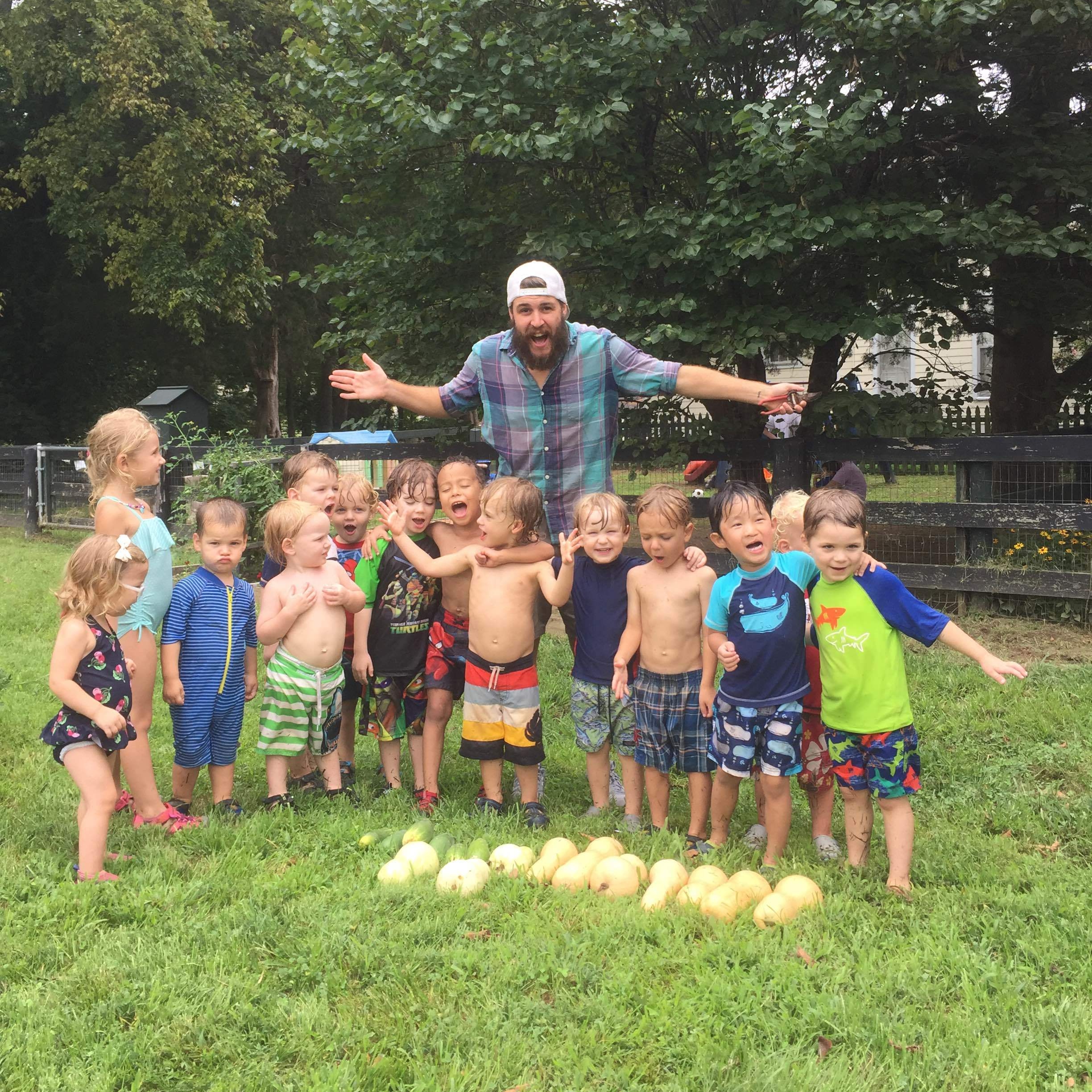
Booth picking up a produce donation from Currey Ingram Academy's garden.
Since 2016, TNFP’s food recovery efforts have brought in about 120,000 lbs of food each year, including fresh produce, proteins, and pantry items. We use as much of this recovered food as possible in our own meals. Any food that is unsalvageable but compostable goes to our compost system to be broken down and put back into the gardens to grow more food!
Ultimately, we are always seeking creative ways to share the food in our care in ways that best fit the needs of our partners, supporting shared efforts to build community and disrupt poverty in our community. In the past year, this has meant expanding our meals partnership model beyond our own meals and snacks. Now we include fresh produce and other ingredients as potential opportunities for food support to our partners.
One of these partners is Trevecca Towers, a retirement community that is committed to serving seniors and persons with disabilities with a caring living environment that promotes dignity and relevance. Every Wednesday morning the Towers open their chapel and fill it with donated food for residents to “shop”. After a few months of this, Nick Polk, the Director of the Service Coordinator Department, noticed a trend in the food they were receiving. “We had food co-ops delivering almost exclusively bread, sweets, and processed foods. While these items can be helpful, I started getting more residents asking if we might be able to receive more fruits and veggies. This request resulted in us reaching out to The Nashville Food Project and becoming a sharing partner.” The Nashville Food Project has been sharing extra produce from local farms and pre-packaged produce from Whole Foods with Trevecca Towers each week for the last year. “The reality is that it’s way easier to get ahold of sweets and processed foods than it is organic food and fresh produce, and The Nashville Food Project has made strides in changing that reality for our residents”, says Nick.

Contrast Trevecca Towers with another sharing partner, Safe Room. Safe Room is a Tennessee Department of Children’s Services program that provides designated spaces for children waiting for placement in a foster or kinship home. When Safe Room reached out to The Nashville Food Project, it wasn’t for fresh produce but instead for what they called “comfort foods”. Dana Eskridge, a Volunteer Service Coordinator with Safe Room, explained that “Since the kids that come through here are in transition, we try to keep foods stocked in our fridges that can act as a comfort while they are with us.” In response to this request, we have been able to share Whole Foods donated prepared food items ranging from soups, salads, and sandwiches to frozen pizzas, pastries, and desserts with Safe Room twice a week.
I used to think that being healthy was exclusively tied to eating nutritional food and living an active lifestyle. But after being apart of The Nashville Food Project’s work the last couple of years and seeing so many nuanced expressions of our mission in action, I am starting to realize that being healthy is also about meeting each others needs and having balance and connection in our lives. At The Nashville Food Project, we strive to embrace the complications and conflicts that exist not only in our current food system, but in our collected response to that system. I really love that about this place.
Painting a Future Together
How do you create a community? It’s a big question with a complex answer. At The Nashville Food Project we believe it happens one meal and one relationship at a time. St. Luke’s Community House and TNFP are teaming up to paint a future filled with connection and meals for even more Nashvillians by sharing a space at St. Luke's called the Mural Room.
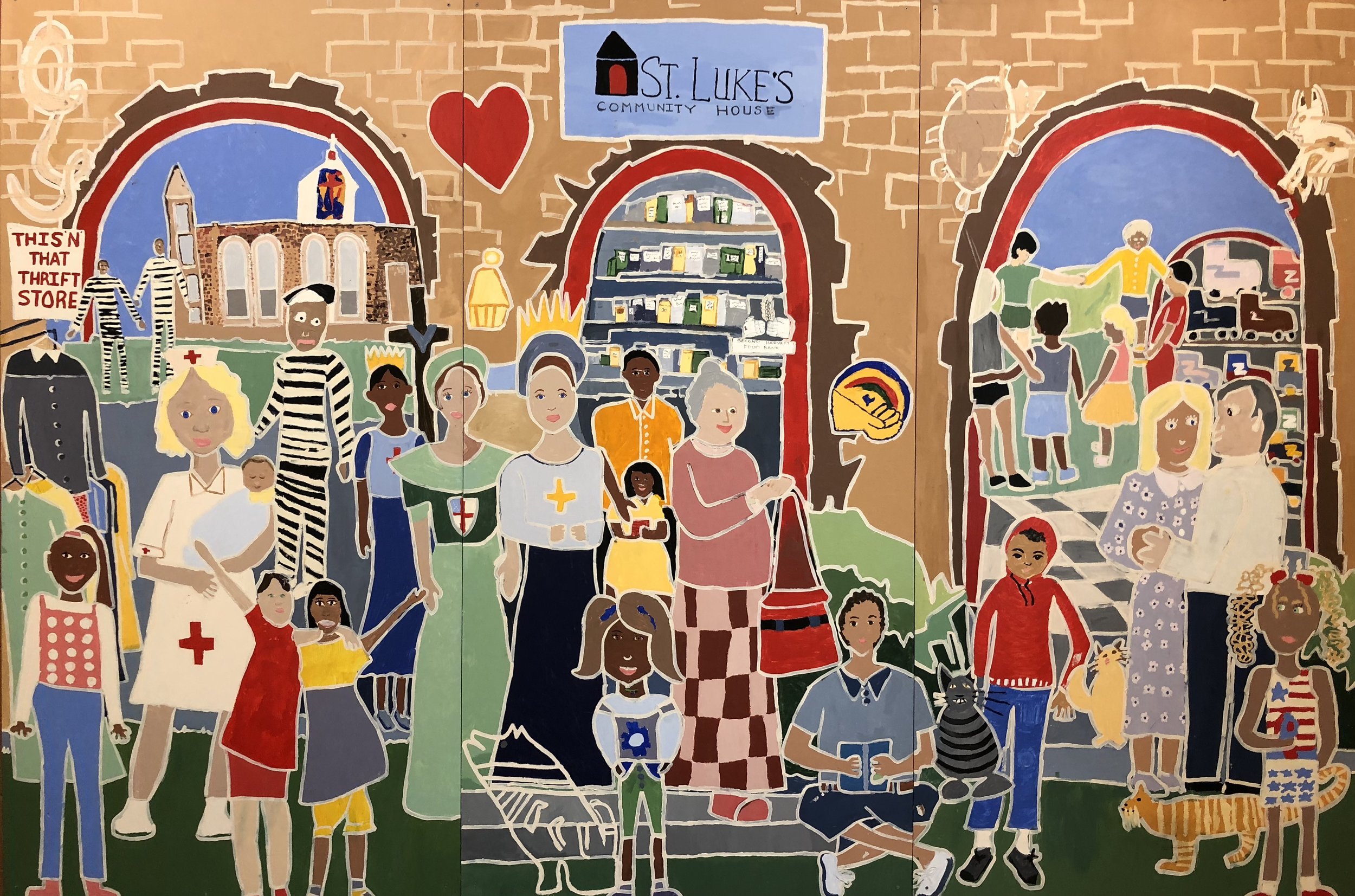
How do you create a community? It’s a big question with a complex answer. At The Nashville Food Project we believe it happens one meal and one relationship at a time. St. Luke’s Community House and TNFP are teaming up to paint a future filled with connection and meals for even more Nashvillians by sharing a space at St. Luke's called the Mural Room.
In May, the doors to the Mural Room were opened to the The Nashville Food Project to use as a meal prep space. Since 2004, the mural room has been used as a conference, meeting and program space which could be divided into two rooms. Its name comes from the inspiring and reflective mural showcased on its back wall featuring the old Tennessee State Penitentiary, This N’ That Thrift Store, and the community members in between. The mural was a collaboration project between St. Luke’s and the Frist Museum. An artist worked with children to complete a three part mural depicting the history of St. Luke’s and its community partners. Now, 14 years later, The Nashville Food Project is a collaborator and symbiotic partner sharing half of the namesake room.

What difference does a half of a room make? Kelli Johnson, TNFP St. Luke’s Kitchen Manager says “It’s really been a game changer in the amount we can do. We’ve doubled our number of volunteers. And we’ve hired another staff member to oversee volunteers. We’ll also be making 650 meals a day.” To give you perspective, two years ago TNFP was preparing 150 meals each day in the St. Luke’s kitchen. The bump in capacity has allowed us to take on four new sites this summer - 2 YMCA Summer Camps, an open Picnic at McGruder Family Resource Center (next to our garden), and the Margaret Maddox YMCA. Having access to the mural room has allowed us to touch each of these sites and provide healthy meals to children who may not have consistent meals now that school is out.
St. Luke’s and TNFP have a supportive relationship. TNFP is able to reside and access the St. Luke’s Kitchen for any project supporting our mission. In exchange we make sure that St. Luke’s program participants are getting nourishing food in their preschool and senior mobile meal programs. The impact is easy to see.
“When you walk through the preschool at lunchtime, you won’t see microwaved corn dogs, syrupy canned peaches or honey buns anymore. You will see homemade turkey pot pie with fresh fruit salad and a homemade oatmeal cookie. It’s amazing to see what kids can do when they are nourished – mind, body and soul!
”
We are so grateful and excited to be a part of the Nations community and for our second home at St. Luke’s Community House. Every year we both support each other to ensure the health and vitality of the neighborhoods that we serve. What’s the next step? Another mural in the mural room with our ever continuing story of sharing nourishing food and building community relationships.
For more information about St. Luke’s Community House visit their website at www.stlch.org. To volunteer at the TNFP’s St. Luke’s Kitchen sign up here.
Ode to Truck #1
Truck #1, our original food delivery truck, has rolled its wheels out of the Woodmont Christian Church parking lot for the last time. Tallu reflects on all the meals Truck #1 carried down the streets of Nashville, taking some time to look back -- and to look ahead.
Reflection by TNFP's Executive Director, Tallu Quinn

Truck #1, the original food delivery truck of The Nashville Food Project and our preceding organization Mobile Loaves and Fishes, has rolled its wheels out of the Woodmont Christian Church parking lot for the last time. The truck was damaged in an accident last month (the door to one of the sides scraped the side of building at one of our partner sites, pulling the whole “box” off center) and after meeting with multiple mechanics it was clear it had been damaged beyond repair. So we pulled it off the roads and received a settlement for the claim.
We offer gratitude for all the meals Truck #1 carried down the streets of Nashville and for the community that’s been formed around this activity of sharing food. The very concept of delivering food as a way of increasing access is a model we have both wrestled with and praised. We have been confounded by the logistics it requires and established a profile in our community for being experts at it over time.

We remember how the doors didn’t lock automatically, how the battery would quickly drain to empty when we left service lights on during mealtime. Countless drivers made countless truck runs to share food in countless communities since 2007, when it took its maiden voyage to Nashville’s former Tent City. As one founding board member wrote to me in an email, “I will forever love the community built around the cornerstone of that truck.”
It’s always good to take some time to reflect on what’s changing around us. A shiny new van has replaced the old truck, and is now fully outfitted to cart hundreds of meals across the city, keeping food at temp, with easy load in and load out. Truck #1, we are grateful for this community food work you set in motion… and as another one of our founding board members reminded me, “Another transition to something better; life is full of those.”

Wedgewood Towers Grows Community
Our newest meal partnership uses a nourishing meal as a space to build community between two unlikely groups: senior residents of Wedgewood Towers and students from the University School of Nashville.
The Nashville Food Project’s newest meal site is right around the corner from one of our Gardens at the Wedgewood Towers community, located in the Wedgewood-Houston neighborhood. This apartment complex has 121 units and is managed by First Cumberland Properties specifically serving low-income disabled and seniors over the age of 62.

Senior residents of Wedgewood Towers and students from University School of Nashville working on a craft together.
As long time residents of Nashville can attest, this is an area that has changed a lot in the last 10 years, and those changes have had lasting impacts on the Wedgewood Towers community.

A recent craft: paper rainbows and pots of gold in honor of St. Patrick's Day!
When Kita Davis was recently assigned as a social worker for this building, she polled the residents to better understand their needs. At the top of the list was access to food, healthy or otherwise. The last, walkable grocery store, a save-a-lot, was torn down for condos not too long ago. Most residents of Wedgewood Towers do not have access to regular transportation and have a hard time getting out. With no grocery stores within walking distance, it’s no wonder that access to healthy food is at the top of the list.
As a result, Kita reached out to The Nashville Food Project. Now, every Tuesday at lunch and Friday at dinner, residents of Wedgewood Towers gather together around activities and a hearty, made from scratch meal.
On Tuesdays before lunch the residents are joined by students from the University School of Nashville. Each week a different class comes and leads an activity for the community. One week it was a game, the next a computer lesson. Last week, in preparation for St. Patrick’s Day, the kids led a craft, making paper rainbows and pots of gold for the residents to decorate their doors with.

Lunch is served!
After the craft it was time to eat. Residents blessed the meal with words of gratitude before digging in. On the menu was barbeque chicken, roasted sweet potatoes, a kale salad & fruit. Similarly, on Fridays volunteers join the residents for a “lively game of bingo” while they eat.
Before this meal and these activities, Kita said that there weren’t many community wide activities at Wedgewood Towers. It’s taken a little while for the programs to grow but every week she has more residents coming back to join in and receive a meal.
Her goal with these meals and community times are simple, to promote wellness, build morale, and strengthen relationships between residents and staff, fostering a friendly atmosphere and a strong sense of community. And really, isn’t that what a shared meal is all about? Every week, Kita says, the community grows.
At The Nashville Food Project we embrace a vision of vibrant community food security in which everyone has access to the food they want and need through a just and sustainable food system. As the sweet potatoes from a local farm, the greens from our garden around the corner, fruit salad prepared by volunteers, and chicken donated from a local restaurant filled up these plates it all came together, a meal Nashville can be proud of.
Introducing Children to New Foods
Looking ways to get the kids in your life to try new foods? TNFP serves nutritious meals and snacks to about 370 different children each week, so we’re right there with you! We’re sharing highlights on what we’ve learned about how to (and how not to) introduce new, nutritious foods to children.

If you’re looking for ways to get kids to try new and nutritious foods… we are right there with you! Through our meals program, The Nashville Food Project serves nutritious meals and snacks to about 370 different children each week across a number of sites. Our meals team works hard to pack our menus with fresh and nutritionally-dense ingredients -- especially fruits and vegetables. At the same time, we’re giving equal priority to ensuring these meals are culturally appropriate and, of course, delicious. As you can imagine, finding menus that meet all these parameters can be a challenge, especially with often-times picky kids! Here’s some of what we’ve learned about introducing new foods to children.

Start early. If you can, introducing a variety of foods to kids at a young age goes a long way. We see this difference in the kids we’ve been serving from a younger age - offering them new fruits and vegetables daily. By the time they’re older, they’ve seen these foods so many times that it’s become familiar.

Exposure and persistence. Repetition is vital to introducing a child to new foods, and what they’re willing to try can change through different stages of development. Toddlers often like a new food after trying it 5-10 times. Kids aged 3-4 may need to try it 15 times or more. All to say… keep at it! It’s a process.
Make it fun. How you present the food definitely affects how the kids react. If you’re excited, the children will mirror your excitement and follow your lead. Sometimes kids are turned off by the look of a new food, so try different, fun presentations. We have a lot of fun turning healthy snacks into fun animals and characters, and the kids love it!
Don’t force it. Negative reactions to new foods is totally normal! Kids may use food as a way to control their environment because they don’t have a lot of other choices they get to make for themselves. When you can, focus on giving options and encouraging trying new things.

Try different flavors and preparations. If they don’t like a vegetable one way, try a different seasoning or a different way of preparing it. We often try more nutritious takes on foods that are familiar and comforting, like a greek-yogurt based salad dressing instead of ranch.
Balance. If you’re introducing a food you know will be unfamiliar and challenging, offer it alongside a familiar favorite. Or chop up vegetables and incorporate into dishes that are already favorites (for example, adding sauteed squash to a marinara sauce).
Connect to the source of the food. Many studies show when children interact with and understand the source of the food they’re eating, they’re more excited to try it. We’ve seen this first-hand hosting groups in our gardens and our kitchens. Get your kids more involved in growing and preparing the food the eat, and they’ll definitely get more excited to try the fruits of their labor (pun intended).
What are your tips and tricks for getting kids to try new foods?
Food is Comfort
In January 2017, we began a partnership with the YWCA, providing weekday dinners for their Weaver Domestic Violence Center. This 51-bed shelter is the largest domestic violence shelter in Tennessee, providing a safe space for women and children escaping domestic violence (men are housed at another partner facility).

The statistics of domestic violence in our country are staggering. One in four women in the U.S. experiences intimate partner violence in her lifetime. Approximately 15.5 million children are exposed to domestic violence every year. And in our own community, The Metro Nashville Police Department received over 26,600 reports of domestic violence in 2014 - that’s one report every 20 minutes.
In January 2017, we began a partnership with the YWCA, providing weekday dinners for their Weaver Domestic Violence Center. This 51-bed shelter is the largest domestic violence shelter in Tennessee, providing a safe space for women and children escaping domestic violence (men are housed at another partner facility).
“The women, the children, our staff - anyone who walk through these walls - deserves a clean, welcoming, healthy place,” says Laura Clark, the Residential Coordinator at the shelter for the past 17 years.
The YWCA empowers domestic violence survivors to take control of their lives, while offering them safety and the resources to ensure their self-sufficiency. The YWCA’s programs are designed to empower women and offer opportunities for self-determination in every area of life, including the design of their food program at the shelter.
“Food is so powerful...And sometimes the women couldn’t eat what they wanted. They couldn’t buy what they wanted. Everything was locked up. Everything was centered around the control of their abuser.”
In contrast, the two kitchens at the shelter are stocked with pantry items and ingredients for the women and families to have access on their own schedule. They have spaces for any of their personal food, and can add requests for spices or other pantry items to a community shopping list.
"At first when they talked about having (TNFP) I didn’t know exactly what it was – they started and thought, ‘Oh my gosh - I don’t know why we couldn’t have found you all years ago!’"
The dinner meal at the shelter, provided by TNFP, is advertised to start early evening, but the women can come at whatever time works for their schedule. “Many of the women work, have school, and are taking care of their kids. When they come here, we want to offer at least one good meal a day – which is (TNFP),” Laura tells us. “Food is comforting. And our goal is to make sure they’re fed and they’re taken care of – it’s just one less thing to worry about.”
When asked about how the food has been received, Laura shared, “I have seen positive impacts. Some of the women have never eaten like this. It’s healthy, and it’s flavors that you don’t get just anywhere - even in the restaurants,” she adds, smiling.
“This is a different way of life for a lot of these women and kids. And I’ve seen a difference. I’ve seen a difference in people and the way they eat.”
And of course, this is just one small piece of the much broader impact of the YWCA’s work. In 2016, the YWCA served 453 adults and children at the Weaver Domestic Violence Center, providing not just a safe space, but also case management, safety planning, support groups, and counseling.
We are so grateful to be a partner with the YWCA in this important work! Learn more about the YWCA’s mission and programs on their website.
Supporting Academic Perseverance Through Food
Earlier this month we sat down with one of our meal partners, Preston Taylor Ministries, to learn more about their program and how they are using The Nashville Food Project's food to support their work to education and instill students with academic perseverance.
Earlier this month we sat down with one of our meal partners, Preston Taylor Ministries, to learn more about their program and how they are using The Nashville Food Project's food to support their work to education and instill students with academic perseverance.

Tell me a little about your organization and specifically the program that is supported with TNFP food.
Preston Taylor Ministries has been operating for 19 years. Next year will be our twentieth year. We have seven elementary and middle school sites that we partner with throughout the 37209 zip code. We own one of the buildings that we run programming from, but the majority are partnerships with other organizations. We really try to have a presence in the footprint that exists in the neighborhood.
We try to be that school-home-afterschool connection to close those gaps. Here at St. Luke’s Community House we are a K-8 program so we actually have two programs running simultaneously: a K-4 elementary school program and a 5-8 middle school program.
What’s the specific program that you run here at St. Luke’s Community House?
Our primary feeder school for elementary is Cockrill Elementary. We’ve worked out a transportation system with Metro Nashville, and they bus those students directly here, which is great. Of the 35 elementary school students that come, probably 25 of them are all Cockrill students. Other feeder schools are Charlotte Park Elementary, Eakin Elementary and Gower Elementary. For our middle school program, our primary feeder school is Nashville Prep. That’s a charter school that is a block away. Probably 28 of the 35 middle schoolers come from there, and they walk here.
We’re after-school from around 3:30 to 5:30, and our primary mission is “Joy-filled friendships, Christ-centered atmosphere, and a love for learning.”
We are in an air conditioned gym, and we take full advantage of that. Our program consists of physical education, academics, reading intervention and chapel time. We have a total of 70 students that rotate…
Wow! That’s a lot of kids.
Yeah, it doesn’t feel like it. When you get it down to everyone knowing where they’re supposed to be, it’s manageable. You’ve just got to trust me on that!
That’s such a great focus on filling the gaps to create a holistic experience. One of The Nashville Food Project’s primary goals is filling gaps for our partners, supporting their work that is breaking cycles of poverty. Education seems so important in that work. How are you all working in the education space?
Our goal when it comes to education and academics is really what we call “academic perseverance.” We know that in the 25 minutes we have for homework help in a two hour after-school program, it’s very difficult for us to increase a grade level. What we can do is use all of the two hours that we have with those students to build an atmosphere and a mindset of perseverance and follow-through, doing hard things and doing the next, right thing. That carries over into the academic pieces of our program. So that’s really our first approach - understanding that we’re creating a framework of perseverance in everything that we do.
Then, we have a reading intervention piece. We know that in K through third grade, students are learning to read. In grades fourth through eighth, students are reading to learn. In those latter years, we know that most of the information they intake academically will be through reading comprehension so that becomes our focus. As they become better readers, they become better learners. There are things that we have to do in that third rotation that revolve around giving that student a better chance at focus and concentration, breaking barriers of distraction. Food is a big part of that.

Why do you think that offering food alongside this program is important? How does it support the work?
When I say the word food, what I mean is healthy, nutritional snacking. We don’t want to give our students anything that then steals their energy, ability to focus and ability to concentrate. What we want to give them is food that’s going to support the next hard thing that they have to do.
We’re always looking for ways to introduce healthy snacks with the mindset that Cheetos are going to keep you from wanting to do your homework, but hummus and carrots are going to energize you and give you the brain power that you need to be able to do that next hard thing, which might be math. That’s the approach that we take, and that’s why The Nashville Food Project is such an important and integral partner to academic excellence here.
It sounds like you all are carrying out your program in a way that’s helping the students learn more about how to feed themselves and what the food that they eat does for their ability to learn and be active. What do you think the students are learning about and through this food?
We also partner with Second Harvest, and they have a lot of literature that we can use to educate the students in their native language. They give us those to help support the education piece. We use that alongside cooking lessons and other things. We have cooking rotations with our students where the approach is always to get kids to make their own healthy snacks. If there is a particular snack that we’re serving from The Nashville Food Project, we have a conversation with our volunteers about introducing those foods, talking about the colors of those foods and what the colors mean in terms of what that gives you - what orange food gives you, what red food gives you and what green food gives you. We’re always sending that message right through that window into our kitchen.
It also gives us the opportunity to have conversations around perseverance when it comes to trying new things and why it’s important to at least take a bite. You can’t explain to me what you’re saying “no” to until you try it. That’s been a huge part of getting students into the whole mindset of what perseverance means in every aspect of their life including how they feed themselves. That’s an emotional decision so the social and emotional learning part of that - of not shutting yourself down to trying new things - is a big piece of it as well.
It’s great to see you all thinking about food and its impact on your students in such a meaningful way.
Yeah! It’s a very holistic and integrative approach here, and everything that we do points to those goals.
Other than food, what do you think are the biggest factors outside of your control that are impacting the education and development of the students you work with?
Here at the St. Luke’s facility, 100% of our students are living below the poverty line, and 68% of our students are native Spanish speakers. They are the first English speakers in their families so for reading comprehension, they always have to go the long way around the barn.
Particularly in our fifth through eighth grade population, Nashville Prep is a college preparatory school teaching high order and critical thinking skills. Reading a paragraph and being able to extrapolate data, form a conclusion, find evidence to support a question - those sorts of things take a lot of concentration when English isn’t your native language so ELL and being able to work with that population in homework help is always a challenge.
The other problem is that for this population their support system is often not in the country. Having a caring adult, having high participation in our mentoring program where there’s a caring adult in their lives other than their mom has been a big part of our mission at PTM because their support system isn’t even here. Not down the street. Not in another neighborhood. In another country.

I know that one of the things that The Nashville Food Project has been doing here at PTM that’s different from some of our other after-school program partners is the Community Suppers you do. I’d love to hear about how that came about.
When I first came and sat down with The Nashville Food Project and talked about the programs that you offered, we decided that rather than having healthy snacks coming four days a week, we wanted a way to be able to share that experience in a family setting, bringing the community together around healthy food. So we negotiated that once a quarter we would have a Community Supper, and we could share that experience, where students could communicate to the parent about the food they were eating. I think we had 42 people here for the first Community Supper, but for the last one we had about 120!
It’s a huge huge part of what we do here! It gives us an opportunity, a way for us to increase our parent engagement and find out what’s going on in the home and just sit down and break bread together. Just share a meal together. It has turned into Community Supper/Dance Party. There’s a lot of dancing that goes on! Which is great.
During Community Suppers we always talk about The Nashville Food Project and go into depth about the people that gleaned the food, the people that prepared the food, the people that transported the food. The meal is always so beautiful and so colorful, and we go into what we’re eating and why it’s important. I stand there at that microphone, and that’s what we talk about. We always have the food portion of the evening, then some sort of enrichment where we’re highlighting something in the program to give them a little bit about what we do while their kids are here.
We have four Community Suppers a year. The one in May has become our graduation ceremony and volunteer appreciation dinner. The one in September is sort of our open house when we’re launching the program, getting to know the families, meeting some parents for the first time. The one in November/December becomes sort of a holiday meal. It has become an integral part of what we do, and I’m so glad that we’ve structured it this way.
You hear a lot about how much parent involvement can impact a student’s performance. Have you all seen a difference in your students after being able to get their families more involved in your program through these Community Suppers?
What’s great about it is that it helps us to close that loop in terms of what’s going on in the school and how that needs to be communicated to the home base. When that’s carried through a child, a lot gets lost in translation so we do get to be that unifying arm. We close that loop in terms of what’s happening in the school and after-school environment. That’s one piece of it.
Like I said, 68% of these students are learning in English instead of their native language, so it is so difficult for parents to be a help. That’s one area where we can bridge the gap. I just had a parent meeting a couple of weeks ago, and we instilled a new homework policy where we’re not only looking at homework, we’re correcting it, and we’re initialing off on it. This is a way for a parent to know, “Hey, there’s been a caring, educated adult that’s looked at this. I don’t have to feel shame or pressure to be the person who helps with this when I’m not an English reader.”
These are some of the ways in which having Community Suppers and having parents come alongside us builds rapport, credibility and trust.
Spreading Joy Through Nourishing Food
On any day of the week, you can walk into the kitchen at St. Luke’s and be greeted with a smile and warm hello in the midst of all of the hustle and bustle that takes place when over 200 meals are being prepared for the day. This warm and inviting atmosphere is just one reflection of the great partnership that has been established between St. Luke’s and The Nashville Food Project.
by Patricia Bing, St. Luke's Community House Family Resource Center Director
On any day of the week, you can walk into the kitchen at St. Luke’s and be greeted with a smile and warm hello in the midst of all of the hustle and bustle that takes place when over 200 meals are being prepared for the day. This warm and inviting atmosphere is just one reflection of the great partnership that has been established between St. Luke’s and The Nashville Food Project.

The partnership between the two organizations began in March of 2016, sprouting from two separate places- St. Luke’s need to provide quality and nutritious food to our clients, and The Nashville Food Project’s desire to begin a social enterprise. After being connected with one another, talks ensued, and that, as they say, was the beginning of a beautiful friendship.
The Nashville Food Project now provides food for two programs at St. Luke’s. The first being our Senior Services program, that provides freshly prepared lunches that are delivered to seniors in their homes Monday through Friday and meals for our weekly senior activities. The second program is our preschool, for which The Nashville Food Project prepares breakfast, lunch, and snack daily.

There was a period where we had to transition the participants of both programs to the new menus and foods they were now being served. The Nashville Food Project did a great job of finding compromises that mixed in the foods clients were used to being served with healthier alternatives. The communication between the two organizations was essential to a successful partnership. The Nashville Food Project did, and still does, an excellent job of making sure they understand what both our seniors and children like and want. They talk to the teachers. Seniors are polled and asked questions, and they are always open to any idea or suggestions that may come from the St. Luke’s staff.

At St. Luke’s we recognize that food is a vehicle. It is a way to educate, bring people together, and help us discover what other needs the members of our community may have. Through this partnership, we are able to not only introduce nutritious foods to our clients, but it gives us an opportunity to educate them on why it is healthy and what other healthy food options may be out there.
We have heard stories from individuals about how this change in their diet has improved their quality of life. One of our seniors let us know that since switching to the healthier meals, her blood pressure is lower, blood sugar is better controlled and she has lost 8 pounds. Today, I walked into a classroom of two-year olds during lunch time and they could not get enough of the salad, green beans, and spaghetti they were eating. Most had abandoned their forks in favor of their hands to make sure they got every delicious bite.
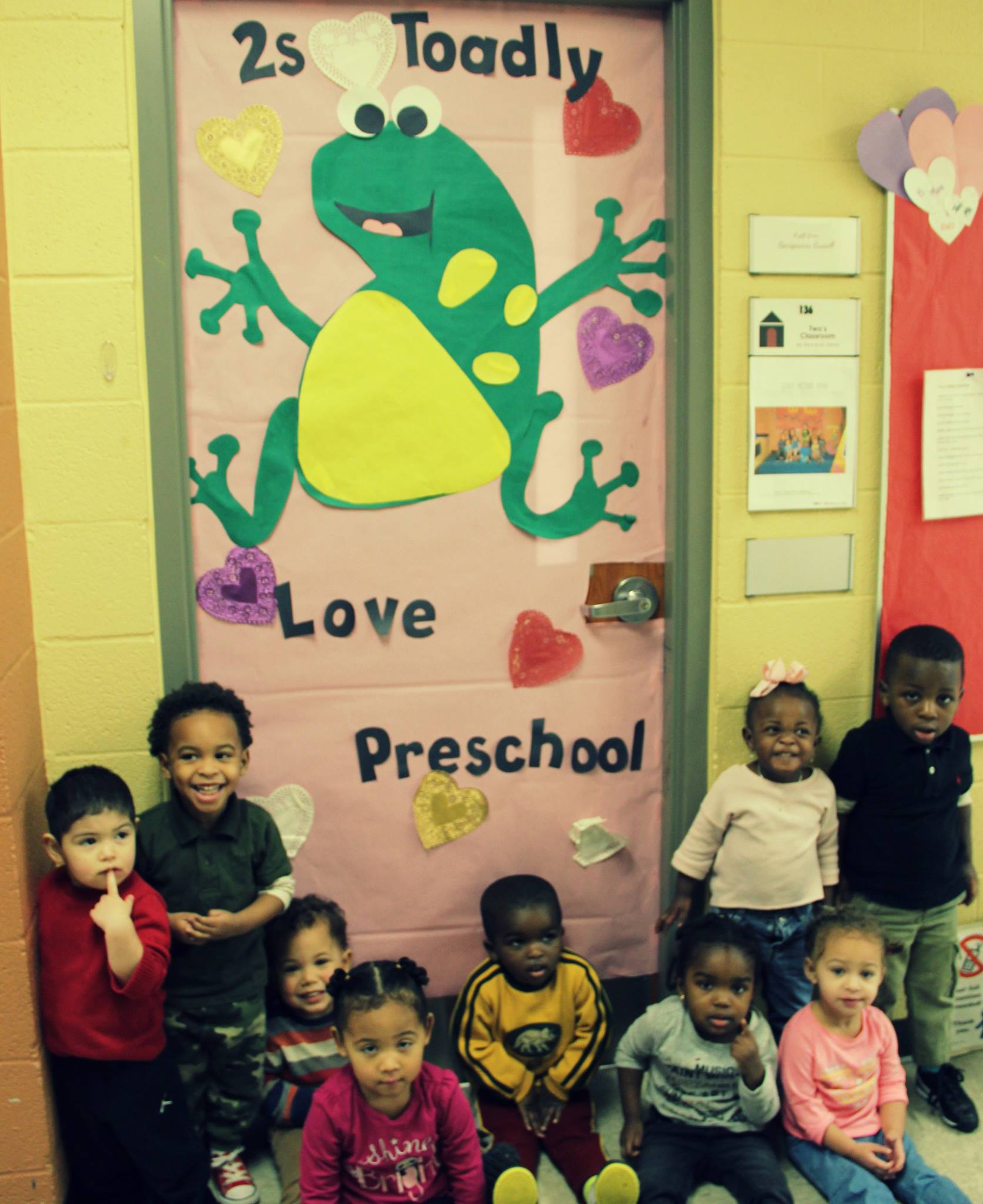
There is now a positive energy that surrounds the preparation, delivery, and consumption of the food that is pure joy to witness. These examples truly show what a success the partnership between St. Luke’s Community House and The Nashville Food Project has been and will continue to be.
Celebrating Community at John Glenn
Its lunchtime on a Thursday; which, means it’s time to load the truck up and hit the road. The destination: John Glenn and Peggy Ann Alsup Arbors Residential Center.
Its lunchtime on a Thursday; which, means it’s time to load the truck up and hit the road. The destination: John Glenn and Peggy Ann Alsup Arbors Residential Center. John Glenn is a part of National Church Residences which provides housing for seniors with low incomes who meet the criteria set by HUD.

When first entering this community, you are greeted with a warm welcome, in the form of a smile, wave, or “Thank You for being here.” Later in the day, one receives more kind words, jokes that turn into laughter, and hugs that turn into friendship. So much so, that the usual one hour lunch run called for more. We decided to add music, games, and fellowship to the mix, turning it into a fun Community Day.

The Nashville Food Project has been serving a weekly lunch for the residents of John Glenn since 2013. Since then, we’ve built deep relationships with the community, and we’ve watched as they have done the same. What began four years ago as residents of two disconnected buildings has become a thriving community where the men and women interact like family. When one wonders what we mean when we say that nourishing food cultivates community, look no further than the incredible community at John Glenn.

On our recent Community Day, we had a balloon race, tunes from Earth Wind and Fire, and a room full of participants in a fun game. The music even led to shaking and dancing. To top it off, this day was a part of National Volunteer Appreciation Week at The Nashville Food Project. Thursday was marked as Backwards Day, and John Glenn Residents decided to join in on the fun. Almost everyone was in backwards clothing! This excitement led to an even greater afternoon.

An hour of sharing the meal and joking around wasn’t enough. Nonetheless, we packed up and headed back to TNFP, leaving John Glenn until the next week. We left with handshakes, hugs, smiles, and “come back soon.”

We’ve joined this community as more than a meal partner. We feel a part of a family that welcomes us to the cookout every Thursday afternoon. Thank you for welcoming us, folks!
Making the Most of Every Resource
We know that 40% of all food produced in our country is thrown away, but we also know that it doesn’t have to be that way. Last year, we began working with the National Resources Defense Council (NRDC) to ramp up our food recovery efforts.
One things we like to say around here at The Nashville Food Project is that we believe that we live in a world of abundance. A world where there is enough to go around - enough farmable land to grow nourishing food for our city, enough hard-working hands to do incredible work and enough food to feed everyone in our community.
We know that 40% of all food produced in our country is thrown away, but we also know that it doesn’t have to be that way. Last year, we began working with the National Resources Defense Council (NRDC) to ramp up our food recovery efforts. They shared with us a food waste pyramid that has helped guide us in determining how best to use all of our food resources as we work towards a system of zero waste.
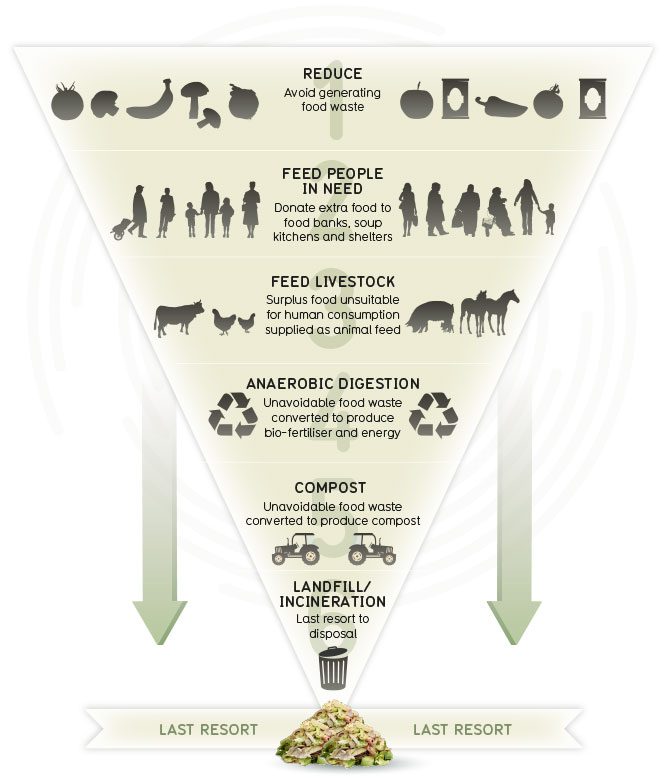
The first and most important step is to avoid generating food waste in general. With that in mind, we’ve gotten even more creative in how we use up every last bit of the food that we have. A great example of this is our partnership with our neighbors at Green Hills Grille. On their menu is a great salmon filet, but we all know that a side of salmon doesn’t come beautifully square shaped naturally. In order to get that pretty portion, the restaurant cuts off all of the trimmings, but instead of just throwing them away, they freeze them and bring us those trimmings each week. We cook them up and use them for meals like our delicious salmon patties. That ensures that all of that food goes to the NRDC’s second most recommended use of food - to feed people in need.


As we’ve increased our food recovery efforts, though, we’ve realized that we can’t always use all of our recovered food before it perishes, and some of it just doesn’t meet the needs of our meal guests. So we began building a network of partners who can take this excess food and use it in their own programs.
One such partner is Renewal House, a nonprofit that provides long-term, comprehensive treatment programs serving women affected by addiction and their children. Each week, we share healthy food with the women participating in Renewal House’s family residential program, stocking refrigerators so that the mothers have good food to prepare for their children. We now have 11 of these partners with whom we share our excess food, ensuring that none of it goes to waste.

Still there are times when we get food that is no longer appropriate for human consumption so we went back to the pyramid to determine the best and highest use for it. The next NRDC recommendation is to use food waste for animal feed. We raise chickens in our Wedgewood Urban Garden so naturally, much of our excess food has become chicken feed, and we must say that it has resulted in some very happy, healthy chickens!
What we can’t share in our meals, with our food sharing partners or with our chickens is then composted. That food contributes to creating wonderful potting soil that feeds our gardens, which, of course, produce even more healthy food. It’s an incredible cycle that we’ve loved seeing come together.

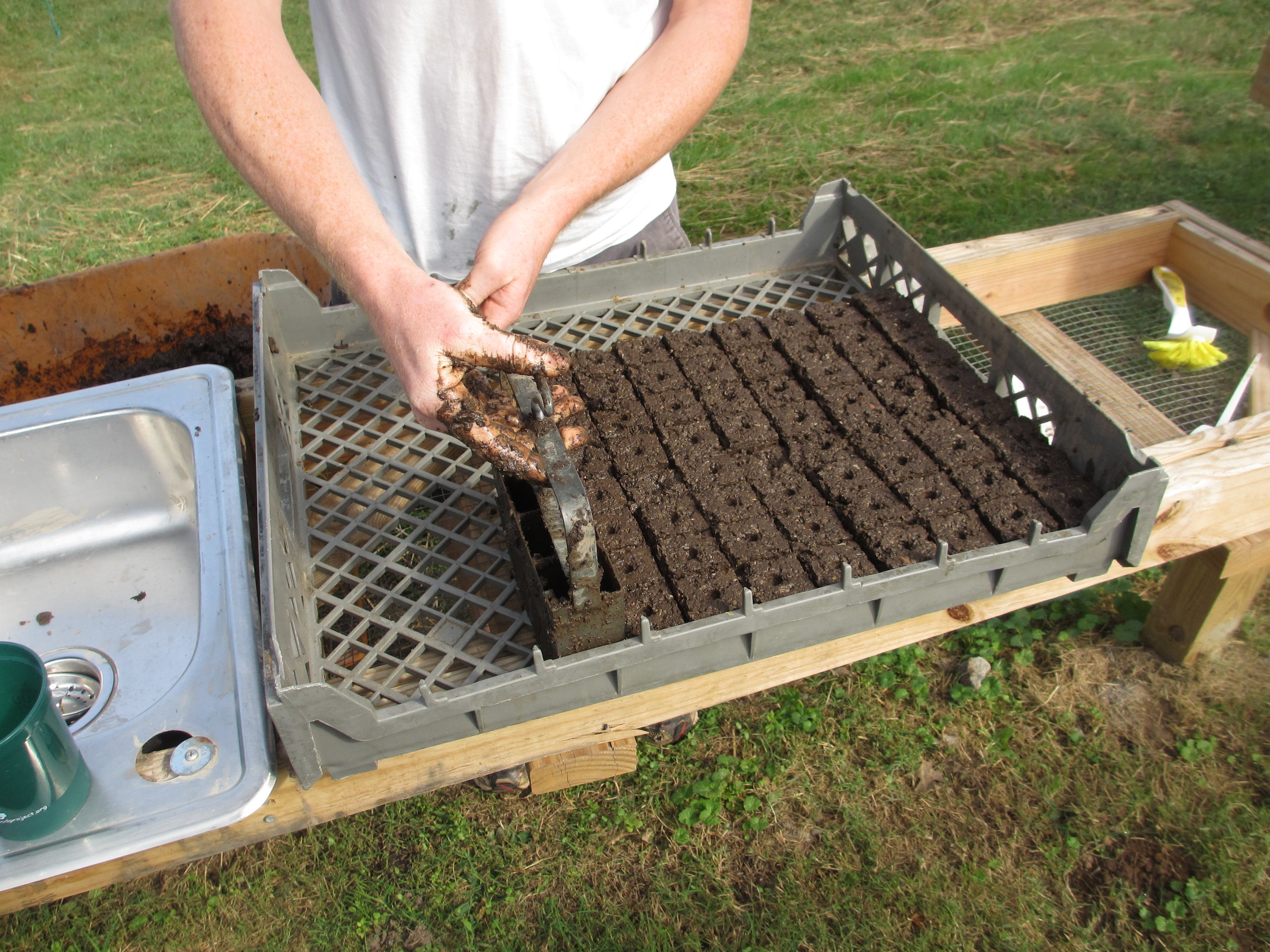
We are constantly exploring new ways to make the best and highest use of every bit of food that comes through our doors. Slowly but surely, we’re doing our best to reduce our own food waste and to help our city as it works to do the same. If you’re interested in learning how you can reduce your own family’s food waste, we urge you to visit savethefood.com to find great recipes and resources to get you started.
New Meal Partnership Supports Immigrant Families
Evidence has shown that the more parents get involved in their children’s’ lives, the better the children learn, behave and develop. The Nashville Food Project’s newest meal partnership supports programming that invites immigrant families into schools to feel at home in these spaces, in order to connect and engage with their children’s education.
Evidence has shown that the more parents get involved in their children’s’ lives, the better the children learn, behave and develop. The Nashville Food Project’s newest meal partnership supports programming that invites immigrant families into schools to feel at home in these spaces, in order to connect and engage with their children’s education.
Earlier this year The Nashville Food Project began a new partnership with Alignment Nashville, an initiative to improve the education and health of Nashville’s youth by providing tools that bring the community together for more effective results than we could each accomplish alone. One example is a weekly community night with the goal of Linking, Empowering and Advancing Families - LEAF. Held each Wednesday at Wright Middle School, these LEAF Community Nights allow families to meet over dinner - prepared by The Nashville Food Project - and get connected with community resources. Adults can attend community workshops and ESL classes, while their children receive other enrichment opportunities.

Through this partnership, The Nashville Food Project is sharing a weekly meal that brings immigrant families together to build a community around their children, one that is welcoming and supports youth in their education and development.
This meal has also been an opportunity to connect two of our partners with similar missions. Similar to the LEAF Community Nights, the Oasis Center’s International Teen Outreach Program (ITOP) supports immigrant, refugee and first generation American teens, providing a safe setting for these youth to explore and engage American culture. One aspect of ITOP is building community connection through volunteerism.
For more than six years, ITOP participants have volunteered with The Nashville Food Project monthly, sharing a meal from our food trucks or volunteering in our gardens, and now they share this meal with families who are not so different from their own.
Working with our partners at Alignment Nashville and the Oasis Center has provided an opportunity to bring immigrant children, teens and families together to have a real impact on the lives of each of these partners and our community. The Nashville Food Project believes that when we all come together in community, transformational change can happen, and we look forward to seeing how this new partnership transforms our community for the better!

Fuel for the Job
Five days a week, the office of Project Return, a nonprofit organization situated near a downtown bus line with views of the Nashville skyscape, hums with the purposeful activity of men and women determined to gain employment after returning from incarceration.
Five days a week, the office of Project Return, a nonprofit organization situated near a downtown bus line with views of the Nashville skyscape, hums with the purposeful activity of men and women determined to gain employment after returning from incarceration. For three full days, they participate in Project Return’s job readiness program, attending classes on topics such as money management and computer literacy and receiving individualized support on resume building and mock interviews. All the while, Project Return works diligently to support these individuals in securing employment, an often difficult task for those with a felony conviction, but one necessary to building a full and free life after incarceration.

These individuals face seemingly insurmountable barriers. For many returning to society, systemic poverty rears its head in many ways – hunger, unemployment, homelessness, social stigma, transportation, and often isolation. This means that commitment and intention towards gaining employment requires a vast array of simultaneous wraparound services.

At The Nashville Food Project, we know that hunger is an immediate, and often critical need for many vulnerable residents of Nashville. And we know that it is often only one of the many burdens of poverty our neighbors face. In partnership with Project Return, The Nashville Food Project provides two lunch time meals each week for the job readiness program participants.
This week, participants in the program will come together around a communal table during the lunch break to share a beef and broccoli stir fry, garden salad with homemade dressings, and fresh fruit, each component of which was thoughtfully and creatively repurposed for these hardworking individuals.

These meals meet an immediate need faced by many in this program – hunger. And more, as Executive Director of Project Return Bettie Kirkland claims, as “we rally our efforts to propelling people into employment, these meals are literally fuel for the job! It's hard to be an effective job seeker if you're hungry and you're worried about where you'll get your next meal. [Knowing] they're going to leave here with a full stomach frees up brain space for the information we're giving to them.”
Further, The Nashville Food Project seeks to alleviate hunger and cultivate community, knowing that food provides nourishment, healing and belonging when shared together. As our food truck pulls up to Project Return each week, we are setting a place at a communal table where all are welcome.

“Because people stay at [the Project Return] offices during lunch and eat together, it’s common to hear laughter and stories being shared. This builds a sense of community and camaraderie in our office and sitting down for a meal with others is all part of a successful return to society from incarceration. It incentivizes staying in our program, which is a launchpad for building a full and free life.”
In the face of what daily feels like unlimited need, The Nashville Food Project begins each new partnership in our meals program strategically, not only sharing good food, but asking, “how can good food support the work already happening in your community?” Through our meal partnerships, TNFP uses the food we grow and recover, the power of human labor, and the spirit of collaboration to disrupt cycles of poverty in Nashville.

In addition to Project Return, we work in collaboration with 26 other nonprofit organizations such as The Contributor, Operation Stand Down, GANG (Gentlemen And Not Gangsters), and Begin Anew, among many others. As we share these meals, we believe in the power of these partnerships to alleviate hunger, bring people together, and transform communities.
How We Cooked in 2016
With the addition of several new meal partnerships, 2016 was a year of unprecedented growth in our meals program. We opened a second kitchen at St. Luke’s Community House, doubled our meals production, nearly tripled our food recovery efforts and added a total of FIVE new positions to our meals team!
With the addition of several new meal partnerships, 2016 was a year of unprecedented growth in our meals program! We opened a second kitchen at St. Luke’s Community House, doubled our meals production, nearly tripled our food recovery efforts and added a total of FIVE new positions to our meals team!

We can’t talk about changes in our meals program without starting with our biggest change - in March of 2016, we opened our second kitchen site at St. Luke’s Community House. This was an exciting opportunity to double our meals outputs while building a solid relationship with a new partner in St. Luke’s. We completed a minor renovation of the kitchen, adjusting the layout and bringing in new equipment and shelving to maximize the space and ensure that we worked efficiently while producing the healthiest meals possible.
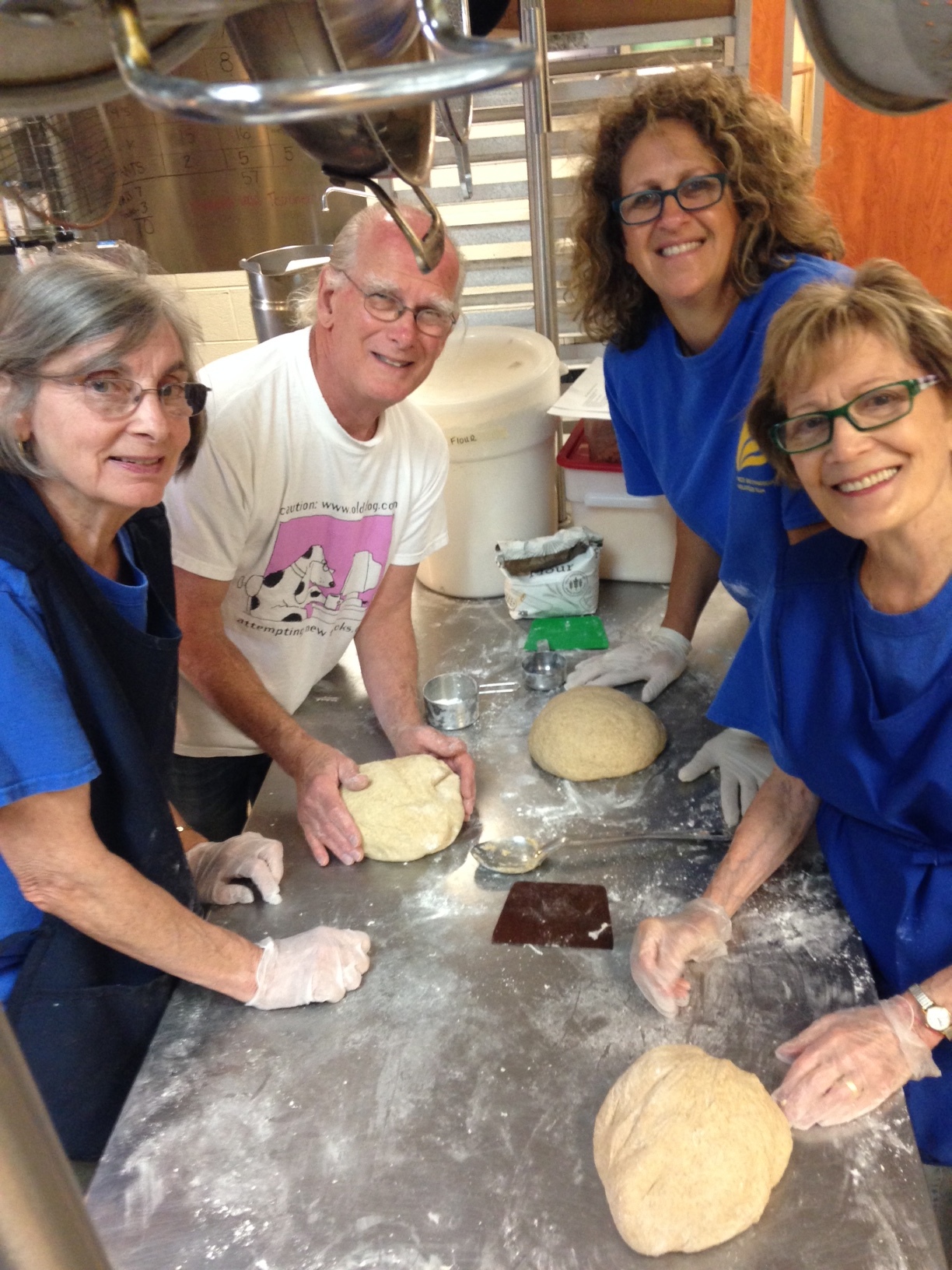
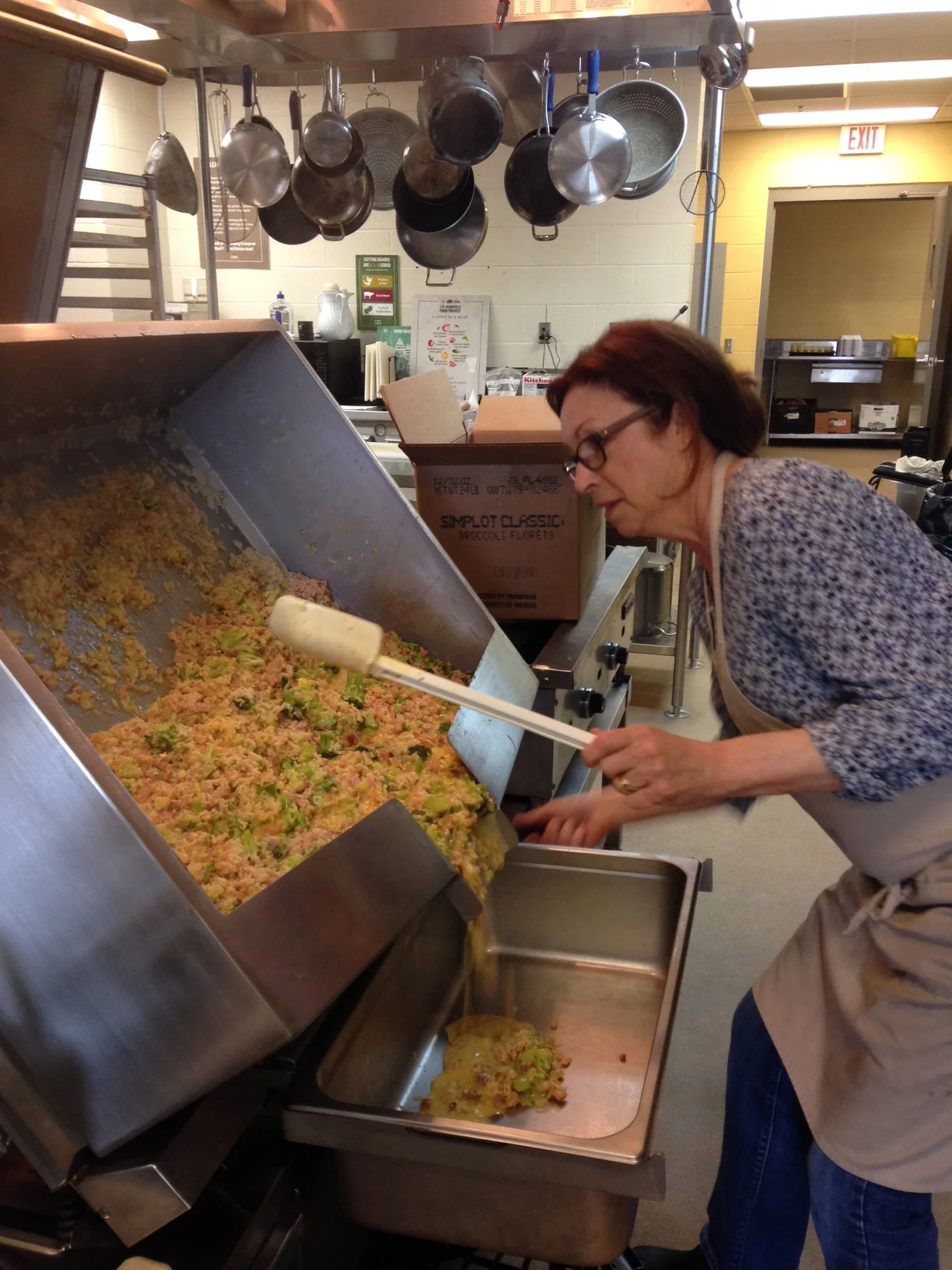

Volunteer extraordinaire Ann Fundis led the opening of the new kitchen and worked tirelessly to get the kitchen up and running until permanent staff, Kelli Johnson and Sarah Morgan, were hired. We were able to expand our volunteer opportunities and add new morning prep times to support the kitchen. Thanks to an amazing team of HCA volunteers, we also built and initiated a robust new compost system at St. Luke’s to utilize any food waste generated by the kitchen. Through all these efforts, we’ve been able to provide more than 100 preschoolers and seniors with more high-quality fruits and vegetables five days a week.

Determined to make a real difference in the amount of usable food entering our city’s waste stream, we created the new position of Food Donations Coordinator. In the role, Booth Jewett, has strengthened partnerships with local farmers, grocers and markets to nearly triple the amount of food we recovered from 2015 to 2016. This has provided more than $150,000 of food to support our meals program while keeping costs down.

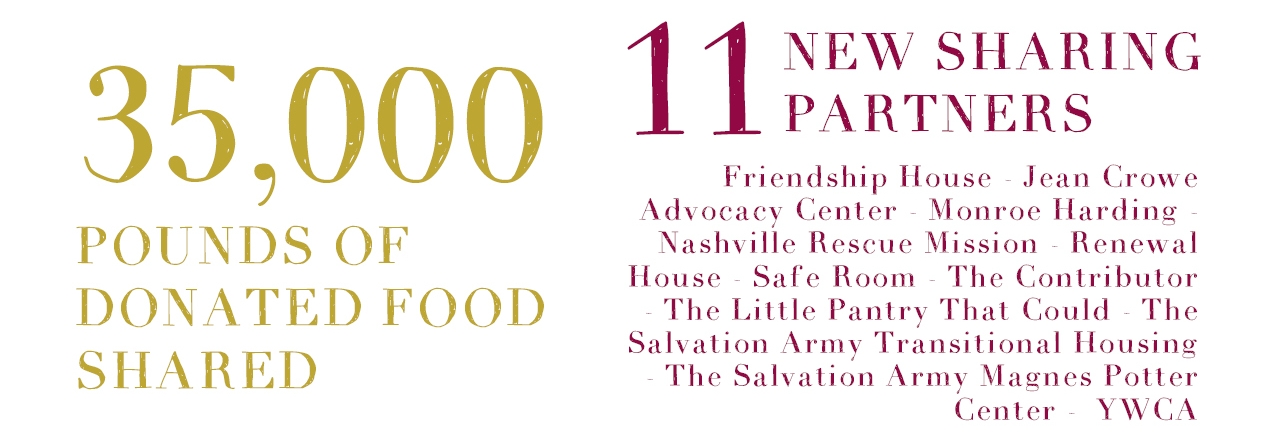
In addition to recovering more food, Booth has also initiated partnerships with 11 nonprofits to share excess donated food. These partners use this food in their own kitchens and stock client refrigerators, ensuring even more have reliable access to fresh food.
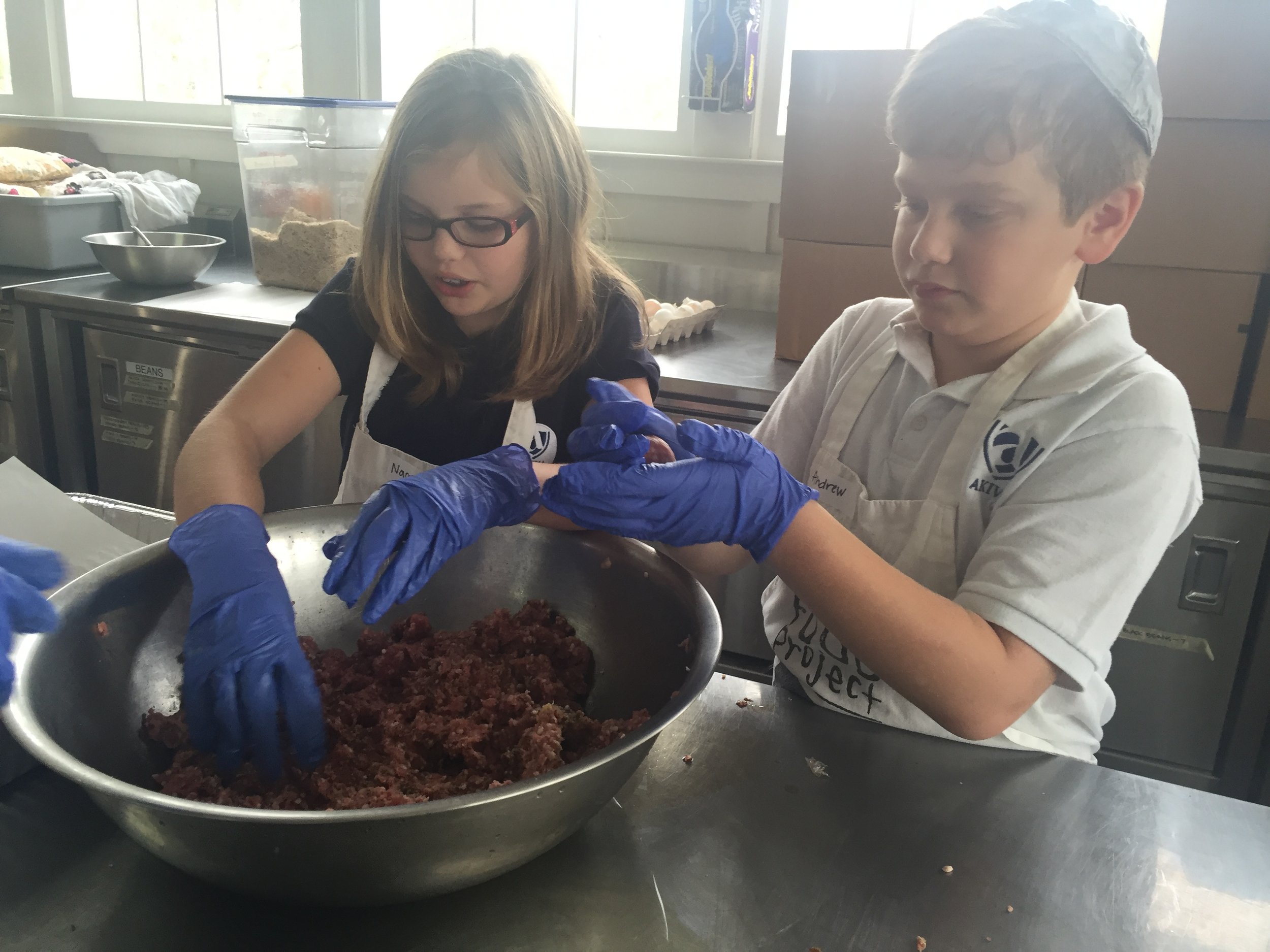
In our South Hall kitchen, we’ve also seen incredible growth, hiring new Meals Manager Christa Ross and Meals Assistant Kathleen Costello. This new staffing helped us increase South Hall meals outputs from just over 1,000 each week in 2015 to more than 1,300 each week in 2016. We added additional volunteer prep times, re-arranged the prep space and created new systems to make our work more efficient and ensure that we are making the best use of every resource we have!


How We Shared in 2016
Thanks to the support of our incredible community, in 2016 The Nashville Food Project shared more food than ever before! Through a new partnership with St. Luke’s Community House and the addition of eight new meal partners, we doubled our annual meals production from 50,000 to 16 partners in 2015 to over 114,000 to 23 partners in 2016!

Thanks to the support of our incredible community, in 2016 The Nashville Food Project shared more food than ever before! Through a new partnership with St. Luke’s Community House and the addition of eight new meal partners, we doubled our annual meals production from 50,000 to 16 partners in 2015 to over 114,000 to 23 partners in 2016!

“Our students have been more open to trying new foods. We see a better attitude, more even energy & well balanced moods on TNFP food days. Our community suppers have helped us unite our families & staff.”

“[The Nashville Food Project’s meals have] allowed us focus on independent skill-building by treating this as restaurant/learning opportunity. Our clients have had access to new, nutrient dense foods that they have loved.”
In 2016, we increased our food recovery efforts, recovering over 108,000 pounds of food that would otherwise be thrown away. About one quarter of all recovered food was shared with new partner organizations. These partners used the food in their own kitchens and helped stock refrigerators for their residents and clients. This ensured that even more families had reliable access to fresh, healthy food.
Our Apple Guy
Earlier this year, a kind and generous member of our community reached out to us with an unexpected, creative idea. Joe Hodgson had learned about the work we are doing to cultivate community and alleviate hunger in Nashville and wanted to get involved.
Earlier this year, a kind and generous member of our community reached out to us with an unexpected, creative idea. Joe Hodgson had learned about the work we are doing to cultivate community and alleviate hunger in Nashville and wanted to get involved.
Joe has a love for apples, particularly heirloom varieties of apples that are hard to find in grocery stores. As he nears retirement and prepares to turn over his landscape architecture business, Joe says he wants to put his love for apples and fresh food into action! He's in the process of purchasing land near the Cumberland Plateau, where he plans to plant an orchard and donate the apples to The Nashville Food Project.

But in the years leading up to the production of this orchard vision, Joe has made a commitment to visiting a local family orchard on the plateau and buying apples that he then donates to our kitchens, landing him the affectionate title of “our Apple Guy” around here. Joe’s generosity is extraordinary! Fresh fruit is one of the most expensive things that we regularly buy for our meals, and it is rarely donated. In both of our kitchens, we try to include fresh fruit with most of our meals.
Joe’s creative donation has brought more innovation into our kitchens! With just one recent donation, our volunteers have already made these delicious, nutritious treats:
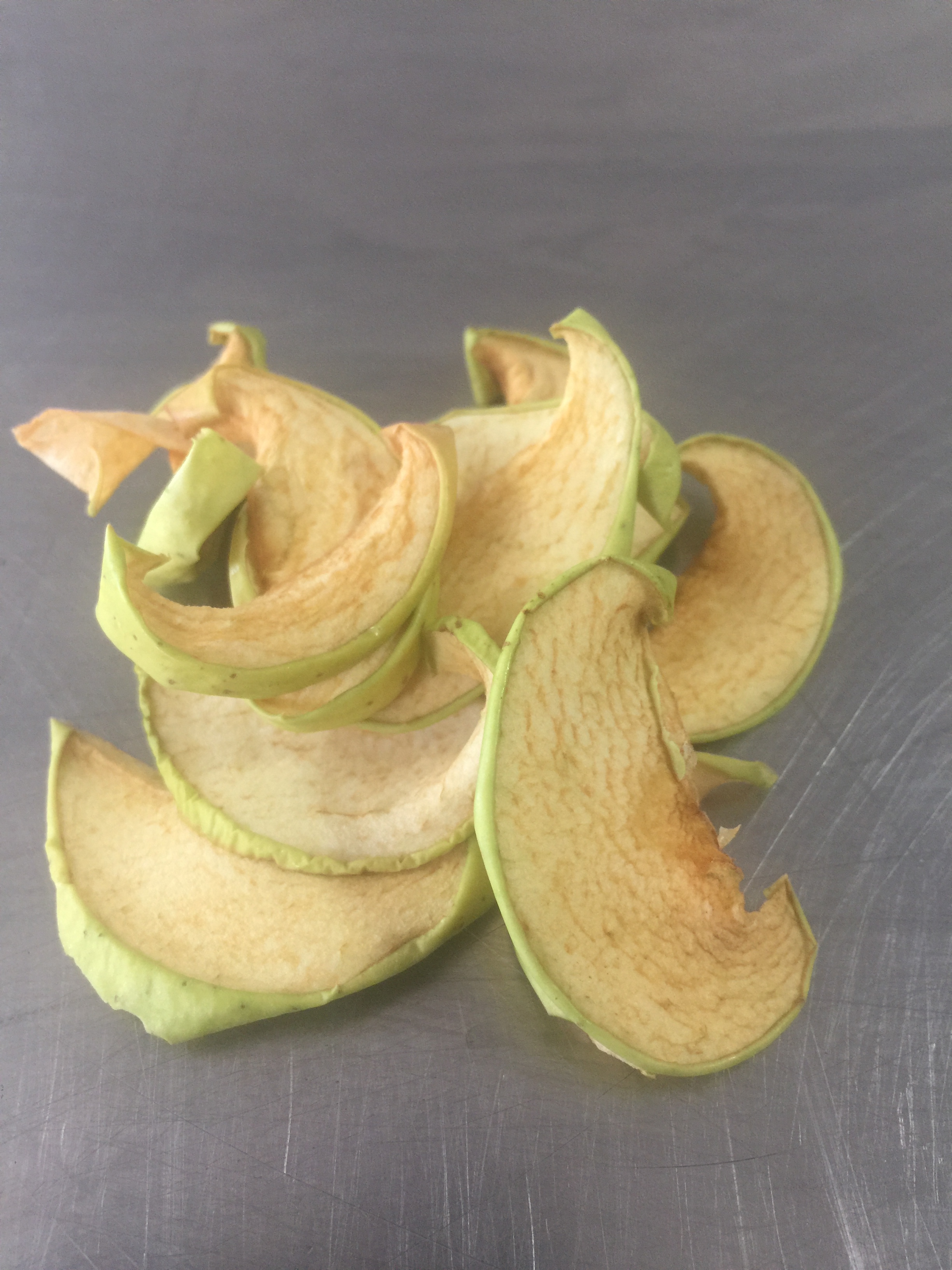
Dehydrated Apple Slices
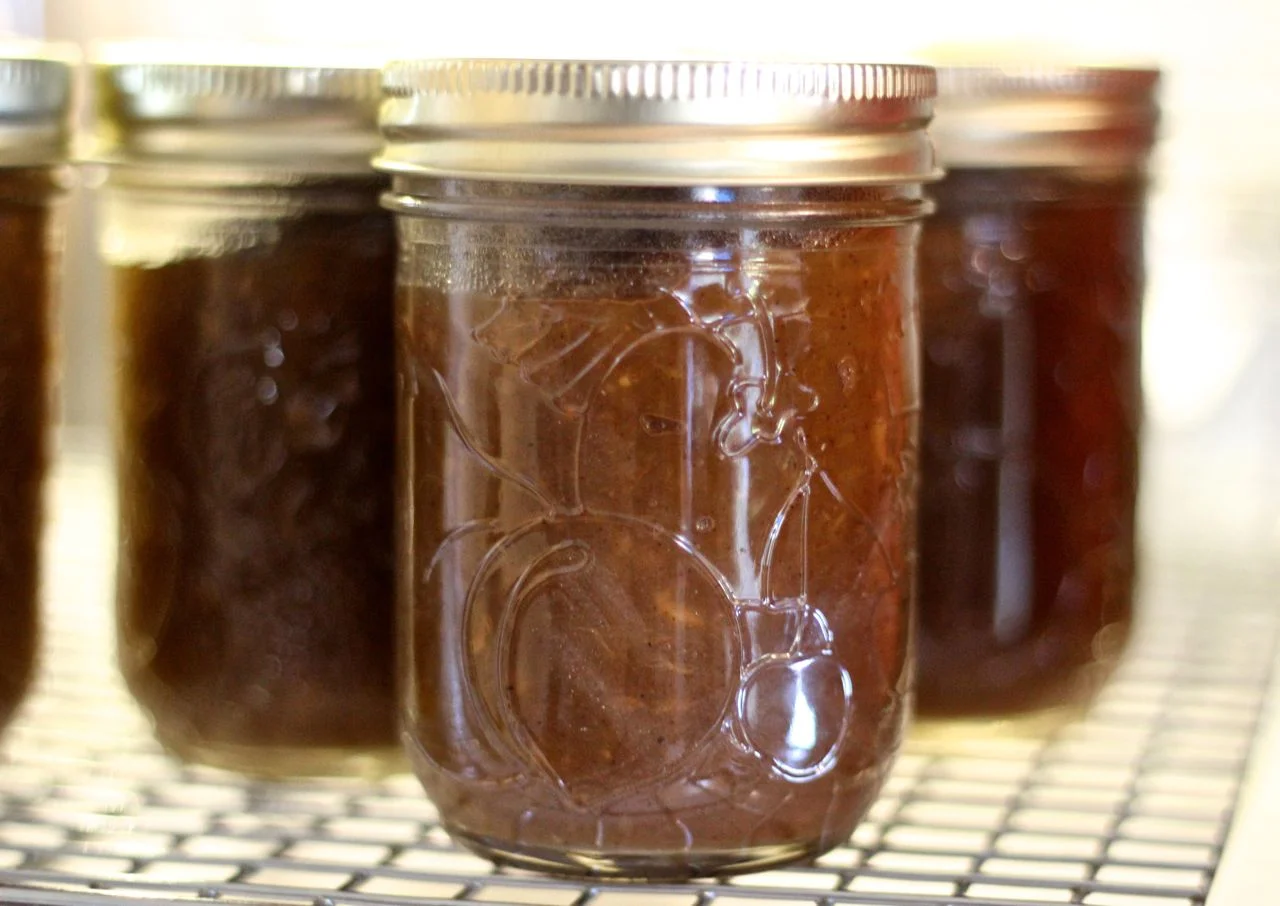
Apple Butter

Apple Sauce

Apple Pie
We send a big thanks to Joe, our Apple Guy, for the incredible, creative way he is supporting the work of The Nashville Food Project!
Partnering With Our Farmer Friends
The Nashville Food Project’s work to grow, cook, and share is supported by a list of food donating partners, many of them local farmers and growers. On the blog today we want to introduce some of our farmer friends and tell you more about our partnership with each…
Grow, cook and share. These three activities anchor our mission at The Nashville Food Project. The work of all three is connected, and when done in ways that intentionally bring people together, as our organization aims to do, this work has the power to create real and lasting change in a community.

The Nashville Food Project’s work to grow, cook, and share is supported by a list of food donating partners, many of them local farmers and growers. On the blog today we want to introduce some of our farmer friends and tell you more about our partnership with each:
Bill and Mary Ruth Lane, Lookin' Up Farm
Bill and Mary Ruth Lane at Lookin’ Up Farm are longtime supporters of The Nashville Food Project. They have been donating their fresh produce to our meals program for five years, but beginning early summer 2016, we began to explore how we could better support their work and begin a true partnership.

Now, once each month, Food Donations Coordinator Booth and a team of volunteers head out to Bon Aqua, TN to volunteer at the farm. There, Bill and Mary Ruth have a 150’ x 150’ garden, as well as many fruit trees, from which nearly all of what is grown is donated to The Nashville Food Project and other local nonprofits serving low-income communities. Booth and the volunteers help with weeding, planting and harvesting, and they bring harvested food back to The Nashville Food Project to be incorporated into our meals. Lookin’ Up supports our meals with a great variety of produce. Highlights include:
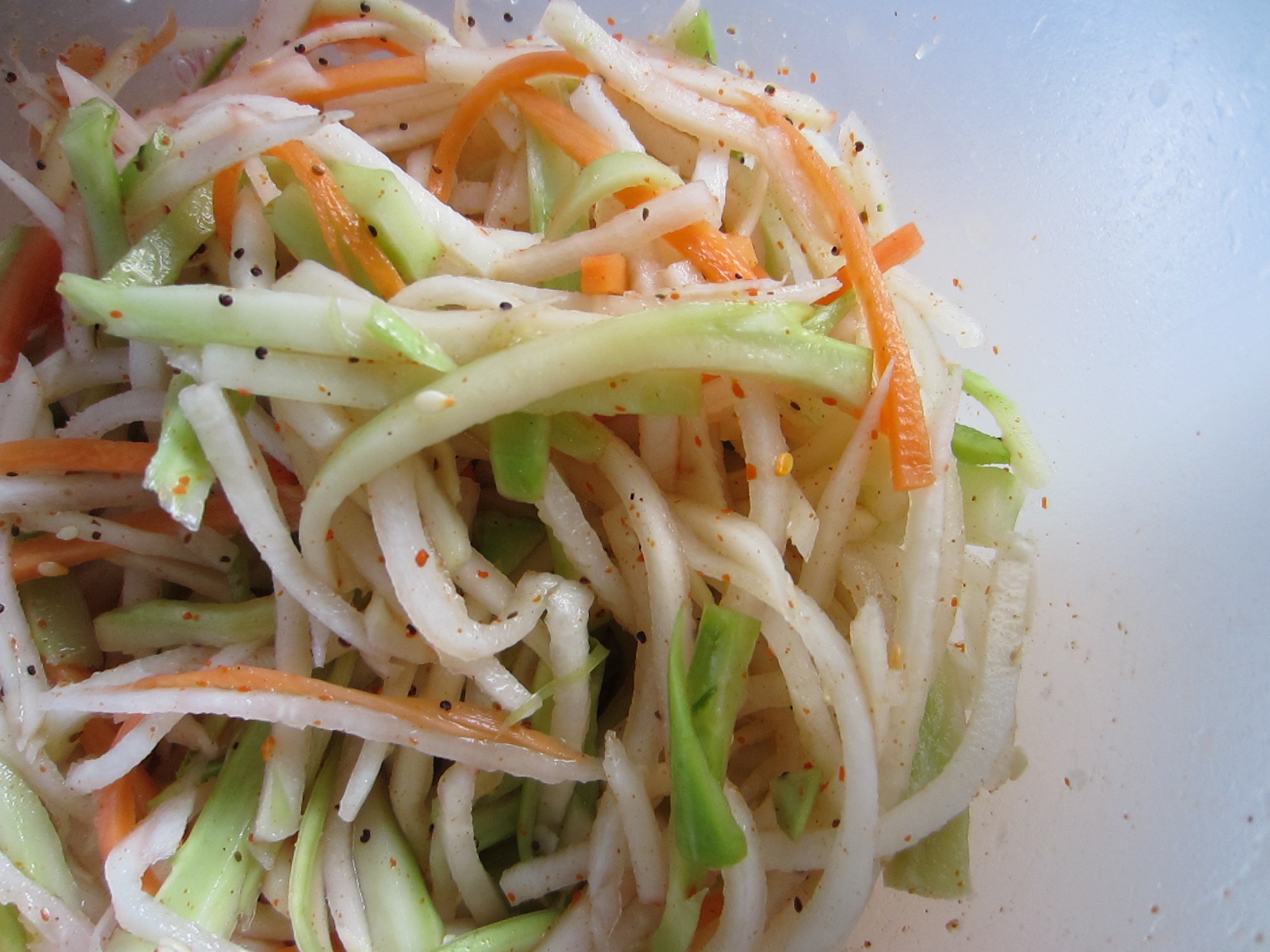
SO MUCH KOHLRABI SLAW!

PEARS! We made pear butter, pear bakes, pear slices for snack, etc.
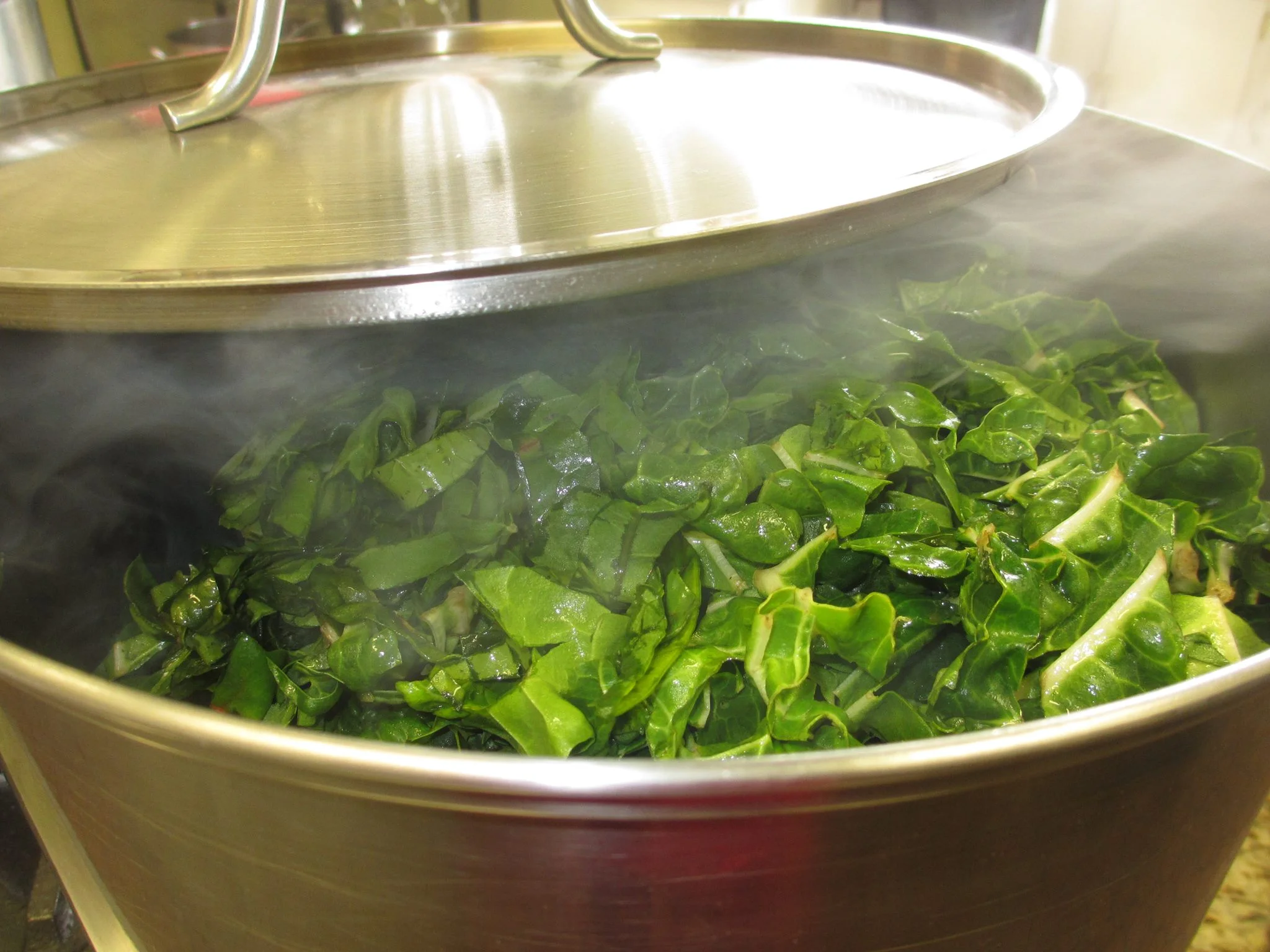
Greens! A favorite at several of our meal sites.
The Giving Garden
Started by Franklin First United Methodist Church, the folks at The Giving Garden grow food on the land that will eventually become the church’s new home. They have plenty of land to share and now have a group of dedicated volunteers who farm that land and give away 100% of what they grow to people and organizations who value fresh produce and serve people in need. We’ve helped connect their volunteers with incredible organizations to receive some of this food, and they have donated beautiful over-wintered spinach and other produce to our meals program.

Hank Delvin & Crew, Delvin Farms
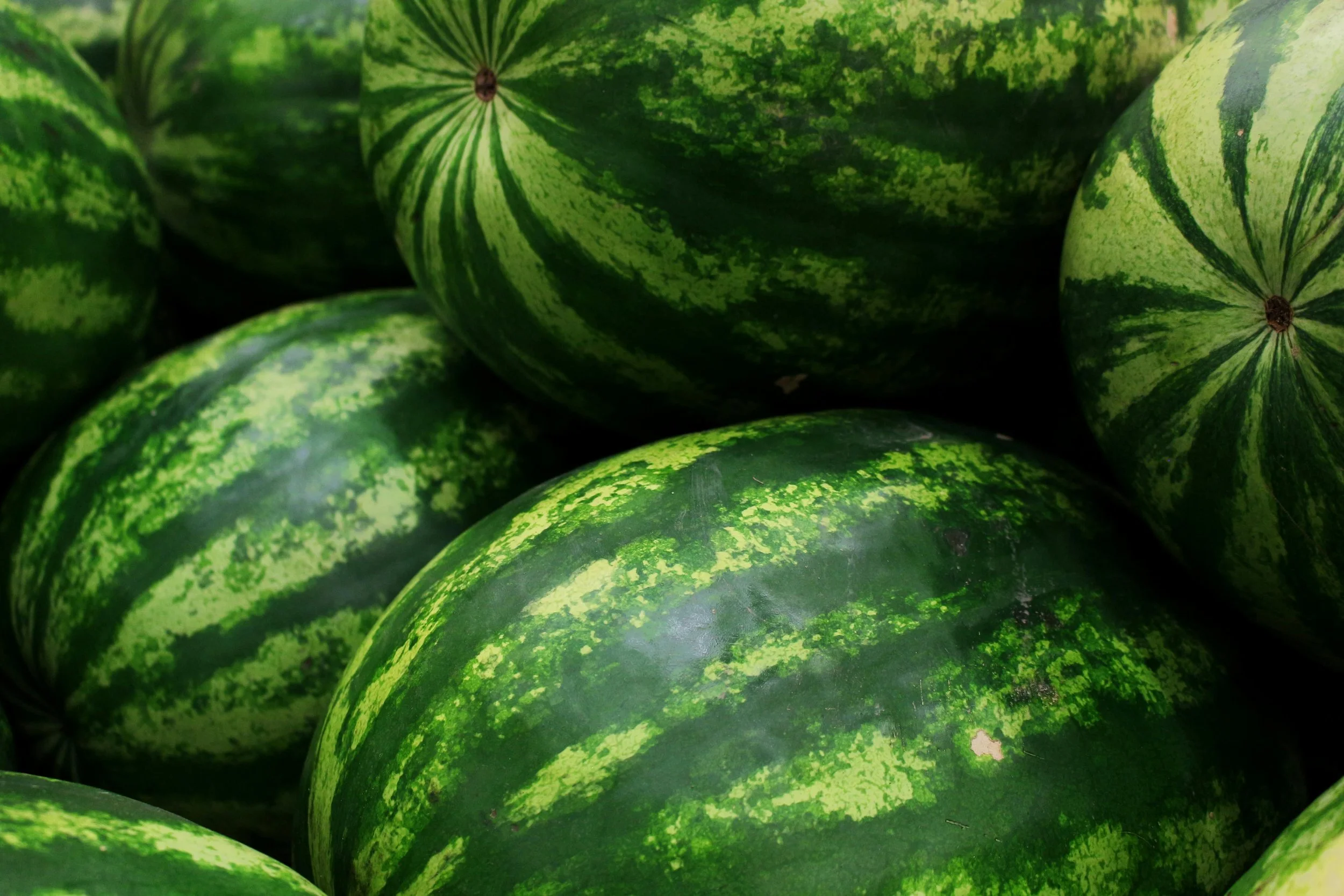
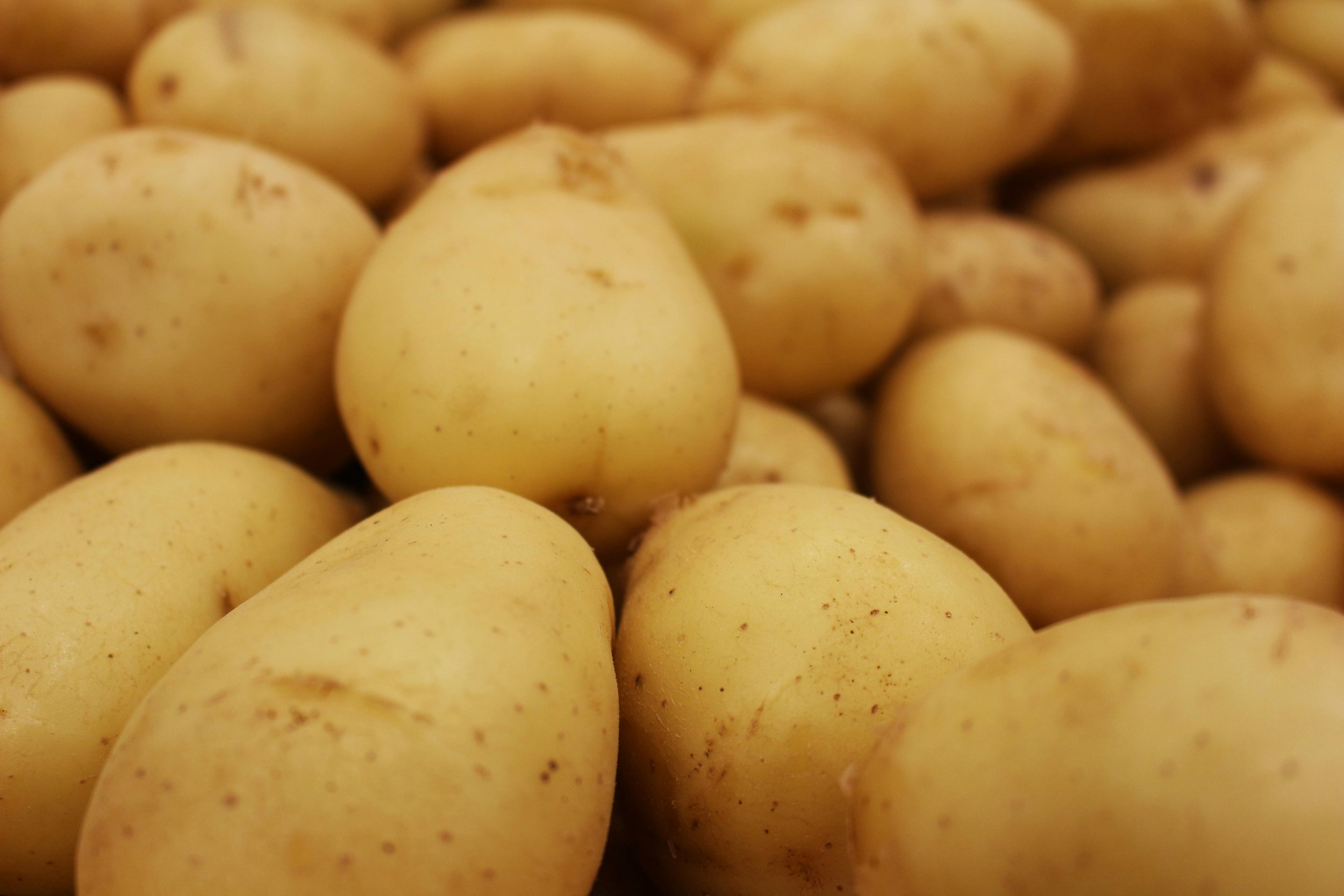
This summer alone, longtime food donor Hank Delvin and the folks at Delvin Farms have donated thousands of pounds of Yukon gold potatoes, watermelons and yellow squash. As they’ve ramped up their food donations, we’ve also stepped up our support of their work. In fact, we have an upcoming opportunity for you to get involved!
We’ll be at Delvin helping out Hank and the gang later this week on Thursday, October 20th. They are swimming in green beans and told us that we could have anything that we could pick. We don’t turn down an offer like that! We’ll blanche them, roast them and incorporate them into casseroles! If you’d like to help out, please contact Booth at booth@thenashvillefoodproject.org.
