
The Nashville Food Project’s Blog
















Bottle Gourd Curry
One of the things we love most about the connection between our gardens and our kitchens is the fun challenge of incorporating local, seasonal foods you don’t often find at area grocery stores. For example? All summer long, a vine has been working its way up, over and all around the trellis entryway to the Woodmont garden behind TNFP’s office...

One of the things we love most about the connection between our gardens and our kitchens is the fun challenge of incorporating local, seasonal foods you don’t often find at area grocery stores.
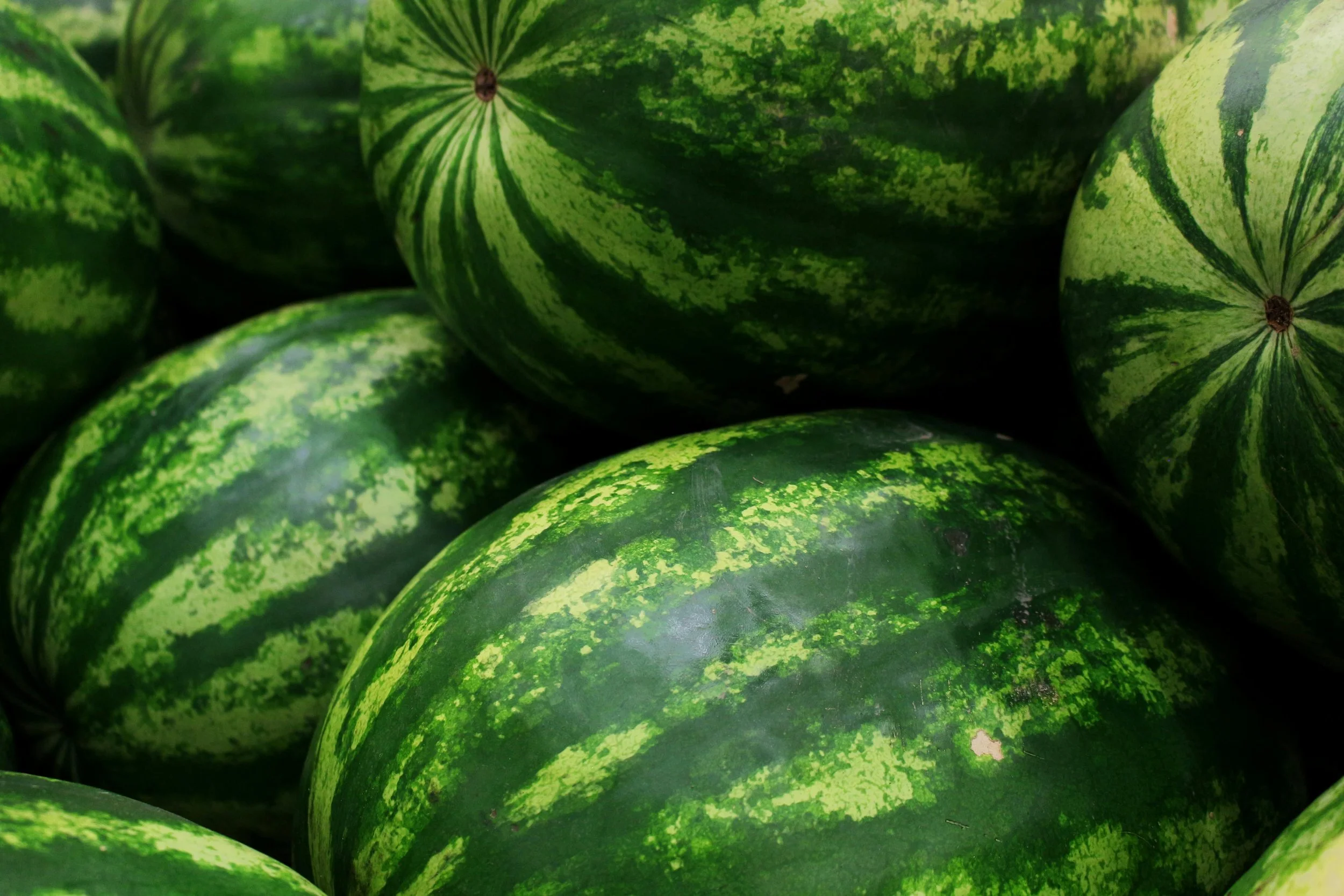
For example? All summer long, a vine has been working its way up, over and all around the trellis entryway to the Woodmont garden behind TNFP’s office. Through the window of our kitchen, cooks and meal prep volunteers have been watching this slow progress for months — and finally, last week, walked the 20 feet from the back door of the kitchen to harvest the huge, rounded fruits: bottle gourd!

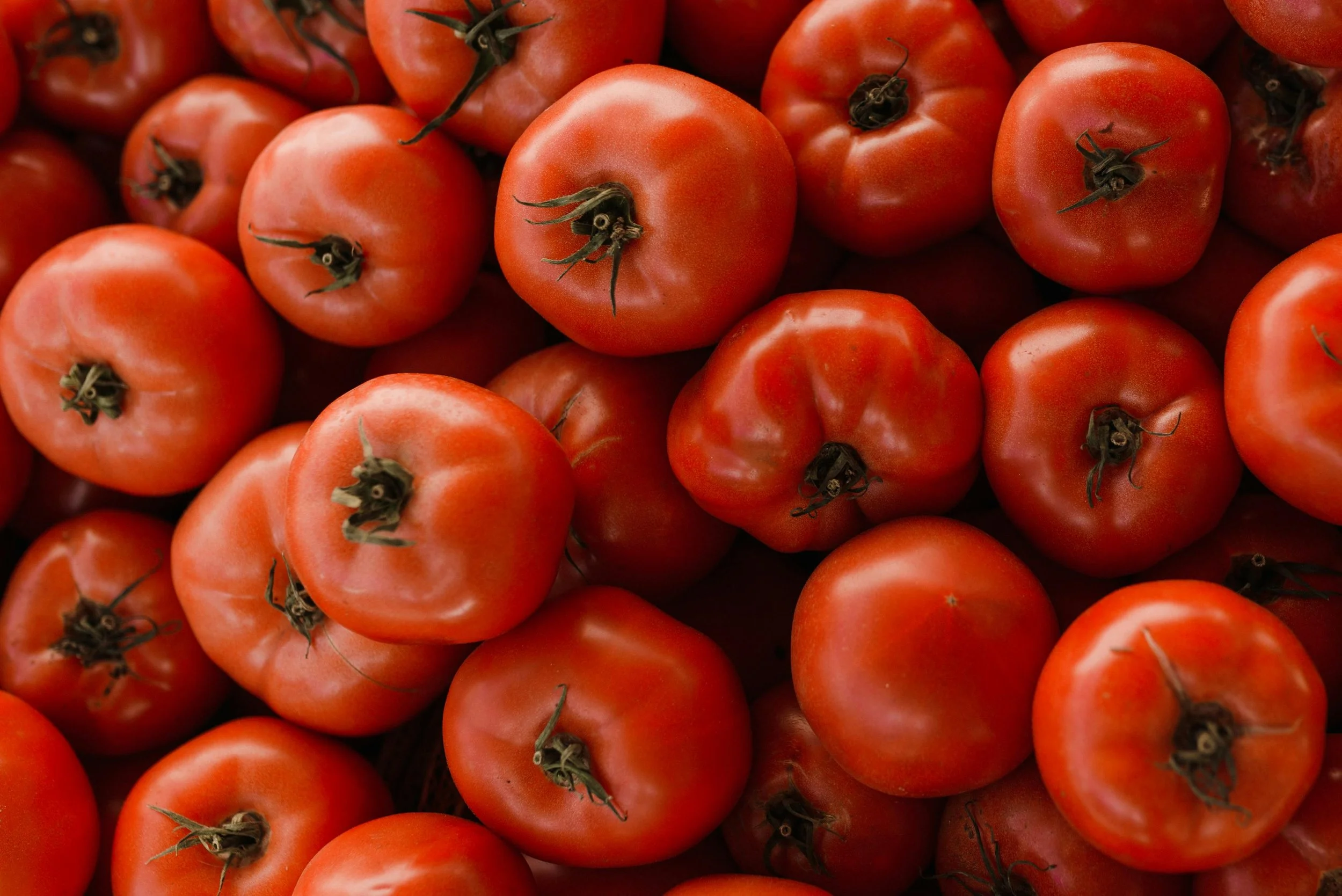
Tomato & masking tape for size reference!
Bottle gourd — also known as calabash, white-flowered gourd, New Guinea bean, Tasmania bean and long melon — comes in lots of different shapes and sizes, but generally can be either harvested young to be eaten as a vegetable or harvested mature to be dried and used as a container. This is a great example of a plant that can provide a lot of health benefits. Not only does it have a cooling effect in the body, but it’s also said to help maintain a healthy heart and blood pressure and even helps reduce sleeping disorders.
So… what do you cook with bottle gourd? While there are lots of options, we decide to feature it in a curry dish on menus at different meal sites throughout last week. We also grated it to use as a replacement for zucchini in zucchini bread.
Try it out our version of a bottle gourd curry with the recipe below!

Bottle Gourd Curry
Makes 4-6 servings
Ingredients
3 tbsp olive oil or vegetable oil, and as needed
1 tbsp ginger garlic paste
1/2 cup chopped onion
1/2 cup chopped tomato
2 cups cubed bottle gourd
1 tbsp red chili paste
2 tbsp garam masala
2 tsp cumin
2 tsp turmeric
Salt to taste
1 can of coconut milk
Coriander to taste
2 tsp brown sugar
Rice (optional to serve)
Directions
Wash bottle gourd under running water. Peel the skin and chop to bite-sized pieces (we found this article helpful for more detail on cleaning and preparing bottle gourd).
Pour oil to a wide, heavy-bottomed pan. Then add ginger-garlic paste, and saute chopped onion. Once soft, add tomato, then bottle gourd and spices (red chili paste, garam masala, cumin, turmeric and salt). If you have other seasonal vegetables on hand, you could add those as well.
Fry on medium to high flame for 3 to 5 minutes; keep stirring to avoid burning. If the gourd is not tender or less juicy, cover the pan and cook until the gourd is fully cooked. If tender, continue to fry without covering until it is fully cooked. Careful not to overcook!
Add coconut milk and stir well to mix. Last, add coriander and brown sugar. Serve curry over cooked rice.
Based on recipe from Indian Healthy Recipes and notes from TNFP volunteer cooks Mary Dionne and Meera Sardessai.