
The Nashville Food Project’s Blog



National Agriculture Day at The Nashville Food Project
On National Agriculture Day, we honor the people and practices that make it possible for food to reach our tables.
It is easy to think of food at the point of consumption. A meal served. A plate shared. A moment of nourishment. But every meal begins long before that. It begins in the soil, in the steady work of planting, tending, and trusting that something will grow.
At The Nashville Food Project, agriculture is not separate from community. It is where our work begins.
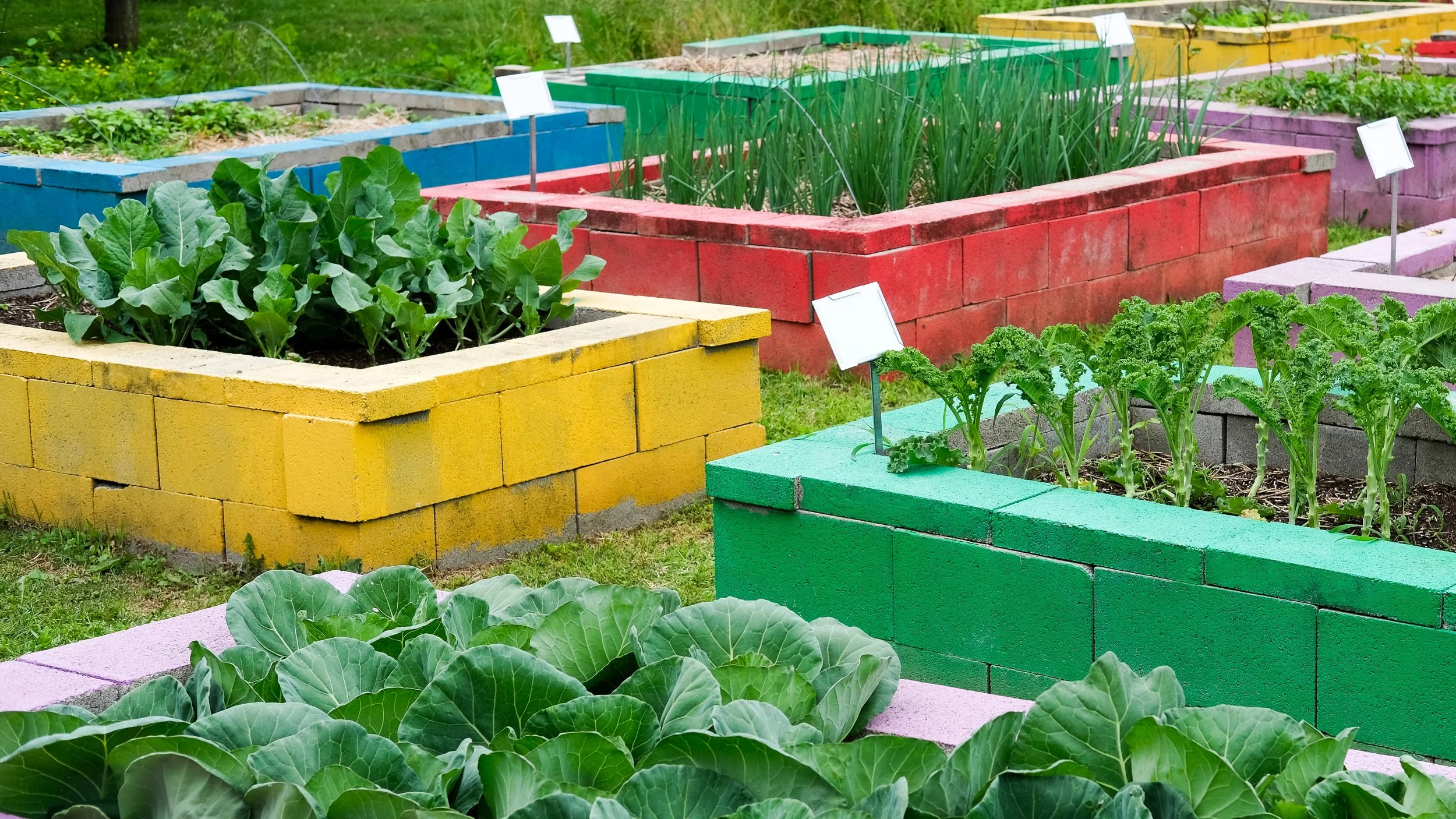
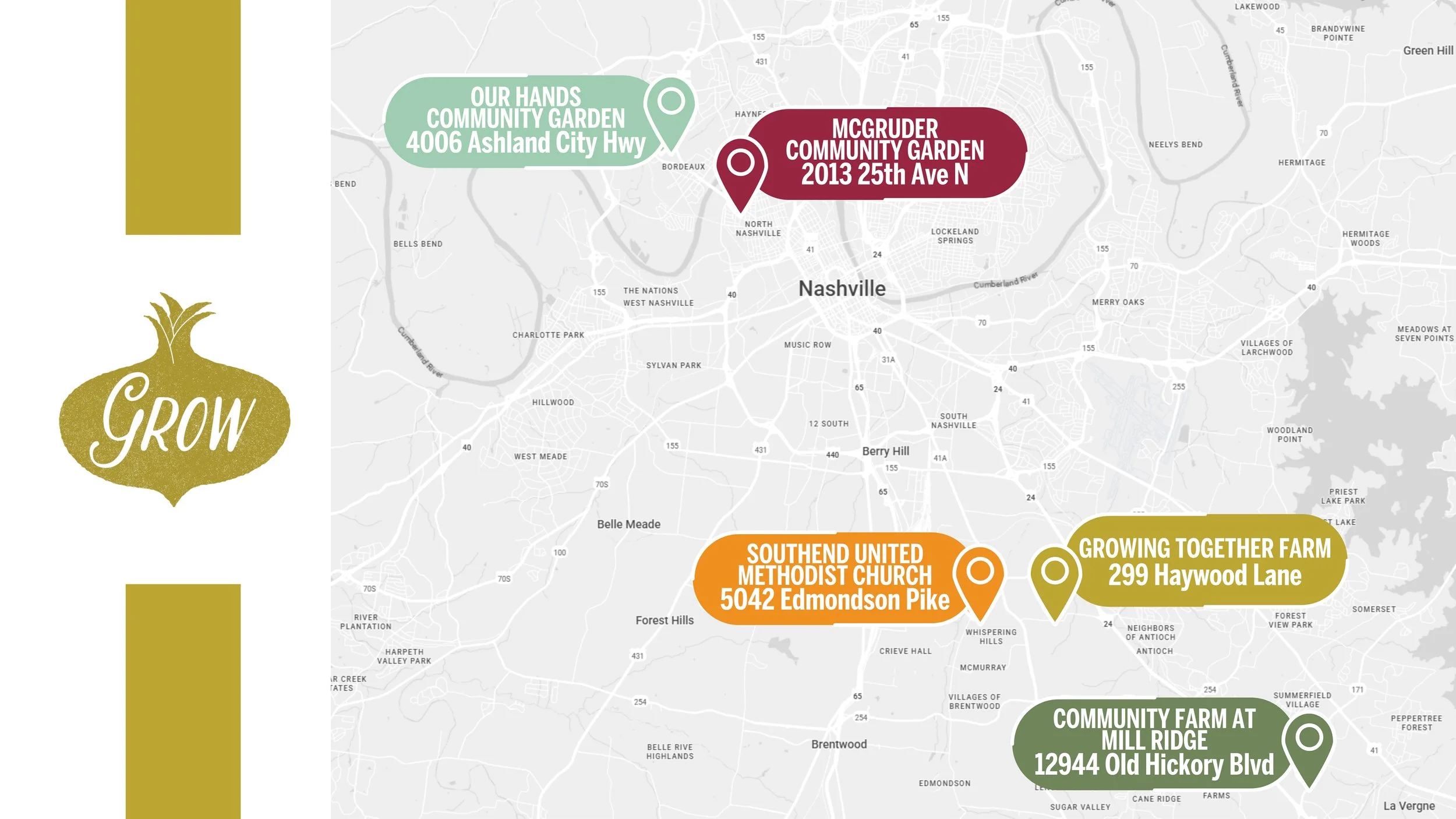
Across our Community Agriculture Network, this work is already taking root. At sites like Growing Together Farm, the Community Farm at Mill Ridge Park, McGruder Community Garden, Our Hands Community Garden, and Southend United Methodist Church, neighbors come together to grow food, share knowledge, and care for the land. New spaces, including Hope Community Gardens and Donelson Community Garden, will continue to expand this work in the years ahead.
These are not just places where food is grown. They are places where community is built.
In these gardens and farms, people gather across generations and experiences. They learn what it means to steward land. They take part in the slow and intentional work of growing food. They see firsthand how small acts, repeated over time, can lead to something that nourishes many.
This is the kind of agriculture we celebrate.
It is rooted in care.
It is shaped by collaboration.
It is sustained by people who choose to show up.
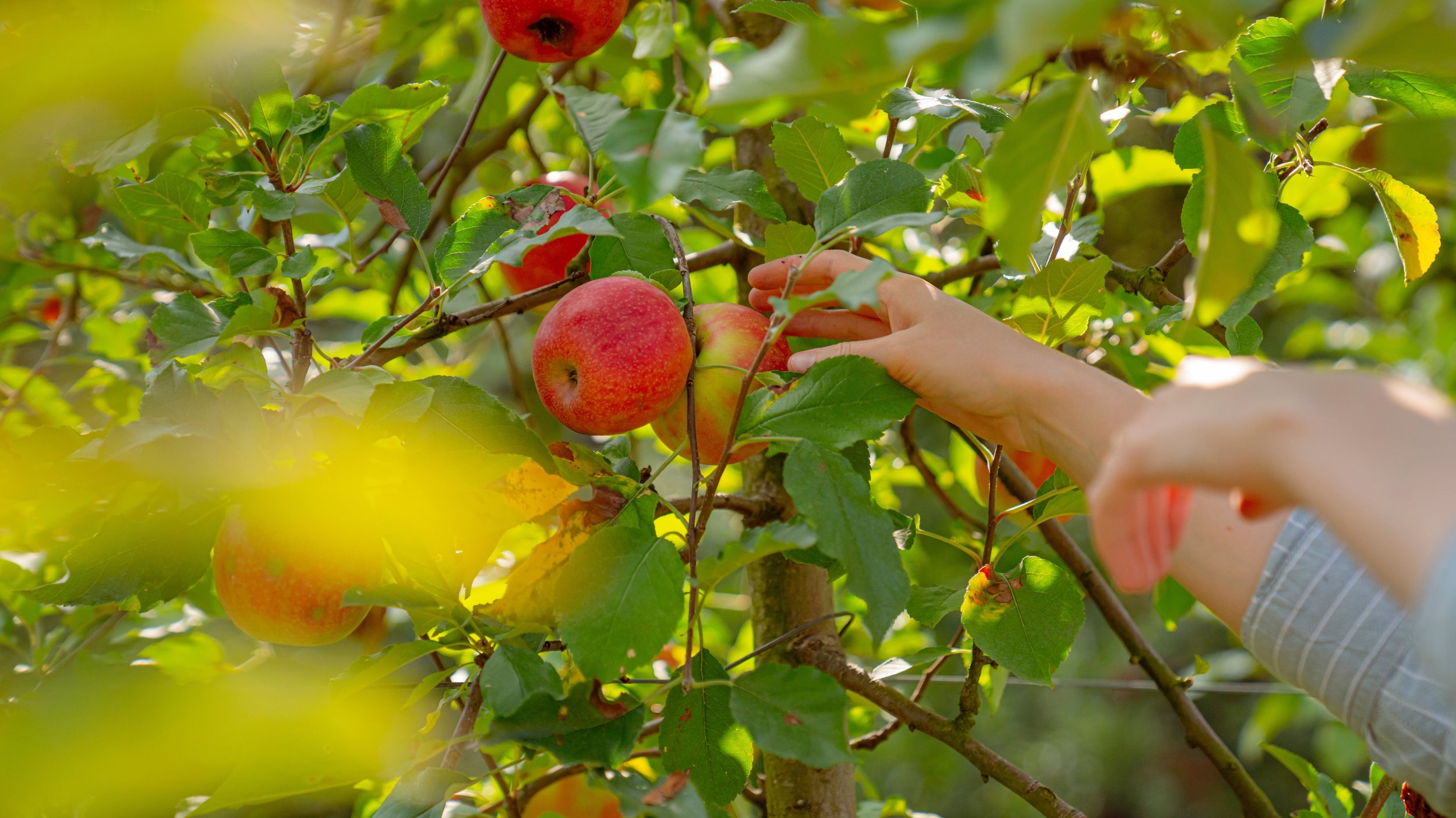
As we look ahead, this work continues to grow. Through our community orchard initiative, we are expanding what it means to cultivate long-term nourishment. Orchards invite us into a different kind of commitment, one that looks beyond a single season and toward years of shared harvest. They create spaces where communities can gather, care for fruit-bearing trees, and build something that will continue to give over time.
This is what it means to reimagine our food system.
A healthy food system is not built overnight. It is cultivated through relationships, through shared responsibility, and through the belief that everyone should have access to the food they want and need. It is shaped by growers, volunteers, partners, and community members who invest in something larger than themselves.
On this National Agriculture Day, we are reminded that the work of agriculture is not just about growing food. It is about growing connection, resilience, and possibility.
And there are many ways to be part of that work.
You can apply to become a community partner garden.
You can learn more about our growing network of orchards.
You can become a garden or orchard steward.
You can volunteer alongside us in our gardens and farms.
You can apply for a garden plot and begin growing your own food.
Each of these is an invitation.
An invitation to step into the work.
An invitation to tend something that will, in time, grow.
Because nourishment begins here.
In the soil.
In community.
In the shared work of growing something together.
Community Agriculture Network Sites
Growing Together Farm — 299 Haywood Lane, Nashville, TN, 37211
Community Farm at Mill Ridge Park - 12944 Old Hickory Blvd., Antioch, TN 37013
McGruder Community Garden at McGruder Family Resource Center — 2013 25th Ave. N., Nashville, TN 37208
Our Hands Community Garden at Alameda Christian Church — 4006 Ashland City Hwy., Nashville, TN 37218)
Southend United Methodist Church — 5042 Edmondson Pike, Nashville, TN 37211
Hope Community Gardens — coming in 2026
Donelson Community Garden — coming in 2026
Recipes from the Growing Together Farm: Lu Ja's Fried Rice
By Gabby Raymond, AmeriCorps Food Justice Storytelling Content Leader
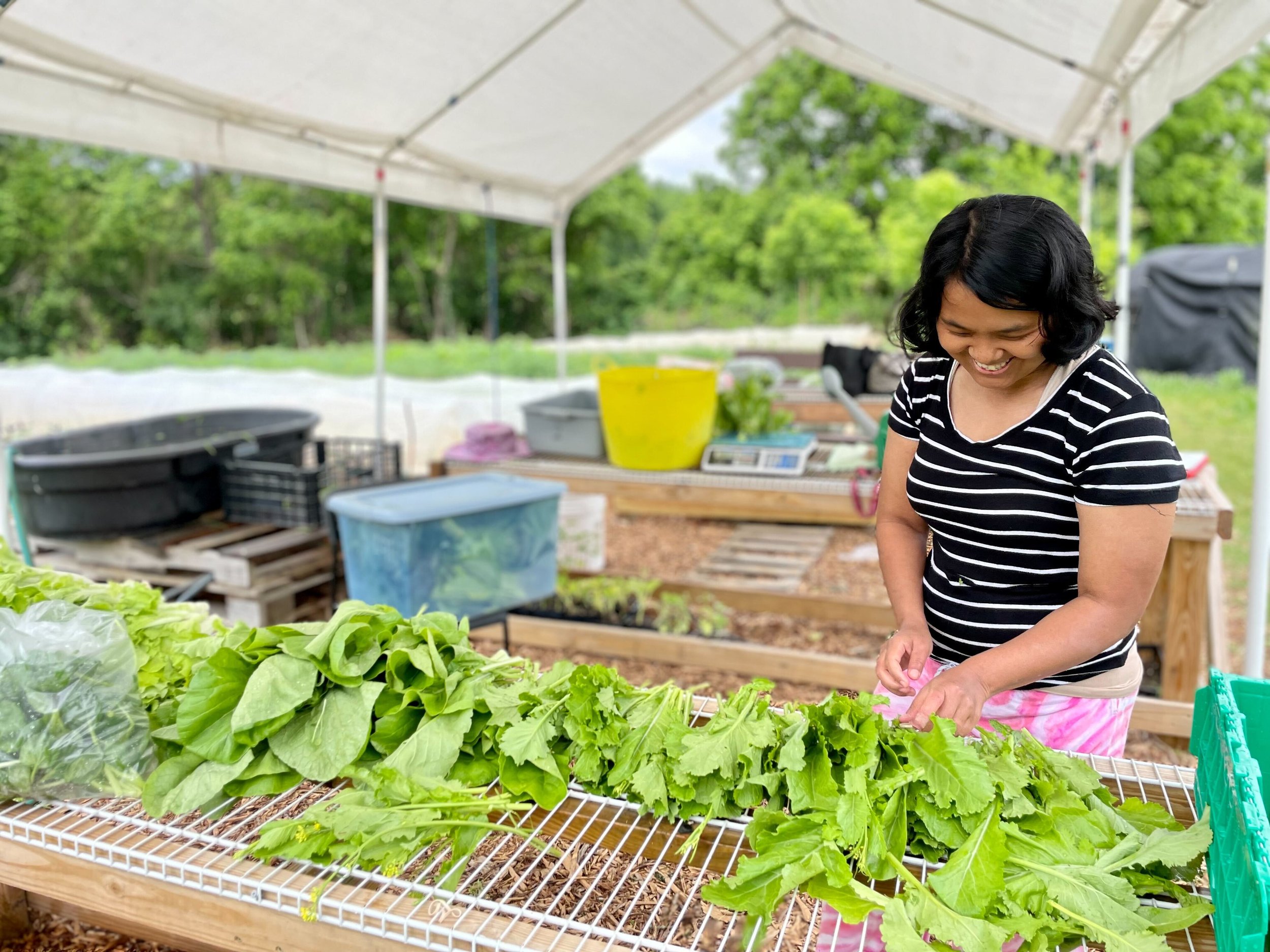
Lu Ja, Growing Together’s newest farmer
"I'm already 30, I need to eat healthy now," says Lu Ja as she vigorously stirs long beans sizzling in a pot with a little oil. She is preparing fried rice homemade style, which she describes as different from restaurants because of its simplicity and lack of lots of salt or MSG.
Lu Ja has two young sons at home, and so she often cooks easy to make, quick meals at home. A go-to meal for her is steamed chickpeas sauteed with garlic and rice, which she used to eat frequently in Myanmar. When she wants to incorporate more vegetable into her meals, she will make this fried rice.
"The tongue likes sweet and spicy," says Lu Ja. "But this meal is for a full stomach."
Lu Ja’s Healthy Fried Rice

Ingredients
2 cups cooked jasmine rice
Salt to taste
Sugar to taste
Black pepper to taste
5 to 6 cloves of garlic
Cherry tomatoes, halved
Mixed bell peppers, diced
Long beans, sliced
1 bunch water spinach, chopped
2 eggs
Vegetable oil

Instructions
Add 1 tsp. neutral oil to a pan on medium high heat and cook egg until done. Transfer to a bowl.
Massage 1 tsp salt into cooked rice.
Add more oil to the pan and cook long beans until soft.
Stir continuously and add salt, sugar and pepper.
Add bell peppers and when incorporated stir in chopped water spinach and rice.
Combine, add in chopped egg and stir in any additional seasoning.
Let rice cook until you can hear it begin to crackle.
Stir and then add tomatoes and Thai basil leaves and flowers.
Stir and scrape the bottom to incorporate any crunchy bits.

Although the eggs and vegetables are flavorful on their own. if you're looking to pack a little more punch to the flavors of this dish, you can incorporate your own sauce when you add the rice.
Option 1:
1/2 tsp sesame oil
3 tsp soy sauce
Option 3:
3 tsp fish sauce
1 tsp oyster sauce
1/2 tsp sugar
Option 2:
1 1/2 tsp soy sauce
1 1/2 tsp dark soy sauce
For the best consistency when making fried rice, use cold leftover rice. Day old rice works perfectly because it will not become mushy when frying.
Vegetable fried rice can also be garnished with chopped scallions or cilantro and served with tomatoes and cucumbers on the side. You can also add chicken or shrimp if you don't want a strictly vegetarian dish.

Growing Together to Build Food Security
Can you imagine 27,000 pounds of produce? Now picture that being grown by the patient hands of just four families on less than a single acre of land. This is the work of Growing Together, an urban farm in southeast Nashville jointly stewarded by immigrant and refugee farmers and The Nashville Food Project.
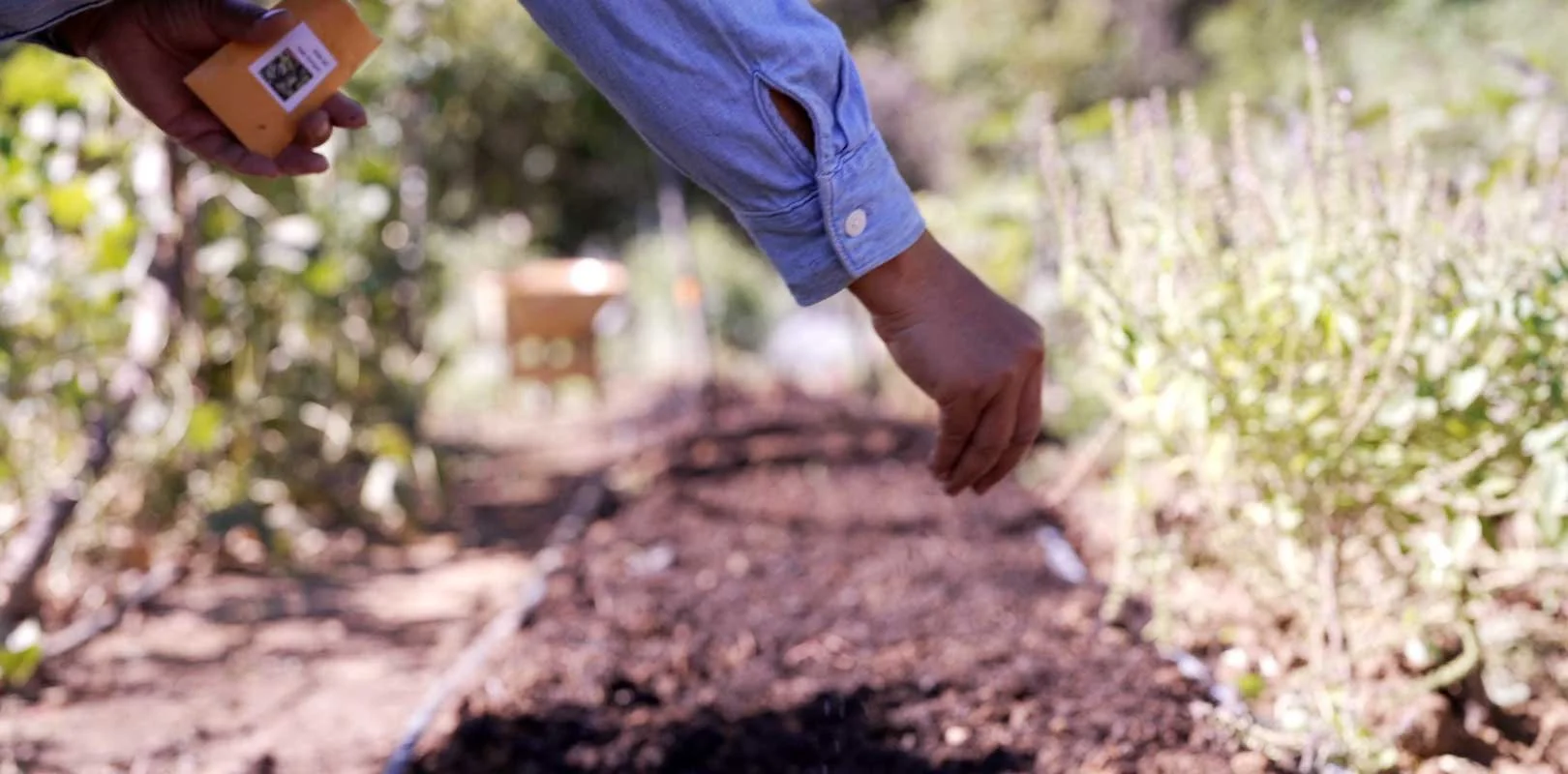
Can you imagine 27,000 pounds of produce? Now picture that being grown by the patient hands of just four families on less than a single acre of land. This is the work of Growing Together, an urban farm in southeast Nashville jointly stewarded by immigrant and refugee farmers and The Nashville Food Project.
In the warmest, busiest months, the Growing Together farm is overflowing with handmade trellises of tomatoes, towering okra plants, and bright red Dalle Khursani, Nepali hot peppers. The farmers, who all came to the U.S. from Bhutan and Myanmar, tend crops from their home countries alongside Middle Tennessee favorites. Cabbages thrive next to creeping vines of bitter gourd. Many languages echo across the field as farmers trade jokes and bits of advice.
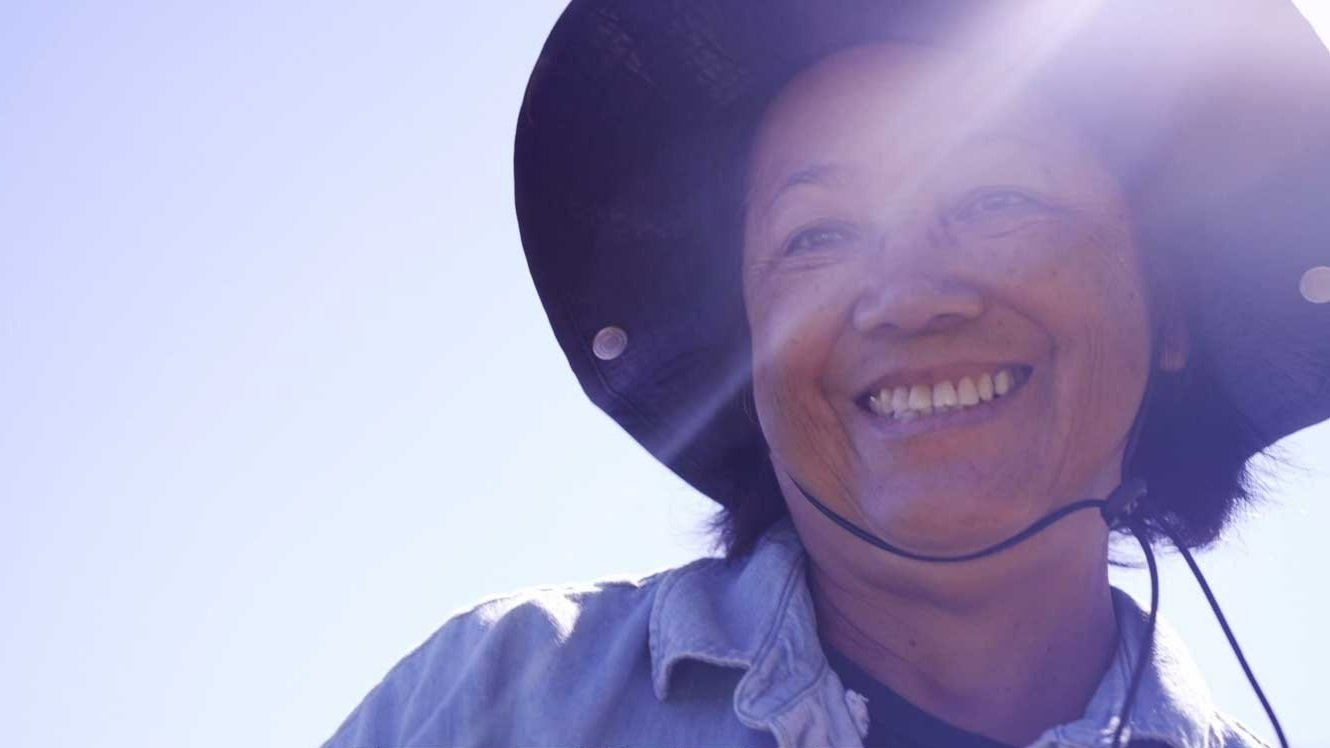
“Our exchange of knowledge makes me a more successful grower,” says La Sai Roi, a Burmese farmer who has been with the Growing Together program since 2021. “I am so thankful for this program and all the farmers.”
The farm is as multigenerational as it is multicultural. People of all ages cultivate thriving rows, wash bundles of spinach under tents, and pack veggie boxes for pickup. Growing traditions with origins in the farmers’ home countries, like seed saving or companion planting, are passed down to younger generations through practical experience. It’s a close-knit community where farmers continually deepen connections to their countries of origin and to each other.
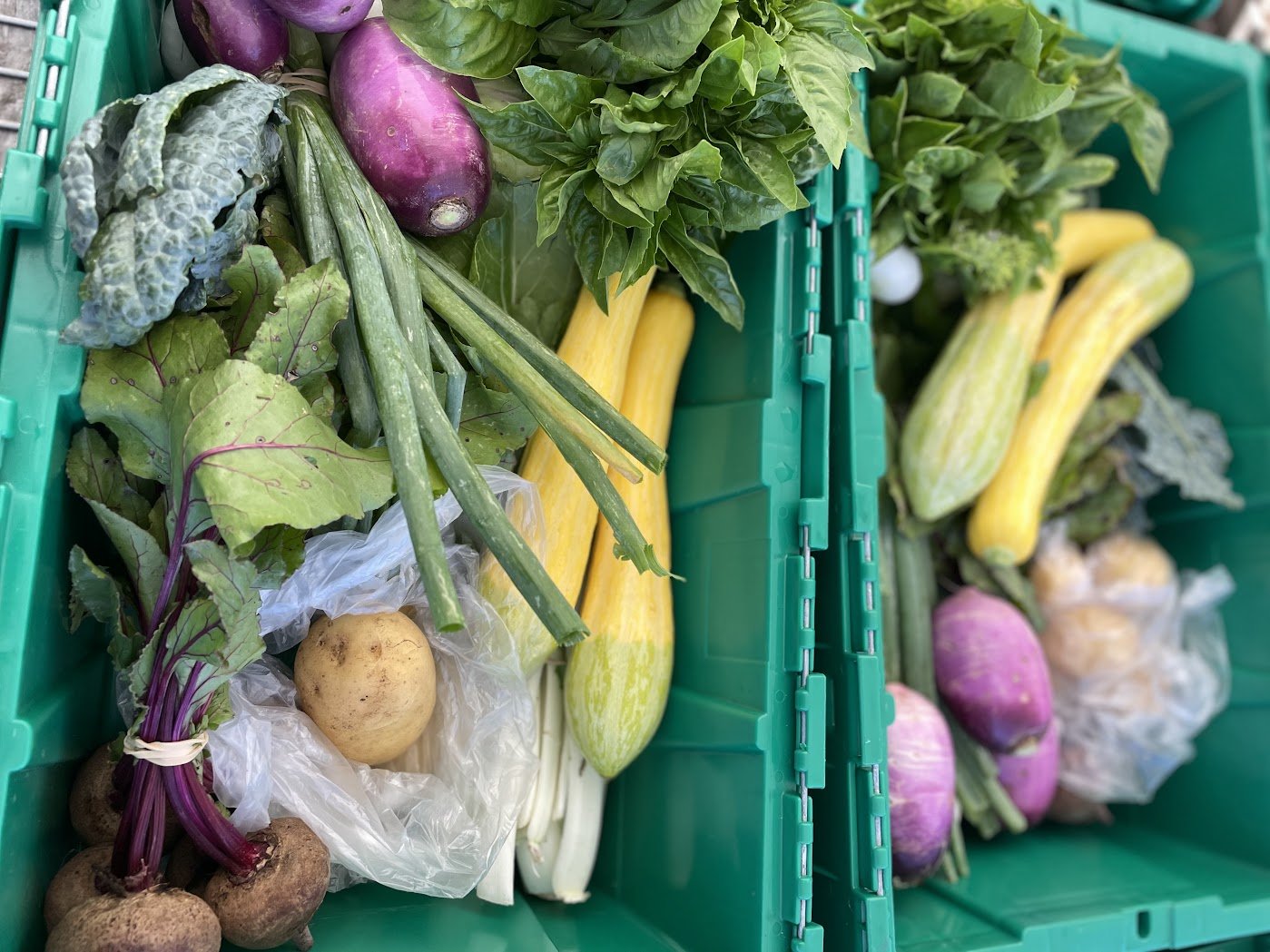
The farm’s Community Supported Agriculture program extends a pathway for farmers to get more plugged into the local community, forming meaningful relationships with customers while generating income that supports family webs in Nashville and beyond. If you’re looking to cook with a wider variety of veggies, support immigrant and refugee farmers, and build community food security along the way, consider supporting Growing Together this spring by purchasing a CSA share.

Meet the 2022 Growing Together Farmers
The 2022 Growing Together harvest season is kicking off! With CSAs and produce shares about to begin, it is important for our community to know the farmers who grow their food. Lal Subba, Chandra and Tonka Poudel, Sumitra and Pabitra Guragai, Nar and Tek Guragai, and La Sa Roi all steward plots at our Growing Together farm, and their personalities are each as vibrant as their veggies.
By Tallahassee May, Director of Growing Together
The Growing Together community farm is gearing up for a busy season ahead! The farmers have expertly nurtured the soil, raised the transplants, sown the seed, and coaxed their crops through the roller coaster spring weather. Next week we begin our Veggie Box Community Supported Agriculture (CSA) program as well as start our produce share deliveries to community partners new and returning. To say the Growing Together farmers are ready is an understatement, as they have worked tirelessly to have our now bountiful field of produce ready for our customers.
As the market-farming program of The Nashville Food Project, the work of growing food and increasing food access is a primary goal. The participating farmers came to this country as either refugees or recent immigrants and face significant barriers due to language, literacy, and transportation. With land access, skills training, market connections, and a space free from the pressure of cultural assimilation, the Growing Together farmers significantly increase food security through their contribution to our local food system.
But the Growing Together farm, while a busy and productive place, is also about cultivating community and connection through meaningful work. It is a place for the farmers to experience belonging and purpose, and each of them brings unique skills and incredible heart to their work every day.


Long-time community farm participants Chandra and Tonka Poudel, Lal Subba, and Nar and Tek Guragai have been with the Growing Together program since the beginning and form the cornerstones of our production. Because of their excellent skills and commitment, we are able to hold more produce sharing opportunities than ever before, ensuring as many local, organically grown vegetables as possible are feeding our communities. As elders in their communities, they offer much wisdom, experience, humor and insight. These farmers carry with them traditional agricultural and cultural knowledge, and the time we spend together working, learning, laughing, problem-solving, and sharing food together in the garden helps to keep this knowledge alive for younger generations.

The sister team of Sumitra and Pabitra Guragai are also a large part of the farm. Having worked alongside their parents for years, they are amazing growers themselves and pursue new and diverse crops, such as cut flowers and medicinal herbs, with the energy of true entrepreneurs. Sumitra and Pabitra are the youngest farmers and also juggle full time work commitments, GED courses and citizenship classes. Although they are busy, their time on the farm is marked by their shared laughter and song as it drifts over our acreage.
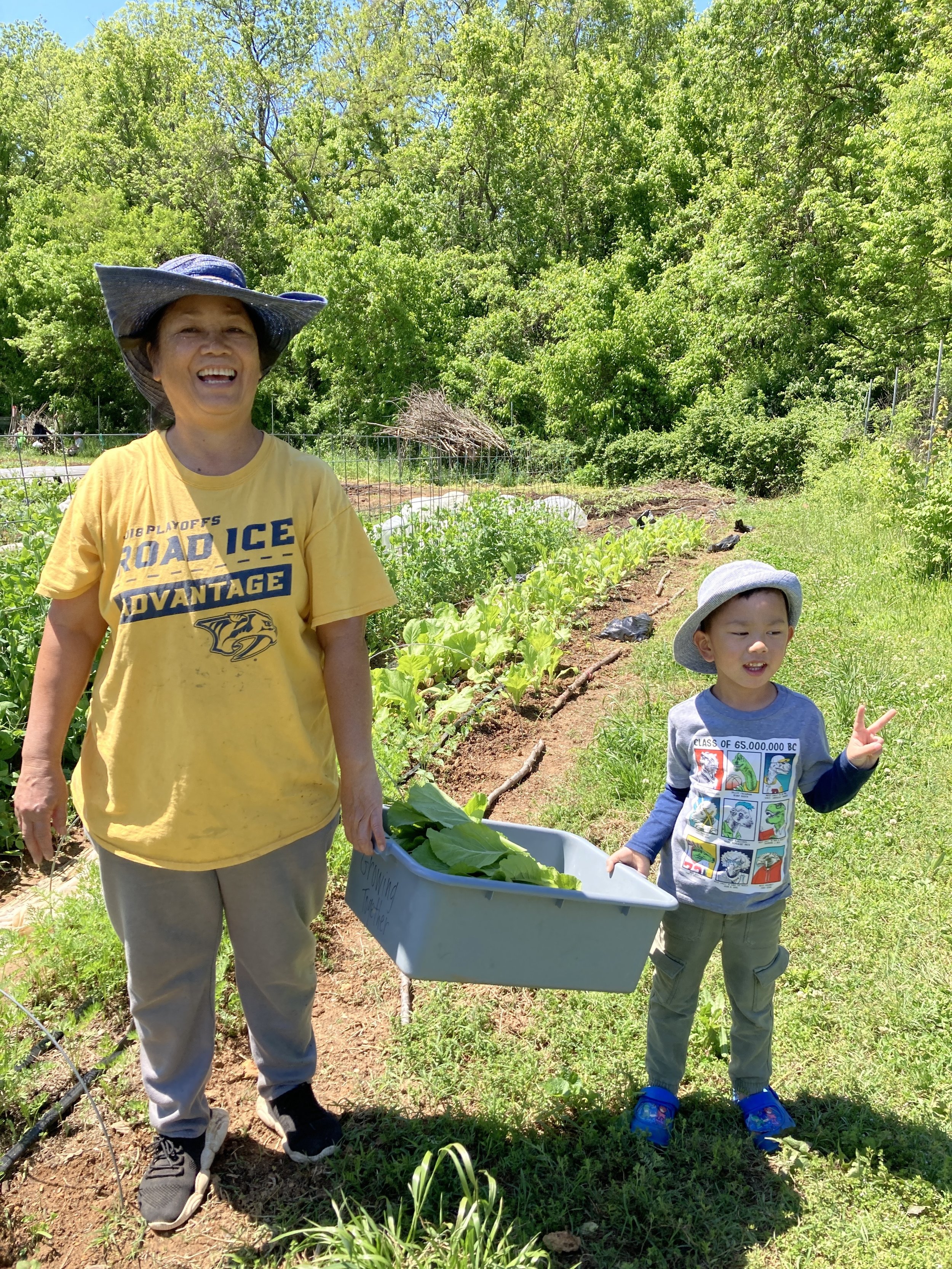
The newest farmer is La Sa Roi, who arrived in the United States 3 years ago from Myanmar. She has taken to full-time farming with great joy and passion, and has now expanded into a 3,500 square foot growing area. Roi and her daughter-in-law, interpreter Lulu Nkum, help organize and distribute 175 pounds of produce a week to their Burmese community members who lack access to fresh, culturally relevant produce. Roi loves to grow all vegetables, but mostly water spinach, long beans, and heirloom hot chili peppers—coveted crops by her community.
We are excited to have our first Growing Together community farm apprentice, Lu Ja! Our program aims to continue to offer this farm opportunity to new arrivals in the Burmese and Bhutanese communities. However, the program does require a very large commitment and has a steep learning curve. The apprenticeship allows someone who is interested in farming to work with other Growing Together farmers and participate in training, but without the full-time responsibilities. Instead of growing vegetables to sell, they learn alongside experienced farmers and provide supplemental support. The Nashville Food Project is gratefully paying the apprentice an hourly wage for their time for the season with the goal that next year, they will participate in the program as a full time farmer.
These Growing Together farmers love what they do everyday: growing food for our community. The Nashville Food Project provides access to support that otherwise would not be available to them. But, the farmers bring so much of themselves every day to the work — dedication, joy, gratitude, knowledge, perspective, and humor — that they are truly the heart of the program.

Stay connected with the Growing Together farmers on our website or via Instagram, @growingtogethernashville. You can also enjoy their produce at our favorite local restaurants, City House and TKO!
Growing Together: Highlights of 2021
The Growing Together program is small, but its impact is deep. This year, there were six families farming our one acre of land. More than 20,000 pounds of vegetables were harvested from this green and compact corner of our city. More than 5,000 pounds of that were purchased by The Nashville Food Project from the farmers and then shared with partners and community members who helped distribute to those who otherwise lack access to fresh produce. We are also grateful for the customers who participated in our community supported agriculture (CSA) program. In this post, we share a few favorite moments of the year.

by Tallahassee May, Director of Growing Together
On a sunny Sunday afternoon in November, the Growing Together farmers hosted a potluck to celebrate the conclusion of the season. Colorful bowls and trays of vegetable curries, Nepali dumplings called momos, roti, and rice pilau, filled the tables and welcomed guests to the garden.
As a part of The Nashville Food Project’s garden program, Growing Together supports those who came here as refugees and immigrants from Bhutan and Myanmar in their desire to farm. A big part of this work is the facilitation of access to land, resources, training, and markets that otherwise would not be available because of language and cultural barriers. Now in its seventh year, the Growing Together garden is a vibrant community space that provides a safe and beautiful sanctuary for its participants as well as their families and friends. It is always a very special occasion to open the garden to visitors and to commemorate the harvest together.

The Growing Together program is small, but its impact is deep. This year, there were six families farming our one acre of land. More than 20,000 pounds of vegetables were harvested from this green and compact corner of our city. More than 5,000 pounds of that were purchased by The Nashville Food Project from the farmers and then shared with partners and community members who helped distribute to those who otherwise lack access to fresh produce. We are also grateful for the customers who participated in our community supported agriculture (CSA) program. The Growing Together CSA fed 65 households, supplying weekly boxes of familiar Tennessee vegetables as well as the farmers’ cultural foods such as bitter gourd, long beans, and heirloom Nepali mustard.
Here are just a few of our favorite moments from the year:
Welcoming volunteers back to the garden! Volunteers play such an important role in our infrastructure and maintenance at the garden site, and it was wonderful to work together again tackling projects.

Harvesting shiitake mushrooms! Thanks to a seed money grant from Slow Food Middle Tennessee, we were able to purchase logs and start our shiitake mushroom enterprise this year. Our hope is to have enough in the coming years to offer them in our Veggie Boxes to our CSA customers. This year was a fun learning adventure, and we picked enough to make some delicious shiitake mushroom salt to share with our guests at the year-end potluck.
New Partnerships! This year we worked closely with other organizations and community members who helped facilitate the distribution of fresh produce bags. We have so much admiration for the work of Nashville Immigrant Center for Empowerment (NICE), Tennessee Immigrant and Refugee Rights Coalition (TIRRC), Trap Gardens, Highlands Apartments, and organizers from the Burmese Community, and we appreciate the opportunity to collaborate with them in sharing organically grown and culturally appropriate vegetables to those in need.

A new onsite walk-in cooler! This was a game-changer for our program, making our vegetable harvesting much more efficient and improving the quality of our produce.

Donating vegetables to the Burmese community for their fundraiser. The crisis in Myanmar left many civilians in that country powerless and desperate for resources. The local Burmese community banded together to raise funds for family members there by using Growing Together vegetables to make and sell kimchi.
This Nashville Scene cover story on our work along with the the work of The Nashville Food Project!
As Farmer Nar says: “The garden is a memory of home. I am glad I can work and make money here, but most important to me is how it makes me feel. I can be true to who I am when I am in the garden.”
Thank you to everyone who supported Growing Together this year!
Partner Spotlight: Growing Together + Tennessee Immigrant & Refugee Rights Coalition
Growing Together Manager Tallahassee May writes about the farmers’ produce-sharing partnership with Tennessee Immigrant and Refugee Rights Coalition.
“In growing food for local sales and distribution, [the farmers] have the autonomy to grow food that is both culturally meaningful to them as well as crops that support relationship-building with different cultures.”
by Tallahassee May, Growing Together Manager
It is morning at the Growing Together garden on Haywood Lane. The forecast looks to be a very hot one, and already the air is heavy with humidity. The farmers harvest for produce deliveries, working a bit faster than usual to beat the midday heat.

This year the Growing Together program of The Nashville Food Project has expanded its produce outlets to include new partnerships in the city. As part of the Food Project mission to cultivate community and alleviate hunger, the Growing Together farmers now work to grow food that is specific for distribution to communities that otherwise may not have access to fresh, culturally appropriate produce.
On Thursdays we deliver produce to the Tennessee Immigrant and Refugee Rights Coalition (TIRRC), a statewide, immigrant and refugee-led collaboration whose mission is to empower immigrants and refugees throughout Tennessee to develop a unified voice, defend their rights, and create an atmosphere in which they are recognized as positive contributors to the state. Our friends at TIRRC provide many services and community engagement opportunities, including legal services, voter registration, naturalization and paths to citizenship, English language classes, as well as an assistance line, a community garden, and events such as the upcoming InterNASHional Food Series. This is all happens with the vision of lifting up fundamental American freedoms and human rights and building a strong, welcoming, and inclusive Tennessee.

As a part of their programming, TIRRC now offers free bags of Growing Together produce to its members who are participating in their services and events. “We love this opportunity,” says Arturo Salomon Reyes, Operations Coordinator at TIRRC. “I personally have noticed how helpful this has been with everybody that comes to get their free veggies. I've talked to most of the families that come every week. They tell me how helpful this is for them, especially how some of them sometimes don't have enough money to pay rent and buy food for the week.”
At The Nashville Food Project we emphasize relationship-building with other nonprofits, communities and organizations who partner with us to share nourishing food. This happens through our meals, but we also have the opportunity with Growing Together farmers to share fresh produce as well. We are grateful to these partners supporting the work of expanding food access, such as TIRRC and also others including Trap Gardens, Legacy Mission Village, and HIghlands Apartments.
In so many ways, this symbiosis between TIRRC and the Growing Together program encapsulates the many layers of food justice work that The Nashville Food Project supports. With the Growing Together program, participants who arrived to the United States as refugees are supported with land and resources that they would otherwise not have access to. In growing food for local sales and distribution, they have meaningful work for a supplemental income that allows them to contribute in significant ways to their family. In the garden, the farmers have the autonomy to grow food that is both culturally meaningful to them as well as crops that support relationship building with different cultures. This work makes a deep impact across many parts of the community, and encourages and supports marginalized peoples’ participation in the food system.

As Chandra and Tonka wash their freshly dug potatoes, and Lal weighs his cucumbers, we also gather bags of tender green beans, and pints of colorful and juicy cherry tomatoes. Crunchy green bell peppers are added to the bags as we pack. “Coming from a Hispanic family I know how important and how useful vegetables are in our everyday life, “ Arturo tells us later. “I see this same benefit for the families who come every week to get their produce. They always tell me how much we are helping them, so I always make sure to tell them that this wouldn't be possible without The Nashville Food Project and the people who work hard at the farm.”
We are grateful for your partnership, TIRRC!

Growing Together Manager Tallahassee May and Growing Together Coordinator Chris Burke talk with folks at TIRRC’s Welcome Home event.

Offering a Place of Hope and Joy
The Nashville Food Project garden spaces have long been witness to the wisdom, hope and joy of growers who came to the United States from Southeast Asia. We also have been witness to their added hardships and concerns this past year including anti-Asian violence here. and abroad.

Growing Together farmers with their new cooler, a game-changer for their vegetable harvesting.
The Nashville Food Project garden spaces have long been witness to the wisdom, hope and joy of growers who came to the United States from Southeast Asia. In the community gardens and at the Growing Together garden, we have watched Nepali mustard sprout from the soil and tasted a rainbow of heirloom hot peppers lighting up the rows. At community potlucks, we have been treated to gundrek soup and potato paneer curry lovingly made with the fruits of labor on shared garden land.


But this year amidst the everyday fears and economic losses of a pandemic, we also have been witness to the added hardships of our friends who already endured so much by coming to the United States as refugees from countries like Bhutan and Burma (now known as Myanmar). Family members in farming communities have faced COVID diagnoses after working jobs at hotspots such as meat processing facilities. In February, we learned of the military coup and violence erupting in Myanmar, the home country to many garden program participants. (Growing Together farmer Roi, for example, has been sending her Growing Together earnings to a school for the blind in that country terrorized by the coup.) And on American soil, we are seeing racism and violence directed at Asian communities too. Following the Atlanta shooting, Growing Together Manager Tallahasee May posted these words on the Growing Together instagram account:
“Violence against Asian Americans and BIPOC is not new. During this past year, however, as the Covid 19 pandemic surged and fear mongering and false rhetoric spread through local and federal leadership, we heard that the immigrant, Asian, and Asian American community felt the rise in tension and persecution. Many participants in the Growing Together program told how they feel threatened and vulnerable as they move through their day, and have continued to live in fear. Unfortunately - again- this is not new. But it should not and can not continue. It is very much time to call out this racism, to support the work for civil rights, prevention of hate crimes, and for restorative justice initiatives in communities, and for all to speak up against dangerous rhetoric against Asian Americans and descendants. The Growing Together program and @thenashvillefoodproject celebrate and are grateful for the Asian American community and for all the work and support they generously contribute on this path towards food and social justice.”
It is no doubt a heavy time. And yet, we continue to intentionally strive for our garden spaces to provide a safe place of hope and joy—where farmers can feel connected to this soil and to the community around them. We are proud to offer programs where we do not focus on scarcity or lack but rather abundance in harvest and also the abundance these growers bring in their strengths, community connection and deep knowledge.
We thank you for your support of the growers.
Today we also offer a few additional ways to show support to the local API community.
Follow API Middle Tennessee, which offers links to:
Sign up for future workshops to help advocate for a safe and just Tennessee for Asian and Pacific Islanders.
Support the families of Atlanta victims.
As well as report any harm happening in our community.
Consider training on the positive impacts of bystander intervention.
Support local immigrant and refugee advocacy groups such as Tennessee Immigrant and Refugee Rights Coalition, Nation’s Ministry, Nashville International Center for Empowerment and Catholic Charities of Tennessee.
Support Asian-owned restaurants. Just a few of our staff favorites include Ate’s Filipino Kitchen, East Side Banh Mi, Thai Esane, Thai Ni Yom and Laovin’ It.
Finding Dignity and Power in Food
Director of Garden Programs Lauren Bailey writes about the countless and often unseen hands in our food system. She challenges us to consider the larger web we exist in by acknowledging and learning from food workers as we work toward a better food system.


by Lauren Bailey, Director of Garden Programs
This year, we have all considered the essential worker like never before — the nurse, the grocery clerk, the bus driver. At The Nashville Food Project, we're beyond grateful for the many food chain workers—all those people growing, processing, packing, cooking, delivering food— within our agency and beyond it. COVID-19 has, in some ways, highlighted professions that can often receive little to no recognition.
This lack of acknowledgement became clear for me, recently, as I was talking with a gardener who works in a meat-packing facility. He talked at length about the stresses of work and the burden of being in a leadership position while being short-staffed and concerned about COVID-19. Then he said something that has stuck with me. He felt like his situation, his struggle was invisible to others. And it’s true, isn’t it? The countless hands that go into making our food system are often unseen.
As food writer Alicia Kennedy reminded readers recently, we must continue to "write about the realities of the food system and those who labor in it….People will ignore or forget that which is unsettling or upsetting. The stories must be told relentlessly." So, I’d like to propose a challenge for us. Can you join me in acknowledging and learning about the many hands that are a part of this work and working for a better system?
To the farmers who showed us what it takes to make our favorite Thanksgiving dishes happen and who continue to get food to our tables (United Farm Workers)
And those fighting for fair wages (Coalition of Immokalee Workers’ Fair Food Program)
To the BIPOC farmers like Soul Fire Farm and Sylvanaqua Farms and many others who sharpen our analysis of what it takes to manifest a sustainable and just food system
To the Indigenous people of the US fighting for food sovereignty
To those working in meat-packing and other processing facilities that have faced unsafe conditions before and during COVID-19
To the countless line cooks, service staff, chefs, dishwashers, drivers and grocery store clerks
We know this is not a comprehensive list. Who is missing?
We share our gratitude and acknowledge you, your labor and your fighting for a better system.
I have recently come to understand just how important it is to point to the larger system we exist in. We, at TNFP, cannot untangle ourselves from this. And at the same time, we are trying to build, in our corner of the universe, spaces and practices that value people, their experiences and their knowledge.
This summer, I was harvesting Thai chilis with a few other staff and gardeners for our communal garden produce bags. We all knew this task would take the longest as the small chilis made a tedious task. We could take this on at a slow pace, and this was something that made me curious about the pace of larger commercial operation as many farmworkers are still paid by units harvested versus by the hour.

When I asked if anyone had any experience harvesting chilis in bulk, a gardener who grew up in Burma/Myanmar said that in his community all the grandmas would come together to harvest chilis so they could talk and laugh and sing together. And that’s an image I’ve seen often in our community gardens, at the Growing Together farm and of our staff working together. It’s an image of dignity. Dignity that comes in cultivating relationships with each other and the Earth, and the dignity and power of growing your own food.

It is time that we complicate the narrative of our food system. Food chain workers and Indigenous land stewards deserve dignity and justice. There are a myriad of solutions and a collective of folks building those out—whether they are fighting for fair wages and safe working conditions, the rematriation and sovereignty of Indigenous lands or shifting power and access to land as is proposed through the Justice for Black Farmers Act.
I’m on this journey of learning and action, connecting our work with the broader food system. What solutions are you seeing? Whose work would you like to uplift? Will you join me?
Partner Spotlight: Trap Garden
We love collaborating with and supporting the vibrant, creative work of community building-organizations in our city. And this fall, we have been especially pleased to work with Trap Garden. Farmers from the Growing Together program have been providing vegetables through Trap Garden and Preston Taylor Ministries.
We love collaborating with and supporting the vibrant, creative work of community building-organizations in our city.
And this fall, we have been especially pleased to work with Trap Garden.

A Friday morning Trap Garden team getting ready to deliver vegetables from the Johnson Alternative Learning Center garden location.
Urban Farmer and Community Health Activist Rob Horton founded Trap Garden in 2014 inspired by his experiences growing up in a St. Louis, Missouri neighborhood with few fresh, healthy food options. After relocating to Nashville to attend Tennessee State University, he became frustrated again with the distance he needed to drive for grocery stores that supplied quality fresh produce. That’s when he took matters into his own hands by growing his own vegetables and herbs. He also wanted to provide assistance to others who needed better access to fresh and healthy foods.
Nowadays his Trap colleague Kanita Hutchinson says this: “Our community garden is like our grocery store without it being a grocery store.”


Trap Garden currently stewards two plots of land—one at Johnson Alternative Learning Center in South Nashville and Bordeaux Elementary School in North Nashville—spaces for growing vegetables, education and community gathering. When the pandemic hit, the folks at Trap wanted to continue to have a way to support families through distribution of vegetables. TNFP was connect to Trap by Marie Holzer, a Masters of Social Work intern with our organization. Marie obtained a grant from Slow Food’s Resilient Fund so that Trap and The Nashville Food Project could compensate Growing Together farmers for produce to distribute in the community. Beginning in September, Growing Together and TNFP's Production Gardens supplied produce for 25 families a week, which will continue for nine weeks.

A Growing Together farmer harvests “toori,” a type of mustard green beloved by the farmers who came to the United States from Bhutan.

Growing Together farmers washing and packing their harvest.
To identify families in need of vegetables, Trap partnered with Preston Taylor Ministries, and Trap organized distribution of the food—entirely through a team of community volunteer support.
Along with the bags of produce, organizers include an instructional guide to help community members learn how to grow the fresh produce they receive and prepare quick and easy meals from recipes.
And, the Growing Together farmers have been sending videos from the garden, so that those receiving the produce can feel connected to the farmers
Partner Spotlight: Legacy Mission Village
As a people of fierce hope that believe in intersectionality and interdependence, we’ve also seen generous creativity implemented to help neighbors care for each other. We found this type of resistant and persistent care in the work and community fostered by Legacy Mission Village.
by Elizabeth Langgle-Martin, Community Engagement Manager
The introduction of COVID-19 to our world and our city has created devastation for so many. And while COVID-19 did not break our systems, it has exposed and deepened our country’s existing inequalities, gaps in care, and further alienated some of our most vulnerable members.
As a people of fierce hope who believe in intersectionality and interdependence, we’ve also seen generous creativity implemented to help neighbors care for each other. We found this type of resistant and persistent care in the work and community fostered by Legacy Mission Village.
Legacy Mission Village (LMV), as explained by their Director of Operations, Tim Mwizerwa, “was founded by refugees to serve refugees in Middle Tennessee.”
“Traditionally, we are an educational organization that works towards workforce stability and economic stability for families,” he says. LMV typically provides English learning, financial literacy, digital literacy, citizenship test preparation, and children’s education support. Tim notes that their goal is to support every member of the family “from cradle to grave.” He explains that seemingly standard programming, such as after-school support for teens, can be drastically different for refugee families. Often a teen or child may be the only person fluent in English within a household, leaving them to navigate complex situations like insurance claims, tax documents, and other elements that lead LMV’s team to provide intensive support that spans beyond traditional homework help.
With the risk of COVID-19 continually looming, LMV’s community is unable to meet in any kind of classroom setting so their team has been challenged to imagine how to support the families they serve in relevant ways that span beyond their core programming.
Earlier in the summer, LMV began to purchase pantry goods in bulk to help their participants experiencing food access struggles. Staff soon wondered how they could offer their clients a more balanced COVID-19 relief box beyond the non-perishable items they had secured.

The Nashville Food Project was able to support LMV’s existing efforts by sourcing local, fresh foods to enhance the dry food items that LMV was offering the families they serve. Each week TNFP was able to leverage our resources and relationships to source locally raised proteins from TN Grassfed, eggs through KLD Farms, milk from Hatcher Family Dairy, and robust quantities of fresh produce from our Growing Together farmers, Sweeter Days Farm, West Glow Farms, Green Door Gourmet, and others. Throughout the summer approximately 80 families had access to fresh, local, high-quality food through this vibrant collaboration. In addition, through TNFP’s relationship with Henley Nashville, which acted as a satellite TNFP kitchen during the early days of COVID-19 shutdowns, LMV was able to receive culturally appropriate family-sized, scratch-made meals. Over the course of a month and a half, through Henley, TNFP, and LMV, a total of 1,360 servings of from-scratch goodness was shared with families alongside the bulk groceries provided.


As we move into fall, LMV is pivoting once again, to support the families they work with as they navigate the complexities of online learning. While making this shift they’ve heard from about 40 families that fresh food support is still a critical need for their households. This opened an opportunity for TNFP to continue to provide support in a new, specialized way. TNFP will provide weekly produce boxes of culturally-appropriate produce, grown by and purchased from the farmers in our Growing Together program. Many of the families that LMV works with share a Burmese heritage with several of the Growing Together farmers. We love that the vibrant, organically-grown produce that Growing Together yields can be leveraged to nourish the needs of that same community.

During a recent conversation, Tim shared that the silver lining through current struggles is that this time has allowed for the fostering of new community partnerships. For LMV, he says that has allowed them to step up and provide new types of care for the families and continue to adapt and serve in more substantial ways. Our relationship with LMV has allowed us to leverage our resources to share high-quality food in new ways that are meeting expressed community needs while simultaneously allowing us to invest in Growing Together farmers and other local farms who have long been generous and supportive of our work.
Tim shared some notes that the Legacy Mission Village crew has received in response to the food assistance they have been able to provide:
“We are good. You take care [of] our family.”
“I'm good and my family too, thank you for everything you helped me and my family [with].”
For the millionth time, we are reminded that we belong to each other, and we are grateful to be a small part of the collaborative work happening in Nashville. In a time when we are socially distant, this type of connection feels more delicious than ever.
An Update from the Growing Together Farmers: "Believing in Tomorrow"
So many doors, businesses, and communities are closed and we are all feeling the impact and the collective suffering. And yet. We at the Nashville Food Project and within the Growing Together community have no choice but to use this as an opportunity to imagine, envision, and create new doors, new opportunities, and new pathways forward. We will continue on with our vision of community food security, where everyone has access to the food they want and need.

by Sally Rausch, Growing Together Market Manager
This is a scary and challenging time for so many in our community. The global pandemic is showing us the reality of things—that while we are much more connected and interdependent than we could have ever thought, the brokenness of our global systems is amplified in times of crises and therefore the impact is widespread. What is affecting us here in Nashville is affecting communities across the country and around the world. We are seeing this in our healthcare system and our economy, and it is and will continue to disproportionately exclude and exploit the most vulnerable among us, especially communities of color.
Still, it is spring, and the farmers in The Nashville Food Project’s Growing Together program are charting a path forward. These farmers, like so many farmers in our community and beyond, are continuing to plant seeds and transplants, tending the land with hope for what’s to come. These farmers are not exempt from the fallout of these times. Many of the farmers are elders in their communities and rely on support from their adult children—whose jobs are on hold or terminated altogether. Many have expressed concern and fear around the possibility of targeted racial violence—such as has been reported here and here. And, as many of us can relate, the farmers have loved ones who are more susceptible to the virus or are vulnerable themselves.
One of our values at The Nashville Food Project is interdependence, and we talk frequently about how healing happens in relationship. We know the path of healing from the impacts of this pandemic will be a long one, but we are committed as ever to working towards healing through relationship-building and connection, even if this looks different than ever before.

There are so many ways to rally around and support one another in this time—one way you can make a tangible impact within our community is by supporting local farmers like those in the Growing Together community. These farmers are facing income loss due to the closure of restaurants and farmers markets, but there are many ways to support Growing Together in this time. The first is by making an account on Growing Together’s newly updated online marketplace! Each week, Growing Together will send you an email with the fresh produce available that week. You can place an order based on exactly what items you and your family want and then pickup your order Saturday mornings from 9am – 12pm at The Nashville Food Project. You don’t have to worry about anything being out of stock or braving the grocery store, and everything will be bagged and ready for an easy pickup on Saturday morning. And of course, purchasing local produce means that it has traveled fewer miles and passed through fewer people, making it healthier for the planet and for your family.
Another way you can support Growing Together is by purchasing a Growing Together CSA (Community Supported Agriculture) share. While the Spring CSA is sold out, we still have several Fall season CSA shares available! CSA customers invest in a farmer by purchasing a “share” in their farm production at the beginning of the season and then receive a weekly share of vegetables throughout the CSA season. This model guarantees income for the farmers, provides an infusion of cash upfront, ensures a market for their produce, and cultivates relationships between customers and the local farmer. During this time of social distancing and isolation, the CSA model is a safe way to access high quality, locally grown vegetables every week. Even if you decide the Growing Together CSA isn’t the right fit for you, we urge you to consider checking out this list of CSAs available from our farmer friends in the Middle Tennessee area.
So many doors, businesses, and communities are closed and we are all feeling the impact and the collective suffering. And yet. We at the Nashville Food Project and within the Growing Together community have no choice but to use this as an opportunity to imagine, envision, and create new opportunities and new pathways forward. We will press on towards our vision of community food security, where everyone has access to the food they want and need. We are so grateful for your support.
To sign up for Growing Together’s online marketplace, click here.

Siddi Rimal: Gardener, Interpreter, Advocate
Siddi Rimal has tended a community garden plot and worked as a Nepali-to-English translator with The Nashville Food Project’s urban agriculture program for five years. Like many of the community gardeners and all the farmers in Growing Together, he came to the United States as a refugee…
By Jennifer Justus, Culinary Community Liason

Siddi Rimal: photo by Danielle Atkins
The farmers of Growing Together gathered under a pavillion near their farm plots and snipped the dried scapes off garlic bulbs and trimmed the roots they had planted the previous fall. They talked amongst themselves in their native Nepali as cicadas sang from the trees. And occasionally, a jet from the nearby Nashville airport buzzed their acre teeming with Nepali mustard greens, tomatoes, zinnias and dancing with butterflies and bees.
There’s always work to do as farmers, so cleaning garlic had to happen during their weekly meeting. But when the group starts communicating—especially from Nepali to English and back again—that’s when Siddi Rimal’s job begins.
Siddi has worked as an interpreter between the Growing Together farmers and community gardeners who speak Nepali and the English-speaking staff of The Nashville Food Project for five years. He’s crucial to the programs' successes. His support to the programs came at the perfect time and he has remained committed though he’s not professionally trained as an interpreter and he has another job (like many of the farmers) as a technician on the paint line at Nissan.
And it’s not that the Bhutanese and Burmese farmers in the program need help in knowing how to grow things. They’ve got that part down. Many of them came here with decades of experience and fill their plots to the edges with crops and trellises for hanging gourd and long beans. But they do need help navigating the red tape of American systems and sales outlets.
For example, in their meeting they discussed harvesting schedules and plans for packing CSA boxes. Tallahassee May, Education Manager for Growing Together, also talked with the farmers about wholesale orders for restaurants and plans for the Saturday booth at the Richland Park Farmers’ Market.
Siddi must listen carefully and then accurately convey what’s being said even if there’s not a direct translation. It requires concentration and patience because every conversation takes four times as long -- Tally to Siddi, Siddi to farmers, farmers to Siddi and Siddi back to Tally.

Siddi with Growing Together farmers and TNFP staff at the Haywood Lane garden.
But for Siddi, a man who spent half his life in a refugee camp, time is relative.
All the farmers in Growing Together came to the United States as refugees. In Siddi’s case, his family was evicted from Bhutan in 1992 during ethnic cleansing and complicated tangle of factors including religious, political, socioeconomic and geographical reasons (read a brief history of the Bhutanese refugee crisis here).
“Many people were killed and many people lost their homes, lost their property, land, cattle and all,” he says. “When we left, we had to leave our land, our home, cattle— everything. We had to run at nighttime.”
Siddi was 5 years old when his family fled.
“It was a violent moment,” he says. “As far as I know from history and people being a witness, we’re told that armies raped the women and killed some of the social activists. They sent some of them to prison and some were sent for no reasons and tortured there. Some people they kill —put in the sack and throw in the river. Lot of torture and things.”
At the refugee camp in Nepal, they received basic needs from organizations like the United Nations and Red Cross.
“But even though they help us, we had to spend a miserable life,” Siddi says. “We lived in a small hut, made of bamboo and like straw or plastic roof.”
The Nepali camps, which eventually swelled to about 100,000 people, had problems with malnourishment, illnesses, overcrowding.
“In the hut when the weather was very hot like this, it was very hard to live in there,” Siddi says. If there was heavy rainfall and storms, most of the rain goes into the house and floods. It was very hard to tell this story. Because we were in a very difficult situation. And not for a couple of years, it was 22 years.”
The refugees in Nepal often found jobs outside the camp with locals by working in their fields or cutting rice patties. Siddi, who was educated in the camp, worked as a trainer in camp where he met his wife. The couple started the process of applying to come to the United States when they were in their early 20s. It took them three years — repeated interviews, medical tests and background checks — before they were cleared.
“I came to Vegas the first time—Sept 25, 2012,” he says of his first placement in the United States at 26 years old. “There were a lot of people, and it was crowded. I was a little bit nervous there. I never had any experience with the airport, you know? We had to go to the train, so that was like...my mind was blown.”
After two days in Las Vegas, he made his way to Nashville where his wife’s family had already been resettled a couple years prior. Siddi’s father-in-law also later introduced him to The Nashville Food Project’s Wedegewood Urban Gardens, where Siddi began maintaining a plot as a community gardener. Then when the Growing Together program began for growers who take their produce to market, Siddi took on the role as interpreter.

Siddi translating introductions at a community garden potluck.
“Obviously it is very helpful,” he says of the Growing Together program. “Every time I meet with people, even at the grocery store, I always talk about the program.”
Farmers share that it helps provide fresh food for their families in addition to supplemental income. They’re able to grow crops traditional to their backgrounds like komatsuna, bitter gourd, long beans and hot peppers. It’s also a way for farmers to feel more rooted here. And even though the elders might struggle to pick up the language or feel as useful here compared to their younger family members, farming gives them the opportunity to pass along the life-giving skill of tending to the earth and coaxing nourishing treasure from it—all in the company of their community. As one farmer told TNFP, “It helps me feel less alone.”
Granted, there are still challenges. For many of the farmers and gardeners, transportation often arises as a hurdle since many don’t have a driver’s license or access to a vehicle. Language barriers for some, especially when Siddi isn’t around, also pose problems.
But just as TNFP’s Tally and Sally Rausch have picked up Nepali words, the farmers too have learned English words like the names for vegetables— “onion,” “tomato.” They know “gift,” which they use while pressing a potato into the palm of a friend. They issue lots of “good mornings.”
As the meeting at the Growing Together farm neared its end, one of the farmers, Nar, finished working through her stack of garlic, so she threw her arms up in a “V.” She flashed a smile and shouted a word in Nepali. The others laughed. And then she pressed her palms together at her heart.
Some things, it turns out, don’t need translating after all.
Introducing Tastes of Burma and Bhutan
With market season well underway, the Growing Together farmers are busy harvesting, washing and packing their crops for restaurants and markets, as well as preparing for their fall CSA and a new September partnership with MEEL, a local online marketplace and farmstand…
By Grace Biggs, Impact Manager

With market season well underway, the Growing Together garden is a busy, vibrant place, full of life and movement. Farmers gather to harvest, wash, and pack their crops from their individual plots three times a week, often with the support of their families. Each farmer is autonomous, planting the crops they want, working according to their own schedule, and setting their own financial goals for the food they sell. But there’s also a lot that the farmers share.
“Being on a shared space has so many benefits,” explains Sally, the Growing Together Market Manager. “There’s the immense learning opportunity of seeing what other farmers are doing and learning from your peers. And there’s also a benefit in having shared market outlets.”

Marketing and selling to new customers is a huge challenge for any farmer. This season, the Growing Together program is connecting farmers with a wide variety of market outlets: the Richland Park Farmer’s Market on Saturdays, wholesale listings on Nashville Grown and Locally Grown, direct sales to area restaurants, a 20-customer fall CSA, and (new this year) weekly farm stands at TNFP’s headquarters on Wednesday evenings.
“The Growing Together farmers offer something unique,” says Sally. As a customer, you can expect to see many vegetables you are familiar with here in the South, like tomatoes and salad greens. You can also expect to taste traditional crops from farmers' home countries of Burma and Bhutan, such as bitter gourd, daikon radishes, and mustard greens.

I see this firsthand while sitting with Sally at the farm stand in the Nations on a Wednesday night, as a return customer walks up to the booth, bags in hand. They chat about their weeks, and Sally begins to point out what’s for sale. “Here’s arugula, and this is a leafy chinese cabbage. It’s great raw, similar to lettuce, but you can also cook it.” Customers come and go throughout the evening, taking their pick of veggies ranging from yellow squash to shisoto peppers, often leaving with at least one food they hadn’t heard of before that day.
““The familiar veggies and flower bouquets make the booth accessible, then we get to introduce other new foods. It’s such as long process to change people’s preferences. Luckily, we have an amazing base of customers who are interested in trying something new!””
This willingness to try something new has also been true of many of our chef friends, including City House, TKO, Two Ten Jack and Green Pheasant. In addition to ordering what they know they need for their menus, they’ve been excited to incorporate whatever the farmers have available, including the farmers’ traditional foods.

As summer winds down, farmers are gearing up for their fall CSA. “There’s going to be such a huge difference in the CSA this year. The transition from summer to fall can be a hard time in the season to have produce ready to harvest, especially if you’re trying to offer a diversity, but after learning so much in the first year, farmers are coming in more prepared, especially for the first few weeks of the CSA.” The 2019 Fall CSA is sold out, but you can sign up for the Growing Together email newsletter to stay in the loop on next year’s CSA here.
Ready to try some tastes of Burma and Bhutan for yourself?
For the month of September, Growing Together produce will be featured by MEEL, a local online marketplace and farm stand, including a special menu of Dinner Kits inspired by traditional Bhutanese and Burmese dishes such as Komatsuna with Creamy Heirloom Polenta and Ema Datshi with Bhutanese Red Rice and Suja.
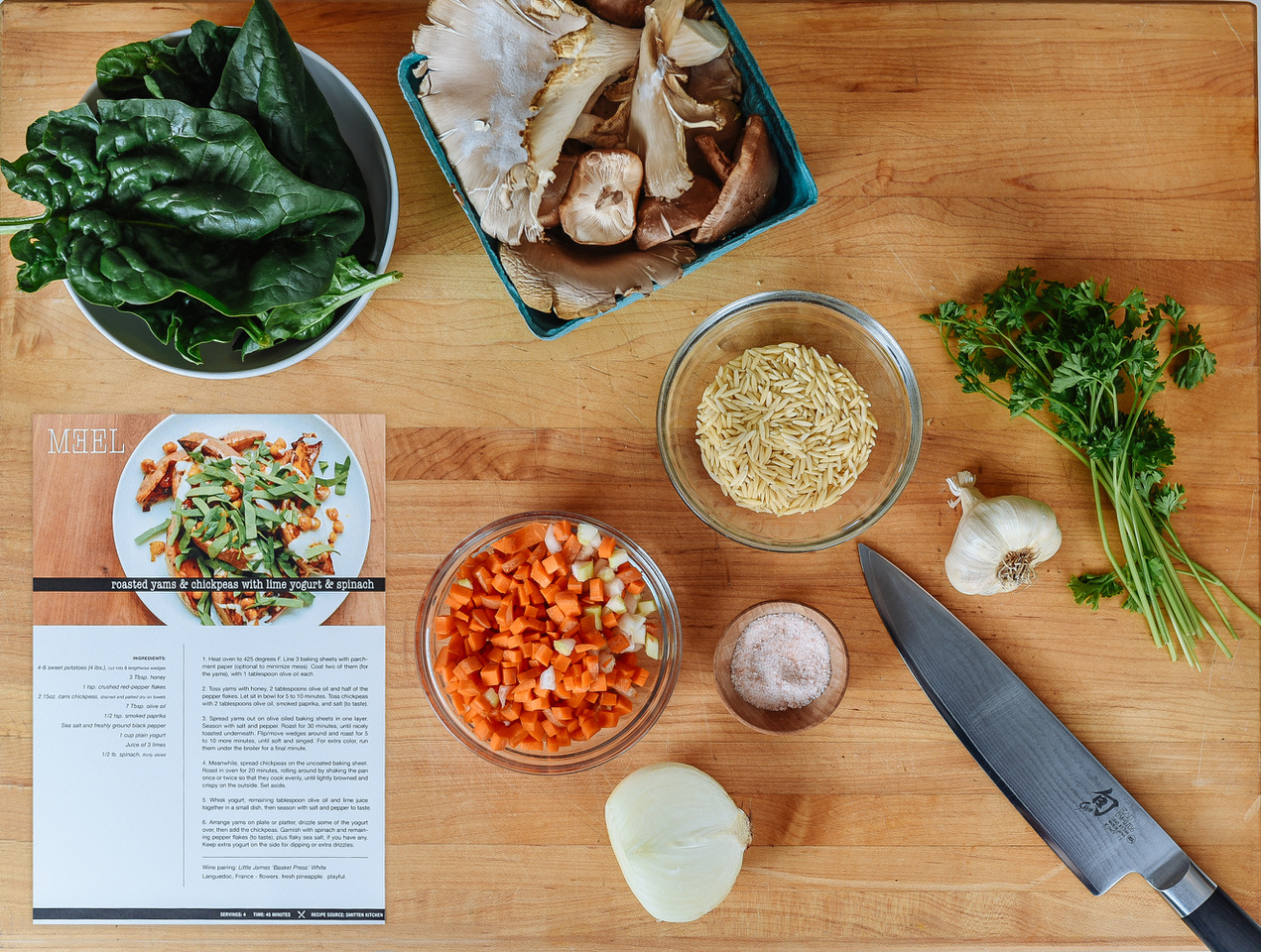
These Growing Together MEEL Kits and a Growing Together Farmstand Box will go “live” on Monday, August 26th, available for delivery beginning September 3rd. Menus will be available at this link. Use the promo code “GROW” and they’ll donate 10% of your purchase to The Nashville Food Project!
Also, through the end of October, you can visit the Growing Together farmers at the Richland Park Farmers’ Market every Saturday 9 am to 12:30 pm, and at our headquarters in the Nations (5904 California Avenue) every Wednesday 5 pm to 7 pm.
What We Have Right Before Us
On any morning during the spring and summer, the Growing Together garden is a bustling place. The greens sparkle in the dampness and gentle, early light. The farmers, moving back and forth from their plots to the central washing station, are usually harvesting their crops…
By Tallahassee May, Growing Together Education Manager

On any morning during the spring and summer, the Growing Together garden is a bustling place. The greens sparkle in the dampness and gentle, early light. The farmers, moving back and forth from their plots to the central washing station, are usually harvesting their crops to fill vegetable orders from restaurants around the city. Discreetly tucked behind a church parking lot, nestled in between Nolensville Rd. and interstate 40, the one acre garden is an urban oasis as well as a model for small scale agricultural productivity.
One of my favorite parts of my job as Education Manager of the Growing Together Program at TNFP is getting to walk through the garden in the morning with fresh eyes. Inevitably, while I spent time at the office for the afternoon or was home for the weekend, the farmers have added something new to their plots. This usually takes the form of a farming technique or innovation that may not previously fit with my experience.

Any farmer or gardener is familiar with the practice of trellising a vining crop, mulching, or seed-saving. And while most of us would run to the nearest Lowe’s or Home Depot for supplies, the New American farmers of the Growing Together program often make other choices. Foraging branches from the surrounding scrubby woods, they build support structures out of the salvaged material, sharpening with their knives the ends of the sticks until they are pointy enough to sink deep in the ground. The material is held together with strips of fabric or even the heavy duty plastic from fertilizer bags, tied securely at the joints. The towering structures remind me of fantastical childhood forts. The affect is incredibly artistic and lends a beautiful aesthetic to the space. It may not be fitting for larger scale production, but is perfectly suited for the amount of crops being grown by each farmer, the resources that are readily available, and the financial investment that is desired.

Entering through the gate of the garden, any visitor is welcomed by the crazy quilt-like visual of all the work taking place. The one-acre field is divided up into 7 plots; the newer farmers having a smaller growing space than the more experienced ones. Each farmer is autonomous, planting the crops they want and working according to their own schedule. All the farmers share practicing certain techniques. The yellow flowers of the blooming mustard greens are left on the plant to eventually mature into dried seedpods. Sometimes these long stalks are tied into neat bundles as they dry, and sometimes they are left to sway in the wind. The seed saved in many cases is of certain crops that are hard for the New American farmers to source here in the States, such as a Nepali variety of mustard green, or a particularly hot pepper variety.

If you can look more closely, past the long stems of seed -ripening vegetables, you will notice a lack of bare dirt. Every little bit of space in the garden is well used, as larger crops are interspersed with smaller crops, slow growing crops mixed in with fast. Although sometimes a more Westernized practice of straight rows is used, more often the entire 3 foot wide bed is filled with various crops at various stages. Again, this doesn’t necessarily fit well in a larger scale agricultural situation, especially one that uses tractors for cultivating. But maximizing space through the technique of intercropping is perfectly appropriate technique for a farmer in a small space that wants to maximize the food they produce.
This time of year, as we transition from spring to summer crops, the farmers are replacing cool weather vegetables with heat loving ones. New seedings and transplants are carefully mulched using the pulled up leaves and plants from the previous crop. The large, flat leaves of old cabbage plants are gently laid over new rows of carrots, keeping the soil moist and cool as the seeds germinate. Old stalks of kale are pulled up and now form tents over tender squash transplants, nursing them until they are well established in their new home. Eventually the re-purposed mulch returns to the dirt as compost, feeding the soil biology and keeping the circle intact.

The narrative of these times is one of rapidly disappearing farmland and the demise of the family farm. Driving through Nashville’s surrounding rural areas and counties, it is obvious how quickly the farmscape and green space is being transformed into subdivisions and parking lots. The Growing Together market farming program is inspiring in so many different ways, and has the capacity to mean various things and include a broad reach of people. One of the most inspiring components for me is that the garden space, and the farmers that work it, demonstrates that large acreage or big equipment are not required for a healthy agricultural system that produces a bounty of food. The Nashville Food Project believes that the equitable sharing of food and resources nurtures a vibrant community. The Growing Together program extends that mission to include land access and market inclusion to people who otherwise may not have such needed resources.
This acre of green space that is the Growing Together garden is a wonder. The beauty of it is not only found in the vegetables and flowers that the farmers cultivate and in the generous bounty they produce for the Nashville community, but also in the care and devotion the farmers and their families give back to their small bit of earth. The garden is a small part of all that The Nashville Food Project works to achieve, but the Growing Together market farming program shows that meaningful work can begin with what we have available right before us.

Between May and October, you can visit the Growing Together farmers at the Richland Park Farmers’ Market every Saturday 9 am to 12:30 pm, and at The Nashville Food Project in the Nations every Wednesday 5 pm to 7 pm.
Learn more about this work and how you can support the Growing Together farmers here, including where to find Growing Together produce.
New Ways of Being With Each Other
This article by TNFP’s Growing Together Market Manager, Sally Rausch, was recently featured in Tending the Fire Quarterly, which reports on efforts of contemplative justice within St Augustine’s Chapel, the Center for Contemplative Justice and the wider world.
This article by TNFP’s Growing Together Market Manager, Sally Rausch, was recently featured in Tending the Fire Quarterly, which reports on efforts of contemplative justice within St Augustine’s Chapel, the Center for Contemplative Justice and the wider world.

In a time of extreme division in our country - most notably, the fight for a literal wall to separate us from our southern neighbor, I am time and again reminded that we long for deeper connection, deeper relationships, and a deeper sense of belonging to each other.
During my recent knitting project, a blanket, I couldn’t stop thinking about this innate desire. As a (very) novice knitter, this project improved my ability to pick up dropped stitches. As I moved along, I slowly got better at seeing them, picking them up, mending the hole they’d created in my work, and incorporating the stitch back into the pattern of the blanket. Knitting seems a fitting metaphor, a tangible representation of the way we are all woven together in this large patchwork connecting people, the earth, and all beings that inhabit this place. Some of the holes are gaping, seemingly too large to mend, but the blanket is meant to be whole.
I have the privilege to work at The Nashville Food Project, where we believe food is one way we can begin to pick up the dropped stitches and reincorporate them into the fabric of our shared humanity. As a manager of our market garden program, Growing Together, I work alongside eight farmers and their families who grow vegetables to sell across Nashville. These families came to Nashville as refugees from Burma and Bhutan, bringing with them cultural traditions and years of experience working with and rooted in the land.

As I witness the farmers and their families in the plots, tending the soil, pulling weeds, and harvesting for the day, it is hard to miss the reconciliation unfolding. Farmers who were forcibly removed from the land they called home, many of whom spent decades in refugee camps, are now putting down roots and reconnecting to the land in this new place. Farmers who are spending countless hours every week tending their plots side by side are connecting to each other and to the Nashville community through this shared work.
I notice a similar pattern at the Richland Park Farmers’ Market. Here the Growing Together booth is piled high with veggies of all kinds, a dozen varieties of mustard greens, radishes of many shapes and colors, spinach and arugula, tomatoes and peppers. But what’s missing if you only look at the beautiful vegetables on a steamy summer day are the hands that got those veggies to the table and every touchpoint of connection between seed and sale.

Noticing the baseball bat-sized bottle gourd at the farmers’ market booth one Saturday, I smiled, remembering the cold March day when the farmers and staff gathered together at The Nashville Food Project’s greenhouse to plant seeds for summer crops. Several staff members and I were busily distributing the seeds that farmers had ordered for their disease-resistant and heirloom varieties of tomatoes. As I moved from one table to another, I was greeted by Chandra, one of the farmers who has grown with Growing Together since its inception. He was holding out to me a large tooth-shaped seed from a cluster cupped in a wrinkled paper towel that he had pulled from his pocket. It was unlike any seed I’d ever seen – it was a bottle gourd seed. Chandra had been saving this seed over the course of several seasons, perhaps even traveling with it across thousands of miles from a refugee camp in Nepal to Nashville several years ago. With encouragement, Chandra assured me that I too could grow this crop, and I slipped the seed into my pocket, a gift. He was right! The plant was prolific, the vine growing across the metal archway leading into our home garden an invitation to delight. The gourds filled our kitchen counter in the late summer, gifting me the opportunity to seek advice from the Bhutanese farmers about how they prepare and eat bottle gourd at home. That one seed bridged language, culture, and place, teaching me not only what a bottle gourd is (and how many people one plant can feed!), but also that our differences create opportunities to learn from each other.

Often, tomatoes are piled all around the bottle gourds on the market table. As I stood admiring them on a humid August morning, I was reminded of a moment earlier in the week when I’d watched a farmer, Garja, and the look of pure joy on his face as he ate a tiny, sweet, cherry tomato straight off of one of his plants. I too have experienced this same pleasure in my garden, finding nature’s sweet candy irresistible and filling my belly before I even make it to the kitchen. While our differences create opportunities for learning, our similarities cultivate connection.
I remember so vividly a coworker and I were standing between two farmers’ plots one morning, listening as they shared about their prayer rituals performed before coming to the garden. Their morning prayers always include a prayer for peace. After listening intently, my colleague said, “every day I pray for that, too.” Maybe the prayer rituals look differently, but the fiber of the blanket sure seems the same.

I must admit that I come to the communion circle at St. Augustine’s Chapel without any idea what it means to eat the body of Christ. The theological implications seem inaccessible and the mystery too great. What I do know is that I’m hungry, that I long to receive a piece of bread from my neighbor and I delight in sharing the same gift with another. Just as I long for the sour leaves and shrimp paste my farmer friend brings to share with me, I delight in sharing my zucchini muffins as we stand at the farmers’ market table together. Food binds us together simply because we all need it! Growing Together has taught me that we need the nourishment of connection just as much as we need the nourishment of food. And Growing Together reminds me of what is possible: to give and to receive nourishment, love, and our gifts, this is justice.
I am not sure I know what prayer is, but my hope is that we continue living out our deep desire to weave our human fabric closer to wholeness.
Beginning in May, you can visit the Growing Together farmers at the Richland Park Farmers’ Market on every Saturday through October. The farmers are also offering a Fall CSA. Learn more about this work and how you can support the Growing Together farmers here.
A Guide to Seed Starting
Since gardeners and farmers growing in many spaces can utilize and benefit from starting seeds indoors, we thought we’d share some of the tips and tricks the Growing Together farmers and staff of The Nashville Food Project use to grow the healthiest transplants!
By TNFP’s Growing Together Market Manager, Sally Rausch

Lal Subba, Growing Together farmer, mixing potting soil in the Nashville State Community College greenhouse.
It’s officially spring! And like many vegetable growers, the Growing Together farmers are in the flurry of activity that comes with warmer weather and the beginning of a new growing season. These days you’ll find the farmers at their garden in South Nashville getting their plans and seeds in order, tilling their beds, and planting cool weather crops. But you’ll also find these farmers starting seeds in the greenhouse on Nashville State’s campus, which they generously share with The Nashville Food Project.
Starting seeds indoors is a primary component of spring farming work (and is utilized throughout the growing season as well). This allows farmers to get a head start on the growing season, cut costs (seeds are much cheaper than purchasing seedlings), and maintain control over the health of their seedlings.
Since gardeners and farmers growing in many spaces can utilize and benefit from starting seeds indoors, we thought we’d share some of the tips and tricks the Growing Together farmers and staff of The Nashville Food Project use to grow the healthiest transplants!

Materials You Need
Potting Mix: You can find pre-made potting mix at most local hardware or garden stores. When the Growing Together farmers purchase their own potting soil, they look for brands that are organic to eliminate any chemicals that might have been added. You can also make your own potting soil! There are many recipes out there, but you can find the recipe The Nashville Food Project uses at the end of this post.
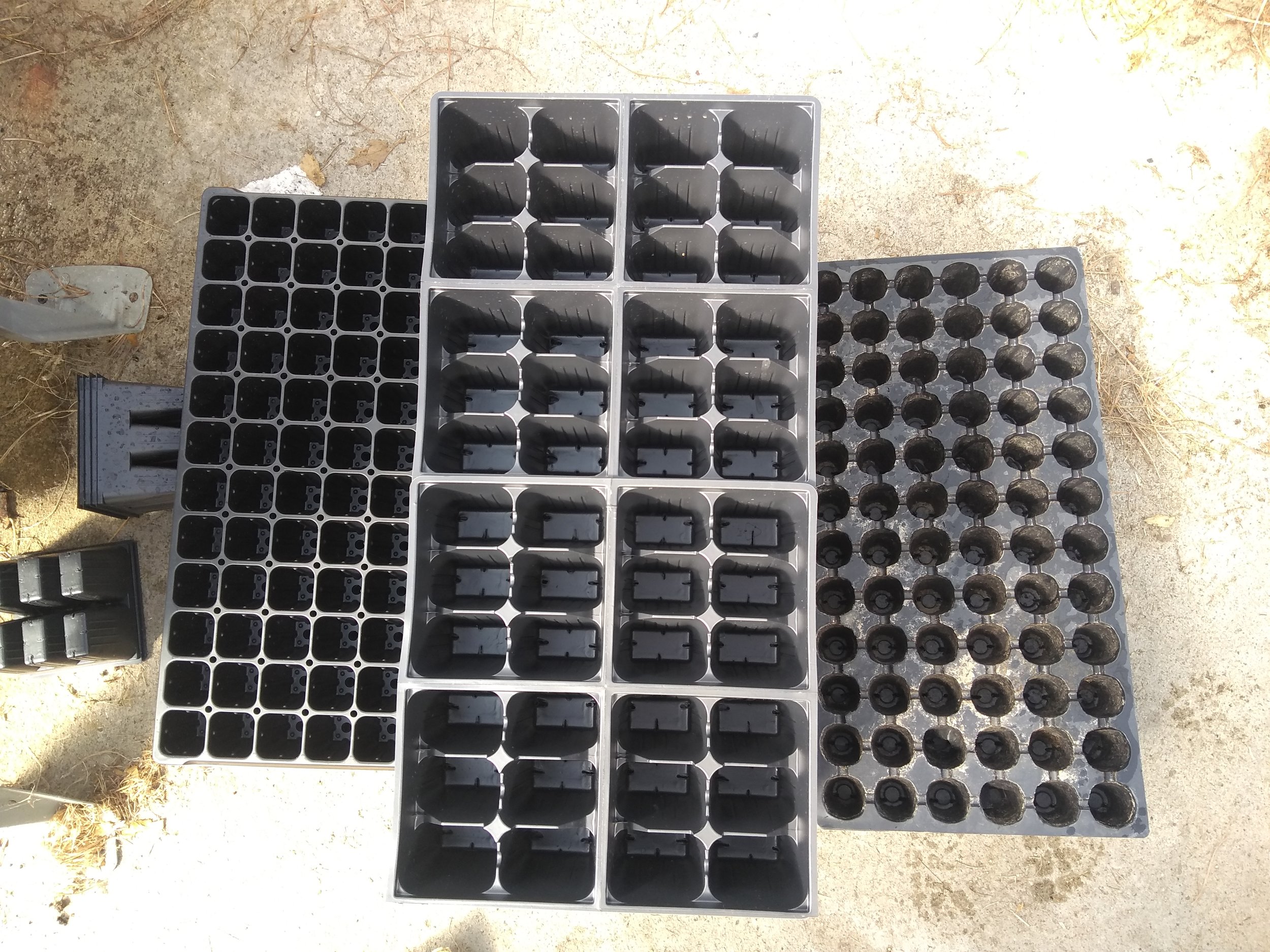
Seed Trays: Growing Together utilizes various types of trays depending on what they are planting, but it’s really up to you and your preferences. You can find seed trays at your local hardware store, or you can get creative and use recycled items like egg cartons, eggshells (be sure to carefully crack the eggs, so that most of the shell is retained like a small bowl), homemade newspaper boxes, K-cups from your morning coffee, and so much more. Click here for an article with even more ideas! Just make sure your medium has a drainage hole of some sort.
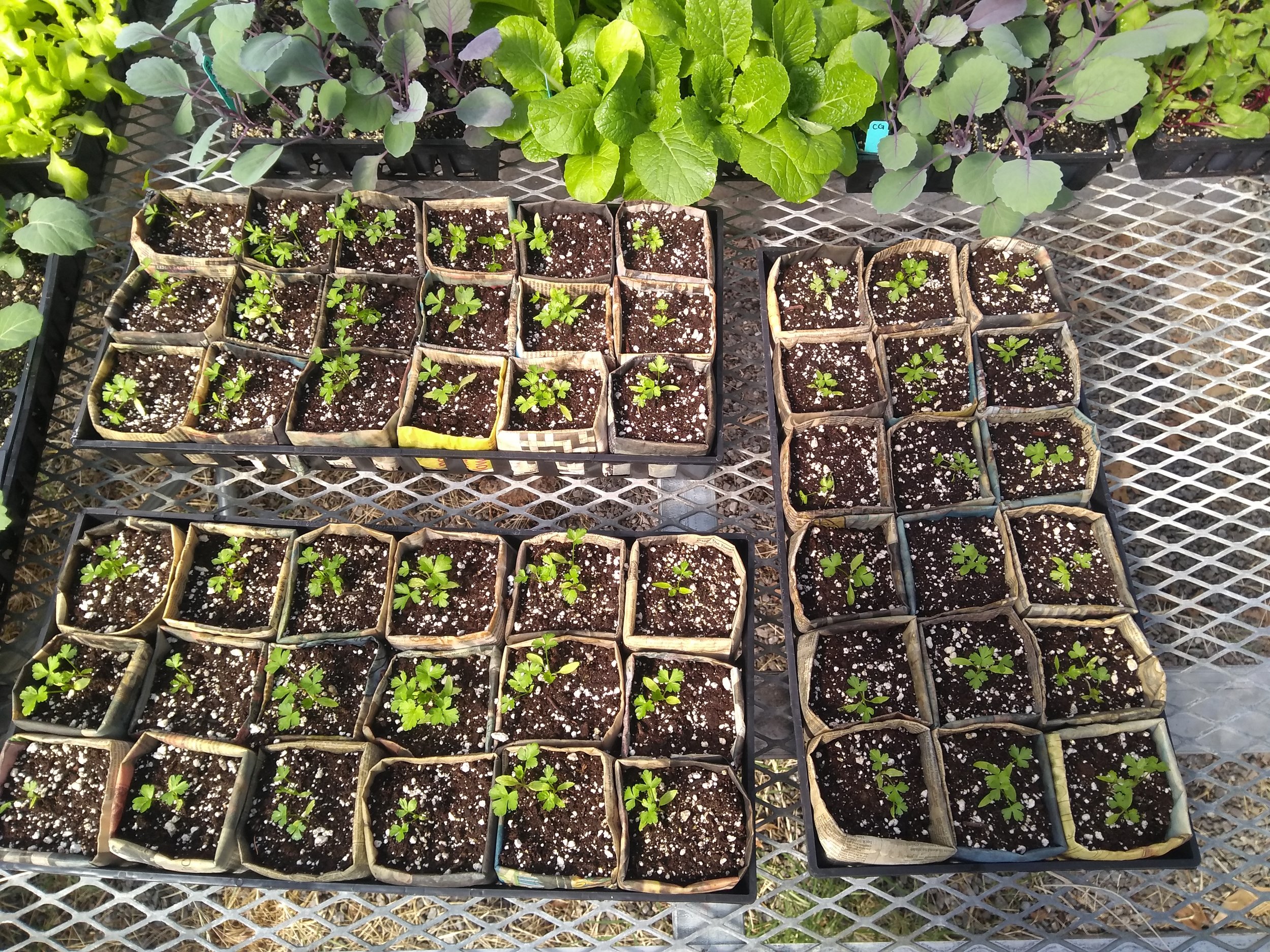
Seeds: Growing Together purchases their seeds from several seed companies, but many of the farmers also save their own seed from year to year! Here’s a great resource for learning more about the best tips for saving your own seeds.
Getting dirty!
1. Adding water: We often transfer the potting mix from our large bag into a smaller container, so that we can mix in water more easily. A five-gallon bucket works great when seeding smaller amounts. Begin adding water and mixing it into the soil. You want the soil wet enough that it clumps together when you squeeze a handful, but not so wet that it drips water when you squeeze it. Adding water before you put the soil in the trays helps the soil to absorb water more evenly after you plant your seeds. Beginning with dry soil, you run the risk of flooding the tray and disrupting your seeds when you water them.

After adding some water, we begin filling the seed trays.
2. Filling trays: Once your soil is ready, you can begin to transfer it into your trays. A great tip is to fill the entire tray and then go back through and press down gently with two fingers. This will lightly compact the soil, so you can then go back through and top off the tray with potting. This ensures that the seeds you plant will have the best growing environment to successfully germinate and begin growing roots.
3. Now it’s time to plant! Some tips to follow when you’re planting:
Depth matters! This is listed on the seed packet, or a good rule of thumb is to plant seeds 2-3 times as deep as the diameter of the seed.
Plant extra seeds, because sometimes every seed doesn’t germinate. You can always thin out extras later.
After you plant, place your seed trays in a warm location. Seeds germinate best at different temperatures, so it’s helpful to use the seed packet to find this information. For seeds that prefer warm soil to germinate (like tomatoes and peppers), we often put the trays on heating mats in our greenhouse. There are some DIY heating mat options out there, although this step isn’t absolutely necessary.
Once seeds germinate, make sure they are in a very sunny location. Seedlings will get leggy quickly if they are reaching too hard to find the light they need.
Water regularly to maintain soil moisture. You never want the soil to dry out, but balance is key. Add too much water and you run the risk of either your seeds or roots rotting.
Label your seeds! No matter how much you think you’ll remember, it’s always better to label what you’ve planted and when.

Remember to label!
When to start seeds
When to plant your seeds indoors varies greatly. Location, first and last frost dates, and crop are all things that impact planting dates. We love this resource that creates a planting calendar for your specific location with information about each crop’s best planting dates.
Ready to get started? Make your own potting soil at home using TNFP’s recipe below! You can also purchase produce directly from Growing Together farmers — find out where here, including information on purchasing a Fall CSA share (hurry, before it sells out!).

TNFP Homemade Potting Mix
Measure with a 5 gallon bucket:
3 buckets peat moss or coir
½ cup lime (to adjust pH)
Mix well.
Add:
2 buckets coarse sand (for drainage)
2 cups feather meal or blood meal (for nitrogen)
2 cups greensand (trace minerals)
Mix well.
Add:
1 bucket sifted soil (adds healthy bacteria from the garden)
2 buckets sifted compost (good organic matter)
Mix well.

Rocky Glade Farm
Last month the Growing Together program hit the road on a research mission, AKA, a field trip! We arrived at the Rocky Glade Farm in Eagleville, Tennessee on a cold and rainy Tuesday morning. The operation is 50 acres and even in February, it was a bustling place…
By Growing Together Intern, Julia Bridgforth

Last month the Growing Together program hit the road on a research mission, AKA, a field trip! We arrived at the Rocky Glade Farm in Eagleville, Tennessee on a cold and rainy Tuesday morning. The operation is 50 acres and even in February, it was a bustling place! Rocky Glade Farm is an interesting facility because instead of focusing on the summer growing season, the Vaughn family does the majority of its business during the winter months. The diverse array of vegetables were flourishing during a time when the trees were bare.

Julie Vaughn was our tour guide. When Chandra, a Growing Together Farmer, asked her why her family focused on winter growing, she answered in two parts. Six years ago, Julie became pregnant with twins, and since she is such an asset to the farm, the Vaughns decided to take it easy that year and not participate in the summer markets. What they thought would be a one year hiatus turned into an idea. Since most farms grew in the summer, there was a bounty of competition at markets which made selling produce a bit more challenging. However, in the winter, restaurants and families still wanted fresh produce but found it much more difficult to find. So, the Vaughns decided to switch gears and make winter their cornerstone season. They spend summers growing storage crops like winter squash, sweet potatoes, potatoes and other vegetables in preparation for fall and winter CSA customers. About 70% of their customer base is restaurants in and around Nashville who are dedicated to serving farm fresh produce all year round. While they also do CSAs and online markets, Rocky Glade Farms has stopped going to traditional farmers markets, since the winter markets are far less popular.
Julie and her husband started the farm together and have kept it a family business ever since. Their only employees are themselves and their four hard-working children, ages 14, 11 and the 6 year-old twins. Since she homeschools her children, they are able to have traditional lessons in the mornings with plenty of time for farm work in the afternoons, which is also incredibly knowledge enriching.
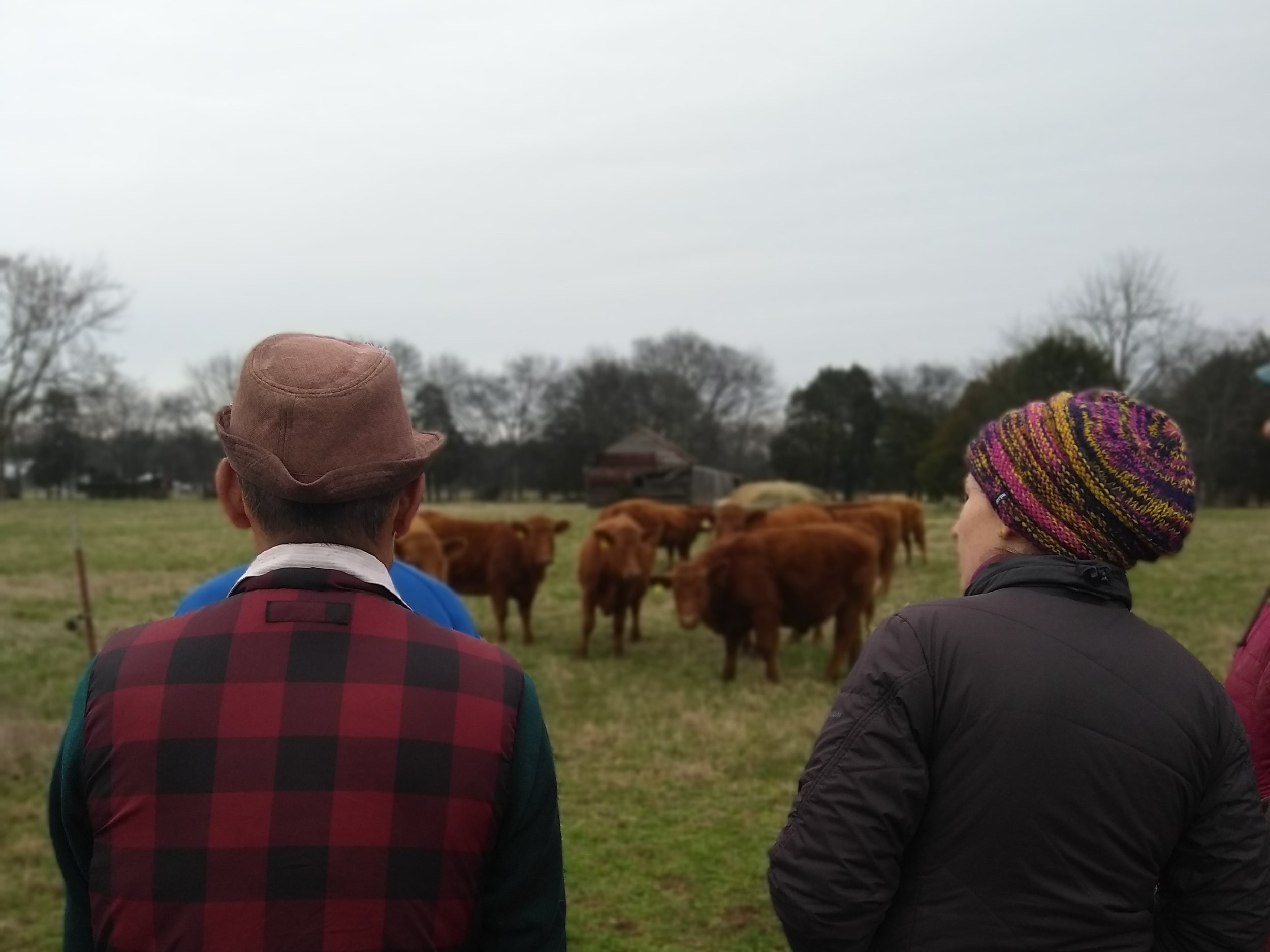
On top of their impressive vegetable production, Rocky Glade Farm also has cows and chickens. The chickens, which are the oldest two sons’ business, provide farm fresh eggs and eat leftover produce as well as incredible lessons for the boys such as business management and animal husbandry. The cows are not a typical production. Rocky Glade Farm Beef is 100% grass-fed. Through rotational grazing, the cows have fresh grass all the time and are never fed or given supplemental antibiotics or growth hormones. Instead of selling packaged meat to customers, families purchase entire cows while they are alive. The Vaughs raise the cows until they are full grown, bring them to the processor and then the family picks up the assorted meat cuts to enjoy. The Rocky Glade Beef method is most useful to families who generally eat meals at home three or more times per week and who are able to use and enjoy different cuts of beef. Also, it is advisable to have an entire freezer or two dedicated to storing the meat, which takes up about 7 square ft of space.

The tour of Rocky Glade Farms was an incredible experience. We owe so much thanks to the Vaughn family for giving us such a wonderful tour of their facilities. As we walked through the hoop houses filled with the fresh smell of greens, a meditative feeling befell the entire group. The hoop houses were a warm sanctuary, an oasis of life that energized the Growing Together Farmers in a time of winter trainings and planning that can seem underwhelming in comparison to rooting around in the dirt in the sunshine-filled spring. Many of the farmers left even more inspired to pursue their dream of having their own lands where they can farm with their family.

The Farmer & Chef Bond
Last week the Growing Together farmers hosted a visitor at their weekly training - Jessica Benefield, chef and partner at Two Ten Jack and The Green Pheasant. Jessica and her husband, Trey Burnett, were some of the first chefs to seek out and maintain a consistent relationship with Growing Together.
By Growing Together Intern, Julia Bridgforth
Last week, the farmers of Growing Together gathered for their weekly winter training session. Although these sessions are usually filled with robust lessons about crop planning and best practices for marketing, this day was extra special.
Jessica Benefield, of the renowned restaurant Two Ten Jack, entered the classroom at Christ Lutheran Church off of Haywood Lane with a full smile and genuine excitement to meet the farmers that have grown so much for her restaurant over the years. Jessica is the chef and partner at three restaurants - Two Ten Jack (Nashville and Chattanooga locations), a Japanese-inspired neighborhood pub referred to as an izakaya, and the recently opened The Green Pheasant, which is a Japanese-inspired fine dining experience.

Jessica and her husband, Trey Burnett, were some of the first chefs to seek out and maintain a consistent relationship with the New American Farmers of Growing Together, supporting the farmers since they began selling to restaurants. Specifically seeking the farmers out for their unique and specialty crops, Jessica not only continues to purchase pounds and pounds of komatsuna, mustard greens, and shishito peppers throughout the season, but she’s also eager to try products she’s unfamiliar with like pumpkin shoots and hibiscus leaves - or whatever else the farmers are growing!
After a welcoming presentation which included adorning her with sindoor, a red powder on her forehead to celebrate her arrival, and a decorative shawl, the energy in the room was filled with gratitude and shared community marked by smiles, cheers and loud claps. Jessica took a seat in the circle and thanked the farmers of the program for their produce. “It is the highest quality food that I receive all year,” she said. She continued with a small speech explaining her background and reasoning for her close interaction with Growing Together.

“Sometimes, it is easy to get brought down by the work mentality of what I do as a chef, because it is hard work. But whenever we receive your vegetables, it excites the entire kitchen. Experimenting with the new and interesting ingredients that you all grow gives us so much life. And it is so important to us to know who we are buying the produce from. Our lives as chefs benefit every time we get food from you, and the culinary experience we are able to present improves.”
Two Ten Jack’s focus on the neighborhood is not just a catchy tagline. They partnered with local artists for their interior decorating and have a desire to be as involved in the neighborhood as possible, creating a welcoming space for food and community. The goal is to connect the rural Japanese culture of the 1800s to a modern Southern city. Having farmers that grow exotic crops such as thai basil, shishito peppers, komatsuna and a variety of mustard greens within the Two Ten Jack sphere has created the perfect partnership that benefits the farmers with a steady customer base, and helps the restaurant achieve its goal of supporting the community.

The farmers were extremely excited about Jessica coming to speak and were bursting with questions about which foods she prefers and swapping recipes for roselle leaves (also known as hibiscus leaves) and squash blossoms. Jessica is optimistic about furthering her partnership with Growing Together, and is especially interested in the intensely hot peppers that Chandra, a farmer from Bhutan, said he would grow specifically for her. Jessica requested, “the hotter the pepper, the better. I like to make people cry with our special hot sauce.” That is a challenge the farmers were eager to accept.
Direct relationships with chefs in Nashville are incredibly important to the success of the Growing Together farmers. These relationships help create a secure market by consistently purchasing farmers’ product, leaving them less reliant on weekly market sales which are constantly in flux. These relationships also create pathways for these farmers to grow their sales and share their produce with the larger Nashville community. And as Jessica explained, these relationships also improve the chef’s experience. Exciting ingredients and a true bond with the hands that cultivate the ingredients increase the enjoyment chefs feel in the kitchen, which Jessica believes presents itself with love in the dishes she creates to feed the people of Nashville.
Learn more about where you can find Growing Together produce in Nashville here.

Growing Together’s New Fall CSA
Just as a garden feels constantly in motion, so too is the Growing Together program itself evolving and growing. This year our program has exciting news to share -- the Growing Together farmers will be growing for a Community Supported Agriculture (CSA) program for the first time!
By TNFP's Growing Together Program Manager, Sally Rausch

Purchase your Growing Together CSA share today!
While this year’s cold and rainy winter seemed unending, these sunny days and quickly rising temperatures are striking evidence that the growing season is among us! At The Nashville Food Project’s market garden, home to our Growing Together program, we’re seeing new growth all around. The cover crop is tall and flowering ready to be cut down and used as mulch or incorporated into the soil, leafy greens are getting bigger by the day, radishes are poking the tops of their heads out of the soil, and summer transplants are in the ground reminding us that tomato season is quickly approaching.
Every day I walk through the garden I see something new or changing. And just as the garden feels constantly in motion, so too is the Growing Together program itself evolving and growing. This year our program has exciting news to share -- the Growing Together farmers will be growing for a Community Supported Agriculture (CSA) program for the first time!
Currently, seven farmers participate in the Growing Together program, growing produce to sell through various markets around Nashville. All of these farmers came to Nashville as refugees from Burma and Bhutan and bring with them collective decades of agricultural experience and knowledge. This program is an opportunity for these farmers to practice their livelihood and their trade in a city with rapidly rising land costs, barriers to farming for so many who want to grow food, and in a state with some of the most historically anti-immigrant and refugee policies in the nation.
As this program has grown, the market outlets available in the program have as well. Two years ago, farmers primarily sold their produce at a weekly farmer’s market. Last year, farmers had more opportunities to sell through the online food hub Nashville Grown, a platform that connects local restaurants with local farmers. This additional market outlet allowed the farmers’ collective sales to nearly double from the previous year!

As Growing Together continues to evolve as a program, we look for ways the program can grow that will offer opportunities for farmers to gain increased control over their growing and marketing processes. This year, the farmers are selling their produce at the Richland Park Farmer’s Market every Saturday, weekly to restaurants such as Thistle Farms and Two Ten Jack, regularly to a variety of restaurants each week through Nashville Grown, and (for the first time this year) through an 8-week fall CSA!
You may be asking... why a CSA?
CSAs are quickly becoming more widespread around the country, as the local food movement becomes more popular. A CSA model connects customers with local farmers by offering customers the opportunity to purchase a “share” or investment in a farmer. Typically, a farmer will offer a certain number of “shares” to the public - a weekly box or bag of produce from their farm. Interested customers purchase a membership in the farm at the beginning of the season and then receive a share of produce each week during the CSA time frame. Many farmers like this model as it allows for deeper connection with customers throughout the season who have chosen to support a farmer despite the possibility of crop failure, weather, or other uncontrollable circumstances. This decreases the farmer’s risk, and farmers work hard to ensure that their “shareholders” are getting a variety of delicious vegetables each week with the comfort of knowing they have a reliable and steady market for them.
Further, in the CSA model, the Growing Together farmers have the opportunity to gain even more control over what they are growing to sell and what goes into the CSA share each week. This way, a farmer can grow the food they also want to eat and use these varieties to fill their CSA box, with leftovers going home to be cooked into delicious meals for the farmer and their family rather than going to waste.
While Growing Together is a collective of seven farmers, the CSA will provide an opportunity for each customer to be connected with one farmer throughout the season. Each week, the customer will receive a bag of vegetables grown and harvested by that farmer, creating the opportunity for the customer to get to know the farmer as well as learn more about vegetables that may be new to them.

Just as our gardens require time and attention to see these momentous changes throughout the season, so too does our work at The Nashville Food Project require evaluation and evolution to ensure that what we do is on the pathway towards building greater community food security – the Growing Together Fall CSA is just one stone in this path.
And… If 8 weeks of local, naturally grown produce excites you, we invite you to purchase a share! Customers are encouraged to sign up and pay for shares no later than June 15th, an up-front investment in the farmers’ success. The CSA will run from September 1 through October 20, with pick-up of shares each Saturday at the Richland Park Farmer’s Market between 9:30 am and 12:30 pm. Learn more and sign up here.
Learning as a Collaborative Community
Though the days are short and the winter air is cold, TNFP garden participants are busy planning and training for the season ahead. Regular garden trainings with our Community Garden and Growing Together programs provides space for learning and knowledge-sharing.

Though the days are short and the winter air is cold, gardeners are planning and training for the growing season ahead.
Wednesday morning we arrived at Hillcrest United Methodist Church and followed the signs to the room where Growing Together winter trainings take place. Esther was the first farmer to arrive -- true to her punctual nature. Esther and her husband Thomas have been in the program since its inception in 2013. Both arrived to the US as refugees from Burma and found a new home in Nashville. Thomas has a background in farming and agriculture from his roots in Burma. Over their time in Nashville he’s shared his knowledge with Esther and she too is now a highly skilled farmer and Growing Together veteran. As each farmer walks through the doors the room becomes a space for learning, sharing, and building.
We are At-Once Both Students and Teachers

At TNFP we believe that every person has wisdom to share and lessons to learn. We can learn from the experiences of others if given the opportunity to listen. This value is foundational to the design of both TNFP’s community garden program and market garden program, Growing Together. Beyond simply providing access to land, these programs facilitate space for knowledge-sharing through regular trainings. From the moment the gardens close in October, TNFP program staff are planning the trainings for Growing Together farmers and community gardeners. These trainings officially began in January for the Growing Together program and the New American community gardens.
Both programs work with community members who originally came to the US as refugees from Burma and Bhutan and who have agrarian backgrounds of varying degrees. For some, they began farming in childhood growing the vegetables that were used in family meals. For others, they grew crops in the hopes of selling them in the markets and to make a living.
Growing Together: Sharing Knowledge for Collective Success

The Nashville Food Project's agriculture training program Growing Together is designed to expand access and opportunity to people from agrarian backgrounds. Through our program, farmers gain access to land, inputs, seeds and training, and continue to build upon their farming skills and earn supplemental income though the sale of their produce.
You may be wondering -- if the farmers and gardeners have such a deep founded knowledge of farming, why do they need trainings? These trainings aren’t about one “expert” conveying knowledge to a group. Instead, these programs create a multi-generational space for community building and knowledge sharing. Our Growing Together Program Manager, Sally Rausch, shares, “This is a collective project, and part of the training is how people work collectively using the same resources. The trainings offer both opportunities and relationship building so they can be a successful collective.”

Through end-of-season interviews the farmers expressed that they wanted more marketing outlets and to improve their sales. This feedback has been heavily incorporated into this year’s trainings. The trainings will cover topics like marketing outlets, customer preferences, and planning crops so that they will be at peak harvest quality for customers looking for their unique crops. At the most recent training, farmers were asked to share what sold the best at the Richland Farmers’ Market and what items didn’t sell as well. Then they planned out what crops they wanted to sell through the farmers market, Nashville Grown, and through a new CSA program that the farmers are piloting this year. By working together and sharing feedback, farmers are learning how to best plan and sell their crops through individual outlets as well as through their collective outlets as a group.
During the training sessions, the lines of student and teacher are blurred. Each gardener and farmer has a plethora of knowledge to share. After three training sessions Sally mentions “Gosh... I’ve already learned so much from the farmers. It’s my goal to have the trainings be an interactive experiential classroom where we are all learning from each other. I want to get to know the farmers and learn about their perspective and experience because they know how to grow really high quality produce… I think about my job as, ‘How can we integrate that valuable experience into the trainings to go even deeper and support the farmers in being more successful?’”
Community Gardens: Building a Foundation through Past Experiences

TNFP's community garden program facilitates three community garden sites across Nashville, providing access to land, supplies, and ongoing training. There are two New American community gardens, with these spaces held for Bhutanese and Burmese community members of any skill level. These sites begin trainings in January with the growing season kicking off in March. There are two neighborhood community gardens in North Nashville and Wedgewood Houston. These sites start trainings during the growing season with plots open to neighbors.
The New American community garden training is more comprehensive covering topics that all gardeners should know to succeed like what crops grow best in Nashville and when they should be planted. The purpose of these trainings are to make sure everyone is on the same page.
Similarly to the Growing Together program the topics are chosen based on gardner feedback during end of season evaluations and challenges in the previous seasons. Our Community Garden Manager, Kia Brown, explains, “In the past there has been a difficulty in understanding the irrigation system that we use. This year as a planning stage we are going in depth on how the system works, how to fix it, and how to plan crops so that they work best with it.” In this scenario Kia observed that the gardeners’ traditional farming methods did not work with the irrigation system offered last year. To overcome a problem that so many struggled with she has planned an in-depth training on irrigation.

In all TNFP programs there is an opportunity for everyone involved to be both teachers and learners and create a flow of knowledge sharing. Kia shares that she wants to explore the three sisters planting method. In this method each plant has a purpose - corn is used as a trellis for pole beans and squash is planted at the base to reduce weeds. Kia says, “it uses a comprehensive system where everything grows and dies at the right time all while something else is taking place. It’s something I’ve learned from the gardeners and that I am still learning about.”
TNFP garden training programs allow gardeners to expand on the skills they already have and learn from the trial-and-error of others while also gaining the opportunity to be introduced to new farming methods and tools that may bring them success. Garden trainings are a space created for all involved to learn and grow from one another embodying our value of learning. For more information about our garden programs please visit our website.