
The Nashville Food Project’s Blog



Partner Spotlight: Nashville Launch Pad
Nashville Launch Pad operates out of spaces across town to create a network of temporary, safer, street-free sleeping shelters for unhoused young adults which are open and affirming to LGBTQ+ individuals and their allies. They currently do this in three ways: through an emergency shelter program, a mobile housing navigation center, and an independent-supported living program.

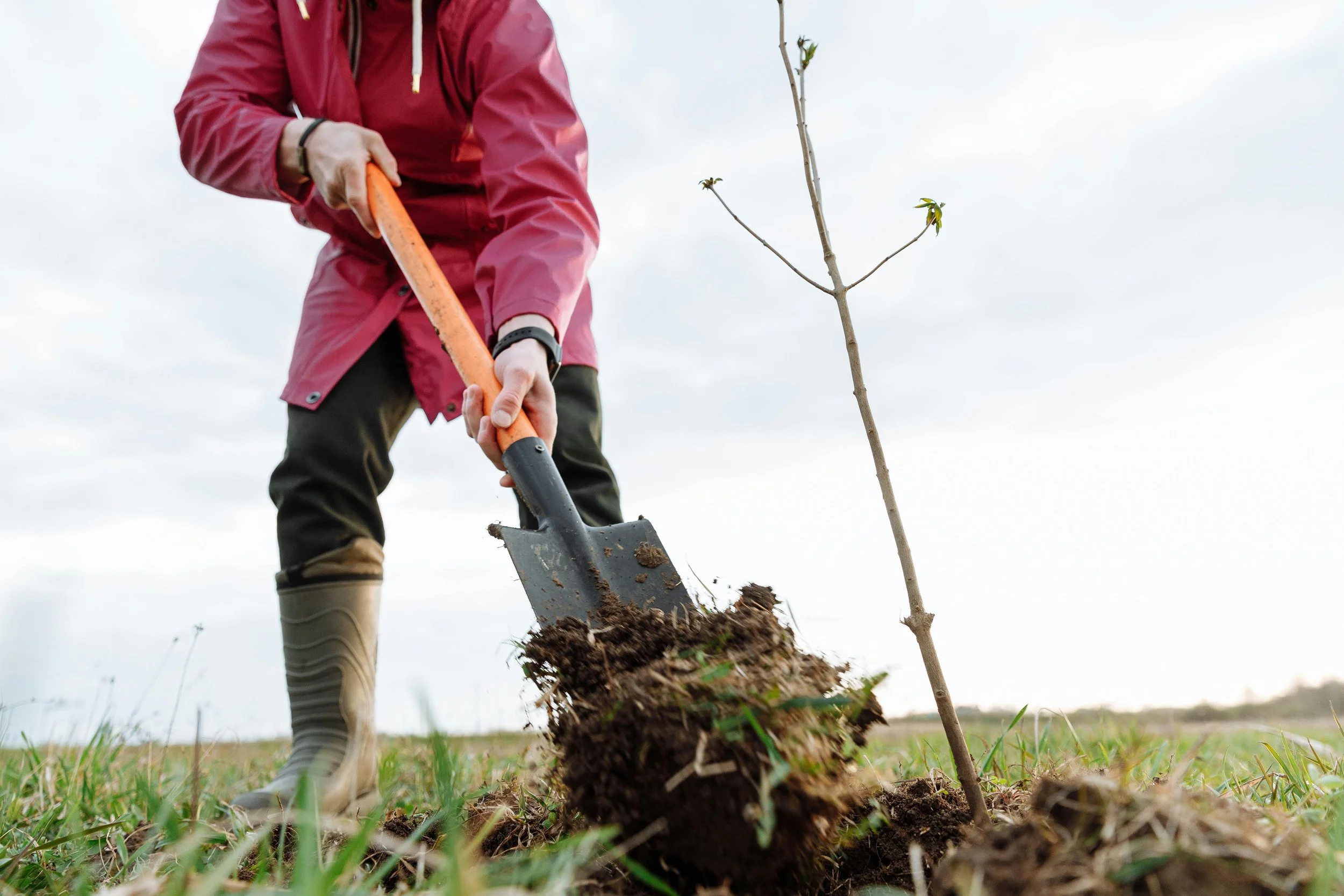
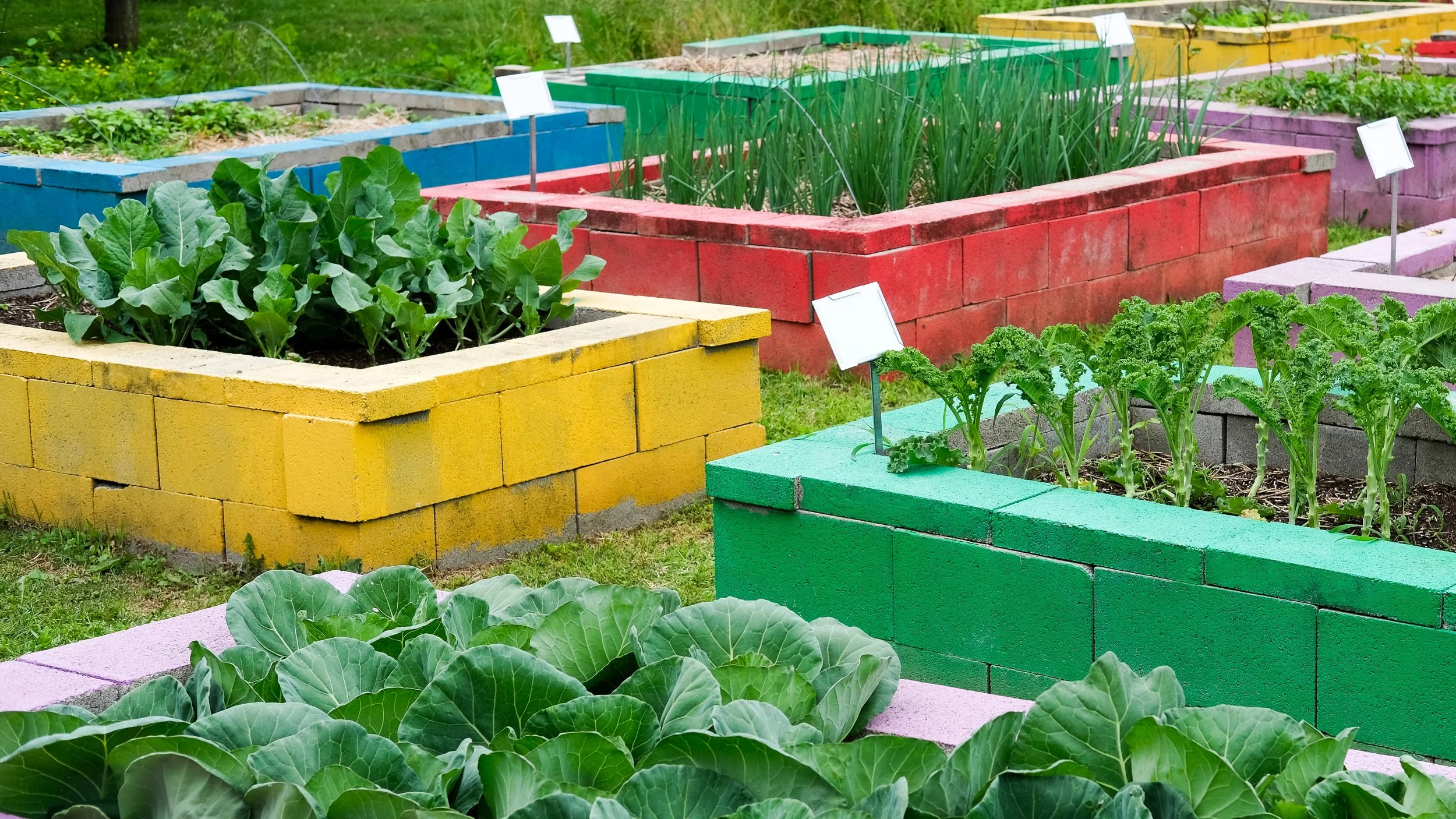
It’s a warm afternoon at Nashville Launch Pad, and a team of volunteers is working to prepare a brand new community garden behind their Mobile Housing Navigation Center, where a group of unhoused young adults currently live. “This volunteer team is a cool one,” says Corrine Elise, Launch Pad’s Associate Director of Engagement and Administration. “Today we have a staff member, board member, Community Ambassador, AmeriCorps volunteer, community member, and former shelter guest working together.” It’s a perfect illustration of the diverse community that Launch Pad nurtures with the young adults who find shelter, solace, and a sense of belonging there.

Volunteers work together to weed Nashville Launch Pad’s new community garden beds.
Nashville Launch Pad operates out of spaces across town to create a network of temporary, safer, street-free sleeping shelters for unhoused young adults which are open and affirming to LGBTQ+ individuals and their allies. They currently do this in three ways: through an Emergency Shelter program, a Mobile Housing Navigation Center, and an Independent-Supported Living Program.
Their Emergency Shelter runs nightly from November 1 through April 1 and is designed to meet an immediate need for young adults, offering a bed, a shower, and a hot meal. This program is supported by a network of church hosts, with the only requirements to host being that the space must affirm LGBTQ+ individuals, be on a bus route, and include access to a kitchen and showers. All staff and volunteers are trained in trauma-informed care and all work to create a welcoming, secure, and healing environment for guests.

Volunteers serving meals during Emergency Shelter.
“During shelter season, volunteers and guests eat meals together, building community with one another before settling in for the night,” explains Corrine. “We encourage emergency shelter volunteers to not only spend time organizing resources behind the scenes, but to make intentional time to enjoy dinner with guests who come in.”
Nashville Launch Pad is also a Mobile Housing Navigation Center, a federally funded initiative developed by Community Care Fellowship and the Metro Council. Currently, six sites across the city operate as Mobile Housing Navigation Centers, providing up to 20 people each with "immediate stabilization and intensive support services" to help individuals work toward the ultimate goal of obtaining housing.

Volunteers help paint the Mobile Housing Navigation Center last fall to prepare for guests.
Launch Pad’s Mobile Housing Navigation Center has space for 15 young adults to stay for free of charge for 90-120 days while they obtain identification, secure employment, and in some cases, find permanent housing solutions. The program just launched in December, but so far has provided an important temporary solution for folks who have previously utilized Launch Pad’s Emergency Shelter. They also prioritize providing homemade, nourishing meals for their guests. Currently, they are supported not only by The Nashville Food Project — we share between 20-30 meals each week, depending on their need — but also Arnold Myint of International Market.

Arnold Myint of International Market.
“General pressures on any young adult to succeed in society is stressful enough, and I feel that food should not be a daily burden when considering the tools we need to ‘make it in the world,’” says Arnold, who has prepared weekly meals for Launch Pad for several years. “The way I see it, by dedicating a weekly meal for Nashville Launch Pad, the organization can shift their allocation of funds to other fundamental needs so individuals can focus on opportunities to better enrich their lives. Food is my love language and by sharing a meal, I hope the LGBTQ+ youth in this program know that, from a distance, we are cheering them on.”
Some of the guests that Nashville Launch Pad hosts are ready to transition into longer-term housing, living independently in community with other young adults. Launch Pad’s Independent-Supported Living Program, or ISLP, provides the setting for this. The program offers apartment-style accommodations where formerly unhoused young adults can take up to six months to focus on employment, education goals, permanent housing solutions, and more. Guests live among a small group of other adults ranging from ages 18-26, selecting residents based on an interview process when spots become available. This setup is intended to foster community and provide an environment where everyone feels safe and affirmed.

Nashville Launch Pad’s Independent-Supported Living Program provides apartment-style housing.
Nashville Launch Pad supports the young LGBTQ+ population in the city on purpose. Young adults who are part of this demographic are 120% more likely to experience homelessness than their heterosexual, cisgender peers. While this is a staggering statistic, Nashville Launch Pad is ensuring that homeless LGBTQ+ youth have an affirming space to sleep now and pathways to stable, long-term housing when they’re ready for it. The difference that makes is immeasurable, and the fact that former shelter guests are spending their Wednesday afternoons volunteering at Launch Pad is certainly a testament to the rich community they cultivate.
“Our work is all about building trust,” says Corrine. “If this can be a place where our guests can find peace, then we’re doing something right.”

There are lots of ways to get involved with Nashville Launch Pad! You can support their Amazon Wishlist, sponsor a “Welcome Home Kit” for guests graduating out of the program and into permanent housing, or volunteer with their new community garden initiative. In addition, Nashville Launch Pad’s annual breakfast, Biscuits for Beds, is coming up on June 1 — right in time to kick off Pride! You can grab tickets here.
Volunteer Appreciation Week: Community in the Kitchen
It’s National Volunteer Appreciation Week, and we’re celebrating the incredible folks who show up daily to chop veggies, shovel compost, mix dressings, and even sharpen knives! These simple, sometimes un-glamorous tasks are the backbone of the Food Project — but the community members that lend their hands to this work each day are the heart.
It’s National Volunteer Appreciation Week, and we’re celebrating the incredible folks who show up daily to chop veggies, shovel compost, mix dressings, and even sharpen knives! These simple, sometimes un-glamorous tasks are the backbone of the Food Project — but the community members that lend their hands to this work each day are the heart.


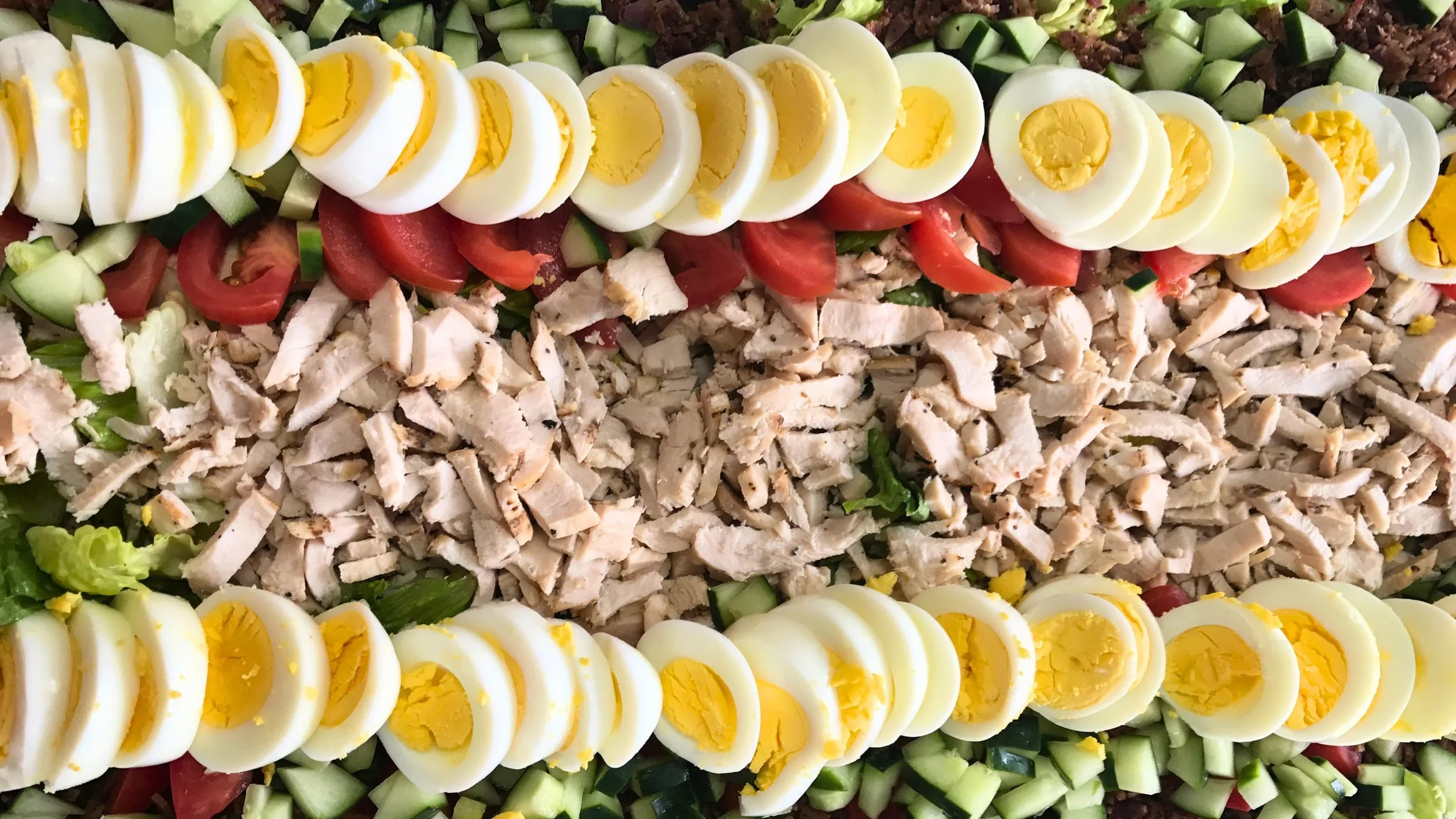
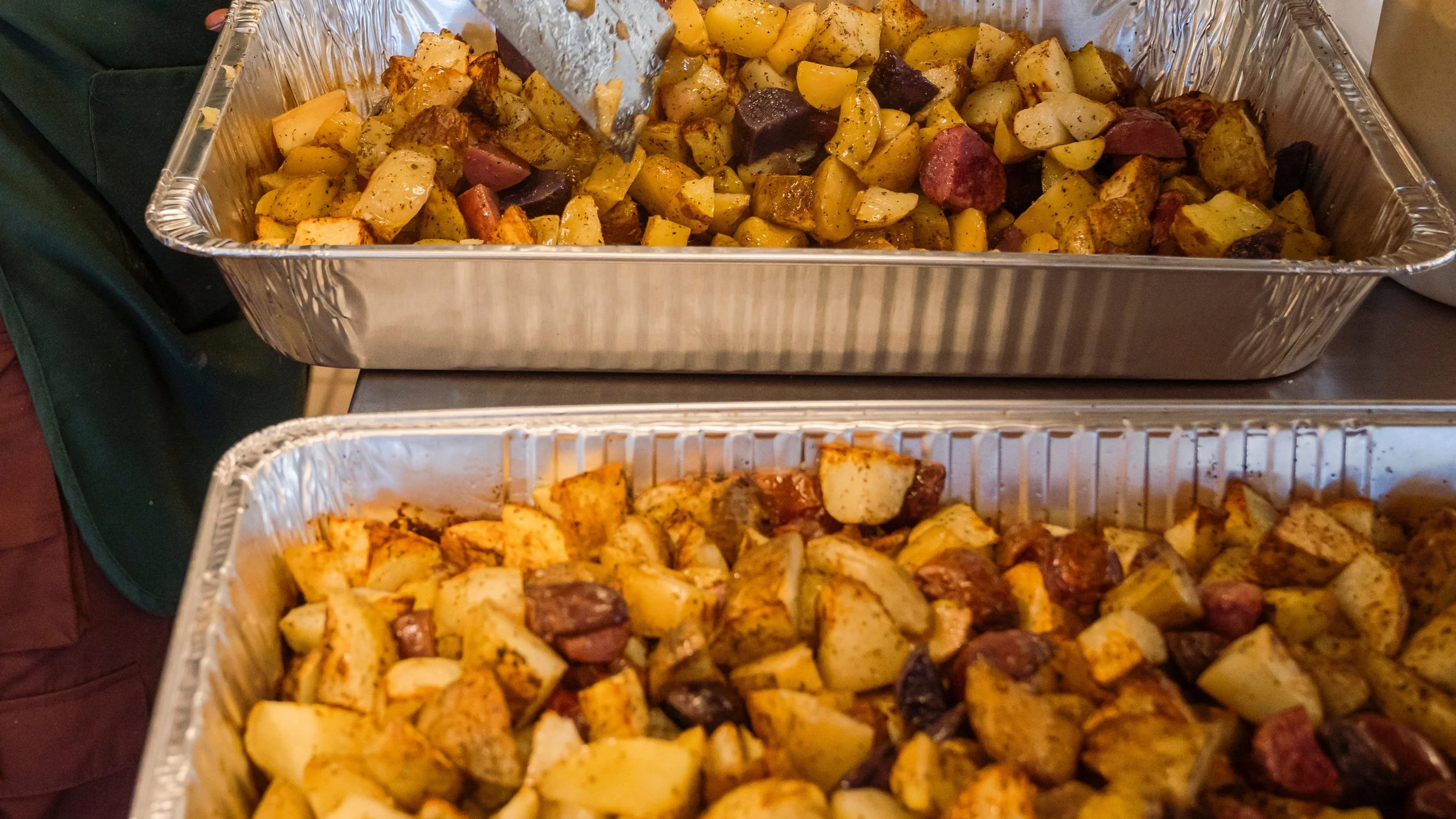
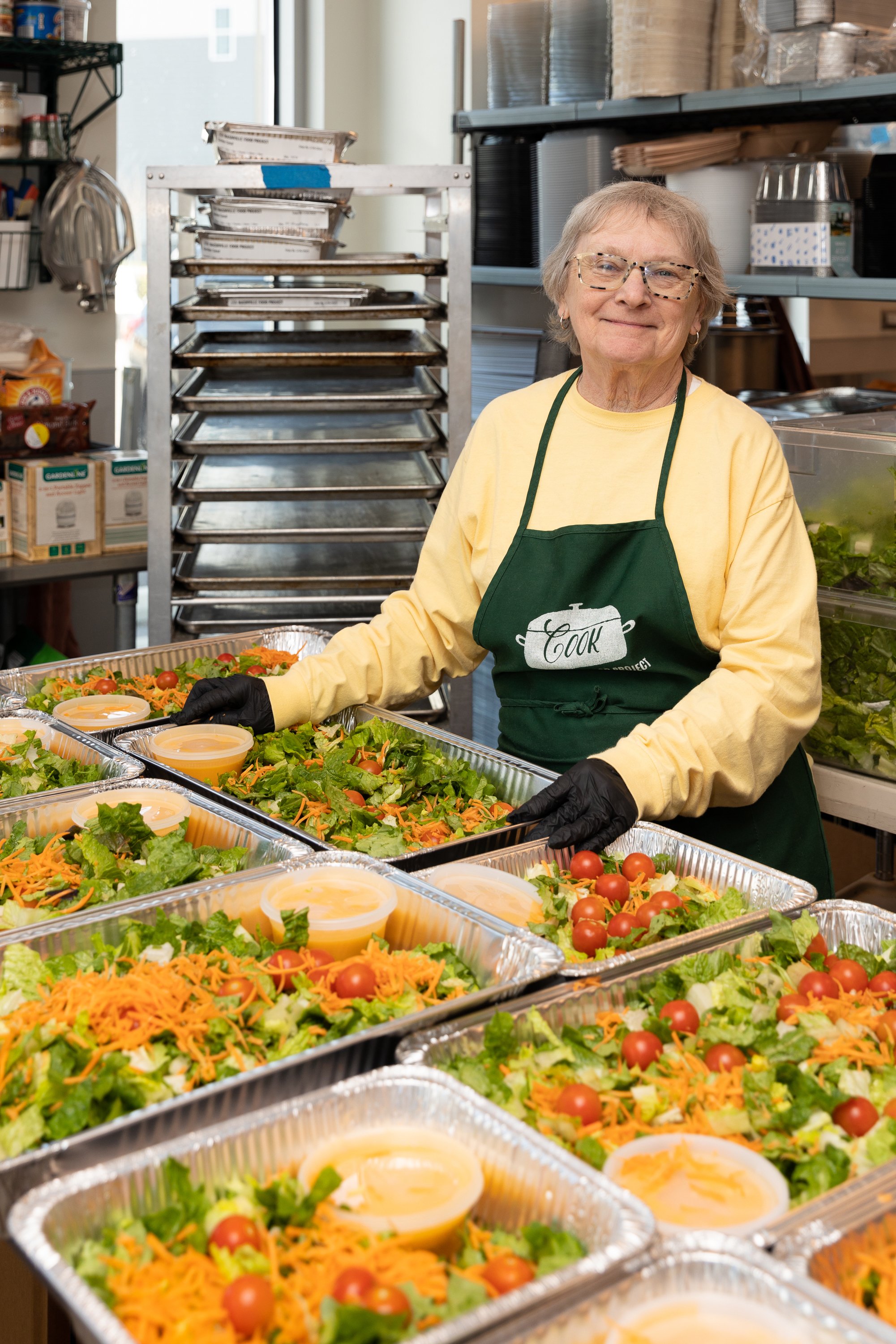
In the kitchen, volunteers keep us afloat. The hundreds of unique volunteer hours given each month make it possible for our team to produce 6,500 meals each week — in fact, every single meal that comes out of our kitchen includes some contribution from volunteers, be it colorful assembled salads, diced roasted potatoes, or a chicken pasta bake that volunteers took the time to shred.
The best thing about our volunteers, though, is the community they cultivate by bringing their generosity, creativity, and positivity to our space. If you walk through the headquarters kitchen during a prep session, you’ll see strangers becoming friends as they blend smoothies, or a corporate volunteer group dancing along to the music as they work through a container of strawberries at their cutting boards.

Our friend Madison is an incredible example of community during the time she frequently gives us at evening prep sessions, which she brings energy and life to despite having worked a full day at her job. She’s been volunteering with us since 2021 and we feel lucky to count her among our regulars!
“Madison is exactly who you want to be partnered with when volunteering in the kitchen,” explains Hannah, a former staff member who still shows up often to volunteer. “She's so funny and fun to talk to, she's fast and efficient at any prep task, and she knows how to find anything you need in the kitchen. We're so grateful to Madison for her dedication to The Nashville Food Project over the years and the energy she brings to any prep!”

Hannah and Madison volunteering at Meat Conference earlier this year, where The Nashville Food Project recovered over 16,000 pounds of food for our meals program.
Check out this Q&A with Madison:
How do you see your role in this work of building a just and sustainable food system?
I see my role as a TNFP volunteer as a critical piece of TNFP's offering to the community. The TNFP kitchen staff is an amazing team that is enabled by TNFP volunteers to serve even more meals to the community.
It might be hard to see the impact of a 2 hour shift when you're surrounded by stacks of veggies to chop, but at the end of a volunteer shift, when everything is prepped and ready to be used, you can really see the magnitude of the team’s work.
I also see TNFP as a learning experience for myself as I have become more aware of food waste and up-cycling at home and in my personal grocery shopping.
What excites you about the vision of a world with a just and sustainable food system?
I've learned a lot about TNFP's vision in my time volunteering here. Some of which, I had not thought about much before — i.e., the need for nutritious meals in food insecure communities beyond just providing a meal. Most importantly, I've experienced the power of community and sharing goals, tasks, and meals together as such. I've learned the most from the sheer magnitude of the meals we prepare and have gained a lot of perspective through the simple tasks of chopping and portioning.
What about this work brings you hope?
I am motivated by the teamwork and community that TNFP creates. From the staff to the other volunteers, I have met so many people across different backgrounds, all while preparing meals for different groups across the city. It's very common for me to get stuck in my friend group or within my work industry, so meeting people outside of that really has shown me the power of community, and there's something really exciting to me about preparing meals as a community that are going out to even more communities across our city.

Partner Spotlight: FiftyForward
FiftyForward is a nonprofit organization dedicated to supporting adults aged 50 and older in Middle Tennessee through a variety of programs and services aimed at promoting health, well-being, and community engagement. Their programming is extensive, but is ultimately focused on developing community and purpose. Currently, The Nashville Food Project delivers about 560 meals each week to support this focus.
It’s a rainy morning at FiftyForward’s Knowles Center, but that doesn’t seem to be slowing anyone down — there’s a buzzing energy at the organization’s main facility. Older adults who are members of FiftyForward Friends, a day program for seniors, arrive for a day full of activities ranging from exercise classes to bingo. Volunteers pick up meals to deliver via FiftyForward Fresh, the organization’s mobile meals program, laughing and chatting with one another as they wait in line for their bags. Members of their community center pop by to enjoy a hot lunch. And at some point, The Nashville Food Project pulls up to deliver pans of beef stroganoff and roasted veggies.

FiftyForward is a nonprofit organization dedicated to supporting adults aged 50 and older in Middle Tennessee through a variety of programs and services aimed at promoting health, well-being, and community engagement. Their programming is extensive, but is ultimately focused on developing community and purpose. Currently, The Nashville Food Project delivers about 560 meals each week to support this focus.
On this particular day, the FiftyForward Friends program participants are doing chair yoga. The room looks relaxed, the lights dimmed as the instructor guides them through stretching and meditation. In the next room over, staff members Rebecca and Heather are heating and portioning plates of creamy chicken casserole, broccoli, and oranges. “About a quarter of the meals shared by The Nashville Food Project are served here, while the rest are delivered as mobile meals,” explains Rebecca. “Everybody looks forward to lunch.”


Around the round tables at lunchtime, conversation comes easily. Steve and Zura, who both come five days a week and eat lunch together every day, joke incessantly with one another, making anyone in their orbit feel right at home. Marilyn embroiders between bites, explaining that it’s good for her hands and makes her happy. Janet talks about her Pennsylvania roots and her life there as an art teacher; she now lives in town with her daughter and still enjoys art and music. When we play music trivia after lunch, she knows every song.


Every day, program participants come to FiftyForward to experience connection in this vibrant community where friendships are forged, talents are celebrated, and laughter echoes through the halls. For a demographic that commonly struggles with isolation, the environment that FiftyForward provides is enriching and life-giving.
FiftyForward also builds essential community through their mobile meals program, where staff, volunteers, and, thanks to a recent partnership, DoorDash drivers, make deliveries to housebound seniors. Volunteers drive the same routes — hitting, on average, eight stops per route — over and over, so they become a familiar face to many of the meals recipients. Over time, they form relationships and are often the first to know if those folks need attention or something is wrong. Most volunteers are happy to jump in and educate seniors on how to reheat meals or advise on the shelf-life of canned goods. The easy-to-reach-for meals they deliver provide necessary nourishment, but it’s the regular check-ins that have the greatest impact on the lives of these seniors.


To support the partnership with FiftyForward, The Nashville Food Project relies on daily volunteer teams who prepare ingredients and cook the meals that are distributed. A large portion of these volunteers are also older adults, and they often tell us that our kitchen is a place they come to experience community and purpose.
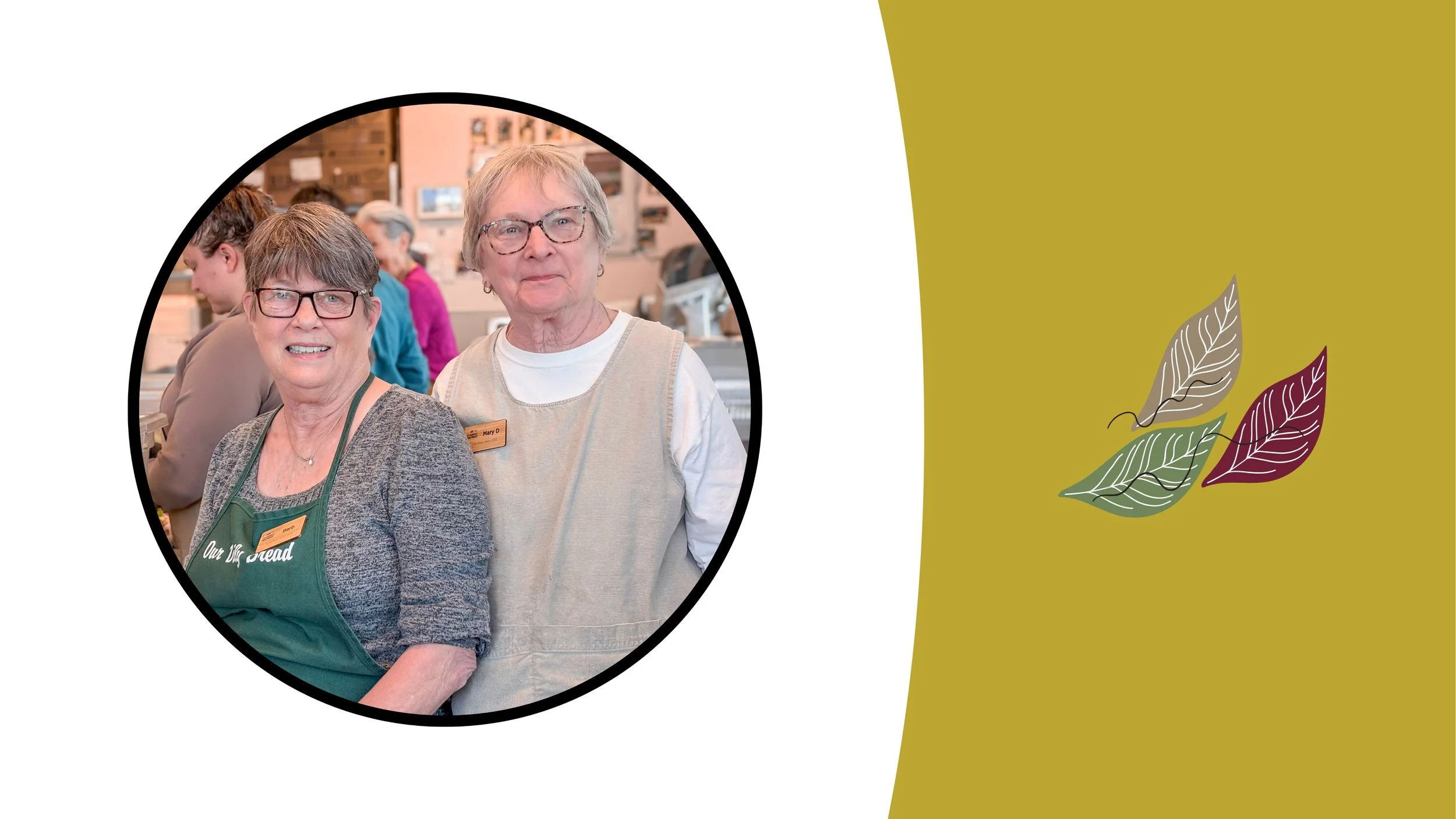
“I started volunteering in the kitchen twelve years ago,” Mary Dionne, a longtime senior volunteer, recently told us. “I enjoy it a lot — it's good for me, and I feel like I'm doing something to help people. I come back because it's a way to give back, and it's great to be around people who are trying to make a difference in other people's lives through food, through community, and bringing people together.”
The food these senior volunteers make is often delivered directly to other older adults. We’re so grateful for how many aspects of our partnership with FiftyForward prevent isolation for older adults by bringing people together over a scratch-made meal.
Starting New Seeds at Growing Together
Thanks to our friends at Tito’s Vodka, we now have a greenhouse on the Growing Together farm! Before the project last October, Growing Together was near its production capacity due to limitations in the site’s agricultural infrastructure. Farmers weren’t getting much exposure to starting plants from seed in a greenhouse — the greenhouse available to them was a shared space over 10 miles away from the farm.
Thanks to our friends at Tito’s Vodka, we now have a greenhouse on the Growing Together farm!

Love, Tito’s, the philanthropic heart of Tito’s Handmade Vodka, supported this project as part of their Block to Block initiative. The program seeks to provide fresh and healthy food to communities by working alongside local nonprofit organizations to create green spaces, including community gardens and farms, that nurture neighborhoods and make fresh food more accessible and bring the community together, one block at a time.

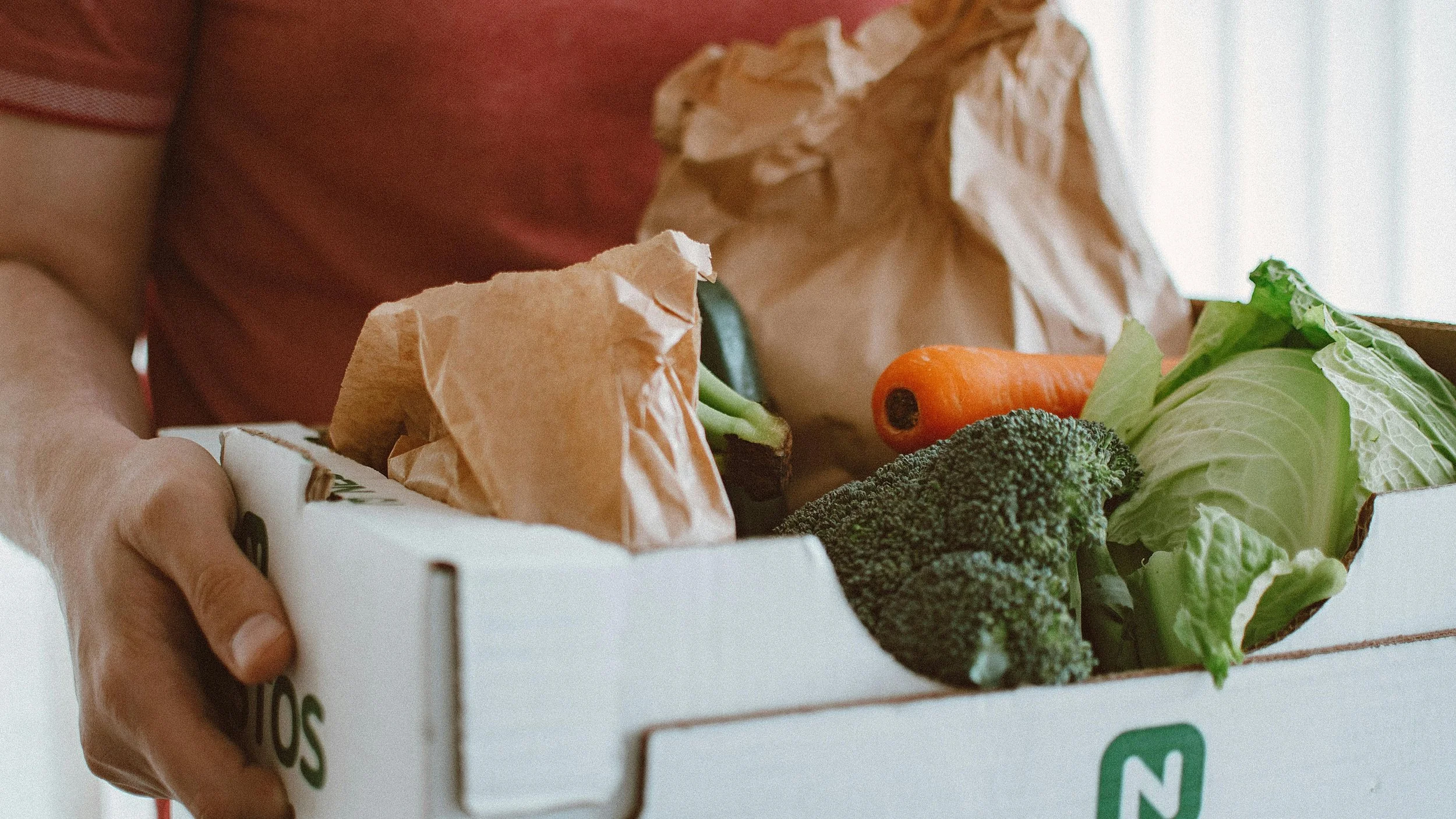
At the Growing Together farm, a community of Nepalese and Burmese farmers grow over 30,000 pounds of produce annually on about an acre of land. The Food Project then works with the farmers to sell and distribute that produce to Nashville residents, restaurants, and other market outlets. The majority of the produce is distributed through our Community Supported Agriculture program, which pairs customers with a farmer who grows their vegetables for an entire 20-week season. The weekly boxes include local favorites, like tomatoes and squash, alongside veggies native to the farmers’ home countries, like long beans and daikon radish.


Before the project last October, Growing Together was near its production capacity due to limitations in the site’s agricultural infrastructure. Farmers weren’t getting much exposure to starting plants from seed — the greenhouse available to them was a shared space over 10 miles away from the farm. So when Tito’s reached out about an impact project, we immediately identified the installation of an on-site greenhouse as a way they could make a tangible difference on the farm for years to come.
The Love, Tito’s Block to Block program prioritizes volunteerism, making time for Tito’s staff to spend a day at the site they are supporting. On a sunny day last October, a group of about 50 volunteers helped us clear the installation site, which was overgrown with brush and weeds, to prepare for the greenhouse’s construction in January. The group also worked to upgrade the farm's washing and packing station, move compost, remove weeds and invasive plants, clean up fence lines, and plant pollinator plants and berry bushes. They even painted colorful murals on the farm’s new water catchment stations.
These hands, alongside so many others, have made the much-anticipated greenhouse installation possible over the last several months. In January, a team from Scenic Acres built the 20’ x 48’ greenhouse.

After spending February sorting out plumbing and electrical and building tables to go inside the structure, the farmers finally got into the greenhouse in early March. As you might imagine, they were so excited! They started with spring crops like broccoli, cabbage, kohlrabi, cauliflower, and kale.
The addition of a greenhouse to the farm is a major step for our farmers as it gives them agency over the growing process from seeding to harvest. Their plant starts look great so far — we already can’t wait to get them into the ground and learn more about the early stages of plant production together!


The greenhouse became operational just in time for our CSA, which begins May 14. It’s not too late to reserve your spot! Our model gives the Growing Together farmers the resources to grow food and generate income for their families while providing you with an incredibly diverse range of fresh, local produce. By becoming a customer, you’re truly investing in these farmers’ lives.

FeedBack Nashville: Food System Forum Recap
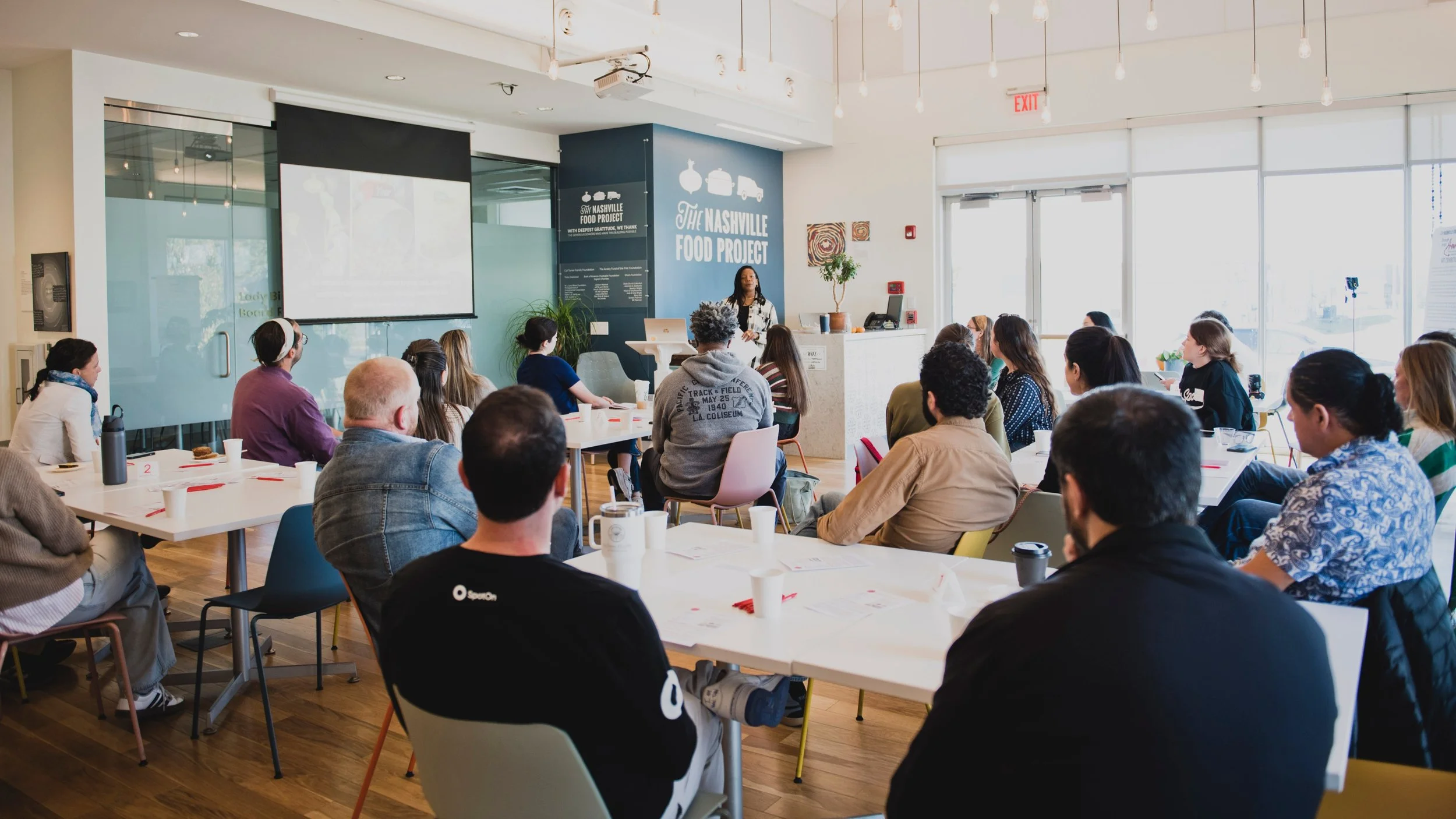
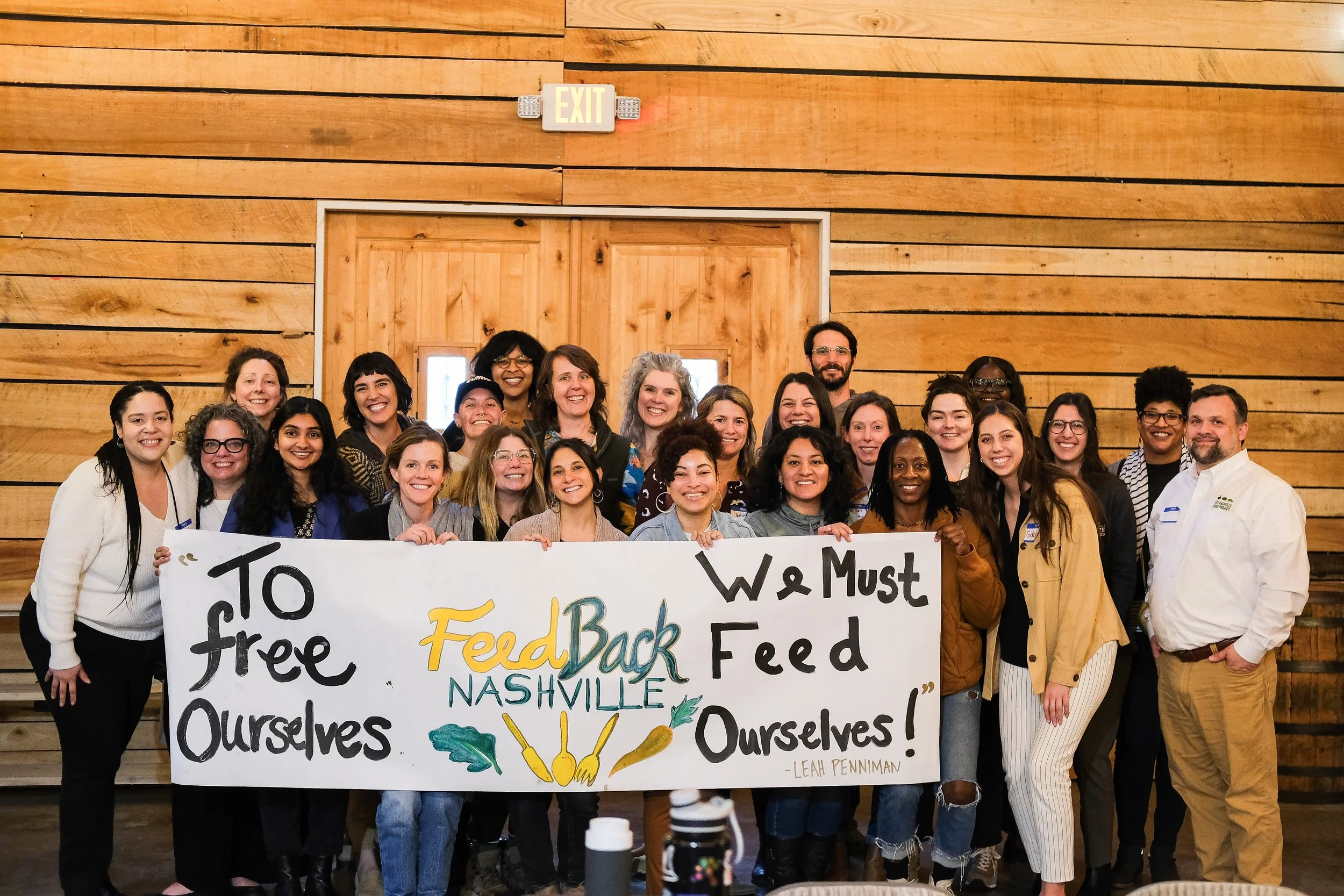
On February 22, FeedBack Nashville hosted a day-long Food System Forum at Green Door Gourmet, a 350-acre organic farm on the outskirts of Nashville. The event brought together 25 individuals working in our city’s food system.

On February 22, FeedBack Nashville hosted a day-long Food System Forum at Green Door Gourmet, a 350-acre organic farm on the outskirts of Nashville. The event brought together 25 individuals working in our city’s food system to build and strengthen connections between organizations; build a shared understanding of the current dynamics, limitations, and areas in need of change in Nashville’s current food system; and to identify opportunities to do things differently to build a more just and sustainable food future for our city.
The first phase of FeedBack Nashville involves analyzing Nashville’s current food system and diagnosing its issues. Once complete in summer 2024, this diagnosis will help us understand as a community how our food system works — and more specifically, how community connections and other social, economic and environmental factors influence food access, local agriculture, local food economies, food waste, and more.


The Food System Forum helped us gather our first round of community insights, which we will integrate into FeedBack Nashville’s food system diagnosis. These insights will guide us towards informed action and reveal areas ripe for change within our city’s food system.

Forum for the Future — an international non-governmental organization that builds the local capacity of communities to transform food, energy, and business sectors towards more just and regenerative futures — served as the convening facilitator for the event. Members of the FeedBack Nashville Steering Committee also joined to help facilitate breakout discussions. Generous donations from Radish Kitchen, Dozen Bakery, and the Well Coffeehouse nourished us throughout the event.
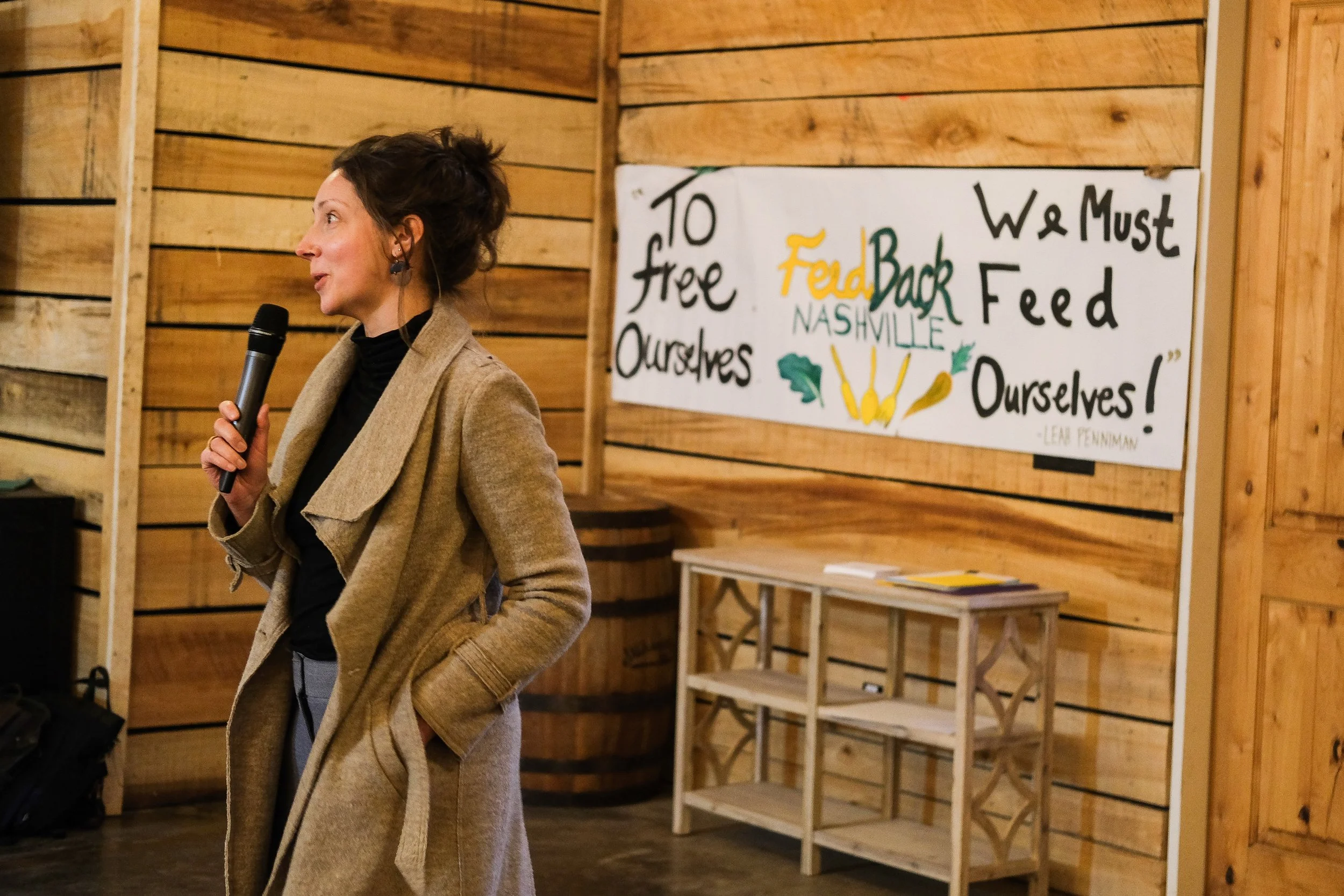
Want to support FeedBack Nashville’s food system diagnosis? Take the FeedBack Nashville Food System Survey! Your perspectives will be synthesized with those of many other community members to help us create shared visions, and the actions that will help us get there, for a better food future for our city.
The Nashville Food Project Receives $1 Million from the Yield Giving Open Call
This week, MacKenzie Scott’s Yield Giving announced The Nashville Food Project as one of its Open Call awardees working with people and in places experiencing the greatest need in the U.S.. The Nashville Food Project received $1 million.
This week, MacKenzie Scott’s Yield Giving announced The Nashville Food Project as one of its Open Call awardees working with people and in places experiencing the greatest need in the U.S.. The Nashville Food Project received $1 million.
In March 2023, Yield Giving launched an Open Call for community-led, community-focused organizations that enable individuals and families to achieve substantive improvement in their well-being through foundational resources. The Nashville Food Project was awarded based on its track record, team capacity, community leadership, and commitment to equity.
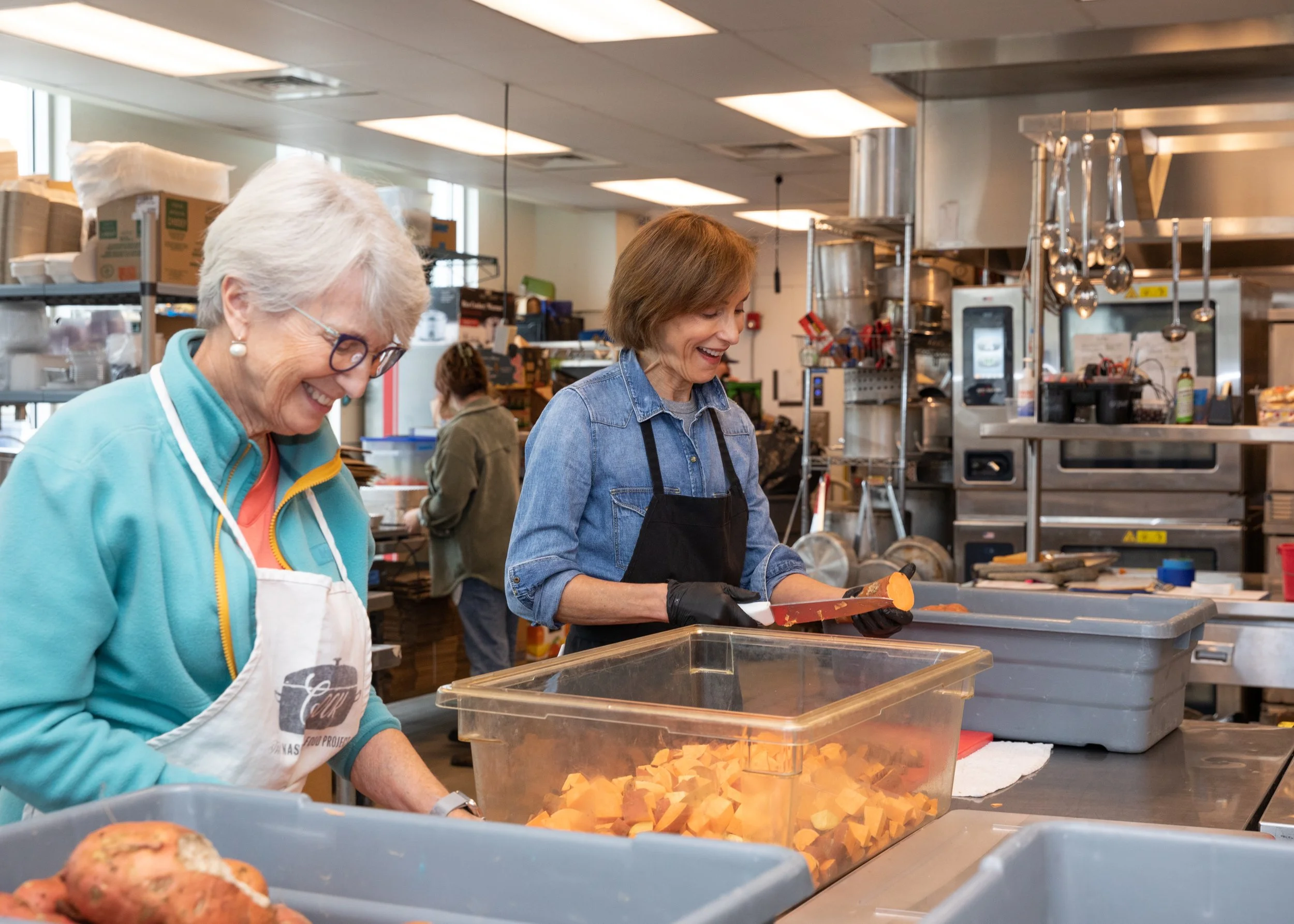
“We are humbled by this affirmation of our work from Yield Giving,” said CEO C.J. Sentell. “This is an exciting moment for The Nashville Food Project: We have a dynamic staff, an engaged board, and dedicated volunteers working every day to nourish their community through food. This award will help us take the next step to create lasting change in the local food system.”
“The Nashville Food Project is a critical partner in our efforts to address hunger and reduce food waste in our city, and this award is reflective of the considerable impact they are making in Nashville,” said Mayor Freddie O’Connell. “Support from Yield Giving will amplify The Nashville Food Project’s important work to engage the community around achieving a sustainable and just food system where less food goes to landfills and more food goes to people who need it.”
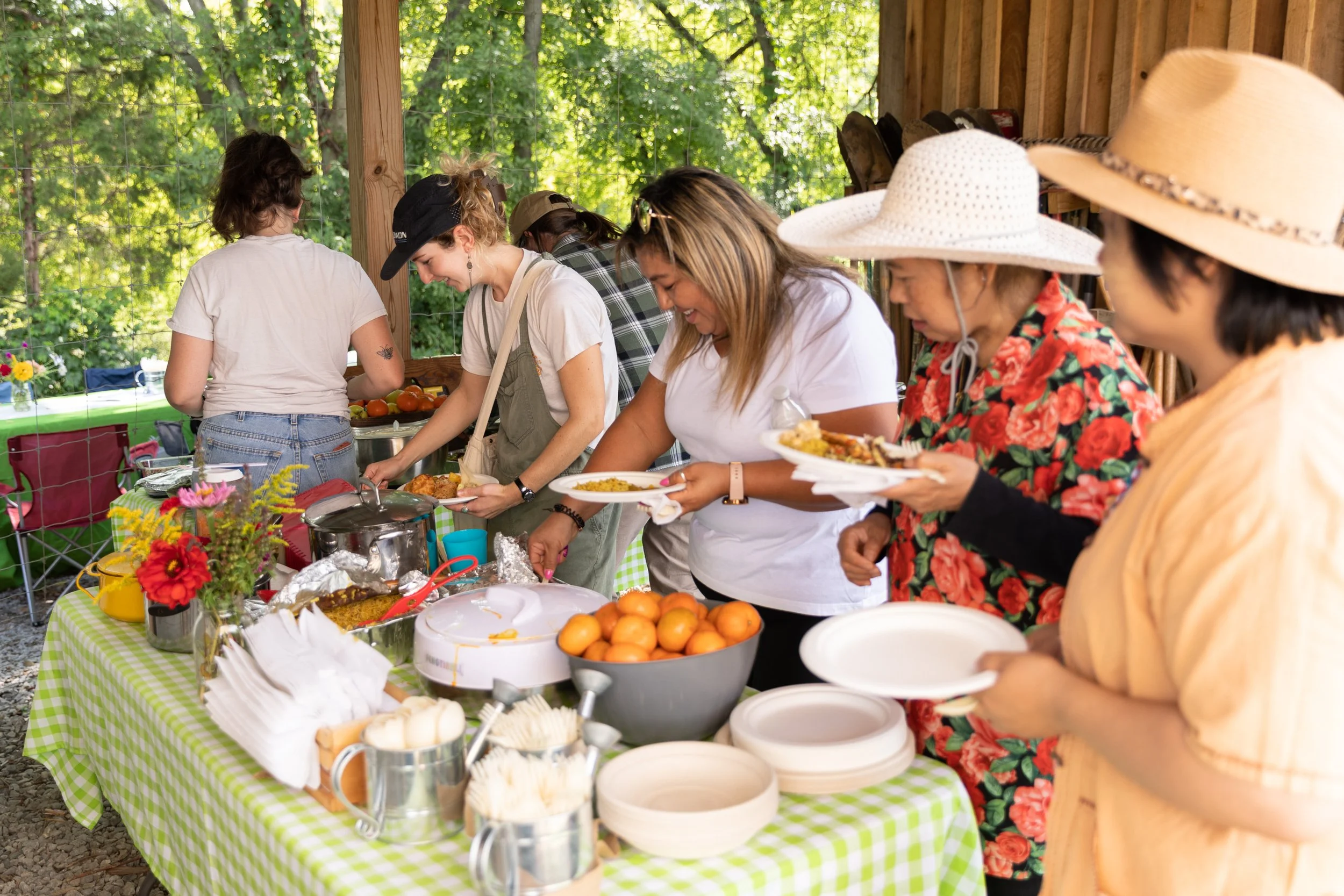
“Support from Yield Giving will amplify The Nashville Food Project’s important work to engage the community around achieving a sustainable and just food system where less food goes to landfills and more food goes to people who need it.”
“Food is key to nutrition but also to social connection and this is the best example I have ever heard of that goes from food grown to food made to lessening food waste in the system, along with feeding people in body and soul,” commented a reviewer on The Nashville Food Project’s application.
The Yield Giving Open Call received 6,353 applications for 250 awards of $1 million each. In the fall of 2023, organizations top-rated by their peers advanced to a second round of review by an external evaluation panel recruited for experience relevant to this cause. In light of the incredible work of these organizations, as judged by their peers and external panelists, the donor team decided to expand the awardee pool and the award amount.
More information on the Yield Giving Open Call can be found here.
The Nashville Food Project’s video submission for the Yield Giving Open Call.
Dive Deeper
The Nashville Food Project
The Nashville Food Project brings people together to grow, cook and share nourishing food, with the goals of alleviating hunger and cultivating community. In 2024, The Nashville Food Project will share 300,000 scratch-made meals and 40,000 pounds of garden-grown produce to sustain after-school programs, immigrant communities, homeless outreach organizations and many others. The Nashville Food Project embraces a vision of vibrant community food security in which everyone in Nashville has access to the food they want and need through a just and sustainable food system. To learn more, visit www.thenashvillefoodproject.org.
Yield Giving
Established by MacKenzie Scott to share a financial fortune created through the effort of countless people, Yield Giving is named after a belief in adding value by giving up control. To date, Yield’s network of staff and advisors has yielded over $16.5 billion to 1,900 nonprofit teams to use as they see fit for the benefit of others. To learn more, visit www.yieldgiving.com.
Lever for Change
Lever for Change connects donors with bold solutions to the world’s biggest problems — including issues like racial inequity, gender inequality, lack of access to economic opportunity, and climate change. Using an inclusive, equitable model and due diligence process, Lever for Change creates customized challenges and other tailored funding opportunities. Top-ranked teams and challenge finalists become members of the Bold Solutions Network — a growing global network that helps secure additional funding, amplify members’ impact, and accelerate social change. Founded in 2019 as a nonprofit affiliate of the John D. and Catherine T. MacArthur Foundation, Lever for Change has influenced over $1.7 billion in grants to date and provided support to more than 145 organizations. To learn more, visit www.leverforchange.org.
Goodbye, Winter: Slowing Down To Show Up With Intention

by Julia Baynor, Director of Meals
A few years ago, in the middle of the pandemic, I wrote a blog post about ‘Wintering,’ a concept author Katherine May describes as a season inside of us that warrants intentionally slowing down, reflecting, and taking stock of what’s going on around you. In the rush of the holiday season, it's hard to think about slowing down for a second. Even when you make plans to relax during that time, the flow of life has its own trajectory, and things don’t always go to plan.
With the holidays over, at the Food Project we gathered ourselves to set to do the work of another demanding year; but this is winter in the south, and eight inches of snow fell hard and fast on a Sunday night recently. Snow and ice have a way of putting a stop to things down here; this was the universe giving me a second to pause. At the end of the year I struggled to write new year's resolutions, just as I struggled to write this during our week trapped in our houses, surrounded by snow and ice. Many fuzzy beginnings of this post came as I stared out my window at the sparkling snow, watching fat snowflakes fall. In the very short moment I went outside, I slammed down into it and made a snow angel, feeling the cold on my face and breathing it in.
As a person whose personal resolutions mostly amount to what new things I want to learn to bake (I have a problem), this extra time to reflect came as a boon to me. I have been working at the Food Project for a long time now, and in the demands of the day to day, I don’t often make a lot of time to reflect on the ‘why’ because I am focused very intensely on the logistics of the ‘how.’ So I decided to spend some time sitting, reading, pondering and looking for the connections of the hows in the work that I do and the whys of a broader scope of this work. I worked my way backwards, thinking of recent events first.

The week before Christmas, we had a huge community ask to fill in and support the local tornado relief, and our teams mobilized to help get needs met the best we could. In a few short days, we had cooked and shared a few thousand extra meals. Everyone was tired and ready to go home for the holidays, but this work has a way of making you show up, and we quickly worked together to figure out how to do what we needed to do. We used food procured intentionally that would’ve gone to waste to make meals for those who needed that comfort. We had people navigating all the logistics and driving out on the weekend to deliver that food, and people who showed up to partner with others and serve it to the community. That’s what’s inspiring about the people I work with, and about people in general. When it comes down to it, they dive headfirst into the struggle. In this and so many ways, food is resistance. Sharing a meal is something that can bring people together through hard times and something that makes it easier for us to come together to figure out the hard questions.
We navigate change at every turn, recognizing that each of us are going through changes in our own lives. Some who work here have recently become parents for the first time, have come to the end of relationships, or have just been engaged to get married. Some people have lost loved ones this past year. Some people are new here and are navigating a new space, new coworkers and new job. Many cherished in this space who have done good work have left or are leaving. Some have left but have found their way back, through the path of personal sabbatical. Some are exploring new ways to find their voice in this work. Humans go through so much just being humans, and it raises so many questions: How do we stay engaged in such a difficult world? How can we stay motivated to fight when the world around us can so often feels like it’s crumbling? We continue to listen to those who struggle and to meet them where they are. We continue to sit in our discomfort as we recognize we don’t have all the answers or solutions but still have the hunger and drive to try to figure them out together. We commit to amplifying voices of people who don’t have the privilege or platform that we do.

I reflected more on the hows and the whys. The spirit of our work is constant action; but follow-through on any action requires the careful pre-work of intention setting. How does intentionality show up in the work I do every day, with the people I work alongside?
I see the intentions of our mission cultivated in the little ways community is built in our space every day.
I see it in the way Josh, our Catering Manager, sets aside time to make lunch for us; making sure anyone who wants something to eat, has something.
I see it in the way our Procurement Director David loads hundreds and hundreds of pounds of donations in and out of his truck every day, but still stops me if I try to pick up something too heavy because “that one’s really a back breaker!”
I see it when our Facilities Manager, Landon, comes through the kitchen and never fails to ask, “How can I help?” Even when he has 17 things he has to fix or address on his own roster.
I see it when Annie, who is in charge of managing and cultivating relationships with our Community Meals Partners, comes to tell me about a conversation she had at a partner site, or a joke she shared with a student on a site visit, and her face lights up as she tells the story.
I see it in the willingness of our volunteers to show up and do the most menial and tedious tasks, no questions asked; from Cheri staying after helping to lead “Best Use” prep sessions to wash ALL the dishes piled up in our dish room, to Theresa and Shelley coming in to make hundreds of sandwiches (AGAIN!) for our partners receiving cold meals. All of these interactions are things I see every day, and being a witness to them brings me back to the words of our values, “we belong to each other.”


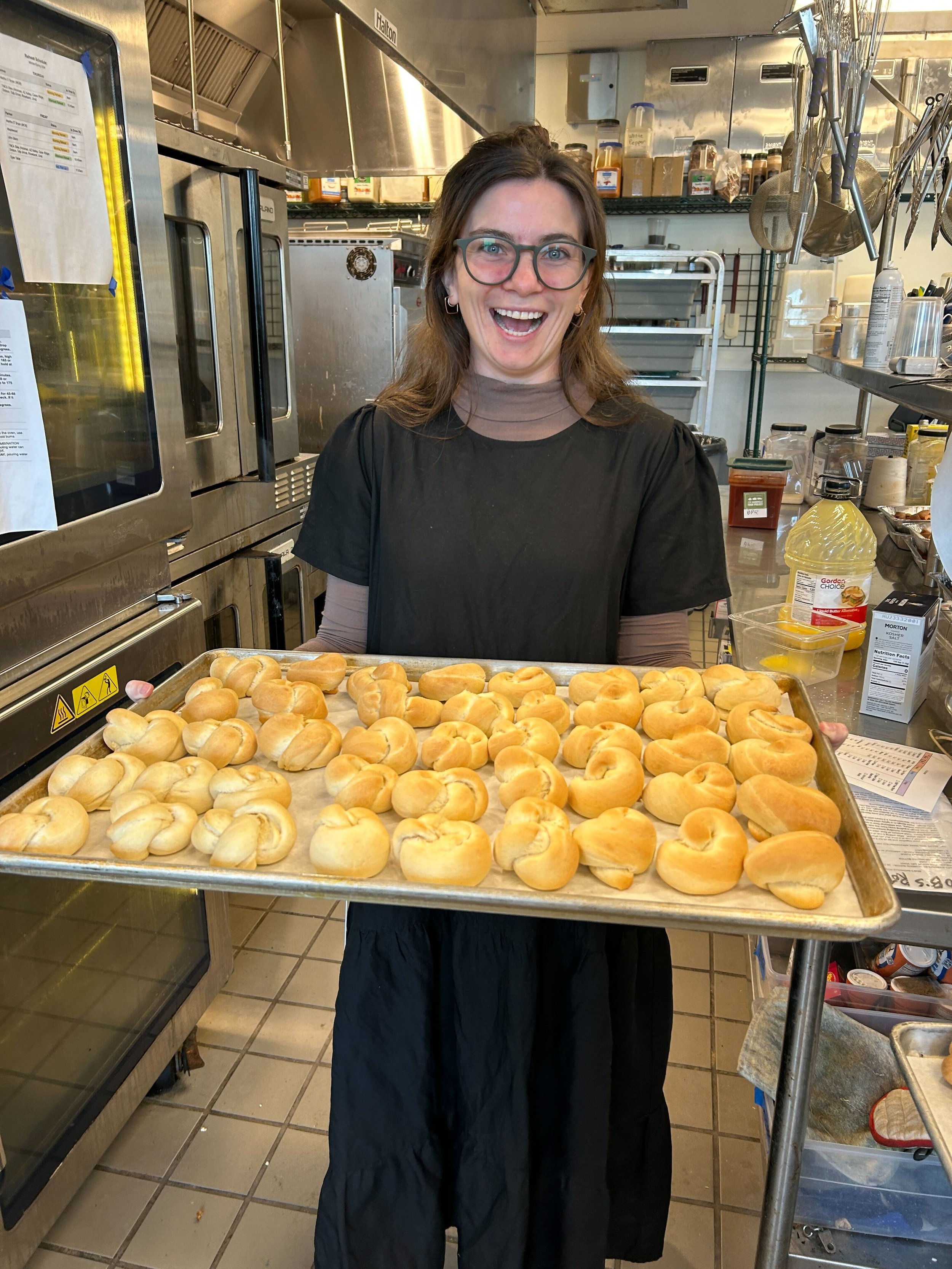
I talk about internal care and dwell on the care we show each other because not dwelling on those things can make the stark reality we navigate as humans living in this world that much harsher. So how do we stay engaged in such a difficult world? How can we stay motivated to fight when the world around us can so often feels like it’s crumbling? We continue to listen to those who struggle and to meet them where they are. We continue to sit in our discomfort as we recognize we don’t have all the answers or solutions but still have the hunger and drive to try to figure them out together. We commit to amplifying voices of people who don’t have the privilege or platform that we do.
At the end of the day, we are people, we are tired, we are not perfect, but we are trying to figure it out. We have to work through a lot of issues to make it sustainable for the people who are doing this work, so we can better serve and work in concert with others to try to build a sustainable food web in our community. The way we build community internally amongst one another and with our volunteers has a direct correlation with the way we are able to show up for others. As we move toward expanding the horizons of our work by mapping the reality of our food system, we work to deepen relationships with partners we have already cultivated through our programming over the years, and with them, set to working with the larger food justice community to navigate and draw up that map, to study it, and to chart our course forward.

At the conclusion of my series of ponderings, after a full week of ice and snow, there are always more questions. Why do people continue to do this work? Why does anyone choose to do something that is hard? At the close of my favorite essay by him, James Baldwin puts it this way:
“It is a mighty heritage, it is the human heritage, and it is all there is to trust. And I learned this through descending, as it were, into the eyes of my father and my mother. I wondered, when I was little, how they bore it-for I knew that they had much to bear. It had not yet occurred to me that I also would have much to bear; but they knew it, and the unimaginable rigors of their journey helped them to prepare me for mine. This is why one must say Yes to life and embrace it whenever it is found- and it is found in terrible places; nevertheless, there it is; and if the father can say, Yes, Lord, the child can learn that most difficult of words, Amen.
For nothing is fixed, forever and forever and forever, it is not fixed; the earth is always shifting, the light is always changing, the sea does not cease to grind down rock. Generations do not cease to be born, and we are responsible to them because we are the only witnesses they have.
The sea rises, the light fails, lovers cling to each other, and children cling to us. The moment we cease to hold each other, the moment we break faith with one another, the sea engulfs us and the light goes out.”
Butternut Mac from the Food Project Kitchen
Butternut squash mac and cheese has become something of a staple around here. This time of year especially, our kitchen is overflowing with squash donations from local farms, and this is one of our favorite ways to use it...

Butternut squash mac and cheese has become something of a staple around here. This time of year especially, our kitchen is overflowing with squash donations from local farms, and this is one of our favorite ways to use it! Whether we’re cooking 800 servings to provide a veggie-loaded, hearty main dish for community meal partners, or whipping up bite-sized portions to cater alongside other hors d’oeuvres, it’s in consistent rotation.


This mac and cheese is creamy, decadent, and sneakily nutrient-packed! Once the squash is diced and roasted, it comes together fairly quickly. Not sure how to tackle dicing butternut? Check out this easy method we shared a few years back.
Our catering manager, Josh, has perfected a recipe that can be scaled up or down to accommodate any number of hungry guests. If it wasn’t on your Thanksgiving sides order this year, try your hand at making it yourself!
Josh’s Butternut Mac
Ingredients

1 large butternut squash
1 chicken bouillon cube
24-32 ounces elbow or penne pasta (roughly 1 ½-2 boxes)
32 ounces (1 quart) heavy cream
2 ½ tbsp sage
1 tbsp butter
½ cup grated American cheese — we like Velveeta!
1 cup grated sharp Irish cheddar cheese
1 cup grated Gruyère cheese
2-3 cloves garlic
¼ cup grated parmesan cheese
¾ cup breadcrumbs
Instructions
Dice butternut and roast at 425°F with olive oil, salt and pepper until soft. Then, blend into purée with chicken bouillon and a little heavy cream, sage, and salt and pepper.
Boil your pasta and set aside.
Grate American, sharp Irish cheddar and Gruyère cheese, additional gouda optional.
Whisk together about a tablespoon of butter and flour in a saucepan to make a roux. Once mixed, begin slowly adding your heavy cream. Bring heavy cream to a light simmer, then turn heat to low and slowly start melting your cheese.
Add a pinch of white pepper, paprika, onion powder, and sage.
Mix in butternut purée to taste then mix sauce over your noodles in a oven-safe dish.
Mix minced garlic and sage with breadcrumbs and top pasta. Bake at 400°F for 10-15 minutes. Serve immediately.

Holiday Rosemary Gimlet
Ingredients
Simple Syrup:
1 ¼ cups sugar
1 cup water
3 sprigs rosemary
Single Serving of Cocktail:
1.5 ounces gin
¾ ounce lime juice
¾ ounce simple syrup
Instructions
Combine sugar and water in a sauce pan. Heat while stirring until sugar is dissolved but do not bring to a boil. Take off heat and add sprigs of whole rosemary (can chop some for more intense flavor). Allow to steep until cool and then strain.
For the cocktail: Combine your favorite gin (I prefer Grey Whale), the lime juice and the rosemary simple syrup. Shake with ice until chilled and then strain into cooled ice free glass. Garnish with dried lime slice or rosemary sprig.

FeedBack Nashville: Building the Steering Committee and Community Leadership
Changing our current food system into this better food future is not a simple task. It is a long-term, relational process that requires all of us—from nonprofits and corporations, to public offices and individuals—to share our experiences and perspectives with one another and work together to identify and co-create many different transformational actions.

Last month, we introduced you to FeedBack Nashville, a new citywide effort to build a better food future for Nashville. A better food future is one wherein all of our neighbors have equitable access to foods that support healthy, thriving livelihoods. It is also a future that nurtures biodiverse, abundant ecosystems and prosperous, local food economies.
Changing our current food system into this better food future is not a simple task. It is a long-term, relational process that requires all of us—from nonprofits and corporations, to public offices and individuals—to share our experiences and perspectives with one another and work together to identify and co-create many different transformational actions.
We often think that the most transformational of these actions happens at the governmental level when policies change. The founding organizations of FeedBack Nashville, including The Nashville Food Project, also believe that meaningful action happens at the grassroots, community, and individual levels, but that these actions are often overlooked. Because of that belief, FeedBack Nashville uses a community-based approach to bring diverse communities and community members together to create shared visions for Nashville’s food future and identify various opportunities to turn that vision into reality.

The FeedBack Nashville Steering Committee.
This effort to bring our community together in pursuit of a better food future is led by the FeedBack Nashville Steering Committee, a group of 16 individuals who have relationships with many of Nashville’s communities that are most affected by the shortcomings of our current food system. The steering committee was formed in July 2023 through a public application process and overseen by the Metro Human Relations Commission Executive Committee. Through the application, community members were invited to describe how their relationships with Nashville’s communities inform their understanding of local challenges like hunger and struggling small-scale farmers. The MHRC decided to accept everyone who applied, leading to the creation of a committee that is ripe with diversity, personal and professional experience, and community knowledge.

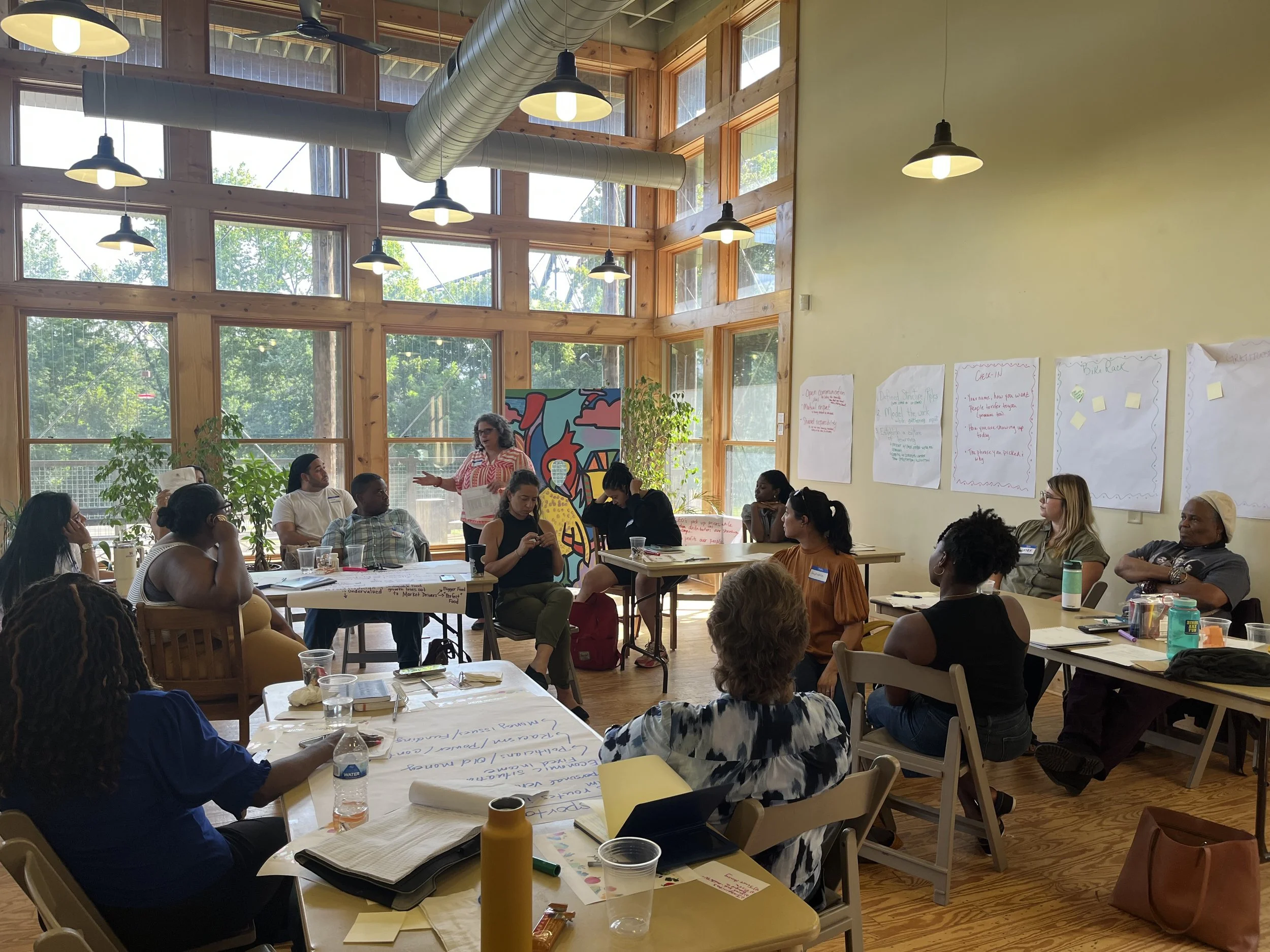
Steering Committee members gather at the kick-off retreat in September to participate in a hands-on systems change activity to experience how our actions and decisions impact other people’s actions and experiences.
The committee convened for the first time at a 1.5-day team-building retreat at Shelby Bottoms Nature Center in September. The retreat was facilitated by Forum for the Future, an international sustainability organization that excels in helping communities and organizations work together to create better food futures. At the retreat, steering committee members learned about systems change approaches to alleviating hunger, developed principles and values for working together and with community members, and created a charter to guide their actions.

Steering committee members work together at the kick-off retreat to share their understandings of food challenges in Nashville.

Committee members learn from one another and develop values and principles to guide their work together.
With this foundation established, the committee is now meeting monthly to develop FeedBack Nashville’s community engagement strategy. This strategy, which will be implemented beginning in January 2024, will include events—from potlucks and community conversations to one-on-one interviews—that bring community members together to envision Nashville’s better food future and the opportunities that exist to help us get there.
By centering community members as the leaders of the steering committee and then, centering Nashville’s communities at the forefront of the project’s community engagement strategy, FeedBack Nashville is laying the building blocks for a different way of solving some of our most complex, pressing challenges: a way that is grounded in relationship-building, collaboration, community wisdom, and the pursuit of lasting, meaningful change.
To learn more about FeedBack Nashville, we invite you to join us at our public launch event on December 5, 2023 at 10am. RSVP and more information here.
Apple Joe's Giving Trees
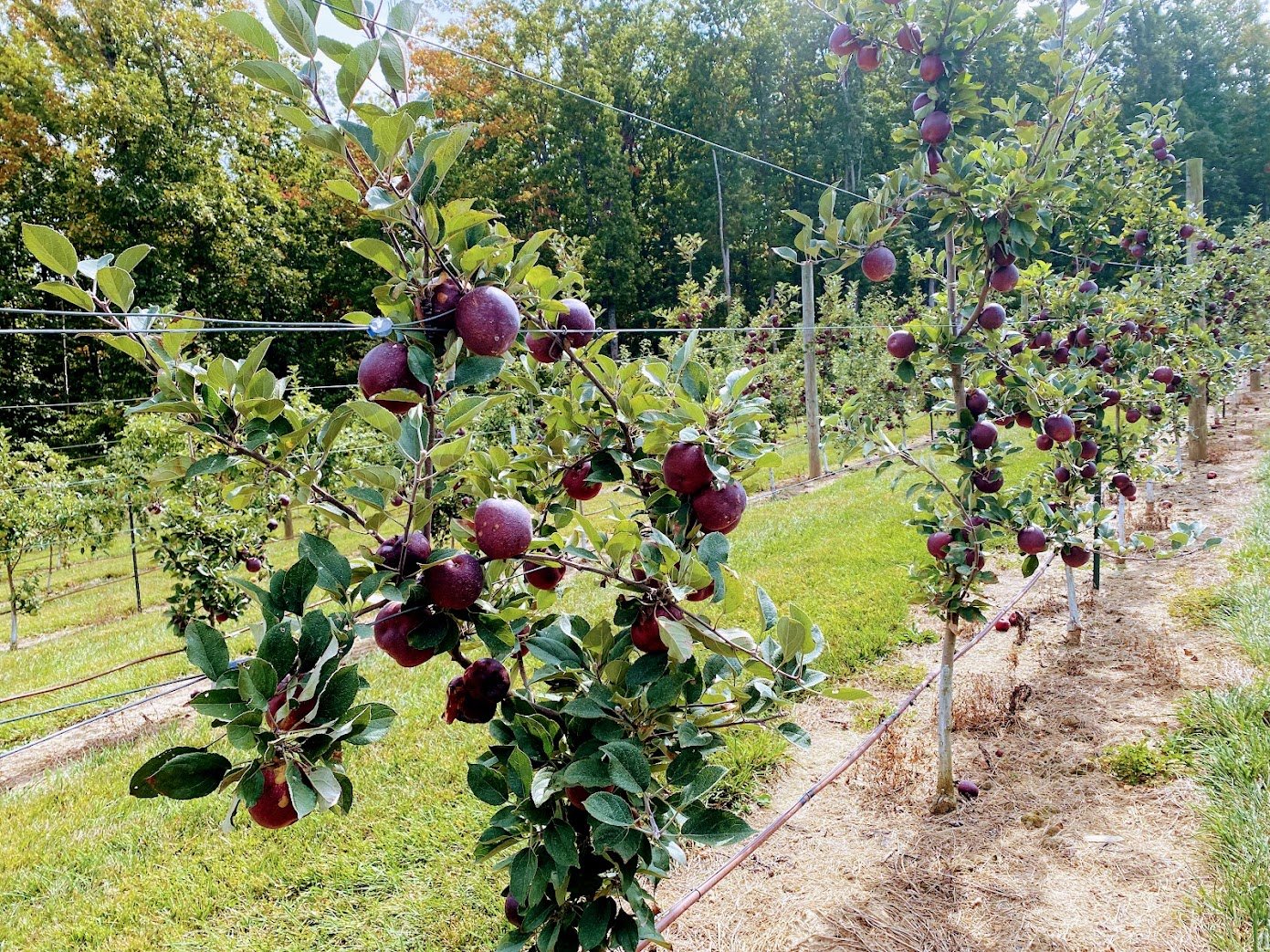
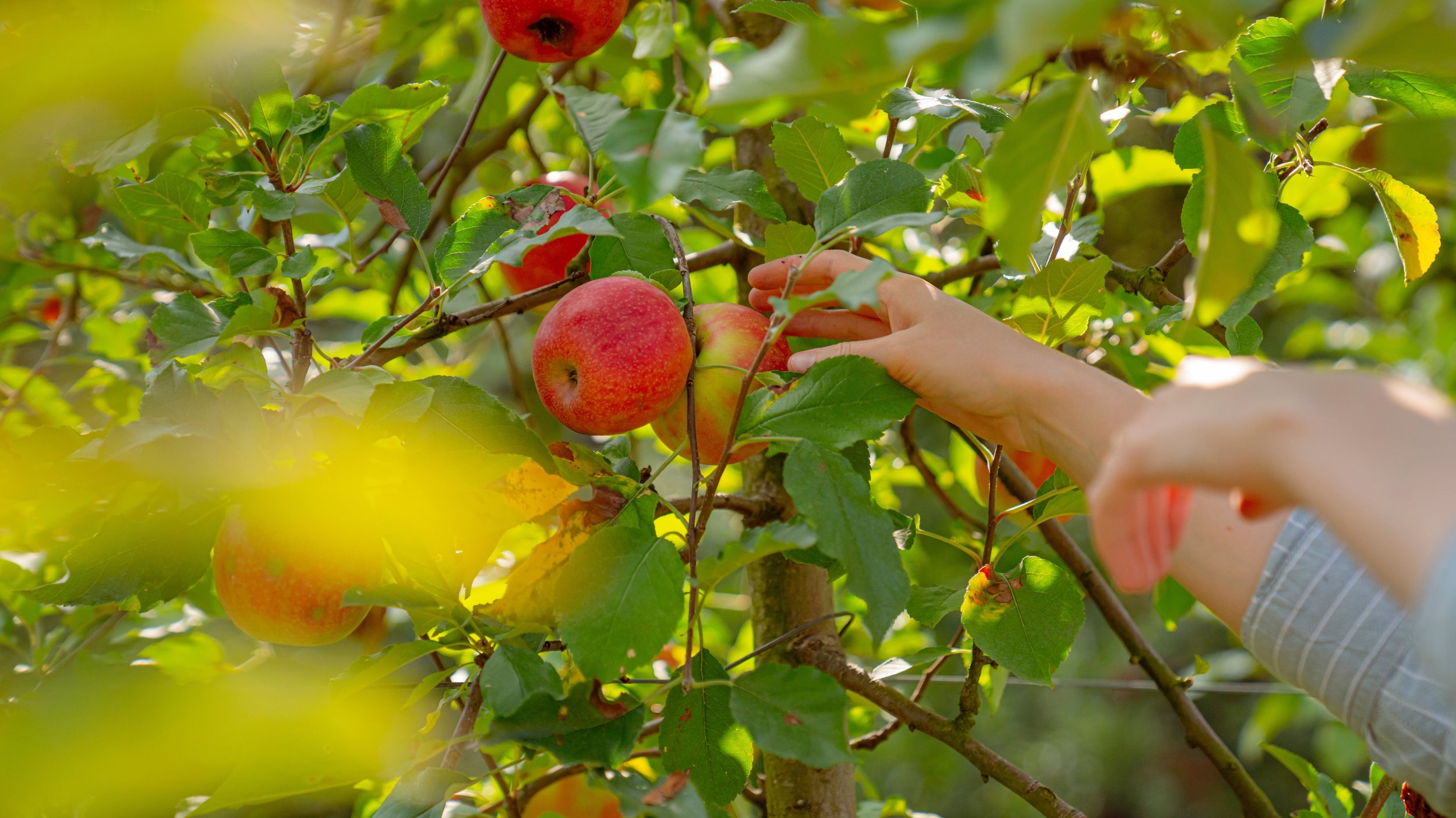
Anyone who has walked into the kitchen since August has probably noticed the crates and crates of apples stacked anywhere we can find room: under prep tables, along walls, on carts and racks. Anyone who has walked into the kitchen has probably touched one, too — whether it’s our meals team unloading them from a truck, staff juicing them for warm apple cider, volunteers blending them into applesauce or touring visitors indulging in a snack.

In fact, since the beginning of apple season, apples have been diluted into vinegar, chopped into salads, baked into muffins and pies, and served whole alongside a hearty lunch. The 5,000 pounds of apples we have stewarded this year are thanks to our dear friends Joe and Penny Hodgson, who tend a vibrant orchard and donate a large majority of their yield to our kitchens.

The Hodgsons’ orchard has about 575 trees of many different varieties, from classics like Fujis and Galas to lesser-known varieties like Jonagolds and Arkansas Blacks, that produce fruit from August to October each year. Tucked in the hills of McMinnville, the orchard is a haven that feeds plants, animals and people alike.
One of our favorite things about being connected with the Hodgsons is how they use their land to cultivate community. Picking 3,000 apples in a weekend is no small task, but when a group comes out to help, this laborious work transforms into time to build connections, share stories, and participate in a timeless fall tradition. This year, our team got to make two different visits to the orchard to join in the fun!


As the fall winds down and our team prepares for a season of rest, we cherish these memories from sunny days at the orchard with the Hodgsons. We’re already looking forward to next apple season!
Mill Ridge Park Makes Its Public Debut

If you’ve been following along with the Food Project over the years, you’re probably familiar with what we mean when we say the Community Farm at Mill Ridge. Together with our community of gardeners, we have been growing food on about three acres of land at Mill Ridge Park since 2019. But earlier this fall, the park — all 622 acres of it — officially opened to the public.
The mayor, city council members, park leadership, students, artists, and community members gathered to commemorate the park’s opening on August 16 with a bell-ringing ceremony. Different stakeholders spoke to a large crowd about the history around, development of, and vision for the park. Each of them noted the ability of green space to bring people together and create community connections.


“With so many impressive tangible assets here, we find the greatest delight in using those assets to create intangible assets: things such as a healthier and safer outdoors, bringing a diverse group of people together, having a sense of unity and belonging in southeast Davidson County,” said Wesley Trigg, Friends of Mill Ridge Park board president. “It’s what we like to call at Friends of Mill Ridge Park a quality of life.”
“This is a place for our entire community,” added Joy Styles, the council member representing district 32, where Mill Ridge Park is located.
The morning included a brief history of the land, including an acknowledgement of the seven indigenous tribes native to the area and the vision of Mary Moore, whose family had run the property as a family livestock farm since 1919. In 2015, Metro Parks of Nashville purchased the Moore Farm and six other properties to create what is now Mill Ridge Park.
“It was incredibly important to Ms. Moore that the land we’re standing on today be returned to the public for community use,” said Darrell Hawks, executive director of Friends of Mill Ridge Park. “She wanted her family’s memories to be preserved, and future generations to have a place to make their own memories.”
After the remarks concluded, a group of students rang a bell placed in the center of the park, while guests of the ceremony chimed in and rang individual bells handed out at the entrance. The moment marked the opening of the park to the public! Folks dispersed to check out the space’s hiking trails, a musical art installation in partnership with the Cane Ridge High School marching band, and the park’s centerpiece: a playground with a five-story enclosed slide.


From the beginning, the park has truly been designed to meet the needs of its diverse community. An extensive community listening process, including several open houses and creative labs, allowed local residents opportunities to provide input and share ideas for what they wanted to see from the park. And the result has brought many of those ideas alive, including the implementation of the Community Farm at Mill Ridge as a response to wide interest in urban agriculture.
If you haven’t gotten the chance yet, we encourage you to go explore all that Mill Ridge Park has to offer — as the month winds down, they’re offering costume contests, trail clean-ups and more — and if you haven’t made it out yet, join us for a garden workday at the Community Farm!

FeedBack Nashville: Outlining Our Objective
On any given day, when you open a local newspaper or magazine, you’re likely to find a story about Nashville’s rapid changes and persistent challenges. From promises of a reimagined public transit system to demands for more affordable housing, we are well-aware that we have a long way to go before our city reaches its full potential as a vibrant place where all residents can thrive.
But, what about food in our city? Everyone in our city eats, yet the challenges to food security are stubbornly persistent in specific communities for all-too-familiar reasons. Obstacles to achieving community food security in Nashville are the symptoms of deeper, systemic issues that go unaddressed as we seek to confront the challenges of hunger in the present. At The Nashville Food Project, we want to bring people together more often, and more intentionally, to imagine how we might actually create a sustainable and just local food system for everyone. This food system would provide food security and food access for all, limit our food waste and environmental harm, and strengthen our local food and agricultural economy.

We often think simple solutions are all we need to address challenges like hunger. FeedBack Nashville uses a community-based, systems change approach because hunger is a wildly complex issue!
Alongside a network of partner organizations, we are excited to launch a new effort to bring food to the forefront of action in our city. FeedBack Nashville (FBN) is a new citywide initiative to describe the opportunities and limitations of Nashville’s current food system, and to identify pathways to build a more just and sustainable food system for the future. The initiative received its first round of funding support from Metro Nashville’s American Relief Plan Act Funds in May 2023. The first phase of the project focuses on three goals:
Analyze Nashville’s current food system, including issues related to food access, land access, food waste, and local agricultural production
Create a shared vision for a future Nashville food system that is just and sustainable for everyone, from farmers to consumers
Identify pathways and partnerships that will help bring forth the changes we need and want to see in our food system in the short and long-term

Visual representation of the project goals of the first phase of FeedBack Nashville. Graphic created by Forum for the Future, FeedBack Nashville’s Convening Facilitator.
FeedBack Nashville’s approach to achieving these goals is twofold: it aims to center community perspectives and disrupt the existing system that perpetuates persistent issues. FeedBack Nashville uses these two approaches because challenges like hunger in our city are complex and require each of us to understand how our unique relationships, behaviors, and experiences may be used to support meaningful, lasting change.
As a community-based project, FBN centers perspectives and lived experiences of community members. This is because community members who are most affected by food challenges possess knowledge and ideas about how we may change the food system so that it is more equitable for everyone. By engaging residents and collaborating with specific communities to design solutions for the future, we are more likely to achieve lasting change.
As a systems change initiative, FeedBack Nashville moves our city beyond emergency response solutions to hunger and food access. Systems change approaches position us to better understand how different social, economic, and environmental circumstances interact to create hunger and other food-related challenges. They bring together individuals and organizations from the grassroots to the government to design creative solutions, from policy changes to mindset shifts.

Iceberg models like this one above help illustrate why systems change approaches are useful for complex challenges like hunger. Systems change approaches understand that multiple interventions, working at different levels in society, are required to create lasting change. Graphic created by Forum for the Future, FeedBack Nashville’s Convening Facilitator.
The Nashville Food Project is honored to serve as FeedBack Nashville’s project coordinator. Our mission is to grow, cook, and share food with the goals of alleviating hunger and cultivating community. In 2023, inspired by this mission, we established a strategic priority to support systems change approaches that bring together diverse partners to fundamentally shift the way food access and hunger are addressed in our city. FeedBack Nashville offers a timely and meaningful opportunity for us to collaborate with partners and neighbors to build an alternative food future for Nashville that is just and sustainable for everyone.
As the project coordinator, we are working to ensure that the project’s Steering Committee and convening facilitator, Forum for the Future, have access to the resources, administrative support, and coordinating logistics they need to achieve FeedBack Nashville’s intended outcomes. Currently, we are supporting the project’s Steering Committee and Forum for the Future to develop and launch FeedBack Nashville’s community engagement strategy. Stay tuned for our next FeedBack Nashville blog post, which will introduce the Steering Committee and Forum for the Future, and provide more information on how you can support the effort within your community!
Celebrating Welcoming Week in Nashville
This year, we celebrated Welcoming Week by hosting two community events: a fall festival at the farm and a community conversation at our headquarters. We celebrated the diversity of our city, dreamt up ways to make new residents of Nashville feel welcome here, and as always, marveled at the power of food to bring people together.
“From humble beginnings as a grassroots celebration of values, Welcoming Week has grown over the last decade to become a worldwide celebration. This week, cities and towns across the globe unite to share the message that everyone — no matter where we've come from — can belong in the place we now call home, and our communities are better for it.” —Rachel Perić, Executive Director, Welcoming America
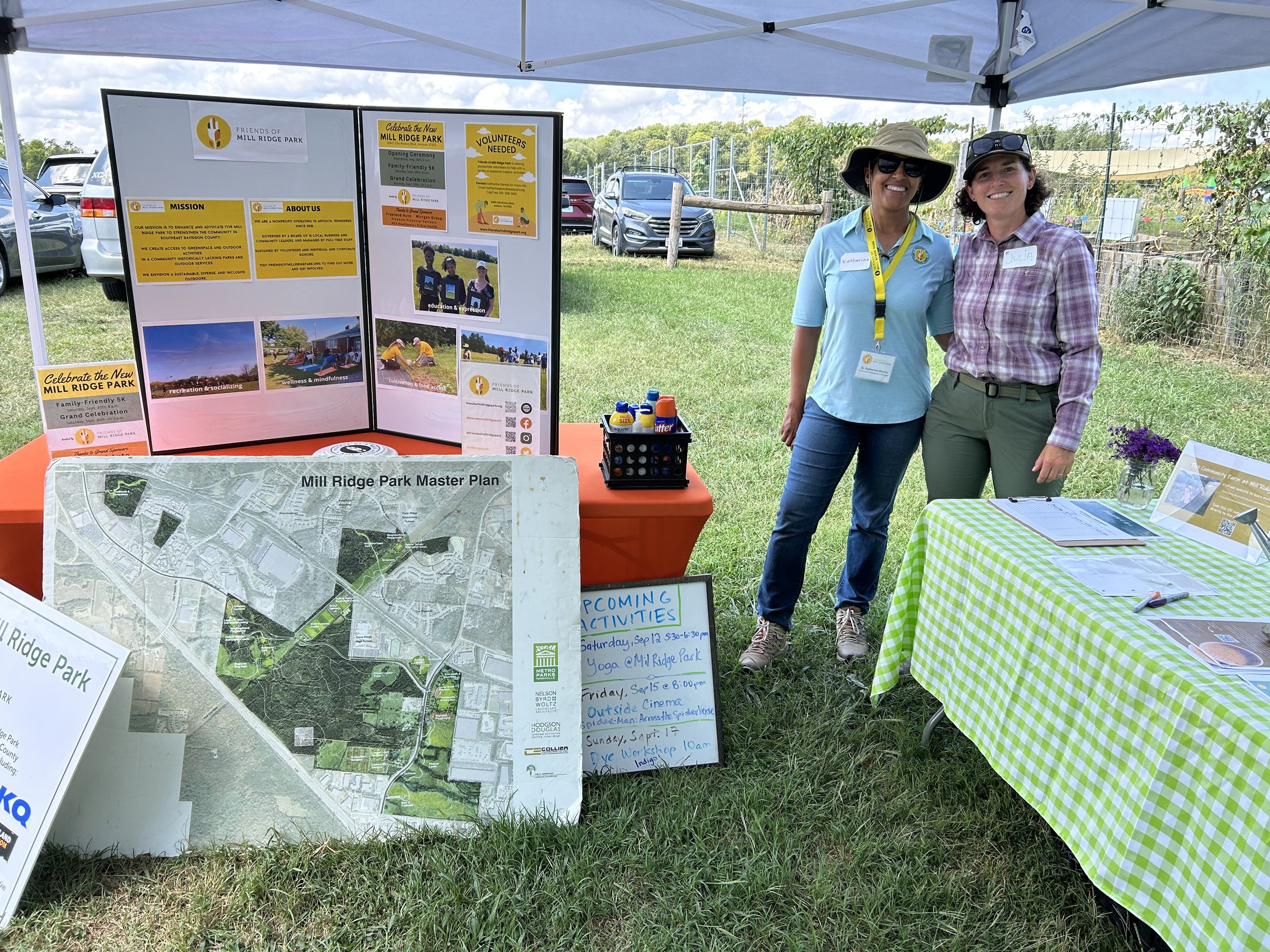
Welcoming Week is an annual, international campaign that celebrates the work in communities to become welcoming places for all, including immigrants. Launched in 2012 by Welcoming America and its members, Welcoming Week poses an opportunity for communities to cultivate the energy that’s needed to sustain long-term welcoming efforts through events and initiatives that foster connection and collaboration between immigrants and non-immigrants. This year, over 600 events took place across the world as a part of Welcoming Week. We were grateful to facilitate two of the events that came alive in Middle Tennessee.
We kicked off Welcoming Week with a family festival at The Community Farm at Mill Ridge. The Community Farm is a thriving agricultural space that supports the growing efforts of over 80 families from diverse backgrounds each year and is stewarded in partnership with Metro Parks and Friends of Mill Ridge. Because the farm already acts as a welcoming space for us to grow food, share knowledge and participate in community, it felt like a natural place to invite our community to connect over food, land, and conversation.

Puppet show from Wishing Chair Productions and the Nashville Public Library.
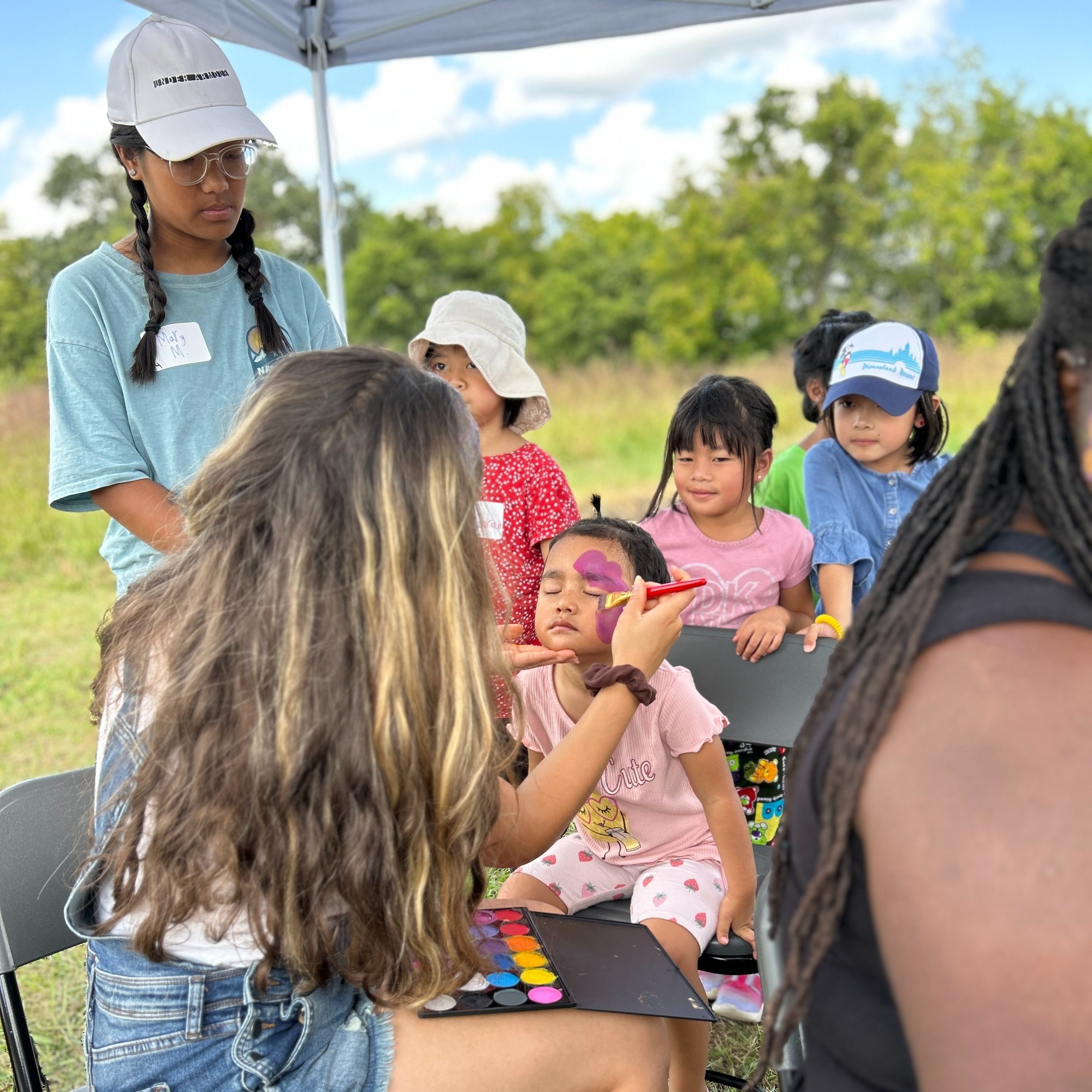
Our face painting station was a huge hit with the kids — the line never let up!
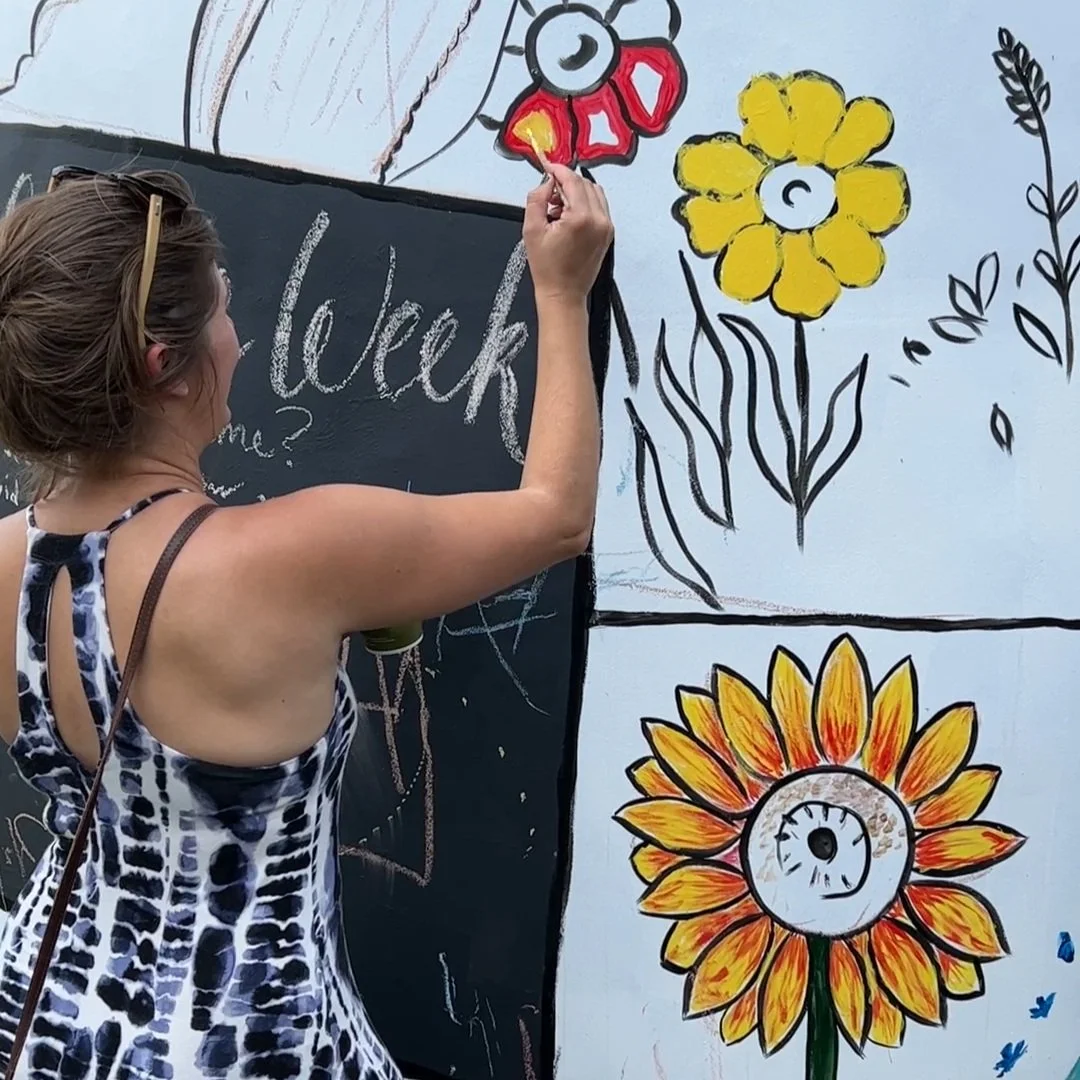
Community members painted a mural on our new water storage tanks.
The day, which ended up being beautiful, included activities for everyone! From a puppet show to a guided hike, a community art project to a unique educational opportunity about the history of the land, there were ample ways to engage, learn and play.
The centerpiece of the family festival was the spread of food, brought by many generous guests and representing a wide variety of cultures. At lunchtime, nearly 150 of us gathered together to eat, share and celebrate the ways that we all are both guest and host, and can welcome one another by simply sharing a meal or initiating a conversation. It felt fitting to read “The Honorable Harvest,” as shared by Robin Wall Kimmerer, in three different languages during the meal. Its indigenous wisdom implores:
Know the ways of the ones who take care of you, so that you may take care of them.
Introduce yourself. Be accountable as the one who comes asking for life.
Ask permission before taking. Abide by the answer.
Never take the first. Never take the last.
Take only what you need.
Take only that which is given.
Never take more than half. Leave some for others.
Harvest in a way that minimizes harm.
Use it respectfully. Never waste what you have taken.
Share.
Give thanks for what you have been given.
Give a gift, in reciprocity for what you have taken.
Sustain the ones who sustain you and the earth will last forever.

Later in the week, our team hosted a Community Conversation that examined the work of welcoming. Three community leaders with vastly different experiences and areas of focus found common threads around what shifts our city could make to meet the needs of a diverse population. As conversation opened up over shared chai and sambusas, we dreamt together about how new residents might feel more welcomed upon their arrival to Nashville.
Our discussion quickly turned to the importance of public space in fostering a welcoming environment. Kipkosgei Magut, who serves as the health education coordinator with the Nashville International Center for Empowerment (NICE), shared that while NICE has the resources to host regular pop-up health events for refugee families, they often struggle to secure a free, public location. Brenda Perez, who has worked as a community organizer in Nashville for several years, noted the amount of undeveloped land around the city — and how those open fields could be completely changed by setting up two simple goal posts.
Katherine Dennis, the community engagement manager for Friends of Mill Ridge Park, shared how the newly opened Mill Ridge Park is working to develop a space offering the very opportunities that seem to be missing from Nashville public life. When we create intentional infrastructure to invite people into public spaces, it naturally cultivates community.

Kipkosgei Magut, Katherine Dennis, Elizabeth Langgle-Martin, and Brenda Perez.
And community is at the heart of a more welcoming Nashville. It’s so important to publicly proclaim our welcoming values so that those around us, both old-timers and newcomers, know that Nashville is a place we want them to stay. Everyone has something of value to contribute to our shared future, and that future is brighter when we know our neighbors, gather together, and share a meal.
Volunteer Spotlight: Meryl Taylor
A beloved long-time kitchen volunteer, Meryl, shares about the journey that led her to The Nashville Food Project and the ways that she leverages her skills and passions to cultivate community and alleviate hunger in our city.
A reflection from Meryl

“As it has been said many times, ‘Like mother, like daughter,’ and whether we are speaking about my biological mother or Mother Theresa, I have been inspired by both women.
I spent my youth living in two major metropolitan cities- New York and Miami. In 2003, I felt the need for a greener landscape, and eventually made Nashville my home. After finding a place to reside, I then searched for a place to call home and it wasn’t long before I discovered The Nashville Food Project. I have a love affair with food and gardening, so it was a natural fit. I initially began my volunteering by working in the TNFP garden on Hillsboro Road which is my ‘happy place.’ I love to feel the sweat on my brow and the dirt under my fingernails. I also love to help things grow because every living thing deserves a chance- sometimes it just takes a little nurturing. My husband teases me when he watches (and listens) to me weed our own garden because, because you see, I’m of the belief even the weeds growing between our flowers, are nature’s work so as I pull them, I also apologize to them. My friends chuckle when my husband shares the story but inwardly, I’m smiling because I know my heart is in the right place.
When the new HQ opened, an opportunity to work in the kitchen became available so I jumped at the chance. Initially, I worked on prep, sometimes delivering and serving meals, eventually working on a cook team which led to having my own little team until Covid reared its ugly head and things ground to a halt. Since our return to the kitchens, I’ve been known to take on the task of doing some organizing at the offices and I’ve added a monthly prep at St Luke’s. In both kitchens, the overall feeling from the staff is one of joy and commitment to an important cause. I continue to meet new friends so for me, it’s not a job or even a volunteering assignment, it is pure joy and happiness.
My husband and I are slowly exploring the possibility of retiring — we both work together, for ourselves. When we’re not working, we love to travel and explore the great outdoors. We are blessed with five outstanding children scattered across the country and when I’m not working or traveling, I love to sew, try new recipes, garden, and I’m also an avid reader.
It has been said that we all, sooner or later, quote our mothers and I would like to quote Mother Theresa when I say, ‘It’s not how much we give but how much love we put into giving.’ For me, no truer words were ever spoken.”
Are you interested in becoming a volunteer?
Growing Multigenerational Community at McGruder Garden
In 2009, an advisory board for a community center in North Nashville formed, and one of the responses from the community was a desire for a space to grow. In addition to the garden being a gathering place for community and a sacred green space in a fast-growing city, it also proposed a solution to the neighborhood’s lack of access to fresh food — there was no grocery store in North Nashville.
14 years later, many of the garden’s original growers — including founders Rev. and Mrs. Beach — still come to McGruder Community Garden each week. It’s a space where people from all walks of life work together to grow whatever they want — be it okra, dill or marigolds — for themselves, their families and their community.
Check out this video and take a look at a typical morning at McGruder!
Sweet Peas Partner Spotlight: Window of Love
Every Tuesday, Wednesday and Thursday, Samaria serves lunch to the J. Henry Hale neighborhood out of her front window. It began during the COVID-19 pandemic when schools shut down, leaving children who relied on schools’ daily breakfasts and lunches without food. As 2020 trudged on, Samaria continued to spread much-needed joy and food throughout her community, becoming known throughout her neighborhood as Window of Love.

In front of her home on Jo Johnston Avenue, Samaria Leach is setting out a stack of chapter books. “Especially during the summer, I like to make sure the kids have something to read when they come to get their food,” she explains. “They seem to really like it.”
Every Tuesday, Wednesday and Thursday, Samaria serves lunch to the J. Henry Hale neighborhood out of her front window. It began during the COVID-19 pandemic when schools shut down, leaving children who relied on schools’ daily breakfasts and lunches without food. As 2020 trudged on, Samaria continued to spread much-needed joy and food throughout her community, becoming known throughout her neighborhood as Window of Love.

Eventually, schools resumed for the fall semester, as did regular school meals for the kids who had become frequent visitors to the Window. But the question stuck with Samaria: where were these kids normally getting food during the summer months, or even spring break? She knew that Window of Love needed to stretch beyond those lonely pandemic months.
“God placed on my heart to continue and continue, so that’s what I did: continue and continue and continue.” —Samaria Leach, Window of Love
With support from her neighbors and a network across the city, Samaria was able to continue, opening the Window three days a week during the summer and other school breaks. Now, she shares food with between 50 and 75 kids each week during the summer months, in addition to educational resources and even the occasional field trip!
The gap that Window of Love fills is one that affects thousands of children every summer: local school systems provide a reliable source of nutrition for families that are impacted by food insecurity. In fact, every school year, Metro Nashville Public Schools serves around 4 million breakfasts and 8.4 million lunches. But during the summer months, without these daily meals, many youth are at risk of hunger. The Nashville Food Project is proud to work alongside partners like Window of Love through our summer children’s meals program, Sweet Peas, sponsored by Jackson National Life Insurance Company (Jackson®) for the fifth year in a row. This summer alone, the program distributed nearly 11,500 meals to kids across Nashville.
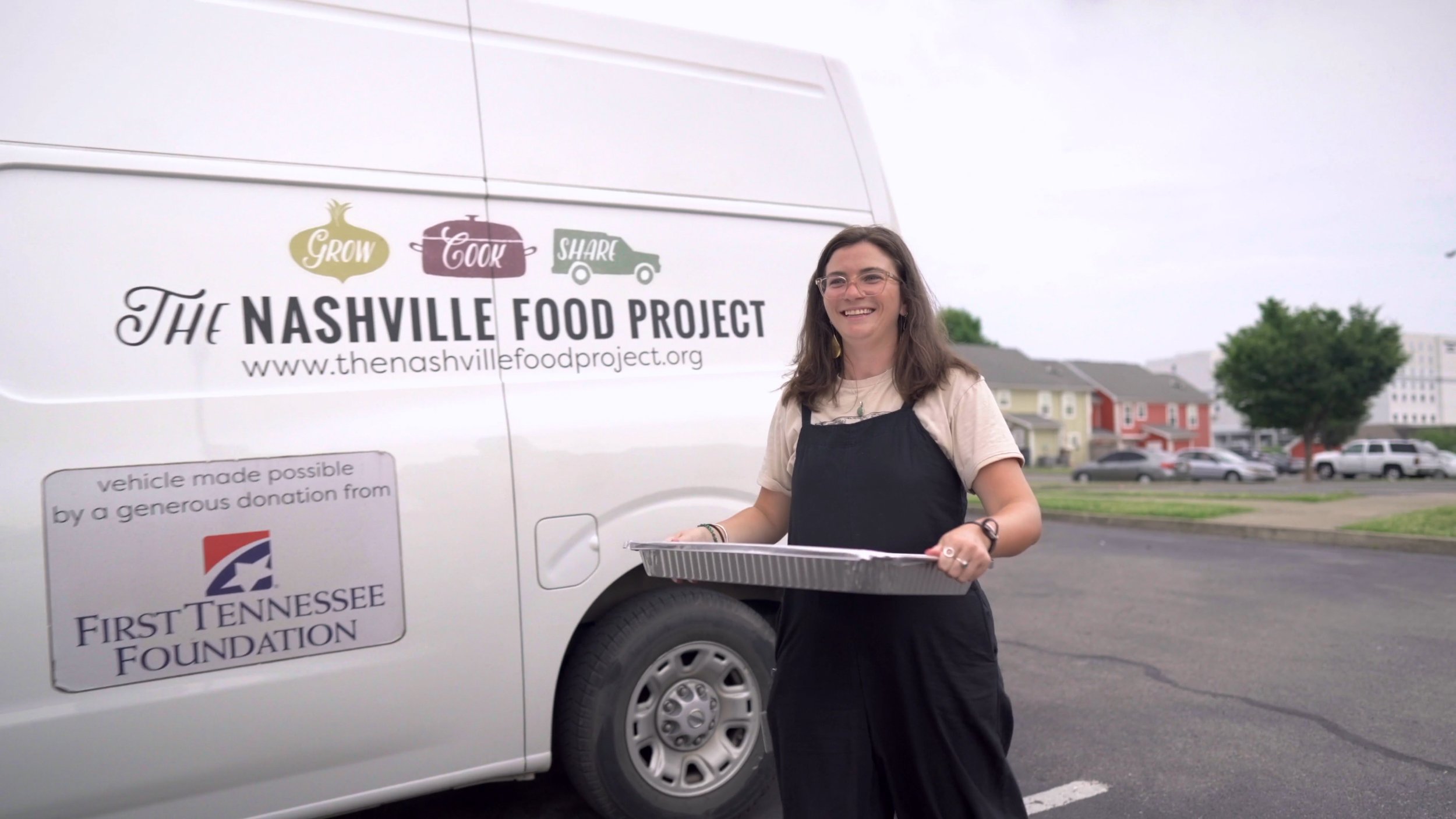
Through Sweet Peas, The Nashville Food Project was able to help Window of Love scale up their efforts to build community and alleviate hunger this summer by supplementing the snacks Samaria was already making with 90 additional nutritious snacks full of hard-to-come-by fruits and veggies each week. The partnership made it possible for kids in Samaria’s North Nashville neighborhood to try new foods, too.
“One day we had salads,” explains Samaria, “and one of the little boys was like, ‘I don’t eat salads!’ I said, ‘what if I add something special?’ So I put some turkey on there for him, added a little cheese, and he asked for a salad again the next day. It’s life-changing for the kids.”


It takes a lot of collaboration to get salads like this one in front of — and in the bellies of! — these kids. And Window of Love isn’t the only place it’s happening. In addition to Window of Love, funding from Jackson® made it possible for us to share meals with children at 18 other sites this summer.
“It takes a community,” says Samaria. “It’s not just about me. The Window is about everybody — communities working together — because our goal is the same thing: to make sure no child is going hungry.”

Denise and Amy: Sisters from Another Mister
Amy and Denise met each other when they were dropping their kids off to kindergarten at a local Nashville elementary school. They clicked, and for the past 20 years have been pretty much inseparable friends. They go on family vacations together, do lunch together, and volunteer at St. Luke’s Kitchen as a Cook Team.
By Arianna Nimocks, Volunteer Engagement Manager

“I HATE possums, which Amy knows very well. She gleefully had her husband and sons leave a very-much alive possum in a bucket on my front porch. When I screamed, slammed the door and locked it, her family mocked me further by letting the nasty creature swing by its tail from their finger outside my living room window!”
(Direct quote from Denise Sesler.)
Amy Lee and Denise Sesler go together like… peas in a pod. Sisters from another mister. As Amy puts it, “Denise is an extrovert who will talk to anyone. I’m pretty much the opposite. She makes friends wherever we go; I make jokes.”

Amy and Denise have been friends since their kids started kindergarten. They didn’t realize they had lived on the same street until then. They clicked, and for the past 20 years have been pretty much inseparable friends. They go on family vacations together, go to concerts, plays, and author events (Michelle Obama twice!), and volunteer together at St. Luke’s Kitchen as a Cook Team on a regular basis. Denise says, “we have survived fighting like sisters, because that’s what we are. Deranged, high-maintenance sisters.” (Correction, from Amy: “one deranged, high maintenance person and one normal functioning person.”)
Over the months I’ve worked with Amy and Denise, I have learned so much (is there a thing as too much?) from their hilarious back-and-forth.
One of Amy’s favorite stories to tell about Denise is this one: “I broke my finger and asked her to take me to the ER. She had to finish drying her hair and applying makeup and didn’t pick me up for almost an hour. Then the nurse asked if she was my mom so there was karma.” Amy adds: “Denise says this an exaggeration, [but] Denise’s husband is on my side.”
Denise responds with, “Amy’s broken finger time frame is a complete exaggeration and I want an attorney!” and “Sadly, the nurse thinking I was Amy’s mom is not an exaggeration, and she has often called me ‘Mom’ ever since.”

Most importantly, I’ve learned about friendship through them and their joint support for the mission of The Nashville Food Project.
Denise began volunteering soon after her friend Tallu Quinn started the organization, and she “has been an enthusiastic supporter ever since.” Denise recruited Amy and they have both been volunteering together for 10 years.

Amy says that her favorite part of volunteering with The Nashville Food Project has been “the camaraderie over the years at St Lukes.” She notes that, “while the staff and volunteers have changed some, the general atmosphere has been a constant. It has always been a group that is working hard, all while having fun, laughing, and enjoying the fellowship of each other. It's good people, doing good work, for a great cause.”
A tight community at St. Luke’s is the “magic sauce,” as one of our evening volunteers, Andrea Pruijssers, put it, of why growing, cooking and sharing is so inextricably woven together with relationships. Volunteers don’t just prepare food together, they become friends and build bridges together.

Denise’s dedication to the Food Project’s mission is profound. She says, “When we share a meal, we share love and community. When we have access to a warm meal, we are strengthened to meet the hardships that come our way. When we prevent food waste where possible, we lessen the growth of landfills and toxins that are released into our air, and we facilitate growth of more food for those in need. When we volunteer with others to bring these things about, we are blessed beyond measure. Good things happen around the table and in the breaking of bread. The Food Project proves that every day.”
Here’s to seeing if Amy and Denise will ever record themselves during one of our prep sessions and create a podcast out of it…! Oh, and, next time you see them, ask them about how they “run” the Nashville marathon. You won’t be disappointed.
Recipes from the Growing Together Farm: Lu Ja's Fried Rice
By Gabby Raymond, AmeriCorps Food Justice Storytelling Content Leader
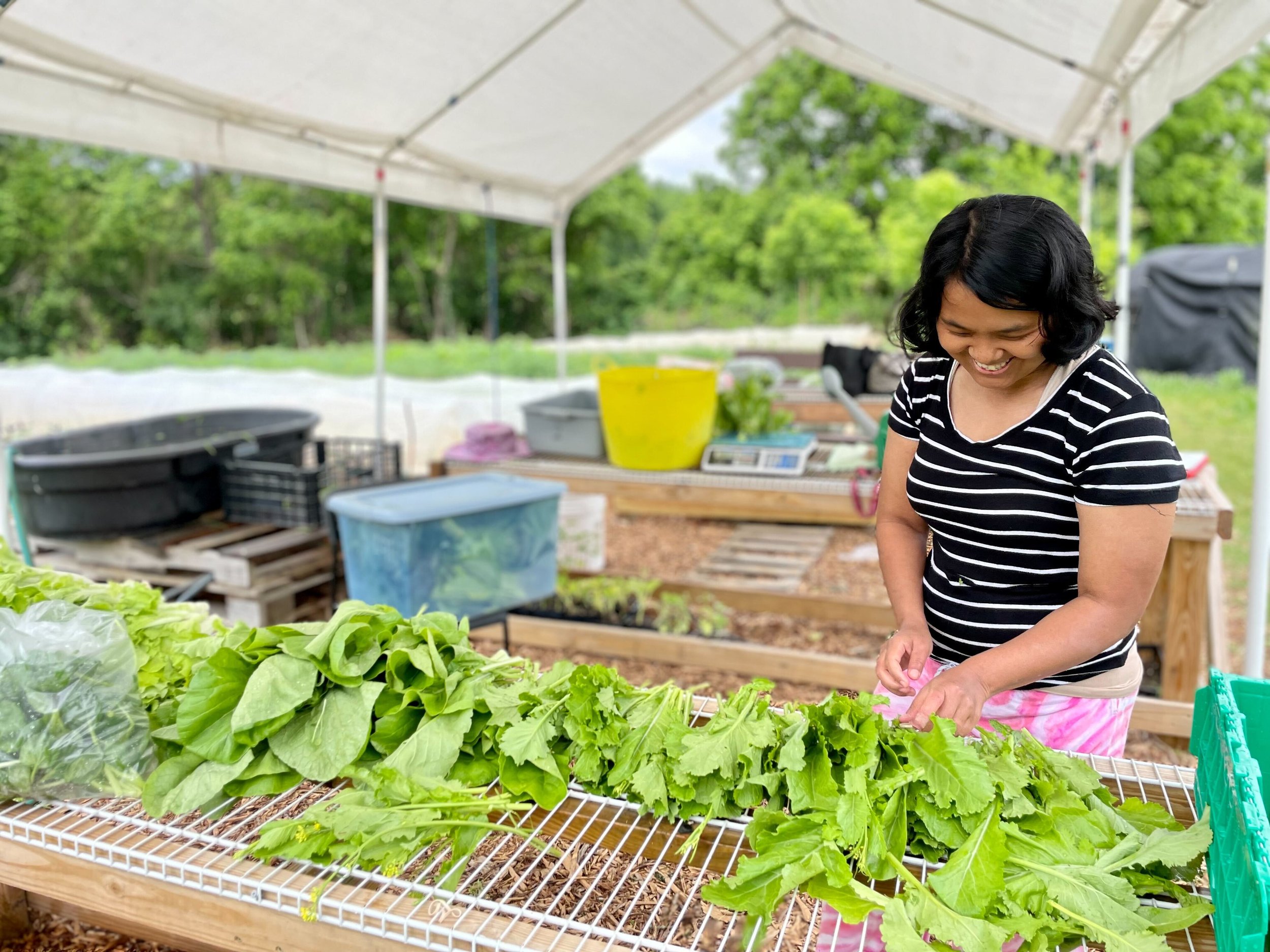
Lu Ja, Growing Together’s newest farmer
"I'm already 30, I need to eat healthy now," says Lu Ja as she vigorously stirs long beans sizzling in a pot with a little oil. She is preparing fried rice homemade style, which she describes as different from restaurants because of its simplicity and lack of lots of salt or MSG.
Lu Ja has two young sons at home, and so she often cooks easy to make, quick meals at home. A go-to meal for her is steamed chickpeas sauteed with garlic and rice, which she used to eat frequently in Myanmar. When she wants to incorporate more vegetable into her meals, she will make this fried rice.
"The tongue likes sweet and spicy," says Lu Ja. "But this meal is for a full stomach."
Lu Ja’s Healthy Fried Rice

Ingredients
2 cups cooked jasmine rice
Salt to taste
Sugar to taste
Black pepper to taste
5 to 6 cloves of garlic
Cherry tomatoes, halved
Mixed bell peppers, diced
Long beans, sliced
1 bunch water spinach, chopped
2 eggs
Vegetable oil

Instructions
Add 1 tsp. neutral oil to a pan on medium high heat and cook egg until done. Transfer to a bowl.
Massage 1 tsp salt into cooked rice.
Add more oil to the pan and cook long beans until soft.
Stir continuously and add salt, sugar and pepper.
Add bell peppers and when incorporated stir in chopped water spinach and rice.
Combine, add in chopped egg and stir in any additional seasoning.
Let rice cook until you can hear it begin to crackle.
Stir and then add tomatoes and Thai basil leaves and flowers.
Stir and scrape the bottom to incorporate any crunchy bits.

Although the eggs and vegetables are flavorful on their own. if you're looking to pack a little more punch to the flavors of this dish, you can incorporate your own sauce when you add the rice.
Option 1:
1/2 tsp sesame oil
3 tsp soy sauce
Option 3:
3 tsp fish sauce
1 tsp oyster sauce
1/2 tsp sugar
Option 2:
1 1/2 tsp soy sauce
1 1/2 tsp dark soy sauce
For the best consistency when making fried rice, use cold leftover rice. Day old rice works perfectly because it will not become mushy when frying.
Vegetable fried rice can also be garnished with chopped scallions or cilantro and served with tomatoes and cucumbers on the side. You can also add chicken or shrimp if you don't want a strictly vegetarian dish.

Recent Favorites from the Kitchen

Lately in our kitchen, we’ve been getting creative with the gifts of food we steward! Here are a few of our favorite meals to come out of the kitchen as of late:
Julia’s Monte Cristo Bake
In January, we gratefully received a huge donation of hams from Aldi. We relied on a few classic ways to incorporate it into meals — carbonara, pineapple glazed ham, pork fried rice — but 1,800 pounds is a lot of ham! Luckily, our meals director Julia is always thinking creatively about how make the best use of our resources and dreamt up this Monte Cristo bake.
A Monte Cristo is a ham and cheese sandwich dipped in egg and fried up like french toast. Julia deconstructed this beloved sandwich into a casserole and topped it with homemade strawberry sauce and powdered sugar! To round out the breakfast-for-dinner theme, it was delivered alongside roasted breakfast potatoes and fresh fruit smoothies. A nourishing new favorite!
Mary’s Muffulettas
Ever had a New Orleans muffuletta? They're made by layering traditional Sicilian sesame bread with olive salad, salami, ham, mortadella, provolone and swiss cheese. Mary Elizabeth leaned on her Cajun roots and prepared a bunch of these delicious sandwiches to help our partners celebrate Mardi Gras, which fell on the very next day!
She made the best use of what we had on hand and put the Food Project spin on this sandwich, down to an olive salad that mixed traditional ingredients like olives, carrots, celery, red wine vinegar, and oil with some flavorful additions like hearts of palm, artichoke hearts, and banana peppers. It was a tasty lunch right in line with those hearty, rich Mardi Gras flavors!


Six-Layer Thanksgiving Casserole
Who says we have to wait until Thanksgiving to make — and enjoy — dressing? A massive turkey donation and some lingering cans of cranberry put us in the mood for some classic Thanksgiving food this Presidents’ Day, so we decided to combine all of our favorite flavors into one dish.
We started with turkey, pulled by the hands of faithful volunteers, and then topped it with cranberry sauce, mixing it up so that every bite of turkey included that bright, tart cranberry marinade. Then we added green beans, fresh veggies, scratch-made gravy and dressing with all the fixins and baked it into a casserole! It was like the classic Thanksgiving “perfect bite” over and over again.
Reminding Each Other of the Goodness
Mary Susan is one of those people that light up a room as soon as they step in. With an incredibly witty and fun sense of humor, storytelling that you could listen to for hours, and a laugh that feels like a warm hug, Mary Susan is an integral part of our community.
By Arianna Nimocks, Meals Volunteer Coordinator

Mary Susan is one of those people that light up a room as soon as they step in. With an incredibly witty and fun sense of humor, storytelling that you could listen to for hours, and a laugh that feels like a warm hug, Mary Susan is an integral part of our community.
Mary Susan first got involved with The Nashville Food Project after noticing The Nashville Food Project’s trucks at Woodmont Christian Church while running errands, soon after she and her husband moved to Nashville. Coincidentally, soon after, she attended a luncheon where Tallu gave a talk about the Food Project. She says she had wanted to volunteer with “an organization that focused on the hunger issue in our community,” and this talk “convinced [her] that this was what [she] wanted.”

Over the years, Mary Susan has delivered meals as a food truck volunteer and prepped meals at our St. Luke’s Preschool Kitchen. When Covid-19 came around, Mary Susan notes how difficult it was to have to take a step back from participating at the Food Project, especially as she “was very connected with the staff and fellow volunteers.” She says “[volunteers] were all delighted when [they] could return to [their] ‘jobs’.”
Mary Susan now volunteers on a bi-weekly basis at our Monday afternoon St. Luke’s prep sessions, and has stepped up to help on Tuesday afternoons with fellow volunteer friend, Caren.
Mary Susan has made the Food Project feel like a home since my very first prep session at St. Luke’s. She immediately greeted me with a warm welcome and we talked about our shared love of living in the hill country of San Antonio, Texas.
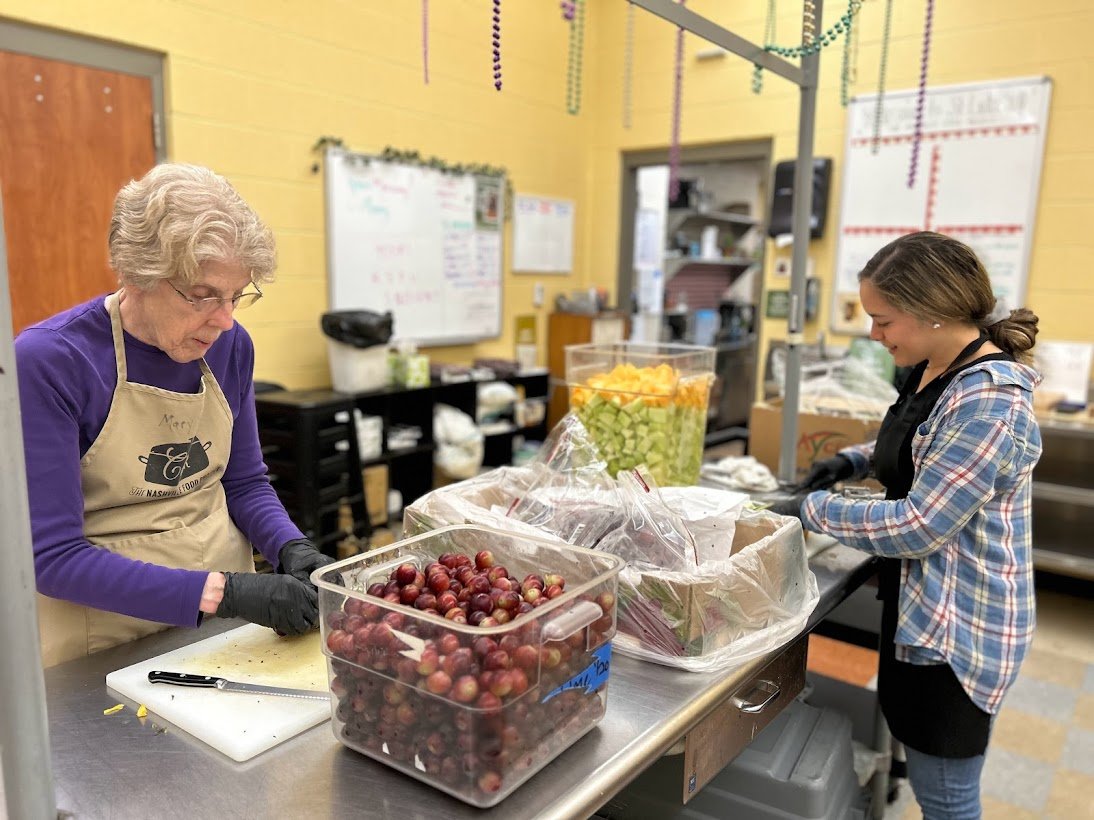
“The Nashville Food Project is special in my life,” Mary Susan says. “It allows me to work with uplifting people who remind me of the goodness in our world.”
We are grateful for Mary Susan’s warmth and heart she brings to our organization. We could not do the work we do without volunteers like Mary Susan!
