
The Nashville Food Project’s Blog






State of the Plate: A Meal Study for Better Nutrition and Less Waste
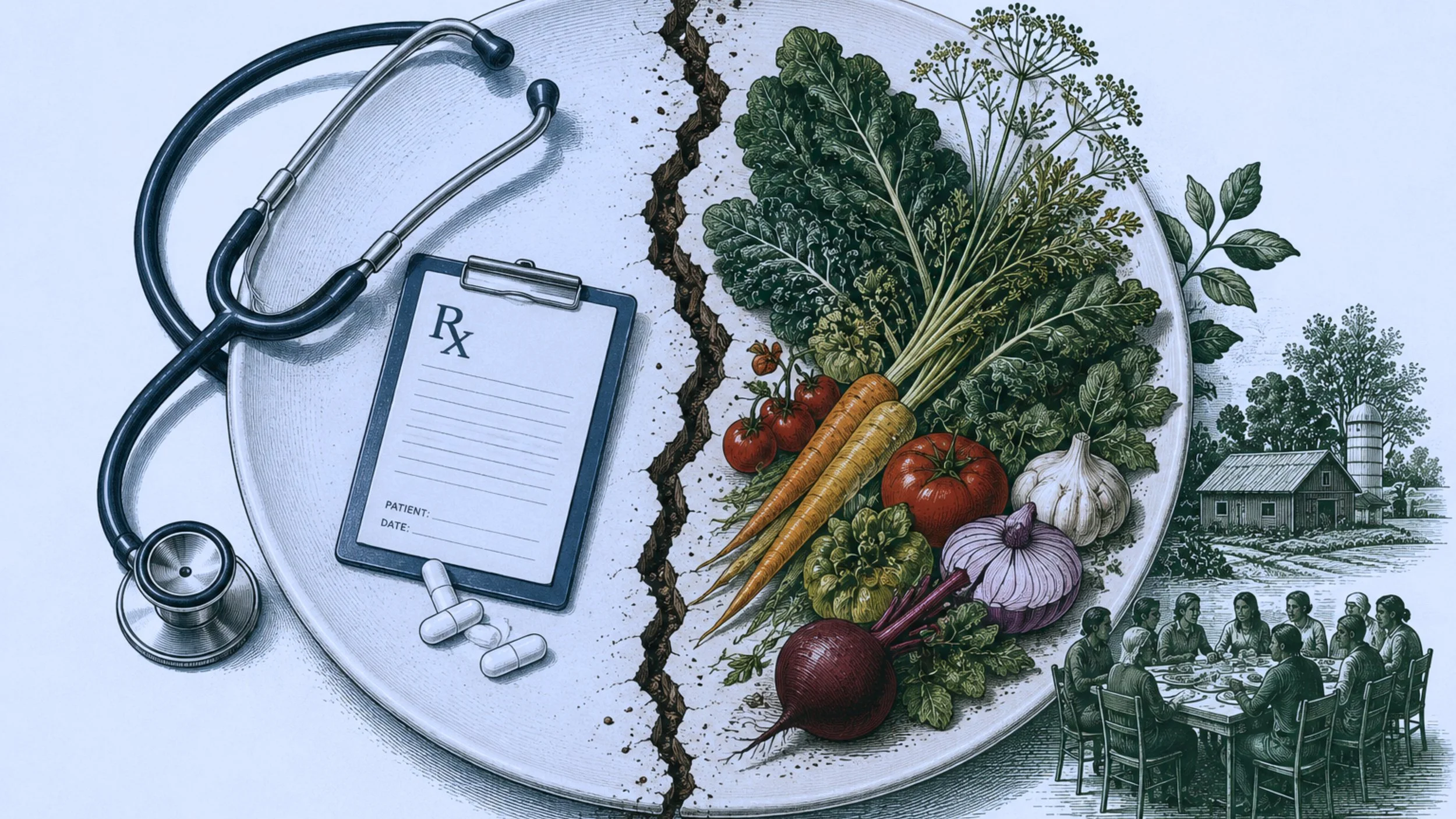
Vanderbilt University Medical Center researchers studied our meals for children this summer to help us learn more about how meals are consumed—and to help us maximize economically sustainable nutrition for better child health. While we always try to include as many fresh vegetables from our gardens and local farms as possible, researchers formally measured the nutritional value of our meals. Then they looked at the parts of the meals children wanted to eat, and which parts were left on the plate.

At The Nashville Food Project, we talk a lot about reducing food waste particularly in our food recovery program, which kept about 205,000 pounds of food from the landfill in 2020. We also talk about food waste in the kitchen, as we work hard to make good use of every part of the plant or to steward every gift and resource to its highest best use.
But what about food waste after it leaves our kitchens and lands on the plate? What parts of our meals end up in the trash?
Thanks to a grant by the Joe C. Davis Foundation, Vanderbilt University Medical Center researchers studied our meals for children over the summer of 2020 to help us learn more about how meals are consumed—and to help us maximize economically sustainable nutrition for better child health. While we always try to include as many fresh vegetables from our gardens and local farms as possible, researchers formally measured the nutritional value of our meals. Then they looked at the parts of the meals children wanted to eat and which parts were left on the plate.
The results have been fascinating, encouraging and inspiring. VUMC concluded that as compared to meals provided by other vendors in the project, TNFP meals were lower in calories, carbohydrates, added sugars, saturated fat and total fat, and therefore much more nutritious than alternative options, and far exceeding federal nutrition guidelines.
Today we share a favorite dish among research participants in hopes that you will enjoy it too.

Chimichurri Roasted Chicken Drummies
1 cup parsley
1/2 cup basil
1/2 cup green onions
3 garlic cloves
1/4 teaspoon crushed red pepper flakes
1 cup olive oil
1/2 cup red wine vinegar
Salt and pepper to taste
1 pound chicken drummies or wings
1) Preheat oven to 350 degrees and lightly grease a sheet pan.
2) Make the chimichurri sauce by combining and blending all ingredients except chicken in a food processor or blender. Then marinate the chicken in 2/3 of chimichurri sauce.
3) Bake chicken for 20 minutes or until the internal temperature reaches 165 degrees.
4) Toss baked wings in additional sauce. Serve with roasted potatoes or sweet potatoes!
Thank you to researchers—Dr. Shari Barkin, LauraBeth Adams, Alexandrea Manis—for helping us think about the meals we share in new ways!