
The Nashville Food Project’s Blog




Tips from the Kitchen: Butternut Squash
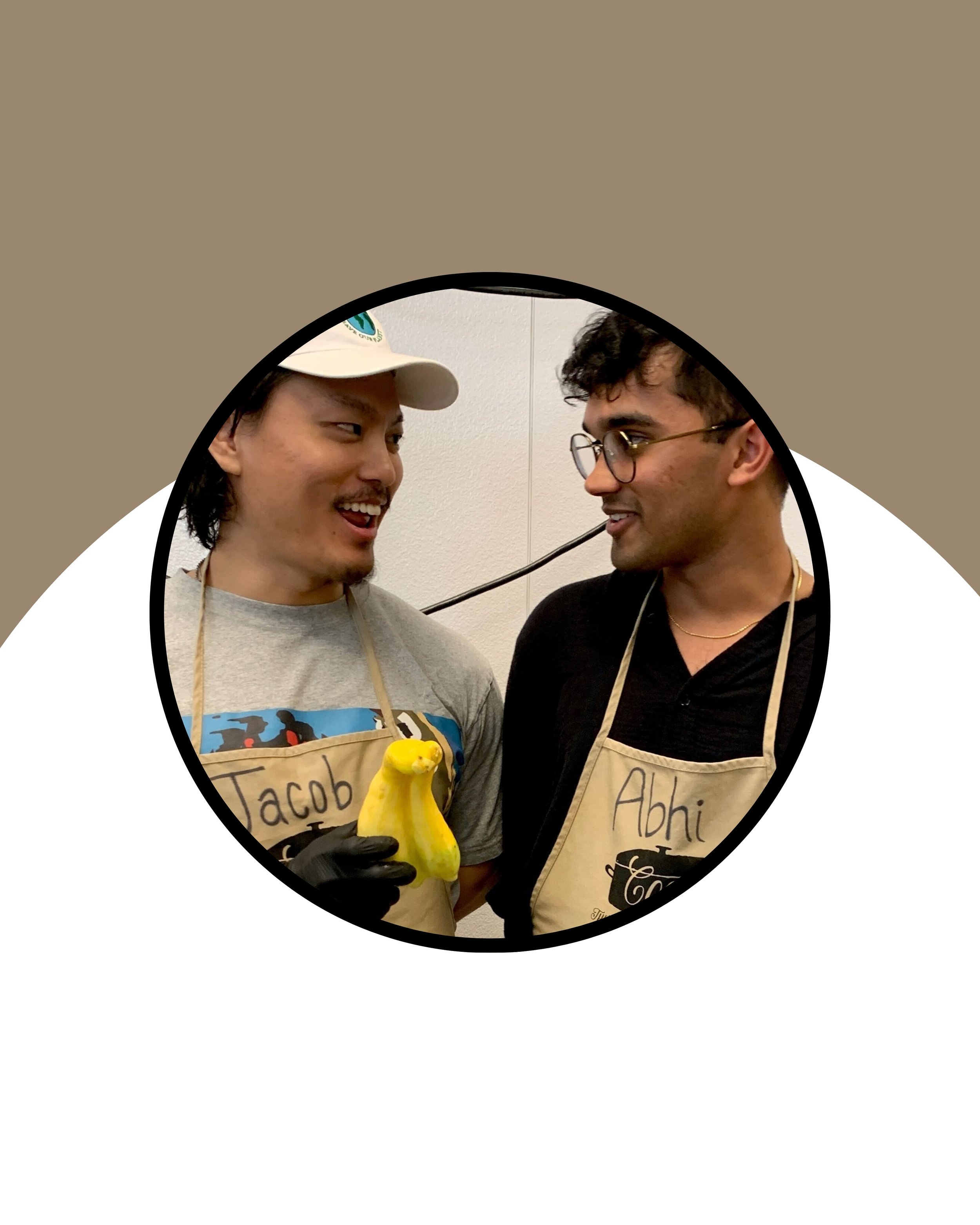
Meals Coordinator Sarah Farrell shares a quick and easy(ish) way to cut hardy, resilient butternut squash, and we include a few favorite recipes too!
It’s okay to admit a love-hate relationship with butternut squash. Yes, it can be hard to cut — but, wow, it also can be versatile and delicious! We love that this plentiful fall squash keeps so well in cold storage, and we are grateful to have generous sources who gift us butternut squash such as Cul2vate Farms and Bells Bend Farms.
Meals Coordinator Sarah Farrell shares a quick and easy(ish) way to cut these hardy, resilient vegetables below, and we include a few favorite recipes too!

Butternut squash in cold storage. Thank you, farmers!!
State of the Plate: A Meal Study for Better Nutrition and Less Waste
Vanderbilt University Medical Center researchers studied our meals for children this summer to help us learn more about how meals are consumed—and to help us maximize economically sustainable nutrition for better child health. While we always try to include as many fresh vegetables from our gardens and local farms as possible, researchers formally measured the nutritional value of our meals. Then they looked at the parts of the meals children wanted to eat, and which parts were left on the plate.

At The Nashville Food Project, we talk a lot about reducing food waste particularly in our food recovery program, which kept about 205,000 pounds of food from the landfill in 2020. We also talk about food waste in the kitchen, as we work hard to make good use of every part of the plant or to steward every gift and resource to its highest best use.
But what about food waste after it leaves our kitchens and lands on the plate? What parts of our meals end up in the trash?
Thanks to a grant by the Joe C. Davis Foundation, Vanderbilt University Medical Center researchers studied our meals for children over the summer of 2020 to help us learn more about how meals are consumed—and to help us maximize economically sustainable nutrition for better child health. While we always try to include as many fresh vegetables from our gardens and local farms as possible, researchers formally measured the nutritional value of our meals. Then they looked at the parts of the meals children wanted to eat and which parts were left on the plate.
The results have been fascinating, encouraging and inspiring. VUMC concluded that as compared to meals provided by other vendors in the project, TNFP meals were lower in calories, carbohydrates, added sugars, saturated fat and total fat, and therefore much more nutritious than alternative options, and far exceeding federal nutrition guidelines.
Today we share a favorite dish among research participants in hopes that you will enjoy it too.

Chimichurri Roasted Chicken Drummies
1 cup parsley
1/2 cup basil
1/2 cup green onions
3 garlic cloves
1/4 teaspoon crushed red pepper flakes
1 cup olive oil
1/2 cup red wine vinegar
Salt and pepper to taste
1 pound chicken drummies or wings
1) Preheat oven to 350 degrees and lightly grease a sheet pan.
2) Make the chimichurri sauce by combining and blending all ingredients except chicken in a food processor or blender. Then marinate the chicken in 2/3 of chimichurri sauce.
3) Bake chicken for 20 minutes or until the internal temperature reaches 165 degrees.
4) Toss baked wings in additional sauce. Serve with roasted potatoes or sweet potatoes!
Thank you to researchers—Dr. Shari Barkin, LauraBeth Adams, Alexandrea Manis—for helping us think about the meals we share in new ways!
Banana Bread for the Pandemic: Remembering a Loved One Lost to Coronavirus
In this time of unbelievable confusion and pain, we cling to the things that bring us comfort, and the most time tested ways of feeling better is to cook and eat a good meal, to bake a loaf of bread. We are reminded of the meals we have shared with the people we love. We ease the sting of separation with delicious memories of dinner parties past. We honor those we have lost by cooking something that they have loved.
by Nick Johnston, Sous Coordinator - St. Luke’s Kitchen
“Reach into your memory and look for what has restored you, what helps you recover from the sheer hellishness of life, what food actually regenerates your system, not so you can leap tall buildings but so you can turn off the alarm clock with vigor.” -- Jim Harrison, “Meals of Peace and Restoration”
“This is a hard place. God, it’s a hard place. But it wakes up every morning. No matter what you do to it the night before. It wakes up.” -- Jess Walter, “The Zero”

Photo by Airin Party
I was never very good at reading my grandmother’s handwriting. When I was a kid, her handwritten notes and postcards would arrive in the mail, and I would pass them along to my father to read them out loud. She wrote in a beautiful calligraphy — a dying art of sloping cursive letters that millennials like myself were ill-equipped to decipher. The one or two cursive lessons given in grade school were essentially useless. Some bang-up cursive seemed ineffective in impressing the young ladies of Ms. Lindsay’s 2nd grade class.
These letters from my grandma arrived in the brilliant dawn of the Email Age, when my love letters were more apt to be typed, thank you very much. So while I had trouble decrypting the lovely loops on the bird-themed stationary, I still hungered to hear what Grandma Ruth had to say, and my dad dutifully served as translator. She always wrote something about the weather, or her roses, or the approaching spring, or a visit she was looking forward to. I have a lot of these letters, recipes, and newspaper clippings stowed away.
The most valuable of the antediluvian artifacts my grandma had passed on to me was her recipe for banana bread. This recipe, along with a preserved and perfect loaf, I will perhaps one day submit to the Smithsonian. Its inclusion to the museum might tell Peoples Future a few things about the lives of Peoples Past. I imagine this loaf and recipe included in a large and fascinating exhibit devoted to explaining Life On Earth Before Covid-19. Students will hover about, notate on tablets, wonder about the coffee-stained recipe from a world where humans still shook hands and knew how to operate their own vehicles. They will also most certainly take pause to admire the graceful calligraphy of Grandma Ruth.
For me, now, waiting for a loaf of banana bread to finish in the oven, it is oddly comforting to imagine distant future school children gazing at my grandmother’s recipe. In a time of paralyzing uncertainty, there is comfort in knowing that this too will end, that history will do its thing, that the ache will dull with each generational wave. That the world will exhale this and that, spring will come again and we will rebuild tomorrow into something better. My grandma’s banana bread recipe calls for some seriously ripe bananas, or, in her words, “nearly rotten.” I’m also oddly comforted by easy metaphors and well-worn cliches these days, and it’s nice to think about something so warm, so profoundly simple and good, coming from something so rotten and dark.
In this time of unbelievable confusion and pain, we cling to the things that bring us comfort, and the most time-tested ways of feeling better is to cook and eat a good meal, to bake a loaf of bread. We are reminded of the meals we have shared with the people we love. We ease the sting of separation with delicious memories of dinner parties past. We honor those we have lost by cooking something that they have loved.
In this particular crisis, staying at home is in fact the heroic thing to do. While we are starved for connection in this time of isolation, it is nourishing to prepare the things that have been passed down to us on stained little pieces of paper, torn notebook pages, from our grandparents, our family, our friends. Our minds and bodies are fortified with the recipes of togetherness, and while we all have a little more time on our hands, we can hone these recipes for when we can cook and share them once again. When this is over the world will be hungry.
And for now we stay home. We clean up the backyard a little. We download Duo Lingo and give Italian another shot. We call our families and grieve the passing of our loved ones. We bake banana bread for our roommates. We turn up the John Prine. We rest inside stories of a world still breathing.
There is a letter from my grandmother I have been waiting to open. She passed away on April 2nd after a tragic battle with Covid-19. It has sat on my desk for a few weeks now. I have been waiting to open it for two reasons, the first being sort of morbidly practical, as this hellish virus can live on surfaces for a while. The other is just that it makes me sad still. I will open it soon, but not today.
Today it has been enough just to marvel at the cursive on the front of the envelope. The “J” in “Johnston” is particularly beautiful, two immaculate ovals that swoop bird-like into the o, h, and n, heading north to make the t, finishing off with an gracefully understated o, the n setting sail towards somewhere like the sun.


"Dirty Pages" Community Potluck
“I tell my daughters that when I go, they’ll know the good recipes by the dirty pages.” —Kim McKinney
That’s the quote that launched Dirty Pages, a recipe storytelling project celebrating our most well-loved recipes with their splatters and stains. We know they make good dishes, because they’ve been handed down to family and friends. But they also act as maps -- their scribbles in the margins helping connect us and tell our stories.
“I tell my daughters that when I go, they’ll know the good recipes by the dirty pages. —Kim McKinney”
That’s the quote that launched Dirty Pages, a recipe storytelling project celebrating our well-loved recipes with their splatters and stains. We know they make good dishes, because they’ve been handed down to family and friends. But they also act as maps, their scribbles in the margins helping connect us and tell our stories.
The Dirty Pages project has produced three exhibits. The first exhibit (featured in The New York Times) lives in the permanent collection at the Southern Food & Beverage Museum in New Orleans. The second exhibit, Dirty Pages: 10 Roads to Nashville, was featured at Casa Azafran. Now the third and most recent exhibit hangs at The Nashville Food Project.
To celebrate it, we’re hosting a “Dirty Pages” Community Potluck this Sunday, Feb. 16 at 1 p.m. If you’d like to join us, please bring a dish to share that serves about 8-10 people. We’ll have lunch and conversation and a bit of show-and-tell time for those who would like to talk about their recipe.
The event isn’t ticketed, and it’s open to all. Space, though, is limited, so please RSVP here. We hope to see you Sunday!
Also, please stay tuned for an exciting Dirty Pages-themed Simmer dinner next month!
In the meantime, TNFP staff shared their Dirty Pages in a team building meeting recently. Here are a few excerpts:

Julia Reynolds Thompson, Director of Garden Operation
Recipe: The Reynolds Family Eggnog
I chose the Reynolds Eggnog, which is a recipe my family makes every year. My great-grandfather, Edward Reynolds, had grown up in Pembroke, Kentucky, which is just on the other side of the state line. He grew up on a tobacco farm, but he and his brother hated tobacco farming, so they decided to leave Kentucky and go to Dallas. They lived in the YMCA there while they looked for work. They ended up in the clothing business and eventually they owned their own men’s clothing store, which was also passed through the family. I remember growing up playing inside the racks of clothes.
I like this recipe because I feel like it is a thread that connects all the way back to my great-grandfather and his journey from Kentucky to Texas. My family, growing up, felt very Texan. Everyone is from Texas and has been there a long time. But now that I live in Tennessee I like having that trace of story all the way back.
It’s a really simple recipe. It has four ingredients: a dozen eggs, 12 tablespoons of sugar, a pint of bourbon and a quart of whipping cream. We still make it every Christmas.

Bianca Morton, Chef Director
Recipes: My Grandfather’s Yeast Rolls
My grandfather baked something every meal—yeast rolls, fresh-baked breads, cakes, fried pies. I did not inherit that skill.
Every holiday he always brought fresh-baked, melt-in-your-mouth yeast rolls. He brought some for dinner and packaged some in gallon-sized Ziplock bags for each family to take home. We fought over them.
My first Christmas after graduating culinary school, I cooked a big, fancy dinner, my first one trying to impress everybody. Watching him eat, he was so happy and excited, and you could tell he was proud. Here’s the tear-jerker: He had a massive stroke that night. That was the last time I saw him smile. I spent the next two weeks caring for him in the hospital. He couldn’t communicate, but he looked at me and squeezed my hand, and it made me feel invincible, all his love. I’ve been chasing that, and every holiday I’ve been trying to make these rolls. This last Christmas, 18 years since he passed away, my family was like, “I think you got it.”

Tallu Schuyler Quinn, CEO
Recipe: Mama’s Marinara Sauce from Dom DeLuise’s “Eat This...It’ll Make You Feel Better” cookbook
My dad bought me this cookbook by Dom DeLuise. When I was young, maybe 8 or 9, I thought Dom was a chef, but I understand now he was just an actor and maybe not even a good one.
My parents wouldn’t let my brother and me buy a lot of stuff when we were kids, but they would pretty much always say yes if it was a book.
I remember making this marinara sauce with my dad and what a mess we made. When I was growing up, I loved food shows like The Frugal Gourmet, Julia Child and any other food show on the television. I vividly remember an episode of Mister Rogers’ Neighborhood when he visited a Pittsburgh bakery and learned how to make sourdough pretzels. Later on in life, I loved Food Network shows like Molto Mario, Nigella Lawson and Barefoot Contessa. I am now a mother to children who love watching Mind of a Chef, America’s Test Kitchen, and The Great British Baking Show.
My 7-year-old daughter is strong-willed, capable in the kitchen, and wildly creative. She makes grocery lists every week, begs me to “mise en place,” wants an internship at The Nashville Food Project’s kitchen, and recently made flyers for a pop-up bake shop at our house called “Lulah’s Larder.” In other words, every page is a dirty page in Lulah’s world. The scope of her big ideas overwhelms me, and now I know that’s how my own mom must have felt as she figured out how to give me the space I needed to be me. Maybe still does. I obviously know that Lulah is not me, and she is not mine, but the congruence and similarity of the kitchen obsessions settle over me, and that where I go when I reflect on this dirty page from my past—it connects me to the mystery of my own life; I’m so grateful for that.

Grace Biggs, Director of Food Access
Recipe: Chicken Noodle Soup
This is my mom’s chicken noodle soup and her mom’s, and it’s one of my favorite early memories. The noodles are the main event of this recipe. My mom made the dough from scratch, rolled it out, and cut the noodles dumpling-style. They would be laid out taking up the whole kitchen table, which was most of our kitchen, for hours. My sister and I would sneak dough off the table, and she told me she added the note later to “double the recipe” because of “sneaky fingers.” My grandmother would make it when we were sick and bring it over in Mason jars. I’ve adapted my own version of the original recipe over the years by adding veggies and sometimes even curry, but anytime I make it I feel connected with them.

Elizabeth Langgle-Martin, Community Engagement Manager
Recipe: Wassail
Wassail is something that my family drank every holiday season, and I always remember that we had enough of it to share with other people—that it could be a gift at a time that could be stressful. It was fun for our family to share. We would fill up big Mason jars and give it to teachers and neighbors. And I have funny memories of lugging big, hot sloshing posts of wassail to family gatherings—inching down the road and hoping that it’s not spilling out in the back.
It’s a twist on apple cider, and it’s something a lot of my friends know as our family holiday beverage. My siblings and I still make it in our own spaces.
Wasted Food = Wasted Nutrition
We’ve all been there before - the broccoli stems left over after a dinner party, strawberries that you meant to eat but didn’t get to - all thrown out and wasted. 40-percent of all food produced is wasted while at the same time 1 in 7 children are struggling with hunger according to Feeding America. Believe it or not, there are some staggering nutritional benefits to lowering your food waste…

We’ve all been there before - the broccoli stems left over after a dinner party, strawberries that you meant to eat but didn’t get to, the apple peels left behind due to a picky toddler, browned bananas that are a little too sweet to eat - all tossed into the trash and wasted. 40-percent of all food produced is wasted while at the same time 1 in 7 children are struggling with hunger according to Feeding America.
Believe it or not, there are some staggering nutritional benefits to lowering your food waste. Every item of fresh produce that gets tossed is a lost opportunity to get vitamins and minerals from the foods we eat. A study published in the Journal of the Academy of Nutrition and Dietetics found that food thrown away each day could provide 1,217 calories to each person in the United States each day, and the equivalent to 19% of fiber, 43% of vitamin C, 48% of iron, 29% of calcium, and 18% of potassium recommended for daily nutrition.

Here at The Nashville Food Project, we work every day to reduce the amount of edible food being wasted in Nashville and increase the nutrition available to our community. Already this year, TNFP has prevented over 42,000 pounds of food from going into the landfill. We’re always striving to be good stewards of all the food that comes through our doors, using every edible component of each item however we can. This means we have to get creative in the kitchen! Below are some fun tips and recipes to keep food and nutrients on our plates instead of in the trash.
The majority of the nutrients are lost by throwing away the peels on fruit and vegetables. The peel of an apple contains half of the apple’s fiber and four times more vitamin K than the flesh. Recipe: Baked Apple Peel Chips
Citrus peels contain twice as much vitamin C than what is inside. Citrus shavings can be grated to add natural flavor to salads, used to make salad dressings and cooked in soups and sauces. Recipe: Orange Vinaigrette Using Peel
Save the stock from your cooked meats and vegetables! Using stock instead of water to cook things like rice and pasta gives the food more flavor, and offers a variety of vitamins and minerals. For even more incredible flavor, throw in your Parmesan rind. Recipe: Vegetable Stock
Before you throw away those stems… broccoli stems contain more calcium, iron and vitamin C than the florets. Recipe: Broccoli Stem Noodles with Sesame Ginger-Dressing
For more insight, recipes, and tips on reducing food waste in your home, check out savethefood.com.
A No-Waste Cooking Class
Inspired by John T. Edge’s book The Potlikker Papers, our meals team has pulled together several southern-inspired menus for two classes on cooking to reduce food waste. Check out the menu and story behind our first class.
Reflection by TNFP's Meals Director, Christa Ross
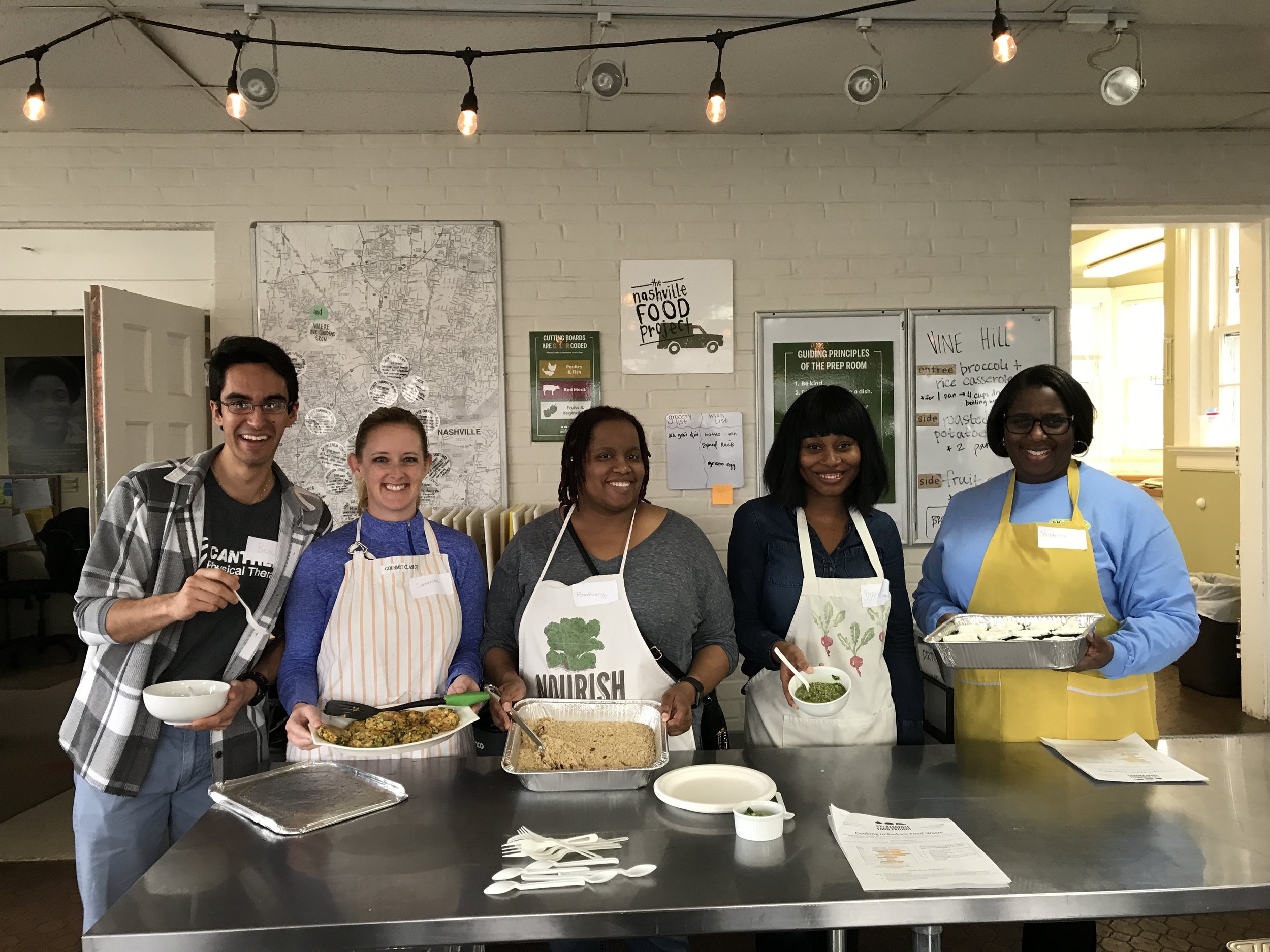
If you’ve been following along with The Nashville Public Library (NPL)’s Nashville READS Program this year you’re likely well into The Potlikker Papers: A Food History of the Modern South by John T. Edge. He tells the stories of our history through food, with meals borrowing heavily from old Southern traditions, sorghum and soybeans. This book strums at my heartstrings as it walks through the many ways that food has touched the history of the South. He dives into difficult topics, discussing them as he circles around the pots of greens and pans of cornbread that fed the people fighting for change. As a native Nashvillian, these stories feel close to home. What I love best about this book, though, is it’s acknowledgement that the story of food is the story of people: a true history cannot exclude food. People and food are inextricably linked in the past, present, and future.
This year, as NPL showcases The Potlikker Papers, we have partnered with them to facilitate two cooking classes on how to decrease food waste in the kitchen, a topic that is near and dear to our hearts. These classes are centered around decreasing personal food waste in our homes, which for us means changing the way we think in the kitchen. As they meal prep, our volunteers watch the influx of thousands of pounds of donated food come into our kitchens. We never know what’s going to be donated next and in order to be the best stewards of the incredible abundance we receive daily, creativity is key.
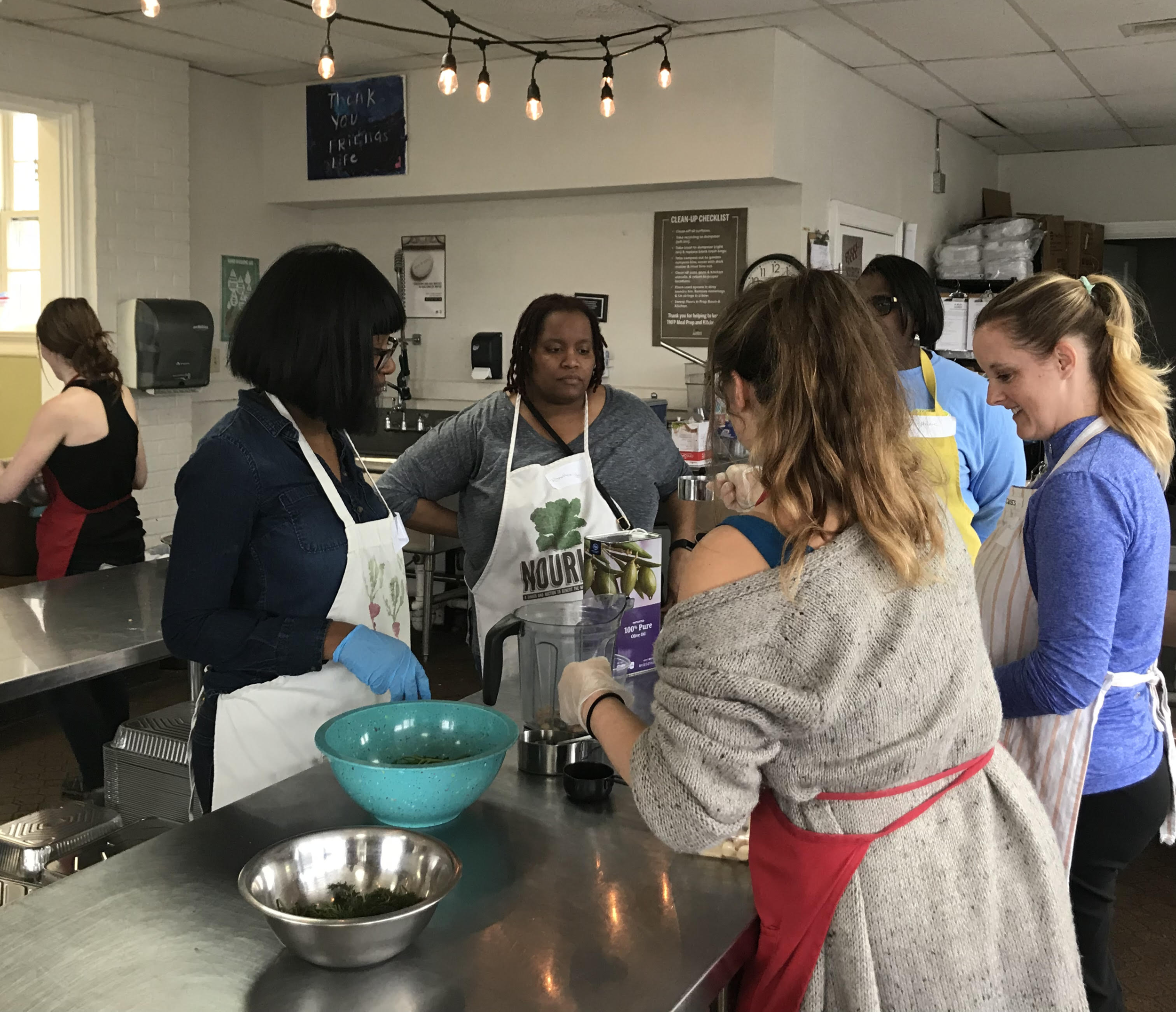
Common examples of avoidable food waste that we focused on with our menu are “scraps” or parts of food usually thrown away, expired or nearly expired foods, and “ugly” foods. According to the NRDC, “American families throw out approximately 25 percent of the food and beverages they buy. The cost estimate for the average family of four is $1,365 to $2,275 annually.” With 40 percent of all food going to waste in the United States, these household numbers contribute a huge portion to the total amount of food wasted. So when we created the menus for these classes, we focused on food that might typically be wasted in a home kitchen.
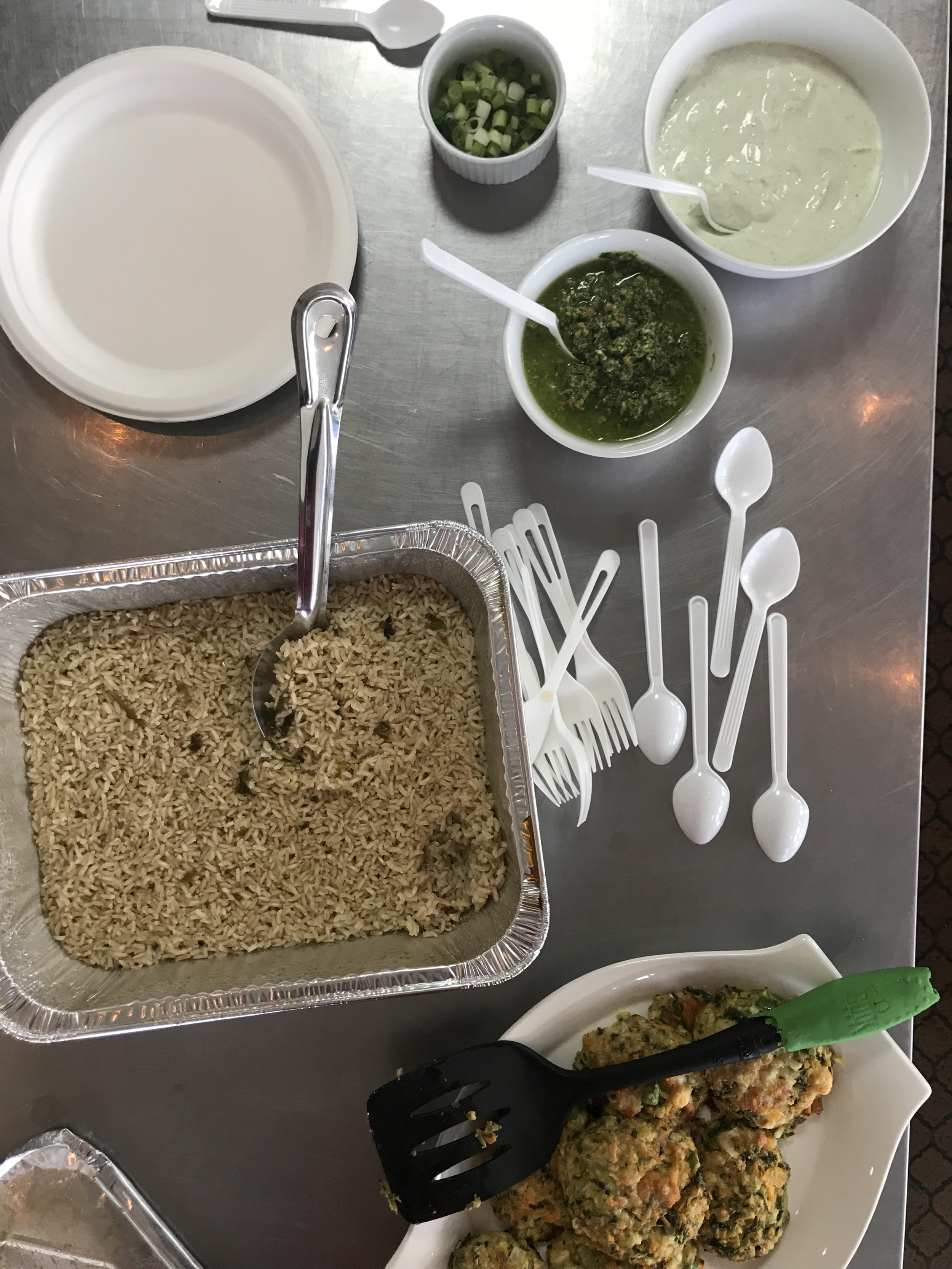
The feast:
- Vegetable scrap fritters (recipe here!)
- Yogurt sauce
- Rice cooked in veggie scraps & parmesan rind stock
- Carrot top pesto
- Apple peel tea
- Banana ice cream
We made the vegetable friters using scraps saved throughout the week at TNFP (broccoli stems, carrot peelings, zucchini ribbons, etc). This went along with a yogurt sauce for dipping made from soon-to-be-expired yogurt, garlic, green onion tops, and salt.
One of our favorite tips for decreasing food waste is stock! For this class we added onions, carrots, turnips (my personal favorite addition for an extra flavorful stock), celery, and garlic. For the last 15 minutes of cooking we added some parsley stems and a parmesan rind from a recently finished block. Cooking rice or pasta in this flavorful stock adds incredible depth and flavor to the base of your meal as well as lots of nutritional value.

We topped the vegetable fritters with carrot top pesto, another of our favorite food waste tips. We like to make “pesto” with any combination of greens and nuts, often using up greens that are past their prime. Our no fail ratio for pesto is 1 cup chopped and packed greens, ¼ cup toasted nuts or seeds (favorites include almonds, walnuts, pepitas & pine nuts), 1 clove garlic, 1 T. lemon juice, ½ cup EVOO & salt to taste.
To drink we made apple peel tea, boiling the scraps with ginger and cinnamon, and is great hot or cold. Dessert was a decadent banana ice cream, one of our favorite ways to use bananas that have turned brown.
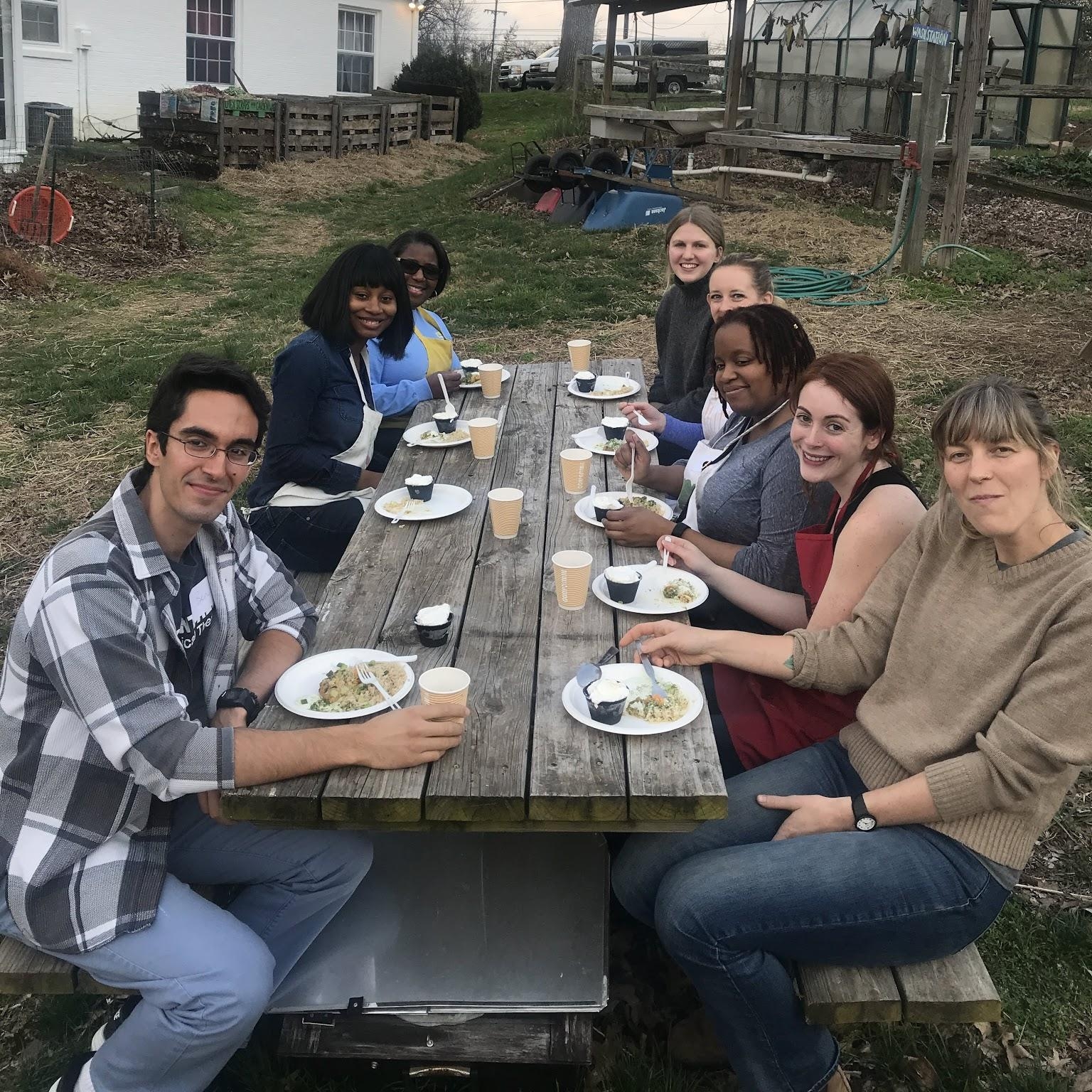
I can honestly say that being a part of this class was an incredible affirmation of our mission. Everyone in the class came together as strangers to learn. As we began to cook the class came alive; we laughed, discussed favorite foods and kitchen tricks.
At the end of the class, as we sat down together to enjoy the meal, I circled back to some of Edge’s final thoughts in The Potlikker Papers. “New peoples and new foods and new stories are making their marks on the region. What was once a region of black and white, locked in a struggle for power, has become a society of many hues and many hometowns…” Our meals tell many stories, of the farmer’s who grew the food, of the volunteers who spent hours chopping and cooking, of waste diverted, and hungry mouths fed. A new kind of southern food comes out of our kitchens, paying homage to the land & served to the people, all people, whose stories are written in its history. And after all, a shared experience makes a shared meal that much more meaningful!
We would love for you to join us for our second FREE class on April 18th at 5:30. To attend please email Malinda@thenashvillefoodproject.org to sign up and learn more!
Behind the Scenes for our Episode of Trisha’s Southern Kitchen
One day this past September, we were having a day like any other when we got an exciting call at The Nashville Food Project office. It was a producer from Food Network saying the network was interested in featuring us in one of their shows, and we were thrilled!

One day this past September, we were having a day like any other when we got an exciting call at The Nashville Food Project office. It was a producer from Food Network saying the network was interested in featuring us in one of their shows, and we were thrilled!
Earlier in the year, we’d had a dedicated volunteer and board member (shout out to Ann!) introduce us to a friend of hers - the one and only Trisha Yearwood. Trisha had joined us for lunch and a tour of our kitchen, garden and office at South Hall, and we were thrilled with how quickly she seemed to connect with our mission and the work we do here in Nashville. That connection really came through when her Food Network show Trisha’s Southern Kitchen featured The Nashville Food Project in a recent episode.

After the initial call in September, we followed up with Trisha’s producer and developed some ideas for the episode. Those ideas were pitched to the network and approved so we quickly went to work getting ready. There were calls with production and Trisha’s culinary team, and soon enough we had a plan for filming. Trisha and her sister Beth were interested in testing out some healthy recipes that could easily feed a crowd, and we knew they just had to join us for a meal.
Just a few months after that initial call we had a whirlwind day of filming. Trisha, Beth and an incredible film crew were in our kitchen and prep room much of the day, all while volunteers kept our usual work going. Trisha and her team were incredibly gracious and such fun to work with!

The day ended with our weekly Tuesday night dinner at Trinity Community Commons where our mission came to life for everyone involved. Over a delicious dinner, we enjoyed fun conversation, took lots of photos and reveled in the excitement of sharing our story in such a big way. We walked away with new friends from the crew, many who told us of plans to come to more meals at Trinity.
We are unbelievably proud of the episode that Trisha and her team put together. If you haven’t seen it yet, don’t worry! If you’re a cable subscriber, using your cable authentication code, you can find and watch the episode on the Food Network app on Apple TV, Roku, Amazon Fire, or iTunes. You can also find it at https://watch.foodnetwork.com/live/. At the top right corner of the page, you'll see a button to sign in through your cable provider. Then you can look for "Trisha's Southern Kitchen" Season 11, Episode 9.
And, of course, we can’t help but share the delicious recipes that Trisha shared with us!
Try them for yourself:
Cookbook Shares Burmese Family Recipes
When Garden Intern Kate Patterson learned she would need to complete an oral history project for her Foodways class at Belmont University, she decided to compile a cookbook of traditional family recipes from Burmese immigrants growing food in the refugee agriculture program…

When Garden Intern Kate Patterson learned she would need to complete an oral history project for her Foodways class at Belmont University, she decided to compile a cookbook of traditional family recipes from Burmese immigrants growing food in the refugee agriculture program.
Over the past several months, she interviewed six women and two men with the help of an interpreter to learn about Burmese family dishes.
“They grow a lot of the things in the garden. Then they use it in the recipe,” she says. “So that was a cool aspect to tie into their stories.”
The recipes include a fish curry, soups and noodle dishes as well as sweet sticky rice wrapped in bamboo.
Unlike in American culture where recipes might be pulled from a book or a recipe box, Kate said all of the dishes shared were learned by watching and doing in the kitchen.
"A lot of the participants had trouble writing them, because they never had written them before,” she says. “It was neat that they still survived through generations."
But despite the differences in learning and sometimes unfamiliar ingredients involved, Kate said it was interesting to take note in the similarities across cultures as well.
“Their parents teach them to cook, and they cook with siblings. Even though it’s different dishes, it’s still the same concept that these recipes are passed down over generations. It is unifying."
As a junior at Belmont, Kate is considering a career that explores community development and the role that farming can play in creating solutions. She grew up with gardens in the backyard, and her father grew up on a farm.

Kate working in the Wedgewood Urban Garden.
If she had to choose a recipe from her life for a cookbook, she said she would choose one that has family significance, too.
“We always make this cookie at Christmastime that’s been passed down. Spritz cookies. It’s almond flavored cookies that we make with a cookie press. My dad grew up making them, and it’s a traditional Swedish thing to do.”
Kate gave us a sneak peek of her Burmese cookbook project by sharing the recipe and story below from Hpong, pictured here:
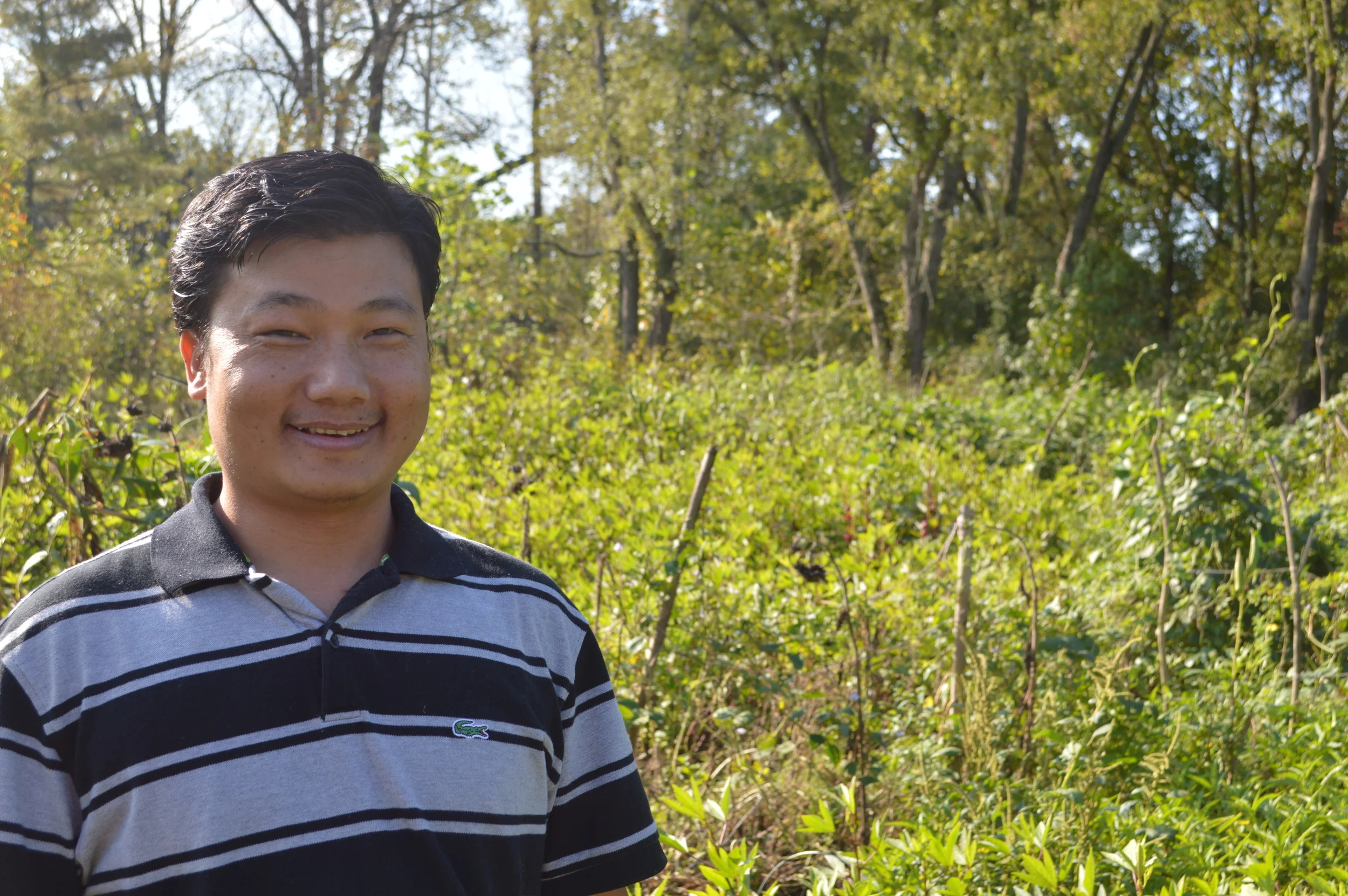
Hpong is from the Kachin state in Myanmar and he moved to the United States with his wife and two kids a year ago. He enjoys cooking a variety of dishes and he has many memories associated with this traditional Kachin recipe.
Hpong enjoys cooking the traditional Kachin recipe, Kachin Chet. He said that most Kachin people know how to make this dish and they make and eat it almost every day. He learned to make this dish by watching his parents and siblings cook it, and by cooking it with them. He said that the recipe was never written. It was passed down from generation to generation by showing others how to make it. This recipe is important to him because it has good flavor and is delicious and healthy.
The ingredients in this recipe are natural, meaning many come from the garden. Some items from this recipe that are grown in the garden are: chilies, garlic, and lemongrass. There are other ingredients that he has not been able to find in the United States so he has had to either modify the recipe or buy the ingredients elsewhere. He mentioned that he had to buy the light amber from Malaysia. Also, he was unable to find another ingredient that had a sour leaf, so he has had to replace that ingredient with a Roselle leaf, bamboo shoot, or lemongrass.
Hpong’s favorite meat to use in this dish is fish. When asked if he thinks pork is as good to use he said, “not as (good as) chicken, beef or fish, that’s good.” You can use any kind of fish-- small or big. He typically only uses river fish, but he says that you can also use fish from the sea.
When he lived in Myanmar, everyone in the village would have their own chicken, beef, and river fish and would cook them in their houses. They would then share them with each other. Sometimes they would buy the ingredients that they needed from the market. Now, living in the U.S., he buys the fish from the grocery store.
Hpong speaks of how the dish is also healthy for you, saying, “It’s kind of like medicine. It can prevent the stomach ache.” He said that the water he drank in Myanmar came directly from the ground and was dirty and that there was a lot of bacteria in each cup of water. He also mentioned how some foods are like a medicine, protecting you from getting sick, such as some beef and fruit. One ingredient in this recipe that has medicinal qualities is the cooked fish.
Hpong says that this dish is easy to make and that he will never forget how to make it. He enjoys serving it for guests when they come over for dinner. He still eats this dish just as often as he did when he lived in Myanmar.
Kachin Chet
This recipe has been passed down from generations by word of mouth and because of that there are not specific measurements for the ingredients.
- Meat: Fish, Pork, Beef, or Chicken.
- Sour leaf -- can use Roselle leaf or bamboo shoot
- Garlic flower
- Pepper
- Chili pepper
- Salt
- Sesame powder
- Water- 150ml
1. Place all ingredients in a large pot.
2. Place pot on stovetop over medium heat until all water is gone.
3. Serve hot.