
The Nashville Food Project’s Blog





Anatomy of a Meal
We often say that many hearts and hands go into this work. But what exactly do we mean by that? Follow us while we make a beef lasagna to find out!
We often say that many hearts and hands go into this work. But what exactly do we mean by that? Follow us while we make a beef lasagna to find out!
Food Donations and Recovery
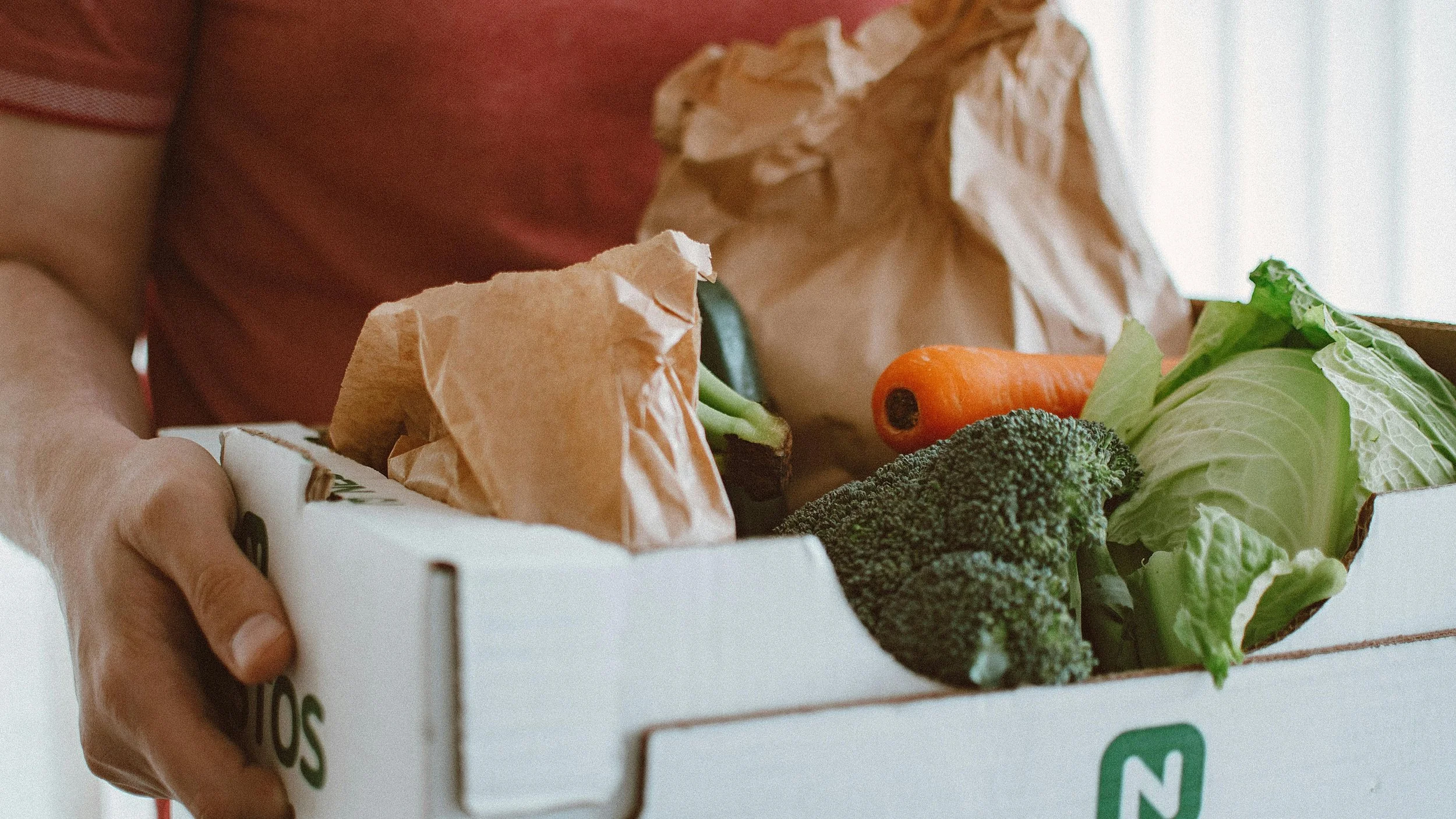
When most people cook, they decide on a recipe and then go grocery shopping for the ingredients. But for us, it’s the other way around. At any time, our walk-in refrigerator, freezer and dry storage may have thousands of servings of meat, pasta, beans, assorted veggies and more — and most often, it came from generous donors or was diverted on its way to the landfill. In fact, about 65 percent of the food we prepare in our kitchens comes from donations or recovery efforts. When it comes time to plan our menu for the week, we begin by taking stock of what we have and leaving room for any fresh ingredients that may be coming later in the week. This week, our first step is evaluating our protein supply…

Every Tuesday, a few of the fine folks from Porter Road Butcher pull up at the freezer behind our headquarters to drop off a weekly meat donation: usually some combination of ground beef, bacon, sausage and steaks. Always, they’re donating in quantities of hundreds of pounds at a time. If we’re cooking with meat, this is often where our meal begins. This time, we’re using ground beef!
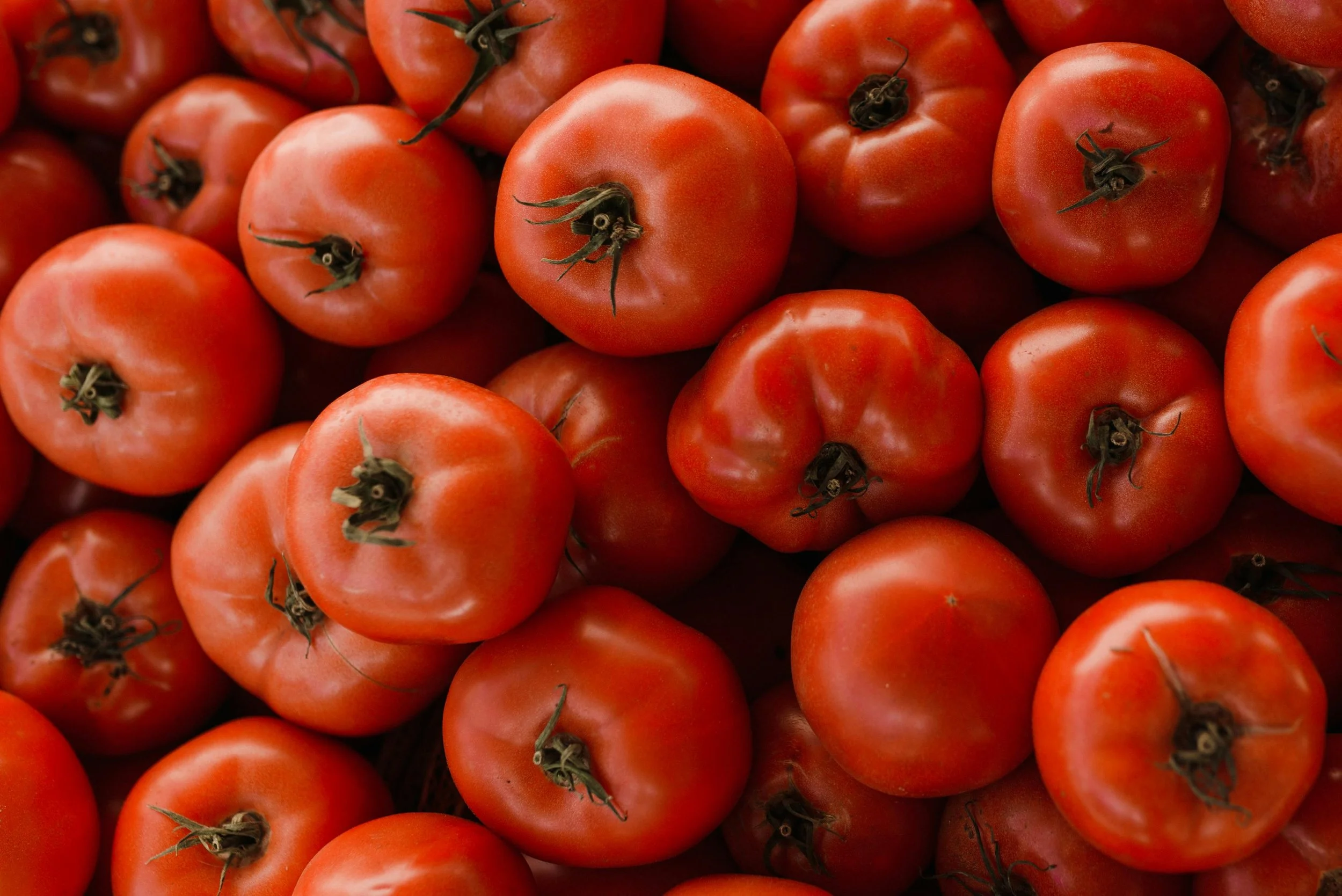
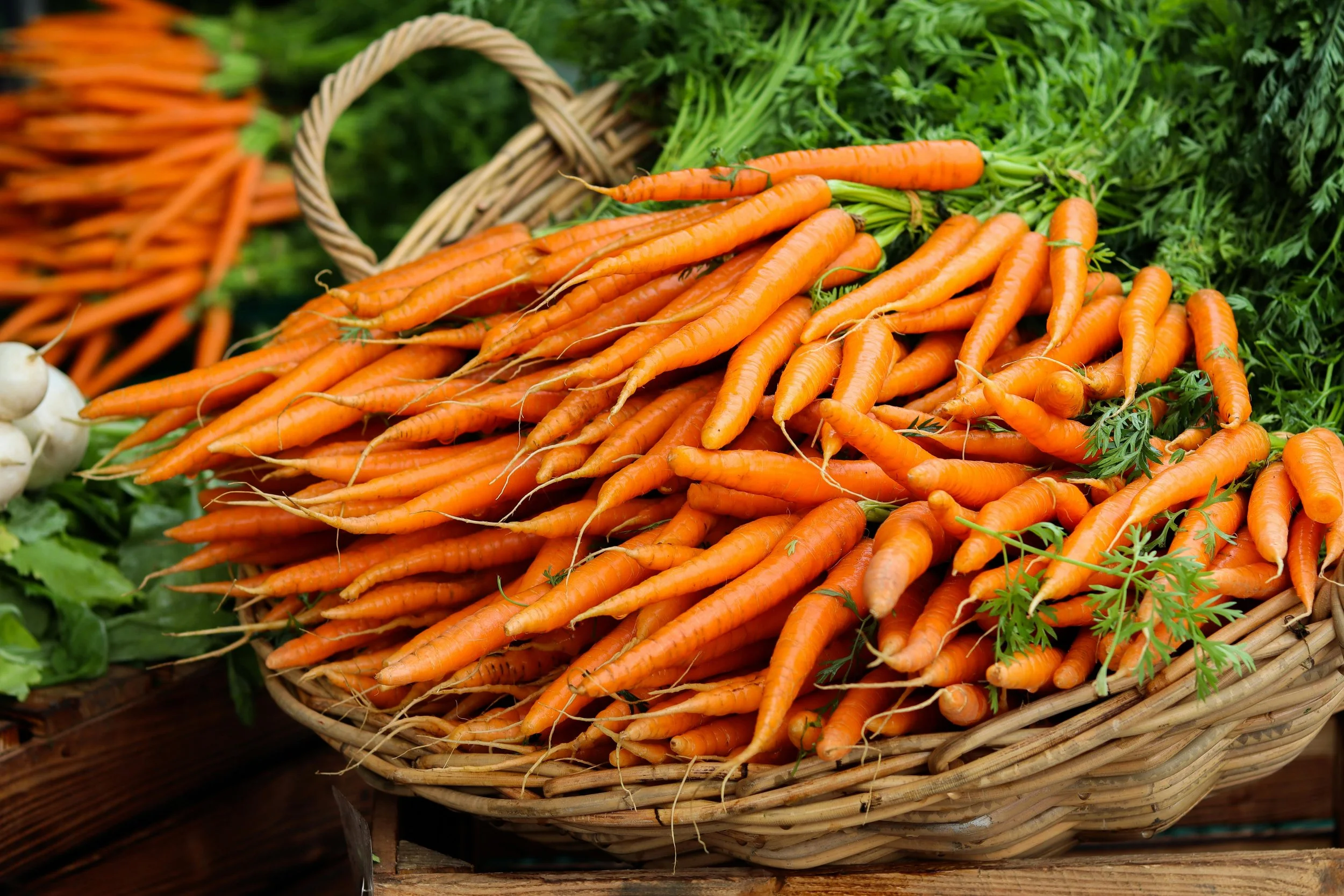
Then comes produce! For something like a beef lasagna, the vegetables we need are fairly basic — mostly tomatoes for the homemade marinara sauce. Besides, all meal recipients will get a veggie side; in this case, it’s a roasted veggie medley. During the summer and fall months especially, we often receive gracious donations from local farms with a bumper crop. These particular tomatoes came from Cul2vate and Bells Bend Farms, with a few cans of recovered Costco tomatoes thrown in to thicken up the sauce a bit.


We round it out with cheese recovered from Whole Foods and lasagna noodles donated by a recent local food drive. From there, we’re ready to start cooking!
Food Preparation and Assembly
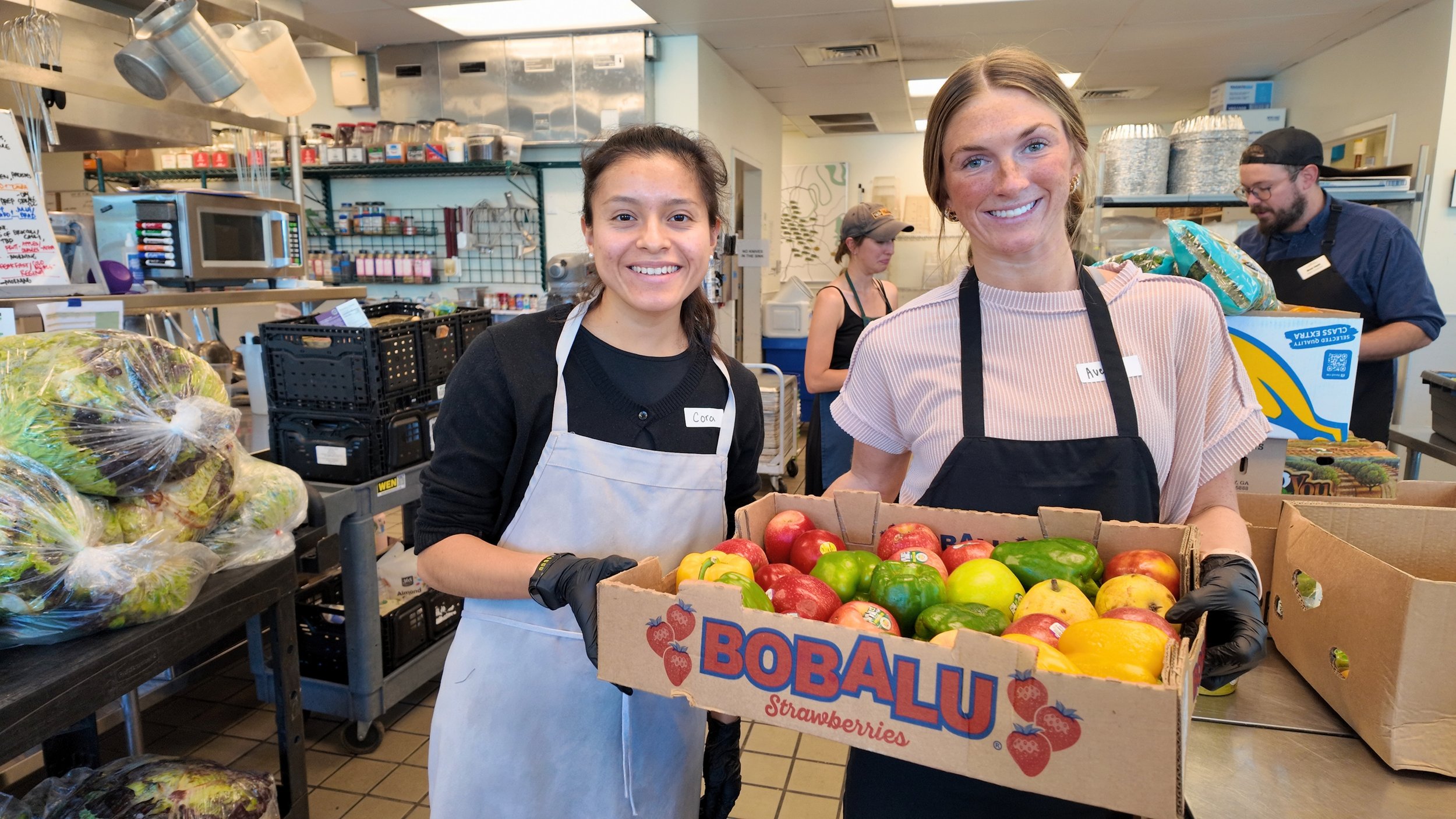
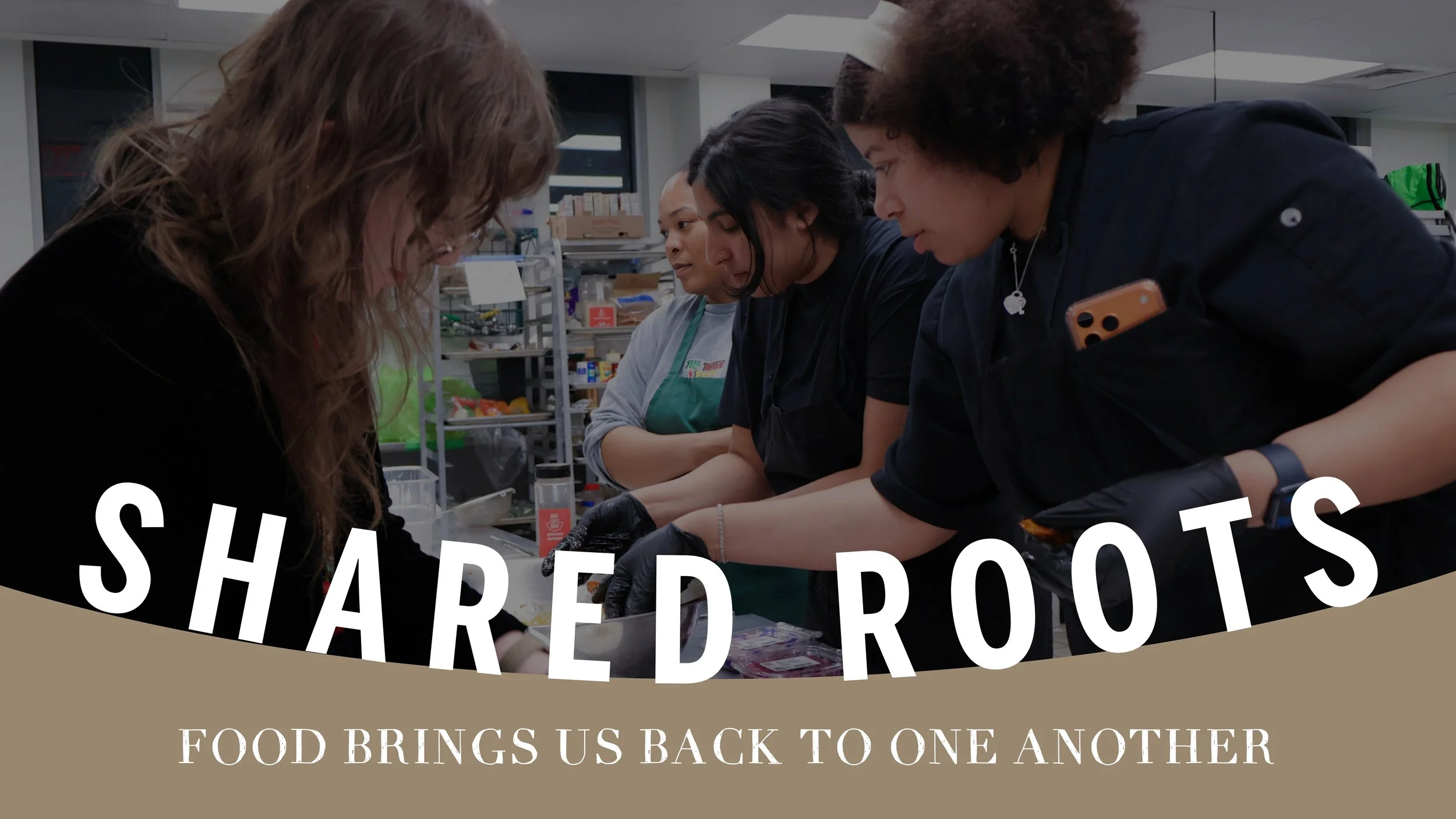
A huge branch of our volunteer program is processing donations. Usually, that means getting the bulk food that has been donated or recovered into manageable pieces for our kitchens to cook with. Whether a team of volunteers is chopping veggies or shredding chicken, there are always extra hands around here.
A few days before it was time to put together this meal, volunteers cut up huge chunks of cheese into easily meltable blocks. This ahead-of-time preparation makes it easy for our meals staff to get to work making cheese sauce! Meals Coordinator Bryan cooks off the beef and blends up the marinara sauce. At this point, everything is prepped and ready for assembly.
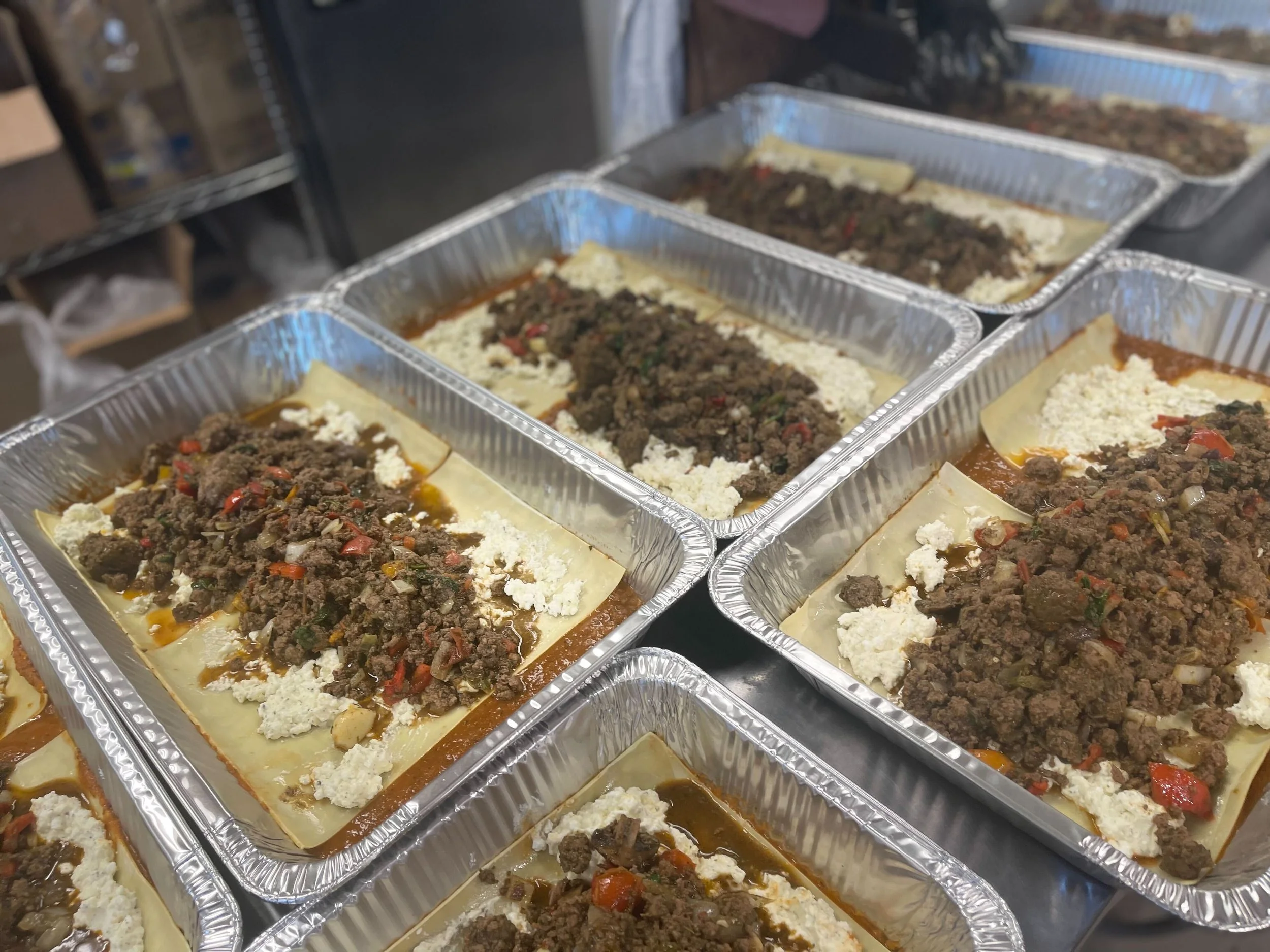
Food assembly is a little more detail-oriented and labor-intensive than processing, so the volunteer group that helps us put together our lasagna is one that has been around a while. Led by our friend Ann, this group of women comes in a few Thursdays a month to help us cook — a task almost always reserved for Food Project veterans. They do an amazing job!

Food Distribution and Delivery

We always prepare meals at least a day in advance. After this one is baked, it spends the night in our walk-in refrigerator and is reheated the following morning before our share team loads the vans and leaves for their meal distribution routes! Our food access partners include after-school programs, immigrant communities, homeless outreach organizations and so many others in Nashville.
We share this beef lasagna with the veggie roast and a portion of homemade applesauce with friends at Dismas House, Community Care Fellowship, FiftyForward, Project Transformation, Preston Taylor Ministries, the Martha O’Bryan Center, YWCA, Project Return and seven different after-school sites in partnership with the YMCA.
Once it gets to the sites, many more hands are involved in serving, eating and cleaning up after the meal. But that’s a story for another time…
A Spirit of Service
"What I love about these programs as we think about the spirit of service is these programs are built on the strengths of those who participate and not their deficits." - our founder Tallu Schuyler Quinn delivering her acceptance speech for the 2020 Alumna Spirit of Service Award at Harpeth Hall School. You can watch the full speech here, where we also offer our gratitude to Harpeth Hall for their recent donations helping us stock our pantry and provide nourishing meals in the community.

Our founder Tallu Schuyler Quinn took the stage recently at Harpeth Hall School to accept the 2020 Alumna Spirit of Service Award. She shared about her journey and our work at The Nashville Food Project including programs like Growing Together.
“What I love about these programs as we think about the spirit of service is that they are built on the strengths of those who participate and not their deficits. I think that's an important and extraordinary way for us to think about poor people. Those of us who haven’t grown up in poverty can often think about poor people as just what they lack. Many of these program participants, while they lack much in life because of an unjust economic system, have incredible strengths, knowledge and experience that contributes something really meaningful in our community. To me that’s such a core tenant in the spirit of service.”
It was a particularly special time, too, as the school’s students and parents also worked that week to raise funds and gather pantry supplies to help keep our kitchens stocked and our community fed. A spirit of service showing up in multiple ways!

During the drive—as well as one Harpeth Hall hosted in 2020—the Harpeth Hall community pulled together an incredible 2,300 pounds of often-used ingredients including cooking oils, stocks, beans, rice and other highly adaptable and fundamental building blocks to our meals.
“These ingredients can be used to add substance and nutrition to such a wide variety of dishes and really help take the edge off of our budget,” says Procurement Manager David Frease. “This frees the kitchen up to spend their resources on more fresh, high-quality produce and protein, adding more diversity to the meals they create.”

David finds some peace after sorting donations at The Nashville Food Project headquarters.
The latest drive also happened toward the end of the cooler months, a particularly lean time for us when the majority of our local farm partners go into hibernation and there aren't as many donations coming into the kitchen.
“The idea of the students rallying behind our cause in such great numbers is really incredible,” David says.

You can hear Tallu’s full speech from Harpeth Hall at the video below.
The Gift of Food: Our Top 4 Needs
We're often asked about our food donation needs in our kitchens, so we've come up with a list of our top four. Whether you're an individual, a congregation, a farmer, or a restaurant... all of these gifts, both big and small, work together to make our work possible.
Here at The Nashville Food Project, we strive to share the freshest, most nutritious meals possible with our community. We wouldn't be able to do this without the incredible support of so many friends, volunteers, neighbors, and partners who first share with us - in so many creative ways!
We're often asked about our food donation needs in our kitchens, so we've come up with a list of our top four. Whether you're an individual, a congregation, a farmer, or a restaurant... all of these gifts, both big and small, work together to make our work possible.
1. Healthy Pantry Staples
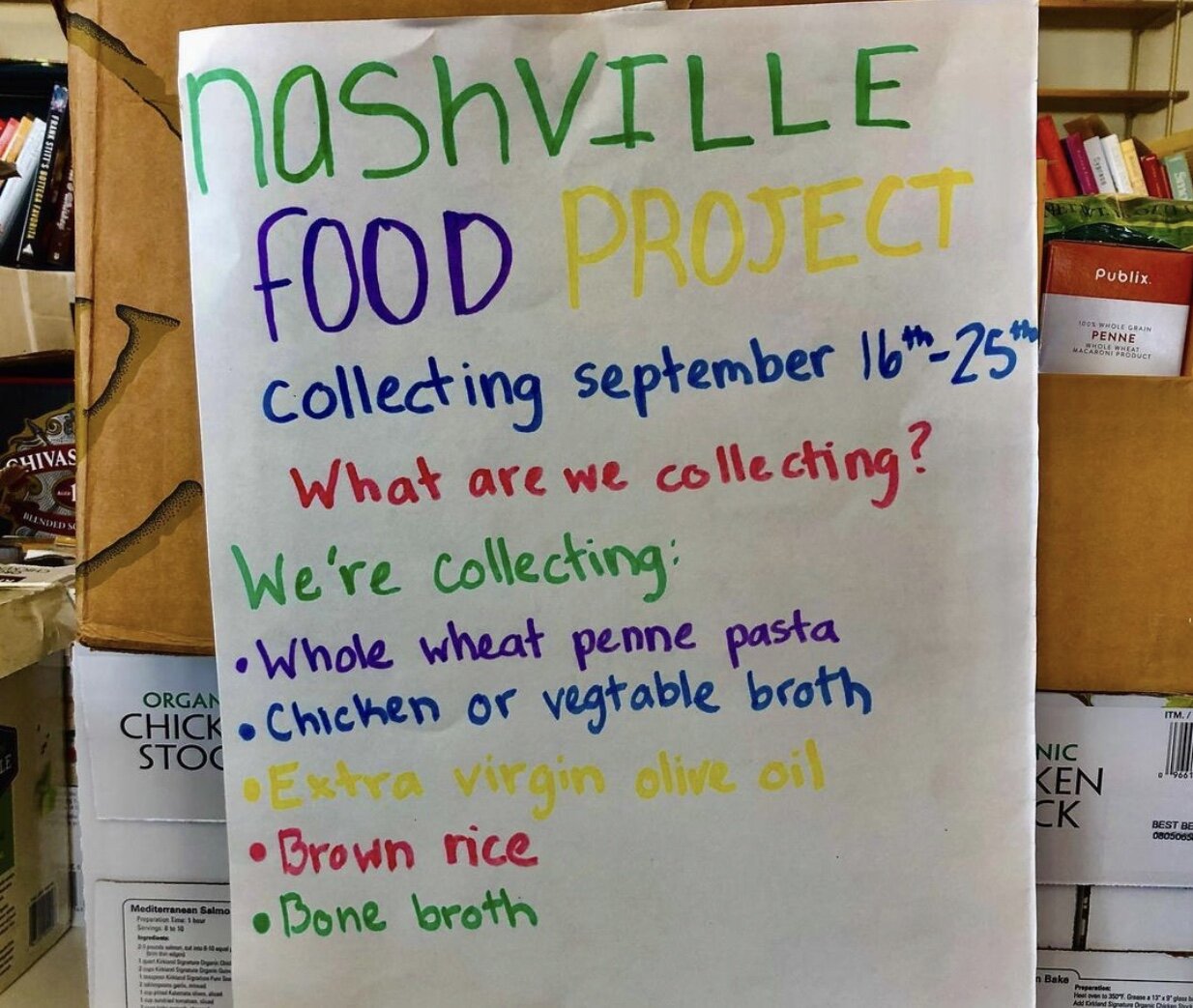
Shop Our Amazon Wish List

We're keeping a running list of healthy pantry staples often used in our meal preparation, along with items needed for our garden program, on our Amazon Wish List. You can shop online and have it mailed to our address (3605 Hillboro Pike, Nashville, 37215) - or if you see any of these items at the store and think of us, feel free to pick those out and drop them off with us in person. Gift cards to grocery stores are also welcome and appreciated!
2. Extra Virgin Olive Oil
Host A Drive

Yes, olive oil is a pantry staple... but it's so important to our kitchens it gets its own shout-out! Volunteer-organized food drives regularly help fill our pantry. Lately, we've been encouraging groups interested in hosting a food drive with friends, co-workers or faith communities to collect extra virgin olive oil. If you're interested in hosting an olive oil drive, contact Booth Jewett at booth@thenashvillefoodproject.org to let us know and to confirm details.
3. Fresh Produce
Share Your Harvest

Fresh fruits and vegetables are VITAL to our meals. Whether your harvest is large or small, from a home garden or a farm... we're excited! Call our office at 615.460.0172 to let us know you'd like to donate and confirm a good time to drop off. If schedules allow, we can pick up produce donations of at least 75 pounds within 15 miles of our office in Green Hills.
This year, we're also beginning to purchase 'seconds' from local farms! If you're interested in learning more, contact our Food Donations Coordinator, Booth at booth@thenashvillefoodproject.org.
4. Meat
Become a WASTEless Partner

Meat is one of our most costly food budget items, and we rarely have it donated. This year, we're seeking out partners interested in donating proteins on a regular basis. In particular, we're piloting providing food preservation equipment to a small number of Nashville-area restaurants, or "WASTEless partners", to facilitate regular donation of meat trimmings. Are you, or do you have a connection to, a restaurant or organization that could become a regular meat donor? We'd love to talk! Email booth@thenashvillefoodproject.org.
Salmon Cakes
Much of our food recovery efforts are through ongoing Food Donation Partnerships with local grocers, farmers, markets and restaurants. Every day, we’re astounded by the generosity and creativity of these partners…
Much of our food recovery efforts are through ongoing Food Donation Partnerships with local grocers, farmers, markets and restaurants. Every day, we’re astounded by the generosity and creativity of these partners in support of our mission to alleviate hunger and cultivate community.
A great example is our partnership with our neighbors at Green Hills Grille. On their menu is an incredible salmon filet served as a square portion. The restaurant cuts off all of the trimmings, but instead of just throwing them away, they freeze them and drop them off with us each week. We cook them up and use them for meals like our delicious salmon patties, an all-around favorite at our meal sites! Try it out for yourself with the recipe below.


TNFP Salmon Cakes
Makes 50-60 cakes
Ingredients
12 lbs poached salmon
Olive oil
3 c mixed color bell peppers, very small dice
2 c celery, very small dice
1 c chopped parsley
5 T capers
1 T hot sauce
2 T worcestershire sauce
1/4 c Old Bay
10 c bread crumbs
4 c mayo
3 T dijon
6 eggs
Directions
Preheat oven to 375 degrees. Saute diced vegetables until soft. Allow to cool. Add to gently flaked salmon. Mix remaining ingredients and add to salmon mixture. Season with salt and pepper to taste.
Portion in 3-4 oz servings about the size of a deck of cards. Shape and place on lightly oiled baking sheet, spray tops lightly with additional oil. Bake for 10-15 minutes until firm and lightly colored. Alternatively, pan fry in olive oil for 2-3 minutes on each side until golden and crusty.
Our Apple Guy
Earlier this year, a kind and generous member of our community reached out to us with an unexpected, creative idea. Joe Hodgson had learned about the work we are doing to cultivate community and alleviate hunger in Nashville and wanted to get involved.
Earlier this year, a kind and generous member of our community reached out to us with an unexpected, creative idea. Joe Hodgson had learned about the work we are doing to cultivate community and alleviate hunger in Nashville and wanted to get involved.
Joe has a love for apples, particularly heirloom varieties of apples that are hard to find in grocery stores. As he nears retirement and prepares to turn over his landscape architecture business, Joe says he wants to put his love for apples and fresh food into action! He's in the process of purchasing land near the Cumberland Plateau, where he plans to plant an orchard and donate the apples to The Nashville Food Project.

But in the years leading up to the production of this orchard vision, Joe has made a commitment to visiting a local family orchard on the plateau and buying apples that he then donates to our kitchens, landing him the affectionate title of “our Apple Guy” around here. Joe’s generosity is extraordinary! Fresh fruit is one of the most expensive things that we regularly buy for our meals, and it is rarely donated. In both of our kitchens, we try to include fresh fruit with most of our meals.
Joe’s creative donation has brought more innovation into our kitchens! With just one recent donation, our volunteers have already made these delicious, nutritious treats:
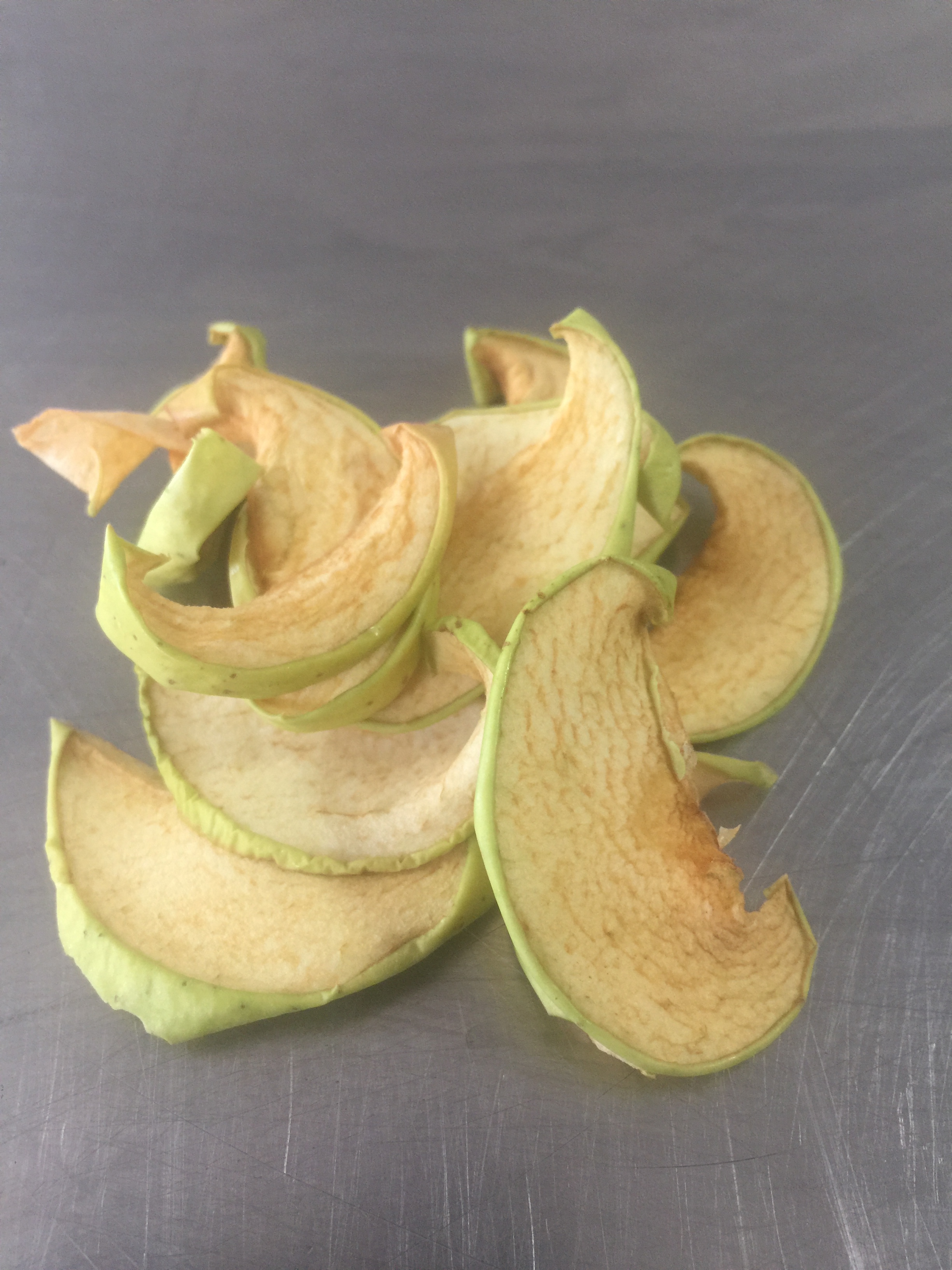
Dehydrated Apple Slices
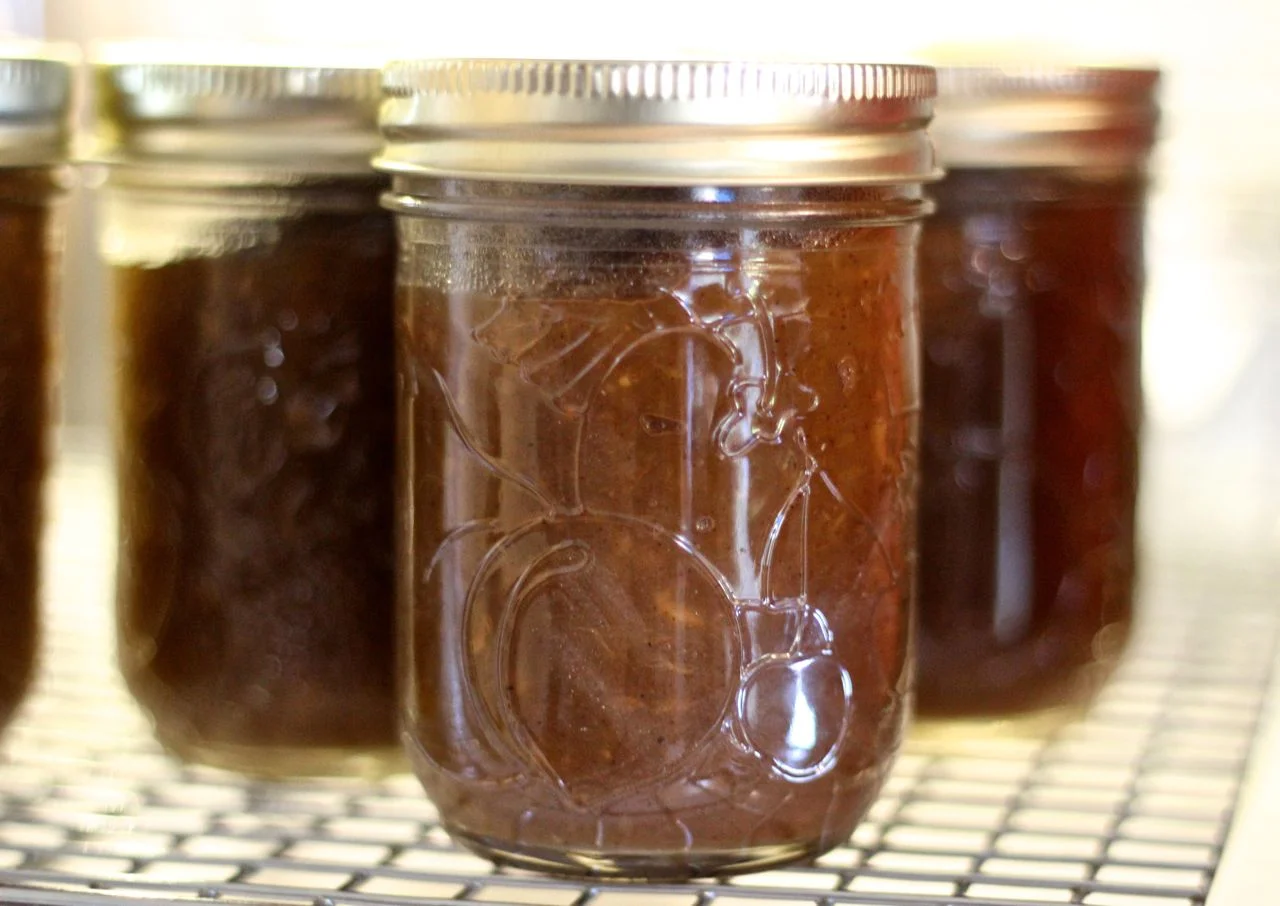
Apple Butter

Apple Sauce

Apple Pie
We send a big thanks to Joe, our Apple Guy, for the incredible, creative way he is supporting the work of The Nashville Food Project!
Partnering With Our Farmer Friends
The Nashville Food Project’s work to grow, cook, and share is supported by a list of food donating partners, many of them local farmers and growers. On the blog today we want to introduce some of our farmer friends and tell you more about our partnership with each…
Grow, cook and share. These three activities anchor our mission at The Nashville Food Project. The work of all three is connected, and when done in ways that intentionally bring people together, as our organization aims to do, this work has the power to create real and lasting change in a community.

The Nashville Food Project’s work to grow, cook, and share is supported by a list of food donating partners, many of them local farmers and growers. On the blog today we want to introduce some of our farmer friends and tell you more about our partnership with each:
Bill and Mary Ruth Lane, Lookin' Up Farm
Bill and Mary Ruth Lane at Lookin’ Up Farm are longtime supporters of The Nashville Food Project. They have been donating their fresh produce to our meals program for five years, but beginning early summer 2016, we began to explore how we could better support their work and begin a true partnership.

Now, once each month, Food Donations Coordinator Booth and a team of volunteers head out to Bon Aqua, TN to volunteer at the farm. There, Bill and Mary Ruth have a 150’ x 150’ garden, as well as many fruit trees, from which nearly all of what is grown is donated to The Nashville Food Project and other local nonprofits serving low-income communities. Booth and the volunteers help with weeding, planting and harvesting, and they bring harvested food back to The Nashville Food Project to be incorporated into our meals. Lookin’ Up supports our meals with a great variety of produce. Highlights include:
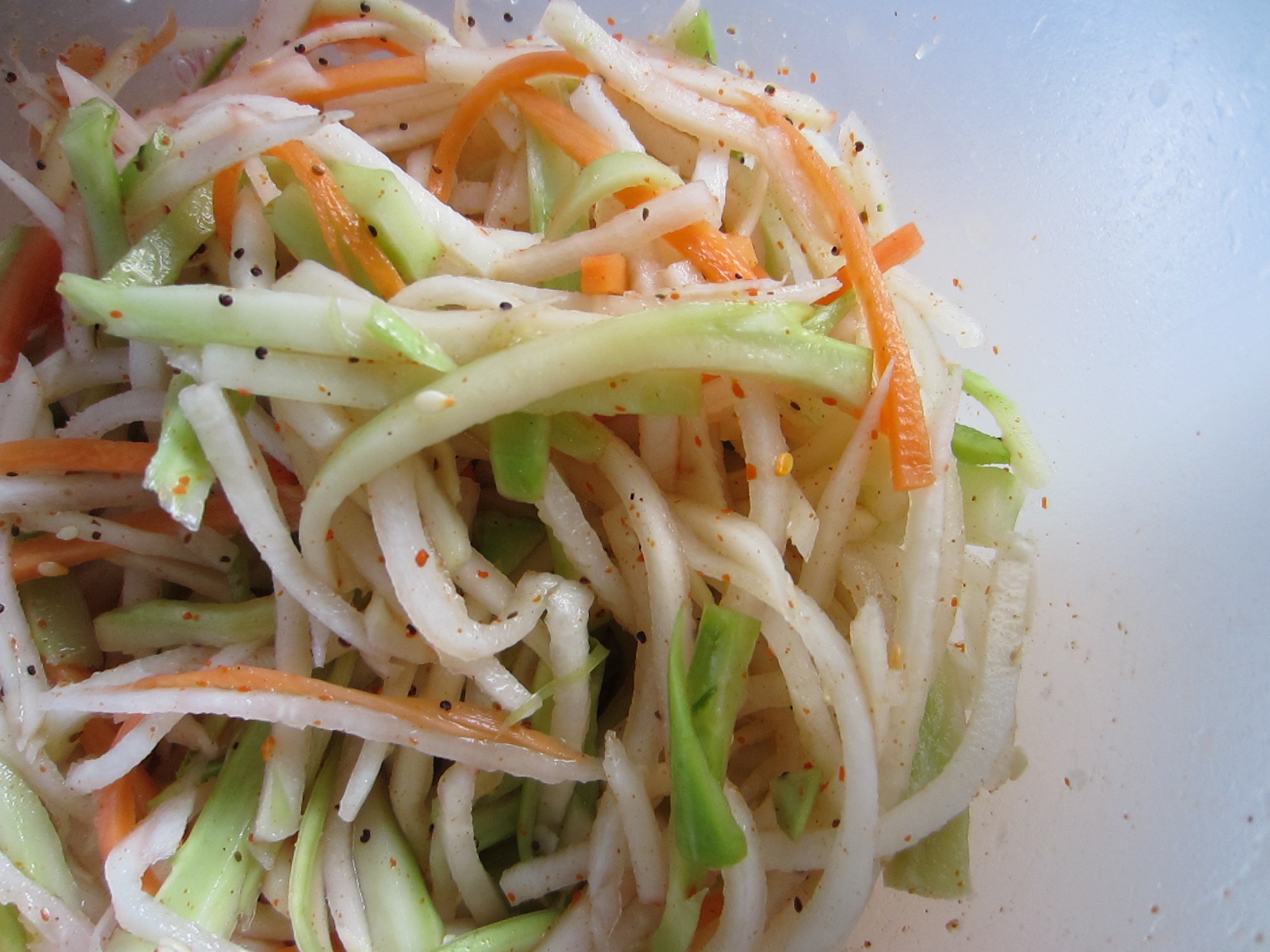
SO MUCH KOHLRABI SLAW!

PEARS! We made pear butter, pear bakes, pear slices for snack, etc.
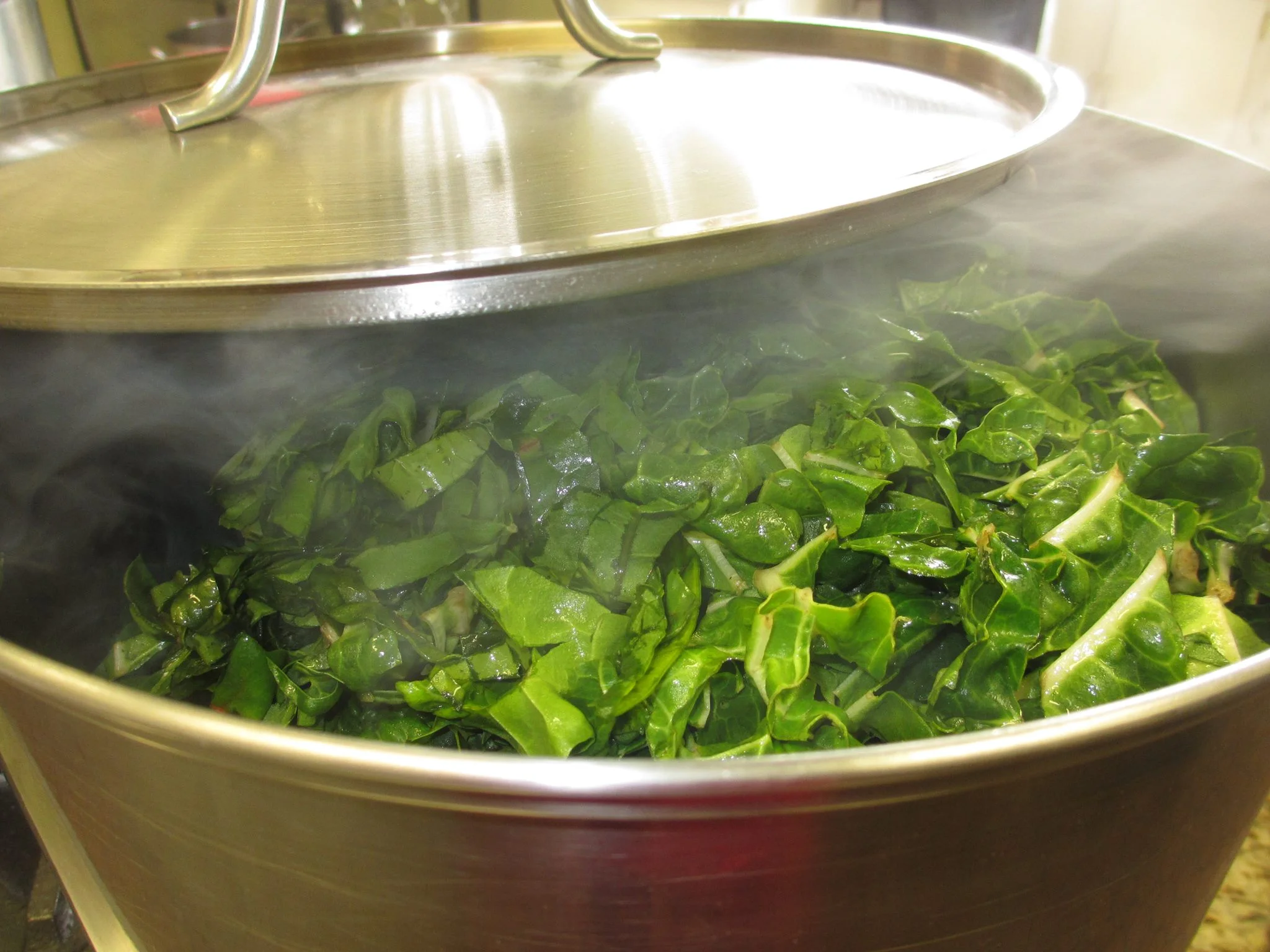
Greens! A favorite at several of our meal sites.
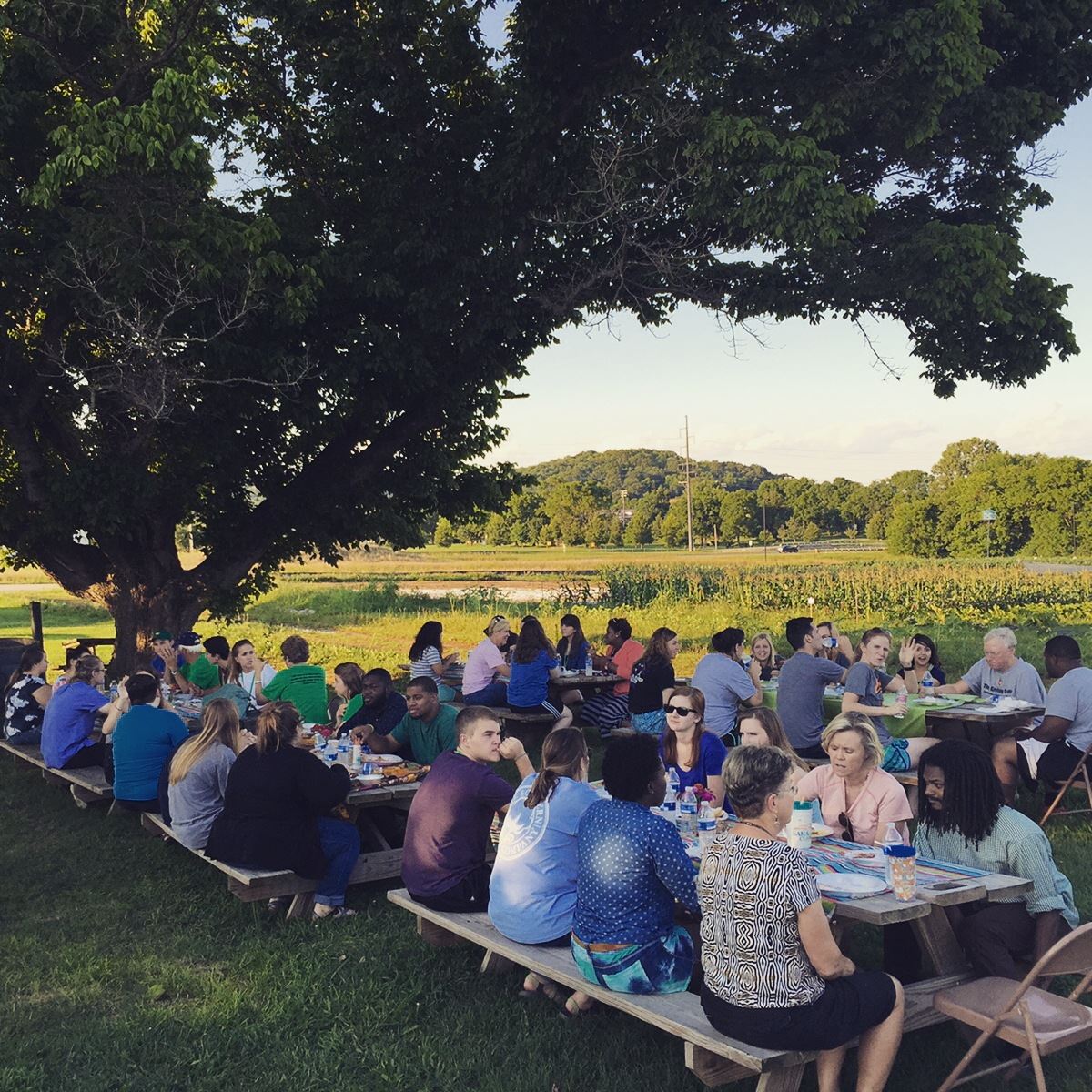
The Giving Garden
Started by Franklin First United Methodist Church, the folks at The Giving Garden grow food on the land that will eventually become the church’s new home. They have plenty of land to share and now have a group of dedicated volunteers who farm that land and give away 100% of what they grow to people and organizations who value fresh produce and serve people in need. We’ve helped connect their volunteers with incredible organizations to receive some of this food, and they have donated beautiful over-wintered spinach and other produce to our meals program.

Hank Delvin & Crew, Delvin Farms
This summer alone, longtime food donor Hank Delvin and the folks at Delvin Farms have donated thousands of pounds of Yukon gold potatoes, watermelons and yellow squash. As they’ve ramped up their food donations, we’ve also stepped up our support of their work. In fact, we have an upcoming opportunity for you to get involved!
We’ll be at Delvin helping out Hank and the gang later this week on Thursday, October 20th. They are swimming in green beans and told us that we could have anything that we could pick. We don’t turn down an offer like that! We’ll blanche them, roast them and incorporate them into casseroles! If you’d like to help out, please contact Booth at booth@thenashvillefoodproject.org.

Holy Canola Oil!
If you haven't met loyal TNFP volunteer and board member Judy Wright, then you are missing out! Judy cooks regularly in our kitchen and she shares with us so many great recipes (Judy's Mom's Meatloaf, anyone?) and tips for the kitchen and garden. Judy regularly shares her impressive knowledge through her blog at JudysChickens.org, and periodically we'll be sharing some of those posts. Today we've got a great post on how canola oil is made, featuring one of TNFP's newest food donation partners Solio.
Last April, I wrote a story about the gorgeous yellow fields of canola that were growing along I-24 in Cadiz, Kentucky. You can read all about it and see the photos here.

This is Part 2 of that story. The part where after seeing a dramatic increase in the number of yellow fields from the year before, I called the plant manager at the AgStrong Canola and Sunflower Seed Processing Plant in Trenton, Kentucky and asked, What gives? Why are we suddenly seeing yellow everywhere? When he started to explain, I realized I had a lot to learn and asked if I could drive over to meet him and get a tour of the plant. An hour later Mark Dallas was giving my husband and me a tour. Not exactly the way I thought my day would turn out, but I do love a good backroads detour.
As background information, can-o-l-a oil, or “Canada-oil-low-acid,” is made from crushed canola seeds. These seeds are about the size of poppy seeds. Even having seen how canola oil is extracted from the seeds, I still shake my head in disbelief that anything that small could produce so much of something as useful as cooking oil.
A very short botany lesson about plant reproduction:
Flowers have one job, and one job only: to induce reproduction. To that end, flowers that are fertilized will make seeds. Those seeds will make new plants. That the plants grow and produce tasty fruits, vegetables, and kitchen staples like canola oil, is bonus. Those fruits of the plants are just ripened ovaries full of seeds. Their flesh is sweet so animals will eat them and disperse the seeds in their travels. Tree nuts work in the same way; Mother Nature is counting on squirrels to bury the nuts and thereby assure there will be more trees in the future.
Back to canola flowers and seeds. Like winter wheat, canola is planted in the fall, sprouts then go dormant in the winter and perk up again in early spring. It flowers in mid-April, and the seed pods are harvested in mid-June. Farmers like to grow winter wheat and canola because then they can double-crop their fields, meaning there is time left in the warm months to raise another crop, such as soybeans, in that same field. By comparison, in most northern climates, there’s only time to grow one crop like wheat or canola.
The photo on the left was taken from a stem of canola flowers on April 17th. The photo on the right was taken on June 12th, just a few days before the pods were harvested by the combines I wrote about in this article.


You may have seen similar seed pods develop in your own gardens if you ever let broccoli or bok choi plants flower and “go to seed.” If you look closely at the flowers below, you can see the early development of seed pods. They look like little spikes. Canola is in the same Brassica family as bok choi and broccoli.

The next photos are of fully mature canola seed pods that I dissected at home to release the seeds within. You can see how small these seeds are. It’s amazing to think cooking oil is extracted from them.


AgStrong contracts with local, family-owned, farms to plant nonGMO canola seeds in their fields. NonGMO means the seed’s genetic material has not been manipulated in a laboratory through genetic engineering to make it more disease or insect resistant. A few other tidbits I learned about growing canola: canola has a 5-6 inch tap route which acts as a natural tiller in the soil, and canola brings in $8.10/bushel compared to wheat’s $5.25/bushel.


Here is a photo of the canola oil processing plant in Trenton, KY.
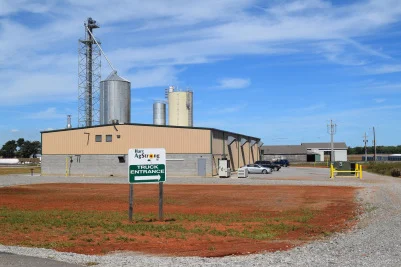
It takes a lot of seeds to make canola oil and these fifty-foot silos are full of them.

This is what the inside of one of those silos looks like.
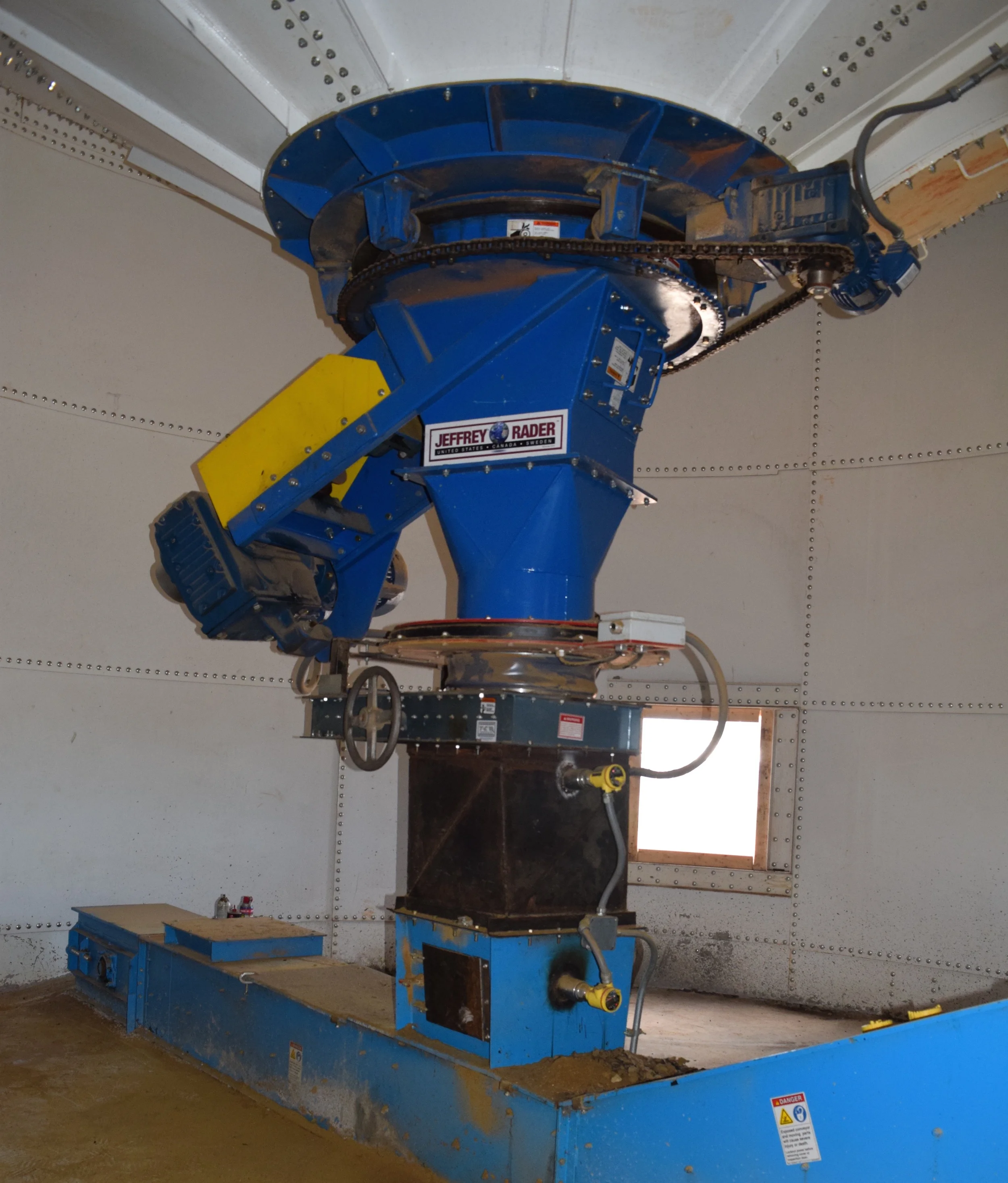
The first stop on the tour was the long silver cylindrical oven used to warm the seeds to no more than 120º. Warming the seeds made them easier to press. The low oven temperature kept the process in the category of cold-pressed. The blue conveyor belt brought the warmed seeds to a machine that cracked the hard outer shells.

Next stop was the seed crusher. This was where the magic happened. This machine crushed the seeds and expelled the golden canola oil into the blue well. The oil will still need to go to an offsite refinery before it can be bottled.
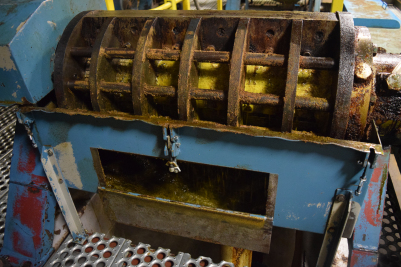
Here was the residual seed meal as it dropped onto a conveyor belt.

This meal was delivered to the green machine for a second pressing to remove the last traces of oil. At this plant, there are no chemical solvents, like hexane, used to extract these last drops of oil. That’s where the expression “all natural expeller press” comes from.
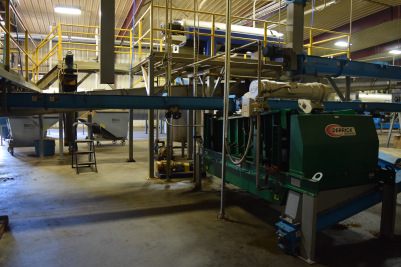
Here’s the residual meal as it came off the conveyor belt after the last of the oil had been pressed from it. The meal is used to feed livestock.

This is the transport room. It’s where the seeds, collected from farmers, are gathered and delivered to the silos for storage. And later, after pressing, where the extracted oil is weighed and distributed, via trucks, to be delivered to Georgia for the final refining process and …

bottling. You can find Agstrong’s Solio Canola Oil at Whole Foods stores.

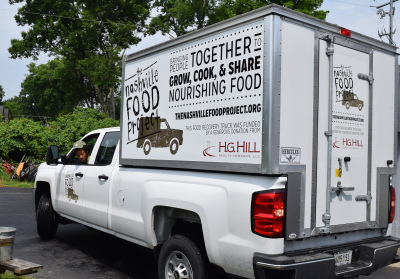
But the story doesn’t end there. As a volunteer chef and Board member of The Nashville Food Project my antennae is always up for opportunities for food donation and food recovery. Canola and olive oil are two expensive staples we use in abundance at TNFP. I asked if Agstrong would consider partnering with us and donating their locally grown and manufactured Solio oil to TNFP, which they have graciously done. Here was the Plant Manger, Mark Dallas, donating a 35-pound container of oil to TNFP, on the spot.

And that’s how this one little detour ended up providing cooking oil for TNFP whose mission is “Bringing people together to grow, cook, and share nourishing food with the goals of cultivating community and alleviating hunger in our city.”
The story, however, didn’t end there, either. I happened to “pull” a few young canola plants from the side of the road last April to plant in my vegetable garden, so I could watch and learn how these plants matured to the seed stage. Once the plants produced seed pods and dried out, I was pleasantly surprised to walk out to my garden one day and see my chickens poking their heads through the chicken wire and eating the canola seeds.


Looks like Agstrong’s byproduct of meal for livestock was a winner.
Thanks to Mark for the tour and to Mike McAdaragh, Agstrong’s Crop Development Specialist, for personally delivering canola oil to The Nashville Food Project.
A note to readers:
Thank you for reading my blog! Please consider subscribing by pushing the FOLLOW button. If you are reading this post on a laptop, the FOLLOW button can be found in the sidebar on the right side of the page. If you are following on a mobile device, you’ll need to scroll down a few posts to get to the FOLLOW button. If you do sign up, please be sure to complete the next step of checking your email for a confirmation letter that requires you to push one more button.
You can also follow me on Instagram: @JudysChickens
The best way to show any blogger you enjoy their posts is to write comments, share their posts and become a follower.
Thanks for following my blog! Judy
Reblogged from JudysChickens.org © 2016 Judy Wright. All rights reserved.
Meatopia is a Wrap!
Last week we had one of our largest gleaning opportunities of the year -- a meat conference at the Gaylord Opryland Convention Center -- an event we have fondly been referring to as “MEATOPIA”. We rescued a grand total of 11,000 lbs of meat from this event -- what will be used for many months to feed our community…
by Food Rescue Coordinator Christa Ross
I am generally amazed at the amount of time it takes to put out just one of our many meals. Of course there’s the prep time, the cook time, the drive time, and all of the logistics. All of these things, in themselves, take time, planning, and implementation.
But upwards and above all of these basic things that make up a meal, our mission incorporates the use of rescued and donated food as a central ingredient. Keeping down costs means more, high quality meals going out to our communities. It also means less food waste heading to the landfill. I love this idea -- in the midst of our societies abundance, as we are surrounded, out of sight, by the hungry and under represented, all food should play a part in feeding our community.
Last week we had one of our largest gleaning opportunities of the year -- a meat conference at the Gaylord Opryland Convention Center -- an event we have fondly been referring to as “MEATOPIA”. We rescued a grand total of 11,000 lbs of meat from this event -- what will be used for many months to feed our community. What an amazing gift.
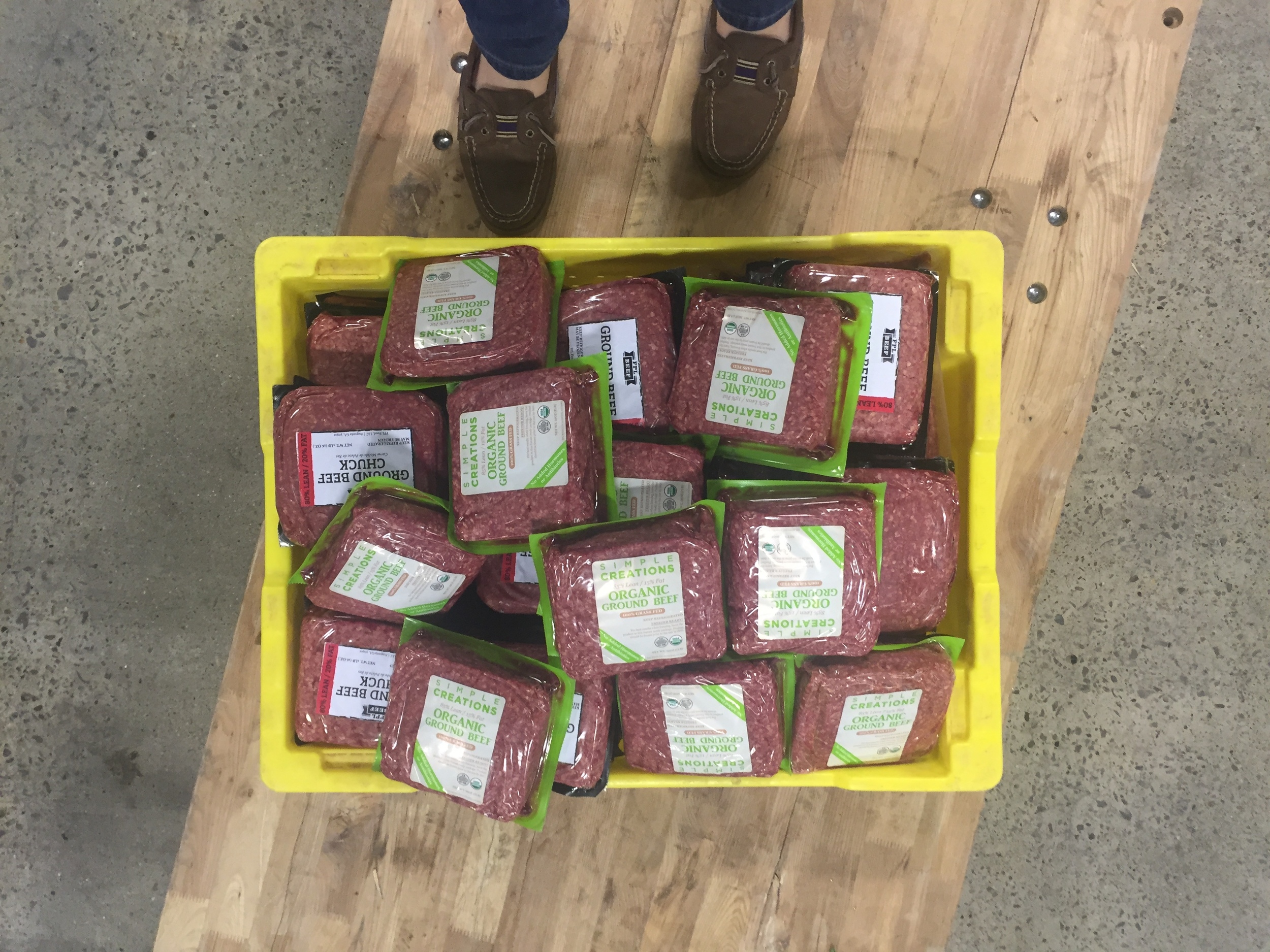
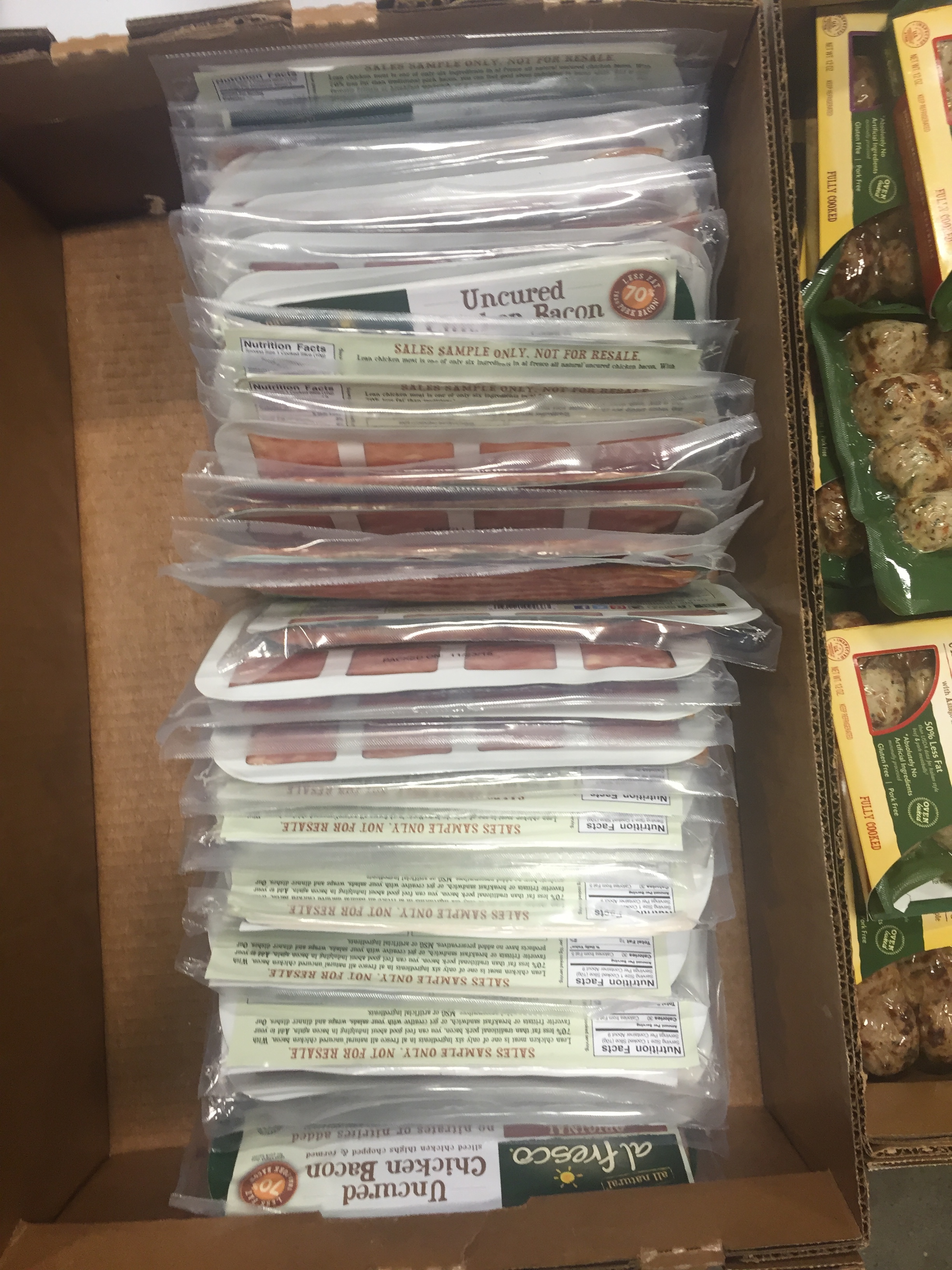
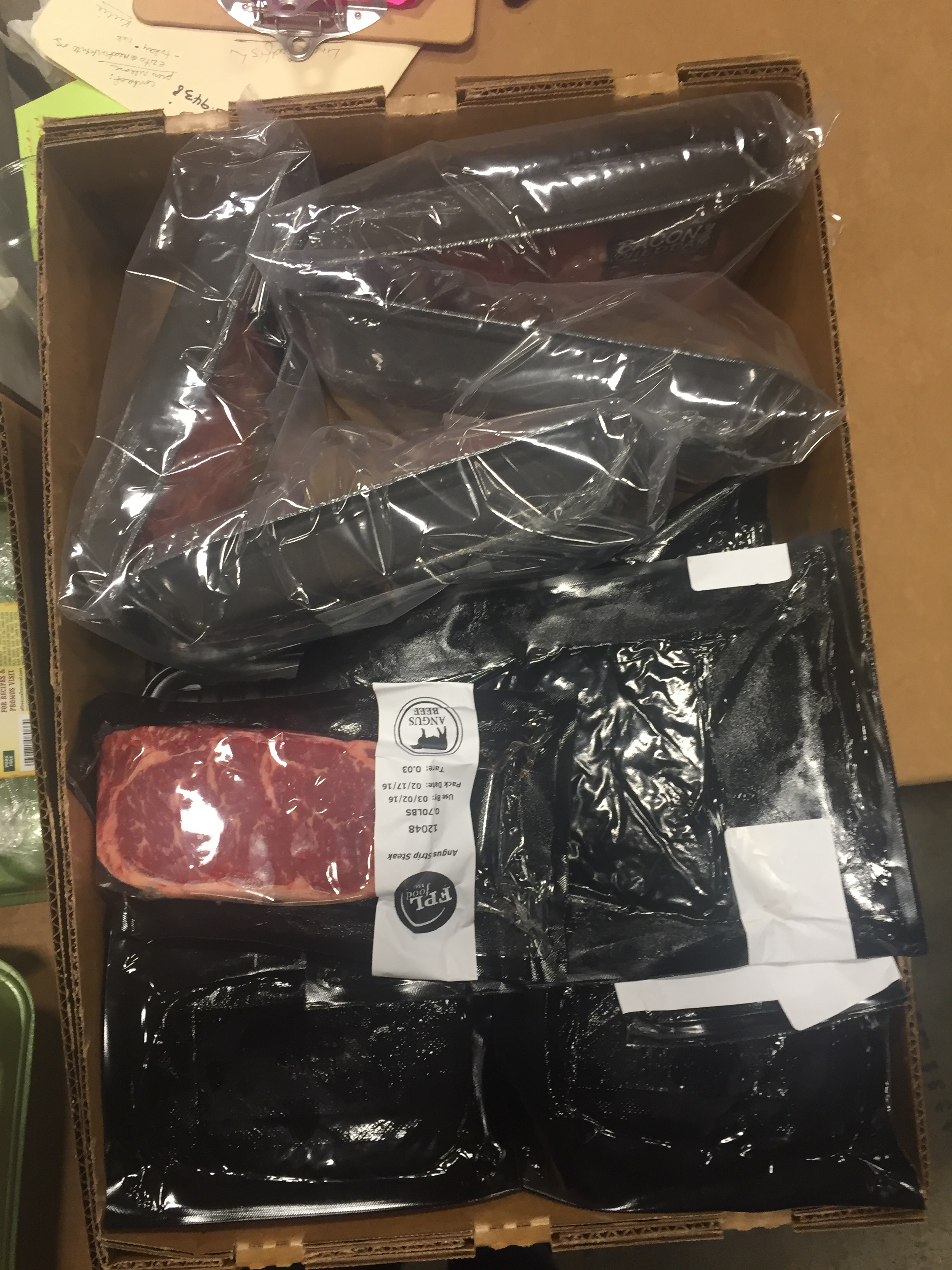
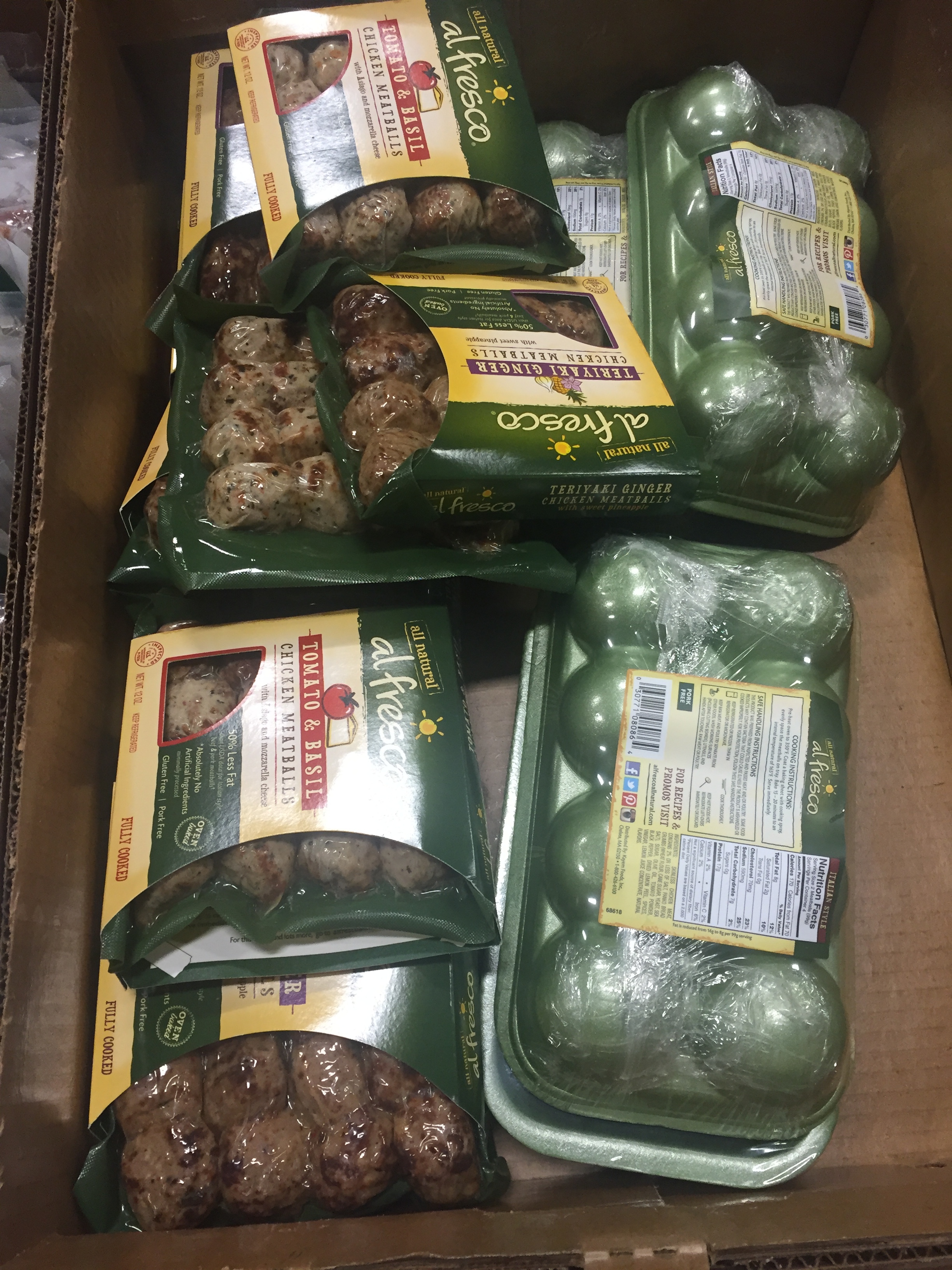
The planning for this event included many meetings and emails, volunteer wrangling, one of the most intricate colored duct-tape inventory systems I’ve ever seen, and a truck load of wax boxes. We also pulled together 5 trucks for hauling the meat and ended up filling two walk in freezers (stacks of boxes everywhere) and three pallets full stored in a warehouse freezer.

The evening starts with a massive room full of displays like this one. We send teams around the room collecting all of the meat and bringing it back to our staging area to be sorted and transported to our kitchen.

Here's where the duct-tape comes in. All of the meat gets sorted - chicken with chicken, beef with beef, bacon with bacon (and there's a LOT of bacon) - and then loaded up in our refrigerated truck and other volunteer vehicles to be taken back to our kitche.
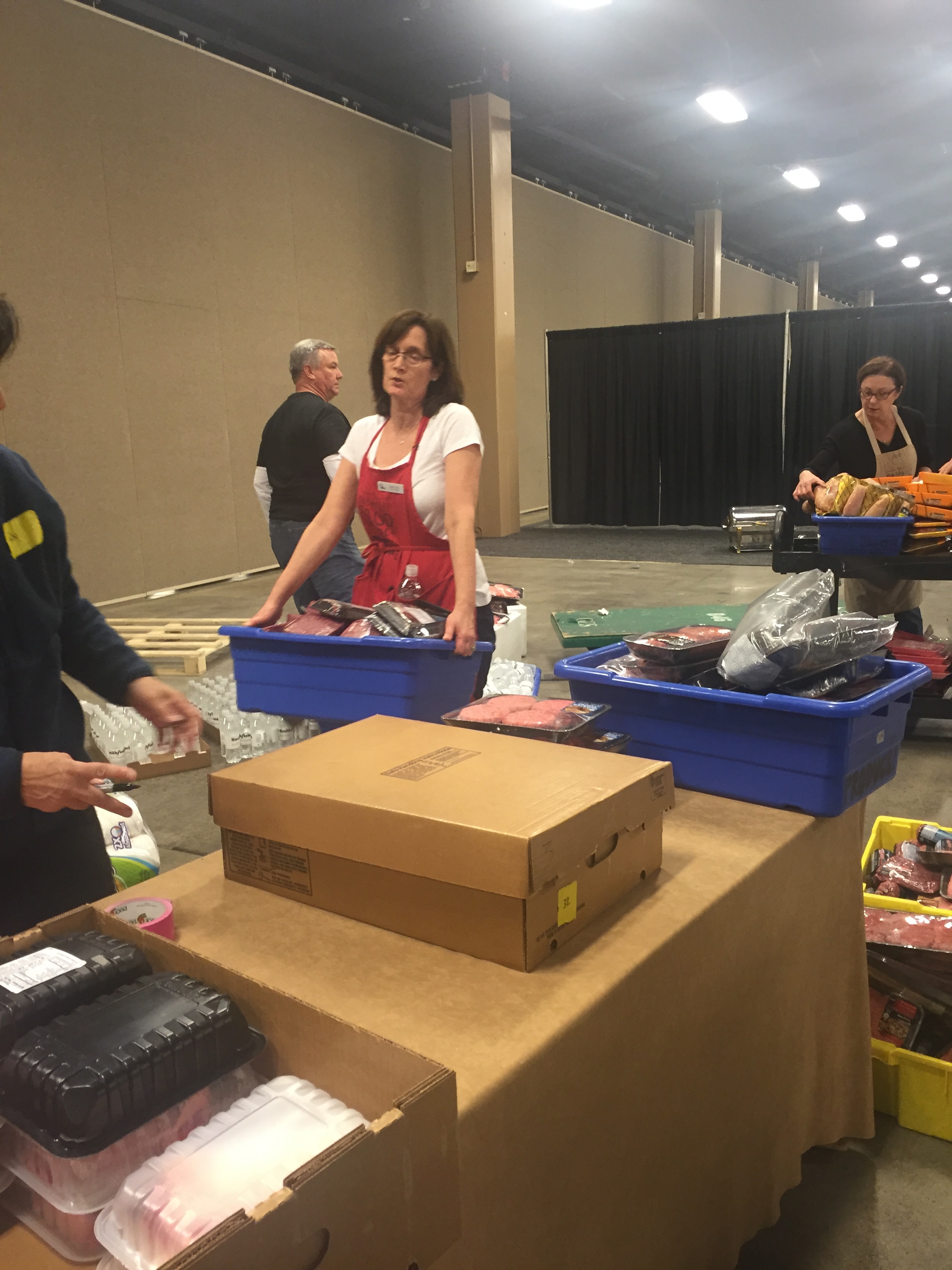
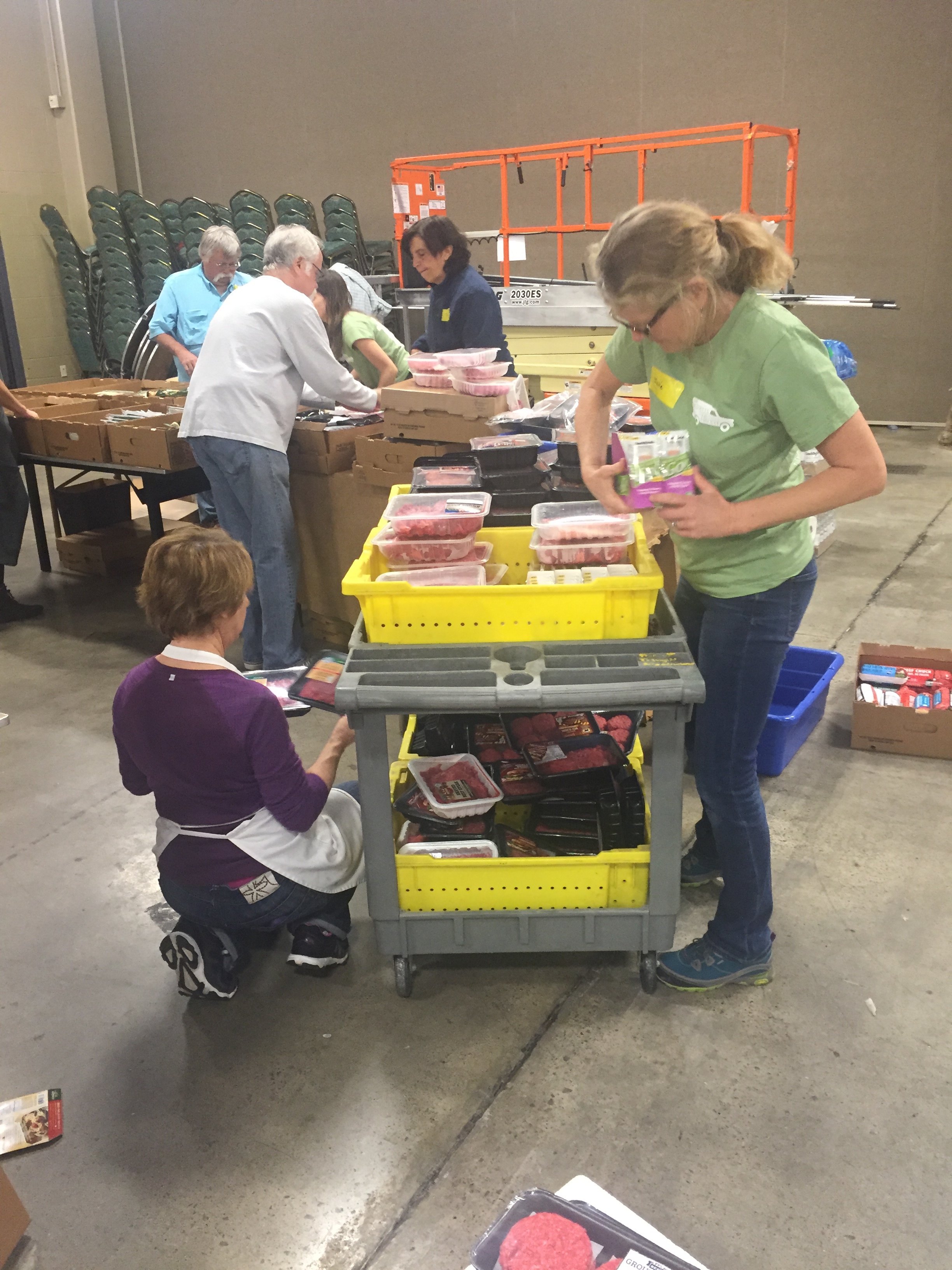
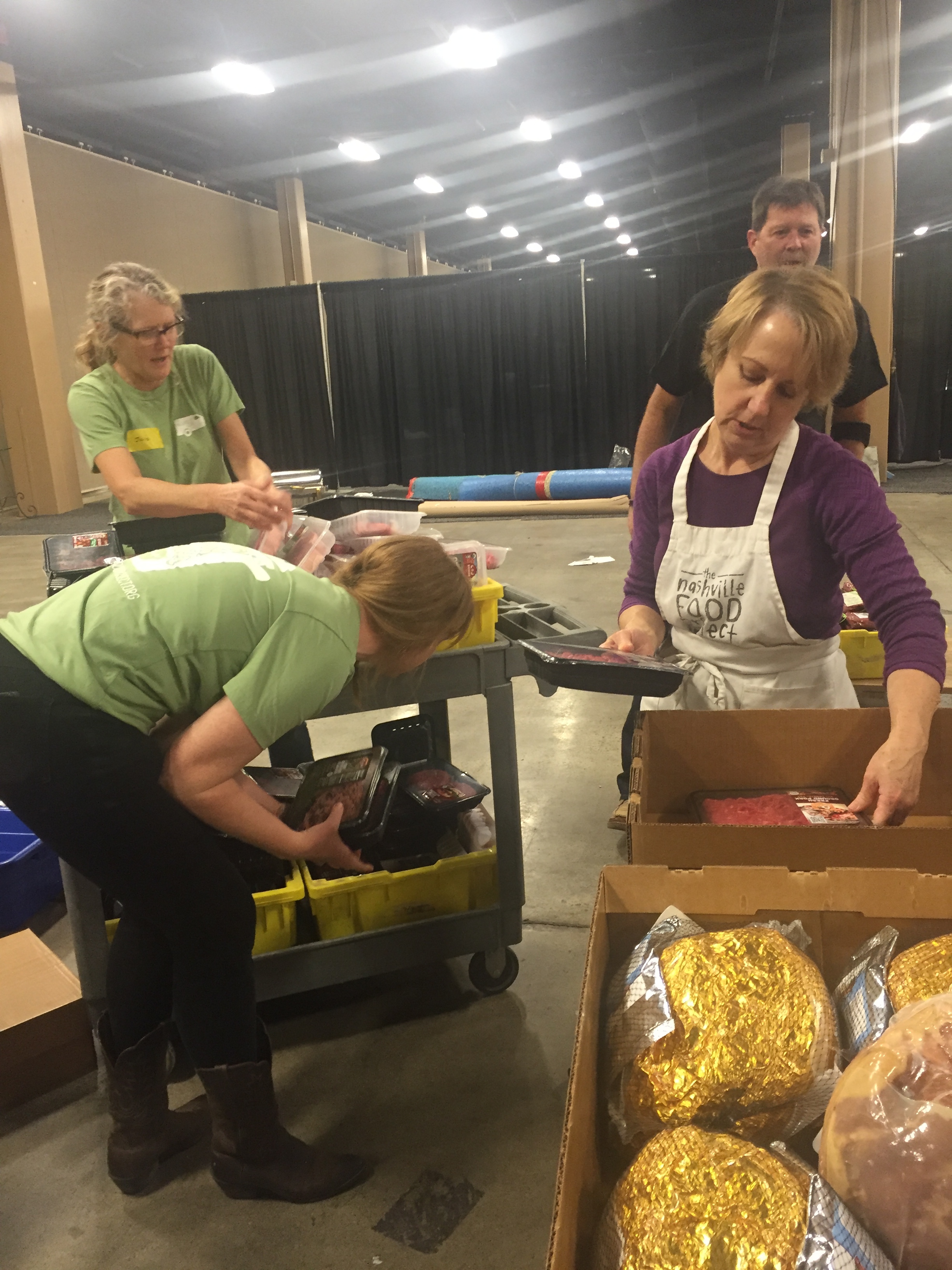
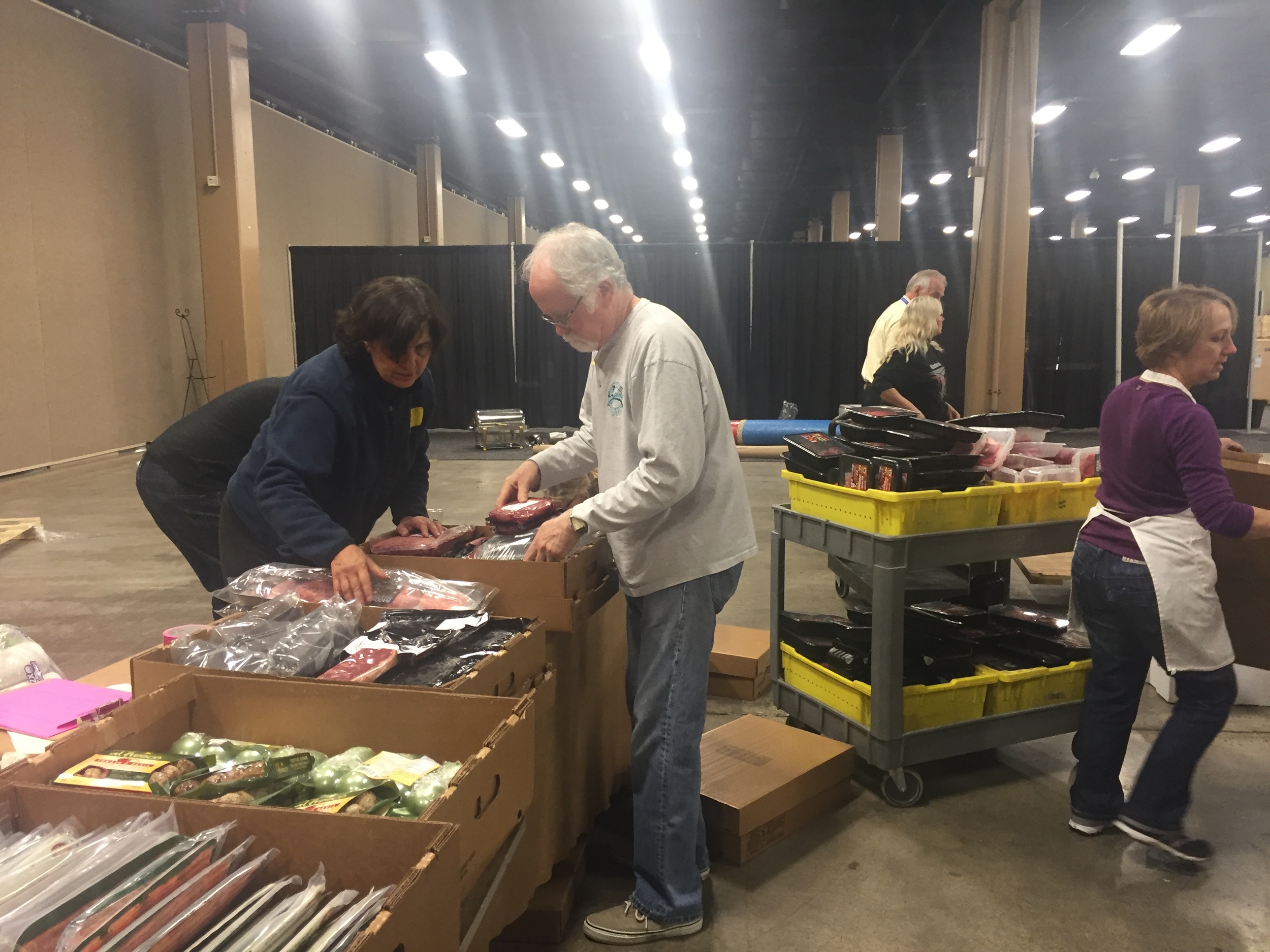
We are forever grateful to all of the donors at the convention, to Gaylord Opryland for letting us use their loading dock, to Nashville Grown for his wonderful refrigerated truck, and to Triumph and all other volunteers, without whom we could never have pulled it off. You all are amazing!

Just a few hours earlier, this room was full of meat. Thank you to the convention and Gaylord Opryland for allowing us to recover all of this great food for our meals!