
The Nashville Food Project’s Blog




Five Years at the Table
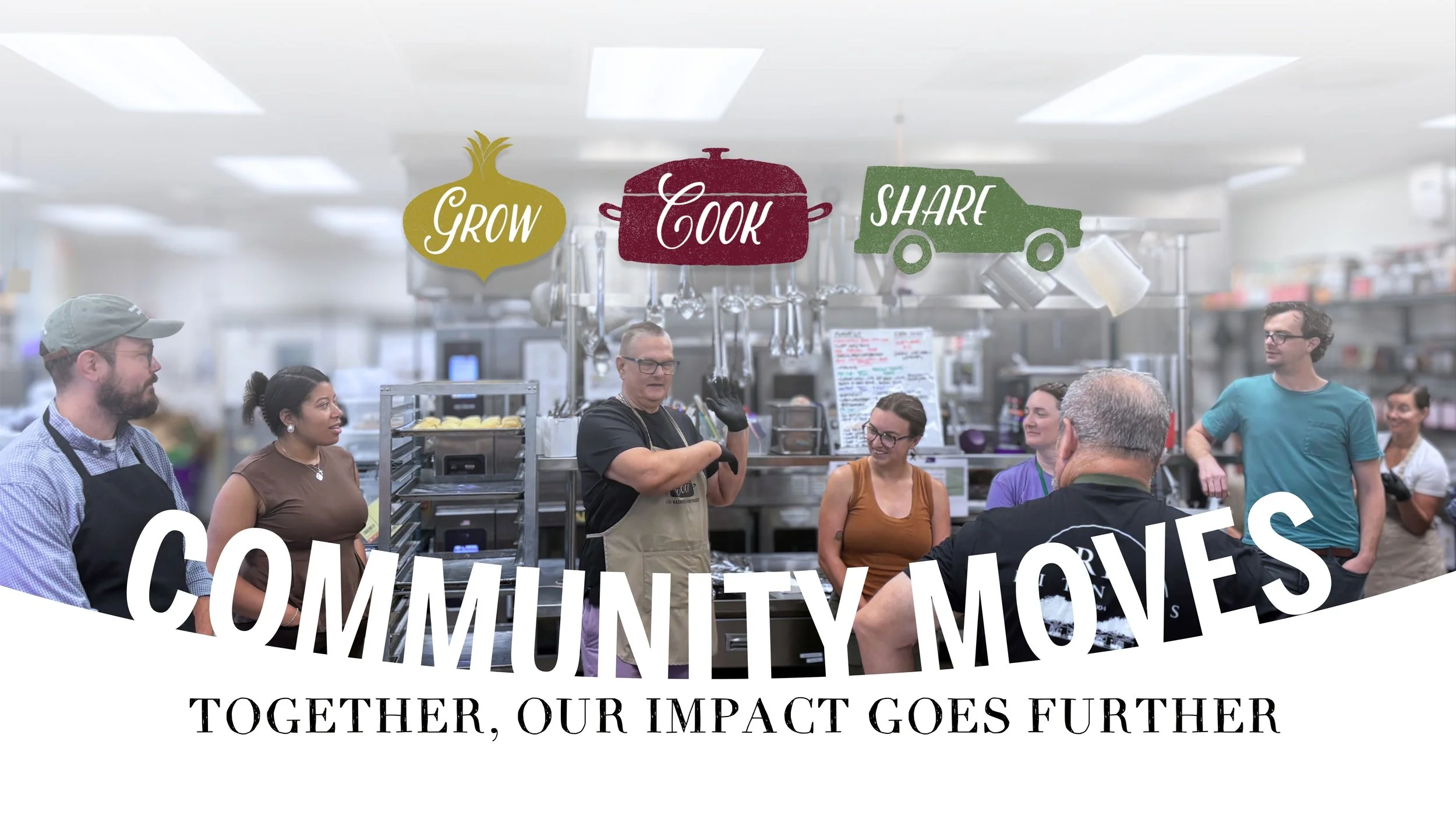
Five years ago, I walked into an organization still learning the shape of its new home in the Nations. The Nashville Food Project had just moved into its headquarters when the world shut its doors. We celebrated our tenth anniversary over Zoom that year, with a musical guest performing to a city listening from their kitchen tables and living rooms. It should have felt strange. Instead it felt like a promise: that even scattered, we were still a table.
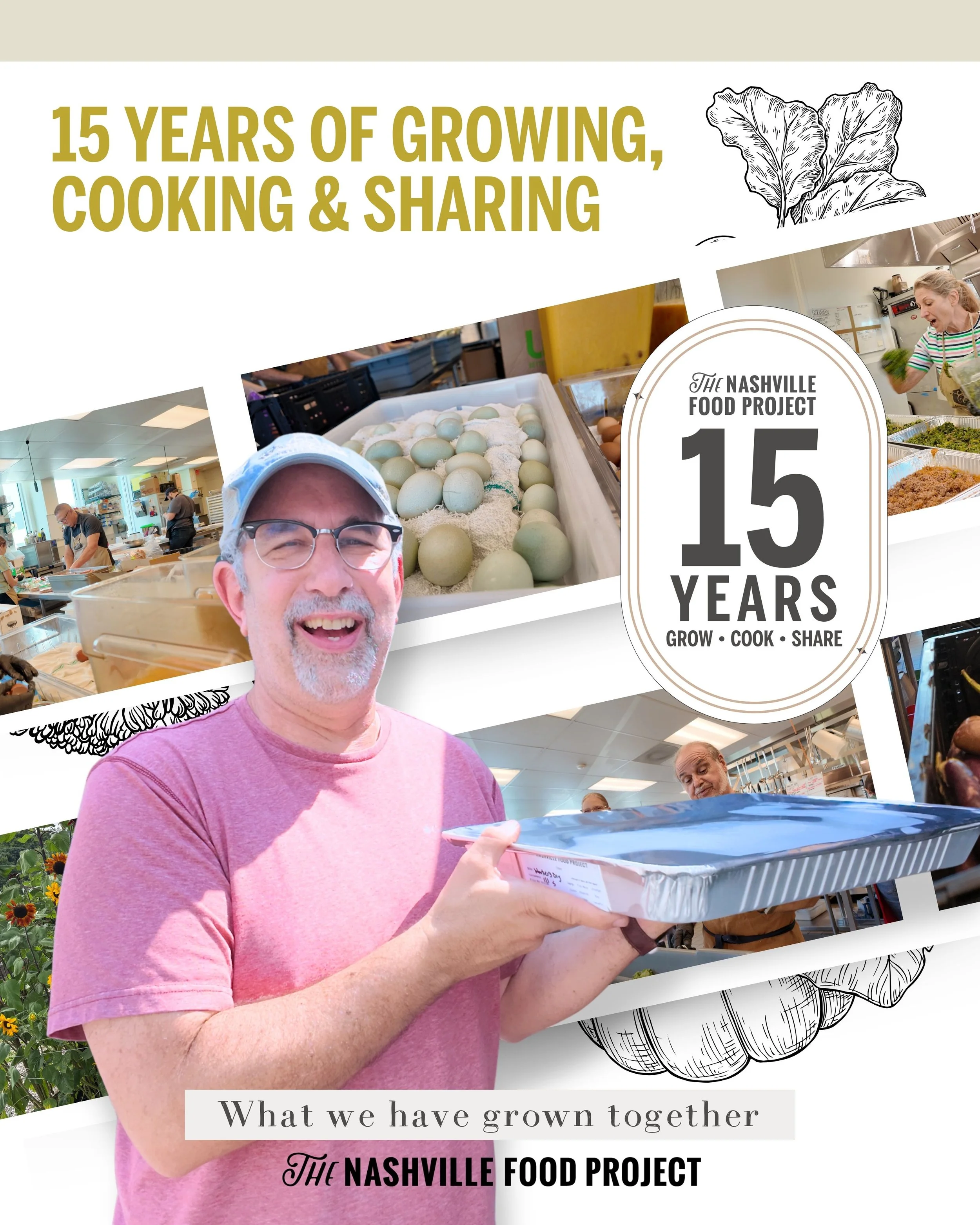
Not long after, we lost our founder, Tallu Schuyler Quinn. Grief does not organize itself around fiscal years. It shaped the seasons that followed more than any strategic plan could have. We grieved. We cooked. We planted. We kept going, because that is what a community that loves each other does.
The volunteers came back slowly, the way people do after a hard season, one Tuesday shift at a time. Five years later, our volunteer numbers are finally approaching where they once were. In the meantime, the need across our city grew, and so did our capacity to respond.
We grow more food. We share more meals. We reach more neighbors.
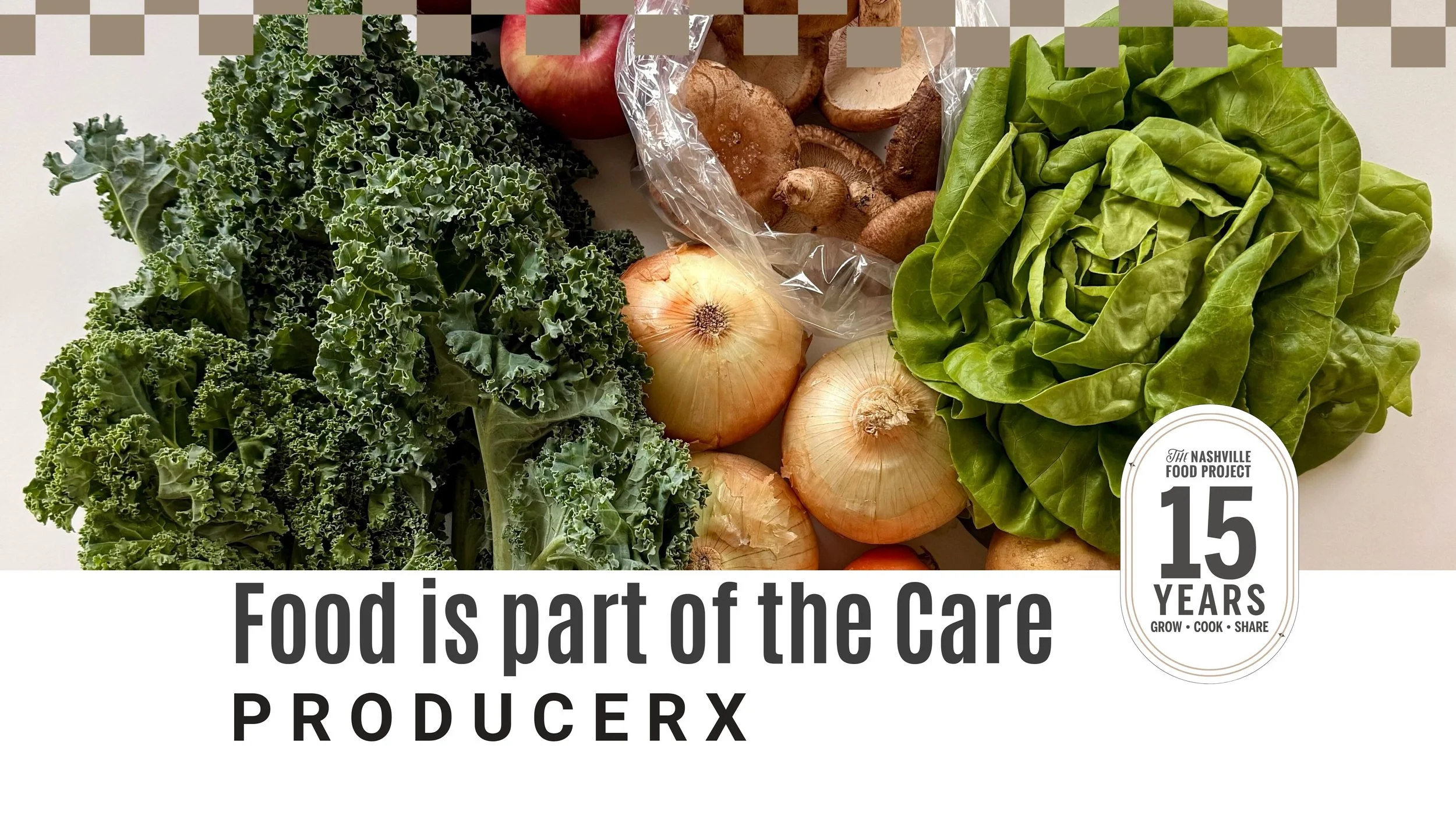
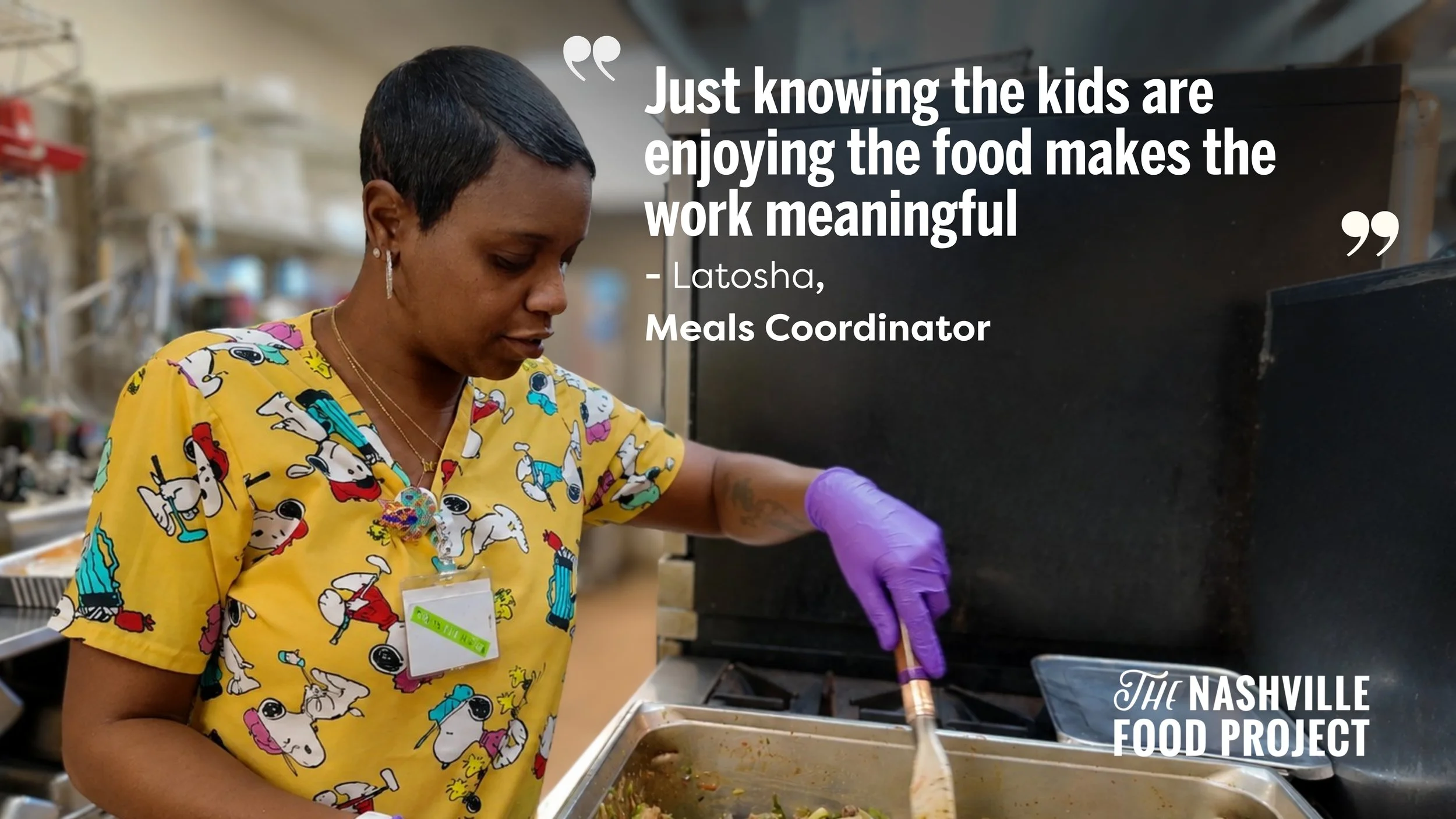
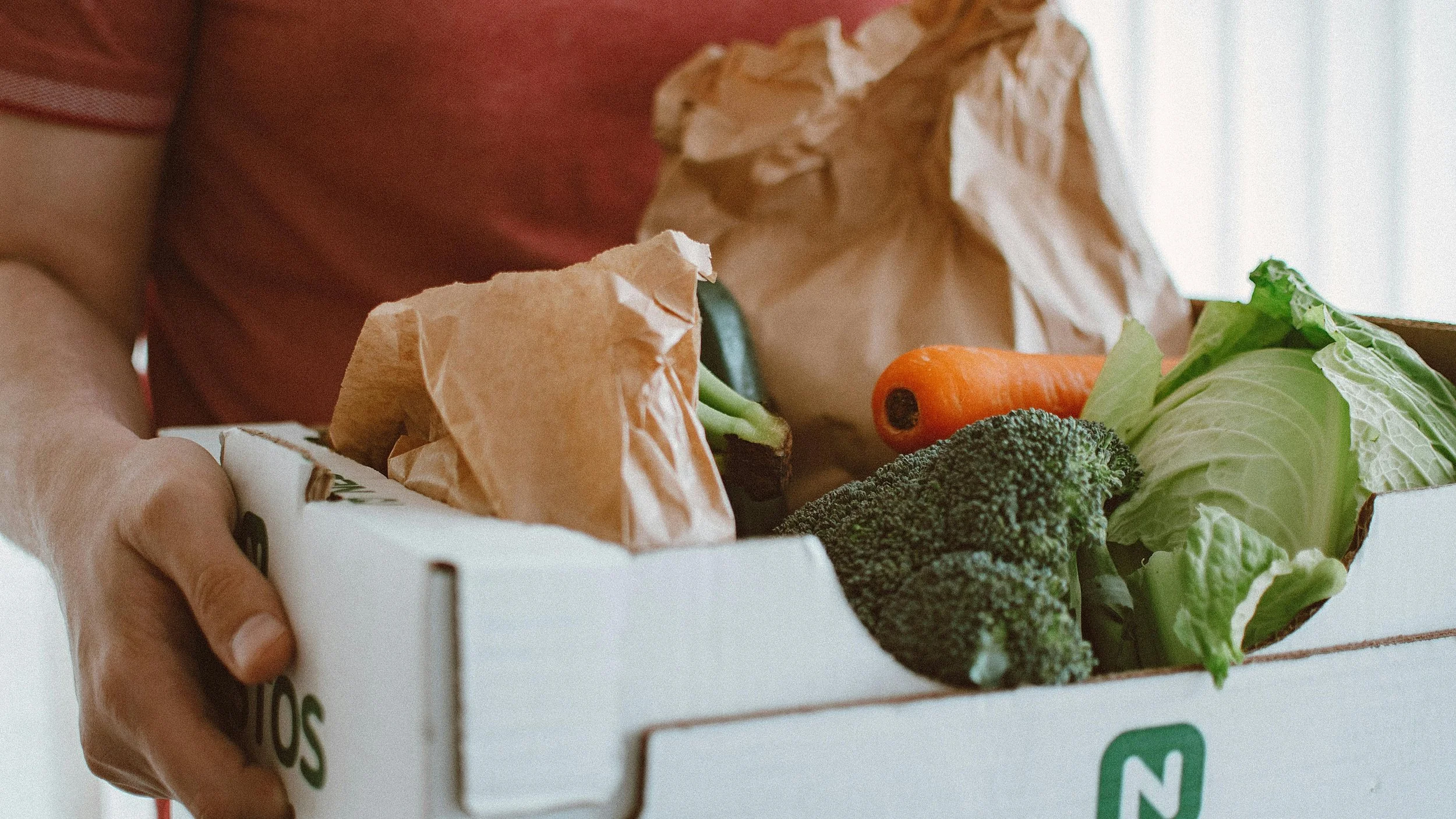
Our meals production has expanded well beyond what it was, including heart-healthy meals developed through the Nashville Wellness Collaborative’s Heart of Nashville initiative and more than nine thousand meals delivered directly to neighbors who cannot easily come to us. Through our new Food is Medicine program, ProduceRx, we are also connecting fresh produce with neighbors as part of their care, including through home delivery. Sometimes the most faithful thing you can do is meet someone at their door instead of asking them to find yours.
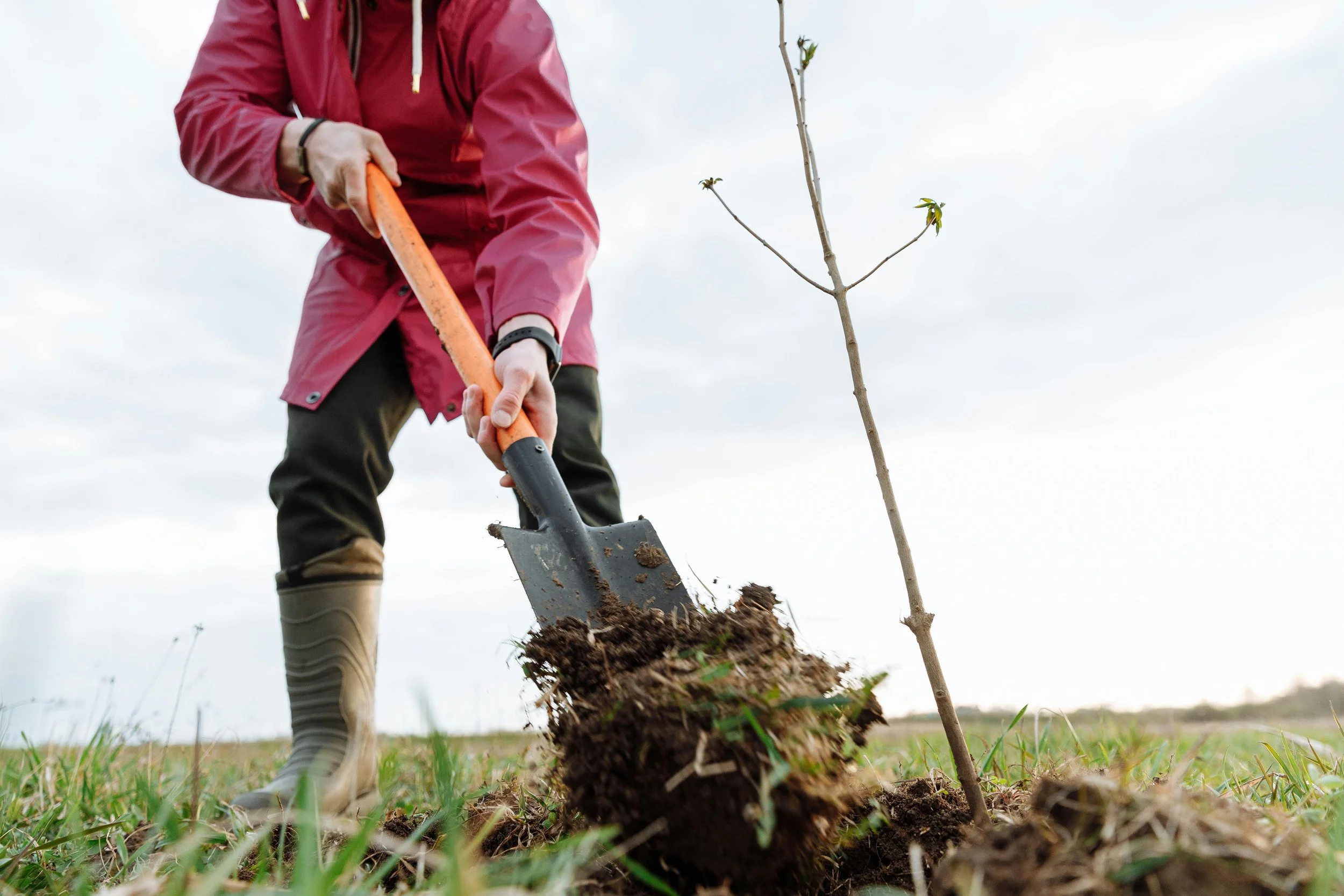
We rethought what it means to grow food in this city, too. The Community Agriculture Network and our community orchards program came out of that rethinking, along with partnerships with The Giving Grove and the Urban Garden Project. Our partnership with the Friends of Mill Ridge Park has also only deepened with time. What is unfolding in that park, in the southeast corner of Nashville, is not just a garden. It is an agrarian vision for what a neighborhood can grow into.
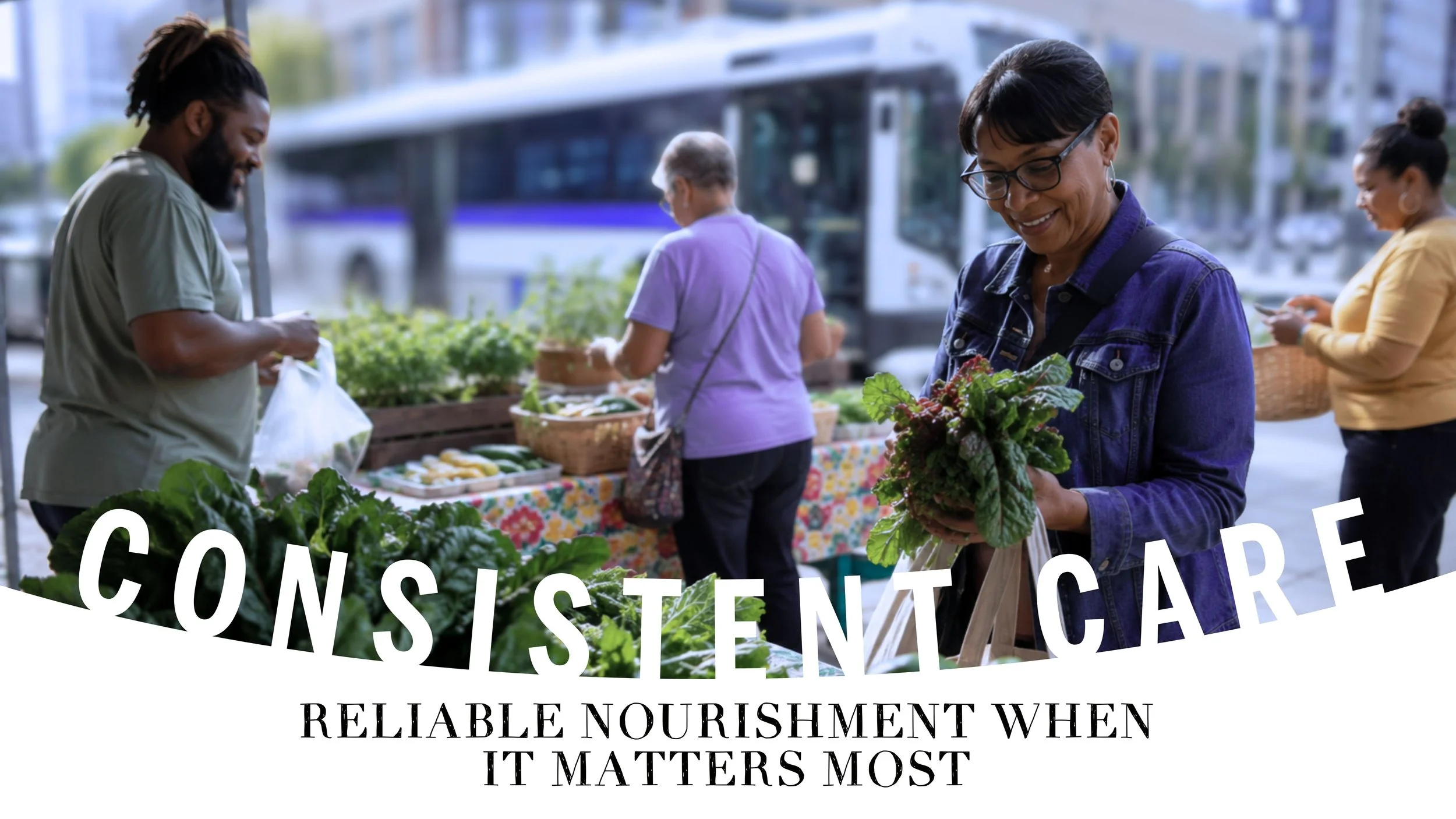
We have mapped hunger, too, alongside Meharry Medical College, tracing bus stop by bus stop across North Nashville how far a neighbor must travel to reach food, because you cannot steward what you have not first paid attention to. Justice begins with careful attention. So does good soil. That same evidence is already shaping how we work, not just what we advocate for. It is part of why you will now find our Community Markets set up at WeGo Central, meeting people where the buses already stop.
And we have moved from diagnosis toward action. For nearly a decade, this organization has helped name what is broken in Nashville's food system, including FeedBack Nashville in 2023 that engaged over 85 organizations and nearly 1,000 residents from every corner of the city. What that work made clear is not complicated to say, even if it is hard to do: Nashville knows its problems well. What the city has lacked is the dedicated capacity to turn that knowledge into policy. We are now working to build that capacity, carrying this work forward in Nashville and across Tennessee, on questions as practical as who can grow food on what land and as structural as how our state pays for produce as medicine.
None of this growth was inevitable. It was tended, year by year, meal by meal, relationship by relationship. The need in this city has grown. So has our capacity to meet it, not because we set out to become bigger, but because the table needed to make room for more.
Five years in, I am less interested in what we built than in what building it taught me: that hope is not a feeling you wait for. It is a garden you plant, a meal you cook, a door you knock on, again and again, until it becomes a habit, and then a community, and then, if you are patient, a home.
Get involved:
Volunteer | Give Food | Donate | Gatherings

Food Is Part of the Care
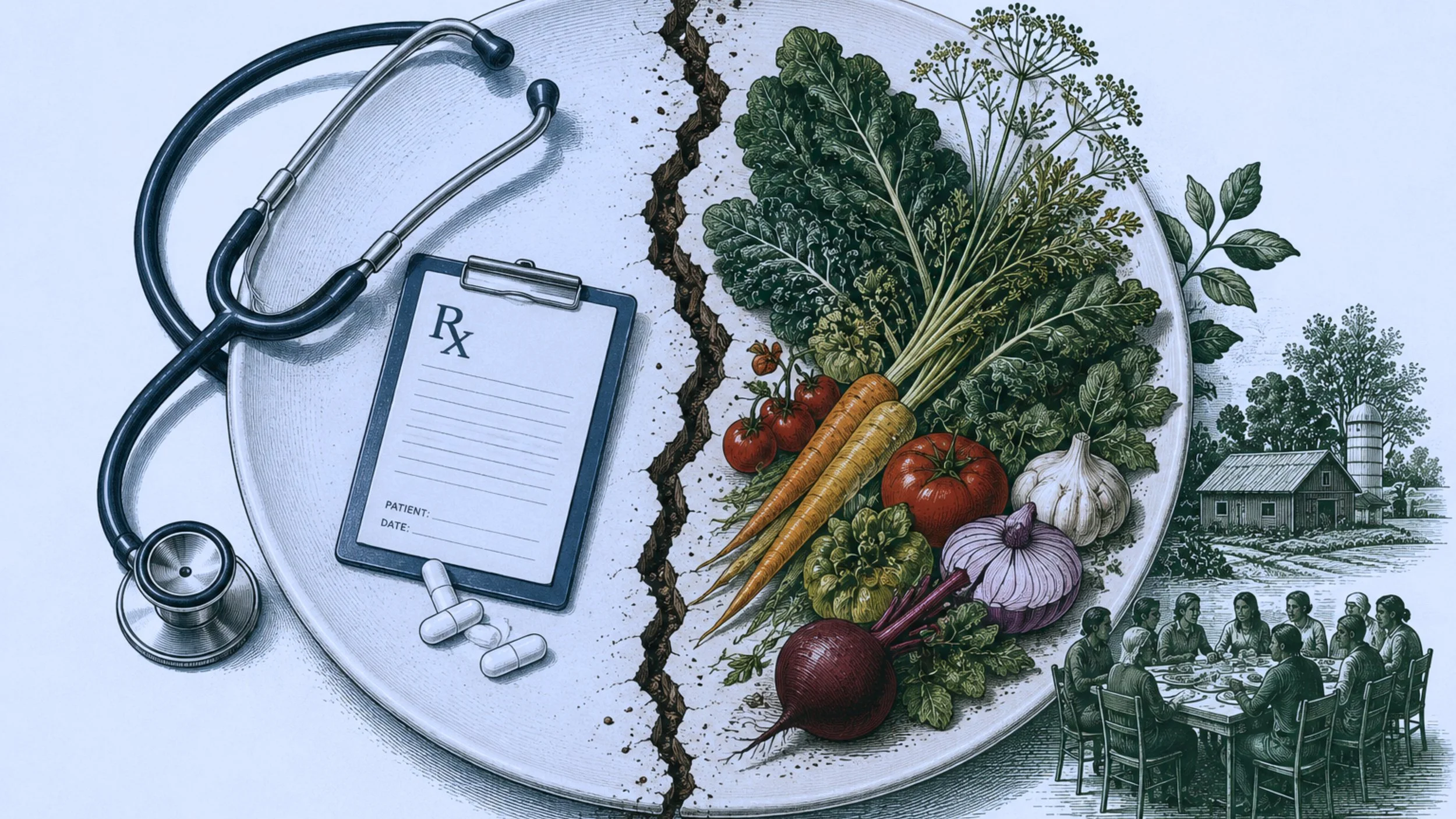
Through ProduceRx, fresh food became one part of a larger circle of care built around access, trust, and partnership.
A box of vegetables can look like a simple thing.
For one ProduceRx participant, it meant replacing canned food with something fresh. For another, it meant finally learning to enjoy squash. Someone else found that cooking brought back memories of meals with their grandfather.
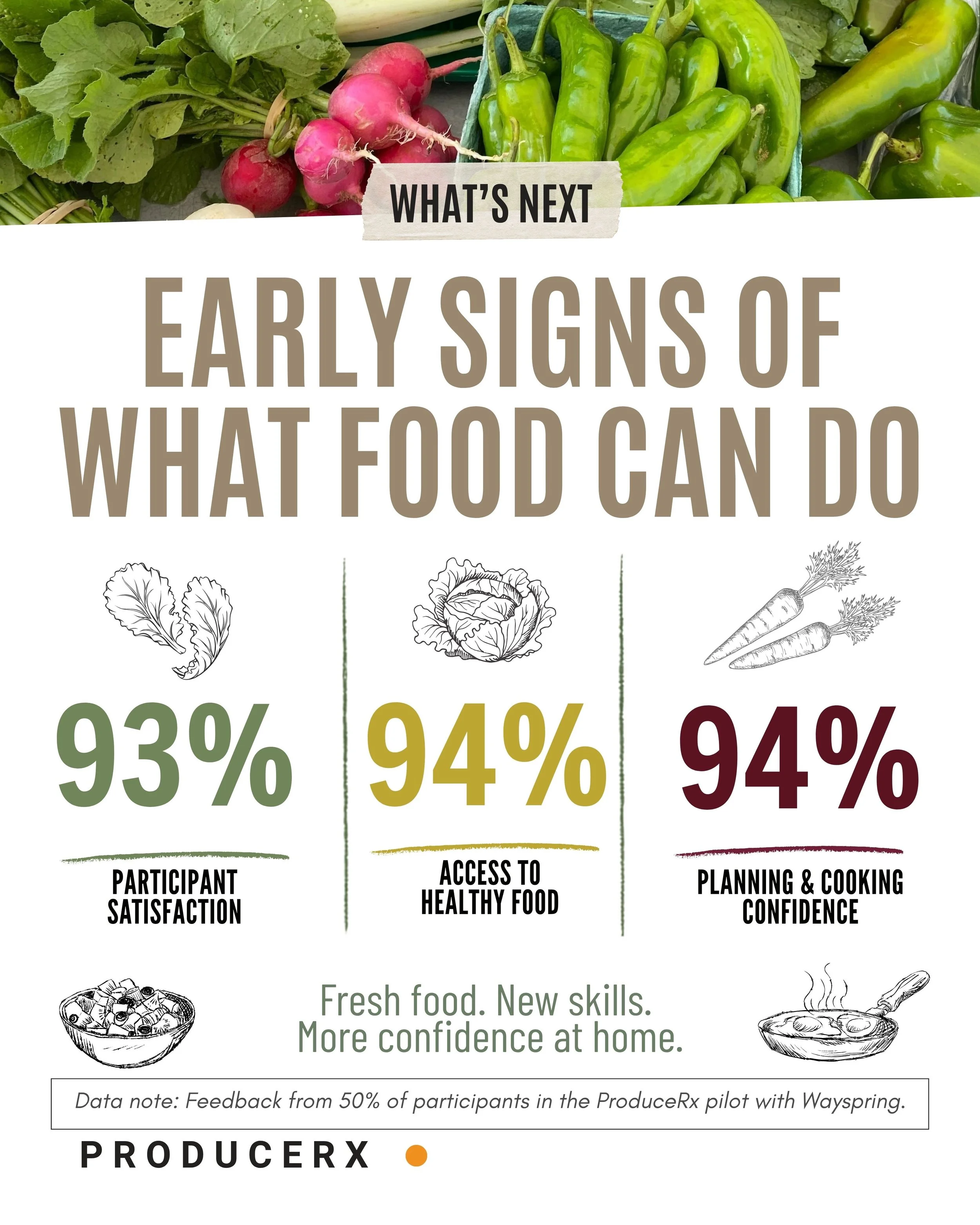
The Nashville Food Project’s ProduceRx connected participants with fresh produce and support for preparing it. The program began with a practical understanding: health is shaped not only in a clinic, but also by what is available in the kitchen, whether someone can get to it, and whether they feel supported along the way.
The early pilot was small, with feedback from six participants, but their experiences offer a meaningful glimpse of what this kind of partnership can make possible.
Participants described trying unfamiliar vegetables, learning new recipes, planning fuller meals, and relying less on processed foods. Some froze produce for later. Others shared what they had with roommates and neighbors.
One participant said, “These are foods I would normally eat out of a can, if at all. This gave me access to real food.”
The produce mattered. So did the relationships around it.
Regular check-ins gave participants a consistent point of connection. In one case, that ongoing engagement helped someone remain connected long enough to receive additional support they needed. The program did not separate nourishment from the rest of a person’s life. It treated food as one part of community care.
The pilot also surfaced important questions for what comes next. Transportation made pickup difficult for some participants. Others wanted more fruit, easier-to-prepare foods, or additional guidance for working with dietary needs and limited kitchen equipment.
Listening to those experiences is part of the work.
Food Is Medicine can sound clinical. In practice, it can be deeply human: fresh greens prepared in a new way, squash that recalls someone you love, extra vegetables passed to a neighbor, or a familiar voice checking in again.
As The Nashville Food Project looks toward its next 15 years, partnerships like ProduceRx point toward a future in which food access, health, and community care are not treated as separate concerns.
Because sometimes care begins with a prescription.
And sometimes, it begins with what is for dinner.
Get involved:
Volunteer | Give Food | Donate | Gatherings

What Happens Along the Way
The work is easy to name. What grows around it is harder to measure.
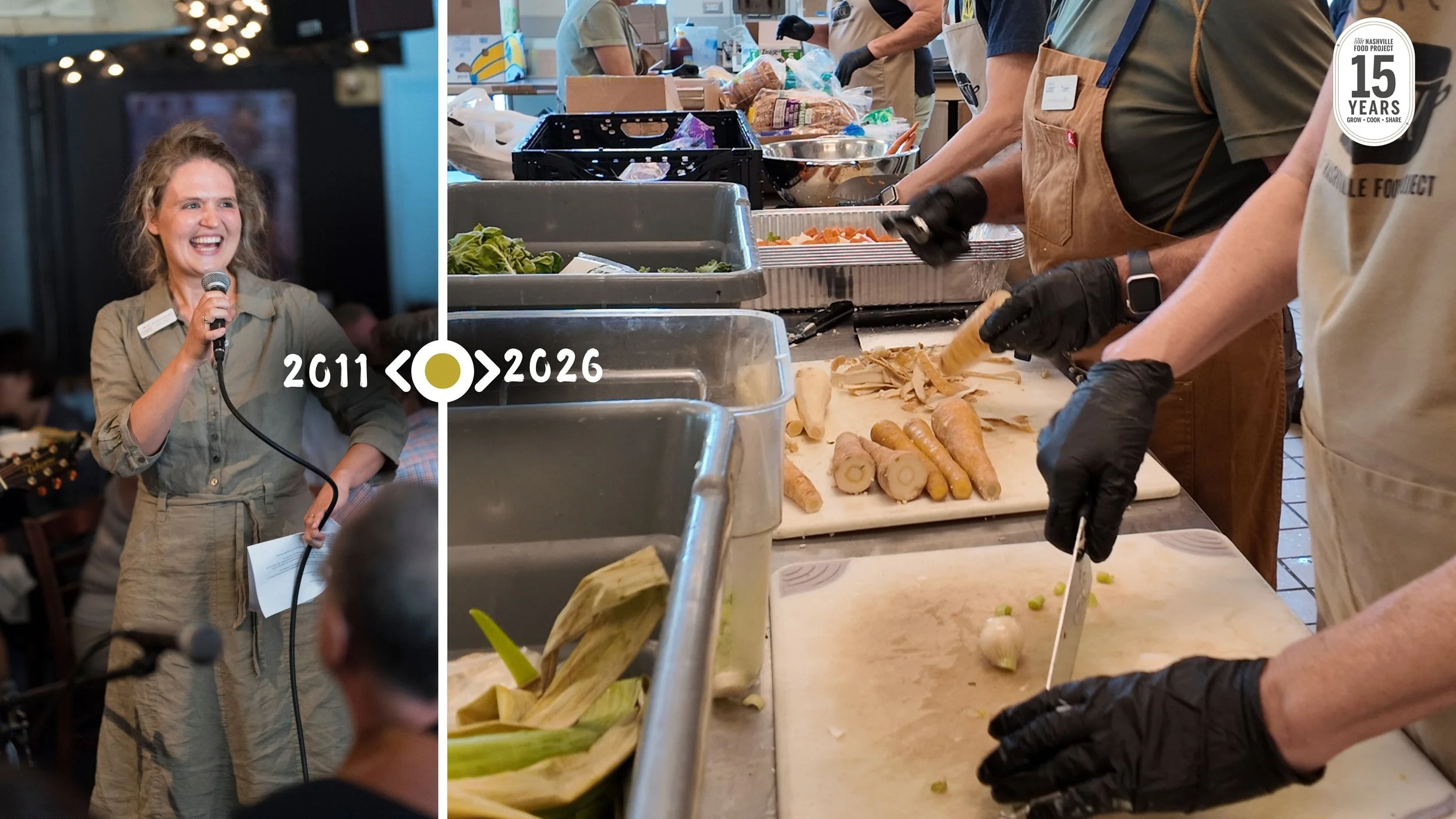
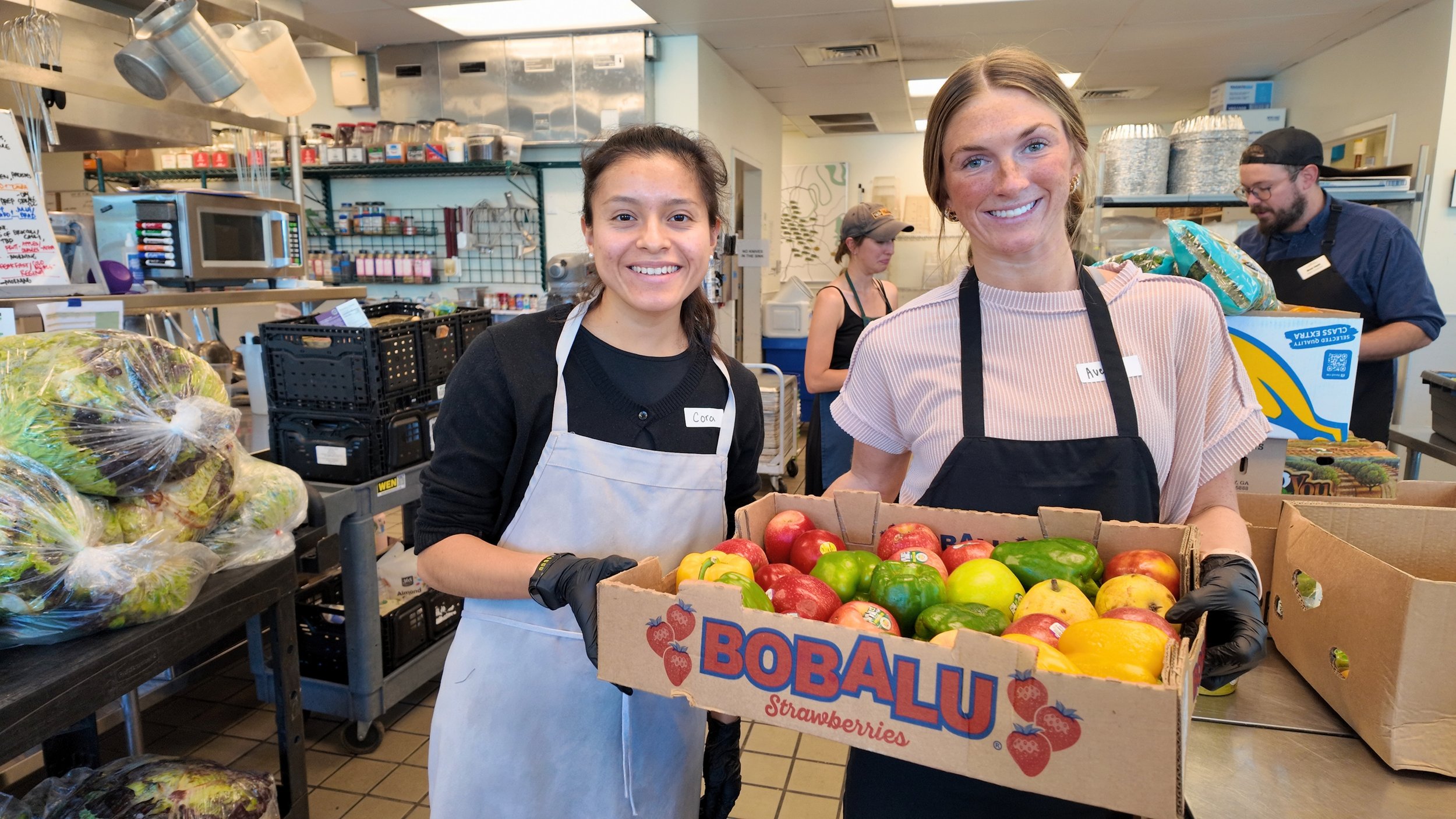
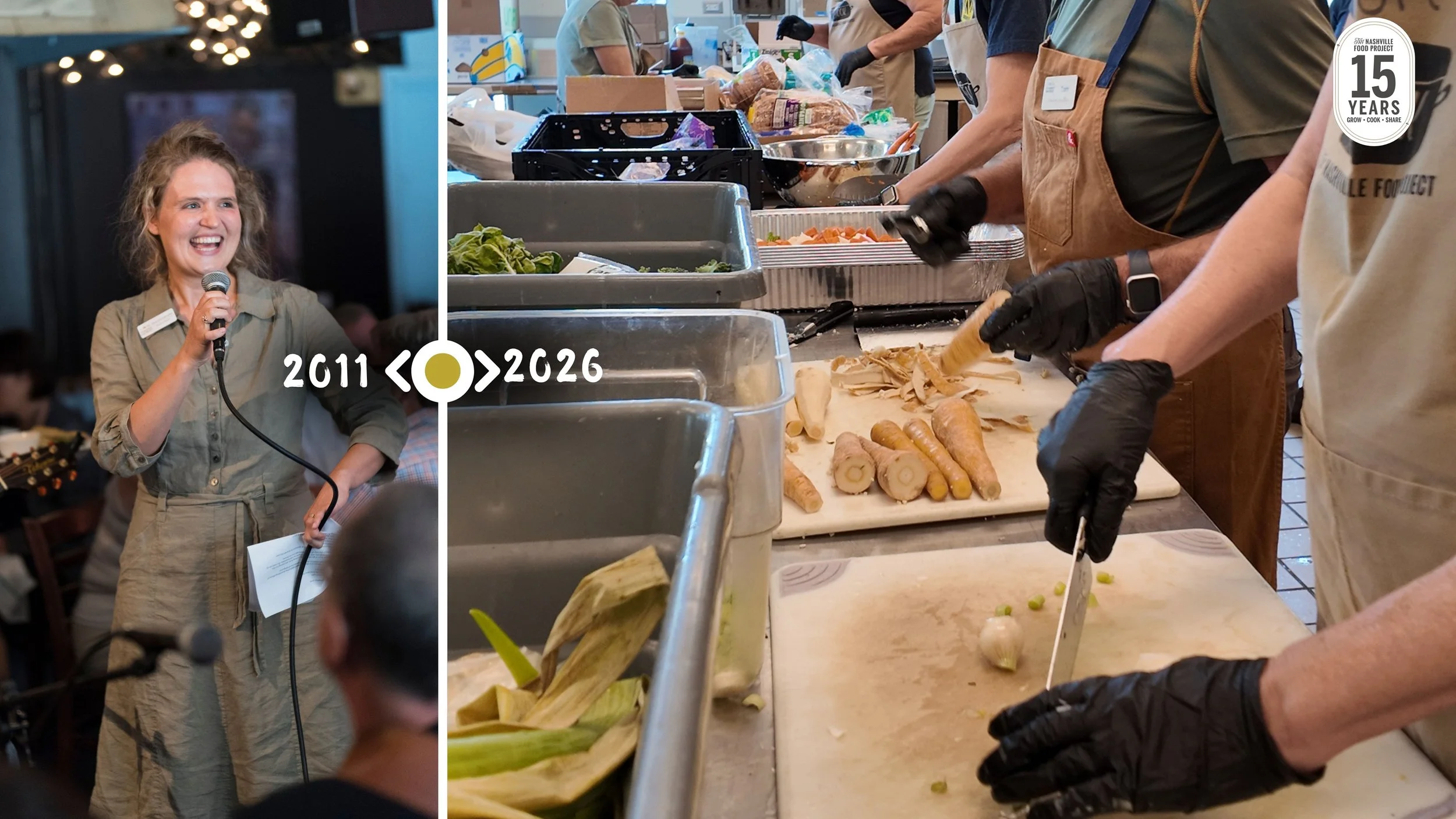
There are the things volunteers come to do: chop onions, sort donations, transport meals, pull weeds, load trucks. Then there are the things that happen while they are doing them.
In 2013, Tallu wrote about a volunteer who had become her friend. He traveled to the kitchen by bus each week, arrived on time, called if he was running late, and remembered staff birthdays. He treated his commitment to the work with great care.
When a Social Security employee questioned whether he could manage his own finances, Tallu described the person she knew: reliable, communicative, generous. The employee removed the requirement that someone else manage his benefits.
Her friend left beaming. Tallu reminded him that she had not changed the outcome. She had simply been there long enough to witness what he had already accomplished.
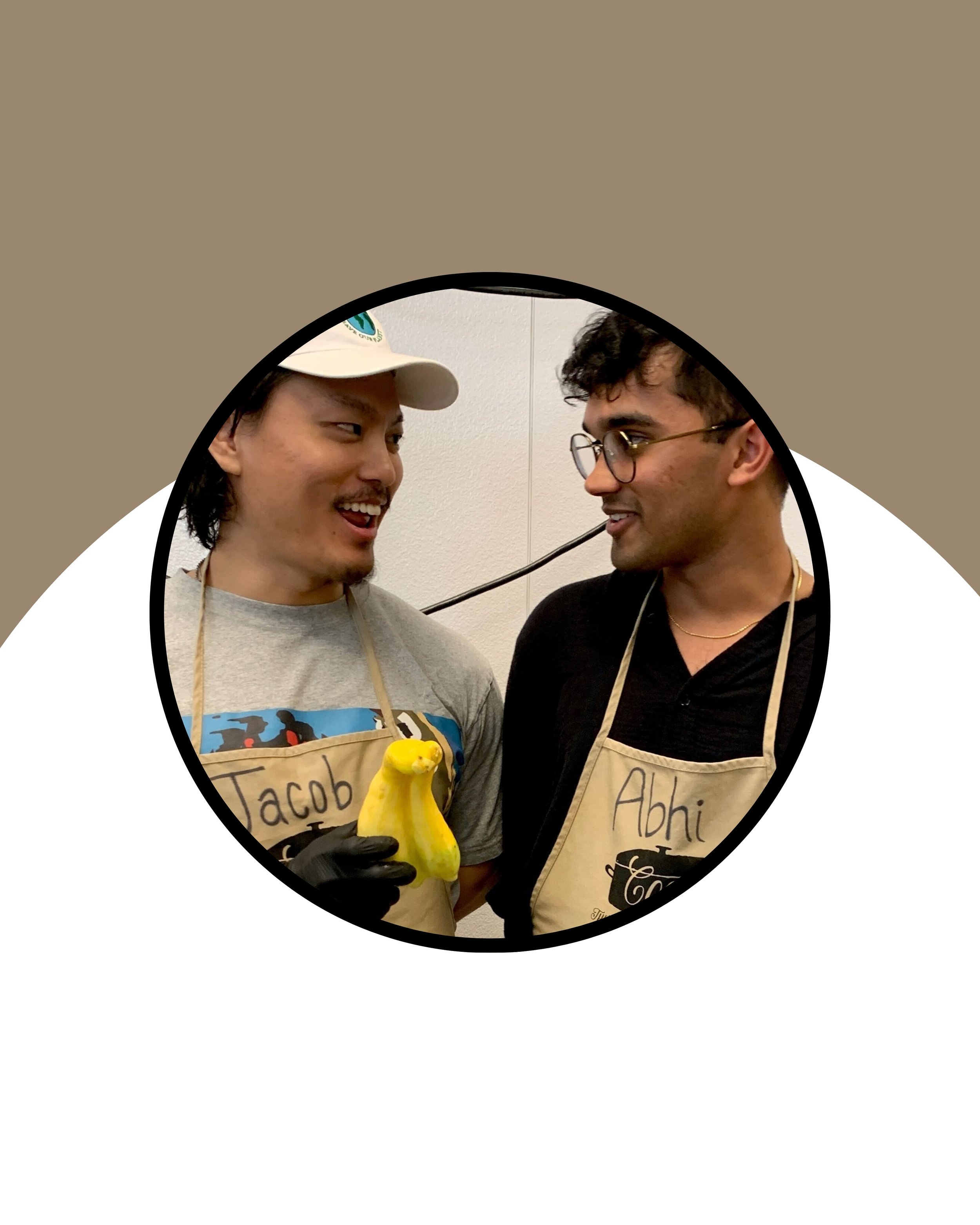
Years later, Jacob and Abhinav met during a Tuesday-night kitchen shift. Abhinav arrived and decided the knives needed sharpening. Jacob made fun of him. By the end of the evening, they had decided to become friends.
They eventually became roommates and Tuesday-night regulars. Between dull knives, endless potatoes, and the last dishes of the evening, a volunteer shift became a weekly ritual.
The circumstances are different, but both stories reveal something true about this work.
People come to be useful. They return because someone remembers their name. Slowly, almost unnoticed, strangers become regulars. Regulars become friends. Someone sees what another person carries and reflects it back to them.
Over 15 years, thousands of volunteers have helped grow food, prepare meals, and keep the work moving. Along the way, they have found purpose, humor, trust, and one another.
The onions get chopped. The meals get packed. The dishes eventually get washed.
And then there is everything else.
Get involved:
Volunteer | Give Food | Donate | Gatherings

The Table Was the Point
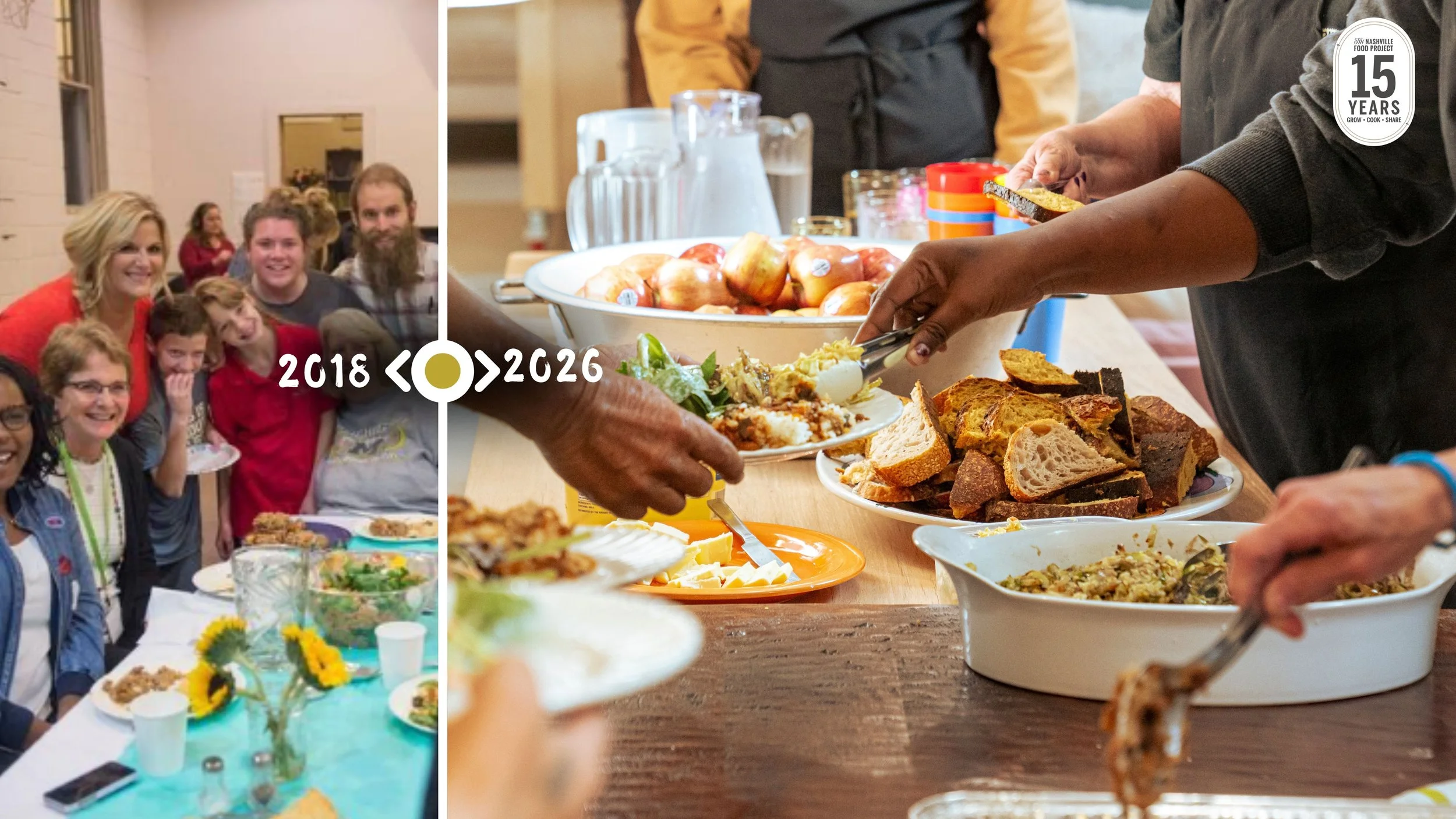
In 2013, a Tuesday night meal at Trinity United Methodist Church offered an early lesson in what hospitality could become when everyone had something to give.
On Tuesday evenings in 2013, volunteers loaded prepared food into The Nashville Food Project’s trucks and drove toward the intersection of Trinity Lane and Dickerson Pike.
Inside Trinity United Methodist Church, the fellowship hall was being made ready. Tables were covered with cloths and flowers. Real plates replaced disposables. Cups, forks, and knives were set in their places. At 6:30, neighbors gathered for a blessing, and the meal was served family style.
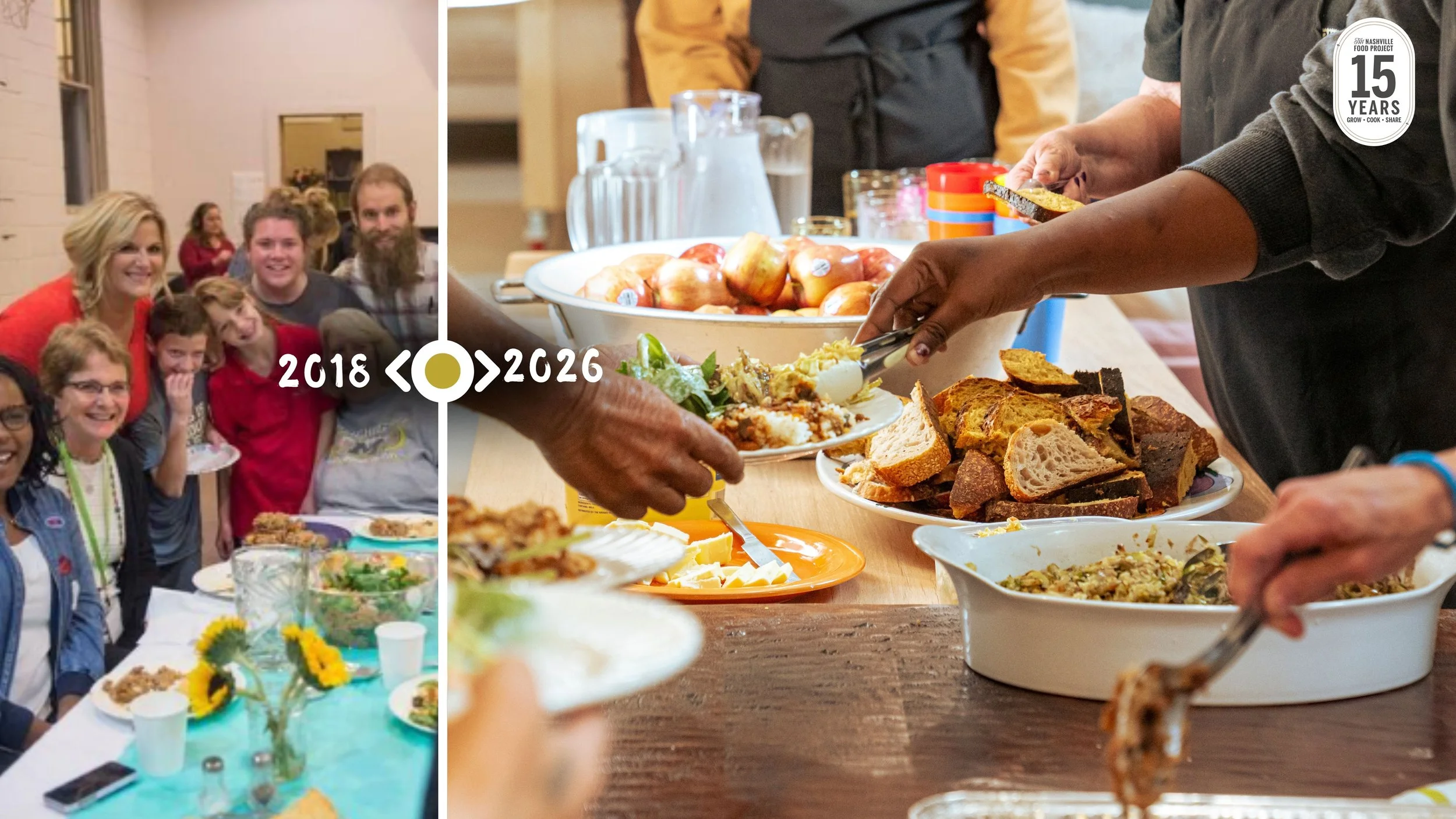
The room held children eager to finish dinner and reach the basketball court, babies watching the commotion from highchairs, families, older neighbors, church members, people living outside, people in recovery, volunteers, and staff. It was loud. It could be hectic. More than anything, people felt welcome.
The meal was nourishing, but the arrangement of the room mattered just as much.
Community members greeted people at the door, hosted tables, helped with setup, and stayed to clean. The Nashville Food Project arrived with food, but the evening did not belong to any one organization or group. Its success depended on many people deciding that the gathering was theirs to shape.
In a reflection titled “Breaking Down the Barriers,” The Nashville Food Project’s founder, Tallu Quinn, wrote about what these evenings were teaching her. Those accustomed to thinking of themselves as the givers had to learn when to step forward and when to step back. Around the tables, the distinction between those who had plenty and those experiencing poverty became less certain.
Everyone arrived needing something. Everyone arrived carrying something to offer.
That idea challenged a familiar model of service, one that divides a room into helpers and people being helped. A shared meal offered another possibility. A person might arrive hungry and still be the first to welcome a newcomer. Someone who helped set the table might later need food placed before them. The host could become the guest, and the guest could become the host, sometimes in the course of a single evening.
The table made room for both.
More than a decade later, Tuesday meals continue on the same property, now known as Trinity Community Commons. The name reflects a larger transition. Trinity Community Commons began within the active church in 2013, growing from a question posed by United Methodist pastors and members: What might happen if the property were reimagined as a place of radical hospitality for all its neighbors?
Trinity United Methodist Church closed in 2022, following a fire that had badly damaged the sanctuary the year before. The congregation transferred the property to Trinity Community Commons, an independent neighborhood nonprofit carrying the work forward. The historic site is now being reimagined as a community hub with gathering spaces, food access, gardens, services, and affordable housing.
The building’s future is changing, but Tuesday evenings remain.
Today, neighbors gather for a weekly potluck. It is a contemporary expression of the lesson Tallu observed in 2013: hospitality becomes something deeper when it is not performed by one group for another, but practiced among neighbors.
Over 15 years, The Nashville Food Project has prepared and shared millions of meals. Those numbers help convey the scale of the work, but they do not fully explain what a meal can hold.
A table can hold dinner. It can also hold the person who cooked, the neighbor who arranged the flowers, the child already thinking about basketball, the volunteer learning to listen, and the guest who notices that someone new has entered the room.
It can hold hunger without reducing anyone to it.
It can hold the possibility that giving and receiving are not fixed identities, but ordinary parts of belonging to one another.
In 2013, the tables at Trinity were dressed with flowers, real plates, and silverware because the meal was worth taking seriously. The people gathering around it were worth taking seriously, too.
That is still the point.
Get involved:
Volunteer | Give Food | Donate | Gatherings

What Took Root at McGruder
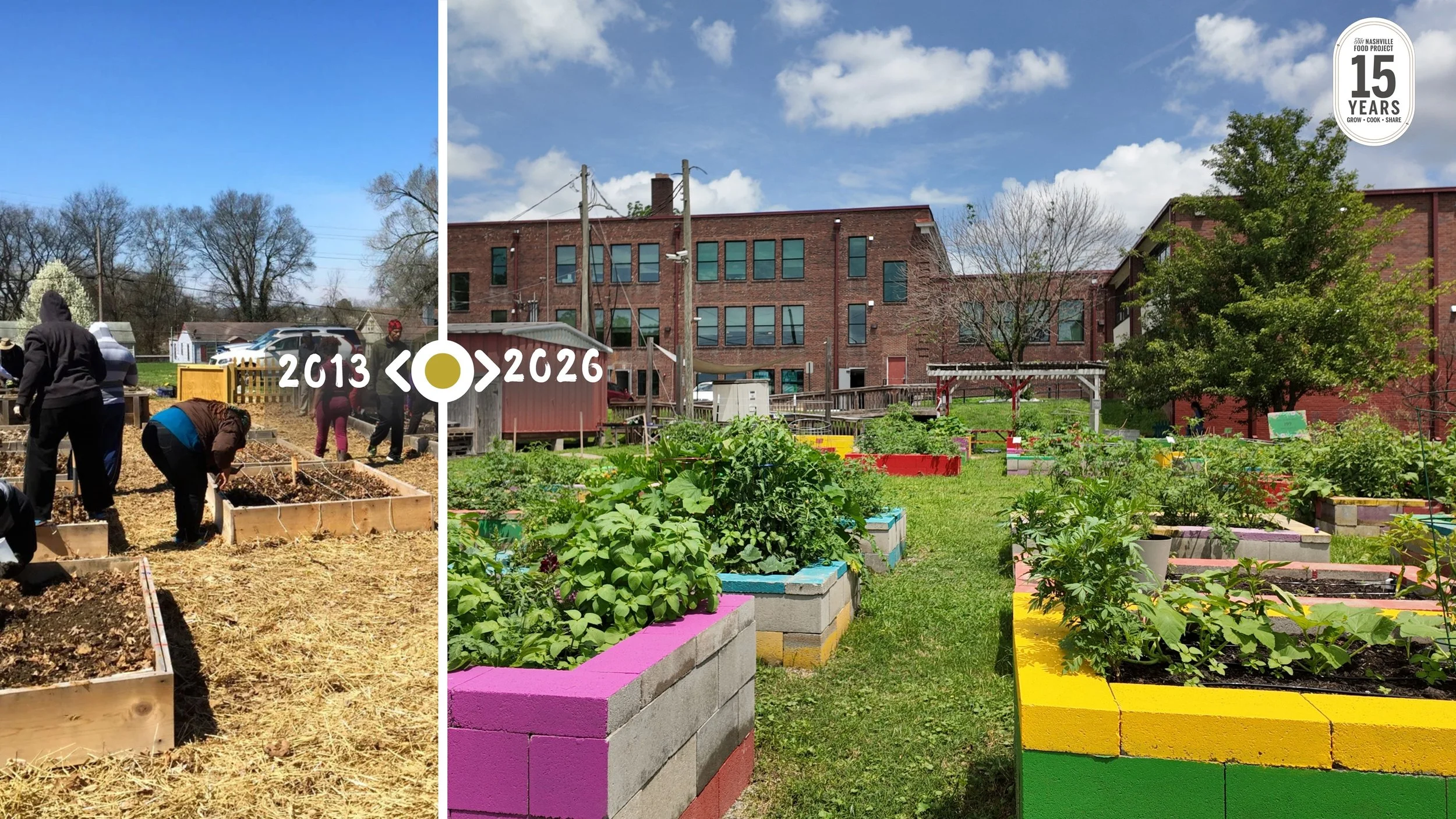
In the spring of 2013, every garden bed was claimed. What grew next would help shape The Nashville Food Project’s understanding of community agriculture.
In the spring of 2013, after a winter of waiting, neighbors gathered at McGruder Community Garden for opening day. The garden occupied a modest patch of North Nashville and contained 17 raised beds. By the time the season began, every one of them had been claimed.
The gardeners called themselves the Green Thumbers. They were families with children, older couples who had lived in the neighborhood for years, participants in a local wellness program, and people who arrived knowing no one. They came carrying different experiences and expectations, but all of them came prepared to grow something.
The usual rituals of a community garden followed. Plots were assigned. Seeds and tools were discussed. Wooden signs were set out for gardeners to paint with their names. Yet when the paintbrushes appeared, no one hurried forward.
The hesitation was not shyness. No one wanted to claim more than they needed.
Some gardeners offered to share their plots so that space would remain for neighbors who might arrive later. Others explained that they intended to grow food for people around them and would keep only what no one else wanted. Reverend John Beach, who had cultivated every bed the previous year, declined a plot of his own. Surprised by the number of people who had come, he chose instead to share a bed with his wife.
It was a small act of hospitality, expressed in square feet.
Community gardens are often described through what they produce: tomatoes, peppers, greens, herbs, pounds harvested. The measurements are useful, but they rarely capture the whole purpose of the place. A garden may be shared without becoming communal. People can work in neighboring plots and remain strangers.
McGruder was different from its first spring. Before there was anything to harvest, the gardeners had begun making room for one another.
The Nashville Food Project’s garden coordinator observed that the most meaningful gardens contain “layers of community,” a fabric of relationships extending beyond the fact that people happen to grow vegetables beside one another. Gardening skills could be taught through workshops. Seeds could be planted at the correct depth. Weeds could be identified and removed. But no lesson plan could manufacture the generosity the Green Thumbers brought with them.
That had to come from the gardeners themselves.
More than a decade later, the work of community agriculture has grown considerably. Today, The Nashville Food Project’s Community Agriculture Network connects farms and gardens across the city through shared tools, infrastructure, education, volunteer support, and relationships. More than 100 neighborhood growers participate across the network, bringing their own knowledge, traditions, and reasons for cultivating food.
The scale is larger, but the central idea is familiar.
A garden is not simply a place where food is produced. It is a place where knowledge moves between generations, where someone lends a tool without keeping track of the favor, and where a harvest can travel beyond the person who planted it. It is a place where people practice the quiet work of belonging to one another.
McGruder offered an early picture of what this could look like. Seventeen beds were enough to reveal that abundance is not only a question of how much space, food, or money is available. It is also a question of how people choose to use what they have.
The Green Thumbers chose to share.
As The Nashville Food Project marks 15 years of growing, cooking, and sharing nourishing food, we are looking back at the places and people who helped form this work. Much has changed since that first spring at McGruder. The network has expanded. New growers have arrived. New farms, gardens, markets, and orchards have taken root.
Still, the lesson remains: community begins when someone decides there is room for another person.
Sometimes, it begins with a garden bed.