
The Nashville Food Project’s Blog




Mill Ridge Park Makes Its Public Debut

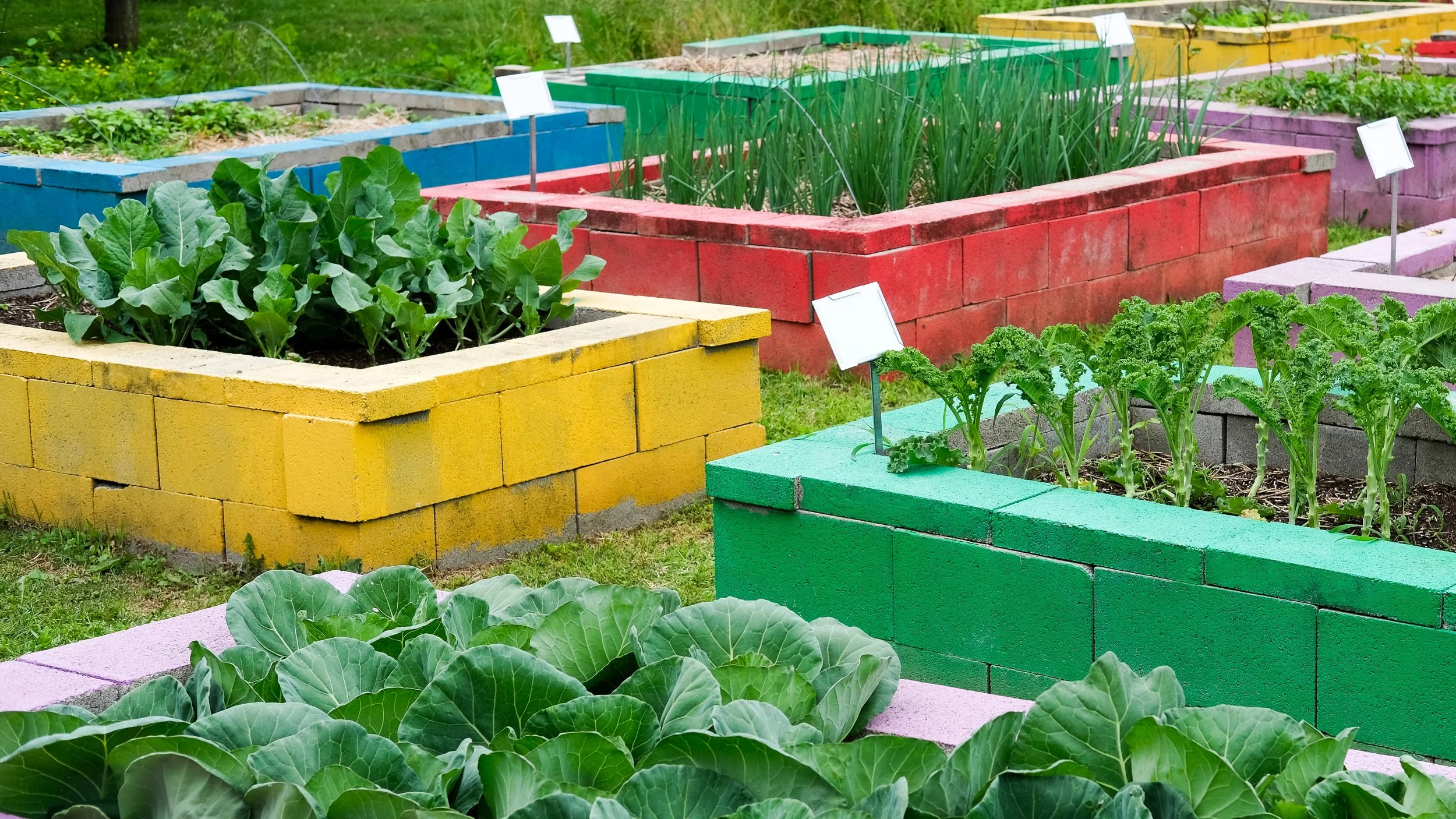
If you’ve been following along with the Food Project over the years, you’re probably familiar with what we mean when we say the Community Farm at Mill Ridge. Together with our community of gardeners, we have been growing food on about three acres of land at Mill Ridge Park since 2019. But earlier this fall, the park — all 622 acres of it — officially opened to the public.
The mayor, city council members, park leadership, students, artists, and community members gathered to commemorate the park’s opening on August 16 with a bell-ringing ceremony. Different stakeholders spoke to a large crowd about the history around, development of, and vision for the park. Each of them noted the ability of green space to bring people together and create community connections.


“With so many impressive tangible assets here, we find the greatest delight in using those assets to create intangible assets: things such as a healthier and safer outdoors, bringing a diverse group of people together, having a sense of unity and belonging in southeast Davidson County,” said Wesley Trigg, Friends of Mill Ridge Park board president. “It’s what we like to call at Friends of Mill Ridge Park a quality of life.”
“This is a place for our entire community,” added Joy Styles, the council member representing district 32, where Mill Ridge Park is located.
The morning included a brief history of the land, including an acknowledgement of the seven indigenous tribes native to the area and the vision of Mary Moore, whose family had run the property as a family livestock farm since 1919. In 2015, Metro Parks of Nashville purchased the Moore Farm and six other properties to create what is now Mill Ridge Park.
“It was incredibly important to Ms. Moore that the land we’re standing on today be returned to the public for community use,” said Darrell Hawks, executive director of Friends of Mill Ridge Park. “She wanted her family’s memories to be preserved, and future generations to have a place to make their own memories.”
After the remarks concluded, a group of students rang a bell placed in the center of the park, while guests of the ceremony chimed in and rang individual bells handed out at the entrance. The moment marked the opening of the park to the public! Folks dispersed to check out the space’s hiking trails, a musical art installation in partnership with the Cane Ridge High School marching band, and the park’s centerpiece: a playground with a five-story enclosed slide.


From the beginning, the park has truly been designed to meet the needs of its diverse community. An extensive community listening process, including several open houses and creative labs, allowed local residents opportunities to provide input and share ideas for what they wanted to see from the park. And the result has brought many of those ideas alive, including the implementation of the Community Farm at Mill Ridge as a response to wide interest in urban agriculture.
If you haven’t gotten the chance yet, we encourage you to go explore all that Mill Ridge Park has to offer — as the month winds down, they’re offering costume contests, trail clean-ups and more — and if you haven’t made it out yet, join us for a garden workday at the Community Farm!

FeedBack Nashville: Outlining Our Objective
On any given day, when you open a local newspaper or magazine, you’re likely to find a story about Nashville’s rapid changes and persistent challenges. From promises of a reimagined public transit system to demands for more affordable housing, we are well-aware that we have a long way to go before our city reaches its full potential as a vibrant place where all residents can thrive.
But, what about food in our city? Everyone in our city eats, yet the challenges to food security are stubbornly persistent in specific communities for all-too-familiar reasons. Obstacles to achieving community food security in Nashville are the symptoms of deeper, systemic issues that go unaddressed as we seek to confront the challenges of hunger in the present. At The Nashville Food Project, we want to bring people together more often, and more intentionally, to imagine how we might actually create a sustainable and just local food system for everyone. This food system would provide food security and food access for all, limit our food waste and environmental harm, and strengthen our local food and agricultural economy.

We often think simple solutions are all we need to address challenges like hunger. FeedBack Nashville uses a community-based, systems change approach because hunger is a wildly complex issue!
Alongside a network of partner organizations, we are excited to launch a new effort to bring food to the forefront of action in our city. FeedBack Nashville (FBN) is a new citywide initiative to describe the opportunities and limitations of Nashville’s current food system, and to identify pathways to build a more just and sustainable food system for the future. The initiative received its first round of funding support from Metro Nashville’s American Relief Plan Act Funds in May 2023. The first phase of the project focuses on three goals:
Analyze Nashville’s current food system, including issues related to food access, land access, food waste, and local agricultural production
Create a shared vision for a future Nashville food system that is just and sustainable for everyone, from farmers to consumers
Identify pathways and partnerships that will help bring forth the changes we need and want to see in our food system in the short and long-term

Visual representation of the project goals of the first phase of FeedBack Nashville. Graphic created by Forum for the Future, FeedBack Nashville’s Convening Facilitator.
FeedBack Nashville’s approach to achieving these goals is twofold: it aims to center community perspectives and disrupt the existing system that perpetuates persistent issues. FeedBack Nashville uses these two approaches because challenges like hunger in our city are complex and require each of us to understand how our unique relationships, behaviors, and experiences may be used to support meaningful, lasting change.
As a community-based project, FBN centers perspectives and lived experiences of community members. This is because community members who are most affected by food challenges possess knowledge and ideas about how we may change the food system so that it is more equitable for everyone. By engaging residents and collaborating with specific communities to design solutions for the future, we are more likely to achieve lasting change.
As a systems change initiative, FeedBack Nashville moves our city beyond emergency response solutions to hunger and food access. Systems change approaches position us to better understand how different social, economic, and environmental circumstances interact to create hunger and other food-related challenges. They bring together individuals and organizations from the grassroots to the government to design creative solutions, from policy changes to mindset shifts.

Iceberg models like this one above help illustrate why systems change approaches are useful for complex challenges like hunger. Systems change approaches understand that multiple interventions, working at different levels in society, are required to create lasting change. Graphic created by Forum for the Future, FeedBack Nashville’s Convening Facilitator.
The Nashville Food Project is honored to serve as FeedBack Nashville’s project coordinator. Our mission is to grow, cook, and share food with the goals of alleviating hunger and cultivating community. In 2023, inspired by this mission, we established a strategic priority to support systems change approaches that bring together diverse partners to fundamentally shift the way food access and hunger are addressed in our city. FeedBack Nashville offers a timely and meaningful opportunity for us to collaborate with partners and neighbors to build an alternative food future for Nashville that is just and sustainable for everyone.
As the project coordinator, we are working to ensure that the project’s Steering Committee and convening facilitator, Forum for the Future, have access to the resources, administrative support, and coordinating logistics they need to achieve FeedBack Nashville’s intended outcomes. Currently, we are supporting the project’s Steering Committee and Forum for the Future to develop and launch FeedBack Nashville’s community engagement strategy. Stay tuned for our next FeedBack Nashville blog post, which will introduce the Steering Committee and Forum for the Future, and provide more information on how you can support the effort within your community!
Celebrating Welcoming Week in Nashville
This year, we celebrated Welcoming Week by hosting two community events: a fall festival at the farm and a community conversation at our headquarters. We celebrated the diversity of our city, dreamt up ways to make new residents of Nashville feel welcome here, and as always, marveled at the power of food to bring people together.
“From humble beginnings as a grassroots celebration of values, Welcoming Week has grown over the last decade to become a worldwide celebration. This week, cities and towns across the globe unite to share the message that everyone — no matter where we've come from — can belong in the place we now call home, and our communities are better for it.” —Rachel Perić, Executive Director, Welcoming America
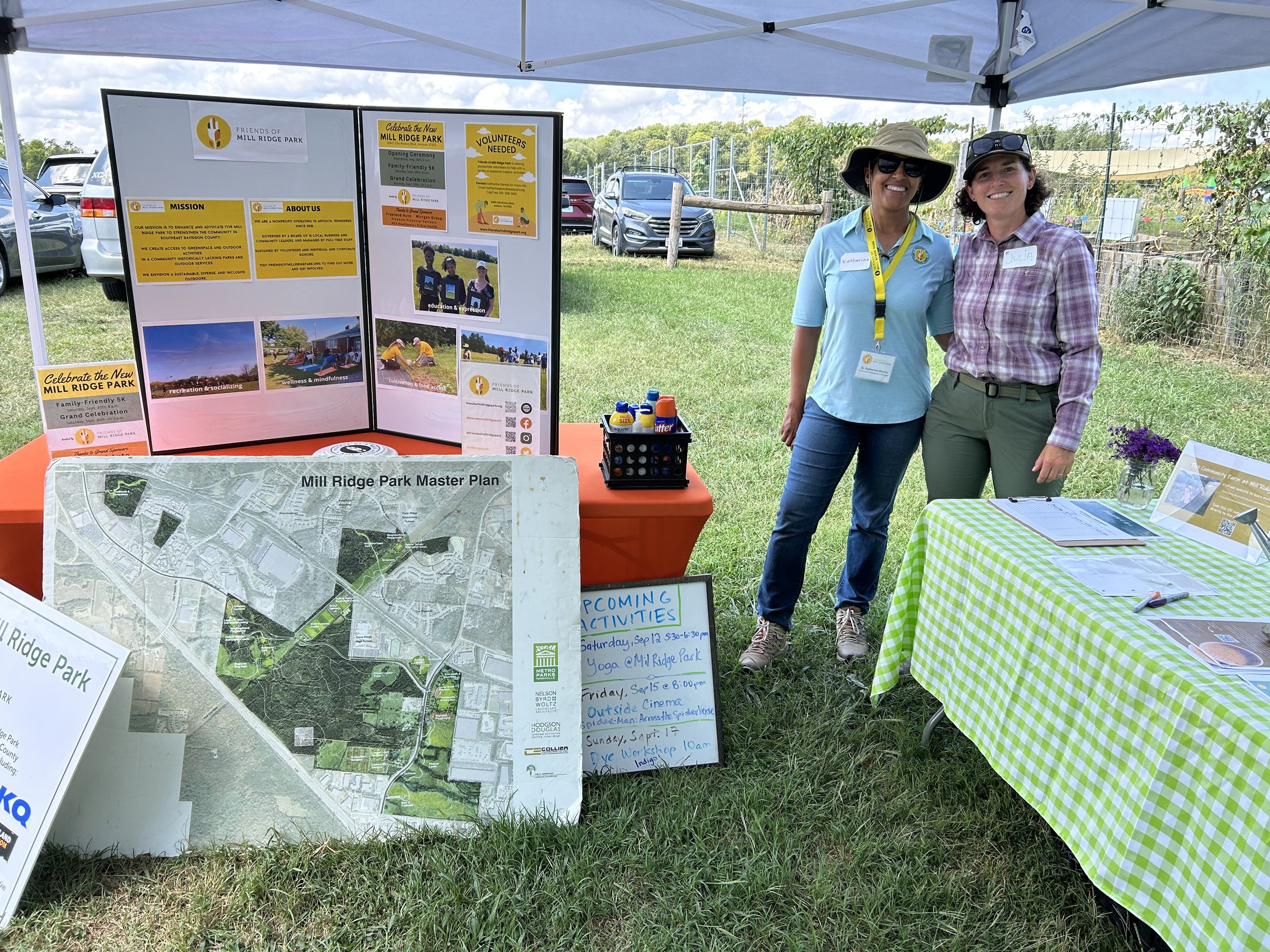
Welcoming Week is an annual, international campaign that celebrates the work in communities to become welcoming places for all, including immigrants. Launched in 2012 by Welcoming America and its members, Welcoming Week poses an opportunity for communities to cultivate the energy that’s needed to sustain long-term welcoming efforts through events and initiatives that foster connection and collaboration between immigrants and non-immigrants. This year, over 600 events took place across the world as a part of Welcoming Week. We were grateful to facilitate two of the events that came alive in Middle Tennessee.
We kicked off Welcoming Week with a family festival at The Community Farm at Mill Ridge. The Community Farm is a thriving agricultural space that supports the growing efforts of over 80 families from diverse backgrounds each year and is stewarded in partnership with Metro Parks and Friends of Mill Ridge. Because the farm already acts as a welcoming space for us to grow food, share knowledge and participate in community, it felt like a natural place to invite our community to connect over food, land, and conversation.

Puppet show from Wishing Chair Productions and the Nashville Public Library.
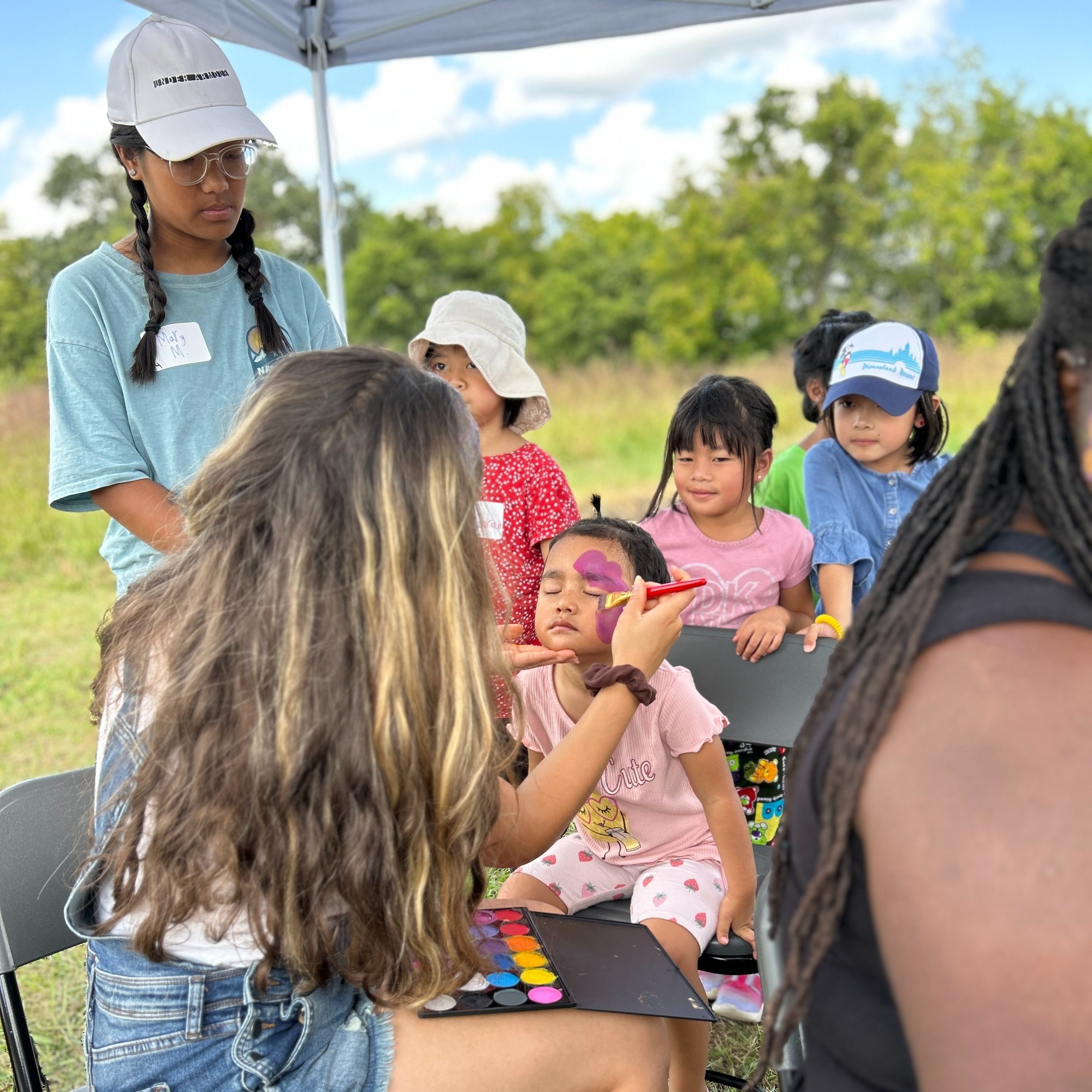
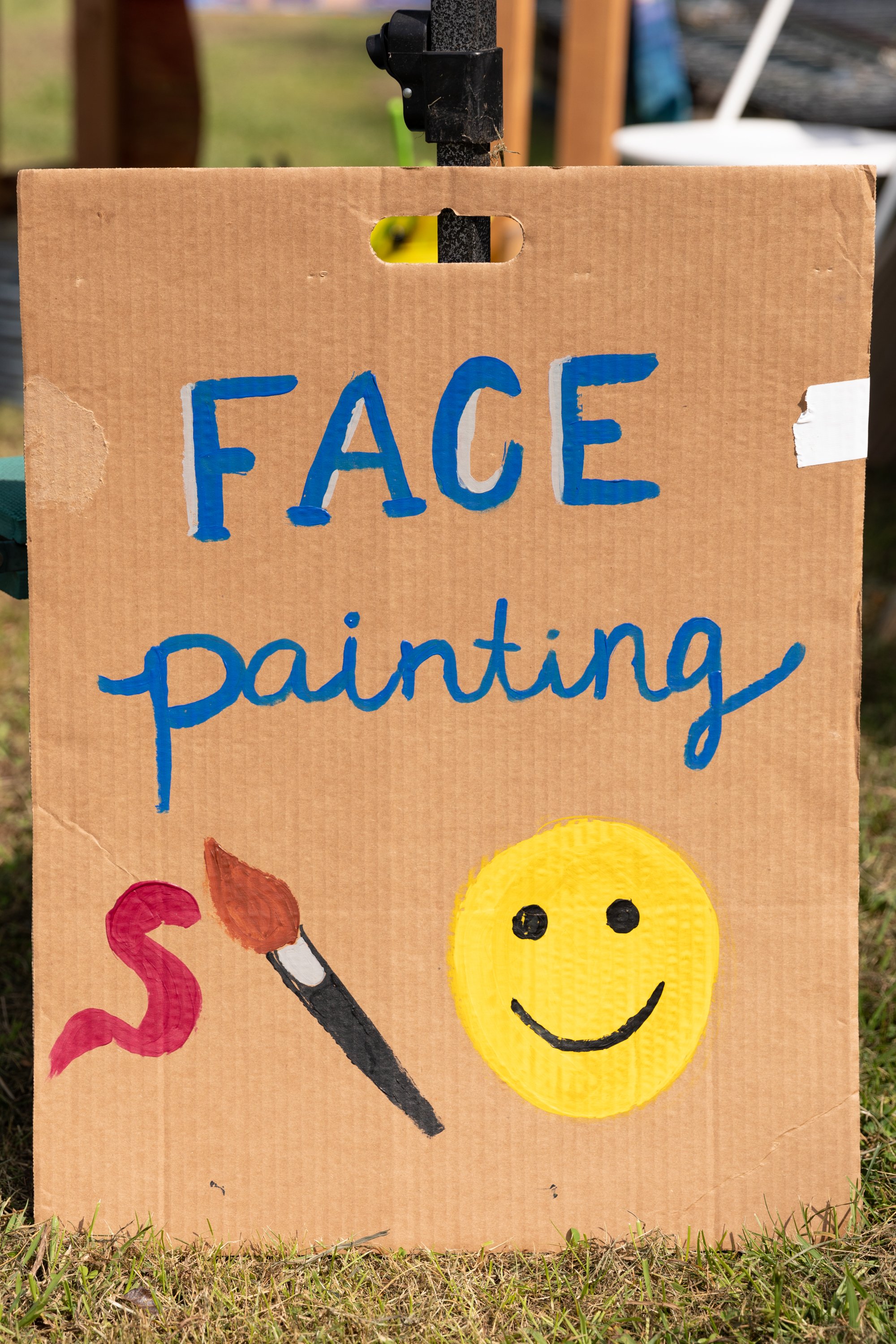
Our face painting station was a huge hit with the kids — the line never let up!
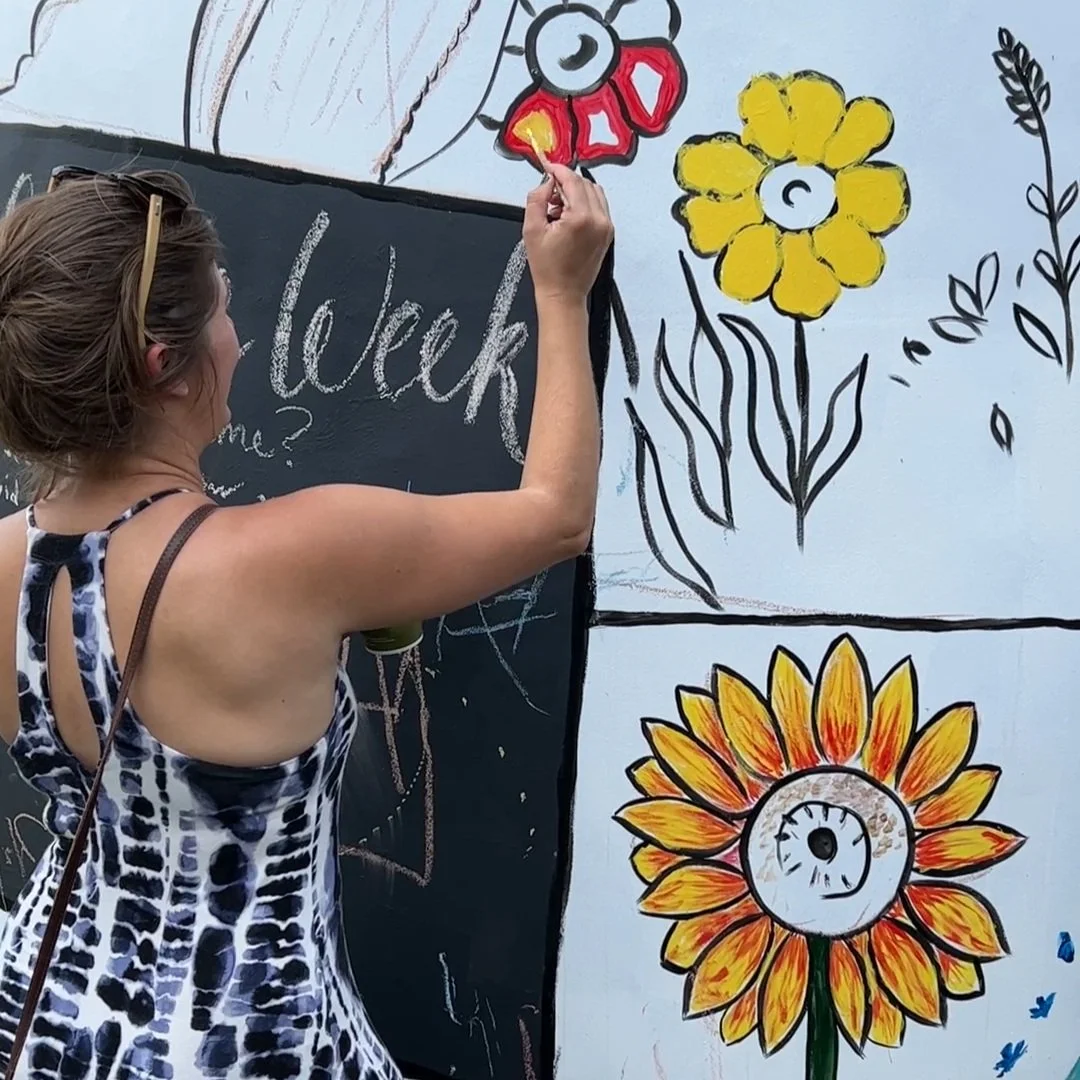
Community members painted a mural on our new water storage tanks.
The day, which ended up being beautiful, included activities for everyone! From a puppet show to a guided hike, a community art project to a unique educational opportunity about the history of the land, there were ample ways to engage, learn and play.
The centerpiece of the family festival was the spread of food, brought by many generous guests and representing a wide variety of cultures. At lunchtime, nearly 150 of us gathered together to eat, share and celebrate the ways that we all are both guest and host, and can welcome one another by simply sharing a meal or initiating a conversation. It felt fitting to read “The Honorable Harvest,” as shared by Robin Wall Kimmerer, in three different languages during the meal. Its indigenous wisdom implores:
Know the ways of the ones who take care of you, so that you may take care of them.
Introduce yourself. Be accountable as the one who comes asking for life.
Ask permission before taking. Abide by the answer.
Never take the first. Never take the last.
Take only what you need.
Take only that which is given.
Never take more than half. Leave some for others.
Harvest in a way that minimizes harm.
Use it respectfully. Never waste what you have taken.
Share.
Give thanks for what you have been given.
Give a gift, in reciprocity for what you have taken.
Sustain the ones who sustain you and the earth will last forever.

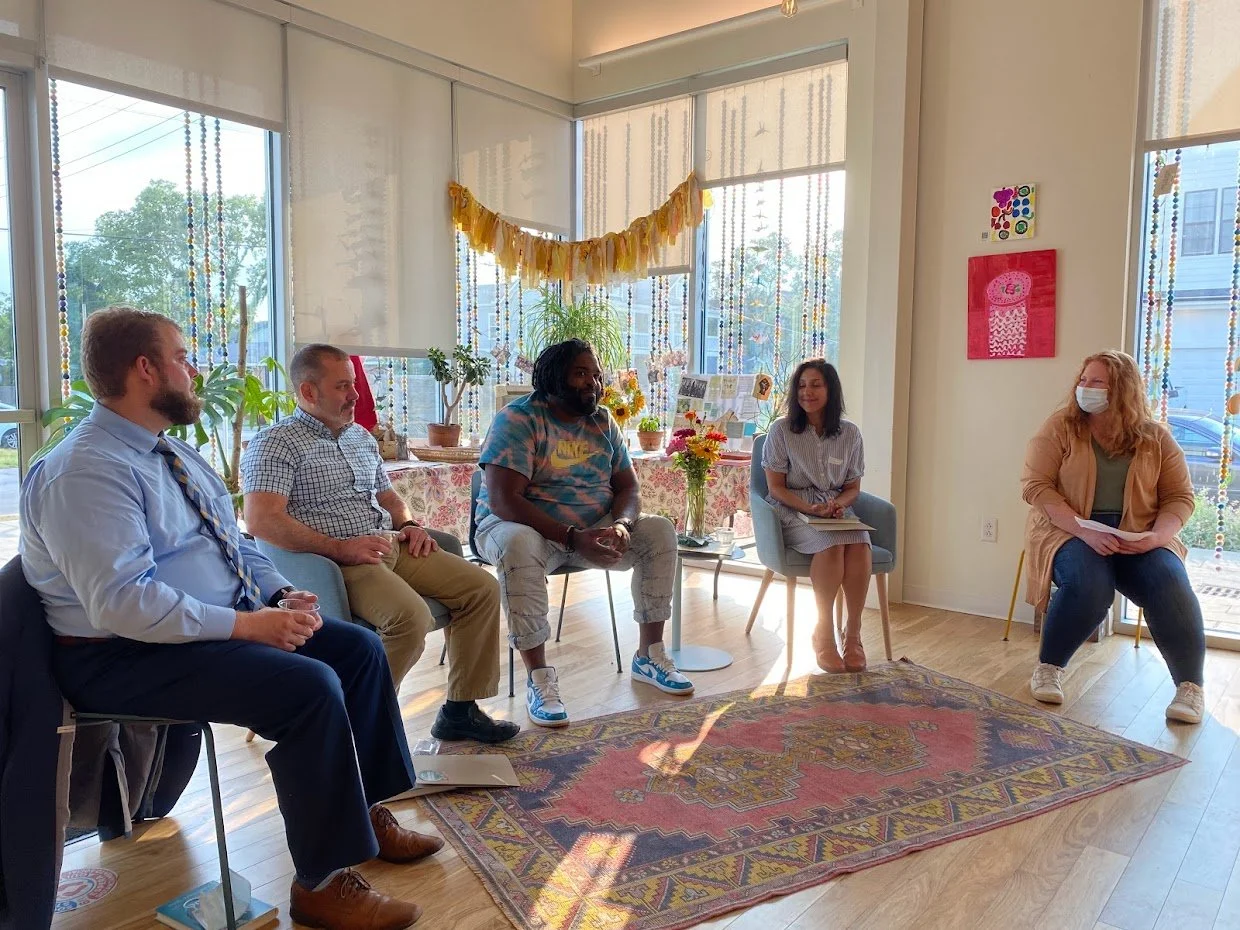
Later in the week, our team hosted a Community Conversation that examined the work of welcoming. Three community leaders with vastly different experiences and areas of focus found common threads around what shifts our city could make to meet the needs of a diverse population. As conversation opened up over shared chai and sambusas, we dreamt together about how new residents might feel more welcomed upon their arrival to Nashville.
Our discussion quickly turned to the importance of public space in fostering a welcoming environment. Kipkosgei Magut, who serves as the health education coordinator with the Nashville International Center for Empowerment (NICE), shared that while NICE has the resources to host regular pop-up health events for refugee families, they often struggle to secure a free, public location. Brenda Perez, who has worked as a community organizer in Nashville for several years, noted the amount of undeveloped land around the city — and how those open fields could be completely changed by setting up two simple goal posts.
Katherine Dennis, the community engagement manager for Friends of Mill Ridge Park, shared how the newly opened Mill Ridge Park is working to develop a space offering the very opportunities that seem to be missing from Nashville public life. When we create intentional infrastructure to invite people into public spaces, it naturally cultivates community.

Kipkosgei Magut, Katherine Dennis, Elizabeth Langgle-Martin, and Brenda Perez.
And community is at the heart of a more welcoming Nashville. It’s so important to publicly proclaim our welcoming values so that those around us, both old-timers and newcomers, know that Nashville is a place we want them to stay. Everyone has something of value to contribute to our shared future, and that future is brighter when we know our neighbors, gather together, and share a meal.
Volunteer Spotlight: Meryl Taylor
A beloved long-time kitchen volunteer, Meryl, shares about the journey that led her to The Nashville Food Project and the ways that she leverages her skills and passions to cultivate community and alleviate hunger in our city.
A reflection from Meryl

“As it has been said many times, ‘Like mother, like daughter,’ and whether we are speaking about my biological mother or Mother Theresa, I have been inspired by both women.
I spent my youth living in two major metropolitan cities- New York and Miami. In 2003, I felt the need for a greener landscape, and eventually made Nashville my home. After finding a place to reside, I then searched for a place to call home and it wasn’t long before I discovered The Nashville Food Project. I have a love affair with food and gardening, so it was a natural fit. I initially began my volunteering by working in the TNFP garden on Hillsboro Road which is my ‘happy place.’ I love to feel the sweat on my brow and the dirt under my fingernails. I also love to help things grow because every living thing deserves a chance- sometimes it just takes a little nurturing. My husband teases me when he watches (and listens) to me weed our own garden because, because you see, I’m of the belief even the weeds growing between our flowers, are nature’s work so as I pull them, I also apologize to them. My friends chuckle when my husband shares the story but inwardly, I’m smiling because I know my heart is in the right place.
When the new HQ opened, an opportunity to work in the kitchen became available so I jumped at the chance. Initially, I worked on prep, sometimes delivering and serving meals, eventually working on a cook team which led to having my own little team until Covid reared its ugly head and things ground to a halt. Since our return to the kitchens, I’ve been known to take on the task of doing some organizing at the offices and I’ve added a monthly prep at St Luke’s. In both kitchens, the overall feeling from the staff is one of joy and commitment to an important cause. I continue to meet new friends so for me, it’s not a job or even a volunteering assignment, it is pure joy and happiness.
My husband and I are slowly exploring the possibility of retiring — we both work together, for ourselves. When we’re not working, we love to travel and explore the great outdoors. We are blessed with five outstanding children scattered across the country and when I’m not working or traveling, I love to sew, try new recipes, garden, and I’m also an avid reader.
It has been said that we all, sooner or later, quote our mothers and I would like to quote Mother Theresa when I say, ‘It’s not how much we give but how much love we put into giving.’ For me, no truer words were ever spoken.”
Are you interested in becoming a volunteer?
Growing Multigenerational Community at McGruder Garden
In 2009, an advisory board for a community center in North Nashville formed, and one of the responses from the community was a desire for a space to grow. In addition to the garden being a gathering place for community and a sacred green space in a fast-growing city, it also proposed a solution to the neighborhood’s lack of access to fresh food — there was no grocery store in North Nashville.
14 years later, many of the garden’s original growers — including founders Rev. and Mrs. Beach — still come to McGruder Community Garden each week. It’s a space where people from all walks of life work together to grow whatever they want — be it okra, dill or marigolds — for themselves, their families and their community.
Check out this video and take a look at a typical morning at McGruder!
Sweet Peas Partner Spotlight: Window of Love
Every Tuesday, Wednesday and Thursday, Samaria serves lunch to the J. Henry Hale neighborhood out of her front window. It began during the COVID-19 pandemic when schools shut down, leaving children who relied on schools’ daily breakfasts and lunches without food. As 2020 trudged on, Samaria continued to spread much-needed joy and food throughout her community, becoming known throughout her neighborhood as Window of Love.

In front of her home on Jo Johnston Avenue, Samaria Leach is setting out a stack of chapter books. “Especially during the summer, I like to make sure the kids have something to read when they come to get their food,” she explains. “They seem to really like it.”
Every Tuesday, Wednesday and Thursday, Samaria serves lunch to the J. Henry Hale neighborhood out of her front window. It began during the COVID-19 pandemic when schools shut down, leaving children who relied on schools’ daily breakfasts and lunches without food. As 2020 trudged on, Samaria continued to spread much-needed joy and food throughout her community, becoming known throughout her neighborhood as Window of Love.

Eventually, schools resumed for the fall semester, as did regular school meals for the kids who had become frequent visitors to the Window. But the question stuck with Samaria: where were these kids normally getting food during the summer months, or even spring break? She knew that Window of Love needed to stretch beyond those lonely pandemic months.
“God placed on my heart to continue and continue, so that’s what I did: continue and continue and continue.” —Samaria Leach, Window of Love
With support from her neighbors and a network across the city, Samaria was able to continue, opening the Window three days a week during the summer and other school breaks. Now, she shares food with between 50 and 75 kids each week during the summer months, in addition to educational resources and even the occasional field trip!
The gap that Window of Love fills is one that affects thousands of children every summer: local school systems provide a reliable source of nutrition for families that are impacted by food insecurity. In fact, every school year, Metro Nashville Public Schools serves around 4 million breakfasts and 8.4 million lunches. But during the summer months, without these daily meals, many youth are at risk of hunger. The Nashville Food Project is proud to work alongside partners like Window of Love through our summer children’s meals program, Sweet Peas, sponsored by Jackson National Life Insurance Company (Jackson®) for the fifth year in a row. This summer alone, the program distributed nearly 11,500 meals to kids across Nashville.
Through Sweet Peas, The Nashville Food Project was able to help Window of Love scale up their efforts to build community and alleviate hunger this summer by supplementing the snacks Samaria was already making with 90 additional nutritious snacks full of hard-to-come-by fruits and veggies each week. The partnership made it possible for kids in Samaria’s North Nashville neighborhood to try new foods, too.
“One day we had salads,” explains Samaria, “and one of the little boys was like, ‘I don’t eat salads!’ I said, ‘what if I add something special?’ So I put some turkey on there for him, added a little cheese, and he asked for a salad again the next day. It’s life-changing for the kids.”


It takes a lot of collaboration to get salads like this one in front of — and in the bellies of! — these kids. And Window of Love isn’t the only place it’s happening. In addition to Window of Love, funding from Jackson® made it possible for us to share meals with children at 18 other sites this summer.
“It takes a community,” says Samaria. “It’s not just about me. The Window is about everybody — communities working together — because our goal is the same thing: to make sure no child is going hungry.”

Denise and Amy: Sisters from Another Mister
Amy and Denise met each other when they were dropping their kids off to kindergarten at a local Nashville elementary school. They clicked, and for the past 20 years have been pretty much inseparable friends. They go on family vacations together, do lunch together, and volunteer at St. Luke’s Kitchen as a Cook Team.
By Arianna Nimocks, Volunteer Engagement Manager

“I HATE possums, which Amy knows very well. She gleefully had her husband and sons leave a very-much alive possum in a bucket on my front porch. When I screamed, slammed the door and locked it, her family mocked me further by letting the nasty creature swing by its tail from their finger outside my living room window!”
(Direct quote from Denise Sesler.)
Amy Lee and Denise Sesler go together like… peas in a pod. Sisters from another mister. As Amy puts it, “Denise is an extrovert who will talk to anyone. I’m pretty much the opposite. She makes friends wherever we go; I make jokes.”

Amy and Denise have been friends since their kids started kindergarten. They didn’t realize they had lived on the same street until then. They clicked, and for the past 20 years have been pretty much inseparable friends. They go on family vacations together, go to concerts, plays, and author events (Michelle Obama twice!), and volunteer together at St. Luke’s Kitchen as a Cook Team on a regular basis. Denise says, “we have survived fighting like sisters, because that’s what we are. Deranged, high-maintenance sisters.” (Correction, from Amy: “one deranged, high maintenance person and one normal functioning person.”)
Over the months I’ve worked with Amy and Denise, I have learned so much (is there a thing as too much?) from their hilarious back-and-forth.
One of Amy’s favorite stories to tell about Denise is this one: “I broke my finger and asked her to take me to the ER. She had to finish drying her hair and applying makeup and didn’t pick me up for almost an hour. Then the nurse asked if she was my mom so there was karma.” Amy adds: “Denise says this an exaggeration, [but] Denise’s husband is on my side.”
Denise responds with, “Amy’s broken finger time frame is a complete exaggeration and I want an attorney!” and “Sadly, the nurse thinking I was Amy’s mom is not an exaggeration, and she has often called me ‘Mom’ ever since.”

Most importantly, I’ve learned about friendship through them and their joint support for the mission of The Nashville Food Project.
Denise began volunteering soon after her friend Tallu Quinn started the organization, and she “has been an enthusiastic supporter ever since.” Denise recruited Amy and they have both been volunteering together for 10 years.

Amy says that her favorite part of volunteering with The Nashville Food Project has been “the camaraderie over the years at St Lukes.” She notes that, “while the staff and volunteers have changed some, the general atmosphere has been a constant. It has always been a group that is working hard, all while having fun, laughing, and enjoying the fellowship of each other. It's good people, doing good work, for a great cause.”
A tight community at St. Luke’s is the “magic sauce,” as one of our evening volunteers, Andrea Pruijssers, put it, of why growing, cooking and sharing is so inextricably woven together with relationships. Volunteers don’t just prepare food together, they become friends and build bridges together.

Denise’s dedication to the Food Project’s mission is profound. She says, “When we share a meal, we share love and community. When we have access to a warm meal, we are strengthened to meet the hardships that come our way. When we prevent food waste where possible, we lessen the growth of landfills and toxins that are released into our air, and we facilitate growth of more food for those in need. When we volunteer with others to bring these things about, we are blessed beyond measure. Good things happen around the table and in the breaking of bread. The Food Project proves that every day.”
Here’s to seeing if Amy and Denise will ever record themselves during one of our prep sessions and create a podcast out of it…! Oh, and, next time you see them, ask them about how they “run” the Nashville marathon. You won’t be disappointed.
Recipes from the Growing Together Farm: Lu Ja's Fried Rice
By Gabby Raymond, AmeriCorps Food Justice Storytelling Content Leader
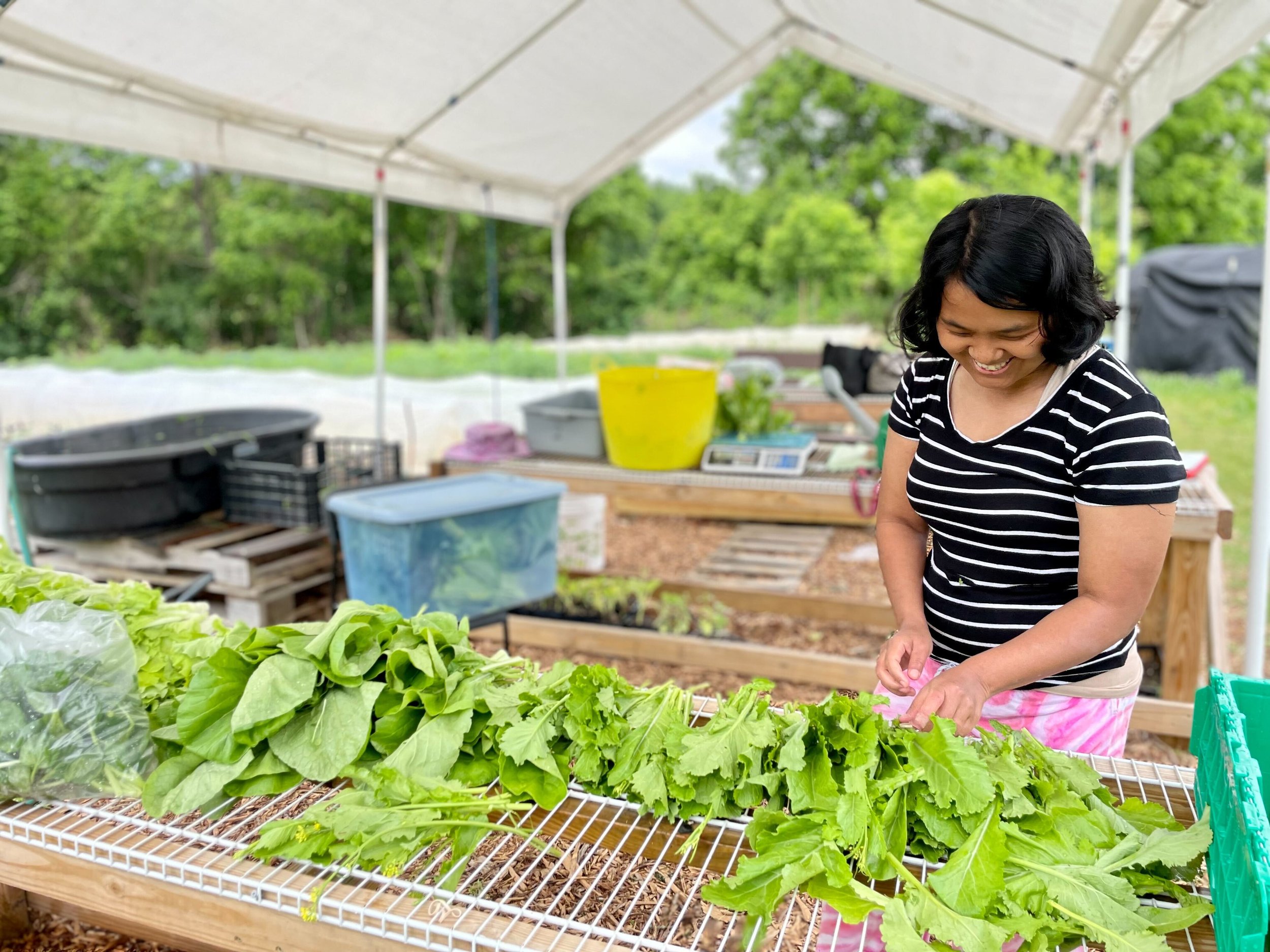
Lu Ja, Growing Together’s newest farmer
"I'm already 30, I need to eat healthy now," says Lu Ja as she vigorously stirs long beans sizzling in a pot with a little oil. She is preparing fried rice homemade style, which she describes as different from restaurants because of its simplicity and lack of lots of salt or MSG.
Lu Ja has two young sons at home, and so she often cooks easy to make, quick meals at home. A go-to meal for her is steamed chickpeas sauteed with garlic and rice, which she used to eat frequently in Myanmar. When she wants to incorporate more vegetable into her meals, she will make this fried rice.
"The tongue likes sweet and spicy," says Lu Ja. "But this meal is for a full stomach."
Lu Ja’s Healthy Fried Rice

Ingredients
2 cups cooked jasmine rice
Salt to taste
Sugar to taste
Black pepper to taste
5 to 6 cloves of garlic
Cherry tomatoes, halved
Mixed bell peppers, diced
Long beans, sliced
1 bunch water spinach, chopped
2 eggs
Vegetable oil

Instructions
Add 1 tsp. neutral oil to a pan on medium high heat and cook egg until done. Transfer to a bowl.
Massage 1 tsp salt into cooked rice.
Add more oil to the pan and cook long beans until soft.
Stir continuously and add salt, sugar and pepper.
Add bell peppers and when incorporated stir in chopped water spinach and rice.
Combine, add in chopped egg and stir in any additional seasoning.
Let rice cook until you can hear it begin to crackle.
Stir and then add tomatoes and Thai basil leaves and flowers.
Stir and scrape the bottom to incorporate any crunchy bits.

Although the eggs and vegetables are flavorful on their own. if you're looking to pack a little more punch to the flavors of this dish, you can incorporate your own sauce when you add the rice.
Option 1:
1/2 tsp sesame oil
3 tsp soy sauce
Option 3:
3 tsp fish sauce
1 tsp oyster sauce
1/2 tsp sugar
Option 2:
1 1/2 tsp soy sauce
1 1/2 tsp dark soy sauce
For the best consistency when making fried rice, use cold leftover rice. Day old rice works perfectly because it will not become mushy when frying.
Vegetable fried rice can also be garnished with chopped scallions or cilantro and served with tomatoes and cucumbers on the side. You can also add chicken or shrimp if you don't want a strictly vegetarian dish.

Recent Favorites from the Kitchen

Lately in our kitchen, we’ve been getting creative with the gifts of food we steward! Here are a few of our favorite meals to come out of the kitchen as of late:
Julia’s Monte Cristo Bake
In January, we gratefully received a huge donation of hams from Aldi. We relied on a few classic ways to incorporate it into meals — carbonara, pineapple glazed ham, pork fried rice — but 1,800 pounds is a lot of ham! Luckily, our meals director Julia is always thinking creatively about how make the best use of our resources and dreamt up this Monte Cristo bake.
A Monte Cristo is a ham and cheese sandwich dipped in egg and fried up like french toast. Julia deconstructed this beloved sandwich into a casserole and topped it with homemade strawberry sauce and powdered sugar! To round out the breakfast-for-dinner theme, it was delivered alongside roasted breakfast potatoes and fresh fruit smoothies. A nourishing new favorite!
Mary’s Muffulettas
Ever had a New Orleans muffuletta? They're made by layering traditional Sicilian sesame bread with olive salad, salami, ham, mortadella, provolone and swiss cheese. Mary Elizabeth leaned on her Cajun roots and prepared a bunch of these delicious sandwiches to help our partners celebrate Mardi Gras, which fell on the very next day!
She made the best use of what we had on hand and put the Food Project spin on this sandwich, down to an olive salad that mixed traditional ingredients like olives, carrots, celery, red wine vinegar, and oil with some flavorful additions like hearts of palm, artichoke hearts, and banana peppers. It was a tasty lunch right in line with those hearty, rich Mardi Gras flavors!


Six-Layer Thanksgiving Casserole
Who says we have to wait until Thanksgiving to make — and enjoy — dressing? A massive turkey donation and some lingering cans of cranberry put us in the mood for some classic Thanksgiving food this Presidents’ Day, so we decided to combine all of our favorite flavors into one dish.
We started with turkey, pulled by the hands of faithful volunteers, and then topped it with cranberry sauce, mixing it up so that every bite of turkey included that bright, tart cranberry marinade. Then we added green beans, fresh veggies, scratch-made gravy and dressing with all the fixins and baked it into a casserole! It was like the classic Thanksgiving “perfect bite” over and over again.
Reminding Each Other of the Goodness
Mary Susan is one of those people that light up a room as soon as they step in. With an incredibly witty and fun sense of humor, storytelling that you could listen to for hours, and a laugh that feels like a warm hug, Mary Susan is an integral part of our community.
By Arianna Nimocks, Meals Volunteer Coordinator

Mary Susan is one of those people that light up a room as soon as they step in. With an incredibly witty and fun sense of humor, storytelling that you could listen to for hours, and a laugh that feels like a warm hug, Mary Susan is an integral part of our community.
Mary Susan first got involved with The Nashville Food Project after noticing The Nashville Food Project’s trucks at Woodmont Christian Church while running errands, soon after she and her husband moved to Nashville. Coincidentally, soon after, she attended a luncheon where Tallu gave a talk about the Food Project. She says she had wanted to volunteer with “an organization that focused on the hunger issue in our community,” and this talk “convinced [her] that this was what [she] wanted.”

Over the years, Mary Susan has delivered meals as a food truck volunteer and prepped meals at our St. Luke’s Preschool Kitchen. When Covid-19 came around, Mary Susan notes how difficult it was to have to take a step back from participating at the Food Project, especially as she “was very connected with the staff and fellow volunteers.” She says “[volunteers] were all delighted when [they] could return to [their] ‘jobs’.”
Mary Susan now volunteers on a bi-weekly basis at our Monday afternoon St. Luke’s prep sessions, and has stepped up to help on Tuesday afternoons with fellow volunteer friend, Caren.
Mary Susan has made the Food Project feel like a home since my very first prep session at St. Luke’s. She immediately greeted me with a warm welcome and we talked about our shared love of living in the hill country of San Antonio, Texas.
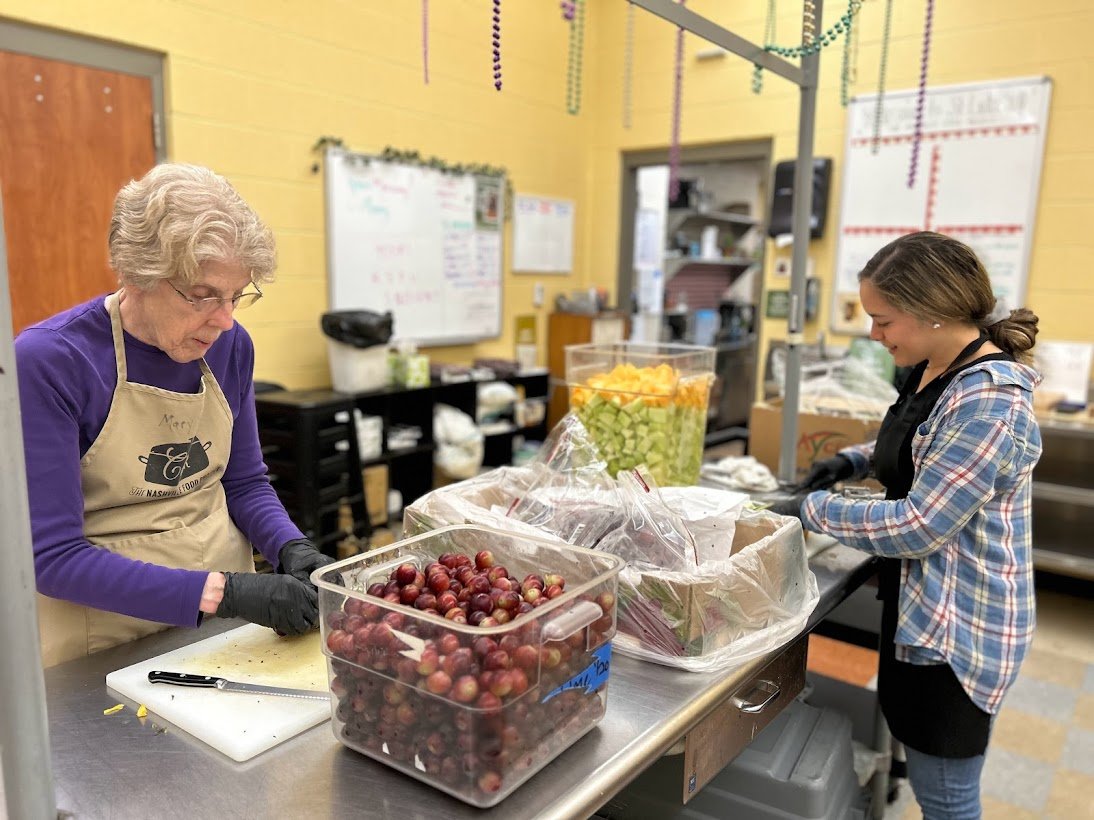
“The Nashville Food Project is special in my life,” Mary Susan says. “It allows me to work with uplifting people who remind me of the goodness in our world.”
We are grateful for Mary Susan’s warmth and heart she brings to our organization. We could not do the work we do without volunteers like Mary Susan!

Growing Together to Build Food Security
Can you imagine 27,000 pounds of produce? Now picture that being grown by the patient hands of just four families on less than a single acre of land. This is the work of Growing Together, an urban farm in southeast Nashville jointly stewarded by immigrant and refugee farmers and The Nashville Food Project.
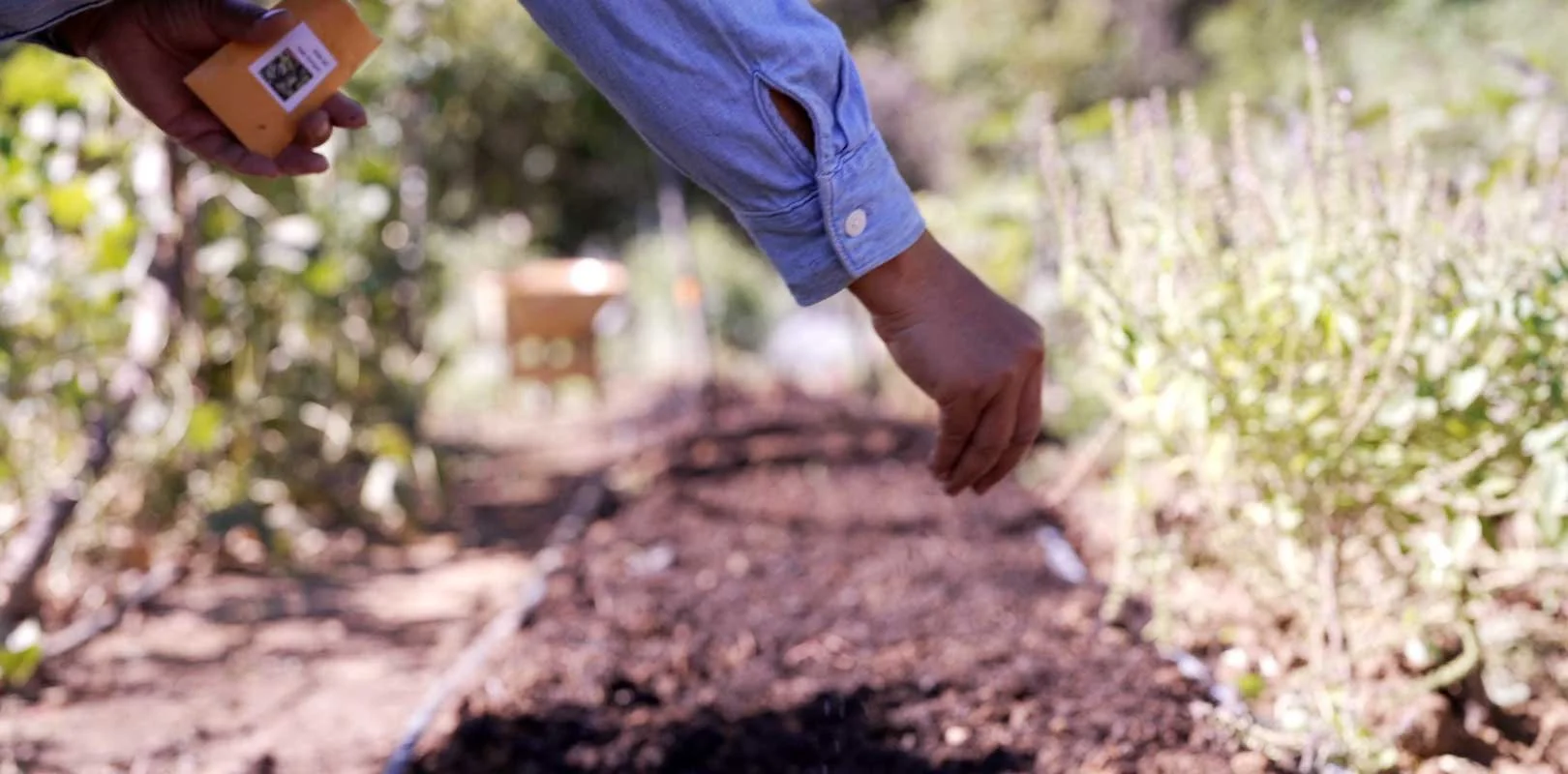
Can you imagine 27,000 pounds of produce? Now picture that being grown by the patient hands of just four families on less than a single acre of land. This is the work of Growing Together, an urban farm in southeast Nashville jointly stewarded by immigrant and refugee farmers and The Nashville Food Project.
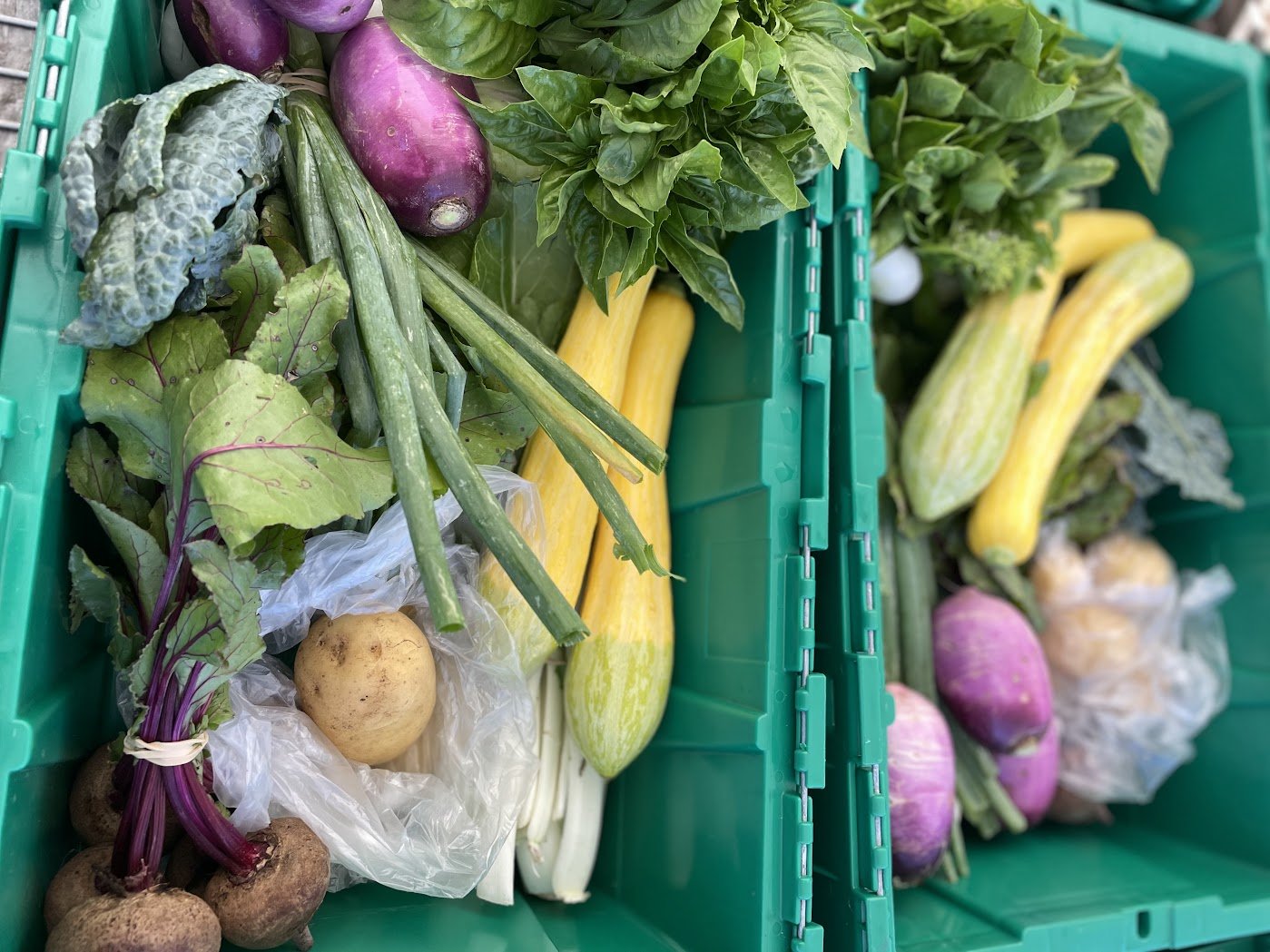
In the warmest, busiest months, the Growing Together farm is overflowing with handmade trellises of tomatoes, towering okra plants, and bright red Dalle Khursani, Nepali hot peppers. The farmers, who all came to the U.S. from Bhutan and Myanmar, tend crops from their home countries alongside Middle Tennessee favorites. Cabbages thrive next to creeping vines of bitter gourd. Many languages echo across the field as farmers trade jokes and bits of advice.
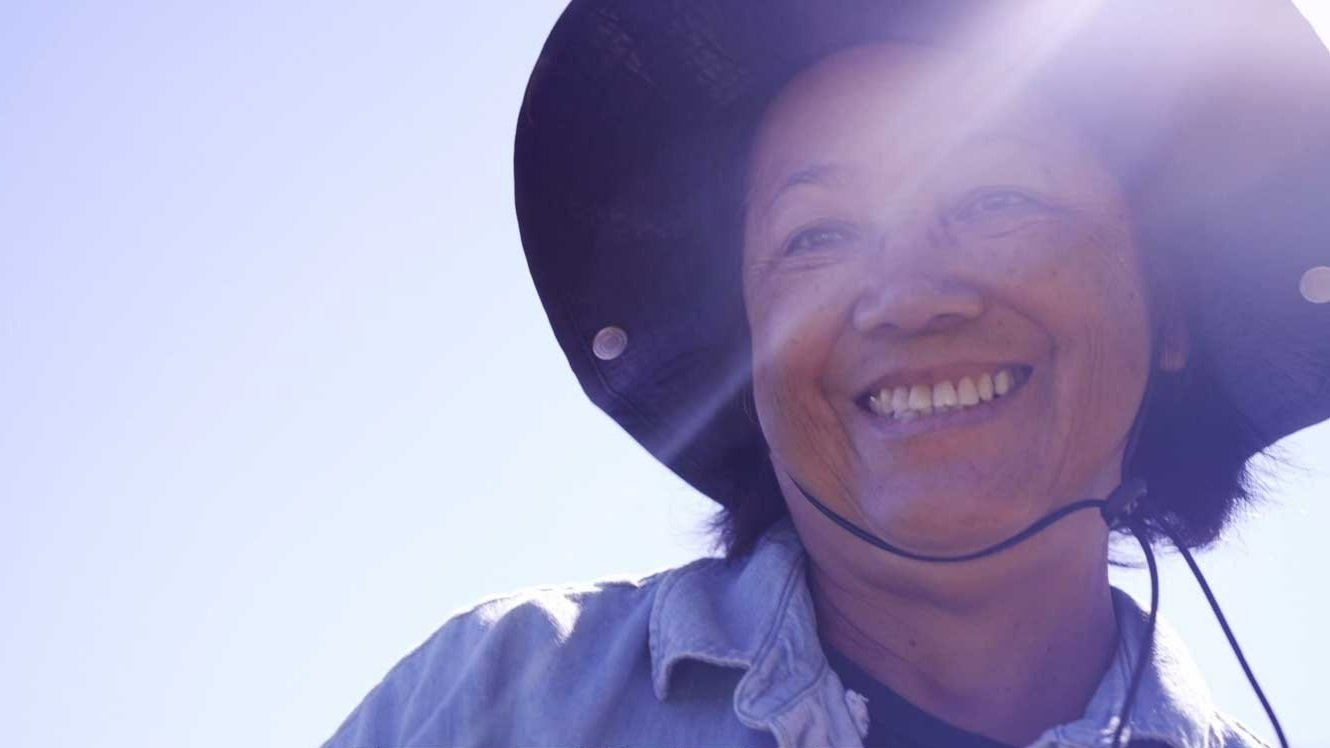
“Our exchange of knowledge makes me a more successful grower,” says La Sai Roi, a Burmese farmer who has been with the Growing Together program since 2021. “I am so thankful for this program and all the farmers.”
The farm is as multigenerational as it is multicultural. People of all ages cultivate thriving rows, wash bundles of spinach under tents, and pack veggie boxes for pickup. Growing traditions with origins in the farmers’ home countries, like seed saving or companion planting, are passed down to younger generations through practical experience. It’s a close-knit community where farmers continually deepen connections to their countries of origin and to each other.
The farm’s Community Supported Agriculture program extends a pathway for farmers to get more plugged into the local community, forming meaningful relationships with customers while generating income that supports family webs in Nashville and beyond. If you’re looking to cook with a wider variety of veggies, support immigrant and refugee farmers, and build community food security along the way, consider supporting Growing Together this spring by purchasing a CSA share.
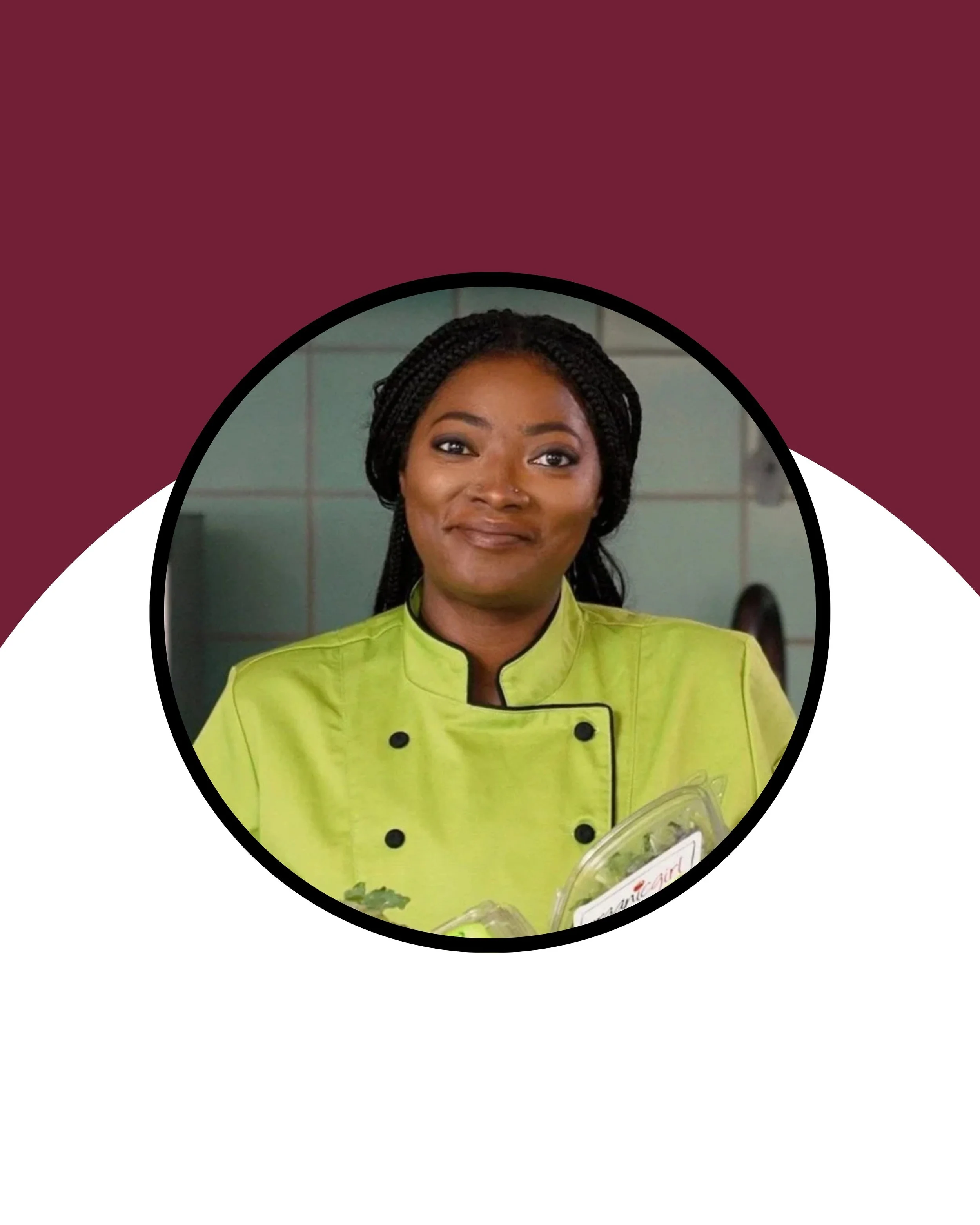
Bianca Morton, Chief Culinary Officer of The Nashville Food Project
Bianca Morton was in culinary school, watching an instructor whisk together milk and flour to make béchamel sauce, when it dawned on her: she had watched her mother make the same thing her whole life. It was just mac and cheese sauce.

Bianca Morton was in culinary school, watching an instructor whisk together milk and flour to make béchamel sauce, when it dawned on her: she had watched her mother make the same thing her whole life. It was just mac and cheese sauce.
Since that day, she’s experienced the same moment of recognition many times over. In fact, it’s been a theme of Chef Bianca’s four years at The Nashville Food Project – remarkable food, without pretense — served to after-school programs, immigrant communities, homeless outreach organizations and so many others across the city.
“You can call it whatever you want, but at the end of the day, good food is good food,” she says.
Bianca was the first-ever employee of The Nashville Food Project with a culinary degree. When the organization hired her in 2018, they were just months away from moving into a brand-new building with a commercial kitchen — a pretty drastic change from their beginnings in a modest church kitchen. The meals team was trading pots and pans for shiny braising tilt skillets that could hold up to 40 gallons. And with the addition of Bianca, they were ready for it. Almost overnight, food production scaled up from 75 to 750 servings at a time.


Now, as Chief Culinary Officer, Bianca entrusts her team with the daily tasks of food preparation — the systems she put in place years ago means they can cook 1,200 meals each day like clockwork. Instead, she’s creating ways to invite Nashvillians into her expansive culinary world and finding hope in the fact that people from marginalized communities get to taste butternut squash because of the work she’s doing at the Food Project.
“I grew up in a food desert,” she explains. “I didn’t know what a butternut squash was. But this role gives me the opportunity to introduce foods like that to kids in the same situations — I get to show them that there is more out there. Your current circumstance is not a limiting factor in how far you can go.”
Her words echo the organization’s vision for a Nashville where everyone has access to the food they both need and want: a world where good food is not off-limits to certain people, in certain neighborhoods. A world in which bottle gourds and garlic cloves are the doorway to thriving communities.

“This is not just my job — this is who I am, as a chef and as a person,” she says.
Bianca has earned her white chef’s coat a thousand times over. But she doesn’t need it to validate her deep understanding of the transformative power of food. She’ll just keep coming to the kitchen with her passion for delicious, nutritious, approachable food, using béchamel sauce to make mac and cheese.
Leslie’s Reliable Joy
As soon as Leslie steps foot in the kitchen, she is ready to help. She has been volunteering at The Nashville Food Project since 2014, and has since become an integral member of both the tight-knit community in our satellite kitchen at St. Luke’s Community House as well as our lively headquarters kitchen.
Leslie DiNella’s smile is contagious.

As soon as Leslie steps foot in the kitchen, she is ready to help. She has been volunteering at The Nashville Food Project since 2014, and has since become an integral member of both the tight-knit community in our satellite kitchen at St. Luke’s Community House as well as our lively headquarters kitchen.
Leslie shares, “Around 2014 while searching for a volunteer project that I could do with my teenagers around the holidays, I happened on The Nashville Food Project and immediately felt embraced by everyone at the Woodmont location. The mission of growing and cooking healthful food immediately resonated (as I love cooking and eating good food myself!), but I also appreciated that I always met interesting people, was actually being well-utilized as a volunteer, and it was reliably just a joyful place to be!”
“When plans were underway for the California kitchen, I decided to try St. Luke’s since we were all going to have to move and once again I felt like I had landed in a community that was so happily passionate and I am still thrilled to be a part of that.”
Leslie has stepped up into a leadership role as part of a Cook Team at our headquarters kitchen in addition to a prep volunteer at St. Luke’s. From helping us with roasting veggies to making mummy hot dogs, Leslie is always uplifting everyone in our spaces and leading by her example.
Apart from volunteering, Leslie is a talented cellist, playing with the Nashville Philharmonic Orchestra (“Shameless plug,” she says, “Free concerts! See nashvillephilharmonic.org”). “Otherwise,” she says, her time is spent “playing tennis, walking my sweet dog (Olive), traveling with my also-sweet husband (Tom), reading, cooking, volunteering at Norman Binkley Elementary, and waiting for those teenagers-now-young-adults to answer my texts.”
Leslie's passion for good food impacts not only the people she's cooking for, but the people she's cooking with. Anyone who has had the privilege of chopping fruit or making salads with her over the last eight years already knows about her infectious enthusiasm! We’re grateful that after all this time, she’s still making our kitchen a more joyful place to be.
Feels Like Home: A Welcoming Week Event at Mill Ridge
By Elizabeth Langgle-Martin, Director of Community Engagement

Nestled on just three acres of Metro’s Mill Ridge regional park, the Community Farm at Mill Ridge is wrapping up its fourth growing season in this sacred place. A space for connection: connection with culture, community, land, and food cultivation, the Community Farm at Mill Ridge was a connecting point for almost 80 families of growers this year. Whether engaged in communal production as part of our Full Circle communal growing programming, or by stewarding and harvesting from an individual plot, this community continues to be a space of shared learning and liberation.
The Community Advisory Council of the Community Farm and the staff of The Nashville Food Project co-hosted a community event inviting both farm participants and the wider community to connect over food in this shared space. This gathering took place as a part of Welcoming America’s Nationwide Welcoming Week. Through Welcoming Week, organizations and communities nationwide bring together neighbors of all backgrounds to build strong connections and affirm the importance of welcoming and inclusive places in achieving collective prosperity.
Upon entering the farm on the day of the event, hands of all ages could be found wielding a paintbrush under the guidance of local artist Ruben Torres, who imagined a landscape where participants could be invited to paint different panels in vibrant colors before the panels were assembled to create a vivid image along the farm’s fenceline.

L-shaped tables under the toolshed sat heavy with covered dishes from the kitchens of gardeners and other event attendees. Saraí Tovar noted that she loved how the food was a perfect representation of the vibrancy of the Antioch community.
Kids ran wild with freshly painted faces, a temporary tattoo or even muddy hands from a wildflower seed ball station where Community Farm Manager, Nora, led folks in a simple method of seed saving.

Just out of sight, friends from Oasis Center led the transformation of one of the farm’s functional water catchment systems, turning it into yet another canvas for community art and inspiration, capturing portions of TNFP’s values in looping script next to bright depictions of pea pods and flower blooms.

Gardeners could be found pointing out their plots to visitors, a few friends leaving with arms filled with a hastily gifted harvest. As the afternoon wrapped up, amongst the forgotten plates and crumbled napkins, exchanged phone numbers were found scribbled on compostable table cloths, reminiscent of invitations to stay in touch.
As we continue to learn collectively about different expressions of community and belonging, we are constantly inspired and challenged by the many faces and hearts that create a place of welcome along the backdrop of a thriving community farm that often feels like home.
Photos shared with permission and courtesy of Aidan Fitzpatrick Photography. Find Aidan on Instagram here.

Anatomy of a Meal
We often say that many hearts and hands go into this work. But what exactly do we mean by that? Follow us while we make a beef lasagna to find out!
We often say that many hearts and hands go into this work. But what exactly do we mean by that? Follow us while we make a beef lasagna to find out!
Food Donations and Recovery
When most people cook, they decide on a recipe and then go grocery shopping for the ingredients. But for us, it’s the other way around. At any time, our walk-in refrigerator, freezer and dry storage may have thousands of servings of meat, pasta, beans, assorted veggies and more — and most often, it came from generous donors or was diverted on its way to the landfill. In fact, about 65 percent of the food we prepare in our kitchens comes from donations or recovery efforts. When it comes time to plan our menu for the week, we begin by taking stock of what we have and leaving room for any fresh ingredients that may be coming later in the week. This week, our first step is evaluating our protein supply…

Every Tuesday, a few of the fine folks from Porter Road Butcher pull up at the freezer behind our headquarters to drop off a weekly meat donation: usually some combination of ground beef, bacon, sausage and steaks. Always, they’re donating in quantities of hundreds of pounds at a time. If we’re cooking with meat, this is often where our meal begins. This time, we’re using ground beef!
Then comes produce! For something like a beef lasagna, the vegetables we need are fairly basic — mostly tomatoes for the homemade marinara sauce. Besides, all meal recipients will get a veggie side; in this case, it’s a roasted veggie medley. During the summer and fall months especially, we often receive gracious donations from local farms with a bumper crop. These particular tomatoes came from Cul2vate and Bells Bend Farms, with a few cans of recovered Costco tomatoes thrown in to thicken up the sauce a bit.


We round it out with cheese recovered from Whole Foods and lasagna noodles donated by a recent local food drive. From there, we’re ready to start cooking!
Food Preparation and Assembly
A huge branch of our volunteer program is processing donations. Usually, that means getting the bulk food that has been donated or recovered into manageable pieces for our kitchens to cook with. Whether a team of volunteers is chopping veggies or shredding chicken, there are always extra hands around here.
A few days before it was time to put together this meal, volunteers cut up huge chunks of cheese into easily meltable blocks. This ahead-of-time preparation makes it easy for our meals staff to get to work making cheese sauce! Meals Coordinator Bryan cooks off the beef and blends up the marinara sauce. At this point, everything is prepped and ready for assembly.
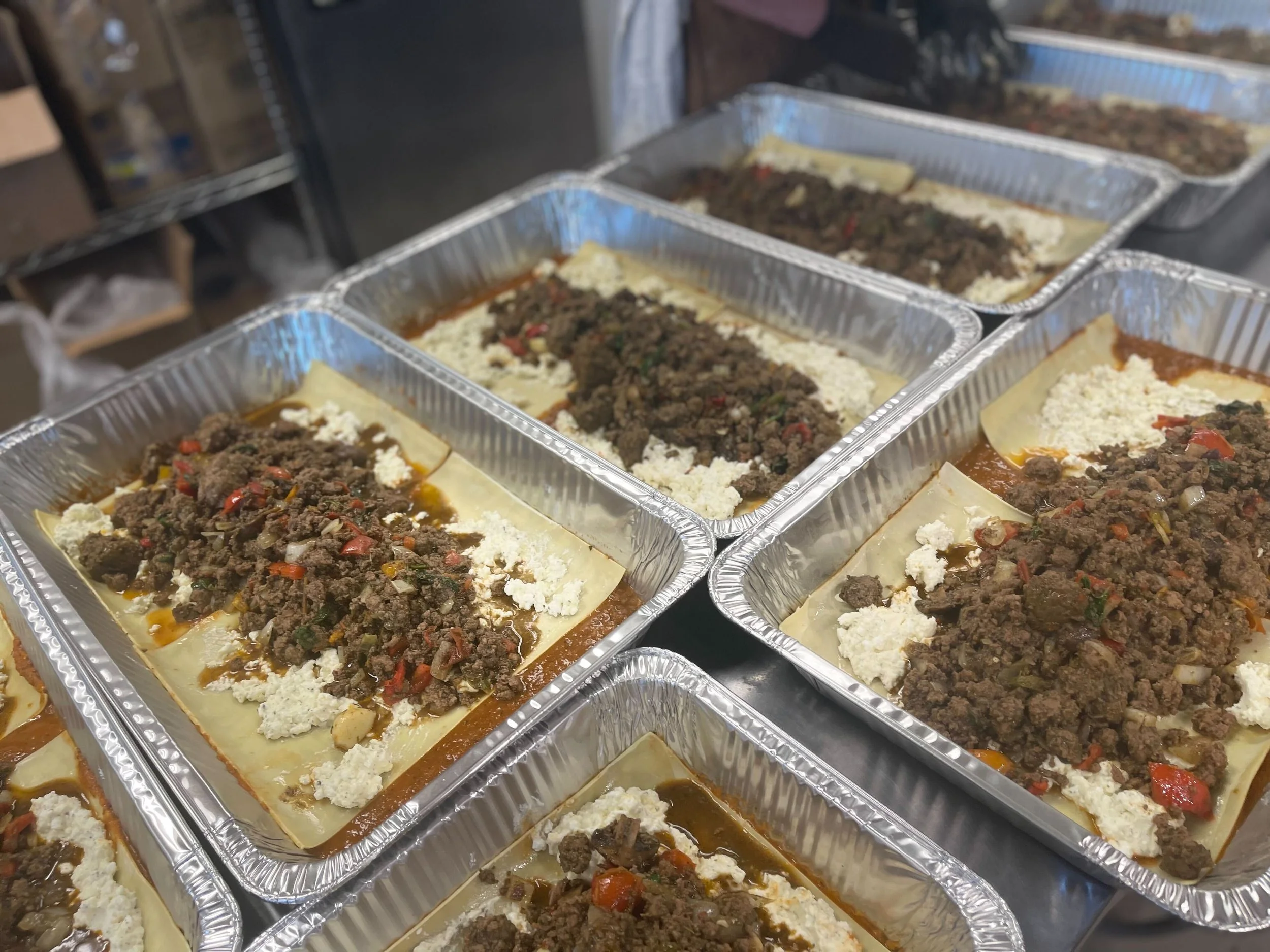
Food assembly is a little more detail-oriented and labor-intensive than processing, so the volunteer group that helps us put together our lasagna is one that has been around a while. Led by our friend Ann, this group of women comes in a few Thursdays a month to help us cook — a task almost always reserved for Food Project veterans. They do an amazing job!

Food Distribution and Delivery

We always prepare meals at least a day in advance. After this one is baked, it spends the night in our walk-in refrigerator and is reheated the following morning before our share team loads the vans and leaves for their meal distribution routes! Our food access partners include after-school programs, immigrant communities, homeless outreach organizations and so many others in Nashville.
We share this beef lasagna with the veggie roast and a portion of homemade applesauce with friends at Dismas House, Community Care Fellowship, FiftyForward, Project Transformation, Preston Taylor Ministries, the Martha O’Bryan Center, YWCA, Project Return and seven different after-school sites in partnership with the YMCA.
Once it gets to the sites, many more hands are involved in serving, eating and cleaning up after the meal. But that’s a story for another time…
Project Glean: A New Kind of Produce Share
Tucked on the far side of the Trevecca Nazarene University campus is a church beloved by students, staff and neighbors of the school. Behind Trevecca Community Church is Trevecca Towers, an affordable housing community of almost 600 residents positioned adjacent to Murfreesboro Pike. The closest major grocery store is over three miles away in Berry Hill, an affluent neighborhood that takes 30 minutes to reach by bus — on a good day.
A few years ago, two church members were talking about the lack of fresh food accessibility for the church’s hilltop neighbor. They decided to do something about it, and Trevecca Community Church’s Project Glean was born.

Project Glean aims to disrupt cycles of poverty by challenging many of the aspects that contribute to the existence of food deserts, including access to reliable transportation, economic disparities and educational opportunities. As they searched for more immediate ways to help, they dreamt up something now known locally as the Neighborstand.
“Part of TCC’s missional statements is our goal to ‘build bridges between our neighbors in holy love to transform the world in shape of God’s Kingdom,’” said Gail Pusey, a church leader and Trevecca faculty member. “One such bridge would be to offer a free, weekly, fresh-produce market to all interested Trevecca Towers residents.”

The Neighborstand features produce grown by the seven farmers who participate in Growing Together, an urban farm stewarded by The Nashville Food Project. But the way the produce gets from the Growing Together farm to the Neighborstand involves many hands: at the beginning of the season, Trevecca Community Church bought 26 shares of Growing Together’s community-supported agriculture (CSA) program. They sold those shares back to church members, and now, church members donate some or all of the weekly produce share to the Neighborstand.
“Many of Trevecca Community Church’s people know they are blessed, but also desire to be a blessing to others. They enjoy the interaction with TT friends who attend the church and its activities,” Pusey explains. “The beautiful residents themselves bring much to the table and enhance our congregation. TCC looks forward to increasing and promoting all aspects of Project Glean. Our motto is to ‘Love God, Love People, and Serve the World.’ Project Glean allows them to demonstrate this motto through their actions.”


Each CSA box contains 8-10 different types of vegetables and herbs. But since the seven farmers each manage their own plots, including choosing which crops to grow, one farmer’s veggie box may look completely different than another’s. Because Trevecca purchased shares from all of the farmers, the church ends up with a large variety of produce to distribute each week. The produce has been a hit, and it’s had the added bonus of bringing people together and creating connections among neighbors!

One of the priorities of The Nashville Food Project’s Growing Together farm is to share fresh, culturally appropriate produce with families experiencing food insecurity. We’re floored by the way that Project Glean used our CSA program to do just that in their own neighborhood! We’re grateful to the folks at Trevecca Community Church and Project Glean for reminding us of the deep interdependence at the center of community food security.
Stronger Together: Partner Panel & Paletas Recap
Around here, we talk often about treating hunger as just one symptom of poverty. Almost always, the individuals and families who are facing barriers to food access also experience an array of other barriers. Our vision for a more just, sustainable food system relies on the critical work of many to disrupt poverty’s diverse symptoms, which is why our partnership model is essential to the work we do.
Earlier this summer, we were proud to host a panel of partners to discuss just this. Organically, it turned into a session where we dreamt together about new, deeper ways to uplift each other, with the shared understanding that we all have a greater opportunity to thrive when we are in community with one another.
When we work interdependently and freely share the resources entrusted to us, we tap into a version of community that no longer sees people as problems to solve. Instead, we move toward a system that resources individuals and families to thrive in their own way, in their own right, with their own power. This version of community affirms the dignity of every one of its members and builds a new sense of reliance on the gifts each of us have to offer.
We left the panel with a renewed sense of hope for the future of communities that have traditionally been marginalized and under-resourced. So much vibrant work is happening right here in Nashville, and the collective work that is possible through our city-wide network of partners moves us closer to a just and sustainable world.
Panel Participants

The Branch of Nashville
The Branch strives to build a community where everyone can thrive by nourishing, educating, and equipping our neighbors. In response to the needs present in the South Nashville community, The Branch has focused their programming efforts on a food pantry as well as an English Language Learning program for adults.
Older Adult Care and Community Engagement Director Sarai Tovar joined our panel to share her perspective about community power through The Branch’s unique lens. She’s been with the organization since 2017 when she became part of their volunteer force. She is passionate about cooking, serving others, and parenting her two young children.

Preston Taylor Ministries
Preston Taylor Ministries empowers children and youth to discover and live their God-inspired dreams, develop a love for learning, and build joy-filled friendships that glorify Christ Jesus. Their areas of impact for youth are diverse, and their after-school programming spans seven sites across Nashville and enriches students socially, spiritually and academically.
Executive Director Dwight Johnson has a passion for working with teenagers, specifically middle schoolers, and enjoys seeing youth reach their potential. He is the author of Black Boy Soar, a children’s book written to help inspire and encourage young people of color to dream big, know who they are and what they are capable of.

Nashville International Center for Empowerment
The Nashville International Center for Empowerment works to ensure that refugees and immigrants achieve their full potential now and for generations to come. Their goal is to empower folks with resources and opportunities that will aid them in their resettlement and equip them to be successful in the future. Their partnership model, commitment to advocacy, community-building and sustainable service programs make their programming come to life.
Director of Education Brandon White oversees programming designed to support immigrants and refugees integrating into American society. His background is education, and he has worked as a teacher across private, public and non-profit sectors.

Community Care Fellowship
Community Care Fellowship, affectionately known as Ken and Carol’s, has a mission to serve Christ by offering hope, love and resources to our neighbors experiencing housing insecurity. They meet guests’ immediate needs, and then work to stabilize them before helping them secure permanent housing.
Executive Director Ryan LaSuer is constantly turning towards servant leadership. This commitment has helped him over the course of 15 years serving nonprofit organizations, and a strong foundation in marketing, grassroots promotion, client engagement and stakeholder relations gave him a unique perspective during our panel.

With Treats from Cosecha Community Development
Thank you so much to Cosecha Community Development for providing the paletas that we shared with our guests!
As part of their youth mentorship program, they have pioneered a before-school program for middle schoolers to grow their social enterprise, Cosecha Paletas. Through this program, students are able to learn entrepreneurship and kitchen skills.
Arroz con Berenjena
It’s not only the ingredients in a meal that make a food feel like home — it’s also the way we prepare it. Meals Volunteer Coordinator Arianna reflects on her experience cooking with a special visitor in the Food Project kitchen.
By Arianna Nimocks, Meals Volunteer Coordinator

“This is so Latina of us,” I laughed.
And very TNFP, too, I thought.
My mom and I were scraping down the tilt skillet so that every little bit of our Ecuadorian Eggplant Stir-Fry (Arroz con Berenjena) could be used.
Growing up, we never let food go to waste. My mom found creative ways to use everything — salads using leftover vegetables, beans (menestra) cooked with the bits of onion we didn’t use for the main meal, and creamy soups (cremas) using the heavy cream I bought a week ago but only used a tablespoon of. Somehow, we pretty much never threw food away. I think we all understood the time and labor it took to grow food, and we blessed our food knowing it was not necessarily a given.

A few weeks back, the Food Project received a truckload of eggplants, and one of our Instagram posts included a question: “what would you make with all these eggplants?” My mom had replied, “Rice and pan fried eggplant, mixed in as fried rice,” alluding to an Ecuadorian dish called “Arroz con Berenjena.” Our Headquarters Kitchen Manager, Julia, put it on the menu for the following Tuesday. Coincidentally, during a phone call that very Monday, my mom told me that she would have a 5-hour layover in Nashville the next day. There was not a chance I was going to pass up this opportunity to cook the Arroz con Berenjena with her!
So, instead of having a leisurely wait at the airport that Tuesday, I picked my mom up from BNA and brought her back to the Food Project to cook the Arroz con Berenjena with me. If there’s one person who could cook a meal for 400 people during a layover, it’s my mother! I was happy as could be. My mom, who taught me how to cook, was here at one of my favorite places, cooking our home country’s food with me.
As we added handfuls of paprika and cumin to the over 25 gallons of sauteing eggplants, garlic and onions in the tilt skillet, immediately I was back home in our kitchen. Many Ecuadorian meals start with sauteed onions and spices, finish with a sprinkle of cilantro and are served atop rice. This dish at TNFP, though about 100 times larger in quantity than the meals we’d cook at home, was no exception. I smiled as my mom chopped cup-fulls of cilantro and added them to the tilt skillet. “Mmmm,” she said. She loves cilantro.


We typically saw a recipe as a general guideline at home, but always freely swapped ingredients for the ones we had on hand. My mom used staple ingredients we had, bought the vegetables and meats we needed, and added pinches of spices and herbs until it tasted right (delicious, actually). I remember asking my mom for her recipe for Arroz con Berenjena and she laughed, “you know Latin@s, we don’t use recipes!” Because of this, TNFP felt very familiar to me from the start — in a way, we can be very “Latin” in our cooking style. We don’t always know every exact ingredient we will have available for next week’s meal given the assortment of donated food we receive, so we get to be creative in gleaning the best use from what we receive.
Welcoming my mom to a space where I, and many others, have called home, was special. I think cooking has that unique ability to bring people together, and I’m thankful for a place that embraces that so deeply.


When Life Hands You Lemons
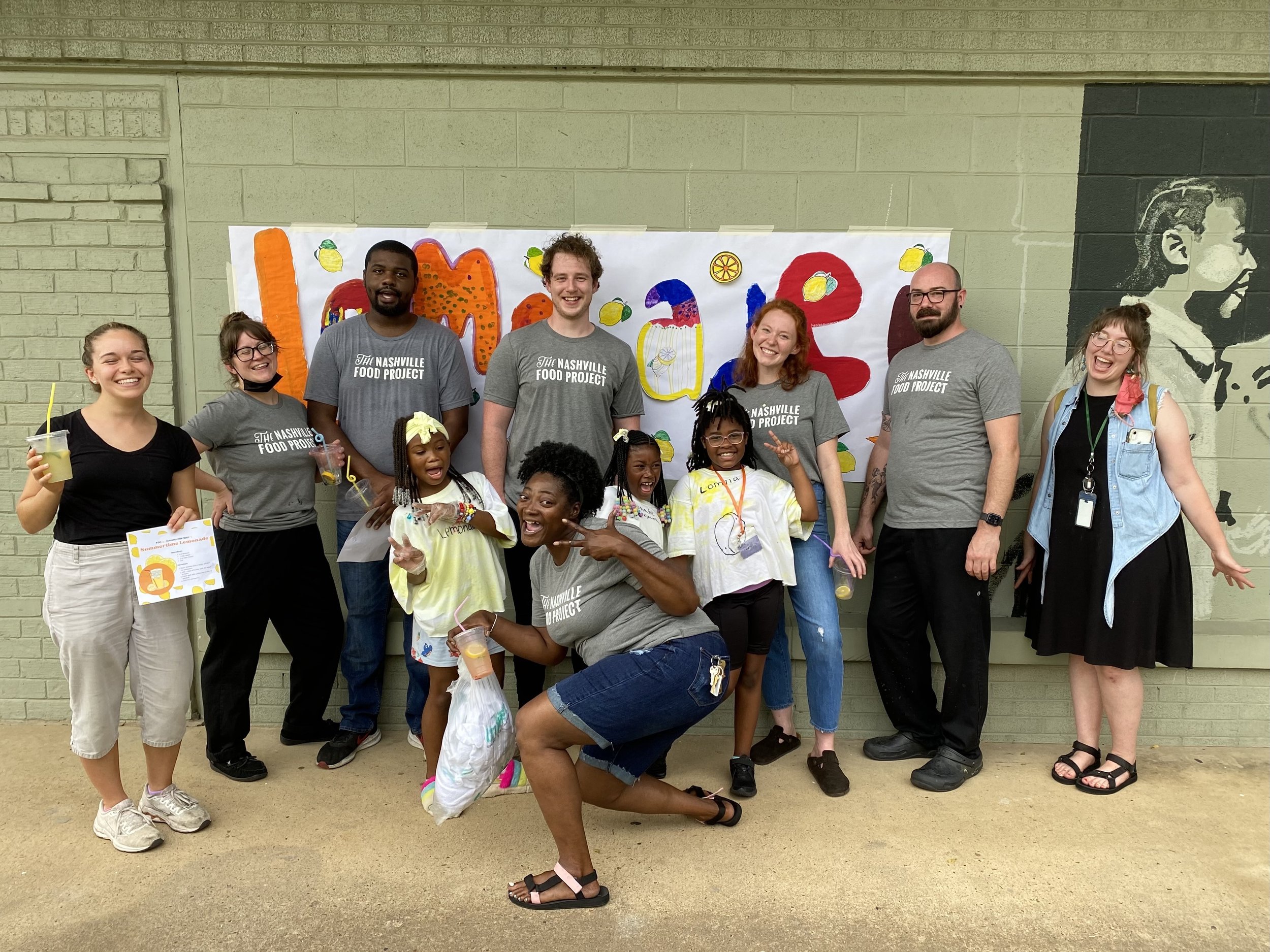
Sometimes on a sweltering July day, you can only beat the heat one way: with a cold glass of fresh-squeezed lemonade, made by the hands of neighborhood kids. For generations, the lemonade stand has been a quintessential summer activity. And this year, we were honored to help our longtime partner, Preston Taylor Ministries, with theirs.

Preston Taylor enrichment camp directors Alyssa Muller and Toni Cobbins first came up with the idea to host a lemonade stand when they were brainstorming about summer programming together last spring. “We both loved the idea of giving the students ownership of something as a way to raise money, like a business,” explained Alyssa. “A lemonade stand seemed like a tangible way that we could do this.” It was a win-win: students could feel pride in getting to share their own hard work with neighbors, and proceeds would support an end-of-summer celebration for PTM students at St. Luke’s Community House and the Wilson Center.
Often, the best part of a lemonade stand is concocting your masterpiece — and that’s where the Nashville Food Project got to participate. A few days before the event, Chef Bianca and her team brought over boxes of donated lemons to Preston Taylor sites. But instead of simply donating fruit, both organizations saw the opportunity to deepen our partnership. “A big part of community is building relationships,” explained Chef Bianca. “An intentional part of the success of our meals is to connect with our partners.”
It was in that spirit that Preston Taylor Ministries invited our meals team to teach their students about making lemonade. It was the first time most of our staff had spent with PTM students, but it’s hard not to instantly connect over squeezing lemons, scooping sugar and shaking the mixture to make the delicious drink (of course, taste-tested immediately).


The relationship between The Nashville Food Project and Preston Taylor Ministries has always been one of interdependence. Over the summer, Preston Taylor Ministries supports about 220 elementary and middle school students with day programming focused on experiential learning, academic enrichment, wellness and community. Between their sites at Wilson Center and St. Luke’s Community House, we share nearly 400 meals each week during the summer months. But we rarely get a chance to work together in real time, side-by-side. “It was fun to get outside of our own kitchens and see the enthusiasm of the kids in the Preston Taylor Ministries sites,” said Chef Bianca.
After two afternoons of prep, we were ready to open for business! Homemade signs adorned the building at PTM’s Wilson Center and excitement buzzed in the air as 2 p.m. approached and a preliminary line began forming at the tent. As customers arrived with their $3 in tow, students worked together to pour the lemonade, garnish it with a variety of fruits and herbs, and top it off with a bendy straw.
“Seeing the joy and pride in their faces during prep at each site and at the actual lemonade stand was priceless and knowing they worked hard in providing this was just the sweetness we needed to bring their lemonade to life.”

The best part of the afternoon was the community that gathered. Friends, families, neighbors and strangers gathered on the lawn of the Wilson Center to cool off and catch up. Students squealed when they saw their friends in line, and there were frequent pauses in the lemonade assembly line for hugs. Being there to see it all reminded us how community is central to our work: it nourishes the spirit like food nourishes the body.
It’s like the old saying goes: When life hands you lemons, make lemonade. Preston Taylor Ministries took it one step further to take lemonade and make a community.


Calling All Architects: Design Competition!


The way we see it, a garden is more than just a place to grow tomatoes and cucumbers — it’s also a space that supports community vitality. At the Community Farm at Mill Ridge, a growing number of gardeners come together to host educational workshops, connect with neighbors over potlucks and dream about the future of growing food in our city. And while we have plenty of rows to plant seedlings, our work to expand community in our city is sometimes limited by the physical space we can offer to garden participants. With the availability of an operational on-site pavilion, local families and gardeners will have deeper opportunities to learn, grow and connect right in their own neighborhood.

The Nashville Food Project, in partnership with Hodgson Douglas Landscape Architects, is excited to announce a design competition for a pavilion and wash-pack station at the Community Farm at Mill Ridge. Use your creativity to help us improve the Community Farm!
First-place and second-place winners will be awarded cash prizes. Submit your conceptual design by September 30 to enter.
View the competition guidelines and design specifications here.
 |