
The Nashville Food Project’s Blog




Community Success Starts with Community Leaders
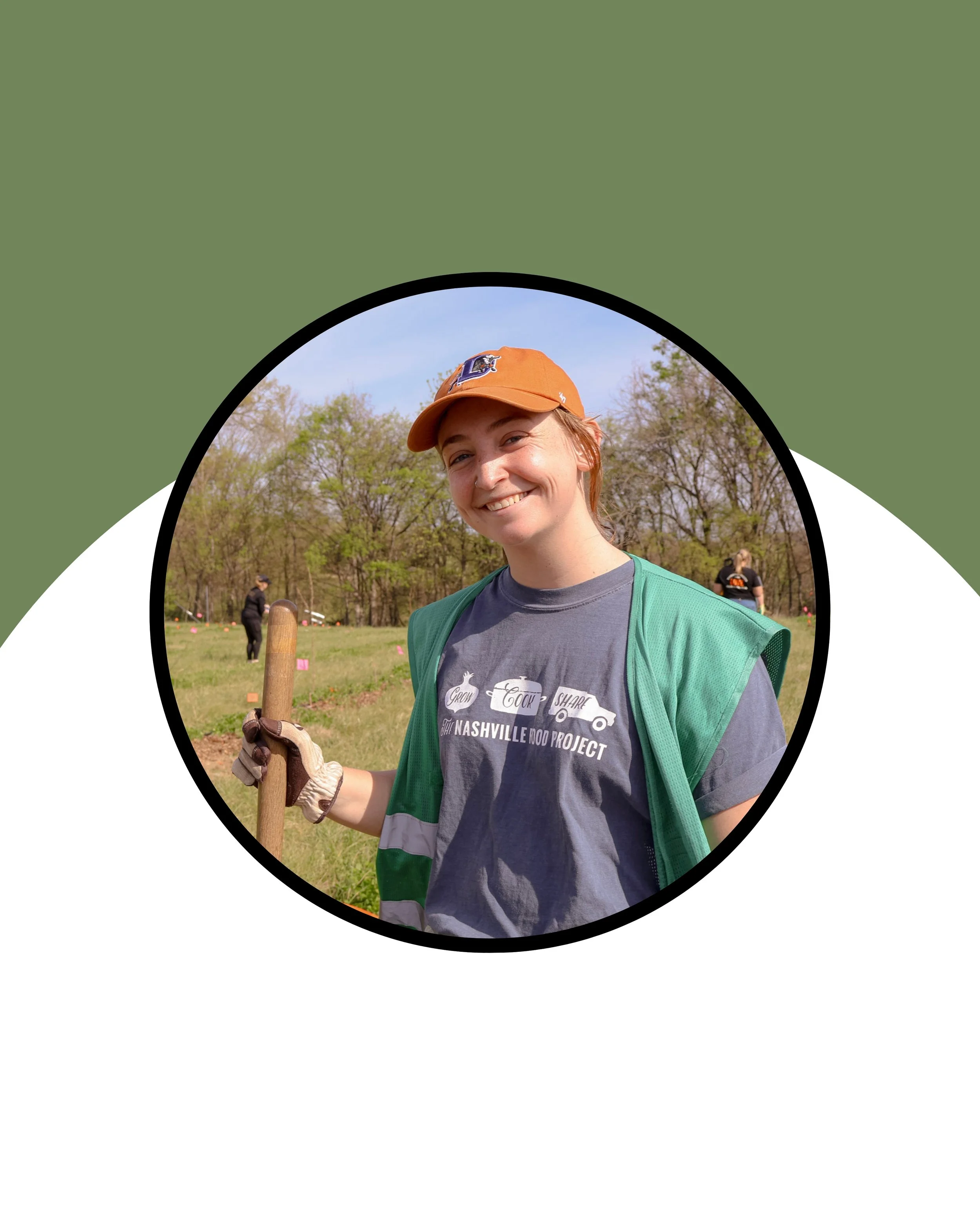
At The Nashville Food Project we believe that learning and teaching have less to do with curriculum and everything to do with leadership, belonging, and understanding needs. We believe that leadership must come from within the community to make a difference and help grow connection. For that reason each community garden has selected one or two leaders to represent their communities needs in the garden.
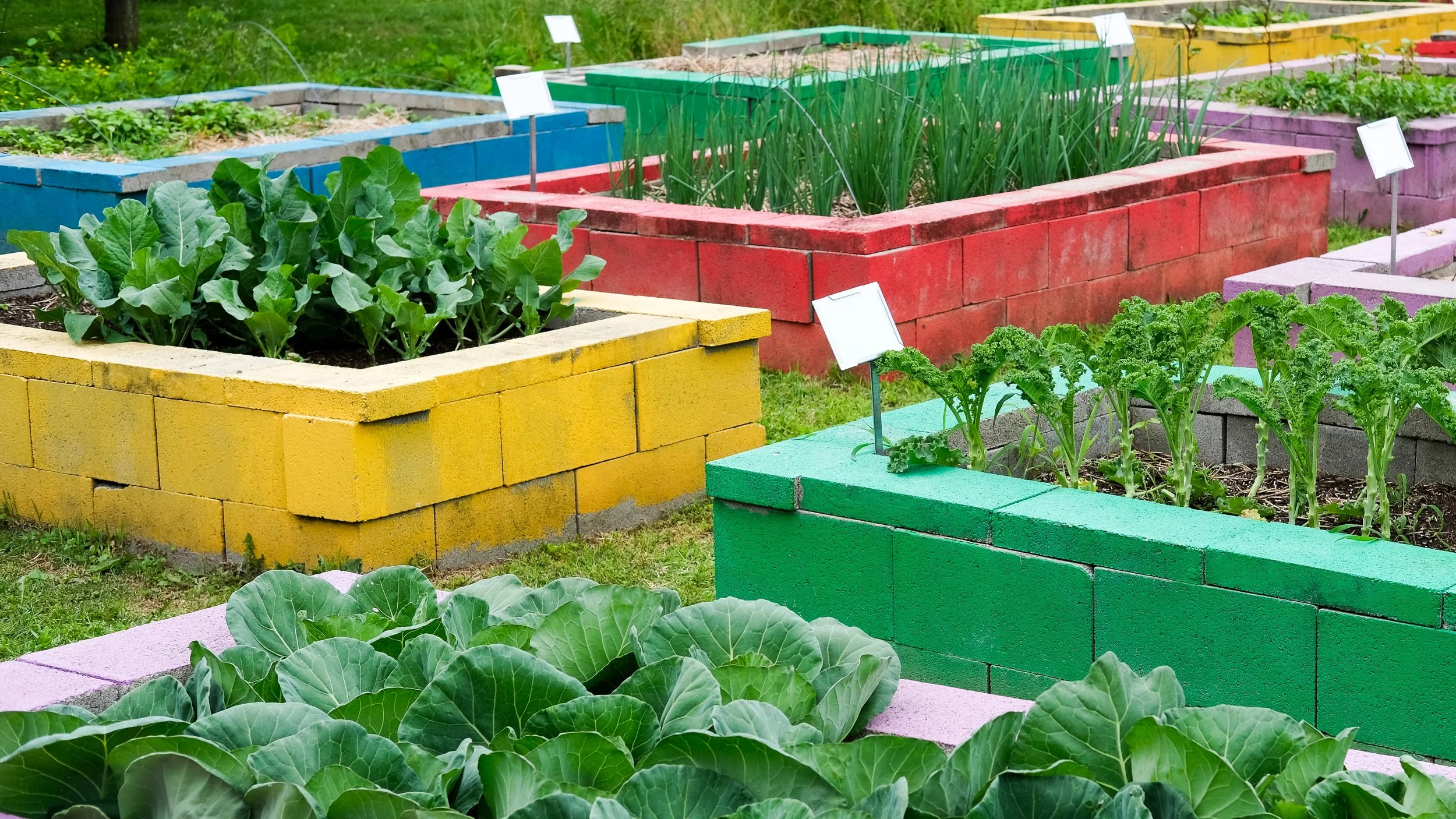
The Nashville Food Project has five community gardens across the city that hold space for community members living in the neighborhood and provide garden space for local families who are originally from Burma, Bhutan, and Western and Central African countries. To learn more about the community gardens visit thenashvillefoodproject.org/community-gardens.
It’s been said time and time again that we all learn differently. Some people like to see visuals, others need to hear new information, others need to do before they fully understand. Now imagine your favorite teacher. How did they make you feel? Did they look like you, talk like you and make you feel like you belonged in that space and in that community?
At The Nashville Food Project we believe that learning and teaching have less to do with curriculum and everything to do with leadership, belonging, and understanding needs. We believe that leadership must come from within the community to make a difference and help grow connection. For that reason each community garden has selected one or two leaders to represent their communities needs in the garden. Garden leaders are responsible for communicating with gardeners at their site, maintaining the garden space, teaching garden lessons (site dependent), and representing each participant’s concerns and interests to The Nashville Food Project Garden Staff. We also have two Community Navigators who provide cultural and language based guidance in our Growing Together and New American Community Garden sites.

Providing leadership opportunities to people within their own communities just makes sense. Each community navigator and garden leader has the best understanding of what their community needs and ways to the best approach to satisfy those needs. The Nashville Food Project does have a role here and it is to provide garden leaders and participants with the opportunities to lead, the resources to be successful, and the space to meet with others in similar positions.
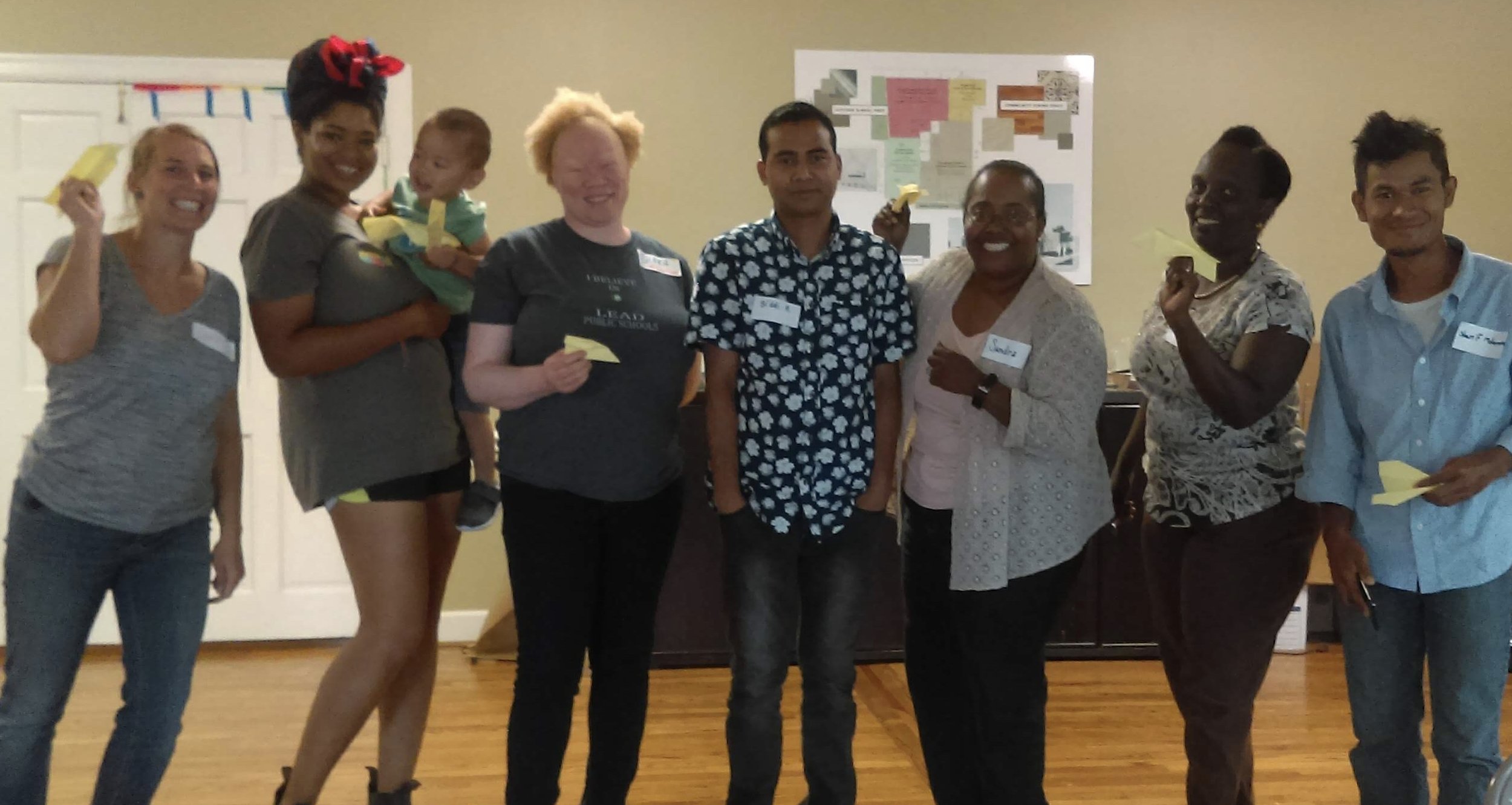
Recently Community Garden Manager, Kia Brown and Garden Director, Lauren Bailey met with six garden leaders to host a leadership training on how to teach people for understanding. There was a space for garden leaders to share stories about their favorite teachers and why their methods of teaching made a big impact. With over several cultures being represented in the meeting it gave a chance to learn new approaches to learning and understanding that may not have been considered before. At the same time garden leaders found affirmation in their practices in which peers also found success. By combining cross-cultural experiences and perspectives it gives community leaders support and strength to meet their communities needs in a way that working alone never can, within and outside of the garden.
It's possible that today the training will only help garden leaders teach the best ways to prevent pests. But tomorrow it can help garden leaders meet a greater need in their families, neighborhoods, and communities by creating a safe space to learn, grow, and change together.
The Gift of Food: Our Top 4 Needs
We're often asked about our food donation needs in our kitchens, so we've come up with a list of our top four. Whether you're an individual, a congregation, a farmer, or a restaurant... all of these gifts, both big and small, work together to make our work possible.
Here at The Nashville Food Project, we strive to share the freshest, most nutritious meals possible with our community. We wouldn't be able to do this without the incredible support of so many friends, volunteers, neighbors, and partners who first share with us - in so many creative ways!
We're often asked about our food donation needs in our kitchens, so we've come up with a list of our top four. Whether you're an individual, a congregation, a farmer, or a restaurant... all of these gifts, both big and small, work together to make our work possible.
1. Healthy Pantry Staples
Shop Our Amazon Wish List

We're keeping a running list of healthy pantry staples often used in our meal preparation, along with items needed for our garden program, on our Amazon Wish List. You can shop online and have it mailed to our address (3605 Hillboro Pike, Nashville, 37215) - or if you see any of these items at the store and think of us, feel free to pick those out and drop them off with us in person. Gift cards to grocery stores are also welcome and appreciated!
2. Extra Virgin Olive Oil
Host A Drive

Yes, olive oil is a pantry staple... but it's so important to our kitchens it gets its own shout-out! Volunteer-organized food drives regularly help fill our pantry. Lately, we've been encouraging groups interested in hosting a food drive with friends, co-workers or faith communities to collect extra virgin olive oil. If you're interested in hosting an olive oil drive, contact Booth Jewett at booth@thenashvillefoodproject.org to let us know and to confirm details.
3. Fresh Produce
Share Your Harvest

Fresh fruits and vegetables are VITAL to our meals. Whether your harvest is large or small, from a home garden or a farm... we're excited! Call our office at 615.460.0172 to let us know you'd like to donate and confirm a good time to drop off. If schedules allow, we can pick up produce donations of at least 75 pounds within 15 miles of our office in Green Hills.
This year, we're also beginning to purchase 'seconds' from local farms! If you're interested in learning more, contact our Food Donations Coordinator, Booth at booth@thenashvillefoodproject.org.
4. Meat
Become a WASTEless Partner

Meat is one of our most costly food budget items, and we rarely have it donated. This year, we're seeking out partners interested in donating proteins on a regular basis. In particular, we're piloting providing food preservation equipment to a small number of Nashville-area restaurants, or "WASTEless partners", to facilitate regular donation of meat trimmings. Are you, or do you have a connection to, a restaurant or organization that could become a regular meat donor? We'd love to talk! Email booth@thenashvillefoodproject.org.
Nourish 2018 - A Recap
Last week we were honored to host our 8th annual fundraiser, Nourish. It is a time looked forward to by many as we have the opportunity to share joy and connection over a meticulously planned and prepared meal. Nourish is not just a fundraiser but a time to celebrate our accomplishments with our friends, volunteers, community members and biggest supporters…

Last week we were honored to host our 8th annual fundraiser, Nourish. It is a time looked forward to by many as we have the opportunity to share joy and connection over a meticulously planned and prepared meal. Nourish is not just a fundraiser but a time to celebrate our accomplishments with our friends, volunteers, community members and biggest supporters. Additionally, Nourish, like each of the meals we create and share from our kitchen is a chance to build relationships with those across the table and build a community of compassion, solidarity, and belonging. As Tallu Schuyler said that evening in her speech “I’ve been told that who we eat with is who we humanize. And this is how food can break down barriers between us and plant seeds of belonging in their place.”
Nourish 2018 Chefs

Roasted Vegetable Chaat
We are incredibly thankful for the beautiful meals prepared by the events very talented chefs. The meal was comprised of 5 courses, each carefully crafted by a different local chef.
Maneet Chauhan
Chauhan Ale & Masala House
First Course - Roasted Vegetable Chaat

Bhutanese-Style Ema Datshi with Shrimp
Rahaf Amer
Former Chef at Salt and Vine
Second Course - Bhutanese-Style Ema Datshi with Shrimp
Hrant Arakelian
Lyra
Third Course - Beef Kibbeh Meatballs with Date Butter & Red Pepper Shatta Sauce

Beef Kibbeh Meatballs with Date Butter & Red Pepper Shatta Sauce
Norma Paz
Las Paletas
Palate Cleansers - Cucumber with Chili Paleta and Raspberry-Lime Paleta
Dessert - Clementine organge with Basil Paleta, Mexican Caramel Paleta, Corn Paleta
Karla Ruiz
Karla's Catering & The Women's Club of Nashville
Hors D'Oeurves - Empanadas with Noble Springs Goat Cheese & Chorizo or Spinach, BLT Crostini with Chipotle Aioli & Local Basil Pesto
The People Behind It All - Nourish 2018 Committee
Jennifer Justus, a long time friend to The Nashville Food Project, was the 2018 Chair of Nourish. Jennifer poured herself into this year’s event, assembling our lineup of chefs, securing auction items, and leveraging her relationships to bolster our ability to raise funds to support our mission.
In addition to Jennifer, we had a small but mighty Nourish committee of three--beloved board members—Charmion Gustke Hearn, Courtney Keenan, and Jennifer Anthony Waller—who solicited auction items and helped with overall planning.
Thomas Williams Golden Skillet Award Winner
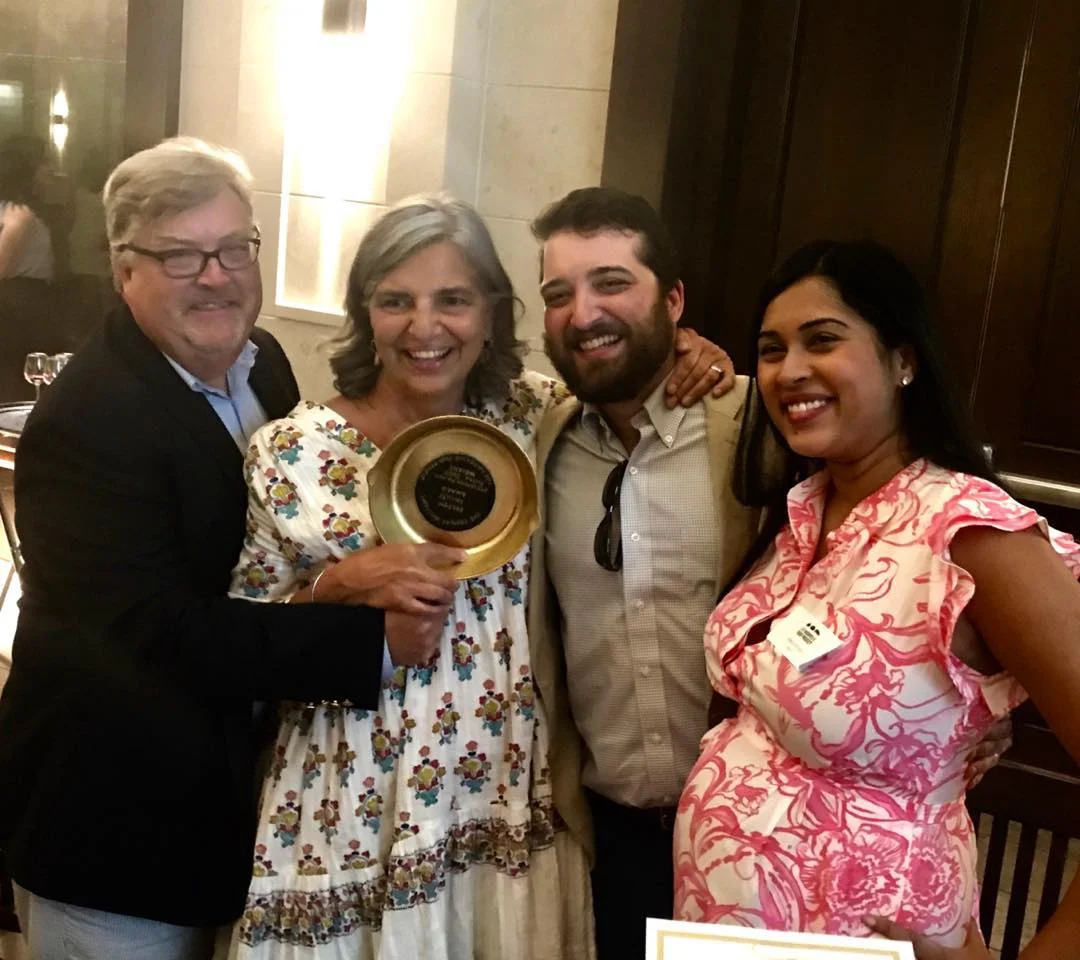
Photo Courtesy of Judy Wright
Congratulations to Judy Wright, this year's Thomas Williams Golden Skill Award Winner.
Last year we unveiled an award established in honor of one of our founding board members who created this yearly celebration we call Nourish – Thomas Williams. He has been a board member for more than seven years and in that time he has introduced us to so many friends and supporters. Last year, in his honor, we established the Thomas Williams Golden Skillet Award to annually acknowledge someone who has boundlessly, beautifully supported The Nashville Food Project, beyond measure.
This year’s award recipient, Judy Wright, has done more than we can even name to advance our mission and solidify a base from which we do our work. She has been a champion of ours since the 2010 flood. She has involved her beloved Christ Church Cathedral in meaningful ways over the years, and secured enormous financial gifts of support on our behalf at different times of organizational growth. She has brought numerous friends into our kitchens to cook, her friends who quickly became ours too.Her passion for gardens, children, cooking education, and public health is contagious. She keeps an extraordinary blog and we readers are captivated by the way she draws us into her love and limitless curiosity for the living world. She’s constantly promoting our mission on social media, championing every new activity, discovery, celebration.
Thank you, Judy, for all that you do for The Nashville Food Project and the Nashville community!
Our Sponsors
Nourish would not be possible without sponsors and donors. We would like to thank the sponsors that supported Nourish this year.

This year we have three amazing Gold Level Sponsors:
Jackson National
First TN Foundation
Vanderbilt University Medical Center
Thank you to our Supporting Sponsor:
Publix Supermarkets Charities
And finally a huge thank you to our two incredible In-Kind Sponsors:
Lipman Brothers (Beverage Donations)
Creation Gardens (Food Donations)
We are so grateful for the compassion and support that all of our sponsors have offered The Nashville Food Project.
We are so thankful to the wonderful community that supports us daily through volunteering, food donations, and financial contributions. To learn more about ways to donate visit thenashvillefoodproject.org.
Reflections of a First Time Gardener
Jasmyn Alvarez, a Wedgewood Community Gardener, reflects on her first growing season in a community garden. She shares information about her goals, how she used the square foot garden method to achieve them, and the results of her efforts.
By Jasmyn Alvarez, a Wedgewood Community Gardener
Finding direction

When it comes to gardening it’s hard to know where to start. Aside from helping my grandmother weed in her flower beds as a kid, I don’t have much experience. I signed up for a community garden plot at Wedgewood Urban Garden this June feeling a little nervous but ready to try. I’m so grateful for Community Garden Manager, Kia Brown, for her advice and tips for starting and maintaining a garden no matter what time of the year. There is nothing like the magic of watching a seed grow into a beautiful plant, then seeing its fruits on my plate!
In the community gardens you’ll find that you have a lot of choices and ways to focus on your goals - it could be to try something new or get outside. One of my goals is to improve my health by eating whole foods and being active. I wanted to use all of my community plot space to grow as many fruits and vegetables as possible, so Kia introduced me to a method called 'Square Foot Gardening.' The idea is that you break up your plot into square feet and plant as many of one type of plant as you can fit in order to maximize the space.
A GUIDE TO SQUARE FOOT GARDENING
STEP 1
The first step was figuring out what vegetables I wanted to plant. I thought about the types of vegetables that I love to eat to make sure that nothing grown would go to waste. Here’s what made the cut:
- Lettuce
- Peppers
- Radishes
- Spinach
- Tomatoes
- Basil
- Beans
- Beets
- Butternut squash
- Cabbage
- Cucumbers
STEP 2
I started my garden plot in July so I needed to figure out what to grow during the heat of the summer and what would have to wait until the fall. Kia has a great guide - anything leafy grows and root vegetables grow when its cool (spring or fall) anything that flowers or produces fruit should grow in the summer. Herbs can be sprinkled in during any season as long as they have consistent water and nutrients. We divided everything up into those two categories.
Spring & Fall Crops
- Beets
- Cabbage
- Lettuce
- Radishes
- Spinach
Summer Crops
- Beans
- Butternut squash
- Cucumbers
- Peppers
- Tomatoes

STEP 3
The next step is to figure out how long it takes the plants to go from a seed to being harvested which is also known as “days to maturity.” You can find this number on the seed packets or online. Its best if you know the specific variety of the plants you want because that can change the time it takes to grow. Since I started my plot in June I only planned the days to maturity for summer crops.
Summer Crops (Days to Maturity)
- Beans (50-60 days)
- Butternut squash (85 days)
- Cucumbers (55-65 days)
- Peppers (70-90 days)
- Tomatoes (65-70 days)
STEP 4
Next I looked at if I planted them on that day when would all of the crops be ready to harvest. For plants that take a long time to mature like squash, peppers and tomatoes it may be helpful to purchase plants that have already started to grow and transplant them into the garden. In general they should all be ready to harvest between the end of July through August. That is a lot of produce to be harvested in just a few weeks so the next step is to plan out successions. Meaning I can plant half of my crops in the beginning and plant the rest of it two-three weeks later. This way I can eat these amazing vegetables for months instead of weeks.
STEP 5
The final portion of planning the garden is figuring out how many plants fit into each square foot. For example, I can fit 4 green bean plants in one square foot, one tomato plant into 4 square feet. I wrote out exactly where I wanted to put each plant on a piece of paper.
STEP 6
The last step in starting the garden is the most fun - planting my seeds and transplants!
How’d It Grow?
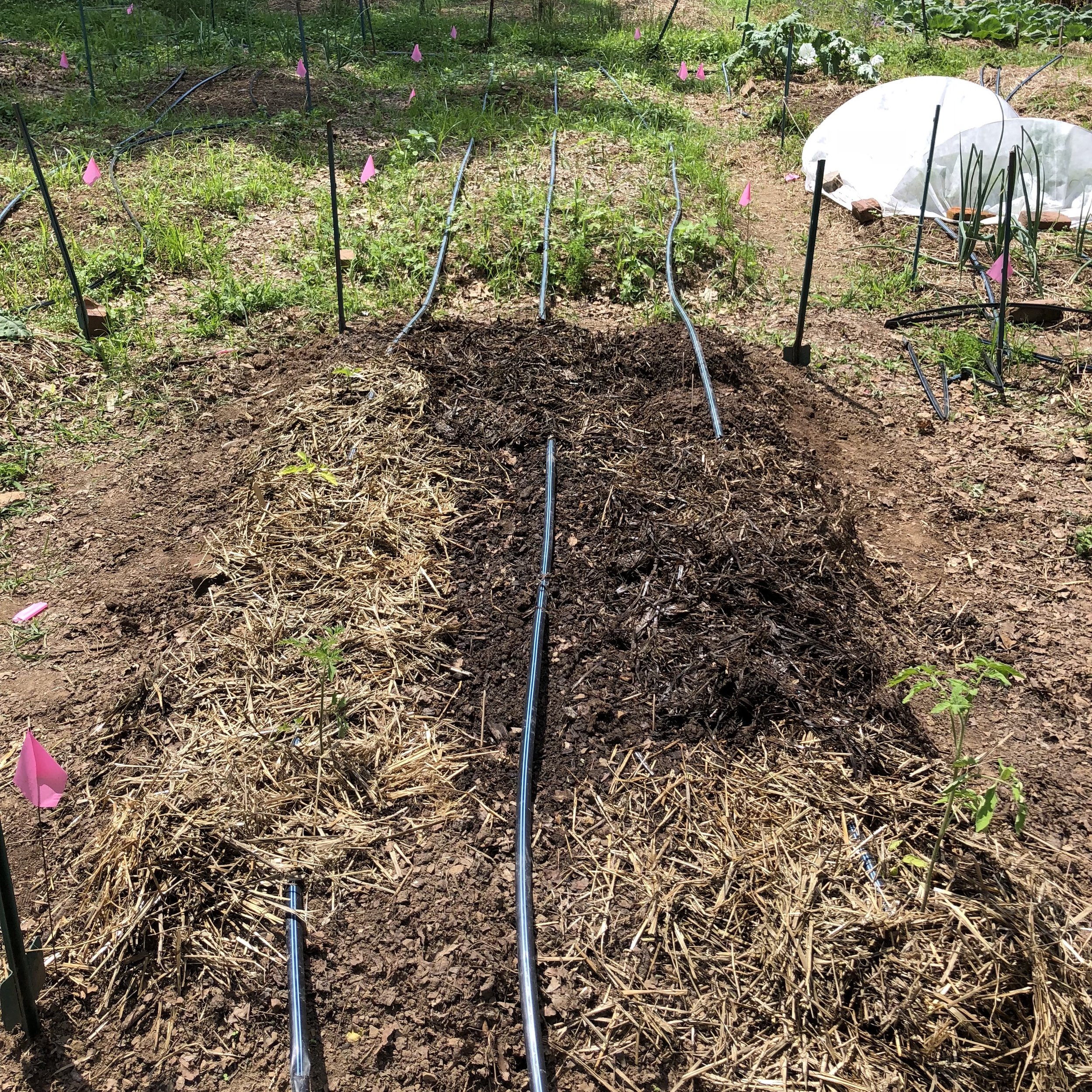
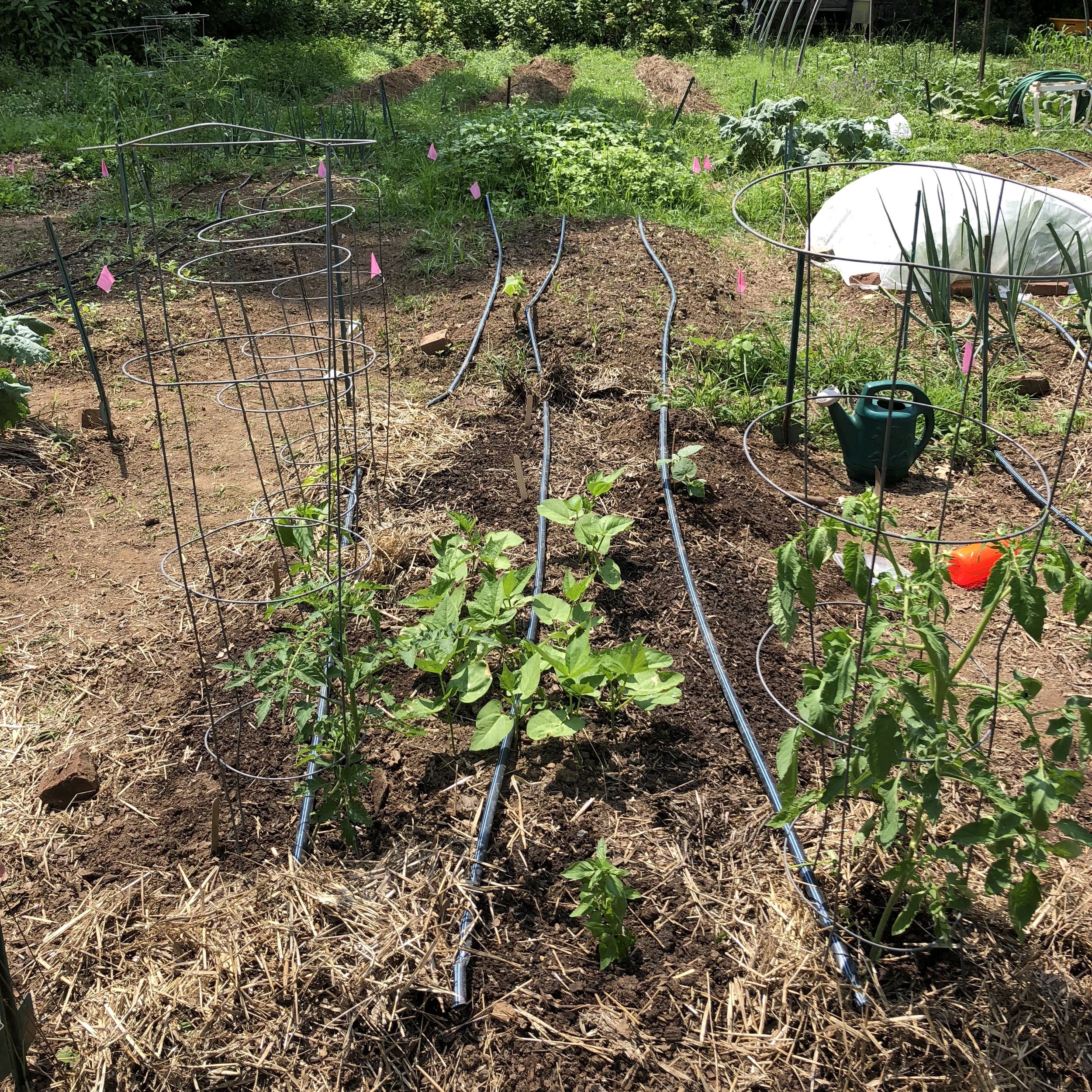
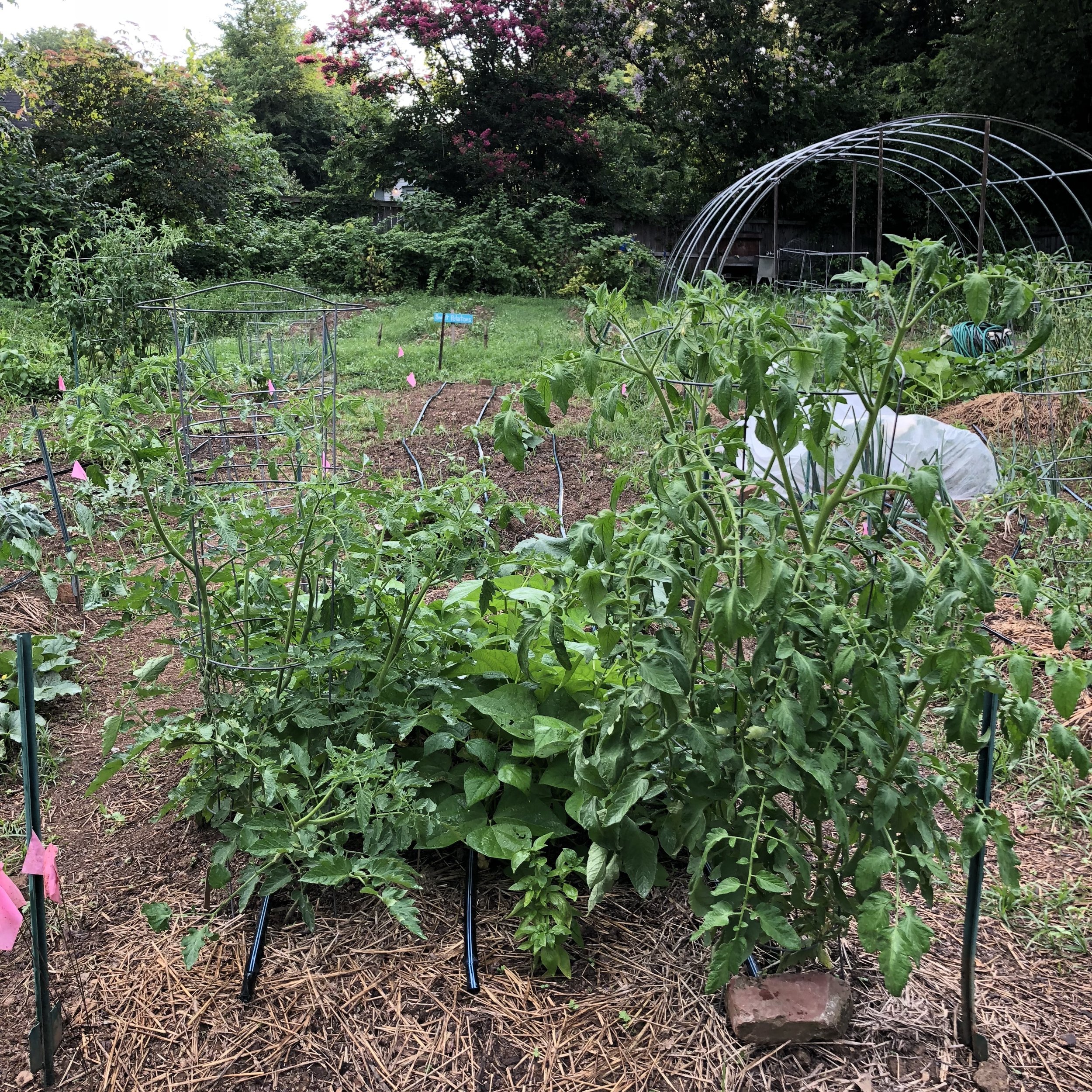
There were some parts of my plan that had to be reworked once I started planting my crops but overall I have a great idea of what produce I’ll have in the next few weeks. I’ve enjoyed spending more time outdoors and even getting some exercise by taking care of my garden plot. What I’ve learned the most from growing a garden is that food is amazing. The time and energy that goes into growing food makes you appreciate the flavors and nutrients you get when you eat it. I’ve already started planning out all the ways I’m going to eat my food so that none of it goes to waste. Although the experience has been new, thanks to Kia, I now feel I have the tools and resources to successfully start a garden. I’ve had a lot of help from my “Garden Brothers & Sisters” too!
The Nashville Food Project is currently enrolling gardeners for the Wedgewood Urban Garden near the fairgrounds. For more information and to find out if you are eligible for a plot, please visit www.thenashvillefoodproject.org/signup.
Health As Healing
At TNFP, we are always seeking creative ways to use the food in our care to better support our community. The result? Over 30 unique partnerships, each formed to match the needs of that unique community, from a fresh market set-up at a retirement community, to stocking comfort food for children waiting for placement in a foster or kinship home…
By TNFP's Food Donations Coordinator, Booth Jewett
Since I started as the Food Donations Coordinator at The Nashville Food Project (TNFP), healthy living has been at the forefront of my mind. Our garden programs bring people from all walks of life into the fields together to grow local, organic produce for people in our community. Our meals program thrives on the gifts, generosity, and creativity of individuals every day to make nourishing meals that are shared all around Nashville. As we’ve grown our food donation and recovery efforts, it is always with these same values and our mission in mind!
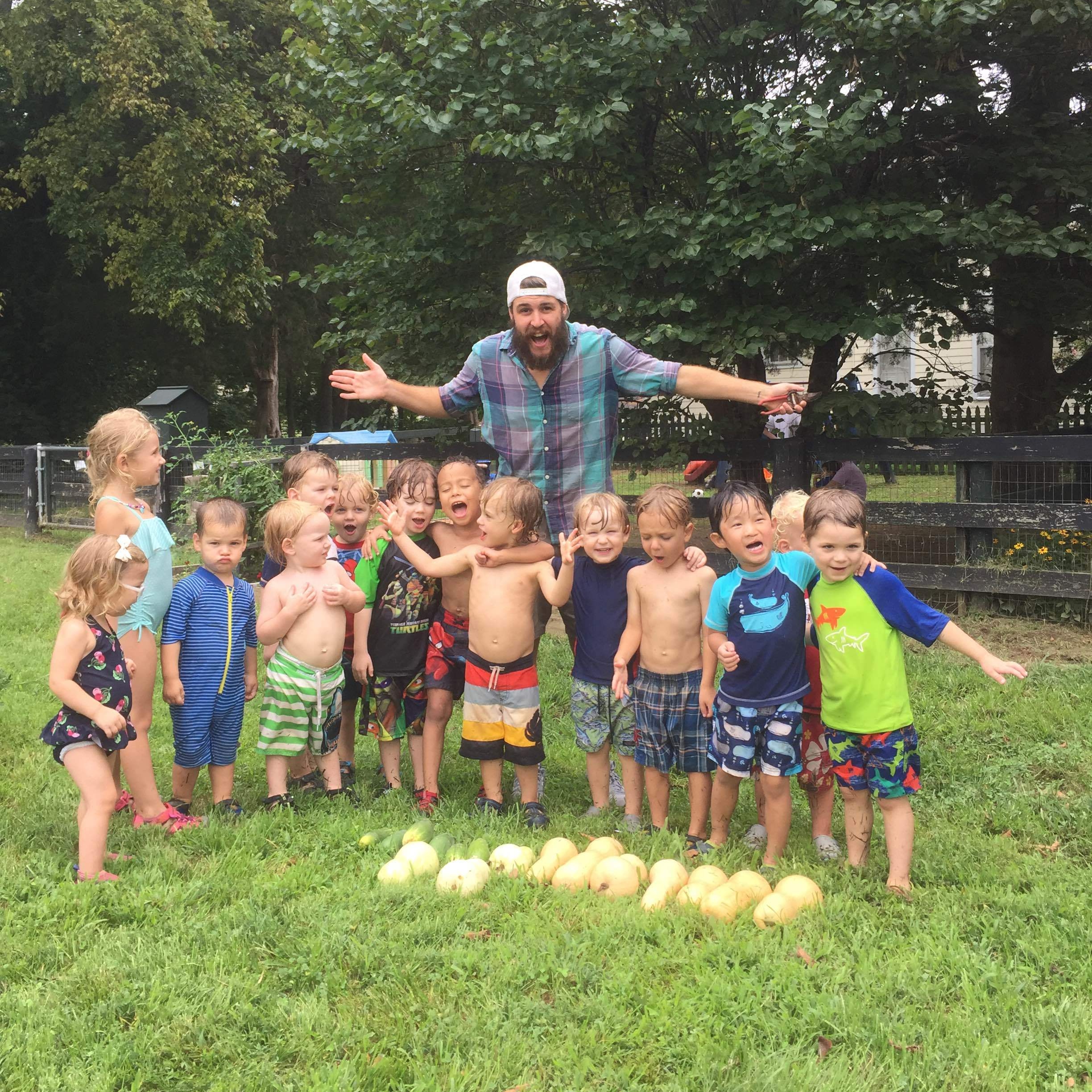
Booth picking up a produce donation from Currey Ingram Academy's garden.
Since 2016, TNFP’s food recovery efforts have brought in about 120,000 lbs of food each year, including fresh produce, proteins, and pantry items. We use as much of this recovered food as possible in our own meals. Any food that is unsalvageable but compostable goes to our compost system to be broken down and put back into the gardens to grow more food!
Ultimately, we are always seeking creative ways to share the food in our care in ways that best fit the needs of our partners, supporting shared efforts to build community and disrupt poverty in our community. In the past year, this has meant expanding our meals partnership model beyond our own meals and snacks. Now we include fresh produce and other ingredients as potential opportunities for food support to our partners.
One of these partners is Trevecca Towers, a retirement community that is committed to serving seniors and persons with disabilities with a caring living environment that promotes dignity and relevance. Every Wednesday morning the Towers open their chapel and fill it with donated food for residents to “shop”. After a few months of this, Nick Polk, the Director of the Service Coordinator Department, noticed a trend in the food they were receiving. “We had food co-ops delivering almost exclusively bread, sweets, and processed foods. While these items can be helpful, I started getting more residents asking if we might be able to receive more fruits and veggies. This request resulted in us reaching out to The Nashville Food Project and becoming a sharing partner.” The Nashville Food Project has been sharing extra produce from local farms and pre-packaged produce from Whole Foods with Trevecca Towers each week for the last year. “The reality is that it’s way easier to get ahold of sweets and processed foods than it is organic food and fresh produce, and The Nashville Food Project has made strides in changing that reality for our residents”, says Nick.

Contrast Trevecca Towers with another sharing partner, Safe Room. Safe Room is a Tennessee Department of Children’s Services program that provides designated spaces for children waiting for placement in a foster or kinship home. When Safe Room reached out to The Nashville Food Project, it wasn’t for fresh produce but instead for what they called “comfort foods”. Dana Eskridge, a Volunteer Service Coordinator with Safe Room, explained that “Since the kids that come through here are in transition, we try to keep foods stocked in our fridges that can act as a comfort while they are with us.” In response to this request, we have been able to share Whole Foods donated prepared food items ranging from soups, salads, and sandwiches to frozen pizzas, pastries, and desserts with Safe Room twice a week.
I used to think that being healthy was exclusively tied to eating nutritional food and living an active lifestyle. But after being apart of The Nashville Food Project’s work the last couple of years and seeing so many nuanced expressions of our mission in action, I am starting to realize that being healthy is also about meeting each others needs and having balance and connection in our lives. At The Nashville Food Project, we strive to embrace the complications and conflicts that exist not only in our current food system, but in our collected response to that system. I really love that about this place.
Salmon Cakes
Much of our food recovery efforts are through ongoing Food Donation Partnerships with local grocers, farmers, markets and restaurants. Every day, we’re astounded by the generosity and creativity of these partners…
Much of our food recovery efforts are through ongoing Food Donation Partnerships with local grocers, farmers, markets and restaurants. Every day, we’re astounded by the generosity and creativity of these partners in support of our mission to alleviate hunger and cultivate community.
A great example is our partnership with our neighbors at Green Hills Grille. On their menu is an incredible salmon filet served as a square portion. The restaurant cuts off all of the trimmings, but instead of just throwing them away, they freeze them and drop them off with us each week. We cook them up and use them for meals like our delicious salmon patties, an all-around favorite at our meal sites! Try it out for yourself with the recipe below.


TNFP Salmon Cakes
Makes 50-60 cakes
Ingredients
12 lbs poached salmon
Olive oil
3 c mixed color bell peppers, very small dice
2 c celery, very small dice
1 c chopped parsley
5 T capers
1 T hot sauce
2 T worcestershire sauce
1/4 c Old Bay
10 c bread crumbs
4 c mayo
3 T dijon
6 eggs
Directions
Preheat oven to 375 degrees. Saute diced vegetables until soft. Allow to cool. Add to gently flaked salmon. Mix remaining ingredients and add to salmon mixture. Season with salt and pepper to taste.
Portion in 3-4 oz servings about the size of a deck of cards. Shape and place on lightly oiled baking sheet, spray tops lightly with additional oil. Bake for 10-15 minutes until firm and lightly colored. Alternatively, pan fry in olive oil for 2-3 minutes on each side until golden and crusty.
Wasted Food = Wasted Nutrition
We’ve all been there before - the broccoli stems left over after a dinner party, strawberries that you meant to eat but didn’t get to - all thrown out and wasted. 40-percent of all food produced is wasted while at the same time 1 in 7 children are struggling with hunger according to Feeding America. Believe it or not, there are some staggering nutritional benefits to lowering your food waste…

We’ve all been there before - the broccoli stems left over after a dinner party, strawberries that you meant to eat but didn’t get to, the apple peels left behind due to a picky toddler, browned bananas that are a little too sweet to eat - all tossed into the trash and wasted. 40-percent of all food produced is wasted while at the same time 1 in 7 children are struggling with hunger according to Feeding America.
Believe it or not, there are some staggering nutritional benefits to lowering your food waste. Every item of fresh produce that gets tossed is a lost opportunity to get vitamins and minerals from the foods we eat. A study published in the Journal of the Academy of Nutrition and Dietetics found that food thrown away each day could provide 1,217 calories to each person in the United States each day, and the equivalent to 19% of fiber, 43% of vitamin C, 48% of iron, 29% of calcium, and 18% of potassium recommended for daily nutrition.

Here at The Nashville Food Project, we work every day to reduce the amount of edible food being wasted in Nashville and increase the nutrition available to our community. Already this year, TNFP has prevented over 42,000 pounds of food from going into the landfill. We’re always striving to be good stewards of all the food that comes through our doors, using every edible component of each item however we can. This means we have to get creative in the kitchen! Below are some fun tips and recipes to keep food and nutrients on our plates instead of in the trash.
The majority of the nutrients are lost by throwing away the peels on fruit and vegetables. The peel of an apple contains half of the apple’s fiber and four times more vitamin K than the flesh. Recipe: Baked Apple Peel Chips
Citrus peels contain twice as much vitamin C than what is inside. Citrus shavings can be grated to add natural flavor to salads, used to make salad dressings and cooked in soups and sauces. Recipe: Orange Vinaigrette Using Peel
Save the stock from your cooked meats and vegetables! Using stock instead of water to cook things like rice and pasta gives the food more flavor, and offers a variety of vitamins and minerals. For even more incredible flavor, throw in your Parmesan rind. Recipe: Vegetable Stock
Before you throw away those stems… broccoli stems contain more calcium, iron and vitamin C than the florets. Recipe: Broccoli Stem Noodles with Sesame Ginger-Dressing
For more insight, recipes, and tips on reducing food waste in your home, check out savethefood.com.
Painting a Future Together
How do you create a community? It’s a big question with a complex answer. At The Nashville Food Project we believe it happens one meal and one relationship at a time. St. Luke’s Community House and TNFP are teaming up to paint a future filled with connection and meals for even more Nashvillians by sharing a space at St. Luke's called the Mural Room.
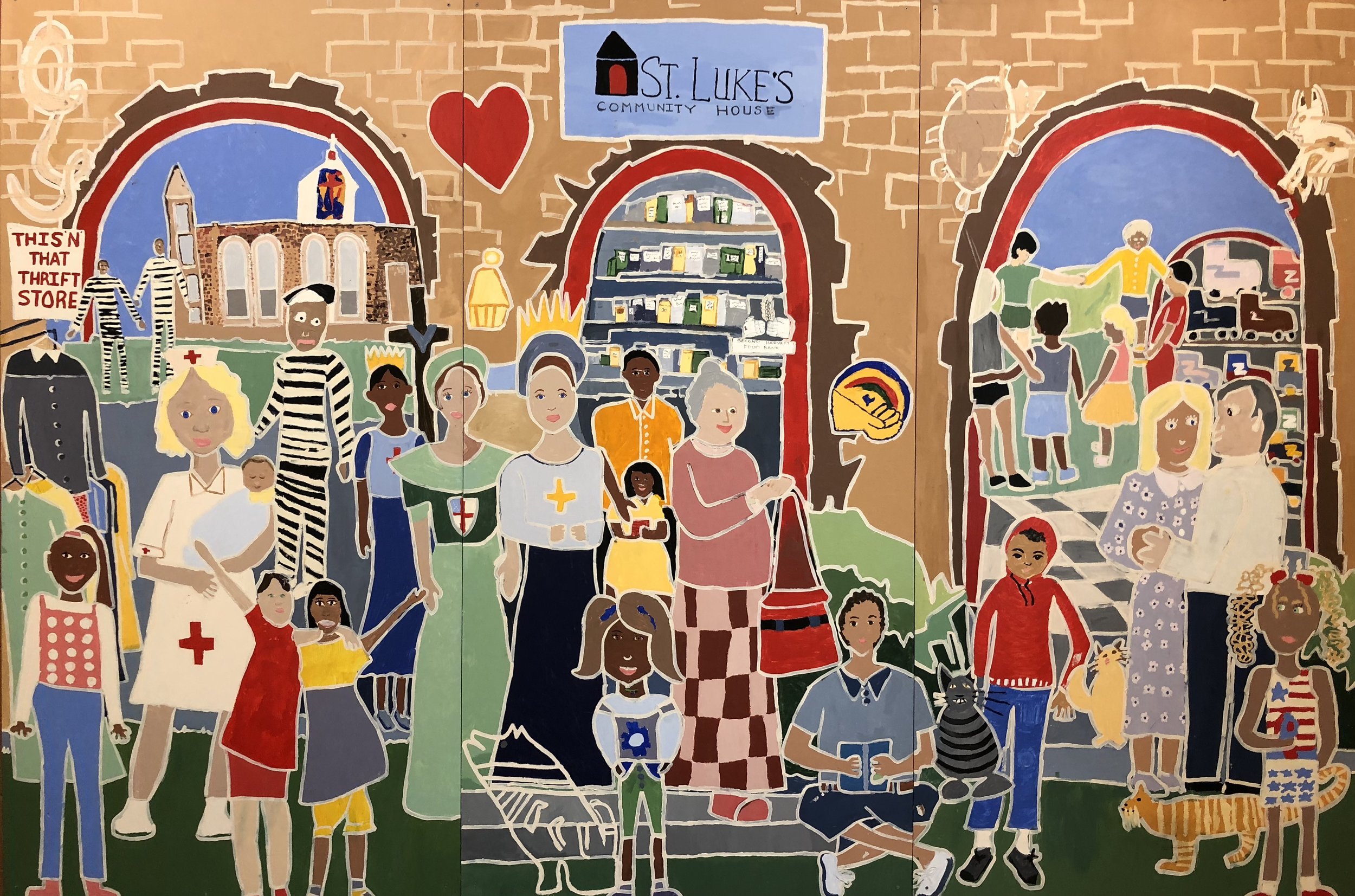
How do you create a community? It’s a big question with a complex answer. At The Nashville Food Project we believe it happens one meal and one relationship at a time. St. Luke’s Community House and TNFP are teaming up to paint a future filled with connection and meals for even more Nashvillians by sharing a space at St. Luke's called the Mural Room.
In May, the doors to the Mural Room were opened to the The Nashville Food Project to use as a meal prep space. Since 2004, the mural room has been used as a conference, meeting and program space which could be divided into two rooms. Its name comes from the inspiring and reflective mural showcased on its back wall featuring the old Tennessee State Penitentiary, This N’ That Thrift Store, and the community members in between. The mural was a collaboration project between St. Luke’s and the Frist Museum. An artist worked with children to complete a three part mural depicting the history of St. Luke’s and its community partners. Now, 14 years later, The Nashville Food Project is a collaborator and symbiotic partner sharing half of the namesake room.

What difference does a half of a room make? Kelli Johnson, TNFP St. Luke’s Kitchen Manager says “It’s really been a game changer in the amount we can do. We’ve doubled our number of volunteers. And we’ve hired another staff member to oversee volunteers. We’ll also be making 650 meals a day.” To give you perspective, two years ago TNFP was preparing 150 meals each day in the St. Luke’s kitchen. The bump in capacity has allowed us to take on four new sites this summer - 2 YMCA Summer Camps, an open Picnic at McGruder Family Resource Center (next to our garden), and the Margaret Maddox YMCA. Having access to the mural room has allowed us to touch each of these sites and provide healthy meals to children who may not have consistent meals now that school is out.
St. Luke’s and TNFP have a supportive relationship. TNFP is able to reside and access the St. Luke’s Kitchen for any project supporting our mission. In exchange we make sure that St. Luke’s program participants are getting nourishing food in their preschool and senior mobile meal programs. The impact is easy to see.
“When you walk through the preschool at lunchtime, you won’t see microwaved corn dogs, syrupy canned peaches or honey buns anymore. You will see homemade turkey pot pie with fresh fruit salad and a homemade oatmeal cookie. It’s amazing to see what kids can do when they are nourished – mind, body and soul!
”
We are so grateful and excited to be a part of the Nations community and for our second home at St. Luke’s Community House. Every year we both support each other to ensure the health and vitality of the neighborhoods that we serve. What’s the next step? Another mural in the mural room with our ever continuing story of sharing nourishing food and building community relationships.
For more information about St. Luke’s Community House visit their website at www.stlch.org. To volunteer at the TNFP’s St. Luke’s Kitchen sign up here.
Dead Nettle, Henbit, Chickweed, Bedstraw
This spring, staff from local garden care company, The Weeding Woman, led TNFP's garden staff in a workshop on... you guessed it... weeds! Our Production Garden Assistant, Jacob Siegler, reflects on the experience.
This spring, staff from local garden care company, The Weeding Woman, led TNFP's garden staff in a workshop on... you guessed it... weeds! Our Production Garden Assistant, Jacob Siegler, reflects on the experience.

On a rainy Saturday, a group of gardeners sat around a picnic table at Wedgewood Urban Garden and munched on Violet flowers. A few minutes into the workshop, one of The Weeding Woman staff reminded us that a weed is just something you don’t want to be there. In other words, in a bed of eggplant, a tomato is considered a weed. We all mucked through the brisk morning, learning the names of all the weeds in our garden.
In a garden space filled with vegetables, herbs, and flowers grown purposefully, I wasn’t used to spending time getting to know all the plants that we didn’t want to be there. I wonder if other gardeners resonate with that. We spend a lot of time getting to know the plants we want, but often neglect not only the names of our weeds, but also the fact that they have been, and will continue to be, coming up in our gardens.

The Weeding Woman was founded by Jennifer Johnson in 2005. Laid off from a job in the film/ television industry, she started thinking about her love for gardening. When she ran into a couple she knew at the Cheekwood Native Plant Sale and told them she had pulled all the weeds in her garden, they hired her to do the same in theirs. That was the first seed. She realized there was a demand in Nashville for knowledgeable, dedicated gardeners who could come in and hand-weed residential gardens. After getting a few early gigs, the organization took off. Now, with a team of nine and growing (they are looking to hire!), The Weeding Woman works in yards across the city, as well as a project at the Hermitage. Their work allows homeowners to avoid spraying chemicals in their gardens, and provides thorough and informed weeding, planting, and garden design.
Later in the workshop, we received a lesson on the medicinal properties of our weeds. Chickweed can be used for stomach problems. Henbit is high in iron and can be used in salads. Dead nettle is anti-inflammatory. Violet flowers can be eaten, candied, and used for tea, and have historically been used as a treatment for cancer. There is a whole world of benefits in the plants I, for years, have mindlessly ripped out and thrown away.

After the workshop, I didn’t all of the sudden start saving all our chickweed, or drinking violet tea in the morning. But, putting a name to a plant and understanding its value to humans cannot be overlooked. It allowed me and continues to allow me to build relationship with a space, in getting to know its species and their differences.
As gardening and agriculture become increasingly mechanized, the value of real hands performing precise, careful work cannot be understated. The intention required to ‘get to know’ your weeds has a value that, in my opinion, extends beyond the garden. When we explore something deeply, we understand it on a level that allows us to communicate it to others. Learning from The Weeding Woman in our garden was this glorious deliverance of information. They showed us how to explore more deeply in a space we thought we knew. They reminded us that there is always more to explore.
Learn more about The Weeding Woman and request a free home garden consultation on their website, or get some experience with weeds first-hand by volunteering in a TNFP garden!
Hummingbird Cake
There may not be a more beloved dessert here at TNFP than hummingbird cake. This is one of those recipes that just keeps following us through the years, with different hand-written versions tucked away in kitchen drawers…

A hummingbird cake prepared by truck volunteer, Doug, for long-time Vine Hill Towers resident, Milton.
There may not be a more beloved dessert here at TNFP than hummingbird cake. This is one of those recipes that just keeps following us through the years, with different hand-written versions tucked away in kitchen drawers -- it has been an undisputed crowd favorite.
It's especially popular at a Friday lunch at Vine Hill Towers, where the note "Please send hummingbird cake!" is relayed to the kitchen almost weekly, a request from the same long-time resident, Milton. Last month, long-time Vine Hill truck volunteer Doug decided to answer by personally preparing and sharing a hummingbird cake for Milton (pictured above) -- just because he knew it was his favorite.
We say a lot that food has the power to bring people together in powerful ways. But sometimes these stories happen in small, ordinary ways that we don't see or hear about. Like this hummingbird cake, shared between friends.

TNFP Hummingbird Cake
Cake Ingredients
- 4 eggs
- 2 cups sugar
- 3 cups all-purpose flour
- 1 tsp. baking soda
- 1 tsp. ground cinnamon
- 3/4 cup vegetable oil
- 1 cup pineapple puree
- 1 tsp. vanilla extract
- 1 cup fresh pineapple, small diced
- 1/2 cup pecans, chopped
Frosting Ingredients
- 8 oz cream cheese, room temp
- 1 cup powdered sugar
- 4 oz butter, softened
- 1 tbsp vanilla
Directions
Preheat oven to 325 degrees. In a bowl, cream together eggs and sugar until pale and fluffy. Sift all dry ingredients together and add to egg and sugar mixture. Mix until just incorporated. Combine all wet ingredients and add to mixture until fully incorporated. Fold in pineapples and pecans, then pour into a paper-lined full sheet tray. Bake for 15 minutes. Flip, then bake for another 15 minutes.
To prepare frosting, cream together cream cheese and butter. Add powdered sugar and vanilla. When cake is baked and cooled, build layers with icing.

A pick-up version of the recipe we love to use for events! Same premise, just cut small circles out of the sheet cake before layering.
Ode to Truck #1
Truck #1, our original food delivery truck, has rolled its wheels out of the Woodmont Christian Church parking lot for the last time. Tallu reflects on all the meals Truck #1 carried down the streets of Nashville, taking some time to look back -- and to look ahead.
Reflection by TNFP's Executive Director, Tallu Quinn

Truck #1, the original food delivery truck of The Nashville Food Project and our preceding organization Mobile Loaves and Fishes, has rolled its wheels out of the Woodmont Christian Church parking lot for the last time. The truck was damaged in an accident last month (the door to one of the sides scraped the side of building at one of our partner sites, pulling the whole “box” off center) and after meeting with multiple mechanics it was clear it had been damaged beyond repair. So we pulled it off the roads and received a settlement for the claim.
We offer gratitude for all the meals Truck #1 carried down the streets of Nashville and for the community that’s been formed around this activity of sharing food. The very concept of delivering food as a way of increasing access is a model we have both wrestled with and praised. We have been confounded by the logistics it requires and established a profile in our community for being experts at it over time.

We remember how the doors didn’t lock automatically, how the battery would quickly drain to empty when we left service lights on during mealtime. Countless drivers made countless truck runs to share food in countless communities since 2007, when it took its maiden voyage to Nashville’s former Tent City. As one founding board member wrote to me in an email, “I will forever love the community built around the cornerstone of that truck.”
It’s always good to take some time to reflect on what’s changing around us. A shiny new van has replaced the old truck, and is now fully outfitted to cart hundreds of meals across the city, keeping food at temp, with easy load in and load out. Truck #1, we are grateful for this community food work you set in motion… and as another one of our founding board members reminded me, “Another transition to something better; life is full of those.”

Growing Together’s New Fall CSA
Just as a garden feels constantly in motion, so too is the Growing Together program itself evolving and growing. This year our program has exciting news to share -- the Growing Together farmers will be growing for a Community Supported Agriculture (CSA) program for the first time!
By TNFP's Growing Together Program Manager, Sally Rausch

Purchase your Growing Together CSA share today!
While this year’s cold and rainy winter seemed unending, these sunny days and quickly rising temperatures are striking evidence that the growing season is among us! At The Nashville Food Project’s market garden, home to our Growing Together program, we’re seeing new growth all around. The cover crop is tall and flowering ready to be cut down and used as mulch or incorporated into the soil, leafy greens are getting bigger by the day, radishes are poking the tops of their heads out of the soil, and summer transplants are in the ground reminding us that tomato season is quickly approaching.
Every day I walk through the garden I see something new or changing. And just as the garden feels constantly in motion, so too is the Growing Together program itself evolving and growing. This year our program has exciting news to share -- the Growing Together farmers will be growing for a Community Supported Agriculture (CSA) program for the first time!
Currently, seven farmers participate in the Growing Together program, growing produce to sell through various markets around Nashville. All of these farmers came to Nashville as refugees from Burma and Bhutan and bring with them collective decades of agricultural experience and knowledge. This program is an opportunity for these farmers to practice their livelihood and their trade in a city with rapidly rising land costs, barriers to farming for so many who want to grow food, and in a state with some of the most historically anti-immigrant and refugee policies in the nation.
As this program has grown, the market outlets available in the program have as well. Two years ago, farmers primarily sold their produce at a weekly farmer’s market. Last year, farmers had more opportunities to sell through the online food hub Nashville Grown, a platform that connects local restaurants with local farmers. This additional market outlet allowed the farmers’ collective sales to nearly double from the previous year!

As Growing Together continues to evolve as a program, we look for ways the program can grow that will offer opportunities for farmers to gain increased control over their growing and marketing processes. This year, the farmers are selling their produce at the Richland Park Farmer’s Market every Saturday, weekly to restaurants such as Thistle Farms and Two Ten Jack, regularly to a variety of restaurants each week through Nashville Grown, and (for the first time this year) through an 8-week fall CSA!
You may be asking... why a CSA?
CSAs are quickly becoming more widespread around the country, as the local food movement becomes more popular. A CSA model connects customers with local farmers by offering customers the opportunity to purchase a “share” or investment in a farmer. Typically, a farmer will offer a certain number of “shares” to the public - a weekly box or bag of produce from their farm. Interested customers purchase a membership in the farm at the beginning of the season and then receive a share of produce each week during the CSA time frame. Many farmers like this model as it allows for deeper connection with customers throughout the season who have chosen to support a farmer despite the possibility of crop failure, weather, or other uncontrollable circumstances. This decreases the farmer’s risk, and farmers work hard to ensure that their “shareholders” are getting a variety of delicious vegetables each week with the comfort of knowing they have a reliable and steady market for them.
Further, in the CSA model, the Growing Together farmers have the opportunity to gain even more control over what they are growing to sell and what goes into the CSA share each week. This way, a farmer can grow the food they also want to eat and use these varieties to fill their CSA box, with leftovers going home to be cooked into delicious meals for the farmer and their family rather than going to waste.
While Growing Together is a collective of seven farmers, the CSA will provide an opportunity for each customer to be connected with one farmer throughout the season. Each week, the customer will receive a bag of vegetables grown and harvested by that farmer, creating the opportunity for the customer to get to know the farmer as well as learn more about vegetables that may be new to them.

Just as our gardens require time and attention to see these momentous changes throughout the season, so too does our work at The Nashville Food Project require evaluation and evolution to ensure that what we do is on the pathway towards building greater community food security – the Growing Together Fall CSA is just one stone in this path.
And… If 8 weeks of local, naturally grown produce excites you, we invite you to purchase a share! Customers are encouraged to sign up and pay for shares no later than June 15th, an up-front investment in the farmers’ success. The CSA will run from September 1 through October 20, with pick-up of shares each Saturday at the Richland Park Farmer’s Market between 9:30 am and 12:30 pm. Learn more and sign up here.
Strobel Award Recognitions
It is with much joy that we share the news that three TNFP volunteers were recognized during at the 2018 Mary Catherine Strobel Volunteer Awards! Read on for profiles of the two awardees, Cheri Ferrari and Media Star, and nominee Warren White.

It is with much joy that we share the news that three TNFP volunteers were recognized during at the 2018 Mary Catherine Strobel Volunteer Awards -- two as awardees, and one as a nominee! Cheri Ferrari received the Capacity-building Volunteer award, Media Star Promotions was awarded the Corporate Volunteerism award, and Warren White was a nominee for the Direct Service Volunteer award. The Strobel awards are always a highly competitive process, and we are thrilled for our volunteers to receive this well-deserved recognition!
Learn more about the incredible work of Cheri Ferrari, Media Star Promotions and Warren White below.
Cheri Ferrari
2018 Capacity-Building Volunteer Award
Cheri Ferrari has touched every aspect of The Nashville Food Project (TNFP) through hours of intentional and comprehensive service. In 2015, she began volunteering as a Meal Prep volunteer, then quickly became a member of our team of committed volunteer cooks. Since then, Cheri has become an integral part of the meals team. She helps staff members prep and cook meals, she delivers the food to some of our 27 partner organizations, she helps facilitate volunteer groups of up to 10 people several times per week, recovers food from grocery stores and farms, and helps with organizing and cleaning our kitchens. Even our most regular volunteers are only able to commit to one of these activities -- Cheri does them all with a smile on her face and through a lens of supporting the staff and overall operations.
Cheri lives and serves by her motto of “whenever I can support anyone on this team, I do it.” She provided a minimum of 1000 hours tending to the operational needs of the TNFP Meal Program staff in 2017 alone. Cheri took it upon herself to learn all of the supporting roles in the TNFP Meals Programs so that she can fill in for staff members who are out sick, taking time off, or need general support.
In 2017, Cheri covered an employee’s delivery route for 6 weeks in order to understand The Nashville Food Project better and to learn every process from receiving food donations to preparing and serving a meal, allowing that staff member to follow her dreams of learning Spanish in an immersion program and to learn how to better serve TNFP. She even volunteered several hours when she was “off the clock” after spending 8 hour days delivering meals to our 27 partner organizations.
We are able to ask Cheri to fill in for staff in times of need without additional training which saves time, money and effort for staff members. Cheri’s time spent leading volunteer groups has enabled our Kitchen Manager to spend Friday’s as a planning period to more effectively plan meals, schedules and build relationships with meal partners. She even came into the office the day after Christmas to prepare for the first meal after the holidays while the office was closed and most employees were out of town. Cheri also took over the role as cook support so that David, a recently hired meals team member, could learn how to prepare the main dish. Then she offered the same experience to Nick, the meals assistant, so that he could learn how to prepare the side dish. Cheri’s training allowed our team to gain knowledge and experience, and ensures coworkers can gracefully cover for each other in the event of an emergency, illness or unforeseen event.
Finally, Cheri’s work has led to an increase in work satisfaction because TNFP staff knows that there is someone to support them. As oft is the case in non-profit organizations, many responsibilities are assigned to few people which can feel overwhelming. Cheri’s contributions, presence, and fundamental support have led to a peace of mind that all TNFP staff members, community members, and program participants reap the benefit of.
We love you, Cheri!

Media Star Promotions
2018 Corporate Volunteerism Award
Media Star Promotions began volunteering with the Nashville Food Project in 2015. Since then Media Star employees and clients have served hundreds of hours and implemented countless projects in four of The Nashville Food Project’s urban gardens. In 2017, Media Star Promotions donated 790 volunteer hours towards garden projects. Each month, Media Star employees focus on a new project, always asking TNFP what needs we have so that their service is truly supporting TNFP’s mission. Their 2017 projects included building a tool shed and shelving; building a roof for outdoor produce washing area; setting up tomato stakes and insect netting; creating a small gathering space for community gardeners including building picnic tables and a portable shade tent; and installing electric fencing for urban garden chickens.
Media Star Promotions provides their service through a national corporate service program allowing staff members to volunteer during a regular paid work day. The original purpose of the program was to serve six individual nonprofits within Nashville. However, Media Star Promotions leadership decided that they wanted to focus their attention solely on supporting The Nashville Food Project and providing the resources and labor that would allow TNFP to thrive. Media Star Promotions is so dedicated to TNFP that they influenced the entire national program so that every city focused on only one nonprofit for an entire year.
Media Star Promotions is set apart from other corporate volunteer groups because they are dedicated to seeing a project through from beginning to completion. For example, in May 2017 we approached Media Star Promotions with the project of building a permanent canopy over the vegetable washing station at our New American Market Garden. This wash station is where farmers process their harvest and prepare them for sale, improving both the shelf life of produce and the working conditions for the farmers. Media Star Promotions team members began building the tent, but quickly realized that there were missing parts. Upon recognizing this problem, Loren, the group lead, went to the local hardware store and purchased the missing parts while the remaining team members worked on putting together what they could. This story exemplifies Media Star’s work with TNFP. The team continuously provides comprehensive service seeing a project through and helping TNFP overcome barriers before and during all service projects.
Media Star also spent time creating a community gathering space in one of our gardens. They provided and assembled picnic tables and small portable shade tents. Building community is a part of the TNFP mission statement. This community area provides a space for garden trainings, potlucks, and a multitude of other community events. The space is also the only source of shade and seating in the garden.
Further, Media Star has contributed significantly to soil building and erosion control over multiple projects at several gardens. The soil in our gardens are the foundation of every seed, plant, and creature that is impacted by the garden. In collaboration with Cumberland River Compact, Media Star created and planted a riparian buffer that provided erosion control using native plants. This ensures the health of the soil for future farming seasons, as well as stabilizing the waterway banks, improving water quality in our watershed and providing habitat for wildlife.
We're so grateful for the team at Media Star Promotions!

Warren White
Nominee for the 2018 Direct Service Volunteer Award
Warren has a passion for serving others driven by his interests in food and people. He combines these two motivators in his service at The Nashville Food Project where he regularly volunteers three times each week for a total of 7.5 hours. He also volunteers at other organizations throughout the week.
Let’s take a walk into a regular week of service with Warren White!
Warren’s Tuesday schedule shows how committed he is to his service TNFP. Warren starts his day by walking 3 miles to TNFP, arriving at 9 am to spend 2 hours in an active shift preparing for meals by chopping fruits and vegetables, cleaning dishes and equipment, and building relationships between himself, TNFP staff, and other volunteers. Warren takes a quick lunch then returns for an afternoon volunteer shift in the kitchen with more meal prep and kitchen support. He finally leaves around 3 pm and walks 3 miles to home.
Wednesday mornings he cooks at First Unitarian Universalist Church of Nashville and spends the afternoon volunteering in TNFP’s kitchen at St. Luke’s Community House. After his shift at St. Luke’s, he returns to First Unitarian Universalist Church where he cooks dinner from 3pm-7pm.
Thursday afternoons Warren returns to TNFP’s Green Hills kitchen for another 2-hour meal prep session, washing and chopping vegetables and preparing fruit salads.
On Saturday mornings, the volunteering continues when Warren bakes cookies and muffins for 6 hours to support the Unitarian Church and residents of Villa Maria Senior Citizen Complex.
On Sundays he sells half of those baked goods at the church where the profits go to scholarships supporting students without the means to attend summer camp and other special church programs. Also on Sunday mornings, Warren spends 1.5 hours making coffee and tea for church goers before the first service at 8am and also in between services.
There are other ways he aids others as well. Warren supports Safe Haven Family Shelter twice a month by cooking and serving meals to 10 families housed there, a Room In the Inn Winter shelter location 12/hrs a month through the winter, and he makes baked goods for the residents of Villa Maria Manor. Warren’s volunteer schedule may appear to be just a list of consistent service opportunities, but when viewed together, it is evident that Warren’s passion is to support people in poverty with a nutritious meal, believing that good food builds people, and people create strong communities.
Thank you, Warren, for all you do to support our community!
Scaling Back Nashville's Free School Lunch Program
Last month, Nashville schools announced a scale back of a program which for the past 4 years has provided free lunch to all Metro school students, regardless of income. We reached out the The Tennessee Justice Center to help us understand the changes and what is at stake.
Note: Find information on 2018 Nashville summer meal program sites and times here. In addition to these sites, there will be a lunch served at McGruder Family Resource Center (2013 25th Ave N) Monday-Friday from 11:30 am - 12:30 am through July 27th 2018. No registration is required - any child under 18 can come and have lunch for free. A tent is set up in the parking lot behind the center.
By TNFP's Office Manager, Elizabeth Langgle-Martin
I vividly remember the day in kindergarten when I opened my lunch, removed my sandwich from its plastic baggie and bit into it, only to discover it was two slices of plain bread. It’s a story that’s gone down in our family’s folklore. My sweet, young, probably exhausted, mom, in the morning rush and commute, forgot to put peanut butter, cheese, or anything that would constitute a sandwich between the slices of wheat bread. It’s funny, because I had a mother that carefully packed me lunches every day of my elementary school career. Veggie sticks, tuna sandwiches, raisins and apples. Granola bars, cucumber slices and thermoses of milk. My stomach was full and I could focus on the perils of learning cursive, fractions, and trading Beanie Baby cards.

I know that my lunch experience is not universal. In Tennessee, one in seven families doesn’t know where their next meal is coming from. Most of us can agree that a child who is hungry isn’t able to listen, learn, befriend their peers, and engage in a holistic school experience. When I read the news headlines that students’ access to free and reduced lunches was changing, I reached out to Madison Wall (Children Nutrition Advocate) and Keith Barnes (Director of Nutrition) at The Tennessee Justice Center to help me understand all the elements and what is at stake.
Please note, this is my personal interpretation of an hour-long interview. I’m new to this conversation and maybe you are too! Hopefully, my slightly bumpy explanation will encourage you to dive a little deeper into the way policy affects food accessibility in Metro Nashville schools.
Federally funded free school meal programs in the U.S. date back to the 1940s. (Check out this handy factsheet). In 2013/4, the Nashville community became an early adopter of the Community Eligibility Provision (or CEP) – a program that allows school districts to serve free meals to ALL students, regardless of income. This meant that MNPS schools no longer had to enroll and closely track individual student eligibility. Among students, it reduced the stigma of receiving meal assistance and -- perhaps most importantly -- made sure no child needing access to nutrition was falling through the gaps.
But recently, it was determined that Nashville’s school system no longer meets the benchmark to fall under the blanket of this program. Barnes suggests that this can be attributed to a combination of things such as: the gentrification of urban neighborhoods, a tense time in immigration policy which discourages families without documentation to provide personal information, and even some economic improvements.
So what next? Metro Schools has announced that half of the city’s lowest income schools will continue to provide lunch to all children at no cost to the student. However, the remaining half of the city’s schools will return to assessing the students’ individual eligibility to determine who does or doesn’t receive free meals. Advocates are concerned that this abrupt change may result in students who have been relying on the free lunch program struggling to meet their nutritional needs during the school day.
The Tennessee Justice Center is asking for MNPS to continue offering a lunch to all the children enrolled at no cost to the student and their families, which they believe can be supported by a number of creative, sustainable funding solutions. In particular, they are advocating for school district leaders to implement an strategy to help all eligible families within the MNPS system to enroll in SNAP, which can both help schools receive additional federal reimbursement, and ensure that more eligible families have food in their pantries at home.
Program quality is constantly on TJC’s radar as well. For instance, Madison notes that the existing free breakfast program is hard to access for some students. For instance, if a free breakfast is offered until 7:45 am but the last bus doesn’t arrive at the campus until 7:50 am, that group of students is unable to partake. Madison works with schools to look at alternative ways to make sure that all students can access the meals that the school is paying for and preparing each day.
So, the big question… How can the average Nashville resident (like me!) advocate for students to continue to have access to meals at no cost to the child during their school day?
1. Ask the mayor’s office to make an immediate investment of 7 to 8 million dollars to our school district to ensure that all students continue to receive uninterrupted access to lunch during their school day. You can email Mayor Briley directly at mayor@nashville.gov.
2. Sign up for email updates from The Tennessee Justice Center to learn more and receive prompts for accessible action items. You can also learn more and get involved in specific campaigns through their website, including signing up to be a Breakfast Champion. Supporting this proposed in-class meal model (Breakfast After the Bell!) would allow more students to eat the available free breakfast.
At The Nashville Food Project, we're working toward a vision in which everyone in Nashville has access to the food they want and need through a just and sustainable food system. We recognize that this cannot occur without the intentional and detailed work of advocacy and policy change, and we are thankful for the work of The Tennessee Justice Center and other similar groups as they seek to help increase access to nutritious food in our community.
The Heroes Among Us
National Volunteer Week, April 15th - April 21st, is a time to honor the volunteers that work by our side every day. This week we will celebrate each individual who has impacted our mission of bringing people together to grow, cook and share nourishing food!
National Volunteer Week, April 15th - April 21st, is a time to honor the volunteers that work by our side every day. This week we will celebrate each individual who has impacted our mission of bringing people together to grow, cook and share nourishing food, with the goals of cultivating community and alleviating hunger in our city.

South Hall Kitchen Volunteer, Rita Pirkl
What does it mean to be a hero? The first thing that comes to mind may be a cape and super powers. You may think of an extraordinary act of selflessness like carrying a person out of a burning building. Its true that this is an act of heroism, however, there are heroes among us that make just as strong of an impact but stay hidden in the bustle of everyday life. At TNFP, those heroes are our volunteers- those people that are the backbone of our organization and the foundation of every program. Their superpowers are weed wrangling, cooking, driving, and simply taking the time to support our community!
In 2017, we were able to grow 59,075 pounds of fresh fruits and vegetables in our gardens and create 152,514 meals from scratch in our kitchen to serve community members through over 30 partners. Those impacts could have never been made without the support of 3,758 volunteers who served over 10,375 hours last year.
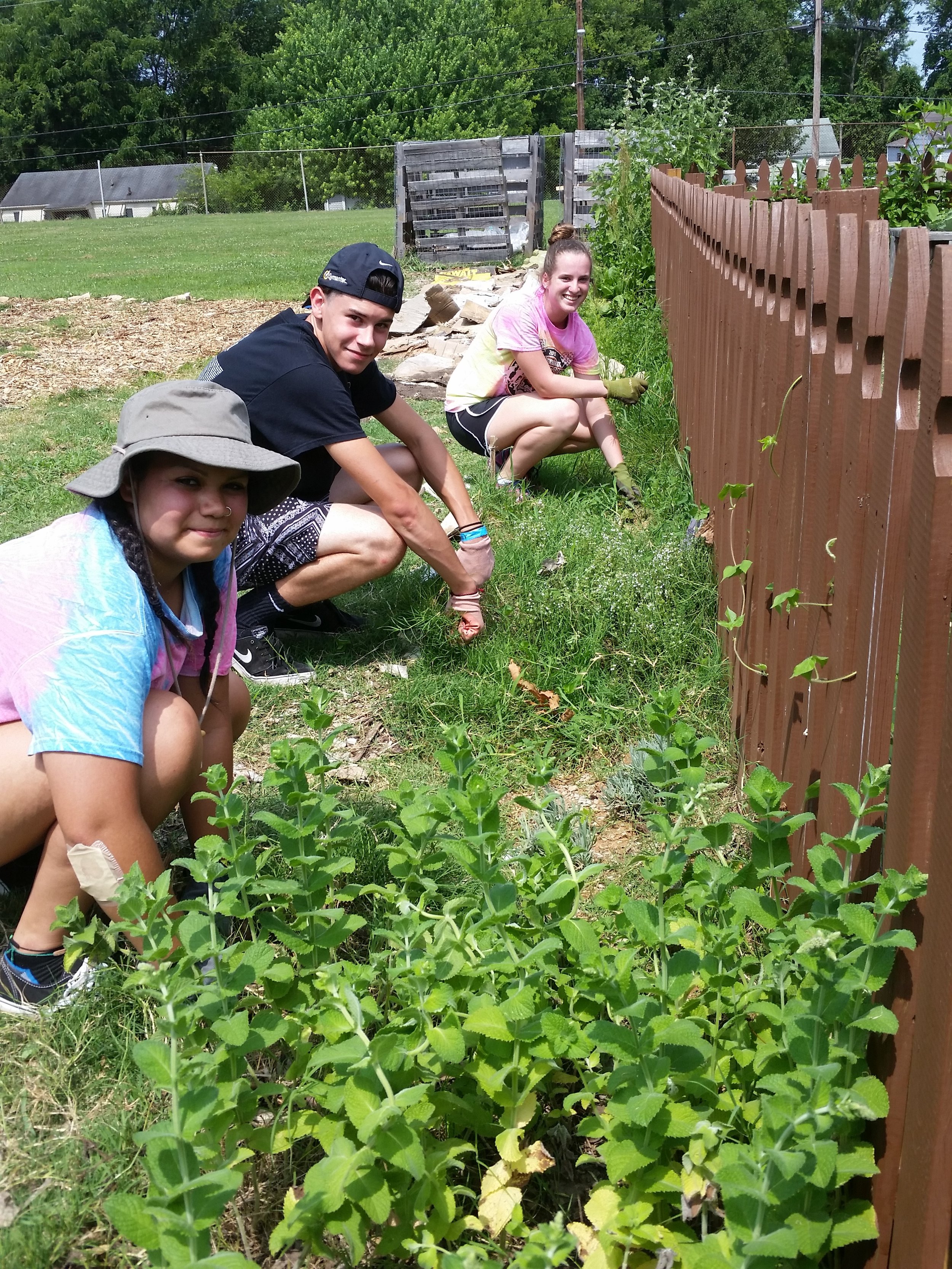
Volunteers at McGruder Garden
Each volunteer contributes to our mission. Garden volunteers help our produce thrive by maintaining the soil through tilling, broadforking, and weeding. They also ensure that the gardens are in their best condition for community gardeners by helping to maintain tools and garden infrastructure. Volunteers in our kitchens provide the tedious but necessary (and fun!) work of washing, chopping and preparing each element that goes into our meals, as well as cooking and serving meals to feed and empower thousands of community members. We are incredibly grateful to all of our volunteers from individuals who have spent one afternoon in the gardens to dozens of regular, ongoing volunteers in our kitchens and food recovery. Thank you to the heroes among us!
If you are interested in being a TNFP hero please sign up to volunteer at thenashvillefoodproject.org/givetime.
A No-Waste Cooking Class
Inspired by John T. Edge’s book The Potlikker Papers, our meals team has pulled together several southern-inspired menus for two classes on cooking to reduce food waste. Check out the menu and story behind our first class.
Reflection by TNFP's Meals Director, Christa Ross
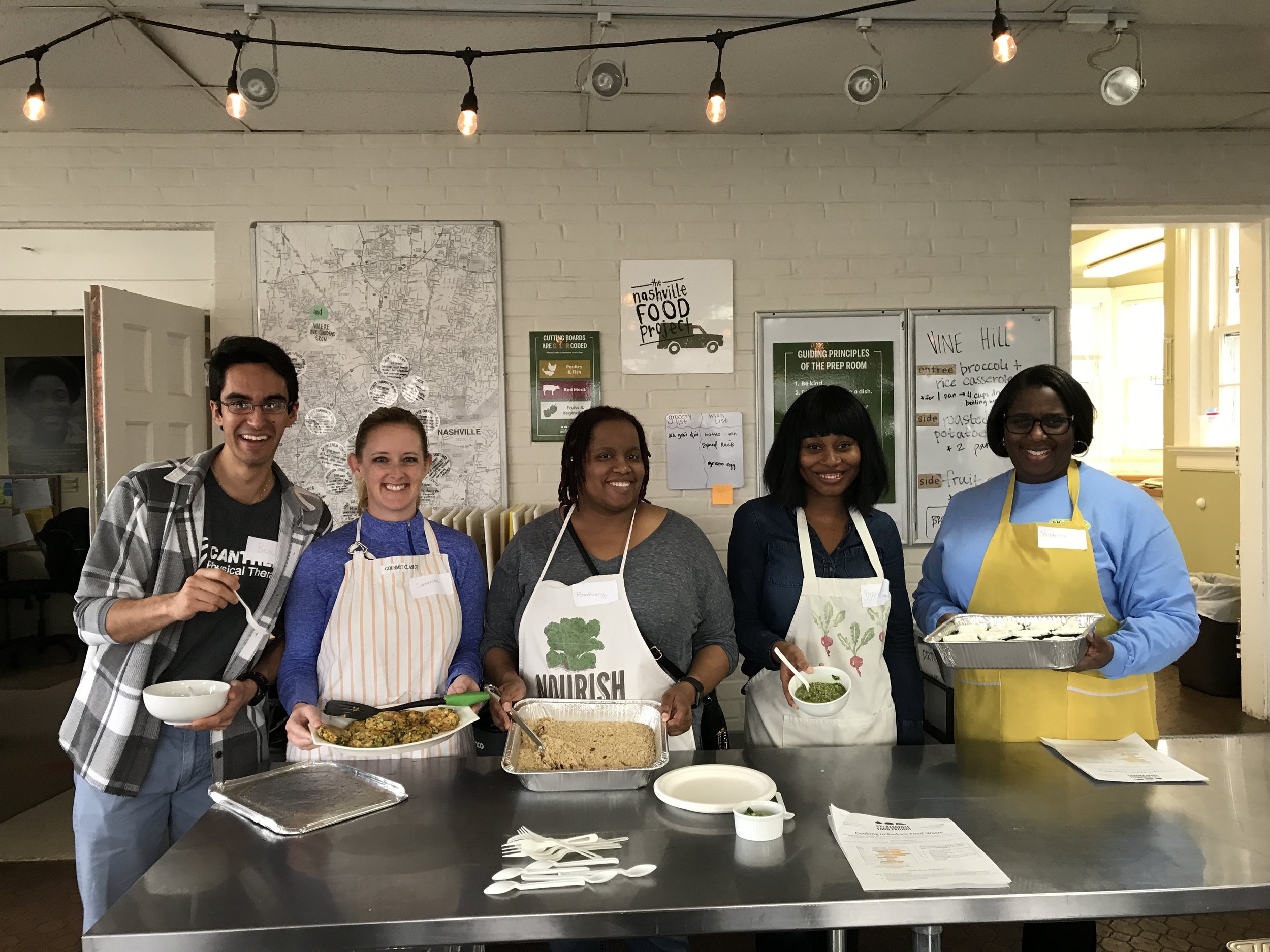
If you’ve been following along with The Nashville Public Library (NPL)’s Nashville READS Program this year you’re likely well into The Potlikker Papers: A Food History of the Modern South by John T. Edge. He tells the stories of our history through food, with meals borrowing heavily from old Southern traditions, sorghum and soybeans. This book strums at my heartstrings as it walks through the many ways that food has touched the history of the South. He dives into difficult topics, discussing them as he circles around the pots of greens and pans of cornbread that fed the people fighting for change. As a native Nashvillian, these stories feel close to home. What I love best about this book, though, is it’s acknowledgement that the story of food is the story of people: a true history cannot exclude food. People and food are inextricably linked in the past, present, and future.
This year, as NPL showcases The Potlikker Papers, we have partnered with them to facilitate two cooking classes on how to decrease food waste in the kitchen, a topic that is near and dear to our hearts. These classes are centered around decreasing personal food waste in our homes, which for us means changing the way we think in the kitchen. As they meal prep, our volunteers watch the influx of thousands of pounds of donated food come into our kitchens. We never know what’s going to be donated next and in order to be the best stewards of the incredible abundance we receive daily, creativity is key.
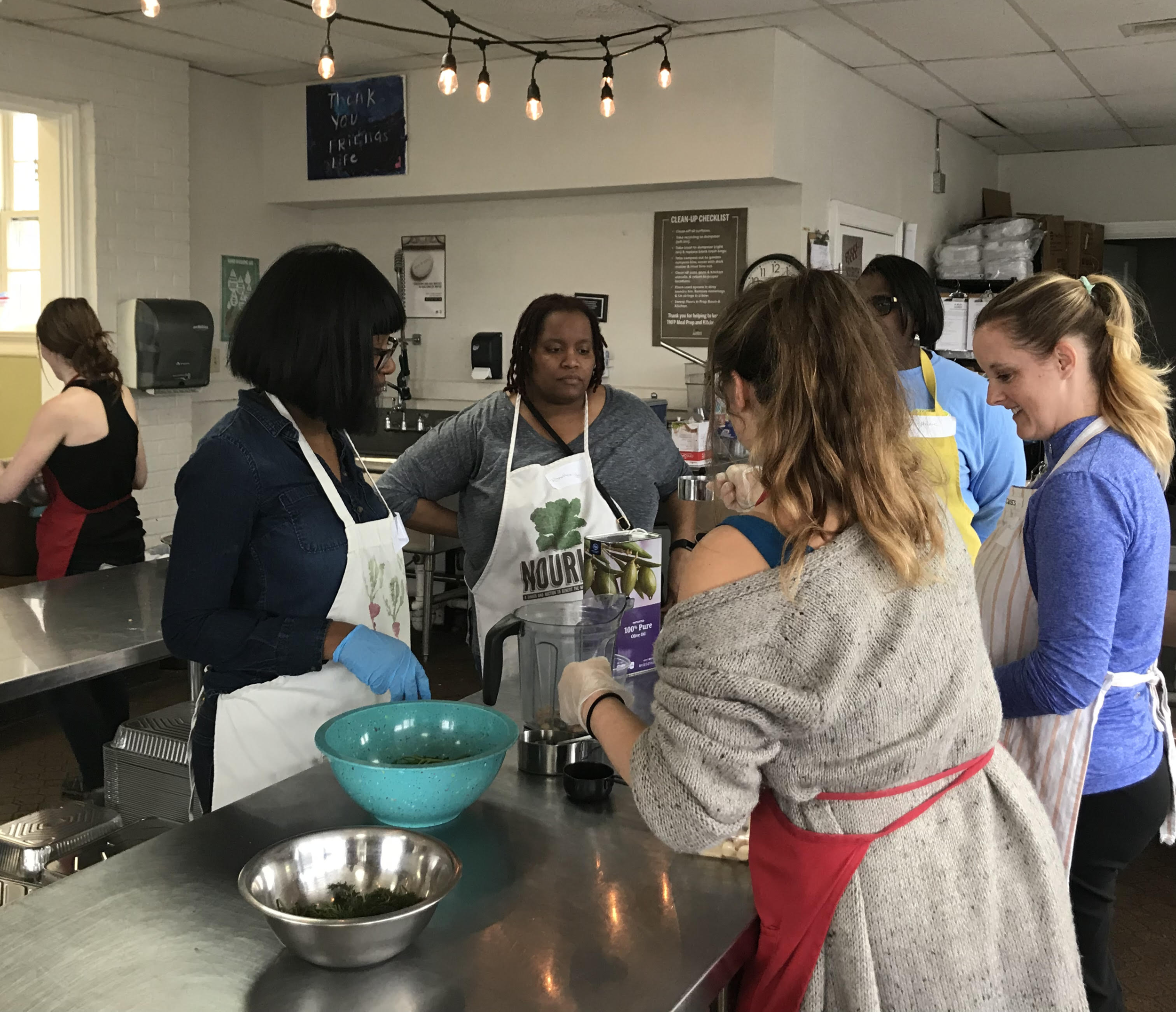
Common examples of avoidable food waste that we focused on with our menu are “scraps” or parts of food usually thrown away, expired or nearly expired foods, and “ugly” foods. According to the NRDC, “American families throw out approximately 25 percent of the food and beverages they buy. The cost estimate for the average family of four is $1,365 to $2,275 annually.” With 40 percent of all food going to waste in the United States, these household numbers contribute a huge portion to the total amount of food wasted. So when we created the menus for these classes, we focused on food that might typically be wasted in a home kitchen.
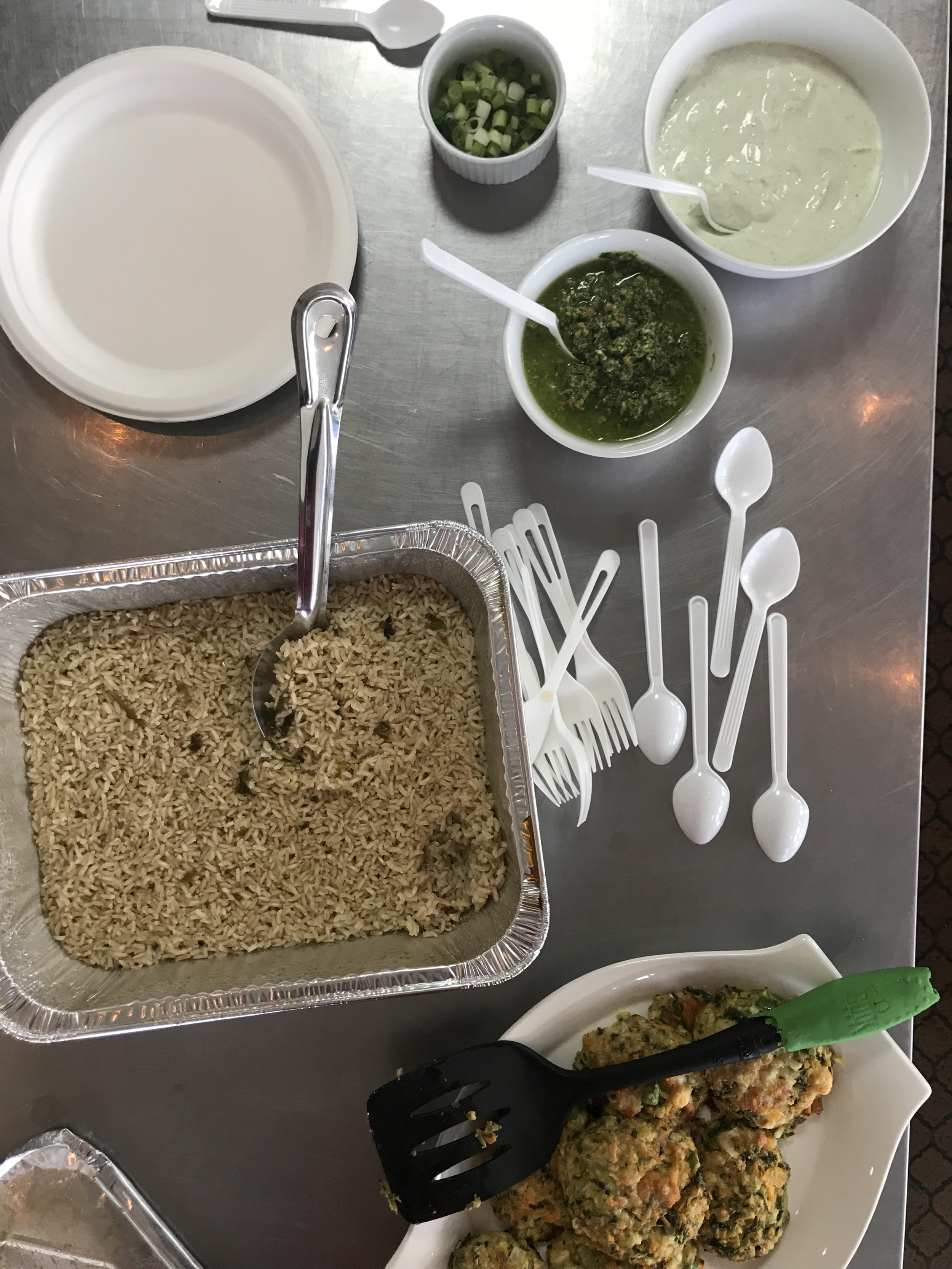
The feast:
- Vegetable scrap fritters (recipe here!)
- Yogurt sauce
- Rice cooked in veggie scraps & parmesan rind stock
- Carrot top pesto
- Apple peel tea
- Banana ice cream
We made the vegetable friters using scraps saved throughout the week at TNFP (broccoli stems, carrot peelings, zucchini ribbons, etc). This went along with a yogurt sauce for dipping made from soon-to-be-expired yogurt, garlic, green onion tops, and salt.
One of our favorite tips for decreasing food waste is stock! For this class we added onions, carrots, turnips (my personal favorite addition for an extra flavorful stock), celery, and garlic. For the last 15 minutes of cooking we added some parsley stems and a parmesan rind from a recently finished block. Cooking rice or pasta in this flavorful stock adds incredible depth and flavor to the base of your meal as well as lots of nutritional value.

We topped the vegetable fritters with carrot top pesto, another of our favorite food waste tips. We like to make “pesto” with any combination of greens and nuts, often using up greens that are past their prime. Our no fail ratio for pesto is 1 cup chopped and packed greens, ¼ cup toasted nuts or seeds (favorites include almonds, walnuts, pepitas & pine nuts), 1 clove garlic, 1 T. lemon juice, ½ cup EVOO & salt to taste.
To drink we made apple peel tea, boiling the scraps with ginger and cinnamon, and is great hot or cold. Dessert was a decadent banana ice cream, one of our favorite ways to use bananas that have turned brown.
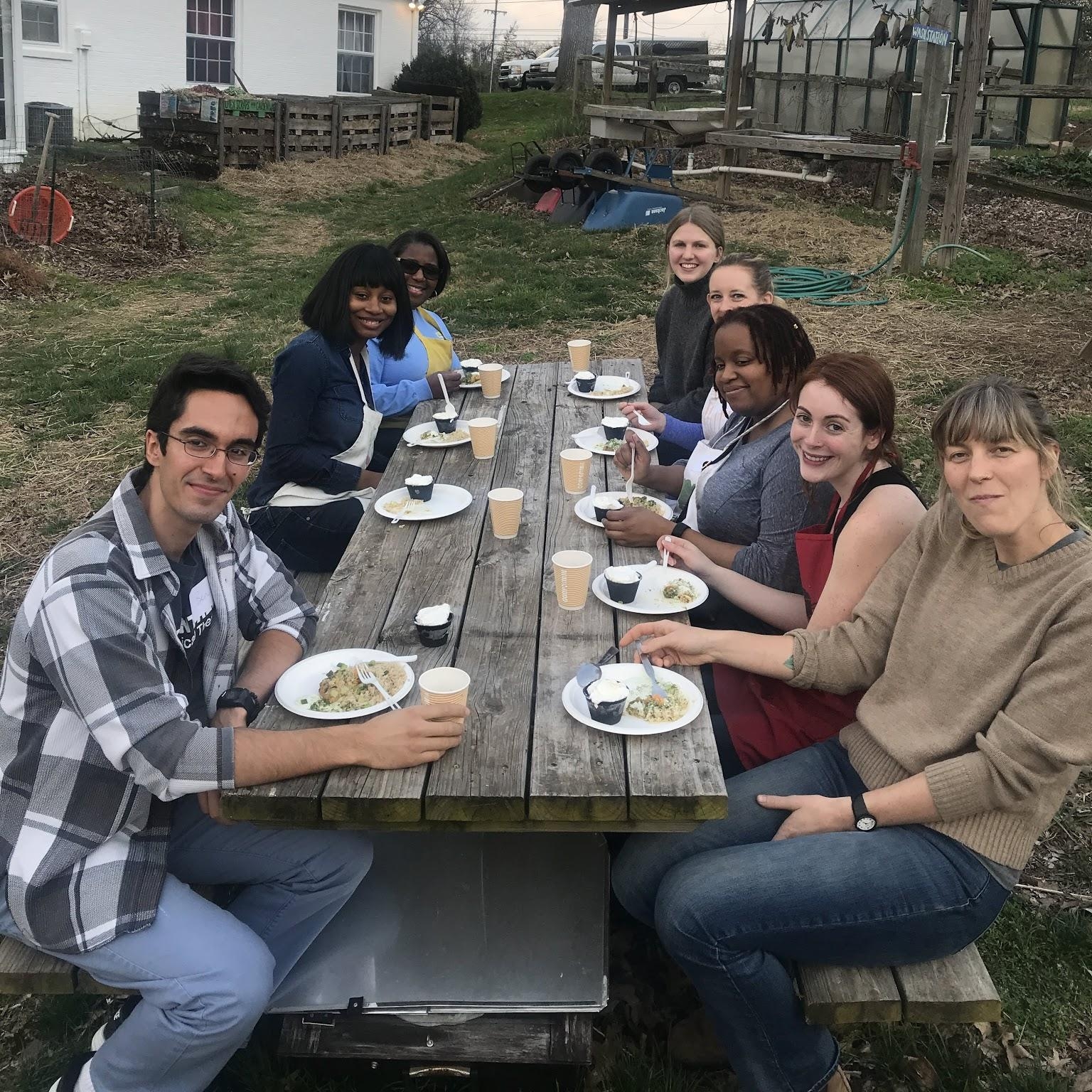
I can honestly say that being a part of this class was an incredible affirmation of our mission. Everyone in the class came together as strangers to learn. As we began to cook the class came alive; we laughed, discussed favorite foods and kitchen tricks.
At the end of the class, as we sat down together to enjoy the meal, I circled back to some of Edge’s final thoughts in The Potlikker Papers. “New peoples and new foods and new stories are making their marks on the region. What was once a region of black and white, locked in a struggle for power, has become a society of many hues and many hometowns…” Our meals tell many stories, of the farmer’s who grew the food, of the volunteers who spent hours chopping and cooking, of waste diverted, and hungry mouths fed. A new kind of southern food comes out of our kitchens, paying homage to the land & served to the people, all people, whose stories are written in its history. And after all, a shared experience makes a shared meal that much more meaningful!
We would love for you to join us for our second FREE class on April 18th at 5:30. To attend please email Malinda@thenashvillefoodproject.org to sign up and learn more!
Fannie Lou Hamer: Farmer, Activist, Visionary
A few weeks ago, our staff spent time reading and reflecting together on the life of Fannie Lou Hamer, a legendary civil rights activist and founder of the Freedom Farm Cooperative, an effort to combat hunger, poverty, and racism in the community…

As a staff, we're spending time over the next several months learning from people of color throughout history. A few weeks ago, we began by reading and reflecting together on the life of Fannie Lou Hamer, a legendary civil rights activist and founder of the Freedom Farm Cooperative.
Fannie Lou Hamer
In 1969, the nation was reeling from the social roller coaster that many historians refer to now as the modern civil rights movement. The previous fifteen years gave birth to a litany of legal reforms through Brown v. Board, the Montgomery bus boycott, and the Civil Rights Act of 1964, which provided the legal momentum for equality that many civil rights activists had dedicated so much of their lives to achieve. This same time period also witnessed the deaths of civil rights leaders Martin Luther King Jr. and Medgar Evers, both of whom had put so much faith in American democracy to help right the wrongs of racism and poverty. While some in the movement continued to look to Washington for political reform, Fannie Lou Hamer desired more direct change coming from more local communities like her own in Ruleville, Mississippi.

Fannie Lou Hamer was unapologetically Mississippian. Born and raised in the Mississippi Delta, Hamer knew the lay of the land well and knew the unique challenges that other sharecroppers like her experienced. She knew the debilitating realities of poverty, hunger and racism and saw them all as interconnected social concerns. When Hamer was a small child, a jealous white neighbor poisoned her family’s livestock, consequently forcing her family to move to nearby Sunflower County and become sharecroppers. Her neighbor’s act of terror eradicated what little economic security the family had available. It is no wonder given this experience that Fannie Lou Hamer’s later activism included farming and land reform. Hamer knew that it is hard to be manipulated into a state fear when families have control over their food source.
Black landownership became an urgent task for Hamer. With the help of donations, Fannie Lou Hamer bought 40 acres of land in 1969 and started Freedom Farm Cooperative in Sunflower County. Hamer started community vegetable gardens, planting sugar snap peas and collard greens, and encouraged her poor neighbors, black and white, to farm with her. Hamer found economic empowerment in farming and saw it as the necessary solution against the guaranteed poverty of sharecropping. The rise of industrial agriculture also became a threat to the old sharecropping system as machinery began to replace and displace poor tenant farmers, which nearly doubled the rate of welfare recipients across Mississippi from 1968-1972.

Dependency on federal aid was not a sustainable solution for poverty alleviation according to Hamer. Creative solutions like Freedom Farm’s “pig bank” became a way to feed families and generate income. A sow would be given to a family on “loan” from the pig bank with the understanding that two of the piglets would return to the bank as “interest.” Families then cured meat from the pigs or sold their newfound livestock for income. Freedom Farm’s creativity was not limited to just agricultural reform, but Hamer’s vision included starting head start programs, affordable housing, and accessible healthcare services.
Freedom Farm Cooperative ultimately filed for bankruptcy after several years of operation. Though donations were plentiful at first, it became difficult for the farm to support itself with the limited revenue that it generated. Despite Freedom Farm Cooperative’s short lifespan, I believe Fannie Lou Hamer’s efforts are not in vain. Fannie Lou Hamer helped to mobilize her home community to break the triple threats of hunger, poverty, and racism through a creative imagination and down-to-earth-know-how. Fannie Lou Hamer is an inspiration to us all in a democratic vision where all communities, no matter race or class, are deserving of food and land as a basis for freedom.
Check out these sources to learn more about Fannie Lou Hamer and the Freedom Farm Cooperative:
Watch Fannie Lou Hamer: Stand Up, a short documentary on Fannie Lou's life
Fannie Lou is featured in The Potlikker Papers by John T. Edge, Nashville's current city-wide read. We highly recommend it!
Fannie Lou Hamer: The Life of a Civil Rights Icon, by Earnest N. Bracey
A Voice That Could Stir an Army: Fannie Lou Hamer and the Rhetoric of the Black Freedom Movement by Maegan Parker Brooks
For Freedom’s Sake: The Life of Fannie Lou Hamer, by Chana Kai Lee
This Little Light of Mine: The Life of Fannie Lou Hamer, by Kay Mills
Wedgewood Towers Grows Community
Our newest meal partnership uses a nourishing meal as a space to build community between two unlikely groups: senior residents of Wedgewood Towers and students from the University School of Nashville.
The Nashville Food Project’s newest meal site is right around the corner from one of our Gardens at the Wedgewood Towers community, located in the Wedgewood-Houston neighborhood. This apartment complex has 121 units and is managed by First Cumberland Properties specifically serving low-income disabled and seniors over the age of 62.

Senior residents of Wedgewood Towers and students from University School of Nashville working on a craft together.
As long time residents of Nashville can attest, this is an area that has changed a lot in the last 10 years, and those changes have had lasting impacts on the Wedgewood Towers community.

A recent craft: paper rainbows and pots of gold in honor of St. Patrick's Day!
When Kita Davis was recently assigned as a social worker for this building, she polled the residents to better understand their needs. At the top of the list was access to food, healthy or otherwise. The last, walkable grocery store, a save-a-lot, was torn down for condos not too long ago. Most residents of Wedgewood Towers do not have access to regular transportation and have a hard time getting out. With no grocery stores within walking distance, it’s no wonder that access to healthy food is at the top of the list.
As a result, Kita reached out to The Nashville Food Project. Now, every Tuesday at lunch and Friday at dinner, residents of Wedgewood Towers gather together around activities and a hearty, made from scratch meal.
On Tuesdays before lunch the residents are joined by students from the University School of Nashville. Each week a different class comes and leads an activity for the community. One week it was a game, the next a computer lesson. Last week, in preparation for St. Patrick’s Day, the kids led a craft, making paper rainbows and pots of gold for the residents to decorate their doors with.

Lunch is served!
After the craft it was time to eat. Residents blessed the meal with words of gratitude before digging in. On the menu was barbeque chicken, roasted sweet potatoes, a kale salad & fruit. Similarly, on Fridays volunteers join the residents for a “lively game of bingo” while they eat.
Before this meal and these activities, Kita said that there weren’t many community wide activities at Wedgewood Towers. It’s taken a little while for the programs to grow but every week she has more residents coming back to join in and receive a meal.
Her goal with these meals and community times are simple, to promote wellness, build morale, and strengthen relationships between residents and staff, fostering a friendly atmosphere and a strong sense of community. And really, isn’t that what a shared meal is all about? Every week, Kita says, the community grows.
At The Nashville Food Project we embrace a vision of vibrant community food security in which everyone has access to the food they want and need through a just and sustainable food system. As the sweet potatoes from a local farm, the greens from our garden around the corner, fruit salad prepared by volunteers, and chicken donated from a local restaurant filled up these plates it all came together, a meal Nashville can be proud of.
Behind the Scenes for our Episode of Trisha’s Southern Kitchen
One day this past September, we were having a day like any other when we got an exciting call at The Nashville Food Project office. It was a producer from Food Network saying the network was interested in featuring us in one of their shows, and we were thrilled!

One day this past September, we were having a day like any other when we got an exciting call at The Nashville Food Project office. It was a producer from Food Network saying the network was interested in featuring us in one of their shows, and we were thrilled!
Earlier in the year, we’d had a dedicated volunteer and board member (shout out to Ann!) introduce us to a friend of hers - the one and only Trisha Yearwood. Trisha had joined us for lunch and a tour of our kitchen, garden and office at South Hall, and we were thrilled with how quickly she seemed to connect with our mission and the work we do here in Nashville. That connection really came through when her Food Network show Trisha’s Southern Kitchen featured The Nashville Food Project in a recent episode.

After the initial call in September, we followed up with Trisha’s producer and developed some ideas for the episode. Those ideas were pitched to the network and approved so we quickly went to work getting ready. There were calls with production and Trisha’s culinary team, and soon enough we had a plan for filming. Trisha and her sister Beth were interested in testing out some healthy recipes that could easily feed a crowd, and we knew they just had to join us for a meal.
Just a few months after that initial call we had a whirlwind day of filming. Trisha, Beth and an incredible film crew were in our kitchen and prep room much of the day, all while volunteers kept our usual work going. Trisha and her team were incredibly gracious and such fun to work with!

The day ended with our weekly Tuesday night dinner at Trinity Community Commons where our mission came to life for everyone involved. Over a delicious dinner, we enjoyed fun conversation, took lots of photos and reveled in the excitement of sharing our story in such a big way. We walked away with new friends from the crew, many who told us of plans to come to more meals at Trinity.
We are unbelievably proud of the episode that Trisha and her team put together. If you haven’t seen it yet, don’t worry! If you’re a cable subscriber, using your cable authentication code, you can find and watch the episode on the Food Network app on Apple TV, Roku, Amazon Fire, or iTunes. You can also find it at https://watch.foodnetwork.com/live/. At the top right corner of the page, you'll see a button to sign in through your cable provider. Then you can look for "Trisha's Southern Kitchen" Season 11, Episode 9.
And, of course, we can’t help but share the delicious recipes that Trisha shared with us!
Try them for yourself:
Oh, the Places You'll Go
A simple ingredient - tomato, lettuce, carrots - can touch thousands of lives once it comes through the doors of TNFP. Today, we’re following the journey of one ingredient in our meals last week: big, beautiful, leafy kale.
A simple ingredient - tomato, lettuce, carrots - can touch thousands of lives once it comes through the doors of TNFP. With every crop that we grow, and every meal that we make our ultimate goals are to alleviate hunger and build community. With such lofty goals it’s no wonder that hundreds of people are needed to make this a possibility, and, in return, thousands more are touched by the respect and love shared within their meal. In this blog we will follow the journey of one ingredient in our meals last week: big, beautiful, leafy kale.

Photo courtesy of Sweeter Days Farm
With every meal, our goal is to support the community through a multifaceted approach. For this reason we love to grow produce in our gardens. But when that is not possible, our next favorite option is to buy local, naturally-grown foods from other community members. Our meals team is working on a new program to purchase "2nds" from farmers in the hopes of decreasing the waste from our city's food stream by diverting into our meals. This week, we purchased three bins of kale from Sweeter Days Farm to use for the entire week in our South Hall Kitchen. The kale was pulled to make room for new crops and would have otherwise been thrown away.

Our meals team works hard to come up with a plan to use every bit of food that comes our way, and that requires a lot of help. TNFP Intern Kate helped wash and cut the kale for a salad. Kate is a part of Lipscomb University’s IDEAL Program which is a two-year certificate program designed to support students with intellectual or developmental disability. Students in this program take classes, participate in internships, and enjoy the college experience. At TNFP Kate provides assistance in the South Hall kitchen. “I wash fruit, cut up fruit for salad, help prep cookies, vegetables, and snacks.” Kate does much more than help with meal prep. She brings a level of energy and enthusiasm that is passed to everyone working alongside her which helps make the finished product like kale salad that much more incredible.

Although a kale salad always hits the spot, we like to get creative with our meals and use the ingredients that are available. TNFP volunteer cook Shellye and her team prepared a strata with the kale, other veggies, and ham. Almost every meal that comes from the South Hall kitchen is prepared by volunteer cook teams. Shellye explains why she committed to volunteering at TNFP as a regular cook. “I’ve been volunteering here for five years, and I really enjoy the camaraderie of cooking with others and meeting a need to feed healthy food to people who really need it.”
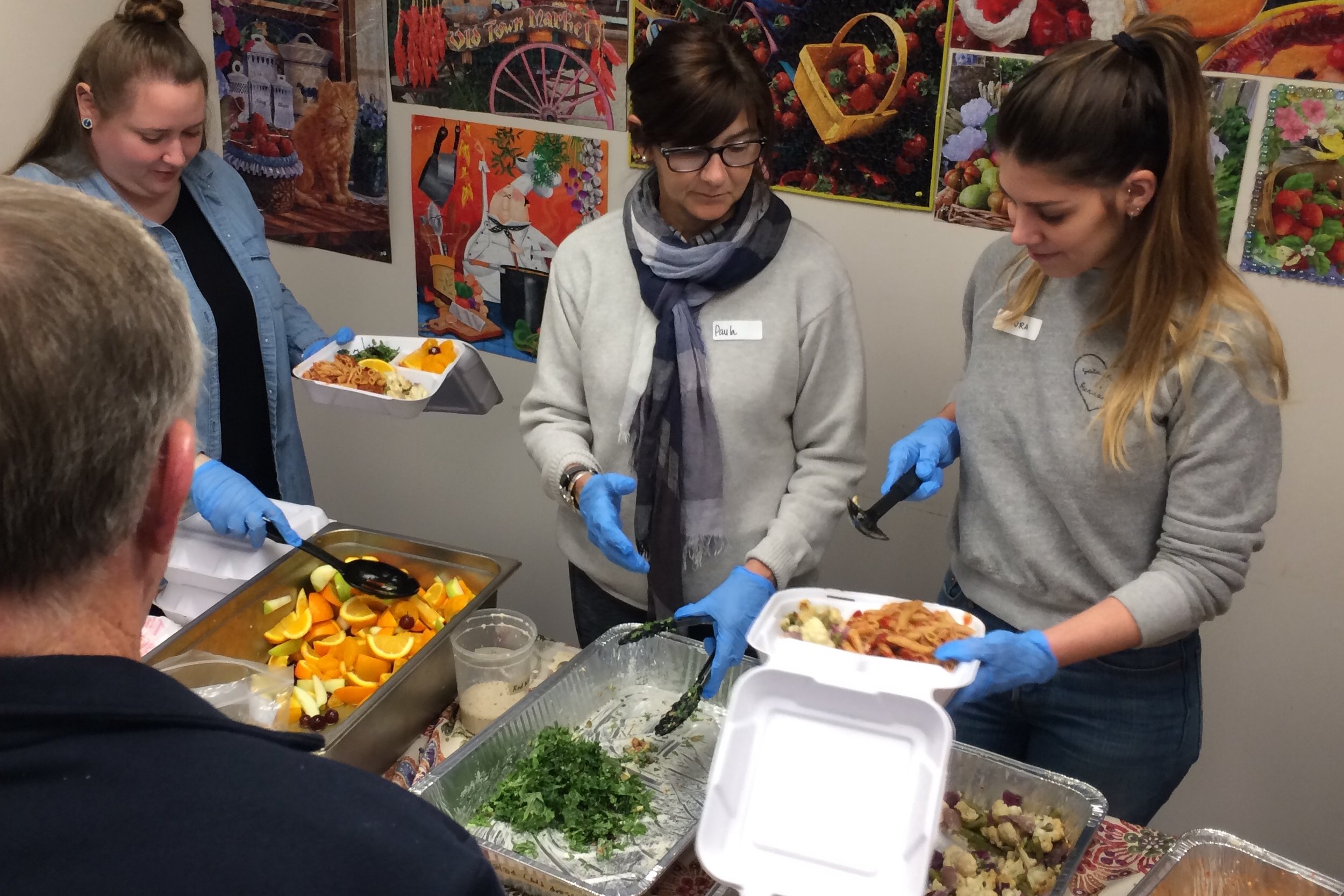
Paula (center) serving kale salad at John Glenn & Peggy Ann Residential Housing.
When it comes to sharing food, the purpose is not simply to serve a meal but rather to make connections, meet our neighbors, and find commonalities. Long time volunteer Paula and a group of new volunteers served the meal, complete with kale salad, at John Glenn & Peggy Ann Residential Housing. As a volunteer for over five years she has volunteered in almost every role at TNFP with her family. “I love the mission of bringing good food to people who need it. Food is a common denominator. I like to serve meals in my own home and bring a little bit of home to people who may not have it right now. It's rewarding to serve food.“

The last stop on our journey is in the hands, hearts, and bellies of the people with whom we share our meals. John L Glenn and Peggy Ann are residential centers in North Nashville run by National Church Residences, an agency that provides affordable housing for low-income seniors. TNFP serves 60 hot meals to residents here each week. Victoria at John Glenn and Peggy Ann Residential Housing says “The food has been really, really good and the [volunteer] servers are kind, generous and considerate. It’s a blessing and we look forward to it every week!” When we talked several residents were sitting around a table with their food chatting with each other, visiting with family, and talking to volunteers.
“Food is a common denominator.”
Something so small as a few bins of kale can truly make an impact on hundreds of people when communities are so tightly woven. Each person in Nashville is connected in a powerful way, and though it may not be a connection that is seen at all times, it's there. As Paula mentioned before “food is a common denominator.” And in this story the denominator was kale.